Building Blocks
This section contains fundamental products for the synthesis of organic and biological compounds. Building blocks are the essential starting materials used to construct complex molecules through various chemical reactions. They play a critical role in drug discovery, material science, and chemical research. At CymitQuimica, we offer a diverse range of high-quality building blocks to support your innovative research and industrial projects, ensuring you have the essential components for successful synthesis.
Subcategories of "Building Blocks"
- Boronic Acids & Boronic Acid Derivatives(5,756 products)
- Chiral Building Blocks(1,242 products)
- Hydrocarbon Building Blocks(6,093 products)
- Organic Building Blocks(60,532 products)
Found 195534 products of "Building Blocks"
Sort by
Purity (%)
0
100
|
0
|
50
|
90
|
95
|
100
2-[(4-Fluorophenyl)methyl]pyrrolidine hydrochloride
CAS:Controlled Product<p>Versatile small molecule scaffold</p>Formula:C11H15ClFNPurity:Min. 95%Molecular weight:215.69 g/mol1-(4-Methoxyphenyl)cyclopropylamine hydrochloride
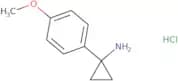
CAS:<p>Versatile small molecule scaffold</p>Formula:C10H14ClNOPurity:Min. 95%Molecular weight:199.68 g/mol2-Amino-1-(3,5-difluorophenyl)-ethanone HCl
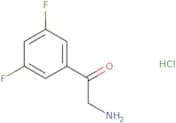
CAS:Controlled Product<p>Versatile small molecule scaffold</p>Formula:C8H8ClF2NOPurity:Min. 95%Molecular weight:207.61 g/mol(5-Phenyl-1,3,4-oxadiazol-2-yl)methanamine hydrochloride
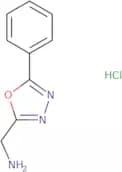
CAS:<p>Versatile small molecule scaffold</p>Formula:C9H10ClN3OPurity:Min. 95%Molecular weight:211.65 g/molBenzyl 2,6-dimethylpiperazine-1-carboxylate hydrochloride
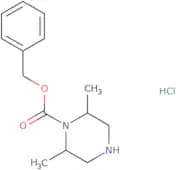
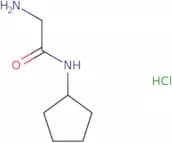
CAS:<p>Versatile small molecule scaffold</p>Formula:C14H20N2O2·HClPurity:Min. 95%Molecular weight:284.79 g/mol2-Amino-N-cyclopentylacetamide hydrochloride
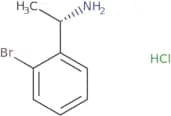
CAS:<p>Versatile small molecule scaffold</p>Formula:C7H15ClN2OPurity:Min. 95%Molecular weight:178.66 g/mol(1R)-1-(2-Bromophenyl)ethan-1-amine hydrochloride
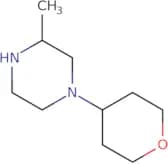
CAS:<p>Versatile small molecule scaffold</p>Formula:C8H10BrN·HClPurity:Min. 95%Molecular weight:236.54 g/mol(3R)-3-Methyl-1-(oxan-4-yl)piperazine
CAS:<p>Versatile small molecule scaffold</p>Formula:C10H20N2OPurity:Min. 95%Molecular weight:184.28 g/mol(1S)-1-(2-bromophenyl)ethan-1-amine hydrochloride
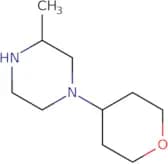
CAS:<p>Versatile small molecule scaffold</p>Formula:C8H11BrClNPurity:Min. 95%Molecular weight:236.5 g/mol(3S)-3-Methyl-1-(oxan-4-yl)piperazine
CAS:<p>Versatile small molecule scaffold</p>Formula:C10H20N2OPurity:Min. 95%Molecular weight:184.28 g/mol(8-Methylimidazo[1,2-a]pyridin-2-yl)methanamine dihydrochloride
CAS:<p>Versatile small molecule scaffold</p>Formula:C9H13Cl2N3Purity:Min. 95%Molecular weight:234.13 g/molImidazo[1,5-a]pyridin-1-ylmethanamine hydrochloride
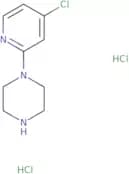
CAS:<p>Versatile small molecule scaffold</p>Formula:C8H9N3·HClPurity:Min. 95%Molecular weight:183.64 g/mol1-(4-Chloropyridin-2-yl)piperazine dihydrochloride
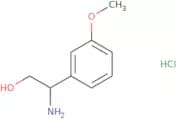
CAS:<p>Versatile small molecule scaffold</p>Formula:C9H14Cl3N3Purity:Min. 95%Molecular weight:270.59 g/mol2-Amino-2-(3-methoxyphenyl)ethanol hydrochloride
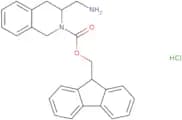
CAS:<p>Versatile small molecule scaffold</p>Formula:C9H13NO2·HClPurity:Min. 95%Molecular weight:203.67 g/mol(9H-Fluoren-9-yl)methyl 3-(aminomethyl)-1,2,3,4-tetrahydroisoquinoline-2-carboxylate hydrochloride
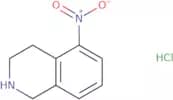
CAS:<p>Versatile small molecule scaffold</p>Formula:C25H25ClN2O2Purity:Min. 95%Molecular weight:420.9 g/mol5-Nitro-1,2,3,4-tetrahydroisoquinoline hydrochloride
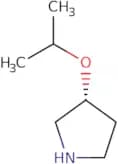
CAS:<p>Versatile small molecule scaffold</p>Formula:C9H10N2O2·HClPurity:Min. 95%Molecular weight:214.65 g/mol(R)-3-Isopropoxypyrrolidine
CAS:<p>Versatile small molecule scaffold</p>Formula:C7H15NOPurity:Min. 95%Molecular weight:129.2 g/mol1-Azabicyclo[2.2.1]heptan-3-amine dihydrochloride
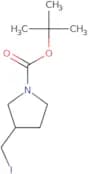
CAS:<p>Versatile small molecule scaffold</p>Formula:C6H14Cl2N2Purity:Min. 95%Molecular weight:185.09 g/mol3(R)-Iodomethyl-pyrrolidine-1-carboxylic acid tert-butyl ester
CAS:<p>Versatile small molecule scaffold</p>Formula:C10H18INO2Purity:Min. 95%Molecular weight:311.16 g/mol2,3-Dihydro-1H-indole-4-carboxylic acid hydrochloride
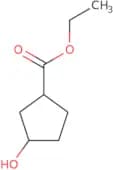
CAS:<p>Versatile small molecule scaffold</p>Formula:C9H9NO2·HClPurity:Min. 95%Molecular weight:199.64 g/molethyl 3-hydroxycyclopentane-1-carboxylate
CAS:<p>Versatile small molecule scaffold</p>Formula:C8H14O3Purity:Min. 95%Molecular weight:158.2 g/mol2-[2-(Trifluoromethyl)phenyl]cyclopropanecarboxylic acid
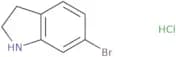
CAS:<p>Versatile small molecule scaffold</p>Formula:C11H9F3O2Purity:Min. 95%Molecular weight:230.18 g/mol6-bromo-2,3-dihydro-1H-indole hydrochloride
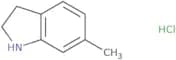
CAS:<p>Versatile small molecule scaffold</p>Formula:C8H9BrClNPurity:Min. 95%Molecular weight:234.5 g/mol6-Methyl-2,3-dihydro-1H-indole hydrochloride
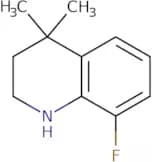
CAS:<p>Versatile small molecule scaffold</p>Formula:C9H12ClNPurity:Min. 95%Molecular weight:169.65 g/mol8-Fluoro-4,4-dimethyl-1,2,3,4-tetrahydroquinoline
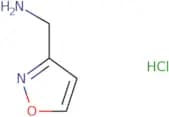
CAS:<p>Versatile small molecule scaffold</p>Formula:C11H14FNPurity:Min. 95%Molecular weight:179.23 g/molc-Isoxazol-3-yl-methylamine hydrochloride
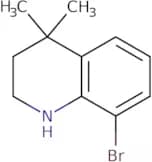
CAS:<p>Versatile small molecule scaffold</p>Formula:C4H6N2O·HClPurity:Min. 95%Molecular weight:134.57 g/mol8-Bromo-4,4-dimethyl-1,2,3,4-tetrahydro-quinoline
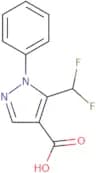
CAS:<p>Versatile small molecule scaffold</p>Formula:C11H14BrNPurity:Min. 95%Molecular weight:240.14 g/mol5-(Difluoromethyl)-1-phenyl-1H-pyrazole-4-carboxylic acid
CAS:<p>Versatile small molecule scaffold</p>Formula:C11H8F2N2O2Purity:Min. 95%Molecular weight:238.19 g/mol[3-(3-Fluoro-4-methoxyphenyl)-4,5-dihydro-1,2-oxazol-5-yl]methanamine hydrochloride
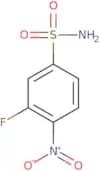
CAS:<p>Versatile small molecule scaffold</p>Formula:C11H14ClFN2O2Purity:Min. 95%Molecular weight:260.69 g/mol3-Fluoro-4-nitrobenzene-1-sulfonamide
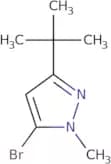
CAS:<p>Versatile small molecule scaffold</p>Formula:C6H5FN2O4SPurity:Min. 95%Molecular weight:220.18 g/mol5-Bromo-3-tert-butyl-1-methyl-1H-pyrazole
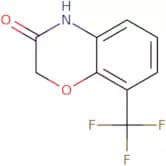
CAS:<p>Versatile small molecule scaffold</p>Formula:C8H13BrN2Purity:Min. 95%Molecular weight:217.11 g/mol8-(Trifluoromethyl)-3,4-dihydro-2H-1,4-benzoxazin-3-one
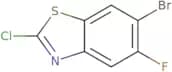
CAS:<p>Versatile small molecule scaffold</p>Formula:C9H6F3NO2Purity:Min. 95%Molecular weight:217.14 g/mol6-Bromo-2-chloro-5-fluoro-1,3-benzothiazole
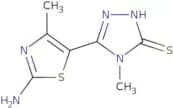
CAS:<p>Versatile small molecule scaffold</p>Formula:C7H2BrClFNSPurity:Min. 95%Molecular weight:266.52 g/mol5-(2-amino-4-methyl-1,3-thiazol-5-yl)-4-methyl-2,4-dihydro-3h-1,2,4-triazole-3-thione
CAS:<p>Versatile small molecule scaffold</p>Formula:C7H9N5S2Purity:Min. 95%Molecular weight:227.3 g/mol2-Amino-N-(quinolin-8-yl)acetamide
CAS:<p>2-Amino-N-(quinolin-8-yl)acetamide is a fluorescent inorganic compound. It has been shown to have a high affinity for chloride, with nanotube structures that are able to bind the chloride ions by supramolecular interactions. This binding prevents the chloride from interacting with other biomolecules, such as proteins and DNA. The energy of this interaction can be measured using fluorophore spectroscopy, which can be used for bioassays and medical imaging. 2-Amino-N-(quinolin-8-yl)acetamide has also been shown to have an ability to interact with zinc ions (Zn2+) in electrospray experiments, resulting in the emission of fluorescence.</p>Formula:C11H11N3OPurity:Min. 95%Molecular weight:201.22 g/mol3-Methyldodecanoic acid
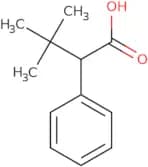
CAS:<p>3-Methyldodecanoic acid is a carbamate compound that can be synthesized through the carboxylation of benzene followed by halogenation. It is a photosensitive compound and can be used as a synthetic method for various applications. 3-Methyldodecanoic acid undergoes lactonization to form a cyclic ester, making it suitable for use as a long-chain photopolymerizable fatty acid. This compound is commonly used in research chemicals and can act as a metal catalyst or a photopolymerization initiator. Its versatile properties make it an excellent choice for various industrial and scientific applications.</p>Formula:C13H26O2Purity:Min. 95%Molecular weight:214.34 g/mol3,3-Dimethyl-2-phenylbutanoic acid
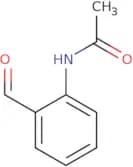
CAS:<p>3,3-Dimethyl-2-phenylbutanoic acid is a heterocyclic compound that contains an oxygen atom in the form of a hydroxy group. It can be found in the structural formula of some compounds, such as methyl esters and hydroxyalkyl derivatives. 3,3-Dimethyl-2-phenylbutanoic acid has been used in dermatological compositions to treat skin conditions such as acne and eczema. The compound is also used to treat hyperkeratosis and other skin disorders.</p>Formula:C12H16O2Purity:Min. 95%Molecular weight:192.25 g/molN-(2-Formylphenyl)acetamide
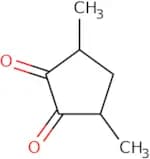
CAS:<p>N-(2-Formylphenyl)acetamide is an acrylonitrile derivative that has been shown to inhibit viruses in vitro. It also inhibits the synthesis of the enzyme preparations in human liver cells. In humans, N-(2-Formylphenyl)acetamide is used for the treatment of hepatitis B and C. It is also effective against autoimmune diseases such as rheumatoid arthritis and psoriasis. N-(2-Formylphenyl)acetamide has a molecular weight of 276.3 g/mol and a melting point of 118 °C. It is an amide with a structure that consists of two amino groups attached to an aromatic ring (benzene). This compound can be synthesized from hydrochloric acid and an amide, which are both easily accessible chemical compounds. This drug binds to collagen and inhibits its production, which may play a role in its inhibition of cancer cells by preventing new blood vessels from forming.</p>Formula:C9H9NO2Purity:Min. 95%Molecular weight:163.17 g/mol3,5-Dimethyl-1,2-cyclopentadione
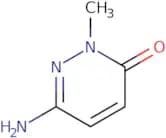
CAS:<p>3,5-Dimethyl-1,2-cyclopentadione (DMC) is a natural compound that belongs to the group of cyclopentadione compounds. It is used in analytical chemistry for the determination of 3,5-dimethyl-1,2-dihydropyridinium ion (DMP). The structural analysis of DMC has been shown with synchronous fluorescence. This method can be used to detect cancer cells in human tissue samples. DMC was also found to be toxic to diabetic patients when administered orally at a concentration of 10 mM. The toxicity study showed that this compound causes severe hepatotoxicity and kidney damage. Whole genome sequencing and dietary studies were performed by the researchers to investigate the cause of an outbreak of diarrhea among school children in Japan. Sodium hydroxide solution was used as a sample preparation agent in these studies. Glycosidic bonds are found in many natural products such as DMC and are important for binding water molecules</p>Formula:C7H10O2Purity:Min. 95%Color and Shape:PowderMolecular weight:126.15 g/mol6-Amino-2-methyl-2,3-dihydropyridazin-3-one
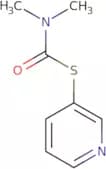
CAS:<p>Versatile small molecule scaffold</p>Formula:C5H7N3OPurity:Min. 95%Molecular weight:125.13 g/molN,N-Dimethyl-1-(pyridin-3-ylsulfanyl)formamide
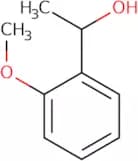
CAS:<p>Versatile small molecule scaffold</p>Formula:C8H10N2OSPurity:Min. 95%Molecular weight:182.25 g/mol1-(2-Methoxyphenyl)ethanol
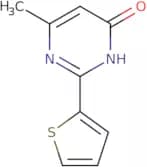
CAS:<p>1-(2-Methoxyphenyl)ethanol is a chiral molecule that has been investigated as a supercritical fluid. It has kinetic and thermodynamic properties that may be useful as a chiral ligand for the transfer of hydrogen from one reaction to another. This compound is also chemically related to amides, which are typically used in catalysis for the hydrolysis of esters, and lipases, which catalyze the hydrolysis of triglycerides. 1-(2-Methoxyphenyl)ethanol is an effective dehydrating agent when heated in the presence of water. In this way, it can be used to convert carboxylic acids into alcohols.</p>Formula:C9H12O2Purity:Min. 95%Molecular weight:152.19 g/mol6-Methyl-2-(thiophen-2-yl)-3,4-dihydropyrimidin-4-one
CAS:<p>Versatile small molecule scaffold</p>Formula:C9H8N2OSPurity:Min. 95%Molecular weight:192.24 g/mol[(4-Methoxyphenyl)amino]carbonitrile
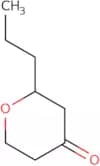
CAS:<p>[(4-Methoxyphenyl)amino]carbonitrile is a ligand that has shown a specific interaction with cyanamide. This interaction was studied using x-ray crystallography and voltammetry. [(4-Methoxyphenyl)amino]carbonitrile has been used as a model compound to study the mechanism of irreversible oxidation by acetonitrile. The covalent nature of this compound can be seen in its nmr spectra, which indicate the presence of a chromophore. [(4-Methoxyphenyl)amino]carbonitrile interacts with other ligands via mononuclear linear response techniques, including techniques such as fluorescence spectroscopy and absorption spectroscopy.</p>Formula:C8H8N2OPurity:Min. 95%Molecular weight:148.16 g/mol2-Propyloxan-4-one
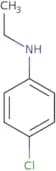
CAS:<p>Versatile small molecule scaffold</p>Formula:C8H14O2Purity:Min. 95%Molecular weight:142.2 g/molN-Ethyl-4-chloroaniline
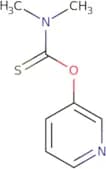
CAS:<p>N-Ethyl-4-chloroaniline is a colorless, oily liquid that is soluble in water and has a sweet odor. It is an aliphatic hydrocarbon and an aromatic hydrocarbon. It can be used in the production of acrylonitrile and ethylene chloride. This chemical reacts with amines to produce nitroamines. N-Ethyl-4-chloroaniline also reacts with dimethylamine to produce chlorobenzyl amine, which is a byproduct in the production of propylamine. It reacts with cycloaliphatic compounds to produce naphthalene.</p>Formula:C8H10ClNPurity:Min. 95%Molecular weight:155.63 g/molN,N-Dimethyl-1-(pyridin-3-yloxy)methanethioamide
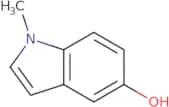
CAS:<p>Versatile small molecule scaffold</p>Formula:C8H10N2OSPurity:Min. 95%Molecular weight:182.25 g/mol1-Methyl-1H-indol-5-ol
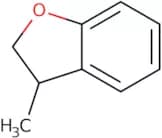
CAS:<p>Versatile small molecule scaffold</p>Formula:C9H9NOPurity:Min. 95%Molecular weight:147.18 g/mol3-Methyl-2,3-dihydro-1-benzofuran
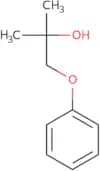
CAS:<p>3-Methyl-2,3-dihydro-1-benzofuran is a synthetic monomer that can be used for the synthesis of polymers. It is also a radical copolymerisation catalyst, which can be used in the synthesis of cyclic and linear polymers. This chemical compound has been used in the catalytic hydrogenation of alkenes to produce alcohols and alkanes. 3-Methyl-2,3-dihydro-1-benzofuran has also been shown to undergo stoichiometric hydrogenation with organotin compounds.</p>Formula:C9H10OPurity:Min. 95%Molecular weight:134.17 g/mol2-Methyl-1-phenoxypropan-2-ol
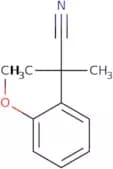
CAS:<p>Versatile small molecule scaffold</p>Formula:C10H14O2Purity:Min. 95%Molecular weight:166.22 g/mol2-(2-Methoxyphenyl)-2-methylpropanenitrile
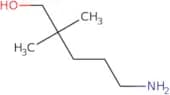
CAS:<p>Versatile small molecule scaffold</p>Formula:C11H13NOPurity:Min. 95%Molecular weight:175.23 g/mol5-Amino-2,2-dimethyl-pentan-1-ol
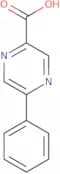
CAS:<p>Versatile small molecule scaffold</p>Formula:C7H17NOPurity:Min. 95%Molecular weight:131.22 g/mol5-Phenylpyrazine-2-carboxylic acid
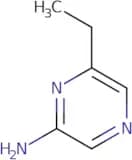
CAS:<p>Versatile small molecule scaffold</p>Formula:C11H8N2O2Purity:Min. 95%Molecular weight:200.19 g/mol2-Amino-6-ethylpyrazine
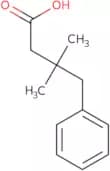
CAS:<p>Versatile small molecule scaffold</p>Formula:C6H9N3Purity:Min. 95%Molecular weight:123.16 g/mol3,3-Dimethyl-4-phenylbutanoic acid
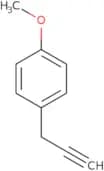
CAS:<p>Versatile small molecule scaffold</p>Formula:C12H16O2Purity:Min. 95%Molecular weight:192.25 g/mol1-Methoxy-4-(prop-2-yn-1-yl)benzene
CAS:<p>1-Methoxy-4-(prop-2-yn-1-yl)benzene is an organic solvent. It is a colorless liquid with a high viscosity and boiling point, which makes it suitable for use in chemical reactions that require a liquid reaction medium. 1-Methoxy-4-(prop-2-yn-1-yl)benzene has a valency of two and can react with halogens or nitro groups to form chlorofluorocarbons or nitroparaffins respectively. This compound is used as a cocatalyst in the preparation of polyurethane foams and other polymers, as well as in the production of pharmaceuticals, pesticides, and dyes. The molecule's fluorine atom imparts optical activity to this compound. 1 Methoxy 4 (prop 2 yn 1 yl) benzene is expressed as the optical antipode of its mirror image, which means that it rotates polarized</p>Formula:C10H10OPurity:Min. 95%Molecular weight:146.19 g/mol3,3,3-Trifluoro-1-(3-nitrophenyl)propan-1-one
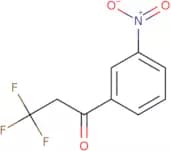
CAS:<p>Versatile small molecule scaffold</p>Formula:C9H6F3NO3Purity:Min. 95%Molecular weight:233.14 g/mol1-(3-Aminophenyl)-3,3,3-trifluoropropan-1-one
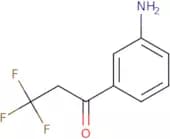
CAS:<p>Versatile small molecule scaffold</p>Formula:C9H8F3NOPurity:Min. 95%Molecular weight:203.16 g/mol1-(4-Bromophenyl)-3,3,3-trifluoropropan-1-one
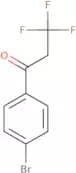
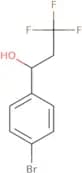
CAS:<p>Versatile small molecule scaffold</p>Formula:C9H6BrF3OPurity:Min. 95%Molecular weight:267.04 g/mol1-(4-Bromophenyl)-3,3,3-trifluoropropan-1-ol
CAS:<p>Versatile small molecule scaffold</p>Formula:C9H8BrF3OPurity:Min. 95%Molecular weight:269.06 g/mol1-Chloropinacolin
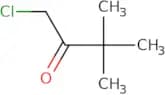
CAS:<p>1-Chloropinacolin is a synthetic retinoid that has been shown to be effective against hyperproliferative diseases and viral infections. It inhibits the growth of cells by binding to the receptor ligand. 1-Chloropinacolin has been shown to inhibit the proliferation of Hl-60 cells and Mcf-7 cells and induce apoptosis in these cell lines by inhibiting high salt, low energy, and thermodynamic factors. This drug also exhibits potent anti-viral activity against human cytomegalovirus (HCMV) in culture.</p>Formula:C6H11ClOPurity:Min. 95%Molecular weight:134.6 g/mol5-Chloro-1,3-dimethyl-4-nitro-1H-pyrazole
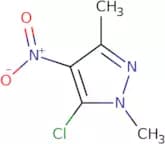
CAS:<p>5-Chloro-1,3-dimethyl-4-nitro-1H-pyrazole is a polyphosphoric acid that has been shown to be an effective inhibitor of nitric oxide (NO) in the body. The compound is synthesized by the reaction of 1,3-dimethyl-4-nitrosobenzene with polyphosphoric acid and acetic anhydride. 5-Chloro-1,3-dimethyl-4-nitropyrazole inhibits the synthesis of NO by reacting with the enzyme nitric oxide synthase (NOS). This inhibition leads to a decrease in inflammatory responses. 5CDMNP also has intramolecular oxidative cyclization activity, which allows it to form a stable covalent bond with DNA and RNA molecules. The nitro group on this molecule is capable of undergoing intramolecular oxidative cyclization reactions. This process forms a five membered ring from two molecules</p>Formula:C5H6ClN3O2Purity:Min. 95%Molecular weight:175.57 g/mol5-Chloro-1-ethyl-3-methyl-4-nitro-1H-pyrazole
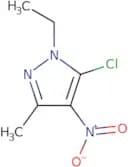
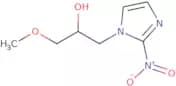
CAS:<p>Versatile small molecule scaffold</p>Formula:C6H8ClN3O2Purity:Min. 95%Molecular weight:189.6 g/molMisonidazole
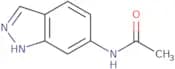
CAS:<p>Misonidazole is a drug that is used to treat hyperproliferative disorders, such as cancer. It has been shown to be effective in the treatment of squamous cell carcinoma and other solid tumours. Misonidazole has minimal toxicity and is a covalent inhibitor of DNA synthesis. It also inhibits the growth of mice with tumors.</p>Formula:C7H11N3O4Purity:Min. 95%Molecular weight:201.18 g/molN-(1H-Indazol-6-yl)acetamide
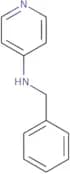
CAS:<p>Versatile small molecule scaffold</p>Formula:C9H9N3OPurity:Min. 95%Molecular weight:175.19 g/mol4-Benzylaminopyridine
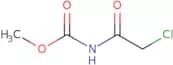
CAS:<p>4-Benzylaminopyridine is an amide derivative of pyridine. It is a white crystalline solid that melts at about 130°C. 4-Benzylaminopyridine can be prepared by reacting pyridine with benzylamine in the presence of acid, or by heating 4-benzylpiperidine with formamide and sodium hydroxide solution.</p>Formula:C12H12N2Purity:Min. 95%Molecular weight:184.24 g/molMethyl N-(2-chloroacetyl)carbamate
CAS:<p>Methyl N-(2-chloroacetyl)carbamate is a chemical compound that has been used in the synthesis of other compounds. It is an orally active anthelmintic agent that is effective against nematodes and trematodes. Methyl N-(2-chloroacetyl)carbamate binds to thiadiazole, carbon disulfide, and sulfinyl groups in the parasite's body. This binding inhibits the production of tumour necrosis factor-α (TNF-α) and interleukin-1β (IL-1β), as well as inducing apoptosis in lymphocytic leukemia cells. In addition, Methyl N-(2-chloroacetyl)carbamate has been shown to inhibit DNA replication by binding to aralkyl groups and cycloalkenyl groups. It also has functional groups that can act as sulfur donors or acceptors in organic synthesis reactions.</p>Formula:C4H6ClNO3Purity:Min. 95%Molecular weight:151.55 g/mol3-(2-Chloroacetyl)-1-(4-methylphenyl)urea
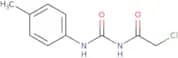
CAS:<p>Versatile small molecule scaffold</p>Formula:C10H11ClN2O2Purity:Min. 95%Molecular weight:226.66 g/mol3-(2-Chloroacetyl)-1-(4-methoxyphenyl)urea
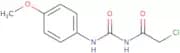
CAS:<p>Versatile small molecule scaffold</p>Formula:C10H11ClN2O3Purity:Min. 95%Molecular weight:242.66 g/mol1-(4-Bromophenyl)-3-(2-chloroacetyl)urea
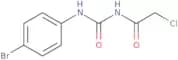
CAS:<p>Versatile small molecule scaffold</p>Formula:C9H8BrClN2O2Purity:Min. 95%Molecular weight:291.53 g/mol4-Amino-2-methyl-2,3-dihydropyridazin-3-one
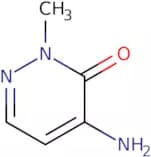
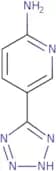
CAS:<p>Versatile small molecule scaffold</p>Formula:C5H7N3OPurity:Min. 95%Molecular weight:125.13 g/mol5-(2H-1,2,3,4-Tetrazol-5-yl)pyridin-2-amine
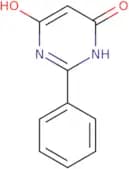
CAS:<p>Versatile small molecule scaffold</p>Formula:C6H6N6Purity:Min. 95%Molecular weight:162.15 g/mol2-Phenylpyrimidine-4,6-diol
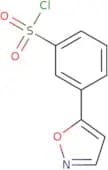
CAS:<p>2-Phenylpyrimidine-4,6-diol is a small molecule that belongs to the class of allosteric enhancers. It is synthesized by reacting 2-phenylpyrimidine with 4,6-dihydroxybenzoic acid in the presence of a base. It has been shown to bind to adenosine receptors and act as an antagonist at both A2A and A3 receptors, as well as having inhibitory properties on the A2A receptor. Allosteric modulators such as this drug are thought to be potential treatments for neurological disorders such as Alzheimer's disease or Parkinson's disease.</p>Formula:C10H8N2O2Purity:Min. 95%Molecular weight:188.18 g/mol3-(1,2-Oxazol-5-yl)benzene-1-sulfonyl chloride
CAS:<p>Versatile small molecule scaffold</p>Formula:C9H6ClNO3SPurity:Min. 95%Molecular weight:243.67 g/mol1,3,3-Trimethyl-2-methylidenebicyclo[2.2.1]heptane
CAS:<p>1,3,3-Trimethyl-2-methylidenebicyclo[2.2.1]heptane is a chiral compound that is produced by dehydrating and deforming 1,3,5-trimethylcyclohexadiene with zinc chloride and ethyl acetate. It has been shown to have high yield in the process of dehydration and deformation. The crystal structure was determined using x-ray crystallography and was found to be a racemic mixture of two enantiomers. 1,3,3-Trimethyl-2-methylidenebicyclo[2.2.1]heptane has been shown to be active against catfish parasites and has also demonstrated activity as an insecticide or pesticide; however, it does not have any known human uses at this time.</p>Formula:C11H18Purity:Min. 95%Molecular weight:150.26 g/mol1,3-Dimethyl-1H,4H,5H,6H-pyrazolo[3,4-b][1,4]thiazin-5-one
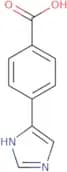
CAS:<p>Versatile small molecule scaffold</p>Formula:C7H9N3OSPurity:Min. 95%Molecular weight:183.23 g/mol4-(1H-Imidazol-4-yl)benzoic acid
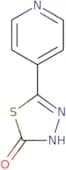
CAS:<p>4-(1H-Imidazol-4-yl)benzoic acid is a white crystalline solid that is soluble in water. It is a coordination compound with two carboxylate functional groups and two imidazolyl ligands in the form of linear chains. The temperature of the reaction determines whether copper or nickel will be used as the metal ion. With copper, 4-(1H-imidazol-4-yl)benzoic acid forms a mononuclear complex, whereas with nickel it forms a bidentate complex. This chemical has been shown to have antimicrobial activity against bacteria and fungi, including methicillin resistant Staphylococcus aureus (MRSA).</p>Formula:C10H8N2O2Purity:Min. 95%Molecular weight:188.18 g/mol5-(Pyridin-4-yl)-2,3-dihydro-1,3,4-thiadiazol-2-one
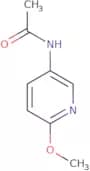
CAS:<p>Versatile small molecule scaffold</p>Formula:C7H5N3OSPurity:Min. 95%Molecular weight:179.2 g/molN-(6-Methoxypyridin-3-yl)acetamide
CAS:<p>Versatile small molecule scaffold</p>Formula:C8H10N2O2Purity:Min. 95%Molecular weight:166.18 g/mol5-Methyl-[1,3]thiazolo[4,5-b]pyridin-2-amine
CAS:<p>Versatile small molecule scaffold</p>Formula:C7H7N3SPurity:Min. 95%Molecular weight:165.22 g/mol[1,3]Thiazolo[4,5-b]pyridine-2,5-diamine
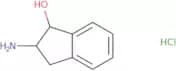
CAS:<p>Versatile small molecule scaffold</p>Formula:C6H6N4SPurity:Min. 95%Molecular weight:166.21 g/molrac-(1R,2R)-2-Amino-2,3-dihydro-1H-inden-1-ol hydrochloride
CAS:<p>Versatile small molecule scaffold</p>Formula:C9H12ClNOPurity:Min. 95%Molecular weight:185.65 g/mol[2-(4-Methoxyphenyl)ethyl]urea
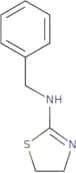
CAS:<p>Versatile small molecule scaffold</p>Formula:C10H14N2O2Purity:Min. 95%Molecular weight:194.23 g/molN-Benzyl-4,5-dihydro-1,3-thiazol-2-amine
CAS:<p>N-Benzyl-4,5-dihydro-1,3-thiazol-2-amine is a crystalline compound that is soluble in water. It has two tautomeric forms: the imino form and the keto form. The imino form is a crystalline solid with a melting point of 113 °C. The keto form is an oily liquid with a boiling point of 118 °C. The spectra of both forms are identical to those of benzaldehyde.</p>Formula:C10H12N2SPurity:Min. 95%Molecular weight:192.28 g/mol4-Chlorophthalazin-1-amine
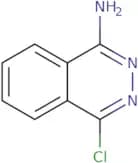
CAS:<p>4-Chlorophthalazin-1-amine is a tetracyclic compound that is synthesized by the sequential use of alkylation, transition, and alkylation reactions. The first step of the synthesis involves the reaction of an aryl glyoxal with a pyridazine to give an intermediate which undergoes intramolecular cyclization to form a pyridazine. The second step involves the reaction of this intermediate with phenyl bromide to form the desired product. 4-Chlorophthalazin-1-amine is used as a catalyst in amination reactions.</p>Formula:C8H6ClN3Purity:Min. 95%Molecular weight:179.6 g/mol5-Chloro-3-ethyl-1-methyl-4-nitro-1H-pyrazole
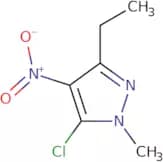
CAS:<p>Versatile small molecule scaffold</p>Formula:C6H8ClN3O2Purity:Min. 95%Molecular weight:189.6 g/molN-(3-Methylphenyl)benzenesulfonamide
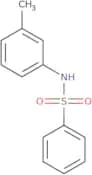
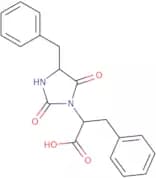
CAS:<p>3-Methylbenzenesulfonamide is a white crystalline solid that is soluble in water and ethanol. It has a melting point of 112 °C, with the molecular weight of 149.3 g/mol. 3-Methylbenzenesulfonamide can be synthesized by reacting 3-methylbenzoic acid and ethyl sulfonyl chloride. The chemical structure of this compound is a chain of six carbon atoms with two hydrogen bonds, which are dihedral angles. This compound is asymmetric because it contains one more chiral carbon atom than the other.</p>Formula:C13H13NO2SPurity:Min. 95%Molecular weight:247.31 g/mol2-(4-Benzyl-2,5-dioxoimidazolidin-1-yl)-3-phenylpropanoic acid
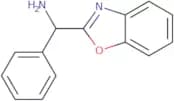
CAS:<p>Versatile small molecule scaffold</p>Formula:C19H18N2O4Purity:Min. 95%Molecular weight:338.4 g/mol1,3-Benzoxazol-2-yl(phenyl)methanamine
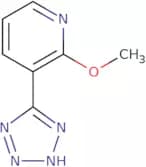
CAS:<p>Versatile small molecule scaffold</p>Formula:C14H12N2OPurity:Min. 95%Molecular weight:224.26 g/mol2-Methoxy-3-(1H-1,2,3,4-tetrazol-5-yl)pyridine
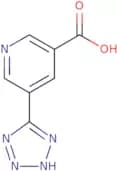
CAS:<p>Versatile small molecule scaffold</p>Formula:C7H7N5OPurity:Min. 95%Molecular weight:177.16 g/mol5-(1H-1,2,3,4-Tetrazol-5-yl)pyridine-3-carboxylic acid
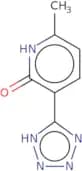
CAS:<p>Versatile small molecule scaffold</p>Formula:C7H5N5O2Purity:Min. 95%Molecular weight:191.15 g/mol6-Methyl-3-(1H-1,2,3,4-tetrazol-5-yl)-1,2-dihydropyridin-2-one
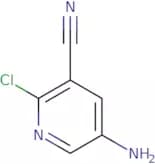
CAS:<p>Versatile small molecule scaffold</p>Formula:C7H7N5OPurity:Min. 95%Molecular weight:177.2 g/mol5-Amino-2-chloronicotinonitrile
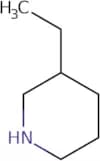
CAS:<p>Versatile small molecule scaffold</p>Formula:C6H4ClN3Purity:Min. 95%Molecular weight:153.57 g/mol3-Ethylpiperidine hydrochloride
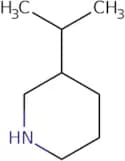
CAS:<p>3-Ethylpiperidine hydrochloride is a nitrogenous chemical. It is an ethylene acetal, which is formed by the reaction of ethylene and piperidine. The molecule has the chemical formula CHCH2OCH2N(CH3)CH2CH2OH. 3-Ethylpiperidine hydrochloride can be synthesized by alkylation of piperidinium chloride with ethyl bromide. 3-Ethylpiperidine hydrochloride is a chiral molecule with a conformational stereochemistry that allows for two possible configurations: endocyclic and exocyclic. This compound also has a tetroxide group and is optically active due to its asymmetric carbon atom. The lactam ring in 3-ethylpiperidine hydrochloride has three exocyclic double bonds that are not conjugated with each other. These bonds are located on the 3rd, 4th, and 5th</p>Formula:C7H15N•HClPurity:Min. 95%Molecular weight:149.67 g/mol3-(propan-2-yl)piperidine
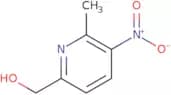
CAS:<p>Versatile small molecule scaffold</p>Formula:C8H17NPurity:Min. 95%Molecular weight:127.22 g/mol(6-Methyl-5-nitropyridin-2-yl)methanol
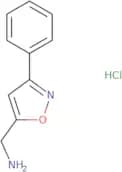
CAS:<p>Versatile small molecule scaffold</p>Formula:C7H8N2O3Purity:Min. 95%Molecular weight:168.15 g/mol(3-Phenylisoxazol-5-yl)methylamine hydrochloride
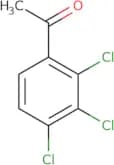
CAS:<p>Versatile small molecule scaffold</p>Formula:C10H11ClN2OPurity:Min. 95%Molecular weight:210.66 g/mol2',3',4'-Trichloroacetophenone
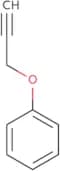
CAS:<p>2',3',4'-Trichloroacetophenone is a chlorinated organic compound. It is a colorless solid that has been synthesized by the reaction of acetophenone with chlorine, and reacts with propionate to produce 4-chlorophenol. The compound has been used as an antifeedant for larvae and insects, and in the synthesis of chalcones.</p>Formula:C8H5Cl3OPurity:Min. 95%Molecular weight:223.48 g/molPhenyl Propargyl Ether
CAS:<p>Phenyl propargyl ether (PPE) is a reactive compound that has been used in the synthesis of luminescent probes. PPE reacts with ethyl formate to form an ester and an aldehyde, which can be used for the synthesis of biodiesel. PPE also undergoes nucleophilic attack by deuterium isotope to produce a deuterated product, which is useful in structural biology studies. The reaction mechanism of PPE is similar to that of other organic compounds containing carbon-nitrogen double bonds. NMR spectra show that PPE has a triplet ground state, which is indicative of its reactivity. The activation energies are relatively low, indicating that it is easy to break the covalent bond in the triplet state. This chemical reacts with azides and can be used as a chemical ligation agent for bioconjugation reactions.</p>Formula:C9H8OPurity:Min. 95%Molecular weight:132.16 g/molEthyl 2-(2-oxo-2,3-dihydro-1,3-benzoxazol-3-yl)acetate
CAS:<p>Versatile small molecule scaffold</p>Formula:C11H11NO4Purity:Min. 95%Molecular weight:221.21 g/mol
![2-[(4-Fluorophenyl)methyl]pyrrolidine hydrochloride](/_next/image/?url=https%3A%2Fstatic.cymitquimica.com%2Fproducts%2F3D%2Fthumb-webp%2FMXB93100.webp&w=3840&q=75)


![(8-Methylimidazo[1,2-a]pyridin-2-yl)methanamine dihydrochloride](/_next/image/?url=https%3A%2Fstatic.cymitquimica.com%2Fproducts%2F3D%2Fthumb-webp%2FMXB93182.webp&w=3840&q=75)
![Imidazo[1,5-a]pyridin-1-ylmethanamine hydrochloride](/_next/image/?url=https%3A%2Fstatic.cymitquimica.com%2Fproducts%2F3D%2Fthumb-webp%2FMXB93215.webp&w=3840&q=75)
![1-Azabicyclo[2.2.1]heptan-3-amine dihydrochloride](/_next/image/?url=https%3A%2Fstatic.cymitquimica.com%2Fproducts%2F3D%2Fthumb-webp%2FMXB93251.webp&w=3840&q=75)

![2-[2-(Trifluoromethyl)phenyl]cyclopropanecarboxylic acid](/_next/image/?url=https%3A%2Fstatic.cymitquimica.com%2Fproducts%2F3D%2Fthumb-webp%2FMXB93313.webp&w=3840&q=75)
![[3-(3-Fluoro-4-methoxyphenyl)-4,5-dihydro-1,2-oxazol-5-yl]methanamine hydrochloride](/_next/image/?url=https%3A%2Fstatic.cymitquimica.com%2Fproducts%2F3D%2Fthumb-webp%2FMXB94735.webp&w=3840&q=75)


![[(4-Methoxyphenyl)amino]carbonitrile](/_next/image/?url=https%3A%2Fstatic.cymitquimica.com%2Fproducts%2F3D%2Fthumb-webp%2FNAA51916.webp&w=3840&q=75)
![1,3,3-Trimethyl-2-methylidenebicyclo[2.2.1]heptane](/_next/image/?url=https%3A%2Fstatic.cymitquimica.com%2Fproducts%2F3D%2Fthumb-webp%2FNAA56757.webp&w=3840&q=75)
![1,3-Dimethyl-1H,4H,5H,6H-pyrazolo[3,4-b][1,4]thiazin-5-one](/_next/image/?url=https%3A%2Fstatic.cymitquimica.com%2Fproducts%2F3D%2Fthumb-webp%2FNAA56876.webp&w=3840&q=75)
![5-Methyl-[1,3]thiazolo[4,5-b]pyridin-2-amine](/_next/image/?url=https%3A%2Fstatic.cymitquimica.com%2Fproducts%2F3D%2Fthumb-webp%2FNAA57542.webp&w=3840&q=75)
![[1,3]Thiazolo[4,5-b]pyridine-2,5-diamine](/_next/image/?url=https%3A%2Fstatic.cymitquimica.com%2Fproducts%2F3D%2Fthumb-webp%2FNAA57543.webp&w=3840&q=75)
![[2-(4-Methoxyphenyl)ethyl]urea](/_next/image/?url=https%3A%2Fstatic.cymitquimica.com%2Fproducts%2F3D%2Fthumb-webp%2FNAA57685.webp&w=3840&q=75)