Building Blocks
This section contains fundamental products for the synthesis of organic and biological compounds. Building blocks are the essential starting materials used to construct complex molecules through various chemical reactions. They play a critical role in drug discovery, material science, and chemical research. At CymitQuimica, we offer a diverse range of high-quality building blocks to support your innovative research and industrial projects, ensuring you have the essential components for successful synthesis.
Subcategories of "Building Blocks"
- Boronic Acids & Boronic Acid Derivatives(5,756 products)
- Chiral Building Blocks(1,242 products)
- Hydrocarbon Building Blocks(6,095 products)
- Organic Building Blocks(61,038 products)
Found 196817 products of "Building Blocks"
Sort by
Purity (%)
0
100
|
0
|
50
|
90
|
95
|
100
1-(Pyrimidin-4-yl)piperidin-4-ol
CAS:<p>Versatile small molecule scaffold</p>Formula:C9H13N3OPurity:Min. 95%Molecular weight:179.22 g/mol4-(Hydroxymethyl)-3-methyl-1,3-oxazolidin-2-one
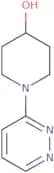
CAS:<p>Versatile small molecule scaffold</p>Formula:C5H9NO3Purity:Min. 95%Molecular weight:131.13 g/mol1-(Pyridazin-3-yl)piperidin-4-ol
CAS:<p>Versatile small molecule scaffold</p>Formula:C9H13N3OPurity:Min. 95%Molecular weight:179.22 g/mol4-Amino-N-methylpiperidine-1-carboxamide
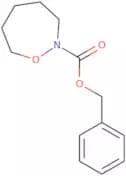
CAS:<p>Versatile small molecule scaffold</p>Formula:C7H15N3OPurity:Min. 95%Molecular weight:157.21 g/molBenzyl 1,2-oxazepane-2-carboxylate
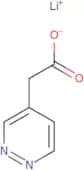
CAS:<p>Versatile small molecule scaffold</p>Formula:C13H17NO3Purity:Min. 95%Molecular weight:235.28 g/molLithium 2-(pyridazin-4-yl)acetate
CAS:<p>Versatile small molecule scaffold</p>Formula:C6H5LiN2O2Purity:Min. 95%Molecular weight:144.1 g/mol(2R)-2-{[(tert-Butoxy)carbonyl]amino}hex-5-ynoic acid
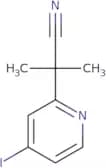
CAS:<p>(2R)-2-{[(tert-Butoxy)carbonyl]amino}hex-5-ynoic acid is a synthetic macrocycle that has been shown to have biological and chemical activities. It targets bacterial biofilms, and the cyclodepsipeptide has been shown to inhibit the growth of Gram-positive bacteria in vitro. This compound also inhibits the development of biofilm by inhibiting the production of extracellular polymeric substances (EPS) on the surface of bacteria, which are important for bacterial attachment to surfaces. The cyclodepsipeptide binds to EPS through hydrophobic interactions, promoting its detachment from surfaces. This macrocyclization prevents EPS formation by binding to proteins involved in its synthesis. The cyclodepsipeptide also has an effect on bacterial cell membrane integrity, which may be due to its ability to inhibit protein synthesis and DNA replication.</p>Formula:C11H17NO4Purity:Min. 95%Molecular weight:227.26 g/mol2-(4-Iodopyridin-2-yl)-2-methylpropanenitrile
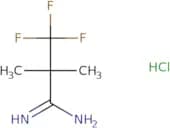
CAS:Versatile small molecule scaffoldFormula:C9H9IN2Purity:Min. 95%Molecular weight:272.09 g/mol3,3,3-Trifluoro-2,2-dimethylpropanimidamide hydrochloride
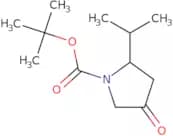
CAS:<p>Versatile small molecule scaffold</p>Formula:C5H10ClF3N2Purity:Min. 95%Molecular weight:190.59 g/moltert-Butyl 4-oxo-2-(propan-2-yl)pyrrolidine-1-carboxylate
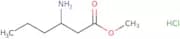
CAS:<p>Versatile small molecule scaffold</p>Formula:C12H21NO3Purity:Min. 95%Molecular weight:227.3 g/molMethyl 3-aminohexanoate hydrochloride
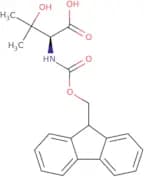
CAS:<p>Versatile small molecule scaffold</p>Formula:C7H15NO2•HClPurity:Min. 95%Color and Shape:PowderMolecular weight:181.66 g/molFmoc-(S)-2-amino-3-hydroxy-3-methylbutanoic acid
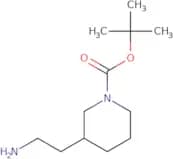
CAS:<p>Versatile small molecule scaffold</p>Formula:C20H21NO5Purity:Min. 95%Molecular weight:355.39 g/moltert-Butyl (3R)-3-(2-aminoethyl)piperidine-1-carboxylate
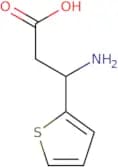
CAS:<p>Versatile small molecule scaffold</p>Formula:C12H24N2O2Purity:Min. 95%Molecular weight:228.33 g/mol3-Amino-3-(2-thienyl)propionic Acid
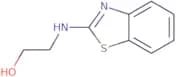
CAS:<p>3-Amino-3-(2-thienyl)propionic Acid is a chiral compound that is used as an intermediate in the synthesis of pharmaceuticals or for use in organic synthesis. It has a melting point of about 155°C and can be prepared by reacting thiophene with ethyl cyanoacetate and methanesulfonyl chloride. The compound has a racemic mixture of two enantiomers that are optically active, leading to the formation of three different stereoisomers. This product can be analyzed using high-performance liquid chromatography (HPLC).</p>Formula:C7H9NO2SPurity:Min. 95%Molecular weight:171.22 g/mol2-(1,3-Benzothiazol-2-ylamino)-1-ethanol
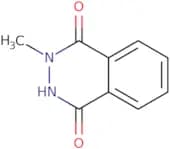
CAS:<p>Versatile small molecule scaffold</p>Formula:C9H10N2OSPurity:Min. 95%Molecular weight:194.25 g/mol2-Methyl-1,2,3,4-tetrahydrophthalazine-1,4-dione
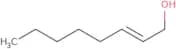
CAS:<p>Versatile small molecule scaffold</p>Formula:C9H8N2O2Purity:Min. 95%Molecular weight:176.17 g/moltrans-2-Octen-1-ol
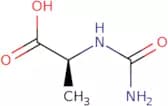
CAS:<p>Trans-2-octen-1-ol is a fatty acid that belongs to the group of phenylethyl compounds. It has been shown to inhibit the growth of cancer cells by binding to the cell surface, inhibiting cell division and protein synthesis. Trans-2-octen-1-ol may also play a role in the prevention or treatment of atherosclerosis because it inhibits lipid accumulation in kidney cells, which is associated with an increase in cholesterol levels. Trans-2-octen-1-ol is an important precursor for the biosynthesis of many other compounds as well, such as butyric acid and trehalose.</p>Formula:C8H16OPurity:Min. 95%Molecular weight:128.22 g/mol(S)-2-ureidopropanoic acid
CAS:<p>Versatile small molecule scaffold</p>Formula:C4H8N2O3Purity:Min. 95%Molecular weight:132.11 g/mol1-[Amino(4-methylpiperazin-1-yl)methylidene]guanidine dihydrochloride
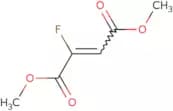
CAS:<p>Versatile small molecule scaffold</p>Formula:C7H18Cl2N6Purity:Min. 95%Molecular weight:257.16 g/mol1,4-Dimethyl (2Z)-2-fluorobut-2-enedioate
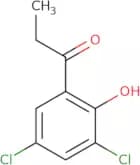
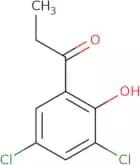
CAS:<p>Versatile small molecule scaffold</p>Formula:C6H7FO4Purity:Min. 95%Molecular weight:162.12 g/mol1-(3,5-Dichloro-2-hydroxyphenyl)-1-propanone
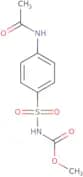
CAS:<p>1-(3,5-Dichloro-2-hydroxyphenyl)-1-propanone is a white crystalline solid that is stabilized by hydrogen bonds. Hydrazine acts as a stabilizer to keep the molecule in its solid state. It is used as an intermediate in the synthesis of other chemicals and pharmaceuticals. 1-(3,5-Dichloro-2-hydroxyphenyl)-1-propanone has been shown to form crystals with a monoclinic system, space group C2/c, with unit cell dimensions of b = 11.817(7) Å, c = 15.859(10) Å, α = 90°, β = 105.906(4)°, γ = 90°, V = 791.6(3) Å3, Z=4 and Dcalcd=1.629 g cm−3.</p>Formula:C9H8Cl2O2Purity:Min. 95%Molecular weight:219.06 g/molN-(Methylcarbamoyl) sulfanilamide-N4-acetate
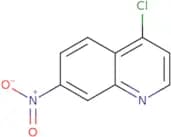
CAS:<p>Versatile small molecule scaffold</p>Formula:C10H12N2O5SPurity:Min. 95%Molecular weight:272.28 g/mol4-Chloro-7-nitroquinoline
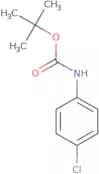
CAS:<p>4-Chloro-7-nitroquinoline is an aromatic compound that is synthesized from the chlorination of quinoline derivatives. It has been shown to have a high uptake in tissues and has been used for the preparation of other compounds. 4-Chloro-7-nitroquinoline has also been used as a molecular probe for the study of vacuoles, which are intracellular compartments that store water, sugars, and ions. The molecule can be made isotopically labeled by replacing one of its hydrogen atoms with deuterium, which can be used to diagnose disorders.</p>Formula:C9H5ClN2O2Purity:Min. 95%Molecular weight:208.6 g/mol4-Chloro-(N-Boc)aniline
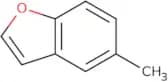
CAS:<p>4-Chloro-(N-Boc)aniline is an organic molecule that is used in the synthesis of quinazolinones. It is a nucleophile that reacts efficiently with amines to form substituted anilines. This reaction can be performed in one step, and the product can be used as a starting material for other reactions. The reaction time is short, and this reagent can be reused up to three times without significant loss of reactivity. 4-Chloro-(N-Boc)aniline was developed as a more efficient method for generating quinazolinones than the traditional method using 2-chloroaniline or 2,4-dichlorobenzoyl chloride. This functional group allows for the synthesis of many different types of molecules, such as immunosuppressants, antihistamines, anticonvulsants, and antibiotics.</p>Formula:C11H14ClNO2Purity:Min. 95%Molecular weight:227.69 g/mol5-Methylbenzofuran
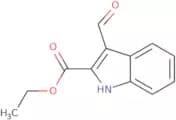
CAS:<p>5-Methylbenzofuran is an intermediate in the arylation of benzene with aryl halides. It is prepared by the reaction of benzene with palladium acetate, which is then followed by the addition of sodium borohydride to produce 5-methylbenzofuran. This compound can also be synthesized from 5-methylbenzyl chloride and phenyl boronic acid. 5-Methylbenzofuran has been shown to act as an anticancer agent by inhibiting tumor cell growth and inducing tumor dna methylation. The mechanism of action includes its ability to inhibit enzymatic reactions that are necessary for DNA synthesis and repair, such as RNA polymerase, DNA methyltransferase, and DNA topoisomerase II.</p>Formula:C9H8OPurity:Min. 95%Molecular weight:132.16 g/molEthyl 3-formyl-1H-indole-2-carboxylate
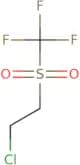
CAS:<p>Ethyl 3-formyl-1H-indole-2-carboxylate is a chemical compound that belongs to the group of anesthetics. It has been shown to have anesthetic and antihypertensive effects in dogs. This compound is also used as a reagent to produce other chemicals, such as 2-thiohydantoin and aminothiosemicarbazide.</p>Formula:C12H11NO3Purity:Min. 95%Molecular weight:217.22 g/mol1-Chloro-2-trifluoromethanesulfonylethane
CAS:<p>Versatile small molecule scaffold</p>Formula:C3H4ClF3O2SPurity:Min. 95%Molecular weight:196.58 g/mol3-(Propan-2-yl)furan-2-carboxylic acid
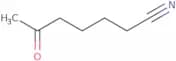
CAS:<p>Versatile small molecule scaffold</p>Formula:C8H10O3Purity:Min. 95%Molecular weight:154.16 g/mol6-Oxoheptanenitrile
CAS:<p>Versatile small molecule scaffold</p>Formula:C7H11NOPurity:Min. 95%Molecular weight:125.17 g/mol2-Methyltetrahydrothiophene-2-carboxylic acid 1,1-dioxide
CAS:<p>Versatile small molecule scaffold</p>Formula:C6H10O4SPurity:Min. 95%Molecular weight:178.21 g/mol3-Methylbenzimidamide
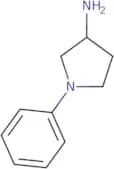
CAS:<p>3-Methylbenzimidamide is a substrate that can be used in the synthesis of quinazolines and other heterocycles. It is efficiently assembled by reacting with various aromatic compounds, such as benzene, o-xylenes, and tosylates. The reaction proceeds via an intermolecular arylation mechanism and produces high yields. 3-Methylbenzimidamide can be used in the synthesis of drugs for the treatment of malaria and other diseases.</p>Formula:C8H10N2Purity:Min. 95%Molecular weight:134.18 g/mol3-Pyrrolidinamine, 1-phenyl-
CAS:<p>Versatile small molecule scaffold</p>Formula:C10H14N2Purity:Min. 95%Molecular weight:162.23 g/mol1-Phenyl-4-pentyn-1-one
CAS:<p>1-Phenyl-4-pentyn-1-one is a catalyst that is used in organic synthesis. It has been shown to catalyze the cyclization of toluene and benzene, as well as the triflate addition of dichloromethane to 1,2-dichloroethane. 1-Phenyl-4-pentyn-1-one is highly effective in catalyzing the formation of 2,3,5,6-tetrafluorohexanal from 2,3,5,6-tetrafluorobenzaldehyde and sodium hydroxide. It also catalyzes the reaction between 3-(trimethylsilyl)propene and trimethylboroxine.</p>Formula:C11H10OPurity:Min. 95%Molecular weight:158.2 g/molDihydrolinalool
CAS:Dihydrolinalool is a diphenyl ether that is used as an ingredient in detergent compositions. It has been shown to have the ability to induce apoptosis in liver cells, which may be due to its cationic surfactant activity. Dihydrolinalool has also been shown to have anti-inflammatory and antimicrobial properties. This compound also reacts with fatty acid chains in the cell membrane, preventing them from being incorporated into the membrane and disrupting their function. Dihydrolinalool can be used in biphasic response systems for water vapor removal, as well as for solid phase microextraction of anhydrous sodium.Formula:C10H20OPurity:Min. 95%Molecular weight:156.27 g/mol3,4-Dichloroisothiazole-5-carbonitrile
CAS:<p>3,4-Dichloroisothiazole-5-carbonitrile is a chemical compound that is structurally similar to morpholine and has a chlorine atom in its backbone. It is used as a solvent for the synthesis of amides and esters. 3,4-Dichloroisothiazole-5-carbonitrile can be synthesized from dibromoethane and chloroacetone with an efficient method involving ethyl esters. This chemical compound has been shown to be highly toxic to plants and animals due to its chlorine atom.</p>Formula:C4Cl2N2SPurity:Min. 95%Molecular weight:179.02 g/mol5-Benzyl-1,2,3,4-tetrahydropyrimidine-2,4-dione
CAS:<p>5-Benzyl-1,2,3,4-tetrahydropyrimidine-2,4-dione is a potent HIV replication inhibitor. It inhibits viral DNA synthesis by binding to the polymerase chain reaction (PCR) enzyme as well as to the cellular polymerase β and DNA dependent RNA polymerase. 5-Benzyl-1,2,3,4-tetrahydropyrimidine-2,4-dione has been shown to be effective in animal models of hepatitis B and C by inhibiting reverse transcription. 5BPD also has anti cancer activity against both cultured cells and animals. In vitro studies have shown that 5BPD is active against human liver cancer cell lines in addition to breast cancer cell lines.<br>5BPD is metabolized by hydrogen chloride and malonic acid into an intermediate which reacts with uridine monophosphate (UMP) to form a pyrimidine nucleotide analogue (NMP). This NMP</p>Formula:C11H10N2O2Purity:Min. 95%Molecular weight:202.21 g/molBenzo[b]thiophene-3-sulfonyl Chloride
CAS:<p>Versatile small molecule scaffold</p>Formula:C8H5ClO2S2Purity:Min. 95%Molecular weight:232.7 g/mol1-(Morpholin-4-yl)-2-phenoxyethan-1-one
CAS:<p>Versatile small molecule scaffold</p>Formula:C12H15NO3Purity:Min. 95%Molecular weight:221.25 g/mol3-Hydroxy-4-nitrobenzonitrile
CAS:<p>Versatile small molecule scaffold</p>Formula:C7H4N2O3Purity:Min. 95%Molecular weight:164.12 g/mol2H,3H,4H-Pyrido[4,3-b][1,4]thiazin-3-one
CAS:<p>Versatile small molecule scaffold</p>Formula:C7H6N2OSPurity:Min. 95%Molecular weight:166.2 g/mol2-(2,3-dihydro-1,4-benzodioxin-2-yl)acetic acid
CAS:<p>Versatile small molecule scaffold</p>Formula:C10H10O4Purity:Min. 95%Molecular weight:194.19 g/mol4-Oxo-1,4-dihydrocinnoline-3-carboxylic acid
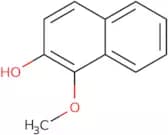
CAS:<p>4-Oxo-1,4-dihydrocinnoline-3-carboxylic acid is a synthetic chemical that is used as an agrochemical. It is a white solid that has a melting point of about 110°C, and it has a molecular weight of 218.5 g/mol. 4-Oxo-1,4-dihydrocinnoline-3-carboxylic acid can be used to produce phenylhydrazones and benzodiazines by catalytic reduction. It also reacts with chlorine at high temperatures to produce aluminium chloride. This chemical can hydrolyse amides and chlorides to produce hydrogen chloride gas or hydrochloric acid (HCl) respectively. The chloride ion (Cl-) can react with phosphorus pentachloride (PCl) to form phosphorus oxychloride (POCl). 4-Oxo-1,4-dihydrocinnoline-3-carboxylic acid</p>Formula:C9H6N2O3Purity:Min. 95%Molecular weight:190.16 g/mol1-Methoxynaphthalen-2-ol
CAS:<p>1-Methoxynaphthalen-2-ol is a chiral molecule that can be prepared by the oxidation of naphthalene to yield 1-methoxynaphthalene. The oxidation of 1-methoxynaphthalene with oxone in acetonitrile yields 1-methoxynaphthalen-2-ol and 2,4,6-trimethylbenzoyl peroxide. The oxidised product is then reduced with hydroxyl group to form an alcohol. This reaction can be carried out in high yield and with a good degree of stereoselectivity.</p>Formula:C11H10O2Purity:Min. 95%Molecular weight:174.2 g/mol2,2-Dimethyl-3-[(4-methylbenzenesulfonyl)oxy]propanal
CAS:<p>Versatile small molecule scaffold</p>Formula:C12H16O4SPurity:Min. 95%Molecular weight:256.32 g/molEthyl 2-(Methylamino)-2-oxoacetate
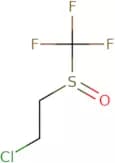
CAS:<p>Ethyl 2-(methylamino)-2-oxoacetate (EMAA) is a phenyl compound that is used as an active substance in pharmaceuticals. It is a colorless liquid with a boiling point of 200 degrees Celsius and a melting point of -10 degrees Celsius. EMAA has been used to treat bacterial infections and influenza. It also has antioxidant properties that help to prevent damage from free radicals.</p>Formula:C5H9NO3Purity:Min. 95%Molecular weight:131.13 g/mol1-Chloro-2-trifluoromethanesulfinylethane
CAS:<p>Versatile small molecule scaffold</p>Formula:C3H4ClF3OSPurity:Min. 95%Molecular weight:180.58 g/mol2-[(4-Bromophenyl)sulfanyl]-2-methylpropanoic acid
CAS:<p>Versatile small molecule scaffold</p>Formula:C10H11BrO2SPurity:Min. 95%Molecular weight:275.16 g/mol5-{[(4-Chlorophenyl)sulfanyl]methyl}-1H-1,2,3,4-tetrazole
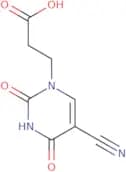
CAS:<p>Versatile small molecule scaffold</p>Formula:C8H7ClN4SPurity:Min. 95%Molecular weight:226.69 g/mol3-(5-Cyano-2,4-dioxo-1,2,3,4-tetrahydropyrimidin-1-yl)propanoic acid
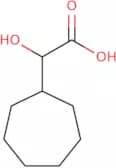
CAS:<p>Versatile small molecule scaffold</p>Formula:C8H7N3O4Purity:Min. 95%Molecular weight:209.16 g/mol2-Cycloheptyl-2-hydroxyacetic acid
CAS:<p>Versatile small molecule scaffold</p>Formula:C9H16O3Purity:Min. 95%Molecular weight:172.22 g/molSpiro[1,3-dioxolane-2,1'-[1H]inden]-3'(2'H)-one
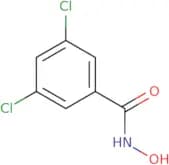
CAS:<p>Versatile small molecule scaffold</p>Formula:C11H10O3Purity:Min. 95%Molecular weight:190.19 g/mol3,5-Dichloro-N-hydroxybenzamide
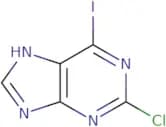
CAS:<p>3,5-Dichloro-N-hydroxybenzamide is a drug that belongs to the group of diuretics and has been used as an ophthalmic and pharmacological agent. It has been shown to be effective in the treatment of infantile spasms and as an adjuvant therapy for chronic glaucoma. 3,5-Dichloro-N-hydroxybenzamide is also used in various formulations with other drugs such as trichlormethiazide, which acts by potentiating the effect of 3,5-dichloro-N-hydroxybenzamide on potassium excretion. The physicochemical properties of this drug are studied using gel formulations, which have a greater affinity for proteins than water. This drug may also be able to bind to plasma proteins and thus have a longer half life. 3,5-Dichloro-N-hydroxybenzamide is metabolized through methylation reactions</p>Formula:C7H5Cl2NO2Purity:Min. 95%Molecular weight:206.02 g/mol2-Chloro-6-iodo-9H-purine
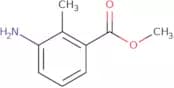
CAS:<p>2-Chloro-6-iodo-9H-purine is an antiviral agent that inhibits the activity of a viral enzyme, thymidine kinase. This drug binds to the active site of this enzyme, preventing it from phosphorylating and thereby inactivating dTTP (a nucleotide precursor) to dTMP (a nucleotide product). 2-Chloro-6-iodo-9H-purine is not used clinically because it has toxic side effects such as hepatotoxicity and myelosuppression. However, this drug has been used in the past for research purposes and in animal studies.</p>Formula:C5H2ClIN4Purity:Min. 95%Molecular weight:280.45 g/molMethyl 3-amino-2-methylbenzoate
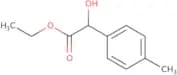
CAS:<p>Methyl 3-amino-2-methylbenzoate is a chloroformate that can participate in coordination reactions. It has shown potent antitumor activity and is an efficient method for the synthesis of pyridinecarboxylic acids. This compound has been shown to be an inhibitor of tumor cell lines and to have a skeleton with potential antitumor activity. It also has potent antibacterial activity against gram-positive bacteria and methoxy groups that are known to be important for DNA binding. Methyl 3-amino-2-methylbenzoate also possesses a phenyl ring and diterpenes that make it a potential anticancer drug candidate.</p>Formula:C9H11NO2Purity:Min. 95%Molecular weight:165.19 g/molEthyl 2-hydroxy-2-(4-methylphenyl)acetate
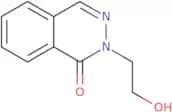
CAS:<p>Versatile small molecule scaffold</p>Formula:C11H14O3Purity:Min. 95%Molecular weight:194.23 g/mol2-(2-Hydroxyethyl)phthalazin-1-one
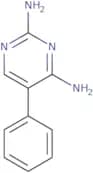
CAS:<p>2-(2-Hydroxyethyl)phthalazin-1-one is a molecule that stabilizes benzene rings in the crystal by forming hydrogen bonds with the hydroxyl groups. The interplanar and intermolecular interactions between molecules are weak, but the coplanar and dihedral interactions are strong. This stabilizing effect leads to an increase in the melting point and boiling point of benzene. 2-(2-Hydroxyethyl)phthalazin-1-one has been shown to have a crystalline structure with a space group of P21/c.</p>Formula:C10H10N2O2Purity:Min. 95%Molecular weight:190.2 g/mol5-Phenylpyrimidine-2,4-diamine
CAS:<p>5-Phenylpyrimidine-2,4-diamine is an antiparasitic agent that belongs to the group of derivs. It has been shown to inhibit coccidian growth in vitro and has antiparasitic activity against bacteria and protozoa. 5-Phenylpyrimidine-2,4-diamine binds to the enzyme acetyl coenzyme A synthetase in the parasite's mitochondria and prevents the synthesis of ATP. This leads to cell death.</p>Formula:C10H10N4Purity:Min. 95%Molecular weight:186.21 g/mol2-(Thiophen-2-yl)quinazoline-4-thiol
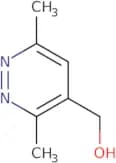
CAS:<p>Versatile small molecule scaffold</p>Formula:C12H8N2S2Purity:Min. 95%Molecular weight:244.3 g/mol(3,6-Dimethylpyridazin-4-yl)methanol
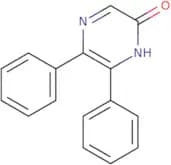
CAS:<p>Versatile small molecule scaffold</p>Formula:C7H10N2OPurity:Min. 95%Molecular weight:138.17 g/mol5,6-Diphenylpyrazinol
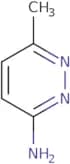
CAS:<p>5,6-Diphenylpyrazinol is a nitrated derivative of pyrazine. It is synthesized by nitrating 5,6-diphenylpyrazine with a mixture of sulfuric and nitric acid. The product is isolated by fractional distillation.</p>Formula:C16H12N2OPurity:Min. 95%Molecular weight:248.28 g/mol3-Amino-6-methylpyridazine
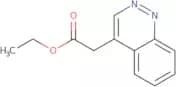
CAS:<p>3-Amino-6-methylpyridazine is a pro-apoptotic molecule that interacts with the kinase domain of the pro-apoptotic protein Bax, inducing programmed cell death. This compound has been shown to be homologous with other compounds that inhibit mycobacterium avium and staphylococcus in vitro. 3-Amino-6-methylpyridazine inhibits the replication of tuberculosis bacteria by inhibiting DNA synthesis. It also has a cytotoxic effect on mycobacterium avium cells, which may be due to its ability to induce apoptosis.<br>3-Amino-6-methylpyridazine has an antiinflammatory effect on macrophages by inhibiting cyclooxygenase and lipoxygenase activity.</p>Purity:Min. 95%Ethyl 2-(cinnolin-4-yl)acetate
CAS:<p>Versatile small molecule scaffold</p>Formula:C12H12N2O2Purity:Min. 95%Molecular weight:216.24 g/mol2,5,6-Trimethyl-3H,4H-thieno[2,3-d]pyrimidin-4-one
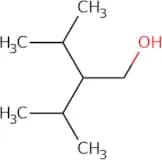
CAS:<p>Versatile small molecule scaffold</p>Formula:C9H10N2OSPurity:Min. 95%Molecular weight:194.26 g/mol3-Methyl-2-(propan-2-yl)butan-1-ol
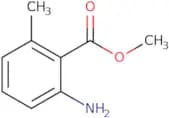
CAS:<p>Versatile small molecule scaffold</p>Formula:C8H18OPurity:Min. 95%Molecular weight:130.23 g/molMethyl 2-amino-6-methylbenzoate
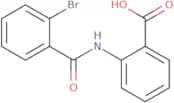
CAS:<p>Methyl 2-amino-6-methylbenzoate (MMAB) is a prophylactic agent that inhibits the growth of tumor cells. It is used for prophylactic treatment of patients with a syndrome in which there is an increased risk of tumor formation. MMAB inhibits the production of DNA and RNA, which are needed for cell division. The drug also inhibits the activity of ribonucleotide reductase and deoxyribonucleotide reductase, which are enzymes involved in DNA synthesis. MMAB has been shown to inhibit the growth of tumor cells and may be useful in preventing tumors from forming.</p>Formula:C9H11NO2Purity:Min. 95%Molecular weight:165.19 g/mol2-(2-Bromobenzamido)benzoic acid
CAS:<p>Versatile small molecule scaffold</p>Formula:C14H10BrNO3Purity:Min. 95%Molecular weight:320.14 g/mol5-Iodofuran-2-carboxylic acid
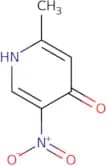
CAS:<p>5-Iodofuran-2-carboxylic acid is an ionic compound that acts as a serotonin reuptake inhibitor. It is a hardener in liquid crystal display (LCD) screens, and has been used to increase the hardness of epoxy resin in coatings for plastic. 5-Iodofuran-2-carboxylic acid inhibits the serotonin transporter (SERT), which is responsible for the reuptake of serotonin from the synaptic cleft. This inhibition leads to increased extracellular concentrations of serotonin, which can result in serotonergic side effects such as nausea, vomiting, and headache.</p>Formula:C5H3IO3Purity:Min. 95%Molecular weight:237.98 g/mol2-Methyl-5-nitropyridin-4-ol
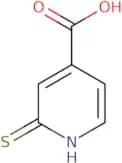
CAS:<p>Versatile small molecule scaffold</p>Formula:C6H6N2O3Purity:Min. 95%Molecular weight:154.12 g/mol2-Thioxo-1,2-dihydropyridine-4-carboxylic acid
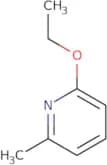
CAS:<p>2-Thioxo-1,2-dihydropyridine-4-carboxylic acid (TDPCA) is a molecule that is structurally similar to the protonated form of 2-thioxoimidazole carboxylic acid. TDPCA has been shown to be an antibacterial agent against Staphylococcus aureus with surface-enhanced Raman scattering properties. TDPCA can also act as a fluorescence probe and has pharmacokinetic properties that are dependent on its molecular weight, which can be determined using plasma mass spectrometry. TDPCA absorbs light in the red region of the spectrum and shifts to the blue region when it reacts with silver ions. It also binds to carboxylate groups, which may be used for detection by nanosensors.</p>Formula:C6H5NO2SPurity:Min. 95%Molecular weight:155.17 g/mol2-Ethoxy-6-methylpyridine
CAS:<p>2-Ethoxy-6-methylpyridine is a polypeptide chain with anti-oxidant properties. It has been shown to significantly reduce oxidative damage to protein synthesis in the cytoplasm of animals. 2-Ethoxy-6-methylpyridine also inhibits lipid peroxidation and membrane damage, which may be due to its ability to act as an endoplasmic reticulum (ER) template. This compound is able to bind to ER membranes and alter their structure, which may lead to the prevention of cell death.</p>Formula:C8H11NOPurity:Min. 95%Molecular weight:137.18 g/mol[(2-Methylphenyl)thio]acetic acid
CAS:<p>Versatile small molecule scaffold</p>Formula:C9H10O2SPurity:Min. 95%Molecular weight:182.24 g/molAcetic acid, 2-[(2-chlorophenyl)thio]-
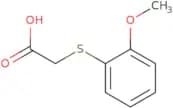
CAS:<p>Versatile small molecule scaffold</p>Formula:C8H7O2SClPurity:Min. 95%Molecular weight:202.66 g/mol(2-Methoxy-phenylsulfanyl)-acetic acid
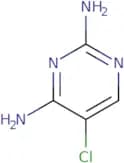
CAS:<p>Versatile small molecule scaffold</p>Formula:C9H10O3SPurity:Min. 95%Molecular weight:198.24 g/mol5-Chloropyrimidine-2,4-diamine
CAS:<p>5-Chloropyrimidine-2,4-diamine is a chemical compound that has been shown to inhibit the growth of cancer cells in vitro. The compound is an anti-cancer agent that can be used to treat lung cancer. It has been shown to have a cytotoxic effect on human lung cancer cells and to inhibit the proliferation of these cells in vitro. It also inhibits the growth of other types of human cancer cells, including those from breast, colon and prostate cancers. This substance has been shown to bind with high affinity to DNA and RNA and modulate their synthesis. 5-Chloropyrimidine-2,4-diamine also inhibits cell division by binding to the enzyme topoisomerase II, which controls the unwinding of DNA strands during replication.</p>Formula:C4H5ClN4Purity:Min. 95%Molecular weight:144.56 g/mol2-[(2-Methylphenyl)sulfanyl]-2-phenylacetic acid
CAS:<p>Versatile small molecule scaffold</p>Formula:C15H14O2SPurity:Min. 95%Molecular weight:258.3 g/mol2-[(2,4-Dimethylphenyl)sulfanyl]-2-phenylacetic acid
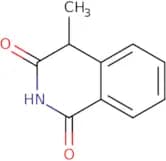
CAS:<p>Versatile small molecule scaffold</p>Formula:C16H16O2SPurity:Min. 95%Molecular weight:272.4 g/mol4-Methyl-4H-isoquinoline-1,3-dione
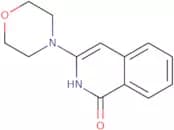
CAS:<p>Versatile small molecule scaffold</p>Formula:C10H9NO2Purity:Min. 95%Molecular weight:175.18 g/mol3-(Morpholin-4-yl)-1,2-dihydroisoquinolin-1-one
CAS:<p>Versatile small molecule scaffold</p>Formula:C13H14N2O2Purity:Min. 95%Molecular weight:230.26 g/mol2-Tridecyloxirane
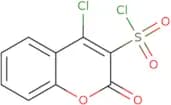
CAS:<p>2-Tridecyloxirane is a diagnostic agent that is used to identify hydroxy groups in collagen. It reacts with the hydroxyl group on collagen, forming an acyl chloride intermediate. This intermediate can be detected using a gas chromatography technique. The biodegradability of 2-tridecyloxirane has been studied and found to be dependent on the environment in which it is released. It was found to have a half-life of around 4 days in water, but up to 8 months in soil. The viscosity of 2-tridecyloxirane has been shown to decrease as the temperature increases, with the highest rate of change at temperatures above 150°C. This chemical has also been shown to react with primary amines and alicyclic compounds, such as ebola virus.</p>Formula:C15H30OPurity:Min. 95%Molecular weight:226.4 g/mol4-Chloro-2-oxo-2H-chromene-3-sulfonyl chloride
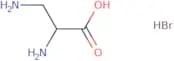
CAS:<p>4-Chloro-2-oxo-2H-chromene-3-sulfonyl chloride is a heterocyclic compound with significant biological activity. It is a salmonicida that kills bacteria by inhibiting the enzyme adenosine triphosphate (ATP). 4-Chloro-2-oxo-2H-chromene-3-sulfonyl chloride has been shown to have significant activity against Staphylococcus aureus, Streptococcus pneumoniae, and Streptococcus pyogenes. This drug also inhibits the growth of Pseudomonas aeruginosa and Escherichia coli.</p>Formula:C9H4Cl2O4SPurity:Min. 95%Molecular weight:279.1 g/mol2,3-Diaminopropionic acid monohydrobromide
CAS:<p>2,3-Diaminopropionic acid monohydrobromide is a dibenzoylated derivative of 2,3-diaminopropionic acid. It has been shown to be an antibacterial agent. The compound inhibits bacterial growth by binding to the ribosomal protein L5 and blocking the synthesis of proteins necessary for cell division. 2,3-Diaminopropionic acid monohydrobromide has also been found to have neuropathic effects in animals. This compound can be extracted from plants such as lathyrus and eluted with ethanol or hydrobromide.</p>Formula:C3H8N2O2·HBrPurity:Min. 95%Molecular weight:185.02 g/mol1H,2H,3H,4H-Pyrazino[1,2-a]indole hydrochloride
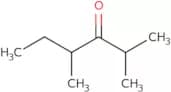
CAS:<p>Versatile small molecule scaffold</p>Formula:C11H13ClN2Purity:Min. 95%Molecular weight:208.69 g/mol2,4-Dimethyl-3-hexanone
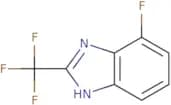
CAS:<p>Versatile small molecule scaffold</p>Formula:C8H16OPurity:Min. 95%Molecular weight:128.21 g/mol4-Fluoro-2-(trifluoromethyl)-1H-1,3-benzodiazole
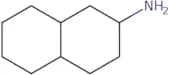
CAS:<p>Versatile small molecule scaffold</p>Formula:C8H4F4N2Purity:Min. 95%Molecular weight:204.12 g/molDecahydronaphthalen-2-amine
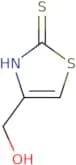
CAS:<p>Versatile small molecule scaffold</p>Formula:C10H19NPurity:Min. 95%Molecular weight:153.26 g/mol(2-Sulfanyl-1,3-thiazol-4-yl)methanol
CAS:<p>Versatile small molecule scaffold</p>Formula:C4H5NOS2Purity:Min. 95%Molecular weight:147.2 g/mol[3-(3-chlorophenyl)propyl]amine
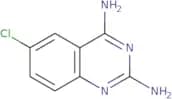
CAS:<p>Versatile small molecule scaffold</p>Formula:C9H12ClNPurity:Min. 95%Molecular weight:169.65 g/mol6-Chloroquinazoline-2,4-diamine
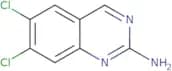
CAS:<p>Versatile small molecule scaffold</p>Formula:C8H7ClN4Purity:Min. 95%Molecular weight:194.62 g/mol6,7-Dichloroquinazolin-2-amine
CAS:<p>Versatile small molecule scaffold</p>Formula:C8H5Cl2N3Purity:Min. 95%Molecular weight:214.05 g/mol2-Methylthieno[3,2-d]pyrimidin-4-ol
CAS:<p>Versatile small molecule scaffold</p>Formula:C7H6N2OSPurity:Min. 95%Molecular weight:166.2 g/mol10-Methyl-7-thia-9,11-diazatricyclo[6.4.0.0,2,6]dodeca-1(8),2(6),9-trien-12-one
CAS:Versatile small molecule scaffoldFormula:C10H10N2OSPurity:Min. 95%Molecular weight:206.3 g/molBicyclo[2.2.2]octan-2-ol
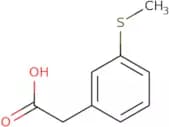
CAS:<p>Bicyclo[2.2.2]octan-2-ol is an antiplasmodial agent that is used to treat malaria caused by Plasmodium falciparum and P. vivax. It binds to the parasite's heme, preventing its conversion of heme to protoporphyrin IX and blocking the synthesis of ATP, leading to cell death. Bicyclo[2.2.2]octan-2-ol has also been shown to be effective against multiresistant strains of plasmodium and has a low toxicity in humans. This substance can be synthesized by epimerization of 2-(bromomethyl)cyclohexanol with maleic anhydride or 2-benzoylcyclohexanol with benzoic acid. The yields from these reactions are low, but the product can be easily tracked due to its distinctive chemical properties (e.g., high boiling point</p>Formula:C8H14OPurity:Min. 95%Molecular weight:126.2 g/mol3-(Methylthio)phenyl acetic acid
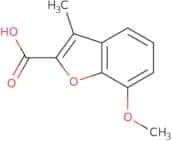
CAS:<p>Versatile small molecule scaffold</p>Formula:CH3SC6H4CH2CO2HPurity:Min. 95%Molecular weight:182.24 g/mol7-Methoxy-3-methyl-1-benzofuran-2-carboxylic acid
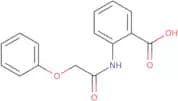
CAS:<p>Versatile small molecule scaffold</p>Formula:C11H10O4Purity:Min. 95%Molecular weight:206.19 g/mol2-(2-Phenoxyacetamido)benzoic acid
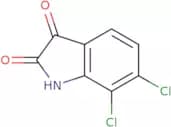
CAS:<p>Versatile small molecule scaffold</p>Formula:C15H13NO4Purity:Min. 95%Molecular weight:271.27 g/mol6,7-dichloro-2,3-dihydro-1H-indole-2,3-dione
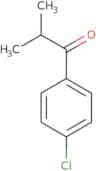
CAS:<p>6,7-Dichloro-2,3-dihydro-1H-indole-2,3-dione is a drug that is used to treat high blood pressure. It is a potent inhibitor of the enzyme phosphodiesterase (PDE), which breaks down cyclic adenosine monophosphate (cAMP). 6,7-Dichloro-2,3-dihydro-1H-indole-2,3-dione inhibits PDE and increases the concentration of cAMP in cells. This increase in cAMP leads to an increased effect of the neurotransmitter acetylcholine on the heart and blood vessels. 6,7-Dichloro-2,3-dihydro-1H-indole--2,3--dione also increases calcium binding to membrane receptors and increases membrane hyperpolarization. These changes lead to an increase in nω--nitro--</p>Formula:C8H3Cl2NO2Purity:Min. 95%Molecular weight:216.02 g/mol1-(4-Chlorophenyl)-2-methylpropan-1-one
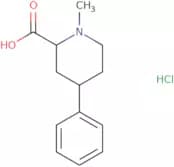
CAS:<p>1-(4-Chlorophenyl)-2-methylpropan-1-one is a phenyl ester that is used as an intermediate in the synthesis of other compounds. 1-(4-Chlorophenyl)-2-methylpropan-1-one can be synthesized by reacting potassium t-butoxide with diethyl succinate, followed by reaction with isopropyl alcohol. This process will result in the production of 1-(4-chlorophenyl)-2-methylpropan-1-one and potassium t-butoxide. The compound can also be synthesized by condensing naphthalene, diethyl ether, and isopropanol. This process will produce the same product but with a different reactant order.</p>Formula:C10H11OClPurity:Min. 95%Molecular weight:182.64 g/mol1-Methyl-4-phenylpiperidine-2-carboxylic acid hydrochloride
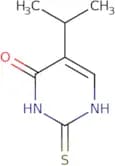
CAS:<p>Versatile small molecule scaffold</p>Formula:C13H18ClNO2Purity:Min. 95%Molecular weight:255.74 g/mol5-(Propan-2-yl)-2-sulfanyl-3,4-dihydropyrimidin-4-one
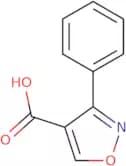
CAS:<p>5-(Propan-2-yl)-2-sulfanyl-3,4-dihydropyrimidin-4-one is a synthetic compound that blocks the activity of viral reverse transcriptase and DNA polymerase. It is also an inhibitor of human immunodeficiency virus (HIV) and has been shown to be effective in mice with AIDS. This drug also has radical scavenging activities and can be used as a possible anti-inflammatory agent for the treatment of rheumatoid arthritis. 5-(Propan-2-yl)-2-sulfanyl-3,4-dihydropyrimidin-4-one belongs to the class of pyrimidine nucleosides and has been shown to inhibit nonnucleoside reverse transcriptase inhibitors, such as indole alkaloids. This drug has a molecular weight of 319.06 g/mol and contains an ethyl formate, isopropyl group, hydroxyl</p>Formula:C7H10N2OSPurity:Min. 95%Molecular weight:170.23 g/mol3-Phenylisoxazole-4-carboxylic acid
CAS:<p>3-Phenylisoxazole-4-carboxylic acid is a small molecule that has been shown to have high affinity for the metabotropic glutamate receptor subtype mGluR7. It also binds to the allosteric site on this receptor and is therefore a potent agonist. 3-Phenylisoxazole-4-carboxylic acid has been shown to be orally bioavailable and selective for mGluR7 in vivo. This molecule can be modified chemically to increase its physicochemical properties, such as solubility, permeability, and lipophilicity, which will allow it to cross the blood brain barrier more easily. 3-Phenylisoxazole-4-carboxylic acid may be used as a lead compound for the development of new drugs that target metabotropic glutamate receptors.</p>Formula:C10H7NO3Purity:Min. 95%Molecular weight:189.16 g/mol



![(2R)-2-{[(tert-Butoxy)carbonyl]amino}hex-5-ynoic acid](/_next/image/?url=https%3A%2Fstatic.cymitquimica.com%2Fproducts%2F3D%2Fthumb-webp%2FSYB46482.webp&w=3840&q=75)
![1-[Amino(4-methylpiperazin-1-yl)methylidene]guanidine dihydrochloride](/_next/image/?url=https%3A%2Fstatic.cymitquimica.com%2Fproducts%2F3D%2Fthumb-webp%2FTAA41336.webp&w=3840&q=75)





![Benzo[b]thiophene-3-sulfonyl Chloride](/_next/image/?url=https%3A%2Fstatic.cymitquimica.com%2Fproducts%2F3D%2Fthumb-webp%2FTAA49487.webp&w=3840&q=75)


![2H,3H,4H-Pyrido[4,3-b][1,4]thiazin-3-one](/_next/image/?url=https%3A%2Fstatic.cymitquimica.com%2Fproducts%2F3D%2Fthumb-webp%2FTAA50486.webp&w=3840&q=75)

![2,2-Dimethyl-3-[(4-methylbenzenesulfonyl)oxy]propanal](/_next/image/?url=https%3A%2Fstatic.cymitquimica.com%2Fproducts%2F3D%2Fthumb-webp%2FTAA51619.webp&w=3840&q=75)

![2-[(4-Bromophenyl)sulfanyl]-2-methylpropanoic acid](/_next/image/?url=https%3A%2Fstatic.cymitquimica.com%2Fproducts%2F3D%2Fthumb-webp%2FTAA52716.webp&w=3840&q=75)
![5-{[(4-Chlorophenyl)sulfanyl]methyl}-1H-1,2,3,4-tetrazole](/_next/image/?url=https%3A%2Fstatic.cymitquimica.com%2Fproducts%2F3D%2Fthumb-webp%2FTAA52731.webp&w=3840&q=75)
![Spiro[1,3-dioxolane-2,1'-[1H]inden]-3'(2'H)-one](/_next/image/?url=https%3A%2Fstatic.cymitquimica.com%2Fproducts%2F3D%2Fthumb-webp%2FTAA53993.webp&w=3840&q=75)
![2,5,6-Trimethyl-3H,4H-thieno[2,3-d]pyrimidin-4-one](/_next/image/?url=https%3A%2Fstatic.cymitquimica.com%2Fproducts%2F3D%2Fthumb-webp%2FTAA59345.webp&w=3840&q=75)
![[(2-Methylphenyl)thio]acetic acid](/_next/image/?url=https%3A%2Fstatic.cymitquimica.com%2Fproducts%2F3D%2Fthumb-webp%2FTAA61915.webp&w=3840&q=75)
![Acetic acid, 2-[(2-chlorophenyl)thio]-](/_next/image/?url=https%3A%2Fstatic.cymitquimica.com%2Fproducts%2F3D%2Fthumb-webp%2FTAA61918.webp&w=3840&q=75)
![2-[(2-Methylphenyl)sulfanyl]-2-phenylacetic acid](/_next/image/?url=https%3A%2Fstatic.cymitquimica.com%2Fproducts%2F3D%2Fthumb-webp%2FTAA62645.webp&w=3840&q=75)
![2-[(2,4-Dimethylphenyl)sulfanyl]-2-phenylacetic acid](/_next/image/?url=https%3A%2Fstatic.cymitquimica.com%2Fproducts%2F3D%2Fthumb-webp%2FTAA62651.webp&w=3840&q=75)

![1H,2H,3H,4H-Pyrazino[1,2-a]indole hydrochloride](/_next/image/?url=https%3A%2Fstatic.cymitquimica.com%2Fproducts%2F3D%2Fthumb-webp%2FTAA63752.webp&w=3840&q=75)
![[3-(3-chlorophenyl)propyl]amine](/_next/image/?url=https%3A%2Fstatic.cymitquimica.com%2Fproducts%2F3D%2Fthumb-webp%2FTAA65549.webp&w=3840&q=75)
![2-Methylthieno[3,2-d]pyrimidin-4-ol](/_next/image/?url=https%3A%2Fstatic.cymitquimica.com%2Fproducts%2F3D%2Fthumb-webp%2FTAA67813.webp&w=3840&q=75)
![10-Methyl-7-thia-9,11-diazatricyclo[6.4.0.0,2,6]dodeca-1(8),2(6),9-trien-12-one](/_next/image/?url=https%3A%2Fstatic.cymitquimica.com%2Fproducts%2F3D%2Fthumb-webp%2FTAA67829.webp&w=3840&q=75)
![Bicyclo[2.2.2]octan-2-ol](/_next/image/?url=https%3A%2Fstatic.cymitquimica.com%2Fproducts%2F3D%2Fthumb-webp%2FTAA68463.webp&w=3840&q=75)