Building Blocks
This section contains fundamental products for the synthesis of organic and biological compounds. Building blocks are the essential starting materials used to construct complex molecules through various chemical reactions. They play a critical role in drug discovery, material science, and chemical research. At CymitQuimica, we offer a diverse range of high-quality building blocks to support your innovative research and industrial projects, ensuring you have the essential components for successful synthesis.
Subcategories of "Building Blocks"
- Boronic Acids & Boronic Acid Derivatives(5,756 products)
- Chiral Building Blocks(1,242 products)
- Hydrocarbon Building Blocks(6,093 products)
- Organic Building Blocks(60,529 products)
Found 195534 products of "Building Blocks"
Sort by
Purity (%)
0
100
|
0
|
50
|
90
|
95
|
100
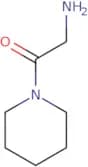
2-Amino-1-(1-piperidinyl)-1-ethanone hydrochloride
CAS:<p>2-Amino-1-(1-piperidinyl)-1-ethanone hydrochloride is an achiral and enantioselective chiral catalyst. It has been shown to catalyze the transfer of alkyl groups from one molecule to another, including imine, initially alkylated, and chiral substrates. 2-Amino-1-(1-piperidinyl)-1-ethanone hydrochloride has been used in asymmetric synthesis of levobupivacaine with high optical purity.</p>Formula:C7H15ClN2OPurity:Min. 95%Molecular weight:178.66 g/mol4-(1H-Pyrrol-1-yl)benzene-1-sulfonamide
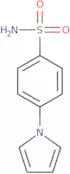
CAS:<p>Versatile small molecule scaffold</p>Formula:C10H10N2O2SPurity:Min. 95%Molecular weight:222.27 g/mol4-Cyano-2-ethoxyphenyl acetate
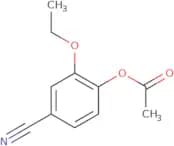
CAS:<p>Versatile small molecule scaffold</p>Formula:C11H11NO3Purity:Min. 95%Molecular weight:205.21 g/mol2-(4-Bromonaphthalen-1-yl)acetic acid
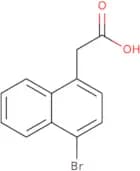
CAS:<p>Versatile small molecule scaffold</p>Formula:C12H9BrO2Purity:Min. 95%Molecular weight:265.1 g/mol4,6-Dimethylpyridine-2-carbaldehyde
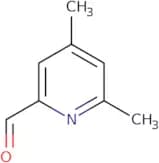
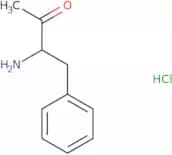
CAS:<p>Versatile small molecule scaffold</p>Formula:C8H9NOPurity:Min. 95%Molecular weight:135.16 g/mol3-Amino-4-phenylbutan-2-one hydrochloride
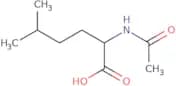
CAS:<p>Versatile small molecule scaffold</p>Formula:C10H14ClNOPurity:Min. 95%Molecular weight:199.68 g/mol2-Acetamido-5-methylhexanoic acid
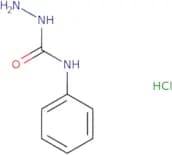
CAS:<p>2-Acetamido-5-methylhexanoic acid is a postulated compound that is synthesized in two steps from 2-methyl-3-buten-2-ol. The first step involves the sequential dehydration of an α,β unsaturated ketone with aqueous sodium hydroxide and then phosphoric acid. The second step entails the addition of an acetylamino group to the β position of the carboxyl group, forming the desired compound. The synthesis of 2-acetamido-5 methylhexanoic acid was confirmed by spectroscopic methods, including IR, NMR, and MS. This chemical has been shown to be catalytic in allylic alcohols and isomerized allylic alcohols.</p>Formula:C9H17NO3Purity:Min. 95%Molecular weight:187.24 g/mol4-Phenylsemicarbazide hydrochloride
CAS:<p>4-Phenylsemicarbazide hydrochloride is a compound that is created by the oxidation of selenium or selenium salts. 4-Phenylsemicarbazide hydrochloride is used as a photoelectron to generate energy in the metabolism of fatty acids. It has been shown to decrease levels of chloride in rats and mice, which may be due to its ability to reduce monochloride. The biochemical pathways for this substance are not well understood, but it has been shown to have health effects on animals such as aluminum toxicity and lipid peroxidation.</p>Formula:C7H9N3O·HClPurity:Min. 95%Molecular weight:187.63 g/molN-Methyl-2-nitrobenzylamine Hydrochloride
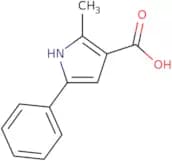
CAS:<p>Versatile small molecule scaffold</p>Formula:C8H11ClN2O2Purity:Min. 95%Molecular weight:202.64 g/mol2-Methyl-5-phenyl-1H-pyrrole-3-carboxylic acid
CAS:<p>Versatile small molecule scaffold</p>Formula:C12H11NO2Purity:Min. 95%Molecular weight:201.22 g/mol2-Cyclohexyl-1-propanol
CAS:<p>2-Cyclohexyl-1-propanol (2CYP) is a chemical compound that is an alkali metal. It can be used to remove the sulfate from benzyl alcohol, which is a precursor in the production of polystyrene. 2CYP is also used as a catalyst for the hydrogenation of alkenes and alkynes to produce hydrogenated hydrocarbons. The elucidation of the mechanism by which 2CYP reduces sulfate has been shown to involve two steps: dehydrogenation of 2CYP followed by addition of sulfate to form elemental sulfur. In environmental health, 2CYP has been shown to reduce chloride levels and was found to be more effective than sodium hydroxide or sodium chloride.<br>2CYP also reduces levels of lead and cadmium in water samples.</p>Formula:C9H18OPurity:Min. 95%Molecular weight:142.24 g/mol2-Methylquinoline-4,6-diamine
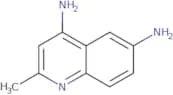
CAS:<p>Versatile small molecule scaffold</p>Formula:C10H11N3Purity:Min. 95%Molecular weight:173.21 g/molMethyl 2-Bromohexanoate
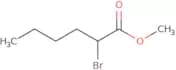
CAS:<p>Methyl 2-bromohexanoate is a reactive chemical that has been found in the urine of healthy volunteers. It is used as an intermediate for pharmaceutical preparations and can be introduced into the body through inhalation, ingestion, or skin contact. Methyl 2-bromohexanoate also has potential use as a biomarker for cancer, since it has been detected in patients with cervical cancer and environmental exposure to benzene. This compound reacts with sulfoxide in the environment to form polymers and phosphates. It also exhibits optical properties when polymerized.</p>Formula:C7H13BrO2Purity:Min. 95%Molecular weight:209.08 g/mol(2,3-Dihydro-1H-inden-2-yl)methanol
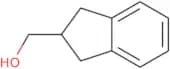
CAS:<p>(2,3-Dihydro-1H-inden-2-yl)methanol is an organometallic compound that has the chemical formula CH(CH)CHO. It is classified as an aromatic alcohol based on its substituent. (2,3-Dihydro-1H-inden-2-yl)methanol has a linear structure with a hydrogen atom at the end of each carbon chain and two carbonyl groups. The equilibrium between this compound and its isomers can be determined by calculating the difference in energy between each form. The properties of this compound depend on the solvent it is mixed with, as well as its solvents’ polarity. This compound can be used for perfuming or for cyclohexanol production.</p>Formula:C10H12OPurity:Min. 95%Molecular weight:148.2 g/mol2-Methyl-3-phenylpropanal
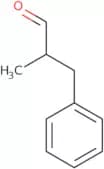
CAS:<p>2-Methyl-3-phenylpropanal is a volatile compound that has been identified as a major component of the odor of fresh cilantro. It has been found to be a pheromone for the crambid moth, which suggests that it may play a role in mating behavior. 2-Methyl-3-phenylpropanal is an allyl ligand that has shown to bind to odorant binding proteins. It also has been shown to have hydrogen bonding and fluorescence properties. This molecule is not active against lepidoptera or gamma-terpinene, but it does show binding activity against the latter.</p>Formula:C10H12OPurity:Min. 95%Molecular weight:148.2 g/mol5-Chloro-2-methylphenylhydrazine hydrochloride
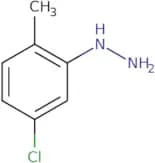
CAS:<p>5-Chloro-2-methylphenylhydrazine hydrochloride (5CMPH) is an arylhydrazine that is used as a reagent in organic chemistry. It can be prepared from 2,6-dichloroacetamide and methyl phenyldiazonium chloride. 5CMPH has the molecular formula CHClN and a molecular weight of 182.8 g/mol. This compound is soluble in water and ethanol, but insoluble in ethers and benzene. 5CMPH has been shown to react with 6-membered heterocycles such as guanidinium chloride to form dialdehydes. When substituted at the 2 position with chlorine, it forms chlorinated arylhydrazines such as 6-chloro-N-(2-chlorophenyl)-2,4-dinitrobenzenamine, which have been shown to have antiinflammatory activities.</p>Formula:C7H10Cl2N2Purity:Min. 95%Molecular weight:193.07 g/mol2-(1-Phenylethylidene)malononitrile
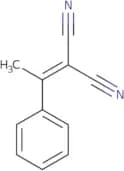
CAS:<p>2-(1-Phenylethylidene)malononitrile (2-PMAN) is a chemical compound that is used as starting material for the manufacture of other chemicals. It can be obtained by the reaction of anthranilic acid with trichloroacetonitrile in the presence of hydride transfer agents. The product is purified by crystallization and recrystallization, and then reacts with carbon disulfide to form 2-phenylethanamine. 2-PMAN has been shown to have nematocidal activity, which may be due to its ability to inhibit protein synthesis by interfering with the uptake of amino acids into cells. Additionally, 2-PMAN can undergo dimerization or isomerisation reactions which affect its biological activity.</p>Formula:C11H8N2Purity:Min. 95%Molecular weight:168.19 g/molrac-(1R,2S)-2-tert-Butylcyclohexan-1-ol
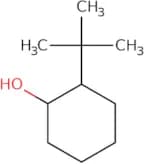
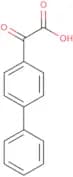
CAS:<p>Rac-1,2-cyclohexan-1,2-diol is a synthetic chemical that is used in the production of hydrogenated oils. It is produced by the hydrogenation of rac-dimethyl carbonate, which can be synthesized from cyclohexanol and tert-butyl chloride. Rac-1,2-cyclohexan-1,2-diol can be quantified using gas chromatography with a flame ionization detector (GC/FID) or high performance liquid chromatography (HPLC). The catalyst used for this reaction is typically a solid material such as platinum on carbon. The reaction requires anhydrous conditions and takes place at low temperatures. Racemic 1,2 cyclohexan-1,2 diol can also be produced through the dehydrogenation of racemic 2,3 cyclohexanedione with a palladium on charcoal catalyst. This process requires anhydrous conditions and takes place at high temperatures.</p>Formula:C10H20OPurity:Min. 95%Molecular weight:156.26 g/mol2-Oxo-2-(4-phenylphenyl)acetic acid
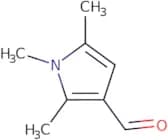
CAS:<p>Versatile small molecule scaffold</p>Formula:C14H10O3Purity:Min. 95%Molecular weight:226.23 g/mol1,2,5-Trimethyl-1H-pyrrole-3-carbaldehyde
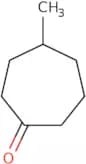
CAS:<p>Versatile small molecule scaffold</p>Formula:C8H11NOPurity:Min. 95%Molecular weight:137.18 g/mol4-Methylcycloheptan-1-one
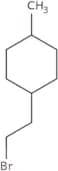
CAS:<p>4-Methylcycloheptan-1-one is an organic compound with a methoxy group, mesylate group and a single optical isomer. This compound has been synthesized by the nucleophilic substitution of 4-methylcycloheptanone with methoxymethyl chloride. The enantiomeric excess of the product can be determined by optical rotation measurements. The reaction system was racemized in a chiral environment. The reaction products are solvents, which must be deuterated to yield the desired chiral product.</p>Formula:C8H14OPurity:Min. 95%Molecular weight:126.2 g/mol1-(2-Bromoethyl)-4-methylcyclohexane
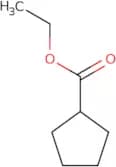
CAS:<p>Versatile small molecule scaffold</p>Formula:C9H17BrPurity:Min. 95%Molecular weight:205.13 g/molEthyl cyclopentane carboxylate
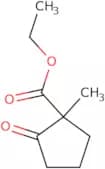
CAS:<p>Ethyl cyclopentane carboxylate is a cell signaling molecule that is synthesized from an amide and diacylglycerol. It has been shown to have therapeutic effects in autoimmune diseases, cancer, inflammatory diseases, bowel disease, and transfer reactions. Ethyl cyclopentane carboxylate inhibits the MCL-1 protein and CB2 receptor in the immune system. Ethyl cyclopentane carboxylate has also been shown to inhibit the inflammatory response in experimental models of inflammatory bowel disease by inhibiting the activity of the Cb2 receptor.</p>Formula:C8H14O2Purity:Min. 95%Molecular weight:142.2 g/molethyl 1-methyl-2-oxocyclopentane-1-carboxylate
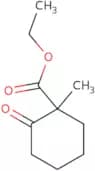
CAS:<p>Ethyl 1-methyl-2-oxocyclopentane-1-carboxylate is a cyclopentenone that has been shown to be effective against epidermoid carcinoma cells and lymphocytic leukemia. It has antitumor activity in vivo, with a good cytotoxicity profile. This compound binds to the DNA of tumor cells, causing mismatched base pairing through its diastereomeric interactions. This binding leads to disruption of the DNA helix, which causes cell death by apoptosis. Ethyl 1-methyl-2-oxocyclopentane-1-carboxylate also inhibits the growth of tissue culture cells. The toxic effects on these cells are dose dependent and can be reduced by irradiation or ethylene gas treatment.</p>Formula:C9H14O3Purity:Min. 95%Molecular weight:170.21 g/molEthyl 1-methyl-2-oxocyclohexane-1-carboxylate
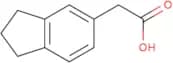
CAS:<p>Ethyl 1-methyl-2-oxocyclohexane-1-carboxylate (EMOC) is a synthetic retinoid that was designed to have biological properties similar to those of retinoic acid. EMOC has been shown to inhibit the growth of cancer cells in vitro and in vivo, as well as to induce differentiation in these cells. It inhibits DNA replication by binding to chloride ions, which are essential for the enzymatic activity of DNA polymerase. EMOC also binds to the carbonyl group of diltiazem hydrochloride, a drug used for the treatment of high blood pressure and angina pectoris. The chemical structures of both compounds are similar, with one difference being that EMOC has an additional methyl group on its terminal half-life.</p>Formula:C10H16O3Purity:Min. 95%Molecular weight:184.23 g/mol2-(2,3-Dihydro-1H-inden-5-yl)acetic acid
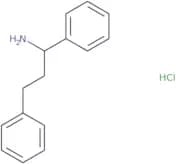
CAS:<p>2-(2,3-Dihydro-1H-inden-5-yl)acetic acid is an antiinflammatory drug used for the relief of acute or chronic pain and inflammation. It works by blocking the production of prostaglandins, which are chemical messengers that cause pain and inflammation. 2-(2,3-Dihydro-1H-inden-5-yl)acetic acid has been found to be effective in relieving pain and inflammation in a variety of conditions including osteoarthritis, rheumatoid arthritis, ankylosing spondylitis and psoriatic arthritis. The drug also has a role in preventing the formation of kidney stones because it prevents calcium oxalate crystals from forming. This compound can be reconstituted with water or alcohols to produce a solution for oral administration. 2-(2,3-Dihydro-1H-inden-5-yl)acetic acid</p>Formula:C11H12O2Purity:Min. 95%Molecular weight:176.21 g/mol1,3-Diphenylpropan-1-amine hydrochloride
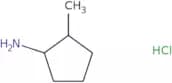
CAS:<p>Versatile small molecule scaffold</p>Formula:C15H18ClNPurity:Min. 95%Molecular weight:247.76 g/mol2-Methylcyclopentanamine hydrochloride
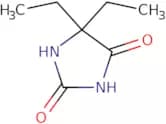
CAS:<p>Versatile small molecule scaffold</p>Formula:C6H14ClNPurity:Min. 95%Molecular weight:135.64 g/mol5,5-Diethyl-imidazolidine-2,4-dione
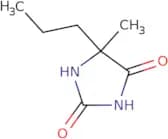
CAS:<p>5,5-Diethyl-imidazolidine-2,4-dione is an n-nitrosodiethylamine (NDELA) metabolite that binds to the cytochrome P450 enzyme and inhibits the activity of hydantoinase. It is also a ligand for the immunoreactive form of the enzyme in rats. 5,5-Diethyl-imidazolidine-2,4-dione has been shown to inhibit carcinogenesis in rats and enhance enzyme activities. This compound also interacts with drugs such as warfarin and phenytoin by enhancing their concentrations.</p>Formula:C7H12N2O2Purity:Min. 95%Molecular weight:156.18 g/mol5-Methyl-5-propylimidazolidine-2,4-dione
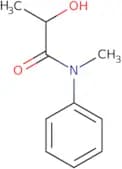
CAS:<p>5-Methyl-5-propylimidazolidine-2,4-dione is an antimicrobial agent that inhibits the growth of bacteria. It has been shown to inhibit the growth of Staphylococcus aureus and other bacteria on cellulose surfaces. This drug also reacts with epoxides in cell walls and is effective against Gram-positive and Gram-negative bacteria. The reaction solution for 5-Methyl-5-propylimidazolidine-2,4-dione was prepared by dissolving the drug in a mixture of methylene chloride and methanol. The stability tests were conducted over a long period at room temperature or at 4°C. The results showed that this drug maintained its potency for extended periods of time when stored at these temperatures.</p>Formula:C7H12N2O2Purity:Min. 95%Molecular weight:156.18 g/mol2-Hydroxy-N-methyl-N-phenylpropanamide
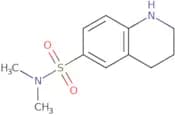
CAS:<p>Versatile small molecule scaffold</p>Formula:C10H13NO2Purity:Min. 95%Molecular weight:179.22 g/molN,N-Dimethyl-1,2,3,4-tetrahydroquinoline-6-sulfonamide
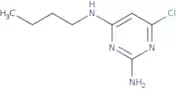
CAS:<p>Versatile small molecule scaffold</p>Formula:C11H16N2O2SPurity:Min. 95%Molecular weight:240.32 g/mol4-N-Butyl-6-chloropyrimidine-2,4-diamine
CAS:<p>Versatile small molecule scaffold</p>Formula:C8H13ClN4Purity:Min. 95%Molecular weight:200.67 g/mol3-[(2-Hydroxyethyl)amino]propanoic acid
CAS:<p>3-[(2-Hydroxyethyl)amino]propanoic acid is a primary alcohol that has hydrogens, a propanoic acid, and propanoic. It is an amino compound.</p>Formula:C5H11NO3Purity:Min. 95%Molecular weight:133.15 g/molN-Butyl cyanoacetate
CAS:<p>N-Butyl cyanoacetate is a colorless liquid that has a strong, unpleasant odor. It is used in the production of industrial chemicals and as an active methylene reagent in organic synthesis. It can be used to make diazonium salts and c1-c4 haloalkyl compounds. N-Butyl cyanoacetate is known to cause allergic reactions and has been shown to have an effect on the central nervous system, causing low energy levels and receptor activity.</p>Formula:C7H11NO2Purity:Min. 95%Molecular weight:141.17 g/mol4-Methoxycyclohexan-1-amine hydrochloride
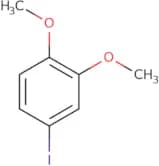
CAS:<p>Versatile small molecule scaffold</p>Formula:C7H16ClNOPurity:Min. 95%Molecular weight:165.66 g/mol3,4-Dimethoxyiodobenzene
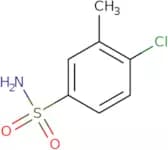
CAS:<p>3,4-Dimethoxyiodobenzene is a synthetic compound that is used in the synthesis of isoalantolactone. It is an aromatic halide with two methoxy groups attached to the terminal alkyne groups. 3,4-Dimethoxyiodobenzene can be prepared by reacting iodine and hydrochloric acid. The reaction rate for this reaction is dependent on the concentration of iodine and hydrochloric acid. This compound can also be obtained by reacting chloroform with ethylene oxide in the presence of sodium hydroxide. The yield of 3,4-dimethoxyiodobenzene from this reaction is very high, but it requires a long period of time to complete.</p>Formula:C8H9IO2Purity:Min. 95%Molecular weight:264.06 g/mol4-Chloro-3-methylbenzene-1-sulfonamide
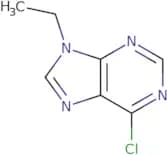
CAS:<p>Versatile small molecule scaffold</p>Formula:C7H8ClNO2SPurity:Min. 95%Molecular weight:205.66 g/mol6-Chloro-9-ethyl-9H-purine
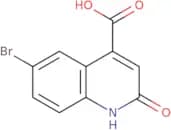
CAS:<p>6-Chloro-9-ethyl-9H-purine (6C9E) is a deaminated nucleoside that can be synthesized from the purine nucleosides, 6-chloropurine and 9-ethyladenine. The terminal alkynes of 6C9E are able to react with azides to form triazoles. This reaction is an example of nucleophilic substitution and has been shown to be reversible. 6C9E has potential as a fluorescent marker in organic synthesis due to its ability to fluoresce under UV light. It also reacts with carbon tetrachloride leading to the formation of chloroform and hydrogen chloride gas, which can be detected by smell or by luminescence.</p>Formula:C7H7ClN4Purity:Min. 95%Molecular weight:182.61 g/mol6-Bromo-2-oxo-1,2-dihydroquinoline-4-carboxylic acid
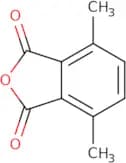
CAS:<p>6-Bromo-2-oxo-1,2-dihydroquinoline-4-carboxylic acid is a corrosion inhibitor with potentiodynamic polarization. It is a potent inhibitor of chloride ion transport in electrochemical systems. 6-Bromo-2-oxo-1,2-dihydroquinoline-4-carboxylic acid has been shown to inhibit the corrosion of steel in hydrochloric acid solutions and to have an efficiency that is greater than that of other known inhibitors. The inhibition efficiency of 6BQCA can be modeled using impedance spectroscopy, which is a functional theory for the study of diffusion of current through electrolytic solutions.</p>Formula:C10H6BrNO3Purity:Min. 95%Molecular weight:268.06 g/mol4,7-Dimethyl-1,3-dihydro-2-benzofuran-1,3-dione
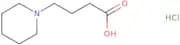
CAS:<p>4,7-Dimethyl-1,3-dihydro-2-benzofuran-1,3-dione is a functional theory that stabilizes the molecule by preventing the formation of an intermediate. It can be used to prevent the generation of reactive radicals and other undesirable side reactions. 4,7-Dimethyl-1,3-dihydro-2-benzofuran-1,3-dione is uncatalyzed and reacts with water to form a cyclic compound that has a section of two functional groups that are bifunctional in nature. The parameters for this reaction include acid as a catalyst and proton as an acceptor. In catalysis, hydrogen bond forms between hydrogen fluoride and one of the hydroxyl groups on the 4,7 dimethyl benzofuran ring. This bond breaks down during dehydration when hydrogen fluoride leaves the molecule to form water.</p>Formula:C10H8O3Purity:Min. 95%Molecular weight:176.17 g/molPiperidin-1-ylbutanoic acid hydrochloride
CAS:<p>Versatile small molecule scaffold</p>Formula:C9H18ClNO2Purity:Min. 95%Molecular weight:207.7 g/mol6-Hydrazinyl-1-methyl-1H,4H,5H-pyrazolo[3,4-d]pyrimidin-4-one
CAS:<p>Versatile small molecule scaffold</p>Formula:C6H8N6OPurity:Min. 95%Molecular weight:180.17 g/molEthane-1,1,2,2-tetracarboxylic acid tetramethylester
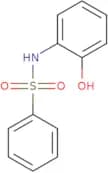
CAS:<p>Ethane-1,1,2,2-tetracarboxylic acid tetramethylester (ETM) is a triamide that can be used as a stabilizing agent in organic synthesis. It is believed to increase the yields of reactions by acting as an estimator for the population of carbenes that are generated during chemical reactions. ETM has been shown to be an isomerizer and can stabilize molecules with electron-deficient carbonyls. ETM has also been shown to exist in both solid and liquid phases and its mechanism of stabilization is hypothesized to involve coordination between the ETM molecule and the substrate molecule. The coexistence of two different phases may be due to the ability of ETM to catalyze electrolysis reactions.</p>Formula:C10H14O8Purity:Min. 95%Molecular weight:262.21 g/molN-(2-Hydroxyphenyl)benzenesulfonamide
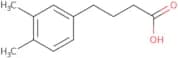
CAS:<p>Versatile small molecule scaffold</p>Formula:C12H11NO3SPurity:Min. 95%Molecular weight:249.29 g/mol4-(3,4-Dimethylphenyl)butanoic acid
CAS:<p>Versatile small molecule scaffold</p>Formula:C12H16O2Purity:Min. 95%Molecular weight:192.25 g/mol2-Ethyl-2-phenyl-butyricacid
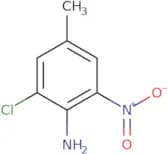
CAS:<p>Versatile small molecule scaffold</p>Formula:C12H16O2Purity:Min. 95%Molecular weight:192.25 g/mol2-Chloro-4-methyl-6-nitroaniline
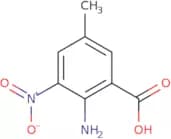
CAS:<p>Versatile small molecule scaffold</p>Formula:C7H7ClN2O2Purity:Min. 95%Molecular weight:186.6 g/mol2-Amino-5-methyl-3-nitrobenzoic acid
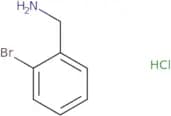
CAS:<p>2-Amino-5-methyl-3-nitrobenzoic acid is a heterocyclic compound that has been shown to rearrange under acidic conditions. It can be synthesized by the reaction of 2-amino-5-methylbenzoic acid and sodium nitrite in the presence of benzotriazole. This compound is used as a reagent for spectroscopy, such as NMR and IR. The IR spectrum of this compound shows absorption bands at 3351, 1707, 1671, 1533, 1492, 1377, 1283, 1166 cm−1.</p>Formula:C8H8N2O4Purity:Min. 95%Molecular weight:196.16 g/mol2-Bromobenzylamine hydrochloride
CAS:<p>Versatile small molecule scaffold</p>Formula:BrC6H4CH2NH2·HClPurity:Min. 95%Molecular weight:222.51 g/molEthyl 2-{[(benzyloxy)carbonyl]amino}-3-sulfamoylpropanoate
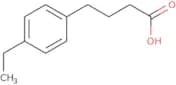
CAS:<p>Versatile small molecule scaffold</p>Formula:C13H18N2O6SPurity:Min. 95%Molecular weight:330.36 g/mol4-(4-Ethylphenyl)butanoic acid
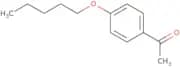
CAS:<p>Versatile small molecule scaffold</p>Formula:C12H16O2Purity:Min. 95%Molecular weight:192.25 g/mol1-(4-Pentoxyphenyl)ethanone
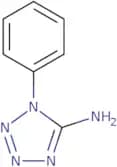
CAS:<p>1-(4-Pentoxyphenyl)ethanone is a derivative of the drug molecule, which is an analog. It has been shown to have anti-cancer properties in vitro and in vivo, as well as to be effective against multi-drug resistant tumors. 1-(4-Pentoxyphenyl)ethanone binds to calcium ions with low affinity and blocks the transport of drugs across membranes by inhibiting ion channels. This drug may also be used as an antifungal agent, although it is not active against yeast cells.</p>Formula:C13H18O2Purity:Min. 95%Molecular weight:206.28 g/mol1-Phenyl-1H-1,2,3,4-tetrazol-5-amine
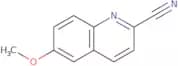
CAS:<p>The compound 1-Phenyl-1H-1,2,3,4-tetrazol-5-amine is a growth factor that is used in pharmaceutical preparations. The reactive functional group is amine and the drug has been shown to be biocompatible and non-toxic. It is used as a diagnostic agent for diabetes mellitus type 2 and cardiac diseases. It has also been shown to have cytotoxic effects on cancer cells lines including MDA-MB-231 cell line with EC50 of 0.8 μM.</p>Formula:C7H7N5Purity:Min. 95%Molecular weight:161.16 g/mol6-Methoxy-2-quinolinecarbonitrile
CAS:<p>The 6-methoxy-2-quinolinecarbonitrile (6MQC) is an acceptor molecule that is a part of the pharmacophore model. The pharmacophore model is generated by a process of optimization and validation. The optimization process uses a vector to find the best combination of molecules. Histamine, which is monitored during the optimization process, is a molecular property that has been validated. The 6MQC was found to be effective as a lead compound in the treatment of phospholipidosis and naphthalene toxicity in rats, and it has also been shown to have antihistaminergic activity.</p>Formula:C11H8N2OPurity:Min. 95%Molecular weight:184.19 g/mol1,3-Bis(2-phenylethyl)urea
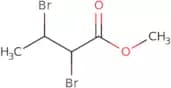
CAS:<p>Versatile small molecule scaffold</p>Formula:C17H20N2OPurity:Min. 95%Molecular weight:268.35 g/molMethyl 2,3-dibromobutanoate
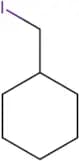
CAS:<p>Versatile small molecule scaffold</p>Formula:C5H8Br2O2Purity:Min. 95%Molecular weight:259.92 g/mol(Iodomethyl)cyclohexane
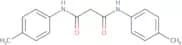
CAS:<p>Iodomethylcyclohexane is a cyclohexane compound that is used as an ingredient in the production of other substances. It has been shown to have inhibitory effects on bowel disease and has a stereoisomer with a ph optimum of 7. Iodomethylcyclohexane also has an average particle diameter of 6.5 micrometers, which means it is a liquid crystal composed of molecules that are arranged in a regular and periodic manner. Iodomethylcyclohexane binds to receptors on cells, such as chloride and acid phosphatase, which are important for the regulation of cell growth. Iodomethylcyclohexane also binds to adrenergic receptors and can cause constriction of blood vessels. END>></p>Formula:C7H13IPurity:Min. 95%Molecular weight:224.08 g/molN,N'-Bis(4-methylphenyl)propanediamide
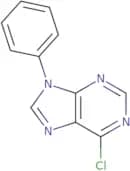
CAS:<p>Versatile small molecule scaffold</p>Formula:C17H18N2O2Purity:Min. 95%Molecular weight:282.34 g/mol6-Chloro-9-phenyl-9H-purine
CAS:<p>6-Chloro-9-phenyl-9H-purine is an antipurinic agent that inhibits the production of nucleic acids. It is a derivative of 6,6'-dichloro-2,2'-diimidazole and is used as a precursor in the synthesis of other analogues. The yield of this compound can be increased by using carbon tetrachloride as a catalyst. 6-Chloro-9-phenyl-9H-purine has been shown to be an effective catalyst for imidazolium and benzimidazolium salts. This compound also exhibits nucleophilic properties which may be due to the dipole moment created by the nitrogen atom on one side and the oxygen atom on the other side.</p>Formula:C11H7ClN4Purity:Min. 95%Molecular weight:230.65 g/mol3-Methylphenethylamine hydrochloride
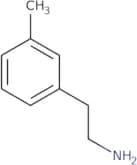
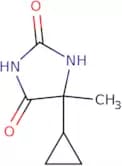
CAS:Controlled Product<p>Versatile small molecule scaffold</p>Formula:C9H14ClNPurity:Min. 95%Molecular weight:171.67 g/mol5-Cyclopropyl-5-methylimidazolidine-2,4-dione
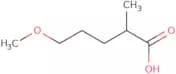
CAS:<p>Versatile small molecule scaffold</p>Formula:C7H10N2O2Purity:Min. 95%Molecular weight:154.17 g/mol5-Methoxy-2-methylpentanoic acid
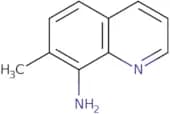
CAS:<p>Versatile small molecule scaffold</p>Formula:C7H14O3Purity:Min. 95%Molecular weight:146.18 g/mol7-Methylquinolin-8-amine
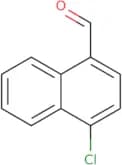
CAS:<p>7-Methylquinolin-8-amine is a chemical compound that belongs to the group of quinoline derivatives. It has been shown to inhibit collagen synthesis, which may be due to its alkalizing effect on the extracellular matrix. This agent also acts as an inhibitor of cardiac hypertrophy and modulates cardiac muscle cell proliferation. 7-Methylquinolin-8-amine also represses the transcription of protein genes and prevents the activation of cardiac tissues by chloride ions.</p>Formula:C10H10N2Purity:Min. 95%Molecular weight:158.2 g/mol4-Chloronaphthalene-1-carbaldehyde
CAS:<p>Versatile small molecule scaffold</p>Formula:C11H7ClOPurity:Min. 95%Molecular weight:190.62 g/mol1-Cyclohexylpropan-2-amine hydrochloride
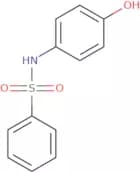
CAS:<p>Versatile small molecule scaffold</p>Formula:C9H20ClNPurity:Min. 95%Molecular weight:177.71 g/molN-(4-Hydroxyphenyl)benzenesulfonamide
CAS:<p>N-(4-Hydroxyphenyl)benzenesulfonamide (NPSA) is a potentiator of chlorine that increases the activity of monooxygenases, such as epoxide hydrolase. NPSA also has the ability to inhibit glutathione synthesis in the liver and kidneys. This inhibition leads to liver cell necrosis. It is believed that NPSA may act by inhibiting the synthesis of an intermediate in the biosynthesis of cholesterol, 3-methylcholanthrene. The chlorobenzenesulfonamide moiety reacts with glutathione to form a reactive chloride ion, which then reacts with other cellular components to cause damage.</p>Formula:C12H11NO3SPurity:Min. 95%Molecular weight:249.29 g/mol1,3-Diphenylpropane-1,3-diol
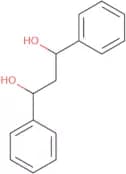
CAS:<p>1,3-Diphenylpropane-1,3-diol is a synthetic compound that can be used as an intermediate in organic synthesis. It is a chiral molecule with the (R) configuration at the phenyl ring. 1,3-Diphenylpropane-1,3-diol has been studied for its effects on acidemia and aciduria in humans. This chemical also inhibits phosphine toxicity by inhibiting alcohol dehydrogenase and acetaldehyde dehydrogenase. Clinical studies have shown that 1,3-diphenylpropane-1,3-diol can alleviate methylmalonic acidemia and congenital methylmalonic aciduria.</p>Formula:C15H16O2Purity:Min. 95%Molecular weight:228.29 g/mol(Cyclohexylmethyl)urea
CAS:<p>Cyclohexylmethyl)urea is a protease inhibitor that inhibits the activity of the ns3 protease, which is involved in coagulation. Cyclohexylmethyl)urea binds to the active site of the ns3 protease and prevents it from cleaving proteins. It has been shown to be beneficial for patients who have had angioplasty or other procedures that involve opening a blocked artery. Cyclohexylmethyl)urea is also used for the treatment of restenosis after angioplasty and myocardial infarction. Cyclohexylmethyl)urea is administered intravenously and can be given as an injection or infusion. The drug must be given with a co-administered agent such as hydrochloric acid, which stabilizes cyclohexylmethyl)urea by converting it into its hydrochloride salt. This pharmaceutical preparation is not indicated for use in children under 6 years of age because of its potential to cause irreversible</p>Formula:C8H16N2OPurity:Min. 95%Molecular weight:156.23 g/molN-(2-Amino-4-methoxyphenyl)acetamide
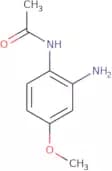
CAS:<p>N-(2-Amino-4-methoxyphenyl)acetamide (ACAM) is a chemical compound that is used as a precursor in the synthesis of various organic compounds. It is an amide derivative of acetanilide and can be synthesized by the reaction of potassium cyanide with 2-methoxybenzaldehyde, followed by cyclization with potassium hydroxide and methanol. ACAM has been shown to result in unambiguous identification of potassium cyanide in environmental samples.</p>Formula:C9H12N2O2Purity:Min. 95%Molecular weight:180.21 g/molDiethyl 2-formylsuccinate
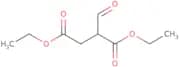
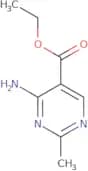
CAS:<p>Diethyl 2-formylsuccinate is an organic ester that is used in pharmaceutical preparations. It is a strong electrophile that reacts with nucleophiles, such as DNA, RNA, and proteins. Diethyl 2-formylsuccinate has been shown to induce basophilic leukemia in mice. This drug also induces the expression of crth2 which is a receptor for the inflammatory response. Diethyl 2-formylsuccinate also has anti-inflammatory properties and has been shown to inhibit bowel disease. Diethyl 2-formylsuccinate has also been shown to have some activity against congestive heart failure and cyhalothrin toxicity. The anti-inflammatory effects of diethyl 2-formylsuccinate may be due to its steric interactions with the nitro group or its ability to scavenge reactive oxygen species.</p>Formula:C9H14O5Purity:Min. 95%Molecular weight:202.21 g/molEthyl 4-Amino-2-methylpyrimidine-5-carboxylate
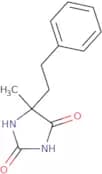
CAS:<p>Ethyl 4-amino-2-methylpyrimidine-5-carboxylate is a synthetic, nonsteroidal androgen receptor antagonist. It binds to the androgen receptor in prostate cancer cells, which inhibits the function of this receptor and prevents testosterone from activating it. This drug has been shown to have anticancer activity in human lung cancer and human prostate cancer, as well as other cancers. Ethyl 4-amino-2-methylpyrimidine-5-carboxylate is also able to cross the blood brain barrier and inhibit tumor growth in the brain. Human lung tumors are sensitive to this drug at concentrations of 10 μM or higher. The mechanism of action for this drug involves binding to the DNA in tumor cells, inhibiting transcription of genes that regulate cell growth and proliferation. Ethyl 4-amino-2-methylpyrimidine-5 carboxylate has been shown to be effective against tautomeric forms of benzene including</p>Formula:C8H11N3O2Purity:Min. 95%Molecular weight:181.2 g/mol5-Methyl-5-(2-phenylethyl)imidazolidine-2,4-dione
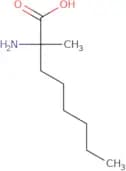
CAS:<p>Versatile small molecule scaffold</p>Formula:C12H14N2O2Purity:Min. 95%Molecular weight:218.25 g/mol2-Amino-2-methyloctanoic acid
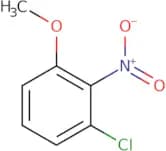
CAS:<p>2-Amino-2-methyloctanoic acid is an α-amino acid that has been shown to have a right-handed helical conformation. In the solid state, it appears as a dimer and in solution, it appears as a hexamer. The compound is chiral, which means that it can exist in two forms with different configurations of the groups around the central carbon atom. 2-Amino-2-methyloctanoic acid has been synthesized using techniques such as FTIR spectroscopy and NMR spectroscopy. It is also used to study stereoselectivity in peptides by probing their conformational preferences.</p>Formula:C9H19NO2Purity:Min. 95%Molecular weight:173.25 g/mol1-Chloro-3-methoxy-2-nitrobenzene
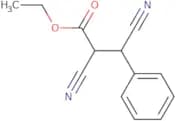
CAS:<p>1-Chloro-3-methoxy-2-nitrobenzene is an anomalous compound that reacts with water to produce hydrochloric acid and nitrous oxide. The reaction starts with cleavage of the C–C bond, followed by a rearrangement to form the methylenedioxy group. This leads to a nucleophilic attack on the aromatic ring, which causes it to become electrophilic and react with water. The temperature of this reaction is dependent on the concentration of hydrochloric acid.</p>Formula:C7H6ClNO3Purity:Min. 95%Molecular weight:187.58 g/molEthyl 2,3-dicyano-3-phenylpropanoate
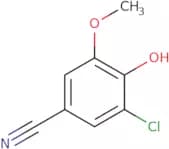
CAS:<p>Versatile small molecule scaffold</p>Formula:C13H12N2O2Purity:Min. 95%Molecular weight:228.25 g/mol3-Chloro-4-hydroxy-5-methoxybenzonitrile
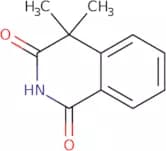
CAS:<p>Versatile small molecule scaffold</p>Formula:C8H6ClNO2Purity:Min. 95%Molecular weight:183.59 g/mol4,4-dimethyl-1,2,3,4-tetrahydroisoquinoline-1,3-dione
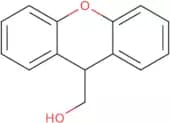
CAS:<p>4,4-dimethyl-1,2,3,4-tetrahydroisoquinoline-1,3-dione is an antiplatelet agent that inhibits the activity of the platelet cyclooxygenase enzyme and prevents the production of thromboxane A2. It has been shown to be a potent compound that has antiplatelet effects in vitro and in vivo. 4,4-dimethyl-1,2,3,4-tetrahydroisoquinoline-1,3-dione is used for the treatment of patients with atherosclerosis or coronary artery disease who have had a recent stroke or heart attack. This drug also shows promise as an anticonvulsant and analgesic due to its ability to reduce neuronal excitability.</p>Formula:C11H11NO2Purity:Min. 95%Molecular weight:189.21 g/mol9H-Xanthene-9-methanol
CAS:<p>9H-Xanthene-9-methanol is an orthogonal protecting group for amines, carbanions, and other nucleophiles. It is a multistep process that yields a cationic intermediate, which can be used for the synthesis of amine-containing compounds. 9H-Xanthene-9-methanol is also used in the deprotection of photolabile groups such as sulfonyl chlorides and tosylates. The reactivity of this reagent is optimized when it is combined with acidic solvents, such as dichloromethane or chloroform.</p>Formula:C14H12O2Purity:Min. 95%Molecular weight:212.25 g/mol1,4-diazabicyclo[3.2.1]octane 2hcl
CAS:<p>Versatile small molecule scaffold</p>Formula:C6H14Cl2N2Purity:Min. 95%Molecular weight:185.09 g/mol6-Methyl-1-(propan-2-yl)-1H,4H,5H-pyrazolo[3,4-d]pyrimidin-4-one
CAS:<p>Versatile small molecule scaffold</p>Formula:C9H12N4OPurity:Min. 95%Molecular weight:192.22 g/mol1-Azaspiro[4.5]decan-2-one
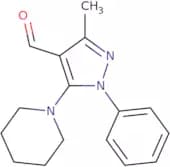
CAS:<p>Versatile small molecule scaffold</p>Formula:C9H15NOPurity:Min. 95%Molecular weight:153.22 g/mol3-Methyl-1-phenyl-5-(piperidin-1-yl)-1H-pyrazole-4-carbaldehyde
CAS:<p>3-Methyl-1-phenyl-5-(piperidin-1-yl)-1H-pyrazole-4-carbaldehyde (MPPC) is a crosslinked polymer that spontaneously forms nanoparticles. The Langmuir isotherm was used to characterize the parameters of this polymer. A chitosan gel, magnetic nanoparticle and thermodynamic techniques were used to study the characteristics of MPPC. The kinetic and endothermic studies were carried out using magnetic nanoparticles. This polymer has been shown to desorb from chitosan gels and magnetic nanoparticles, which can be useful for drug delivery applications.</p>Formula:C16H19N3OPurity:Min. 95%Molecular weight:269.34 g/mol2-[4-(Hydroxymethyl)cyclohex-3-en-1-yl]propan-2-ol
CAS:<p>2-[4-(Hydroxymethyl)cyclohex-3-en-1-yl]propan-2-ol is an isomer of alpha-terpineol. It is the major component of the essential oil from Litsea cubeba, an evergreen tree native to China, Taiwan and Thailand. Alpha-terpineol has been shown to have a broad spectrum of antimicrobial activity against various strains of intestinal bacteria. The methyl group in alpha-terpineol interacts with bacterial 16S ribosomal RNA, inhibiting protein synthesis. Alpha-terpineol also has hydroxylase activity that binds preferentially to hydroxylases in the intestines, which may be responsible for its antimicrobial effects.</p>Formula:C10H18O2Purity:Min. 95%Molecular weight:170.25 g/mol4-Isopropylcyclohexylmethanol
CAS:<p>4-Isopropylcyclohexylmethanol is a synthetic chemical that is used as a fragrance. It is found in plants such as Paeonia suffruticosa and is used in the synthesis of linalool oxide. 4-Isopropylcyclohexylmethanol has been shown to bind to histone proteins, which may have an effect on gene expression. This chemical also has a vapor pressure of 0.0013 mmHg at 25°C and can be detected by electrochemical method at a concentration of 10 ppm. 4-Isopropylcyclohexylmethanol has been shown to react with eugenol in benzene, forming methyl cinnamate and methyl ethyl alkanal.</p>Formula:C10H20OPurity:Min. 95%Molecular weight:156.26 g/mol2-(Chloromethyl)-1,4-dioxaspiro[4.5]decane
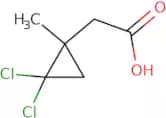
CAS:<p>2-(Chloromethyl)-1,4-dioxaspiro[4.5]decane is a catalytic agent that is used in the synthesis of acetates and cyclohexanone. It can be used to produce a variety of organic compounds by using different starting materials, such as acetates and cyclohexanone. 2-(Chloromethyl)-1,4-dioxaspiro[4.5]decane has been shown to react with epichlorohydrin to form a chloromethylated product at room temperature. The reaction proceeds via an addition-elimination mechanism and produces two products: 1,4-dioxaspiro[4.5]decane and chloroacetate.</p>Formula:C9H15ClO2Purity:Min. 95%Molecular weight:190.67 g/mol2-(2,2-Dichloro-1-methylcyclopropyl)acetic acid
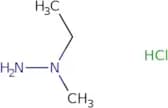
CAS:<p>Versatile small molecule scaffold</p>Formula:C6H8Cl2O2Purity:Min. 95%Molecular weight:183.03 g/mol1-Ethyl-1-methylhydrazine hydrochloride
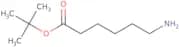
CAS:<p>Versatile small molecule scaffold</p>Formula:C3H11ClN2Purity:Min. 95%Molecular weight:110.58 g/moltert-Butyl 6-aminohexanoate
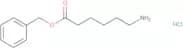
CAS:<p>tert-Butyl 6-aminohexanoate is a benzene derivative that is used as a spacer in organic synthesis. It reacts with potassium carbonate to form tert-butyl 6-aminocaproate and tert-butyl 2,6-dinitrophenolate. The tert-butyl group has an amino group at one end and a carboxylic acid group at the other end. This tertiary amine is made by reacting benzene with potassium hydroxide and adding 1-4c alkyl chloride. The tertiary amine functional group is reactive towards electrophilic aromatic substitution reactions, such as nitration or halogenation.</p>Formula:C10H21NO2Purity:Min. 95%Molecular weight:187.28 g/molBenzyl 6-aminohexanoate hydrochloride
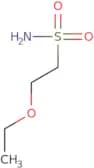
CAS:<p>Versatile small molecule scaffold</p>Formula:C13H20ClNO2Purity:Min. 95%Molecular weight:257.75 g/mol2-Ethoxyethane-1-sulfonamide
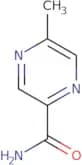
CAS:<p>Versatile small molecule scaffold</p>Formula:C4H11NO3SPurity:Min. 95%Molecular weight:153.2 g/mol5-Methyl-2-pyrazinecarboxamide
CAS:<p>5-Methyl-2-pyrazinecarboxamide is a synthetic sulfa drug that inhibits the growth of mycobacterium avium, which is a bacterium found in the environment that can cause tuberculosis. 5-Methyl-2-pyrazinecarboxamide has been shown to have potent antitumor activity in tumor cell lines and has been shown to be effective against tuberculosis in mice. This molecule is synthesised from pyrazinoic acid, an organometallic compound, and sulfamethazine. The molecular descriptors obtained from this molecule are used to validate its anticancer activity in other tumor cells. The photophysical properties of this molecule have also been studied extensively.</p>Formula:C6H7N3OPurity:Min. 95%Molecular weight:137.14 g/mol(2R,5R)-2-Methyl-5-(prop-1-en-2-yl)cyclohexan-1-one
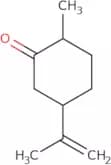
CAS:<p>(2R,5R)-2-Methyl-5-(prop-1-en-2-yl)cyclohexan-1-one is an enantiomer of (2S,5S)-2-methyl-5-(prop-1-en-2-yl)cyclohexan -1 -one. It belongs to the class of saponins and has been shown to have a synergistic effect with glutamic acid in the synthesis of deionized water.<br>It can be used as a test drug for the detection of staphylococcus bacteria.</p>Formula:C10H16OPurity:Min. 95%Molecular weight:152.23 g/molEthyl (4-methylphenyl)(oxo)acetate
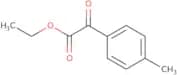
CAS:<p>Versatile small molecule scaffold</p>Formula:C11H12O3Purity:Min. 95%Molecular weight:192.21 g/mol6-Methoxy-1,1-dimethyl-2,3-dihydro-1H-indene
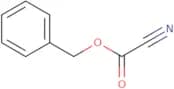
CAS:<p>Versatile small molecule scaffold</p>Formula:C12H16OPurity:Min. 95%Molecular weight:176.25 g/molBenzyl Cyanoformate
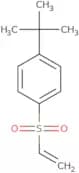
CAS:<p>Benzyl Cyanoformate is a diagnostic agent that is used in the synthesis of amide compounds. It has a structure that includes an active methylene and nitrogen atoms. Benzyl Cyanoformate is synthesized through asymmetric synthesis, which encompasses the use of amines, inhibitors, and solid-phase synthesis. This compound has been shown to inhibit the activity of some receptor proteins by binding to them and preventing their activation, thus acting as an antagonist. Benzyl Cyanoformate binds to the enzyme carboxy with hydrochloric acid as a catalyst. The v600e mutation in K-ras can lead to increased sensitivity to this inhibitor; however, it is not known if this mutation confers sensitivity or resistance to other inhibitors of K-ras.</p>Formula:C9H7NO2Purity:Min. 95%Molecular weight:161.16 g/mol1-tert-Butyl-4-(ethenesulfonyl)benzene
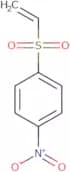
CAS:<p>Versatile small molecule scaffold</p>Formula:C12H16O2SPurity:Min. 95%Molecular weight:224.32 g/mol1-(Ethenesulfonyl)-4-nitrobenzene
CAS:<p>1-(Ethenesulfonyl)-4-nitrobenzene (1ESNB) is a pyrazoline that has been used as an oxidant in cyclic aliphatic and heterocyclic syntheses. 1ESNB is also used to form phosphate derivatives, which are important in the pharmaceutical industry. 1ESNB can be prepared by the organocatalytic coupling of ethyl sulfone with nitrobenzene. The azomethine ylide can be generated from 1ESNB through oxidation with potassium permanganate or ozone, followed by addition of an aliphatic amine. This reaction gives a quinolinium salt that can be converted to a sulfone using thionyl chloride or oxalyl chloride. A cycloaddition reaction can then convert the sulfone into a biologically active molecule such as methotrexate or daunorubicin.</p>Formula:C8H7NO4SPurity:Min. 95%Molecular weight:213.21 g/mol(4-Hydroxy-2,6-dimethylpyrimidin-5-yl)acetic acid
CAS:<p>Versatile small molecule scaffold</p>Formula:C8H10N2O3Purity:Min. 95%Molecular weight:182.18 g/mol3-Amino-5-methyl-1-phenylpyrrolidin-2-one
CAS:<p>Versatile small molecule scaffold</p>Formula:C11H14N2OPurity:Min. 95%Molecular weight:190.24 g/mol


![3-[(2-Hydroxyethyl)amino]propanoic acid](/_next/image/?url=https%3A%2Fstatic.cymitquimica.com%2Fproducts%2F3D%2Fthumb-webp%2FFAA45899.webp&w=3840&q=75)


![6-Hydrazinyl-1-methyl-1H,4H,5H-pyrazolo[3,4-d]pyrimidin-4-one](/_next/image/?url=https%3A%2Fstatic.cymitquimica.com%2Fproducts%2F3D%2Fthumb-webp%2FFAA46393.webp&w=3840&q=75)


![Ethyl 2-{[(benzyloxy)carbonyl]amino}-3-sulfamoylpropanoate](/_next/image/?url=https%3A%2Fstatic.cymitquimica.com%2Fproducts%2F3D%2Fthumb-webp%2FFAA46660.webp&w=3840&q=75)


![1,4-diazabicyclo[3.2.1]octane 2hcl](/_next/image/?url=https%3A%2Fstatic.cymitquimica.com%2Fproducts%2F3D%2Fthumb-webp%2FFAA49261.webp&w=3840&q=75)
![6-Methyl-1-(propan-2-yl)-1H,4H,5H-pyrazolo[3,4-d]pyrimidin-4-one](/_next/image/?url=https%3A%2Fstatic.cymitquimica.com%2Fproducts%2F3D%2Fthumb-webp%2FFAA49483.webp&w=3840&q=75)
![1-Azaspiro[4.5]decan-2-one](/_next/image/?url=https%3A%2Fstatic.cymitquimica.com%2Fproducts%2F3D%2Fthumb-webp%2FFAA49874.webp&w=3840&q=75)
![2-[4-(Hydroxymethyl)cyclohex-3-en-1-yl]propan-2-ol](/_next/image/?url=https%3A%2Fstatic.cymitquimica.com%2Fproducts%2F3D%2Fthumb-webp%2FFAA50274.webp&w=3840&q=75)

![2-(Chloromethyl)-1,4-dioxaspiro[4.5]decane](/_next/image/?url=https%3A%2Fstatic.cymitquimica.com%2Fproducts%2F3D%2Fthumb-webp%2FFAA50332.webp&w=3840&q=75)