Building Blocks
This section contains fundamental products for the synthesis of organic and biological compounds. Building blocks are the essential starting materials used to construct complex molecules through various chemical reactions. They play a critical role in drug discovery, material science, and chemical research. At CymitQuimica, we offer a diverse range of high-quality building blocks to support your innovative research and industrial projects, ensuring you have the essential components for successful synthesis.
Subcategories of "Building Blocks"
- Boronic Acids & Boronic Acid Derivatives(5,756 products)
- Chiral Building Blocks(1,242 products)
- Hydrocarbon Building Blocks(6,093 products)
- Organic Building Blocks(60,534 products)
Found 195534 products of "Building Blocks"
Sort by
Purity (%)
0
100
|
0
|
50
|
90
|
95
|
100
1-Oxo-1,2-dihydrophthalazine-6-carboxylic acid
CAS:<p>Versatile small molecule scaffold</p>Formula:C9H6N2O3Purity:Min. 95%Molecular weight:190.16 g/molMethyl 3-amino-4-cyano thiophene-2-carboxylate
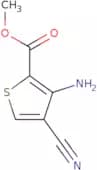
CAS:<p>Versatile small molecule scaffold</p>Formula:C7H6N2O2SPurity:Min. 95%Molecular weight:182.2 g/molTri-N-butyl(trimethylsilylmethyl)tin
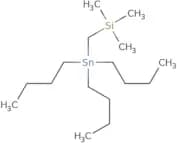
CAS:Controlled Product<p>Versatile small molecule scaffold</p>Formula:C16H38SiSnPurity:Min. 95%Molecular weight:377.3 g/molMethyl 8-aminooctanoate hydrochloride
CAS:<p>Methyl 8-aminooctanoate hydrochloride (MAO) is a drug that has been shown to have an optimal activity in the nanomolar range. MAO is a betulinic acid amide derivative and interacts with the transcriptase and RNA polymerase of HIV type 1. The immunodeficiency of MAO was tested in vitro on human T cells, which showed that it had no effect on the growth of these cells. This may be due to its inability to cross the cell membrane.</p>Formula:C9H20ClNO2Purity:Min. 95%Molecular weight:209.71 g/mol4-(Pyridin-4-yl)phenol
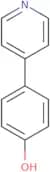
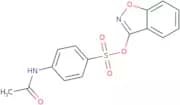
CAS:<p>4-Pyridin-4-ylphenol is a redox active compound that can undergo one-electron reduction. It has been shown to be an excellent electron donor and acceptor in the electrochemical studies. 4-(Pyridin-4-yl)phenol also has a biradical structure, which is responsible for its unpaired electrons and unpaired spectra. This compound can be used as an initiator of free radical reactions due to its high redox potentials. The electron transfer properties of this ligand have been studied using electrochemical techniques and it was found to be capable of initiating oxidation or reduction of other compounds.</p>Formula:C11H9NOPurity:Min. 95%Molecular weight:171.2 g/mol1,2-Benzoxazol-3-yl 4-acetamidobenzene-1-sulfonate
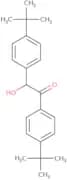
CAS:<p>Versatile small molecule scaffold</p>Formula:C15H12N2O5SPurity:Min. 95%Molecular weight:332.3 g/mol1,2-Bis(4-tert-butylphenyl)-2-hydroxyethan-1-one
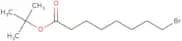
CAS:<p>Versatile small molecule scaffold</p>Formula:C22H28O2Purity:Min. 95%Molecular weight:324.5 g/moltert-Butyl 8-bromooctanoate
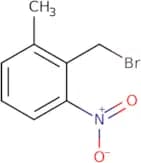
CAS:<p>Tert-Butyl 8-bromooctanoate is a pseudopepetide that has an affinity for the cck-A receptor. It has also been shown to inhibit membrane phospholipase A2 and increase inositol phosphate levels. This pseudopepetide was found to have pharmacological effects on the central nervous system, such as sedation, and may be useful in the treatment of pain or anxiety. Tert-Butyl 8-bromooctanoate is a macrocyclic compound that can form conformational changes in membranes. These changes may lead to an increase in intracellular calcium ion concentrations and stimulate insulin secretion from pancreatic beta cells.</p>Formula:C12H23BrO2Purity:Min. 95%Molecular weight:279.21 g/mol2-(bromomethyl)-1-methyl-3-nitrobenzene
CAS:<p>Versatile small molecule scaffold</p>Formula:C8H8BrNO2Purity:Min. 95%Molecular weight:230.06 g/molSpiro[1,3-dioxaindane-2,1'-cyclopentane]-6-ol
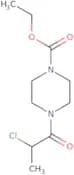
CAS:<p>Versatile small molecule scaffold</p>Formula:C11H12O3Purity:Min. 95%Molecular weight:192.21 g/molEthyl 4-(2-chloropropanoyl)piperazine-1-carboxylate
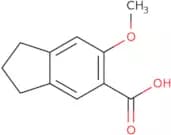
CAS:<p>Versatile small molecule scaffold</p>Formula:C10H17ClN2O3Purity:Min. 95%Molecular weight:248.7 g/mol6-Methoxy-2,3-dihydro-1H-indene-5-carboxylic acid
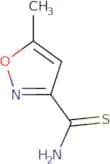
CAS:<p>Versatile small molecule scaffold</p>Formula:C11H12O3Purity:Min. 95%Molecular weight:192.21 g/mol5-Methylisoxazole-3-carbothioamide
CAS:<p>Versatile small molecule scaffold</p>Formula:C5H6N2OSPurity:Min. 95%Molecular weight:142.18 g/mol2-[(Methoxycarbonyl)amino]-3-phenylpropanoic acid
CAS:<p>Versatile small molecule scaffold</p>Formula:C11H13NO4Purity:Min. 95%Molecular weight:223.22 g/molEthyl 4-(acetyloxy)-3-[(acetyloxy)methyl]but-2-enoate
CAS:<p>Versatile small molecule scaffold</p>Formula:C11H16O6Purity:Min. 95%Molecular weight:244.24 g/mol1,3-Bis(benzyloxy)propan-2-one
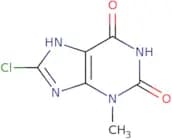
CAS:<p>1,3-Bis(benzyloxy)propan-2-one is an efficient and stereoselective synthesis of epoxides. It is a chiral molecule that can be used in the synthesis of enantiomers. The reaction involves a nucleophile (such as an alcohol) and an electrophile (an epoxide). This reaction proceeds in two steps with the nucleophile attacking at the carbon atom adjacent to the carbonyl group. The first step is a nucleophilic addition to form a tetrahedral intermediate which collapses to give an intermediate with two new stereogenic centers. The second step is then a nucleophilic attack by water on one of these new stereogenic centers, leading to formation of the product and release of hydrogen gas. 1,3-Bis(benzyloxy)propan-2-one has been shown to be more efficient than other methods for synthesizing epoxides, such as using acid chlorides or ox</p>Formula:C17H18O3Purity:Min. 95%Molecular weight:270.32 g/mol8-Chloro-3-methyl-2,3,6,9-tetrahydro-1H-purine-2,6-dione
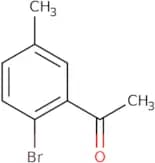
CAS:Controlled Product<p>8-Chloro-3-methyl-2,3,6,9-tetrahydro-1H-purine-2,6-dione is a fluorescent amine that can be used in spectroscopy to detect the presence of ammonia. This product has a molar extinction coefficient of 3600 M−1cm−1 at 280 nm and can be used as a pH indicator.</p>Formula:C6H5ClN4O2Purity:Min. 95%Molecular weight:200.58 g/mol1-(2-Bromo-5-methylphenyl)ethan-1-one
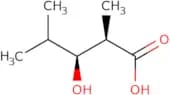
CAS:<p>Versatile small molecule scaffold</p>Formula:C9H9BrOPurity:Min. 95%Molecular weight:213.07 g/mol(2R,3S)-3-Hydroxy-2,4-dimethylpentanoic acid
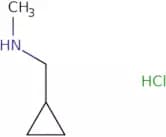
CAS:<p>Versatile small molecule scaffold</p>Formula:C7H14O3Purity:Min. 95%Molecular weight:146.2 g/mol(Cyclopropylmethyl)methylamine hydrochloride
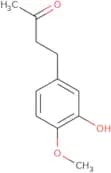
CAS:<p>Cyclopropylmethylmethylamine hydrochloride (CPMMA) is an experimental drug that belongs to the class of medicaments. It is a selective cannabinoid receptor type 1 (CB1) agonist which has been shown to reduce infarct size in animal models of myocardial reperfusion injury. CPMMA also has angiogenic and anti-inflammatory properties, which may be due to its ability to decrease cholesterol levels and inhibit the production of vascular endothelial growth factor (VEGF). This agent has potential as a treatment for hypercholesterolemia, coronary artery disease, and other cardiovascular disorders.</p>Formula:C5H12NClPurity:Min. 95%Molecular weight:121.61 g/mol4-(3-Hydroxy-4-methoxyphenyl)butan-2-one
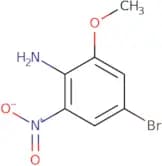
CAS:<p>Versatile small molecule scaffold</p>Formula:C11H14O3Purity:Min. 95%Molecular weight:194.23 g/mol4-bromo-2-methoxy-6-nitroaniline
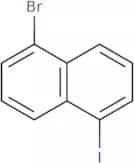
CAS:<p>Versatile small molecule scaffold</p>Formula:C7H7BrN2O3Purity:Min. 95%Molecular weight:247 g/mol1-Bromo-5-iodonaphthalene
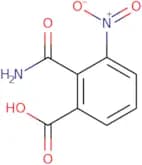
CAS:<p>1-Bromo-5-iodonaphthalene is a photolytic reagent that can be used for the preparation of phenols. It is a strong nucleophilic brominating agent and reacts with electron-rich compounds such as phenols, amines, and alcohols to form corresponding bromides. 1-Bromo-5-iodonaphthalene can also react with electron deficient compounds such as aromatic hydrocarbons and nitrobenzenes to form radical species. The photolysis of 1-bromo-5-iodonaphthalene in aqueous solution produces naphthalenes. This reaction is dependent on the pH of the solution and irradiation time. The solubility of 1-bromo-5-iodonaphthalene in water decreases when the pH increases.</p>Formula:C10H6BrIPurity:Min. 95%Molecular weight:332.96 g/mol2-carbamoyl-3-nitrobenzoic acid
CAS:<p>2-Carbamoyl-3-nitrobenzoic acid (2CNB) is an antiviral drug that has been shown to inhibit the replication of a variety of viruses, including coxsackievirus B3 and human respiratory syncytial virus. 2CNB is a mesomeric compound that can be used as a sodium salt or in its unreactive form. The antiviral effects are due to the inhibition of viral protein synthesis by 2CNB. 2CNB binds to amino acids in proteins, blocking the formation of amide bonds, which are necessary for protein synthesis. The antiviral activity of 2CNB is due to its ability to inhibit betaines and betaine, which are important intermediates in RNA synthesis.</p>Formula:C8H6N2O5Purity:Min. 95%Molecular weight:210.1 g/mol2-Amino-6-methanesulfonylbenzonitrile
CAS:<p>Versatile small molecule scaffold</p>Formula:C8H8N2O2SPurity:Min. 95%Molecular weight:196.23 g/molDimethyl 3-aminopentanedioate hydrochloride
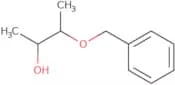
CAS:<p>Versatile small molecule scaffold</p>Formula:C7H14ClNO4Purity:Min. 95%Molecular weight:211.64 g/mol3-(Benzyloxy)butan-2-ol
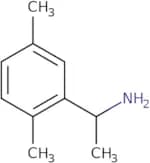
CAS:<p>Versatile small molecule scaffold</p>Formula:C11H16O2Purity:Min. 95%Molecular weight:180.24 g/mol(1R)-1-(2,5-Dimethylphenyl)ethan-1-amine
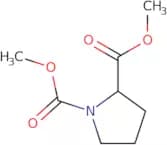
CAS:<p>Versatile small molecule scaffold</p>Formula:C10H15NPurity:Min. 95%Molecular weight:149.23 g/mol1,2-Dimethyl pyrrolidine-1,2-dicarboxylate
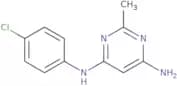
CAS:<p>Versatile small molecule scaffold</p>Formula:C8H13NO4Purity:Min. 95%Molecular weight:187.19 g/molN4-(4-Chlorophenyl)-2-methylpyrimidine-4,6-diamine
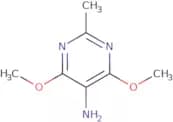
CAS:<p>Versatile small molecule scaffold</p>Formula:C11H11ClN4Purity:Min. 95%Molecular weight:234.68 g/mol4,6-dimethoxy-2-methylpyrimidin-5-amine
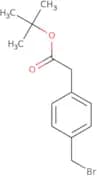
CAS:<p>Versatile small molecule scaffold</p>Formula:C7H11N3O2Purity:Min. 95%Molecular weight:169.18 g/moltert-Butyl 2-(4-(bromomethyl)phenyl)acetate
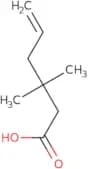
CAS:<p>Versatile small molecule scaffold</p>Formula:C13H17BrO2Purity:Min. 95%Molecular weight:285.18 g/mol3,3-Dimethylhex-5-enoic acid
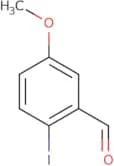
CAS:<p>Versatile small molecule scaffold</p>Formula:C8H14O2Purity:Min. 95%Molecular weight:142.2 g/mol2-Iodo-5-methoxybenzaldehyde
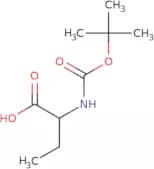
CAS:<p>2-Iodo-5-methoxybenzaldehyde (2IMB) is a synthetic compound that has been synthesized in the laboratory. It is an annulated product of 2-iodoethanol and 5-methoxybenzaldehyde. This product belongs to the family of tetradehydroquinones, which are natural products. The 2IMB molecule contains a skeleton with an intramolecular Diels–Alder reaction and amination reaction that can be used as a building block for other molecules.</p>Formula:C8H7IO2Purity:Min. 95%Molecular weight:262.04 g/mol2-Aminobutanoic acid, N-BOC protected
CAS:<p>Versatile small molecule scaffold</p>Formula:C9H17NO4Purity:Min. 95%Molecular weight:203.24 g/mol1-(4-{2-[4-(2,5-Dioxo-2,5-dihydro-1H-pyrrol-1-yl)phenyl]diazen-1-yl}phenyl)-2,5-dihydro-1H-pyrrole-2,5-dione
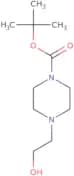
CAS:<p>1-(4-{2-[4-(2,5-Dioxo-2,5-dihydro-1H-pyrrol-1-yl)phenyl]diazen-1-yl}phenyl)-2,5-dihydro-1H-pyrrole - 2,5 - dione (PDL) is a covalent azobenzene that can be activated by light. PDL has a variety of optical and photochemical properties. PDL binds to ion channels and alters the permeability of cells to ions. It is able to bind to heteromeric ion channels containing different subunits as well as to cysteine residues. The PDL molecule can also be taken up by tissues through passive transport and its uptake is increased when it is activated by irradiation.</p>Formula:C20H12N4O4Purity:Min. 95%Molecular weight:372.3 g/mol1-Boc-4-(2-hydroxyethyl)piperazine
CAS:<p>1-Boc-4-(2-hydroxyethyl)piperazine is a modification of piperazine that has potent activity against amyloid plaques. It is a cyclase inhibitor and can be used to treat Alzheimer's disease. 1-Boc-4-(2-hydroxyethyl)piperazine inhibits the production of amyloid beta protein by interfering with the formation of its precursor, amyloid beta peptide. The compound binds to the active site of cyclases and prevents ATP from binding, inhibiting the synthesis of amyloid beta protein. 1-Boc-4-(2-hydroxyethyl)piperazine can also be used as a treatment for other diseases including Parkinson's disease, multiple sclerosis, and spinal cord injury.</p>Formula:C11H22N2O3Purity:Min. 95%Molecular weight:230.3 g/moltert-Butyl 4-Benzoylpiperazine-1-carboxylate
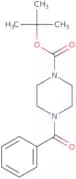
CAS:<p>Versatile small molecule scaffold</p>Formula:C16H22N2O3Purity:Min. 95%Molecular weight:290.35 g/mol±- Methyl-1,3-benzodioxole-5-propanoic Acid
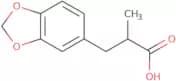
CAS:Controlled Product<p>Versatile small molecule scaffold</p>Formula:C11H12O4Purity:Min. 95%Molecular weight:208.21 g/mol5-(Dimethylsulfamoyl)-2-(piperidin-1-yl)benzoic acid
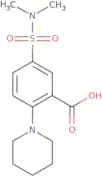
CAS:<p>Versatile small molecule scaffold</p>Formula:C14H20N2O4SPurity:Min. 95%Molecular weight:312.39 g/mol1'-Benzyl-3,4-dihydrospiro[1-benzopyran-2,4'-piperidine]-4-one
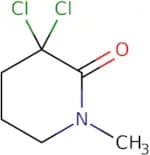
CAS:<p>Versatile small molecule scaffold</p>Formula:C20H21NO2Purity:Min. 95%Molecular weight:307.4 g/mol3,3-Dichloro-1-methylpiperidin-2-one
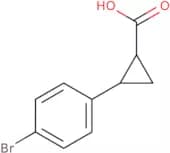
CAS:<p>Versatile small molecule scaffold</p>Formula:C6H9Cl2NOPurity:Min. 95%Molecular weight:182.04 g/mol2-(4-Bromophenyl)cyclopropane-1-carboxylic acid
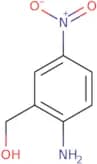
CAS:<p>Versatile small molecule scaffold</p>Formula:C10H9BrO2Purity:Min. 95%Molecular weight:241.09 g/mol2-Amino-5-nitrobenzyl alcohol
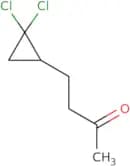
CAS:<p>Versatile small molecule scaffold</p>Formula:C7H8N2O3Purity:Min. 95%Molecular weight:168.15 g/mol4-(2,2-Dichlorocyclopropyl)butan-2-one
CAS:<p>Versatile small molecule scaffold</p>Formula:C7H10Cl2OPurity:Min. 95%Molecular weight:181.06 g/mol1-[4-(Butan-2-yl)phenyl]-2-chloroethan-1-one
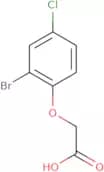
CAS:<p>Versatile small molecule scaffold</p>Formula:C12H15ClOPurity:Min. 95%Molecular weight:210.7 g/mol2-(2-Bromo-4-chlorophenoxy)acetic acid
CAS:<p>Versatile small molecule scaffold</p>Formula:C8H6BrClO3Purity:Min. 95%Molecular weight:265.5 g/molBenzyl 1-oxa-6-azaspiro[2.5]octane-6-carboxylate
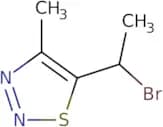
CAS:<p>Versatile small molecule scaffold</p>Formula:C14H17NO3Purity:Min. 95%Molecular weight:247.3 g/mol5-(1-Bromoethyl)-4-methyl-1,2,3-thiadiazole
CAS:<p>Versatile small molecule scaffold</p>Formula:C5H7BrN2SPurity:Min. 95%Molecular weight:207.09 g/mol5-Fluoro-2-nitrobenzamide
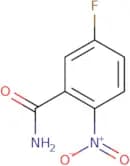
CAS:<p>Versatile small molecule scaffold</p>Formula:C7H5FN2O3Purity:Min. 95%Molecular weight:184.13 g/mol(2-Chloro-6-methylphenyl)methanol
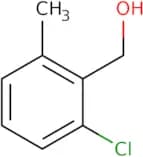
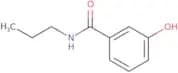
CAS:<p>Versatile small molecule scaffold</p>Formula:C8H9ClOPurity:Min. 95%Molecular weight:156.61 g/mol3-Hydroxy-N-propylbenzamide
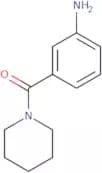
CAS:<p>Versatile small molecule scaffold</p>Formula:C10H13NO2Purity:Min. 95%Molecular weight:179.22 g/mol(3-Amino-phenyl)-piperidin-1-yl-methanone
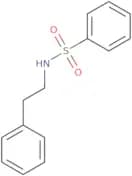
CAS:<p>Versatile small molecule scaffold</p>Formula:C12H16N2OPurity:Min. 95%Molecular weight:204.27 g/molN-(2-Phenylethyl)benzenesulfonamide
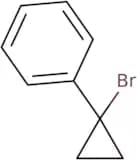
CAS:<p>N-(2-Phenylethyl)benzenesulfonamide is a biodegradable and aerobic catalyst that is used in the production of nitrates. It can be recycled and has a high solubility, which allows for efficient extraction from wastewater effluents. The reactor system can be operated at an aerobic or anaerobic conditions. N-(2-Phenylethyl)benzenesulfonamide is soluble in water and can be hydrolyzed by acids or bases to release ammonia gas. The process can also be sustainable due to the use of renewable energy sources such as solar, wind, tidal, or biomass power.</p>Formula:C14H15NO2SPurity:Min. 95%Molecular weight:261.34 g/mol(1-Bromocyclopropyl)benzene
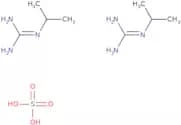
CAS:<p>Versatile small molecule scaffold</p>Formula:C9H9BrPurity:Min. 95%Molecular weight:197.07 g/molBis(1-(propan-2-yl)guanidine), sulfuric acid
CAS:<p>Versatile small molecule scaffold</p>Formula:C8H24N6O4SPurity:Min. 95%Molecular weight:300.38 g/molNefiracetam
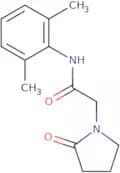
CAS:<p>Nefiracetam is a nootropic drug used for the treatment of Alzheimer's disease, Parkinson's disease, and other cognitive disorders. It binds to voltage-dependent calcium channels and inhibits neuronal death. Nefiracetam also has a protective effect on the brain from thermal expansion. This drug has been shown to be safe in human serum at doses up to 1,000 mg/kg and was not found to be toxic in animal toxicity studies. Nefiracetam is also effective in treating HIV infection by inhibiting cholinergic neurotransmission. It has been shown to increase locomotor activity and improve energy metabolism in the caudate putamen of rats with stroke-induced brain damage.</p>Formula:C14H18N2O2Purity:Min. 95%Molecular weight:246.3 g/mol2-(2-Chlorophenyl)-3-oxobutanenitrile
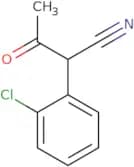
CAS:<p>Versatile small molecule scaffold</p>Formula:C10H8ClNOPurity:Min. 95%Molecular weight:193.63 g/mol2-(N-Boc-N-methylamino)-1-phenylethanol
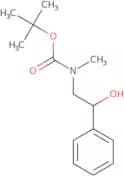
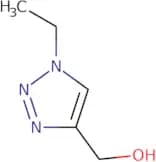
CAS:<p>Versatile small molecule scaffold</p>Formula:C14H21NO3Purity:Min. 95%Molecular weight:251.32 g/mol(1-Ethyl-1H-1,2,3-triazol-4-yl)methanol
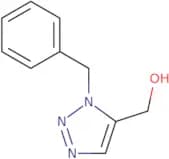
CAS:<p>Versatile small molecule scaffold</p>Formula:C5H9N3OPurity:Min. 95%Molecular weight:127.14 g/mol(1-Benzyl-1H-1,2,3-triazol-5-yl)methanol
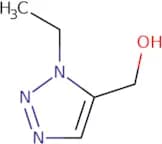
CAS:<p>Versatile small molecule scaffold</p>Formula:C10H11N3OPurity:Min. 95%Molecular weight:189.21 g/mol(1-Ethyl-1H-1,2,3-triazol-5-yl)methanol
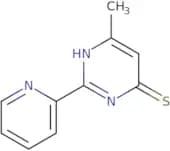
CAS:<p>Versatile small molecule scaffold</p>Formula:C5H9N3OPurity:Min. 95%Molecular weight:127.14 g/mol6-Methyl-2-pyridin-2-yl-pyrimidine-4-thiol
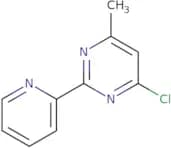
CAS:<p>Versatile small molecule scaffold</p>Formula:C10H9N3SPurity:Min. 95%Molecular weight:203.27 g/mol4-Chloro-6-methyl-2-(2-pyridinyl)pyrimidine
CAS:<p>4-Chloro-6-methyl-2-(2-pyridinyl)pyrimidine is a crossover high spin ligand, with a mononuclear low spin transition state. This ligand has been shown to bind to the Fe site of the enzyme cytochrome c oxidase by forming an interaction with the heme and the protein. This interaction results in a hysteretic, isomeric ligand that binds reversibly to the Fe site. 4-Chloro-6-methyl-2-(2-pyridinyl)pyrimidine has been found to be autocatalytic in some cases, but this effect can be overcome by using a higher concentration of ligand.</p>Formula:C10H8ClN3Purity:Min. 95%Molecular weight:205.65 g/molMethyl 2-(phenylamino)butanoate
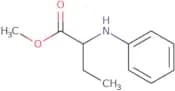
CAS:<p>Versatile small molecule scaffold</p>Formula:C11H15NO2Purity:Min. 95%Molecular weight:193.24 g/mol4-(tert-Butoxy)butanoic acid
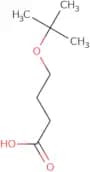
CAS:Controlled Product<p>Versatile small molecule scaffold</p>Formula:C8H16O3Purity:Min. 95%Molecular weight:160.21 g/mol4-Bromo-2,6-dimethylphenyl isocyanate
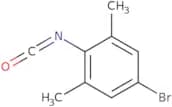
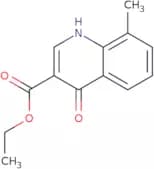
CAS:<p>Versatile small molecule scaffold</p>Formula:C9H8BrNOPurity:Min. 95%Molecular weight:226.07 g/molEthyl 4-hydroxy-8-methylquinoline-3-carboxylate
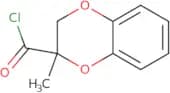
CAS:<p>Versatile small molecule scaffold</p>Formula:C13H13NO3Purity:Min. 95%Molecular weight:231.25 g/mol2-Methyl-2,3-dihydro-1,4-benzodioxine-2-carbonyl chloride
CAS:<p>Versatile small molecule scaffold</p>Formula:C10H9ClO3Purity:Min. 95%Molecular weight:212.63 g/mol2-[(2-Nitrothiophen-3-yl)sulfanyl]acetic acid
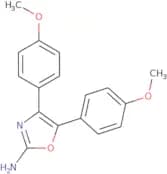
CAS:<p>Versatile small molecule scaffold</p>Formula:C6H5NO4S2Purity:Min. 95%Molecular weight:219.2 g/molBis(4-methoxyphenyl)-1,3-oxazol-2-amine
CAS:<p>Versatile small molecule scaffold</p>Formula:C17H16N2O3Purity:Min. 95%Molecular weight:296.32 g/mol2-[(3-Aminophenyl)methyl]-2,3-dihydro-1H-isoindole-1,3-dione
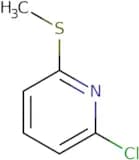
CAS:<p>Versatile small molecule scaffold</p>Formula:C15H12N2O2Purity:Min. 95%Molecular weight:252.27 g/mol2-Chloro-6-(methylsulfanyl)pyridine
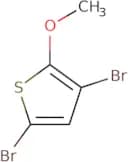
CAS:<p>2-Chloro-6-(methylsulfanyl)pyridine is an aromatic heterocyclic compound that contains a benzyl group and a pyridine ring. It has been used to synthesize 2,6-dichloropyrimidine nucleosides for the preparation of cytostatic drugs. This chemical compound has been shown to react with nucleophiles, such as hydroxide ion, through nucleophilic substitution reactions. This reaction is efficient and selective because the sulfinyl group can be removed by acid hydrolysis or hydrogenolysis and replaced with other functional groups. The pyridine ring is also unselective in these reactions because it can be reduced by lithium aluminum hydride to produce the corresponding amine.</p>Formula:C6H6ClNSPurity:Min. 95%Molecular weight:159.64 g/mol3,5-Dibromo-2-methoxythiophene
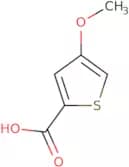
CAS:<p>Versatile small molecule scaffold</p>Formula:C5H4Br2OSPurity:Min. 95%Molecular weight:271.96 g/mol4-Methoxythiophene-2-carboxylic acid
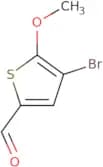
CAS:<p>Versatile small molecule scaffold</p>Formula:C6H6O3SPurity:Min. 95%Molecular weight:158.18 g/mol4-Bromo-5-methoxythiophene-2-carbaldehyde
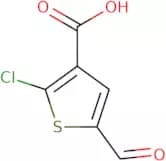
CAS:<p>Versatile small molecule scaffold</p>Formula:C6H5BrO2SPurity:Min. 95%Molecular weight:221.07 g/mol2-Chloro-5-formylthiophene-3-carboxylic acid
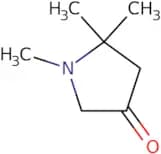
CAS:<p>Versatile small molecule scaffold</p>Formula:C6H3ClO3SPurity:Min. 95%Molecular weight:190.6 g/mol1,5,5-Trimethylpyrrolidin-3-one
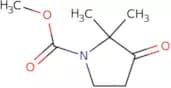
CAS:<p>Versatile small molecule scaffold</p>Formula:C7H13NOPurity:Min. 95%Molecular weight:127.18 g/molMethyl 2,2-dimethyl-3-oxopyrrolidine-1-carboxylate
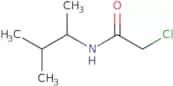
CAS:<p>Versatile small molecule scaffold</p>Formula:C8H13NO3Purity:Min. 95%Molecular weight:171.19 g/mol2-Chloro-N-(3-methylbutan-2-yl)acetamide
CAS:<p>Versatile small molecule scaffold</p>Formula:C7H14ClNOPurity:Min. 95%Molecular weight:163.64 g/mol4-[(4-Nitrophenyl)methyl]piperidine
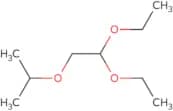
CAS:<p>Versatile small molecule scaffold</p>Formula:C12H16N2O2Purity:Min. 95%Molecular weight:220.27 g/mol2-(2,2-Diethoxyethoxy)propane
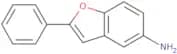
CAS:<p>Versatile small molecule scaffold</p>Formula:C9H20O3Purity:Min. 95%Molecular weight:176.25 g/mol2-Phenyl-1-benzofuran-5-amine
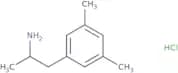
CAS:<p>Versatile small molecule scaffold</p>Formula:C14H11NOPurity:Min. 95%Molecular weight:209.25 g/mol1-(3,5-Dimethylphenyl)propan-2-amine hydrochloride
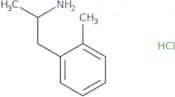
CAS:Controlled Product<p>Versatile small molecule scaffold</p>Formula:C11H18ClNPurity:Min. 95%Molecular weight:199.72 g/mol1-(2-Methylphenyl)propan-2-amine hydrochloride
CAS:Controlled Product<p>Versatile small molecule scaffold</p>Formula:C10H16ClNPurity:Min. 95%Molecular weight:185.69 g/mol2-Phenylthiomorpholine
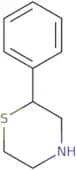
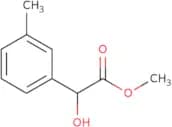
CAS:<p>2-Phenylthiomorpholine is a drug that is used as an antiarrhythmic agent. This drug has been shown to be effective in the treatment of arrhythmias and can be used to decrease the frequency of ventricular tachycardia, ventricular fibrillation, and atrial fibrillation. 2-Phenylthiomorpholine inhibits the activity of cysteamine, which is an amino acid that plays a major role in the regulation of blood pressure. It also has anti-inflammatory properties due to its ability to inhibit prostaglandin synthesis, as well as analgesic effects due to its activity on ligand-gated ion channels.</p>Formula:C10H13NSPurity:Min. 95%Molecular weight:179.28 g/molMethyl 2-hydroxy-2-(3-methylphenyl)acetate
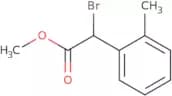
CAS:<p>Versatile small molecule scaffold</p>Formula:C10H12O3Purity:Min. 95%Molecular weight:180.2 g/molMethyl 2-bromo-2-(2-methylphenyl)acetate
CAS:<p>Versatile small molecule scaffold</p>Formula:C10H11BrO2Purity:Min. 95%Molecular weight:243.1 g/molMethyl 2-bromo-2-[4-(trifluoromethyl)phenyl]acetate
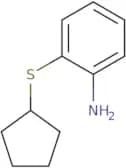
CAS:<p>Versatile small molecule scaffold</p>Formula:C10H8BrF3O2Purity:Min. 95%Molecular weight:297.07 g/mol2-(Cyclopentylsulfanyl)aniline
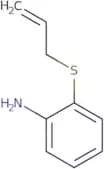
CAS:<p>Versatile small molecule scaffold</p>Formula:C11H15NSPurity:Min. 95%Molecular weight:193.31 g/mol2-(Prop-2-en-1-ylsulfanyl)aniline
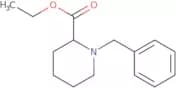
CAS:<p>Versatile small molecule scaffold</p>Formula:C9H11NSPurity:Min. 95%Molecular weight:165.26 g/molEthyl 1-benzylpiperidine-2-carboxylate
CAS:<p>Ethyl 1-benzylpiperidine-2-carboxylate is an organic compound that belongs to the class of benzhydryl compounds. It is a colorless liquid at room temperature and has a boiling point of 60°C. Ethyl 1-benzylpiperidine-2-carboxylate can be synthesized by reacting methanol with piperidine in the presence of aluminum chloride and sodium borohydride in a catalytic amount. The nitrogen atom in this compound is a chiral center, which means it cannot exist as two enantiomers. This product also reacts with chloride to form ethylmagnesium chloride, which is used for the production of aminoalcohols.</p>Formula:C15H21NO2Purity:Min. 95%Molecular weight:247.33 g/molEthyl pipecolinate hydrochloride
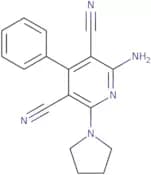
CAS:<p>Ethyl pipecolinate hydrochloride (EPH) is a stereoselective compound that inhibits aminopyrine N-demethylase and acetylcholinesterase. It has been shown to be effective in treating Alzheimer's disease and environmental pollution, as well as the inhibition of ovary cells. EPH is an alkynylated analog of pipecolic acid. This molecule contains a chiral center at the carbon atom adjacent to the amine group. The two possible enantiomers are called ethyl pipecolinate (EP) and ethyl diazoacetate (ED). EP is a more potent inhibitor of aminopyrine N-demethylase than ED, which inhibits acetylcholinesterase more effectively. The two compounds have been shown to be useful in the diagnosis of Parkinsonism and Alzheimer's disease by measuring their ability to inhibit acetylcholinesterase activity in vitro. Ethyl pipecolinate hydro</p>Formula:C8H15NO2·HClPurity:Min. 95%Molecular weight:193.67 g/mol2-Amino-4-phenyl-6-(pyrrolidin-1-yl)pyridine-3,5-dicarbonitrile
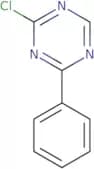
CAS:<p>Versatile small molecule scaffold</p>Formula:C17H15N5Purity:Min. 95%Molecular weight:289.33 g/mol2-Chloro-4-phenyl-1,3,5-triazine
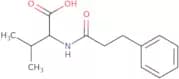
CAS:<p>Versatile small molecule scaffold</p>Formula:C9H6ClN3Purity:Min. 95%Molecular weight:191.62 g/mol3-Methyl-2-(3-phenylpropanamido)butanoic acid
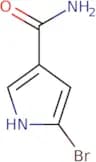
CAS:<p>Versatile small molecule scaffold</p>Formula:C14H19NO3Purity:Min. 95%Molecular weight:249.3 g/mol5-Bromo-1H-pyrrole-3-carboxamide
CAS:<p>Versatile small molecule scaffold</p>Formula:C5H5BrN2OPurity:Min. 95%Molecular weight:189.01 g/mol4-(1H-Imidazol-2-ylsulfanyl)-1H-pyrazole
CAS:<p>Versatile small molecule scaffold</p>Formula:C6H6N4SPurity:Min. 95%Molecular weight:166.2 g/molrac-tert-Butyl (1R,5S,6R)-6-(methylamino)-3-azabicyclo[3.1.0]hexane-3-carboxylate
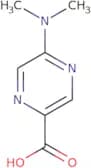
CAS:<p>Versatile small molecule scaffold</p>Formula:C11H20N2O2Purity:Min. 95%Molecular weight:212.3 g/mol5-(Dimethylamino)pyrazine-2-carboxylic acid
CAS:<p>Versatile small molecule scaffold</p>Formula:C7H9N3O2Purity:Min. 95%Molecular weight:167.17 g/mol



![Spiro[1,3-dioxaindane-2,1'-cyclopentane]-6-ol](/_next/image/?url=https%3A%2Fstatic.cymitquimica.com%2Fproducts%2F3D%2Fthumb-webp%2FCDA37709.webp&w=3840&q=75)
![2-[(Methoxycarbonyl)amino]-3-phenylpropanoic acid](/_next/image/?url=https%3A%2Fstatic.cymitquimica.com%2Fproducts%2F3D%2Fthumb-webp%2FCDA35758.webp&w=3840&q=75)
![Ethyl 4-(acetyloxy)-3-[(acetyloxy)methyl]but-2-enoate](/_next/image/?url=https%3A%2Fstatic.cymitquimica.com%2Fproducts%2F3D%2Fthumb-webp%2FCDA35633.webp&w=3840&q=75)



![1-(4-{2-[4-(2,5-Dioxo-2,5-dihydro-1H-pyrrol-1-yl)phenyl]diazen-1-yl}phenyl)-2,5-dihydro-1H-pyrrole…](/_next/image/?url=https%3A%2Fstatic.cymitquimica.com%2Fproducts%2F3D%2Fthumb-webp%2FCDA28058.webp&w=3840&q=75)
![1'-Benzyl-3,4-dihydrospiro[1-benzopyran-2,4'-piperidine]-4-one](/_next/image/?url=https%3A%2Fstatic.cymitquimica.com%2Fproducts%2F3D%2Fthumb-webp%2FCDA26489.webp&w=3840&q=75)
![1-[4-(Butan-2-yl)phenyl]-2-chloroethan-1-one](/_next/image/?url=https%3A%2Fstatic.cymitquimica.com%2Fproducts%2F3D%2Fthumb-webp%2FCDA23466.webp&w=3840&q=75)
![Benzyl 1-oxa-6-azaspiro[2.5]octane-6-carboxylate](/_next/image/?url=https%3A%2Fstatic.cymitquimica.com%2Fproducts%2F3D%2Fthumb-webp%2FCDA21175.webp&w=3840&q=75)
![2-[(2-Nitrothiophen-3-yl)sulfanyl]acetic acid](/_next/image/?url=https%3A%2Fstatic.cymitquimica.com%2Fproducts%2F3D%2Fthumb-webp%2FCDA15159.webp&w=3840&q=75)
![2-[(3-Aminophenyl)methyl]-2,3-dihydro-1H-isoindole-1,3-dione](/_next/image/?url=https%3A%2Fstatic.cymitquimica.com%2Fproducts%2F3D%2Fthumb-webp%2FCDA14714.webp&w=3840&q=75)
![4-[(4-Nitrophenyl)methyl]piperidine](/_next/image/?url=https%3A%2Fstatic.cymitquimica.com%2Fproducts%2F3D%2Fthumb-webp%2FCDA09381.webp&w=3840&q=75)
![Methyl 2-bromo-2-[4-(trifluoromethyl)phenyl]acetate](/_next/image/?url=https%3A%2Fstatic.cymitquimica.com%2Fproducts%2F3D%2Fthumb-webp%2FCDA05353.webp&w=3840&q=75)

![rac-tert-Butyl (1R,5S,6R)-6-(methylamino)-3-azabicyclo[3.1.0]hexane-3-carboxylate](/_next/image/?url=https%3A%2Fstatic.cymitquimica.com%2Fproducts%2F3D%2Fthumb-webp%2FCCD86438.webp&w=3840&q=75)