Building Blocks
This section contains fundamental products for the synthesis of organic and biological compounds. Building blocks are the essential starting materials used to construct complex molecules through various chemical reactions. They play a critical role in drug discovery, material science, and chemical research. At CymitQuimica, we offer a diverse range of high-quality building blocks to support your innovative research and industrial projects, ensuring you have the essential components for successful synthesis.
Subcategories of "Building Blocks"
- Boronic Acids & Boronic Acid Derivatives(5,756 products)
- Chiral Building Blocks(1,242 products)
- Hydrocarbon Building Blocks(6,093 products)
- Organic Building Blocks(60,529 products)
Found 195536 products of "Building Blocks"
Sort by
Purity (%)
0
100
|
0
|
50
|
90
|
95
|
100
7-Chloro-2,2-dimethyl-3,4-dihydro-2H-1-benzopyran-4-one
CAS:<p>Versatile small molecule scaffold</p>Formula:C11H11ClO2Purity:Min. 95%Molecular weight:210.65 g/mol6-Chloro-2,2-dimethyl-4-chromanone
CAS:<p>Versatile small molecule scaffold</p>Formula:C11H11ClO2Purity:Min. 95%Molecular weight:210.65 g/mol2-(2-Methylpropyl)azepane
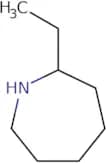
CAS:<p>Versatile small molecule scaffold</p>Formula:C10H21NPurity:Min. 95%Molecular weight:155.28 g/mol2-Ethylazepane
CAS:<p>Versatile small molecule scaffold</p>Formula:C8H17NPurity:Min. 95%Molecular weight:127.23 g/mol1,2,3,4,5,6-Hexahydrophenanthridin-6-one
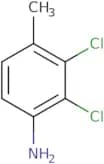
CAS:<p>Versatile small molecule scaffold</p>Formula:C13H13NOPurity:Min. 95%Molecular weight:199.25 g/mol2,3-dichloro-4-methylaniline
CAS:<p>Versatile small molecule scaffold</p>Formula:C7H7NCl2Purity:Min. 95%Molecular weight:176.04 g/mol3-Bromo-2,4-dichloroaniline
CAS:<p>Versatile small molecule scaffold</p>Formula:C6H4BrCl2NPurity:Min. 95%Molecular weight:240.91 g/mol5-Amino-1-[4-(trifluoromethyl)phenyl]-1H-pyrazole-4-carbonitrile
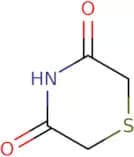
CAS:<p>Versatile small molecule scaffold</p>Formula:C11H7F3N4Purity:Min. 95%Molecular weight:252.2 g/molThiomorpholine-3,5-dione
CAS:<p>Thiomorpholine-3,5-dione is a chemical compound that has an x-ray crystal structure. It was first synthesized in 1892 and was the first organic molecule with a herringbone molecular geometry to be discovered. Thiomorpholine-3,5-dione is used as a precursor for dyes, pharmaceuticals, and other organic compounds.</p>Formula:C4H5NO2SPurity:Min. 95%Molecular weight:131.16 g/mol2-Cyano-3-fluorobenzene-1-sulfonyl chloride
CAS:<p>Versatile small molecule scaffold</p>Formula:C7H3ClFNO2SPurity:Min. 95%Molecular weight:219.62 g/molEthyl 5-(bromomethyl)-1,2,3-thiadiazole-4-carboxylate
CAS:<p>Versatile small molecule scaffold</p>Formula:C6H7BrN2O2SPurity:Min. 95%Molecular weight:251.1 g/molEthyl 5-(bromomethyl)-2-phenyl-1,3-oxazole-4-carboxylate
CAS:<p>Versatile small molecule scaffold</p>Formula:C13H12BrNO3Purity:Min. 95%Molecular weight:310.14 g/mol4-(Piperidine-1-carbonyl)benzaldehyde
CAS:<p>Versatile small molecule scaffold</p>Formula:C13H15NO2Purity:Min. 95%Molecular weight:217.26 g/molN~1~-(tert-Butyl)glycinamide hydrochloride
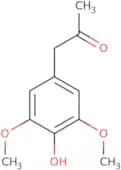
CAS:<p>Versatile small molecule scaffold</p>Formula:C6H15ClN2OPurity:Min. 95%Molecular weight:166.65 g/mol(3,5-Dimethoxy-4-hydroxyphenyl)acetone
CAS:<p>(3,5-Dimethoxy-4-hydroxyphenyl)acetone is a phenolic compound that is used as a calibration standard in the analysis of tannins. It has been shown to have a catalytic effect on the oxidation of oleic acid and linoleic acid in the presence of peroxides. The addition of (3,5-dimethoxy-4-hydroxyphenyl)acetone to an oil or fat emulsion at room temperature leads to an increase in the viscosity of the emulsion. This compound can be found in many plants, such as tea and coffee beans, cocoa beans, and red wine grapes.</p>Formula:C11H14O4Purity:Min. 95%Color and Shape:Orange PowderMolecular weight:210.23 g/molDiethyl aniline
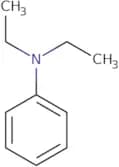
CAS:<p>Diethyl aniline is a colorless liquid that is soluble in organic solvents. It is used to synthesize polycarboxylic acids and as a solvent for paints, dyes, waxes, and other organic compounds. It has been shown to inhibit the synthesis of cholesterol esters by transferring one of its alkyl groups to the ester group on cholesterol. This reaction is catalyzed by enzymes such as cyclooxygenase and lipoxygenase. Diethyl aniline can also be used for the preparation of diazonium salts through reactions with sodium nitrite in hydrochloric acid or potassium dichromate in sulfuric acid. The reaction mechanism starts with the oxidation of diethyl aniline to give a diazonium salt intermediate. This intermediate reacts with water and gives hydrogen peroxide as a product. Hydrogen peroxide then reacts with bromoethane, which leads to the formation of another diazon</p>Formula:C10H15NPurity:Min. 95%Molecular weight:149.23 g/molN,N-Dibenzylamine
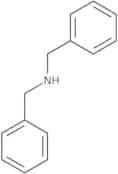
CAS:<p>N,N-Dibenzylamine is a pyrimidine compound that is used as a model system to study the fatty acid-pyrimidine interactions. The iminodibenzyl group on N,N-dibenzylamine reacts with the ethylene diamine moiety in a reaction mechanism that is analogous to the reactions of natural nucleic acids. This reaction can be used to determine the water vapor pressure, which is useful in predicting locomotor activity and pharmacokinetic properties. This compound has been found to have antidepressant effects when administered orally in rats.</p>Formula:C14H15NPurity:Min. 95%Color and Shape:Clear LiquidMolecular weight:197.28 g/mol2,2'-Dipyridylamine
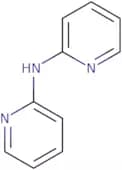
CAS:<p>2,2'-Dipyridylamine is a compound that belongs to the group of low-energy compounds. It has been shown to have antimicrobial activity against bacteria and fungi and has been demonstrated to be effective in treating cancer cells. 2,2'-Dipyridylamine is a molecule with two nitrogen atoms, which are bound by hydrogen bonds. This compound also contains methoxy groups that are coordinated by the nitrogen atoms. The structural analysis shows that there are three open coordination sites for metal ions that can bind with the nitrogen atoms. The x-ray diffraction data show that 2,2'-dipyridylamine crystallizes in a monoclinic system with an orthorhombic unit cell.</p>Formula:C10H9N3Purity:Min. 95%Molecular weight:171.2 g/molDocosane
CAS:<p>Please enquire for more information about Docosane including the price, delivery time and more detailed product information at the technical inquiry form on this page</p>Formula:C22H46Purity:Min. 95%Molecular weight:310.6 g/mol2,6-Dimethoxyaniline
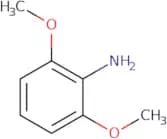
CAS:<p>2,6-Dimethoxyaniline is a synthetic compound that has been used in the past as an antibacterial agent. It has been shown to be effective against Staphylococcus aureus and Escherichia coli, but not against Pseudomonas aeruginosa. 2,6-Dimethoxyaniline forms nanowires with an average diameter of 100 nm and lengths up to 1 micron when exposed to radiation (e.g., gamma rays). The reaction rate is dependent on the architecture and morphology of the azobenzene moiety. The chloride anion coordinates with the nitrogen atom in the molecule, which leads to a phase transition temperature of about 230 K.</p>Formula:C8H11NO2Purity:Min. 95%Color and Shape:White PowderMolecular weight:153.18 g/molDiethyl malonate
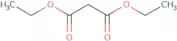
CAS:<p>Diethyl malonate is a bioactive phytochemical that is one of the glycol ethers. It is an organic compound with a reactive nature, which can undergo reactions with other compounds to form new compounds. Diethyl malonate has been shown to be effective for reducing metabolic disorders in rats, such as diabetes mellitus and hypercholesterolemia. This compound is also used for the treatment of conditions related to coumarin derivatives and glycoside derivatives. Diethyl malonate may react with other molecules by using an oxidation process called a Michael addition. The x-ray diffraction data indicated that the diethylmalonic acid molecule had two rings: one ring was six-membered and the other was five-membered.</p>Formula:C7H12O4Purity:Min. 95%Color and Shape:Colourless Clear LiquidMolecular weight:160.17 g/mol3,6-Dichloropyridazine
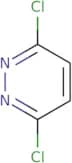
CAS:<p>3,6-Dichloropyridazine is a chemical compound that belongs to the group of heterocycles. It is used as an intermediate for the production of other chemicals such as pharmaceuticals and pesticides. 3,6-Dichloropyridazine can be used in the treatment of inflammatory diseases by inhibiting cyclic nucleotide phosphodiesterase and preventing the accumulation of cyclic nucleotides. 3,6-Dichloropyridazine has been shown to inhibit cancer cells by binding to α7 nicotinic acetylcholine receptors in the cell membrane. The chlorine atom at position 3 on the pyridine ring is responsible for this effect. In addition, 3,6-dichloropyridazine has been shown to react with both nucleophilic and electrophilic groups. This chemical also displays a wide range of chemical diversity due to its three chlorine atoms.</p>Formula:C4H2Cl2N2Purity:Min. 95%Color and Shape:Red PowderMolecular weight:148.98 g/mol4-Amino-N-butyl-1,2-dimethyl-1H-imidazole-5-carboxamide
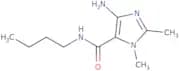
CAS:<p>Versatile small molecule scaffold</p>Formula:C10H18N4OPurity:Min. 95%Molecular weight:210.28 g/molChroman-6-ylmethylamine
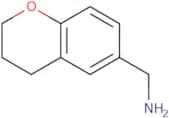
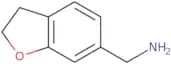
CAS:<p>Versatile small molecule scaffold</p>Formula:C10H13NOPurity:Min. 95%Molecular weight:163.22 g/mol(2,3-Dihydro-1-benzofuran-6-yl)methanamine
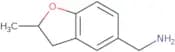
CAS:<p>Versatile small molecule scaffold</p>Formula:C9H11NOPurity:Min. 95%Molecular weight:149.19 g/molC-(2-Methyl-2,3-dihydro-benzofuran-5-yl)-methylamine
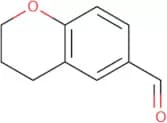
CAS:<p>Versatile small molecule scaffold</p>Formula:C10H13NOPurity:Min. 95%Molecular weight:163.22 g/molChroman-6-carbaldehyde
CAS:<p>Chroman-6-carbaldehyde is a chemical compound that has been shown to have antidiabetic and antifungal activity. It is synthesized by reductive amination of chroman-6-carboxylic acid with an amine (e.g., piperazine) in the presence of sodium cyanoborohydride. Chroman-6-carbaldehyde inhibits lipase activity, which can decrease the blood glucose level in diabetic patients, and also has antibacterial properties. This compound is one of the active compounds found in a strain of fungus Penicillium sp., which was isolated from soil samples collected in the city of Kolkata, India. Chroman-6-carbaldehyde is fluorescent and can be detected using fluorescence spectroscopy and high performance liquid chromatography (HPLC).</p>Formula:C10H10O2Purity:Min. 95%Molecular weight:162.19 g/mol2,3-dihydrobenzofuran-6-carbaldehyde
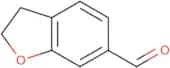
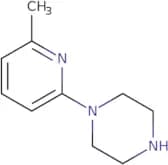
CAS:<p>Versatile small molecule scaffold</p>Formula:C9H8O2Purity:Min. 95%Molecular weight:148.16 g/mol1-(6-Methylpyridin-2-yl)piperazine
CAS:<p>Versatile small molecule scaffold</p>Formula:C10H15N3Purity:Min. 95%Molecular weight:177.25 g/mol2,3-Dihydrobenzo[b]furan-5-ylmethylamine hydrochloride
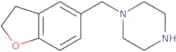
CAS:<p>Versatile small molecule scaffold</p>Formula:C9H11NO·ClHPurity:Min. 95%Molecular weight:185.65 g/mol1-(2,3-Dihydro-1-benzofuran-5-ylmethyl)piperazine
CAS:<p>Versatile small molecule scaffold</p>Formula:C13H18N2OPurity:Min. 95%Molecular weight:218.29 g/mol5-(Chloromethyl)-2,3-dihydro-1-benzofuran
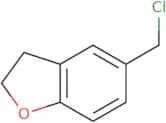
CAS:<p>Versatile small molecule scaffold</p>Formula:C9H9ClOPurity:Min. 95%Molecular weight:168.62 g/mol2,4,6-Trihydroxy-3-methylbenzaldehyde
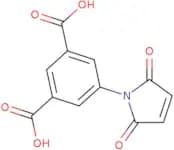
CAS:<p>Versatile small molecule scaffold</p>Formula:C8H8O4Purity:Min. 95%Molecular weight:168.15 g/mol5-(2,5-Dioxo-2,5-dihydro-1H-pyrrol-1-yl)benzene-1,3-dicarboxylic acid
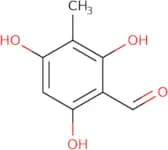
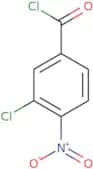
CAS:<p>Versatile small molecule scaffold</p>Formula:C12H7NO6Purity:Min. 95%Molecular weight:261.19 g/mol3-Chloro-4-nitrobenzoyl chloride
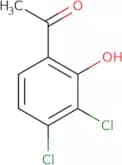
CAS:<p>Versatile small molecule scaffold</p>Formula:C7H3Cl2NO3Purity:Min. 95%Molecular weight:220.01 g/mol1-(3,4-Dichloro-2-hydroxyphenyl)ethan-1-one
CAS:<p>Versatile small molecule scaffold</p>Formula:C8H6Cl2O2Purity:Min. 95%Molecular weight:205.03 g/mol8-Chloro-1,4-dioxaspiro[4.5]decane
CAS:<p>Versatile small molecule scaffold</p>Formula:C8H13ClO2Purity:Min. 95%Molecular weight:176.64 g/molrac-(1R,5S,6R)-6-Bromo-3-oxabicyclo[3.1.0]hexane
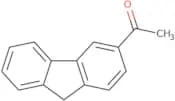
CAS:<p>Versatile small molecule scaffold</p>Formula:C5H7BrOPurity:Min. 95%Molecular weight:163.01 g/mol1-(9H-Fluoren-3-yl)ethan-1-one
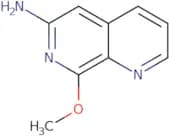
CAS:<p>Versatile small molecule scaffold</p>Formula:C15H12OPurity:Min. 95%Molecular weight:208.25 g/mol8-Methoxy-1,7-naphthyridin-6-amine
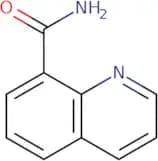
CAS:<p>Versatile small molecule scaffold</p>Formula:C9H9N3OPurity:Min. 95%Molecular weight:175.19 g/molQuinoline-8-carboxamide
CAS:<p>Quinoline-8-carboxamide is a synthetic compound that was developed for the treatment of colon cancer. It is an amide derivative of 5-iodo-2'-deoxyuridine, and has been shown to be cytotoxic to human colon carcinoma cells in vitro. Quinoline-8-carboxamide has also been shown to inhibit the synthesis of adenosine diphosphate ribose (ADP-ribose), which may be related to its ability to induce apoptosis. Quinoline 8-carboxamide is undergoing Phase II/III clinical trials for the treatment of colorectal cancer.</p>Formula:C10H8N2OPurity:Min. 95%Molecular weight:172.18 g/mol6-Methylquinoline-8-carboxylic acid
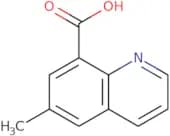
CAS:<p>Versatile small molecule scaffold</p>Formula:C11H9NO2Purity:Min. 95%Molecular weight:187.2 g/mol2,5-Dihydroxy-2,5-dimethyl-1,4-dithiane
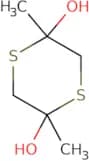
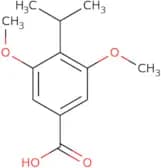
CAS:<p>2,5-Dihydroxy-2,5-dimethyl-1,4-dithiane is a molecule that contains anethole. The molecular orbitals of this compound are thermodynamically stable and have a conformational property that allows for potent inhibitory activity. 2,5-Dihydroxy-2,5-dimethyl-1,4-dithiane has been shown to have minimal inhibitory concentrations in the range of 0.03% to 0.05%. 2,5-Dihydroxy-2,5-dimethyl-1,4-dithiane has also been shown to be an antibacterial agent against bacteria such as Staphylococcus aureus and Streptococcus pyogenes. This compound also has potent inhibitory activity against bacteria such as Escherichia coli and Salmonella enterica serovar Typhimurium. It can be used as an additive in food products and personal</p>Formula:C6H12O2S2Purity:Min. 95%Molecular weight:180.28 g/mol3,5-Dimethoxy-4-(propan-2-yl)benzoic acid
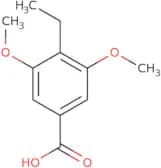
CAS:<p>Versatile small molecule scaffold</p>Formula:C12H16O4Purity:Min. 95%Molecular weight:224.25 g/mol4-Ethyl-3,5-dimethoxybenzoic acid
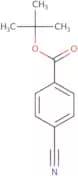
CAS:<p>Versatile small molecule scaffold</p>Formula:C11H14O4Purity:Min. 95%Molecular weight:210.23 g/mol4-Cyanobenzoic acid tert-butyl ester
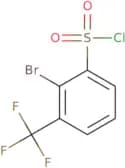
CAS:<p>Versatile small molecule scaffold</p>Formula:C12H13NO2Purity:Min. 95%Molecular weight:203.24 g/mol2-Bromo-3-(trifluoromethyl)benzene-1-sulfonyl chloride
CAS:<p>Versatile small molecule scaffold</p>Formula:C7H3BrClF3O2SPurity:Min. 95%Molecular weight:323.52 g/molMethyl 3-[(2-methoxyethyl)amino]propanoate
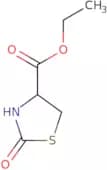
CAS:<p>Versatile small molecule scaffold</p>Formula:C7H15NO3Purity:Min. 95%Molecular weight:161.2 g/molEthyl 2-oxo-1,3-thiazolidine-4-carboxylate
CAS:<p>Versatile small molecule scaffold</p>Formula:C6H9NO3SPurity:Min. 95%Molecular weight:175.21 g/molN-(Piperidin-4-yl)pyridin-2-amine
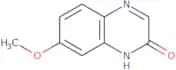
CAS:<p>Triacetoxyborohydride is a reagent that is used in organic synthesis, especially for the reduction of esters and amides to alcohols. Triacetoxyborohydride reacts with an aralkyl group to produce a monocyclic hydrocarbon compound. It is also used in corrosion inhibition and as a corrosion inhibitor. The reactivity of triacetoxyborohydride is increased by the presence of sodium borohydride, which increases the number of reactive hydrogens on the boron atom.</p>Formula:C10H15N3Purity:Min. 95%Molecular weight:177.25 g/mol7-Methoxyquinoxalin-2(1H)-one
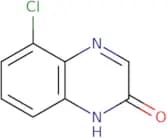
CAS:<p>Versatile small molecule scaffold</p>Formula:C9H8N2O2Purity:Min. 95%Molecular weight:176.17 g/mol5-Chloroquinoxalin-2-ol
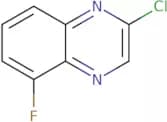
CAS:<p>Versatile small molecule scaffold</p>Formula:C8H5ClN2OPurity:Min. 95%Molecular weight:180.59 g/mol2-Chloro-5-fluoroquinoxaline
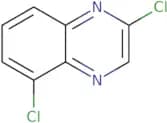
CAS:<p>Versatile small molecule scaffold</p>Formula:C8H4ClFN2Purity:Min. 95%Molecular weight:182.58 g/mol2,5-Dichloroquinoxaline
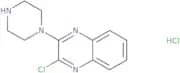
CAS:<p>Versatile small molecule scaffold</p>Formula:C8H4Cl2N2Purity:Min. 95%Molecular weight:199.04 g/mol2-Chloro-3-piperazin-1-yl-quinoxaline hydrochloride
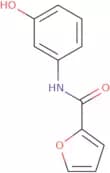
CAS:<p>Versatile small molecule scaffold</p>Formula:C12H14Cl2N4Purity:Min. 95%Molecular weight:285.17 g/molN-(3-Hydroxyphenyl)-2-furamide
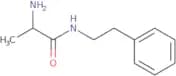
CAS:<p>Versatile small molecule scaffold</p>Formula:C11H9NO3Purity:Min. 95%Molecular weight:203.19 g/mol(2S)-2-Amino-N-(2-phenylethyl)propanamide
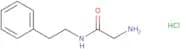
CAS:<p>Versatile small molecule scaffold</p>Formula:C11H16N2OPurity:Min. 95%Molecular weight:192.26 g/mol2-Amino-N-(2-phenylethyl)acetamide hydrochloride
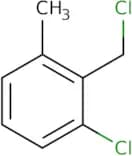
CAS:<p>Versatile small molecule scaffold</p>Formula:C10H15ClN2OPurity:Min. 95%Molecular weight:214.69 g/mol1-Chloro-2-(chloromethyl)-3-methylbenzene
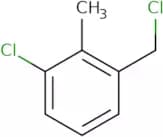
CAS:<p>Versatile small molecule scaffold</p>Formula:C8H8Cl2Purity:Min. 95%Molecular weight:175.05 g/mol1-Chloro-3-(chloromethyl)-2-methylbenzene
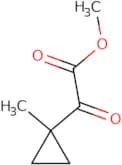
CAS:<p>Versatile small molecule scaffold</p>Formula:C8H8Cl2Purity:Min. 95%Molecular weight:175.05 g/molMethyl 2-(1-methylcyclopropyl)-2-oxoacetate
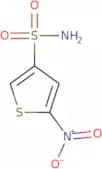
CAS:<p>Versatile small molecule scaffold</p>Formula:C7H10O3Purity:Min. 95%Molecular weight:142.2 g/mol5-Nitrothiophene-3-sulfonamide
CAS:<p>Versatile small molecule scaffold</p>Formula:C4H4N2O4S2Purity:Min. 95%Molecular weight:208.2 g/molN-{[3-(Benzyloxy)-4-methoxyphenyl]methylidene}hydroxylamine
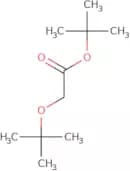
CAS:<p>Versatile small molecule scaffold</p>Formula:C15H15NO3Purity:Min. 95%Molecular weight:257.28 g/moltert-Butyl 2-(tert-butoxy)acetate
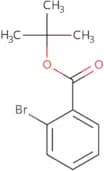
CAS:<p>Versatile small molecule scaffold</p>Formula:C10H20O3Purity:Min. 95%Color and Shape:Clear LiquidMolecular weight:188.26 g/moltert-Butyl 2-bromobenzoate
CAS:<p>Versatile small molecule scaffold</p>Formula:C11H13BrO2Purity:Min. 95%Molecular weight:257.12 g/mol5-Methyl-7H,8H-imidazo[1,2-a]pyrimidin-7-one
CAS:<p>Versatile small molecule scaffold</p>Formula:C7H7N3OPurity:Min. 95%Molecular weight:149.15 g/mol7H,8H-Imidazo[1,2-a]pyrimidin-7-one
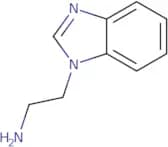
CAS:<p>Versatile small molecule scaffold</p>Formula:C6H5N3OPurity:Min. 95%Molecular weight:135.1 g/mol2-(1H-1,3-Benzodiazol-1-yl)ethan-1-amine
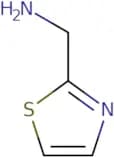
CAS:<p>Versatile small molecule scaffold</p>Formula:C9H11N3Purity:Min. 95%Molecular weight:161.2 g/mol(1,3-Thiazol-2-yl)methanamine
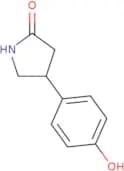
CAS:<p>Please enquire for more information about (1,3-Thiazol-2-yl)methanamine including the price, delivery time and more detailed product information at the technical inquiry form on this page</p>Formula:C4H6N2SPurity:Min. 95%Color and Shape:Clear LiquidMolecular weight:114.17 g/mol4-(4-Hydroxyphenyl)pyrrolidin-2-one
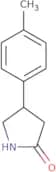
CAS:<p>Versatile small molecule scaffold</p>Formula:C10H11NO2Purity:Min. 95%Molecular weight:177.2 g/mol4-(4-Methylphenyl)pyrrolidin-2-one
CAS:<p>Versatile small molecule scaffold</p>Formula:C11H13NOPurity:Min. 95%Molecular weight:175.23 g/mol4-(Methylsulfanyl)-2-[(3,4,5-trimethoxyphenyl)formamido]butanoic acid
CAS:<p>Versatile small molecule scaffold</p>Formula:C15H21NO6SPurity:Min. 95%Molecular weight:343.4 g/mol6-Chloro-2-methyl-[1,2,4]triazolo[1,5-b]pyridazine
CAS:<p>Versatile small molecule scaffold</p>Formula:C6H5ClN4Purity:Min. 95%Molecular weight:168.58 g/mol1,2-Diaminopyrazin-1-ium 2,4,6-trimethylbenzene-1-sulfonate
CAS:<p>Versatile small molecule scaffold</p>Formula:C13H18N4O3SPurity:Min. 95%Molecular weight:310.4 g/mol3-[(Pentan-3-yl)amino]propanenitrile
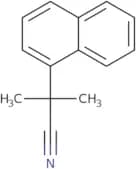
CAS:<p>Versatile small molecule scaffold</p>Formula:C8H16N2Purity:Min. 95%Molecular weight:140.23 g/mol2-Methyl-2-(naphthalen-1-yl)propanenitrile
CAS:<p>Versatile small molecule scaffold</p>Formula:C14H13NPurity:Min. 95%Molecular weight:195.26 g/mol3-Methoxy-N-methyl-1-propanamine HCl
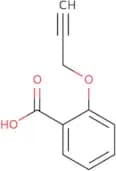
CAS:<p>Versatile small molecule scaffold</p>Formula:C5H14ClNOPurity:Min. 95%Molecular weight:139.62 g/mol2-(2-Propynyloxy)benzenecarboxylic acid
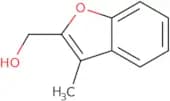
CAS:<p>Versatile small molecule scaffold</p>Formula:C10H8O3Purity:Min. 95%Molecular weight:176.17 g/mol3-Methylbenzofuran-2-methanol
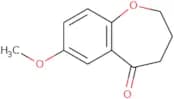
CAS:<p>Versatile small molecule scaffold</p>Formula:C10H10O2Purity:Min. 95%Molecular weight:162.19 g/mol7-Methoxy-2,3,4,5-tetrahydro-1-benzoxepin-5-one
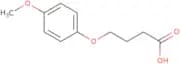
CAS:<p>Versatile small molecule scaffold</p>Formula:C11H12O3Purity:Min. 95%Molecular weight:192.21 g/mol4-(4-Methoxyphenoxy)butanoic acid
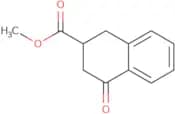
CAS:Controlled Product<p>4-(4-Methoxyphenoxy)butanoic acid is a reagent that yields an exothermic reaction when heated in hexane. It is used in the acylation of carboxylic acids with chlorides, forming esters. Impurities include chlorides and carbocations, which may react to form a reaction product. 4-(4-Methoxyphenoxy)butanoic acid is also used as an intermediate for making other compounds, including pharmaceuticals.</p>Formula:C11H14O4Purity:Min. 95%Molecular weight:210.23 g/molMethyl 4-oxo-1,2,3,4-tetrahydronaphthalene-2-carboxylate
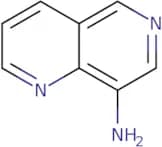
CAS:<p>Versatile small molecule scaffold</p>Formula:C12H12O3Purity:Min. 95%Molecular weight:204.22 g/mol1,6-Naphthyridin-8-amine
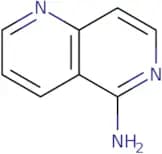
CAS:<p>Versatile small molecule scaffold</p>Formula:C8H7N3Purity:Min. 95%Molecular weight:145.16 g/mol1,6-Naphthyridin-5-amine
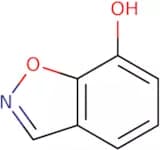
CAS:<p>Versatile small molecule scaffold</p>Formula:C8H7N3Purity:Min. 95%Molecular weight:145.17 g/mol1,2-Benzoxazol-7-ol
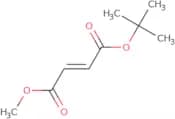
CAS:<p>Versatile small molecule scaffold</p>Formula:C7H5NO2Purity:Min. 95%Molecular weight:135.12 g/molt-Butyl methyl fumarate
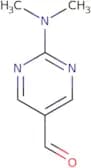
CAS:<p>t-Butyl methyl fumarate is a white crystalline powder with a molecular weight of 236.2 g/mol and a solubility in water of 0.05 g/L at 20 °C. It is an organic solvent that can be used as an initiator for free radical polymerization reactions, such as vinyl polymers, which are homopolymers or copolymers derived from the monomer ethylene. t-Butyl methyl fumarate has a boiling point of -21 °C and can be used as a solvent for organic compounds. It is soluble in organic solvents such as xylene, benzene, toluene, and dichloromethane. In the gas phase it has been found to have a critical temperature of 143 °C with no observable melting point.</p>Formula:C9H14O4Purity:Min. 95%Molecular weight:186.21 g/mol2-Dimethylamino-pyrimidine-5-carbaldehyde
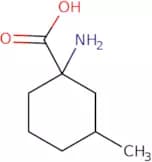
CAS:<p>Versatile small molecule scaffold</p>Formula:C7H9N3OPurity:Min. 95%Molecular weight:151.17 g/mol1-Amino-3-methylcyclohexanecarboxylic acid
CAS:<p>1-Amino-3-methylcyclohexanecarboxylic acid is an amino acid that can inhibit the growth of Ochromonas. It has been shown to reduce the number of protozoa in a mouse model, which may be due to its ability to inhibit cyclic adenosine monophosphate (cAMP) production in phagocytes. 1-Amino-3-methylcyclohexanecarboxylic acid is also known for its glycine and l-alanine content, which are both essential for all life forms. This amino acid is found in the cells of all organisms and is necessary for protein synthesis and cell growth.</p>Formula:C8H15NO2Purity:Min. 95%Molecular weight:157.21 g/molN-(2-Azepan-1-ylethyl)-N-ethylamine
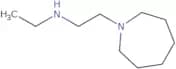
CAS:<p>Versatile small molecule scaffold</p>Formula:C10H22N2Purity:Min. 95%Molecular weight:170.3 g/mol2-(2-Formyl-1H-pyrrol-1-yl)benzoic acid
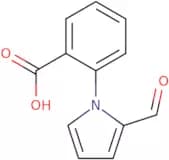
CAS:<p>Versatile small molecule scaffold</p>Formula:C12H9NO3Purity:Min. 95%Molecular weight:215.2 g/mol5-Chloro-2-(1H-pyrrol-1-yl)benzoic acid
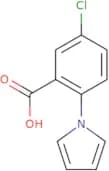
CAS:<p>Versatile small molecule scaffold</p>Formula:C11H8ClNO2Purity:Min. 95%Color and Shape:PowderMolecular weight:221.64 g/mol1,3-Dimethylcyclohexan-1-ol
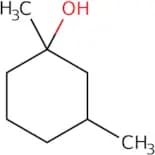
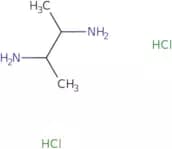
CAS:<p>Versatile small molecule scaffold</p>Formula:C8H16OPurity:Min. 95%Molecular weight:128.21 g/molButane-2,3-diamine dihydrochloride
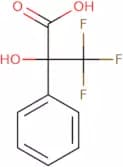
CAS:<p>Versatile small molecule scaffold</p>Formula:C4H14Cl2N2Purity:Min. 95%Molecular weight:161.07 g/mol3,3,3-Trifluoro-2-hydroxy-2-phenylpropanoic acid
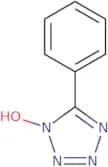
CAS:<p>Versatile small molecule scaffold</p>Formula:C9H7F3O3Purity:Min. 95%Molecular weight:220.14 g/mol5-Phenyl-1H-1,2,3,4-tetrazol-1-ol
CAS:<p>5-Phenyl-1H-1,2,3,4-tetrazol-1-ol is a hydrophilic chemical that has been used as a coupling agent. It has been employed in the production of polyurethane elastomers and polyurethane foams. The substituents on this molecule can be classified as multilayer or sterically bulky. 5-Phenyl-1H-1,2,3,4-tetrazol-1-ol also regenerates easily by means of alkaline reactions and yields high yields under mild conditions. This compound is not soluble in water but is soluble in ethylene oxide and organic solvents. 5-Phenyl-1H-1,2,3,4-tetrazol-1-ol is hydrophobic and does not react with silver halides.</p>Formula:C7H6N4OPurity:Min. 95%Molecular weight:162.15 g/mol2-(Carbamoylamino)hexanoic acid
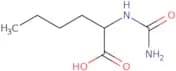
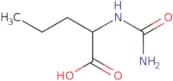
CAS:<p>Versatile small molecule scaffold</p>Formula:C7H14N2O3Purity:Min. 95%Molecular weight:174.2 g/mol2-(Carbamoylamino)pentanoic acid
CAS:<p>2-(Carbamoylamino)pentanoic acid is a monoclonal antibody that can be used as a diagnostic agent. It inhibits the proliferation of cancer cells by binding to the malic acid receptor, which is overexpressed on prostate cancer cells. This antibody has been shown to have an inhibitory effect on cell proliferation in vivo, but does not interfere with the function of other cells. 2-(Carbamoylamino)pentanoic acid also binds to antibodies and has shown a detection time of 4 hours in vivo. 2-(Carbamoylamino)pentanoic acid has been shown to bind to malic acid in vitro and can be used for the diagnosis of prostate cancer.</p>Formula:C6H12N2O3Purity:Min. 95%Molecular weight:160.17 g/molN-Carbamyl-DL-α-amino-N-butyric acid
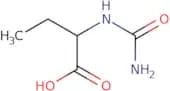
CAS:<p>N-Carbamyl-DL-α-amino-N-butyric acid is a reactive monocarboxylic acid that is found in fatty acids. It can be converted into an enantiomer, which has the same chemical formula but a different arrangement of atoms. This conversion can be achieved by reacting it with an alcohol and a base or an acid. N-Carbamyl-DL-α-amino-N-butyric acid reacts with glufosinate ammonium to form reaction products that are toxic to plants.</p>Formula:C5H10N2O3Purity:Min. 95%Molecular weight:146.14 g/molEthyl cyclohex-2-ene-1-carboxylate
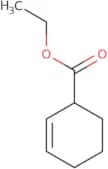
CAS:<p>Ethyl cyclohex-2-ene-1-carboxylate is an organic compound that is used as an analgesic, antiarrhythmic, and neuroleptic. It belongs to the group of esters and has a nitrogen atom in its structure. Ethyl cyclohex-2-ene-1-carboxylate was first synthesized by the reaction of ethyl bromide with 2-cyclohexenone. The molecule has two hydroxyalkyl groups, which are esters of alcohols. The two alkenyl groups are arranged cis to each other, which gives it a planar shape. Ethyl cyclohex-2-ene-1-carboxylate contains a heterocyclic system composed of a six membered ring containing three carbon atoms and three oxygen atoms.</p>Formula:C9H14O2Purity:Min. 95%Molecular weight:154.21 g/mol1-(4-Chlorophenyl)-6,7-dimethoxy-1,2,3,4-tetrahydroisoquinoline
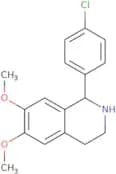
CAS:<p>Versatile small molecule scaffold</p>Formula:C17H18ClNO2Purity:Min. 95%Molecular weight:303.8 g/mol




![5-Amino-1-[4-(trifluoromethyl)phenyl]-1H-pyrazole-4-carbonitrile](/_next/image/?url=https%3A%2Fstatic.cymitquimica.com%2Fproducts%2F3D%2Fthumb-webp%2FFDA02567.webp&w=3840&q=75)



![2,3-Dihydrobenzo[b]furan-5-ylmethylamine hydrochloride](/_next/image/?url=https%3A%2Fstatic.cymitquimica.com%2Fproducts%2F3D%2Fthumb-webp%2FFCA74574.webp&w=3840&q=75)
![8-Chloro-1,4-dioxaspiro[4.5]decane](/_next/image/?url=https%3A%2Fstatic.cymitquimica.com%2Fproducts%2F3D%2Fthumb-webp%2FFCA72403.webp&w=3840&q=75)
![rac-(1R,5S,6R)-6-Bromo-3-oxabicyclo[3.1.0]hexane](/_next/image/?url=https%3A%2Fstatic.cymitquimica.com%2Fproducts%2F3D%2Fthumb-webp%2FFCA72231.webp&w=3840&q=75)
![Methyl 3-[(2-methoxyethyl)amino]propanoate](/_next/image/?url=https%3A%2Fstatic.cymitquimica.com%2Fproducts%2F3D%2Fthumb-webp%2FFCA69453.webp&w=3840&q=75)

![N-{[3-(Benzyloxy)-4-methoxyphenyl]methylidene}hydroxylamine](/_next/image/?url=https%3A%2Fstatic.cymitquimica.com%2Fproducts%2F3D%2Fthumb-webp%2FFCA66717.webp&w=3840&q=75)
![5-Methyl-7H,8H-imidazo[1,2-a]pyrimidin-7-one](/_next/image/?url=https%3A%2Fstatic.cymitquimica.com%2Fproducts%2F3D%2Fthumb-webp%2FFCA66234.webp&w=3840&q=75)
![7H,8H-Imidazo[1,2-a]pyrimidin-7-one](/_next/image/?url=https%3A%2Fstatic.cymitquimica.com%2Fproducts%2F3D%2Fthumb-webp%2FFCA66233.webp&w=3840&q=75)
![4-(Methylsulfanyl)-2-[(3,4,5-trimethoxyphenyl)formamido]butanoic acid](/_next/image/?url=https%3A%2Fstatic.cymitquimica.com%2Fproducts%2F3D%2Fthumb-webp%2FFCA65231.webp&w=3840&q=75)
![6-Chloro-2-methyl-[1,2,4]triazolo[1,5-b]pyridazine](/_next/image/?url=https%3A%2Fstatic.cymitquimica.com%2Fproducts%2F3D%2Fthumb-webp%2FFCA64382.webp&w=3840&q=75)
![3-[(Pentan-3-yl)amino]propanenitrile](/_next/image/?url=https%3A%2Fstatic.cymitquimica.com%2Fproducts%2F3D%2Fthumb-webp%2FFCA61908.webp&w=3840&q=75)