


Building Blocks
This section contains fundamental products for the synthesis of organic and biological compounds. Building blocks are the essential starting materials used to construct complex molecules through various chemical reactions. They play a critical role in drug discovery, material science, and chemical research. At CymitQuimica, we offer a diverse range of high-quality building blocks to support your innovative research and industrial projects, ensuring you have the essential components for successful synthesis.
Subcategories of "Building Blocks"
- Boronic Acids & Boronic Acid Derivatives(5,756 products)
- Chiral Building Blocks(1,242 products)
- Hydrocarbon Building Blocks(6,093 products)
- Organic Building Blocks(60,519 products)
Found 195533 products of "Building Blocks"
Sort by
Purity (%)
0
100
|
0
|
50
|
90
|
95
|
100
2,2-Dimethyl-3,4-dihydro-2H-1-benzopyran-6-carboxylic acid
CAS:<p>Versatile small molecule scaffold</p>Formula:C12H14O3Purity:Min. 95%Molecular weight:206.24 g/mol1-(4-Methoxyphenyl)-2-methylpropan-1-one
CAS:<p>1-(4-Methoxyphenyl)-2-methylpropan-1-one is an organic compound with the chemical formula CH3COCH(OCH2CH3). It is a colorless liquid that is soluble in water, ether, and most organic solvents. It has a boiling point of 154 °C at 1 atm and its density is 0.921 g/mL at 25 °C. This compound can be used as an alkylating agent for aromatic compounds, acyl halides, carbonyls, and other reactive groups. The reaction mechanism for this compound begins with a nucleophilic attack on the electrophilic carbon atom by the oxygen atom of the methoxy group to form an acetal intermediate. The intermediate then undergoes hydrolysis to form a new c–h bond and a methyl ether product.</p>Formula:C11H14O2Purity:Min. 95%Molecular weight:178.23 g/mol2-Methyl-1-(2-methylphenyl)propan-1-one
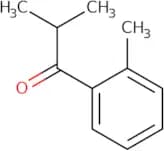
CAS:<p>Versatile small molecule scaffold</p>Formula:C11H14OPurity:Min. 95%Molecular weight:162.23 g/mol1-(4-Methoxyphenyl)-2,2-dimethylpropan-1-one
CAS:<p>1-(4-Methoxyphenyl)-2,2-dimethylpropan-1-one is a bioorganic compound with the formula CHClO. It is an aromatic ketone that is used in organic synthesis. The compound is prepared by acylation of 4-methoxybenzaldehyde with chloroacetyl chloride in the presence of aluminum chloride as a catalyst. The reaction is catalyzed by light and proceeds quantitatively at room temperature, affording 1-(4-methoxyphenyl)-2,2-dimethylpropan-1-one in nearly quantitative yield. Friedel–Crafts acylation can be used to synthesize derivatives of this compound, such as benzoyl derivatives. The reaction takes place at room temperature under mild conditions and typically gives products in high yields.<br>The reaction time for Friedel–Crafts acylation depends on the reactivity of the substrate but typically ranges from one to several hours,</p>Formula:C12H16O2Purity:Min. 95%Molecular weight:192.25 g/mol2',2,2-trimethylpropiophenone
CAS:<p>Versatile small molecule scaffold</p>Formula:C12H16OPurity:Min. 95%Molecular weight:176.26 g/mol[1-(aminomethyl)cyclohexyl]methanol
CAS:<p>Versatile small molecule scaffold</p>Formula:C8H17NOPurity:Min. 95%Molecular weight:143.23 g/mol2-pyridylethylmercaptan
CAS:<p>2-pyridylethylmercaptan is a heterocyclic compound that is used as an adsorbent for the preparation of samples for surface-enhanced Raman spectroscopy. It is also used in cancer research to study the effects of acidic conditions on cancer cells. 2-pyridylethylmercaptan has been shown to be effective in the treatment of myeloma, leukemia, and breast cancer when administered orally. It binds to thiol groups on proteins and forms a covalent bond with sulfur atoms. The formation of this covalent bond leads to the protonation of 2-pyridylethylmercaptan and results in a change in its chemical properties. This covalent bond with sulfur atoms also inhibits the growth of bacteria by interfering with their ability to synthesize proteins.</p>Formula:C7H9NSPurity:Min. 95%Molecular weight:139.22 g/mol3-Oxo-N-(2-phenylethyl)butanamide
CAS:<p>Versatile small molecule scaffold</p>Formula:C12H15NO2Purity:Min. 95%Molecular weight:205.25 g/mol2-(Sulphanylmethyl)pyridine
CAS:<p>2-(Sulphanylmethyl)pyridine is a stabilizer that can be used in fatty acids. It is a reversible covalent bond that can stabilize the sample by reacting with the phosphorothioates of nucleic acids and other nucleophiles, such as sulphydryl groups. 2-(Sulphanylmethyl)pyridine reacts with glycerides to form reaction products, which may be used as additives for oils or fats. This product has been shown to have potential for use in X-ray crystallography studies of phosphorothioates. 2-(Sulphanylmethyl)pyridine stabilizes metal ions and can be used orally as acetyl derivatives.</p>Formula:C6H7NSPurity:Min. 95%Molecular weight:125.19 g/mol4-[Bis(2-chloroethyl)amino]benzamide
CAS:<p>Versatile small molecule scaffold</p>Formula:C11H14Cl2N2OPurity:Min. 95%Molecular weight:261.14 g/mol4-Cyclopropylbutan-2-one
CAS:<p>Versatile small molecule scaffold</p>Formula:C7H12OPurity:Min. 95%Molecular weight:112.17 g/mol1-(3-Phenylisoxazol-5yl)ethanone
CAS:<p>Versatile small molecule scaffold</p>Formula:C11H9NO2Purity:Min. 95%Molecular weight:187.2 g/mol4-(2-Methylbutan-2-yl)aniline
CAS:<p>Versatile small molecule scaffold</p>Formula:C11H17NPurity:Min. 95%Molecular weight:163.26 g/mol(3-Methylbutyl)benzene
CAS:<p>(3-Methylbutyl)benzene is a chemical that undergoes alkylation in the presence of an acid. It is an aromatic hydrocarbon that has been shown to be able to react with a number of other chemicals. (3-Methylbutyl)benzene has been used as a catalyst in the synthesis of peptide hormones and solid catalysts for chemical reactions. This product also has the ability to emit light when heated, which makes it useful for research purposes.</p>Formula:C11H16Purity:Min. 95%Molecular weight:148.25 g/moltert-Amylbenzene
CAS:<p>tert-Amylbenzene is an organic solvent that is a colorless liquid. This compound has been shown to react with hydrochloric acid in the presence of a chloride salt to form three isomers: ortho-, meta-, and para-tert-amylbenzene. The chemical reaction proceeds through Friedel-Crafts alkylation, which consists of two steps. In the first step, tert-amylbenzene reacts with hydrogen chloride to produce chlorides and tert-amylbenzenes. In the second step, these tert-amylbenzenes react with the chloride salt to produce the desired products.</p>Formula:C11H16Purity:Min. 95%Molecular weight:148.25 g/mol2²,4²-Dimethylacetanilide
CAS:<p>2,4-DMA is an organic amide that has been used as a solvent and chemical intermediate. It has been shown to be tumorigenic in animals and may also have carcinogenic properties. 2,4-DMA is metabolized to form peroxides which can damage cells by causing lipid peroxidation and DNA strand breakage. It is also an irritant to the skin, eyes, and respiratory tract. The oral LD50 of 2,4-DMA in rats is greater than 1 g/kg body weight.</p>Formula:C10H13NOPurity:Min. 95%Molecular weight:163.22 g/molN-(3,5-Dimethylphenyl)acetamide
CAS:<p>N-(3,5-Dimethylphenyl)acetamide is a reactive agent that has been shown to cause cancer in mammalian cells and bladder tissue. It is genotoxic and can cause mutations in DNA and chromosomes. N-(3,5-Dimethylphenyl)acetamide is also an hallucinogenic drug that acts as a serotonin antagonist. This compound has been shown to inhibit protein synthesis in cell culture.</p>Formula:C10H13NOPurity:Min. 95%Molecular weight:163.22 g/mol1-(Chloromethyl)-4-isopropylbenzene
CAS:<p>1-(Chloromethyl)-4-isopropylbenzene is an oxidising agent that is used to produce polyurethanes. It has been shown to be a potent inhibitor of thrombin receptor, which may make it useful in the treatment of infectious diseases. 1-(Chloromethyl)-4-isopropylbenzene can also be used as a catalyst for polymerisation reactions and helps to increase the molecular weight of polymers. This compound is not considered hazardous to the environment, although it may cause skin irritation.</p>Formula:C10H13ClPurity:Min. 95%Molecular weight:168.66 g/mol2-Methyl-5-isopropylaniline
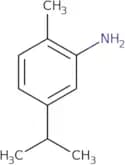
CAS:<p>2-Methyl-5-isopropylaniline is a chemical that has been shown to have an antiproliferative effect, inducing cell apoptosis. It has also been shown to inhibit the growth of tumor cells by inducing cell death in human fibroblasts and colorectal carcinoma cells. The mechanism of action appears to be due to 2-methyl-5-isopropylaniline binding to DNA. This binding inhibits the synthesis of RNA and protein, inhibiting cancer cell proliferation. 2-Methyl-5-isopropylaniline has also been shown to induce DNA strand breaks and inhibit the repair process, which leads to rapid cellular death.</p>Formula:C10H15NPurity:Min. 95%Molecular weight:149.24 g/mol3-(Pyridin-2-yl)propanal
CAS:<p>3-(Pyridin-2-yl)propanal is a heteroaromatic compound that undergoes photolysis to produce oxetane. It has been identified as a sensitizer, which means it can cause the skin to react to UV light. 3-(Pyridin-2-yl)propanal is also an alkyne, meaning it reacts with nucleophiles such as acetonitrile to form adducts. 3-(Pyridin-2-yl)propanal is produced by irradiation of pyridine and is used in the synthesis of oxetanes.</p>Formula:C8H9NOPurity:Min. 95%Molecular weight:135.16 g/mol3-Bromoprop-2-yn-1-ol
CAS:<p>3-Bromoprop-2-yn-1-ol is a useful intermediate in the synthesis of allylamine, which is used in the production of pharmaceuticals. It can be prepared by the stereoselective, organometallic, asymmetric synthesis of propargylamine and bromination of 3-bromopropene. The cross coupling reaction between propargylamine and allylamine with hypophosphorous acid and phenyl groups as well as polymerization are also possible methods to synthesize 3-bromoprop-2-yn-1-ol. The optical properties of this chemical make it suitable for use as an ultraviolet absorber in plastics or dyes. 3-Bromopropane has been shown to be a monomer that polymerizes under acidic conditions to form polymers with significant commercial value. It has been used in the production of polypropylene, polyethylene, and polystyrene.</p>Formula:C3H3BrOPurity:Min. 95%Molecular weight:134.96 g/mol2,2-Bithiophene-5-carboxylic acid
CAS:<p>2,2-Bithiophene-5-carboxylic acid is an organic compound that has a carboxylate group. It is used as a monomer in the preparation of polymers and plastics. It absorbs light in the visible region and fluoresces with a blue color when irradiated with ultraviolet light. The nature of this compound's absorption spectrum changes depending on whether it is in the solid or liquid state. 2,2-Bithiophene-5-carboxylic acid has been shown to have significant anti-inflammatory activity. This may be due to its ability to inhibit cyclooxygenase enzymes, which are responsible for producing prostaglandins from arachidonic acid.</p>Formula:C9H6O2S2Purity:Min. 95%Molecular weight:210.27 g/mol1-Benzothiophene-5-carbonitrile
CAS:<p>1-Benzothiophene-5-carbonitrile is a heterocyclic compound that is formed by condensation of ethyl azidoacetate with indole under catalysis. It can be used in the synthesis of heterocycles. The yield of 1-benzothiophene-5-carbonitrile is about 56%.</p>Formula:C9H5NSPurity:Min. 95%Molecular weight:159.21 g/mol4-Bromo-2-methylbut-3-yn-2-ol
CAS:<p>Versatile small molecule scaffold</p>Formula:C5H7BrOPurity:Min. 95%Molecular weight:163.01 g/mol3-(Benzyloxy)-2,2-dimethylcyclobutan-1-one
CAS:<p>Versatile small molecule scaffold</p>Formula:C13H16O2Purity:Min. 95%Molecular weight:204.26 g/mol2,2-Dimethyl-3-(2-methylpropoxy)cyclobutan-1-one
CAS:<p>Versatile small molecule scaffold</p>Formula:C10H18O2Purity:Min. 95%Molecular weight:170.25 g/mol3-Methoxy-2,2-dimethylcyclobutan-1-one
CAS:<p>Versatile small molecule scaffold</p>Formula:C7H12O2Purity:Min. 95%Molecular weight:128.17 g/mol{Bicyclo[2.2.1]heptan-1-yl}methanol
CAS:<p>Versatile small molecule scaffold</p>Formula:C8H14OPurity:Min. 95%Molecular weight:126.2 g/mol2-Bromo-1,4-naphthoquinone
CAS:<p>2-Bromo-1,4-naphthoquinone is an organic compound with a hydroxyl group. In vitro studies have shown that it has minimal toxicity and redox potentials similar to those of water. 2-Bromo-1,4-naphthoquinone has been found to be reactive and nucleophilic in biological studies. It is also anticancer active when used in tissue culture and has been shown to inhibit the growth of cancer cells by interfering with cellular metabolism. The mechanism of action includes reactions with amines at the C2 position of the naphthoquinone ring, which leads to a release of bromine radicals that react with DNA and other cell components.</p>Formula:C10H5BrO2Purity:Min. 95%Molecular weight:237.05 g/molN-[Furan-2-yl(phenyl)methylidene]hydroxylamine
CAS:<p>Versatile small molecule scaffold</p>Formula:C11H9NO2Purity:Min. 95%Molecular weight:187.19 g/mol6-Chloro-2-(4-fluorophenyl)imidazo[1,2-a]pyridine
CAS:<p>6-Chloro-2-(4-fluorophenyl)imidazo[1,2-a]pyridine (6CFI) is a potent inhibitor of the enzyme acetylcholinesterase. 6CFI has been shown to have a long duration of action and to be potent in inhibiting acetylcholinesterase at concentrations of 10 μM or less. The inhibition is reversible and it does not show any irreversible effects on the enzyme. It has also been shown to be more potent than other inhibitors such as neostigmine, edrophonium, and physostigmine. 6CFI inhibits the hydrolysis of acetylcholine by acetylcholinesterase, which leads to accumulation of this neurotransmitter in synapses and increased levels of stimulation.</p>Formula:C13H8ClFN2Purity:Min. 95%Molecular weight:246.67 g/mol4-Fluorophenyl 4-fluorobenzoate
CAS:<p>Versatile small molecule scaffold</p>Formula:C13H8F2O2Purity:Min. 95%Molecular weight:234.2 g/mol2-((5-Fluoropyridin-2-yl)oxy)acetic acid
CAS:<p>Versatile small molecule scaffold</p>Formula:C7H6FNO3Purity:Min. 95%Molecular weight:171.13 g/mol2-(2-Aminoethyl)-6-methoxyphenol
CAS:Controlled Product<p>Versatile small molecule scaffold</p>Formula:C9H13NO2Purity:Min. 95%Molecular weight:167.2 g/mol3-Hydroxy-2-[(propan-2-yl)amino]propanoic acid
CAS:<p>Versatile small molecule scaffold</p>Formula:C6H13NO3Purity:Min. 95%Molecular weight:147.17 g/mol1-Phenyl-1H-1,2,3-triazol-4-amine
CAS:<p>Versatile small molecule scaffold</p>Formula:C8H8N4Purity:Min. 95%Molecular weight:160.18 g/mol1-{4-[2-(Dimethylamino)ethoxy]phenyl}ethan-1-one
CAS:Controlled Product<p>1-{4-[2-(Dimethylamino)ethoxy]phenyl}ethan-1-one is a small molecule that can be used as an inhibitor of the antibody. It binds to the peptide and blocks the interaction between the antibody and its receptor, preventing cellular activation by inhibiting the binding of ligands to their receptors. This product is used as a research tool in cell biology, pharmacology, or protein interactions.</p>Formula:C12H17NO2Purity:Min. 95%Molecular weight:207.27 g/moltrans-Ethyl 4-aminocyclohexanecarboxylate hydrochloride
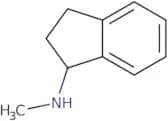
CAS:<p>Versatile small molecule scaffold</p>Formula:C9H18ClNO2Purity:Min. 95%Molecular weight:207.7 g/molN-2,3-Dihydro-1H-inden-1-yl-N-methylamine
CAS:Controlled Product<p>Versatile small molecule scaffold</p>Formula:C10H13NPurity:Min. 95%Molecular weight:147.22 g/mol2-Phenylpropylene Oxide
CAS:<p>2-Phenylpropylene Oxide is a chemical compound that belongs to the epoxide group. It is an activated monomer, which means it has a hydroxyl group. 2-Phenylpropylene Oxide is used in cationic polymerization reactions as well as alpha-methyl styrene, which produces polymers with high molecular weights and excellent mechanical properties. The reaction mechanism of 2-phenylpropylene oxide is oxidation of the phenyl ring to produce free radicals that react with the double bond of the epoxide ring to form an epoxy group. This process results in a mixture of products that depend on the rate and extent of the reaction. Health effects have not been fully evaluated.</p>Formula:C9H10OPurity:Min. 95%Molecular weight:134.18 g/mol2-(2-Bromoethyl)naphthalene
CAS:<p>2-(2-Bromoethyl)naphthalene is a tetrahydropyridin that has an aromatic ring containing two bromine atoms. This compound is used as a reagent to make other compounds in organic synthesis. Hydrobromic acid and hydrobromic acid react with 2-(2-bromoethyl)naphthalene to produce hydrogen bromide and 2-bromoethylbenzene, respectively.</p>Formula:C12H11BrPurity:Min. 95%Molecular weight:235.11 g/mol[2-(2-Methoxyphenoxy)ethyl](methyl)amine hydrochloride
CAS:<p>Versatile small molecule scaffold</p>Formula:C10H16ClNO2Purity:Min. 95%Molecular weight:217.69 g/molEthyl 2-(2-aminoacetamido)-4-methylpentanoate hydrochloride
CAS:<p>Versatile small molecule scaffold</p>Formula:C10H21ClN2O3Purity:Min. 95%Molecular weight:252.7 g/molMethyl[3-(10H-phenothiazin-10-yl)propyl]amine
CAS:<p>Methyl[3-(10H-phenothiazin-10-yl)propyl]amine is a reuptake inhibitor that is classified as a psychotherapeutic drug. It inhibits the reuptake of noradrenaline and dopamine, and has been shown to modulate serotonin release. Methyl[3-(10H-phenothiazin-10-yl)propyl]amine is an enantiomer of methyl[2-(10H-phenothiazin-10-yl)ethyl]amine, which inhibits the reuptake of dopamine. Methyl[3-(10H-phenothiazin-10-yl)propyl]amine is also a geometric isomer of methyl[2-(5H-phenothiazin-5-yl)ethyl]amine, which inhibits the reuptake of serotonin. The polymorphs of methyl[3-(10H-phenothiazin 10 yl)propyl]amine are active</p>Formula:C16H18N2SPurity:Min. 95%Molecular weight:270.4 g/molMethyl[3-(phenylamino)propyl]amine
CAS:<p>Versatile small molecule scaffold</p>Formula:C10H16N2Purity:Min. 95%Molecular weight:164.25 g/mol3,5-Dimethoxypyridazine
CAS:<p>Versatile small molecule scaffold</p>Formula:C6H8N2O2Purity:Min. 95%Molecular weight:140.14 g/mol6-Chloro-3,4-dimethoxypyridazine
CAS:<p>Versatile small molecule scaffold</p>Formula:C6H7ClN2O2Purity:Min. 95%Molecular weight:174.58 g/mol4-Pentenal
CAS:<p>4-Pentenal is an anticancer agent that has been shown to inhibit kinases in human cancer cells. It is a protein analog of oseltamivir, which is commonly used to treat influenza. 4-Pentenal induces apoptosis in cancer cells and has been found in the urine of Chinese patients with tumors. This compound inhibits the activity of several kinases, including protein kinase C (PKC), which plays a key role in cell growth and proliferation. Inhibiting PKC activity leads to decreased tumor growth and increased apoptosis in cancer cells. 4-Pentenal may be a promising candidate for developing new anticancer drugs that target kinases involved in tumor growth and progression.</p>Formula:C5H8OPurity:Min. 95%Molecular weight:84.12 g/mol3-Iodo-1,2,4,5-tetramethylbenzene
CAS:<p>3-Iodo-1,2,4,5-tetramethylbenzene is an organic compound that is a salt of a chlorinating agent and an organic solvent. It can be used as a chlorinating agent in the production of chloropropane. 3-Iodo-1,2,4,5-tetramethylbenzene is reactive and has been used in the synthesis of methylbenzenes. It can also be used for the synthesis of sodium trifluoroacetate with chlorine gas. 3-Iodo-1,2,4,5-tetramethylbenzene is soluble in water and has been shown to exhibit nature activity towards chlorine atom to form chloride. The molecular orbitals are electron orbitals that surround the nucleus of an atom and can be easily visualized in 3D space when they are plotted on a graph with energy increasing from left to right.<br>3-Iodo-1,2,</p>Formula:C10H13IPurity:Min. 95%Molecular weight:260.12 g/mol2-Methyl-N-(propan-2-yl)aniline
CAS:<p>Versatile small molecule scaffold</p>Formula:C10H15NPurity:Min. 95%Molecular weight:149.23 g/mol4-Azidotoluene solution
CAS:<p>4-Azidotoluene solution is a coordination complex that consists of four nitrogen atoms and two amido groups. When it is in the presence of a nucleophile, such as water, the nitrogen atoms are eliminated from the solution as ammonia and azide ions. This reaction occurs through an elimination reaction with a redox potential of -0.2 volts. The nitrogen atoms coordinate to form a complex with another molecule, which can then be used as an efficient method for corrosion inhibition. 4-Azidotoluene solution has been shown to protect against corrosion by forming coordination complexes with metals such as copper, zinc, and aluminum. Crystallography studies have shown that 4-azidotoluene molecules are planar in shape and possess two N-H bonds and two amido groups per molecule.</p>Formula:C7H7N3Purity:Min. 95%Molecular weight:133.15 g/mol1-Azido-4-bromobenzene ~0.5M solution in t-butyl methyl ether
CAS:<p>1-Azido-4-bromobenzene is a fine chemical that is used as a building block in organic synthesis. 1-Azido-4-bromobenzene is also used as a speciality chemical and research chemical for the production of other compounds. One of its applications is to be used as a reagent in organic synthesis, and it can be reacted with other compounds to form new structures. 1-Azido-4-bromobenzene can also be used as an intermediate or scaffold for the production of complex molecules. 1-Azido-4-bromobenzene has been assigned CAS No. 21018842.</p>Formula:C6H4BrN3Purity:Min. 95%Color and Shape:Clear LiquidMolecular weight:198.02 g/mol4-(4-Methylphenyl)-2,3-dihydro-1,3-thiazol-2-one
CAS:<p>Versatile small molecule scaffold</p>Formula:C10H9NOSPurity:Min. 95%Molecular weight:191.25 g/mol(2-Methylcyclohexyl)methanol
CAS:<p>Versatile small molecule scaffold</p>Formula:C8H16OPurity:Min. 95%Molecular weight:128.21 g/mol1-(tert-Butoxy)-4-nitrobenzene
CAS:<p>Versatile small molecule scaffold</p>Formula:C10H13NO3Purity:Min. 95%Molecular weight:195.22 g/mol1-(4-Chlorophenyl)-3-methoxy-2-methylpropan-2-ol
CAS:<p>Versatile small molecule scaffold</p>Formula:C11H15ClO2Purity:Min. 95%Molecular weight:214.69 g/mol1-Benzyl-4-bromobenzene
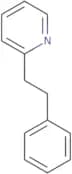
CAS:<p>1-Benzyl-4-bromobenzene is a cyclic compound that contains the elements of carbon, hydrogen, and bromine. It is used as an intermediate for pharmaceuticals and industrial chemicals. The trifluoroacetic acid (TFA) was added to the solution in order to remove water from the compound. This reaction helps to prepare covid-19 which is a potential pandemic vaccine against influenza A virus. 1-Benzyl-4-bromobenzene can be used as a reagent in preparative methods such as volumetric analysis or hypophosphorous acid preparation. It has also been shown to have reactive properties when heated with naphthalene or heated in the presence of phosphorus pentoxide.<br>1-Benzyl-4-bromobenzene can be recrystallized by adding solvents such as ethyl ether, acetone, or benzene.</p>Formula:C13H11BrPurity:Min. 95%Molecular weight:247.13 g/mol2-(2-Phenylethyl)pyridine
CAS:<p>2-(2-Phenylethyl)pyridine is a trifluoride that has been shown to be a good yielder in the dehydration of pyridine. It is also catalytic and can be used as a catalyst for the conversion of vinylic compounds. 2-(2-Phenylethyl)pyridine has been used in mechanistic studies of the reaction mechanism, showing that it is an electron donor. The n-oxide derivative is formed when this compound is irradiated with UV light. 2-(2-Phenylethyl)pyridine also has anti-inflammatory properties and has been shown to reduce inflammation in animal models.</p>Formula:C13H13NPurity:Min. 95%Color and Shape:Clear LiquidMolecular weight:183.25 g/mol2-Bromo-4-methyl-6-(prop-2-en-1-yl)phenol
CAS:<p>Versatile small molecule scaffold</p>Formula:C10H11BrOPurity:Min. 95%Molecular weight:227.1 g/mol2-Bromo-4-methyl-1-(prop-2-en-1-yloxy)benzene
CAS:<p>Versatile small molecule scaffold</p>Formula:C10H11BrOPurity:Min. 95%Molecular weight:227.1 g/mol2,4-Dimethylpentanedioic acid
CAS:<p>2,4-Dimethylpentanedioic acid is a low molecular weight organic compound. It has a molecular weight of 76.12 and a melting point of -114°C. This compound can be used as a model for other compounds with the same chemical formula. 2,4-Dimethylpentanedioic acid is an anion that dissolves in water and its structure can be determined by X-ray crystallography. It is also known to form dimers through intramolecular hydrogen bonding, which may cause it to fragment into smaller molecules during isolation procedures.<br>2,4-Dimethylpentanedioic acid is a constant that yields high yields when heated with methylamine in the presence of acetic acid and sulfuric acid. The resulting product is abyssomicin, which has been shown to have antibacterial activity against gram positive bacteria such as staphylococcus aureus and clostridium perfringens.</p>Formula:C7H12O4Purity:Min. 95%Molecular weight:160.17 g/mol2,4-Dimethylpentane-1,5-diol
CAS:<p>Versatile small molecule scaffold</p>Formula:C7H16O2Purity:Min. 95%Molecular weight:132.2 g/mol4-Methylimidazolidine-2-thione
CAS:<p>4-Methylimidazolidine-2-thione is a corrosion inhibitor that is used in the treatment of environmental pollution, such as dry weight and diameter. It has been shown to be an effective inhibitor of copper corrosion when used in combination with piperonyl butoxide. 4-Methylimidazolidine-2-thione has also been shown to have high detection ability as it reacts with hydrochloric acid to form a particle that can be detected by an optical microscope. This chemical is typically found in urine samples and has been shown to inhibit the formation of primary amino acids from ammonia. 4-Methylimidazolidine-2-thione also forms an acid complex with methylamine, which may be the reason for its inhibition of aminogenesis.</p>Formula:C4H2D6N2SPurity:Min. 95%Molecular weight:122.22 g/mol2,4-Dichloro-1-ethenylbenzene
CAS:<p>2,4-Dichloro-1-ethenylbenzene is an aliphatic hydrocarbon that can be used in the production of alkylated products. It is a colorless liquid with a sweet smell and low toxicity. The photoelectron microscope has been used to study the immobilization of 2,4-dichloro-1-ethenylbenzene on silica gel. This compound is often admixed with acrylonitrile, styrene, methacrylates, aromatic hydrocarbons, inorganic compounds and primary alcohols. It can also be immobilized on silica gel by covalent bonding or adsorption.</p>Formula:C8H6Cl2Purity:Min. 95%Molecular weight:173.04 g/molSpiro[5.5]undecan-3-amine hydrochloride
CAS:<p>Versatile small molecule scaffold</p>Formula:C11H22ClNPurity:Min. 95%Molecular weight:203.75 g/molSpiro[4.5]decan-2-amine hydrochloride
CAS:<p>Versatile small molecule scaffold</p>Formula:C10H20ClNPurity:Min. 95%Molecular weight:189.7 g/molSpiro[5.5]undecan-1-amine hydrochloride
CAS:<p>Versatile small molecule scaffold</p>Formula:C11H22ClNPurity:Min. 95%Molecular weight:203.8 g/mol3-Bromophenyl Isothiocyanate
CAS:<p>3-Bromophenyl isothiocyanate (3BP) is a thiohydantoin derivative that is used for the treatment of prostate cancer. 3BP has been shown to be an effective inhibitor of MDV3100, which is an oncogene that activates prostate cancer cells and leads to tumor growth. 3BP also inhibits the translocation of other oncogenes such as c-myc and p53, which are involved in the development of prostate cancer. It has been shown to be effective against activated and resistant prostate cancer cells, as well as against prostate cancers that have undergone a translocation event.</p>Formula:C7H4BrNSPurity:Min. 95%Molecular weight:214.08 g/mol4-Isothiocyanatophenol
CAS:<p>4-Isothiocyanatophenol (4ITCP) is an anticancer agent that has been shown to inhibit the growth of cancer cells in vivo. It is a metabolite of etoposide, which is used to treat certain types of cancer. 4ITCP inhibits the growth of cancer cells by enhancing mitochondrial membrane potential and inhibiting cell proliferation. This compound also inhibits cell growth by binding to phenyl groups on proteins, including enzymes and structural proteins. 4ITCP has been shown to act as a prodrug in vivo, where it is converted into 4-nitrophenol before being activated. 4ITCP also has optical properties that can be detected using spectroscopy and fluorescence.</p>Formula:C7H5NOSPurity:Min. 95%Molecular weight:151.19 g/mol4-Carboxyphenyl isothiocyanate
CAS:<p>4-Carboxyphenyl isothiocyanate (4CPITC) is an antimicrobial agent that has been shown to inhibit the function of mitochondria by hyperpolarizing the mitochondrial membrane potential. It also inhibits cancer cell growth, which may be due to its effects on mitochondrial function. 4CPITC binds to mammalian cells and inhibits the production of reactive oxygen species and chloride ions. This inhibition has been shown to cause a decrease in hydrogen bond formation, which leads to a decrease in the rate of protein synthesis. 4CPITC has a chemical structure that includes ether linkages, which may contribute to its antimicrobial activity.</p>Formula:C8H5NO2SPurity:Min. 95%Molecular weight:179.2 g/mol1H,2H-Cyclohepta[D]imidazol-2-one
CAS:<p>1H,2H-Cyclohepta[D]imidazol-2-one is a chromophore that has resonance at wavelength of 370 nm with an optical density of 1.4 when exposed to an electron beam. The azulene group in the molecule causes it to absorb light and become excited. This excitation leads to the emission of light at a wavelength of 450 nm, which can be seen with a laser. The long-term recording properties are due to the stability of this chromophore as well as its ability to be sensitized by nitrogen atoms in the auxochrome.</p>Formula:C8H6N2OPurity:Min. 95%Molecular weight:146.15 g/molEthyl 4-chloro-2-methylpyrimidine-5-carboxylate
CAS:<p>Versatile small molecule scaffold</p>Formula:C8H9ClN2O2Purity:Min. 95%Molecular weight:200.62 g/mol2-Chlorobenzotrichloride
CAS:<p>2-Chlorobenzotrichloride is a reactive chlorine donor. It reacts with metal carbonyls such as copper oxide to form chloro complexes, and it reacts with hydroxyl groups on organic molecules to form chlorides. 2-Chlorobenzotrichloride is used in the preparation of ferrocene, which is a useful molecule for organic synthesis. This chemical can be purified from the reaction mixture by chromatography.</p>Formula:C7H4Cl4Purity:Min. 95%Molecular weight:229.92 g/mol(2Z)-4-(tert-Butoxy)but-2-enoic acid
CAS:<p>Versatile small molecule scaffold</p>Formula:C8H14O3Purity:Min. 95%Molecular weight:158.2 g/mol1-(2-Ethylphenyl)ethanone
CAS:<p>1-(2-Ethylphenyl)ethanone is a colorless liquid with a benzene-like odor. It is used as an intermediate in the manufacture of other chemicals. The reaction sequence starts with oxidative cleavage of the ethyl group, yielding aldehyde and ammonium chloride. The nitro group is then reduced to amine, which reacts with ammonium chloride to produce 1-(2-ethylphenyl)ethanone. 1-(2-Ethylphenyl)ethanone can be used as a precursor for other chemical compounds such as deuterated compounds and pentane, which are used in organic synthesis.</p>Formula:C10H12OPurity:Min. 95%Molecular weight:148.2 g/mol1-[2-(Propan-2-yl)phenyl]ethan-1-one
CAS:<p>1-[2-(Propan-2-yl)phenyl]ethan-1-one is a chemical compound that belongs to the group of esters. It is an emulsifier for pharmaceutical, cosmetic and food products. 1-[2-(Propan-2-yl)phenyl]ethan-1-one has been used in the production of micronized particles that are not complexed with polyvinyl acetate or other polymeric matrices. This product can be used as a reaction product in the synthesis of cyclodextrin and also as an efficient method for the production of dry powder form.</p>Formula:C11H14OPurity:Min. 95%Molecular weight:162.23 g/mol2-Acetylbiphenyl
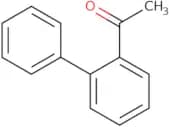
CAS:<p>2-Acetylbiphenyl is a synthetic compound that is derived from the Friedel-Crafts reaction. It has been shown to inhibit the production of dopamine D3 in animals, which may be due to its structural similarity to dopamine. 2-Acetylbiphenyl also has an inhibitory effect on inflammatory diseases and autoimmune diseases. This compound has been shown to modulate the immune system and reduce inflammation by inhibiting the production of proinflammatory cytokines such as IL-1β and TNF-α. 2-Acetylbiphenyl can also be used as a solid catalyst for preparing pharmaceutical preparations that contain monocarboxylic acids, such as acetaminophen and ibuprofen.</p>Formula:C14H12OPurity:Min. 95%Molecular weight:196.24 g/molcis-2,3,3a,4,7,7a-hexahydro-1h-isoindole
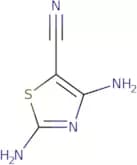
CAS:<p>Versatile small molecule scaffold</p>Formula:C8H13NPurity:Min. 95%Molecular weight:123.2 g/molDiamino-1,3-thiazole-5-carbonitrile
CAS:<p>Versatile small molecule scaffold</p>Formula:C4H4N4SPurity:Min. 95%Molecular weight:140.17 g/mol[1-(2-Phenylethyl)pyrrolidin-3-yl]methanol
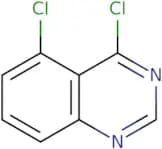
CAS:<p>Versatile small molecule scaffold</p>Formula:C13H19NOPurity:Min. 95%Molecular weight:205.3 g/mol4,5-Dichloroquinazoline
CAS:<p>4,5-Dichloroquinazoline is a chemical compound that has been shown to undergo a number of reactions. These include the formation of orthoesters, ketones, rearrangements, and nitrous compounds. 4,5-Dichloroquinazoline can be prepared by the reaction of hydrochloric acid and triethyl orthoformate with nitrous acid. It is also formed from the reaction of hydrazine and nitrous acid with an aldehyde or ketone. The product can be isolated by adding potassium dichromate to the solution and precipitating it with water.</p>Formula:C8H4Cl2N2Purity:Min. 95%Molecular weight:199.04 g/molEthyl 2-(5,6-dimethyl-1H-1,3-benzodiazol-2-yl)acetate
CAS:<p>Versatile small molecule scaffold</p>Formula:C13H16N2O2Purity:Min. 95%Molecular weight:232.28 g/mol3',4'-Dichloroacetanilide
CAS:<p>3',4'-Dichloroacetanilide is a chemical that is used in the manufacture of industrial chemicals. It has been shown to inhibit bacterial growth by binding to their receptors and inhibiting their ability to acetylate amino acids. 3',4'-Dichloroacetanilide has also been shown to inhibit the growth of Gram-positive bacteria, including strains that are resistant to other antibiotics. 3',4'-Dichloroacetanilide can be toxic at high doses, but studies have shown that it does not have any effects on the central nervous system or locomotor activity in rats.</p>Formula:C8H7Cl2NOPurity:Min. 95%Molecular weight:204.05 g/mol4-(2-Hydrazinylethyl)morpholine
CAS:<p>4-(2-Hydrazinylethyl)morpholine is a fluorescent probe that has been used to study the lysosome. It is not cytotoxic and can be used for bioimaging and cell staining. This compound is water-soluble, which makes it useful as a tracer in living cells and organisms. 4-(2-Hydrazinylethyl)morpholine has been shown to be permeable through the cell membrane and is used as a probe for studying the cytotoxicity of cells.</p>Formula:C6H15N3OPurity:Min. 95%Molecular weight:145.21 g/mol(Prop-1-en-2-yl)cyclohexane
CAS:<p>Prop-1-en-2-yl)cyclohexane is a chemical compound that belongs to the group of organometallic compounds. It is an imine with a cyclohexane ring. Prop-1-en-2-yl)cyclohexane has been shown to be effective in the treatment of aminotransferases, which are enzymes that break down amino acids. This drug has also been shown to have optical properties and can be used as a dietary supplement or pharmacological treatment.</p>Formula:C9H16Purity:Min. 95%Molecular weight:124.22 g/molCycloheptanone Oxime
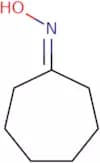
CAS:<p>Cycloheptanone oxime is a nutritional supplement that is used as an antioxidant and additive in food. It is also used as an oxidation catalyst for the production of acetic acid, vinyl chloride, and cyclohexanol. Cycloheptanone oxime may contain impurities such as carbon disulphide, which can lead to health problems if consumed in large quantities. It has been shown that this substance can be recycled by combining it with mercuric chloride, reacting it with an acid catalyst such as inorganic acid or alicyclic acid, and removing the contaminants.</p>Formula:C7H13NOPurity:Min. 95%Molecular weight:127.19 g/mol2-(4-Bromobenzoyl)benzoic acid
CAS:<p>2-(4-Bromobenzoyl)benzoic acid (BBBA) is a potent cytotoxic agent that inhibits the growth of cancer cells. BBBA binds to amines and forms Schiff bases with them, which prevents the cells from making DNA, RNA, and protein. BBBA also has anti-proliferative effects on human breast cancer cells in vitro and in vivo. These effects are due to its ability to inhibit cell growth by blocking the synthesis of cellular components. BBBA was shown to be effective against line MFC-7 cells, which were resistant to glycol.</p>Formula:C14H9BrO3Purity:Min. 95%Molecular weight:305.12 g/mol2-Bromo-5-methanesulfonyl-3-nitrothiophene
CAS:<p>Versatile small molecule scaffold</p>Formula:C5H4BrNO4S2Purity:Min. 95%Molecular weight:286.1 g/mol2-Bromo-5-(methylsulfonyl)thiophene
CAS:<p>Versatile small molecule scaffold</p>Formula:C5H5BrO2S2Purity:Min. 95%Molecular weight:241.13 g/mol[1-(Hydroxymethyl)cyclohex-3-en-1-yl]methanol
CAS:<p>1-(Hydroxymethyl)cyclohex-3-en-1-yl]methanol is a chemical intermediate. It is a colorless liquid with a mild odor. This product has been shown to be catalytic in the reduction of acetone, epoxy, and polyols, as well as the epoxidation of olefins. The molecular weight of 1-(hydroxymethyl)cyclohex-3-en-1-yl]methanol is high and can be modified by adding different groups to it chemically. It is soluble in nitrate solvents and organic solvents such as acetone, ethanol, or ethylene glycol.</p>Formula:C8H14O2Purity:Min. 95%Molecular weight:142.2 g/mol4-Methyl-2-(methylamino)thiazole
CAS:<p>4-Methyl-2-(methylamino)thiazole is an organic compound that is a bromination substrate, a palladium catalyst, and an inhibitor of cyclin-dependent kinases. It has been shown to be an effective inhibitor of the Suzuki coupling reaction. 4-Methyl-2-(methylamino)thiazole reacts with borane in the presence of a palladium catalyst to form 4-methylthiazoleboronic acid. This reaction can be used as a way to synthesize target products. 4-Methyl-2-(methylamino)thiazole also reacts with carbon monoxide and hydrogen cyanide to form 2,4-dimethoxybenzaldehyde in the presence of sodium hydroxide.</p>Formula:C5H8N2SPurity:Min. 95%Molecular weight:128.2 g/molDiethyl 2-cyclohexylmalonate
CAS:<p>Diethyl 2-cyclohexylmalonate is a chemical compound that can be used as a pesticide. It is an inhibitor of the enzyme enolase, which catalyzes the conversion of 2-phosphoglycerate to phosphoenolpyruvate. This prevents the formation of glycolysis intermediates and leads to cell death. Diethyl 2-cyclohexylmalonate is also used in the synthesis of amides, amines, and heterocyclic compounds. The debromination reaction for this compound is shown in Figure 1.</p>Formula:C13H22O4Purity:Min. 95%Molecular weight:242.31 g/mol7-Methyl-2,4,5,7-tetraazatricyclo[6.4.0.0,2,6]dodeca-1(12),3,5,8,10-pentaene-3-thiol
CAS:<p>Versatile small molecule scaffold</p>Formula:C9H8N4SPurity:Min. 95%Molecular weight:204.25 g/mol2-(2,3-Dihydrobenzo[b][1,4]dioxin-2-yl)ethanamine hydrochloride
CAS:<p>Versatile small molecule scaffold</p>Formula:C10H13NO2·HClPurity:Min. 95%Molecular weight:215.68 g/mol6-(4-Methylphenyl)pyridazin-3-ol
CAS:<p>6-(4-Methylphenyl)pyridazin-3-ol (6MP) is a halogenated alkyl-type compound. It is an antacid that neutralizes stomach acid and provides relief from the symptoms of indigestion, such as heartburn, pain, nausea and vomiting. 6MP has been used for the treatment of peptic ulcers, hyperacidity and other conditions characterized by excess gastric acid production. The remedy is taken orally or as a suppository. It can be used in combination with other drugs to treat more severe cases of peptic ulcers.</p>Formula:C11H10N2OPurity:Min. 95%Molecular weight:186.21 g/mol5,6-Diphenyl-2,3-dihydropyridazin-3-one
CAS:<p>Vinblastine is a cytotoxic drug that inhibits the growth of cells by binding to DNA. It is used in the treatment of cancers and other diseases such as Hodgkin's disease. Vinblastine binds to the hepg2 cell, an enzyme involved in RNA synthesis. This binding prevents guanosine from functioning as a building block for RNA synthesis, leading to decreased protein synthesis and cell death. The kinetic data obtained from this study was used to calculate the molecular weight of vinblastine, which was found to be 594 Da. Vinblastine has been shown to inhibit the growth of bacteria including typhimurium and subtilis, and it also has some effect against chlorinated hydrocarbons.</p>Formula:C16H12N2OPurity:Min. 95%Molecular weight:248.28 g/mol5-Methyl-2-phenoxyaniline
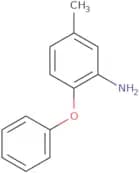
CAS:<p>Versatile small molecule scaffold</p>Formula:C13H13NOPurity:Min. 95%Molecular weight:199.25 g/mol2-Methyl-2-phenylpropan-1-ol
CAS:<p>2-Methyl-2-phenylpropan-1-ol is a diketone that can be used as a copper catalyst in the synthesis of styrene. 2-Methyl-2-phenylpropan-1-ol can also be used for the methylation of phenols and chloroarenes, as well as for the conversion of nitrobenzenes to anilines. This reagent has been shown to be useful for the methylation of various organic compounds and is also commonly used in spectroscopy experiments. 2-Methyl-2-phenylpropan-1-ol has been shown to convert alkenes to transmetallated products with both copper and palladium catalysts, which are often difficult to remove from organic compounds.</p>Formula:C10H14OPurity:Min. 95%Molecular weight:150.22 g/mol2-[4-(Benzyloxy)-3,5-dimethoxyphenyl]ethan-1-amine hydrochloride
CAS:Controlled Product<p>Versatile small molecule scaffold</p>Formula:C17H22ClNO3Purity:Min. 95%Molecular weight:323.8 g/mol1-Benzyl-3-phenylpiperidin-4-amine dihydrochloride
CAS:<p>Versatile small molecule scaffold</p>Formula:C18H24Cl2N2Purity:Min. 95%Molecular weight:339.3 g/mol




![[1-(aminomethyl)cyclohexyl]methanol](/_next/image/?url=https%3A%2Fstatic.cymitquimica.com%2Fproducts%2F3D%2Fthumb-webp%2FCAA04157.webp&w=3840&q=75)


![4-[Bis(2-chloroethyl)amino]benzamide](/_next/image/?url=https%3A%2Fstatic.cymitquimica.com%2Fproducts%2F3D%2Fthumb-webp%2FCAA04542.webp&w=3840&q=75)




![{Bicyclo[2.2.1]heptan-1-yl}methanol](/_next/image/?url=https%3A%2Fstatic.cymitquimica.com%2Fproducts%2F3D%2Fthumb-webp%2FCAA06402.webp&w=3840&q=75)

![N-[Furan-2-yl(phenyl)methylidene]hydroxylamine](/_next/image/?url=https%3A%2Fstatic.cymitquimica.com%2Fproducts%2F3D%2Fthumb-webp%2FCAA06752.webp&w=3840&q=75)
![6-Chloro-2-(4-fluorophenyl)imidazo[1,2-a]pyridine](/_next/image/?url=https%3A%2Fstatic.cymitquimica.com%2Fproducts%2F3D%2Fthumb-webp%2FCAA06947.webp&w=3840&q=75)


![3-Hydroxy-2-[(propan-2-yl)amino]propanoic acid](/_next/image/?url=https%3A%2Fstatic.cymitquimica.com%2Fproducts%2F3D%2Fthumb-webp%2FCAA07651.webp&w=3840&q=75)

![1-{4-[2-(Dimethylamino)ethoxy]phenyl}ethan-1-one](/_next/image/?url=https%3A%2Fstatic.cymitquimica.com%2Fproducts%2F3D%2Fthumb-webp%2FCAA07949.webp&w=3840&q=75)



amine hydrochloride](/_next/image/?url=https%3A%2Fstatic.cymitquimica.com%2Fproducts%2F3D%2Fthumb-webp%2FCAA08735.webp&w=3840&q=75)

![Methyl[3-(10H-phenothiazin-10-yl)propyl]amine](/_next/image/?url=https%3A%2Fstatic.cymitquimica.com%2Fproducts%2F3D%2Fthumb-webp%2FCAA09520.webp&w=3840&q=75)
![Methyl[3-(phenylamino)propyl]amine](/_next/image/?url=https%3A%2Fstatic.cymitquimica.com%2Fproducts%2F3D%2Fthumb-webp%2FCAA09573.webp&w=3840&q=75)




![Spiro[5.5]undecan-3-amine hydrochloride](/_next/image/?url=https%3A%2Fstatic.cymitquimica.com%2Fproducts%2F3D%2Fthumb-webp%2FCAA12694.webp&w=3840&q=75)
![Spiro[4.5]decan-2-amine hydrochloride](/_next/image/?url=https%3A%2Fstatic.cymitquimica.com%2Fproducts%2F3D%2Fthumb-webp%2FCAA12695.webp&w=3840&q=75)
![Spiro[5.5]undecan-1-amine hydrochloride](/_next/image/?url=https%3A%2Fstatic.cymitquimica.com%2Fproducts%2F3D%2Fthumb-webp%2FCAA12696.webp&w=3840&q=75)


![1H,2H-Cyclohepta[D]imidazol-2-one](/_next/image/?url=https%3A%2Fstatic.cymitquimica.com%2Fproducts%2F3D%2Fthumb-webp%2FCAA13233.webp&w=3840&q=75)


![1-[2-(Propan-2-yl)phenyl]ethan-1-one](/_next/image/?url=https%3A%2Fstatic.cymitquimica.com%2Fproducts%2F3D%2Fthumb-webp%2FCAA14265.webp&w=3840&q=75)

![[1-(2-Phenylethyl)pyrrolidin-3-yl]methanol](/_next/image/?url=https%3A%2Fstatic.cymitquimica.com%2Fproducts%2F3D%2Fthumb-webp%2FCAA14852.webp&w=3840&q=75)




![[1-(Hydroxymethyl)cyclohex-3-en-1-yl]methanol](/_next/image/?url=https%3A%2Fstatic.cymitquimica.com%2Fproducts%2F3D%2Fthumb-webp%2FCAA16094.webp&w=3840&q=75)


![7-Methyl-2,4,5,7-tetraazatricyclo[6.4.0.0,2,6]dodeca-1(12),3,5,8,10-pentaene-3-thiol](/_next/image/?url=https%3A%2Fstatic.cymitquimica.com%2Fproducts%2F3D%2Fthumb-webp%2FCAA16512.webp&w=3840&q=75)
![2-(2,3-Dihydrobenzo[b][1,4]dioxin-2-yl)ethanamine hydrochloride](/_next/image/?url=https%3A%2Fstatic.cymitquimica.com%2Fproducts%2F3D%2Fthumb-webp%2FCAA16535.webp&w=3840&q=75)



![2-[4-(Benzyloxy)-3,5-dimethoxyphenyl]ethan-1-amine hydrochloride](/_next/image/?url=https%3A%2Fstatic.cymitquimica.com%2Fproducts%2F3D%2Fthumb-webp%2FCAA17615.webp&w=3840&q=75)
