Building Blocks
This section contains fundamental products for the synthesis of organic and biological compounds. Building blocks are the essential starting materials used to construct complex molecules through various chemical reactions. They play a critical role in drug discovery, material science, and chemical research. At CymitQuimica, we offer a diverse range of high-quality building blocks to support your innovative research and industrial projects, ensuring you have the essential components for successful synthesis.
Subcategories of "Building Blocks"
- Boronic Acids & Boronic Acid Derivatives(5,756 products)
- Chiral Building Blocks(1,242 products)
- Hydrocarbon Building Blocks(6,093 products)
- Organic Building Blocks(60,532 products)
Found 195534 products of "Building Blocks"
Sort by
Purity (%)
0
100
|
0
|
50
|
90
|
95
|
100
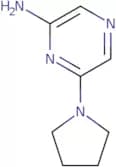
6-(Pyrrolidin-1-yl)pyrazin-2-amine
CAS:<p>Versatile small molecule scaffold</p>Formula:C8H12N4Purity:Min. 95%Molecular weight:164.21 g/mol[5-(2-Chlorophenyl)-1,3,4-oxadiazol-2-yl]methanol
CAS:<p>Versatile small molecule scaffold</p>Formula:C9H7ClN2O2Purity:Min. 95%Molecular weight:210.62 g/mol[5-(4-Chlorophenyl)-1,3,4-oxadiazol-2-yl]methanol
CAS:<p>Versatile small molecule scaffold</p>Formula:C9H7ClN2O2Purity:Min. 95%Molecular weight:210.62 g/mol[5-(3-Methylphenyl)-1,3,4-oxadiazol-2-yl]methanol
CAS:<p>Versatile small molecule scaffold</p>Formula:C10H10N2O2Purity:Min. 95%Molecular weight:190.2 g/mol(5-Phenyl-1,3,4-oxadiazol-2-yl)methanol
CAS:<p>Versatile small molecule scaffold</p>Formula:C9H8N2O2Purity:Min. 95%Molecular weight:176.17 g/mol1-[2-(Propan-2-yloxy)phenyl]piperazine
CAS:Controlled Product<p>Versatile small molecule scaffold</p>Formula:C13H20N2OPurity:Min. 95%Molecular weight:220.31 g/mol5-Chloro-2-(1H-tetrazol-5-yl)aniline
CAS:<p>Versatile small molecule scaffold</p>Formula:C7H6ClN5Purity:Min. 95%Molecular weight:195.61 g/molEthyl 5-hydroxypyrazine-2-carboxylate
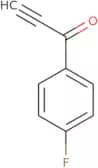
CAS:<p>Versatile small molecule scaffold</p>Formula:C7H8N2O3Purity:Min. 95%Molecular weight:168.15 g/mol1-(4-Fluorophenyl)prop-2-yn-1-one
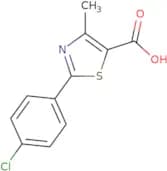
CAS:<p>Versatile small molecule scaffold</p>Formula:C9H5FOPurity:Min. 95%Molecular weight:148.13 g/mol2-(4-Chlorophenyl)-4-methyl-1,3-thiazole-5-carboxylic acid
CAS:<p>Versatile small molecule scaffold</p>Formula:C11H8ClNO2SPurity:Min. 95%Molecular weight:253.71 g/mol1-[2-(4-Methoxyphenyl)-4-methyl-1,3-thiazol-5-yl]ethan-1-one
CAS:<p>Versatile small molecule scaffold</p>Formula:C13H13NO2SPurity:Min. 95%Molecular weight:247.31 g/mol1-[4-Methyl-2-(4-methylphenyl)-1,3-thiazol-5-yl]ethan-1-one
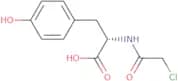
CAS:<p>Versatile small molecule scaffold</p>Formula:C13H13NOSPurity:Min. 95%Molecular weight:231.32 g/molN-Chloroacetyl-L-tyrosine
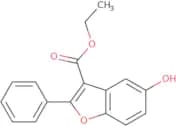
CAS:<p>N-Chloroacetyl-L-tyrosine is a synthetic, proteolytic enzyme that hydrolyzes proteins containing the amino acid L-tyrosine. It has been shown to inhibit the growth of bacteria by inhibiting the activity of enzymes involved with protein synthesis and peptide bond formation. N-Chloroacetyl-L-tyrosine inhibits the activity of diazonium salt and conjugates, which are involved in polypeptide synthesis and DNA replication. It also has an inhibitory effect on functional groups, such as hydroxyl, amine, sulfhydryl, carboxylate, phosphate, and phosphoric acid.</p>Purity:Min. 95%Molecular weight:257.67 g/molEthyl 5-hydroxy-2-phenyl-1-benzofuran-3-carboxylate
CAS:<p>Versatile small molecule scaffold</p>Formula:C17H14O4Purity:Min. 95%Molecular weight:282.29 g/mol1-(3-Amino-propyl)-piperidin-4-ol
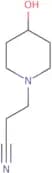
CAS:<p>Versatile small molecule scaffold</p>Formula:C8H18N2OPurity:Min. 95%Molecular weight:158.25 g/mol3-(4-Hydroxypiperidin-1-yl)propanenitrile
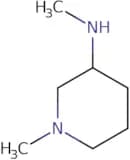
CAS:<p>Versatile small molecule scaffold</p>Formula:C8H14N2OPurity:Min. 95%Molecular weight:154.21 g/molN,1-Dimethylpiperidin-3-amine
CAS:<p>Versatile small molecule scaffold</p>Formula:C7H16N2Purity:Min. 95%Molecular weight:128.22 g/mol1-Methylpiperidine-3-carbonitrile
CAS:<p>Versatile small molecule scaffold</p>Formula:C7H12N2Purity:Min. 95%Molecular weight:124.19 g/mol1,2-Dimethyl-1H-benzo[d]imidazole-5-carbaldehyde
CAS:<p>Versatile small molecule scaffold</p>Formula:C10H10N2OPurity:Min. 95%Molecular weight:174.2 g/mol(Ethoxycarbonyl)glycine
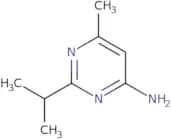
CAS:<p>Ethoxycarbonylglycine is an organic acid that is a β-amino acid ester. It is the sodium salt of ethoxycarbonylglycine and can be found as a white solid. It is synthesized from glycine, which is synthesized from nitrous acid, and methyl pentadecanoate in solvents such as chloroform and ether. Ethoxycarbonylglycine has been shown to have a chiral center at carbon atom 9. The molecule has two stereoisomers, which are mirror images of each other. The stereoisomers have different physical properties, such as melting point or boiling point. This compound also reacts with carbamic acid or carbamate to form reaction products.</p>Formula:C5H9NO4Purity:Min. 95%Molecular weight:147.13 g/mol2-Isopropyl-6-methylpyrimidin-4-amine
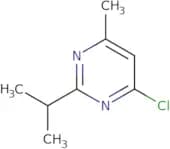
CAS:<p>Versatile small molecule scaffold</p>Formula:C8H13N3Purity:Min. 95%Molecular weight:151.21 g/mol4-Chloro-6-methyl-2-(propan-2-yl)pyrimidine
CAS:<p>4-Chloro-6-methyl-2-(propan-2-yl)pyrimidine is a pyrimidine derivative that is an antifungal agent. It has fungicidal and fungistatic activities against phytopathogenic fungi, inhibiting the synthesis of ergosterol, which is necessary for fungal cell membrane integrity. It also inhibits the enzyme squalene epoxidase, which is required for the production of sterols and other compounds in fungi. 4-Chloro-6-methyl-2-(propan-2-yl)pyrimidine has shown to be active against many strains of Aspergillus, including those resistant to other antifungals.</p>Formula:C8H11ClN2Purity:Min. 95%Molecular weight:170.64 g/mol3-(2-Oxocyclopentyl)propanenitrile
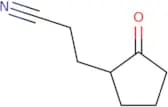
CAS:<p>3-(2-Oxocyclopentyl)propanenitrile is a nitrile that can be used as a catalyst. It is a β-unsaturated acid compound that has been shown to have high selectivity and selectivity when catalyzing the conversion of cyclopentanone to pyrrolidine. 3-(2-Oxocyclopentyl)propanenitrile is catalytically active for the conversion of cyclopentanone to pyrrolidine in the presence of a nickel(0) complex, which makes it an excellent choice for industrial applications.</p>Formula:C8H11NOPurity:Min. 95%Molecular weight:137.18 g/mol3-Phenylbutyric acid
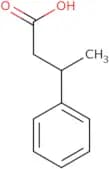
CAS:<p>3-Phenylbutyric acid is a hydrolysis product of butyric acid. It can be formed by the hydrolysis of phytanic acid, benzoate, or 2-phenylbutyric acid. 3-Phenylbutyric acid is often used as a substrate for lipase enzymes in industrial applications. The binding of 3-phenylbutyric acid to the enzyme's active site has been studied using molecular modeling and computer simulations. The enzyme hormone-sensitive lipase is most commonly used for this purpose. Lipases are also used in analytical methods to determine the concentration of 3-phenylbutyric acid in a sample.</p>Formula:CH3CHPurity:Min. 95%Molecular weight:164.2 g/mol2-Chloro-1-(3-methyl-piperidin-1-yl)-ethanone
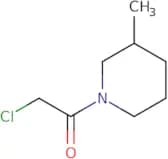
CAS:<p>Versatile small molecule scaffold</p>Formula:C8H14ClNOPurity:Min. 95%Molecular weight:175.66 g/mol2-Chloro-1-(2-methylpiperidin-1-yl)ethan-1-one
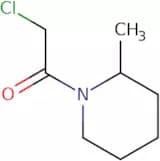
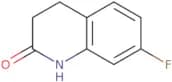
CAS:<p>Versatile small molecule scaffold</p>Formula:C8H14ClNOPurity:Min. 95%Molecular weight:175.65 g/mol7-Fluoro-3,4-dihydroquinolin-2(1H)-one
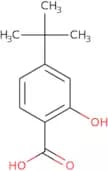
CAS:<p>Versatile small molecule scaffold</p>Formula:C9H8FNOPurity:Min. 95%Molecular weight:165.16 g/mol4-(tert-Butyl)-2-hydroxybenzoic acid
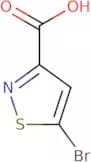
CAS:<p>Versatile small molecule scaffold</p>Formula:C11H14O3Purity:Min. 95%Molecular weight:194.23 g/mol5-Bromo-1,2-thiazole-3-carboxylic acid
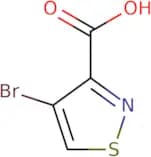
CAS:<p>Versatile small molecule scaffold</p>Formula:C4H2BrNO2SPurity:Min. 95%Molecular weight:208.04 g/mol4-Bromo-1,2-thiazole-3-carboxylic acid
CAS:<p>Versatile small molecule scaffold</p>Formula:C4H2BrNO2SPurity:Min. 95%Molecular weight:208.04 g/molBenzyl N-[2-(4,4-dimethyl-5-oxo-4,5-dihydro-1,3-oxazol-2-yl)propan-2-yl]carbamate
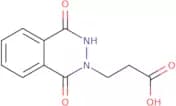
CAS:<p>Versatile small molecule scaffold</p>Formula:C16H20N2O4Purity:Min. 95%Molecular weight:304.34 g/mol3-(1,4-Dioxo-1,2,3,4-tetrahydrophthalazin-2-yl)propanoic acid
CAS:<p>Versatile small molecule scaffold</p>Formula:C11H10N2O4Purity:Min. 95%Molecular weight:234.21 g/mol2-Bromo-1-(2,5-dichlorophenyl)ethanone
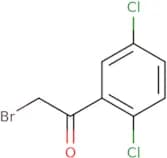
CAS:<p>2-Bromo-1-(2,5-dichlorophenyl)ethanone is an alcohol with a chemical formula of C6H4BrCl2O. It is an optically active compound that can be synthesized from ethanol and potassium bromide. The synthesis of this compound involves a condensation reaction between acetaldehyde and 2,5-dichlorobenzaldehyde in the presence of potassium carbonate. This product has been shown to be a radiosensitizer for cancer cells and was used in the drug TARANIT, which was approved by the FDA in 2003. This product also has enantiomeric properties, which allows it to inhibit the growth of bacteria such as Mycobacterium tuberculosis and Mycobacterium avium complex.<br>2-Bromo-1-(2,5-dichlorophenyl)ethanone has been shown to have antifungal activity against Candida alb</p>Formula:C8H5BrCl2OPurity:Min. 95%Molecular weight:267.93 g/mol1-(4-Bromophenyl)-4-chlorobutan-1-one
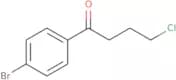
CAS:<p>1-(4-Bromophenyl)-4-chlorobutan-1-one is a chemokine ligand that binds to the CXC receptor 2 and regulates chemotaxis. It is also a potent inhibitor of neuropathic pain, as well as a key regulator of atherosclerosis and restenosis. This ligand has shown significant binding to the insulin receptor, which may be due to modifications in its structure. Clinical trials are currently underway to investigate the interactions between this ligand and insulin resistance.</p>Formula:C10H10BrClOPurity:Min. 95%Molecular weight:261.54 g/mol1-Methyl-1-phenylurea
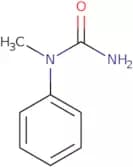
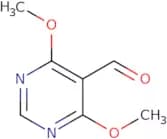
CAS:<p>1-Methyl-1-phenylurea is an epoxy molecule that has been used to synthesize pharmaceutical preparations for the treatment of autoimmune diseases and nervous system diseases. 1-Methyl-1-phenylurea is activated by hydroxyl groups in the cavity, which leads to a variety of reaction products. Reaction products from the cavity can be modified with polyols or fatty acids, allowing for a range of therapeutic indications. 1-Methyl-1-phenylurea has been shown to have anti-inflammatory properties due to its ability to inhibit prostaglandin synthesis.</p>Formula:C8H10N2OPurity:Min. 95%Molecular weight:150.18 g/mol4,6-Dimethoxypyrimidine-5-carbaldehyde
CAS:<p>Versatile small molecule scaffold</p>Formula:C7H8N2O3Purity:Min. 95%Molecular weight:168.15 g/mol10-(Propan-2-ylidene)-4-azatricyclo[5.2.1.0,2,6]dec-8-ene-3,5-dione
CAS:<p>Versatile small molecule scaffold</p>Formula:C12H13NO2Purity:Min. 95%Molecular weight:203.2 g/mol2-(4-Benzylpiperazino)ethan-1-amine
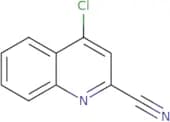
CAS:Controlled Product<p>2-(4-Benzylpiperazino)ethan-1-amine (BZPEA) is a research chemical that has affinity for the sigma-1 receptor. It has been shown to have pharmacological effects on the central nervous system and cardiovascular system. BZPEA modulates the activity of sigma receptors, which are targets for certain drugs such as antipsychotics and antidepressants. This drug may be useful in the future for research into novel treatments for neurological disorders.</p>Formula:C13H21N3Purity:Min. 95%Molecular weight:219.33 g/mol4-Chloroquinoline-2-carbonitrile
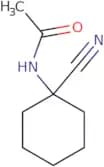
CAS:<p>4-Chloroquinoline-2-carbonitrile is a cytotoxic agent that inhibits the growth of cancer cells. It has been shown to be effective against a number of cancer cell lines, including those resistant to colchicine. 4-Chloroquinoline-2-carbonitrile binds to the colchicine binding site on the enzyme mitotic spindle and prevents the anchoring of microtubules at the centrosomes, inhibiting cell division and leading to apoptosis. This drug is structurally similar to colchicine, which is also an inhibitor of mitotic spindle assembly, but lacks its ability to bind covalently to DNA.</p>Formula:C10H5ClN2Purity:Min. 95%Molecular weight:188.61 g/molN-(1-Cyanocyclohexyl)acetamide
CAS:<p>Versatile small molecule scaffold</p>Formula:C9H14N2OPurity:Min. 95%Molecular weight:166.22 g/mol1,7-Dibromoheptane
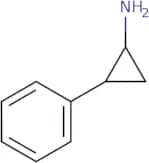
CAS:<p>1,7-Dibromoheptane is an α2-adrenergic receptor antagonist that prevents the activation of these receptors by blocking the binding of endogenous noradrenaline and adrenaline. It has been shown to inhibit hydrochloric acid-induced gastric ulceration in rats. 1,7-Dibromoheptane also has a high detection sensitivity and can be used for the qualitative identification of fatty acids. The compound's viscosity is affected by changes in temperature and it forms dipoles due to its structure. This compound has been used as a covid-19 pandemic flu vaccine adjuvant.</p>Formula:C7H14Br2Purity:Min. 95%Molecular weight:258 g/mol(+)-Tranylcypromine hydrochloride
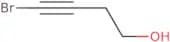
CAS:Controlled Product<p>(+)-Tranylcypromine hydrochloride is a drug that is used for the treatment of depression. It inhibits monoamine oxidase (MAO) and reversibly inhibits the activity of tyrosine hydroxylase, which are enzymes involved in the production of amines. The binding of this drug to lysine residues on the enzyme MAO-A prevents the oxidation of dopamine and other neurotransmitters, such as serotonin. This drug has shown to have pluripotent effects in animal studies. (+)-Tranylcypromine hydrochloride has been shown to induce dedifferentiation in human liver cells grown in culture, which may be due to its ability to inhibit protein synthesis. There are many known drug interactions with (+)-tranylcypromine hydrochloride. Clinical studies have found that it increases cardiovascular toxicity when taken with drugs such as beta blockers, calcium channel blockers, and clonidine.</p>Formula:C9H11N·HClPurity:Min. 95%Molecular weight:169.65 g/mol4-Bromobut-3-yn-1-ol
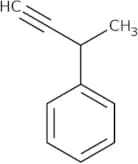
CAS:<p>4-Bromobut-3-yn-1-ol is a monomer that belongs to the class of methacrylates. It is a stereoselective monomer and can be used to prepare acrylates. 4-Bromobut-3-yn-1-ol has been shown to have an attractant activity in lepidoptera, which may be due to its unsymmetrical structure. This molecule also has a piperidine skeleton, which can be used in synthetic methods for the preparation of cross-coupling products.</p>Formula:C4H5BrOPurity:Min. 95%Molecular weight:148.99 g/molBut-3-yn-2-ylbenzene
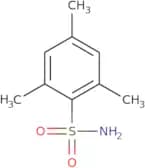
CAS:<p>But-3-yn-2-ylbenzene is a substance that is found in the oil of plant seeds. It is a hydrocarbon molecule, meaning it contains only hydrogen and carbon atoms. The but-3-yn-2-ylbenzene molecule has been studied with high level optimizations and frequency calculations to determine its transition states, molecular mechanisms, and functions. This substance can be used as a biofuel because it has high energy density. But-3-yn-2-ylbenzene has been studied by chemists to determine its chemical constants and viscosity.</p>Formula:C10H10Purity:Min. 95%Molecular weight:130.19 g/mol2,4,6-Trimethylbenzenesulfonamide
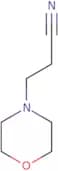
CAS:<p>2,4,6-Trimethylbenzenesulfonamide is an organic solvent that has a range of uses in the manufacture of plastics and elastomers. It also has inflammatory properties and may be used to induce symptoms of dermatitis. This compound competitively inhibits the production of imine from amino acid precursors and reactive oxygen species (ROS) formation by neutrophils. 2,4,6-Trimethylbenzenesulfonamide has been shown to have antibacterial activity against thp-1 cells and chloride ion channels. The inhibitory properties of this compound are due to its ability to interfere with the transepidermal water loss (TEWL).</p>Formula:C9H13NO2SPurity:Min. 95%Molecular weight:199.27 g/molN-(2-Cyanoethyl)morpholine
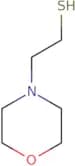
CAS:<p>N-(2-Cyanoethyl)morpholine is an antibacterial agent that inhibits cell growth by binding to the ribosomal RNA of bacteria, thereby inhibiting protein synthesis. This drug has been shown to inhibit the growth of staphylococcus and leukemia cells in vitro. N-(2-Cyanoethyl)morpholine also inhibits the production of polyamines, which are involved in cell proliferation. These inhibitory properties have been attributed to amines on the molecule that bind to bacterial ribosomes and prevent the production of proteins. N-(2-Cyanoethyl)morpholine has been shown to be effective against Mycobacterium avium complex, but not Mycobacterium tuberculosis or other acid-fast bacteria.</p>Formula:C7H12N2OPurity:Min. 95%Molecular weight:140.19 g/mol2-(Morpholin-4-yl)ethane-1-thiol
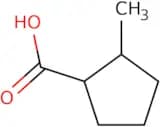
CAS:<p>Versatile small molecule scaffold</p>Formula:C6H13NOSPurity:Min. 95%Molecular weight:147.24 g/molrac-(1R,2R)-2-Methylcyclopentane-1-carboxylic acid
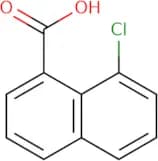
CAS:<p>Versatile small molecule scaffold</p>Formula:C7H12O2Purity:Min. 95%Molecular weight:128.2 g/mol8-Chloronaphthalene-1-carboxylic acid
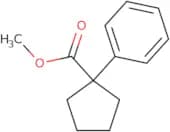
CAS:<p>8-Chloronaphthalene-1-carboxylic acid is a cannabinoid receptor agonist. It has affinity for both CB1 and CB2 receptors and has been shown to have activity in vivo. 8-Chloronaphthalene-1-carboxylic acid is an analog of the natural cannabinoid, anandamide, which activates CB1 and CB2 receptors. The chloro substituent on the phenyl ring of 8-chloronaphthalene-1-carboxylic acid can be substituted with electron withdrawing groups such as bromo or chloro to increase affinity for cb2 receptors. This substitution decreases affinity for cb1 receptors, but increases affinity for cb2 receptors.</p>Formula:C11H7ClO2Purity:Min. 95%Molecular weight:206.62 g/molcyclopentanecarboxylic acid, 1-phenyl-, methyl ester
CAS:<p>Cyclopentanecarboxylic acid, 1-phenyl-, methyl ester is a synthetic chemical that belongs to the group of quaternary ammonium salts. It is used as a catalyst and has been shown to interact with benzene, thionyl chloride, carbonium ion and atropine. Cyclopentanecarboxylic acid, 1-phenyl-, methyl ester can be used in the manufacture of anhydrous hydrogen chloride and anhydrous chloride. The chemical is insoluble in water and reacts with alcohols to form esters. This product is not soluble in water but reacts with alcohols to form esters.</p>Formula:C13H16O2Purity:Min. 95%Molecular weight:204.27 g/mol(2-Chloroethyl)(ethyl)amine hydrochloride
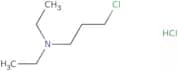
CAS:<p>Versatile small molecule scaffold</p>Formula:C4H11Cl2NPurity:Min. 95%Molecular weight:144.04 g/mol3-Diethylaminopropyl chloride HCl
CAS:<p>3-Diethylaminopropyl chloride HCl is a pharmaceutical preparation with antiviral properties. 3-Diethylaminopropyl chloride HCl inhibits the biosynthesis of oxindole and dialkylamines, which are found in certain cancers and cardiovascular disorders. The drug also has inhibitory properties on cholesterol acyltransferase and tyrosine kinase, which are proteins that regulate cellular growth. 3-Diethylaminopropyl chloride HCl is commercially available as an inactive pharmaceutical ingredient.</p>Formula:C7H17Cl2NPurity:Min. 95%Molecular weight:186.12 g/mol3-Ethylcyclohexan-1-ol
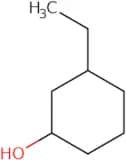
CAS:<p>3-Ethylcyclohexan-1-ol is a liquid that is used as a solvent in paints, lacquers, and varnishes. It has an experimental boiling point of 198 degrees Celsius and a density of 0.8 g/cm3. The enthalpy of vaporization is -14.2 kJ/mol and the entropy for the liquid phase is 1.04 J/(K*mol). 3-Ethylcyclohexan-1-ol dissolves in water to form a solution with an experimental freezing point of -5 degrees Celsius and an experimental boiling point of 118 degrees Celsius.</p>Formula:C8H16OPurity:Min. 95%Molecular weight:128.21 g/mol4-Ethylcyclohexanol (cis- and trans- mixture)
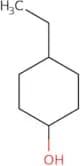
CAS:<p>4-Ethylcyclohexanol (4EC) is a chemical that has been shown to have many pharmacological activities. It binds to the dopamine, serotonin and norepinephrine receptors in the brain, which may be responsible for its effects on mood and behaviour. 4EC also blocks the reuptake of monoamines by competing with them for binding sites at the synapse. The mechanism of action of 4EC is not fully understood, but it may involve inhibition of enzymes involved in fat metabolism. This chemical has been shown to block fatty acid oxidation and promote lipolysis in adipocytes. 4EC also inhibits malic acid synthesis and increases levels of pentenoic acid in diabetic neuropathy patients.</p>Formula:C8H16OPurity:Min. 95%Molecular weight:128.22 g/mol1-Methoxy-3-methyl-9H-carbazole
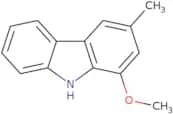
CAS:<p>Vinorelbine tartrate is a semisynthetic anti-cancer drug that inhibits the growth of cancer cells. It is structurally related to natural products and has an inhibitory effect on cell growth. Vinorelbine tartrate binds to the cell membrane receptor, which causes an increase in intracellular calcium levels and subsequent activation of protein kinases. It also inhibits the production of certain growth factors and increases the synthesis of wst-1, a marker for cellular proliferation. Vinorelbine tartrate has been shown to cause significant cytotoxicity in cardiomyocytes from rats and ventricular myocytes from humans. This chemical has been shown to enhance the cytotoxicity of other chemotherapeutic agents, such as doxorubicin, vincristine sulfate, cisplatin, and etoposide phosphate. Vinorelbine tartrate binds to ryanodine receptors on the sarcoplasmic reticulum membrane, causing an</p>Formula:C14H13NOPurity:Min. 95%Molecular weight:211.26 g/mol3-Nitro-N-phenylaniline
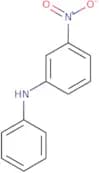
CAS:<p>3-Nitro-N-phenylaniline is a monosubstituted aniline derivative that is optimal for the synthesis of 3-nitrosobenzene. It has been shown to react with sodium carbonate in an acidic medium at room temperature to produce sodium nitrite and benzoic acid. The reaction time for this process depends on the substituent effects on the aromatic ring. The protonation of the nitro group leads to the formation of nitrous acid, which can be detected by its fluorescence. 3-Nitro-N-phenylaniline is synthesized from phenylhydrazine and formaldehyde in an inorganic setting with constant stirring.</p>Formula:C12H10N2O2Purity:Min. 95%Molecular weight:214.22 g/mol2-(Methylamino)ethyl acetate hydrochloride
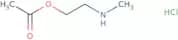
CAS:<p>Versatile small molecule scaffold</p>Formula:C5H12ClNO2Purity:Min. 95%Molecular weight:153.61 g/mol2-(4-Chloro-2-sulfamoylphenoxy)acetamide
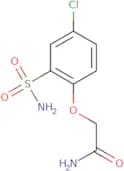
CAS:<p>Versatile small molecule scaffold</p>Formula:C8H9ClN2O4SPurity:Min. 95%Molecular weight:264.69 g/mol5-Methylnaphthalene-1-carboxylic acid
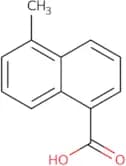
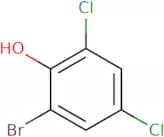
CAS:<p>5-Methylnaphthalene-1-carboxylic acid is a synthetic compound that has been shown to increase the effects of adriamycin, which is an anticancer drug. It has also been shown to have anti-inflammatory and anti-tumor properties. The 5-methylnaphthalene ring in 5-methylnaphthalene-1-carboxylic acid is very rigid and lacks conformational freedom, which may account for its low activity against bacteria. The methyl group in this molecule could be transferred to other molecules as a methyl group donor, making it a potential precursor for synthesis of antibiotics.</p>Formula:C12H10O2Purity:Min. 95%Molecular weight:186.21 g/mol2-Bromo-4,6-dichlorophenol
CAS:<p>Versatile small molecule scaffold</p>Formula:C6H3BrCl2OPurity:Min. 95%Molecular weight:241.91 g/mol[2-(Benzylsulfanyl)phenyl]methanol
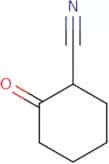
CAS:<p>Versatile small molecule scaffold</p>Formula:C14H14OSPurity:Min. 95%Molecular weight:230.33 g/mol2-Oxocyclohexanecarbonitrile
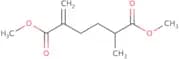
CAS:<p>2-Oxocyclohexanecarbonitrile is a synthetic compound that is used as an intermediate in the production of other organic compounds. It is a hypervalent carbonitrile, which means it has a carbon atom double-bonded to two nitrogens. This chemical also appears naturally in some plants, such as arene, anthranilic, and enolate.<br>2-Oxocyclohexanecarbonitrile can be used as a reagent for the synthesis of phosphites and dehydrogenases. It can also be used as a substrate for assays involving the conversion of arenes to alkenes with the use of potassium permanganate or hydrogen peroxide. The reaction mechanism involves an enolate intermediate.</p>Formula:C7H9NOPurity:Min. 95%Molecular weight:123.15 g/mol1,6-Dimethyl 2-methyl-5-methylidenehexanedioate
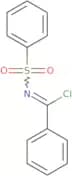
CAS:<p>Versatile small molecule scaffold</p>Formula:C10H16O4Purity:Min. 95%Molecular weight:200.23 g/molN-(Benzenesulfonyl)benzenecarbonimidoyl chloride
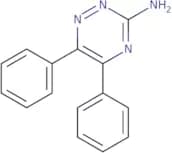
CAS:<p>Versatile small molecule scaffold</p>Formula:C13H10ClNO2SPurity:Min. 95%Molecular weight:279.74 g/mol5,6-Diphenyl-1,2,4-triazin-3-ylamine
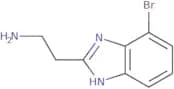
CAS:<p>5,6-Diphenyl-1,2,4-triazin-3-ylamine is a cytotoxic agent that has been shown to be effective in the treatment of leukemia. It is a potent and selective inhibitor of DNA synthesis and RNA synthesis. 5,6-Diphenyl-1,2,4-triazin-3-ylamine inhibits cellular growth by binding to the N7 position on guanine in DNA. This binding prevents the formation of an essential base pair with adenine. 5,6-Diphenyl-1,2,4-triazin-3-ylamine also inhibits RNA synthesis by inhibiting ribonucleotide reductase activity. This drug is classified as a promyelocytic leukemia cell line that is sensitive to 5,6 diphenyl triazin 3 yl amine (PTAA). PTAA has been shown to inhibit cell growth in m</p>Formula:C15H12N4Purity:Min. 95%Molecular weight:248.29 g/mol2-(4-Bromo-1H-1,3-benzodiazol-2-yl)ethan-1-amine
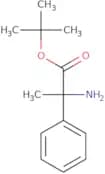
CAS:<p>Versatile small molecule scaffold</p>Formula:C9H10BrN3Purity:Min. 95%Molecular weight:240.1 g/moltert-Butyl 2-amino-2-phenylpropanoate
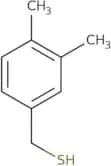
CAS:<p>Versatile small molecule scaffold</p>Formula:C13H19NO2Purity:Min. 95%Molecular weight:221.29 g/mol(3,4-Dimethylphenyl)methanethiol
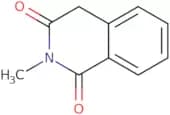
CAS:<p>Versatile small molecule scaffold</p>Formula:C9H12SPurity:Min. 95%Molecular weight:152.26 g/mol2-Methylisoquinoline-1,3(2H,4H)-dione
CAS:<p>2-Methylisoquinoline-1,3(2H,4H)-dione is a compound with two asymmetric carbon atoms. It is a product of the monoalkylation reaction between an alkyl halide and an iminium ion. The alkyl substituents on the methyl group have a significant effect on the regioselectivity of this reaction. 2-Methylisoquinoline-1,3(2H,4H)-dione can be used to synthesize other compounds through 1,3-dipolar cycloaddition reactions or by dimerisation reactions with carbonyl substituents. This compound can also be prepared from 2-methylisoquinoline and formaldehyde in elemental form.</p>Formula:C10H9NO2Purity:Min. 95%Molecular weight:175.18 g/molO-Butylhydroxylamine HCl
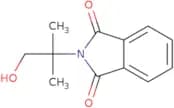
CAS:<p>O-Butylhydroxylamine HCl is a hydrogen bond breaker that is used in the treatment of breast cancer. It is an estrogen receptor modulator (ERM) and has been shown to inhibit the growth of human endometrial cells by inducing apoptosis. The drug also inhibits tumor cell proliferation in tissue culture, and has been shown to be effective against cervical cancer. O-Butylhydroxylamine HCl acts as an ERM by binding to the estrogen receptor and blocking its transcriptional activity. It also has anti-inflammatory properties, which may be due to its ability to inhibit prostaglandin synthesis.</p>Formula:C4H12ClNOPurity:Min. 95%Molecular weight:125.6 g/mol2-(1-Hydroxy-2-methylpropan-2-yl)-2,3-dihydro-1H-isoindole-1,3-dione
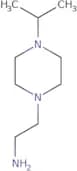
CAS:<p>Versatile small molecule scaffold</p>Formula:C12H13NO3Purity:Min. 95%Molecular weight:219.24 g/mol2-(4-Isopropyl-piperazin-1-yl)-ethylamine
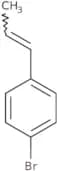
CAS:<p>Versatile small molecule scaffold</p>Formula:C9H21N3Purity:Min. 95%Molecular weight:171.29 g/mol1-Bromo-4-(prop-1-en-1-yl)benzene
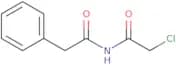
CAS:<p>Versatile small molecule scaffold</p>Formula:C9H9BrPurity:Min. 95%Molecular weight:197.07 g/molN-(2-Chloroacetyl)-2-phenylacetamide
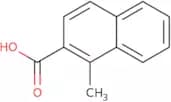
CAS:<p>Versatile small molecule scaffold</p>Formula:C10H10ClNO2Purity:Min. 95%Molecular weight:211.64 g/mol1-Methylnaphthalene-2-carboxylic acid
CAS:<p>Versatile small molecule scaffold</p>Formula:C12H10O2Purity:Min. 95%Molecular weight:186.21 g/mol{Spiro[3.3]heptan-2-yl}methanol
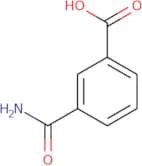
CAS:<p>Versatile small molecule scaffold</p>Formula:C8H14OPurity:Min. 95%Molecular weight:126.2 g/mol3-carboxamidobenzoic acid
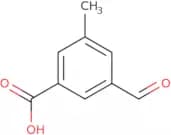
CAS:<p>3-Carboxamidobenzoic Acid is a low molecular weight compound that has been shown to have a number of pharmacological activities. It is soluble in water and glycol ethers, but insoluble in polymers such as polyethylene glycol. 3-Carboxamidobenzoic acid has been shown to inhibit the activity of LPS-stimulated Raw 264.7 cells, with an IC50 of 0.1 µM. In addition, it has been shown to be a substrate for films and particles, and can act as an amide with intramolecular hydrogen bonding when combined with diamines and triamines. 3-Carboxamidobenzoic acid is a fluorescence enhancer when used in combination with light emitting dyes such as coumarin or rhodamine B.</p>Formula:C8H7NO3Purity:Min. 95%Molecular weight:165.15 g/mol3-Formyl-5-methylbenzoic acid
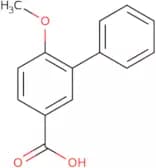
CAS:<p>Versatile small molecule scaffold</p>Formula:C9H8O3Purity:Min. 95%Molecular weight:164.16 g/mol4-Methoxy-3-phenylbenzoic acid
CAS:<p>Versatile small molecule scaffold</p>Formula:C14H12O3Purity:Min. 95%Molecular weight:228.24 g/mol4-Isopropylphenylacetic acid
CAS:<p>4-Isopropylphenylacetic acid is a molecule that belongs to the group of phenylpropionic acids. It has a constant inhibitory effect on the aggregation of an enzyme called chymotrypsin and can be used as an anti-inflammatory compound. 4-Isopropylphenylacetic acid interacts with metal ions such as copper, iron, and zinc, which are necessary for the activation of chymotrypsin. The interaction also inhibits the activity of this enzyme by binding to its active site.</p>Formula:C11H14O2Purity:Min. 95%Molecular weight:178.23 g/mol3-Ethyl-[1,2]oxathiane 2,2-dioxide
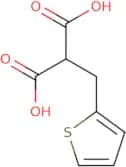
CAS:<p>Versatile small molecule scaffold</p>Formula:C6H12O3SPurity:Min. 95%Molecular weight:164.22 g/mol2-(Thiophen-2-ylmethyl)propanedioic acid
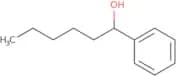
CAS:<p>Versatile small molecule scaffold</p>Formula:C8H8O4SPurity:Min. 95%Molecular weight:200.21 g/mol1-Phenyl-1-hexanol
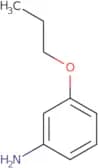
CAS:<p>1-Phenyl-1-hexanol is a detergent composition that contains a hydrocarbon, an alcohol, and a phenol. 1-Phenyl-1-hexanol has been shown to be effective in removing oils and fats from surfaces by dissolving them. It has also been shown to have a conditioning effect on hair and skin. The 1-phenyl-1 hexanol is used as a solvent for hydrochloric acid, carbonic acid, and other substances; as a hydrogenation catalyst; as an intermediate in the synthesis of glycol ethers; as an antioxidant in metal polishes; and as an agent in microcapsules.</p>Formula:C12H18OPurity:Min. 95%Molecular weight:178.27 g/mol3-Propoxy-phenylamine
CAS:<p>Versatile small molecule scaffold</p>Formula:C9H13NOPurity:Min. 95%Molecular weight:151.21 g/mol1,5-Dimethyl 2,2-dimethoxypentanedioate
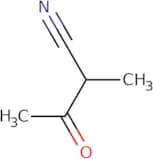
CAS:<p>Versatile small molecule scaffold</p>Formula:C9H16O6Purity:Min. 95%Molecular weight:220.2 g/mol2-Methyl-3-oxobutanenitrile
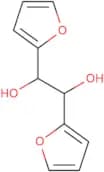
CAS:<p>Versatile small molecule scaffold</p>Formula:C5H7NOPurity:Min. 95%Molecular weight:97.12 g/mol1,2-Bis(2-furanyl)ethane-1,2-diol
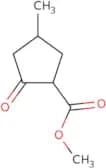
CAS:<p>1,2-Bis(furan-2-yl)ethane-1,2-diol, meso is a chemical compound that is used as a reagent in the preparation of other compounds. It has been shown to be a highly efficient electrocatalyst for the reduction of chloride ions. 1,2-Bis(furan-2-yl)ethane-1,2-diol, meso can also be used in photolytic processes and chlorination reactions. This chemical has been shown to have a number of functional groups including carboxylic acid and ether.</p>Formula:C10H10O4Purity:Min. 95%Color and Shape:PowderMolecular weight:194.18 g/molMethyl 4-methyl-2-oxocyclopentane-1-carboxylate
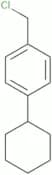
CAS:<p>Versatile small molecule scaffold</p>Formula:C8H12O3Purity:Min. 95%Molecular weight:156.18 g/mol1-(Chloromethyl)-4-cyclohexylbenzene
CAS:<p>Versatile small molecule scaffold</p>Formula:C13H17ClPurity:Min. 95%Molecular weight:208.72 g/mol3-Oxabicyclo[3.1.1]heptane-2,4-dione
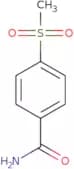
CAS:<p>Versatile small molecule scaffold</p>Formula:C6H6O3Purity:Min. 95%Molecular weight:126.11 g/mol4-Methanesulfonylbenzamide
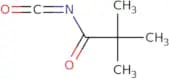
CAS:<p>4-Methanesulfonylbenzamide is an irreversible cross-coupling agent that has been used in the synthesis of a variety of organic molecules. It has shown to have affinity for the adenosine A1 receptor and interaction with nitro compounds. 4-Methanesulfonylbenzamide has also been synthesised with organometallic reagents and showed receptor-mediated nitro group displacement activity, which may be due to its ability to bind irreversibly to the receptor.</p>Formula:C8H9NO3SPurity:Min. 95%Molecular weight:199.23 g/mol2,2-Dimethylpropanecarbonyl isocyanate
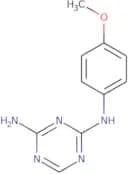
CAS:<p>2,2-Dimethylpropanecarbonyl isocyanate (DMPC) is a metabolite of 2,2-dimethylpropane-1,3-dicarboxylic acid (DMPDCA) that has been shown to have anti-inflammatory properties. DMPC is an oxalyl and may be useful for the treatment of intestinal diseases. It also inhibits chloride secretion in the intestine. DMPC has been shown to exhibit strong inhibitory effects on cycloaliphatic metabolism and to form oxindole derivatives with sulphates. This compound also inhibits nitric oxide synthesis by c1-6 alkyl radicals, and it has been used as an amide precursor in the synthesis of amino acid esters.</p>Formula:C6H9NO2Purity:Min. 95%Molecular weight:127.14 g/mol2-N-(4-Methoxyphenyl)-1,3,5-triazine-2,4-diamine
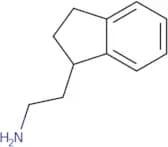
CAS:<p>Versatile small molecule scaffold</p>Formula:C10H11N5OPurity:Min. 95%Molecular weight:217.23 g/mol2-(2,3-Dihydro-1H-inden-1-yl)ethan-1-amine
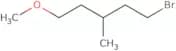
CAS:<p>Versatile small molecule scaffold</p>Formula:C11H15NPurity:Min. 95%Molecular weight:161.24 g/mol1-Bromo-5-methoxy-3-methylpentane
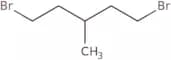
CAS:<p>Versatile small molecule scaffold</p>Formula:C7H15BrOPurity:Min. 95%Molecular weight:195.1 g/mol1,5-dibromo-3-methylpentane
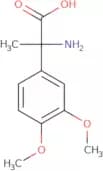
CAS:<p>1,5-Dibromo-3-methylpentane is an organic compound that contains a pyridine ring. It is used in biocontrol to control insects and has been found to be useful against virus, fungi, and protozoa. 1,5-Dibromo-3-methylpentane can act as an antibiotic and antifungal agent by inhibiting the synthesis of fatty acids. The chemical structure of 1,5-dibromo-3-methylpentane is very similar to that of natural pheromones in insects. This similarity allows the chemical to be used for insect biocontrol because it disrupts the reproductive cycle of the insect population.<br>1,5-Dibromo-3-methylpentane also has a conformation that prevents formation of hydrogen bonds with amino groups on other molecules and therefore inhibits biological activity.</p>Formula:C6H12Br2Purity:Min. 95%Molecular weight:243.97 g/mol2-Amino-2-(3,4-dimethoxyphenyl)propanoic acid
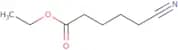
CAS:<p>Versatile small molecule scaffold</p>Formula:C11H15NO4Purity:Min. 95%Molecular weight:225.24 g/molEthyl 5-cyanopentanoate
CAS:<p>Ethyl 5-cyanopentanoate is a carbanionic compound that is used as a catalyst in the synthesis of amides, pyridines, and dieckmann condensation products. It can also be used to catalyze the conversion of five-membered heterocycles to six-membered ones. This product yields high yields in reactions involving pressure or temperatures up to 100°C.</p>Formula:C8H13NO2Purity:Min. 95%Molecular weight:155.19 g/mol3-Cycloheptylpropanoic acid
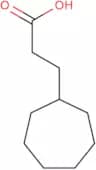
CAS:<p>3-Cycloheptylpropanoic acid is a derivative of cycloaliphatic, piperidine, and carboxylic acids. It is a white crystalline solid with a melting point of 87°C. 3-Cycloheptylpropanoic acid is an intermediate in the synthesis of other compounds, including gastrin and cholecystokinin, which are involved in the regulation of digestive system activity. The receptor ligands for these two hormones are also intermediates in their synthesis. 3-Cycloheptylpropanoic acid has been shown to inhibit gastric acid secretion and increase the production of pancreatic enzymes.</p>Formula:C10H18O2Purity:Min. 95%Molecular weight:170.25 g/molcycloheptylmethanol
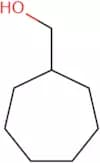
CAS:<p>Cycloheptylmethanol is a compound that activates adrenergic receptors. It has been shown to inhibit the sodium borohydride reduction of cholesterol, which is responsible for the formation of amyloid plaques in Alzheimer's disease. Cycloheptylmethanol also inhibits the synthesis of sclerotic proteins and has been found to be an effective treatment against cancer and neuropathic pain. Due to its chemical structure, cycloheptylmethanol is known as a chiral compound. There are three stereoisomers: (3"R")-cycloheptylmethanol, (3"S")-cycloheptylmethanol, and (3"R",3"S")-cycloheptylmethanol. The 3"R",3"S"-isomer is more potent than the other two stereoisomers because it binds more tightly to opioid receptors and has greater receptor activity.</p>Formula:C8H16OPurity:Min. 95%Molecular weight:128.22 g/mol

![[5-(2-Chlorophenyl)-1,3,4-oxadiazol-2-yl]methanol](/_next/image/?url=https%3A%2Fstatic.cymitquimica.com%2Fproducts%2F3D%2Fthumb-webp%2FECA01415.webp&w=3840&q=75)
![[5-(4-Chlorophenyl)-1,3,4-oxadiazol-2-yl]methanol](/_next/image/?url=https%3A%2Fstatic.cymitquimica.com%2Fproducts%2F3D%2Fthumb-webp%2FECA01407.webp&w=3840&q=75)
![[5-(3-Methylphenyl)-1,3,4-oxadiazol-2-yl]methanol](/_next/image/?url=https%3A%2Fstatic.cymitquimica.com%2Fproducts%2F3D%2Fthumb-webp%2FECA01405.webp&w=3840&q=75)

![1-[2-(Propan-2-yloxy)phenyl]piperazine](/_next/image/?url=https%3A%2Fstatic.cymitquimica.com%2Fproducts%2F3D%2Fthumb-webp%2FECA01391.webp&w=3840&q=75)


![1-[2-(4-Methoxyphenyl)-4-methyl-1,3-thiazol-5-yl]ethan-1-one](/_next/image/?url=https%3A%2Fstatic.cymitquimica.com%2Fproducts%2F3D%2Fthumb-webp%2FECA00106.webp&w=3840&q=75)
![1-[4-Methyl-2-(4-methylphenyl)-1,3-thiazol-5-yl]ethan-1-one](/_next/image/?url=https%3A%2Fstatic.cymitquimica.com%2Fproducts%2F3D%2Fthumb-webp%2FECA00103.webp&w=3840&q=75)


![1,2-Dimethyl-1H-benzo[d]imidazole-5-carbaldehyde](/_next/image/?url=https%3A%2Fstatic.cymitquimica.com%2Fproducts%2F3D%2Fthumb-webp%2FEAA59721.webp&w=3840&q=75)
![Benzyl N-[2-(4,4-dimethyl-5-oxo-4,5-dihydro-1,3-oxazol-2-yl)propan-2-yl]carbamate](/_next/image/?url=https%3A%2Fstatic.cymitquimica.com%2Fproducts%2F3D%2Fthumb-webp%2FEAA57616.webp&w=3840&q=75)
![10-(Propan-2-ylidene)-4-azatricyclo[5.2.1.0,2,6]dec-8-ene-3,5-dione](/_next/image/?url=https%3A%2Fstatic.cymitquimica.com%2Fproducts%2F3D%2Fthumb-webp%2FEAA55844.webp&w=3840&q=75)



![[2-(Benzylsulfanyl)phenyl]methanol](/_next/image/?url=https%3A%2Fstatic.cymitquimica.com%2Fproducts%2F3D%2Fthumb-webp%2FEAA52145.webp&w=3840&q=75)

![{Spiro[3.3]heptan-2-yl}methanol](/_next/image/?url=https%3A%2Fstatic.cymitquimica.com%2Fproducts%2F3D%2Fthumb-webp%2FEAA48367.webp&w=3840&q=75)

![3-Ethyl-[1,2]oxathiane 2,2-dioxide](/_next/image/?url=https%3A%2Fstatic.cymitquimica.com%2Fproducts%2F3D%2Fthumb-webp%2FEAA47621.webp&w=3840&q=75)
![3-Oxabicyclo[3.1.1]heptane-2,4-dione](/_next/image/?url=https%3A%2Fstatic.cymitquimica.com%2Fproducts%2F3D%2Fthumb-webp%2FEAA46297.webp&w=3840&q=75)