Building Blocks
This section contains fundamental products for the synthesis of organic and biological compounds. Building blocks are the essential starting materials used to construct complex molecules through various chemical reactions. They play a critical role in drug discovery, material science, and chemical research. At CymitQuimica, we offer a diverse range of high-quality building blocks to support your innovative research and industrial projects, ensuring you have the essential components for successful synthesis.
Subcategories of "Building Blocks"
- Boronic Acids & Boronic Acid Derivatives(5,756 products)
- Chiral Building Blocks(1,242 products)
- Hydrocarbon Building Blocks(6,095 products)
- Organic Building Blocks(61,037 products)
Found 196200 products of "Building Blocks"
Sort by
Purity (%)
0
100
|
0
|
50
|
90
|
95
|
100
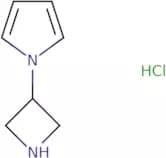
1-(Azetidin-3-yl)-1H-pyrrole hydrochloride
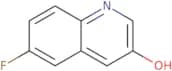
CAS:<p>Versatile small molecule scaffold</p>Formula:C7H11ClN2Purity:Min. 95%Molecular weight:158.63 g/mol6-Fluoroquinolin-3-ol
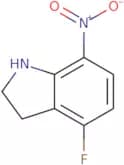
CAS:<p>Versatile small molecule scaffold</p>Formula:C9H6NOFPurity:Min. 95%Molecular weight:163.14 g/mol4-Fluoro-7-nitro-2,3-dihydro-1H-indole
CAS:<p>4-Fluoro-7-nitro-2,3-dihydro-1H-indole is a chemical compound that can be synthesized in the laboratory. The synthesis proceeds by reacting 4-fluoroindole with sodium hydroxide and anhydride in a trichloromethane solution containing sodium cyanoborohydride. This chemical compound has not been shown to have any specific biological activity.</p>Formula:C8H7FN2O2Purity:Min. 95%Molecular weight:182.15 g/mol4-Chloropyrazolo[1,5-a]pyridine-3-carboxylic acid
CAS:<p>Versatile small molecule scaffold</p>Formula:C8H5ClN2O2Purity:Min. 95%Molecular weight:196.59 g/mol5-Chloro-1H-pyrrolo[2,3-c]pyridine-3-carbaldehyde
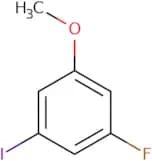
CAS:<p>Versatile small molecule scaffold</p>Formula:C8H5ClN2OPurity:Min. 95%Molecular weight:180.59 g/mol1-Fluoro-3-iodo-5-methoxybenzene
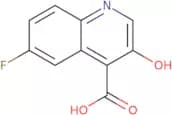
CAS:<p>Versatile small molecule scaffold</p>Formula:C7H6FIOPurity:Min. 95%Molecular weight:252.02 g/mol6-Fluoro-3-hydroxyquinoline-4-carboxylic acid
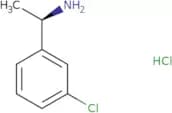
CAS:<p>Versatile small molecule scaffold</p>Formula:C10H6FNO3Purity:Min. 95%Molecular weight:207.16 g/mol(R)-1-(3-Chlorophenyl)ethanamine HCl
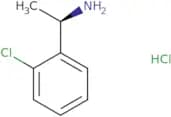
CAS:<p>Versatile small molecule scaffold</p>Formula:C8H11Cl2NPurity:Min. 95%Molecular weight:192.09 g/mol(R)-1-(2-Chlorophenyl)ethanamine hydrochloride
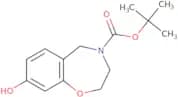
CAS:<p>Versatile small molecule scaffold</p>Formula:C8H11Cl2NPurity:Min. 95%Molecular weight:192.09 g/moltert-Butyl 8-hydroxy-2,3,4,5-tetrahydro-1,4-benzoxazepine-4-carboxylate
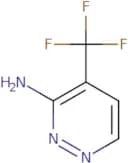
CAS:<p>Versatile small molecule scaffold</p>Formula:C14H19NO4Purity:Min. 95%Molecular weight:265.3 g/mol4-(Trifluoromethyl)pyridazin-3-amine
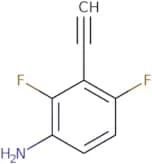
CAS:<p>Versatile small molecule scaffold</p>Formula:C5H4F3N3Purity:Min. 95%Molecular weight:163.1 g/mol3-Ethynyl-2,4-difluoroaniline
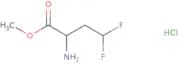
CAS:<p>Versatile small molecule scaffold</p>Formula:C8H5F2NPurity:Min. 95%Molecular weight:153.13 g/molMethyl 2-amino-4,4-difluorobutanoate hydrochloride
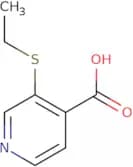
CAS:<p>Versatile small molecule scaffold</p>Formula:C5H10ClF2NO2Purity:Min. 95%Molecular weight:189.59 g/mol3-(Ethylsulfanyl)pyridine-4-carboxylic acid
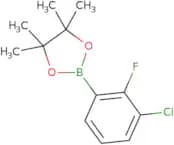
CAS:<p>Versatile small molecule scaffold</p>Formula:C8H9NO2SPurity:Min. 95%Molecular weight:183.23 g/mol2-(3-Chloro-2-fluorophenyl)-4,4,5,5-tetramethyl-1,3,2-dioxaborolane
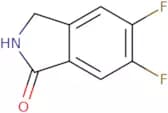
CAS:<p>Versatile small molecule scaffold</p>Formula:C12H15BClFO2Purity:Min. 95%Molecular weight:256.51 g/mol5,6-Difluoro-2,3-dihydro-1H-isoindol-1-one
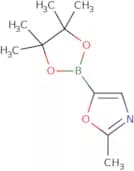
CAS:<p>Versatile small molecule scaffold</p>Formula:C8H5F2NOPurity:Min. 95%Molecular weight:169.13 g/mol2-Methyl-5-(4,4,5,5-tetramethyl-1,3,2-dioxaborolan-2-yl)-oxazole
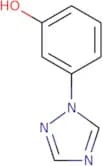
CAS:<p>Versatile small molecule scaffold</p>Formula:C10H16BNO3Purity:Min. 95%Molecular weight:209.05 g/mol3-(1H-1,2,4-Triazol-1-yl)phenol
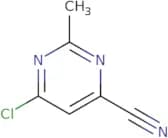
CAS:<p>Versatile small molecule scaffold</p>Formula:C8H7N3OPurity:Min. 95%Molecular weight:161.16 g/mol6-Chloro-2-methylpyrimidine-4-carbonitrile
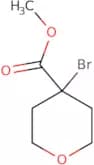
CAS:<p>Versatile small molecule scaffold</p>Formula:C6H4N3ClPurity:Min. 95%Molecular weight:153.56 g/molMethyl 4-bromooxane-4-carboxylate
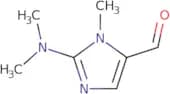
CAS:<p>Versatile small molecule scaffold</p>Formula:C7H11BrO3Purity:Min. 95%Molecular weight:223.06 g/mol2-(Dimethylamino)-1-methyl-1H-imidazole-5-carbaldehyde
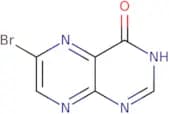
CAS:<p>Versatile small molecule scaffold</p>Formula:C7H11N3OPurity:Min. 95%Molecular weight:153.18 g/mol6-Bromopteridin-4(3H)-one
CAS:<p>Versatile small molecule scaffold</p>Formula:C6H3BrN4OPurity:Min. 95%Molecular weight:227.02 g/mol5-[(tert-Butoxy)carbonyl]pyrazine-2-carboxylic acid
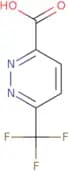
CAS:<p>Versatile small molecule scaffold</p>Formula:C10H12N2O4Purity:Min. 95%Molecular weight:224.21 g/mol6-(Trifluoromethyl)pyridazine-3-carboxylic Acid
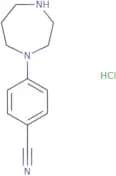
CAS:<p>Versatile small molecule scaffold</p>Formula:C6H3N2O2F3Purity:Min. 95%Molecular weight:192.09 g/mol4-(1,4-Diazepan-1-yl)benzonitrile hydrochloride
CAS:<p>Versatile small molecule scaffold</p>Formula:C12H16ClN3Purity:Min. 95%Molecular weight:237.73 g/mol3-[1-(3,4-Dichlorophenyl)-2,5-dioxoimidazolidin-4-yl]propanoic acid
CAS:<p>Versatile small molecule scaffold</p>Formula:C12H10Cl2N2O4Purity:Min. 95%Molecular weight:317.12 g/mol3-[1-(3-Chloro-4-methylphenyl)-2,5-dioxoimidazolidin-4-yl]propanoic acid
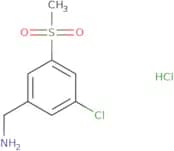
CAS:<p>Versatile small molecule scaffold</p>Formula:C13H13ClN2O4Purity:Min. 95%Molecular weight:296.7 g/mol(3-Chloro-5-methanesulfonylphenyl)methanamine hydrochloride
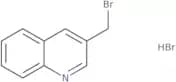
CAS:<p>Versatile small molecule scaffold</p>Formula:C8H11Cl2NO2SPurity:Min. 95%Molecular weight:256.1 g/mol3-(Bromomethyl)quinoline hydrobromide
CAS:<p>Versatile small molecule scaffold</p>Formula:C10H9Br2NPurity:Min. 95%Molecular weight:302.99 g/molN-Boc-hept-6-yn-1-amine
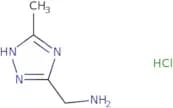
CAS:<p>Versatile small molecule scaffold</p>Formula:C12H21NO2Purity:Min. 95%Molecular weight:211.3 g/mol(5-Methyl-4H-1,2,4-triazol-3-yl)methanamine hydrochloride
CAS:<p>Versatile small molecule scaffold</p>Formula:C4H8N4·HClPurity:Min. 95%Molecular weight:148.6 g/mol2-{[(4-Bromothiophen-2-yl)methyl]amino}ethan-1-ol hydrochloride
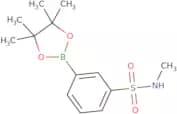
CAS:<p>Versatile small molecule scaffold</p>Formula:C7H11BrClNOSPurity:Min. 95%Molecular weight:272.59 g/molBenzenesulfonamide, N-Methyl-3-(4,4,5,5-Tetramethyl-1,3,2-Dioxaborolan-2-Yl)-
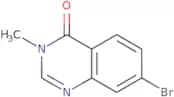
CAS:<p>Versatile small molecule scaffold</p>Formula:C13H20BNO4SPurity:Min. 95%Molecular weight:297.18 g/mol7-Bromo-3-methyl-3,4-dihydroquinazolin-4-one
CAS:<p>Versatile small molecule scaffold</p>Formula:C9H7BrN2OPurity:Min. 95%Molecular weight:239.07 g/molN-[3-(Dimethylamino)propyl]furan-2-carboxamide hydrochloride
CAS:<p>Versatile small molecule scaffold</p>Formula:C10H17ClN2O2Purity:Min. 95%Molecular weight:232.71 g/mol4-{[3-(1-Methoxycyclopentyl)-1,2,4-oxadiazol-5-yl]methyl}piperidine
CAS:<p>Versatile small molecule scaffold</p>Formula:C14H23N3O2Purity:Min. 95%Molecular weight:265.35 g/mol(5-(2-[2-(2-Methoxyethoxy)ethoxy]ethoxy)pyridin-2-yl)methanol
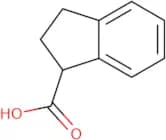
CAS:<p>Versatile small molecule scaffold</p>Formula:C13H21NO5Purity:Min. 95%Molecular weight:271.31 g/mol(1S)-2,3-Dihydro-1H-indene-1-carboxylic acid
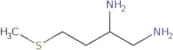
CAS:<p>Versatile small molecule scaffold</p>Formula:C10H10O2Purity:Min. 95%Molecular weight:162.18 g/mol(2S)-4-(Methylsulfanyl)butane-1,2-diamine
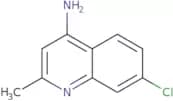
CAS:<p>Versatile small molecule scaffold</p>Formula:C5H14N2SPurity:Min. 95%Molecular weight:134.25 g/mol4-Amino-7-chloro-2-methylquinoline
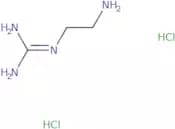
CAS:<p>Versatile small molecule scaffold</p>Formula:C10H9ClN2Purity:Min. 95%Molecular weight:192.64 g/molN-(2-Aminoethyl)guanidine dihydrochloride
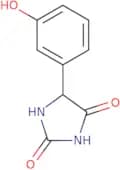
CAS:<p>Versatile small molecule scaffold</p>Formula:C3H12Cl2N4Purity:Min. 95%Molecular weight:175.06 g/mol5-(3-Hydroxyphenyl)imidazolidine-2,4-dione
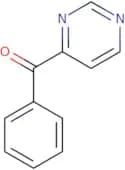
CAS:<p>Versatile small molecule scaffold</p>Formula:C9H8N2O3Purity:Min. 95%Molecular weight:192.17 g/mol4-Benzoylpyrimidine
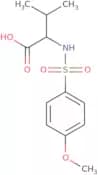
CAS:<p>Versatile small molecule scaffold</p>Formula:C11H8N2OPurity:Min. 95%Molecular weight:184.19 g/mol(2S)-2-(4-Methoxybenzenesulfonamido)-3-methylbutanoic acid
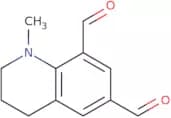
CAS:<p>Versatile small molecule scaffold</p>Formula:C12H17NO5SPurity:Min. 95%Molecular weight:287.33 g/mol1-Methyl-1,2,3,4-tetrahydroquinoline-6,8-dicarbaldehyde
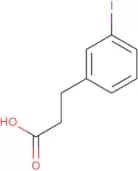
CAS:<p>Versatile small molecule scaffold</p>Formula:C12H13NO2Purity:Min. 95%Molecular weight:203.24 g/mol3-(3-Iodophenyl)propanoic acid
CAS:<p>3-(3-Iodophenyl)propanoic acid is a molecule that has been shown to accumulate in the brain and muscle. It is an unlabeled analog of fluoroacetate, a compound that is used as a diagnostic agent for cancer. Fluoroacetate has been shown to be effective against brain tumors, although it cannot be used as a therapeutic agent due to its severe side effects. 3-(3-Iodophenyl)propanoic acid has not been studied in detail yet, but it has been found to accumulate in tumor tissue and may be useful for the diagnosis of cancer.</p>Formula:C9H9IO2Purity:Min. 95%Molecular weight:276.07 g/molMethyl 2-ethyl-3-oxohexanoate
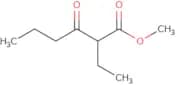
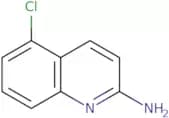
CAS:<p>Versatile small molecule scaffold</p>Formula:C9H16O3Purity:Min. 95%Molecular weight:172.22 g/mol5-Chloroquinolin-2-amine
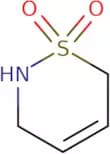
CAS:<p>Versatile small molecule scaffold</p>Formula:C9H7N2ClPurity:Min. 95%Molecular weight:178.61 g/mol3,6-Dihydro-2H-1λ⁶,2-thiazine-1,1-dione
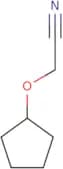
CAS:<p>Versatile small molecule scaffold</p>Formula:C4H7NO2SPurity:Min. 95%Molecular weight:133.2 g/mol2-(Cyclopentyloxy)acetonitrile
CAS:<p>Versatile small molecule scaffold</p>Formula:C7H11NOPurity:Min. 95%Molecular weight:125.17 g/mol3-(Propan-2-yl)-3-azabicyclo[3.3.1]nonan-9-one
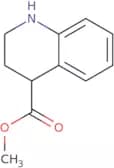
CAS:<p>Versatile small molecule scaffold</p>Formula:C11H19NOPurity:Min. 95%Molecular weight:181.27 g/molMethyl 1,2,3,4-tetrahydroquinoline-4-carboxylate
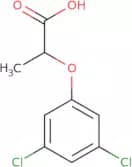
CAS:<p>Versatile small molecule scaffold</p>Formula:C11H13NO2Purity:Min. 95%Molecular weight:191.23 g/mol2-(3,5-Dichlorophenoxy)propanoic acid
CAS:<p>Versatile small molecule scaffold</p>Formula:C9H8Cl2O3Purity:Min. 95%Molecular weight:235.06 g/mol1H-Imidazo[4,5-c]pyridin-2-amine
CAS:<p>Imidazo[4,5-c]pyridin-2-amines are a class of compounds that have shown anticancer activity in vitro and in vivo. They are structurally related to the azepines and can be synthesized from 1H-imidazo[4,5-c]pyridine-2-carboxylic acid. Imidazo[4,5-c]pyridin-2-amines may inhibit cancer cell proliferation by inhibiting the activity of matrix metalloproteinases (MMPs) and may also inhibit the synthesis of DNA and RNA. Several members of this class of compounds have been shown to be potent inhibitors of human cancer cells in vitro and in vivo.</p>Formula:C6H6N4Purity:Min. 95%Molecular weight:134.14 g/mol1H,2H,3H-Thieno[2,3-b][1,4]thiazin-2-one
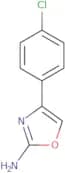
CAS:<p>Versatile small molecule scaffold</p>Formula:C6H5NOS2Purity:Min. 95%Molecular weight:171.2 g/mol4-(4-Chlorophenyl)-1,3-oxazol-2-amine
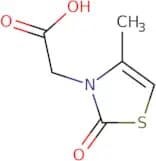
CAS:<p>Versatile small molecule scaffold</p>Formula:C9H7ClN2OPurity:Min. 95%Molecular weight:194.62 g/mol2-(4-Methyl-2-oxo-2,3-dihydro-1,3-thiazol-3-yl)acetic acid
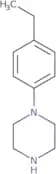
CAS:<p>Versatile small molecule scaffold</p>Formula:C6H7NO3SPurity:Min. 95%Molecular weight:173.19 g/mol1-(4-Ethylphenyl)piperazine
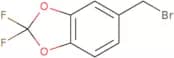
CAS:Controlled Product<p>Versatile small molecule scaffold</p>Formula:C12H18N2Purity:Min. 95%Molecular weight:190.28 g/mol5-(Bromomethyl)-2,2-difluoro-2H-1,3-benzodioxole
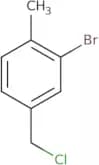
CAS:<p>Versatile small molecule scaffold</p>Formula:C8H5BrF2O2Purity:Min. 95%Molecular weight:251.02 g/mol2-Bromo-4-(chloromethyl)-1-methylbenzene
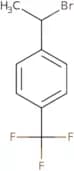
CAS:<p>Versatile small molecule scaffold</p>Formula:C8H8BrClPurity:Min. 95%Molecular weight:219.5 g/mol1-(1-Bromoethyl)-4-(trifluoromethyl)benzene
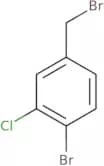
CAS:<p>Versatile small molecule scaffold</p>Formula:C9H8F3BrPurity:Min. 95%Molecular weight:253.05 g/mol1-Bromo-4-(bromomethyl)-2-chlorobenzene
CAS:<p>1-Bromo-4-(bromomethyl)-2-chlorobenzene is a brominating agent that can be used for the preparation of alkyl halides. It reacts with sodium hydride to give the corresponding sodium alkoxide, which can be hydrolyzed to give an alcohol. The reaction product is then treated with methoxy or chloro groups, giving a 1-bromo-3-methoxy-2-chlorobenzene or 1-bromo-3-chloro-2-chlorobenzene respectively. This compound can also be used as an inhibitor in organic synthesis reactions involving hydrolysis and reductive dehalogenation.</p>Formula:C7H5Br2ClPurity:Min. 95%Molecular weight:284.38 g/mol1-(1-Bromoethyl)-4-(trifluoromethoxy)benzene
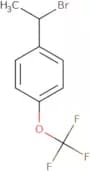
CAS:<p>Versatile small molecule scaffold</p>Formula:C9H8BrF3OPurity:Min. 95%Molecular weight:269.06 g/mol2-(Pyrimidin-4-yl)ethanol
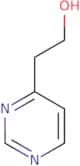
CAS:<p>Versatile small molecule scaffold</p>Formula:C6H8N2OPurity:Min. 95%Molecular weight:124.14 g/mol2-({5-[(3-Methoxyphenyl)amino]-1,3,4-thiadiazol-2-yl}sulfanyl)acetic acid
CAS:<p>Versatile small molecule scaffold</p>Formula:C11H11N3O3S2Purity:Min. 95%Molecular weight:297.4 g/mol2-{[5-(Cyclohexylamino)-1,3,4-thiadiazol-2-yl]sulfanyl}acetic acid
CAS:<p>Versatile small molecule scaffold</p>Formula:C10H15N3O2S2Purity:Min. 95%Molecular weight:273.4 g/mol5-[(3-Methoxyphenyl)amino]-1,3,4-thiadiazole-2-thiol
CAS:<p>5-[(3-Methoxyphenyl)amino]-1,3,4-thiadiazole-2-thiol (MTT) is an elastomer that is used for surface modification and as a monomer. It has been shown to be a conditioner for polyethylene terephthalate (PET), polyurethane, and polyvinyl chloride (PVC). MTT has also been used in the preparation of organic halide polymers. This polymer can be prepared by radical polymerization with hydroxyl groups on the backbone. The hydroxyl group can react with the active hydrogen of an ester to produce an alcohol or amine. The product of this reaction is called an organohydrogenpolymer. If this polymer is a hydroxyl copolymer, it can be modified by the addition of functional groups such as carboxylic acids or amines.</p>Formula:C9H9N3OS2Purity:Min. 95%Molecular weight:239.3 g/mol5-[(4-Ethoxyphenyl)amino]-1,3,4-thiadiazole-2-thiol
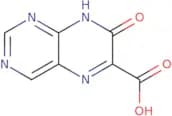
CAS:<p>Versatile small molecule scaffold</p>Formula:C10H11N3OS2Purity:Min. 95%Molecular weight:253.3 g/mol7-Hydroxypteridine-6-carboxylic acid
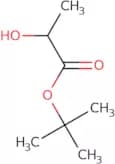
CAS:<p>Versatile small molecule scaffold</p>Formula:C7H4N4O3Purity:Min. 95%Molecular weight:192.13 g/mol(+)-tert-Butyl D-lactate
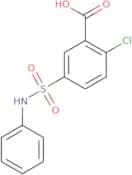
CAS:<p>(+)-tert-Butyl D-lactate is a cyclic ester that is found in plants and animals. It is structurally similar to the natural amino acids, L-aspartate and L-valine. (+)-tert-Butyl D-lactate has been used as an ancillary for the determination of DNA sequences and has been shown to have a ring opening reaction with amido groups. This product has also been used as feedstock for the production of lactates and as a component in copolymerization reactions. !--</p>Formula:C7H14O3Purity:Min. 95%Molecular weight:146.19 g/mol2-Chloro-5-(phenylsulfamoyl)benzoic acid
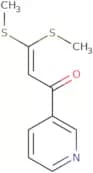
CAS:<p>Versatile small molecule scaffold</p>Formula:C13H10ClNO4SPurity:Min. 95%Molecular weight:311.74 g/mol3,3-Bis(methylsulfanyl)-1-(pyridin-3-yl)prop-2-en-1-one
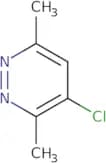
CAS:<p>Versatile small molecule scaffold</p>Formula:C10H11NOS2Purity:Min. 95%Molecular weight:225.3 g/mol4-Chloro-3,6-dimethylpyridazine
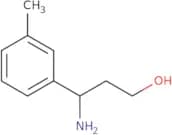
CAS:<p>Versatile small molecule scaffold</p>Formula:C6H7ClN2Purity:Min. 95%Molecular weight:142.58 g/mol3-m-Tolyl-DL-β-alaninol
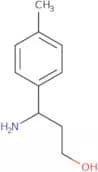
CAS:<p>Versatile small molecule scaffold</p>Formula:C10H15NOPurity:Min. 95%Molecular weight:165.23 g/molDL-β-3-p-tolylalaninol
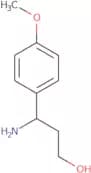
CAS:<p>Versatile small molecule scaffold</p>Formula:C10H15NOPurity:Min. 95%Molecular weight:165.23 g/mol3-Amino-3-(4-methoxyphenyl)propan-1-ol
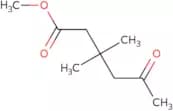
CAS:<p>Versatile small molecule scaffold</p>Formula:C10H15NO2Purity:Min. 95%Molecular weight:181.23 g/molMethyl 3,3-dimethyl-5-oxohexanoate
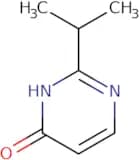
CAS:<p>Versatile small molecule scaffold</p>Formula:C9H16O3Purity:Min. 95%Molecular weight:172.22 g/mol-2(Propan-2-Yl)Pyrimidin-4-Ol
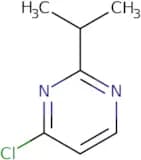
CAS:<p>Versatile small molecule scaffold</p>Formula:C7H10N2OPurity:Min. 95%Molecular weight:138.17 g/mol4-chloro-2-(propan-2-yl)pyrimidine
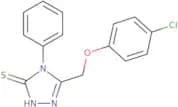
CAS:<p>Versatile small molecule scaffold</p>Formula:C7H9N2ClPurity:Min. 95%Molecular weight:156.61 g/mol5-(4-Chlorophenoxymethyl)-4-phenyl-4H-1,2,4-triazole-3-thiol
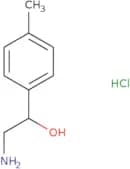
CAS:<p>Versatile small molecule scaffold</p>Formula:C15H12ClN3OSPurity:Min. 95%Molecular weight:317.8 g/mol2-Amino-1-(4-methylphenyl)ethan-1-ol hydrochloride
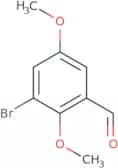
CAS:<p>Versatile small molecule scaffold</p>Formula:C9H14ClNOPurity:Min. 95%Molecular weight:187.66 g/mol3-bromo-2,5-dimethoxybenzaldehyde
CAS:<p>3-bromo-2,5-dimethoxybenzaldehyde is a synthetic compound that is an incompletely nucleophilic anionic molecule. It has been used to advance the study of aromaticity and analyzes the spectrum of compounds. 3-bromo-2,5-dimethoxybenzaldehyde has been used in the synthesis of anthracyclines and tetracyclic antibiotics. The chemical structure of 3-bromo-2,5-dimethoxybenzaldehyde includes an aryl group at one end and a tetracyclic ring system at the other end. This chemical is not active as a chemotherapeutic agent because it does not have any biological activity.</p>Formula:C9H9BrO3Purity:Min. 95%Molecular weight:245.07 g/molN-[(Benzyloxy)carbonyl]-3-methylvaline
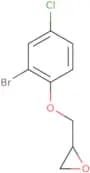
CAS:<p>Versatile small molecule scaffold</p>Formula:C14H19NO4Purity:Min. 95%Molecular weight:265.3 g/mol2-(2-Bromo-4-chlorophenoxymethyl)oxirane
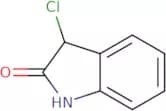
CAS:<p>Versatile small molecule scaffold</p>Formula:C9H8BrClO2Purity:Min. 95%Molecular weight:263.51 g/mol3-Chloro-2,3-dihydro-1H-indol-2-one
CAS:<p>3-Chloro-2,3-dihydro-1H-indol-2-one is a chiral molecule that has two different forms: the axial form and the atropisomer. This compound is a precursor to 3-chloro-2,3,5,6-tetrahydrobenzo[b]thiophene, which can be used in the synthesis of other compounds such as atropine. It has been shown that 3-chloro-2,3,5,6-tetrahydrobenzo[b]thiophene can act as an antagonist of muscarinic acetylcholine receptors. Chloride ions are required for this reaction. This compound also reacts with titanium tetrachloride and titanium metal in the presence of boron trifluoride etherate to produce axially chiral molecules.</p>Formula:C8H6ClNOPurity:Min. 95%Molecular weight:167.59 g/mol6-Chloropyrido[3,2-b]pyrazine
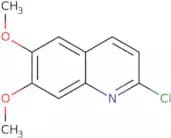
CAS:<p>6-Chloropyrido[3,2-b]pyrazine is a chemical compound that has been shown to be a good candidate for dechlorination and debromination reactions. It can be used as an intermediate in the synthesis of potassium amides and anionically charged compounds. The product is unreactive but reactive towards reductive conditions. 6-Chloropyrido[3,2-b]pyrazine is stable at room temperature and does not react with water.</p>Formula:C7H4ClN3Purity:Min. 95%Molecular weight:165.58 g/mol2-chloro-6,7-dimethoxyquinoline
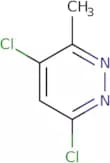
CAS:<p>Versatile small molecule scaffold</p>Formula:C11H10ClNO2Purity:Min. 95%Molecular weight:223.66 g/mol4,6-Dichloro-3-methylpyridazine
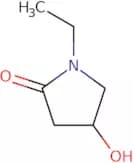
CAS:<p>Versatile small molecule scaffold</p>Formula:C5H4Cl2N2Purity:Min. 95%Molecular weight:163.01 g/mol1-Ethyl-4-hydroxypyrrolidin-2-one
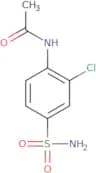
CAS:<p>Versatile small molecule scaffold</p>Formula:C6H11NO2Purity:Min. 95%Molecular weight:129.16 g/molN-(2-Chloro-4-sulfamoylphenyl)acetamide
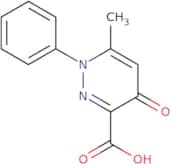
CAS:<p>Versatile small molecule scaffold</p>Formula:C8H9ClN2O3SPurity:Min. 95%Molecular weight:248.69 g/mol6-Methyl-4-oxo-1-phenyl-1,4-dihydropyridazine-3-carboxylic acid
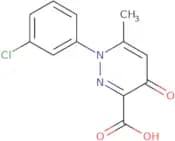
CAS:<p>Versatile small molecule scaffold</p>Formula:C12H10N2O3Purity:Min. 95%Molecular weight:230.22 g/mol1-(3-Chlorophenyl)-6-methyl-4-oxo-1,4-dihydropyridazine-3-carboxylic acid
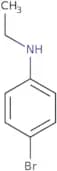
CAS:<p>Versatile small molecule scaffold</p>Formula:C12H9ClN2O3Purity:Min. 95%Molecular weight:264.66 g/molN-Ethyl-4-bromo-benzenamine
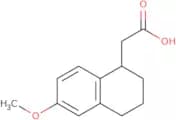
CAS:<p>N-Ethyl-4-bromo-benzenamine is a preorganized molecule with a covalent amide bond that is stabilized by interactions with the macrocyclic moiety. The helical conformation of this molecule is stabilized by its substructures, which are the two N-ethyl groups and the bromine atom. The helicity of this compound is high, and it has been shown to have a yield of 100%.</p>Formula:C8H10BrNPurity:Min. 95%Molecular weight:200.08 g/mol2-(6-Methoxy-1,2,3,4-tetrahydronaphthalen-1-yl)acetic acid
CAS:<p>Versatile small molecule scaffold</p>Formula:C13H16O3Purity:Min. 95%Molecular weight:220.26 g/mol1-{4-[(Difluoromethyl)sulfanyl]phenyl}-2,5-dihydro-1H-pyrrole-2,5-dione
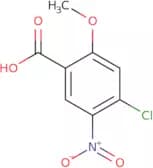
CAS:<p>Versatile small molecule scaffold</p>Formula:C11H7F2NO2SPurity:Min. 95%Molecular weight:255.24 g/mol4-chloro-2-methoxy-5-nitrobenzoic acid
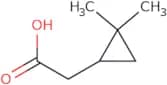
CAS:<p>Versatile small molecule scaffold</p>Formula:C8H6ClNO5Purity:Min. 95%Molecular weight:231.59 g/mol2-(2,2-Dimethylcyclopropyl)acetic acid
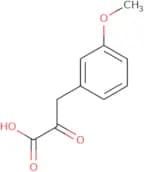
CAS:<p>Versatile small molecule scaffold</p>Formula:C7H12O2Purity:Min. 95%Molecular weight:128.17 g/mol3-(3-Methoxyphenyl)-2-oxopropanoic acid
CAS:<p>Vanillic acid is a phenolic compound that can be found in vanilla and other plants. It is an important precursor for the synthesis of aromatic compounds such as ferulic acid, lignin, and coumarin. Vanillic acid has been shown to have a variety of biochemical and chemists properties, including the ability to aromatize, which means it can be used in the preparation of synthetic hormones. This compound also acts as an antioxidant by scavenging reactive oxygen species. Vanillic acid is found in two sources: pre-existing vanillin (from plants) and ferulic acid (from microbial metabolism). Vanillin is derived from coniferyl alcohol and coniferaldehyde, which are both found in poria. Ferulic acid is produced by polyporus fungi and can be converted into vanillic acid via decarboxylation.</p>Formula:C10H10O4Purity:Min. 95%Molecular weight:194.18 g/mol7-Aminopyrazolo[1,5-a]pyrimidine-6-carboxylic acid
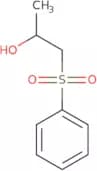
CAS:<p>Versatile small molecule scaffold</p>Formula:C7H6N4O2Purity:Min. 95%Molecular weight:178.15 g/mol1-(Benzenesulfonyl)propan-2-ol
CAS:<p>1-(Benzenesulfonyl)propan-2-ol is a chiral, neutral compound that is used as a heterofunctional catalyst. It is an electrophilic catalyst that can be used to catalyze hydroboration reactions. 1-(Benzenesulfonyl)propan-2-ol binds to the substrate with two bidentate interactions and participates in the reaction by donating electron density from the nitrogen atom of an allylic position. This compound is also capable of catalyzing catecholborane oxidation reactions, which are important for the synthesis of pharmaceuticals.</p>Formula:C9H12O3SPurity:Min. 95%Molecular weight:200.26 g/mol

![4-Chloropyrazolo[1,5-a]pyridine-3-carboxylic acid](/_next/image/?url=https%3A%2Fstatic.cymitquimica.com%2Fproducts%2F3D%2Fthumb-webp%2FSWB05617.webp&w=3840&q=75)
![5-Chloro-1H-pyrrolo[2,3-c]pyridine-3-carbaldehyde](/_next/image/?url=https%3A%2Fstatic.cymitquimica.com%2Fproducts%2F3D%2Fthumb-webp%2FSWB05635.webp&w=3840&q=75)
![5-[(tert-Butoxy)carbonyl]pyrazine-2-carboxylic acid](/_next/image/?url=https%3A%2Fstatic.cymitquimica.com%2Fproducts%2F3D%2Fthumb-webp%2FSXB15297.webp&w=3840&q=75)
![3-[1-(3,4-Dichlorophenyl)-2,5-dioxoimidazolidin-4-yl]propanoic acid](/_next/image/?url=https%3A%2Fstatic.cymitquimica.com%2Fproducts%2F3D%2Fthumb-webp%2FSXB22767.webp&w=3840&q=75)
![3-[1-(3-Chloro-4-methylphenyl)-2,5-dioxoimidazolidin-4-yl]propanoic acid](/_next/image/?url=https%3A%2Fstatic.cymitquimica.com%2Fproducts%2F3D%2Fthumb-webp%2FSXB22774.webp&w=3840&q=75)

![2-{[(4-Bromothiophen-2-yl)methyl]amino}ethan-1-ol hydrochloride](/_next/image/?url=https%3A%2Fstatic.cymitquimica.com%2Fproducts%2F3D%2Fthumb-webp%2FTBC92214.webp&w=3840&q=75)
![N-[3-(Dimethylamino)propyl]furan-2-carboxamide hydrochloride](/_next/image/?url=https%3A%2Fstatic.cymitquimica.com%2Fproducts%2F3D%2Fthumb-webp%2FTBC99304.webp&w=3840&q=75)
![4-{[3-(1-Methoxycyclopentyl)-1,2,4-oxadiazol-5-yl]methyl}piperidine](/_next/image/?url=https%3A%2Fstatic.cymitquimica.com%2Fproducts%2F3D%2Fthumb-webp%2FTBD07841.webp&w=3840&q=75)
![(5-(2-[2-(2-Methoxyethoxy)ethoxy]ethoxy)pyridin-2-yl)methanol](/_next/image/?url=https%3A%2Fstatic.cymitquimica.com%2Fproducts%2F3D%2Fthumb-webp%2FTBD29324.webp&w=3840&q=75)
![3-(Propan-2-yl)-3-azabicyclo[3.3.1]nonan-9-one](/_next/image/?url=https%3A%2Fstatic.cymitquimica.com%2Fproducts%2F3D%2Fthumb-webp%2FTCA06655.webp&w=3840&q=75)
![1H-Imidazo[4,5-c]pyridin-2-amine](/_next/image/?url=https%3A%2Fstatic.cymitquimica.com%2Fproducts%2F3D%2Fthumb-webp%2FTCA07463.webp&w=3840&q=75)
![1H,2H,3H-Thieno[2,3-b][1,4]thiazin-2-one](/_next/image/?url=https%3A%2Fstatic.cymitquimica.com%2Fproducts%2F3D%2Fthumb-webp%2FTCA09433.webp&w=3840&q=75)
![2-({5-[(3-Methoxyphenyl)amino]-1,3,4-thiadiazol-2-yl}sulfanyl)acetic acid](/_next/image/?url=https%3A%2Fstatic.cymitquimica.com%2Fproducts%2F3D%2Fthumb-webp%2FTCA16140.webp&w=3840&q=75)
![2-{[5-(Cyclohexylamino)-1,3,4-thiadiazol-2-yl]sulfanyl}acetic acid](/_next/image/?url=https%3A%2Fstatic.cymitquimica.com%2Fproducts%2F3D%2Fthumb-webp%2FTCA16157.webp&w=3840&q=75)
![5-[(3-Methoxyphenyl)amino]-1,3,4-thiadiazole-2-thiol](/_next/image/?url=https%3A%2Fstatic.cymitquimica.com%2Fproducts%2F3D%2Fthumb-webp%2FTCA16158.webp&w=3840&q=75)
![5-[(4-Ethoxyphenyl)amino]-1,3,4-thiadiazole-2-thiol](/_next/image/?url=https%3A%2Fstatic.cymitquimica.com%2Fproducts%2F3D%2Fthumb-webp%2FTCA16160.webp&w=3840&q=75)
![N-[(Benzyloxy)carbonyl]-3-methylvaline](/_next/image/?url=https%3A%2Fstatic.cymitquimica.com%2Fproducts%2F3D%2Fthumb-webp%2FTCA22259.webp&w=3840&q=75)
![6-Chloropyrido[3,2-b]pyrazine](/_next/image/?url=https%3A%2Fstatic.cymitquimica.com%2Fproducts%2F3D%2Fthumb-webp%2FTCA23603.webp&w=3840&q=75)
![1-{4-[(Difluoromethyl)sulfanyl]phenyl}-2,5-dihydro-1H-pyrrole-2,5-dione](/_next/image/?url=https%3A%2Fstatic.cymitquimica.com%2Fproducts%2F3D%2Fthumb-webp%2FTCA25571.webp&w=3840&q=75)
![7-Aminopyrazolo[1,5-a]pyrimidine-6-carboxylic acid](/_next/image/?url=https%3A%2Fstatic.cymitquimica.com%2Fproducts%2F3D%2Fthumb-webp%2FTCA26233.webp&w=3840&q=75)