Building Blocks
This section contains fundamental products for the synthesis of organic and biological compounds. Building blocks are the essential starting materials used to construct complex molecules through various chemical reactions. They play a critical role in drug discovery, material science, and chemical research. At CymitQuimica, we offer a diverse range of high-quality building blocks to support your innovative research and industrial projects, ensuring you have the essential components for successful synthesis.
Subcategories of "Building Blocks"
- Boronic Acids & Boronic Acid Derivatives(5,756 products)
- Chiral Building Blocks(1,242 products)
- Hydrocarbon Building Blocks(6,095 products)
- Organic Building Blocks(61,051 products)
Found 199813 products of "Building Blocks"
Sort by
Purity (%)
0
100
|
0
|
50
|
90
|
95
|
100
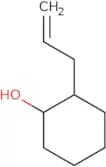
2-(Prop-2-en-1-yl)cyclohexan-1-ol
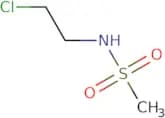
CAS:<p>2-(Prop-2-en-1-yl)cyclohexan-1-ol (PCOH) is a pyranoside that can be used as a biomolecular transfer agent. PCOH is synthesized by the reaction of cyclohexanone with propargyl alcohol in the presence of a ruthenium complex and ligand. This reaction proceeds without any side reactions, and the hydrogenated product is obtained in good yield. The carbonyl group on PCOH has been shown to be an efficient nucleophile for ring opening reactions of styrene derivatives.</p>Formula:C9H16OPurity:Min. 95%Molecular weight:140.22 g/molN-(2-Chloroethyl)methanesulfonamide
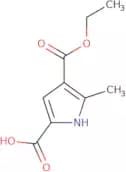
CAS:<p>N-(2-Chloroethyl)methanesulfonamide (NEMSA) is an ethylene-methanesulfonamide compound that is a serotonergic drug. It has been shown to bind to the 5-HT4 receptor and inhibit the release of serotonin in the brain by blocking chloride channels. NEMSA is used to treat chronic pain, anxiety, and depression. This drug also has affinity for the 5-HT1A receptor and has been shown to be effective in animal models of anxiety and depression. NEMSA binds with high affinity to molecular modeling studies using nitrogen atom as a probe. This drug undergoes a reaction in aqueous solution or reaction system at physiological pH. The pharmacological activity of this drug may be due to its inhibition of serotonin receptors, which are involved in mood regulation, sleep, appetite, sexual function, memory, learning and many other functions.</p>Formula:C3H8ClNO2SPurity:Min. 95%Molecular weight:157.62 g/mol4-(Ethoxycarbonyl)-5-methyl-1H-pyrrole-2-carboxylic acid
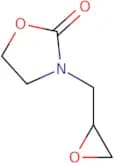
CAS:<p>Versatile small molecule scaffold</p>Formula:C9H11NO4Purity:Min. 95%Molecular weight:197.19 g/mol3-(Oxiran-2-ylmethyl)-1,3-oxazolidin-2-one
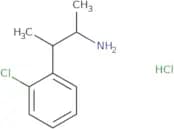
CAS:<p>Versatile small molecule scaffold</p>Formula:C6H9NO3Purity:Min. 95%Molecular weight:143.14 g/mol3-(2-Chlorophenyl)butan-2-amine hydrochloride
CAS:Controlled ProductVersatile small molecule scaffoldFormula:C10H15Cl2NPurity:Min. 95%Molecular weight:220.14 g/mol[3-(4-Chlorophenyl)butan-2-yl](methyl)amine
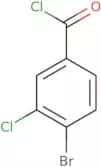
CAS:Controlled Product<p>Versatile small molecule scaffold</p>Formula:C11H16ClNPurity:Min. 95%Molecular weight:197.7 g/mol4-Bromo-3-chlorobenzoyl chloride
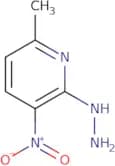
CAS:<p>Versatile small molecule scaffold</p>Formula:C7H3BrCl2OPurity:Min. 95%Molecular weight:253.9 g/mol2-Hydrazinyl-6-methyl-3-nitropyridine
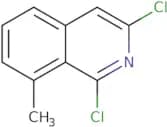
CAS:<p>Versatile small molecule scaffold</p>Formula:C6H8N4O2Purity:Min. 95%Molecular weight:168.15 g/mol1,3-Dichloro-8-methylisoquinoline
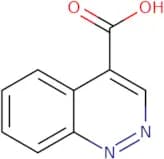
CAS:<p>Versatile small molecule scaffold</p>Formula:C10H7Cl2NPurity:Min. 95%Molecular weight:212.07 g/molCinnoline-4-carboxylic acid
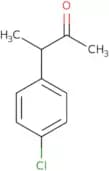
CAS:<p>Cinnoline-4-carboxylic acid is a synthetic compound that is used in the synthesis of cinnolines. It is synthesized from formaldehyde and cinnamic acid through a process called decarboxylation. This process produces two molecules of CO2 and one molecule of formic acid. Cinnoline-4-carboxylic acid is soluble in organic solvents such as formamide, chloroform, or ethyl acetate, but insoluble in water. The compound has been shown to exhibit dose-dependent effects on the growth of cell cultures and can be used to study the effect of drugs on cells. It also has been shown to inhibit an enzyme called ciliaris, which is involved in the production of mucus by cells.</p>Formula:C9H6N2O2Purity:Min. 95%Molecular weight:174.16 g/mol3-(4-Chlorophenyl)butan-2-one
CAS:<p>Versatile small molecule scaffold</p>Formula:C10H11ClOPurity:Min. 95%Molecular weight:182.64 g/mol3-[2-(Trifluoromethyl)phenyl]butan-2-one
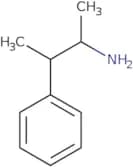
CAS:<p>Versatile small molecule scaffold</p>Formula:C11H11F3OPurity:Min. 95%Molecular weight:216.2 g/mol3-Phenylbutan-2-amine
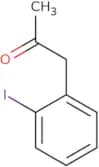
CAS:Controlled Product<p>Versatile small molecule scaffold</p>Formula:C10H15NPurity:Min. 95%Molecular weight:149.23 g/mol1-(2-Iodophenyl)propan-2-one
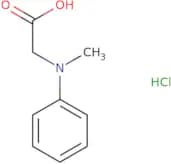
CAS:Controlled Product<p>Versatile small molecule scaffold</p>Formula:C9H9IOPurity:Min. 95%Molecular weight:260.07 g/mol2-(Methyl(phenyl)amino)acetic acid hydrochloride
CAS:<p>Versatile small molecule scaffold</p>Formula:C9H12ClNO2Purity:Min. 95%Molecular weight:201.65 g/mol2-[Ethyl(phenyl)amino]acetic acid hydrochloride
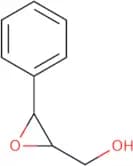
CAS:<p>Versatile small molecule scaffold</p>Formula:C10H14ClNO2Purity:Min. 95%Molecular weight:215.67 g/mol(3-Phenyloxiranyl)methanol
CAS:<p>3-Phenyloxiranylmethanol is a chemical compound that is used in scientific research.</p>Formula:C9H10O2Purity:Min. 95%Molecular weight:150.17 g/molN-(4-Chlorophenyl)-2-hydroxyacetamide
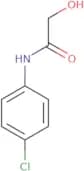
CAS:<p>4-Chloro-N-(2-hydroxyacetyl)aniline (NHA) is a metabolite of the anti-cancer drug piperonyl butoxide. It has been shown to inhibit the growth of tumor xenografts in mice, and may be an effective cancer treatment. The mechanism of NHA's inhibition of tumor growth is through its oxidative metabolites that induce DNA damage, leading to apoptosis. The production of these compounds is increased when it is incubated with α-tocopherol or rhesus monkeys, which suggests that they are conjugates with glucuronic acid. In humans, 4-chloro-NHA undergoes oxidation by dehydrogenases to form 4-chloroaniline and 2-(4-chlorophenoxy)-N-(2-hydroxyacetyl)acetic acid (4CPHAA). This last compound can be conjugated with either glutathione or glucuronic acid to form</p>Formula:C8H8ClNO2Purity:Min. 95%Molecular weight:185.61 g/molMethyl [4-(chlorosulfonyl)phenyl]carbamate
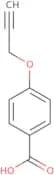
CAS:<p>Versatile small molecule scaffold</p>Formula:C8H8ClNO4SPurity:Min. 95%Molecular weight:249.67 g/mol4-(2-Propynyloxy)benzoic acid
CAS:<p>4-(Prop-2-yn-1-yloxy)benzoic acid is a colorless to white crystalline solid. It is soluble in water, ethanol, ether and benzene. The substance is an intermediate in the synthesis of pharmaceuticals such as propofol and etoposide. 4-(Prop-2-yn-1-yloxy)benzoic acid can be used for the synthesis of polymers that are polymerizable and have a high degree of crosslinking. This substance can also be used as a reagent for the conversion of halides, azobenzene, anthracene, phenols, and naphthalenes into their corresponding ethers.</p>Formula:C10H8O3Purity:Min. 95%Molecular weight:176.17 g/molEthyl 3-oxo-2-azabicyclo[2.2.2]octane-4-carboxylate
CAS:<p>Versatile small molecule scaffold</p>Formula:C10H15NO3Purity:Min. 95%Molecular weight:197.23 g/mol{2-Azabicyclo[2.2.2]octan-4-yl}methanol hydrochloride
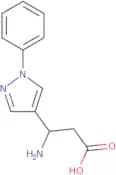
CAS:<p>Versatile small molecule scaffold</p>Formula:C8H16ClNOPurity:Min. 95%Molecular weight:177.7 g/mol3-Amino-3-(1-phenyl-1H-pyrazol-4-yl)propanoic acid
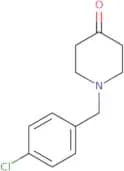
CAS:<p>Versatile small molecule scaffold</p>Formula:C12H13N3O2Purity:Min. 95%Molecular weight:231.25 g/mol1-(4-chlorobenzyl)piperidin-4-one
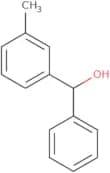
CAS:<p>Versatile small molecule scaffold</p>Formula:C12H14ClNOPurity:Min. 95%Molecular weight:223.7 g/mol(3-Methylphenyl)(phenyl)methanol
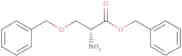
CAS:<p>(3-Methylphenyl)(phenyl)methanol is a radical cation that has been shown to undergo intramolecular hydrogen abstraction. This chemical can be found as two isomers, 3-methylphenol and 3-methylbenzaldehyde. The molecule has six-membered ring transition states and molecular ion peaks with m/z of 136 and 138, respectively. The gaseous form of this compound is metastable, which means it will spontaneously decompose into the more stable radical anion (m/z = 164). The radical cations are formed when the methyl group on the phenyl ring is abstracted by a hydrogen atom from another molecule. Fragmentation of this molecule yields substituent radicals and radical cations (m/z = 110).</p>Formula:C14H14OPurity:Min. 95%Molecular weight:198.26 g/molo-Benzyl-(D)-serine benzyl ester
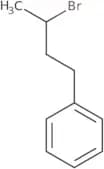
CAS:<p>o-Benzyl-(D)-serine benzyl ester is a molecule that can be synthesized in high yields by reacting o-benzyl-D-serine with benzaldehyde. This synthetic route produces the target molecule, which can then be used for experimental purposes. The experimental result of this reaction was found to be 98% yield and the reaction conditions were found to be an activating methodology and a reagent condition of deprotecting.</p>Formula:C17H19NO3Purity:Min. 95%Molecular weight:285.34 g/mol(3-Bromobutyl)benzene
CAS:<p>3-Bromobutyl)benzene is a nucleophile that reacts with an alkyl halide. The nucleophile attacks the electrophilic carbon atom of the alkyl halide, forming a covalent bond with it. This reaction is called alkylation. The product of this reaction is called an alkyl bromide. 3-Bromobutyl)benzene can also react with primary amines to form (3-bromobutyl)anilines. These reactions are catalyzed by palladium, which is used as a catalyst for these reactions because of its ability to bind to both the nucleophile and the amine in these reactions.</p>Formula:C10H13BrPurity:Min. 95%Molecular weight:213.11 g/mol2-[(Carbamoylmethyl)amino]acetamide
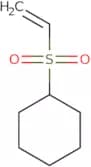
CAS:<p>Versatile small molecule scaffold</p>Formula:C4H9N3O2Purity:Min. 95%Molecular weight:131.13 g/mol(Ethenesulfonyl)cyclohexane
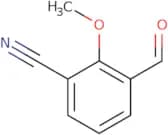
CAS:<p>(Ethenesulfonyl)cyclohexane is a monomer that is used in the production of pharmaceutical formulations and devices. It has been shown to inhibit the hydrolysis of 5-hydroxytryptamine (5-HT), which leads to increased levels of serotonin (5-HT). This compound also inhibits the binding of 5-HT to its receptor, which may be due to its ability to bind with high affinity at the 5-HT1A receptor.</p>Formula:C8H14O2SPurity:Min. 95%Molecular weight:174.26 g/mol3-Formyl-2-methoxybenzonitrile
CAS:<p>Versatile small molecule scaffold</p>Formula:C9H7NO2Purity:Min. 95%Molecular weight:161.16 g/mol4-Cyano-3-methoxy-benzaldehyde
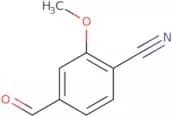
CAS:<p>Versatile small molecule scaffold</p>Formula:C9H7NO2Purity:Min. 95%Molecular weight:161.16 g/mol5-Formyl-2-methoxybenzonitrile
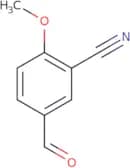
CAS:<p>Versatile small molecule scaffold</p>Formula:C9H7NO2Purity:Min. 95%Molecular weight:161.16 g/mol2-Formyl-6-methoxybenzonitrile
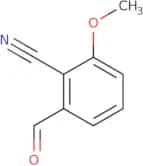
CAS:<p>Versatile small molecule scaffold</p>Formula:C9H7NO2Purity:Min. 95%Molecular weight:161.16 g/mol4-(1H-Indol-3-yl)-4-methylpentan-2-one
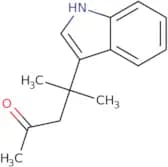
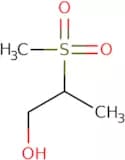
CAS:<p>Versatile small molecule scaffold</p>Formula:C14H17NOPurity:Min. 95%Molecular weight:215.29 g/mol2-Methanesulfonylpropan-1-ol
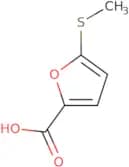
CAS:<p>Versatile small molecule scaffold</p>Formula:C4H10O3SPurity:Min. 95%Molecular weight:138.19 g/mol5-(Methylsulfanyl)furan-2-carboxylic acid
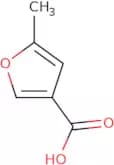
CAS:<p>Versatile small molecule scaffold</p>Formula:C6H6O3SPurity:Min. 95%Molecular weight:158.18 g/mol5-Methylfuran-3-carboxylic acid
CAS:<p>Versatile small molecule scaffold</p>Formula:C4H6N4O2Purity:Min. 95%Molecular weight:142.12 g/mol5-Methoxy-3-methyl-1H-indole
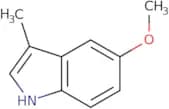
CAS:<p>5-Methoxy-3-methyl-1H-indole is an oxygenated aromatic amine that is produced as a phytoalexin. It has been shown to inhibit the growth of gram negative bacteria, such as Salmonella and E. coli, by inhibiting the synthesis of proteins required for cellular respiration. 5-Methoxy-3-methyl-1H-indole also inhibits the activity of an enzyme called phospholipase A2, which is responsible for the hydrolysis of lipid molecules in cell membranes. This inhibition prevents the release of arachidonic acid from phospholipids, leading to a decrease in prostaglandins and leukotrienes. 5-Methoxy-3-methyl-1H indole has also been shown to have antioxidant properties due to its ability to scavenge free radicals.</p>Formula:C10H11NOPurity:Min. 95%Molecular weight:161.2 g/molMethyl 7-oxabicyclo[2.2.1]heptane-2-carboxylate
CAS:<p>Versatile small molecule scaffold</p>Formula:C8H12O3Purity:Min. 95%Molecular weight:156.18 g/molMethyl 7-oxabicyclo[2.2.1]hept-5-ene-2-carboxylate
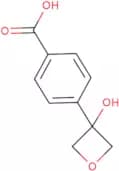
CAS:<p>Versatile small molecule scaffold</p>Formula:C8H10O3Purity:Min. 95%Molecular weight:154.16 g/mol4-(3-Hydroxyoxetan-3-yl)benzoic acid
CAS:Versatile small molecule scaffoldFormula:C10H10O4Purity:Min. 95%Molecular weight:194.18 g/mol4-(Cyclopropanesulfonyl)benzoic acid
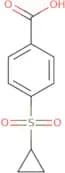
CAS:<p>Versatile small molecule scaffold</p>Formula:C10H10O4SPurity:Min. 95%Molecular weight:226.25 g/mol1-(2-Methylpropyl)cyclopropane-1-carboxylic acid
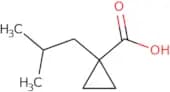
CAS:<p>Versatile small molecule scaffold</p>Formula:C8H14O2Purity:Min. 95%Molecular weight:142.2 g/molPotassium cyclohexylmethyl trifluoroborate
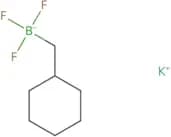
CAS:<p>Versatile small molecule scaffold</p>Formula:C7H13BF3KPurity:Min. 95%Molecular weight:204.08 g/mol5,5-Dimethyl-4H,5H,6H-cyclopenta[b]thiophene-2-carboxylic acid
CAS:<p>Versatile small molecule scaffold</p>Formula:C10H12O2SPurity:Min. 95%Molecular weight:196.27 g/molEthyl 5,5-dimethyl-1,4,5,6-tetrahydrocyclopenta[b]pyrrole-2-carboxylate
CAS:<p>Versatile small molecule scaffold</p>Formula:C12H17NO2Purity:Min. 95%Molecular weight:207.26 g/molDimethyl(2-{[4-(4,4,5,5-tetramethyl-1,3,2-dioxaborolan-2-yl)pyridin-2-yl]oxy}ethyl)amine
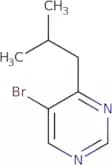
CAS:Controlled Product<p>Versatile small molecule scaffold</p>Formula:C15H25BN2O3Purity:Min. 95%Molecular weight:292.18 g/mol5-Bromo-4-(2-methylpropyl)pyrimidine
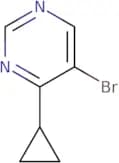
CAS:<p>Versatile small molecule scaffold</p>Formula:C8H11BrN2Purity:Min. 95%Molecular weight:215.09 g/mol5-Bromo-4-cyclopropylpyrimidine
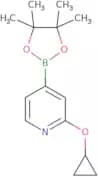
CAS:<p>Versatile small molecule scaffold</p>Formula:C7H7BrN2Purity:Min. 95%Molecular weight:199.05 g/mol2-Cyclopropyloxypyridine 4-pinacolboronate
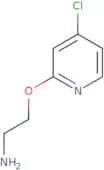
CAS:<p>Versatile small molecule scaffold</p>Formula:C14H20BNO3Purity:Min. 95%Molecular weight:261.12 g/mol2-(2-Aminoethoxy)-4-chloropyridine
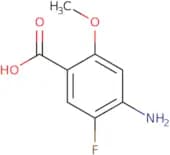
CAS:<p>Versatile small molecule scaffold</p>Formula:C7H9ClN2OPurity:Min. 95%Molecular weight:172.61 g/mol4-Amino-5-fluoro-2-methoxybenzoic acid
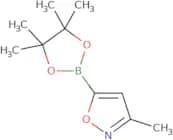
CAS:<p>Versatile small molecule scaffold</p>Formula:C8H8FNO3Purity:Min. 95%Molecular weight:185.15 g/mol3-Methyl-5-(4,4,5,5-tetramethyl-1,3,2-dioxaborolan-2-yl)isoxazole
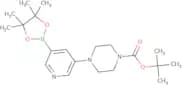
CAS:<p>Versatile small molecule scaffold</p>Formula:C10H16BNO3Purity:Min. 95%Molecular weight:209.05 g/moltert-Butyl 4-(5-(4,4,5,5-tetramethyl-1,3,2-dioxaborolan-2-yl)pyridin-3-yl)piperazine-1-carboxylate
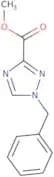
CAS:<p>Versatile small molecule scaffold</p>Formula:C20H32BN3O4Purity:Min. 95%Molecular weight:389.3 g/molMethyl 1-benzyl-1H-1,2,4-triazole-3-carboxylate
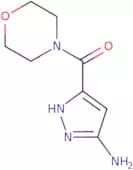
CAS:<p>Versatile small molecule scaffold</p>Formula:C11H11N3O2Purity:Min. 95%Molecular weight:217.22 g/mol5-(Morpholine-4-carbonyl)-1H-pyrazol-3-amine
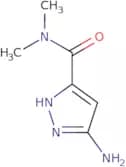
CAS:<p>Versatile small molecule scaffold</p>Formula:C8H12N4O2Purity:Min. 95%Molecular weight:196.21 g/mol3-amino-N,N-dimethyl-1H-pyrazole-5-carboxamide
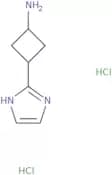
CAS:<p>Versatile small molecule scaffold</p>Formula:C6H10N4OPurity:Min. 95%Molecular weight:154.17 g/molrac-(1S,3S)-3-(1H-Imidazol-2-yl)cyclobutan-1-amine dihydrochloride
CAS:<p>Versatile small molecule scaffold</p>Formula:C7H13Cl2N3Purity:Min. 95%Molecular weight:210.1 g/mol3-(1H-1,2,3-Triazol-4-yl)propan-1-amine dihydrochloride
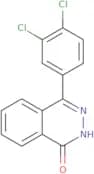
CAS:<p>Versatile small molecule scaffold</p>Formula:C5H12Cl2N4Purity:Min. 95%Molecular weight:199.1 g/mol4-(3,4-Dichlorophenyl)-1,2-dihydrophthalazin-1-one
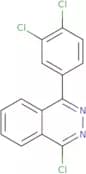
CAS:<p>Versatile small molecule scaffold</p>Formula:C14H8Cl2N2OPurity:Min. 95%Molecular weight:291.1 g/mol1-Chloro-4-(3,4-dichlorophenyl)phthalazine
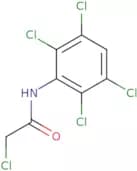
CAS:Versatile small molecule scaffoldFormula:C14H7Cl3N2Purity:Min. 95%Molecular weight:309.6 g/mol2-Chloro-N-(2,3,5,6-tetrachlorophenyl)acetamide
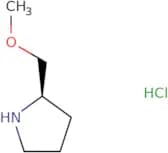
CAS:<p>Versatile small molecule scaffold</p>Formula:C8H4Cl5NOPurity:Min. 95%Molecular weight:307.4 g/mol(R)-2-(Methoxymethyl)pyrrolidine hydrochloride
CAS:<p>Versatile small molecule scaffold</p>Formula:C6H13NO·HClPurity:Min. 95%Molecular weight:151.64 g/mol4-Bromo-3,5-dimethoxyphenol
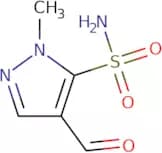
CAS:<p>Versatile small molecule scaffold</p>Formula:C8H9BrO3Purity:Min. 95%Molecular weight:233.06 g/mol4-Formyl-1-methyl-1H-pyrazole-5-sulfonamide
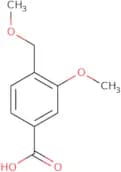
CAS:<p>Versatile small molecule scaffold</p>Formula:C5H7N3O3SPurity:Min. 95%Molecular weight:189.2 g/mol3-Methoxy-4-(methoxymethyl)benzoic acid
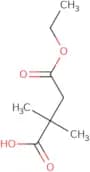
CAS:<p>Versatile small molecule scaffold</p>Formula:C10H12O4Purity:Min. 95%Molecular weight:196.2 g/mol4-Ethoxy-2,2-dimethyl-4-oxobutanoic acid
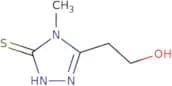
CAS:<p>Versatile small molecule scaffold</p>Formula:C8H14O4Purity:Min. 95%Molecular weight:174.19 g/mol2-(4-Methyl-5-sulfanyl-4H-1,2,4-triazol-3-yl)ethan-1-ol
CAS:<p>Versatile small molecule scaffold</p>Formula:C5H9N3OSPurity:Min. 95%Molecular weight:159.21 g/mol3-[(tert-Butyldimethylsilyl)oxy]aniline
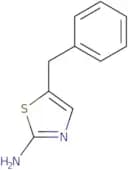
CAS:<p>Versatile small molecule scaffold</p>Formula:C12H21NOSiPurity:Min. 95%Molecular weight:223.39 g/mol5-Benzyl-thiazol-2-ylamine
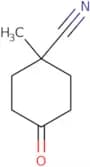
CAS:<p>5-Benzyl-thiazol-2-ylamine is a nitrogenous compound that has been shown to interact with ferrite, a magnetic material. It has proapoptotic effects on human glioblastoma cells, t98g cells, and mouse fibroblasts. The interactions of 5-benzyl-thiazol-2-ylamine with ferrite are reportedly stabilized by the presence of iron ions. This interaction can be studied using resonance energy techniques such as fluorescence microscopy, nuclear magnetic resonance spectroscopy, and electron paramagnetic resonance spectroscopy.</p>Formula:C10H10N2SPurity:Min. 95%Molecular weight:190.26 g/mol1-Methyl-4-oxocyclohexane-1-carbonitrile
CAS:<p>Versatile small molecule scaffold</p>Formula:C8H11NOPurity:Min. 95%Molecular weight:137.18 g/mol2-[(3-Aminopropyl)sulfanyl]-1,3-thiazole
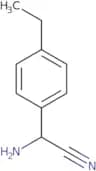
CAS:<p>Versatile small molecule scaffold</p>Formula:C6H10N2S2Purity:Min. 95%Molecular weight:174.3 g/mol2-Amino-2-(4-ethylphenyl)acetonitrile
CAS:<p>Versatile small molecule scaffold</p>Formula:C10H12N2Purity:Min. 95%Molecular weight:160.22 g/mol3-[(5-Nitrofuran-2-yl)formamido]propanoic acid
CAS:<p>Versatile small molecule scaffold</p>Formula:C8H8N2O6Purity:Min. 95%Molecular weight:228.16 g/mol2-Chloro-N-{[(2-ethylphenyl)carbamoyl]methyl}-N-methylpropanamide
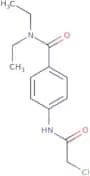
CAS:<p>Versatile small molecule scaffold</p>Formula:C14H19ClN2O2Purity:Min. 95%Molecular weight:282.76 g/mol4-(2-Chloroacetamido)-N,N-diethylbenzamide
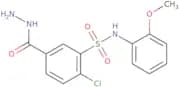
CAS:<p>Versatile small molecule scaffold</p>Formula:C13H17ClN2O2Purity:Min. 95%Molecular weight:268.74 g/mol2-Chloro-5-(hydrazinecarbonyl)-N-(2-methoxyphenyl)benzene-1-sulfonamide
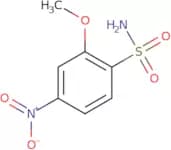
CAS:<p>Versatile small molecule scaffold</p>Formula:C14H14ClN3O4SPurity:Min. 95%Molecular weight:355.8 g/mol2-Methoxy-4-nitrobenzene-1-sulfonamide
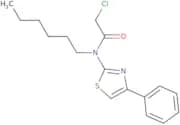
CAS:Versatile small molecule scaffoldFormula:C7H8N2O5SPurity:Min. 95%Molecular weight:232.22 g/mol2-Chloro-N-hexyl-N-(4-phenyl-1,3-thiazol-2-yl)acetamide
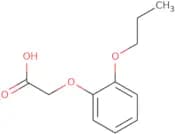
CAS:<p>Versatile small molecule scaffold</p>Formula:C17H21ClN2OSPurity:Min. 95%Molecular weight:336.9 g/mol2-(2-Propoxyphenoxy)acetic acid
CAS:<p>Versatile small molecule scaffold</p>Formula:C11H14O4Purity:Min. 95%Molecular weight:210.23 g/mol2-Chloro-1-[2,5-dimethyl-1-(2,2,2-trifluoroethyl)-1H-pyrrol-3-yl]ethan-1-one
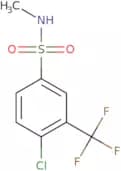
CAS:<p>Versatile small molecule scaffold</p>Formula:C10H11ClF3NOPurity:Min. 95%Molecular weight:253.65 g/mol4-Chloro-N-methyl-3-(trifluoromethyl)benzene-1-sulfonamide
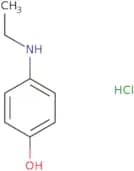
CAS:<p>Versatile small molecule scaffold</p>Formula:C8H7ClF3NO2SPurity:Min. 95%Molecular weight:273.66 g/mol4-(Ethylamino)phenol hydrochloride
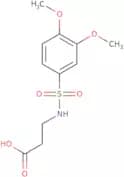
CAS:<p>Versatile small molecule scaffold</p>Formula:C8H12ClNOPurity:Min. 95%Molecular weight:173.64 g/mol3-(3,4-Dimethoxybenzenesulfonamido)propanoic acid
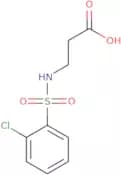
CAS:<p>3-(3,4-dimethoxybenzenesulfonamido)propanoic acid is an inhibitor of phosphodiesterase 4 (PDE4). It is a white powder that is soluble in water. The purity of this product is greater than or equal to 98%.</p>Formula:C11H15NO6SPurity:Min. 95%Molecular weight:289.31 g/mol3-(2-Chlorobenzenesulfonamido)propanoic acid
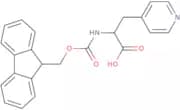
CAS:<p>3-(2-Chlorobenzenesulfonamido)propanoic acid (CAS No. 746655-82-3) is a potent, selective inhibitor of the human serotonin receptor 5-HT2A. It has been shown to inhibit the binding of ligands with high affinity and selectivity to 5-HT2A receptors. 3-(2-Chlorobenzenesulfonamido)propanoic acid has also been shown to exhibit an affinity for other ion channels and peptides, such as the NMDA glutamate receptor and the CGRP calcitonin gene related peptide receptor.</p>Formula:C9H10ClNO4SPurity:Min. 95%Molecular weight:263.7 g/molFmoc-DL-4-pyridylalanine
CAS:<p>Versatile small molecule scaffold</p>Formula:C23H20N2O4Purity:Min. 95%Molecular weight:388.42 g/mol1-[6-(Aminomethyl)-2-methylpyridin-3-yl]ethan-1-one dihydrochloride
CAS:<p>Versatile small molecule scaffold</p>Formula:C9H14Cl2N2OPurity:Min. 95%Molecular weight:237.12 g/mol6-(Aminomethyl)-2-methylpyridine-3-carboxylic acid dihydrochloride
CAS:<p>Versatile small molecule scaffold</p>Formula:C8H12Cl2N2O2Purity:Min. 95%Molecular weight:239.1 g/mol2-{Pyrazolo[1,5-a]pyrimidin-7-ylmethyl}-2,3-dihydro-1H-isoindole-1,3-dione
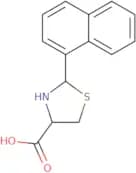
CAS:<p>Versatile small molecule scaffold</p>Formula:C15H10N4O2Purity:Min. 95%Molecular weight:278.26 g/mol(4R)-2-(Naphthalen-1-yl)-1,3-thiazolidine-4-carboxylic acid
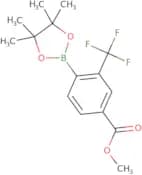
CAS:<p>Versatile small molecule scaffold</p>Formula:C14H13NO2SPurity:Min. 95%Molecular weight:259.33 g/molMethyl 4-(4,4,5,5-tetramethyl-1,3,2-dioxaborolan-2-yl)-3-(trifluoromethyl)benzoate
CAS:<p>Versatile small molecule scaffold</p>Formula:C15H18BF3O4Purity:Min. 95%Molecular weight:330.11 g/molrac-(3R,4S)-4-(1H-Pyrazol-1-yl)oxolan-3-ol
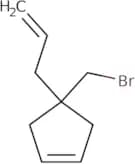
CAS:Versatile small molecule scaffoldFormula:C7H10N2O2Purity:Min. 95%Molecular weight:154.2 g/mol4-(Bromomethyl)-4-(prop-2-en-1-yl)cyclopent-1-ene
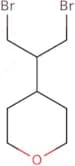
CAS:<p>Versatile small molecule scaffold</p>Formula:C9H13BrPurity:Min. 95%Molecular weight:201.1 g/mol4-(1,3-Dibromopropan-2-yl)oxane
CAS:<p>Versatile small molecule scaffold</p>Formula:C8H14Br2OPurity:Min. 95%Molecular weight:286 g/mol{1-[(4-Methoxyphenyl)methyl]azetidin-2-yl}methanamine
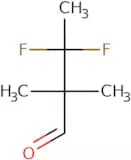
CAS:<p>Versatile small molecule scaffold</p>Formula:C12H18N2OPurity:Min. 95%Molecular weight:206.28 g/mol3,3-Difluoro-2,2-dimethylbutanal
CAS:<p>Versatile small molecule scaffold</p>Formula:C6H10F2OPurity:Min. 95%Molecular weight:136.14 g/mol1-{[(tert-Butoxy)carbonyl](methyl)amino}cyclopentane-1-carboxylic acid
CAS:<p>Versatile small molecule scaffold</p>Formula:C12H21NO4Purity:Min. 95%Molecular weight:243.3 g/mol(4-Amino-3-fluorophenyl)methanol
CAS:<p>Versatile small molecule scaffold</p>Formula:C7H8FNOPurity:Min. 95%Molecular weight:141.15 g/mol2-[3-(Propan-2-yloxy)phenyl]acetic acid
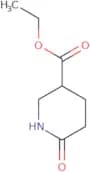
CAS:<p>2-[3-(Propan-2-yloxy)phenyl]acetic acid is a cinnamic acid that is used as an intermediate in the synthesis of resveratrol. It is also a biologically active compound that can inhibit the growth of cancer cells and promote apoptosis.</p>Formula:C11H14O3Purity:Min. 95%Molecular weight:194.23 g/molEthyl 6-oxopiperidine-3-carboxylate
CAS:<p>Versatile small molecule scaffold</p>Formula:C8H13NO3Purity:Min. 95%Molecular weight:171.19 g/mol

amine](/_next/image/?url=https%3A%2Fstatic.cymitquimica.com%2Fproducts%2F3D%2Fthumb-webp%2FWAA90014.webp&w=3840&q=75)
![3-[2-(Trifluoromethyl)phenyl]butan-2-one](/_next/image/?url=https%3A%2Fstatic.cymitquimica.com%2Fproducts%2F3D%2Fthumb-webp%2FWAA90606.webp&w=3840&q=75)
![2-[Ethyl(phenyl)amino]acetic acid hydrochloride](/_next/image/?url=https%3A%2Fstatic.cymitquimica.com%2Fproducts%2F3D%2Fthumb-webp%2FWAA91178.webp&w=3840&q=75)
![Methyl [4-(chlorosulfonyl)phenyl]carbamate](/_next/image/?url=https%3A%2Fstatic.cymitquimica.com%2Fproducts%2F3D%2Fthumb-webp%2FWAA92653.webp&w=3840&q=75)
![Ethyl 3-oxo-2-azabicyclo[2.2.2]octane-4-carboxylate](/_next/image/?url=https%3A%2Fstatic.cymitquimica.com%2Fproducts%2F3D%2Fthumb-webp%2FWAA93315.webp&w=3840&q=75)
![{2-Azabicyclo[2.2.2]octan-4-yl}methanol hydrochloride](/_next/image/?url=https%3A%2Fstatic.cymitquimica.com%2Fproducts%2F3D%2Fthumb-webp%2FWAA93320.webp&w=3840&q=75)
![2-[(Carbamoylmethyl)amino]acetamide](/_next/image/?url=https%3A%2Fstatic.cymitquimica.com%2Fproducts%2F3D%2Fthumb-webp%2FWAA95496.webp&w=3840&q=75)
![Methyl 7-oxabicyclo[2.2.1]heptane-2-carboxylate](/_next/image/?url=https%3A%2Fstatic.cymitquimica.com%2Fproducts%2F3D%2Fthumb-webp%2FWAA98732.webp&w=3840&q=75)
![Methyl 7-oxabicyclo[2.2.1]hept-5-ene-2-carboxylate](/_next/image/?url=https%3A%2Fstatic.cymitquimica.com%2Fproducts%2F3D%2Fthumb-webp%2FWAA98733.webp&w=3840&q=75)
![5,5-Dimethyl-4H,5H,6H-cyclopenta[b]thiophene-2-carboxylic acid](/_next/image/?url=https%3A%2Fstatic.cymitquimica.com%2Fproducts%2F3D%2Fthumb-webp%2FWDC67264.webp&w=3840&q=75)
![Ethyl 5,5-dimethyl-1,4,5,6-tetrahydrocyclopenta[b]pyrrole-2-carboxylate](/_next/image/?url=https%3A%2Fstatic.cymitquimica.com%2Fproducts%2F3D%2Fthumb-webp%2FWDC67420.webp&w=3840&q=75)
![Dimethyl(2-{[4-(4,4,5,5-tetramethyl-1,3,2-dioxaborolan-2-yl)pyridin-2-yl]oxy}ethyl)amine](/_next/image/?url=https%3A%2Fstatic.cymitquimica.com%2Fproducts%2F3D%2Fthumb-webp%2FWDC69729.webp&w=3840&q=75)

![3-[(tert-Butyldimethylsilyl)oxy]aniline](/_next/image/?url=https%3A%2Fstatic.cymitquimica.com%2Fproducts%2F3D%2Fthumb-webp%2FWEA94275.webp&w=3840&q=75)
![2-[(3-Aminopropyl)sulfanyl]-1,3-thiazole](/_next/image/?url=https%3A%2Fstatic.cymitquimica.com%2Fproducts%2F3D%2Fthumb-webp%2FWEB54311.webp&w=3840&q=75)
![3-[(5-Nitrofuran-2-yl)formamido]propanoic acid](/_next/image/?url=https%3A%2Fstatic.cymitquimica.com%2Fproducts%2F3D%2Fthumb-webp%2FWEB60827.webp&w=3840&q=75)
![2-Chloro-N-{[(2-ethylphenyl)carbamoyl]methyl}-N-methylpropanamide](/_next/image/?url=https%3A%2Fstatic.cymitquimica.com%2Fproducts%2F3D%2Fthumb-webp%2FWEB60839.webp&w=3840&q=75)
![2-Chloro-1-[2,5-dimethyl-1-(2,2,2-trifluoroethyl)-1H-pyrrol-3-yl]ethan-1-one](/_next/image/?url=https%3A%2Fstatic.cymitquimica.com%2Fproducts%2F3D%2Fthumb-webp%2FWEB63082.webp&w=3840&q=75)
![1-[6-(Aminomethyl)-2-methylpyridin-3-yl]ethan-1-one dihydrochloride](/_next/image/?url=https%3A%2Fstatic.cymitquimica.com%2Fproducts%2F3D%2Fthumb-webp%2FWEB67733.webp&w=3840&q=75)
![2-{Pyrazolo[1,5-a]pyrimidin-7-ylmethyl}-2,3-dihydro-1H-isoindole-1,3-dione](/_next/image/?url=https%3A%2Fstatic.cymitquimica.com%2Fproducts%2F3D%2Fthumb-webp%2FWEB67739.webp&w=3840&q=75)
![{1-[(4-Methoxyphenyl)methyl]azetidin-2-yl}methanamine](/_next/image/?url=https%3A%2Fstatic.cymitquimica.com%2Fproducts%2F3D%2Fthumb-webp%2FWED42740.webp&w=3840&q=75)
amino}cyclopentane-1-carboxylic acid](/_next/image/?url=https%3A%2Fstatic.cymitquimica.com%2Fproducts%2F3D%2Fthumb-webp%2FWFA00038.webp&w=3840&q=75)

![2-[3-(Propan-2-yloxy)phenyl]acetic acid](/_next/image/?url=https%3A%2Fstatic.cymitquimica.com%2Fproducts%2F3D%2Fthumb-webp%2FWFA03194.webp&w=3840&q=75)