Building Blocks
This section contains fundamental products for the synthesis of organic and biological compounds. Building blocks are the essential starting materials used to construct complex molecules through various chemical reactions. They play a critical role in drug discovery, material science, and chemical research. At CymitQuimica, we offer a diverse range of high-quality building blocks to support your innovative research and industrial projects, ensuring you have the essential components for successful synthesis.
Subcategories of "Building Blocks"
- Boronic Acids & Boronic Acid Derivatives(5,756 products)
- Chiral Building Blocks(1,242 products)
- Hydrocarbon Building Blocks(6,095 products)
- Organic Building Blocks(61,055 products)
Found 199650 products of "Building Blocks"
Sort by
Purity (%)
0
100
|
0
|
50
|
90
|
95
|
100
2-Hydroxy-5-(propan-2-yl)benzoic acid
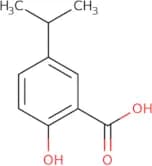
CAS:<p>Versatile small molecule scaffold</p>Formula:C10H12O3Purity:Min. 95%Molecular weight:180.2 g/mol1,2,3,4-Tetrahydrophthalazin-5-amine
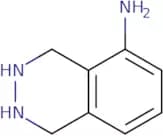
CAS:<p>Versatile small molecule scaffold</p>Formula:C8H11N3Purity:Min. 95%Molecular weight:149.19 g/mol2-Oxo-2,3-dihydro-1,3-benzoxazole-5-sulfonamide
CAS:<p>Versatile small molecule scaffold</p>Formula:C7H6N2O4SPurity:Min. 95%Molecular weight:214.2 g/mol1H,7H-[1,2,4]Triazolo[1,5-a]pyrimidin-7-one
CAS:<p>Fluconazole is an oral antifungal drug that is used to treat a variety of fungal infections such as candida, cryptococcus, and histoplasmosis. It binds to the 14-alpha-demethylase enzyme in the fungal cell membrane and inhibits the synthesis of ergosterol, which is an essential component of the cell membrane. This prevents the formation of ergosterol crystals that are necessary for maintaining cell shape and function. Fluconazole has been shown to be effective against influenza virus and other viruses that use subunits similar to those found in fluconazole. Fluconazole also has antibacterial properties against bacteria such as Staphylococcus aureus and Streptococcus pneumonia. The pharmacokinetic properties of fluconazole have been studied using ethyl bromoacetate and carboxylate derivatives. Fluconazole has also been shown to inhibit methicillin-resistant Staphylococcus</p>Formula:C5H4N4OPurity:Min. 95%Molecular weight:136.11 g/mol2-Ethoxy-3-nitropyridine
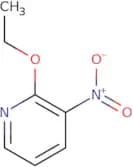
CAS:<p>2-Ethoxy-3-nitropyridine is an intermediate in the synthesis of other organic chemicals. It is a colorless, water soluble solid that is stable under normal conditions. 2-Ethoxy-3-nitropyridine is used as a precursor to other chemicals, including lithium and aldehydes. This compound can be efficiently synthesized from a variety of aldehydes using LiAlH4 or NaBH4. It has been shown to have developmental toxicity in rats and should not be handled by pregnant workers.</p>Formula:C7H8N2O3Purity:Min. 95%Molecular weight:168.15 g/mol1-Cyclopropylpent-4-en-1-one
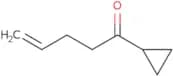
CAS:<p>Versatile small molecule scaffold</p>Formula:C8H12OPurity:Min. 95%Molecular weight:124.18 g/mol2,2-Dimethyl-1-(pyridin-2-yl)propan-1-one
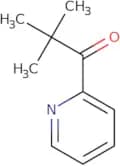
CAS:<p>2,2-Dimethyl-1-(pyridin-2-yl)propan-1-one is a n-oxide that can be synthesized by the intramolecular reaction of pyridine with ethyl acetoacetate. The carbonium ion formed in this process is ionic and can react with water to form an anhydride and rearrange to form the desired product. This reaction is reversible and has been reinvestigated to allow for the production of other n-oxides.</p>Formula:C10H13NOPurity:Min. 95%Molecular weight:163.22 g/mol3-Iodo-o-xylene
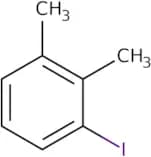
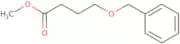
CAS:<p>3-Iodo-o-xylene is a dehydrating agent that can be used in the manufacture of amines and sulfoxides. It can also be used for the production of halides and water vapor. 3-Iodo-o-xylene reacts with palladium compounds to form complexes that are stable at high temperatures. This compound has been shown to have both bifunctional and dehydration properties, as it can react with amines or sulfides to form an amine or sulfoxide respectively, or react with water vapor to form a hydroxyl group. 3-Iodo-o-xylene is also thermal sensitive, so it should be handled carefully when exposed to heat.</p>Formula:C8H9IPurity:Min. 95%Molecular weight:232.06 g/molMethyl 4-(benzyloxy)butanoate
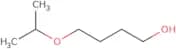
CAS:Controlled Product<p>Versatile small molecule scaffold</p>Formula:C12H16O3Purity:Min. 95%Molecular weight:208.25 g/mol4-(Propan-2-yloxy)butan-1-ol
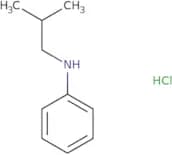
CAS:Controlled Product<p>4-(Propan-2-yloxy)butan-1-ol (4POB) is a potent inhibitor of virus, bacteria, and cancer cells. 4POB has been shown to inhibit the growth of viruses in human serum and immobilize them. It has also been shown to be an effective inhibitor of bacterial dna gyrase and dna topoisomerase I. 4POB is a potential anti-cancer agent as it can inhibit cancer cell proliferation by interfering with DNA synthesis and protein synthesis.</p>Formula:C7H16O2Purity:Min. 95%Molecular weight:132.2 g/molN-(2-Methylpropyl)aniline hydrochloride
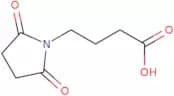
CAS:<p>Versatile small molecule scaffold</p>Formula:C10H16ClNPurity:Min. 95%Molecular weight:185.69 g/mol4-(2,5-Dioxopyrrolidin-1-yl)butanoic acid
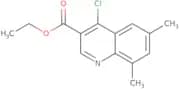
CAS:<p>Versatile small molecule scaffold</p>Formula:C8H11NO4Purity:Min. 95%Molecular weight:185.18 g/molEthyl 4-chloro-6,8-dimethylquinoline-3-carboxylate
CAS:<p>Versatile small molecule scaffold</p>Formula:C14H14ClNO2Purity:Min. 95%Molecular weight:263.72 g/mol1-(1H-1,2,3,4-Tetrazol-5-yl)propan-1-amine
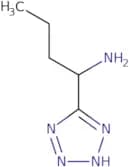
CAS:<p>Versatile small molecule scaffold</p>Formula:C4H9N5Purity:Min. 95%Molecular weight:127.15 g/mol1-(1H-1,2,3,4-Tetrazol-5-yl)butan-1-amine
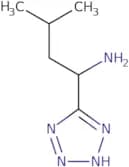
CAS:<p>Versatile small molecule scaffold</p>Formula:C5H11N5Purity:Min. 95%Molecular weight:141.18 g/mol3-Methyl-1-(1H-1,2,3,4-tetrazol-5-yl)butan-1-amine
CAS:<p>Versatile small molecule scaffold</p>Formula:C6H13N5Purity:Min. 95%Molecular weight:155.2 g/molMethyl N,N-bis(propan-2-yl)carbamate
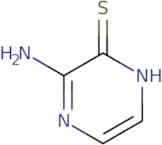
CAS:<p>Methyl N,N-bis(propan-2-yl)carbamate is a drug that can be used to treat reperfusion injury. It has been shown to protect the heart from reperfusion injury. Methyl N,N-bis(propan-2-yl)carbamate is an anticancer compound with physicochemical properties that make it suitable for intravenous administration. It inhibits the activity of formyl and other reactive oxygen species and attenuates the release of mitochondrial DNA into the cytosol. It also induces mitochondrial biogenesis by inhibiting the expression of p53 and caspase 9, which are apoptotic proteins in mitochondria.<br>Methyl N,N-bis(propan-2-yl)carbamate can be used as a drug candidate for treating reperfusion injury due to its pharmacokinetic properties and ability to attenuate infarct size following reperfusion.</p>Formula:C8H17NO2Purity:Min. 95%Molecular weight:159.23 g/mol3-Aminopyrazine-2-thiol
CAS:<p>3-Aminopyrazine-2-thiol (3APT) is a chemical compound that has been isolated from Australian soil. It was found to be an ethyl xanthate amplifier and the potassium salt of 3APT is used in preparation of the antibiotic phleomycin. The reactions of this substance with orthoesters lead to the formation of a number of interesting compounds, such as 3-(2-aminoethyl)isoxazolidines, which have been shown to be useful for the synthesis of various heterocycles.</p>Formula:C4H5N3SPurity:Min. 95%Molecular weight:127.17 g/mol8-Nonenoic Acid
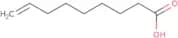
CAS:<p>8-Nonenoic acid is a fatty acid that has been shown to be an attractant for pheromones. 8-Nonenoic acid is found in the leaves of Solanum tuberosum, which are considered to be the main source of natural potato flavor. The fatty acid can also be synthesized from linoleic acid and cyclopentanol by a dehydration reaction. 8-Nonenoic acid has a ph optimum of 4.5 and is soluble in organic solvents such as chloroform, dichloromethane, ether, or acetone. This fatty acid can be used in preparative hplc methods to separate neutral compounds and esters. 8-Nonenoic acid has also been used as a stationary phase for solid phase microextraction with some success. The molecular formula for this compound is C10H18O2 and the molecular weight is 176.240 g/mol.</p>Formula:C9H16O2Purity:Min. 95%Molecular weight:156.22 g/mol3-Amino-4-piperidin-1-yl-benzamide
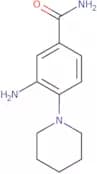
CAS:<p>Versatile small molecule scaffold</p>Formula:C12H17N3OPurity:Min. 95%Molecular weight:219.3 g/mol2-Amino-N-cyclohexylethane-1-sulfonamide hydrochloride
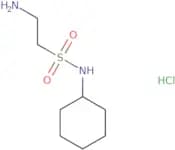
CAS:<p>Versatile small molecule scaffold</p>Formula:C8H19ClN2O2SPurity:Min. 95%Molecular weight:242.77 g/molBenzyl piperidin-3-ylcarbamate hydrochloride
CAS:Versatile small molecule scaffoldFormula:C13H18N2O2·ClHPurity:Min. 95%Molecular weight:270.76 g/mol2-Azidobenzonitrile
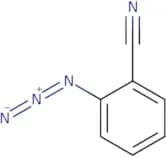
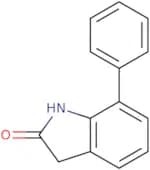
CAS:<p>Versatile small molecule scaffold</p>Formula:C7H4N4Purity:Min. 95%Molecular weight:144.13 g/mol7-Phenyl-2,3-dihydro-1H-indol-2-one
CAS:<p>Versatile small molecule scaffold</p>Formula:C14H11NOPurity:Min. 95%Molecular weight:209.24 g/mol5-Phenylpyridin-3-ol
CAS:<p>5-Phenylpyridin-3-ol is an organic compound with the formula C8H6O. It is a white solid that is stable in air. 5-Phenylpyridin-3-ol reacts with bromoacetate to give formate, the reaction being catalyzed by base. The synthetic method involves the use of ethyl bromoacetate and ammonium formate in aqueous solution at room temperature.</p>Formula:C11H9NOPurity:Min. 95%Molecular weight:171.19 g/mol1-{Bicyclo[2.2.1]heptan-2-yl}propan-2-one
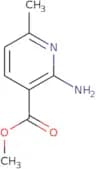
CAS:<p>Versatile small molecule scaffold</p>Formula:C10H16OPurity:Min. 95%Molecular weight:152.23 g/molmethyl 2-amino-6-methylpyridine-3-carboxylate
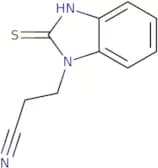
CAS:<p>Versatile small molecule scaffold</p>Formula:C8H10N2O2Purity:Min. 95%Molecular weight:166.2 g/mol3-(2-Sulfanyl-1H-1,3-benzodiazol-1-yl)propanenitrile
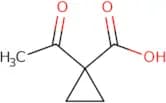
CAS:<p>Versatile small molecule scaffold</p>Formula:C10H9N3SPurity:Min. 95%Molecular weight:203.27 g/mol1-Acetylcyclopropane-1-carboxylic acid
CAS:1-Acetylcyclopropane-1-carboxylic acid is a dicarboxylic acid that is produced by the alkylation of chloride with triethylbenzylammonium. It can be used to produce cyclopropanol, which can undergo an annulation reaction to form cyclopropylcarbinols. 1-Acetylcyclopropane-1-carboxylic acid has been shown to undergo rearrangement reactions in the presence of sodium hydroxide, and has been shown to be a good substrate for nucleophilic substitution reactions. This chemical also undergoes esterification with alcohols to form esters.Formula:C6H8O3Purity:Min. 95%Molecular weight:128.13 g/mol2-(3,4-Dichlorophenyl)-2,2-difluoroethan-1-amine hydrochloride
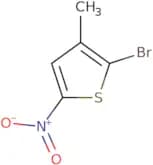
CAS:<p>Versatile small molecule scaffold</p>Formula:C8H8Cl3F2NPurity:Min. 95%Molecular weight:262.5 g/mol2-Bromo-3-methyl-5-nitrothiophene
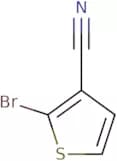
CAS:<p>2-Bromo-3-methyl-5-nitrothiophene is an organic compound that reacts with nucleophiles, such as amines, to form adducts. It is also a ring-opening reaction of 2-nitrothiophene and oxidative deamination of aliphatic amines. This reactant is analogous to other compounds, such as 3-methylthiophene and 2,4,6-trinitrobenzene.</p>Formula:C5H4BrNO2SPurity:Min. 95%Molecular weight:222.06 g/mol2-Bromothiophene-3-carbonitrile
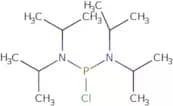
CAS:<p>Versatile small molecule scaffold</p>Formula:C5H2BrNSPurity:Min. 95%Molecular weight:188.04 g/molBis(diisopropylamino)chlorophosphine
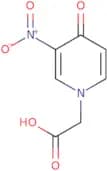
CAS:<p>Bis(diisopropylamino)chlorophosphine is a phosphorylating agent that binds to the polymerase active site of the hepatitis C virus (HCV) NS5B protein. It is a promising anti-HCV drug candidate for the treatment of chronic hepatitis C infections. Bis(diisopropylamino)chlorophosphine has been shown to be effective in inhibiting HCV replication in vitro and in vivo, with no significant toxicity. Bis(diisopropylamino)chlorophosphine has also been shown to be an excellent probe for detecting HCV RNA in clinical samples by fluorescence microscopy. This compound has been successfully used in a phase I clinical trial and is currently undergoing phase II clinical development.</p>Formula:C12H28ClN2PPurity:Min. 95%Molecular weight:266.79 g/mol2-(3-Nitro-4-oxo-1,4-dihydropyridin-1-yl)acetic acid
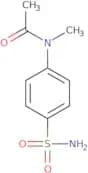
CAS:<p>Versatile small molecule scaffold</p>Formula:C7H6N2O5Purity:Min. 95%Molecular weight:198.13 g/molN-Methyl-N-(4-sulfamoylphenyl)acetamide
CAS:<p>Versatile small molecule scaffold</p>Formula:C9H12N2O3SPurity:Min. 95%Molecular weight:228.27 g/molrac-(9R,10S)-2-Azatricyclo[9.4.0.0,3,8]pentadeca-1(15),3,5,7,11,13-hexaene-9,10-diol
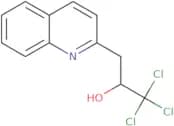
CAS:<p>Versatile small molecule scaffold</p>Formula:C14H13NO2Purity:Min. 95%Molecular weight:227.26 g/mol1,1,1-Trichloro-3-(quinolin-2-yl)propan-2-ol
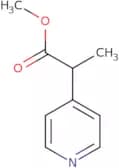
CAS:<p>Versatile small molecule scaffold</p>Formula:C12H10Cl3NOPurity:Min. 95%Molecular weight:290.6 g/molMethyl 2-(pyridin-4-yl)propanoate
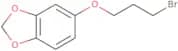
CAS:<p>Versatile small molecule scaffold</p>Formula:C9H11NO2Purity:Min. 95%Molecular weight:165.19 g/mol5-(3-Bromopropoxy)-1,3-dioxaindane
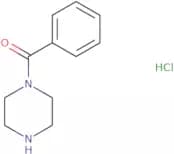
CAS:<p>Versatile small molecule scaffold</p>Formula:C10H11BrO3Purity:Min. 95%Molecular weight:259.1 g/mol1-Benzoylpiperazine hydrochloride
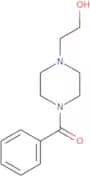
CAS:<p>1-Benzoylpiperazine hydrochloride (1BP) is an antiviral prodrug that has been shown to inhibit HIV infection. It is a prodrug of benzylpiperazine, which inhibits viral replication by blocking the reverse transcriptase enzyme. 1BP is an amido derivative that is converted to benzylpiperazine in vivo, and then nitroreduced to form a reactive intermediate that binds irreversibly to the active site of the reverse transcriptase enzyme. This prevents the polymerization of viral DNA and formation of new viral particles. The drug also inhibits some strains of influenza A virus, herpes simplex virus type 2, and vaccinia virus. 1BP has antiviral activity against HIV-1, HIV-2, influenza A virus (strains H1N1 and H3N2), herpes simplex virus type 2, and vaccinia virus. It also has anti-inflammatory effects in vitro</p>Formula:C11H14N2O·HClPurity:Min. 95%Molecular weight:226.7 g/mol2-(4-Benzoyl-1-piperazinyl)ethanol
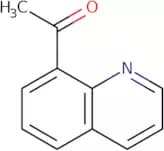
CAS:<p>Versatile small molecule scaffold</p>Formula:C13H18N2O2Purity:Min. 95%Molecular weight:234.3 g/mol1-(Quinolin-8-yl)ethanone
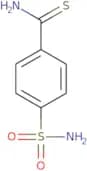
CAS:<p>Versatile small molecule scaffold</p>Formula:C11H9NOPurity:Min. 95%Molecular weight:171.2 g/mol4-Sulfamoylbenzene-1-carbothioamide
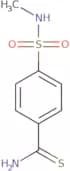
CAS:<p>Versatile small molecule scaffold</p>Formula:C7H8N2O2S2Purity:Min. 95%Molecular weight:216.3 g/mol4-(Methylsulfamoyl)benzene-1-carbothioamide
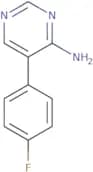
CAS:<p>Versatile small molecule scaffold</p>Formula:C8H10N2O2S2Purity:Min. 95%Molecular weight:230.3 g/mol5-(4-Fluorophenyl)pyrimidin-4-amine
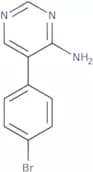
CAS:<p>Versatile small molecule scaffold</p>Formula:C10H8FN3Purity:Min. 95%Molecular weight:189.19 g/mol5-(4-Bromophenyl)pyrimidin-4-amine
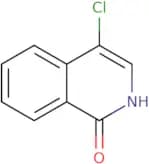
CAS:<p>Versatile small molecule scaffold</p>Formula:C10H8BrN3Purity:Min. 95%Molecular weight:250.09 g/mol4-Chloro-1(2H)-isoquinolone
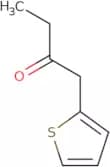
CAS:<p>Versatile small molecule scaffold</p>Formula:C9H6ClNOPurity:Min. 95%Molecular weight:179.6 g/mol1-(Thiophen-2-yl)butan-2-one
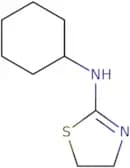
CAS:Versatile small molecule scaffoldFormula:C8H10OSPurity:Min. 95%Molecular weight:154.23 g/molN-Cyclohexyl-4,5-dihydro-1,3-thiazol-2-amine
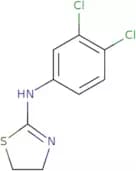
CAS:<p>Versatile small molecule scaffold</p>Formula:C9H16N2SPurity:Min. 95%Molecular weight:184.3 g/molN-(3,4-Dichlorophenyl)-4,5-dihydro-1,3-thiazol-2-amine
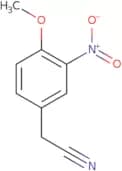
CAS:<p>Versatile small molecule scaffold</p>Formula:C9H8Cl2N2SPurity:Min. 95%Molecular weight:247.14 g/mol2-(4-Methoxy-3-nitrophenyl)acetonitrile
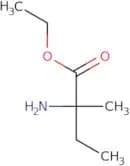
CAS:<p>Versatile small molecule scaffold</p>Formula:C9H8N2O3Purity:Min. 95%Molecular weight:192.17 g/molEthyl 2-amino-2-methylbutanoate
CAS:<p>Ethyl 2-amino-2-methylbutanoate is a type of chemical compound that belongs to the group of organic compounds called esters. It has been shown to be a potential anti-cancer drug that inhibits DNA replication and induces apoptosis in cancer cells. Ethyl 2-amino-2-methylbutanoate has also been shown to have an effect on the histone lysine residues, which are important for cell proliferation and differentiation. Animal studies have suggested that this compound may also protect against breast cancer, with the ability to reduce tumor growth by inhibiting the production of estrogen receptors in mammary glands. The anticancer activity of Ethyl 2-amino-2-methylbutanoate is due to its ability to inhibit diltiazem hydrochloride, which is an enzyme involved in the synthesis of DNA and RNA.</p>Formula:C7H15NO2Purity:Min. 95%Molecular weight:145.2 g/mol4-phenyl-1H-imidazole-2-carbaldehyde
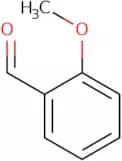
CAS:<p>Versatile small molecule scaffold</p>Formula:C10H7N2OPurity:Min. 95%Molecular weight:171.17 g/mol2-Methoxybenzaldehyde-d3
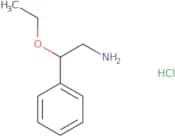
CAS:<p>Versatile small molecule scaffold</p>Formula:C8H8O2Purity:Min. 95%Molecular weight:139.17 g/mol2-Ethoxy-2-phenylethan-1-amine hydrochloride
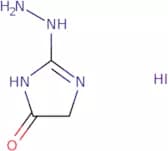
CAS:Controlled Product<p>Versatile small molecule scaffold</p>Formula:C10H16ClNOPurity:Min. 95%Molecular weight:201.69 g/mol2-Hydrazinyl-4,5-dihydro-1H-imidazol-5-one hydroiodide
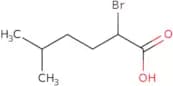
CAS:<p>Versatile small molecule scaffold</p>Formula:C3H7IN4OPurity:Min. 95%Molecular weight:242.02 g/mol2-Bromo-5-methylhexanoic acid
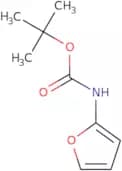
CAS:<p>Versatile small molecule scaffold</p>Formula:C7H13BrO2Purity:Min. 95%Molecular weight:209.08 g/moltert-Butyl N-(2-furyl)carbamate
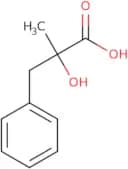
CAS:<p>Versatile small molecule scaffold</p>Formula:C9H13NO3Purity:Min. 95%Molecular weight:183.21 g/mol2-Hydroxy-2-methyl-3-phenylpropanoic acid
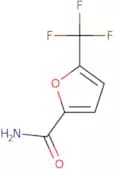
CAS:<p>2-Hydroxy-2-methyl-3-phenylpropanoic acid is a chlorinating agent that can be used as a cancer drug. It is one of the active substances in the plant didemnin, which has shown anticancer effects. 2-Hydroxy-2-methyl-3-phenylpropanoic acid reacts with oxindole to form 2,4,5,6,7 tetrahydrooxindole and 2,4,5,6 tetrahydrodideoxyoxindole. The chlorination reaction is catalyzed by corynebacterium glutamicum and produces epoxides. The epoxide ring opens under physiological conditions and reacts with hydroxyl groups on other molecules to form chlorohydrins or hydroxylamines.</p>Formula:C10H12O3Purity:Min. 95%Molecular weight:180.2 g/mol5-(Trifluoromethyl)furan-2-carboxamide
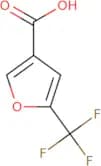
CAS:<p>Versatile small molecule scaffold</p>Formula:C6H4F3NO2Purity:Min. 95%Molecular weight:179.1 g/mol5-(Trifluoromethyl)furan-3-carboxylic acid
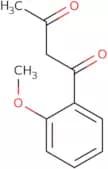
CAS:<p>Versatile small molecule scaffold</p>Formula:C6H3F3O3Purity:Min. 95%Molecular weight:180.08 g/mol1-(2-Methoxyphenyl)butane-1,3-dione
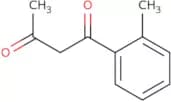
CAS:<p>Versatile small molecule scaffold</p>Formula:C11H12O3Purity:Min. 95%Molecular weight:192.21 g/mol1-o-Tolylbutane-1,3-dione
CAS:<p>Versatile small molecule scaffold</p>Formula:C11H12O2Purity:Min. 95%Molecular weight:176.21 g/mol8-Methoxy-1,4-dioxaspiro[4.5]decane
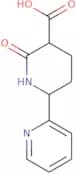
CAS:<p>Versatile small molecule scaffold</p>Formula:C9H16O3Purity:Min. 95%Molecular weight:172.22 g/mol2-Oxo-6-(2-pyridinyl)-1,2-dihydro-3-pyridinecarboxylic acid
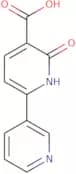
CAS:<p>Versatile small molecule scaffold</p>Formula:C11H8N2O3Purity:Min. 95%Molecular weight:216.19 g/mol2-Oxo-6-(pyridin-3-yl)-1,2-dihydropyridine-3-carboxylic acid
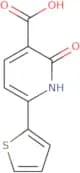
CAS:<p>Versatile small molecule scaffold</p>Formula:C11H8N2O3Purity:Min. 95%Molecular weight:216.19 g/mol2-Oxo-6-(thiophen-2-yl)-1,2-dihydropyridine-3-carboxylic acid
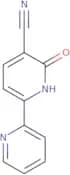
CAS:<p>Versatile small molecule scaffold</p>Formula:C10H7NO3SPurity:Min. 95%Molecular weight:221.23 g/mol2-Oxo-6-(2-pyridinyl)-1,2-dihydro-3-pyridinecarbonitrile
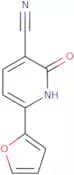
CAS:<p>Versatile small molecule scaffold</p>Formula:C11H7N3OPurity:Min. 95%Molecular weight:197.19 g/mol6-(2-Furyl)-2-oxo-1,2-dihydro-3-pyridinecarbonitrile
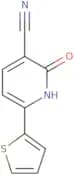
CAS:<p>Versatile small molecule scaffold</p>Formula:C10H6N2O2Purity:Min. 95%Molecular weight:186.17 g/mol2-Oxo-6-(thiophen-2-yl)-1,2-dihydropyridine-3-carbonitrile
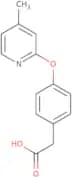
CAS:<p>Versatile small molecule scaffold</p>Formula:C10H6N2OSPurity:Min. 95%Molecular weight:202.23 g/mol2-(4-((4-Methylpyridin-2-yl)oxy)phenyl)acetic acid
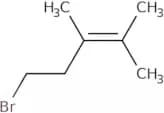
CAS:<p>Versatile small molecule scaffold</p>Formula:C14H13NO3Purity:Min. 95%Molecular weight:243.26 g/mol5-Bromo-2,3-dimethylpent-2-ene
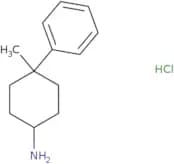
CAS:<p>5-Bromo-2,3-dimethylpent-2-ene (5BDMPE) is a novel chlorinating agent that produces bromine radicals through the process of homolysis. It is an effective chlorinating agent for organic synthesis and has been shown to be selective with respect to the functional groups present in the starting material. 5BDMPE has been shown to react with pyridine rings and to form alkoxides, which are highly reactive intermediates that can lead to kinetic or mechanistic studies. 5BDMPE is an activating reagent that stabilizes amines by converting them into their corresponding amides. This property makes it a useful chemical in organic synthesis.</p>Formula:C7H13BrPurity:Min. 95%Molecular weight:177.08 g/mol4-Methyl-4-phenylcyclohexan-1-amine hydrochloride
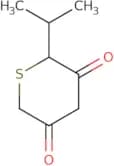
CAS:<p>Versatile small molecule scaffold</p>Formula:C13H20ClNPurity:Min. 95%Molecular weight:225.76 g/mol2-(Propan-2-yl)thiane-3,5-dione
CAS:<p>Versatile small molecule scaffold</p>Formula:C8H12O2SPurity:Min. 95%Molecular weight:172.25 g/mol7-Benzyl-5,6-dimethyl-7H-pyrrolo[2,3-d]pyrimidin-4-amine
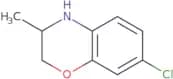
CAS:<p>Versatile small molecule scaffold</p>Formula:C15H16N4Purity:Min. 95%Molecular weight:252.31 g/mol7-Chloro-3-methyl-3,4-dihydro-2H-1,4-benzoxazine
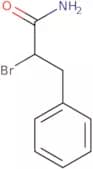
CAS:<p>Versatile small molecule scaffold</p>Formula:C9H10ClNOPurity:Min. 95%Molecular weight:183.63 g/mol2-Bromo-3-phenylpropanamide
CAS:<p>Versatile small molecule scaffold</p>Formula:C9H10BrNOPurity:Min. 95%Molecular weight:228.09 g/mol6-Amino-3H-benzothiazol-2-one
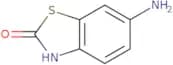
CAS:<p>6-Amino-3H-benzothiazol-2-one is a benzothiazolone that has been shown to be an effective stimulator and yields of 3-nitrobenzaldehyde. The compound has also been shown to have antihelmintic activity, with the best results when combined with other drugs. 6-Amino-3H-benzothiazol-2-one is a pharmacophore that can be used as a starting material for the synthesis of other benzothiazole derivatives. It has been shown to produce an elemental analysis in ethanol and 2,6,8,-trimethylpyridine.</p>Formula:C7H6N2OSPurity:Min. 95%Molecular weight:166.2 g/mol2-Chloro-4,5-dimethyl-1,3-thiazole
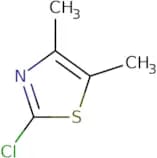
CAS:<p>Versatile small molecule scaffold</p>Formula:C5H6NSClPurity:Min. 95%Molecular weight:147.62 g/molMethyl 2-bromo-5-methylthiazole-4-carboxylate
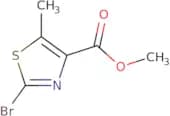
CAS:<p>Versatile small molecule scaffold</p>Formula:C6H6BrNO2SPurity:Min. 95%Molecular weight:236.09 g/mol4-[4-(Chlorosulfonyl)-2-methylphenoxy]butanoic acid
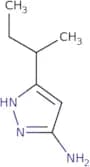
CAS:Controlled Product<p>Versatile small molecule scaffold</p>Formula:C11H13ClO5SPurity:Min. 95%Molecular weight:292.74 g/mol3-(Butan-2-yl)-1H-pyrazol-5-amine
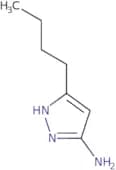
CAS:<p>Versatile small molecule scaffold</p>Formula:C7H13N3Purity:Min. 95%Molecular weight:139.2 g/mol3-Butyl-1H-pyrazol-5-amine
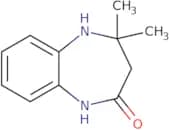
CAS:<p>3-Butyl-1H-pyrazol-5-amine is a cytotoxic agent that has been shown to inhibit the proliferation of glioblastoma cells in vitro. The drug is an analog of pyrazolopyrimidinone, which is a prodrug that can be activated by cytochrome P450 enzymes. In this study, 3-butyl-1H-pyrazol-5-amine was found to be a potent and selective inhibitor of cancer cell proliferation. It also exhibits greater stability than pyrazolopyrimidinone, making it more suitable for clinical trials. This prodrug derivative has been synthesized and its prodrug derivatives have been generated with different activation chemistries to allow for the selective delivery of cytotoxic agents to cancer cells.</p>Formula:C7H13N3Purity:Min. 95%Molecular weight:139.2 g/mol4,4-Dimethyl-2,3,4,5-tetrahydro-1H-1,5-benzodiazepin-2-one
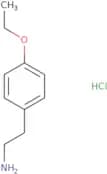
CAS:<p>Versatile small molecule scaffold</p>Formula:C11H14N2OPurity:Min. 95%Molecular weight:190.24 g/mol2-(4-Ethoxyphenyl)ethanamine HCl
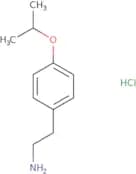
CAS:Controlled Product<p>Versatile small molecule scaffold</p>Formula:C10H16ClNOPurity:Min. 95%Molecular weight:201.69 g/mol2-(4-Isopropoxyphenyl)ethylamine HCl
CAS:Controlled Product<p>Versatile small molecule scaffold</p>Formula:C11H18ClNOPurity:Min. 95%Molecular weight:215.72 g/molN-Benzylsulfamoyl chloride
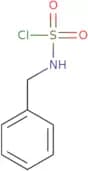
CAS:<p>N-Benzylsulfamoyl chloride is an inhibitor of the enzyme, racemase. This inhibitor has been shown to be active against a variety of hyperproliferative diseases. N-Benzylsulfamoyl chloride inhibits the production of cell proteins and can be used for the treatment of mycoses and thioether-related disorders. It also has cytoprotective activity in liver cells and neuronal cells, which may be due to its ability to inhibit carboxyalkylases.</p>Formula:C7H8ClNO2SPurity:Min. 95%Molecular weight:205.66 g/mol6-Chloro-3-(4-methylphenyl)-[1,2,4]triazolo[4,3-b]pyridazine
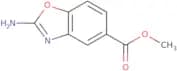
CAS:<p>Versatile small molecule scaffold</p>Formula:C12H9ClN4Purity:Min. 95%Molecular weight:244.68 g/molMethyl 2-amino-1,3-benzoxazole-5-carboxylate
CAS:<p>Versatile small molecule scaffold</p>Formula:C9H8N2O3Purity:Min. 95%Molecular weight:192.17 g/mol2-[4-(6-Chloropyridazin-3-yl)piperazin-1-yl]ethan-1-ol
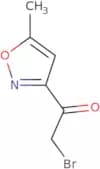
CAS:<p>Versatile small molecule scaffold</p>Formula:C10H15ClN4OPurity:Min. 95%Molecular weight:242.7 g/mol2-Bromo-1-(5-methyl-1,2-oxazol-3-yl)ethan-1-one
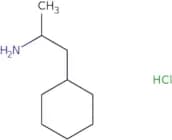
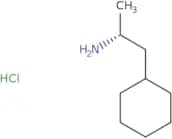
CAS:<p>Versatile small molecule scaffold</p>Formula:C6H6BrNO2Purity:Min. 95%Molecular weight:204.02 g/mol(2S)-1-Cyclohexylpropan-2-amine hydrochloride
CAS:<p>Versatile small molecule scaffold</p>Formula:C9H20ClNPurity:Min. 95%Molecular weight:177.71 g/mol(2R)-1-Cyclohexylpropan-2-amine hydrochloride
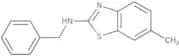
CAS:<p>Versatile small molecule scaffold</p>Formula:C9H20ClNPurity:Min. 95%Molecular weight:177.7 g/molN-Benzyl-6-methyl-1,3-benzothiazol-2-amine
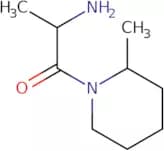
CAS:<p>Versatile small molecule scaffold</p>Formula:C15H14N2SPurity:Min. 95%Molecular weight:254.4 g/mol2-Amino-1-(2-methylpiperidin-1-yl)propan-1-one
CAS:Controlled Product<p>Versatile small molecule scaffold</p>Formula:C9H18N2OPurity:Min. 95%Molecular weight:170.25 g/molEthyl 2-hydroxy-1,3-thiazole-4-carboxylate
CAS:<p>Versatile small molecule scaffold</p>Formula:C6H7NO3SPurity:Min. 95%Molecular weight:173.19 g/mol2-(Carbamoylmethoxy)benzoic acid
CAS:<p>Versatile small molecule scaffold</p>Formula:C9H9NO4Purity:Min. 95%Molecular weight:195.17 g/molo-[3-(Dimethylamino)propyl]hydroxylamine dihydrochloride
CAS:<p>o-[3-(Dimethylamino)propyl]hydroxylamine dihydrochloride is a drug used to treat cardiovascular disorders. It is a prodrug that is metabolized in the body to form hydroxylamine, which has affinity for c1-6 alkyl groups. The hydroxyl group on the heterocycle of o-[3-(Dimethylamino)propyl]hydroxylamine dihydrochloride also has biological properties. This drug is an inhibitor of monoamine oxidase and may reduce the risk of heart disease by lowering blood pressure and decreasing cholesterol levels. The stereoisomers of this compound are used for the treatment of hypertension. The benzyl group on o-[3-(Dimethylamino)propyl]hydroxylamine dihydrochloride may be responsible for its ability to inhibit monoamine oxidase A and B, as well as other enzymes involved in cardiovascular diseases.</p>Formula:C5H16Cl2N2OPurity:Min. 95%Molecular weight:191.1 g/mol3-Chloro-2-nitrobenzyl bromide
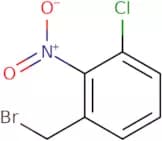
CAS:<p>Versatile small molecule scaffold</p>Formula:C7H5BrClNO2Purity:Min. 95%Molecular weight:250.48 g/molN1-(2-Methoxyethyl)benzene-1,2-diamine
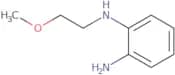
CAS:<p>Versatile small molecule scaffold</p>Formula:C9H14N2OPurity:Min. 95%Molecular weight:166.22 g/mol


![1H,7H-[1,2,4]Triazolo[1,5-a]pyrimidin-7-one](/_next/image/?url=https%3A%2Fstatic.cymitquimica.com%2Fproducts%2F3D%2Fthumb-webp%2FGBA59208.webp&w=3840&q=75)




![1-{Bicyclo[2.2.1]heptan-2-yl}propan-2-one](/_next/image/?url=https%3A%2Fstatic.cymitquimica.com%2Fproducts%2F3D%2Fthumb-webp%2FGBA68373.webp&w=3840&q=75)
![rac-(9R,10S)-2-Azatricyclo[9.4.0.0,3,8]pentadeca-1(15),3,5,7,11,13-hexaene-9,10-diol](/_next/image/?url=https%3A%2Fstatic.cymitquimica.com%2Fproducts%2F3D%2Fthumb-webp%2FGCA21173.webp&w=3840&q=75)
![8-Methoxy-1,4-dioxaspiro[4.5]decane](/_next/image/?url=https%3A%2Fstatic.cymitquimica.com%2Fproducts%2F3D%2Fthumb-webp%2FGCA29299.webp&w=3840&q=75)
![7-Benzyl-5,6-dimethyl-7H-pyrrolo[2,3-d]pyrimidin-4-amine](/_next/image/?url=https%3A%2Fstatic.cymitquimica.com%2Fproducts%2F3D%2Fthumb-webp%2FGCA34453.webp&w=3840&q=75)
![4-[4-(Chlorosulfonyl)-2-methylphenoxy]butanoic acid](/_next/image/?url=https%3A%2Fstatic.cymitquimica.com%2Fproducts%2F3D%2Fthumb-webp%2FGCA35914.webp&w=3840&q=75)
![6-Chloro-3-(4-methylphenyl)-[1,2,4]triazolo[4,3-b]pyridazine](/_next/image/?url=https%3A%2Fstatic.cymitquimica.com%2Fproducts%2F3D%2Fthumb-webp%2FGCA38342.webp&w=3840&q=75)
![2-[4-(6-Chloropyridazin-3-yl)piperazin-1-yl]ethan-1-ol](/_next/image/?url=https%3A%2Fstatic.cymitquimica.com%2Fproducts%2F3D%2Fthumb-webp%2FGCA39287.webp&w=3840&q=75)

![o-[3-(Dimethylamino)propyl]hydroxylamine dihydrochloride](/_next/image/?url=https%3A%2Fstatic.cymitquimica.com%2Fproducts%2F3D%2Fthumb-webp%2FGCA42532.webp&w=3840&q=75)