Building Blocks
This section contains fundamental products for the synthesis of organic and biological compounds. Building blocks are the essential starting materials used to construct complex molecules through various chemical reactions. They play a critical role in drug discovery, material science, and chemical research. At CymitQuimica, we offer a diverse range of high-quality building blocks to support your innovative research and industrial projects, ensuring you have the essential components for successful synthesis.
Subcategories of "Building Blocks"
- Boronic Acids & Boronic Acid Derivatives(5,756 products)
- Chiral Building Blocks(1,242 products)
- Hydrocarbon Building Blocks(6,095 products)
- Organic Building Blocks(61,038 products)
Found 196817 products of "Building Blocks"
Sort by
Purity (%)
0
100
|
0
|
50
|
90
|
95
|
100
1-Chloro-2-iodobenzene
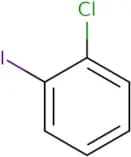
CAS:<p>1-Chloro-2-iodobenzene is a chemical that is used in the synthesis of drugs and other organic compounds. It has been shown to be an effective inhibitor of HIV infection, as well as a potent inhibitor of genotoxic activity. 1-Chloro-2-iodobenzene cleaves to form two products: a palladium complex and a copper complex. The reaction products are then subjected to nucleophilic attack by the enzyme human immunodeficiency virus type 1 reverse transcriptase, which results in the formation of an intermediate product with increased stability. This final product inhibits the replication of HIV by binding to the viral DNA polymerase and preventing RNA synthesis. Chemical ionization is used for mass spectrometry analysis, which can identify the peaks corresponding to these products.</p>Formula:C6H4ClIPurity:Min. 95%Molecular weight:238.45 g/molMethyl 2-furoylacetate
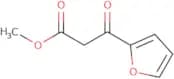
CAS:<p>Methyl 2-furoylacetate is a potentiator of the anti-inflammatory and analgesic effects of codeine. It has been shown to be an effective inhibitor of the efflux pump in Gram-negative bacteria, which may be due to its structure activity relationship with piperidine. Methyl 2-furoylacetate has been shown to inhibit the uptake of fluorescent compounds by bacterial cells and was found to have a sigmoidal dose response curve. The inhibition assays were performed on a panel of drug susceptible and resistant bacterial strains, and it was found that MFA had no inhibitory activity against Gram-positive bacteria at concentrations up to 500 μM.</p>Formula:C8H8O4Purity:Min. 95%Molecular weight:168.15 g/mol(1-Phenoxypropan-2-yl)hydrazine dihydrochloride
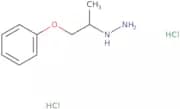
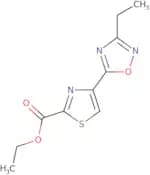
CAS:<p>Versatile small molecule scaffold</p>Formula:C9H16Cl2N2OPurity:Min. 95%Molecular weight:239.14 g/molEthyl 4-(3-ethyl-1,2,4-oxadiazol-5-yl)-1,3-thiazole-2-carboxylate
CAS:<p>Versatile small molecule scaffold</p>Formula:C10H11N3O3SPurity:Min. 95%Molecular weight:253.28 g/moltert-Butyl 3-{[1,2,4]triazolo[4,3-a]pyridin-3-ylmethyl}piperidine-1-carboxylate
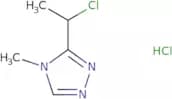
CAS:<p>Versatile small molecule scaffold</p>Formula:C17H24N4O2Purity:Min. 95%Molecular weight:316.4 g/mol3-(1-Chloroethyl)-4-methyl-4H-1,2,4-triazole hydrochloride
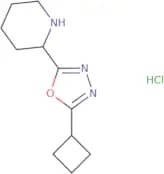
CAS:<p>Versatile small molecule scaffold</p>Formula:C5H9Cl2N3Purity:Min. 95%Molecular weight:182.05 g/mol2-(5-Cyclobutyl-1,3,4-oxadiazol-2-yl)piperidine hydrochloride
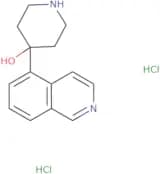
CAS:<p>Versatile small molecule scaffold</p>Formula:C11H18ClN3OPurity:Min. 95%Molecular weight:243.73 g/mol4-(Isoquinolin-5-yl)piperidin-4-ol dihydrochloride
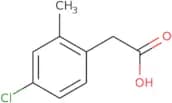
CAS:<p>Versatile small molecule scaffold</p>Formula:C14H18Cl2N2OPurity:Min. 95%Molecular weight:301.2 g/mol2-(4-Chloro-2-methylphenyl)acetic acid
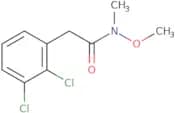
CAS:<p>Versatile small molecule scaffold</p>Formula:C9H9ClO2Purity:Min. 95%Molecular weight:184.62 g/mol2-(2,3-Dichlorophenyl)-N-methoxy-N-methylacetamide
CAS:<p>Versatile small molecule scaffold</p>Formula:C10H11Cl2NO2Purity:Min. 95%Molecular weight:248.1 g/mol2'-Bromoacetanilide
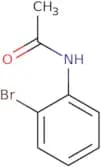
CAS:<p>2'-Bromoacetanilide is a carbazole compound that can be synthesized in two steps from 2-bromoacetamide. The first step involves the reaction of 2-bromoacetamide with carbon tetrachloride and phosphine, followed by the addition of an amine to produce a palladium complex. This complex reacts with carbon nanotubes to form the desired product, 2'-bromoacetanilide. The catellani reaction is a chemical reaction that involves the formation of an amide bond between an amine and an aldehyde or ketone. The diazonium salt is generated from the coupling of hydrogen peroxide and nitrite ions, which then react with phenol to form the desired product.<br>2'-Bromoacetanilide has been shown to undergo cross-coupling reactions with various functional groups such as acids, alcohols, and halides to form different products. Struct</p>Formula:C8H8BrNOPurity:Min. 95%Molecular weight:214.06 g/mol6-(Bromomethyl)-5-oxaspiro[2.4]heptan-4-one
CAS:<p>Versatile small molecule scaffold</p>Formula:C7H9BrO2Purity:Min. 95%Molecular weight:205.05 g/mol1-Ethoxy-2-iodobenzene
CAS:<p>1-Ethoxy-2-iodobenzene is a model complex that has been used to study the interactions between copper ions and chlorine atoms. The complexes are found in the chlorobenzene molecule, which is itself an organometallic compound. The covalent bonds in this complex are unsymmetrical, with a higher electron density on the carbon atom of the ethoxy group. 1-Ethoxy-2-iodobenzene has been shown to be carcinogenic, inducing mutations in ovary cells. This may be due to its interaction with DNA and interference with transcription.</p>Formula:C8H9IOPurity:Min. 95%Molecular weight:248.06 g/molo-Tolyl Isothiocyanate
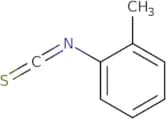
CAS:<p>O-Tolyl isothiocyanate (OTIC) is a chemical compound that has anti-cancer properties. OTIC inhibits the growth of cancer cells by causing apoptosis, or programmed cell death. OTIC also blocks the production of prostaglandins, which are proinflammatory molecules that mediate pain and inflammation. OTIC has been shown to inhibit cox-2, an enzyme involved in inflammatory processes. The inhibition of cox-2 by OTIC may be responsible for its anticancer activity. O-Tolyl isothiocyanate also inhibits pancreatic lipase, which plays a key role in fat digestion and may have implications for weight loss and diabetes treatment. OTIC has also been used as a natural preservative because it inhibits the growth of bacteria such as Pseudomonas aeruginosa and Staphylococcus aureus. In addition, OTIC is an inhibitor of size-exclusion chromatography on proteins, which</p>Formula:C8H7NSPurity:Min. 95%Molecular weight:149.21 g/molEthyl 2-{3-azaspiro[5.5]undecan-9-yl}acetate hydrochloride
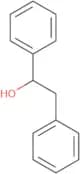
CAS:<p>Versatile small molecule scaffold</p>Formula:C14H26ClNO2Purity:Min. 95%Molecular weight:275.81 g/mol1,2-Diphenylethan-1-ol
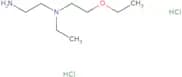
CAS:<p>Styrene is an organic compound that has a wide range of applications, including in the manufacture of plastics and polystyrene. Styrene is used as a solvent for paints, coatings, sealants, and adhesives. This chemical is also used to make other chemicals. Styrene can be found in many products we use every day, such as baby bottles, food containers, and plastic utensils. Styrene is released into the air from car exhausts and cigarette smoke. It can also be found in drinking water at low levels. Even though styrene may not seem harmful to us on its own, it does have serious health effects when exposed to humans over time or in large quantities. Styrene can cause depression in women and infants if they are exposed to high levels of styrene over a long period of time. It can also cause death by interfering with the central nervous system. Styrenes are known to have anti-inflammatory activity in animals and pain control properties in humans.</p>Formula:C14H14OPurity:Min. 95%Molecular weight:198.26 g/mol(2-Aminoethyl)(2-ethoxyethyl)ethylamine dihydrochloride
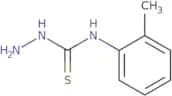
CAS:<p>Versatile small molecule scaffold</p>Formula:C8H22Cl2N2OPurity:Min. 95%Molecular weight:233.18 g/mol4-(2-Methylphenyl)-3-thiosemicarbazide
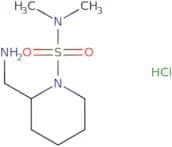
CAS:<p>4-(2-Methylphenyl)-3-thiosemicarbazide is a crystalline solid that belongs to the group of benzoic acid derivatives. It has an orthorhombic crystal structure, with a yellow color. The crystals are measured at room temperature, and it has an atomic weight of 197.11 g/mol. 4-(2-Methylphenyl)-3-thiosemicarbazide is stable in air and in solution, but decomposes at temperatures above 250°C. This compound has been studied by using X-ray diffraction measurements and Bruker parameters. Its isotropic radiation is recorded at the following wavelength: 1.5418 Å (1).</p>Formula:C8H11N3SPurity:Min. 95%Molecular weight:181.26 g/mol2-(Aminomethyl)-N,N-dimethylpiperidine-1-sulfonamide hydrochloride
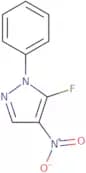
CAS:<p>Versatile small molecule scaffold</p>Formula:C8H20ClN3O2SPurity:Min. 95%Molecular weight:257.78 g/mol5-Fluoro-4-nitro-1-phenyl-1H-pyrazole
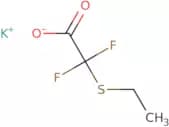
CAS:<p>Versatile small molecule scaffold</p>Formula:C9H6FN3O2Purity:Min. 95%Molecular weight:207.16 g/molPotassium 2-(ethylsulfanyl)-2,2-difluoroacetate
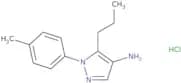
CAS:<p>Versatile small molecule scaffold</p>Formula:C4H5F2KO2SPurity:Min. 95%Molecular weight:194.24 g/mol1-(4-Methylphenyl)-5-propyl-1H-pyrazol-4-amine hydrochloride
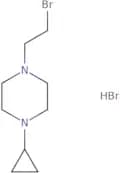
CAS:<p>Versatile small molecule scaffold</p>Formula:C13H18ClN3Purity:Min. 95%Molecular weight:251.75 g/mol1-(2-Bromoethyl)-4-cyclopropylpiperazine hydrobromide
CAS:<p>Versatile small molecule scaffold</p>Formula:C9H18Br2N2Purity:Min. 95%Molecular weight:314.06 g/moltert-Butyl N-{3-azabicyclo[3.1.1]heptan-6-yl}carbamate oxalate
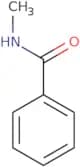
CAS:<p>Versatile small molecule scaffold</p>Formula:C13H22N2O6Purity:Min. 95%Molecular weight:302.32 g/molN-Methylbenzamide
CAS:<p>N-Methylbenzamide is a hydrogen bond donor that participates in the transfer of a proton. It contains an amine group, which is highly reactive and can form hydrogen bonds with other molecules. The thermodynamic stability of N-methylbenzamide is due to the dihedral angle between the amine group and carbonyl group. This molecule has been shown to undergo asymmetric synthesis, which allows for the creation of enantiomers. N-Methylbenzamide has been used as a chiral auxiliary in chromatographic science to separate amino acids by using different solvents. N-Methylbenzamide has also been shown to react with sodium carbonate and water molecules, leading to the formation of an amide bond.</p>Formula:C6H5CONHCH3Purity:Min. 95%Molecular weight:135.16 g/mol{3-[3-(2,2,2-Trifluoroethyl)-1,2,4-oxadiazol-5-yl]phenyl}methanamine hydrochloride
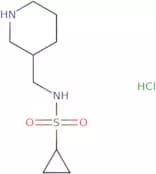
CAS:<p>Versatile small molecule scaffold</p>Formula:C11H11ClF3N3OPurity:Min. 95%Molecular weight:293.67 g/molN-(Piperidin-3-ylmethyl)cyclopropanesulfonamide hydrochloride
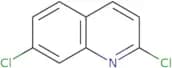
CAS:<p>Versatile small molecule scaffold</p>Formula:C9H19ClN2O2SPurity:Min. 95%Molecular weight:254.78 g/mol2,7-Dichloroquinoline
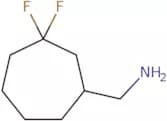
CAS:<p>2,7-Dichloroquinoline is a quinoline derivative that has been synthesized to be a potential drug. The molecule is structurally similar to the natural bioactive molecule called adenosine, which is involved in many cellular processes. The 2,7-dichloroquinoline has been shown to have anti-inflammatory properties and may also have anticancer activity. It was identified as an inhibitor of protein kinase C and as a potent inhibitor of angiogenesis. This drug has also been shown to inhibit the growth of bacteria and fungi, which may be due to its ability to form covalent bonds with nucleophiles such as anions or azides.</p>Formula:C9H5Cl2NPurity:Min. 95%Molecular weight:198.05 g/mol(3,3-Difluorocycloheptyl)methanamine
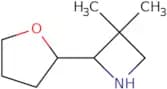
CAS:<p>Versatile small molecule scaffold</p>Formula:C8H15F2NPurity:Min. 95%Molecular weight:163.21 g/mol3,3-Dimethyl-2-(oxolan-2-yl)azetidine
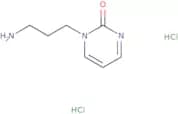
CAS:<p>Versatile small molecule scaffold</p>Formula:C9H17NOPurity:Min. 95%Molecular weight:155.24 g/mol1-(3-Aminopropyl)-1,2-dihydropyrimidin-2-one dihydrochloride
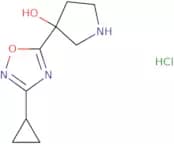
CAS:<p>Versatile small molecule scaffold</p>Formula:C7H13Cl2N3OPurity:Min. 95%Molecular weight:226.1 g/mol3-(3-Cyclopropyl-1,2,4-oxadiazol-5-yl)pyrrolidin-3-ol hydrochloride
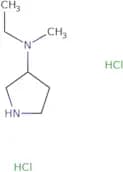
CAS:<p>Versatile small molecule scaffold</p>Formula:C9H14ClN3O2Purity:Min. 95%Molecular weight:231.68 g/molN-Ethyl-N-methylpyrrolidin-3-amine dihydrochloride
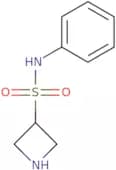
CAS:<p>Versatile small molecule scaffold</p>Formula:C7H18Cl2N2Purity:Min. 95%Molecular weight:201.13 g/molN-Phenylazetidine-3-sulfonamide
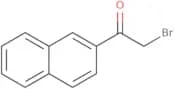
CAS:<p>Versatile small molecule scaffold</p>Formula:C9H12N2O2SPurity:Min. 95%Molecular weight:212.27 g/mol2-Bromo-2²-acetonaphthone
CAS:<p>2-Bromo-2²-acetonaphthone (2BA) is a chemical compound belonging to the group of naphthalene derivatives. It has significant inhibitory activities against bacteria, fungi, and protozoans. The 2BA molecule is an antimicrobial agent that binds to fatty acids in the cell membrane and inhibits the synthesis of fatty acids in the mitochondria. This leads to cell death by inhibiting protein synthesis and cell division. 2BA has also been shown to have anti-inflammatory properties, which may be due to its inhibition of prostaglandin synthesis. The chemical structure of 2BA can be found below:</p>Formula:C10H7COCH2BrPurity:Min. 95%Molecular weight:249.1 g/mol2-Methyl-6-nitroquinoline
CAS:<p>2-Methyl-6-nitroquinoline is a hydrogen bond donor that is an acidic quinoline derivative. It is used in the synthesis of other compounds, such as dyes and pharmaceuticals. 2-Methyl-6-nitroquinoline reacts with water vapor to form acid, which is stabilized by the formation of intramolecular hydrogen bonds. This reaction mechanism also leads to an enhancement in the reaction yield due to a dipole effect. The reaction time can be increased or decreased by changing the concentration of reactants or by adding a catalyst. The nitro group on 2-Methyl-6-nitroquinoline can undergo an acidic hydrolysis reaction when heated, forming nitrous acid and hydroquinone.</p>Formula:C10H8N2O2Purity:Min. 95%Molecular weight:188.19 g/mol4H,5H,6H,7H,8H-Thieno[3,2-b]azepine hydrochloride
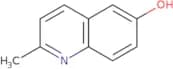
CAS:<p>Versatile small molecule scaffold</p>Formula:C8H12ClNSPurity:Min. 95%Molecular weight:189.71 g/mol2-Methylquinolin-6-ol
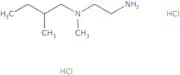
CAS:<p>2-Methylquinolin-6-ol is an electron-rich aromatic compound that can be used as a fluorescent probe for bioactive molecules. It has been used in the study of infectious diseases, such as malaria and tuberculosis, and in the identification of indolenium and quinolinium molecular ions. 2-Methylquinolin-6-ol can be synthesized by reacting benzothiazole with crotonic acid using an acid catalyst. 2-Methylquinolin-6-ol is also a fluorescent molecule that produces blue light when excited by radiation.</p>Formula:C10H9NOPurity:Min. 95%Molecular weight:159.18 g/mol(2-Aminoethyl)(methyl)(2-methylbutyl)amine dihydrochloride
CAS:<p>Versatile small molecule scaffold</p>Formula:C8H22Cl2N2Purity:Min. 95%Molecular weight:217.18 g/mol[2-({8-Oxa-3,5-diazatricyclo[7.4.0.0,2,7]trideca-1(9),2(7),3,5,10,12-hexaen-6-yl}amino)cyclohexyl]methanol
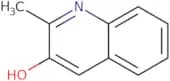
CAS:<p>Versatile small molecule scaffold</p>Formula:C17H19N3O2Purity:Min. 95%Molecular weight:297.35 g/mol2-Methylquinolin-3-ol
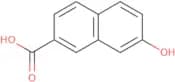
CAS:<p>2-Methylquinolin-3-ol is a peroxide with the chemical formula C9H7O2. It has been shown to have antibacterial activity against Gram-positive and Gram-negative bacteria, although it is less potent than sodium hypochlorite. 2-Methylquinolin-3-ol is most effective when in stoichiometric amounts of hydrogen peroxide. It has been shown to be more efficient in the presence of glycols such as ethylene glycol and propylene glycol, which increase its rate of reaction. The mechanism for 2-methylquinolin-3-ol's antibacterial activity is thought to be due to oxidation of bacterial cell membranes. This chemical compound reacts with the cell membrane and causes lipid peroxidation, leading to the death of the bacteria by leakage of cellular contents. 2Mqo also absorbs ultraviolet radiation from sunlight, forming an excited state that can undergo photochemical reactions with oxygen or other molecules in its environment,</p>Formula:C10H9NOPurity:Min. 95%Molecular weight:159.18 g/mol7-hydroxy-2-naphthoic acid
CAS:<p>7-hydroxy-2-naphthoic acid is a homologue of malonic acid and is synthesized by the reaction of chlorine atom with mesomorphic 7-hydroxy-2-naphthoic acid. It has been used as a precursor in the preparation of polymers, such as poly(7-hydroxy-2-naphthoic acid), that have potential applications in drug delivery systems. The molecule has two hydroxyl groups on the benzene ring and one chlorine atom on each side chain. 7HNA has been found to be an efficient radical scavenger, which may be due to the presence of hydroxyl groups on the benzene ring and chlorine atoms that can form hydrogen bonds with radicals.</p>Formula:C11H8O3Purity:Min. 95%Molecular weight:188.18 g/mol±-Phenyl-o-toluic acid
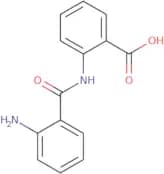
CAS:<p>±-Phenyl-o-toluic acid is a chemical compound that can be prepared by dehydration of sodium hydrogen benzoylbenzoate with malonic acid or from benzoic acid and amide. ±-Phenyl-o-toluic acid is used in the detection of 2-benzoylbenzoic acid. It has been shown to be an efficient method for detecting this chemical and it has a detection sensitivity of 0.5 ppm. ±-Phenyl-o-toluic acid is acidic, due to its carboxylic group, which makes it suitable as a reactant in organic synthesis reactions such as esterification, amide formation, and dehydroabietic acid formation. This compound also has functional groups such as the carbonyl group and hydroxyl group.</p>Formula:C6H5CH2C6H4CO2HPurity:Min. 95%Molecular weight:212.24 g/mol2-(2-Aminobenzamido)benzoic acid
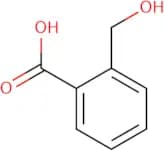
CAS:<p>2-(2-Aminobenzamido)benzoic acid is a synthetic chemical that is used in the treatment of wastewater. It is a nitrogenous organic compound that is soluble in water and has a pH of 2. The aminophenols are converted to the corresponding diazonium salt by reaction with sodium carbonate and an acidic medium, which may be surface methodology or intermediates. The monoclonal antibodies are specific for skin cells, which are typically used to measure the concentration of this compound in urine samples.</p>Formula:C14H12N2O3Purity:Min. 95%Molecular weight:256.26 g/mol2-(Hydroxymethyl)benzoic acid
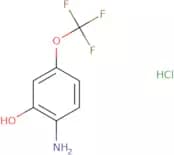
CAS:<p>2-(Hydroxymethyl)benzoic acid is a molecule that can be found in the human liver. It is a metabolite of the drug 2-hydroxybenzoic acid, which inhibits bacterial growth by binding to DNA-dependent RNA polymerase, thereby preventing transcription and replication. The high frequency of human activity has been shown using a patch-clamp technique on human erythrocytes. This active form is metabolized through a number of metabolic transformations, including hydrolysis by esterases or glucuronidases, oxidation by cytochrome P450 enzymes, reduction by glutathione reductase, or conjugation with glucuronic acid. 2-(Hydroxymethyl)benzoic acid also specifically binds to markers expressed at high levels in Mycobacterium tuberculosis strains (e.g., ESX-1 secretion system protein) and inhibits cell growth in culture.</p>Formula:C8H8O3Purity:Min. 95%Molecular weight:152.15 g/mol2-Amino-5-(trifluoromethoxy)phenol hydrochloride
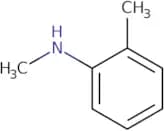
CAS:<p>Versatile small molecule scaffold</p>Formula:C7H7ClF3NO2Purity:Min. 95%Molecular weight:229.58 g/molN-Methyl-o-toluidine
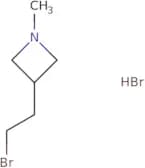
CAS:<p>N-Methyl-o-toluidine is an alkylating agent that can be used in the synthesis of a variety of organic compounds. It is a carboxylate compound with a C=O group and an amine group, which makes it susceptible to autoprotolysis. N-Methyl-o-toluidine is used as a precursor for other compounds, such as dyes and pharmaceuticals. The exciplex formed between N-methyl-o-toluidine and nitrogen dioxide can be detected using ultraviolet absorption spectroscopy. This compound has been shown to have activation energy of 23 kcal/mol at temperatures above 100°C and below 300°C. Techniques used to measure the activation energy include butyllithium and supercritical fluid techniques.</p>Formula:C8H11NPurity:Min. 95%Molecular weight:121.18 g/mol3-(2-Bromoethyl)-1-methylazetidine hydrobromide
CAS:<p>Versatile small molecule scaffold</p>Formula:C6H13Br2NPurity:Min. 95%Molecular weight:258.98 g/mol3-Amino-2-[(pyridin-4-yl)methyl]propan-1-ol dihydrochloride
CAS:<p>Versatile small molecule scaffold</p>Formula:C9H16Cl2N2OPurity:Min. 95%Molecular weight:239.14 g/mol4-[2-(Methylamino)ethoxy]benzene-1-sulfonamide hydrochloride
CAS:<p>Versatile small molecule scaffold</p>Formula:C9H15ClN2O3SPurity:Min. 95%Molecular weight:266.75 g/moltert-Butyl N-[(5-oxo-2,5-dihydro-1H-pyrazol-3-yl)methyl]carbamate
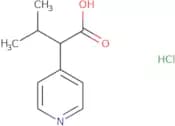
CAS:<p>Versatile small molecule scaffold</p>Formula:C9H15N3O3Purity:Min. 95%Molecular weight:213.23 g/mol3-Methyl-2-(pyridin-4-yl)butanoic acid hydrochloride
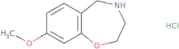
CAS:<p>Versatile small molecule scaffold</p>Formula:C10H14ClNO2Purity:Min. 95%Molecular weight:215.67 g/mol8-Methoxy-2,3,4,5-tetrahydro-1,4-benzoxazepine hydrochloride
CAS:<p>Versatile small molecule scaffold</p>Formula:C10H14ClNO2Purity:Min. 95%Molecular weight:215.67 g/mol4-Chloro-3-nitrophenol
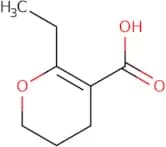
CAS:<p>4-Chloro-3-nitrophenol is a chemical compound that has been used as a dye and as an intermediate in the synthesis of other chemicals. 4-Chloro-3-nitrophenol is not found in nature, but it is produced by the reaction of nitric acid with phenols. The functional theory of 4-chloro-3-nitrophenol suggests that this chemical may be toxic to aquatic life because it can inhibit photosynthesis by blocking the light reactions of photosystem II. This chemical also has been shown to have endpoints for chlorine and chloride, which are essential for aerobic respiration.</p>Formula:C6H4ClNO3Purity:Min. 95%Molecular weight:173.55 g/mol6-Ethyl-3,4-dihydro-2H-pyran-5-carboxylic acid
CAS:<p>Versatile small molecule scaffold</p>Formula:C8H12O3Purity:Min. 95%Molecular weight:156.18 g/mol4-[(4-Fluorophenyl)methyl]oxan-4-amine hydrochloride
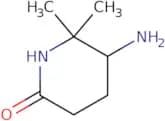
CAS:<p>Versatile small molecule scaffold</p>Formula:C12H17ClFNOPurity:Min. 95%Molecular weight:245.72 g/mol5-Amino-6,6-dimethylpiperidin-2-one
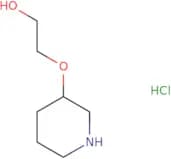
CAS:<p>Versatile small molecule scaffold</p>Formula:C7H14N2OPurity:Min. 95%Molecular weight:142.2 g/mol2-(Piperidin-3-yloxy)ethan-1-ol hydrochloride
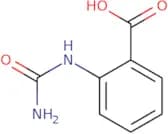
CAS:<p>Versatile small molecule scaffold</p>Formula:C7H16ClNO2Purity:Min. 95%Molecular weight:181.66 g/mol2-(Carbamoylamino)benzoic acid
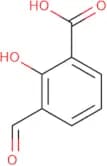
CAS:<p>2-Carbamoylamino-benzoic acid is an organic compound that is used in the synthesis of a number of drugs. It is a strong nucleophile and its conjugate base, 2-carboxybenzamide, can react with an electron pair from an aromatic ring to form dihydroorotic acid. 2-Carbamoylamino-benzoic acid has been shown to be effective at inhibiting serine proteases and amide proteases. It has also been shown to inhibit the growth of bacteria by binding to DNA gyrase and topoisomerase IV enzyme.</p>Formula:C8H8N2O3Purity:Min. 95%Molecular weight:180.16 g/mol3-Formyl-2-hydroxybenzoic acid
CAS:<p>3-Formyl-2-hydroxybenzoic acid is a compound that belongs to the class of 5-nitrosalicylic acid derivatives. It is used as an intermediate in organic synthesis. 3-Formyl-2-hydroxybenzoic acid can be synthesized by reacting ethylene diamine with sodium carbonate and hydrochloric acid. The product can be purified by precipitating it from solution with excess sodium carbonate and then filtering off any insoluble impurities. 3-Formyl-2-hydroxybenzoic acid has been shown to have a matrix effect on the hydrogen bonding interactions between nitrogen atoms and other molecules, which may be due to its ability to act as a hydrogen bond donor or acceptor. This chemical's surface methodology has also been studied using gravimetric analysis, which is useful for determining the amount of 3-formyl-2-hydroxybenzoic acid present in a sample.</p>Formula:C8H6O4Purity:Min. 95%Molecular weight:166.1 g/molEthyl 6-(chlorosulfonyl)-[1,2,4]triazolo[1,5-a]pyrimidine-2-carboxylate
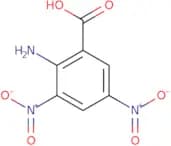
CAS:<p>Versatile small molecule scaffold</p>Formula:C8H7ClN4O4SPurity:Min. 95%Molecular weight:290.68 g/mol2-Amino-3,5-dinitrobenzoic acid
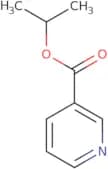
CAS:<p>2-Amino-3,5-dinitrobenzoic acid is an organic compound that contains a nitro group in the 2 position and a carboxylic acid group in the 3 position. It is a white crystalline solid with a melting point of 168°C and a boiling point of 572°C. It has a molecular weight of 171.07 g/mol and it has an empirical formula of C6H4N2O4. The crystal structure of this compound was determined by X-ray diffraction to have a space group P622 with intermolecular hydrogen bonds.</p>Formula:C7H5N3O6Purity:Min. 95%Molecular weight:227.13 g/molPropan-2-yl pyridine-3-carboxylate
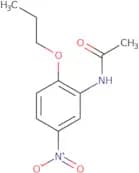
CAS:<p>Propan-2-yl pyridine-3-carboxylate is a chemical compound that belongs to the class of alkanoic acid. This compound is an inhibitor of the inflammatory response, which may be due to its ability to inhibit the production of proinflammatory cytokines such as tumor necrosis factor alpha (TNFα) and interleukin 1β (IL1β). Propan-2-yl pyridine-3-carboxylate has been shown to have anti-cancer effects, as it inhibits the growth of cancer cells by suppressing DNA synthesis. Propan-2-yl pyridine-3-carboxylate also binds with receptors on immune cells. These receptors are called toll like receptor 4 (TLR4), which activate immune cells in response to bacterial infections. This activation leads to an inflammatory response that can lead to autoimmune diseases.</p>Formula:C9H11NO2Purity:Min. 95%Molecular weight:165.19 g/molN-(5-Nitro-2-propoxyphenyl)acetamide
CAS:<p>N-(5-Nitro-2-propoxyphenyl)acetamide is a cytostatic drug that inhibits the synthesis of DNA and RNA in cells, which inactivates them. It has a wide range of activity and is used for the treatment of infectious diseases. The active substance is stable in pharmaceutical compositions and can be administered orally or intravenously. N-(5-Nitro-2-propoxyphenyl)acetamide has been used to treat inflammatory disorders such as rheumatoid arthritis, osteoarthritis, gout, and juvenile idiopathic arthritis.</p>Formula:C11H14N2O4Purity:Min. 95%Molecular weight:238.24 g/molAmisometradine-d3
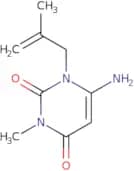
CAS:<p>Amisometradine-d3 is a beta-blocker medication that belongs to the class of non-selective beta blockers. It is used to treat high blood pressure, congestive heart failure, and angina pectoris. Amisometradine-d3 blocks the action of the enzyme phosphodiesterase, which then prevents the breakdown of cyclic AMP (cAMP). This results in an increase in cAMP levels in cardiac muscle cells. The increased cAMP levels result in relaxation of the myocardial muscles, which can reduce the workload on the heart and lower blood pressure. Amisometradine-d3 also has a lipophilic profile that allows it to cross cell membranes and act on cardiac tissue by binding to collagen molecules or other proteins involved in contraction.</p>Formula:C9H10D3N3O2Purity:Min. 95%Molecular weight:198.24 g/molSulfacarbamide
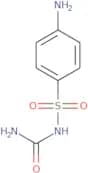
CAS:<p>Sulfacarbamide is a broad-spectrum antimicrobial agent that is used in the treatment of infections. It is an analog of sulfadiazine and has been shown to have anti-atherogenic properties. Sulfacarbamide has a hydroxyl group, which makes it soluble in water and helps it bind to glucose in the blood. This drug can be used for the treatment of diabetic patients as it can lower levels of glucose in the blood by binding to glucose molecules. Sulfacarbamide also acts as an anti-infective agent and is effective against many types of bacteria, such as Escherichia coli and Staphylococcus aureus. The biological properties of this compound are similar to those of sulfadiazine, but sulfacarbamide has more potent antibacterial activity than its parent molecule.</p>Formula:C7H9N3O3SPurity:Min. 95%Molecular weight:215.23 g/mol3-Cyclopropyl-2,2-difluoro-3-oxopropanoic acid
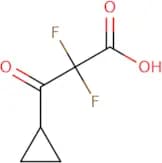
CAS:<p>Versatile small molecule scaffold</p>Formula:C6H6F2O3Purity:Min. 95%Molecular weight:164.11 g/molOxan-4-yl[3-(trifluoromethyl)phenyl]methanamine hydrochloride
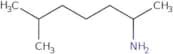
CAS:<p>Versatile small molecule scaffold</p>Formula:C13H17ClF3NOPurity:Min. 95%Molecular weight:295.73 g/mol1,5-Dimethylhexylamine
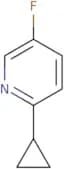
CAS:Controlled Product1,5-Dimethylhexylamine (1,5-DMHA) is a drug that is used as an analog for pentobarbital sodium. It has been shown to have anti-inflammatory effects in skin cells and can be used for the treatment of bowel disease. 1,5-DMHA has been found to inhibit the growth of Candida glabrata and other fungal species. This compound also prevents the initiation of inflammatory responses by suppressing the production of cytokines or chemokines in skin cells. 1,5-DMHA has not been evaluated in clinical trials because it is not approved by the US Food and Drug Administration or any other regulatory agency.Formula:C8H19NPurity:Min. 95%Molecular weight:129.24 g/mol2-Cyclopropyl-5-fluoropyridine
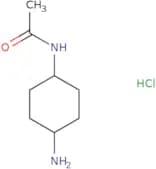
CAS:<p>Versatile small molecule scaffold</p>Formula:C8H8FNPurity:Min. 95%Molecular weight:137.15 g/molN-(4-Aminocyclohexyl)acetamide hydrochloride
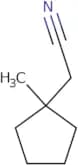
CAS:<p>Versatile small molecule scaffold</p>Formula:C8H17ClN2OPurity:Min. 95%Molecular weight:192.68 g/mol2-(1-Methylcyclopentyl)acetonitrile
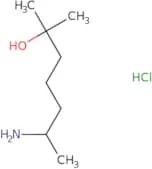
CAS:<p>Versatile small molecule scaffold</p>Formula:C8H13NPurity:Min. 95%Molecular weight:123.2 g/molHeptaminol hydrochloride
CAS:Controlled Product<p>Heptaminol hydrochloride is a cytosolic calcium antagonist that has been used to treat a variety of infectious diseases. It is also used as an experimental drug in the treatment of cardiac, bowel, and papillary muscle disease. Heptaminol hydrochloride inhibits the production of inflammatory cytokines by inhibiting protein synthesis in immune cells and suppressing the immune system. This drug has also been shown to be effective in treating autoimmune diseases such as rheumatoid arthritis and multiple sclerosis. Heptaminol hydrochloride binds to proteins on the surface of white blood cells, which leads to an increase in intracellular calcium levels and inhibition of cytokine production. The fluorescent derivative can be used for pharmacological studies and for clinical control analysis.</p>Formula:C8H19NO·HClPurity:Min. 95%Molecular weight:181.7 g/molMethyl 2-[(2,2-difluoroethyl)amino]acetate hydrochloride
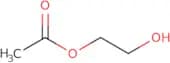
CAS:<p>Versatile small molecule scaffold</p>Formula:C5H10ClF2NO2Purity:Min. 95%Molecular weight:189.59 g/mol2-hydroxyethyl acetate
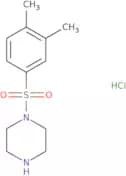
CAS:<p>2-hydroxyethyl acetate is a glycol ether that has been used in detergent compositions. It readily absorbs water and light, which can lead to the formation of reactive oxygen species. 2-hydoxyethyl acetate has been shown to inhibit enzyme activity, such as hydroxyl group, kinetic, and transfer reactions. The hydroxyl group on 2-hydroxyethyl acetate is responsible for its antimicrobial properties when it reacts with fatty acids. This product also has a high thermal expansion coefficient which makes it useful in polyurethane foams.</p>Formula:C8H16O6Purity:65%MinMolecular weight:208.21 g/mol1-(3,4-Dimethylbenzenesulfonyl)piperazine hydrochloride
CAS:<p>Versatile small molecule scaffold</p>Formula:C12H19ClN2O2SPurity:Min. 95%Molecular weight:290.81 g/mol5-Fluorobicyclo[4.2.0]octa-1(6),2,4-triene-7-carbonitrile
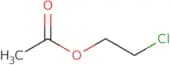
CAS:<p>Versatile small molecule scaffold</p>Formula:C9H6FNPurity:Min. 95%Molecular weight:147.15 g/mol2-Chloroethyl Acetate
CAS:<p>2-Chloroethyl acetate (CEA) is a bifunctional chemical that can be used as a pharmaceutical agent and an industrial solvent. It is used in the treatment of multidrug-resistant bacteria, including MRSA. CEA acts by inhibiting the efflux pump, which pumps toxins out of bacterial cells. The chlorine in CEA reacts with chloride ions to form hypochlorous acid, which kills bacteria by oxidizing their DNA. CEA also has a redox potential that is similar to that of glutathione, which makes it resistant to degradation by glutathione reductase.</p>Formula:C4H7ClO2Purity:Min. 95%Molecular weight:122.55 g/molN-Ethyl-glycine hydrochloride
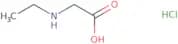
CAS:<p>N-Ethylglycine hydrochloride is a pharmaceutical preparation that inhibits the enzyme cholesterol esterase. It is used to treat congestive heart failure and as a diuretic. N-Ethylglycine hydrochloride prevents the production of unsaturated fatty acids by inhibiting the enzyme cholesterol esterase, which converts cholesterol into fatty acid. This leads to lower levels of cholesterol in the blood, which can be beneficial in treating high cholesterol levels. N-Ethylglycine hydrochloride has been shown to have antiviral effects against influenza virus, with an IC50 of 0.5 μM, as well as anti-inflammatory properties.</p>Formula:C4H10ClNO2Purity:Min. 95%Molecular weight:139.58 g/mol4-(Pyrrolidin-2-ylmethoxy)benzene-1-sulfonamide hydrochloride
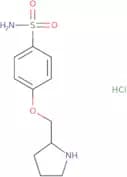
CAS:<p>Versatile small molecule scaffold</p>Formula:C11H17ClN2O3SPurity:Min. 95%Molecular weight:292.78 g/mol4-(Dimethylamino)-3-hydroxybutanoic acid
CAS:<p>4-(Dimethylamino)-3-hydroxybutanoic acid is a fatty acid that is metabolized by ester hydrolysis to 4-dimethyl amino butyric acid, which inhibits carnitine biosynthesis. It has been shown to have an inhibitory effect on cancer cell growth. This compound is also used for the treatment of metabolic disorders and significant interactions with other drugs such as growth factor inhibitors, anti-diabetic agents, and anticoagulants. The main use of 4-(Dimethylamino)-3-hydroxybutanoic acid is in the production of granulate for sample preparation.</p>Formula:C6H13NO3Purity:Min. 95%Molecular weight:147.17 g/mol1,2-Dibromoethylene (cis- and trans- mixture)
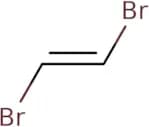
CAS:<p>1,2-Dibromoethylene (DBE) is a chemical substance that is used as a solvent and an intermediate in the production of other chemicals. It is also used for the manufacture of dyes, pharmaceuticals, and pesticides. DBE is classified as a mutagenic carcinogen and can cause cancer in humans. The degradability of DBE depends on its location. In water it undergoes degradation by hydrolysis to form dichloroacetic acid (DCAA). It also undergoes photolysis to form hydrochloric acid (HCl) and bromine atoms. In air it undergoes degradation by oxidation to form chlorine atoms. These chlorine atoms can react with ozone in the atmosphere to form chlorate ions which are highly reactive with metal surfaces such as iron or aluminium. This reaction produces hydrogen chloride gas, which can lead to corrosion of metal structures including bridges or buildings. The structural formula for DBE is CHClBrO.</p>Formula:C2H2Br2Purity:Min. 95%Molecular weight:185.85 g/mol2-(Dimethylamino)cyclopentan-1-one hydrochloride
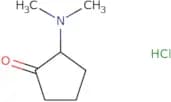
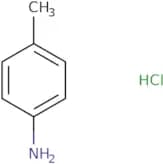
CAS:<p>Versatile small molecule scaffold</p>Formula:C7H14ClNOPurity:Min. 95%Molecular weight:163.64 g/molp-Toluidine HCl
CAS:<p>p-Toluidine hydrochloride is a chemical substance that is soluble in water, ethanol, and ether. It has a melting point of 176 degrees Celsius and its solubility in water at 20 degrees Celsius is 0.1g/100mL. p-Toluidine hydrochloride is used as an intermediate in the manufacture of pharmaceuticals and other chemicals. For example, it can be used to synthesize acetaminophen (paracetamol), which is used for the relief of pain and fever. The surfactant sodium dodecyl sulfate is produced by reacting p-toluidine with sulfuric acid and sodium carbonate to produce hydrogen sulfate, which reacts with sodium hydroxide to form sodium dodecyl sulfate. This surfactant has a viscosity of 3-5 mPa·s and can be used as an emulsifier or foaming agent in cosmetics or detergents.</p>Formula:C7H10ClNPurity:Min. 95%Molecular weight:143.61 g/mol8-Methylimidazo[1,2-a]pyridin-6-amine hydrochloride
CAS:<p>Versatile small molecule scaffold</p>Formula:C8H10ClN3Purity:Min. 95%Molecular weight:183.64 g/mol1-{[1,2,4]Triazolo[1,5-a]pyrazin-5-yl}piperazine hydrochloride
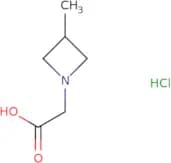
CAS:<p>Versatile small molecule scaffold</p>Formula:C9H13ClN6Purity:Min. 95%Molecular weight:240.69 g/mol2-(3-Methylazetidin-1-yl)acetic acid hydrochloride
CAS:<p>Versatile small molecule scaffold</p>Formula:C6H12ClNO2Purity:Min. 95%Molecular weight:165.62 g/molEthyl Levulinate
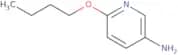
CAS:<p>Ethyl Levulinate is a chemical catalyst that can be used to produce levulinate. The reactivity of this catalyst has been evaluated in the presence of hydrogen tartrate and 5-hydroxymethylfurfural. The reaction mechanism includes the formation of an intermediate, which reacts with the metal hydroxide to form ethyl levulinate. This catalyst is stable under acidic conditions and can be used for reactions that require a pH range from 4-8.</p>Formula:C7H12O3Purity:Min. 95%Molecular weight:144.17 g/mol6-Butoxypyridin-3-amine
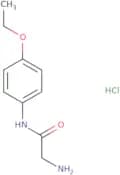
CAS:<p>6-Butoxypyridin-3-amine is a synthetic, tuberculostatic agent that is active against the mycobacteria. It has been shown to be active against the mycobacteria in vitro and in vivo. 6-Butoxypyridin-3-amine has also been shown to have an antagonistic effect against helminth populations and parasites, including tuberculosis. In vitro studies have found this drug to be statistically more potent than isoniazid against organisms that cause tuberculosis.</p>Formula:C9H14N2OPurity:Min. 95%Molecular weight:166.22 g/mol2-Amino-N-(4-ethoxyphenyl)acetamide hydrochloride
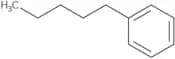
CAS:<p>2-Amino-N-(4-ethoxyphenyl)acetamide hydrochloride is a water soluble, iodoform-devoid antiseptic. It is used in the treatment of kidney disease by preventing the formation of blood clots, which can cause kidney failure. In addition, it has anti-inflammatory properties and is devoid of toxic side effects.</p>Formula:C10H15ClN2O2Purity:Min. 95%Molecular weight:230.69 g/mol1-Pentylbenzene
CAS:<p>1-Pentylbenzene is a nonpolar solvent that is used in the production of polymers and plastics. It can also be used as an intermediate in the synthesis of other compounds. 1-Pentylbenzene has been shown to have a hydrophilic interaction chromatography (HILIC) retention time of 18 minutes, which means it is soluble in water. This chemical is toxic to humans and causes liver damage when ingested or inhaled. 1-Pentylbenzene may also react with hydrochloric acid under certain conditions to produce cyclohexane ring, a metabolite that reacts with hydroxyl group to form phenols and chlorohydrins, which are toxic substances. 1-Pentylbenzene has been shown to inhibit cell growth in human lung cancer cells HL-60 by inhibiting protein synthesis through the inhibition of peptide hormones such as insulin and glucagon. The mechanism for this inhibition may be due to its</p>Formula:C11H16Purity:Min. 95%Molecular weight:148.24 g/mol1,2,6-triazaspiro[2.5]oct-1-ene hydrochloride
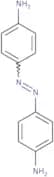
CAS:<p>Versatile small molecule scaffold</p>Formula:C5H10ClN3Purity:Min. 95%Molecular weight:147.6 g/mol4,4™-Azodianiline
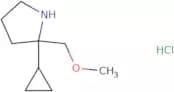
CAS:<p>4,4′-Azodianiline is a chemical compound that belongs to the group of azobenzenes. It is synthesized by reacting 4,4′-diaminodiphenylmethane with hydrochloric acid. This reaction produces a mixture of products. The main product is 4,4′-azodianiline and it also contains a small amount of 2,2′-azobenzene and 4,4′-diaminodiphenylmethane. The azobenzenes have optical properties that make them suitable for use in dyes or as photochromic agents. They absorb light in the ultraviolet range and convert it into visible light. Azobenzenes are used in some prescription eye drops to control inflammation and reduce pain caused by ocular allergies or injuries. These compounds are also used as photographic developers to produce color images on film.</p>Formula:C12H12N4Purity:Min. 95%Molecular weight:212.25 g/mol2-Cyclopropyl-2-(methoxymethyl)pyrrolidine hydrochloride
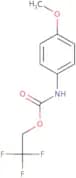
CAS:<p>Versatile small molecule scaffold</p>Formula:C9H18ClNOPurity:Min. 95%Molecular weight:191.7 g/mol2,2,2-Trifluoroethyl N-(4-methoxyphenyl)carbamate
CAS:Versatile small molecule scaffoldFormula:C10H10F3NO3Purity:Min. 95%Molecular weight:249.19 g/mol4-Isopropylbenzyl Alcohol
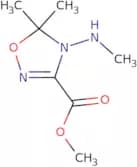
CAS:<p>4-Isopropylbenzyl Alcohol is a hydroxyl compound that is an intermediate in the synthesis of glycol ethers. It has been shown to inhibit the growth of some microbes, such as methicillin-resistant Staphylococcus aureus (MRSA), and also to have anti-inflammatory properties. 4-Isopropylbenzyl Alcohol has been used as an additive in skin creams, where it acts as an antimicrobial agent. It has also been found to be effective against infectious diseases caused by virus and bacteria, including HIV, herpes simplex virus, and influenza virus. 4-Isopropylbenzyl Alcohol is not active against fungi or protozoa.</p>Formula:C10H14OPurity:Min. 95%Molecular weight:150.22 g/molMethyl 5,5-dimethyl-4-(methylamino)-4,5-dihydro-1,2,4-oxadiazole-3-carboxylate
CAS:<p>Versatile small molecule scaffold</p>Formula:C7H13N3O3Purity:Min. 95%Molecular weight:187.2 g/moltert-Butyl 7-oxo-1H,6H,7H-pyrrolo[2,3-c]pyridine-1-carboxylate
CAS:<p>Versatile small molecule scaffold</p>Formula:C12H14N2O3Purity:Min. 95%Molecular weight:234.3 g/mol5-Amino-1,3-thiazole-2-carbothioamide
CAS:<p>5-Amino-1,3-thiazole-2-carbothioamide (5ATC) is a liquid that is soluble in organic solvents. It has been used as a starting material for the synthesis of other compounds. 5ATC can be prepared by the reaction of ethyl acetoacetate with an acid chloride and a base such as pyridine. The reaction is heated to reflux for about 2 hours in an organic solvent, such as chloroform or benzene, followed by cooling to room temperature. It can also be prepared from an amide and hydrogen chloride gas in the presence of pyridine. This synthesis requires manual stirring at room temperature for 12 hours. 5ATC can be purified by recrystallization from water or ether.</p>Formula:C4H5N3S2Purity:Min. 95%Molecular weight:159.2 g/molDNOC
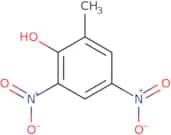
CAS:Controlled Product<p>DNOC is a chemical compound that inhibits photosynthesis in plants. It is used as an analytical chemistry reagent for determining the total chlorophyll content and for determining the amino acid composition of proteins. DNOC has been shown to be genotoxic in testicular cells, but not in other cell types. It also has tryptophan fluorescence properties that indicate it can be taken up by plant roots. DNOC reacts with malonic acid to produce reactive oxygen species (ROS), which are the likely cause of its genotoxic activity. The reaction mechanism is not well understood, but it is thought to involve oxidation of DNOC to form a dinitroso-DNOC radical cation, which reacts with malonic acid to form ROS.</p>Formula:C7H6N2O5Purity:Min. 95%Molecular weight:198.13 g/mol

![tert-Butyl 3-{[1,2,4]triazolo[4,3-a]pyridin-3-ylmethyl}piperidine-1-carboxylate](/_next/image/?url=https%3A%2Fstatic.cymitquimica.com%2Fproducts%2F3D%2Fthumb-webp%2FDXC60811.webp&w=3840&q=75)
![6-(Bromomethyl)-5-oxaspiro[2.4]heptan-4-one](/_next/image/?url=https%3A%2Fstatic.cymitquimica.com%2Fproducts%2F3D%2Fthumb-webp%2FDXC60805.webp&w=3840&q=75)

![Ethyl 2-{3-azaspiro[5.5]undecan-9-yl}acetate hydrochloride](/_next/image/?url=https%3A%2Fstatic.cymitquimica.com%2Fproducts%2F3D%2Fthumb-webp%2FDXC60800.webp&w=3840&q=75)
![tert-Butyl N-{3-azabicyclo[3.1.1]heptan-6-yl}carbamate oxalate](/_next/image/?url=https%3A%2Fstatic.cymitquimica.com%2Fproducts%2F3D%2Fthumb-webp%2FDXC60790.webp&w=3840&q=75)
![{3-[3-(2,2,2-Trifluoroethyl)-1,2,4-oxadiazol-5-yl]phenyl}methanamine hydrochloride](/_next/image/?url=https%3A%2Fstatic.cymitquimica.com%2Fproducts%2F3D%2Fthumb-webp%2FDXC60788.webp&w=3840&q=75)

![4H,5H,6H,7H,8H-Thieno[3,2-b]azepine hydrochloride](/_next/image/?url=https%3A%2Fstatic.cymitquimica.com%2Fproducts%2F3D%2Fthumb-webp%2FDXC59140.webp&w=3840&q=75)
![[2-({8-Oxa-3,5-diazatricyclo[7.4.0.0,2,7]trideca-1(9),2(7),3,5,10,12-hexaen-6-yl}amino)cyclohexyl]…](/_next/image/?url=https%3A%2Fstatic.cymitquimica.com%2Fproducts%2F3D%2Fthumb-webp%2FDXC59137.webp&w=3840&q=75)

![3-Amino-2-[(pyridin-4-yl)methyl]propan-1-ol dihydrochloride](/_next/image/?url=https%3A%2Fstatic.cymitquimica.com%2Fproducts%2F3D%2Fthumb-webp%2FDXC59133.webp&w=3840&q=75)
![4-[2-(Methylamino)ethoxy]benzene-1-sulfonamide hydrochloride](/_next/image/?url=https%3A%2Fstatic.cymitquimica.com%2Fproducts%2F3D%2Fthumb-webp%2FDXC59132.webp&w=3840&q=75)
![tert-Butyl N-[(5-oxo-2,5-dihydro-1H-pyrazol-3-yl)methyl]carbamate](/_next/image/?url=https%3A%2Fstatic.cymitquimica.com%2Fproducts%2F3D%2Fthumb-webp%2FDXC59131.webp&w=3840&q=75)

![4-[(4-Fluorophenyl)methyl]oxan-4-amine hydrochloride](/_next/image/?url=https%3A%2Fstatic.cymitquimica.com%2Fproducts%2F3D%2Fthumb-webp%2FDXC59123.webp&w=3840&q=75)
![Ethyl 6-(chlorosulfonyl)-[1,2,4]triazolo[1,5-a]pyrimidine-2-carboxylate](/_next/image/?url=https%3A%2Fstatic.cymitquimica.com%2Fproducts%2F3D%2Fthumb-webp%2FDXC59120.webp&w=3840&q=75)
![Oxan-4-yl[3-(trifluoromethyl)phenyl]methanamine hydrochloride](/_next/image/?url=https%3A%2Fstatic.cymitquimica.com%2Fproducts%2F3D%2Fthumb-webp%2FDXC59116.webp&w=3840&q=75)
![Methyl 2-[(2,2-difluoroethyl)amino]acetate hydrochloride](/_next/image/?url=https%3A%2Fstatic.cymitquimica.com%2Fproducts%2F3D%2Fthumb-webp%2FDXC59112.webp&w=3840&q=75)
![5-Fluorobicyclo[4.2.0]octa-1(6),2,4-triene-7-carbonitrile](/_next/image/?url=https%3A%2Fstatic.cymitquimica.com%2Fproducts%2F3D%2Fthumb-webp%2FDXC59107.webp&w=3840&q=75)

![8-Methylimidazo[1,2-a]pyridin-6-amine hydrochloride](/_next/image/?url=https%3A%2Fstatic.cymitquimica.com%2Fproducts%2F3D%2Fthumb-webp%2FDXC59103.webp&w=3840&q=75)
![1-{[1,2,4]Triazolo[1,5-a]pyrazin-5-yl}piperazine hydrochloride](/_next/image/?url=https%3A%2Fstatic.cymitquimica.com%2Fproducts%2F3D%2Fthumb-webp%2FDXC59102.webp&w=3840&q=75)

![1,2,6-triazaspiro[2.5]oct-1-ene hydrochloride](/_next/image/?url=https%3A%2Fstatic.cymitquimica.com%2Fproducts%2F3D%2Fthumb-webp%2FDXC59098.webp&w=3840&q=75)

![tert-Butyl 7-oxo-1H,6H,7H-pyrrolo[2,3-c]pyridine-1-carboxylate](/_next/image/?url=https%3A%2Fstatic.cymitquimica.com%2Fproducts%2F3D%2Fthumb-webp%2FDXC59095.webp&w=3840&q=75)