Building Blocks
This section contains fundamental products for the synthesis of organic and biological compounds. Building blocks are the essential starting materials used to construct complex molecules through various chemical reactions. They play a critical role in drug discovery, material science, and chemical research. At CymitQuimica, we offer a diverse range of high-quality building blocks to support your innovative research and industrial projects, ensuring you have the essential components for successful synthesis.
Subcategories of "Building Blocks"
- Boronic Acids & Boronic Acid Derivatives(5,756 products)
- Chiral Building Blocks(1,242 products)
- Hydrocarbon Building Blocks(6,095 products)
- Organic Building Blocks(61,055 products)
Found 199650 products of "Building Blocks"
Sort by
Purity (%)
0
100
|
0
|
50
|
90
|
95
|
100
Trimethyl(trifluoromethyl)silane
CAS:<p>Please enquire for more information about Trimethyl(trifluoromethyl)silane including the price, delivery time and more detailed product information at the technical inquiry form on this page</p>Formula:C4H9F3SiPurity:Min. 95%Molecular weight:142.19 g/mol1,2,3,4-Tetrahydronaphthalene-2-carbaldehyde
CAS:Versatile small molecule scaffoldFormula:C11H12OPurity:Min. 95%Molecular weight:160.21 g/mol2-Ethynyl-5-methylthiophene
CAS:<p>Versatile small molecule scaffold</p>Formula:C7H6SPurity:Min. 95%Molecular weight:122.19 g/mol2-Ethynyl-3-methylthiophene
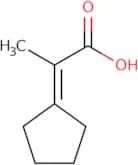
CAS:<p>Versatile small molecule scaffold</p>Formula:C7H6SPurity:Min. 95%Molecular weight:122.19 g/mol2-Cyclopentylidenepropanoic acid
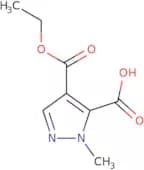
CAS:<p>Versatile small molecule scaffold</p>Formula:C8H12O2Purity:Min. 95%Molecular weight:140.18 g/mol4-(Ethoxycarbonyl)-1-methyl-1H-pyrazole-5-carboxylic acid
CAS:<p>Versatile small molecule scaffold</p>Formula:C8H10N2O4Purity:Min. 95%Molecular weight:198.18 g/mol2-Methyl-2H,6H,7H-pyrazolo[3,4-d]pyridazin-7-one
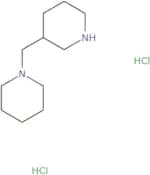
CAS:<p>Versatile small molecule scaffold</p>Formula:C6H6N4OPurity:Min. 95%Molecular weight:150.1 g/mol1-(3-Piperidinylmethyl)piperidine dihydrochloride
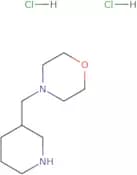
CAS:<p>Versatile small molecule scaffold</p>Formula:C11H24Cl2N2Purity:Min. 95%Molecular weight:255.22 g/mol4-(Piperidin-3-ylmethyl)morpholine dihydrochloride
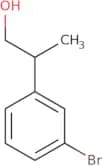
CAS:<p>Versatile small molecule scaffold</p>Formula:C10H22Cl2N2OPurity:Min. 95%Molecular weight:257.2 g/mol2-(3-Bromophenyl)propan-1-ol
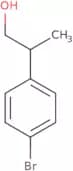
CAS:<p>Versatile small molecule scaffold</p>Formula:C9H11BrOPurity:Min. 95%Molecular weight:215.09 g/mol2-(4-Bromophenyl)propan-1-ol
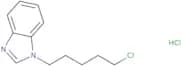
CAS:<p>Versatile small molecule scaffold</p>Formula:C9H11BrOPurity:Min. 95%Molecular weight:215.09 g/mol1-(5-Chloropentyl)-1H-1,3-benzodiazole hydrochloride
CAS:<p>Versatile small molecule scaffold</p>Formula:C12H16Cl2N2Purity:Min. 95%Molecular weight:259.17 g/mol3-[2-(methoxycarbonyl)phenyl]propanoic acid
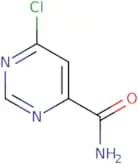
CAS:<p>Versatile small molecule scaffold</p>Formula:C11H12O4Purity:Min. 95%Molecular weight:208.2 g/mol6-Chloropyrimidine-4-carboxamide
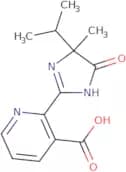
CAS:<p>Versatile small molecule scaffold</p>Formula:C5H4ClN3OPurity:Min. 95%Molecular weight:157.56 g/molImazapyr
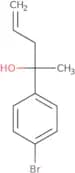
CAS:<p>Imazapyr is a herbicide that inhibits the activity of acetolactate synthase, an enzyme essential for plant growth. Imazapyr binds to the active site of acetolactate synthase and forms a stable complex with the enzyme, thereby inhibiting its activity. Imazapyr has been shown to have a low toxicity in mammals and is not absorbed through skin or lungs. This herbicide is also toxic to plants and fish, as it inhibits their growth by disrupting photosynthesis. Imazapyr does not bind to DNA, thus it does not induce mutations in bacterial chromosomes.</p>Formula:C13H15N3O3Purity:Min. 95%Molecular weight:261.28 g/mol2-(4-Bromophenyl)pent-4-en-2-ol
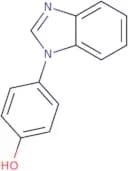
CAS:<p>Versatile small molecule scaffold</p>Formula:C11H13BrOPurity:Min. 95%Molecular weight:241.12 g/mol4-(1H-1,3-Benzodiazol-1-yl)phenol
CAS:<p>Versatile small molecule scaffold</p>Formula:C13H10N2OPurity:Min. 95%Molecular weight:210.23 g/mol1H-Indazol-4-ol
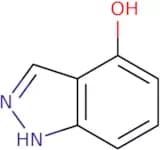
CAS:<p>1H-Indazol-4-ol is a synthetic chemical with the molecular formula CHNO. It is the chloride, nitro, diammonium, enamine, divalent, methyl ester, acrylonitrile, polyethylene terephthalate and anion form of 1H-indazole. 1H-Indazol-4-ol is used in the synthesis of aminonaphthalenes and triazoles. The polymerization reaction for the production of cellulose acetate is also catalyzed by 1H-indazole. This chemical has been shown to have anion properties in solvents such as water and alcohols.</p>Formula:C7H6N2OPurity:Min. 95%Molecular weight:134.14 g/mol1-[(Benzyloxy)methyl]-4-bromobenzene
CAS:<p>Versatile small molecule scaffold</p>Formula:C14H13BrOPurity:Min. 95%Molecular weight:277.16 g/mol2,3-Dihydrospiro[indene-1,3'-pyrrolidine]-2',5'-dione
CAS:<p>Versatile small molecule scaffold</p>Formula:C12H11NO2Purity:Min. 95%Molecular weight:201.22 g/mol1,3-Dihydrospiro[indene-2,3'-pyrrolidine]-2',5'-dione
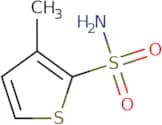
CAS:<p>Versatile small molecule scaffold</p>Formula:C12H11NO2Purity:Min. 95%Molecular weight:201.22 g/mol3-Methylthiophene-2-sulfonamide
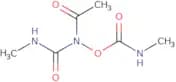
CAS:<p>Versatile small molecule scaffold</p>Formula:C5H7NO2S2Purity:Min. 95%Molecular weight:177.2 g/molN-(Methylcarbamoyl)acetamido N-methylcarbamate
CAS:<p>N-(Methylcarbamoyl)acetamido N-methylcarbamate (NMCA) is a novel anti-cancer compound that selectively binds to the CB2 receptor. NMCA has been shown to inhibit the growth of cancer cells in vitro and in vivo, as well as reduce the size of bowel tumors. It also has a beneficial effect on cardiac function. The mechanism of action is not completely understood, but it may be due to binding to the CB2 receptor and blocking the activation of other receptors such as TNF-α. NMCA can be formulated into biocompatible polymers that are suitable for drug delivery. Furthermore, this compound can be used for treating inflammatory bowel disease and renal cell cancer.</p>Formula:C6H11N3O4Purity:Min. 95%Molecular weight:189.17 g/mol2-Methylcyclopropanecarboxamide
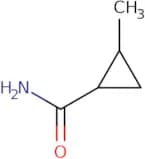
CAS:<p>2-Methylcyclopropanecarboxamide is a compound that has been shown to have anticoagulant properties. It binds to the active site of coagulation factor Xa and inhibits its activity, thereby preventing blood clots from forming. 2-Methylcyclopropanecarboxamide has also been shown to be an immunosuppressant, demonstrating a decrease in antibody response and reduced intestinal inflammation in mice. This drug has potential use as an anti-inflammatory agent or for the treatment of autoimmune diseases.</p>Formula:C5H9NOPurity:Min. 95%Molecular weight:99.13 g/mol2-[(4-Bromophenyl)methanesulfinyl]acetic acid
CAS:<p>Versatile small molecule scaffold</p>Formula:C9H9BrO3SPurity:Min. 95%Molecular weight:277.14 g/mol2-(4-Bromobenzylsulfonyl)acetic acid
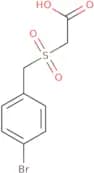
CAS:<p>Versatile small molecule scaffold</p>Formula:C9H9BrO4SPurity:Min. 95%Molecular weight:293.14 g/molEthyl 7-Bromo-2-methylimidazo[1,2-a]pyridine-3-carboxylate
CAS:<p>Versatile small molecule scaffold</p>Formula:C11H11BrN2O2Purity:Min. 95%Molecular weight:283.12 g/mol6-Bromo-2-methylimidazo[1,2-a]pyridine-3-carboxylic acid
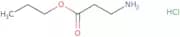
CAS:<p>Versatile small molecule scaffold</p>Formula:C9H7BrN2O2Purity:Min. 95%Molecular weight:255.07 g/molPropyl 3-aminopropanoate hydrochloride
CAS:<p>Versatile small molecule scaffold</p>Formula:C6H14ClNO2Purity:Min. 95%Molecular weight:167.63 g/mol[4-(Thien-2-yl)phenyl]methanol
CAS:<p>Versatile small molecule scaffold</p>Formula:C11H10OSPurity:Min. 95%Molecular weight:190.26 g/mol2-[4-(Bromomethyl)phenyl]thiophene
CAS:<p>Versatile small molecule scaffold</p>Formula:C11H9BrSPurity:Min. 95%Molecular weight:253.16 g/mol5-Chlorobicyclo[4.2.0]octa-1,3,5-trien-7-one
CAS:<p>Versatile small molecule scaffold</p>Formula:C8H5ClOPurity:Min. 95%Molecular weight:152.58 g/mol6-[(Hydroxyimino)methyl]-2-oxo-1,2-dihydropyridine-3-carbonitrile
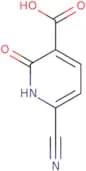
CAS:<p>Versatile small molecule scaffold</p>Formula:C7H5N3O2Purity:Min. 95%Molecular weight:163.13 g/mol6-Cyano-1,2-dihydro-2-oxo-3-pyridinecarboxylic acid
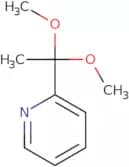
CAS:<p>Versatile small molecule scaffold</p>Formula:C7H4N2O3Purity:Min. 95%Molecular weight:164.12 g/mol2-(1,1-Dimethoxyethyl)pyridine
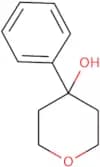
CAS:<p>Versatile small molecule scaffold</p>Formula:C9H13NO2Purity:Min. 95%Molecular weight:167.2 g/mol4-Phenyl-tetrahydro-pyran-4-ol
CAS:<p>Versatile small molecule scaffold</p>Formula:C11H14O2Purity:Min. 95%Molecular weight:178.23 g/mol6-Trifluoromethyl-benzo[D]isoxazol-3-ylamine
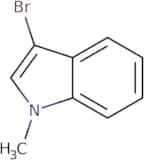
CAS:<p>Versatile small molecule scaffold</p>Formula:C8H5F3N2OPurity:Min. 95%Molecular weight:202.13 g/mol3-bromo-1-methyl-1H-indole
CAS:<p>3-bromo-1-methyl-1H-indole is a chemical compound with the molecular formula C8H7BrN. It can be prepared by reacting 1,3-dimethylindole with bromine in the presence of potassium carbonate and palladium chloride. 3-Bromo-1-methyl-1H-indole has been used to synthesize tetramers of 1,3,5,7,9,11,13,15-(2)naphthacenecarboxylic acid. This compound has also been used as a lithiation reagent for substituted anilines and benzamides. The substituents on the indole ring allow for cyclic reactivity and functional groups that are reactive towards hydrolysis or lithiation. 3bromo 1methyl 1H indole is an example of a heterocyclic compound because it contains two rings. The first ring consists of five carbons</p>Formula:C9H8BrNPurity:Min. 95%Molecular weight:210.07 g/mol2-(4-Chloro-3-nitrobenzenesulfonamido)acetic acid
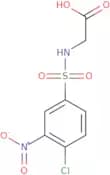
CAS:2-(4-Chloro-3-nitrobenzenesulfonamido)acetic acid is a fluorinated monosaccharide that is synthesized from 2,4-dichloro-3 nitrobenzenesulfonic acid and acetic anhydride. It has been used in the synthesis of oligosaccharides, complex carbohydrates, and glycosylations. This chemical has been shown to be effective as a methylating agent for sugars and carbohydrates. It is also used in click chemistry modifications and has CAS number 81473-65-6.Formula:C8H7ClN2O6SPurity:Min. 95%Molecular weight:294.67 g/mol3-(4-Chloro-3-nitrobenzenesulfonamido)propanoic acid
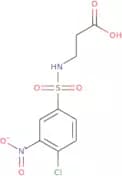
CAS:<p>Versatile small molecule scaffold</p>Formula:C9H9ClN2O6SPurity:Min. 95%Molecular weight:308.7 g/mol3-(2-Bromoethyl)oxolan-2-one
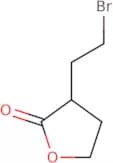
CAS:<p>Versatile small molecule scaffold</p>Formula:C6H9BrO2Purity:Min. 95%Molecular weight:193.04 g/mol2-Methyl-1,2,3,4-tetrahydroquinolin-8-ol
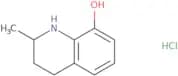
CAS:<p>Versatile small molecule scaffold</p>Formula:C10H14ClNOPurity:Min. 95%Molecular weight:199.68 g/mol2-Chloro-N-[(4-propoxyphenyl)methyl]acetamide
CAS:<p>Versatile small molecule scaffold</p>Formula:C12H16ClNO2Purity:Min. 95%Molecular weight:241.71 g/mol[(Pent-4-en-1-yloxy)methyl]benzene
CAS:<p>[(Pent-4-en-1-yloxy)methyl]benzene is an ester that is used in the synthesis of other compounds. It is produced by the catalytic cleavage of sulfoxides and interacts with a variety of ligands. [(Pent-4-en-1-yloxy)methyl]benzene can be used as a precursor to allylic esters, which are important in organic synthesis because they are often more reactive than their parent olefin. It has been shown to undergo allylic oxidation and allylic esters, which are important reactions in organic chemistry. Allylic oxidation involves the addition of oxygen to an unsaturated carbon atom, while allylic esters involve the addition of an alcohol to an unsaturated carbon atom. This functionalization process is useful for making molecules that contain two different types of functional groups.</p>Formula:C12H16OPurity:Min. 95%Molecular weight:176.25 g/mol3-Cyclohexyl-2-fluoropropanoic acid
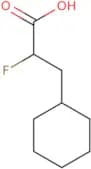
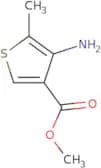
CAS:<p>Versatile small molecule scaffold</p>Formula:C9H15FO2Purity:Min. 95%Molecular weight:174.21 g/molMethyl 4-amino-5-methylthiophene-3-carboxylate
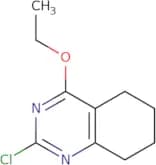
CAS:<p>Methyl 4-amino-5-methylthiophene-3-carboxylate (AMTC) is a synthetic inhibitor of the enzyme acetyl-coa carboxylase. AMTC is used as a research tool to study the role of acetyl-coa carboxylase in plants and animals. In Arabidopsis, AMTC inhibits the synthesis of fatty acids, leading to reduced seed oil content. It also inhibits transcarboxylase in wheat, which causes an accumulation of acetate. AMTC is synthesized by reacting methyl 4-nitrobenzoate with thieno[2,3,-c]pyrazole in the presence of palladium(II) chloride and potassium carbonate. The product undergoes hydrogenation to give AMTC.</p>Formula:C7H9NO2SPurity:Min. 95%Molecular weight:171.22 g/mol2-Chloro-4-ethoxy-5,6,7,8-tetrahydroquinazoline
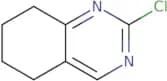
CAS:<p>Versatile small molecule scaffold</p>Formula:C10H13ClN2OPurity:Min. 95%Molecular weight:212.67 g/mol2-chloro-5,6,7,8-tetrahydroquinazoline
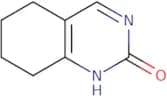
CAS:<p>Versatile small molecule scaffold</p>Formula:C8H9ClN2Purity:Min. 95%Molecular weight:168.62 g/mol1,2,5,6,7,8-Hexahydroquinazolin-2-one
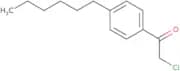
CAS:<p>Quinazolone is an organic compound that can be classified as a hydrocarbon, aliphatic hydrocarbon, or a radical. It has been used in the production of benzyl, growth regulators and biocides. Quinazolone is also used for plant growth and is effective against some fungi such as Penicillium notatum.</p>Formula:C8H10N2OPurity:Min. 95%Molecular weight:150.18 g/mol2-Chloro-1-(4-hexylphenyl)ethan-1-one
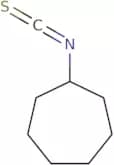
CAS:<p>Versatile small molecule scaffold</p>Formula:C14H19ClOPurity:Min. 95%Molecular weight:238.75 g/molCycloheptyl isothiocyanate
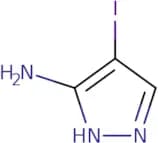
CAS:<p>Cycloheptyl isothiocyanate is a 1-4c alkyl, azaheterocycle, isothiocyanate that has been shown to be stereoselective. It binds to the sulfur atom of thiols and sulfonylureas, preventing the formation of the reactive intermediate that leads to their hydrolysis. This property can be used for the synthesis of ensembles and aralkyls. Cycloheptyl isothiocyanate also binds to alkenyl groups, which may be useful in synthesizing cycloalkyls or haloalkyls.</p>Formula:C8H13NSPurity:Min. 95%Molecular weight:155.26 g/mol3-Amino-4-iodo-1H-pyrazole
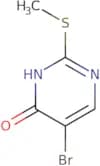
CAS:<p>3-Amino-4-iodo-1H-pyrazole is a heterocyclic organic compound consisting of an imidazole ring with a pyrazole ring fused at the 2 and 5 positions. It is an analog of pyridazine. The crystal structure of 3-amino-4-iodo-1H-pyrazole has been determined to be orthorhombic, with space group Pnam2. The compound has a number of reactions, including nucleophilic addition, hydroxylation, and nitration. This heterocyclic compound is reactive and can serve as a monofunctional reagent in multiple reactions. 3-Amino-4-iodo-1H-pyrazole is used in the synthesis of other related compounds like 6-(3′,5′ -diamino)imidazo[2,1]benzothiazoles.</p>Formula:C3H4IN3Purity:Min. 95%Molecular weight:208.99 g/mol5-Bromo-2-methylsulfanylpyrimidin-4-ol
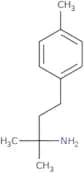
CAS:<p>Versatile small molecule scaffold</p>Formula:C5H5BrN2OSPurity:Min. 95%Molecular weight:221.07 g/mol2-Methyl-4-(4-methylphenyl)butan-2-amine
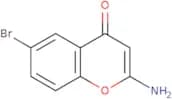
CAS:<p>Versatile small molecule scaffold</p>Formula:C12H19NPurity:Min. 95%Molecular weight:177.29 g/mol2-Amino-6-bromo-4H-chromen-4-one
CAS:<p>Versatile small molecule scaffold</p>Formula:C9H6BrNO2Purity:Min. 95%Molecular weight:240.05 g/mol2-[(2-Bromophenyl)formamido]acetic acid
CAS:<p>2-[(2-Bromophenyl)formamido]acetic acid is a bile salt that is used to treat liver disease. It is a prodrug of taurocholic acid, which is a naturally occurring bile salt that is essential for the digestion of dietary fats. 2-[(2-Bromophenyl)formamido]acetic acid has been shown to have a constant rate of hydrolysis and can be used as an alternative to taurocholic acid in cases where the latter cannot be metabolized due to genetic defects or enzyme deficiencies. This drug also has the ability to neutralize staphylococcus by converting it into hippuric acid, which can then be excreted from the body via urine. 2-[(2-Bromophenyl)formamido]acetic acid does not undergo any reactions with other drugs, making it ideal for patients who are taking other medications for unrelated conditions.</p>Formula:C9H8BrNO3Purity:Min. 95%Molecular weight:258.07 g/molTricyclo[7.1.1.0,2,7]undeca-2,4,6-trien-8-ol
CAS:<p>Versatile small molecule scaffold</p>Formula:C11H12OPurity:Min. 95%Molecular weight:160.2 g/molTricyclo[7.1.1.0,2,7]undeca-2,4,6-triene-8-carboxylic acid
CAS:<p>Versatile small molecule scaffold</p>Formula:C12H12O2Purity:Min. 95%Molecular weight:188.2 g/molTricyclo[7.1.1.0,2,7]undeca-2,4,6-trien-8-amine
CAS:<p>Versatile small molecule scaffold</p>Formula:C11H13NPurity:Min. 95%Molecular weight:159.23 g/mol4-tert-Butyl-1,3-thiazole-5-carboxylic acid
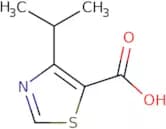
CAS:<p>Versatile small molecule scaffold</p>Formula:C8H11NO2SPurity:Min. 95%Molecular weight:185.25 g/mol4-(Propan-2-yl)-1,3-thiazole-5-carboxylic acid
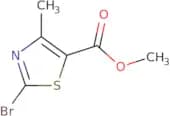
CAS:<p>Versatile small molecule scaffold</p>Formula:C7H9NO2SPurity:Min. 95%Molecular weight:171.22 g/molmethyl 2-bromo-4-methylthiazole-5-carboxylate
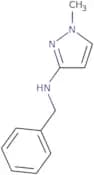
CAS:<p>Versatile small molecule scaffold</p>Formula:C6H6BrNO2SPurity:Min. 95%Molecular weight:236.08 g/molN-Benzyl-1-methyl-1H-pyrazol-3-amine
CAS:<p>Versatile small molecule scaffold</p>Formula:C11H13N3Purity:Min. 95%Molecular weight:187.24 g/mol2-Bromo-4,6-dimethoxybenzaldehyde
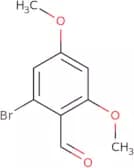
CAS:<p>2-Bromo-4,6-dimethoxybenzaldehyde is an arylation reagent that reacts with nucleophilic substrates (e.g., amines) through the formation of a covalent bond. 2-Bromo-4,6-dimethoxybenzaldehyde is used as an efficient way to synthesize halides and functional groups for research purposes. This compound has also been shown to have antibacterial activity against Staphylococcus aureus and methicillin resistant Staphylococcus aureus. 2-Bromo-4,6-dimethoxybenzaldehyde is synthesized by the reaction of styrene with bromine in the presence of base. It is also used in the synthesis of flavones, which are natural products found in plants that have anti-inflammatory properties.</p>Formula:C9H9BrO3Purity:Min. 95%Molecular weight:245.07 g/mol1-(3-Chlorophenyl)-2,2,2-trifluoroethanol
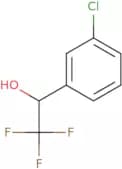
CAS:<p>Versatile small molecule scaffold</p>Formula:C8H6ClF3OPurity:Min. 95%Molecular weight:210.58 g/mol1-(1-Bromo-2,2,2-trifluoroethyl)-4-fluorobenzene
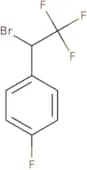
CAS:<p>Versatile small molecule scaffold</p>Formula:C8H5BrF4Purity:Min. 95%Molecular weight:257.02 g/mol2-Methoxy-N-(4-methylbenzenesulfonyl)benzamide
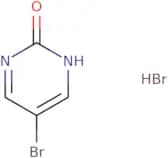
CAS:<p>Versatile small molecule scaffold</p>Formula:C15H15NO4SPurity:Min. 95%Molecular weight:305.3 g/mol5-Bromopyrimidin-2(1H)-one hydrobromide
CAS:<p>Versatile small molecule scaffold</p>Formula:C4H4Br2N2OPurity:Min. 95%Molecular weight:255.9 g/mol3,6-Dithiabicyclo[3.1.0]hexane-3,3-dione
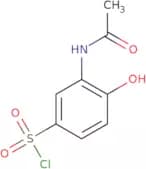
CAS:<p>Versatile small molecule scaffold</p>Formula:C4H6O2S2Purity:Min. 95%Molecular weight:150.2 g/mol3-Acetamido-4-hydroxybenzene-1-sulfonyl chloride
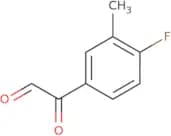
CAS:<p>Versatile small molecule scaffold</p>Formula:C8H8ClNO4SPurity:Min. 95%Molecular weight:249.67 g/mol2-(4-Fluoro-3-methylphenyl)-2-oxoacetaldehyde
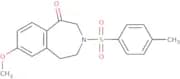
CAS:<p>Versatile small molecule scaffold</p>Formula:C9H7FO2Purity:Min. 95%Molecular weight:166.15 g/mol7-Methoxy-3-(4-methylbenzenesulfonyl)-2,3,4,5-tetrahydro-1H-3-benzazepin-1-one
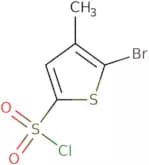
CAS:<p>Versatile small molecule scaffold</p>Formula:C18H19NO4SPurity:Min. 95%Molecular weight:345.4 g/mol5-Bromo-4-methylthiophene-2-sulfonyl chloride
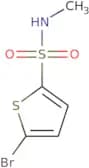
CAS:<p>Versatile small molecule scaffold</p>Formula:C5H4BrClO2S2Purity:Min. 95%Molecular weight:275.6 g/mol5-Bromo-N-methylthiophene-2-sulfonamide
CAS:<p>5-Bromo-N-methylthiophene-2-sulfonamide is a potent inhibitor of inflammation. It can be used to treat inflammatory diseases such as arthritis and asthma. 5-Bromo-N-methylthiophene-2-sulfonamide inhibits the production of TNFα, which is an important mediator of inflammation. It also inhibits the production of prostaglandin E2 (PGE2) from arachidonic acid by inhibiting cyclooxygenase enzymes. This drug exhibits potent inhibitory activity against cancer in animals and has been shown to inhibit the growth of ovarian follicles by interacting with fatty acids.</p>Formula:C5H6BrNO2S2Purity:Min. 95%Molecular weight:256.1 g/mol4-[(5-Bromothiophen-2-yl)sulfonyl]morpholine
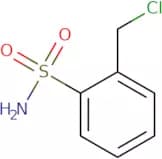
CAS:<p>Versatile small molecule scaffold</p>Formula:C8H10BrNO3S2Purity:Min. 95%Molecular weight:312.2 g/mol2-(Chloromethyl)benzene-1-sulfonamide
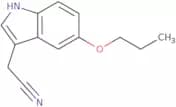
CAS:<p>Versatile small molecule scaffold</p>Formula:C7H8ClNO2SPurity:Min. 95%Molecular weight:205.66 g/mol2-(5-Propoxy-1H-indol-3-yl)acetonitrile
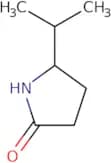
CAS:<p>Versatile small molecule scaffold</p>Formula:C13H14N2OPurity:Min. 95%Molecular weight:214.26 g/mol5-(Propan-2-yl)pyrrolidin-2-one
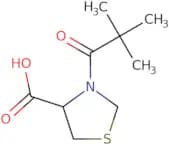
CAS:<p>5-(Propan-2-yl)pyrrolidin-2-one is a lipase inhibitor that inhibits the activity of enzymes in the production of fatty acids and triglycerides. It slows down the process by which fat is broken down, leading to an accumulation of fat in the liver. 5-(Propan-2-yl)pyrrolidin-2-one can be used as a precursor for vinyl acetate, which is used in the production of polyvinyl chloride (PVC) plastics. 5-(Propan-2-yl)pyrrolidin-2-one also has been shown to inhibit transesterification reactions.</p>Formula:C7H13NOPurity:Min. 95%Molecular weight:127.18 g/mol3-(2,2-Dimethylpropanoyl)-1,3-thiazolidine-4-carboxylic acid
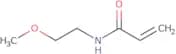
CAS:<p>Versatile small molecule scaffold</p>Formula:C9H15NO3SPurity:Min. 95%Molecular weight:217.29 g/molN-(2-Methoxyethyl)prop-2-enamide
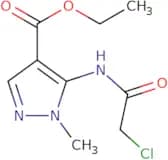
CAS:<p>Versatile small molecule scaffold</p>Formula:C6H11NO2Purity:Min. 95%Molecular weight:129.16 g/molEthyl 5-(2-chloroacetamido)-1-methyl-1H-pyrazole-4-carboxylate
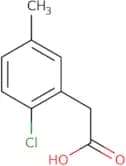
CAS:<p>Versatile small molecule scaffold</p>Formula:C9H12ClN3O3Purity:Min. 95%Molecular weight:245.66 g/mol(2-Chloro-5-methylphenyl)acetic acid
CAS:<p>Versatile small molecule scaffold</p>Formula:C9H9ClO2Purity:Min. 95%Molecular weight:184.62 g/mol1-Isocyanato-4-(methylsulfanyl)butane
CAS:<p>Versatile small molecule scaffold</p>Formula:C6H11NOSPurity:Min. 95%Molecular weight:145.2 g/mol4-Methoxy-2-oxobicyclo[2.2.2]octane-1-carboxylic acid
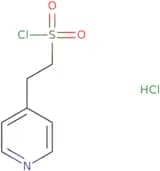
CAS:<p>Versatile small molecule scaffold</p>Formula:C10H14O4Purity:Min. 95%Molecular weight:198.22 g/mol2-Pyridin-4-yl-ethanesulfonyl chloridehydrochloride
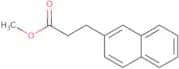
CAS:Versatile small molecule scaffoldFormula:C7H9Cl2NO2SPurity:Min. 95%Molecular weight:242.1 g/molMethyl 3-(naphthalen-2-yl)propanoate
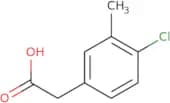
CAS:<p>Versatile small molecule scaffold</p>Formula:C14H14O2Purity:Min. 95%Molecular weight:214.26 g/mol2-(4-Chloro-3-methylphenyl)acetic acid
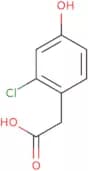
CAS:<p>Versatile small molecule scaffold</p>Formula:C9H9ClO2Purity:Min. 95%Molecular weight:184.62 g/mol2-(2-Chloro-4-hydroxyphenyl)acetic acid
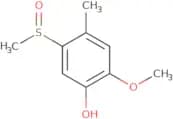
CAS:<p>Versatile small molecule scaffold</p>Formula:C8H7ClO3Purity:Min. 95%Molecular weight:186.59 g/mol5-Methanesulfinyl-2-methoxy-4-methylphenol
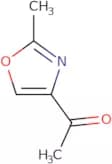
CAS:<p>Versatile small molecule scaffold</p>Formula:C9H12O3SPurity:Min. 95%Molecular weight:200.26 g/mol1-(2-Methyl-1,3-oxazol-4-yl)ethan-1-one
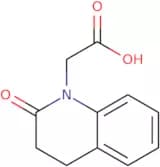
CAS:<p>Versatile small molecule scaffold</p>Formula:C6H7NO2Purity:Min. 95%Molecular weight:125.13 g/mol2-(2-Oxo-3,4-dihydroquinolin-1(2H)-yl)acetic acid
CAS:<p>Versatile small molecule scaffold</p>Formula:C11H11NO3Purity:Min. 95%Molecular weight:205.21 g/mol4-Methyl-2-[(trimethylsilyl)oxy]pentanenitrile
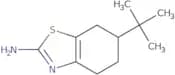
CAS:Versatile small molecule scaffoldFormula:C9H19NOSiPurity:Min. 95%Molecular weight:185.34 g/mol2-Amino-6-tert-butyl-4,5,6,7-tetrahydrobenzothiazole
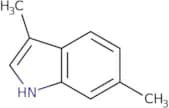
CAS:<p>Versatile small molecule scaffold</p>Formula:C11H18N2SPurity:Min. 95%Molecular weight:210.34 g/mol3,6-Dimethyl-1H-indole
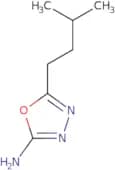
CAS:<p>Versatile small molecule scaffold</p>Formula:C10H11NPurity:Min. 95%Molecular weight:145.2 g/mol5-(3-Methylbutyl)-1,3,4-oxadiazol-2-amine
CAS:<p>Versatile small molecule scaffold</p>Formula:C7H13N3OPurity:Min. 95%Molecular weight:155.2 g/mol2-[2-(Trimethylsilyl)ethynyl]-phenol
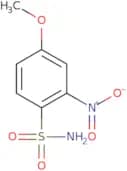
CAS:<p>2-[2-(Trimethylsilyl)ethynyl]-phenol is an alkyne that can be used in coupling reactions to form terminal alkynes. The compound is also a precursor to azobenzene and aryl iodides, which are useful in chemical synthesis. 2-[2-(Trimethylsilyl)ethynyl]phenol can be isolated from the reaction of 3-iodo-1-propyn-1-ol with ethyne. The yield of this reaction is usually low because it is difficult to isolate the product from other byproducts.</p>Formula:C11H14OSiPurity:Min. 95%Molecular weight:190.31 g/mol4-Methoxy-2-nitrobenzene-1-sulfonamide
CAS:<p>Versatile small molecule scaffold</p>Formula:C7H8N2O5SPurity:Min. 95%Molecular weight:232.22 g/molEthyl imidazo[1,5-a]pyridine-3-carboxylate
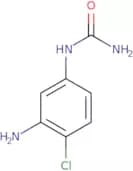
CAS:<p>Versatile small molecule scaffold</p>Formula:C10H10N2O2Purity:Min. 95%Molecular weight:190.2 g/mol(3-Amino-4-chlorophenyl)urea
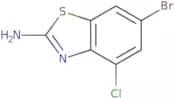
CAS:<p>Versatile small molecule scaffold</p>Formula:C7H8ClN3OPurity:Min. 95%Molecular weight:185.61 g/mol6-bromo-4-chloro-1,3-benzothiazol-2-amine
CAS:<p>Versatile small molecule scaffold</p>Formula:C7H4BrClN2SPurity:Min. 95%Molecular weight:263.5 g/mol


![2-Methyl-2H,6H,7H-pyrazolo[3,4-d]pyridazin-7-one](/_next/image/?url=https%3A%2Fstatic.cymitquimica.com%2Fproducts%2F3D%2Fthumb-webp%2FGDA30593.webp&w=3840&q=75)
![3-[2-(methoxycarbonyl)phenyl]propanoic acid](/_next/image/?url=https%3A%2Fstatic.cymitquimica.com%2Fproducts%2F3D%2Fthumb-webp%2FGDA32974.webp&w=3840&q=75)
![1-[(Benzyloxy)methyl]-4-bromobenzene](/_next/image/?url=https%3A%2Fstatic.cymitquimica.com%2Fproducts%2F3D%2Fthumb-webp%2FGDA39527.webp&w=3840&q=75)
![2,3-Dihydrospiro[indene-1,3'-pyrrolidine]-2',5'-dione](/_next/image/?url=https%3A%2Fstatic.cymitquimica.com%2Fproducts%2F3D%2Fthumb-webp%2FGDA40216.webp&w=3840&q=75)
![1,3-Dihydrospiro[indene-2,3'-pyrrolidine]-2',5'-dione](/_next/image/?url=https%3A%2Fstatic.cymitquimica.com%2Fproducts%2F3D%2Fthumb-webp%2FGDA40221.webp&w=3840&q=75)
![2-[(4-Bromophenyl)methanesulfinyl]acetic acid](/_next/image/?url=https%3A%2Fstatic.cymitquimica.com%2Fproducts%2F3D%2Fthumb-webp%2FGDA43133.webp&w=3840&q=75)
![Ethyl 7-Bromo-2-methylimidazo[1,2-a]pyridine-3-carboxylate](/_next/image/?url=https%3A%2Fstatic.cymitquimica.com%2Fproducts%2F3D%2Fthumb-webp%2FGDA43856.webp&w=3840&q=75)
![6-Bromo-2-methylimidazo[1,2-a]pyridine-3-carboxylic acid](/_next/image/?url=https%3A%2Fstatic.cymitquimica.com%2Fproducts%2F3D%2Fthumb-webp%2FGDA43857.webp&w=3840&q=75)
![[4-(Thien-2-yl)phenyl]methanol](/_next/image/?url=https%3A%2Fstatic.cymitquimica.com%2Fproducts%2F3D%2Fthumb-webp%2FGDA44344.webp&w=3840&q=75)
![2-[4-(Bromomethyl)phenyl]thiophene](/_next/image/?url=https%3A%2Fstatic.cymitquimica.com%2Fproducts%2F3D%2Fthumb-webp%2FGDA44346.webp&w=3840&q=75)
![5-Chlorobicyclo[4.2.0]octa-1,3,5-trien-7-one](/_next/image/?url=https%3A%2Fstatic.cymitquimica.com%2Fproducts%2F3D%2Fthumb-webp%2FGDA44763.webp&w=3840&q=75)
![6-[(Hydroxyimino)methyl]-2-oxo-1,2-dihydropyridine-3-carbonitrile](/_next/image/?url=https%3A%2Fstatic.cymitquimica.com%2Fproducts%2F3D%2Fthumb-webp%2FGDA45061.webp&w=3840&q=75)
![6-Trifluoromethyl-benzo[D]isoxazol-3-ylamine](/_next/image/?url=https%3A%2Fstatic.cymitquimica.com%2Fproducts%2F3D%2Fthumb-webp%2FGDA46591.webp&w=3840&q=75)
![2-Chloro-N-[(4-propoxyphenyl)methyl]acetamide](/_next/image/?url=https%3A%2Fstatic.cymitquimica.com%2Fproducts%2F3D%2Fthumb-webp%2FGDA49408.webp&w=3840&q=75)
![[(Pent-4-en-1-yloxy)methyl]benzene](/_next/image/?url=https%3A%2Fstatic.cymitquimica.com%2Fproducts%2F3D%2Fthumb-webp%2FGDA51874.webp&w=3840&q=75)
![2-[(2-Bromophenyl)formamido]acetic acid](/_next/image/?url=https%3A%2Fstatic.cymitquimica.com%2Fproducts%2F3D%2Fthumb-webp%2FGDA56883.webp&w=3840&q=75)
![Tricyclo[7.1.1.0,2,7]undeca-2,4,6-trien-8-ol](/_next/image/?url=https%3A%2Fstatic.cymitquimica.com%2Fproducts%2F3D%2Fthumb-webp%2FGDA56916.webp&w=3840&q=75)
![Tricyclo[7.1.1.0,2,7]undeca-2,4,6-triene-8-carboxylic acid](/_next/image/?url=https%3A%2Fstatic.cymitquimica.com%2Fproducts%2F3D%2Fthumb-webp%2FGDA56920.webp&w=3840&q=75)
![Tricyclo[7.1.1.0,2,7]undeca-2,4,6-trien-8-amine](/_next/image/?url=https%3A%2Fstatic.cymitquimica.com%2Fproducts%2F3D%2Fthumb-webp%2FGDA56922.webp&w=3840&q=75)

![3,6-Dithiabicyclo[3.1.0]hexane-3,3-dione](/_next/image/?url=https%3A%2Fstatic.cymitquimica.com%2Fproducts%2F3D%2Fthumb-webp%2FGDA59182.webp&w=3840&q=75)
![4-[(5-Bromothiophen-2-yl)sulfonyl]morpholine](/_next/image/?url=https%3A%2Fstatic.cymitquimica.com%2Fproducts%2F3D%2Fthumb-webp%2FGDA59764.webp&w=3840&q=75)
![4-Methoxy-2-oxobicyclo[2.2.2]octane-1-carboxylic acid](/_next/image/?url=https%3A%2Fstatic.cymitquimica.com%2Fproducts%2F3D%2Fthumb-webp%2FGDA68789.webp&w=3840&q=75)
![4-Methyl-2-[(trimethylsilyl)oxy]pentanenitrile](/_next/image/?url=https%3A%2Fstatic.cymitquimica.com%2Fproducts%2F3D%2Fthumb-webp%2FGDA75824.webp&w=3840&q=75)
![2-[2-(Trimethylsilyl)ethynyl]-phenol](/_next/image/?url=https%3A%2Fstatic.cymitquimica.com%2Fproducts%2F3D%2Fthumb-webp%2FGDA78762.webp&w=3840&q=75)
![Ethyl imidazo[1,5-a]pyridine-3-carboxylate](/_next/image/?url=https%3A%2Fstatic.cymitquimica.com%2Fproducts%2F3D%2Fthumb-webp%2FGDA80360.webp&w=3840&q=75)