Building Blocks
This section contains fundamental products for the synthesis of organic and biological compounds. Building blocks are the essential starting materials used to construct complex molecules through various chemical reactions. They play a critical role in drug discovery, material science, and chemical research. At CymitQuimica, we offer a diverse range of high-quality building blocks to support your innovative research and industrial projects, ensuring you have the essential components for successful synthesis.
Subcategories of "Building Blocks"
- Boronic Acids & Boronic Acid Derivatives(5,756 products)
- Chiral Building Blocks(1,242 products)
- Hydrocarbon Building Blocks(6,095 products)
- Organic Building Blocks(61,038 products)
Found 196817 products of "Building Blocks"
Sort by
Purity (%)
0
100
|
0
|
50
|
90
|
95
|
100
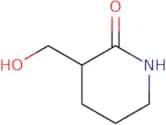
3-(Hydroxymethyl)piperidin-2-one
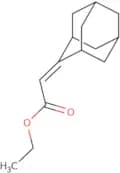
CAS:<p>Versatile small molecule scaffold</p>Formula:C6H11NO2Purity:Min. 95%Molecular weight:129.16 g/molEthyl 2-(adamantan-2-ylidene)acetate
CAS:<p>Ethyl 2-(adamantan-2-ylidene)acetate is a reactive molecule that can undergo 1,3-dipolar cycloaddition with spiropyrans and benzonitrile. The experimentally observed regioselectivities of the reaction are benzopyran > spiropyran > benzonitrile. The colour changes from colourless to red in the presence of light. The reactivity of this molecule is increased at higher temperatures. Ethyl 2-(adamantan-2-ylidene)acetate is an isomeric molecule and can be converted into spiropyrans and benzonitrile by thermolysis or photochromic reactions.</p>Formula:C14H20O2Purity:Min. 95%Molecular weight:220.31 g/molTricyclo[3.3.1.1~3,7~]dec-2-ylideneacetic acid
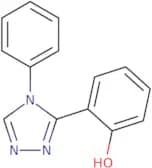
CAS:<p>Versatile small molecule scaffold</p>Formula:C12H16O2Purity:Min. 95%Molecular weight:192.25 g/mol2-(4-Phenyl-4H-1,2,4-triazol-3-yl)phenol
CAS:<p>Versatile small molecule scaffold</p>Formula:C14H11N3OPurity:Min. 95%Molecular weight:237.26 g/mol2-[(1E)-1,2,3,4-Tetrahydronaphthalen-1-ylidene]acetic acid
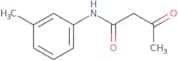
CAS:<p>Versatile small molecule scaffold</p>Formula:C12H12O2Purity:Min. 95%Molecular weight:188.2 g/molN-(3-Methylphenyl)-3-oxobutanamide
CAS:<p>Versatile small molecule scaffold</p>Formula:C11H13NO2Purity:Min. 95%Molecular weight:191.23 g/mol2-Ethyloctanoic acid
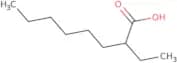
CAS:<p>2-Ethyloctanoic acid is an industrial chemical used in the process of making polymers. It is a low temperature, processable chemical that has been shown to form nanoparticles at room temperature. 2-Ethyloctanoic acid can be used as a raw material for the production of polymeric materials and coatings with optical, metallic, and transition properties. This compound has been shown to have a high transmittance (80%) and low exothermic values (less than 0.5 J/g).</p>Formula:C10H20O2Purity:Min. 95%Molecular weight:172.26 g/mol2-[(2-Aminoethyl)amino]acetic acid dihydrochloride
CAS:<p>Tetracarboxylic acid dianhydride is a tetradentate ligand that can form complexes with metals. It has been shown to have magnetic properties and can be used as a kinetic reagent in the study of chemical reactions that involve electron transfer. Tetracarboxylic acid dianhydride can also be used for chromatographic analysis of unsymmetrical compounds and isomers. This compound exists in two geometric isomers, namely the cis- and trans-isomers. The trans-isomer has been shown to be more stable than the cis-isomer due to its higher energy content. The functional theory predicts that this difference in stability results from steric hindrance between hydrogen atoms on adjacent carbons.<br>2-[(2-Aminoethyl)amino]acetic acid dihydrochloride has been shown to have a constant carboxylate group and deuterated analogues that are useful for kinetic studies of electron transfer</p>Formula:C4H12Cl2N2O2Purity:Min. 95%Molecular weight:191.05 g/mol2-(10H-Phenothiazin-10-yl)acetic acid
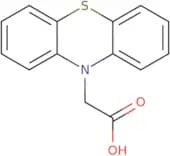
CAS:<p>The 2-(10H-phenothiazine-10-yl)acetic acid (2PTA) is a protonated molecule that has been studied computationally and experimentally in order to understand its supramolecular properties. It was found that 2PTA can be protonated at the C2 position by simulated light, leading to a change in properties. This molecule may have applications as a photoactive material for supramolecular assembly, as well as as a photochromic agent for DNA sequences. The compound also has the ability to bind nucleobases and flavin, which are used in DNA synthesis and repair.</p>Formula:C14H11NO2SPurity:Min. 95%Molecular weight:257.31 g/mol1-Iodo-2,3-dimethoxybenzene
CAS:<p>1-Iodo-2,3-dimethoxybenzene is a complex of palladium with two molecules of diiodomethane. It has been shown to inhibit the activity of tyrosinase and to be toxic to tumor cells in culture. 1-Iodo-2,3-dimethoxybenzene is also an environmental pollutant and has been shown to react with aromatic hydrocarbons in the environment and form carcinogenic compounds.</p>Formula:C8H9IO2Purity:Min. 95%Molecular weight:264.06 g/mol1-Methyl-3-phenyl-1H-thieno[2,3-c]pyrazole-5-carboxylic acid
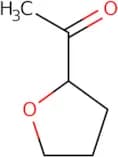
CAS:<p>Versatile small molecule scaffold</p>Formula:C13H10N2O2SPurity:Min. 95%Molecular weight:258.3 g/mol1-(Oxolan-2-yl)ethan-1-one
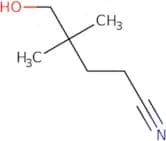
CAS:<p>Versatile small molecule scaffold</p>Formula:C6H10O2Purity:Min. 95%Molecular weight:114.14 g/mol5-Hydroxy-4,4-dimethylpentanenitrile
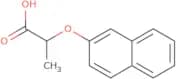
CAS:<p>Versatile small molecule scaffold</p>Formula:C7H13NOPurity:Min. 95%Molecular weight:127.18 g/mol(2S)-2-(Naphthalen-2-yloxy)propanoic acid
CAS:<p>Versatile small molecule scaffold</p>Formula:C13H12O3Purity:Min. 95%Molecular weight:216.23 g/mol2-Chloro-1-(4-pyridinyl)ethanone hydrochloride
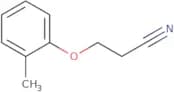
CAS:<p>Versatile small molecule scaffold</p>Formula:C7H6ClNO·HClPurity:Min. 95%Molecular weight:192.04 g/mol3-(2-Methylphenoxy)propanenitrile
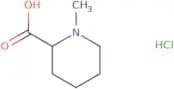
CAS:<p>Versatile small molecule scaffold</p>Formula:C10H11NOPurity:Min. 95%Molecular weight:161.2 g/mol1-Methylpiperidine-2-Carboxylic Acid Hydrochloride
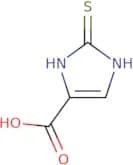
CAS:<p>Versatile small molecule scaffold</p>Formula:C7H14ClNO2Purity:Min. 95%Molecular weight:179.64 g/mol2-Mercapto-1H-imidazole-5-carboxylic Acid
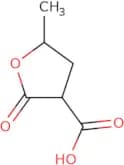
CAS:<p>Versatile small molecule scaffold</p>Formula:C4H4N2O2SPurity:Min. 95%Molecular weight:144.15 g/mol5-Methyl-2-oxooxolane-3-carboxylic acid
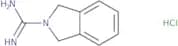
CAS:<p>Versatile small molecule scaffold</p>Formula:C6H8O4Purity:Min. 95%Molecular weight:144.12 g/mol2,3-Dihydro-1H-isoindole-2-carboximidamide hydrochloride
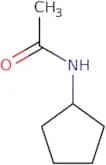
CAS:<p>Versatile small molecule scaffold</p>Formula:C9H12ClN3Purity:Min. 95%Molecular weight:197.66 g/molN-Cyclopentylacetamide
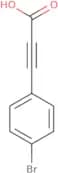
CAS:<p>N-Cyclopentylacetamide is a reactive alkylating agent that is used in the synthesis of organic chemicals. It reacts with chlorine to form chloroform, and with acetonitrile to form acetanilide. N-Cyclopentylacetamide also reacts electrochemically with fission products such as uranium to form uranium hexafluoride. The reaction of N-Cyclopentylacetamide with bromides yields a spectrum of cyclopentyl bromides. This compound can be used for the synthesis of pharmaceuticals and other chemical compounds.</p>Formula:C7H13NOPurity:Min. 95%Molecular weight:127.18 g/mol3-(4-Bromophenyl)propiolic Acid
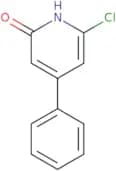
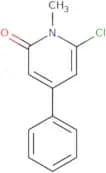
CAS:<p>3-(4-Bromophenyl)propiolic acid is an alkynyl compound that can be synthesized by the catalyzed cross-coupling of triarylbismuth with aryl bromides. This reaction requires a catalyst and is carried out in the presence of a base, such as potassium carbonate. The reaction proceeds rapidly at room temperature and can be performed using either an organic or inorganic solvent. The product is obtained in high yield, but it must be purified to remove any residual starting materials and byproducts. 3-(4-Bromophenyl)propiolic acid has a carboxylic functional group that can undergo further reactions to form other compounds, such as cross-coupling reactions with alkenes or carboxylic acids.</p>Formula:C9H5BrO2Purity:Min. 95%Molecular weight:225.04 g/mol6-Chloro-4-phenyl-1,2-dihydropyridin-2-one
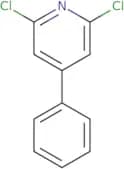
CAS:<p>Versatile small molecule scaffold</p>Formula:C11H8ClNOPurity:Min. 95%Molecular weight:205.64 g/mol2,6-Dichloro-4-phenylpyridine
CAS:<p>2,6-Dichloro-4-phenylpyridine is a chemosensor that can be used to detect the presence of aromatic compounds. It has a modular structure consisting of an emission domain and a substrate binding domain. The fluorophore is reversibly bound to the substrate binding domain, which means that it can be detached from the substrate when the desired molecule is detected. This sensor has been shown to have high selectivity for aromatic molecules in both water and organic solvents. 2,6-Dichloro-4-phenylpyridine has also been studied structurally and found to react with a number of other chemical entities such as thiocyanate ion, nitrobenzene, and nitrophenol.</p>Formula:C11H7Cl2NPurity:Min. 95%Molecular weight:224.09 g/mol6-Chloro-1-methyl-4-phenyl-1,2-dihydropyridin-2-one
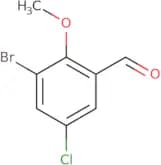
CAS:<p>Versatile small molecule scaffold</p>Formula:C12H10ClNOPurity:Min. 95%Molecular weight:219.66 g/mol3-bromo-5-chloro-2-methoxybenzaldehyde
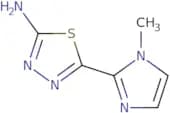
CAS:<p>Versatile small molecule scaffold</p>Formula:C8H6O2ClBrPurity:Min. 95%Molecular weight:249.49 g/mol5-(1-Methyl-1H-imidazol-2-yl)-1,3,4-thiadiazol-2-amine
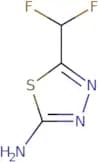
CAS:<p>Versatile small molecule scaffold</p>Formula:C6H7N5SPurity:Min. 95%Molecular weight:181.22 g/mol5-(Difluoromethyl)-1,3,4-thiadiazol-2-amine
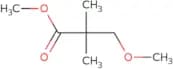
CAS:<p>Versatile small molecule scaffold</p>Formula:C3H3F2N3SPurity:Min. 95%Molecular weight:151.14 g/molMethyl 3-methoxy-2,2-dimethylpropanoate
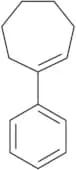
CAS:<p>Versatile small molecule scaffold</p>Formula:C7H14O3Purity:Min. 95%Molecular weight:146.18 g/mol1-Phenylcyclohept-1-ene
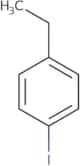
CAS:<p>1-Phenylcyclohept-1-ene is a chemical reagent that is used in the production of polymers. It belongs to the dichlorocarbene class of hypervalent molecules and can be used for the preparation of styrene derivatives, such as iminium ions and halides. 1-Phenylcyclohept-1-ene also reacts with hypobromous acid to form pyridinium chlorochromate, which is a useful oxidizing agent. The rate of 1-phenylcyclohept-1-ene reactions has been studied using kinetics methods. This compound has shown to be an effective sensitizer for radiation polymerization processes.</p>Formula:C13H16Purity:Min. 95%Molecular weight:172.27 g/mol1-Ethyl-4-iodobenzene
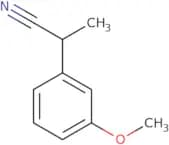
CAS:<p>1-Ethyl-4-iodobenzene is a chemical compound with an aromatic ring that is used as a starting material for the synthesis of other compounds. It is mainly used in cross-coupling reactions, such as the Suzuki reaction, and can be used to link two molecules together to form a new molecule. 1-Ethyl-4-iodobenzene can be used as a low molecular weight solvent and has been shown to have potent inhibitory activity against cell growth. The toxicity of 1-ethyl-4-iodobenzene has been studied by using various imaging techniques, including fluorescence microscopy and electron microscopy.</p>Formula:C8H9IPurity:Min. 95%Molecular weight:232.06 g/mol2-(3-Methoxyphenyl)propanenitrile
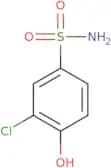
CAS:<p>Versatile small molecule scaffold</p>Formula:C10H11NOPurity:Min. 95%Molecular weight:161.2 g/mol3-Chloro-4-hydroxybenzene-1-sulfonamide
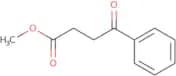
CAS:<p>Versatile small molecule scaffold</p>Formula:C6H6ClNO3SPurity:Min. 95%Molecular weight:207.64 g/molMethyl 3-Benzoylpropionate
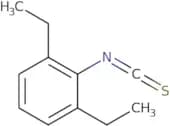
CAS:<p>Methyl 3-benzoylpropionate (MBAP) is an alkylating agent that is used in the synthesis of various drugs. MBAP reacts with an amine to form a pyridinium salt, which undergoes dehydrogenation, followed by alkylation. This reaction is catalyzed by the addition of chloride ions and olefinic compounds. The asymmetric synthesis of MBAP involves bromolactonization, followed by benzoylation. The structural analysis of MBAP was determined using NMR spectroscopy, which provides information about the stereochemistry of the molecule. The catalytic mechanism for MBAP was determined through X-ray crystallography and quantum chemical calculations.</p>Formula:C11H12O3Purity:Min. 95%Molecular weight:192.21 g/mol2,6-Diethylphenylisothiocyanate
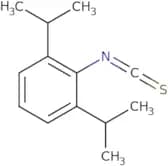
CAS:<p>2,6-Diethylphenylisothiocyanate is an aliphatic anesthetic agent that binds to the acceptor site of the ligand-gated ion channels. It has a hydrophobic nature and can be used for research as a potential drug candidate for a variety of protein targets. This compound also has the ability to alter conformations of proteins such as apoferritin, which may lead to new insights into how these proteins function.</p>Formula:C11H13NSPurity:Min. 95%Molecular weight:191.29 g/mol1,3-Diisopropyl-2-isothiocyanatobenzene
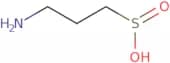
CAS:<p>Versatile small molecule scaffold</p>Formula:C13H17NSPurity:Min. 95%Molecular weight:219.35 g/mol3-Aminopropane-1-sulfinic acid
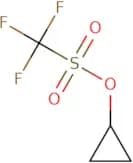
CAS:<p>3-Aminopropane-1-sulfinic acid is a reactive molecule that is found in the body and has been shown to be reactive with pancreatic tissue. It has been shown to activate the enzyme hplc analysis, which hydrolyzes 3-aminopropane-1-sulfinic acid into its metabolites. The sulfonic acids have been found to have an inflammatory effect on the pancreas. This drug has been shown to be effective in treating a number of inflammatory diseases, such as rheumatoid arthritis and ulcerative colitis. 3-Aminopropane-1-sulfinic acid may also act as a regulatory or allosteric modulator by binding to an allosteric site on the enzyme β-cell and inhibiting insulin release.</p>Formula:C3H9NO2SPurity:Min. 95%Molecular weight:123.18 g/molCyclopropyl trifluoromethanesulfonate
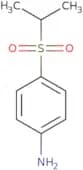
CAS:<p>Versatile small molecule scaffold</p>Formula:C4H5F3O3SPurity:Min. 95%Molecular weight:190.14 g/mol4-(Propane-2-sulfonyl)aniline
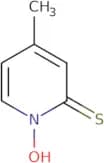
CAS:<p>Versatile small molecule scaffold</p>Formula:C9H13NO2SPurity:Min. 95%Molecular weight:199.27 g/mol1-Hydroxy-4-methyl-1,2-dihydropyridine-2-thione
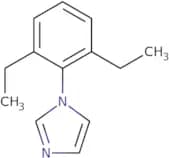
CAS:<p>1-Hydroxy-4-methyl-1,2-dihydropyridine-2-thione is an insoluble compound that is soluble in acidic solutions. It is a white powder that can be found as sodium salts or ethylene acetyl derivatives. The yield of this compound ranges from 0.5 to 1.5%. The product has been shown to be an antibacterial agent and can also be used as a marker for the identification of bacterial colonies. This product reacts with metal ions such as copper and zinc to form coordination complexes. Thiourea is the ligand in these complexes, which are then susceptible to nucleophilic attack by strong bases such as NaOH or KOH.</p>Formula:C6H7NOSPurity:Min. 95%Molecular weight:141.19 g/mol1-(2,6-Diethylphenyl)-1H-imidazole
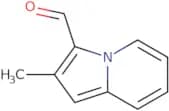
CAS:<p>Versatile small molecule scaffold</p>Formula:C13H16N2Purity:Min. 95%Molecular weight:200.28 g/mol2-Methyl-3-indolizinecarboxaldehyde
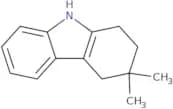
CAS:<p>Versatile small molecule scaffold</p>Formula:C10H9NOPurity:Min. 95%Molecular weight:159.18 g/mol3,3-Dimethyl-2,3,4,9-tetrahydro-1H-carbazole
CAS:<p>Versatile small molecule scaffold</p>Formula:C14H17NPurity:Min. 95%Molecular weight:199.29 g/mol8-Methylquinolin-3-ol
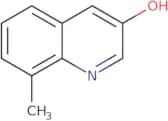
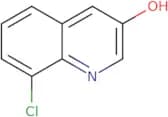
CAS:<p>Versatile small molecule scaffold</p>Formula:C10H9NOPurity:Min. 95%Molecular weight:159.18 g/mol8-chloroquinolin-3-ol
CAS:<p>Versatile small molecule scaffold</p>Formula:C9H6ClNOPurity:Min. 95%Molecular weight:179.6 g/mol2-oxo-Indoline-7-carboxylic acid
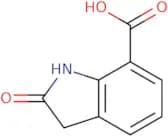
CAS:<p>2-Oxo-indoline-7-carboxylic acid is an antiinflammatory agent that belongs to the class of hydrazines. It has been shown to have antiinflammatory activity in stepwise manner, which starts with a hydrazine group attacking the carbonyl group of a carboxylic acid and forming a new heterocyclic ring. 2-Oxo-indoline-7-carboxylic acid also has esterase inhibitory effect and can be used for the treatment of inflammatory diseases such as rheumatoid arthritis.</p>Formula:C9H7NO3Purity:Min. 95%Molecular weight:177.16 g/moltert-Butyl N-methyl-N-[(4-methylbenzenesulfonyl)oxy]carbamate
CAS:<p>Versatile small molecule scaffold</p>Formula:C13H19NO5SPurity:Min. 95%Molecular weight:301.36 g/mol1-(3-Bromophenyl)-1H-imidazole
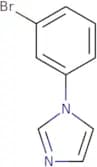
CAS:<p>Versatile small molecule scaffold</p>Formula:C9H7BrN2Purity:Min. 95%Molecular weight:223.07 g/mol1-(2-methylphenyl)-1H-imidazole-2-thiol
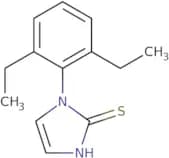
CAS:<p>Versatile small molecule scaffold</p>Formula:C10H10N2SPurity:Min. 95%Molecular weight:190.26 g/mol1-(2,6-Diethylphenyl)-1H-imidazole-2-thiol
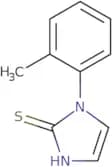
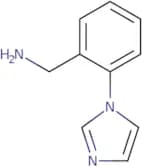
CAS:<p>Versatile small molecule scaffold</p>Formula:C13H16N2SPurity:Min. 95%Molecular weight:232.35 g/mol2-Imidazol-1-yl-benzylamine
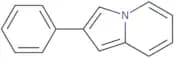
CAS:<p>Versatile small molecule scaffold</p>Formula:C10H11N3Purity:Min. 95%Molecular weight:173.22 g/mol2-Phenylindolizine
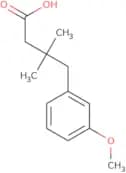
CAS:<p>2-Phenylindolizine is a chemical compound that can be used in the synthesis of other compounds. It has been shown to react with acrylonitrile to form a nitrile, which is an important intermediate in organic chemistry. 2-Phenylindolizine has also been shown to react with benzaldehyde, creating an acetal and a diazo compound. The reaction of 2-phenylindolizine with a chiral electrophile yields two different products. This reaction is highly efficient and can be screened for desirable products using fluorescence and yield measurements.</p>Formula:C14H11NPurity:Min. 95%Molecular weight:193.24 g/mol4-(3-Methoxyphenyl)-3,3-dimethylbutanoic acid
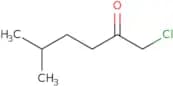
CAS:Versatile small molecule scaffoldFormula:C13H18O3Purity:Min. 95%Molecular weight:222.28 g/mol1-Chloro-5-methylhexan-2-one
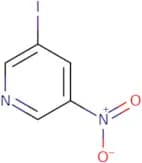
CAS:<p>Versatile small molecule scaffold</p>Formula:C7H13ClOPurity:Min. 95%Molecular weight:148.63 g/mol3-Iodo-5-nitropyridine
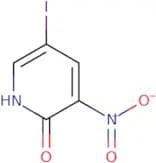
CAS:<p>Versatile small molecule scaffold</p>Formula:C5H3IN2O2Purity:Min. 95%Molecular weight:249.99 g/mol2-Hydroxy-5-iodo-3-nitropyridine
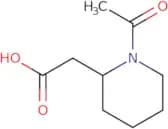
CAS:<p>Versatile small molecule scaffold</p>Formula:C5H3IN2O3Purity:Min. 95%Molecular weight:265.99 g/mol2-(1-Acetylpiperidin-2-yl)acetic acid
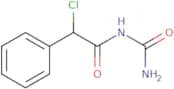
CAS:<p>Versatile small molecule scaffold</p>Formula:C9H15NO3Purity:Min. 95%Molecular weight:185.22 g/mol(2-Chloro-2-phenylacetyl)urea
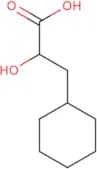
CAS:<p>Clorpheniramine is a drug that blocks the action of acetylcholine in the central and peripheral nervous system. It is used to relieve the symptoms of allergies, such as runny nose and watery eyes, and also to control coughing. Clorpheniramine has been found to be safe for use in children. The drug acts by blocking the receptors for acetylcholine on neuronal cells, which prevents stimulation of these cells by acetylcholine. Clorpheniramine also affects ion channels and prevents normal nerve transmission. Clorpheniramine has a wide spectrum of activity, which includes disorders of the nervous system and ectopic expression in normal tissues. This drug may be prescribed for subtypes of nervous system disorders such as neurodevelopmental disorders, where it has been shown to normalize sodium channel function.</p>Formula:C9H9ClN2O2Purity:Min. 95%Molecular weight:212.63 g/mol3-Cyclohexyl-2-hydroxypropanoic acid
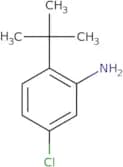
CAS:<p>Versatile small molecule scaffold</p>Formula:C9H16O3Purity:Min. 95%Molecular weight:172.22 g/mol2-tert-Butyl-5-chloroaniline
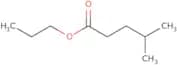
CAS:<p>Versatile small molecule scaffold</p>Formula:C10H14ClNPurity:Min. 95%Molecular weight:183.68 g/molPropyl 4-methylpentanoate
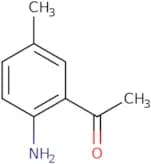
CAS:<p>Propyl 4-methylpentanoate is a carboxylic acid that has been shown to have antibacterial activity. It is used in the production of perfumes and flavors, as well as in the manufacture of polymers. The compound has a taste that is described as slightly acidic with a phenolic odor. It was also found to be effective at inhibiting the growth of bacteria such as Staphylococcus aureus and Streptococcus pyogenes.</p>Formula:C9H18O2Purity:Min. 95%Molecular weight:158.24 g/mol1-(2-Amino-5-methylphenyl)ethan-1-one
CAS:<p>Versatile small molecule scaffold</p>Formula:C9H11NOPurity:Min. 95%Molecular weight:149.19 g/mol2-(Methylsulfanyl)-4-phenyl-1H-imidazole
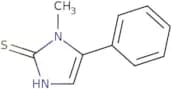
CAS:<p>Versatile small molecule scaffold</p>Formula:C10H10N2SPurity:Min. 95%Molecular weight:190.27 g/mol1-Methyl-5-phenyl-1h-imidazole-2-thiol
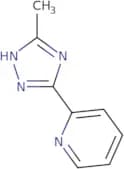
CAS:<p>1-Methyl-5-phenyl-1H-imidazole-2-thiol (1MPHT) is an experimental drug that has been shown to be an active inhibitor of the enzyme protein kinase C delta (PKCδ). PKCδ is a serine/threonine kinase that is involved in inflammatory bowel disease and hepatic steatosis. 1MPHT has also been shown to inhibit dextran sulfate, a molecule that activates Toll-like receptor 4 (TLR4), which plays a role in the pathogenesis of inflammatory bowel disease. More research needs to be done to determine the effects of 1MPHT on cancer cell viability.</p>Formula:C10H10N2SPurity:Min. 95%Molecular weight:190.27 g/mol2-(3-Methyl-1H-1,2,4-triazol-5-yl)pyridine
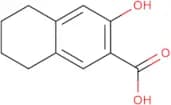
CAS:<p>2-(3-Methyl-1H-1,2,4-triazol-5-yl)pyridine is a cytotoxic compound that can be used to induce cell death. It binds to cisplatin, forming a covalent bond with the sulfur atom of the ligand. This process results in DNA crosslinking and inhibition of RNA synthesis. The compound can also be used as a radioprotective agent. 2-(3-Methyl-1H-1,2,4-triazol-5-yl)pyridine has been shown to have antihemolytic properties and is not toxic to human cells at low concentrations.</p>Formula:C8H8N4Purity:Min. 95%Molecular weight:160.18 g/mol3-Hydroxy-5,6,7,8-tetrahydronaphthalene-2-carboxylic acid
CAS:<p>Versatile small molecule scaffold</p>Formula:C11H12O3Purity:Min. 95%Molecular weight:192.21 g/mol1-[(Trimethylsilyl)oxy]cyclopentane-1-carbonitrile
CAS:<p>Versatile small molecule scaffold</p>Formula:C9H17NOSiPurity:Min. 95%Molecular weight:183.32 g/mol4,5-Dimethyl-2,3-dihydro-1,3-thiazol-2-one
CAS:<p>Versatile small molecule scaffold</p>Formula:C5H7NOSPurity:Min. 95%Molecular weight:129.18 g/molEthyl N-(2-hydroxyethyl)-N-methylcarbamate
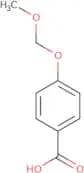
CAS:<p>Versatile small molecule scaffold</p>Formula:C6H13NO3Purity:Min. 95%Molecular weight:147.17 g/mol4-(Methoxymethoxy)benzoic acid
CAS:<p>4-(Methoxymethoxy)benzoic acid (MMBA) is a synthetic compound that is used in the synthesis of allyl compounds. MMBA is not chemically reactive and does not undergo any reactions at room temperature. This substance can be activated by adding a nucleophile, such as an alcohol or water molecule, which will then react with the electrophilic carbon atom. This reaction produces epoxide and an alkene product. The most common reaction occurs with methanol, producing methoxypropane, which can then be converted to other organic compounds. Research has shown that MMBA has anticancer properties due to its ability to inhibit cell growth and induce apoptosis in humans.</p>Formula:C9H10O4Purity:Min. 95%Molecular weight:182.17 g/mol2-tert-Butyl-2-methyl-propane-1,3-diol
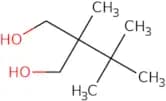
CAS:<p>Versatile small molecule scaffold</p>Formula:C8H18O2Purity:Min. 95%Molecular weight:146.23 g/mol2-Bromo-6-methylisonicotinic acid
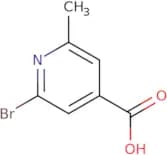
CAS:<p>Versatile small molecule scaffold</p>Formula:C7H6BrNO2Purity:Min. 95%Molecular weight:216.03 g/mol2-Chloro-6-methylpyridine-4-carboxamide
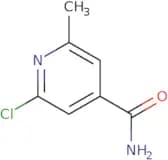
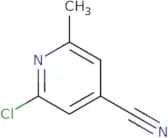
CAS:<p>Versatile small molecule scaffold</p>Formula:C7H7ClN2OPurity:Min. 95%Molecular weight:170.59 g/mol2-Chloro-6-methylpyridine-4-carbonitrile
CAS:<p>Versatile small molecule scaffold</p>Formula:C7H5ClN2Purity:Min. 95%Molecular weight:152.58 g/mol5-(Pyridin-2-yl)-1,3,4-thiadiazol-2-amine
CAS:<p>Versatile small molecule scaffold</p>Formula:C7H6N4SPurity:Min. 95%Molecular weight:178.22 g/mol2-Methylpyrazolo[1,5-a]quinazolin-5(4H)-one
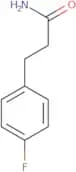
CAS:<p>Versatile small molecule scaffold</p>Formula:C11H9N3OPurity:Min. 95%Molecular weight:199.21 g/mol3-(4-Fluorophenyl)propanamide
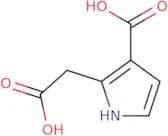
CAS:<p>Versatile small molecule scaffold</p>Formula:C9H10FNOPurity:Min. 95%Molecular weight:167.18 g/mol2-(Carboxymethyl)-1H-pyrrole-3-carboxylic acid
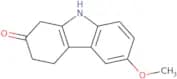
CAS:<p>2-(Carboxymethyl)-1H-pyrrole-3-carboxylic acid (CMPC) is an acid ethyl ester of 2-(carboxymethyl)-1H-pyrrole-3-carboxylic acid. CMPC is a reactive chemical that can be used as a raw material in the preparation of pharmaceuticals. It has anti-inflammatory properties and can be used in the treatment of inflammation, pain, and fever. Hydrolysis of CMPC with triethylamine and chloride yields the corresponding diester, which has anti-inflammatory properties. The hydrated form of CMPC reacts with ethylene to produce antiphlogistic effects, which may be due to its ability to inhibit prostaglandin synthesis.</p>Formula:C7H7NO4Purity:Min. 95%Molecular weight:169.13 g/mol6-Methoxy-1,3,4,9-tetrahydro-carbazol-2-one
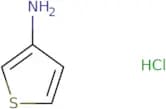
CAS:<p>Versatile small molecule scaffold</p>Formula:C13H13NO2Purity:Min. 95%Molecular weight:215.25 g/molThiophen-3-amine hydrochloride
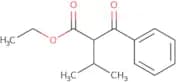
CAS:<p>Thiophen-3-amine hydrochloride is a heterocyclic amine that is structurally related to quinaldine. It has shown nitro transfer and nitroso transfer, which are mechanisms for the formation of nitro and nitrosamines. Thiophen-3-amine hydrochloride has low energy, which makes it an excellent candidate for rechargeable batteries. The amines in this compound have affinity for functional groups on the backbones of polymers and monomers, making them useful in research and optimization.</p>Formula:C4H6ClNSPurity:Min. 95%Molecular weight:135.62 g/molethyl 2-benzoyl-3-methylbutanoate
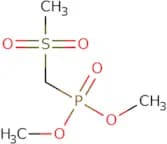
CAS:<p>Versatile small molecule scaffold</p>Formula:C14H18O3Purity:Min. 95%Molecular weight:234.29 g/molDimethyl (methanesulfonylmethyl)phosphonate
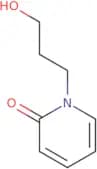
CAS:<p>Versatile small molecule scaffold</p>Formula:C4H11O5PSPurity:Min. 95%Molecular weight:202.17 g/mol1-(3-Hydroxypropyl)-1,2-dihydropyridin-2-one
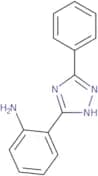
CAS:<p>Versatile small molecule scaffold</p>Formula:C8H11NO2Purity:Min. 95%Molecular weight:153.18 g/mol2-(5-Phenyl-1H-1,2,4-triazol-3-yl)aniline
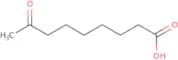
CAS:<p>Versatile small molecule scaffold</p>Formula:C14H12N4Purity:Min. 95%Molecular weight:236.27 g/mol8-Oxononanoic acid
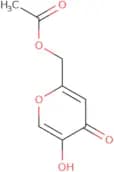
CAS:<p>8-Oxononanoic acid is a fatty acid that is found in the human body. It has been shown to have health effects such as decreasing the risk of cancer and lowering the rate of cardiovascular disease. 8-Oxononanoic acid is a coeluting compound, which means that it shares properties with other molecules. It has been shown to inhibit the growth of cancer cells by inhibiting tyrosinase, β-glucosidase, and lipid biosynthesis. 8-Oxononanoic acid also inhibits the production of lipids by blocking the enzyme acetyl-CoA carboxylase (ACCase). This enzyme catalyzes the conversion of acetyl-CoA into malonyl-CoA, which is then used in fatty acid synthesis.</p>Formula:C9H16O3Purity:Min. 95%Molecular weight:172.22 g/mol(5-Hydroxy-4-oxo-4H-pyran-2-yl)methyl acetate
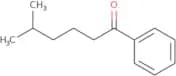
CAS:<p>Versatile small molecule scaffold</p>Formula:C8H8O5Purity:Min. 95%Molecular weight:184.15 g/mol5-Methyl-1-phenylhexan-1-one
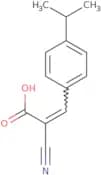
CAS:<p>5-Methyl-1-phenylhexan-1-one is an antiviral agent that inhibits the infectivity of human immunodeficiency virus (HIV). It has been shown to be potent against HIV. The antiviral effect of 5-Methyl-1-phenylhexan-1-one is due to its ability to inhibit the action of HIV reverse transcriptase, which is an enzyme that catalyzes the synthesis of viral DNA from viral RNA. It is a 6 membered heterocycle with aspartyl and cyclopentyl rings. 5-Methyl-1 phenylhexan-1 one has not been tested for mutagenicity or carcinogenicity.</p>Formula:C13H18OPurity:Min. 95%Molecular weight:190.28 g/mol(2Z)-2-Cyano-3-(4-isopropylphenyl)acrylic acid
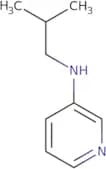
CAS:<p>Versatile small molecule scaffold</p>Formula:C13H13NO2Purity:Min. 95%Molecular weight:215.25 g/molN-(2-Methylpropyl)pyridin-3-amine
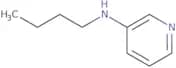
CAS:<p>Versatile small molecule scaffold</p>Formula:C9H14N2Purity:Min. 95%Molecular weight:150.22 g/molN-Butylpyridin-3-amine
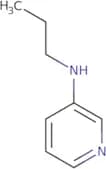
CAS:<p>Versatile small molecule scaffold</p>Formula:C9H14N2Purity:Min. 95%Molecular weight:150.22 g/molN-Propylpyridin-3-amine
CAS:<p>Versatile small molecule scaffold</p>Formula:C8H12N2Purity:Min. 95%Molecular weight:136.19 g/mol2-[2-(4-Methylphenoxy)phenyl]acetic acid
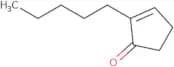
CAS:<p>Versatile small molecule scaffold</p>Formula:C15H14O3Purity:Min. 95%Molecular weight:242.27 g/mol2-Pentyl-2-cyclopenten-1-one
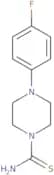
CAS:<p>2-Pentyl-2-cyclopenten-1-one is a stereoselective reaction product. It is synthesized by reacting cyclopentyl amines with sodium carbonate in acidic solution. The reaction is carried out at room temperature and the optimal reaction time appears to be 18 hours. This compound reacts with chloride to form an acid chloride, which undergoes dehydration to form the desired product. The resulting chemical structures are shown below.</p>Formula:C10H16OPurity:Min. 95%Molecular weight:152.24 g/mol4-(4-Fluorophenyl)piperazine-1-carbothioamide
CAS:<p>Versatile small molecule scaffold</p>Formula:C11H14FN3SPurity:Min. 95%Molecular weight:239.31 g/mol4-(4-Chlorophenyl)piperazine-1-carbothioamide
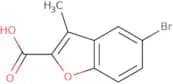
CAS:<p>Versatile small molecule scaffold</p>Formula:C11H14ClN3SPurity:Min. 95%Molecular weight:255.77 g/mol5-bromo-3-methyl-1-benzofuran-2-carboxylic acid
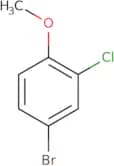
CAS:<p>Versatile small molecule scaffold</p>Formula:C10H7BrO3Purity:Min. 95%Molecular weight:255.1 g/mol4-Bromo-2-chloro-1-methoxybenzene
CAS:<p>4-Bromo-2-chloro-1-methoxybenzene is a chemical that has been shown to inhibit the growth of fungi through several different pathways. It inhibits the production of the polychlorinated phenols, chlorpyrifos, and paraoxon in humans. In addition, 4-bromo-2-chloro-1-methoxybenzene can potentially be used as an anti-fungal agent against Aspergillus and other fungus.</p>Formula:C7H6BrClOPurity:Min. 95%Molecular weight:221.48 g/molMethyl 3-methylpent-2-enoate
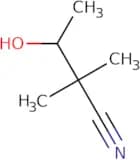
CAS:<p>Methyl 3-methylpent-2-enoate is an organic compound. It is used in the preparation of flavorings, fragrances, and pharmaceuticals. It also has a number of practical applications in the food industry, such as as a flavoring agent for salad dressings, mayonnaise, and soups. Methyl 3-methylpent-2-enoate can be prepared by the reaction of isoeugenol with methanol and sodium methoxide in an aqueous solution at room temperature. The methyl ester is then hydrolyzed with hydrochloric acid to produce methyl 3-methylpentanoate which can be purified by distillation and recrystallized from ethanol.</p>Formula:C7H12O2Purity:Min. 95%Molecular weight:128.17 g/mol3-Hydroxy-2,2-dimethylbutanenitrile
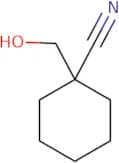
CAS:<p>Versatile small molecule scaffold</p>Formula:C6H11NOPurity:Min. 95%Molecular weight:113.16 g/mol1-(Hydroxymethyl)cyclohexane-1-carbonitrile
CAS:<p>Versatile small molecule scaffold</p>Formula:C8H13NOPurity:Min. 95%Molecular weight:139.19 g/mol

![Tricyclo[3.3.1.1~3,7~]dec-2-ylideneacetic acid](/_next/image/?url=https%3A%2Fstatic.cymitquimica.com%2Fproducts%2F3D%2Fthumb-webp%2FABA22007.webp&w=3840&q=75)
![2-[(1E)-1,2,3,4-Tetrahydronaphthalen-1-ylidene]acetic acid](/_next/image/?url=https%3A%2Fstatic.cymitquimica.com%2Fproducts%2F3D%2Fthumb-webp%2FABA22737.webp&w=3840&q=75)
![2-[(2-Aminoethyl)amino]acetic acid dihydrochloride](/_next/image/?url=https%3A%2Fstatic.cymitquimica.com%2Fproducts%2F3D%2Fthumb-webp%2FABA24038.webp&w=3840&q=75)

![1-Methyl-3-phenyl-1H-thieno[2,3-c]pyrazole-5-carboxylic acid](/_next/image/?url=https%3A%2Fstatic.cymitquimica.com%2Fproducts%2F3D%2Fthumb-webp%2FABA25247.webp&w=3840&q=75)

![tert-Butyl N-methyl-N-[(4-methylbenzenesulfonyl)oxy]carbamate](/_next/image/?url=https%3A%2Fstatic.cymitquimica.com%2Fproducts%2F3D%2Fthumb-webp%2FABA37096.webp&w=3840&q=75)

![1-[(Trimethylsilyl)oxy]cyclopentane-1-carbonitrile](/_next/image/?url=https%3A%2Fstatic.cymitquimica.com%2Fproducts%2F3D%2Fthumb-webp%2FABA43835.webp&w=3840&q=75)



![2-Methylpyrazolo[1,5-a]quinazolin-5(4H)-one](/_next/image/?url=https%3A%2Fstatic.cymitquimica.com%2Fproducts%2F3D%2Fthumb-webp%2FABA46850.webp&w=3840&q=75)
![2-[2-(4-Methylphenoxy)phenyl]acetic acid](/_next/image/?url=https%3A%2Fstatic.cymitquimica.com%2Fproducts%2F3D%2Fthumb-webp%2FABA56303.webp&w=3840&q=75)