Building Blocks
This section contains fundamental products for the synthesis of organic and biological compounds. Building blocks are the essential starting materials used to construct complex molecules through various chemical reactions. They play a critical role in drug discovery, material science, and chemical research. At CymitQuimica, we offer a diverse range of high-quality building blocks to support your innovative research and industrial projects, ensuring you have the essential components for successful synthesis.
Subcategories of "Building Blocks"
- Boronic Acids & Boronic Acid Derivatives(5,756 products)
- Chiral Building Blocks(1,242 products)
- Hydrocarbon Building Blocks(6,093 products)
- Organic Building Blocks(60,529 products)
Found 195534 products of "Building Blocks"
Sort by
Purity (%)
0
100
|
0
|
50
|
90
|
95
|
100
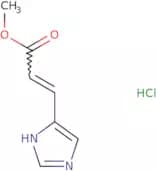
Methyl (2E)-3-(1H-imidazol-4-yl)prop-2-enoate hydrochloride
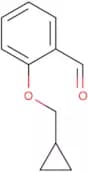
CAS:<p>Versatile small molecule scaffold</p>Formula:C7H9ClN2O2Purity:Min. 95%Molecular weight:188.61 g/mol2-(Cyclopropylmethoxy)benzaldehyde
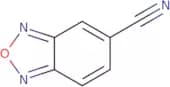
CAS:<p>Versatile small molecule scaffold</p>Formula:C11H12O2Purity:Min. 95%Molecular weight:176.21 g/mol2,1,3-Benzoxadiazole-5-carbonitrile
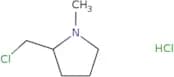
CAS:<p>Versatile small molecule scaffold</p>Formula:C7H3N3OPurity:Min. 95%Molecular weight:145.12 g/mol2-(Chloromethyl)-1-methylpyrrolidine hydrochloride
CAS:<p>Versatile small molecule scaffold</p>Formula:C6H13Cl2NPurity:Min. 95%Molecular weight:170.08 g/mol4-[(Methylsulfanyl)methyl]aniline
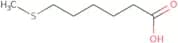
CAS:<p>Versatile small molecule scaffold</p>Formula:C8H11NSPurity:Min. 95%Molecular weight:153.25 g/mol6-(Methylsulfanyl)hexanoic acid
CAS:<p>6-(Methylsulfanyl)hexanoic acid is a triterpene. It has been shown to be the most sensitive and specific triterpene for determining the presence of diptocarpamine in plants. 6-(Methylsulfanyl)hexanoic acid has been found to have a high sensitivity and reproducibility when used as a sorbent. The alkaloid content of this compound is racemic, meaning that it contains equal amounts of two different stereoisomers.</p>Formula:C7H14O2SPurity:Min. 95%Molecular weight:162.25 g/mol3-[(Methylsulfanyl)methyl]benzoic acid
CAS:<p>Versatile small molecule scaffold</p>Formula:C9H10O2SPurity:Min. 95%Molecular weight:182.24 g/mol2-(Ethylthio)ethylamine hydrochloride
CAS:<p>2-(Ethylthio)ethylamine hydrochloride is a ligand that can be used for diagnostic purposes. It can be synthesized in high yield and with a scalable process. This compound is fluorescent, which enables it to be detected by immunofluorescence. 2-(Ethylthio)ethylamine hydrochloride has been shown to have anti-cancer properties and is also used as a metal ion chelator, and as a nanomaterial. The uptake of this compound by cancer cells can be enhanced by the use of techniques such as intraoperative radiation or metal ions.</p>Formula:C2H5SCH2CH2NH2·HClPurity:Min. 95%Molecular weight:141.66 g/mol2'H-Dispiro[1,3-dioxolane-2,1'-indene-3',2''-[1,3]dioxolane]-7'-amine
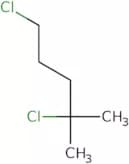
CAS:<p>Versatile small molecule scaffold</p>Formula:C13H15NO4Purity:Min. 95%Molecular weight:249.26 g/mol1,4-Dichloro-4-methylpentane
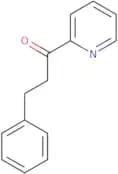
CAS:<p>Versatile small molecule scaffold</p>Formula:C6H12Cl2Purity:Min. 95%Molecular weight:155.06 g/mol3-Phenyl-1-(pyridin-2-yl)propan-1-one
CAS:<p>Versatile small molecule scaffold</p>Formula:C14H13NOPurity:Min. 95%Molecular weight:211.26 g/mol1-Bromo-3-(chloromethoxy)propane
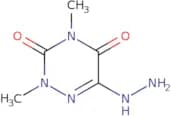
CAS:<p>Versatile small molecule scaffold</p>Formula:C4H8BrClOPurity:Min. 95%Molecular weight:187.46 g/mol6-Hydrazinyl-2,4-dimethyl-2,3,4,5-tetrahydro-1,2,4-triazine-3,5-dione
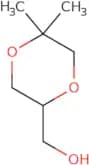
CAS:<p>Versatile small molecule scaffold</p>Formula:C5H9N5O2Purity:Min. 95%Molecular weight:171.16 g/mol(5,5-Dimethyl-1,4-dioxan-2-yl)methanol
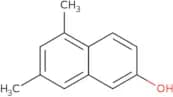
CAS:<p>Versatile small molecule scaffold</p>Formula:C7H14O3Purity:Min. 95%Molecular weight:146.18 g/mol5,7-Dimethylnaphthalen-2-ol
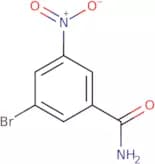
CAS:<p>Versatile small molecule scaffold</p>Formula:C12H12OPurity:Min. 95%Molecular weight:172.22 g/mol3-Bromo-5-nitrobenzamide
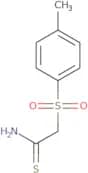
CAS:<p>Versatile small molecule scaffold</p>Formula:C7H5BrN2O3Purity:Min. 95%Molecular weight:245.03 g/mol2-(4-Methylbenzenesulfonyl)ethanethioamide
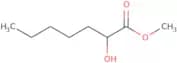
CAS:<p>Versatile small molecule scaffold</p>Formula:C9H11NO2S2Purity:Min. 95%Molecular weight:229.3 g/molMethyl 2-hydroxyheptanoate
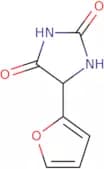
CAS:<p>Methyl 2-hydroxyheptanoate is a fatty acid that is found in soybean lipoxygenase. It has been shown to inhibit prostaglandin synthesis by the enzymatic hydrolysis of methyl 2-hydroxyheptanoate. The hydrolysis products of this reaction are anions, sulfoxide, and carboxylates. Methyl 2-hydroxyheptanoate is also a substrate for the enzyme, soybean lipoxygenase. This enzyme catalyzes the conversion of methyl 2-hydroxyheptanoate to prostaglandin E2 (PGE2). PGE2 is a potent inhibitor of platelet aggregation and vasoconstriction.</p>Formula:C8H16O3Purity:Min. 95%Molecular weight:160.21 g/mol5-(Furan-2-yl)imidazolidine-2,4-dione
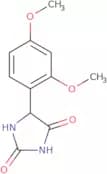
CAS:<p>5-(Furan-2-yl)imidazolidine-2,4-dione is an organic compound that is used in the synthesis of other chemical compounds. It reacts with chlorine gas to form a chlorinated derivative, which can then be converted into a wide range of compounds. 5-(Furan-2-yl)imidazolidine-2,4-dione also reacts with thionyl chloride to form a chlorinating agent. The reaction scheme shows how 5-(Furan-2-yl)imidazolidine-2,4-dione can be converted into various compounds using hydroxylamine and ammonium carbonate as catalysts. Hydroxylamine converts furan to oxazine and ammonia; ammonium carbonate converts furan to hydantoin and ammonia. Chlorination with sodium hypochlorite gives furyl chloride as well as butylidene chloride. Chlorination with thionyl chloride gives chlor</p>Formula:C7H6N2O3Purity:Min. 95%Molecular weight:166.13 g/mol5-(2,4-Dimethoxyphenyl)imidazolidine-2,4-dione
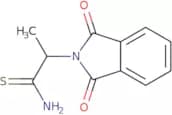
CAS:<p>Versatile small molecule scaffold</p>Formula:C11H12N2O4Purity:Min. 95%Molecular weight:236.22 g/mol2-(1,3-Dioxo-2,3-dihydro-1H-isoindol-2-yl)propanethioamide
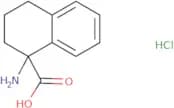
CAS:<p>Versatile small molecule scaffold</p>Formula:C11H10N2O2SPurity:Min. 95%Molecular weight:234.28 g/mol1-Amino-1,2,3,4-tetrahydro-1-naphthalenecarboxylic acid hydrochloride
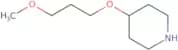
CAS:<p>Versatile small molecule scaffold</p>Formula:C11H14ClNO2Purity:Min. 95%Molecular weight:227.69 g/mol4-(3-Methoxypropoxy)piperidine
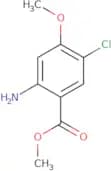
CAS:<p>Versatile small molecule scaffold</p>Formula:C9H19NO2Purity:Min. 95%Molecular weight:173.25 g/molMethyl 2-amino-5-chloro-4-methoxybenzoate
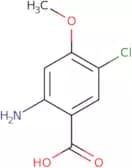
CAS:<p>Versatile small molecule scaffold</p>Formula:C9H10ClNO3Purity:Min. 95%Molecular weight:215.63 g/mol2-Amino-5-chloro-4-methoxy-benzoic acid
CAS:<p>2-Amino-5-chloro-4-methoxybenzoic acid is an alkynyl, piperazine, piperazino, alkoxy, and chlorinated molecule. It has a blood pressure lowering effect when orally administered to rats. This active form is hydrolyzed by carboxylesterase to 2-amino-5-(hydroxymethyl) benzoic acid and 2-aminoethanol. This product also reduces the level of lactic acid in the blood. The chlorination causes a change in the structure of the molecule that leads to increased water solubility and decreased lipid solubility.</p>Formula:C8H8ClNO3Purity:Min. 95%Molecular weight:201.61 g/mol2-Chloro-6-methyl-4-nitropyridine
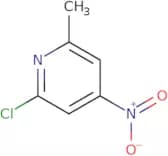
CAS:<p>2-Chloro-6-methyl-4-nitropyridine is a pyridine molecule with the molecular formula C6H5ClN3O2. This compound has a resonance energy of -331.9 kcal/mol. It is magnetic, with a spectrum that includes electron and electronic spectra. The multinuclear nature of this molecule results in different transition energies and intensities, which can be seen in the resonance and transition data.</p>Formula:C6H5ClN2O2Purity:Min. 95%Molecular weight:172.57 g/mol2,4-Dibromo-6-methylpyridine
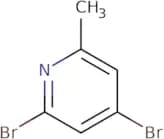
CAS:<p>Versatile small molecule scaffold</p>Formula:C6H5Br2NPurity:Min. 95%Molecular weight:250.92 g/molMethyl 3-hydroxy-1H-pyrrole-2-carboxylate
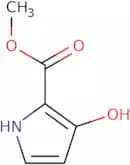
CAS:<p>Versatile small molecule scaffold</p>Formula:C6H7NO3Purity:Min. 95%Molecular weight:141.12 g/mol2-Chloro-1-benzofuran-3-carbaldehyde
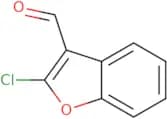
CAS:<p>Versatile small molecule scaffold</p>Formula:C9H5ClO2Purity:Min. 95%Molecular weight:180.59 g/molDaltroban
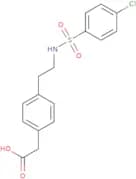
CAS:<p>Daltroban is a 5-hydroxytryptamine receptor antagonist that has been shown to inhibit the 5-HT2 receptors. It has been used to treat primary pulmonary hypertension, and experimental models have shown that it inhibits platelet aggregation. Daltroban also acts as a pressor and causes an increase in blood pressure when given intravenously, which may be due to its ability to block the sodium citrate-induced vasodilation. There are no known drug interactions with Daltroban, but it can cause an increase in heart rate and blood pressure when administered with other drugs.</p>Formula:C16H16ClNO4SPurity:Min. 95%Molecular weight:353.82 g/mol1-(3-Chloropropoxy)-4-nitrobenzene
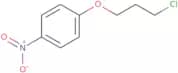
CAS:<p>Versatile small molecule scaffold</p>Formula:C9H10ClNO3Purity:Min. 95%Molecular weight:215.63 g/mol3,3-Dimethylpentanoyl chloride
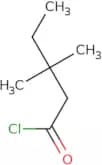
CAS:<p>Versatile small molecule scaffold</p>Formula:C7H13ClOPurity:Min. 95%Molecular weight:148.63 g/mol2-Methyl-1-(piperidin-4-yl)-1H-1,3-benzodiazole
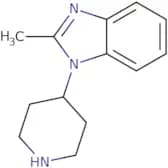
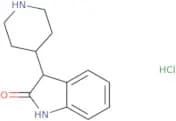
CAS:<p>Versatile small molecule scaffold</p>Formula:C13H17N3Purity:Min. 95%Molecular weight:215.29 g/mol3-(Piperidin-4-yl)indolin-2-one HCl
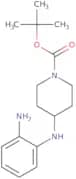
CAS:<p>Versatile small molecule scaffold</p>Formula:C13H17ClN2OPurity:Min. 95%Molecular weight:252.74 g/moltert-Butyl 4-(2-aminophenylamino)piperidine-1-carboxylate
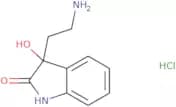
CAS:<p>Versatile small molecule scaffold</p>Formula:C16H25N3O2Purity:Min. 95%Molecular weight:291.4 g/mol3-(2-Aminoethyl)-3-hydroxy-2,3-dihydro-1H-indol-2-one hydrochloride
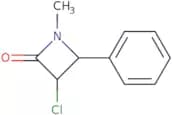
CAS:<p>Versatile small molecule scaffold</p>Formula:C10H13ClN2O2Purity:Min. 95%Molecular weight:228.67 g/mol3-Chloro-1-methyl-4-phenylazetidin-2-one
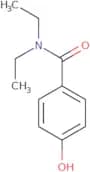
CAS:<p>Versatile small molecule scaffold</p>Formula:C10H10ClNOPurity:Min. 95%Molecular weight:195.64 g/molN,N-Diethyl-4-hydroxybenzamide
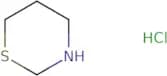
CAS:<p>Versatile small molecule scaffold</p>Formula:C11H15NO2Purity:Min. 95%Molecular weight:193.24 g/mol1,3-Thiazinane hydrochloride
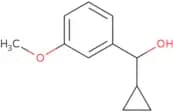
CAS:<p>Versatile small molecule scaffold</p>Formula:C4H9NS•HClPurity:Min. 95%Molecular weight:139.65 g/molCyclopropyl(3-methoxyphenyl)methanol
CAS:<p>Versatile small molecule scaffold</p>Formula:C11H14O2Purity:Min. 95%Molecular weight:178.23 g/mol4-Methyl-N-[2-(methylamino)ethyl]benzene-1-sulfonamide
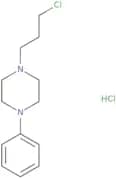
CAS:<p>Versatile small molecule scaffold</p>Formula:C10H16N2O2SPurity:Min. 95%Molecular weight:228.31 g/mol1-(3-Chloropropyl)-4-phenylpiperazine hydrochloride
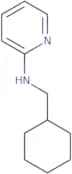
CAS:Controlled Product<p>Versatile small molecule scaffold</p>Formula:C13H20Cl2N2Purity:Min. 95%Molecular weight:275.21 g/molN-(Cyclohexylmethyl)pyridin-2-amine
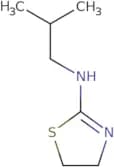
CAS:<p>Versatile small molecule scaffold</p>Formula:C12H18N2Purity:Min. 95%Molecular weight:190.28 g/molN-(2-Methylpropyl)-4,5-dihydro-1,3-thiazol-2-amine
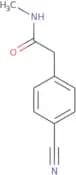
CAS:<p>Versatile small molecule scaffold</p>Formula:C7H14N2SPurity:Min. 95%Molecular weight:158.27 g/mol2-(4-cyanophenyl)-N-methylacetamide
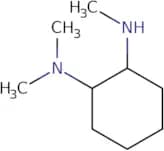
CAS:<p>Versatile small molecule scaffold</p>Formula:C10H10N2OPurity:Min. 95%Molecular weight:174.2 g/mol(1R,2R)-N,N,N-Trimethyl-1,2-diaminocyclohexane
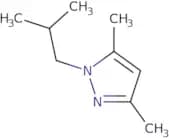
CAS:Controlled Product<p>Versatile small molecule scaffold</p>Formula:C9H20N2Purity:Min. 95%Molecular weight:156.27 g/mol3,5-Dimethyl-1-(2-methylpropyl)-1H-pyrazole
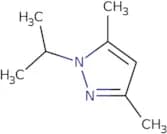
CAS:<p>Versatile small molecule scaffold</p>Formula:C9H16N2Purity:Min. 95%Molecular weight:152.24 g/mol3,5-Dimethyl-1-(propan-2-yl)-1H-pyrazole
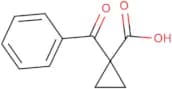
CAS:<p>Versatile small molecule scaffold</p>Formula:C8H14N2Purity:Min. 95%Molecular weight:138.21 g/mol1-Benzoylcyclopropane-1-carboxylic acid
CAS:<p>The 1-benzoylcyclopropane-1-carboxylic acid is a chiral molecule with two stereoisomers. It is a substrate for the enzyme mediated and has been shown to yield the desired product in high yields.</p>Formula:C11H10O3Purity:Min. 95%Molecular weight:190.19 g/mol3-Methyl-1H-indazol-6-amine
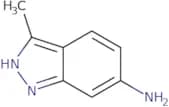
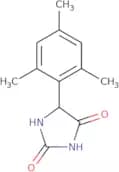
CAS:<p>3-Methyl-1H-indazol-6-amine is an organic compound that belongs to the group of diazo compounds. It is a benzene derivative with three alkoxy groups, which are substituted with an alkyl or an aryl group. 3-Methyl-1H-indazol-6-amine can be synthesized by coupling the corresponding chlorides with toluene and diazonium salts in an alkaline solution. The fibre used for this synthesis has been shown to have aryl and alkyl groups. This compound reacts with acid as hydrogen chloride, resulting in the release of carbon dioxide gas. 3-Methyl-1H-indazol-6-amine also reacts readily with water and alcohols, forming indazole hydrochloride and benzoic acid respectively.</p>Formula:C8H9N3Purity:Min. 95%Molecular weight:147.18 g/mol5-(2,4,6-Trimethylphenyl)imidazolidine-2,4-dione
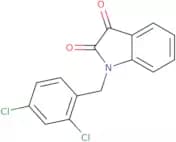
CAS:<p>Versatile small molecule scaffold</p>Formula:C12H14N2O2Purity:Min. 95%Molecular weight:218.25 g/mol1-(2,4-Dichlorobenzyl)-1H-indole-2,3-dione
CAS:<p>Versatile small molecule scaffold</p>Formula:C15H9Cl2NO2Purity:Min. 95%Molecular weight:306.1 g/mol1-[(4-Bromophenyl)methyl]indole-2,3-dione
CAS:<p>Versatile small molecule scaffold</p>Formula:C15H10BrNO2Purity:Min. 95%Molecular weight:316.15 g/mol2-{Imidazo[2,1-b][1,3]thiazol-3-yl}acetic acid
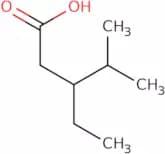
CAS:<p>Versatile small molecule scaffold</p>Formula:C7H6N2O2SPurity:Min. 95%Molecular weight:182.2 g/mol(3R)-3-Ethyl-4-methylpentanoic acid
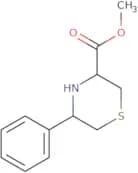
CAS:<p>Versatile small molecule scaffold</p>Formula:C8H16O2Purity:Min. 95%Molecular weight:144.21 g/molrac-Methyl (3R,5S)-5-phenylthiomorpholine-3-carboxylate
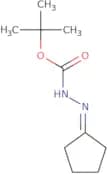
CAS:<p>Versatile small molecule scaffold</p>Formula:C12H15NO2SPurity:Min. 95%Molecular weight:237.3 g/moltert-Butyl 2-cyclopentylidenehydrazinecarboxylate
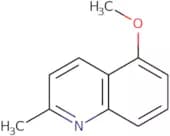
CAS:<p>tert-Butyl 2-cyclopentylidenehydrazinecarboxylate is a molecule that has been modified to be an agonist for the human liver. It has a profile of pharmacokinetic and molecular target similar to that of endogenous tyrosine kinase ligands, which are peptides and proteins involved in the regulation of metabolism, growth, and development. The pharmacokinetic profile of tert-Butyl 2-cyclopentylidenehydrazinecarboxylate can be optimized through structural modifications such as changes in hydrophobicity or lipophilicity. This optimization can increase its potency as a receptor agonist and lead to better treatment options for diseases such as type II diabetes.</p>Formula:C10H18N2O2Purity:Min. 95%Molecular weight:198.26 g/mol5-Methoxy-2-methylquinoline
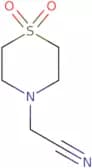
CAS:<p>5-Methoxy-2-methylquinoline is a condensation product of aniline and phenol. It is synthesized by the reaction of tio2 nanoparticles with ethanol solution in the presence of uv irradiation. The synthesis of 5-methoxy-2-methylquinoline may also be achieved through cyclization, which involves two steps: oxidation and reduction. This compound can be used for the preparation of photocatalysts, which are materials that absorb light and use it to produce chemical reactions. 5-Methoxy-2-methylquinoline has been shown to have antioxidant effects and this may be due to its ability to scavenge reactive oxygen species.</p>Formula:C11H11NOPurity:Min. 95%Molecular weight:173.21 g/mol2-(1,1-Dioxo-1λ⁶-thiomorpholin-4-yl)acetonitrile
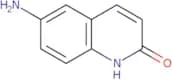
CAS:<p>Versatile small molecule scaffold</p>Formula:C6H10N2O2SPurity:Min. 95%Molecular weight:174.22 g/mol6-Aminoquinolin-2-ol
CAS:<p>6-Aminoquinolin-2-ol is an antiviral drug that inhibits the transcription of viral RNA. It has been shown to inhibit the activity of human and murine cytomegalovirus by inhibiting their transcriptase activity and transactivating. 6-Aminoquinolin-2-ol also inhibits the growth of S. aureus strains, including MRSA, through its ability to inhibit bacterial efflux pumps. 6-Aminoquinolin-2-ol has long term toxicity in animals and should be used with caution in humans.</p>Formula:C9H8N2OPurity:Min. 95%Molecular weight:160.18 g/mol6'-Bromo-1',2'-dihydrospiro[cyclopentane-1,3'-indole]-2'-one
CAS:<p>Versatile small molecule scaffold</p>Formula:C12H12BrNOPurity:Min. 95%Molecular weight:266.13 g/mol3-Chloro-[1,1'-biphenyl]-4-carbaldehyde
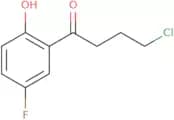
CAS:<p>Versatile small molecule scaffold</p>Formula:C13H9ClOPurity:Min. 95%Molecular weight:216.66 g/mol4-Chloro-1-(5-fluoro-2-hydroxyphenyl)butan-1-one
CAS:<p>Versatile small molecule scaffold</p>Formula:C10H10ClFO2Purity:Min. 95%Molecular weight:216.63 g/molEthyl 2-amino-4-methyl-1,3-oxazole-5-carboxylate
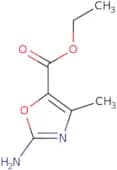
CAS:<p>Ethyl 2-amino-4-methyl-1,3-oxazole-5-carboxylate is a structurally active methylene compound. It is biodegradable and has been used as an effective catalyst in the laboratory. This substance is produced by the reaction of ethyl 2-aminothiazole with chloride and thiourea. Ethyl 2-amino-4-methyl-1,3-oxazole-5 carboxylate has been shown to be an effective catalyst for the synthesis of choline from acetaldehyde and ammonia, which are both commercially available compounds. The eutectic point for this compound is at -35 degrees Celsius and it has a melting point of 134 degrees Celsius.</p>Formula:C7H10N2O3Purity:Min. 95%Molecular weight:170.17 g/molN-(4,5,6,7-Tetrahydro-1-benzothiophen-4-ylidene)hydroxylamine
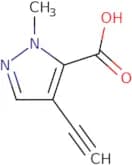
CAS:<p>Versatile small molecule scaffold</p>Formula:C8H9NOSPurity:Min. 95%Molecular weight:167.2 g/mol4-Ethynyl-1-methyl-1(H)-pyrazole-5-carboxylic acid
CAS:<p>Versatile small molecule scaffold</p>Formula:C7H6N2O2Purity:Min. 95%Molecular weight:150.13 g/molEthyl 3-methyl-2-oxopyrrolidine-3-carboxylate
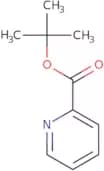
CAS:<p>Versatile small molecule scaffold</p>Formula:C8H13NO3Purity:Min. 95%Molecular weight:171.19 g/moltert-Butyl pyridine-2-carboxylate
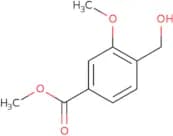
CAS:<p>Versatile small molecule scaffold</p>Formula:C10H13NO2Purity:Min. 95%Molecular weight:179.21 g/molMethyl 4-(hydroxymethyl)-3-methoxybenzoate
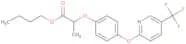
CAS:<p>Versatile small molecule scaffold</p>Formula:C10H12O4Purity:Min. 95%Molecular weight:196.2 g/mol(S)-Fluazifop-butyl
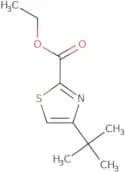
CAS:<p>Versatile small molecule scaffold</p>Formula:C19H20F3NO4Purity:Min. 95%Molecular weight:383.4 g/molEthyl 4-tert-butyl-1,3-thiazole-2-carboxylate
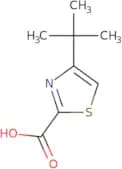
CAS:<p>Versatile small molecule scaffold</p>Formula:C10H15NO2SPurity:Min. 95%Molecular weight:213.3 g/mol4-tert-Butyl-1,3-thiazole-2-carboxylic acid
CAS:<p>Versatile small molecule scaffold</p>Formula:C8H11NO2SPurity:Min. 95%Molecular weight:185.24 g/mol5-Bromo-4-methyl-thiazol-2-ylamine hydrobromide
CAS:<p>Versatile small molecule scaffold</p>Formula:C4H6Br2N2SPurity:Min. 95%Molecular weight:273.98 g/mol2,5-Dibromo-4-methylthiazole
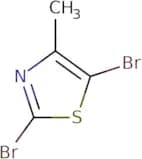
CAS:<p>2,5-Dibromo-4-methylthiazole is a methyl ester that can be used as a co-solvent in the production of solar cells. It is also an electron donor to formic acid, which is an acceptor and semiconductor. 2,5-Dibromo-4-methylthiazole absorbs light at wavelengths between 400 and 420 nm and has been shown to be dehalogenated under exposure to sunlight. This chemical has been shown to have efficiencies of up to 45% when used as a co-solvent in the production of solar cells with a high quantum yield.</p>Formula:C4H3Br2NSPurity:Min. 95%Molecular weight:256.95 g/molMethyl 5-bromo-4-methyl-1,3-thiazole-2-carboxylate
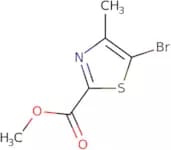
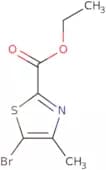
CAS:<p>Versatile small molecule scaffold</p>Formula:C6H6BrNO2SPurity:Min. 95%Molecular weight:236.09 g/molEthyl 5-bromo-4-methyl-1,3-thiazole-2-carboxylate
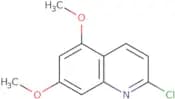
CAS:<p>Versatile small molecule scaffold</p>Formula:C7H8BrNO2SPurity:Min. 95%Molecular weight:250.12 g/mol2-Chloro-5,7-dimethoxyquinoline
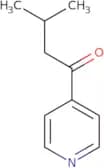
CAS:<p>Versatile small molecule scaffold</p>Formula:C11H10ClNO2Purity:Min. 95%Molecular weight:223.65 g/mol3-Methyl-1-(pyridin-4-yl)butan-1-one
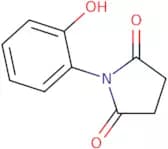
CAS:<p>Versatile small molecule scaffold</p>Formula:C10H13NOPurity:Min. 95%Molecular weight:163.22 g/mol1-(2-Hydroxyphenyl)pyrrolidine-2,5-dione
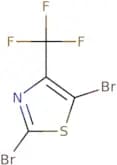
CAS:<p>Versatile small molecule scaffold</p>Formula:C10H9NO3Purity:Min. 95%Molecular weight:191.19 g/mol2,5-Dibromo-4-(trifluoromethyl)-1,3-thiazole
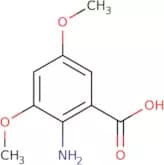
CAS:<p>Versatile small molecule scaffold</p>Formula:C4Br2F3NSPurity:Min. 95%Molecular weight:310.92 g/mol2-Amino-3,5-dimethoxybenzoic acid
CAS:<p>Versatile small molecule scaffold</p>Formula:C9H11NO4Purity:Min. 95%Molecular weight:197.19 g/mol1-[(2-Aminoethyl)sulfanyl]-4-fluorobenzene hydrochloride
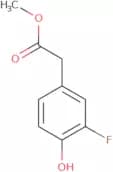
CAS:<p>Versatile small molecule scaffold</p>Formula:C8H11ClFNSPurity:Min. 95%Molecular weight:207.7 g/molMethyl 3-fluoro-4-hydroxyphenylacetate
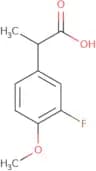
CAS:<p>Methyl 3-fluoro-4-hydroxyphenylacetate (MFHPA) is a hydrophobic drug that has been synthetized for the treatment of inflammation. It acts as a nonselective phosphodiesterase inhibitor and has been shown to be effective in experimental models of inflammation, such as carrageenan-induced paw oedema. MFHPA also inhibits fibrinolysis by preventing the conversion of plasminogen to plasmin, which may be responsible for its antiinflammatory effects. This drug has been found to reduce the severity of experimentally induced inflammation, such as carrageenan-induced paw oedema, by inhibiting fibrinolysis.</p>Formula:C9H9FO3Purity:Min. 95%Molecular weight:184.17 g/mol2-(3-Fluoro-4-methoxyphenyl)propanoic acid
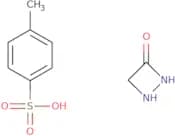
CAS:<p>Versatile small molecule scaffold</p>Formula:C10H11FO3Purity:Min. 95%Molecular weight:198.19 g/mol1,2-Diazetidin-3-one, 4-methylbenzene-1-sulfonic acid
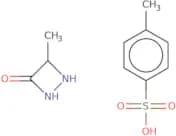
CAS:<p>Metformin is a pharmaceutical agent that is used to treat type 2 diabetes and metabolic syndrome. Metformin inhibits the enzyme gluconeogenic dehydrogenase, which leads to a decrease in blood glucose levels. It also reduces insulin resistance and dyslipidemia by inhibiting the release of insulin from pancreatic beta cells. Metformin has been shown to be prophylactic for diabetic patients with cardiovascular disease, as it lowers blood pressure and reduces the risk of heart attack or stroke. The solvate form of metformin is more water-soluble than metformin hydrochloride and can be given intravenously.</p>Formula:C9H12N2O4SPurity:Min. 95%Molecular weight:244.3 g/mol4-Methyl-1,2-diazetidin-3-one, 4-methylbenzene-1-sulfonic acid
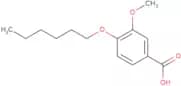
CAS:<p>Versatile small molecule scaffold</p>Formula:C10H14N2O4SPurity:Min. 95%Molecular weight:258.3 g/mol4-(Hexyloxy)-3-methoxybenzoic acid
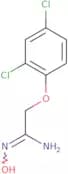
CAS:<p>Versatile small molecule scaffold</p>Formula:C14H20O4Purity:Min. 95%Molecular weight:252.31 g/mol2-(2,4-Dichlorophenoxy)-N'-hydroxyethanimidamide
CAS:<p>Versatile small molecule scaffold</p>Formula:C8H8Cl2N2O2Purity:Min. 95%Molecular weight:235.06 g/mol(Z)-2-(4-Chlorophenoxy)-N'-hydroxyethenimidamide
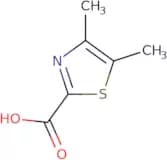
CAS:<p>Versatile small molecule scaffold</p>Formula:C8H9ClN2O2Purity:Min. 95%Color and Shape:PowderMolecular weight:200.62 g/mol4,5-Dimethyl-1,3-thiazole-2-carboxylic acid
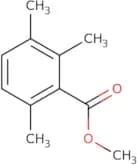
CAS:<p>Versatile small molecule scaffold</p>Formula:C6H7NO2SPurity:Min. 95%Molecular weight:157.19 g/molMethyl 2,3,6-trimethylbenzoate
CAS:<p>Versatile small molecule scaffold</p>Formula:C11H14O2Purity:Min. 95%Molecular weight:178.23 g/mol4-[(Ethylsulfanyl)methyl]benzoic acid
CAS:<p>Versatile small molecule scaffold</p>Formula:C10H12O2SPurity:Min. 95%Molecular weight:196.27 g/mol2-[3-(Trifluoromethyl)phenyl]propan-1-amine hydrochloride
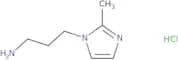
CAS:Controlled Product<p>Versatile small molecule scaffold</p>Formula:C10H13ClF3NPurity:Min. 95%Molecular weight:239.66 g/mol3-(2-Methyl-1H-imidazol-1-yl)propan-1-amine hydrochloride
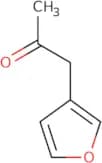
CAS:<p>Versatile small molecule scaffold</p>Formula:C7H14ClN3Purity:Min. 95%Molecular weight:175.66 g/mol1-(Furan-3-yl)propan-2-one
CAS:<p>Versatile small molecule scaffold</p>Formula:C7H8O2Purity:Min. 95%Molecular weight:124.14 g/mol3-[4-(4-Chlorophenyl)piperazin-1-yl]propanenitrile
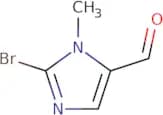
CAS:<p>Versatile small molecule scaffold</p>Formula:C13H16ClN3Purity:Min. 95%Molecular weight:249.74 g/mol2-bromo-1-methyl-1H-imidazole-5-carbaldehyde
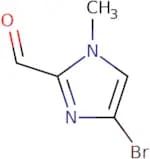
CAS:<p>Versatile small molecule scaffold</p>Formula:C5H5BrN2OPurity:Min. 95%Molecular weight:189 g/mol4-Bromo-1-methyl-1H-imidazole-2-carbaldehyde
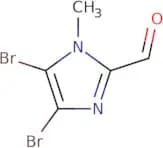
CAS:<p>Versatile small molecule scaffold</p>Formula:C5H5BrN2OPurity:Min. 95%Molecular weight:189.02 g/mol4,5-Dibromo-1-methyl-1H-imidazole-2-carboxaldehyde
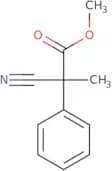
CAS:<p>Versatile small molecule scaffold</p>Formula:C5H4N2OBr2Purity:Min. 95%Molecular weight:267.91 g/molMethyl 2-cyano-2-methyl-2-phenylacetate
CAS:<p>Versatile small molecule scaffold</p>Formula:C11H11NO2Purity:Min. 95%Molecular weight:189.21 g/mol

![4-[(Methylsulfanyl)methyl]aniline](/_next/image/?url=https%3A%2Fstatic.cymitquimica.com%2Fproducts%2F3D%2Fthumb-webp%2FECA29304.webp&w=3840&q=75)
![3-[(Methylsulfanyl)methyl]benzoic acid](/_next/image/?url=https%3A%2Fstatic.cymitquimica.com%2Fproducts%2F3D%2Fthumb-webp%2FECA29310.webp&w=3840&q=75)

![2'H-Dispiro[1,3-dioxolane-2,1'-indene-3',2''-[1,3]dioxolane]-7'-amine](/_next/image/?url=https%3A%2Fstatic.cymitquimica.com%2Fproducts%2F3D%2Fthumb-webp%2FECA30475.webp&w=3840&q=75)

![4-Methyl-N-[2-(methylamino)ethyl]benzene-1-sulfonamide](/_next/image/?url=https%3A%2Fstatic.cymitquimica.com%2Fproducts%2F3D%2Fthumb-webp%2FEDA14352.webp&w=3840&q=75)
![1-[(4-Bromophenyl)methyl]indole-2,3-dione](/_next/image/?url=https%3A%2Fstatic.cymitquimica.com%2Fproducts%2F3D%2Fthumb-webp%2FEDA18337.webp&w=3840&q=75)
![2-{Imidazo[2,1-b][1,3]thiazol-3-yl}acetic acid](/_next/image/?url=https%3A%2Fstatic.cymitquimica.com%2Fproducts%2F3D%2Fthumb-webp%2FEDA19064.webp&w=3840&q=75)
![6'-Bromo-1',2'-dihydrospiro[cyclopentane-1,3'-indole]-2'-one](/_next/image/?url=https%3A%2Fstatic.cymitquimica.com%2Fproducts%2F3D%2Fthumb-webp%2FEDA20884.webp&w=3840&q=75)
![3-Chloro-[1,1'-biphenyl]-4-carbaldehyde](/_next/image/?url=https%3A%2Fstatic.cymitquimica.com%2Fproducts%2F3D%2Fthumb-webp%2FEDA21360.webp&w=3840&q=75)

![1-[(2-Aminoethyl)sulfanyl]-4-fluorobenzene hydrochloride](/_next/image/?url=https%3A%2Fstatic.cymitquimica.com%2Fproducts%2F3D%2Fthumb-webp%2FEDA27076.webp&w=3840&q=75)
![4-[(Ethylsulfanyl)methyl]benzoic acid](/_next/image/?url=https%3A%2Fstatic.cymitquimica.com%2Fproducts%2F3D%2Fthumb-webp%2FEDA31352.webp&w=3840&q=75)
![2-[3-(Trifluoromethyl)phenyl]propan-1-amine hydrochloride](/_next/image/?url=https%3A%2Fstatic.cymitquimica.com%2Fproducts%2F3D%2Fthumb-webp%2FEDA31452.webp&w=3840&q=75)
![3-[4-(4-Chlorophenyl)piperazin-1-yl]propanenitrile](/_next/image/?url=https%3A%2Fstatic.cymitquimica.com%2Fproducts%2F3D%2Fthumb-webp%2FEDA32292.webp&w=3840&q=75)