


Building Blocks
This section contains fundamental products for the synthesis of organic and biological compounds. Building blocks are the essential starting materials used to construct complex molecules through various chemical reactions. They play a critical role in drug discovery, material science, and chemical research. At CymitQuimica, we offer a diverse range of high-quality building blocks to support your innovative research and industrial projects, ensuring you have the essential components for successful synthesis.
Subcategories of "Building Blocks"
- Boronic Acids & Boronic Acid Derivatives(5,756 products)
- Chiral Building Blocks(1,242 products)
- Hydrocarbon Building Blocks(6,095 products)
- Organic Building Blocks(60,526 products)
Found 195848 products of "Building Blocks"
Sort by
Purity (%)
0
100
|
0
|
50
|
90
|
95
|
100
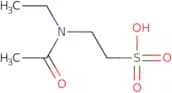
2-(N-Ethylacetamido)ethane-1-sulfonic acid
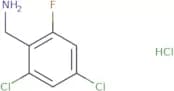
CAS:<p>Versatile small molecule scaffold</p>Formula:C6H13NO4SPurity:Min. 95%Molecular weight:195.24 g/mol(2,4-Dichloro-6-fluorophenyl)methanamine hydrochloride
CAS:<p>Versatile small molecule scaffold</p>Formula:C7H7Cl3FNPurity:Min. 95%Molecular weight:230.5 g/mol1-Bromo-6-fluorohexane
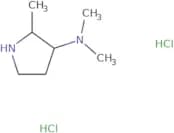
CAS:<p>Versatile small molecule scaffold</p>Formula:C6H12BrFPurity:Min. 95%Molecular weight:183.06 g/molN,N,2-Trimethylpyrrolidin-3-amine dihydrochloride
CAS:<p>Versatile small molecule scaffold</p>Formula:C7H18Cl2N2Purity:Min. 95%Molecular weight:201.13 g/mol1-[(2-Cyano-6-methylphenyl)sulfanyl]-N,N-dimethylformamide
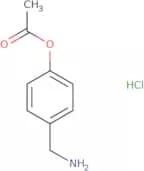
CAS:<p>Versatile small molecule scaffold</p>Formula:C11H12N2OSPurity:Min. 95%Molecular weight:220.29 g/mol4-(Aminomethyl)phenyl acetate hydrochloride
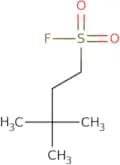
CAS:<p>Versatile small molecule scaffold</p>Formula:C9H12ClNO2Purity:Min. 95%Molecular weight:201.65 g/mol3,3-Dimethylbutane-1-sulfonyl fluoride
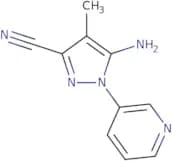
CAS:<p>Versatile small molecule scaffold</p>Formula:C6H13FO2SPurity:Min. 95%Molecular weight:168.23 g/mol5-Amino-4-methyl-1-(pyridin-3-yl)-1H-pyrazole-3-carbonitrile
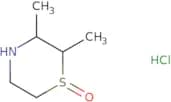
CAS:<p>Versatile small molecule scaffold</p>Formula:C10H9N5Purity:Min. 95%Molecular weight:199.21 g/mol2,3-Dimethyl-1,4-thiazinane 1-oxide hydrochloride
CAS:<p>Versatile small molecule scaffold</p>Formula:C6H14ClNOSPurity:Min. 95%Molecular weight:183.7 g/mol[5-(2-Fluorophenoxymethyl)-1,2-oxazol-3-yl]methanol
CAS:<p>Versatile small molecule scaffold</p>Formula:C11H10FNO3Purity:Min. 95%Molecular weight:223.2 g/mol4-[(2-Bromo-4-fluorophenyl)methyl]oxan-4-amine hydrochloride
CAS:<p>Versatile small molecule scaffold</p>Formula:C12H16BrClFNOPurity:Min. 95%Molecular weight:324.61 g/mol2-Cyclohexyl-1H,4H,5H,6H,7H-imidazo[4,5-c]pyridine dihydrochloride
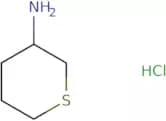
CAS:<p>Versatile small molecule scaffold</p>Formula:C12H21Cl2N3Purity:Min. 95%Molecular weight:278.22 g/molThian-3-amine hydrochloride
CAS:<p>Versatile small molecule scaffold</p>Formula:C5H12ClNSPurity:Min. 95%Molecular weight:153.67 g/mol5-Bromo-1-[(5-ethyl-1,2,4-oxadiazol-3-yl)methyl]-2-methyl-1,4-dihydropyrimidin-4-one
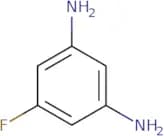
CAS:<p>Versatile small molecule scaffold</p>Formula:C10H11BrN4O2Purity:Min. 95%Molecular weight:299.12 g/mol5-Fluorobenzene-1,3-diamine
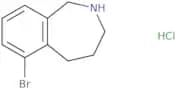
CAS:<p>Versatile small molecule scaffold</p>Formula:C6H7FN2Purity:Min. 95%Molecular weight:126.13 g/mol6-Bromo-2,3,4,5-tetrahydro-1H-2-benzazepine hydrochloride
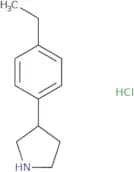
CAS:<p>Versatile small molecule scaffold</p>Formula:C10H13BrClNPurity:Min. 95%Molecular weight:262.57 g/mol3-(4-Ethylphenyl)pyrrolidine hydrochloride
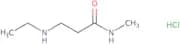
CAS:<p>Versatile small molecule scaffold</p>Formula:C12H18ClNPurity:Min. 95%Molecular weight:211.73 g/mol3-(Ethylamino)-N-methylpropanamide hydrochloride
CAS:<p>Versatile small molecule scaffold</p>Formula:C6H15ClN2OPurity:Min. 95%Molecular weight:166.65 g/mol2-{2-[1-(Methylamino)ethyl]phenyl}-1,2-thiazolidine-1,1-dione hydrochloride
CAS:<p>Versatile small molecule scaffold</p>Formula:C12H19ClN2O2SPurity:Min. 95%Molecular weight:290.81 g/mol1-Iodo-4-[(trifluoromethyl)sulfanyl]benzene
CAS:<p>Versatile small molecule scaffold</p>Formula:C7H4F3ISPurity:Min. 95%Molecular weight:304.07 g/molN-[(3-Fluoro-4-methoxyphenyl)methylidene]hydroxylamine
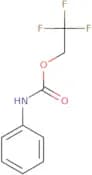
CAS:<p>Versatile small molecule scaffold</p>Formula:C8H8FNO2Purity:Min. 95%Molecular weight:169.15 g/mol2,2,2-Trifluoroethyl N-phenylcarbamate
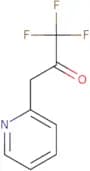
CAS:<p>Versatile small molecule scaffold</p>Formula:C9H8F3NO2Purity:Min. 95%Molecular weight:219.16 g/mol1,1,1-Trifluoro-3-(pyridin-2-yl)propan-2-one
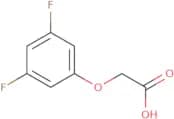
CAS:<p>1,1,1-Trifluoro-3-(pyridin-2-yl)propan-2-one is a nitrogen containing organic compound with two substituents. It has a tautomeric form that can be represented as the electron shift from one position to another position in the side chain. The chemical shift of this compound varies with its conformation. 1,1,1-Trifluoro-3-(pyridin-2-yl)propan-2-one is an electron acceptor and stabilizer.</p>Formula:C8H6F3NOPurity:Min. 95%Molecular weight:189.13 g/mol2-(3,5-Difluorophenoxy)acetic acid
CAS:<p>Versatile small molecule scaffold</p>Formula:C8H6F2O3Purity:Min. 95%Molecular weight:188.13 g/molN-[4-Chloro-3-(trifluoromethyl)phenyl]-2-hydroxybenzamide
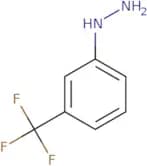
CAS:<p>Versatile small molecule scaffold</p>Formula:C14H9ClF3NO2Purity:Min. 95%Molecular weight:315.67 g/mol3-(Trifluoromethyl)phenylhydrazine
CAS:<p>3-(Trifluoromethyl)phenylhydrazine (3-TFHP) is a diphenol that is used as an intermediate for the synthesis of dyestuffs and pharmaceuticals. 3-TFHP has been shown to react with carboxylic acids and amines, forming triazoles. The reaction time depends on the functional groups present in the reactants. The compound is chiral at the trifluoromethyl group, which can be oxidized to form a reactive fluorine or chlorine atom. 3-TFHP has three functional groups: a carboxylic acid, a phenolic hydroxyl, and a triazole. Zn2+ ions are often used as catalysts when synthesizing this compound.</p>Formula:C7H7F3N2Purity:Min. 95%Molecular weight:176.14 g/mol2-[4-Chloro-3-(trifluoromethyl)phenoxy]acetic acid
CAS:<p>Versatile small molecule scaffold</p>Formula:C9H6ClF3O3Purity:Min. 95%Molecular weight:254.59 g/moltert-Butyl 3-[(5-cyanopyridin-2-yl)oxy]pyrrolidine-1-carboxylate
CAS:<p>Versatile small molecule scaffold</p>Formula:C15H19N3O3Purity:Min. 95%Molecular weight:289.33 g/mol3-Phenyl-2-azaspiro[3.3]heptan-1-one
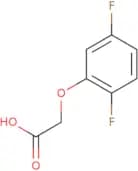
CAS:<p>Versatile small molecule scaffold</p>Formula:C12H13NOPurity:Min. 95%Molecular weight:187.24 g/mol2-(2,5-Difluorophenoxy)acetic acid
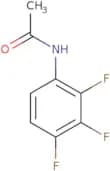
CAS:<p>Versatile small molecule scaffold</p>Formula:C8H6F2O3Purity:Min. 95%Molecular weight:188.13 g/molN-(2,3,4-Trifluorophenyl)acetamide
CAS:<p>Versatile small molecule scaffold</p>Formula:C8H6NOF3Purity:Min. 95%Molecular weight:189.13 g/mol1-[Bromo(phenyl)methyl]-4-fluorobenzene
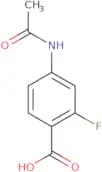
CAS:<p>Versatile small molecule scaffold</p>Formula:C13H10BrFPurity:Min. 95%Molecular weight:265.12 g/mol4-Acetamido-2-fluorobenzoic acid
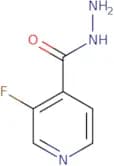
CAS:<p>The Indexes of Motivation for Research in the Holistic Health Sciences is a comprehensive, searchable database that provides the most current information on research and scholarly activities in the holistic health sciences. The index covers topics such as mind-body medicine, integrative medicine, complementary and alternative medicine, humanistic and transpersonal psychology, psychotherapy and counseling, medical sociology, and medical anthropology. The index is designed to support researchers in identifying research topics relevant to their work.</p>Formula:C9H8FNO3Purity:Min. 95%Molecular weight:197.16 g/mol3-Fluoropyridine-4-carbohydrazide
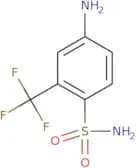
CAS:<p>Versatile small molecule scaffold</p>Formula:C6H6FN3OPurity:Min. 95%Molecular weight:155.13 g/mol4-Amino-2-(trifluoromethyl)benzene-1-sulfonamide
CAS:<p>Versatile small molecule scaffold</p>Formula:C7H7F3N2O2SPurity:Min. 95%Molecular weight:240.21 g/mol1-Benzyl-1H,2H-cyclohepta[D]imidazol-2-one
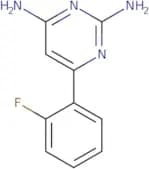
CAS:<p>1-Benzyl-1H,2H-cyclohepta[D]imidazol-2-one is a hydrophobic, insoluble compound that can be reconstituted and implanted in the body. It is used for diagnostic purposes as a bioactive agent and can be injected or administered through iontophoresis. The drug targets specific cells by binding to proteins on the cell surface and is active against cancer cells and bacteria. 1-Benzyl-1H,2H-cyclohepta[D]imidazol-2-one has been shown to inhibit protein synthesis in monolayers of cultured human erythrocytes at high concentrations (i.e., 10 mM). The drug inhibits bacterial growth by binding to DNA gyrase, preventing transcription and replication; it also inhibits DNA topoisomerase IV, which maintains the integrity of bacterial DNA.</p>Formula:C15H12N2OPurity:Min. 95%Molecular weight:236.27 g/mol6-(2-Fluorophenyl)pyrimidine-2,4-diamine
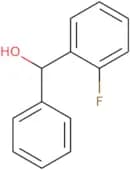
CAS:<p>Versatile small molecule scaffold</p>Formula:C10H9FN4Purity:Min. 95%Molecular weight:204.2 g/mol(2-Fluorophenyl)(phenyl)methanol
CAS:<p>Versatile small molecule scaffold</p>Formula:C13H11FOPurity:Min. 95%Molecular weight:202.22 g/mol2-Benzoyl-4-fluorophenol
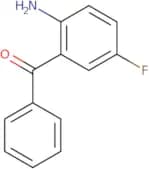
CAS:<p>Versatile small molecule scaffold</p>Formula:C13H9FO2Purity:Min. 95%Molecular weight:216.21 g/mol(2-Amino-5-fluorophenyl)(phenyl)methanone
CAS:<p>2-Amino-5-fluorophenyl)(phenyl)methanone is a hydrogen bond acceptor that binds to the benzodiazepine receptor. Hydrogen bonds are formed by dipole interactions between the hydrogen atom of a donor molecule and the electronegative atoms of a receptor. This interaction is characterized by a high affinity, which makes it useful for medicinal chemistry. 2-Amino-5-fluorophenyl)(phenyl)methanone has been shown to interact with brain membranes and has been used in medicine as an anxiolytic agent. It produces its effects by enhancing the activity of GABA, an inhibitory neurotransmitter, at the benzodiazepine receptor site on GABA receptors in the brain. The drug also has some affinity for binding to other sites in the central nervous system, such as at GABA receptors in cortical neurons, pyramidal cells in hippocampus, and ventral tegmental area dopamine neurons.</p>Formula:C13H10FNOPurity:Min. 95%Molecular weight:215.23 g/mol3,4,6-trifluoro-2-nitroaniline
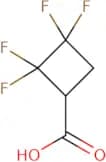
CAS:<p>3,4,6-Trifluoro-2-nitroaniline is a chemical compound with the formula C6H3FN3O2. It is an organic nitro compound that contains a nitro group, which is a functional group consisting of an oxygen atom double bonded to a nitrogen atom. Nitro groups are used in organic chemistry as a replacement for hydrogen atoms in order to produce compounds that have similar properties to those of their parent hydrocarbon. Nitro groups can be introduced into organic molecules by diazotization and coupling reactions. Nitration and chlorination of 3,4,6-trifluoro-2-nitroaniline give C6H3ClFNO2 and C6H3ClFNO respectively. 3,4,6-Trifluoro-2-nitroaniline has been shown to react with hypophosphorous acid to form hypophosphorous acid fluoride (C6H5P</p>Formula:C6H3F3N2O2Purity:Min. 95%Molecular weight:192.1 g/mol2,2,3,3-Tetrafluorocyclobutane-1-carboxylic acid
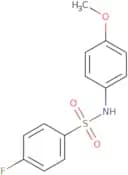
CAS:<p>Versatile small molecule scaffold</p>Formula:C5H4F4O2Purity:Min. 95%Molecular weight:172.08 g/mol4-Fluoro-N-(4-methoxyphenyl)benzene-1-sulfonamide
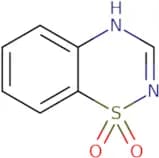
CAS:<p>Versatile small molecule scaffold</p>Formula:C13H12FNO3SPurity:Min. 95%Molecular weight:281.3 g/mol2H-1,2,4-Benzothiadiazine-1,1-dione
CAS:<p>2H-1,2,4-Benzothiadiazine-1,1-dione is a pharmaceutical agent that belongs to the group of benzothiadiazine compounds. It is used as an intermediate in the synthesis of other drugs and has antihypertensive activity. 2H-1,2,4-Benzothiadiazine-1,1-dione inhibits blood pressure by acting on alpha receptors in vascular smooth muscle cells to inhibit the release of nitric oxide. This drug also blocks the binding of angiotensin II to its receptors and thus reduces the production of aldosterone and other hormones that promote sodium retention. Benzothiadiazine compounds are also known for their ability to form tautomers and isomers with each other. One such example is 2H-1,2,4-benzothiadiazine-1,1-dione (TBDT).</p>Formula:C7H6N2O2SPurity:Min. 95%Molecular weight:182.2 g/mol3,4-Dihydro-2H-benzo[E][1,2,4]thiadiazine 1,1-dioxide
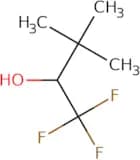
CAS:<p>Phenoxybenzamine is a phenoxy compound with a benzoylamino group. It inhibits the activity of monoamine oxidase, which is an enzyme that catalyzes the oxidation of monoamines and the degradation of catecholamines. Phenoxybenzamine has been shown to be effective in vitro against nerve cells. This drug has also been shown to be effective in vivo by reducing diabetic neuropathy and sciatic nerve injury in rats. Phenoxybenzamine inhibits the activity of alkoxycarbonyl groups, which are found in polyfluoroalkyl substances such as perfluorooctanoic acid (PFOA) or perfluorooctane sulfonate (PFOS).</p>Formula:C7H8N2O2SPurity:Min. 95%Molecular weight:184.22 g/mol1,1,1-Trifluoro-3,3-dimethylbutan-2-ol
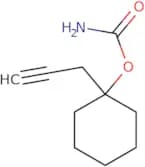
CAS:<p>Versatile small molecule scaffold</p>Formula:C6H11F3OPurity:Min. 95%Molecular weight:156.15 g/mol1-(Prop-2-yn-1-yl)cyclohexyl carbamate
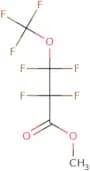
CAS:Controlled Product<p>Prop-2-yn-1-ylcyclohexyl carbamate is an analog of phenol, which has been used to synthesize drugs for the treatment of inflammatory bowel disease. It is an inhibitor of the enzyme phospholipase A2, which is responsible for the production of arachidonic acid from membrane phospholipids. Prop-2-yn-1-ylcyclohexyl carbamate binds to the hydroxyl group on phospholipids, inhibiting the release of arachidonic acid and preventing its conversion into inflammatory mediators. This drug can also be used as a fluorescent probe in fluorescence analysis.</p>Formula:C10H15NO2Purity:Min. 95%Molecular weight:181.23 g/molMethyl 2,2,3,3-tetrafluoro-3-(trifluoromethoxy)propanoate
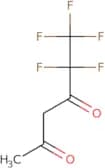
CAS:<p>Versatile small molecule scaffold</p>Formula:C5H3F7O3Purity:Min. 95%Molecular weight:244.06 g/mol5,5,6,6,6-Pentafluorohexane-2,4-dione
CAS:<p>Versatile small molecule scaffold</p>Formula:C6H5F5O2Purity:Min. 95%Molecular weight:204.1 g/mol5,5,5-Trifluoro-1-pentanol
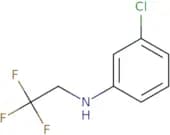
CAS:<p>Versatile small molecule scaffold</p>Formula:C5H9F3OPurity:Min. 95%Molecular weight:142.12 g/mol3-Chloro-N-(2,2,2-trifluoroethyl)aniline
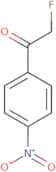
CAS:<p>Versatile small molecule scaffold</p>Formula:C8H7ClF3NPurity:Min. 95%Molecular weight:209.59 g/mol2-Fluoro-1-(4-nitrophenyl)ethan-1-one
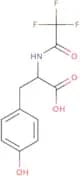
CAS:<p>Versatile small molecule scaffold</p>Formula:C8H6FNO3Purity:Min. 95%Molecular weight:183.14 g/mol(2S)-3-(4-Hydroxyphenyl)-2-(trifluoroacetamido)propanoic acid
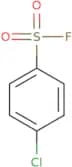
CAS:<p>Versatile small molecule scaffold</p>Formula:C11H10F3NO4Purity:Min. 95%Molecular weight:277.2 g/mol4-Chlorobenzenesulfonyl fluoride
CAS:<p>Versatile small molecule scaffold</p>Formula:C6H4ClFO2SPurity:Min. 95%Molecular weight:194.61 g/mol2-{[3-(Trifluoromethyl)phenyl]amino}acetic acid
CAS:<p>Versatile small molecule scaffold</p>Formula:C9H8F3NO2Purity:Min. 95%Molecular weight:219.16 g/mol4-Acetamido-3-fluorobenzene-1-sulfonyl chloride
CAS:<p>Versatile small molecule scaffold</p>Formula:C8H7ClFNO3SPurity:Min. 95%Molecular weight:251.66 g/mol2-Hydroxy-2-[3-(trifluoromethyl)phenyl]acetic acid
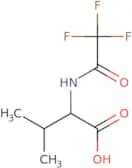
CAS:<p>2-Hydroxy-2-[3-(trifluoromethyl)phenyl]acetic acid (HPA) is a carboxylic acid that belongs to the family of monosubstituted carboxylic acids. It was synthesised in 1960 by reacting 3-(trifluoromethyl)benzoyl chloride with 2-hydroxyethanoic acid. HPA is a racemic mixture, which is why it has two enantiomers. These two enantiomers have different structures and highlights, but they share the same chemical formula. The mandelic acid is one of the dimers that can be formed from HPA, which occurs when an HPA molecule reacts with another HPA molecule. Mandelic acid also has hydroxyl groups and dimers that form as a result of its synthesis process.</p>Formula:C9H7F3O3Purity:Min. 95%Molecular weight:220.14 g/mol(2S)-3-Methyl-2-(trifluoroacetamido)butanoic acid
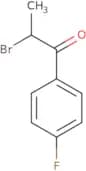
CAS:<p>(2S)-3-Methyl-2-(trifluoroacetamido)butanoic acid is an acid that is used as a precursor to other organic compounds. It is also known as trifluoroacetic acid, which has an acidic side chain. (2S)-3-Methyl-2-(trifluoroacetamido)butanoic acid can be synthesized by the condensation of indole-3-pyruvic acid and amines. This chemical compound also has chromatographic properties, hydroxyl group, tetrahydropyran, dehydration, nucleophilic, imine, anilines and oxazolones. (2S)-3-Methyl-2-(trifluoroacetamido)butanoic acid contains an amino function and aldehyde groups.</p>Formula:C7H10F3NO3Purity:Min. 95%Molecular weight:213.15 g/mol2-Bromo-1-(4-fluorophenyl)propan-1-one
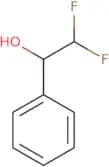
CAS:<p>2-Bromo-1-(4-fluorophenyl)propan-1-one is an innovative, trifluoromethylthiolation reagent that has been synthesised for use in formate dehydrogenase and tosylates. 2-Bromo-1-(4-fluorophenyl)propan-1-one has a nucleophilic, bromine atom with a molybdenum active site. The functional groups on the molecule are ethers and thiols. The synthesis of this molecule is by electrolysis. This molecule was synthesised using inorganic methods.</p>Formula:C9H8BrFOPurity:Min. 95%Molecular weight:231.06 g/mol2,2-Difluoro-1-phenylethan-1-ol
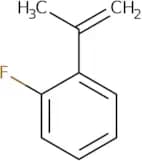
CAS:<p>Versatile small molecule scaffold</p>Formula:C8H8F2OPurity:Min. 95%Molecular weight:158.14 g/mol1-Fluoro-2-(prop-1-en-2-yl)benzene
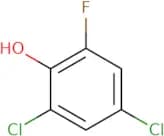
CAS:<p>Versatile small molecule scaffold</p>Formula:C9H9FPurity:Min. 95%Molecular weight:136.17 g/mol2,4-Dichloro-6-fluorophenol
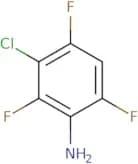
CAS:<p>Versatile small molecule scaffold</p>Formula:C6H3Cl2FOPurity:Min. 95%Molecular weight:180.99 g/mol3-Chloro-2,4,6-trifluoroaniline
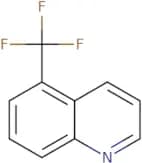
CAS:<p>Versatile small molecule scaffold</p>Formula:C6H3ClF3NPurity:Min. 95%Molecular weight:181.54 g/mol5-(Trifluoromethyl)quinoline
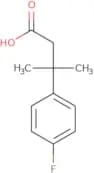
CAS:<p>Versatile small molecule scaffold</p>Formula:C10H6F3NPurity:Min. 95%Molecular weight:197.16 g/mol3-(4-Fluorophenyl)-3-methylbutanoic acid
CAS:<p>Versatile small molecule scaffold</p>Formula:C11H13FO2Purity:Min. 95%Molecular weight:196.22 g/mol1-{[(4,4-Dimethylcyclohexyl)methyl]sulfanyl}ethan-1-one
CAS:<p>Versatile small molecule scaffold</p>Formula:C11H20OSPurity:Min. 95%Molecular weight:200.34 g/mol5-Carbamoylpentanoic acid
CAS:<p>5-Carbamoylpentanoic acid is a fatty acid that is used in detergent compositions to form soap. It is also used as a raw material for the production of malonic acid, which can be used in the manufacture of polycarboxylic acids. 5-Carbamoylpentanoic acid has been shown to react with phosphorus pentoxide and diammonium hydroxide in a light-emitting reaction. This chemical can form an intermolecular hydrogen bond with amines, which may be due to its high reactivity towards nucleophiles. The reaction mechanism for this chemical is not well understood, but it is thought that it proceeds through an amide or alkyl addition.</p>Formula:C6H11NO3Purity:Min. 95%Molecular weight:145.16 g/mol1,1,1,7,7,7-Hexafluoroheptan-4-one
CAS:<p>1,1,1,7,7,7-Hexafluoroheptan-4-one is a fluorinated nonsteroidal antiinflammatory drug (NSAID) that is used to treat inflammation of the colon and other conditions. It is a potent inhibitor of cyclooxygenase 1 and 2 enzymes. This drug has been shown to be safe for use by pregnant women and children. The long-term effects on infants are not known. 1,1,1,7,7,7-Hexafluoroheptan-4-one inhibits the production of prostaglandins and may cause gastrointestinal bleeding. It also binds to gadolinium ions in the body and can be monitored using magnetic resonance imaging (MRI). Colchicine levels have been found to increase after treatment with this drug in some patients.</p>Formula:C7H8F6OPurity:Min. 95%Molecular weight:222.13 g/mol2-[(4-Fluorophenyl)thio]acetic acid
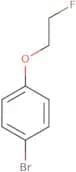
CAS:<p>2-[(4-Fluorophenyl)thio]acetic acid is a research chemical that belongs to the group of cyclocondensation compounds. It has been shown to yield two pyrimidines, pyrazolines, and isoxazoles when reacted with phenylacetaldehyde. This compound also forms an acid hydrazide when heated with hydrochloric acid. 2-[(4-Fluorophenyl)thio]acetic acid can be synthesized by reacting 4-fluorobenzaldehyde with hydrazine in refluxing ethanol. The c1-c7 alcohols are then removed using a vacuum distillation technique, followed by condensation of the remaining product. Chalcones are formed through this process as well.</p>Formula:C8H7FO2SPurity:Min. 95%Molecular weight:186.2 g/mol1-Bromo-4-(2-fluoroethoxy)benzene
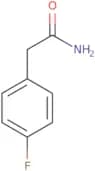
CAS:<p>Versatile small molecule scaffold</p>Formula:C8H8BrFOPurity:Min. 95%Molecular weight:219.05 g/mol2-(4-Fluorophenyl)acetamide
CAS:<p>2-(4-Fluorophenyl)acetamide (FFAA) is a broad-spectrum antiviral drug that has been evaluated against picornavirus, enterovirus, and rhinovirus. FFAA has been shown to be effective in the treatment of acute enterovirus infections in mice. This compound was also found to have a cytopathic effect on cells infected with enteroviruses in culture. It binds to the virus's RNA-dependent RNA polymerase and prevents viral replication. FFAA is not active against influenza A or B viruses, but it is active against influenza C virus. This compound has also been found to have medicinal properties, as it can inhibit the growth of human lung cancer cells in culture and may be useful for treating cancers such as leukemia.</p>Formula:C8H8FNOPurity:Min. 95%Molecular weight:153.15 g/mol3-Fluoro-phenylthioacetic acid
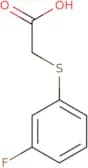
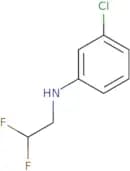
CAS:<p>Versatile small molecule scaffold</p>Formula:C8H7FO2SPurity:Min. 95%Molecular weight:186.2 g/mol3-Chloro-N-(2,2-difluoroethyl)aniline
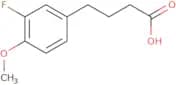
CAS:<p>Versatile small molecule scaffold</p>Formula:C8H8ClF2NPurity:Min. 95%Molecular weight:191.6 g/mol4-(3-Fluoro-4-methoxyphenyl)butanoic acid
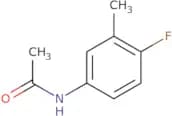
CAS:<p>Versatile small molecule scaffold</p>Formula:C11H13FO3Purity:Min. 95%Molecular weight:212.22 g/molN-(4-Fluoro-3-methylphenyl)acetamide
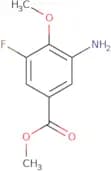
CAS:<p>Versatile small molecule scaffold</p>Formula:C9H10FNOPurity:Min. 95%Molecular weight:167.18 g/molMethyl 3-amino-5-fluoro-4-methoxybenzoate
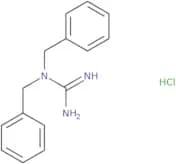
CAS:<p>Versatile small molecule scaffold</p>Formula:C9H10FNO3Purity:Min. 95%Molecular weight:199.18 g/molN,N-Dibenzylguanidine hydrochloride
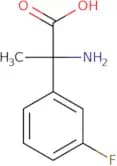
CAS:<p>Versatile small molecule scaffold</p>Formula:C15H18ClN3Purity:Min. 95%Molecular weight:275.77 g/mol2-Amino-2-(3-fluorophenyl)propanoic acid
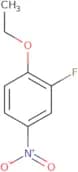
CAS:<p>Versatile small molecule scaffold</p>Formula:C9H10FNO2Purity:Min. 95%Molecular weight:183.18 g/mol4-Ethoxy-3-fluoronitrobenzene
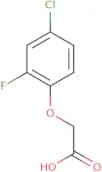
CAS:<p>Versatile small molecule scaffold</p>Formula:C8H8FNO3Purity:Min. 95%Molecular weight:185.15 g/mol2-(4-Chloro-2-fluorophenoxy)acetic acid
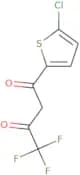
CAS:<p>Versatile small molecule scaffold</p>Formula:C8H6ClFO3Purity:Min. 95%Molecular weight:204.58 g/mol1-(5-Chlorothiophen-2-yl)-4,4,4-trifluorobutane-1,3-dione
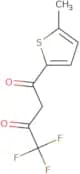
CAS:<p>Versatile small molecule scaffold</p>Formula:C8H4ClF3O2SPurity:Min. 95%Molecular weight:256.63 g/mol4,4,4-Trifluoro-1-(5-methyl-thiophen-2-yl)-butane-1,3-dione
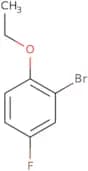
CAS:<p>Versatile small molecule scaffold</p>Formula:C9H7F3O2SPurity:Min. 95%Molecular weight:236.21 g/mol2-Bromo-4-fluorophenyl ethyl ether
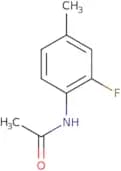
CAS:<p>Versatile small molecule scaffold</p>Formula:C8H8BrFOPurity:Min. 95%Molecular weight:219.05 g/molN-(2-Fluoro-4-methylphenyl)acetamide
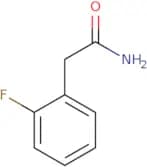
CAS:<p>N-(2-fluoro-4-methylphenyl)acetamide (FMAA) is a sterically hindered, regioselective amine brominating agent. FMAA has shown high efficiency in the conversion of anilides to bromides. FMAA is also very efficient in orienting the substrates for bromination and can be used to prepare N-(2-bromo-4-methylphenyl)acetamide. The selectivity of this reagent is due to its steric effect that prevents the substrate from reacting with other functional groups on the molecule. FMAA has been successfully used in the synthesis of 2-[(2,6-dichlorophenyl)amino]-N-(2,4,6-trimethylphenyl)acetamide and 2-[(3,5-dichlorophenyl)amino]-N-(3,5,6-trimethylphenyl)acetamide.</p>Formula:C9H10FNOPurity:Min. 95%Molecular weight:167.18 g/mol2-(2-Fluorophenyl)acetamide
CAS:<p>2-(2-Fluorophenyl)acetamide is a nucleoside analogue that inhibits the activity of thymidine kinase, which is an enzyme that converts thymine to deoxyuridine monophosphate and vice versa. 2-(2-Fluorophenyl)acetamide has been shown to be effective against herpes simplex virus and is a lead compound for the development of antiviral compounds. This drug is not toxic to cells and has no adverse side effects.</p>Formula:C8H8FNOPurity:Min. 95%Molecular weight:153.16 g/molMethyl benzo[d][1,3]dioxole-5-carboxylate
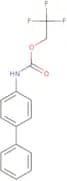
CAS:<p>Methyl benzo[d][1,3]dioxole-5-carboxylate is a prodrug of the active form, benzo[d][1,3]dioxole-5-carboxylic acid. It is used in the treatment of bowel disease and can be administered orally or intravenously. Methyl benzo[d][1,3]dioxole-5-carboxylate works by inhibiting the proteolytic enzymes that digest proteins in the small intestine. This drug has been shown to have an optimum concentration of 10-20 mg/mL when incubated with human ileal tissue. Methyl benzo[d][1,3]dioxole-5-carboxylate has also been shown to inhibit the activity of several inflammatory enzymes such as cyclooxygenase and lipoxygenase. This drug also has a protective effect on the lungs by inhibiting expiratory flow and clearing out</p>Formula:C9H8O4Purity:Min. 95%Molecular weight:180.16 g/mol2,2,2-Trifluoroethyl N-(4-phenylphenyl)carbamate
CAS:<p>Versatile small molecule scaffold</p>Formula:C15H12F3NO2Purity:Min. 95%Molecular weight:295.26 g/molN-(4-Fluorophenyl)-2-nitroaniline
CAS:<p>Versatile small molecule scaffold</p>Formula:C12H9FN2O2Purity:Min. 95%Molecular weight:232.21 g/molPyrido[2,3-b]pyrazine
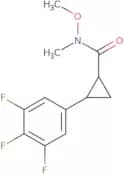
CAS:<p>Pyrido[2,3-b]pyrazine is a sulfa drug that belongs to the group of drugs containing sulfur. It is an inhibitor of bacterial growth that binds to the nitrogen atom in the bacterial cell wall, thereby preventing coordination geometry and inhibiting growth. Pyrido[2,3-b]pyrazine has been shown to be active against cancer cells and has synergistic effects when used with other agents such as hydrochloric acid or trifluoroacetic acid. The binding of pyrido[2,3-b]pyrazine to the cell surface can disrupt receptor function and inhibit the production of certain growth factors. Pyrido[2,3-b]pyrazine also chelates metal ions such as iron and copper ions which are essential for bacterial metabolism.</p>Formula:C7H5N3Purity:Min. 95%Molecular weight:131.13 g/molN-Methoxy-N-methyl-2-(3,4,5-trifluorophenyl)cyclopropane-1-carboxamide
CAS:<p>Versatile small molecule scaffold</p>Formula:C12H12F3NO2Purity:Min. 95%Molecular weight:259.22 g/mol2-Amino-2-(2-fluorophenyl)propanoic acid
CAS:<p>Versatile small molecule scaffold</p>Formula:C9H10FNO2Purity:Min. 95%Molecular weight:183.18 g/mol4-Bromo-1,2-bis(trifluoromethyl)benzene
CAS:<p>4-Bromo-1,2-bis(trifluoromethyl)benzene is a reactive intermediate that can be used in the synthesis of other chemical compounds. It has been shown to react with cysteine residues and amino acid side chains, leading to covalent modifications in proteins. 4-Bromo-1,2-bis(trifluoromethyl)benzene is also used as a tool for screening chemical biology strategies and drug discovery.</p>Formula:C8H3BrF6Purity:Min. 95%Molecular weight:293 g/mol2-(2-Fluorophenyl)propan-2-ol
CAS:<p>Versatile small molecule scaffold</p>Formula:C9H11FOPurity:Min. 95%Molecular weight:154.18 g/molOpromazine hydrochloride
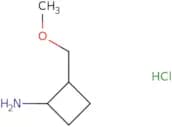
CAS:<p>Opromazine hydrochloride is an anti-infective agent that binds to the opiate receptor and inhibits the release of neurotransmitters. Opromazine hydrochloride has been shown to have synergistic effects when combined with gabapentin in human serum, which is a biological sample. Opromazine hydrochloride inhibits the replication of bacteria by binding to their nucleotide levels and preventing protein synthesis. It also binds to α1-acid glycoprotein, which is found in the blood, and prevents bacterial adhesion to tissue cells. The drug also binds to calmodulin and inhibits tricyclic antidepressants drugs such as desipramine, amitriptyline, nortriptyline, clomipramine, or imipramine.</p>Formula:C17H20Cl2N2OSPurity:Min. 95%Molecular weight:371.3 g/mol2-(Methoxymethyl)cyclobutan-1-amine hydrochloride
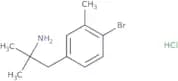
CAS:<p>Versatile small molecule scaffold</p>Formula:C6H14ClNOPurity:Min. 95%Molecular weight:151.63 g/mol1-(4-Bromo-3-methylphenyl)-2-methylpropan-2-amine hydrochloride
CAS:Controlled Product<p>Versatile small molecule scaffold</p>Formula:C11H17BrClNPurity:Min. 95%Molecular weight:278.61 g/molELN484228
CAS:<p>ELN484228 is a ligand that binds to wild-type p53. It is a member of the ELN series, which are designed to have high affinity and specificity for wild-type p53. ELN484228 has been shown to inhibit the growth of cancer cells in vitro by binding to the wild-type p53 receptor and preventing it from entering into the nucleus of the cell. This ligand also blocks tumorigenesis in vivo by inhibiting tumor angiogenesis, metastasis, and invasion.</p>Formula:C12H10FNO2SPurity:Min. 95%Molecular weight:251.28 g/mol2-Amino-2-(4-fluoro-phenyl)-propionic acid
CAS:<p>Versatile small molecule scaffold</p>Formula:C9H10FNO2Purity:Min. 95%Molecular weight:183.18 g/mol1-Bromo-4-[(trifluoromethyl)sulfonyl]benzene
CAS:<p>Versatile small molecule scaffold</p>Formula:C7H4BrF3O2SPurity:Min. 95%Molecular weight:289.07 g/mol3-Oxa-9-azaspiro[5.5]undecane
CAS:<p>Versatile small molecule scaffold</p>Formula:C9H17NOPurity:Min. 95%Molecular weight:155.24 g/mol


![1-[(2-Cyano-6-methylphenyl)sulfanyl]-N,N-dimethylformamide](/_next/image/?url=https%3A%2Fstatic.cymitquimica.com%2Fproducts%2F3D%2Fthumb-webp%2FDXC60967.webp&w=3840&q=75)
![[5-(2-Fluorophenoxymethyl)-1,2-oxazol-3-yl]methanol](/_next/image/?url=https%3A%2Fstatic.cymitquimica.com%2Fproducts%2F3D%2Fthumb-webp%2FDXC60962.webp&w=3840&q=75)
![4-[(2-Bromo-4-fluorophenyl)methyl]oxan-4-amine hydrochloride](/_next/image/?url=https%3A%2Fstatic.cymitquimica.com%2Fproducts%2F3D%2Fthumb-webp%2FDXC60961.webp&w=3840&q=75)
![2-Cyclohexyl-1H,4H,5H,6H,7H-imidazo[4,5-c]pyridine dihydrochloride](/_next/image/?url=https%3A%2Fstatic.cymitquimica.com%2Fproducts%2F3D%2Fthumb-webp%2FDXC60960.webp&w=3840&q=75)
![5-Bromo-1-[(5-ethyl-1,2,4-oxadiazol-3-yl)methyl]-2-methyl-1,4-dihydropyrimidin-4-one](/_next/image/?url=https%3A%2Fstatic.cymitquimica.com%2Fproducts%2F3D%2Fthumb-webp%2FDXC60958.webp&w=3840&q=75)
![2-{2-[1-(Methylamino)ethyl]phenyl}-1,2-thiazolidine-1,1-dione hydrochloride](/_next/image/?url=https%3A%2Fstatic.cymitquimica.com%2Fproducts%2F3D%2Fthumb-webp%2FDXC60950.webp&w=3840&q=75)
![1-Iodo-4-[(trifluoromethyl)sulfanyl]benzene](/_next/image/?url=https%3A%2Fstatic.cymitquimica.com%2Fproducts%2F3D%2Fthumb-webp%2FAAA37215.webp&w=3840&q=75)
![N-[(3-Fluoro-4-methoxyphenyl)methylidene]hydroxylamine](/_next/image/?url=https%3A%2Fstatic.cymitquimica.com%2Fproducts%2F3D%2Fthumb-webp%2FAAA37060.webp&w=3840&q=75)
![N-[4-Chloro-3-(trifluoromethyl)phenyl]-2-hydroxybenzamide](/_next/image/?url=https%3A%2Fstatic.cymitquimica.com%2Fproducts%2F3D%2Fthumb-webp%2FAAA36974.webp&w=3840&q=75)
![2-[4-Chloro-3-(trifluoromethyl)phenoxy]acetic acid](/_next/image/?url=https%3A%2Fstatic.cymitquimica.com%2Fproducts%2F3D%2Fthumb-webp%2FAAA36774.webp&w=3840&q=75)
![tert-Butyl 3-[(5-cyanopyridin-2-yl)oxy]pyrrolidine-1-carboxylate](/_next/image/?url=https%3A%2Fstatic.cymitquimica.com%2Fproducts%2F3D%2Fthumb-webp%2FDXC60949.webp&w=3840&q=75)
![3-Phenyl-2-azaspiro[3.3]heptan-1-one](/_next/image/?url=https%3A%2Fstatic.cymitquimica.com%2Fproducts%2F3D%2Fthumb-webp%2FDXC60948.webp&w=3840&q=75)
![1-[Bromo(phenyl)methyl]-4-fluorobenzene](/_next/image/?url=https%3A%2Fstatic.cymitquimica.com%2Fproducts%2F3D%2Fthumb-webp%2FAAA36520.webp&w=3840&q=75)
![1-Benzyl-1H,2H-cyclohepta[D]imidazol-2-one](/_next/image/?url=https%3A%2Fstatic.cymitquimica.com%2Fproducts%2F3D%2Fthumb-webp%2FAAA36313.webp&w=3840&q=75)


![3,4-Dihydro-2H-benzo[E][1,2,4]thiadiazine 1,1-dioxide](/_next/image/?url=https%3A%2Fstatic.cymitquimica.com%2Fproducts%2F3D%2Fthumb-webp%2FAAA35984.webp&w=3840&q=75)

![2-{[3-(Trifluoromethyl)phenyl]amino}acetic acid](/_next/image/?url=https%3A%2Fstatic.cymitquimica.com%2Fproducts%2F3D%2Fthumb-webp%2FAAA34981.webp&w=3840&q=75)

![2-Hydroxy-2-[3-(trifluoromethyl)phenyl]acetic acid](/_next/image/?url=https%3A%2Fstatic.cymitquimica.com%2Fproducts%2F3D%2Fthumb-webp%2FAAA34910.webp&w=3840&q=75)
![1-{[(4,4-Dimethylcyclohexyl)methyl]sulfanyl}ethan-1-one](/_next/image/?url=https%3A%2Fstatic.cymitquimica.com%2Fproducts%2F3D%2Fthumb-webp%2FDXC60947.webp&w=3840&q=75)


![2-[(4-Fluorophenyl)thio]acetic acid](/_next/image/?url=https%3A%2Fstatic.cymitquimica.com%2Fproducts%2F3D%2Fthumb-webp%2FAAA33251.webp&w=3840&q=75)
![Methyl benzo[d][1,3]dioxole-5-carboxylate](/_next/image/?url=https%3A%2Fstatic.cymitquimica.com%2Fproducts%2F3D%2Fthumb-webp%2FAAA32656.webp&w=3840&q=75)

![Pyrido[2,3-b]pyrazine](/_next/image/?url=https%3A%2Fstatic.cymitquimica.com%2Fproducts%2F3D%2Fthumb-webp%2FAAA32246.webp&w=3840&q=75)




![1-Bromo-4-[(trifluoromethyl)sulfonyl]benzene](/_next/image/?url=https%3A%2Fstatic.cymitquimica.com%2Fproducts%2F3D%2Fthumb-webp%2FAAA31220.webp&w=3840&q=75)
![3-Oxa-9-azaspiro[5.5]undecane](/_next/image/?url=https%3A%2Fstatic.cymitquimica.com%2Fproducts%2F3D%2Fthumb-webp%2FAAA31121.webp&w=3840&q=75)