Building Blocks
This section contains fundamental products for the synthesis of organic and biological compounds. Building blocks are the essential starting materials used to construct complex molecules through various chemical reactions. They play a critical role in drug discovery, material science, and chemical research. At CymitQuimica, we offer a diverse range of high-quality building blocks to support your innovative research and industrial projects, ensuring you have the essential components for successful synthesis.
Subcategories of "Building Blocks"
- Boronic Acids & Boronic Acid Derivatives(5,756 products)
- Chiral Building Blocks(1,242 products)
- Hydrocarbon Building Blocks(6,095 products)
- Organic Building Blocks(61,036 products)
Found 195887 products of "Building Blocks"
Sort by
Purity (%)
0
100
|
0
|
50
|
90
|
95
|
100
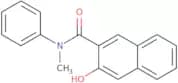
3-Hydroxy-N-methyl-N-phenylnaphthalene-2-carboxamide
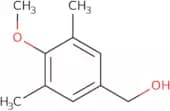
CAS:<p>Versatile small molecule scaffold</p>Formula:C18H15NO2Purity:Min. 95%Molecular weight:277.3 g/mol3,5-Dimethyl-4-methoxybenzyl alcohol
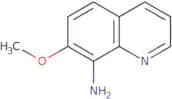
CAS:<p>Versatile small molecule scaffold</p>Formula:C10H14O2Purity:Min. 95%Molecular weight:166.22 g/mol7-methoxyquinolin-8-amine
CAS:<p>Versatile small molecule scaffold</p>Formula:C10H10N2OPurity:Min. 95%Molecular weight:174.2 g/mol3-(1,2,5,6-Tetrahydropyridin-3-yl)phenol
CAS:<p>Versatile small molecule scaffold</p>Formula:C11H13NOPurity:Min. 95%Molecular weight:175.2 g/molMethyl 5-sulfanylpentanoate
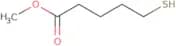
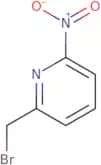
CAS:<p>Methyl 5-sulfanylpentanoate is a fatty acid ester with the molecular formula of CHOS. It is a yellow oil that has an odor and is soluble in organic solvents. The compound is used as an intermediate for the synthesis of other chemical compounds, such as peracid and sulfinyl. Methyl 5-sulfanylpentanoate has been shown to react with chloroform to produce methylene chloride, carbon atoms, and sulfur dioxide. The infrared spectrum for this compound has also been observed to have peaks at 3,600 cm-1 and 2,700 cm-1. This compound can be synthesized by reacting decanethiol with carbomethoxy in the presence of hydrogen chloride gas.</p>Formula:C6H12O2SPurity:Min. 95%Molecular weight:148.23 g/mol2-(Bromomethyl)-6-nitropyridine
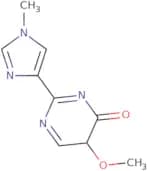
CAS:<p>Versatile small molecule scaffold</p>Formula:C6H5BrN2O2Purity:Min. 95%Molecular weight:217.02 g/mol5-Methoxy-2-(1-methyl-1H-imidazol-4-yl)-3,4-dihydropyrimidin-4-one
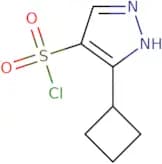
CAS:<p>Versatile small molecule scaffold</p>Formula:C9H10N4O2Purity:Min. 95%Molecular weight:206.2 g/mol3-Cyclobutyl-1H-pyrazole-4-sulfonyl chloride
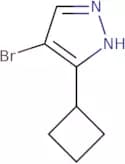
CAS:<p>Versatile small molecule scaffold</p>Formula:C7H9ClN2O2SPurity:Min. 95%Molecular weight:220.68 g/mol4-Bromo-5-cyclobutyl-1H-pyrazole
CAS:<p>Versatile small molecule scaffold</p>Formula:C7H9BrN2Purity:Min. 95%Molecular weight:201.06 g/mol6,6-Dimethyl-1H,4H,6H-furo[3,4-c]pyrazole-3-carboxylic acid
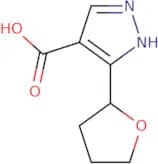
CAS:<p>Versatile small molecule scaffold</p>Formula:C8H10N2O3Purity:Min. 95%Molecular weight:182.18 g/mol5-(Oxolan-2-yl)-1H-pyrazole-4-carboxylic acid
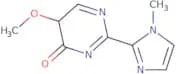
CAS:<p>Versatile small molecule scaffold</p>Formula:C8H10N2O3Purity:Min. 95%Molecular weight:182.18 g/mol5-Methoxy-2-(1-methyl-1H-imidazol-2-yl)-3,4-dihydropyrimidin-4-one
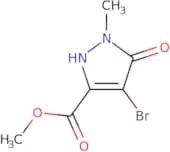
CAS:<p>Versatile small molecule scaffold</p>Formula:C9H10N4O2Purity:Min. 95%Molecular weight:206.2 g/molMethyl 4-bromo-5-hydroxy-1-methyl-1H-pyrazole-3-carboxylate
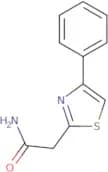
CAS:<p>Versatile small molecule scaffold</p>Formula:C6H7BrN2O3Purity:Min. 95%Molecular weight:235.04 g/mol2-(4-Phenyl-1,3-thiazol-2-yl)acetamide
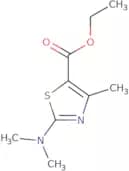
CAS:<p>Versatile small molecule scaffold</p>Formula:C11H10N2OSPurity:Min. 95%Molecular weight:218.28 g/molEthyl 2-(dimethylamino)-4-methyl-1,3-thiazole-5-carboxylate
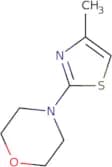
CAS:<p>Versatile small molecule scaffold</p>Formula:C9H14N2O2SPurity:Min. 95%Molecular weight:214.29 g/mol4-(4-Methyl-1,3-thiazol-2-yl)morpholine
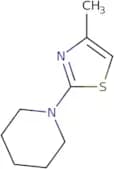
CAS:<p>Versatile small molecule scaffold</p>Formula:C8H12N2OSPurity:Min. 95%Molecular weight:184.26 g/mol1-(4-Methyl-1,3-thiazol-2-yl)piperidine
CAS:<p>Versatile small molecule scaffold</p>Formula:C9H14N2SPurity:Min. 95%Molecular weight:182.29 g/molEthyl 7-hydroxy-5-methylpyrazolo[1,5-a]pyrimidine-3-carboxylate
CAS:<p>Versatile small molecule scaffold</p>Formula:C10H11N3O3Purity:Min. 95%Molecular weight:221.21 g/molethyl 7-chloro-5-methylpyrazolo[1,5-a]pyrimidine-3-carboxylate
CAS:<p>Versatile small molecule scaffold</p>Formula:C10H10ClN3O2Purity:Min. 95%Molecular weight:239.66 g/mol3-bromo-7-chloro-5-methylpyrazolo[1,5-a]pyrimidine
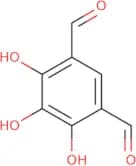
CAS:<p>Versatile small molecule scaffold</p>Formula:C7H5BrClN3Purity:Min. 95%Molecular weight:246.5 g/mol4,5,6-Trihydroxybenzene-1,3-dicarbaldehyde
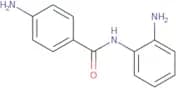
CAS:<p>Versatile small molecule scaffold</p>Formula:C8H6O5Purity:Min. 95%Molecular weight:182.13 g/mol4-Amino-N-(2-aminophenyl)-benzamide
CAS:<p>4-Amino-N-(2-aminophenyl)-benzamide (4ANAP) is a small molecule that inhibits inflammatory bowel disease. It has been shown to have anti-inflammatory effects and to be a potential biomarker for colorectal adenocarcinoma. 4ANAP binds to the EGF receptor on the cell surface, which prevents its activation by EGF and thereby blocks cellular proliferation. 4ANAP has been shown to bind with high affinity to other receptors such as those found in autoimmune diseases and cancer cells. The anti-inflammatory properties of 4ANAP are due to its ability to inhibit the production of proinflammatory cytokines such as IL1β, IL6, TNFα, and IL8. This drug also inhibits the production of reactive oxygen species in neutrophils and macrophages, thereby reducing oxidative injury in inflamed tissues.</p>Formula:C13H13N3OPurity:Min. 95%Molecular weight:227.26 g/molEthyl Isethionate
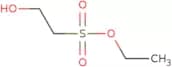
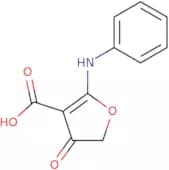
CAS:<p>Ethyl isethionate is a chemical compound that belongs to the group of ethyl esters. It has been used as an additive in food, and it has also been shown to be effective against L1210 and other cancer cells. Ethyl isethionate has been shown to have anti-inflammatory properties and can inhibit prostaglandin synthesis. The linear regression analysis demonstrated that fatty acids can react with anions to form esters, which may be the mechanism by which ethyl isethionate was formed. Ethyl isethionate also reacts with fluorine, which results in the formation of fluoroethyl esters. This reaction may lead to the formation of busulfan, a chemotherapy drug used for treating leukemia and Hodgkin's disease. Another possible route for the synthesis of ethyl isethionate involves alkylation of long-chain chlorides with fatty acids or trifluoromethanesulfonic acid.</p>Formula:C4H10O4SPurity:Min. 95%Molecular weight:154.18 g/mol4-Oxo-2-(phenylamino)-4,5-dihydrofuran-3-carboxylic acid
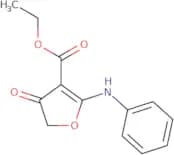
CAS:<p>Versatile small molecule scaffold</p>Formula:C11H9NO4Purity:Min. 95%Molecular weight:219.19 g/molEthyl 2-anilino-4-oxo-4,5-dihydro-3-furancarboxylate
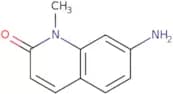
CAS:<p>Ethyl 2-anilino-4-oxo-4,5-dihydro-3-furancarboxylate is a reactive compound that inhibits the mitochondrial membrane potential. It also has anti-tumor and anti-proliferative activities. This compound's membrane potential inhibitory effect is due to its ability to generate reactive oxygen species (ROS) in a mitochondria membrane. ROS are toxic and can lead to cell death. The anti-proliferative activity of ethyl 2-anilino-4-oxo-4,5-dihydro-3-furancarboxylate may be due to its ability to activate caspase 3.</p>Formula:C13H13NO4Purity:Min. 95%Molecular weight:247.25 g/mol7-Amino-1-methyl-1,2-dihydroquinolin-2-one
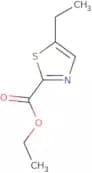
CAS:<p>Versatile small molecule scaffold</p>Formula:C10H10N2OPurity:Min. 95%Molecular weight:174.2 g/molEthyl 5-ethyl-1,3-thiazole-2-carboxylate
CAS:<p>Versatile small molecule scaffold</p>Formula:C8H11NO2SPurity:Min. 95%Molecular weight:185.25 g/mol4,6-Dichloro-3-methyl-[1,2]oxazolo[4,5-c]pyridine
CAS:<p>Versatile small molecule scaffold</p>Formula:C7H4Cl2N2OPurity:Min. 95%Molecular weight:203.02 g/mol6H,7H,8H,9H,10H,12H-Azepino[2,1-b]quinazolin-12-imine
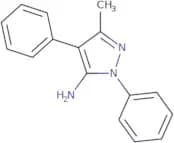
CAS:<p>Versatile small molecule scaffold</p>Formula:C13H15N3Purity:Min. 95%Molecular weight:213.28 g/mol3-Methyl-1,4-diphenyl-1H-pyrazol-5-amine
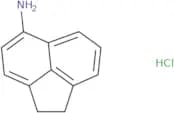
CAS:<p>Versatile small molecule scaffold</p>Formula:C16H15N3Purity:Min. 95%Molecular weight:249.31 g/mol1,2-Dihydroacenaphthylen-5-amine hydrochloride
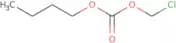
CAS:<p>Versatile small molecule scaffold</p>Formula:C12H12ClNPurity:Min. 95%Molecular weight:205.68 g/molButyl chloromethyl carbonate
CAS:<p>Butyl chloromethyl carbonate is a nitro-substituted aliphatic hydrocarbon that is metabolized by the body to form an active compound. It has been used in the treatment of infectious diseases, such as HIV or cancer. Butyl chloromethyl carbonate inhibits the growth of bacteria and viruses, and has been shown to be effective against human immunodeficiency virus (HIV) and papilloma virus. This drug binds to pyrimidine compounds and heterocycles, which inhibit the synthesis of DNA and RNA. The pharmacokinetics of this compound are dependent on its metabolism by carboxylates and aromatic hydrocarbons.</p>Formula:C6H11ClO3Purity:Min. 95%Molecular weight:166.6 g/mol1-Chloroethyl cyclohexanecarboxylate
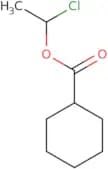
CAS:<p>Versatile small molecule scaffold</p>Formula:C9H15ClO2Purity:Min. 95%Molecular weight:190.67 g/mol[3-(Diethylamino)phenyl]methanol
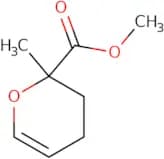
CAS:<p>Versatile small molecule scaffold</p>Formula:C11H17NOPurity:Min. 95%Molecular weight:179.3 g/molMethyl 2-methyl-3,4-dihydro-2H-pyran-2-carboxylate
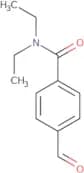
CAS:<p>Versatile small molecule scaffold</p>Formula:C8H12O3Purity:Min. 95%Molecular weight:156.18 g/molN,N-Diethyl-4-formylbenzamide
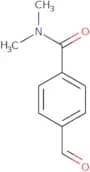
CAS:<p>Versatile small molecule scaffold</p>Formula:C12H15NO2Purity:Min. 95%Molecular weight:205.25 g/mol4-Formyl-N,N-dimethyl-benzamide
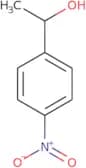
CAS:<p>4-Formyl-N,N-dimethyl-benzamide is a potent tyrosine kinase inhibitor. It is a pyridine derivative that binds to the ATP binding site of the enzyme and inhibits its activity. This results in decreased cellular proliferation and lower levels of protein synthesis. 4-Formyl-N,N-dimethyl-benzamide has shown to be effective at inhibiting the growth of tumour cells when combined with chemotherapy, but has not been evaluated for efficacy in treating other diseases. The pharmacokinetic profile of this drug is not well known, as it has not been studied in humans.br></p>Formula:C10H11NO2Purity:Min. 95%Molecular weight:177.2 g/mol(1R)-1-(4-Nitrophenyl)ethan-1-ol
CAS:<p>Versatile small molecule scaffold</p>Formula:C8H9NO3Purity:Min. 95%Molecular weight:167.16 g/molCyclohexyl(phenyl)methanamine hydrochloride
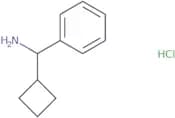
CAS:<p>Versatile small molecule scaffold</p>Formula:C13H20ClNPurity:Min. 95%Molecular weight:225.76 g/molα-Cyclobutylbenzylamine hydrochloride
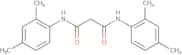
CAS:<p>Versatile small molecule scaffold</p>Formula:C11H15N·HClPurity:Min. 95%Molecular weight:197.71 g/molN,N'-Bis(2,4-dimethylphenyl)propanediamide
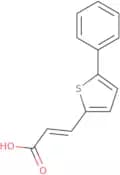
CAS:<p>Versatile small molecule scaffold</p>Formula:C19H22N2O2Purity:Min. 95%Molecular weight:310.4 g/mol(E)-3-(5-Phenylthiophen-2-yl)acrylic acid
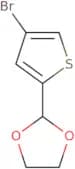
CAS:<p>Versatile small molecule scaffold</p>Formula:C13H10O2SPurity:Min. 95%Molecular weight:230.28 g/mol2-(4-Bromothien-2-yl)-1,3-dioxolane
CAS:<p>Versatile small molecule scaffold</p>Formula:C7H7BrO2SPurity:Min. 95%Molecular weight:235.1 g/molDepramine
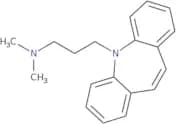
CAS:<p>Depramine is a monoamine reuptake inhibitor that inhibits the reuptake of norepinephrine, dopamine and serotonin by blocking their respective transporters. Depramine has been shown to have therapeutic potential in the treatment of cancer. It has also been shown to be effective in the prevention of symptoms of depression. Depramine is not active against iontophoresis, which may be due to its insoluble nature and lack of film-forming properties.</p>Formula:C19H22N2·HClPurity:Min. 95%Molecular weight:314.85 g/molN-Methyl-4-(methylsulfanyl)aniline
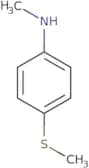
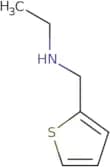
CAS:<p>Versatile small molecule scaffold</p>Formula:C8H11NSPurity:Min. 95%Molecular weight:153.25 g/molN-Ethyl-(2-thienylmethyl)amine
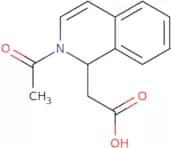
CAS:<p>Versatile small molecule scaffold</p>Formula:C7H11NSPurity:Min. 95%Molecular weight:141.24 g/mol2-(2-Acetyl-1,2-dihydroisoquinolin-1-yl)acetic acid
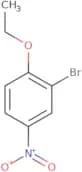
CAS:<p>Versatile small molecule scaffold</p>Formula:C13H13NO3Purity:Min. 95%Molecular weight:231.25 g/mol2-Bromo-1-ethoxy-4-nitrobenzene
CAS:<p>Versatile small molecule scaffold</p>Formula:C8H8BrNO3Purity:Min. 95%Molecular weight:246.06 g/mol2-{[(tert-butoxy)carbonyl]amino}-2-(1H-indol-3-yl)acetic acid
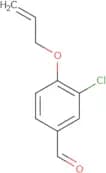
CAS:<p>Versatile small molecule scaffold</p>Formula:C15H18N2O4Purity:Min. 95%Molecular weight:290.3 g/mol3-chloro-4-(prop-2-en-1-yloxy)benzaldehyde
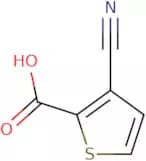
CAS:<p>Versatile small molecule scaffold</p>Formula:C10H9ClO2Purity:Min. 95%Molecular weight:196.63 g/mol3-Cyanothiophene-2-carboxylic acid
CAS:<p>Versatile small molecule scaffold</p>Formula:C6H3NO2SPurity:Min. 95%Molecular weight:153.16 g/molSpiro[1,3-dioxolane-2,8'-pentacyclo[5.4.0.0²,⁶.0³,¹⁰.0⁵,⁹]undecan]-11'-one
CAS:<p>Spiro[1,3-dioxolane-2,8'-pentacyclo[5.4.0.0²,⁶.0³,¹⁰.0⁵,⁹]undecan]-11'-one is an organic compound that has a ketal group in its structure. It is also a hydrogen bond donor and a reductive coupling agent with properties of intramolecular hydrogen bonding and dimerization. The intramolecular hydrogen can be found in the ring of the spiro[1,3-dioxolane-2,8'-pentacyclo[5.4.0.0²,⁶.0³,¹⁰.0⁵,⁹]undecan]-11'-one that is bonded to the ketal group as well as on the benzene ring on the other side of the molecule when it is bound to another spiro[1</p>Formula:C13H14O3Purity:Min. 95%Molecular weight:218.25 g/mol4-Hydrazino-1,3,5-triazin-2-amine
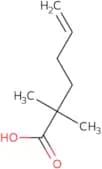
CAS:<p>Versatile small molecule scaffold</p>Formula:C3H6N6Purity:Min. 95%Molecular weight:126.12 g/mol2,2-dimethylhex-5-enoic acid
CAS:<p>2,2-dimethylhex-5-enoic acid is an organic compound that belongs to the class of aldehydes. It can be synthesized by decarboxylation of 2,2-dimethylhexane. The selectivity is high and the functional groups are already present in the molecule. This reaction is a decarboxylative annulation and it requires a catalyst. This synthesis has been shown in chemistry textbooks as an example of a functional group transformation.</p>Formula:C8H14O2Purity:Min. 95%Molecular weight:142.2 g/mol(2-Methoxyethyl)(prop-2-en-1-yl)amine
CAS:<p>Versatile small molecule scaffold</p>Formula:C6H13NOPurity:Min. 95%Molecular weight:115.17 g/molButyl(2-methoxyethyl)amine
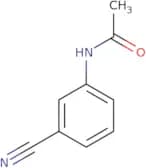
CAS:<p>Versatile small molecule scaffold</p>Formula:C7H17NOPurity:Min. 95%Molecular weight:131.22 g/molN-(3-Cyanophenyl)acetamide
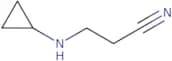
CAS:<p>N-(3-Cyanophenyl)acetamide is a hydrogen-bonding molecule that has been detected in the gas phase. It has also been observed to interact with water, forming hydrogen bonding interactions and solvatochromism. The equilibrium of N-(3-cyanophenyl)acetamide can be shifted by changing the solvent conditions and pH. This molecule has three conformations when it is in the gaseous phase, including a planar conformation. In addition, N-(3-cyanophenyl)acetamide can be used as a probe for determining hydrogen bonding interactions and conformations due to its ability to form hydrogen bonds with other molecules.</p>Formula:C9H8N2OPurity:Min. 95%Molecular weight:160.18 g/mol3-(3-Cyclopropylamino)propionitrile
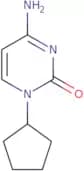
CAS:<p>Versatile small molecule scaffold</p>Formula:C6H10N2Purity:Min. 95%Molecular weight:110.16 g/mol4-Amino-1-cyclopentyl-1,2-dihydropyrimidin-2-one
CAS:<p>Versatile small molecule scaffold</p>Formula:C9H13N3OPurity:Min. 95%Molecular weight:179.22 g/mol3-[(Cyclopropylmethyl)amino]propanenitrile
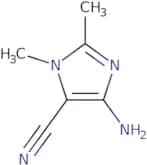
CAS:<p>Versatile small molecule scaffold</p>Formula:C7H12N2Purity:Min. 95%Molecular weight:124.18 g/mol4-Amino-1,2-dimethyl-1H-imidazole-5-carbonitrile
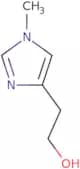
CAS:<p>Versatile small molecule scaffold</p>Formula:C6H8N4Purity:Min. 95%Molecular weight:136.15 g/mol2-(1-Methyl-1H-imidazol-4-yl)ethan-1-ol
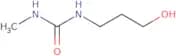
CAS:<p>Versatile small molecule scaffold</p>Formula:C6H10N2OPurity:Min. 95%Molecular weight:126.16 g/mol1-(3-Hydroxypropyl)-3-methylurea
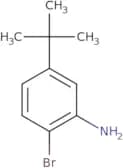
CAS:<p>Versatile small molecule scaffold</p>Formula:C5H12N2O2Purity:Min. 95%Molecular weight:132.16 g/mol2-Bromo-5-tert-butylaniline
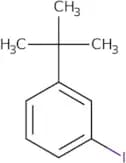
CAS:<p>Versatile small molecule scaffold</p>Formula:C10H14BrNPurity:Min. 95%Molecular weight:228.13 g/mol1-tert-Butyl-3-iodobenzene
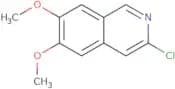
CAS:<p>Versatile small molecule scaffold</p>Formula:C10H13IPurity:Min. 95%Molecular weight:260.11 g/mol3-Chloro-6,7-dimethoxyisoquinoline
CAS:<p>Versatile small molecule scaffold</p>Formula:C11H10ClNO2Purity:Min. 95%Molecular weight:223.65 g/mol1-(4-chlorophenyl)-2-(3-pyridinyl)ethanone
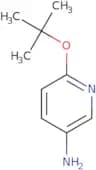
CAS:<p>Versatile small molecule scaffold</p>Formula:C13H10ClNOPurity:Min. 95%Molecular weight:231.68 g/mol6-(tert-Butoxy)pyridin-3-amine
CAS:<p>Versatile small molecule scaffold</p>Formula:C9H14N2OPurity:Min. 95%Molecular weight:166.22 g/mol1-(7-Chloronaphthalen-1-yl)ethanone
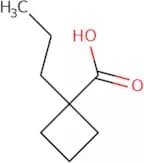
CAS:<p>Versatile small molecule scaffold</p>Formula:C12H9ClOPurity:Min. 95%Molecular weight:204.65 g/mol1-Propylcyclobutane-1-carboxylic acid
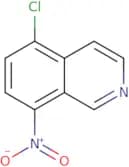
CAS:<p>Versatile small molecule scaffold</p>Formula:C8H14O2Purity:Min. 95%Molecular weight:142.2 g/mol5-Chloro-8-nitroisoquinoline
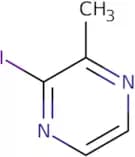
CAS:<p>5-Chloro-8-nitroisoquinoline is a cytotoxic agent that belongs to the class of pyridopyrimidines. It is an amidation product of 8-nitroisoquinoline and 5-chloroacetaldehyde, which is prepared by condensation of nitrostyrene with acetone. 5-Chloro-8-nitroisoquinoline has anticancer activity against human cancer cells in vitro and in vivo. The mechanism of action is multidrug resistance, mediated by overexpression of P glycoprotein. This drug also inhibits the reductive activation of hypoxia inducible factor (HIF) alpha, which leads to its cytotoxicity.</p>Formula:C9H5ClN2O2Purity:Min. 95%Molecular weight:208.6 g/molPyrazine, 2-iodo-3-methyl-
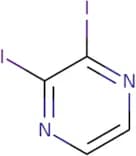
CAS:<p>Versatile small molecule scaffold</p>Formula:C5H5IN2Purity:Min. 95%Molecular weight:220.01 g/mol2,3-Diiodopyrazine
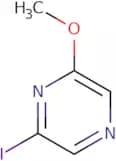
CAS:<p>Versatile small molecule scaffold</p>Formula:C4H2I2N2Purity:Min. 95%Molecular weight:331.88 g/mol2-Iodo-6-methoxypyrazine
CAS:<p>2-Iodo-6-methoxypyrazine is a chemical compound that belongs to the group of aromatic compounds. It is used as an intermediate in the production of other chemicals. 2-Iodo-6-methoxypyrazine has been found to inhibit the growth of microorganisms and can be used in the production of antibiotics, antihistamines, and antioxidants. The biosynthesis of 2-iodo-6-methoxypyrazine is carried out by chondromyces crocatus (a type of fungus). This process starts with the conversion of pyruvic acid into acetaldehyde by aldehyde decarboxylase. Acetaldehyde then reacts with methyl iodide to form 2-iodoacetaldehyde. Next, this intermediate reacts with methoxyacetone phosphate, leading to methyl pyruvate and finally 2-iodo-6-methoxypyrazine.</p>Formula:C5H5IN2OPurity:Min. 95%Molecular weight:236.01 g/mol3-Methyl-1-(2-methylphenyl)butan-1-one
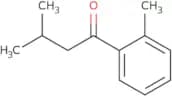
CAS:<p>Versatile small molecule scaffold</p>Formula:C12H16OPurity:Min. 95%Molecular weight:176.25 g/mol3,4-Dimethyl-2-hydroxybenzoic acid
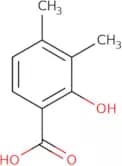
CAS:<p>3,4-Dimethyl-2-hydroxybenzoic acid is a pseudocumene derivative that is an energy source for pseudomonads. This compound is the most abundant of the 3,4-dimethylbenzoic acid isomers. It can be found in a number of techniques such as nuclear magnetic resonance and mass spectroscopy. The various 3,4-dimethylbenzoic acid isomers have been identified by their characteristic spectral data and magnetic resonance signals. The 3,4-dimethylbenzoic acid isomers are differentiated from each other by their different magnetic properties, which depend on their structure.</p>Formula:C9H10O3Purity:Min. 95%Molecular weight:166.17 g/mol2-Hydroxy-4,5-dimethylbenzoic acid
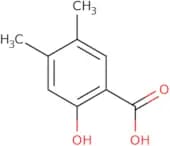
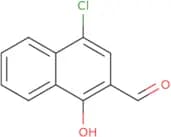
CAS:<p>Versatile small molecule scaffold</p>Formula:C9H10O3Purity:Min. 95%Molecular weight:166.17 g/mol4-Chloro-1-hydroxynaphthalene-2-carbaldehyde
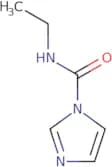
CAS:<p>Versatile small molecule scaffold</p>Formula:C11H7ClO2Purity:Min. 95%Molecular weight:206.62 g/molN-Ethyl-1H-imidazole-1-carboxamide
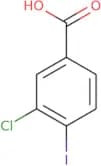
CAS:<p>Versatile small molecule scaffold</p>Formula:C6H9N3OPurity:Min. 95%Molecular weight:139.16 g/mol3-chloro-4-iodobenzoic acid
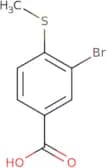
CAS:<p>Versatile small molecule scaffold</p>Formula:C7H4ClIO2Purity:Min. 95%Molecular weight:282.5 g/mol3-Bromo-4-(methylsulfanyl)benzoic acid
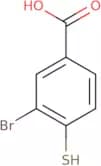
CAS:<p>Versatile small molecule scaffold</p>Formula:C8H7BrO2SPurity:Min. 95%Molecular weight:247.11 g/mol3-Bromo-4-sulfanylbenzoic acid
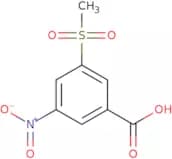
CAS:<p>Versatile small molecule scaffold</p>Formula:C7H5BrO2SPurity:Min. 95%Molecular weight:233.08 g/mol3-Methanesulfonyl-5-nitrobenzoic acid
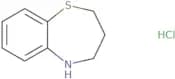
CAS:<p>Versatile small molecule scaffold</p>Formula:C8H7NO6SPurity:Min. 95%Molecular weight:245.21 g/mol2,3,4,5-Tetrahydro-1,5-benzothiazepine hydrochloride
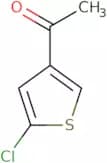
CAS:<p>Versatile small molecule scaffold</p>Formula:C9H12ClNSPurity:Min. 95%Molecular weight:201.72 g/mol3-Acetyl-5-chlorothiophene
CAS:<p>Versatile small molecule scaffold</p>Formula:C6H5ClOSPurity:Min. 95%Molecular weight:160.62 g/mol4-[4-(Trifluoromethoxy)phenoxy]benzenamine
CAS:<p>Versatile small molecule scaffold</p>Formula:C13H10F3NO2Purity:Min. 95%Molecular weight:269.22 g/mol1H-[1,3]Dioxolo[4,5-F]indazole
CAS:<p>Versatile small molecule scaffold</p>Formula:C8H6N2O2Purity:Min. 95%Molecular weight:162.15 g/mol4-Ethoxybutan-1-amine
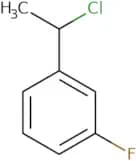
CAS:<p>Versatile small molecule scaffold</p>Formula:C6H15NOPurity:Min. 95%Molecular weight:117.19 g/mol1-(1-Chloroethyl)-3-fluorobenzene
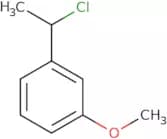
CAS:<p>Versatile small molecule scaffold</p>Formula:C8H8ClFPurity:Min. 95%Molecular weight:158.6 g/mol1-(1-Chloroethyl)-3-methoxybenzene
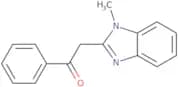
CAS:<p>Versatile small molecule scaffold</p>Formula:C9H11ClOPurity:Min. 95%Molecular weight:170.63 g/mol2-(1-Methyl-1H-1,3-benzodiazol-2-yl)-1-phenylethan-1-one
CAS:Controlled Product<p>2-(1-Methyl-1H-1,3-benzodiazol-2-yl)-1-phenylethanone is a phenylhydrazone that can initiate acylation reactions. The reaction of 2-(1-methyl-1H-1,3-benzodiazol-2-yl)-1phenylethanone with an acylating agent leads to an acylated product. This compound has been shown to undergo recyclization with sodium methoxide in methanol to form the corresponding hydroxamic acid.</p>Formula:C16H14N2OPurity:Min. 95%Molecular weight:250.29 g/mol1-[2-(Benzyloxy)-4-methylphenyl]ethan-1-one
CAS:<p>Versatile small molecule scaffold</p>Formula:C16H16O2Purity:Min. 95%Molecular weight:240.3 g/molEthyl [(2,2-dimethoxyethyl)carbamoyl]formate
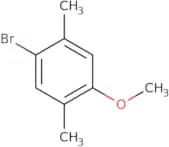
CAS:<p>Versatile small molecule scaffold</p>Formula:C8H15NO5Purity:Min. 95%Molecular weight:205.21 g/mol1-Bromo-4-methoxy-2,5-dimethylbenzene
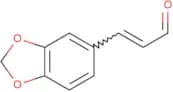
CAS:<p>1-Bromo-4-methoxy-2,5-dimethylbenzene is a synthetic compound that stabilizes the nf-e2-related factor. This compound has shown to be effective in reducing pulmonary fibrosis in mice and may have potential as a therapeutic agent for cancer. 1-Bromo-4-methoxy-2,5-dimethylbenzene interacts with Keap1, which leads to luminescence properties and autophagy of lung cancer cells. It also induces proteasomal degradation of proteins and is resistant to antibiotics. 1-Bromo-4-methoxy-2,5-dimethylbenzene has been shown to inhibit Mycobacterium tuberculosis growth by preventing cell wall synthesis.</p>Formula:C9H11BrOPurity:Min. 95%Molecular weight:215.09 g/mol(E)-3,4-Methylenedioxycinnamaldehyde
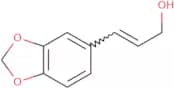
CAS:<p>Versatile small molecule scaffold</p>Formula:C10H8O3Purity:Min. 95%Molecular weight:176.17 g/mol(2E)-3-(1,3-Dioxaindan-5-yl)prop-2-en-1-ol
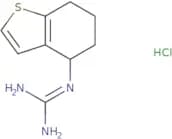
CAS:<p>Eugenol is a phenylpropene, a type of chemical compound. It is found in many plants and has a sweet smell and flavor. Eugenol can be extracted from cloves, cinnamon, or nutmeg. It is used as an additive to flavour foods, especially sweets, and as a fragrance component in perfumes. Eugenol also has antitumor activity and is used in the synthesis of other chemicals, such as acetonitrile and butyronitrile.</p>Formula:C10H10O3Purity:Min. 95%Molecular weight:178.18 g/mol1-(4,5,6,7-Tetrahydro-1-benzothiophen-4-yl)guanidine hydrochloride
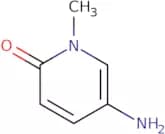
CAS:<p>Versatile small molecule scaffold</p>Formula:C9H14ClN3SPurity:Min. 95%Molecular weight:231.75 g/mol5-Amino-1-methyl-1,2-dihydropyridin-2-one
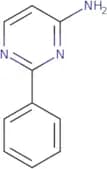
CAS:<p>Versatile small molecule scaffold</p>Formula:C6H8N2OPurity:Min. 95%Molecular weight:124.14 g/mol4-Amino-2-phenylpyrimidine
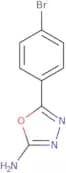
CAS:<p>4-Amino-2-phenylpyrimidine is an analog of the amino acid phenylalanine. It is orally active and has been shown to have a protective effect against lipopolysaccharide (LPS) induced lung inflammation in mice. 4-Amino-2-phenylpyrimidine also has antiinflammatory properties, which may be due to its inhibition of tumor necrosis factor-α (TNF-α) production by mouse splenocytes. This compound has been shown to inhibit the pancreatic enzyme, α-amylase, as well as reduce blood glucose levels in diabetic mice. 4-Amino-2-phenylpyrimidine may also act as an antidiabetic agent by inhibiting insulin release and reducing pancreatic β cell mass.</p>Formula:C10H9N3Purity:Min. 95%Molecular weight:171.19 g/mol5-(4-Bromophenyl)-1,3,4-oxadiazol-2-amine
CAS:<p>Versatile small molecule scaffold</p>Formula:C8H6BrN3OPurity:Min. 95%Molecular weight:240.06 g/mol

![6,6-Dimethyl-1H,4H,6H-furo[3,4-c]pyrazole-3-carboxylic acid](/_next/image/?url=https%3A%2Fstatic.cymitquimica.com%2Fproducts%2F3D%2Fthumb-webp%2FICD59607.webp&w=3840&q=75)
![Ethyl 7-hydroxy-5-methylpyrazolo[1,5-a]pyrimidine-3-carboxylate](/_next/image/?url=https%3A%2Fstatic.cymitquimica.com%2Fproducts%2F3D%2Fthumb-webp%2FICA34755.webp&w=3840&q=75)
![ethyl 7-chloro-5-methylpyrazolo[1,5-a]pyrimidine-3-carboxylate](/_next/image/?url=https%3A%2Fstatic.cymitquimica.com%2Fproducts%2F3D%2Fthumb-webp%2FICA34748.webp&w=3840&q=75)
![3-bromo-7-chloro-5-methylpyrazolo[1,5-a]pyrimidine](/_next/image/?url=https%3A%2Fstatic.cymitquimica.com%2Fproducts%2F3D%2Fthumb-webp%2FICA34747.webp&w=3840&q=75)
![4,6-Dichloro-3-methyl-[1,2]oxazolo[4,5-c]pyridine](/_next/image/?url=https%3A%2Fstatic.cymitquimica.com%2Fproducts%2F3D%2Fthumb-webp%2FICA31512.webp&w=3840&q=75)
![6H,7H,8H,9H,10H,12H-Azepino[2,1-b]quinazolin-12-imine](/_next/image/?url=https%3A%2Fstatic.cymitquimica.com%2Fproducts%2F3D%2Fthumb-webp%2FICA31493.webp&w=3840&q=75)
![[3-(Diethylamino)phenyl]methanol](/_next/image/?url=https%3A%2Fstatic.cymitquimica.com%2Fproducts%2F3D%2Fthumb-webp%2FICA29393.webp&w=3840&q=75)

![2-{[(tert-butoxy)carbonyl]amino}-2-(1H-indol-3-yl)acetic acid](/_next/image/?url=https%3A%2Fstatic.cymitquimica.com%2Fproducts%2F3D%2Fthumb-webp%2FICA23794.webp&w=3840&q=75)
![Spiro[1,3-dioxolane-2,8'-pentacyclo[5.4.0.0²,⁶.0³,¹⁰.0⁵,⁹]undecan]-11'-one](/_next/image/?url=https%3A%2Fstatic.cymitquimica.com%2Fproducts%2F3D%2Fthumb-webp%2FICA22893.webp&w=3840&q=75)



![3-[(Cyclopropylmethyl)amino]propanenitrile](/_next/image/?url=https%3A%2Fstatic.cymitquimica.com%2Fproducts%2F3D%2Fthumb-webp%2FICA19634.webp&w=3840&q=75)


![4-[4-(Trifluoromethoxy)phenoxy]benzenamine](/_next/image/?url=https%3A%2Fstatic.cymitquimica.com%2Fproducts%2F3D%2Fthumb-webp%2FICA11951.webp&w=3840&q=75)
![1H-[1,3]Dioxolo[4,5-F]indazole](/_next/image/?url=https%3A%2Fstatic.cymitquimica.com%2Fproducts%2F3D%2Fthumb-webp%2FICA11819.webp&w=3840&q=75)

![1-[2-(Benzyloxy)-4-methylphenyl]ethan-1-one](/_next/image/?url=https%3A%2Fstatic.cymitquimica.com%2Fproducts%2F3D%2Fthumb-webp%2FICA11089.webp&w=3840&q=75)
![Ethyl [(2,2-dimethoxyethyl)carbamoyl]formate](/_next/image/?url=https%3A%2Fstatic.cymitquimica.com%2Fproducts%2F3D%2Fthumb-webp%2FICA10840.webp&w=3840&q=75)