Building Blocks
This section contains fundamental products for the synthesis of organic and biological compounds. Building blocks are the essential starting materials used to construct complex molecules through various chemical reactions. They play a critical role in drug discovery, material science, and chemical research. At CymitQuimica, we offer a diverse range of high-quality building blocks to support your innovative research and industrial projects, ensuring you have the essential components for successful synthesis.
Subcategories of "Building Blocks"
- Boronic Acids & Boronic Acid Derivatives(5,756 products)
- Chiral Building Blocks(1,242 products)
- Hydrocarbon Building Blocks(6,095 products)
- Organic Building Blocks(61,055 products)
Found 199650 products of "Building Blocks"
Sort by
Purity (%)
0
100
|
0
|
50
|
90
|
95
|
100
5H,6H,6aH,7H,8H,9H,10H-Pyrido[1,2-a]quinoxalin-6-one
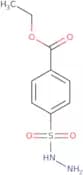
CAS:<p>Versatile small molecule scaffold</p>Formula:C12H14N2OPurity:Min. 95%Molecular weight:202.25 g/molEthyl 4-(hydrazinesulfonyl)benzoate
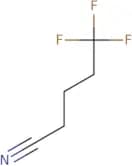
CAS:<p>Versatile small molecule scaffold</p>Formula:C9H12N2O4SPurity:Min. 95%Molecular weight:244.27 g/mol5,5,5-Trifluoropentanonitrile
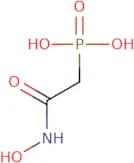
CAS:<p>5,5,5-Trifluoropentanonitrile is a heterocyclic compound that can be used as an intermediate in the synthesis of other chemicals. It is a versatile chemical that has been successful in the discovery and development of new drugs for use as anti-inflammatory or anti-cancer agents. 5,5,5-Trifluoropentanonitrile is also useful for the production of ketones and functional groups.</p>Formula:C5H6F3NPurity:Min. 95%Molecular weight:137.1 g/mol2-(Hydroxyamino)-2-oxoethylphosphonic acid
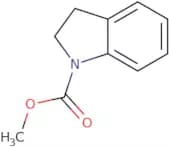
CAS:<p>2-(Hydroxyamino)-2-oxoethylphosphonic acid is an inhibitor of the enzyme senescent and is used to treat cancer. It inhibits the enzymatic reaction of the enzyme by binding to a hydrogen bond in the active site, thereby preventing its function. The compound has been shown to inhibit tumor growth in vitro and in vivo models. 2-(Hydroxyamino)-2-oxoethylphosphonic acid is also used for diagnostic purposes, as it can be detected in urine samples. This inhibitor binds to a water molecule that reacts with the phosphate group on the phosphonate backbone, which prevents it from binding to other phosphate groups on other molecules. This inhibition leads to a decrease in ATP production, which is essential for cell division.</p>Formula:C2H6NO5PPurity:Min. 95%Molecular weight:155.05 g/molMethyl 2,3-dihydro-1H-indole-1-carboxylate
CAS:<p>Methyl 2,3-dihydro-1H-indole-1-carboxylate (MDIC) is a nitro compound that is used as an ingredient in pharmaceutical preparations. It is a non-selective competitive inhibitor of the enzyme active oxygen species and has been shown to have reactive effects on amines and carboxylic acids. MDIC also inhibits the production of active oxygen species by reacting with heterocycles, such as tetrahydropyran, heterocycloalkyls, or amines. This chemical has shown activity against osteopathic, porcine, and other animal models of inflammation. MDIC also reacts with heme, which can inhibit the formation of free radicals that play a role in inflammation.</p>Formula:C10H11NO2Purity:Min. 95%Molecular weight:177.2 g/mol1-Bromo-4-oxo-3-oxabicyclo[3.1.0]hexane-6-carboxylic acid
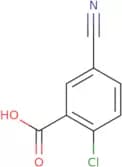
CAS:<p>Versatile small molecule scaffold</p>Formula:C6H5BrO4Purity:Min. 95%Molecular weight:221.01 g/mol2-Chloro-5-cyanobenzoic acid
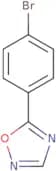
CAS:<p>2-Chloro-5-cyanobenzoic acid is a sclerotinia inhibitor that is used in the chemical synthesis of benzamide. It has been shown to inhibit the growth rate of sclerotinia by binding to the mycelium, spores, and other structures with methyl esters. The compound has also been shown to be magnetic and have a high hydrogen spectrum. 2-Chloro-5-cyanobenzoic acid can be synthesized from hydroxylamine and benzoyl chloride in the presence of cuprous cyanide. This chemical has also been shown to be effective at inhibiting sclerotinia growth on cotton plants.</p>Formula:C8H4ClNO2Purity:Min. 95%Molecular weight:181.58 g/mol5-(4-Bromophenyl)-1,2,4-oxadiazole
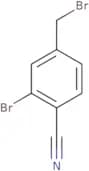
CAS:<p>Versatile small molecule scaffold</p>Formula:C8H5BrN2OPurity:Min. 95%Molecular weight:225.04 g/mol2-bromo-4-(bromomethyl)benzonitrile
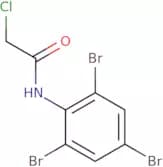
CAS:<p>Versatile small molecule scaffold</p>Formula:C8H5Br2NPurity:Min. 95%Molecular weight:274.94 g/mol2-Chloro-N-(2,4,6-tribromophenyl)acetamide
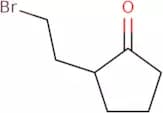
CAS:<p>Versatile small molecule scaffold</p>Formula:C8H5Br3ClNOPurity:Min. 95%Molecular weight:406.29 g/mol2-(2-Bromoethyl)cyclopentan-1-one
CAS:<p>2-(2-Bromoethyl)cyclopentan-1-one is a synthetic compound that belongs to the class of bicyclic proline analogues. It can be synthesized by cyclization of an ester with a bromocyclopentane. This reaction can be accomplished using acid or base catalysis, and it leads to the formation of a six-membered ring with two chiral centers. The enantiopure form (enantiomerically pure) has been isolated in moderate yield from racemic mixtures by enantiopyrase resolution. This synthetic compound has shown promising results as an anticonvulsant, although its therapeutic potential is not yet fully understood.</p>Formula:C7H11BrOPurity:Min. 95%Molecular weight:191.07 g/molMethyl 3-(bromomethyl)cyclobutanecarboxylate
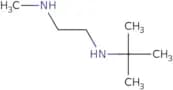
CAS:<p>Versatile small molecule scaffold</p>Formula:C7H11O2BrPurity:Min. 95%Molecular weight:207.07 g/molN-tert-Butyl-N'-methyl ethylenediamine
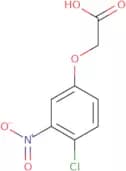
CAS:<p>Versatile small molecule scaffold</p>Formula:C7H18N2Purity:Min. 95%Molecular weight:130.23 g/mol2-(4-Chloro-3-nitrophenoxy)acetic acid
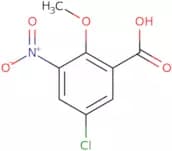
CAS:<p>Versatile small molecule scaffold</p>Formula:C8H6ClNO5Purity:Min. 95%Molecular weight:231.59 g/mol5-Chloro-2-methoxy-3-nitrobenzoic acid
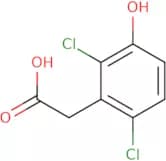
CAS:<p>Versatile small molecule scaffold</p>Formula:C8H6ClNO5Purity:Min. 95%Molecular weight:231.59 g/mol2-(2,6-Dichloro-3-hydroxyphenyl)acetic acid
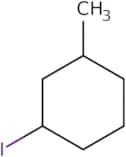
CAS:<p>Versatile small molecule scaffold</p>Formula:C8H6Cl2O3Purity:Min. 95%Molecular weight:221.03 g/mol1-Iodo-3-methylcyclohexane
CAS:<p>The synthesis of 1-iodo-3-methylcyclohexane is reported. In this method, chloroamine reacts with transmetallation to form a terminal alkynyl halide. The terminal alkyne can be converted to an iodide by reaction with sodium iodide and then reacted with cyclohexene to produce the desired product. This synthesis is achieved by using a chiral ligand. The reaction mechanism for this process has been determined to be a concerted β-elimination followed by transmetallation.</p>Formula:C7H13IPurity:Min. 95%Molecular weight:224.08 g/molBicyclo[4.1.0]heptan-7-amine hydrochloride
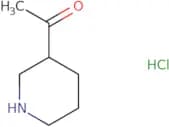
CAS:<p>Versatile small molecule scaffold</p>Formula:C7H14ClNPurity:Min. 95%Molecular weight:147.64 g/mol1-(3-Piperidinyl)ethanone hydrochloride
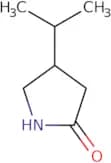
CAS:<p>Versatile small molecule scaffold</p>Formula:C7H13NO·HClPurity:Min. 95%Molecular weight:163.65 g/mol4-(Propan-2-yl)pyrrolidin-2-one
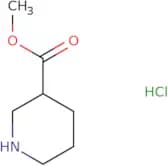
CAS:<p>4-(Propan-2-yl)pyrrolidin-2-one is an eluting enantiomer of phenylcarbamate. This compound has been shown to have antimicrobial activity and inhibit the growth of bacteria in culture. 4-(Propan-2-yl)pyrrolidin-2-one is soluble in ethanol and ethyl acetate, but insoluble in water, n-hexane, and tertiary butanol.</p>Formula:C7H13NOPurity:Min. 95%Molecular weight:127.18 g/molMethyl Piperidine-3-carboxylate Hydrochloride
CAS:Methyl Piperidine-3-carboxylate Hydrochloride is a nucleophilic compound that can be synthesized by condensation of benzylamine and methyl piperidin-3-carboxylate. This reaction takes place in the presence of strong acid, such as sulfuric acid, or in the presence of an organic base, such as potassium hydroxide. The intramolecular condensation reaction proceeds through a six-membered ring intermediate. The final product is formed by dehydration and thiohydantoin formation. Methyl Piperidine-3-carboxylate Hydrochloride has been shown to have antihypertensive effects in rats. It also has anticonvulsant properties and can be used to treat epilepsy in humans.Formula:C7H14ClNO2Purity:Min. 95%Molecular weight:179.64 g/mol3-[(2-Carboxyethyl)(methyl)amino]propanoic acid hydrochloride
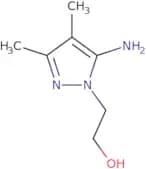
CAS:<p>Versatile small molecule scaffold</p>Formula:C7H14ClNO4Purity:Min. 95%Molecular weight:211.6 g/mol2-(5-Amino-3,4-dimethyl-1H-pyrazol-1-yl)ethan-1-ol
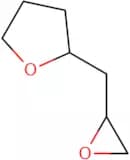
CAS:<p>Versatile small molecule scaffold</p>Formula:C7H13N3OPurity:Min. 95%Molecular weight:155.2 g/mol2-(Oxiran-2-ylmethyl)oxolane
CAS:<p>Versatile small molecule scaffold</p>Formula:C7H12O2Purity:Min. 95%Molecular weight:128.17 g/mol{7-Oxabicyclo[2.2.1]heptan-2-yl}methanol
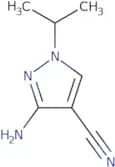
CAS:<p>Versatile small molecule scaffold</p>Formula:C7H12O2Purity:Min. 95%Molecular weight:128.17 g/mol3-Amino-1-isopropyl-1H-pyrazole-4-carbonitrile
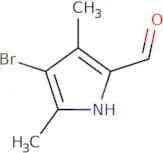
CAS:<p>Versatile small molecule scaffold</p>Formula:C7H10N4Purity:Min. 95%Molecular weight:150.18 g/mol4-Bromo-3,5-dimethyl-1H-pyrrole-2-carbaldehyde
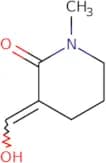
CAS:<p>Versatile small molecule scaffold</p>Formula:C7H8BrNOPurity:Min. 95%Molecular weight:202.05 g/mol3-(Hydroxymethylidene)-1-methylpiperidin-2-one
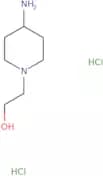
CAS:<p>Versatile small molecule scaffold</p>Formula:C7H11NO2Purity:Min. 95%Molecular weight:141.17 g/mol2-(4-Amino-1-piperidinyl)ethanol dihydrochloride
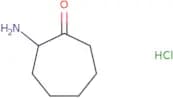
CAS:Versatile small molecule scaffoldFormula:C7H18Cl2N2OPurity:Min. 95%Molecular weight:217.13 g/mol2-Aminocycloheptan-1-one hydrochloride
CAS:<p>Versatile small molecule scaffold</p>Formula:C7H14ClNOPurity:Min. 95%Molecular weight:163.64 g/mol3-Oxatricyclo[3.2.1.0,2,4]octane-6,7-diol
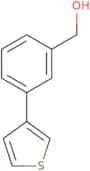
CAS:<p>Versatile small molecule scaffold</p>Formula:C7H10O3Purity:Min. 95%Molecular weight:142.15 g/mol(3-Thien-3-ylphenyl)methanol
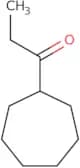
CAS:<p>Versatile small molecule scaffold</p>Formula:C11H10OSPurity:Min. 95%Molecular weight:190.26 g/mol1-Cycloheptylpropan-1-one
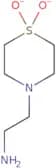
CAS:<p>Versatile small molecule scaffold</p>Formula:C10H18OPurity:Min. 95%Molecular weight:154.25 g/mol4-(2-Aminoethyl)thiomorpholine 1,1-Dioxide
CAS:<p>Versatile small molecule scaffold</p>Formula:C6H14N2O2SPurity:Min. 95%Molecular weight:178.25 g/mol7-Oxabicyclo[2.2.1]heptane-2-carbonitrile
CAS:<p>Versatile small molecule scaffold</p>Formula:C7H9NOPurity:Min. 95%Molecular weight:123.15 g/mol2-[(2,4-Dioxo-1,2,3,4-tetrahydropyrimidin-5-yl)formamido]acetic acid
CAS:<p>Versatile small molecule scaffold</p>Formula:C7H7N3O5Purity:Min. 95%Molecular weight:213.15 g/mol7-Methoxypteridin-4-amine
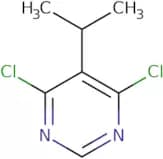
CAS:<p>Versatile small molecule scaffold</p>Formula:C7H7N5OPurity:Min. 95%Molecular weight:177.16 g/mol4,6-Dichloro-5-(propan-2-yl)pyrimidine
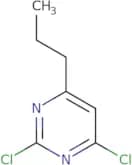
CAS:<p>Versatile small molecule scaffold</p>Formula:C7H8Cl2N2Purity:Min. 95%Molecular weight:191.05 g/mol2,4-Dichloro-6-propylpyrimidine
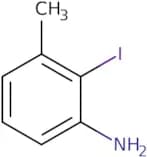
CAS:<p>Versatile small molecule scaffold</p>Formula:C7H8Cl2N2Purity:Min. 95%Molecular weight:191.05 g/mol2-Iodo-3-methylaniline
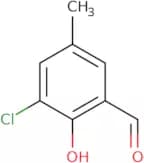
CAS:<p>2-Iodo-3-methylaniline is a chemical compound that was isolated in yields of 40% and higher. It is used in the synthesis of other organic compounds. It can be coupled with a variety of reagents, including formaldehyde, acetaldehyde, and benzaldehyde. 2-Iodo-3-methylaniline can also be used to synthesize dyes and pharmaceuticals.</p>Formula:C7H8INPurity:Min. 95%Molecular weight:233.05 g/mol3-Chloro-2-hydroxy-5-methylbenzaldehyde
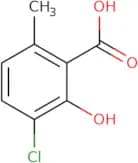
CAS:<p>Versatile small molecule scaffold</p>Formula:C8H7ClO2Purity:Min. 95%Molecular weight:170.59 g/mol3-Chloro-2-hydroxy-6-methylbenzoic acid
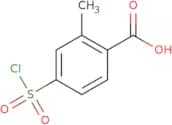
CAS:<p>Versatile small molecule scaffold</p>Formula:C8H7ClO3Purity:Min. 95%Molecular weight:186.59 g/mol4-(Chlorosulfonyl)-2-methylbenzoic acid
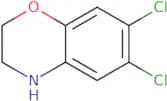
CAS:<p>Versatile small molecule scaffold</p>Formula:C8H7ClO4SPurity:Min. 95%Molecular weight:234.66 g/mol6,7-Dichloro-3,4-dihydro-2H-1,4-benzoxazine
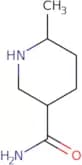
CAS:<p>Versatile small molecule scaffold</p>Formula:C8H7Cl2NOPurity:Min. 95%Molecular weight:204.05 g/mol6-Methylpiperidine-3-carboxamide
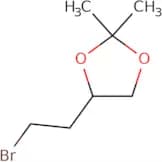
CAS:<p>Versatile small molecule scaffold</p>Formula:C7H14N2OPurity:Min. 95%Molecular weight:142.2 g/mol4-(2-Bromoethyl)-2,2-dimethyl-1,3-dioxolane
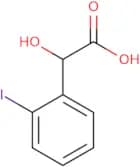
CAS:<p>Versatile small molecule scaffold</p>Formula:C7H13BrO2Purity:Min. 95%Molecular weight:209.08 g/mol2-Hydroxy-2-(2-iodophenyl)acetic acid
CAS:<p>2-Hydroxy-2-(2-iodophenyl)acetic acid is a diethyl ester of malonic acid. It has been shown to be a potential precursor to 2-hydroxy-2-(2-iodophenyl)acetic acid, which is an optical isomer of the drug carmofur. This compound can be obtained by decarboxylation of diethyl malonate and subsequent hydrolysis of the diester with hydrochloric acid. The optical isomer of carmofur has been shown to have antiangiogenic and anticancer properties.</p>Formula:C8H7IO3Purity:Min. 95%Molecular weight:278.04 g/mol6-Methoxy-2,3-dihydro-1,2-benzoxazol-3-one
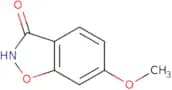
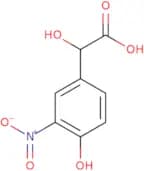
CAS:<p>Versatile small molecule scaffold</p>Formula:C8H7NO3Purity:Min. 95%Molecular weight:165.15 g/mol2-Hydroxy-2-(4-hydroxy-3-nitrophenyl)acetic acid
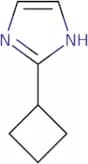
CAS:<p>Versatile small molecule scaffold</p>Formula:C8H7NO6Purity:Min. 95%Color and Shape:PowderMolecular weight:213.14 g/mol2-cyclobutyl-1h-imidazole
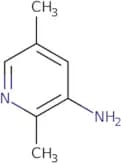
CAS:<p>Versatile small molecule scaffold</p>Formula:C7H10N2Purity:Min. 95%Molecular weight:122.17 g/mol2,5-Dimethyl-3-pyridinamine-d2
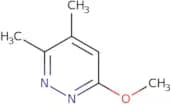
CAS:<p>Versatile small molecule scaffold</p>Formula:C7H8D2N2Purity:Min. 95%Molecular weight:124.18 g/mol6-Methoxy-3,4-dimethylpyridazine
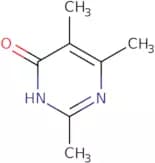
CAS:Versatile small molecule scaffoldFormula:C7H10N2OPurity:Min. 95%Molecular weight:138.17 g/molTrimethylpyrimidin-4-ol
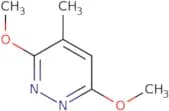
CAS:Versatile small molecule scaffoldFormula:C7H10N2OPurity:Min. 95%Molecular weight:138.17 g/mol3,6-Dimethoxy-4-methylpyridazine
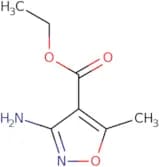
CAS:<p>Versatile small molecule scaffold</p>Formula:C7H10N2O2Purity:Min. 95%Molecular weight:154.17 g/molEthyl 3-amino-5-methyl-1,2-oxazole-4-carboxylate
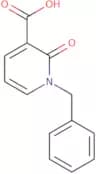
CAS:<p>Versatile small molecule scaffold</p>Formula:C7H10N2O3Purity:Min. 95%Molecular weight:170.17 g/mol1-Benzyl-2-oxo-1,2-dihydro-3-pyridinecarboxylic acid
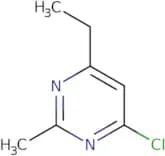
CAS:<p>Versatile small molecule scaffold</p>Formula:C13H11NO3Purity:Min. 95%Molecular weight:229.24 g/mol4-Chloro-6-ethyl-2-methylpyrimidine
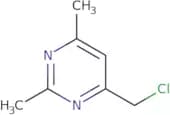
CAS:<p>4-Chloro-6-ethyl-2-methylpyrimidine is an acidic chloride that can be used as a reagent to form ketoximes and phosphoryl. It is also used to make selenium, pyrimidinyl, and nitrite. This compound has been shown to react with propyl nitrosates in the presence of a base to form yields of pyrimidinyl nitrites. The reaction is catalyzed by phosphoryl chloride.</p>Formula:C7H9ClN2Purity:Min. 95%Molecular weight:156.61 g/mol4-(Chloromethyl)-2,6-dimethylpyrimidine
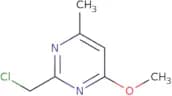
CAS:<p>Versatile small molecule scaffold</p>Formula:C7H9ClN2Purity:Min. 95%Molecular weight:156.61 g/mol2-(Chloromethyl)-4-methoxy-6-methylpyrimidine
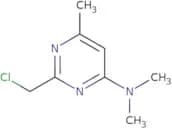
CAS:<p>Versatile small molecule scaffold</p>Formula:C7H9ClN2OPurity:Min. 95%Molecular weight:172.61 g/mol2-(Chloromethyl)-N,N,6-trimethylpyrimidin-4-amine
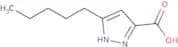
CAS:<p>Versatile small molecule scaffold</p>Formula:C8H12ClN3Purity:Min. 95%Molecular weight:185.65 g/mol5-Pentyl-1H-pyrazole-3-carboxylic acid
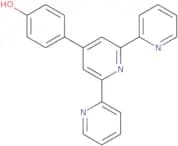
CAS:<p>5-Pentyl-1H-pyrazole-3-carboxylic acid is a gtpγs binding agent that has been used in the field of medicinal chemistry. This drug has an affinity for protein-coupled receptors and is able to inhibit the activity of these receptors by preventing their interaction with GTPγS. 5-Pentyl-1H-pyrazole-3-carboxylic acid has also been shown to be an agonist at rat spleen membranes. It binds to the pyrazole derivatives, which are involved in adipocyte differentiation and lipid metabolism.</p>Formula:C9H14N2O2Purity:Min. 95%Molecular weight:182.22 g/mol4-(2,6-Dipyridin-2-yl-1H-pyridin-4-ylidene)cyclohexa-2,5-dien-1-one
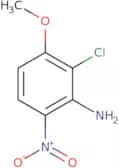
CAS:<p>Versatile small molecule scaffold</p>Formula:C21H15N3OPurity:Min. 95%Molecular weight:325.4 g/mol2-Chloro-3-methoxy-6-nitroaniline
CAS:<p>2-Chloro-3-methoxy-6-nitroaniline is a chemical compound that has been shown to have antimicrobial and anti-HIV activities. It is active against various bacteria, including methicillin resistant Staphylococcus aureus (MRSA). 2-Chloro-3-methoxy-6-nitroaniline has also been shown to have cytotoxic effects on MT4 cells, which are human lymphocytes. This drug may be useful as an HIV inhibitor because of its ability to inhibit HIV's reverse transcriptase enzyme activity.</p>Formula:C7H7ClN2O3Purity:Min. 95%Molecular weight:202.59 g/mol7-Amino-6-cyanopyrazolo[1,5-a]pyrimidine
CAS:<p>Versatile small molecule scaffold</p>Formula:C7H5N5Purity:Min. 95%Molecular weight:159.15 g/mol[4-(Hydroxymethyl)oxan-4-yl]methanol
CAS:<p>Versatile small molecule scaffold</p>Formula:C7H14O3Purity:Min. 95%Molecular weight:146.19 g/mol2-Methyl-[1,2,4]triazolo[1,5-a]pyrimidine-7-carboxylic acid
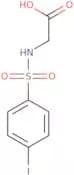
CAS:<p>Versatile small molecule scaffold</p>Formula:C7H6N4O2Purity:Min. 95%Molecular weight:178.15 g/mol2-(4-Iodobenzenesulfonamido)acetic acid
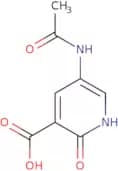
CAS:<p>Versatile small molecule scaffold</p>Formula:C8H8INO4SPurity:Min. 95%Molecular weight:341.13 g/mol5-Acetamido-2-hydroxypyridine-3-carboxylic acid
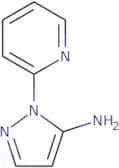
CAS:<p>Versatile small molecule scaffold</p>Formula:C8H8N2O4Purity:Min. 95%Molecular weight:196.16 g/mol1-(Pyridin-2-yl)-1H-pyrazol-5-amine
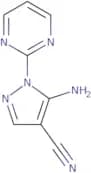
CAS:<p>Versatile small molecule scaffold</p>Formula:C8H8N4Purity:Min. 95%Molecular weight:160.18 g/mol5-Amino-1-(2-pyrimidinyl)-1H-pyrazole-4-carbonitrile
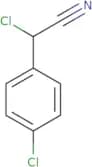
CAS:<p>Versatile small molecule scaffold</p>Formula:C8H6N6Purity:Min. 95%Molecular weight:186.17 g/mol2-Chloro-2-(4-chlorophenyl)acetonitrile
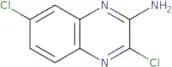
CAS:<p>Versatile small molecule scaffold</p>Formula:C8H5Cl2NPurity:Min. 95%Molecular weight:186.03 g/mol3,7-Dichloroquinoxalin-2-amine
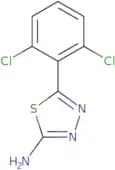
CAS:<p>Versatile small molecule scaffold</p>Formula:C8H5Cl2N3Purity:Min. 95%Molecular weight:214.05 g/mol5-(2,6-Dichlorophenyl)-1,3,4-Thiadiazol-2-Amine
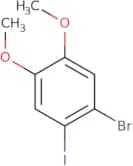
CAS:<p>Versatile small molecule scaffold</p>Formula:C8H5N3SCl2Purity:Min. 95%Molecular weight:246.11 g/mol1-Bromo-2-iodo-4,5-dimethoxybenzene
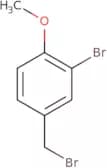
CAS:<p>Versatile small molecule scaffold</p>Formula:C8H8BrIO2Purity:Min. 95%Molecular weight:342.96 g/mol2-Bromo-4-(bromomethyl)-1-methoxybenzene
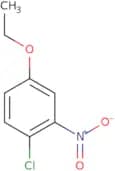
CAS:<p>Versatile small molecule scaffold</p>Formula:C8H8Br2OPurity:Min. 95%Molecular weight:279.96 g/mol1-Chloro-4-ethoxy-2-nitrobenzene
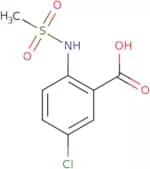
CAS:<p>Versatile small molecule scaffold</p>Formula:C8H8ClNO3Purity:Min. 95%Molecular weight:201.61 g/mol5-Chloro-2-(methylsulfonamido)benzoic acid
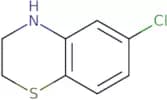
CAS:<p>Versatile small molecule scaffold</p>Formula:C8H8ClNO4SPurity:Min. 95%Molecular weight:249.67 g/mol6-Chloro-3,4-dihydro-2H-1,4-benzothiazine
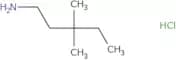
CAS:<p>6-Chloro-3,4-dihydro-2H-1,4-benzothiazine is a fungicide that is effective on fungi and bacteria. It inhibits the growth of microorganisms by binding to their ribosomes and interfering with protein synthesis. This chemical has been shown to have low toxicity in mammals. 6-Chloro-3,4-dihydro-2H-1,4-benzothiazine is used to control the growth of filamentous fungi in a variety of agricultural crops and ornamental plants. It is also used as a preservative for fresh fruit and vegetables.</p>Formula:C8H8ClNSPurity:Min. 95%Molecular weight:185.67 g/mol3,3-Dimethylpentan-1-amine hydrochloride
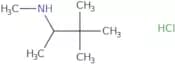
CAS:<p>Versatile small molecule scaffold</p>Formula:C7H18ClNPurity:Min. 95%Molecular weight:151.68 g/molN,3,3-Trimethyl-2-butanamine hydrochloride
CAS:<p>Versatile small molecule scaffold</p>Formula:C7H18ClNPurity:Min. 95%Molecular weight:151.68 g/mol6-Bromo-1,2,3,4-tetrahydroquinoxaline
CAS:<p>6-Bromo-1,2,3,4-tetrahydroquinoxaline is a quinoxaline derivative that has been studied for its biological activity. It has been shown to inhibit the transfer of hydrogen from NADH to coenzyme Q by transferring hydrogen from NADH to the quinoxalines. This experiment was conducted using biomolecular chemistry and molecular biology techniques. 6-Bromo-1,2,3,4-tetrahydroquinoxaline was synthesized from 1,2,3,4-tetrahydroquinoxalines and bromine. The source of these substances was not specified.</p>Formula:C8H9BrN2Purity:Min. 95%Molecular weight:213.08 g/mol[(4-Bromophenyl)methyl]thiourea
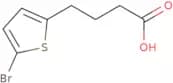
CAS:<p>Versatile small molecule scaffold</p>Formula:C8H9BrN2SPurity:Min. 95%Molecular weight:245.14 g/mol4-(5-Bromothiophen-2-yl)butanoic acid
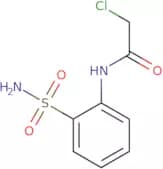
CAS:<p>Versatile small molecule scaffold</p>Formula:C8H9BrO2SPurity:Min. 95%Molecular weight:249.13 g/mol2-Chloro-N-(2-sulfamoylphenyl)acetamide
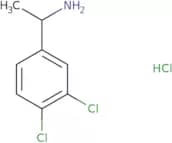
CAS:<p>Versatile small molecule scaffold</p>Formula:C8H9ClN2O3SPurity:Min. 95%Molecular weight:248.69 g/mol1-(3,4-Dichlorophenyl)ethanamine HCl
CAS:<p>Versatile small molecule scaffold</p>Formula:C8H9Cl2N·HClPurity:Min. 95%Molecular weight:226.53 g/mol3-[(Pyridin-4-yl)amino]benzoic acid
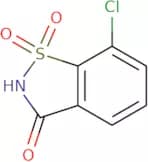
CAS:<p>Versatile small molecule scaffold</p>Formula:C12H10N2O2Purity:Min. 95%Molecular weight:214.22 g/mol7-Chloro-1,2-benzisothiazol-3(2H)-one 1,1-dioxide
CAS:<p>Versatile small molecule scaffold</p>Formula:C7H4ClNO3SPurity:Min. 95%Molecular weight:217.63 g/mol4-[4-(9H-Fluoren-9-yl)piperazin-1-yl]-4-oxobutanoic acid
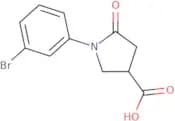
CAS:<p>Versatile small molecule scaffold</p>Formula:C21H22N2O3Purity:Min. 95%Molecular weight:350.4 g/mol1-(3-bromophenyl)-5-oxopyrrolidine-3-carboxylic acid
CAS:<p>Versatile small molecule scaffold</p>Formula:C11H10BrNO3Purity:Min. 95%Molecular weight:284.1 g/molmethyl 2,5-dicyanobenzoate
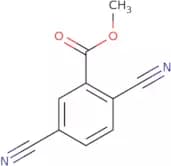
CAS:<p>Versatile small molecule scaffold</p>Formula:C10H6N2O2Purity:Min. 95%Molecular weight:186.17 g/mol(3-Ethoxy-4-methoxyphenyl)acetic acid
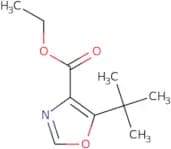
CAS:<p>Versatile small molecule scaffold</p>Formula:C11H14O4Purity:Min. 95%Molecular weight:210.23 g/molEthyl 5-tert-butyl-1,3-oxazole-4-carboxylate
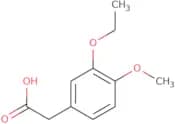
CAS:<p>Versatile small molecule scaffold</p>Formula:C10H15NO3Purity:Min. 95%Molecular weight:197.23 g/mol2-[4-(4H-1,2,4-Triazol-4-yl)phenyl]ethan-1-amine
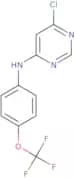
CAS:<p>Versatile small molecule scaffold</p>Formula:C10H12N4Purity:Min. 95%Molecular weight:188.23 g/mol(6-Chloro-pyrimidin-4-yl)-(4-trifluoromethoxy-phenyl)-amine
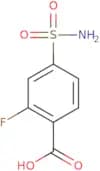
CAS:<p>Versatile small molecule scaffold</p>Formula:C11H7ClF3N3OPurity:Min. 95%Molecular weight:289.64 g/mol2-Fluoro-4-sulfamoylbenzoic acid
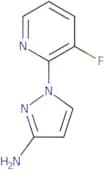
CAS:<p>Versatile small molecule scaffold</p>Formula:C7H6FNO4SPurity:Min. 95%Molecular weight:219.19 g/mol1-(3-Fluoropyridin-2-yl)-1H-pyrazol-3-amine
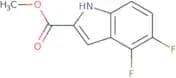
CAS:<p>Versatile small molecule scaffold</p>Formula:C8H7FN4Purity:Min. 95%Molecular weight:178.17 g/molMethyl 4,5-difluoro-1H-indole-2-carboxylate
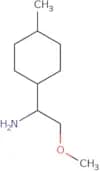
CAS:<p>Versatile small molecule scaffold</p>Formula:C10H7F2NO2Purity:Min. 95%Molecular weight:211.16 g/mol2-Methoxy-1-(4-methylcyclohexyl)ethan-1-amine
CAS:<p>Versatile small molecule scaffold</p>Formula:C10H21NOPurity:Min. 95%Molecular weight:171.28 g/mol3-Amino-1-[(1-methyl-1H-imidazol-2-yl)methyl]piperidin-2-one
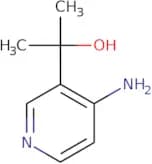
CAS:<p>Versatile small molecule scaffold</p>Formula:C10H16N4OPurity:Min. 95%Molecular weight:208.26 g/mol2-(4-Aminopyridin-3-yl)propan-2-ol
CAS:<p>Versatile small molecule scaffold</p>Formula:C8H12N2OPurity:Min. 95%Molecular weight:152.19 g/mol
![5H,6H,6aH,7H,8H,9H,10H-Pyrido[1,2-a]quinoxalin-6-one](/_next/image/?url=https%3A%2Fstatic.cymitquimica.com%2Fproducts%2F3D%2Fthumb-webp%2FPDA86074.webp&w=3840&q=75)

![1-Bromo-4-oxo-3-oxabicyclo[3.1.0]hexane-6-carboxylic acid](/_next/image/?url=https%3A%2Fstatic.cymitquimica.com%2Fproducts%2F3D%2Fthumb-webp%2FPDA89130.webp&w=3840&q=75)

![Bicyclo[4.1.0]heptan-7-amine hydrochloride](/_next/image/?url=https%3A%2Fstatic.cymitquimica.com%2Fproducts%2F3D%2Fthumb-webp%2FPDA89485.webp&w=3840&q=75)
![3-[(2-Carboxyethyl)(methyl)amino]propanoic acid hydrochloride](/_next/image/?url=https%3A%2Fstatic.cymitquimica.com%2Fproducts%2F3D%2Fthumb-webp%2FPDA89603.webp&w=3840&q=75)
![{7-Oxabicyclo[2.2.1]heptan-2-yl}methanol](/_next/image/?url=https%3A%2Fstatic.cymitquimica.com%2Fproducts%2F3D%2Fthumb-webp%2FPDA89718.webp&w=3840&q=75)
![3-Oxatricyclo[3.2.1.0,2,4]octane-6,7-diol](/_next/image/?url=https%3A%2Fstatic.cymitquimica.com%2Fproducts%2F3D%2Fthumb-webp%2FPDA92151.webp&w=3840&q=75)
![7-Oxabicyclo[2.2.1]heptane-2-carbonitrile](/_next/image/?url=https%3A%2Fstatic.cymitquimica.com%2Fproducts%2F3D%2Fthumb-webp%2FPDA93759.webp&w=3840&q=75)
![2-[(2,4-Dioxo-1,2,3,4-tetrahydropyrimidin-5-yl)formamido]acetic acid](/_next/image/?url=https%3A%2Fstatic.cymitquimica.com%2Fproducts%2F3D%2Fthumb-webp%2FPDA93794.webp&w=3840&q=75)
![7-Amino-6-cyanopyrazolo[1,5-a]pyrimidine](/_next/image/?url=https%3A%2Fstatic.cymitquimica.com%2Fproducts%2F3D%2Fthumb-webp%2FPDA97557.webp&w=3840&q=75)
![[4-(Hydroxymethyl)oxan-4-yl]methanol](/_next/image/?url=https%3A%2Fstatic.cymitquimica.com%2Fproducts%2F3D%2Fthumb-webp%2FPDA97577.webp&w=3840&q=75)
![2-Methyl-[1,2,4]triazolo[1,5-a]pyrimidine-7-carboxylic acid](/_next/image/?url=https%3A%2Fstatic.cymitquimica.com%2Fproducts%2F3D%2Fthumb-webp%2FPDA97593.webp&w=3840&q=75)

![[(4-Bromophenyl)methyl]thiourea](/_next/image/?url=https%3A%2Fstatic.cymitquimica.com%2Fproducts%2F3D%2Fthumb-webp%2FPDA98086.webp&w=3840&q=75)
![3-[(Pyridin-4-yl)amino]benzoic acid](/_next/image/?url=https%3A%2Fstatic.cymitquimica.com%2Fproducts%2F3D%2Fthumb-webp%2FPDA99032.webp&w=3840&q=75)
![4-[4-(9H-Fluoren-9-yl)piperazin-1-yl]-4-oxobutanoic acid](/_next/image/?url=https%3A%2Fstatic.cymitquimica.com%2Fproducts%2F3D%2Fthumb-webp%2FPDB20106.webp&w=3840&q=75)
![2-[4-(4H-1,2,4-Triazol-4-yl)phenyl]ethan-1-amine](/_next/image/?url=https%3A%2Fstatic.cymitquimica.com%2Fproducts%2F3D%2Fthumb-webp%2FPDB56870.webp&w=3840&q=75)
![3-Amino-1-[(1-methyl-1H-imidazol-2-yl)methyl]piperidin-2-one](/_next/image/?url=https%3A%2Fstatic.cymitquimica.com%2Fproducts%2F3D%2Fthumb-webp%2FPDC01203.webp&w=3840&q=75)