Building Blocks
This section contains fundamental products for the synthesis of organic and biological compounds. Building blocks are the essential starting materials used to construct complex molecules through various chemical reactions. They play a critical role in drug discovery, material science, and chemical research. At CymitQuimica, we offer a diverse range of high-quality building blocks to support your innovative research and industrial projects, ensuring you have the essential components for successful synthesis.
Subcategories of "Building Blocks"
- Boronic Acids & Boronic Acid Derivatives(5,756 products)
- Chiral Building Blocks(1,242 products)
- Hydrocarbon Building Blocks(6,095 products)
- Organic Building Blocks(61,055 products)
Found 199650 products of "Building Blocks"
Sort by
Purity (%)
0
100
|
0
|
50
|
90
|
95
|
100
4-Bromo-3-chloro-2-methylaniline
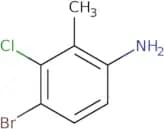
CAS:<p>4-Bromo-3-chloro-2-methylaniline is a heterocyclic compound that is used in organic synthesis. It is a precursor in the preparation of saccharin, indoxyls and other heterocycles, as well as glycosylations. 4-Bromo-3-chloro-2-methylaniline can be prepared by the transfer of chlorine from chlorosulfonic acid to an alkene with bromine. The reaction yields a mixture of products, including glycosylations. This process can be monitored using thin layer chromatography or by enzymatic hydrolysis. The yield of this reaction is low, so it may need to be scaled up for industrial applications. 4-Bromo-3-chloro-2-methylaniline can also be prepared from indoxyls using halides. This process is mediated by sodium methoxide and potassium tetrach</p>Formula:C7H7BrClNPurity:Min. 95%Molecular weight:220.49 g/mol6-Aminoquinoline-2-carbonitrile
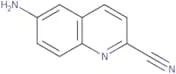
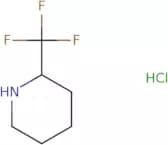
CAS:<p>Versatile small molecule scaffold</p>Formula:C10H7N3Purity:Min. 95%Molecular weight:169.18 g/mol2-(Trifluoromethyl)piperidine hydrochloride
CAS:<p>Versatile small molecule scaffold</p>Formula:C6H10F3N·HClPurity:Min. 95%Molecular weight:189.61 g/mol5-[(3-Fluorophenyl)methyl]-1H-1,2,4-triazol-3-amine
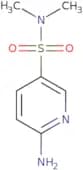
CAS:<p>Versatile small molecule scaffold</p>Formula:C9H9FN4Purity:Min. 95%Molecular weight:192.19 g/mol6-Amino-N,N-dimethylpyridine-3-sulfonamide
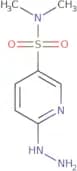
CAS:<p>Versatile small molecule scaffold</p>Formula:C7H11N3O2SPurity:Min. 95%Molecular weight:201.25 g/mol6-Hydrazinyl-N,N-dimethylpyridine-3-sulfonamide
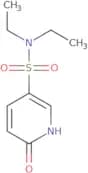
CAS:<p>Versatile small molecule scaffold</p>Formula:C7H12N4O2SPurity:Min. 95%Molecular weight:216.26 g/molN,N-Diethyl-6-oxo-1,6-dihydropyridine-3-sulfonamide
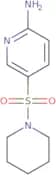
CAS:Versatile small molecule scaffoldFormula:C9H14N2O3SPurity:Min. 95%Molecular weight:230.29 g/mol5-(Piperidine-1-sulfonyl)pyridin-2-amine
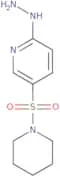
CAS:<p>Versatile small molecule scaffold</p>Formula:C10H15N3O2SPurity:Min. 95%Molecular weight:241.31 g/mol2-Hydrazinyl-5-(piperidine-1-sulfonyl)pyridine
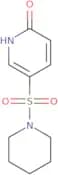
CAS:<p>Versatile small molecule scaffold</p>Formula:C10H16N4O2SPurity:Min. 95%Molecular weight:256.33 g/mol5-(Piperidine-1-sulfonyl)-1,2-dihydropyridin-2-one
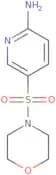
CAS:<p>Versatile small molecule scaffold</p>Formula:C10H14N2O3SPurity:Min. 95%Molecular weight:242.3 g/mol5-(Morpholine-4-sulfonyl)pyridin-2-amine
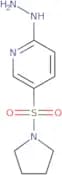
CAS:<p>Versatile small molecule scaffold</p>Formula:C9H13N3O3SPurity:Min. 95%Molecular weight:243.29 g/mol2-Hydrazinyl-5-(pyrrolidine-1-sulfonyl)pyridine
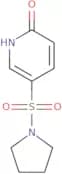
CAS:<p>Versatile small molecule scaffold</p>Formula:C9H14N4O2SPurity:Min. 95%Molecular weight:242.3 g/mol5-(Pyrrolidine-1-sulfonyl)-1,2-dihydropyridin-2-one
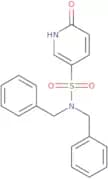
CAS:<p>Versatile small molecule scaffold</p>Formula:C9H12N2O3SPurity:Min. 95%Molecular weight:228.27 g/molN,N-Dibenzyl-6-oxo-1,6-dihydropyridine-3-sulfonamide
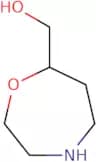
CAS:<p>Versatile small molecule scaffold</p>Formula:C19H18N2O3SPurity:Min. 95%Molecular weight:354.4 g/mol1,4-Oxazepan-7-ylmethanol
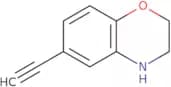
CAS:<p>Versatile small molecule scaffold</p>Formula:C6H13NO2Purity:Min. 95%Molecular weight:131.17 g/mol6-Ethynyl-3,4-dihydro-2H-1,4-benzoxazine
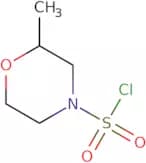
CAS:<p>Versatile small molecule scaffold</p>Formula:C10H9NOPurity:Min. 95%Molecular weight:159.18 g/mol2-Methylmorpholine-4-sulfonyl chloride
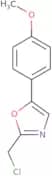
CAS:<p>Versatile small molecule scaffold</p>Formula:C5H10ClNO3SPurity:Min. 95%Molecular weight:199.66 g/mol2-(Chloromethyl)-5-(4-methoxyphenyl)-1,3-oxazole
CAS:<p>Versatile small molecule scaffold</p>Formula:C11H10ClNO2Purity:Min. 95%Molecular weight:223.65 g/mol2-[(2-Methoxyethyl)sulfanyl]acetic acid
CAS:<p>Versatile small molecule scaffold</p>Formula:C5H10O3SPurity:Min. 95%Molecular weight:150.2 g/mol4-[4-(Benzyloxy)phenyl]pyridine
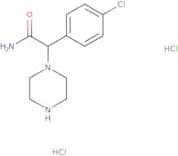
CAS:<p>Versatile small molecule scaffold</p>Formula:C18H15NOPurity:Min. 95%Molecular weight:261.3 g/mol2-(4-Chlorophenyl)-2-(piperazin-1-yl)acetamide dihydrochloride
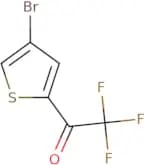
CAS:<p>Versatile small molecule scaffold</p>Formula:C12H18Cl3N3OPurity:Min. 95%Molecular weight:326.6 g/mol1-(4-Bromo-thiophen-2-yl)-2,2,2-trifluoro-ethanone
CAS:<p>Versatile small molecule scaffold</p>Formula:C6H2BrF3OSPurity:Min. 95%Molecular weight:259.05 g/molAcetic acid, benzyl(1-cyclopropylethyl)amine
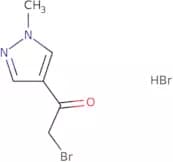
CAS:Controlled Product<p>Acetic acid, benzyl(1-cyclopropylethyl)amine (ABE) is a new drug candidate for the treatment of type II diabetes. ABE has been shown to inhibit the growth of Candida glabrata at a concentration of 0.5 mM and to be effective against c. albicans at a concentration of 1 mM. ABE also exhibits an optimum concentration in the range of 0.25-0.5 M, which can be achieved by diluting it with 50% ethanol or water for injection and then filtering the solution before administration, as well as through pretreatment with cerevisiae or Saccharomyces cerevisiae (a yeast). ABE has been shown to have hypoglycemic effects in both yeast and mouse models of type II diabetes, although it has not yet been tested on humans.</p>Formula:C14H21NO2Purity:Min. 95%Molecular weight:235.3 g/mol2-Bromo-1-(1-methyl-1H-pyrazol-4-yl)ethan-1-one hydrobromide
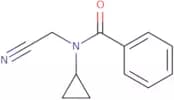
CAS:<p>Versatile small molecule scaffold</p>Formula:C6H8Br2N2OPurity:Min. 95%Molecular weight:283.95 g/molN-(Cyanomethyl)-N-cyclopropylbenzamide
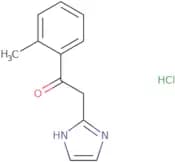
CAS:<p>Versatile small molecule scaffold</p>Formula:C12H12N2OPurity:Min. 95%Molecular weight:200.24 g/mol2-(1H-Imidazol-2-yl)-1-(2-methylphenyl)ethan-1-one hydrochloride
CAS:<p>Versatile small molecule scaffold</p>Formula:C12H13ClN2OPurity:Min. 95%Molecular weight:236.7 g/molBenzyl N-({[(cyclopropylcarbamoyl)methyl](methyl)carbamoyl}methyl)carbamate
CAS:<p>Versatile small molecule scaffold</p>Formula:C16H21N3O4Purity:Min. 95%Molecular weight:319.36 g/moltert-Butyl N-[2-(4-phenylbutanamido)ethyl]carbamate
CAS:<p>Versatile small molecule scaffold</p>Formula:C17H26N2O3Purity:Min. 95%Molecular weight:306.4 g/mol[(2-Methylphenyl)methyl](pyridin-2-ylmethyl)amine dihydrochloride
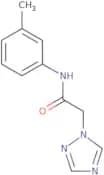
CAS:<p>Versatile small molecule scaffold</p>Formula:C14H18Cl2N2Purity:Min. 95%Molecular weight:285.2 g/molN-(3-Methylphenyl)-2-(1H-1,2,4-triazol-1-yl)acetamide
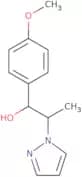
CAS:<p>Versatile small molecule scaffold</p>Formula:C11H12N4OPurity:Min. 95%Molecular weight:216.24 g/mol1-(4-Methoxyphenyl)-2-(1H-pyrazol-1-yl)propan-1-ol
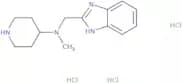
CAS:Controlled ProductVersatile small molecule scaffoldFormula:C13H16N2O2Purity:Min. 95%Molecular weight:232.28 g/molN-(1H-1,3-Benzodiazol-2-ylmethyl)-N-methylpiperidin-4-amine trihydrochloride
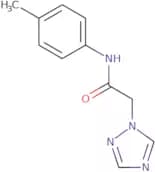
CAS:<p>Versatile small molecule scaffold</p>Formula:C14H23Cl3N4Purity:Min. 95%Molecular weight:353.7 g/molN-(4-Methylphenyl)-2-(1H-1,2,4-triazol-1-yl)acetamide
CAS:<p>Versatile small molecule scaffold</p>Formula:C11H12N4OPurity:Min. 95%Molecular weight:216.24 g/mol[(3-Methylphenyl)methyl](pyridin-2-ylmethyl)amine dihydrochloride
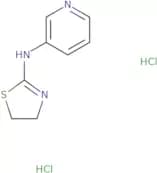
CAS:<p>Versatile small molecule scaffold</p>Formula:C14H18Cl2N2Purity:Min. 95%Molecular weight:285.2 g/molN-(4,5-Dihydro-1,3-thiazol-2-yl)pyridin-3-amine dihydrochloride
CAS:Versatile small molecule scaffoldFormula:C8H11Cl2N3SPurity:Min. 95%Molecular weight:252.16 g/molN-[(4-Cyanophenyl)methanesulfonyl]-2-methyl-2-phenylpropanamide
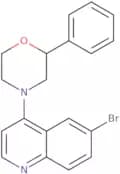
CAS:<p>Versatile small molecule scaffold</p>Formula:C18H18N2O3SPurity:Min. 95%Molecular weight:342.4 g/mol6-Bromo-4-(2-phenylmorpholin-4-yl)quinoline
CAS:<p>Versatile small molecule scaffold</p>Formula:C19H17BrN2OPurity:Min. 95%Molecular weight:369.3 g/mol[(3-Methylphenyl)methyl][(thiophen-2-yl)methyl]amine hydrochloride
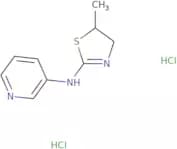
CAS:<p>Versatile small molecule scaffold</p>Formula:C13H16ClNSPurity:Min. 95%Molecular weight:253.79 g/molN-(5-Methyl-1,3-thiazolidin-2-ylidene)pyridin-3-amine dihydrochloride
CAS:<p>Versatile small molecule scaffold</p>Formula:C9H13Cl2N3SPurity:Min. 95%Molecular weight:266.19 g/mol8-Methyl-1H,2H,3H-pyrido[2,3-b][1,4]oxazine
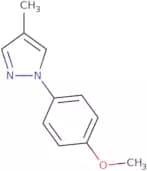
CAS:<p>Versatile small molecule scaffold</p>Formula:C8H10N2OPurity:Min. 95%Molecular weight:150.18 g/mol1-(4-Methoxyphenyl)-4-methyl-1H-pyrazole
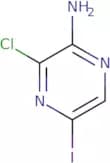
CAS:Versatile small molecule scaffoldFormula:C11H12N2OPurity:Min. 95%Molecular weight:188.23 g/mol3-chloro-5-iodopyrazin-2-amine
CAS:<p>Versatile small molecule scaffold</p>Formula:C4H3ClIN3Purity:Min. 95%Molecular weight:255.4 g/moltert-Butyl 2-[(4-fluorophenyl)amino]propanoate
CAS:Versatile small molecule scaffoldFormula:C13H18FNO2Purity:Min. 95%Molecular weight:239.29 g/mol1-{1,4-Dioxaspiro[4.5]decan-8-yl}-1H-imidazole
CAS:<p>Versatile small molecule scaffold</p>Formula:C11H16N2O2Purity:Min. 95%Molecular weight:208.26 g/mol(2S,4R)-1-[(tert-Butoxy)carbonyl]-4-methanesulfonylpyrrolidine-2-carboxylic acid
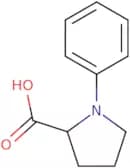
CAS:<p>Versatile small molecule scaffold</p>Formula:C11H19NO6SPurity:Min. 95%Molecular weight:293.34 g/mol1-Phenylpyrrolidine-2-carboxylic acid
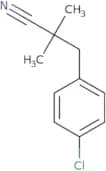
CAS:<p>1-Phenylpyrrolidine-2-carboxylic acid is a neutral compound that is soluble in water. It has been shown to inhibit the growth of bacteria by binding to the DNA, RNA, and proteins. 1-Phenylpyrrolidine-2-carboxylic acid has also been shown to be effective in inhibiting bacterial infections caused by methicillin resistant Staphylococcus aureus (MRSA), which are resistant to many other antibiotics. The drug has shown clinical development potential as an antibiotic and may have therapeutic benefits for diseases such as tuberculosis or malaria.</p>Formula:C11H13NO2Purity:Min. 95%Molecular weight:191.23 g/mol3-(4-Chlorophenyl)-2,2-dimethylpropanenitrile
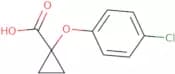
CAS:<p>Versatile small molecule scaffold</p>Formula:C11H12ClNPurity:Min. 95%Molecular weight:193.67 g/mol1-(4-Chlorophenoxy)cyclopropane-1-carboxylic acid
CAS:Versatile small molecule scaffoldFormula:C10H9ClO3Purity:Min. 95%Molecular weight:212.63 g/mol2-(2,3-Dihydro-1H-inden-4-yl)-4,4,5,5-tetramethyl-1,3,2-dioxaborolane
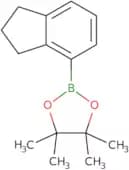
CAS:<p>Versatile small molecule scaffold</p>Formula:C15H21BO2Purity:Min. 95%Molecular weight:244.14 g/mol1-[(tert-butoxy)carbonyl]azepane-3-carboxylic acid
CAS:<p>Versatile small molecule scaffold</p>Formula:C12H21NO4Purity:Min. 95%Molecular weight:243.3 g/molN-tert-Butyl-5-azaspiro[2.4]heptane-1-carboxamide
CAS:<p>Versatile small molecule scaffold</p>Formula:C11H20N2OPurity:Min. 95%Molecular weight:196.3 g/mol[1,2,4]Triazolo[1,5-a]pyridine-5-carboxamide
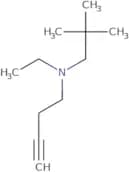
CAS:<p>Versatile small molecule scaffold</p>Formula:C7H6N4OPurity:Min. 95%Molecular weight:162.15 g/mol(But-3-yn-1-yl)(2,2-dimethylpropyl)ethylamine
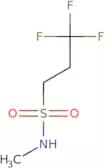
CAS:<p>Versatile small molecule scaffold</p>Formula:C11H21NPurity:Min. 95%Molecular weight:167.3 g/mol3,3,3-Trifluoro-N-methylpropane-1-sulfonamide
CAS:<p>Versatile small molecule scaffold</p>Formula:C4H8F3NO2SPurity:Min. 95%Molecular weight:191.17 g/mol2-[1-(Hydroxymethyl)cyclopropyl]-N,N-dimethylacetamide
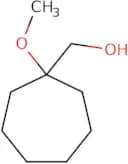
CAS:<p>Versatile small molecule scaffold</p>Formula:C8H15NO2Purity:Min. 95%Molecular weight:157.2 g/mol(1-Methoxycycloheptyl)methanol
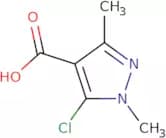
CAS:<p>Versatile small molecule scaffold</p>Formula:C9H18O2Purity:Min. 95%Molecular weight:158.24 g/mol5-Chloro-1,3-dimethyl-1H-pyrazole-4-carboxylic acid
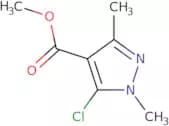
CAS:<p>5-Chloro-1,3-dimethyl-1H-pyrazole-4-carboxylic acid (DMPC) is a reactive compound that has been shown to be optically active. DMPC is found in plants and is used as an antiseptic and germicide. It is also used as an ingredient in horticultural products. The chloro group on the DMPC molecule can react with other compounds, such as chloride ions, to form a chlorinated derivative which exhibits increased antibacterial activity. This increased antibacterial activity may be due to the fact that the chlorine atom in DMPC reacts with bacterial cell membranes, making them more permeable and leading to cell death.</p>Formula:C6H7ClN2O2Purity:Min. 95%Molecular weight:174.59 g/molMethyl 5-chloro-1,3-dimethyl-1H-pyrazole-4-carboxylate
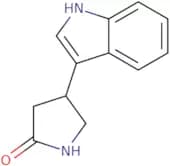
CAS:Versatile small molecule scaffoldFormula:C7H9ClN2O2Purity:Min. 95%Molecular weight:188.61 g/mol4-(1H-Indol-3-yl)pyrrolidin-2-one
CAS:<p>Versatile small molecule scaffold</p>Formula:C12H12N2OPurity:Min. 95%Molecular weight:200.24 g/mol4-Benzylpiperidine-2,6-dione
CAS:<p>Versatile small molecule scaffold</p>Formula:C12H13NO2Purity:Min. 95%Molecular weight:203.2 g/mol2-Amino-N-[(4-methoxyphenyl)methyl]acetamide hydrochloride
CAS:<p>Versatile small molecule scaffold</p>Formula:C10H15ClN2O2Purity:Min. 95%Molecular weight:230.69 g/mol3-[Methyl(propan-2-yl)amino]propan-1-ol
CAS:<p>Versatile small molecule scaffold</p>Formula:C7H17NOPurity:Min. 95%Molecular weight:131.2 g/mol(2S)-2-Amino-N-(2-hydroxyethyl)-4-methylpentanamide hydrochloride
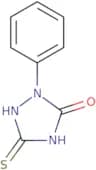
CAS:<p>Versatile small molecule scaffold</p>Formula:C8H19ClN2O2Purity:Min. 95%Molecular weight:210.7 g/mol1-Phenyl-3-sulfanyl-4,5-dihydro-1H-1,2,4-triazol-5-one
CAS:Versatile small molecule scaffoldFormula:C8H7N3OSPurity:Min. 95%Molecular weight:193.23 g/mol1-(bis(4-chlorophenyl)methyl)piperazine
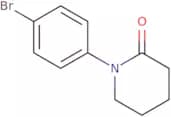
CAS:Controlled Product<p>1-(Bis(4-chlorophenyl)methyl)piperazine is a CB1 receptor antagonist that has been shown to bind with high affinity to the CB1 receptor. It has been shown to inhibit the binding of agonists, such as anandamide and CP55,940, to the cannabinoid receptors. 1-(Bis(4-chlorophenyl)methyl)piperazine has also been shown to have a higher affinity for the CB1 receptor than SR141716A, which is a selective CB1 receptor antagonist. The affinity of this drug for the cannabinoid receptor has been optimized in order to reduce its potential for side effects.<br>Cannabinoid receptors are found in many parts of the body including the brain and immune system. They are known to play a role in pain sensation, mood, memory and appetite control.</p>Formula:C17H18Cl2N2Purity:Min. 95%Molecular weight:321.25 g/mol1-(4-Bromophenyl)piperidin-2-one
CAS:<p>Versatile small molecule scaffold</p>Formula:C11H12BrNOPurity:Min. 95%Molecular weight:254.13 g/mol3-[(2-Methoxyphenyl)amino]propanenitrile
CAS:Versatile small molecule scaffoldFormula:C10H12N2OPurity:Min. 95%Molecular weight:176.21 g/mol4-(Chloromethyl)-1,2-diethoxybenzene
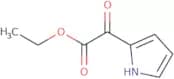
CAS:<p>Versatile small molecule scaffold</p>Formula:C11H15ClO2Purity:Min. 95%Molecular weight:214.69 g/molEthyl 2-oxo-2-(1H-pyrrol-2-yl)acetate
CAS:<p>Versatile small molecule scaffold</p>Formula:C8H9NO3Purity:Min. 95%Molecular weight:167.16 g/mol1',3'-Dihydrospiro[imidazolidine-4,2'-indene]-2,5-dione
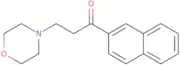
CAS:<p>Versatile small molecule scaffold</p>Formula:C11H10N2O2Purity:Min. 95%Molecular weight:202.21 g/mol3-(Morpholin-4-yl)-1-(naphthalen-2-yl)propan-1-one
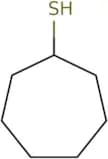
CAS:<p>Versatile small molecule scaffold</p>Formula:C17H19NO2Purity:Min. 95%Molecular weight:269.34 g/molCycloheptanethiol
CAS:<p>Versatile small molecule scaffold</p>Formula:C7H14SPurity:Min. 95%Molecular weight:130.25 g/mol2-(2-Nitrobenzenesulfonyl)acetic acid
CAS:<p>Versatile small molecule scaffold</p>Formula:C8H7NO6SPurity:Min. 95%Molecular weight:245.21 g/molTributyl(methoxymethyl)stannane
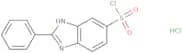
CAS:Controlled Product<p>Tributyl(methoxymethyl)stannane is a synthetic organo-tin compound that has antifungal, antiviral, and antibacterial properties. It is also used in the treatment of idiopathic pulmonary fibrosis, hepatitis, cirrhosis, heart disease, and scleroderma. Tributyl(methoxymethyl)stannane inhibits the synthesis of proteins by binding to the 30S ribosomal subunit through a number of mechanisms. It has been shown to inhibit the growth of many fungi including those that cause athlete's foot and ringworm. Tributyl(methoxymethyl)stannane also shows some promise as an anti-inflammatory agent.</p>Formula:C14H32OSnPurity:Min. 95%Molecular weight:335.1 g/mol2-Phenyl-1H-1,3-benzodiazole-5-sulfonyl chloride hydrochloride
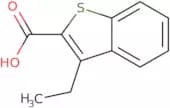
CAS:<p>Versatile small molecule scaffold</p>Formula:C13H10Cl2N2O2SPurity:Min. 95%Molecular weight:329.2 g/mol3-Ethyl-1-benzothiophene-2-carboxylic acid
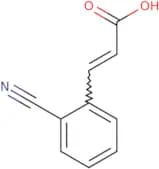
CAS:<p>Versatile small molecule scaffold</p>Formula:C11H10O2SPurity:Min. 95%Molecular weight:206.26 g/mol(2Z)-3-(2-Cyanophenyl)prop-2-enoic acid
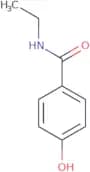
CAS:<p>(2Z)-3-(2-Cyanophenyl)prop-2-enoic acid is an organic compound that is used as a reagent in the analysis of amino acids. It can be prepared by reacting 2-cyanobenzaldehyde with propionic acid in the presence of a base. This reaction can be carried out on a preparative scale, or on a small scale for laboratory use. The compound can be analyzed by spectrometry and chromatography to determine its purity and sequence. This compound has been shown to have different stereoisomers that are distinguished by their mass spectra.</p>Formula:C10H7NO2Purity:Min. 95%Molecular weight:173.17 g/molN-Ethyl-4-hydroxybenzamide
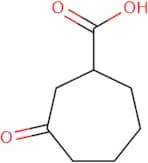
CAS:Versatile small molecule scaffoldFormula:C9H11NO2Purity:Min. 95%Molecular weight:165.19 g/mol3-Oxocycloheptane-1-carboxylic acid
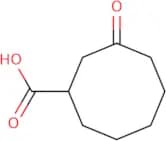
CAS:Versatile small molecule scaffoldFormula:C8H12O3Purity:Min. 95%Molecular weight:156.18 g/mol3-Oxocyclooctane-1-carboxylic acid
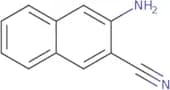
CAS:<p>Versatile small molecule scaffold</p>Formula:C9H14O3Purity:Min. 95%Molecular weight:170.21 g/mol3-Aminonaphthalene-2-carbonitrile
CAS:<p>Versatile small molecule scaffold</p>Formula:C11H8N2Purity:Min. 95%Molecular weight:168.19 g/mol1,7,7-Trimethyl-2-methylidenebicyclo[2.2.1]heptane
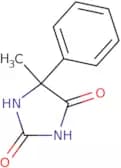
CAS:<p>1,7,7-Trimethyl-2-methylidenebicyclo[2.2.1]heptane is a cyclic terpene that is found in the essential oils of plants such as camphor and turpentine. In bacteria, 1,7,7-trimethyl-2-methylenebicyclo[2.2.1]heptane binds to the divalent metal ions and prevents them from being used by the enzymes responsible for phosphodiester bond formation during DNA replication or transcription. This results in an inhibition of bacterial growth. 1,7,7-trimethyl-2-methylenebicyclo[2.2.1]heptane is a synthetic compound that has been sequenced and synthesized with gram negative bacterium olivasterospora as a model organism. The kinetic parameters of 1,7,7-trimethyl-2-methylenebicyclo</p>Formula:C11H18Purity:Min. 95%Molecular weight:150.26 g/mol(5S)-5-Methyl-5-phenylimidazolidine-2,4-dione
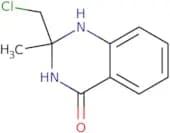
CAS:Versatile small molecule scaffoldFormula:C10H10N2O2Purity:Min. 95%Molecular weight:190.2 g/mol2-(Chloromethyl)-2-methyl-1,2,3,4-tetrahydroquinazolin-4-one
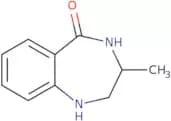
CAS:<p>Versatile small molecule scaffold</p>Formula:C10H11ClN2OPurity:Min. 95%Molecular weight:210.66 g/mol3-Methyl-2,3,4,5-tetrahydro-1H-1,4-benzodiazepin-5-one
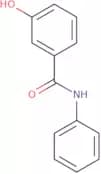
CAS:Versatile small molecule scaffoldFormula:C10H12N2OPurity:Min. 95%Molecular weight:176.21 g/mol3-Hydroxy-N-phenylbenzamide
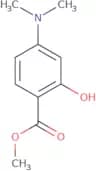
CAS:<p>Versatile small molecule scaffold</p>Formula:C13H11NO2Purity:Min. 95%Molecular weight:213.23 g/molMethyl 4-(dimethylamino)-2-hydroxybenzoate
CAS:<p>Methyl 4-(dimethylamino)-2-hydroxybenzoate (DMAHB) is an organic compound that is used to detect the presence of aldehydes in air. It can be used as a shift reagent for the analysis of anthracene and other aromatic hydrocarbons. The fluorescence emission spectrum of DMAHB shifts from 380 nm to 430 nm when it interacts with aldehydes, which provides an easy way to identify the presence of these substances. DMAHB is also sensitive to amines, chlorides, and amide groups. An interesting property of this molecule is that it has two chromophores, which makes it useful for monitoring solvents during chemical reactions.</p>Formula:C10H13NO3Purity:Min. 95%Molecular weight:195.21 g/mol2,2-Dimethyl-1-(2-methylphenyl)propan-1-amine
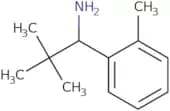
CAS:<p>Versatile small molecule scaffold</p>Formula:C12H19NPurity:Min. 95%Molecular weight:177.29 g/mol1-bromo-2-(bromomethyl)-4-methylbenzene
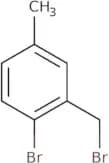
CAS:<p>Versatile small molecule scaffold</p>Formula:C8H8Br2Purity:Min. 95%Molecular weight:263.96 g/mol1-Bromo-4-(bromomethyl)-2-methylbenzene
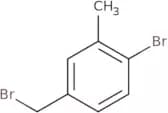
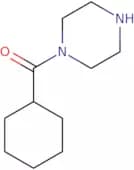
CAS:<p>Versatile small molecule scaffold</p>Formula:C8H8Br2Purity:Min. 95%Molecular weight:263.96 g/mol1-(Cyclohexylcarbonyl)piperazine
CAS:<p>Versatile small molecule scaffold</p>Formula:C11H20N2OPurity:Min. 95%Molecular weight:196.29 g/molTricyclo[4.3.1.0,3,8]decan-4-one
CAS:<p>Tricyclo[4.3.1.0,3,8]decan-4-one is a heterocyclic compound that has been used as an intermediate in pharmaceutical formulations. It is synthesized by the reaction of cyclopentadiene with oxirane and reacts with trimethylsilyl chloride to produce the corresponding sulfonium salt. Tricyclo[4.3.1.0,3,8]decan-4-one is also a synthetic precursor to hypoxia-targeted prodrugs that act via c1-4 alkyl and 1-4 alkyl intermediates to inhibit the growth of cancer cells.</p>Formula:C10H14OPurity:Min. 95%Molecular weight:150.22 g/mol4-Cyano-4,4-dimethylbutanoic acid
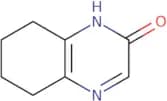
CAS:<p>Versatile small molecule scaffold</p>Formula:C7H11NO2Purity:Min. 95%Molecular weight:141.17 g/mol1,2,5,6,7,8-Hexahydroquinoxalin-2-one
CAS:<p>1,2,5,6,7,8-Hexahydroquinoxalin-2-one is a stimulant that has been shown to be effective for the prophylaxis and/or treatment of diabetes. It is also a prophylactic agent for the prevention of pyrazinone. This drug has been shown to stimulate insulin secretion from pancreatic beta cells in vitro. 1,2,5,6,7,8-Hexahydroquinoxalin-2-one stimulates the release of insulin by stimulating exocytosis and inhibiting vesicle fusion in response to glucose. It can also inhibit or stimulate the release of insulin in response to other stimuli such as amino acids and fatty acids.</p>Formula:C8H10N2OPurity:Min. 95%Molecular weight:150.18 g/mol7-Methyl-1H-imidazo[4,5-b]pyridine
CAS:<p>7-Methyl-1H-imidazo[4,5-b]pyridine is an optimised molecule for the treatment of various cancers. It has a hydrophobic nature and can be used to prevent the spread of cancer cells through the body by blocking their ability to attach to other cells. The 7-Methyl-1H-imidazo[4,5-b]pyridine molecule is composed of a pyridine ring with a hydrogen atom at the 4th position and is capable of forming hydrogen bonding interactions with complementary molecules. This chemical also blocks DNA polymerase enzymes that are responsible for copying genetic information from DNA to RNA, which prevents cell division.</p>Formula:C7H7N3Purity:Min. 95%Molecular weight:133.15 g/mol5-methyl-1H-imidazo[4,5-b]pyridine
CAS:<p>Versatile small molecule scaffold</p>Formula:C7H6N3Purity:Min. 95%Molecular weight:132.14 g/mol[5-(4-Chlorophenyl)-2H-tetrazol-2-yl]acetic acid
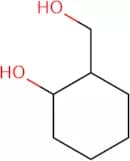
CAS:Versatile small molecule scaffoldFormula:C9H7ClN4O2Purity:Min. 95%Molecular weight:238.63 g/mol2-(Hydroxymethyl)cyclohexan-1-ol
CAS:<p>2-(Hydroxymethyl)cyclohexan-1-ol is a potassium salt that is used as an intermediate for the synthesis of other chemicals. It has been shown to be a strong inhibitor of the enzyme acetylcholinesterase in vitro, which leads to increased levels of acetylcholine and neurotransmission. The compound has also been shown to inhibit the growth of bacteria by inhibiting protein synthesis through an unknown mechanism. 2-(Hydroxymethyl)cyclohexan-1-ol is isolated from a variety of sources, including wood tar, coal tar, and petroleum.<br> 2-(Hydroxymethyl)cyclohexan-1-ol can be synthesized by solvolysis with potassium hydroxide or tetrafluoroborate followed by acetolysis with acetic anhydride.<br> Potassium acetate can also be used to synthesize 2-(hydroxymethyl)-cyclohexan-1-</p>Formula:C7H14O2Purity:Min. 95%Molecular weight:130.18 g/mol(1-Cyclohexylethyl)amine hydrochloride
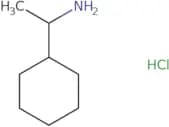
CAS:<p>Versatile small molecule scaffold</p>Formula:C8H18ClNPurity:Min. 95%Molecular weight:163.69 g/mol

![5-[(3-Fluorophenyl)methyl]-1H-1,2,4-triazol-3-amine](/_next/image/?url=https%3A%2Fstatic.cymitquimica.com%2Fproducts%2F3D%2Fthumb-webp%2FCAB54497.webp&w=3840&q=75)
![2-[(2-Methoxyethyl)sulfanyl]acetic acid](/_next/image/?url=https%3A%2Fstatic.cymitquimica.com%2Fproducts%2F3D%2Fthumb-webp%2FCAB90236.webp&w=3840&q=75)
![4-[4-(Benzyloxy)phenyl]pyridine](/_next/image/?url=https%3A%2Fstatic.cymitquimica.com%2Fproducts%2F3D%2Fthumb-webp%2FCAB90666.webp&w=3840&q=75)
carbamoyl}methyl)carbamate](/_next/image/?url=https%3A%2Fstatic.cymitquimica.com%2Fproducts%2F3D%2Fthumb-webp%2FCAC27280.webp&w=3840&q=75)
![tert-Butyl N-[2-(4-phenylbutanamido)ethyl]carbamate](/_next/image/?url=https%3A%2Fstatic.cymitquimica.com%2Fproducts%2F3D%2Fthumb-webp%2FCAC27668.webp&w=3840&q=75)
amine dihydrochloride](/_next/image/?url=https%3A%2Fstatic.cymitquimica.com%2Fproducts%2F3D%2Fthumb-webp%2FCAC33411.webp&w=3840&q=75)
amine dihydrochloride](/_next/image/?url=https%3A%2Fstatic.cymitquimica.com%2Fproducts%2F3D%2Fthumb-webp%2FCAC44199.webp&w=3840&q=75)
![N-[(4-Cyanophenyl)methanesulfonyl]-2-methyl-2-phenylpropanamide](/_next/image/?url=https%3A%2Fstatic.cymitquimica.com%2Fproducts%2F3D%2Fthumb-webp%2FCAC49044.webp&w=3840&q=75)
![[(3-Methylphenyl)methyl][(thiophen-2-yl)methyl]amine hydrochloride](/_next/image/?url=https%3A%2Fstatic.cymitquimica.com%2Fproducts%2F3D%2Fthumb-webp%2FCAC54892.webp&w=3840&q=75)
![8-Methyl-1H,2H,3H-pyrido[2,3-b][1,4]oxazine](/_next/image/?url=https%3A%2Fstatic.cymitquimica.com%2Fproducts%2F3D%2Fthumb-webp%2FCAC57206.webp&w=3840&q=75)
![tert-Butyl 2-[(4-fluorophenyl)amino]propanoate](/_next/image/?url=https%3A%2Fstatic.cymitquimica.com%2Fproducts%2F3D%2Fthumb-webp%2FCAC60034.webp&w=3840&q=75)
![1-{1,4-Dioxaspiro[4.5]decan-8-yl}-1H-imidazole](/_next/image/?url=https%3A%2Fstatic.cymitquimica.com%2Fproducts%2F3D%2Fthumb-webp%2FCAC60749.webp&w=3840&q=75)
![(2S,4R)-1-[(tert-Butoxy)carbonyl]-4-methanesulfonylpyrrolidine-2-carboxylic acid](/_next/image/?url=https%3A%2Fstatic.cymitquimica.com%2Fproducts%2F3D%2Fthumb-webp%2FCAC64076.webp&w=3840&q=75)
![1-[(tert-butoxy)carbonyl]azepane-3-carboxylic acid](/_next/image/?url=https%3A%2Fstatic.cymitquimica.com%2Fproducts%2F3D%2Fthumb-webp%2FCAC86716.webp&w=3840&q=75)
![N-tert-Butyl-5-azaspiro[2.4]heptane-1-carboxamide](/_next/image/?url=https%3A%2Fstatic.cymitquimica.com%2Fproducts%2F3D%2Fthumb-webp%2FCAD03590.webp&w=3840&q=75)
![[1,2,4]Triazolo[1,5-a]pyridine-5-carboxamide](/_next/image/?url=https%3A%2Fstatic.cymitquimica.com%2Fproducts%2F3D%2Fthumb-webp%2FCAD05332.webp&w=3840&q=75)
![2-[1-(Hydroxymethyl)cyclopropyl]-N,N-dimethylacetamide](/_next/image/?url=https%3A%2Fstatic.cymitquimica.com%2Fproducts%2F3D%2Fthumb-webp%2FCAD52495.webp&w=3840&q=75)

![2-Amino-N-[(4-methoxyphenyl)methyl]acetamide hydrochloride](/_next/image/?url=https%3A%2Fstatic.cymitquimica.com%2Fproducts%2F3D%2Fthumb-webp%2FCBA44935.webp&w=3840&q=75)
![3-[Methyl(propan-2-yl)amino]propan-1-ol](/_next/image/?url=https%3A%2Fstatic.cymitquimica.com%2Fproducts%2F3D%2Fthumb-webp%2FCBA45341.webp&w=3840&q=75)


![3-[(2-Methoxyphenyl)amino]propanenitrile](/_next/image/?url=https%3A%2Fstatic.cymitquimica.com%2Fproducts%2F3D%2Fthumb-webp%2FCBA47215.webp&w=3840&q=75)

![1',3'-Dihydrospiro[imidazolidine-4,2'-indene]-2,5-dione](/_next/image/?url=https%3A%2Fstatic.cymitquimica.com%2Fproducts%2F3D%2Fthumb-webp%2FCBA47361.webp&w=3840&q=75)


![1,7,7-Trimethyl-2-methylidenebicyclo[2.2.1]heptane](/_next/image/?url=https%3A%2Fstatic.cymitquimica.com%2Fproducts%2F3D%2Fthumb-webp%2FCBA53847.webp&w=3840&q=75)

![Tricyclo[4.3.1.0,3,8]decan-4-one](/_next/image/?url=https%3A%2Fstatic.cymitquimica.com%2Fproducts%2F3D%2Fthumb-webp%2FCBA56785.webp&w=3840&q=75)

![7-Methyl-1H-imidazo[4,5-b]pyridine](/_next/image/?url=https%3A%2Fstatic.cymitquimica.com%2Fproducts%2F3D%2Fthumb-webp%2FCBA58220.webp&w=3840&q=75)
![5-methyl-1H-imidazo[4,5-b]pyridine](/_next/image/?url=https%3A%2Fstatic.cymitquimica.com%2Fproducts%2F3D%2Fthumb-webp%2FCBA58224.webp&w=3840&q=75)
![[5-(4-Chlorophenyl)-2H-tetrazol-2-yl]acetic acid](/_next/image/?url=https%3A%2Fstatic.cymitquimica.com%2Fproducts%2F3D%2Fthumb-webp%2FCBA58237.webp&w=3840&q=75)