Building Blocks
This section contains fundamental products for the synthesis of organic and biological compounds. Building blocks are the essential starting materials used to construct complex molecules through various chemical reactions. They play a critical role in drug discovery, material science, and chemical research. At CymitQuimica, we offer a diverse range of high-quality building blocks to support your innovative research and industrial projects, ensuring you have the essential components for successful synthesis.
Subcategories of "Building Blocks"
- Boronic Acids & Boronic Acid Derivatives(5,756 products)
- Chiral Building Blocks(1,242 products)
- Hydrocarbon Building Blocks(6,095 products)
- Organic Building Blocks(61,051 products)
Found 199813 products of "Building Blocks"
Sort by
Purity (%)
0
100
|
0
|
50
|
90
|
95
|
100
(2Z)-2-Iodobut-2-enedioic acid
CAS:<p>Versatile small molecule scaffold</p>Formula:C4H3IO4Purity:Min. 95%Molecular weight:241.97 g/mol(2-Aminopropan-2-yl)phosphonic acid
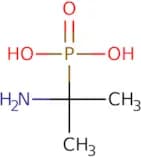
CAS:<p>2-Aminopropan-2-yl)phosphonic acid is a natural product that has an orthorhombic crystal structure and a zwitterionic nature. It was first obtained in the form of a single-crystal x-ray diffraction pattern. It was found to have antibacterial activity against Marcescens, Valine, Esherichia coli, and other gram-positive bacteria. The molecule is also able to transport glutamic acid and valine across the cell membrane. The molecular structure consists of two aminopropyl groups attached to the phosphate group. One aminopropyl group has a carboxylic acid substituent and the other aminopropyl group has a phosphate substituent.</p>Formula:C3H10NO3PPurity:Min. 95%Molecular weight:139.09 g/mol3-(5-Methyl-1H-pyrazol-1-yl)propan-1-amine
CAS:<p>Versatile small molecule scaffold</p>Formula:C7H13N3Purity:Min. 95%Molecular weight:139.2 g/molCyclododecanecarbaldehyde
CAS:Cyclododecanecarbaldehyde is a reactive chemical that can be used for the epoxidation of octanes. It is an anti-inflammatory and it has been shown to have antifertility properties. Cyclododecanecarbaldehyde reacts with peracid to produce a high yield of epoxy tetronic solvents. This chemical also reacts with organoaluminium compounds to produce lactams, which are useful as introducing agents in the synthesis of cyclic compounds.Formula:C13H24OPurity:Min. 95%Molecular weight:196.33 g/mol5,8-dimethyl-1,2,3,4-tetrahydronaphthalen-1-one
CAS:<p>5,8-dimethyl-1,2,3,4-tetrahydronaphthalen-1-one is a pyridinium compound with an aromatic ring. It has been shown to react with amines in the presence of a hydroxyl group to form pyrylium cations. 5,8-dimethyl-1,2,3,4-tetrahydronaphthalen-1-one is also capable of forming protonated and acetonitrile adducts. The activation energy for the reaction of 5,8-dimethyl-1,2,3,4-tetrahydronaphthalen-1-one with amines is very high (near 55 kcal/mol), which explains why this reaction does not occur spontaneously. This compound can be synthesized by irradiating naphthalene with deuterium radiation or cryogenic temperatures.</p>Formula:C12H14OPurity:Min. 95%Molecular weight:174.24 g/mol2-((2-(2-Hydroxyethoxy)ethyl)amino)ethan-1-ol
CAS:<p>Versatile small molecule scaffold</p>Formula:C6H15NO3Purity:Min. 95%Color and Shape:Clear LiquidMolecular weight:149.19 g/molBenzyl allylcarbamate
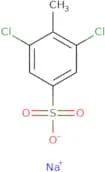
CAS:<p>Benzyl allylcarbamate is a potent inhibitor of enzymes. It is an inhibitor of the enzyme CYP2E1 and prevents the formation of reactive oxygen species (ROS) in cells. Benzyl allylcarbamate also has anti-inflammatory properties that are due to its ability to inhibit the production of pro-inflammatory cytokines such as tumor necrosis factor-α (TNF-α). This drug has been shown to be effective against atherosclerotic lesions in mice and congestive heart failure in rats. The biological properties of benzyl allylcarbamate have been studied extensively, including its effects on allergic responses and Alzheimer's disease.</p>Formula:C11H13NO2Purity:Min. 95%Molecular weight:191.23 g/molSodium 3,5-dichloro-4-methylbenzene-1-sulfonate
CAS:<p>Versatile small molecule scaffold</p>Formula:C7H5Cl2NaO3SPurity:Min. 95%Molecular weight:263.07 g/mol(Phenylthio)propanone
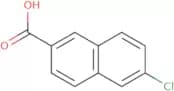
CAS:<p>Phenylthiopropanone (PTPA) is an organic compound that belongs to the class of sulfoxides. It can be synthesized from ethyl ester, chloroform, and phenylthiol in a three-step process using methodologies such as biotransformations or chemoenzymatic reactions. PTPA can also be obtained by reacting sodium sulfoxide with phosphorus pentachloride. PTPA has been used as a precursor for other compounds including the hydroxy group, chloride, and synthetically desulfurized phenylthioacetaldehyde. The synthesis of PTPA is usually carried out in the presence of a catalyst and kinetic control of the reaction is necessary to avoid undesired side reactions.</p>Formula:C9H10OSPurity:Min. 95%Molecular weight:166.24 g/mol6-Chloro-2-naphthoic acid
CAS:<p>Versatile small molecule scaffold</p>Formula:C11H7ClO2Purity:Min. 95%Molecular weight:206.63 g/mol6-(Dimethylamino)-2-naphthoic acid
CAS:<p>6-(Dimethylamino)-2-naphthoic acid is a hydrophobic molecule that interacts with the cellular membrane. It has been shown to be an effective probe for studying the interactions of hydrophobic compounds with the lipid bilayer of cells. 6-(Dimethylamino)-2-naphthoic acid can be used as a fluorescent probe to measure levels of membrane phospholipids in cells. The fluorescence intensity is proportional to the number of molecules bound, and can be monitored by measuring changes in wavelength or lifetime. 6-(Dimethylamino)-2-naphthoic acid binds to nucleosides and thus has been used as a fluorescent probe for studying biological processes such as DNA replication, transcription, and translation.</p>Formula:C13H13NO2Purity:Min. 95%Molecular weight:215.25 g/mol7-Bromo-2-naphthalenecarboxylic acid
CAS:<p>Versatile small molecule scaffold</p>Formula:C11H7BrO2Purity:Min. 95%Molecular weight:251.08 g/mol8-Bromonaphthalene-2-carboxylic acid
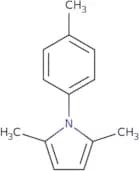
CAS:Versatile small molecule scaffoldFormula:C11H7BrO2Purity:Min. 95%Molecular weight:251.08 g/mol2,5-Dimethyl-1-(4-methylphenyl)-1H-pyrrole
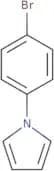
CAS:<p>Versatile small molecule scaffold</p>Formula:C13H15NPurity:Min. 95%Molecular weight:185.26 g/mol1-(4-Bromophenyl)pyrrole
CAS:<p>1-(4-Bromophenyl)pyrrole is a primary amine that can be synthesized by cross-coupling of 1,2-dibromobenzene and pyrrole. This process involves the use of palladium as a catalyst to promote the reaction. The catalytic activity of the palladium is increased by hydrogen sulfate and chlorine, which act as promoters in this reaction. The synthesis of 1-(4-bromophenyl)pyrrole can also be accomplished by reacting with primary amines in tetrahydrofuran at high temperatures. Reaction conditions are also dependent on the presence or absence of fluorine gas, which may cause an increase in the yield and decrease in reaction time. In addition, irradiation can be used to break down pyrrole into its constituent parts for use in synthesizing 1-(4-bromophenyl)pyrrole.</p>Formula:C10H8BrNPurity:Min. 95%Molecular weight:222.08 g/mol4-Cyclopropylpyridine hydrochloride
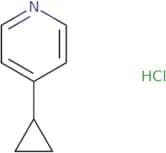
CAS:<p>Versatile small molecule scaffold</p>Formula:C8H10ClNPurity:Min. 95%Molecular weight:155.62 g/mol(4-Hydroxy-3,5-dimethoxyphenyl)methanaminium chloride
CAS:<p>Versatile small molecule scaffold</p>Formula:C9H14ClNO3Purity:Min. 95%Molecular weight:219.66 g/mol1-(Furan-2-ylmethyl)-2,5-dimethyl-1H-pyrrole
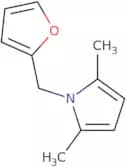
CAS:<p>Versatile small molecule scaffold</p>Formula:C11H13NOPurity:Min. 95%Molecular weight:175.23 g/mol1-(Furan-2-ylmethyl)-2,5-dimethyl-1H-pyrrole-3-carbaldehyde
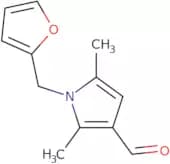
CAS:<p>Versatile small molecule scaffold</p>Formula:C12H13NO2Purity:Min. 95%Molecular weight:203.24 g/mol1-oxa-3,8-diazaspiro[4.5]decan-2-one hydrochloride
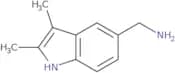
CAS:<p>Versatile small molecule scaffold</p>Formula:C7H12N2O2·HClPurity:Min. 95%Molecular weight:192.64 g/molC-(2,3-Dimethyl-1H-indol-5-yl)-methylamine
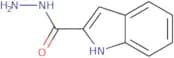
CAS:<p>Versatile small molecule scaffold</p>Formula:C11H14N2Purity:Min. 95%Molecular weight:174.25 g/mol1H-Indole-2-carbohydrazide
CAS:<p>1H-Indole-2-carbohydrazide is a pyrazole ring that has a fatty acid chain. It is a precursor to the synthesis of 1,4-dihydropyridazine and its derivatives. 1H-Indole-2-carbohydrazide has been shown to inhibit the growth of hepatitis virus in cell culture by inducing apoptotic cell death. This compound also inhibits the replication of several DNA viruses, including herpes simplex virus type I and human immunodeficiency virus type 1 (HIV). The compound may function as a chloride ion probe, which can be used for biological functions such as measuring intracellular chloride levels in living cells.<br>1H-Indole-2-carbohydrazide has been shown to inhibit the growth of hepatitis virus in cell culture by inducing apoptotic cell death. This compound also inhibits the replication of several DNA viruses, including herpes simplex virus type I and human immunodeficiency virus type 1</p>Formula:C9H9N3OPurity:Min. 95%Molecular weight:175.19 g/mol1-Cyclohexyl-2-thiourea
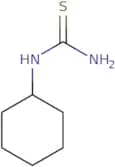
CAS:<p>Cyclohexyl-2-thiourea (CHT) is an organic compound that belongs to the group of p2 compounds. It can be used as a polymerization inhibitor in the production of polycarbonates and other plastics, as well as an antimicrobial agent. CHT inhibits the activity of the ns3 protease, which is involved in the synthesis of inflammatory proteins. It also reduces the production of inflammatory cytokines and proteins, such as tumor necrosis factor-α and interleukin-6. Cyclohexyl-2-thiourea has been shown to inhibit cancer cell growth by binding to DNA. The bound form of CHT is more stable than its free form and has a longer half life. This drug also has anti-inflammatory properties, which may be due to its inhibition of acylurea formation or nitrosylation reactions.</p>Formula:C7H14N2SPurity:Min. 95%Molecular weight:158.26 g/mol4-(2-Chlorophenoxy)butanoic acid
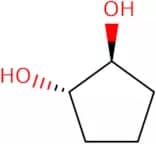
CAS:Controlled Product<p>Versatile small molecule scaffold</p>Formula:C10H11ClO3Purity:Min. 95%Molecular weight:214.64 g/mol(+/-)-Trans-1,2-cyclopentanediol
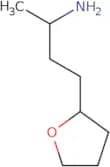
CAS:<p>(+/-)-Trans-1,2-cyclopentanediol is a hydrogen-bonded molecule that contains ester linkages. The covid-19 pandemic has been shown to cause an increase in the levels of (+/-)-trans-1,2-cyclopentanediol in the blood of patients. The chemical ionization technique was used to measure the amount of this metabolite in patients with influenza A. The kinetic and hydrated properties of (+/-)-trans-1,2-cyclopentanediol have been measured using a spectrometer and mass spectrometry respectively. In addition, proton nuclear magnetic resonance (nmr) spectra were collected for triple-quadrupole mass spectrometry to identify the molecular structure of (+/-)-trans-1,2-cyclopentanediol. Lastly, kinetic energy calculations were carried out on the exothermic reaction between (+/-)-trans-1,2-cyclopentanediol and carbon dioxide.</p>Formula:C5H10O2Purity:Min. 95%Molecular weight:102.13 g/mol4-(Oxolan-2-yl)butan-2-amine
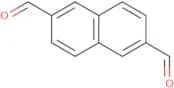
CAS:<p>Versatile small molecule scaffold</p>Formula:C8H17NOPurity:Min. 95%Molecular weight:143.23 g/molNaphthalene-2,6-dicarbaldehyde
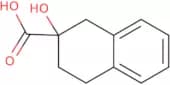
CAS:<p>Versatile small molecule scaffold</p>Formula:C12H8O2Purity:Min. 95%Molecular weight:184.19 g/mol2-Hydroxy-1,2,3,4-tetrahydronaphthalene-2-carboxylic acid
CAS:<p>2-Hydroxy-1,2,3,4-tetrahydronaphthalene-2-carboxylic acid is a synthetic anthracycline that has been used as an experimental cancer drug. It is a naphthoic acid and an aglycone of the naphthoic acid ester. 2-Hydroxy-1,2,3,4-tetrahydronaphthalene-2-carboxylic acid is hydrolyzed by alkaline or acidic esterases and reacts with halogens. This reaction product undergoes carcinostatic reactions with DNA in the cell nucleus.</p>Formula:C11H12O3Purity:Min. 95%Molecular weight:192.21 g/mol3-Iodoazepan-2-one
CAS:<p>Versatile small molecule scaffold</p>Formula:C6H10INOPurity:Min. 95%Molecular weight:239.1 g/mol[(1-aminocyclohexyl)methyl]amine
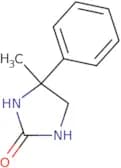
CAS:<p>[(1-aminocyclohexyl)methyl]amine is a white crystalline solid that is soluble in water, alcohol, and ether. It has a pKb of 2.5 and decomposes at 240°C. [(1-aminocyclohexyl)methyl]amine is an unsymmetrical molecule with two phenyl groups. This compound has been shown to catalyze the reaction between cyclohexanone and hydrophilic inorganic compounds, such as hydrochloric acid or potassium hydroxide, to form alkali metal cyclohexanones. [(1-aminocyclohexyl)methyl]amine also has antitumor activity by causing DNA damage and inhibiting protein synthesis in cancer cells.<br>[[File:<a href="https://upload.wikimedia.org/wikipedia/commons/thumb/2/2a/Chemical_Structures_of_Quinolones-5D4A8F87E" target="_blank" rel="noreferrer noopener">https://upload.wikimedia.org/wikipedia/commons/thumb/2/2a/Chemical_Structures_of_Quinolones-5D4A8F87E</a></p>Formula:C7H16N2Purity:Min. 95%Molecular weight:128.22 g/mol4-Methyl-4-phenylimidazolidin-2-one
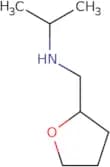
CAS:<p>Versatile small molecule scaffold</p>Formula:C10H12N2OPurity:Min. 95%Molecular weight:176.21 g/mol(Oxolan-2-ylmethyl)(propan-2-yl)amine
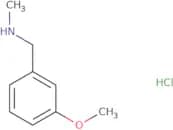
CAS:<p>Versatile small molecule scaffold</p>Formula:C8H17NOPurity:Min. 95%Molecular weight:143.23 g/mol(3-Methoxybenzyl)methylamine hydrochloride
CAS:<p>Versatile small molecule scaffold</p>Formula:C9H14ClNOPurity:Min. 95%Molecular weight:187.66 g/mol1-[1-(4-Fluorophenyl)-5-methyl-1H-pyrazol-4-yl]ethan-1-one
CAS:<p>Versatile small molecule scaffold</p>Formula:C12H11FN2OPurity:Min. 95%Molecular weight:218.23 g/mol1-[5-Methyl-1-(pyridin-2-yl)-1H-pyrazol-4-yl]ethan-1-one
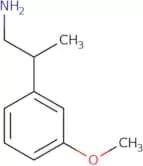
CAS:<p>Versatile small molecule scaffold</p>Formula:C11H11N3OPurity:Min. 95%Molecular weight:201.22 g/mol(+)-3-Methoxy-beta-methyl-benzeneethanamine
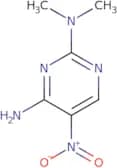
CAS:Controlled Product<p>Versatile small molecule scaffold</p>Formula:C10H15NOPurity:Min. 95%Molecular weight:165.23 g/molN2,N2-Dimethyl-5-nitropyrimidine-2,4-diamine
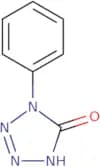
CAS:<p>Versatile small molecule scaffold</p>Formula:C6H9N5O2Purity:Min. 95%Molecular weight:183.17 g/mol1-Phenyl-4,5-dihydro-1H-1,2,3,4-tetrazol-5-one
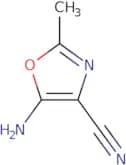
CAS:<p>Versatile small molecule scaffold</p>Formula:C7H6N4OPurity:Min. 95%Molecular weight:162.15 g/mol5-Amino-2-methyloxazole-4-carbonitrile
CAS:<p>Versatile small molecule scaffold</p>Formula:C5H5N3OPurity:Min. 95%Molecular weight:123.11 g/molN1-[2-(Diethylamino)ethyl]-4-nitro-1,2-benzenediamine
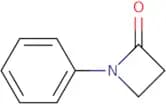
CAS:Versatile small molecule scaffoldFormula:C12H20N4O2Purity:Min. 95%Molecular weight:252.31 g/mol1-Phenylazetidin-2-one
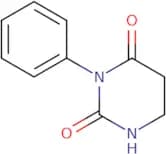
CAS:<p>1-Phenylazetidin-2-one is a diastereomer of zinc acetate. It is activated by refluxing with concentrated hydrochloric acid and then treated with carbon dioxide to form the chloride. The chloride is heated in an open vessel with a solvent such as benzene, toluene, xylene, chloroform, or dichloromethane for about three hours until it becomes a deep red color. The 1-phenylazetidin-2-one is isolated from the reaction mixture by recrystallization from methanol and water. This compound has shown anticancer activity by binding to the toll-like receptor 4 (TLR4) on tumor cells and inhibiting the production of inflammatory cytokines. Its interaction with cholesterol may be due to its ability to inhibit HMG-CoA reductase activity in rats.</p>Formula:C9H9NOPurity:Min. 95%Molecular weight:147.17 g/mol3-Phenyl-1,3-diazinane-2,4-dione
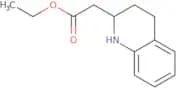
CAS:<p>Versatile small molecule scaffold</p>Formula:C10H10N2O2Purity:Min. 95%Molecular weight:190.2 g/molEthyl (1,2,3,4-tetrahydroquinolin-2-yl)acetate
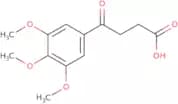
CAS:<p>Versatile small molecule scaffold</p>Formula:C13H17NO2Purity:Min. 95%Molecular weight:219.28 g/mol4-Oxo-4-(3,4,5-trimethoxyphenyl)butanoic acid
CAS:<p>Versatile small molecule scaffold</p>Formula:C13H16O6Purity:Min. 95%Molecular weight:268.26 g/mol5-Chloro-2-[(4-chlorophenyl)sulfanyl]benzoic acid
CAS:<p>Versatile small molecule scaffold</p>Formula:C13H8Cl2O2SPurity:Min. 95%Molecular weight:299.2 g/mol6-[(4-Nitrophenyl)formamido]hexanoic acid
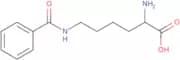
CAS:6-[(4-Nitrophenyl)formamido]hexanoic acid is an asymmetric molecule that differs from hexanoic acid by the presence of a dimer. It has been shown to form hydrogen bonds with amides and carboxylic acid groups. This compound can be used in the synthesis of other molecules, such as the propanoic acid and carboxylic acid.Formula:C13H16N2O5Purity:Min. 95%Molecular weight:280.28 g/mol2-Amino-6-(benzoylamino)hexanoic acid
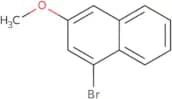
CAS:<p>Versatile small molecule scaffold</p>Formula:C13H18N2O3Purity:Min. 95%Molecular weight:250.29 g/mol1-Bromo-3-methoxynaphthalene
CAS:<p>1-Bromo-3-methoxynaphthalene is a nucleophile that reacts with cyanonaphthalene to form 1,2,3,4-tetrahydronaphthalen-1-ol. This reaction can be used to synthesize naphthalene derivatives.</p>Formula:C11H9BrOPurity:Min. 95%Molecular weight:237.09 g/mol2-[4-(Trimethylsilyl)phenyl]ethan-1-amine
CAS:<p>Versatile small molecule scaffold</p>Formula:C11H19NSiPurity:Min. 95%Molecular weight:193.36 g/mol2-[4-(Trimethylsilyl)phenyl]acetic acid
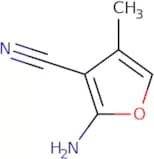
CAS:<p>Versatile small molecule scaffold</p>Formula:C11H16O2SiPurity:Min. 95%Molecular weight:208.33 g/mol2-amino-4-methylfuran-3-carbonitrile
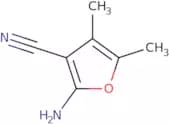
CAS:<p>2-Amino-4-methylfuran-3-carbonitrile is a reagent that is used in the synthesis of various pharmaceuticals. It has been shown to have antibacterial activity. This compound reacts with acid hydrazide to form a dimer, which may be responsible for its activity. The yields of this reaction are high and it is also relatively easy to synthesize. The x-ray structure of 2-amino-4-methylfuran-3-carbonitrile has been determined and it was found to be a dimer in the crystalline state.</p>Formula:C6H6N2OPurity:Min. 95%Molecular weight:122.13 g/mol2-Amino-4,5-dimethyl-3-furonitrile
CAS:<p>Versatile small molecule scaffold</p>Formula:C7H8N2OPurity:Min. 95%Molecular weight:136.15 g/mol5,6-dimethylfuro[2,3-d]pyrimidin-4-amine
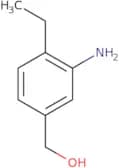
CAS:<p>Versatile small molecule scaffold</p>Formula:C8H9N3OPurity:Min. 95%Molecular weight:163.18 g/mol(3-Amino-4-ethylphenyl)methanol
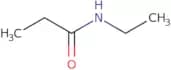
CAS:<p>Versatile small molecule scaffold</p>Formula:C9H13NOPurity:Min. 95%Molecular weight:151.21 g/molN-Ethylpropionamide
CAS:<p>N-Ethylpropionamide is an organic molecule that has a hydrogen bond with the solute. The functional theory explains that the frequency shift of the solute's vibration is dependent on the concentration of the solute and the solvent. High salt concentrations can cause a change in the vibrational frequency, which may be due to a strain in the water molecules. Hydrated N-Ethylpropionamide has been found to have constant volume under high salt conditions, while chloride ions can cause changes in volume. Reaction intermediates are often hydrogen bonded as well as amide groups. Intermolecular hydrogen bonds occur between two different molecules, such as an amide group and a chloride ion.</p>Formula:C5H11NOPurity:Min. 95%Molecular weight:101.15 g/mol1-[(2-Bromoethyl)sulfanyl]-3-methoxybenzene
CAS:<p>Versatile small molecule scaffold</p>Formula:C9H11BrOSPurity:Min. 95%Molecular weight:247.15 g/mol1-[2-(Dimethylamino)ethyl]-2,5-dihydro-1H-pyrrole-2,5-dione
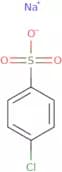
CAS:<p>Versatile small molecule scaffold</p>Formula:C8H12N2O2Purity:Min. 95%Molecular weight:168.19 g/mol4-Chlorobenzenesulfonic Acid-d4 Sodium Salt
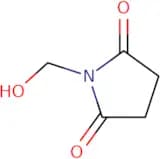
CAS:<p>4-Chlorobenzenesulfonic acid d4 sodium salt is a chromophore, which is an organic compound that absorbs light. It has been shown to have surface properties and can be used in the study of pyridinium salts. 4-Chlorobenzenesulfonic acid d4 sodium salt can be used for optical measurements, such as microscopy and crystal x-ray diffraction. The profile of the chemical is constant and it has a trimethyl thionyl chloride functional group with acidic protonation constants. Techniques like functional theory, techniques, optical properties are needed to understand this chemical.</p>Formula:C6D4ClNaO3SPurity:Min. 95%Molecular weight:218.63 g/mol1-(Hydroxymethyl)pyrrolidine-2,5-dione
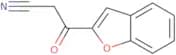
CAS:<p>1-(Hydroxymethyl)pyrrolidine-2,5-dione is an organic compound that has been shown to be a potent inhibitor of the cyclooxygenase (COX) enzyme. It is also a precursor in the synthesis of aspirin. This chemical has been shown to be an effective inhibitor of COX and other enzymes in vitro. 1-(Hydroxymethyl)pyrrolidine-2,5-dione was found to be stable in acidic conditions and can be used as a model for this type of environment. 1-(Hydroxymethyl)pyrrolidine-2,5-dione is not absorbed from the gastrointestinal tract and must be given by injection or intravenously. The pharmacokinetic profile of this drug has been studied using animal models and microscopy techniques on intestinal tissue.</p>Formula:C5H7NO3Purity:Min. 95%Molecular weight:129.11 g/mol3-(1-Benzofuran-2-yl)-3-oxopropanenitrile
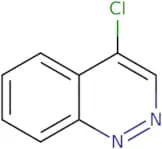
CAS:<p>3-(1-Benzofuran-2-yl)-3-oxopropanenitrile (BFP) is a colorless liquid with a nitrogen atom in the molecule. It is an active methylene and has a hydroxy group at the 3-position. BFP has an air entrainment of 0.0005% and can be used as a developer for silver halide photography. The compound's chemical formula is C12H9NO2 and its molecular weight is 169.19 grams per mole. BFP reacts with a solution of silver nitrate to form silver halide, which in turn reacts with sodium hydroxide to form diazonium salt. This reaction is followed by chelation of the silver ion by the diazonium salt, forming a complex that precipitates out of solution as metallic silver particles on the film or paper substrate. The viscosity of BFP is 1 cP at 25°C and its pH value is 5</p>Formula:C11H7NO2Purity:Min. 95%Molecular weight:185.18 g/mol4-Chlorocinnoline
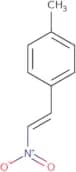
CAS:<p>4-Chlorocinnoline is a precursor in the synthesis of papaverine. It is an amide that undergoes a reaction with Grignard reagents to form amines. 4-Chlorocinnoline also reacts with sulfoxides to produce chlorine and can be decarboxylated to produce cinnolines. The optical properties of this chemical are unusual, as it has both a yellow color and a blue color in solution. 4-Chlorocinnoline has been used in the synthesis of multinuclear complexes with chlorine atoms.</p>Formula:C8H5ClN2Purity:Min. 95%Molecular weight:164.59 g/moltrans-4-Methyl-beta-nitrostyrene
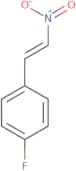
CAS:<p>Trans-4-methyl-beta-nitrostyrene is a quinoline derivative that is used as an intermediate in the synthesis of other compounds. It has been shown to be an efficient method for inducing gene expression and regulating cellular response in animals. Trans-4-methyl-beta-nitrostyrene induces tyrosine kinase activity and telomerase activity, which are important in cell proliferation and tumor growth. This compound also activates downstream signal transduction pathways such as those mediated by epidermal growth factor receptor (EGFR). Trans-4-methyl-beta-nitrostyrene can be used to induce gene expression and regulate cellular response in animals. The compound also activates downstream signal transduction pathways such as those mediated by epidermal growth factor receptor (EGFR).</p>Formula:C9H9NO2Purity:Min. 95%Molecular weight:163.17 g/mol(E)-1-fluoro-4-(2-nitrovinyl)benzene
CAS:<p>(E)-1-fluoro-4-(2-nitrovinyl)benzene is an alkylating agent that reacts with nucleophiles to form covalent bonds. It is catalysed by a lipase and has been used in the synthesis of 5-hydroxytryptamine type 1A receptor antagonists. The reaction can be accelerated by the addition of hydrosilanes. The kinetic and structural studies have shown that this reaction proceeds through a concerted mechanism, but the mechanism of this reaction remains unclear. (E)-1-fluoro-4-(2-nitrovinyl)benzene also has a dipole moment, which makes it a biomolecular compound. This compound may act as a neurotransmitter or neuromodulator, based on its binding affinity for 5-hydroxytryptamine type 1A receptors.br>br><br>The use of 5HT1a antagonist is mainly limited to the treatment of anxiety disorders such as</p>Formula:C8H6FNO2Purity:Min. 95%Molecular weight:167.14 g/mol1-Chloro-4-(2-nitro-vinyl)-benzene
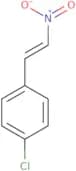
CAS:<p>1-Chloro-4-(2-nitro-vinyl)-benzene is a colorless liquid that is soluble in organic solvents. It is used as a dehydrating agent and can be used to synthesize nitromethane by reacting with sodium methoxide in the presence of nitrogen gas. 1-Chloro-4-(2-nitro-vinyl)-benzene is stable at room temperature and has an environmental impact that is low. This compound can also be used as a catalyst for other reactions, such as the conversion of nitrobenzene to aniline.</p>Formula:C8H6ClNO2Purity:Min. 95%Molecular weight:183.59 g/mol3-Phenyl-1,2,4-oxadiazole
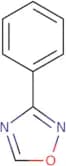
CAS:<p>3-Phenyl-1,2,4-oxadiazole is a cyclic compound that belongs to the group of c1-c4 cyclic compounds. It is an inhibitor of protein-coupled receptors, which are involved in the inflammatory response. 3-Phenyl-1,2,4-oxadiazole has been found to have therapeutic effects in some chronic inflammatory diseases and has been shown to inhibit the production of prostaglandins in animals. 3-Phenyl-1,2,4-oxadiazole binds to the receptor for thromboxane A2 (TXA2) and inhibits the enzyme 5-lipoxygenase (5LOX), which converts arachidonic acid into leukotrienes. This inhibition leads to decreased inflammation.</p>Formula:C8H6N2OPurity:Min. 95%Molecular weight:146.15 g/mol(4-Aminophenyl)(1-azepanyl)methanone
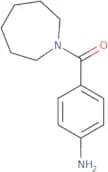
CAS:<p>Versatile small molecule scaffold</p>Formula:C13H18N2OPurity:Min. 95%Molecular weight:218.3 g/mol6-Cyanonaphthalene-2-carboxylic acid
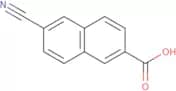
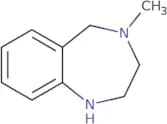
CAS:<p>Versatile small molecule scaffold</p>Formula:C12H7NO2Purity:Min. 95%Molecular weight:197.19 g/mol4-Methyl-2,3,4,5-tetrahydro-1H-1,4-benzodiazepine
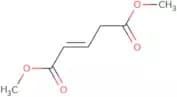
CAS:<p>Versatile small molecule scaffold</p>Formula:C10H14N2Purity:Min. 95%Molecular weight:162.23 g/molDimethyl Glutaconate
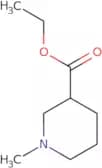
CAS:<p>Dimethyl glutaconate is a reactive, tautomeric compound. It has shown to have a cross-linking effect on DNA, which may be useful in the treatment of tumors. Dimethyl glutaconate inhibits tumor growth by inhibiting the activity of topoisomerase II and III enzymes, which are involved in DNA replication. The inhibition of these enzymes leads to increased strand breakage and degradation of DNA.<br>As an anticancer agent, dimethyl glutaconate has been shown to inhibit the proliferation of various types of cancer cells including those found in breast, prostate and colon cancers. It also binds to purine derivatives such as adenine and guanine, which are essential for nucleotide synthesis. This binding prevents their incorporation into DNA or RNA molecules and inhibits nucleic acid production.</p>Formula:C7H10O4Purity:Min. 95%Molecular weight:158.15 g/molEthyl 1-Methyl-3-piperidinecarboxylate
CAS:Ethyl 1-methyl-3-piperidinecarboxylate is a semipolar compound that is used as a solvent. It has been shown to interact with arecoline, which is also a semipolar compound. The reaction system can be described as an intramolecular hydrogen bond between the ethylene and arecoline, followed by decarboxylation of the ethyl group. This reaction can be described in more detail using the nmr spectra of the compounds involved.Formula:C9H17NO2Purity:Min. 95%Molecular weight:171.24 g/mol2-Oxo-1,2-dihydro-[1,8]naphthyridine-3-carboxylic acid ethyl ester
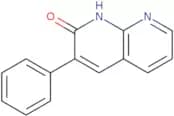
CAS:<p>Versatile small molecule scaffold</p>Formula:C11H10N2O3Purity:Min. 95%Molecular weight:218.21 g/mol3-Phenyl-1,2-dihydro-1,8-naphthyridin-2-one
CAS:<p>Versatile small molecule scaffold</p>Formula:C14H10N2OPurity:Min. 95%Molecular weight:222.24 g/mol2-Oxo-1,2-dihydro-[1,8]naphthyridine-3-carboxylic acid
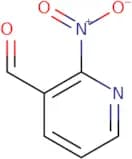
CAS:<p>Versatile small molecule scaffold</p>Formula:C9H6N2O3Purity:Min. 95%Molecular weight:190.15 g/mol2-Nitropyridine-3-carbaldehyde
CAS:<p>Versatile small molecule scaffold</p>Formula:C6H4N2O3Purity:Min. 95%Molecular weight:152.11 g/mol{1-Azabicyclo[2.2.2]octan-3-yl}methanol
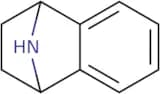
CAS:<p>{1-Azabicyclo[2.2.2]octan-3-yl}methanol is a dehydrating agent that is used in the production of many organic and inorganic chemicals, such as chlorides, alcohols, amines, ethers, and thiols. This chemical has been shown to react with alkali metals to produce hydrogen chloride gas. It has also been used as an antihistaminic and for dehydrating reactions. {1-Azabicyclo[2.2.2]octan-3-yl}methanol can be used to manufacture hydrogen chloride gas by reacting with sodium hydroxide or potassium hydroxide at high temperatures. The reaction product is then dehydrated to form hydrochloric acid (HCl).</p>Formula:C8H15NOPurity:Min. 95%Molecular weight:141.21 g/mol1,2,3,4-Tetrahydro-naphthalen-1,4-imine
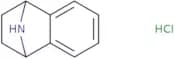
CAS:<p>1,2,3,4-Tetrahydro-naphthalen-1,4-imine is a protease inhibitor that belongs to the pyrrole class of compounds. It has been shown to inhibit the activity of proteases like chymotrypsin and elastase by binding to their active site. This inhibition prevents hydrolysis of protein substrates and prevents them from being degraded. The compound was optimized for use as a protease inhibitor by incorporating hydrophobic moieties and ionic groups into its structure. The conformational flexibility in its structure also makes it an efficient catalyst for reactions involving benzyne intermediates. 1,2,3,4-Tetrahydro-naphthalen-1,4-imine is activated at the linker level by aspartic acid residues in its active site. This activation aids in catalysis by stabilizing the transition state of substrate molecules with respect to the transition state of</p>Formula:C10H11NPurity:Min. 95%Molecular weight:145.2 g/mol1,2,3,4-Tetrahydro-1,4-epiminonaphthalene hydrochloride
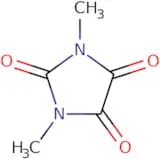
CAS:<p>Versatile small molecule scaffold</p>Formula:C10H12ClNPurity:Min. 95%Molecular weight:181.66 g/mol1,3-Dimethyl-2,4,5-trioxoimidazolidine
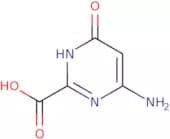
CAS:<p>1,3-Dimethyl-2,4,5-trioxoimidazolidine is a diamagnetic molecule that has a high melting point. It is found in the skeleton of many organic compounds and is an intermediate in the synthesis of sulfonic acids. This compound also reacts with proton to form an amide, which can be used as a photocatalyst. Reaction products include aromatic hydrocarbons and inorganic acid.</p>Formula:C5H6N2O3Purity:Min. 95%Molecular weight:142.11 g/mol4-Amino-6-hydroxypyrimidine-2-carboxylic acid
CAS:<p>Versatile small molecule scaffold</p>Formula:C5H5N3O3Purity:Min. 95%Molecular weight:155.11 g/mol2,3,4,5-Tetrahydro-1H-benzo[e][1,4]diazepine dihydrochloride
CAS:<p>Versatile small molecule scaffold</p>Formula:C9H14Cl2N2Purity:Min. 95%Molecular weight:221.13 g/mol3-[(Ethoxycarbonyl)amino]benzoic acid
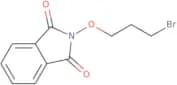
CAS:<p>Versatile small molecule scaffold</p>Formula:C10H11NO4Purity:Min. 95%Molecular weight:209.2 g/mol2-(3-Bromopropoxy)-2,3-dihydro-1H-isoindole-1,3-dione
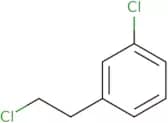
CAS:<p>Versatile small molecule scaffold</p>Formula:C11H10BrNO3Purity:Min. 95%Molecular weight:284.11 g/mol1-Chloro-3-(2-chloroethyl)benzene
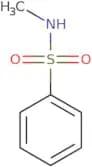
CAS:<p>Versatile small molecule scaffold</p>Formula:C8H8Cl2Purity:Min. 95%Molecular weight:175.05 g/molN-Methylbenzenesulfonamide
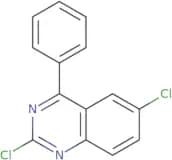
CAS:<p>N-Methylbenzenesulfonamide is a molecule that belongs to the class of sulfonamides. It is a colorless liquid with a strong, unpleasant odor. It has been used in the synthesis of ethylene, iodides, and chloroform. N-Methylbenzenesulfonamide has been shown to exhibit potent cardiac activity at high concentrations and has been used as an experimental drug for the treatment of heart conditions. The rate constant for its second-order reaction with hydrogen chloride was determined to be 0.0169/sec at 25°C using cellulose acetate as the substrate. N-Methylbenzenesulfonamide is a stable molecule that will not react with other molecules until it reaches temperatures over 300 degrees Celsius or solvents such as water or alcohols. This chemical also interacts with most other molecules except for those containing nitrogen or oxygen atoms.</p>Formula:C7H9NO2SPurity:Min. 95%Molecular weight:171.21 g/mol2,6-Dichloro-4-phenyl-quinazoline
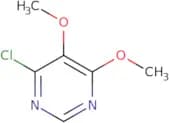
CAS:<p>Versatile small molecule scaffold</p>Formula:C14H8Cl2N2Purity:Min. 95%Molecular weight:275.14 g/mol4-chloro-5,6-dimethoxypyrimidine
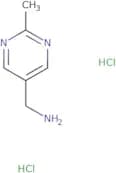
CAS:<p>Versatile small molecule scaffold</p>Formula:C6H7ClN2O2Purity:Min. 95%Molecular weight:174.59 g/mol(2-Methylpyrimidin-5-yl)methanamine dihydrochloride
CAS:<p>Versatile small molecule scaffold</p>Formula:C6H11Cl2N3Purity:Min. 95%Molecular weight:196.07 g/mol4-Bromobenzo[b]thiophene-2-carboxylic acid
CAS:<p>Versatile small molecule scaffold</p>Formula:C9H5BrO2SPurity:Min. 95%Molecular weight:257.1 g/mol2-(4-Bromophenyl)-2-oxoacetaldehyde
CAS:<p>2-(4-Bromophenyl)-2-oxoacetaldehyde (BPOD) is a molecule that can be synthesized by reacting benzonitrile with thiazolone. BPOD is an acetylation and benzoylation substrate, which makes it useful for the preparation of fatty acids and glyoxal. BPOD has been used as a reactive intermediate in the synthesis of other molecules, such as phenylacetic acid, 2-chloro-4-nitrobenzoyl chloride, and 1,3-dichloroacetone. The reaction of BPOD with proton gives 2-(4-bromophenyl)-2-hydroxyethanal. This reaction is catalyzed by electrolysis or by chromatography.<br>BPOD also reacts with glyoxal to form 2-(4-bromophenyl)-2-(2,3-dihydroxypropoxy)acetaldehyde (BPPD).</p>Formula:C8H5BrO2Purity:Min. 95%Molecular weight:213.03 g/mol2-[2-[2-(2-Chloroethoxy)ethoxy]ethoxy]ethanol
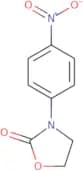
CAS:<p>2-[2-[2-(2-Chloroethoxy)ethoxy]ethoxy]ethanol is a hydroxylated cationic surfactant that has been used in the production of polyurethane elastomers. It has two hydroxy groups and one ethoxy group, with an average molecular weight of 216. It is an ether alcohol with a hydroxyl and two ethoxy groups, which can be obtained as a residue from the reaction between ethylene oxide and 2-chloroethanol. 2-[2-[2-(2-Chloroethoxy)ethoxy]ethoxy]ethanol is used in the production of polyurethane elastomers by reacting with diisocyanates to form urethanes. The ether alcohols react with diisocyanates to form urethanes, which are then reacted with diols to produce urethane elastomers. This monomer reacts more readily than other mon</p>Formula:C8H17ClO4Purity:Min. 95%Molecular weight:212.67 g/mol3-(4-Nitrophenyl)-1,3-oxazolidin-2-one
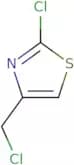
CAS:<p>Versatile small molecule scaffold</p>Formula:C9H8N2O4Purity:Min. 95%Molecular weight:208.17 g/mol2-Chloro-4-(chloromethyl)thiazole
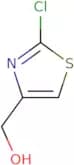
CAS:<p>2-Chloro-4-(chloromethyl)thiazole is a coplanar molecule with torsion and dihedral angles. It has an IUPAC name of 2-chloro-4-(chloromethyl)thiazole, but is also known as CMT or 2,4-dichlorotriazole.</p>Formula:C4H3Cl2NSPurity:Min. 95%Molecular weight:168.05 g/mol2-Chloro-4-thiazole-methanol
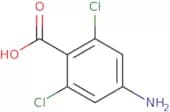
CAS:Versatile small molecule scaffoldFormula:C4H4ClNOSPurity:Min. 95%Molecular weight:149.6 g/mol4-Amino-2,6-dichlorobenzoic acid
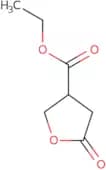
CAS:<p>Versatile small molecule scaffold</p>Formula:C7H5Cl2NO2Purity:Min. 95%Molecular weight:206.02 g/molEthyl 5-oxooxolane-3-carboxylate
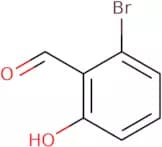
CAS:<p>Versatile small molecule scaffold</p>Formula:C7H10O4Purity:Min. 95%Molecular weight:158.15 g/mol2-Bromo-6-hydroxybenzaldehyde
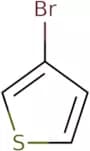
CAS:<p>2-Bromo-6-hydroxybenzaldehyde is a synthetic chemical that consists of a furan ring with an acetonitrile group. It has been shown to be a constant in cyclic electroreduction and is used as a biomolecular surfactant. 2-Bromo-6-hydroxybenzaldehyde has also been shown to react intramolecularly with the hydroxyl group on the benzene ring, which results in the formation of a dimer. This chemical can be produced by solvolysis or electroreduction.</p>Formula:C7H5BrO2Purity:Min. 95%Color and Shape:PowderMolecular weight:201.02 g/mol3-Bromothiophene
CAS:<p>3-Bromothiophene is a homogeneous catalyst that can be used in organic synthesis. It has been shown to convert all-trans retinoic acid into 9-cis,11-trans retinoic acid. This conversion occurs through nucleophilic attack of the bromide ion on the carbon atom adjacent to the double bond in the carboxyl group of all-trans retinoic acid. 3-Bromothiophene has also been shown to have light emission properties in polymer films and metal halides.</p>Formula:C4H3BrSPurity:Min. 98%Color and Shape:Colorless Clear LiquidMolecular weight:163.04 g/moltert-Butyl azetidine-3-carboxylate
CAS:<p>Please enquire for more information about tert-Butyl azetidine-3-carboxylate including the price, delivery time and more detailed product information at the technical inquiry form on this page</p>Formula:C8H15NO2Purity:Min. 95%Molecular weight:157.21 g/moltert-Butyl 7-formyl-3,4-dihydro-2H-1,4-benzoxazine-4-carboxylate
CAS:<p>Please enquire for more information about tert-Butyl 7-formyl-3,4-dihydro-2H-1,4-benzoxazine-4-carboxylate including the price, delivery time and more detailed product information at the technical inquiry form on this page</p>Formula:C14H17NO4Molecular weight:263.29 g/mol2-Bromoethanol
CAS:<p>2-Bromoethanol is a chemical used in the manufacture of sodium salts and ethylene. It has been shown to inhibit the enzyme activity of wild-type strains of E. coli, but not resistant mutants. 2-Bromoethanol was found to cause cell lysis, which may be due to its hydroxyl group reacting with argon, forming reactive oxygen species. The reaction mechanism for 2-bromoethanol is as follows: 2-bromoethanol + H2O → 2-(hydroxyethyl) bromide + HBr + heat</p>Formula:C2H5BrOPurity:Min. 95%Color and Shape:Colorless Clear LiquidMolecular weight:124.96 g/mol








![1-oxa-3,8-diazaspiro[4.5]decan-2-one hydrochloride](/_next/image/?url=https%3A%2Fstatic.cymitquimica.com%2Fproducts%2F3D%2Fthumb-webp%2FFAA05296.webp&w=3840&q=75)
![[(1-aminocyclohexyl)methyl]amine](/_next/image/?url=https%3A%2Fstatic.cymitquimica.com%2Fproducts%2F3D%2Fthumb-webp%2FFAA06267.webp&w=3840&q=75)
![1-[1-(4-Fluorophenyl)-5-methyl-1H-pyrazol-4-yl]ethan-1-one](/_next/image/?url=https%3A%2Fstatic.cymitquimica.com%2Fproducts%2F3D%2Fthumb-webp%2FFAA07858.webp&w=3840&q=75)
![1-[5-Methyl-1-(pyridin-2-yl)-1H-pyrazol-4-yl]ethan-1-one](/_next/image/?url=https%3A%2Fstatic.cymitquimica.com%2Fproducts%2F3D%2Fthumb-webp%2FFAA07864.webp&w=3840&q=75)
![N1-[2-(Diethylamino)ethyl]-4-nitro-1,2-benzenediamine](/_next/image/?url=https%3A%2Fstatic.cymitquimica.com%2Fproducts%2F3D%2Fthumb-webp%2FFAA09939.webp&w=3840&q=75)
![5-Chloro-2-[(4-chlorophenyl)sulfanyl]benzoic acid](/_next/image/?url=https%3A%2Fstatic.cymitquimica.com%2Fproducts%2F3D%2Fthumb-webp%2FFAA10153.webp&w=3840&q=75)
![6-[(4-Nitrophenyl)formamido]hexanoic acid](/_next/image/?url=https%3A%2Fstatic.cymitquimica.com%2Fproducts%2F3D%2Fthumb-webp%2FFAA10712.webp&w=3840&q=75)
![2-[4-(Trimethylsilyl)phenyl]ethan-1-amine](/_next/image/?url=https%3A%2Fstatic.cymitquimica.com%2Fproducts%2F3D%2Fthumb-webp%2FFAA11261.webp&w=3840&q=75)
![2-[4-(Trimethylsilyl)phenyl]acetic acid](/_next/image/?url=https%3A%2Fstatic.cymitquimica.com%2Fproducts%2F3D%2Fthumb-webp%2FFAA11265.webp&w=3840&q=75)
![5,6-dimethylfuro[2,3-d]pyrimidin-4-amine](/_next/image/?url=https%3A%2Fstatic.cymitquimica.com%2Fproducts%2F3D%2Fthumb-webp%2FFAA11794.webp&w=3840&q=75)
![1-[(2-Bromoethyl)sulfanyl]-3-methoxybenzene](/_next/image/?url=https%3A%2Fstatic.cymitquimica.com%2Fproducts%2F3D%2Fthumb-webp%2FFAA13226.webp&w=3840&q=75)
![1-[2-(Dimethylamino)ethyl]-2,5-dihydro-1H-pyrrole-2,5-dione](/_next/image/?url=https%3A%2Fstatic.cymitquimica.com%2Fproducts%2F3D%2Fthumb-webp%2FFAA13558.webp&w=3840&q=75)
![2-Oxo-1,2-dihydro-[1,8]naphthyridine-3-carboxylic acid ethyl ester](/_next/image/?url=https%3A%2Fstatic.cymitquimica.com%2Fproducts%2F3D%2Fthumb-webp%2FFAA17490.webp&w=3840&q=75)
![2-Oxo-1,2-dihydro-[1,8]naphthyridine-3-carboxylic acid](/_next/image/?url=https%3A%2Fstatic.cymitquimica.com%2Fproducts%2F3D%2Fthumb-webp%2FFAA17514.webp&w=3840&q=75)
![{1-Azabicyclo[2.2.2]octan-3-yl}methanol](/_next/image/?url=https%3A%2Fstatic.cymitquimica.com%2Fproducts%2F3D%2Fthumb-webp%2FFAA17622.webp&w=3840&q=75)
![2,3,4,5-Tetrahydro-1H-benzo[e][1,4]diazepine dihydrochloride](/_next/image/?url=https%3A%2Fstatic.cymitquimica.com%2Fproducts%2F3D%2Fthumb-webp%2FFAA17743.webp&w=3840&q=75)
![3-[(Ethoxycarbonyl)amino]benzoic acid](/_next/image/?url=https%3A%2Fstatic.cymitquimica.com%2Fproducts%2F3D%2Fthumb-webp%2FFAA18076.webp&w=3840&q=75)
![4-Bromobenzo[b]thiophene-2-carboxylic acid](/_next/image/?url=https%3A%2Fstatic.cymitquimica.com%2Fproducts%2F3D%2Fthumb-webp%2FFAA19437.webp&w=3840&q=75)
![2-[2-[2-(2-Chloroethoxy)ethoxy]ethoxy]ethanol](/_next/image/?url=https%3A%2Fstatic.cymitquimica.com%2Fproducts%2F3D%2Fthumb-webp%2FFAA19766.webp&w=3840&q=75)