Building Blocks
This section contains fundamental products for the synthesis of organic and biological compounds. Building blocks are the essential starting materials used to construct complex molecules through various chemical reactions. They play a critical role in drug discovery, material science, and chemical research. At CymitQuimica, we offer a diverse range of high-quality building blocks to support your innovative research and industrial projects, ensuring you have the essential components for successful synthesis.
Subcategories of "Building Blocks"
- Boronic Acids & Boronic Acid Derivatives(5,756 products)
- Chiral Building Blocks(1,242 products)
- Hydrocarbon Building Blocks(6,093 products)
- Organic Building Blocks(60,522 products)
Found 195533 products of "Building Blocks"
Sort by
Purity (%)
0
100
|
0
|
50
|
90
|
95
|
100
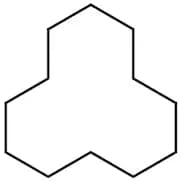
Cyclododecane
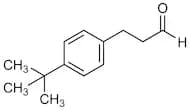
CAS:Formula:C12H24Purity:>99.0%(GC)Color and Shape:White to Almost white powder to crystalMolecular weight:168.32Bourgeonal
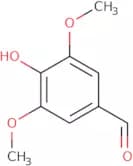
CAS:Formula:C13H18OPurity:>90.0%(GC)Color and Shape:Colorless to Yellow to Yellow green clear liquidMolecular weight:190.294-Hydroxy-3,5-dimethoxybenzaldehyde
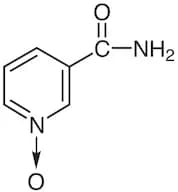
CAS:<p>4-Hydroxy-3,5-dimethoxybenzaldehyde (4HMB) is a phenolic compound that can be obtained from lignin. 4HMB is the precursor in the synthesis of vanillin, which has a characteristic flavor and odor. It is also used as an additive in perfumes. The compound is found naturally in plants, such as in the bark of cinchona trees, and can be extracted using preparative high performance liquid chromatography (HPLC). 4HMB can be synthesized by reacting p-hydroxybenzoic acid with 3,4,5-trimethoxybenzyl alcohol in the presence of copper chloride. This chemical reaction results in an aldehyde form of the molecule. 4HMB binds to sodium salts to form a water soluble salt that can be used for wastewater treatment. It also has antioxidant properties due to its ability to scavenge free radicals. The enzyme activities of 4HMB are not well</p>Formula:C9H10O4Purity:Min. 95%Color and Shape:Off-White PowderMolecular weight:182.17 g/molNicotinamide N-Oxide
CAS:Formula:C6H6N2O2Purity:>98.0%(T)Color and Shape:White to Light yellow powder to crystalMolecular weight:138.134-Hydroxy-2-iodobenzaldehyde
CAS:<p>4-Hydroxy-2-iodobenzaldehyde is a high quality chemical that belongs to the group of complex compounds. It has been shown to be a useful intermediate, fine chemical, and speciality chemical. It can also be used as a reaction component in the synthesis of other chemicals and is an important building block for making other compounds. 4-Hydoxy-2-iodobenzaldehyde is versatile and can be used in many different reactions.</p>Formula:C7H5IO2Purity:Min. 98 Area-%Molecular weight:248.02 g/molL-Homoglutamine
CAS:<p>L-Homoglutamine is a non-essential amino acid that is an important part of the urea cycle. It also plays a role in protein synthesis, as well as in transfer reactions, such as the conversion of ammonia to urea. L-Homoglutamine has been shown to be an inhibitor of binding to collagenase, which may have therapeutic applications for diseases such as rheumatoid arthritis. This amino acid has been used in enzyme preparations and has been found to have biological properties that are similar to those of other carbonyl amino acids (e.g., L-glutamic acid).</p>Formula:C6H12N2O3Purity:Min. 95%Color and Shape:White PowderMolecular weight:160.17 g/molButyl Nitrite
CAS:Formula:C4H9NO2Purity:>95.0%(GC)Color and Shape:Light yellow to Yellow clear liquidMolecular weight:103.12Fmoc-D-Asp(OtBu)-Opfp
CAS:<p>Fmoc-D-Asp(OtBu)-Opfp is a high quality, complex compound that is used as a building block for the synthesis of various drugs and pharmaceuticals. It has been shown to be an excellent reaction component in the synthesis of various drugs and pharmaceuticals. The versatility of this chemical makes it a useful scaffold for generating complex molecules. It has been shown to be a useful intermediate for the synthesis of peptides, oligonucleotides, and small organic molecules. Fmoc-D-Asp(OtBu)-Opfp can also be used as a reagent in biochemical research.<br>Fmoc-D-Asp(OtBu)-Opfp can be synthesized by reacting 2-(2'-aminoethoxy)propionic acid with N,N'-dimethylformamide dimethyl acetal in the presence of sodium hydride at 0°C. This reaction produces an amide bond between the N termin</p>Formula:C29H24NO6F5Purity:Min. 95%Color and Shape:PowderMolecular weight:577.5 g/molFmoc-Pro-Pro-Gly-OH
<p>Fmoc-Pro-Pro-Gly-OH is an activating reagent that has been used in the synthesis of peptides with a C-terminal carboxyl group. It is typically used as a chloroformate ester and reacts with amino groups to form amide bonds. The activation of this reagent can be performed either by reaction with isobutyl or by reaction with piperidine. This product may also be used for the synthesis of tripeptides, pentafluorophenyl esters, and mimetic peptides. Fmoc-Pro-Pro-Gly-OH is typically purified by trituration, followed by evaporation in vacuum and then recrystallization from methanol or ethanol.</p>Formula:C27H29N3O6Purity:Min. 95%Color and Shape:PowderMolecular weight:491.54 g/molN-(3-Fluoro-4-piperidinyl)formamide
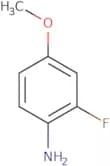
CAS:<p>Please enquire for more information about N-(3-Fluoro-4-piperidinyl)formamide including the price, delivery time and more detailed product information at the technical inquiry form on this page</p>Formula:C6H11FN2OPurity:Min. 95%Molecular weight:146.16 g/mol2-Fluoro-4-methoxyaniline
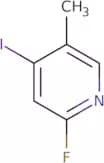
CAS:<p>2-Fluoro-4-methoxyaniline is a non-selective amide that forms in the presence of amines, aminobutyraldehyde, and fluorine. 2-Fluoro-4-methoxyaniline is a product of the industrial process for synthesizing acetylated products through the use of dichloroketene as an acetylating agent. This chemical compound has been used to produce five-membered heterocycles that are used in the manufacture of pharmaceuticals. Mechanistic studies have shown that this chemical reacts with oxygen, water, and halogens to form a variety of products.</p>Formula:C7H8FNOPurity:Min. 95%Color and Shape:Yellow PowderMolecular weight:141.14 g/mol2-Fluoro-4-iodo-5-methylpyridine
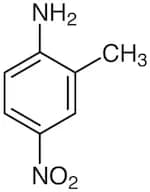
CAS:<p>2-Fluoro-4-iodo-5-methylpyridine is a versatile building block that can be used as a reagent or reaction component. It is an intermediate for the production of pharmaceuticals, pesticides, and other organic compounds. 2-Fluoro-4-iodo-5-methylpyridine is also used as a speciality chemical in research laboratories. 2-Fluoro-4-iodo-5-methylpyridine can be used as a building block to produce complex compounds with various functionalities.</p>Formula:C6H5FINPurity:Min. 95%Color and Shape:White PowderMolecular weight:237.01 g/mol2-Methyl-4-nitroaniline
CAS:Formula:C7H8N2O2Purity:>98.0%(GC)Color and Shape:White to Yellow to Green powder to crystalMolecular weight:152.15Ethyl 2-aminothiophene-3-carboxylate
CAS:<p>Ethyl 2-aminothiophene-3-carboxylate is a triazole derivative with anticancer activity. It has been shown to inhibit the adenosine A1 receptor and show anticancer activity in vitro. The drug has also been shown to have potent cytotoxic effects against cancer cells, which may be due to its ability to activate apoptosis in tumor cells through structural modifications that lead to the inhibition of DNA synthesis. This compound has also been shown to be less toxic than other chemotherapeutic drugs, such as thiosemicarbazide and ethylene diamine, and it does not cause red blood cell lysis or hemolysis.</p>Formula:C7H9NO2SPurity:Min. 95%Color and Shape:Slightly Yellow PowderMolecular weight:171.22 g/mol2-(Hydroxymethyl)pyridine
CAS:<p>2-(Hydroxymethyl)pyridine is a metal chelate that has been shown to be a potent inhibitor of picolinic acid amidohydrolase. This enzyme is responsible for the conversion of picolinic acid to nicotinamide adenine dinucleotide (NAD), which is a cofactor in the citric acid cycle. The 2-(hydroxymethyl)pyridine-picolinic acid complex inhibits the activity of this enzyme, blocking the conversion of NAD into nicotinamide adenine dinucleotide phosphate (NADP). This inhibition leads to higher levels of NAD and lower levels of NADP, which may lead to an increase in metabolic activity by increasing the availability of ATP. 2-(Hydroxymethyl)pyridine has been shown to have immunosuppressive properties, as well as anti-inflammatory properties. It also has been shown to be effective against bowel disease and infectious diseases.</p>Formula:C6H7NOPurity:Min. 95%Color and Shape:Clear LiquidMolecular weight:109.13 g/mol1-Hydroxymethyl-1-methylcyclohexane
CAS:<p>1-Hydroxymethyl-1-methylcyclohexane is a biodiesel that has been shown to be a good solvent for nonpolar compounds and can also be used as a reaction medium in organic synthesis. It has a relatively high boiling point and is soluble in both water and other nonpolar solvents. 1-Hydroxymethyl-1-methylcyclohexane is also known for its conformational properties and ability to bind to fatty acids, which are the main components of biodiesel.</p>Formula:C8H16OPurity:Min. 95%Color and Shape:PowderMolecular weight:128.21 g/mol1-Hexadecanol
CAS:<p>1-Hexadecanol is a monohydroxy alcohol that is used as a surfactant in analytical chemistry. It can be found naturally in the secretions of some glands and has an optimum concentration of 0.2% to 1%. 1-Hexadecanol has been shown to inhibit bacterial growth by reducing the mitochondrial membrane potential, which leads to cell death. 1-Hexadecanol also reacts with benzalkonium chloride to form ester hydrochloride, which is a reagent for the detection of bacteria. The reaction mechanism for this process is not yet fully understood, but it may involve a metastable form of 1-hexadecanol reacting with benzalkonium chloride.</p>Formula:C16H34OPurity:Min. 95%Color and Shape:PowderMolecular weight:242.44 g/molDL-Homocysteine
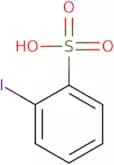
CAS:<p>DL-Homocysteine is a sulfur-containing amino acid that is essential for the synthesis of methionine, and is an intermediate in the metabolism of L-methionine. DL-homocysteine has been shown to cause cardiac infarction in rats by inhibiting mitochondrial functions. This amino acid also inhibits the activity of enzymes that regulate homocysteine levels, such as cystathione beta-synthase and cystathione gamma-lyase. DL-homocysteine can be used as a fluorescent probe for detecting proteins involved in apoptosis. It also has proapoptotic effects on cells, causing them to undergo apoptosis.</p>Formula:C4H9NO2SPurity:Min. 95%Color and Shape:PowderMolecular weight:135.19 g/mol2-Iodobenzenesulfonic acid
CAS:<p>2-Iodobenzenesulfonic acid is a synthetic molecule with a molecular weight of 169.27 g/mol. It is an acidic salt that reacts with nucleophilic substitutions, such as hydroxyl groups and heterocycles. 2-Iodobenzenesulfonic acid has been studied using molecular modeling techniques to identify its pharmacophore and the key features that may be important for binding to the active site of the enzyme. The results of these studies show that the most important features are a sulfonyl group, two hydroxyl groups, and an aromatic ring.</p>Formula:C6H5IO3SPurity:Min. 95%Color and Shape:Slightly Yellow PowderMolecular weight:284.07 g/mol2-Iodo-3-fluoronitrobenzene
CAS:<p>2-Iodo-3-fluoronitrobenzene is a chemical compound that is used as a building block for the synthesis of pharmaceuticals, agrochemicals and other organic compounds. It is also used as a reagent in organic synthesis. This compound can be used as a reactant to produce various products with different functional groups. 2-Iodo-3-fluoronitrobenzene has a high quality and versatility, which makes it useful in the synthesis of many different types of molecules.</p>Formula:C6H3FINO2Purity:Min. 95%Color and Shape:White PowderMolecular weight:267 g/mol