Building Blocks
This section contains fundamental products for the synthesis of organic and biological compounds. Building blocks are the essential starting materials used to construct complex molecules through various chemical reactions. They play a critical role in drug discovery, material science, and chemical research. At CymitQuimica, we offer a diverse range of high-quality building blocks to support your innovative research and industrial projects, ensuring you have the essential components for successful synthesis.
Subcategories of "Building Blocks"
- Boronic Acids & Boronic Acid Derivatives(5,756 products)
- Chiral Building Blocks(1,242 products)
- Hydrocarbon Building Blocks(6,093 products)
- Organic Building Blocks(60,522 products)
Found 195533 products of "Building Blocks"
Sort by
Purity (%)
0
100
|
0
|
50
|
90
|
95
|
100
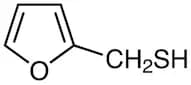
Furfuryl Mercaptan
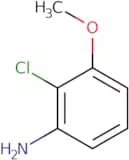
CAS:Formula:C5H6OSPurity:>98.0%(GC)Color and Shape:Colorless to Almost colorless clear liquidMolecular weight:114.162-Chloro-3-methoxyaniline
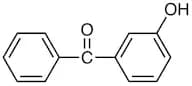
CAS:<p>2-Chloro-3-methoxyaniline is a high quality chemical. It is an intermediate in the synthesis of other complex compounds and has been used as a reagent for organic synthesis. It is also useful as a building block for the preparation of speciality chemicals, research chemicals, and versatile building blocks. 2-Chloro-3-methoxyaniline reacts with other chemicals to form new compounds that are useful for pharmaceuticals and agrochemicals.</p>Formula:C7H8ClNOPurity:Min. 95%Color and Shape:Brown PowderMolecular weight:157.6 g/mol3-Hydroxybenzophenone
CAS:Formula:C13H10O2Purity:>98.0%(GC)Color and Shape:White to Gray to Brown powder to crystalMolecular weight:198.222-Nitroimidazole
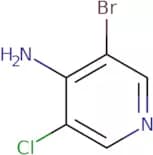
CAS:<p>2-Nitroimidazole is a compound that has been shown to have significant cytotoxicity against tumor cells. It is also an anti-cancer drug with a matrix effect on solid tumours, and has been shown to inhibit the synthesis of DNA, RNA, and proteins in vitro. 2-Nitroimidazole is also active against infectious diseases such as HIV, herpes simplex virus type 1, and influenza A virus. The biological properties of this compound are currently being studied by analytical methods such as LC/MS and HPLC/UV.</p>Formula:C3H3N3O2Purity:Min. 95%Color and Shape:PowderMolecular weight:113.07 g/mol3-Bromo-5-chloropyridine-4-amine
CAS:<p>3-Bromo-5-chloropyridine-4-amine is a versatile building block that can be used in many different chemical syntheses. It is a reagent and a useful scaffold for the synthesis of complex compounds. 3-Bromo-5-chloropyridine-4-amine has been used as a high quality, useful intermediate in the synthesis of other chemicals. It is also an effective reaction component for reactions involving amines and thiols.</p>Formula:C5H4BrClN2Purity:Min. 95%Color and Shape:White PowderMolecular weight:207.46 g/mol3-Chloro-4-methoxybenzonitrile
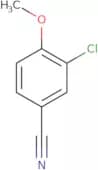
CAS:<p>3-Chloro-4-methoxybenzonitrile is a chemical compound that can be used as a reactant, reagent, or building block in the synthesis of other chemicals. It is an important intermediate for the production of pharmaceuticals, pesticides and dyes. 3-Chloro-4-methoxybenzonitrile is also being investigated for use in the manufacture of photoresists for semiconductor device fabrication. This chemical is listed on the Chemical Abstracts Service registry with CAS number 102151-33-7.</p>Formula:C8H6ClNOPurity:Min. 95%Color and Shape:SolidMolecular weight:167.59 g/mol1-Methyl-3-[6-(methylsulfinyl)hexyl]imidazolium p-Toluenesulfonate
CAS:Formula:C18H28N2O4S2Purity:>97.0%(HPLC)(N)Color and Shape:Colorless to Light orange to Yellow clear liquidMolecular weight:400.552-(2-Aminophenyl)benzimidazole
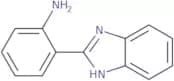
CAS:<p>2-(2-Aminophenyl)benzimidazole is a synthetic compound with the chemical formula C8H6N2. It has an intramolecular hydrogen bond and reacts with salicylaldehyde to form 2-aminobenzimidazole, which is a reaction product. 2-(2-Aminophenyl)benzimidazole may be used as an antimicrobial agent, but it also has other uses such as a reagent in organic synthesis. It is soluble in water and can be obtained through liquid chromatography.</p>Formula:C13H11N3Purity:Min. 95%Color and Shape:Off-White PowderMolecular weight:209.25 g/molD-Threonine methyl ester hydrochloride
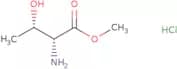
CAS:<p>D-Threonine methyl ester hydrochloride is a versatile building block that is used in the synthesis of complex compounds. It can be used as a reagent, speciality chemical, and useful scaffold in organic chemistry. D-Threonine methyl ester hydrochloride has been shown to react with a variety of electrophiles and nucleophiles to form diverse products. This product is also used as a reaction component for the synthesis of high quality chemical intermediates.</p>Formula:C5H11NO3·HClPurity:Min. 98%Color and Shape:PowderMolecular weight:169.61 g/mol2-Chloro-5-methylbenzonitrile
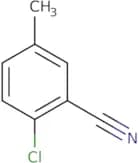
CAS:<p>2-Chloro-5-methylbenzonitrile (2C5MB) is a versatile building block that is used in the production of fine chemicals, specialty chemicals, and pharmaceuticals. It is also used as a reagent for organic synthesis and as a speciality chemical. 2C5MB can be used in the synthesis of various complex compounds and research chemicals. The compound has been shown to have high reactivity and has been used as a reaction component or scaffold for the synthesis of other products.</p>Formula:C8H6ClNPurity:Min. 95%Color and Shape:PowderMolecular weight:151.59 g/mol2-Cyanopyrazine
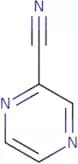
CAS:<p>2-Cyanopyrazine is a molecule that belongs to the group of nitrogen-containing heterocyclic compounds. It has been shown to exhibit antiinflammatory activity in skin cancer cells and bacterial strain, group P2. This compound inhibits the growth of bacteria by binding to their pyrazinoic acid, which is an electron acceptor. 2-Cyanopyrazine also exhibits tuberculostatic activity against M. tuberculosis and M. avium complex by inhibiting the synthesis of mycolic acids and cell wall lipids, respectively. The redox cycle of this compound is coordinated with a hydrogen bond between the hydroxyl group and the carbonyl carbon atom. 2-Cyanopyrazine is oxidized from its initial state through a reaction mechanism involving molecular oxygen or hydrogen peroxide as an oxidant and water as a reductant. The oxidation products can be reduced back to 2-cyanoapyrazine using ascorbate or NADH as</p>Formula:C5H3N3Purity:Min. 95%Color and Shape:Off-White To Light (Or Pale) Yellow Solid Or Liquid (May Vary)Molecular weight:105.1 g/mol2-Amino-6-bromopyrazine
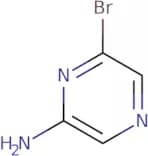
CAS:<p>2-Amino-6-bromopyrazine is a versatile building block that can be used in the synthesis of complex compounds. It is also used as a reagent, speciality chemical and useful scaffold for the synthesis of pharmaceuticals and other chemicals. 2-Amino-6-bromopyrazine is available from Sigma Aldrich with CAS No. 54237-53-5.</p>Formula:C4H4BrN3Purity:Min. 95%Color and Shape:White PowderMolecular weight:174 g/mol4-Nitrophenylsulfur Pentafluoride
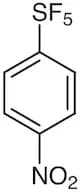
CAS:Formula:C6H4F5NO2SPurity:>96.0%(GC)Color and Shape:White or Colorless to Yellow powder to lump to clear liquidMolecular weight:249.162-Amino-5-(trifluoromethyl)benzoic acid methyl ester
CAS:<p>2-Amino-5-(trifluoromethyl)benzoic acid methyl ester is a fine chemical that can be used in research and development. It is an intermediate for the synthesis of other compounds, such as pharmaceuticals and pesticides. This compound has a wide range of uses in various chemical reactions, including as a building block or reaction component.</p>Formula:C9H8F3NO2Purity:Min. 95%Color and Shape:PowderMolecular weight:219.16 g/mol3-Methylpyridine
CAS:<p>3-Methylpyridine is a compound that can be used in the treatment of wastewater. It has been shown to have high adsorption capacity for malonic acid and a Langmuir adsorption isotherm with high values. 3-Methylpyridine is stable in acidic conditions and has been shown to efficiently remove nitrogen from wastewater. The coordination geometry of 3-methylpyridine is octahedral, which makes it capable of removing hydrogen fluoride from wastewater. This compound also has the ability to transfer reactions and can be used for titration calorimetry.</p>Formula:C6H7NPurity:Min. 95%Color and Shape:Colorless Clear LiquidMolecular weight:93.13 g/mol2-(Chloromethyl)-1,3-thiazole
CAS:<p>2-(Chloromethyl)-1,3-thiazole is an aromatic hydrocarbon that is used as a pesticide. It is also a metabolic intermediate in the metabolism of chlorinating agents and has been shown to be carcinogenic. This compound degrades by reacting with hydrochloric acid, nitric acid, sodium hydroxide solution, or hydrogen chloride to form 2-chloro-1,3-thiazole or 2-chloromethyltetrahydrothiophene. The pharmacokinetic properties of this compound are unknown.</p>Formula:C4H4ClNSPurity:Min. 95%Color and Shape:PowderMolecular weight:133.6 g/mol3,5-Dichlorosalicylic acid
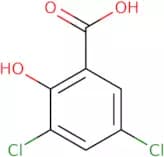
CAS:<p>3,5-Dichlorosalicylic acid is a proton donor that is used to inhibit the 5-nitrosalicylic acid chain reaction. It has a high binding constant with the chlorine atom and can be used as a competitive inhibitor for the binding of 5-nitrosalicylic acid to its target enzyme. 3,5-Dichlorosalicylic acid inhibits the polymerase chain reaction by binding to DNA. This chemical also has biological properties that are similar to those of salicylic acid, including anti-inflammatory activities. 3,5-Dichlorosalicylic acid is not an effective anti-cancer agent because it does not form intramolecular hydrogen bonds or hydrogen bond interactions with DNA bases.</p>Formula:C7H4Cl2O3Purity:Min. 95%Color and Shape:White PowderMolecular weight:207.01 g/mol2,4-Dihydroxybenzoic acid
CAS:<p>2,4-Dihydroxybenzoic acid (2,4-DB) is a metabolite of salicylic acid. It is used as an intermediate in the production of various drugs and dyes. 2,4-DB has been shown to be effective against hepatic steatosis induced by hydrogen fluoride in mice. This drug also inhibits mitochondrial membrane potential and DNA binding activity in human serum. 2,4-DB can bind to the α subunit of mitochondrial ATPase and act as a competitive inhibitor for p-hydroxybenzoic acid which is essential for the activation of this enzyme. The x-ray diffraction data from crystalline 2,4-DB shows that this compound binds to dna with coordination geometry that resembles that of salicylic acid. The kinetic studies have shown that 2,4-DB reacts noncompetitively with nonsteroidal anti-inflammatory drugs (NSAIDs).</p>Formula:C7H6O4Purity:Min 98%Color and Shape:PowderMolecular weight:154.12 g/molN-Benzyloxycarbonyl-L-proline
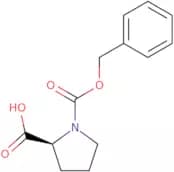
CAS:<p>N-Benzyloxycarbonyl-L-proline is a cationic polymerization inhibitor that has been shown to inhibit the growth of Pseudomonas aeruginosa. It inhibits bacterial growth by inhibiting the production of collagen, an important component in the cell wall. N-Benzyloxycarbonyl-L-proline is also used as a histological staining agent and has been shown to be effective against breast cancer cells resistant to tamoxifen therapy.</p>Formula:C13H15NO4Purity:Min. 95%Color and Shape:PowderMolecular weight:249.26 g/mol2-Amino-6-fluorobenzoic acid
CAS:<p>Intermediate in the synthesis of idelalisib</p>Formula:C7H6FNO2Purity:Min. 98 Area-%Color and Shape:PowderMolecular weight:155.13 g/mol



![1-Methyl-3-[6-(methylsulfinyl)hexyl]imidazolium p-Toluenesulfonate](/_next/image/?url=https%3A%2Fstatic.cymitquimica.com%2Fproducts%2F3B%2Fthumb-webp%2FM2274.webp&w=3840&q=75)