Building Blocks
This section contains fundamental products for the synthesis of organic and biological compounds. Building blocks are the essential starting materials used to construct complex molecules through various chemical reactions. They play a critical role in drug discovery, material science, and chemical research. At CymitQuimica, we offer a diverse range of high-quality building blocks to support your innovative research and industrial projects, ensuring you have the essential components for successful synthesis.
Subcategories of "Building Blocks"
- Boronic Acids & Boronic Acid Derivatives(5,756 products)
- Chiral Building Blocks(1,242 products)
- Hydrocarbon Building Blocks(6,095 products)
- Organic Building Blocks(61,037 products)
Found 196200 products of "Building Blocks"
Sort by
Purity (%)
0
100
|
0
|
50
|
90
|
95
|
100
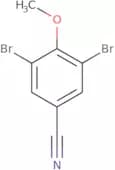
3,5-Dibromo-4-methoxybenzonitrile
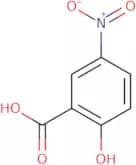
CAS:<p>3,5-Dibromo-4-methoxybenzonitrile (DBMB) is a pentane that can be synthesized in the laboratory. DBMB is used as a weed control agent to kill weeds and grasses in neoprene rubber products and other materials. The chemical reacts with nitro groups on the surface of the material, producing an unstable intermediate that decomposes into pentane and nitric acid. 3,5-Dibromo-4-methoxybenzonitrile has been shown to have low toxicity to mammals at high doses.<br>The compound may also be used as a chemical intermediate for the synthesis of other compounds or drugs. Nitro groups may be reduced by reductants such as sodium borohydride or lithium aluminium hydride to produce analdehyde derivatives.</p>Formula:C8H5Br2NOPurity:Min. 95%Color and Shape:White Off-White PowderMolecular weight:290.94 g/mol5-Nitrosalicylic acid
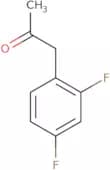
CAS:<p>5-Nitrosalicylic acid is an ethylene diamine derivative that is used in organic synthesis. It reacts with nitrogen atoms to form stable complexes. 5-Nitrosalicylic acid reacts with hydrogen and forms a protonated acid complex, which is more soluble in water than the molecule itself. The protonated acid complex can be used for the production of glycan, which are biomolecules that play a major role in the human body. Synchronous fluorescence spectroscopy has shown that 5-nitrosalicylic acid reacts with glycan by hydrogen bonding interactions and stabilizing nitro groups.</p>Formula:C7H5NO5Purity:Min. 95%Color and Shape:Slightly Yellow PowderMolecular weight:183.12 g/mol(2,4-Difluorophenyl)acetone
CAS:<p>(2,4-Difluorophenyl)acetone is a high quality chemical that can be used as a reagent, intermediate or building block for the synthesis of complex compounds. It is also a versatile building block for the synthesis of speciality chemicals, research chemicals and reaction components. (2,4-Difluorophenyl)acetone is an important intermediate in the synthesis of fluoroquinolones and it has been shown to be useful in the preparation of dyes such as indigo and phthalocyanine. This compound is also used to synthesize other pharmaceuticals such as aspirin and acetaminophen.</p>Formula:C9H8F2OPurity:Min. 95%Color and Shape:PowderMolecular weight:170.16 g/mol1,4-Diacetylbenzene
CAS:<p>1,4-Diacetylbenzene (1,4-DAB) is a tetradentate ligand that binds to metal ions. It has been used to model the active site of acetylcholinesterase, as well as for supramolecular chemistry. 1,4-DAB has been shown to have anticholinesterase activity and is used in crosslinkers. 1,4-DAB forms hydrogen bonds with the nitrogen atom of the carbonyl group and also stabilizes molecules through its dipole interactions. The kinetic properties of 1,4-DAB have been studied by modelling studies and by Nuclear Magnetic Resonance spectroscopy. Metformin hydrochloride (MET) is a biguanide antihyperglycemic agent that inhibits glucose production in the liver and promotes insulin sensitivity in peripheral tissues.</p>Formula:C10H10O2Purity:Min. 99.0 Area-%Color and Shape:White PowderMolecular weight:162.19 g/mol5,6-Dichlorovanillic acid
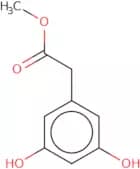
CAS:<p>5,6-Dichlorovanillic acid is a high quality, versatile molecule that can be used as a reagent in organic synthesis or as a building block for the synthesis of complex compounds. It has many useful properties, such as being a fine chemical and research chemicals. 5,6-Dichlorovanillic acid is also a speciality chemical with versatile uses in building blocks or reaction components.</p>Formula:C8H6Cl2O4Purity:Min. 95%Color and Shape:PowderMolecular weight:237.04 g/mol3,5-Dihydroxyphenylacetic acid methyl ester
CAS:<p>3,5-Dihydroxyphenylacetic acid methyl ester is a high quality, reagent, and complex compound with CAS No. 4724-10-1. It is used as an intermediate in the synthesis of other compounds or in research to produce new compounds. This chemical is also useful as a scaffold for building blocks or as a building block when it comes to synthesizing many different types of compounds. 3,5-Dihydroxyphenylacetic acid methyl ester has been used as a reactant in many reactions and is versatile when it comes to being able to be used in reactions involving many different types of chemicals.</p>Formula:C9H10O4Purity:Min. 95%Color and Shape:Brown Off-White PowderMolecular weight:182.17 g/mol4-Diethylamino-2-methoxybenzaldehyde
CAS:<p>4-Diethylamino-2-methoxybenzaldehyde (4DMMB) is a protonated molecule that is able to penetrate the mitochondrial membrane due to its low charge. Once inside, 4DMMB can be reduced by electron transfer from the mitochondria's membrane potential. This reduction leads to an increase in the mitochondrial membrane potential and subsequent photophysical emissions. The introduction of 4DMMB has been shown to cause mitochondrial membrane potential changes in cells, which may lead to pathophysiologic conditions such as cancer.</p>Formula:C12H17NO2Purity:Min. 95%Color and Shape:PowderMolecular weight:207.27 g/mol3,4-Dihydroxy-2-nitrobenzaldehyde
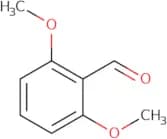
CAS:<p>3,4-Dihydroxy-2-nitrobenzaldehyde is a high quality chemical that is used as a reagent and as an intermediate in the synthesis of complex compounds. It has many uses, including being a useful building block for speciality chemicals, research chemicals, and reaction components. 3,4-Dihydroxy-2-nitrobenzaldehyde is versatile and can be used in the synthesis of various types of compounds. This compound is also an excellent scaffold for drug discovery.</p>Formula:C7H5NO5Purity:Min. 95%Color and Shape:PowderMolecular weight:183.12 g/mol2,6-Dimethoxybenzaldehyde
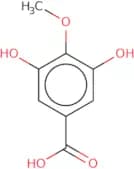
CAS:<p>Synthetic building block</p>Formula:C9H10O3Purity:Min. 95%Color and Shape:White PowderMolecular weight:166.17 g/mol3,5-Dihydroxy-4-methoxybenzoic acid
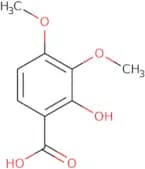
CAS:<p>Inhibitor of redox-based NF-ΚB activation</p>Formula:C8H8O5Purity:Min. 95%Color and Shape:PowderMolecular weight:184.15 g/mol3,4-Dimethoxy-2-hydroxybenzoic acid
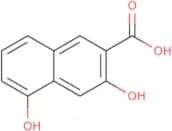
CAS:<p>3,4-Dimethoxy-2-hydroxybenzoic acid (DMHA) is a potential drug candidate that has been shown to scavenge free radicals and protect against the damage caused by oxidative stress. It has also been found to have heartwood extract-modulating properties, inhibiting the growth of Madagascariensis, Angolensis, and Leukemia cells. DMHA has been shown to be effective in preventing lipid peroxidation and may have dietary benefits for prevention of chronic diseases such as cancer and diabetes. This compound is being investigated as a potential drug for administration by chemometric methods. DMHA was also found to be a potent inhibitor of cyclooxygenase 2 (COX-2), which could make it useful for treating inflammatory conditions.</p>Formula:C9H10O5Purity:Min. 95%Color and Shape:PowderMolecular weight:198.17 g/mol3,5-Dihydroxy-2-naphthoic acid
CAS:<p>3,5-Dihydroxy-2-naphthoic acid (DHNA) is an organic compound with a red shift in the optical spectrum. DHNA is a regulatory domain found in functional groups, such as salicylic acid. It has been shown to inhibit bacterial growth and gram-negative organisms, including Escherichia coli and Pseudomonas aeruginosa. DHNA is also a potent inducer of triticum aestivum lysine carboxypeptidase A and B, which are proteases that function in protein digestion. This property may be due to its ability to bind to receptor subtypes of the epidermal growth factor type 2 receptor family.</p>Formula:C11H8O4Purity:Min. 95%Color and Shape:White PowderMolecular weight:204.18 g/mol2-Amino-4-chloro-6-methylphenol
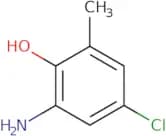
CAS:<p>2-Amino-4-chloro-6-methylphenol is a radioactive tracer that is used in biomedical imaging and has high binding affinity to the 5-HT3 receptor. 2-Amino-4-chloro-6-methylphenol can be used to study the mechanisms of cancer and other diseases. The specific activity of this tracer is around 1000 Ci/mmol at 37°C. This compound is a ligand for the 5HT3 receptor, which has been shown to be associated with nausea and vomiting, anxiety, depression, epilepsy, and Alzheimer's disease. It also binds with high affinity to serotonin receptors in the brain.</p>Formula:C7H8ClNOPurity:Min. 95 Area-%Color and Shape:PowderMolecular weight:157.6 g/molCyclohexylmethanethiol
CAS:<p>Cyclohexylmethanethiol is a reactive chemical that is a colorless liquid with a strong odor. It is an organic compound belonging to the group of polybasic, hydroxamic acids and has been found to be an antimicrobial agent. Cyclohexylmethanethiol reacts with the hydroxyl groups on the surface of bacteria and damages the cell wall by disrupting the cross-linking of peptidoglycan. This reaction product inhibits bacterial growth by binding to proteins in the cell membrane, which prevents essential molecules from entering or exiting the cell. Cyclohexylmethanethiol also reacts with alkylthio groups on proteins in bacterial cells, which alters their function and leads to protein denaturation.</p>Formula:C7H14SPurity:Min. 95%Molecular weight:130.25 g/mol2-Bromo-3-formylbenzonitrile
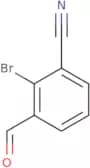
CAS:<p>2-Bromo-3-formylbenzonitrile is a high quality chemical that is used as a reagent, a complex compound, and an intermediate in the synthesis of other fine chemicals. It can be used as a useful building block to form other compounds with speciality chemicals. 2-Bromo-3-formylbenzonitrile is versatile and can be used as a reaction component for many different reactions.<br>2-Bromo-3-formylbenzonitrile has been classified by the Chemical Abstracts Service (CAS) number 446864-55-7 and is also known by its synonyms: 2-(bromomethyl)-benzonitrile; 3-(cyanomethyl)-benzonitrile; bromobenzonitrile; bromobenzene nitrile; 3-(cyanomethyl)benzonitrile.</p>Formula:C8H4BrNOPurity:Min. 95%Color and Shape:PowderMolecular weight:210.03 g/mol2-(Nitromethylidene)-1,3-thiazinane
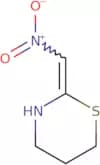
CAS:<p>2-(Nitromethylidene)-1,3-thiazinane is a chemical compound that has been shown to have chronic toxic effects in animal studies. It binds to the ryanodine receptor and inhibits the release of calcium from the sarcoplasmic reticulum, which may lead to an increase in acetylcholine, a neurotransmitter involved in many aspects of brain function. 2-(Nitromethylidene)-1,3-thiazinane has also been shown to inhibit the activity of neonicotinoids, insecticides that are used for agricultural and veterinary purposes. This compound is structurally similar to other non-competitive inhibitors of acetylcholine esterase, such as piperonyl butoxide.</p>Formula:C5H8N2O2SPurity:Min. 95%Color and Shape:PowderMolecular weight:160.2 g/mol2-(Pyrrolidin-2-yl)cyclohexan-1-one hydrochloride
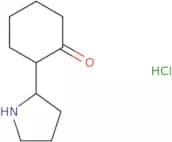
CAS:<p>Versatile small molecule scaffold</p>Formula:C10H18ClNOPurity:Min. 95%Color and Shape:PowderMolecular weight:203.71 g/molN-(2-Chlorophenyl)glycine
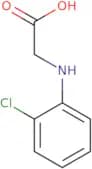
CAS:<p>N-(2-Chlorophenyl)glycine is an optical isomer of glycine that was synthesized by the photocyclization of 2-chlorobenzaldehyde using KI as a catalyst. It has been shown to be an active inhibitor of platelet aggregation and activation, with a potency comparable to clopidogrel. N-(2-Chlorophenyl)glycine may be used in pharmaceuticals for the prevention of thrombosis and stroke, particularly in patients who are at high risk for these complications. The synthesis of this compound requires the use of an organic solvent and chiral reagents.</p>Formula:C8H8ClNO2Purity:Min. 95%Color and Shape:PowderMolecular weight:185.61 g/mol1-Phenyl-1,3-diazinane-2,4-dione
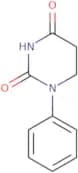
CAS:<p>1-Phenyl-1,3-diazinane-2,4-dione is a synthetic molecule that has been found to be active against influenza virus. It inhibits the replication of influenza A and B viruses by inhibiting the enzyme dihydropyrimidinase. This compound also has an effect on parasitic worms and animal health. 1-Phenyl-1,3-diazinane-2,4-dione is used in research for the development of new drugs. The chemical properties of this drug are similar to β-amino acids that are known to inhibit the synthesis of proteins such as rna polymerase and transporter proteins.</p>Formula:C10H10N2O2Purity:Min. 95%Color and Shape:PowderMolecular weight:190.2 g/mol4-Bromo-3-nitroacetophenone - 90%
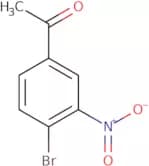
CAS:<p>4-Bromo-3-nitroacetophenone is a chemical compound with the molecular formula C6H4BrNO2. It is an organic nitroaromatic compound that is used in organic synthesis as a building block for pharmaceuticals. 4-Bromo-3-nitroacetophenone has been shown to be effective in relieving pain and it has been used as an analgesic. The compound was synthesized by the Suzuki reaction, which involves the use of palladium as a catalyst, and thermogravimetric analysis showed that it hydrolyzes in water. 4-Bromo-3-nitroacetophenone also reacts with europium ion to produce phosphor, which can be observed using absorption spectroscopy. This chemical has also been shown to have an emission spectrum. The reaction product of 4-bromo-3-nitroacetophenone and ligands can be measured using various fields or cross coupling reactions.</p>Formula:C8H6BrNO3Purity:Min. 95%Color and Shape:PowderMolecular weight:244.04 g/mol