Building Blocks
This section contains fundamental products for the synthesis of organic and biological compounds. Building blocks are the essential starting materials used to construct complex molecules through various chemical reactions. They play a critical role in drug discovery, material science, and chemical research. At CymitQuimica, we offer a diverse range of high-quality building blocks to support your innovative research and industrial projects, ensuring you have the essential components for successful synthesis.
Subcategories of "Building Blocks"
- Boronic Acids & Boronic Acid Derivatives(5,756 products)
- Chiral Building Blocks(1,242 products)
- Hydrocarbon Building Blocks(6,095 products)
- Organic Building Blocks(61,038 products)
Found 196817 products of "Building Blocks"
Sort by
Purity (%)
0
100
|
0
|
50
|
90
|
95
|
100
2-Chloro-1,1,1-trimethoxyethane
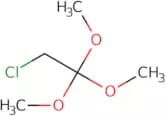
CAS:<p>2-Chloro-1,1,1-trimethoxyethane is a reagent that is used in the synthesis of recombinant proteins. It is also used to produce monoclonal antibodies. Fatty acids can be analyzed by using these reagents as they are soluble in this solvent. The structural analysis of fatty acids has been shown to have anticancer activity. 2-Chloro-1,1,1-trimethoxyethane reacts with glycosyl residues on lysine residues in proteins and produces an acid that causes the protein to unfold and denature. This reaction has been shown to have anticancer activity against cervical cancer cells in human liver cells.</p>Formula:C5H11ClO3Purity:Min. 97.5%Color and Shape:Colorless Clear LiquidMolecular weight:154.59 g/mol6-Chloro-7-iodo-7-deazapurine
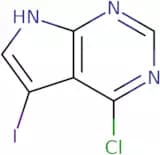
CAS:<p>6-Chloro-7-iodo-7-deazapurine is a nucleoside analogue that is synthesized by a cross-coupling reaction between 6-chloro-2,4(1H,3H)-pyrimidinedione and 7-iodo-7-(trifluoromethyl)purine. 6CIDP has been shown to inhibit growth of epidermal cells at concentrations as low as 0.1 µM, with cytostatic effects seen at 10 µM. 6CIDP has also been shown to potently inhibit the replication of the human papilloma virus in vitro and in vivo. 6CIDP is currently being investigated for the treatment of AIDS and other viral infections. The molecular modeling studies on this compound have revealed that it may be a potent inhibitor of the epidermal growth factor receptor (EGFR).</p>Formula:C6H3ClIN3Purity:Min. 98 Area-%Color and Shape:White PowderMolecular weight:279.47 g/molCyclopentylmethanol
CAS:<p>Cyclopentylmethanol is a chemical compound with the molecular formula CH3OH. It is a colorless liquid that is soluble in water and has a distinctive, sweet odor. Cyclopentylmethanol is used as an intermediate in organic synthesis and as a solvent for nitrocellulose, cellulose acetate, cellulose nitrate, and similar materials. It reacts with chlorine at high temperatures to form chlorinated cyclopentylmethanols. This reaction can be used to synthesize hydroxyapatite (a mineral) from calcium phosphate (a mineral). Cyclopentylmethanol also reacts with nicotinic acetylcholine receptors in the brain, causing them to desensitize. Hydroxyapatite can also be synthesized by reacting cyclopentylmethanol with dinucleotide phosphate and hydroxyl group containing compounds such as esters or soluble guanylate cyclase enzymes. The reactions produce hydrogen</p>Formula:C6H12OPurity:Min. 95%Color and Shape:Clear Colourless LiquidMolecular weight:100.16 g/mol5H,6H,7H-Cyclopenta[b]pyridin-2-amine
CAS:<p>5H,6H,7H-Cyclopenta[b]pyridin-2-amine is a fine chemical that can be used as a building block in organic synthesis. It is also useful as a reagent and speciality chemical. 5H,6H,7H-Cyclopenta[b]pyridin-2-amine has been shown to be an effective intermediate for the production of complex compounds with versatile scaffolds. This compound is also a useful reactant in organic reactions. 5H,6H,7H-Cyclopenta[b]pyridin-2-amine has a molecular weight of 200.28 g/mol and CAS number 146331-19-3.</p>Formula:C8H10N2Purity:Min. 95%Color and Shape:PowderMolecular weight:134.18 g/mol4-[(1E)-2-(3-Hydroxyphenyl)ethenyl]phenol
CAS:<p>4-[(1E)-2-(3-Hydroxyphenyl)ethenyl]phenol is a metabolite of estrone sulfate. It is a potent estrogen that can be used in the treatment of prostate cancer, to inhibit the growth of cancer cells. 4-[(1E)-2-(3-Hydroxyphenyl)ethenyl]phenol has been shown to have antiestrogenic activity in breast cancer cell lines and to inhibit the formation of estrogen analogs in vitro. 4-[(1E)-2-(3-Hydroxyphenyl)ethenyl]phenol has been used as an estrogen receptor ligand in transfection experiments with human breast cancer cells, resulting in inhibition of target gene expression. The molecule also inhibits DNA polymerase activity and is believed to form carcinogenic nitrosamines and diazonium ions when subjected to nitrite and hydrogen peroxide. This molecule also exhibits weak antioxidant activity, which may be</p>Formula:C14H12O2Purity:Min. 95%Color and Shape:PowderMolecular weight:212.24 g/mol2-Chloro-4-nitroimidazole
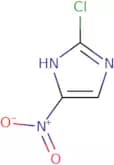
CAS:<p>Radiosensitiser in hypoxic tumours</p>Formula:C3H2ClN3O2Purity:Min. 95%Color and Shape:PowderMolecular weight:147.52 g/mol(2-Chlorophenyl)(4-chlorophenyl)methanol
CAS:<p>2-Chlorophenyl)(4-chlorophenyl)methanol is a chemical intermediate that can be used for the synthesis of complex compounds. This material has been shown to be a useful scaffold for making new molecules and it is also a versatile building block for organic synthesis. It can be used as a reagent in organic reactions and it is also a speciality chemical with high quality. CAS No. 43171-49-9</p>Formula:C13H10Cl2OPurity:Min. 95%Color and Shape:PowderMolecular weight:253.12 g/molCyclopentanecarbaldehyde
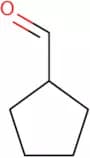
CAS:<p>Cyclopentanecarbaldehyde is a reactive molecule that is used as a ligand in coordination chemistry. It has been shown to bind to the toll-like receptor and may be useful for treating autoimmune diseases. Cyclopentanecarbaldehyde binds with nitrogen atoms in the active site of chelate ligands, which can cause changes in coordination geometry. This reaction mechanism is similar to that of other heterocycles such as 2-picolylhydrazine and 4-picolylhydrazine, which have been shown to be effective in treating Parkinson's disease.</p>Formula:C6H10OPurity:Min. 95%Color and Shape:Colorless Yellow Clear LiquidMolecular weight:98.14 g/mol2-(Chloromethyl)pyrimidine HCl
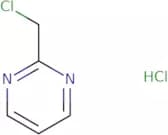
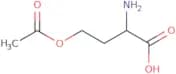
CAS:<p>2-(Chloromethyl)pyrimidine HCl is a chlorinated aromatic compound that is used in the manufacturing of nylon and other synthetic fibers. It is an intermediate for the production of polychloroparaffins, which are used as solvents and raw materials in the chemical industry. 2-(Chloromethyl)pyrimidine HCl has been shown to undergo a chlorination reaction with alcohols to produce 4-chloro-2-methyl-1,3-dioxolane. This reaction can be catalyzed by calcium hydroxide or magnesium chloride, which are both common chemicals found in household cleaners.</p>Formula:C5H5ClN2·HClPurity:Min. 95%Color and Shape:Yellow PowderMolecular weight:165.02 g/mol(2S)-4-(Acetyloxy)-2-aminobutanoic acid
CAS:<p>(2S)-4-(Acetyloxy)-2-aminobutanoic acid is a sulfhydrylase inhibitor that has been shown to have in vitro antifungal activity against group P2 bacteria. This compound binds to sulfhydrylases, which are enzymes that catalyze the conversion of sulfides to thiols, and prevents the formation of disulfide bonds. (2S)-4-(Acetyloxy)-2-aminobutanoic acid has also been shown to inhibit bacterial growth by binding to the surface of cells and inhibiting enzymatic reactions on the cell surface. The enzyme activities of this compound are not inhibited by water vapor or sephadex g-100. Structural analysis revealed that (2S)-4-(acetyloxy)-2-aminobutanoic acid contains a disulfide bond.</p>Formula:C6H11NO4Purity:Min. 95%Color and Shape:PowderMolecular weight:161.16 g/mol4-Chloro-7-azaindole
CAS:<p>4-Chloro-7-azaindole (4CA) is a molecule that has been shown to have significant cytotoxicity against cancer cells in vitro. 4CA inhibits the growth of cancer cells by binding to their DNA, preventing the synthesis of new DNA strands and leading to cell death. The inhibitory effect of 4CA on cancer cells can be attributed to its ability to bind to nitrogen atoms in the molecule's skeleton. This binding prevents the formation of hydrogen bonds between the molecule and other molecules or proteins, which are necessary for the synthesis of new DNA strands. 4CA has been shown to be active against human ovarian carcinoma and carcinoma cell lines in vitro.</p>Formula:C7H5N2ClPurity:Min. 95 Area-%Color and Shape:PowderMolecular weight:152.58 g/mol6-Chloro-1H-pyrazolo[3,4-b]pyridine
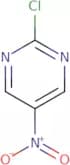
CAS:<p>6-Chloro-1H-pyrazolo[3,4-b]pyridine (6CPD) is a synthetic compound that acts as a cation channel blocker. 6CPD has been shown to inhibit fatty acid oxidation and cardiac uptake of fatty acids in the heart by blocking the uptake of fatty acids into the mitochondria. 6CPD also inhibits the proton uptake in the mitochondria and reduces oxygen consumption. The compound can be transplacental, which means it crosses the placenta from mother to fetus, which may cause fetal death. 6CPD is an endogenous compound that is involved in death by reducing cell proliferation and inhibiting DNA synthesis.</p>Formula:C6H4ClN3Purity:Min. 95%Molecular weight:153.57 g/mol2-Chloro-5-nitropyrimidine
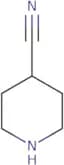
CAS:<p>2-Chloro-5-nitropyrimidine is a molecule that can be used as a model system for studying hydrogen bonds. It has been shown to react with methoxy groups and amines. The reaction mechanism is thought to involve nucleophilic attack by the hydroxyl group of the pyrimidine, which leads to a stepwise reaction. 2-Chloro-5-nitropyrimidine has also been shown to inhibit 5HT2c receptors in vitro, suggesting it may be useful for the treatment of schizophrenia.</p>Formula:C4H2ClN3O2Purity:Min. 95%Color and Shape:Yellow PowderMolecular weight:159.53 g/mol4-Cyanopiperidine
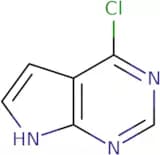
CAS:<p>4-Cyanopiperidine is an organic compound that belongs to the class of medicines and has a cyclohexane ring with two functional groups. It is a part of the compound class of dehydrating agents. 4-Cyanopiperidine is most commonly used as an intermediate in the synthesis of other compounds, but can also be used as a medicine. 4-Cyanopiperidine has been shown to be effective against pain, cancer, and seizures. The inhibitory effect of 4-cyanopiperidine on cyclic AMP causes it to have potent inhibitory activity against cb1 receptor, which is responsible for the psychoactive effects caused by tetrahydrocannabinol (THC). This drug also has potent antagonistic effects on pethidine and related drugs such as fentanyl, morphine, and oxycodone.</p>Formula:C6H10N2Purity:Min. 95%Color and Shape:Colorless Clear LiquidMolecular weight:110.16 g/molChloro-7-deazapurine
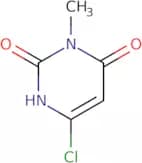
CAS:<p>Intermediate in the synthesis of baricitinib</p>Formula:C6H4ClN3Purity:Min. 95%Color and Shape:Off-White PowderMolecular weight:153.57 g/mol6-Chloro-3-methyluracil
CAS:<p>Intermediate in the synthesis of alogliptin</p>Formula:C5H5ClN2O2Purity:Min. 98 Area-%Color and Shape:Off-White PowderMolecular weight:160.56 g/mol2-Amino-3-sulfanylpropanamide hydrochloride
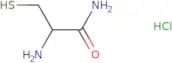
CAS:<p>2-Amino-3-sulfanylpropanamide hydrochloride is an organic chemical compound that can be used as a reaction component, reagent, or useful scaffold. It has the CAS number 867-85-6 and is classified as a speciality chemical. This product is versatile and can be used as a building block for complex compounds or fine chemicals.</p>Formula:C3H9ClN2OSPurity:Min. 95%Color and Shape:PowderMolecular weight:156.64 g/mol6-Cyanoindole
CAS:<p>6-Cyanoindole is a synthetic compound that has been shown to have functional properties. It binds to the receptor of the chemokine, which is a type of protein that regulates inflammatory responses. It also inhibits the activity of coagulation factors, which are proteins involved in blood clotting. 6-Cyanoindole has been shown to inhibit cancer cell growth and induce apoptosis (cell death) in a number of cancer cell lines. The fluorescence properties and lifetimes of 6-cyanoindole have been studied extensively. It has also been used as a monomer in copolymerization reactions and is used as an intermediate in the synthesis of 6-bromoindole.</p>Formula:C9H6N2Purity:Min. 95%Color and Shape:White PowderMolecular weight:142.16 g/mol(R)-1-(Thiazol-2-yl)ethanamine dihydrochloride
CAS:<p>Versatile small molecule scaffold</p>Formula:C5H8N2S•(HCl)2Purity:Min. 95%Color and Shape:PowderMolecular weight:200.66 g/molPyridine-2-sulfonamide
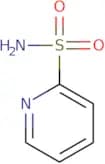
CAS:<p>Pyridine-2-sulfonamide is a synthetic drug that has been shown to inhibit the growth of cancer cells. It binds to the endothelin-A receptor, which is found in many tissues including the heart, brain, and skin. This binding inhibits the binding of epidermal growth factor to its receptor. Pyridine-2-sulfonamide also inhibits pancreatitis by inhibiting the production of hydrogen ions from hydrochloric acid and reducing inflammation. This drug has been shown to be effective against HIV infection.</p>Formula:C5H6N2O2SPurity:Min. 95%Color and Shape:PowderMolecular weight:158.18 g/mol


![5H,6H,7H-Cyclopenta[b]pyridin-2-amine](/_next/image/?url=https%3A%2Fstatic.cymitquimica.com%2Fproducts%2F3D%2Fthumb-webp%2FWFA33119.webp&w=3840&q=75)
![4-[(1E)-2-(3-Hydroxyphenyl)ethenyl]phenol](/_next/image/?url=https%3A%2Fstatic.cymitquimica.com%2Fproducts%2F3D%2Fthumb-webp%2FNCA87776.webp&w=3840&q=75)


![6-Chloro-1H-pyrazolo[3,4-b]pyridine](/_next/image/?url=https%3A%2Fstatic.cymitquimica.com%2Fproducts%2F3D%2Fthumb-webp%2FNCA72551.webp&w=3840&q=75)