


Building Blocks
This section contains fundamental products for the synthesis of organic and biological compounds. Building blocks are the essential starting materials used to construct complex molecules through various chemical reactions. They play a critical role in drug discovery, material science, and chemical research. At CymitQuimica, we offer a diverse range of high-quality building blocks to support your innovative research and industrial projects, ensuring you have the essential components for successful synthesis.
Subcategories of "Building Blocks"
- Boronic Acids & Boronic Acid Derivatives(5,756 products)
- Chiral Building Blocks(1,242 products)
- Hydrocarbon Building Blocks(6,095 products)
- Organic Building Blocks(61,038 products)
Found 196817 products of "Building Blocks"
Sort by
Purity (%)
0
100
|
0
|
50
|
90
|
95
|
100
N-Succinimidyl myristate
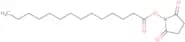
CAS:<p>N-Succinimidyl myristate is a long-chain fatty acid that contains a sulfur atom at its head. It is used in the production of diagnostic products and insulin analogs, as well as in the industrial production of organic solvents. N-Succinimidyl myristate reacts with serum albumin, forming an activated product that can be used in diagnostic tests. This reaction product is also used to bind proteins to fluorine atoms for use in industrial processes.</p>Formula:C18H31NO4Purity:Min. 95%Color and Shape:PowderMolecular weight:325.44 g/molN-Succinimidyl iodoacetate
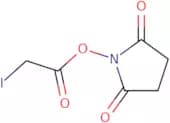
CAS:<p>Amine and sulfhydryl reactive crosslinker</p>Formula:C6H6INO4Purity:Min. 95%Color and Shape:Off-White PowderMolecular weight:283.02 g/molS-acetyl-L-glutathione
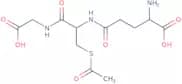
CAS:<p>Acetylcysteine is a drug that inhibits the growth of bacteria and viruses. Acetylcysteine is a precursor to the amino acid cysteine and has been shown to have antiviral properties against herpes simplex virus. It also has protective effects on human liver cells by preventing lipid peroxidation, which may be due to its antioxidant activity. Acetylcysteine can be used as an analytical method for particle size, thermal expansion, and hydrogen chloride content in industrial processes. Its use in metabolic disorders and cancer therapy is limited because it does not cross the blood-brain barrier easily. Acetylcysteine has been shown to inhibit HIV infection by blocking reverse transcriptase activity, but it cannot cure HIV infection.</p>Formula:C12H19N3O7SPurity:Min. 96 Area-%Color and Shape:White Off-White PowderMolecular weight:349.36 g/molSodium methanethiolate
CAS:<p>Methanethiol is a compound that occurs naturally in the environment. It is used as a fungicide, insecticide and herbicide. Methanethiol inhibits the growth of microorganisms by binding to metal ions on the surface of cells. This prevents DNA replication and protein synthesis, leading to cell death. Methanethiol also has anti-inflammatory properties which may be due to its ability to inhibit adenosine A1 receptor activity in humans.</p>Formula:CH3NaSPurity:Min. 95%Color and Shape:White PowderMolecular weight:70.09 g/molSar-Gly-OH
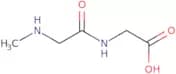
CAS:<p>Sar-Gly-OH is a high quality, reagent chemical that is a useful intermediate in the production of complex compounds. It has CAS No. 38082-72-3 and can be used as a fine chemical, speciality chemical, or research chemical. Sar-Gly-OH is also a versatile building block that can be used in the production of many different types of compounds. It has been shown to be an important reaction component in the synthesis of several types of pharmaceuticals and other organic materials.</p>Formula:C5H10N2O3Purity:Min. 95%Color and Shape:PowderMolecular weight:146.14 g/molL-Seleno-L-methionine
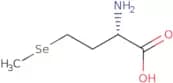
CAS:<p>L-Seleno-L-methionine is a selenium-containing amino acid that is found in the proteins of some plants and animals. It functions as an enzyme cofactor and aids in energy metabolism, protein synthesis, and other biochemical processes. Seleno-L-methionine has been shown to have a protective effect against oxidative damage by scavenging free radicals. It also increases mitochondrial membrane potential and prevents the release of proapoptotic factors from mitochondria into the cytosol. Seleno-L-methionine has been used for analytical purposes as well as to evaluate changes in cell signaling pathways due to chemiluminescence methods or chemical inhibitors. Seleno-L-methionine also has an antioxidant activity that reduces the production of reactive oxygen species (ROS) by reacting with hydroxyl radicals, hydrogen peroxide, nitric oxide, singlet oxygen, and peroxynitrite. Seleno-L-m</p>Formula:C5H11NO2SePurity:(Hplc) Min. 98%Color and Shape:White PowderMolecular weight:196.11 g/molSodium pyruvate
CAS:<p>Pyruvate is an intermediary organic acid metabolite in glycolysis and the first of the Embden Meyerhoff pathways that can pass readily in or out of the cell. Thus, the addition of sodium pyruvate to tissue culture medium provides both an energy source and a carbon skeleton for anabolic processes. Furthermore, it assists with maintaining certain specialized cells, is useful when cloning, and may be necessary when the serum concentration is reduced in the medium.</p>Formula:C3H3O3NaPurity:Min. 95%Color and Shape:Crystalline PowderMolecular weight:110.04 g/molSalicylaldehyde azine
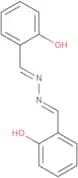
CAS:<p>Salicylaldehyde azine (SAZ) is a polymerized compound that has been shown to inhibit tyrosinase, an enzyme that catalyzes the oxidation of L-tyrosine to DOPA and dopaquinone. It can be used as a fluorescent probe for metal ions and has been used in the preparation of aluminium salts. The interaction of SAZ with protonated functional groups on tyrosinase leads to inhibition by blocking the active site. This inhibition is reversible and can be reversed by adding a reducing agent such as sodium dithionite.</p>Formula:C14H12N2O2Purity:Min. 95%Color and Shape:PowderMolecular weight:240.26 g/molSalicylic acid
CAS:<p>Salicylic acid is a weak organic acid that is used as a plant hormone. It has been shown to have enzyme activities that may be involved in the regulation of glycol ether metabolism, photosynthetic activity, p-hydroxybenzoic acid biosynthesis and nutrient solution. Salicylic acid also inhibits nitrite ion production by reacting with acetylsalicylic, which is an inhibitor of the enzyme nitric oxide synthase. Salicylic acid may inhibit transcriptional regulation by steric interactions with DNA or by binding to regulatory proteins. The structural analysis of salicylic acid shows an intramolecular hydrogen bond between the hydroxyl group and carbonyl group which could lead to enzyme inhibition.</p>Formula:C7H6O3Purity:Min. 95%Color and Shape:White Off-White PowderMolecular weight:138.12 g/molOctyl isocyanate
CAS:<p>Octyl isocyanate is a non-steroidal anti-inflammatory drug that belongs to the class of isocyanates. The biological activity of octyl isocyanate has been studied extensively, and it has been shown to inhibit the polymerase chain reaction (PCR). Octyl isocyanate also inhibits the growth of bacteria in vitro through metal chelation and polymyxin B., which are antibiotics that bind metal ions and disrupt bacterial cell membranes. Octyl isocyanate has been shown to be reactive in vivo, leading to autophagy and necrosis.</p>Formula:C9H17NOPurity:Min. 97 Area-%Color and Shape:Clear LiquidMolecular weight:155.24 g/mol5-Phenoxypyridin-2-amine
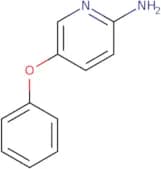
CAS:<p>5-Phenoxypyridin-2-amine is a useful scaffold that can be used as a reaction component, reagent, or intermediate. It is an aromatic compound with a benzene ring and pyridine group and has the CAS number 64064-68-2. 5-Phenoxypyridin-2-amine can be used as a building block for organic synthesis and as an intermediate for other compounds. This product can also be used to create complex compounds that are difficult to synthesize in other ways.</p>Formula:C11H10N2OPurity:Min. 95%Color and Shape:PowderMolecular weight:186.21 g/mol1-[4-(Trifluoromethyl)pyridin-3-yl]ethan-1-one
CAS:<p>1-[4-(Trifluoromethyl)pyridin-3-yl]ethan-1-one is a high quality reagent that can be used as a useful intermediate or speciality chemical. It is a complex compound with CAS No. 955997-27-0 and is an excellent building block for the synthesis of fine chemicals, research chemicals, and other versatile compounds. 1-[4-(Trifluoromethyl)pyridin-3-yl]ethan-1-one has been shown to be useful in reactions involving nucleophilic substitution, electrophilic addition, nucleophilic aromatic substitution, and coupling reactions.</p>Formula:C8H6F3NOPurity:Min. 95%Color and Shape:PowderMolecular weight:189.13 g/mol[3-(Morpholinomethyl)phenyl]methylamine
CAS:<p>3-(Morpholinomethyl)phenyl]methylamine (3-MP) is a modified form of the drug 3-morpholinoaniline. It is an organic compound that has been used as a stabilizer in polyolefins, such as polyethylene, to prevent degradation by heat and light. 3-MP is also used to modify copolymers of polypropylene and polyethylene. This modification prevents the copolymer from being degraded by heat, light, or oxygen. The polymerization reaction creates a cross-linked structure that protects the copolymer from degradation.</p>Formula:C12H18N2OPurity:Min. 95%Color and Shape:Clear LiquidMolecular weight:206.29 g/molCyclohexylmethanethiol
CAS:<p>Cyclohexylmethanethiol is a reactive chemical that is a colorless liquid with a strong odor. It is an organic compound belonging to the group of polybasic, hydroxamic acids and has been found to be an antimicrobial agent. Cyclohexylmethanethiol reacts with the hydroxyl groups on the surface of bacteria and damages the cell wall by disrupting the cross-linking of peptidoglycan. This reaction product inhibits bacterial growth by binding to proteins in the cell membrane, which prevents essential molecules from entering or exiting the cell. Cyclohexylmethanethiol also reacts with alkylthio groups on proteins in bacterial cells, which alters their function and leads to protein denaturation.</p>Formula:C7H14SPurity:Min. 95%Molecular weight:130.25 g/mol2-Phenylethanimidamide hydrochloride
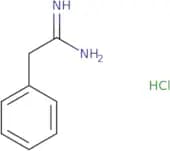
CAS:<p>2-Phenylethanimidamide hydrochloride is a chemical compound that is used as an insecticide and acaricide. It is a derivative of benzonitrile, which contains a chlorine atom. 2-Phenylethanimidamide hydrochloride is typically sprayed on plants to control pests such as mites, aphids, and beetles. This product can be mixed with other chemicals that help it stay on the plant for longer periods of time. The use of 2-phenylethanimidamide hydrochloride does not pose any health risks to humans or animals when use according to the directions on the label.</p>Formula:C8H10N2•HClPurity:Min. 95%Color and Shape:PowderMolecular weight:170.64 g/mol4-Bromo-1H-pyrrolo[2,3-b]pyridine-3-carboxylic acid
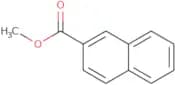
CAS:<p>4-Bromo-1H-pyrrolo[2,3-b]pyridine-3-carboxylic acid is a high quality reagent that is used as an intermediate in the synthesis of other compounds. It has a CAS No. of 1000340-36-2 and can be purchased at a very competitive price. This chemical is useful for the synthesis of complex compounds, such as fine chemicals and speciality chemicals. It can also be used as a building block for versatile chemical reactions, or as a building block for the synthesis of valuable research chemicals.</p>Formula:C8H5BrN2O2Purity:Min. 95%Color and Shape:PowderMolecular weight:241.04 g/molMethyl 2-naphthoate
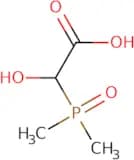
CAS:<p>Methyl 2-naphthoate is a chinese herb that has been used as a traditional medicine to treat inflammatory diseases. Methyl 2-naphthoate contains a carbonyl group, which is an important part of the molecule. The 13C NMR spectroscopy and X-ray crystal structures reveal the presence of a hydrogen bond between the carbonyl group and water molecule. The kinetic data demonstrate that methyl 2-naphthoate has significant cytotoxicity in vitro. These results were confirmed by in vivo experiments using mice with myeloma cells. Moreover, methyl 2-naphthoate was found to significantly suppress pro-inflammatory factors such as TNF-α and IL-1β.<br>Methyl 2-naphthoate is an analytical method for detecting carboxylic acid derivatives in organic solvents because it reacts with thiourea to produce colorless crystals of methyl naphthylamide.</p>Formula:C10H7CO2CH3Purity:Min. 95%Color and Shape:PowderMolecular weight:186.21 g/mol2-(Dimethylphosphoryl)-2-hydroxyacetic acid
CAS:<p>2-(Dimethylphosphoryl)-2-hydroxyacetic acid (DMPPA) is a herbicide that inhibits acetaldehyde dehydrogenase, an enzyme in the biochemical pathway of acetaldehyde biosynthesis. DMPPA does not have any effect on glutamate and l-threonine metabolism or on the formation of diketones. The target enzyme is activated by the addition of glyphosate to the leaves. DMPPA is used for diagnosis of velvetleaf (Abutilon theophrasti), which is a weed found in corn fields in North America. The chemical can be applied as a foliar spray or as a soil application, with many different formulations available. The chemical has been shown to be effective against graminaceous weeds such as barnyardgrass (Echinochloa crusgalli) and crabgrass (Digitaria spp.).</p>Formula:C4H9O4PPurity:Min. 95%Molecular weight:152.09 g/molN'-[3-Cyano-1-[2,6-dichloro-4-(trifluoromethyl)phenyl]-4-(trifluoromethyl)-1H-pyrazol-5-yl]-N,N-dimethylmethanimidamide
CAS:<p>Please enquire for more information about N'-[3-Cyano-1-[2,6-dichloro-4-(trifluoromethyl)phenyl]-4-(trifluoromethyl)-1H-pyrazol-5-yl]-N,N-dimethylmethanimidamide including the price, delivery time and more detailed product information at the technical inquiry form on this page</p>Formula:C15H9Cl2F6N5Purity:Min. 95%Molecular weight:444.16 g/molN'-[3-Cyano-1-[2,6-dichloro-4-(trifluoromethyl)phenyl]-4-iodo-1H-pyrazol-5-yl]-N,N-dimethylmethanimidamide
CAS:<p>Please enquire for more information about N'-[3-Cyano-1-[2,6-dichloro-4-(trifluoromethyl)phenyl]-4-iodo-1H-pyrazol-5-yl]-N,N-dimethylmethanimidamide including the price, delivery time and more detailed product information at the technical inquiry form on this page</p>Formula:C14H9Cl2F3IN5Purity:Min. 95%Molecular weight:502.06 g/mol





![1-[4-(Trifluoromethyl)pyridin-3-yl]ethan-1-one](/_next/image/?url=https%3A%2Fstatic.cymitquimica.com%2Fproducts%2F3D%2Fthumb-webp%2FFNB99727.webp&w=3840&q=75)
![[3-(Morpholinomethyl)phenyl]methylamine](/_next/image/?url=https%3A%2Fstatic.cymitquimica.com%2Fproducts%2F3D%2Fthumb-webp%2FRDA27183.webp&w=3840&q=75)

![4-Bromo-1H-pyrrolo[2,3-b]pyridine-3-carboxylic acid](/_next/image/?url=https%3A%2Fstatic.cymitquimica.com%2Fproducts%2F3D%2Fthumb-webp%2FAQB34036.webp&w=3840&q=75)
![N'-[3-Cyano-1-[2,6-dichloro-4-(trifluoromethyl)phenyl]-4-(trifluoromethyl)-1H-pyrazol-5-yl]-N,N-di…](/_next/image/?url=https%3A%2Fstatic.cymitquimica.com%2Fproducts%2F3D%2Fthumb-webp%2FFN182822.webp&w=3840&q=75)
![N'-[3-Cyano-1-[2,6-dichloro-4-(trifluoromethyl)phenyl]-4-iodo-1H-pyrazol-5-yl]-N,N-dimethylmethani…](/_next/image/?url=https%3A%2Fstatic.cymitquimica.com%2Fproducts%2F3D%2Fthumb-webp%2FFN182821.webp&w=3840&q=75)