Building Blocks
This section contains fundamental products for the synthesis of organic and biological compounds. Building blocks are the essential starting materials used to construct complex molecules through various chemical reactions. They play a critical role in drug discovery, material science, and chemical research. At CymitQuimica, we offer a diverse range of high-quality building blocks to support your innovative research and industrial projects, ensuring you have the essential components for successful synthesis.
Subcategories of "Building Blocks"
- Boronic Acids & Boronic Acid Derivatives(5,756 products)
- Chiral Building Blocks(1,242 products)
- Hydrocarbon Building Blocks(6,095 products)
- Organic Building Blocks(61,038 products)
Found 196817 products of "Building Blocks"
Sort by
Purity (%)
0
100
|
0
|
50
|
90
|
95
|
100
4-Fluoro-3-methoxyacetophenone
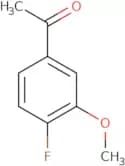
CAS:<p>4-Fluoro-3-methoxyacetophenone is a chemical compound that can be used as a building block for the synthesis of other organic compounds. It is also a useful intermediate for the production of pharmaceuticals, pesticides, and fragrances. 4-Fluoro-3-methoxyacetophenone has been shown to react with various reagents including amines, alcohols, and thiols. This chemical is water soluble and can be stored at room temperature.</p>Formula:C9H9FO2Purity:Min. 95%Color and Shape:PowderMolecular weight:168.16 g/mol6-Bromo-8-chloro-1,2,3,4-tetrahydroquinoline hydrochloride
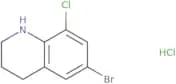
CAS:<p>Versatile small molecule scaffold</p>Formula:C9H10BrCl2NPurity:Min. 95%Color and Shape:PowderMolecular weight:282.99 g/mol1-Naphthoic acid
CAS:<p>1-Naphthoic acid is a phenolic antioxidant that is used in the treatment of inflammatory bowel disease. It has been shown to reduce the production of inflammatory cytokines and improve symptoms of bowel disease. 1-Naphthoic acid, as a fluorescence probe, can be used to detect and quantify hydroxycinnamic acids in biological fluids such as serum and urine. 1-Naphthoic acid also inhibits serine protease activity, which is involved in autoimmune diseases such as lupus erythematosus. It also inhibits the activity of hydrolytic enzymes that are associated with metabolic disorders such as diabetes mellitus. In addition, 1-naphthoic acid can act as an agonist at certain receptors including muscarinic receptors and α2A receptors. It has also been shown to increase levels of retinoic acid and inhibit the formation of hydrogen peroxide by bacteria like H. pylori due to its ability</p>Formula:C11H8O2Purity:Min. 95%Color and Shape:Clear LiquidMolecular weight:172.18 g/mol5-(Hydroxymethyl)furan-3-carboxylic acid
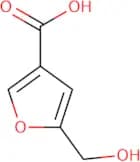
CAS:<p>5-(Hydroxymethyl)furan-3-carboxylic acid (5HFCA) is a diphenyl ether that can be found in nature. 5HFCA has been shown to have significant antifungal activity against flavus, a genus of fungi. The uptake of 5HFCA by the fungus is rapid and it accumulates in the cell. The polyphenol content of plants is also considered to be an important factor for its growth inhibition effect on fungi. There are many active substances in 5HFCA that are responsible for this effect, such as carvacrol and p-cresol. 5HFCA has been shown to have strong oxidative activity and can induce oxidative stress in fungi, leading to cell death.</p>Formula:C6H6O4Purity:Min. 95%Molecular weight:142.11 g/mol2-Nitrobenzoic acid - Technical
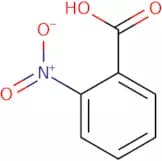
CAS:<p>2-Nitrobenzoic acid is an organic compound that is used as a reagent in the preparation of aldehydes, esters, and amides. It has been shown to be a potent inhibitor of the MCL-1 protein. This protein is an important regulator of mitochondrial permeability transition pore (MPTP) opening and apoptosis induction. The inhibition of the MPTP by 2-nitrobenzoic acid may be due to its ability to react with nitric oxide (NO) to form peroxynitrite, which reacts with MPTP proteins in the mitochondria. The use of 2-nitrobenzoic acid has been found to be effective in treating infectious diseases such as HIV, as well as autoimmune diseases such as psoriasis.</p>Formula:C7H5NO4Purity:Min. 95%Color and Shape:PowderMolecular weight:167.12 g/mol4-Fluoro-2-methoxybenzaldehyde
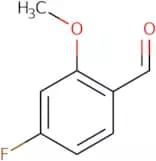
CAS:<p>4-Fluoro-2-methoxybenzaldehyde (4FMBA) is a potential PET radioligand that binds to the serotonin 5-HT2A receptor. 4FMBA has been shown to be an efficient and selective 5-HT2A antagonist with low molecular weight and high affinity. The binding of 4FMBA to the serotonin 5-HT2A receptor can be inhibited by ketanserin, which is a nonselective 5-HT2A antagonist. This drug may be used for cancer diagnosis, as it has a low detection limit and can detect endogenous serotonin in the brain. It also shows anti-depressant properties, which may be due to its ability to bind to the orthosteric site of the serotonin 5-HT2A receptor.</p>Formula:C8H7FO2Purity:Min. 95%Color and Shape:Off-White PowderMolecular weight:154.14 g/mol4-(4-Fluorophenoxy)benzylamine hydrochloride
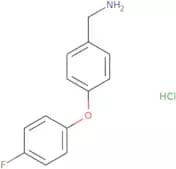
CAS:<p>4-(4-Fluorophenoxy)benzylamine hydrochloride is a metabolic agent that inhibits the metabolism of phenylpropionic acid and butanoic acid. It is used industrially as an oxime to protect other organic compounds from damage by peroxides, such as in polymerization reactions. 4-(4-Fluorophenoxy)benzylamine hydrochloride has been shown to be effective in treating metabolic diseases, such as phenylketonuria and urea cycle disorders.</p>Formula:C13H12FNO·HClPurity:Min. 95%Color and Shape:PowderMolecular weight:253.7 g/molBicyclo[2.1.1]hexane-1-carboxylic acid
CAS:<p>Versatile small molecule scaffold</p>Formula:C7H10O2Purity:Min. 95%Molecular weight:126.15 g/mol3-[3-(Methylcarbamoyl)phenyl]propanoic acid
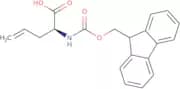
CAS:<p>Versatile small molecule scaffold</p>Formula:C11H13NO3Purity:Min. 95%Color and Shape:PowderMolecular weight:207.23 g/molFMoc-L-Allylglycine
CAS:<p>FMoc-L Allylglycine is a synthetic reactive molecule that binds to the P2Y receptor. It is active in the cell maturation process and stimulates receptor activity. FMoc-L-Allylglycine has been shown to have anticancer properties, as well as an effect on human serum and bovine fetal serum. The nitrogen atoms in FMoc-L-Allylglycine are capable of forming strong bonds with buffers and imprinting agents, which can be used to study biomolecules. The disulfide bond in FMoc-L-Allylglycine can be cleaved with reductive conditions, making it a useful tool for the synthesis of peptides.</p>Formula:C20H19NO4Purity:Min. 95%Color and Shape:White PowderMolecular weight:337.37 g/mol7-Fluoro-1H-indole
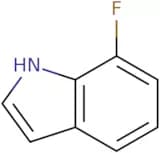
CAS:<p>7-Fluoro-1H-indole is a molecule that belongs to the class of antimicrobial agents. It has been shown to be effective against human pathogens such as P. aeruginosa and S. aureus, and has also shown hemolytic activity against erythrocytes. 7-Fluoro-1H-indole inhibits bacterial growth by binding to siderophores, which are molecules produced by bacteria in response to iron starvation, thereby blocking their uptake of iron from the environment. It has also been shown to have protease activity against Gram negative bacteria. This compound can be synthesized using an in vivo model, where it was shown that 7-fluoro-1H-indole was able to bind to the cytoplasmic membrane and inhibit protein synthesis in Gram negative bacteria cells.</p>Formula:C8H6FNPurity:Min. 95%Color and Shape:PowderMolecular weight:135.14 g/mol2,5-Furandicarboxylic acid dimethyl ester
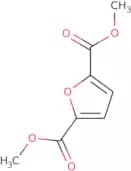
CAS:<p>2,5-Furandicarboxylic acid dimethyl ester is a structural analog of diacids. It has been synthesized by the reaction of 5-hydroxymethylfurfural with ethyl esters and phosphotungstic acid. The isolated yield was determined by gravimetric analysis. The structure of 2,5-furandicarboxylic acid dimethyl ester is shown in the following figure:</p>Formula:C8H8O5Purity:Min. 98 Area-%Color and Shape:White Off-White PowderMolecular weight:184.15 g/moltert-Butyl 2-(furan-2-yl)-1H-indole-1-carboxylate
CAS:<p>Please enquire for more information about tert-Butyl 2-(furan-2-yl)-1H-indole-1-carboxylate including the price, delivery time and more detailed product information at the technical inquiry form on this page</p>Formula:C17H17NO3Purity:Min. 95%Color and Shape:Clear LiquidMolecular weight:283.32 g/molα-Me-D-Leu-OH
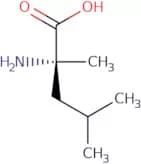
CAS:<p>a-Me-D-Leu-OH is a versatile building block that is used as a reagent in the synthesis of complex compounds, research chemicals, and speciality chemicals. It is also a useful scaffold for drug design. This chemical is also widely used as an intermediate in organic syntheses.</p>Formula:C7H15NO2Purity:Min. 95%Color and Shape:PowderMolecular weight:145.2 g/molQuestiomycin A
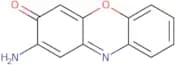
CAS:<p>Questiomycin A is a sesquiterpene lactone that is an antimicrobial agent. It has been shown to modulate the immune system by inhibiting the production of cytokines and altering the expression of genes related to autoimmune diseases. Questiomycin A also inhibits cell growth in myeloma cells, which is due to its ability to inhibit dinucleotide phosphate (NADPH) reductase, an enzyme required for mitochondrial membrane potential maintenance and other cellular functions. In addition, questiomycin A has been shown to induce apoptosis in liver cells as well as carcinoma cell lines. This drug can also be used for body formation, as it stimulates bone growth and inhibits osteoclast activity.</p>Formula:C12H8N2O2Purity:Min. 95 Area-%Color and Shape:PowderMolecular weight:212.2 g/mol4-Methoxybenzoic acid hydrazide
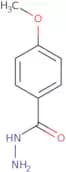
CAS:<p>4-Methoxybenzoic acid hydrazide is a copper complex that binds to the DNA of bacteria, inhibiting the production of proteins. It has been shown to have antimicrobial activity against gram-positive and gram-negative bacteria. 4-Methoxybenzoic acid hydrazide has also been shown to inhibit colorectal carcinoma cells in vitro and in vivo. This compound inhibits the growth of cells by binding to them and disrupting hydrogen bonds. 4-Methoxybenzoic acid hydrazide causes cell death by inhibiting protein synthesis.</p>Formula:C8H10N2O2Purity:Min. 95%Color and Shape:White PowderMolecular weight:166.18 g/mol1,2,3,4-Tetrahydronaphthalene-1-carbaldehyde
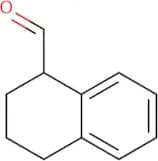
CAS:<p>1,2,3,4-Tetrahydronaphthalene-1-carbaldehyde is an organic compound that contains a nitrogen atom. It is used to treat autoimmune diseases and eye disorders. The compound has been shown to inhibit the production of glutamate in the retina of rats with experimental autoimmune encephalomyelitis (EAE), which may be due to its ability to suppress the activation of microglia cells and the release of proinflammatory cytokines. Tetrahydronaphthalene-1-carbaldehyde also inhibits cancer cell growth by binding to estrogen receptors and regulating gene expression. This drug also has anti-inflammatory effects by inhibiting cyclooxygenase 2 and lipoxygenase, as well as being a control agent for chronic kidney disease.</p>Formula:C11H12OPurity:Min. 95%Color and Shape:Clear LiquidMolecular weight:160.22 g/mol2-Fluoro-4-(hydroxymethyl)phenol
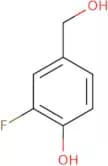
CAS:<p>2-Fluoro-4-(hydroxymethyl)phenol is a versatile building block, which can be used as a reagent to synthesize complex compounds. 2-Fluoro-4-(hydroxymethyl)phenol is also a useful building block for the synthesis of various pharmaceuticals, such as selective androgen receptor modulators (SARMs). It has been reported that 2-fluoro-4-(hydroxymethyl)phenol inhibits the activity of human liver cytochrome P450 enzymes. In addition, this compound has been used as an intermediate in the synthesis of some research chemicals. 2-Fluoro-4-(hydroxymethyl)phenol has CAS number 96740-93-1 and is a high quality chemical with many uses.</p>Formula:C7H7FO2Purity:Min. 95%Color and Shape:PowderMolecular weight:142.13 g/mol3-N-Maleimidobenzoic acid
CAS:<p>3-N-Maleimidobenzoic acid is a chemical crosslinking agent that reacts with proteins through the formation of an amide bond. It has been shown to react with both actin subunits and human immunoglobulin. This molecule also reacts with spermatozoa, which are composed primarily of actin filaments, and is used in the preparation of polyclonal antibodies. 3-N-Maleimidobenzoic acid can be used to fix antigen onto a solid support for immunological purposes. It is also a cross-linking agent that can be used in cytochalasin B experiments to inhibit plastid activity in chloroplasts. 3-N-Maleimidobenzoic acid reacts with monoclonal antibodies by forming an amide bond, which can be used as a reaction product.</p>Formula:C11H7NO4Purity:Min. 95%Color and Shape:PowderMolecular weight:217.18 g/mol6-Mercapto-1-hexanol
CAS:<p>6-Mercapto-1-hexanol is a redox active molecule that has been shown to be a potent inhibitor of human immunodeficiency virus type 1 reverse transcriptase. It has also been shown to inhibit the polymerase chain reaction and transfer reactions, including those mediated by DNA-dependent RNA polymerase. 6-Mercapto-1-hexanol can be detected with high sensitivity in human serum, which is its main application for the diagnosis of HIV infection. This compound reacts with molecular oxygen to form superoxide radicals, which are responsible for its redox potential. The rate constant for this reaction has been shown to be dependent on pH and temperature. 6-Mercapto-1-hexanol can also form stable complexes with proteins such as albumin or human immunoglobulin G (IgG). These complexes have been shown to exhibit electrochemical impedance spectroscopy activity at low concentrations and chemical stability in biological media.</p>Formula:C6H14OSPurity:Min. 96%Color and Shape:Clear LiquidMolecular weight:134.24 g/mol


![Bicyclo[2.1.1]hexane-1-carboxylic acid](/_next/image/?url=https%3A%2Fstatic.cymitquimica.com%2Fproducts%2F3D%2Fthumb-webp%2FPCA72577.webp&w=3840&q=75)
![3-[3-(Methylcarbamoyl)phenyl]propanoic acid](/_next/image/?url=https%3A%2Fstatic.cymitquimica.com%2Fproducts%2F3D%2Fthumb-webp%2FJZB49430.webp&w=3840&q=75)