


Building Blocks
This section contains fundamental products for the synthesis of organic and biological compounds. Building blocks are the essential starting materials used to construct complex molecules through various chemical reactions. They play a critical role in drug discovery, material science, and chemical research. At CymitQuimica, we offer a diverse range of high-quality building blocks to support your innovative research and industrial projects, ensuring you have the essential components for successful synthesis.
Subcategories of "Building Blocks"
- Boronic Acids & Boronic Acid Derivatives(5,756 products)
- Chiral Building Blocks(1,242 products)
- Hydrocarbon Building Blocks(6,095 products)
- Organic Building Blocks(61,038 products)
Found 196817 products of "Building Blocks"
Sort by
Purity (%)
0
100
|
0
|
50
|
90
|
95
|
100
3-[(1H-1,2,3,4-Tetrazol-5-yl)methyl]-1H-indole
CAS:<p>Versatile small molecule scaffold</p>Formula:C10H9N5Purity:Min. 95%Color and Shape:PowderMolecular weight:199.21 g/molBenzene-1,3,5-tricarbaldehyde
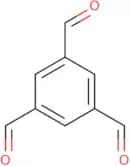
CAS:<p>Trifluoroacetic acid is a nonsteroidal anti-inflammatory drug that belongs to the group of carboxylic acids. Benzene-1,3,5-tricarbaldehyde is used as an intermediate in the synthesis of trifluoroacetic acid and has been shown to be effective against microbial infections. It has been shown to inhibit the growth of bacteria such as Staphylococcus aureus and Bacillus cereus by disrupting their DNA replication. Benzene-1,3,5-tricarbaldehyde also inhibits the production of inflammatory cytokines and reduces inflammation. The compound has chemical stability and does not react with human serum or other biological fluids.</p>Formula:C9H6O3Purity:Min. 95%Color and Shape:PowderMolecular weight:162.15 g/molIndole-3-butyric acid
CAS:<p>Plant hormone; auxin; inducer of root development; used in plant rooting</p>Formula:C12H13NO2Purity:Min 98%Color and Shape:White Yellow PowderMolecular weight:203.24 g/mol5-Iodo-2,4-dimethoxypyrimidine
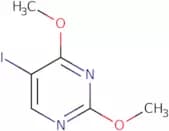
CAS:<p>5-Iodo-2,4-dimethoxypyrimidine is a chemical compound that can be used as a ligand for palladium. It is selective for alcohols and carbinols. The compound has been shown to catalyze the desilylation of organic halides and oxidized alcohols with high yields. 5-Iodo-2,4-dimethoxypyrimidine can also be used in the synthesis of carbohydrates and vinyl acetate. The yield of dehydrohalogenated products was found to be high when 5-iodo-2,4-dimethoxypyrimidine was used as a catalyst.</p>Formula:C6H7IN2O2Purity:Min. 95%Color and Shape:PowderMolecular weight:266.04 g/molH-Imidazoleacetic acid
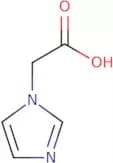
CAS:<p>H-Imidazoleacetic acid is a synthetic compound that can be used to produce other compounds. It is soluble in water and has a hydrophilic interaction with calcium carbonate. H-Imidazoleacetic acid may be recycled, as it is easily synthesized from ethyl bromoacetate by reaction with hydrochloric acid. This substance has shown anticancer activity and may be used to treat blood pressure. The chromatographic method for H-Imidazoleacetic acid involves the use of extracellular medium to remove the organic solvent, followed by reversed phase chromatography on an ion exchange column. H-Imidazoleacetic acid is soluble in water and has a hydrophilic interaction with calcium carbonate. It may be recycled, as it is easily synthesized from ethyl bromoacetate by reaction with hydrochloric acid. This substance has shown anticancer activity and may be used to treat blood pressure. The</p>Formula:C5H6N2O2Purity:Min. 95%Color and Shape:PowderMolecular weight:126.11 g/molImidazolyl-4-ethanol
CAS:<p>Imidazolyl-4-ethanol is a glycoside derivative that inhibits the synthesis of proteins, fats, and nucleic acids by inhibiting the enzyme phosphofructokinase. The compound has been shown to have anti-inflammatory properties that are similar to those of nonsteroidal antiinflammatory drugs. This drug also has a kinetic energy of -1.2 kcal/mol and it has a ph optimum of 7.5. Imidazolyl-4-ethanol has been shown to be useful in vitro for the synthesis of antibodies against monoclonal antibodies and for radiation protection. It can also be used as a radioactive tracer in vivo.</p>Formula:C5H8N2OPurity:Min. 90 Area-%Color and Shape:PowderMolecular weight:112.13 g/molGuanine
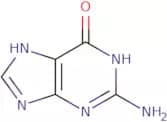
CAS:<p>Guanine is a purine base that is found in the DNA and RNA of all living cells. It plays an important role as a component of the nucleic acid molecule, where it is paired with cytosine. Guanine is involved in many chemical reactions and biological processes, including protein synthesis and cell division. The lack of guanine can lead to deficiency symptoms such as hemolytic anemia or erythrocyte cytoplasmic inclusion bodies. Guanine has been shown to have chemiluminescent properties, which can be used to detect its presence in samples containing DNA or RNA. This reaction occurs when guanine reacts with hydrogen peroxide (H2O2) to form guanidine (HN=C(NH2)NH2). The reaction produces excited states that emit light at a wavelength of 395 nm when they return to their ground state. Guanidine also has electrochemical impedance spectroscopy properties, which can be used for analytical purposes</p>Formula:C5H5N5OPurity:Min. 98 Area-%Color and Shape:PowderMolecular weight:151.13 g/molH-Lys(Boc)-AMC
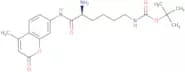
CAS:<p>H-Lys(Boc)-AMC is a useful building block for the synthesis of peptides, nucleic acids, and other complex molecules. It is a fine chemical that can be used as a reagent or speciality chemical in research laboratories. H-Lys(Boc)-AMC is also a versatile building block that can be used to synthesize complex compounds and scaffolds. This compound has been assigned CAS number 222037-62-9.</p>Formula:C21H29N3O5Purity:Min. 95%Color and Shape:PowderMolecular weight:403.47 g/molLinoleic acid - 60%min
CAS:<p>Linoleic acid is a polyunsaturated fatty acid that is an important component of the human diet. It has been shown to have inhibitory properties on liver cells, and may be related to body mass index. Linoleic acid is a precursor for gamma-aminobutyric acid (GABA), which functions as a neurotransmitter in the central nervous system. Linoleyl alcohol is a metabolite of linoleic acid and has been shown to inhibit the production of antimicrobial peptides, such as cathelicidin and beta-defensin. The inhibition of this peptide may be responsible for the observed reduction in inflammatory responses and infections.</p>Formula:C18H32O2Purity:Min. 95%Color and Shape:Yellow Clear LiquidMolecular weight:280.45 g/molGlutamic acid
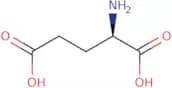
CAS:<p>Glutamic acid is a non-essential amino acid that is present in all cells. It is one of the most abundant amino acids and plays an important role in the biochemical properties and biological properties of living organisms. Glutamic acid has been found to be an important neurotransmitter and is involved in neuronal activity, which can lead to death. It also has been shown to be a potent inhibitor of DNA polymerase, which may explain the structural analysis of glutamic acid as a divalent cation coordination-activator molecule. Glutamate can be used as a model system for studying glutamate receptor function and its optimum concentration is determined using vitro assays. The dinucleotide phosphate (NADPH) oxidase pathway may be involved in the toxicity of glutamic acid as it produces reactive oxygen species.</p>Formula:C5H9NO4Purity:Min. 95%Color and Shape:White PowderMolecular weight:147.13 g/molLauroyl coenzyme A lithium
CAS:<p>Please enquire for more information about Lauroyl coenzyme A lithium including the price, delivery time and more detailed product information at the technical inquiry form on this page</p>Formula:C33H58N7O17P3S•LixPurity:90%Color and Shape:Powder2-[3-(4-Methylphenyl)-1,2,4-oxadiazol-5-yl]acetonitrile
CAS:<p>Heterocycle with nitrile functional handle</p>Formula:C11H9N3OPurity:Min. 95%Color and Shape:PowderMolecular weight:199.21 g/mol4-{5H,6H,7H,8H-Pyrido[4,3-c]pyridazin-3-yl}-1,4-oxazepane
CAS:<p>Versatile small molecule scaffold</p>Formula:C12H18N4OPurity:Min. 95%Color and Shape:PowderMolecular weight:234.3 g/molTemsavir
CAS:<p>Temsavir is a cyclic peptide that is chemically similar to the HIV-1 gp120 protein. It binds to the gp120 receptor on the outside of the virus and inhibits viral life, inhibiting viral replication and infectivity. Temsavir has been shown to be an inhibitor of HIV-1 in vivo human pharmacokinetics. The oral prodrug temsavir has been shown to be effective for the treatment of infectious diseases caused by HIV-1, such as hepatitis C virus (HCV) co-infection. Temsavir can also be used for hepatic impairment, which may not respond well to other drugs because they are primarily metabolized in the liver.</p>Formula:C24H23N7O4Purity:Min. 98 Area-%Color and Shape:PowderMolecular weight:473.48 g/molLinalool glucoside
CAS:<p>Please enquire for more information about Linalool glucoside including the price, delivery time and more detailed product information at the technical inquiry form on this page</p>Formula:C16H28O6Purity:Min. 95%Color and Shape:Clear LiquidMolecular weight:316.39 g/molMethyltetrazine-acid
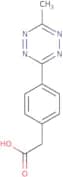
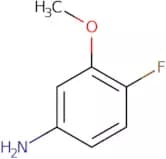
CAS:<p>Versatile small molecule scaffold</p>Formula:C11H10N4O2Purity:Min. 95%Color and Shape:PowderMolecular weight:230.22 g/mol4-Fluoro-3-methoxyaniline
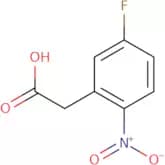
CAS:<p>4-Fluoro-3-methoxyaniline is a high quality reagent with a CAS number of 64465-53-8. It is an intermediate in the synthesis of other complex compounds, such as chroman derivatives. This compound can be used as a building block for the synthesis of organic compounds and also has many medicinal applications. 4-Fluoro-3-methoxyaniline is soluble in most solvents and can be stored at room temperature.</p>Formula:C7H8FNOPurity:Min. 95%Color and Shape:Yellow PowderMolecular weight:141.14 g/mol5-Fluoro-2-nitrophenylacetic acid
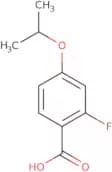
CAS:<p>5-Fluoro-2-nitrophenylacetic acid is a high quality chemical that is used as an intermediate in the synthesis of other compounds. 5-Fluoro-2-nitrophenylacetic acid is a versatile building block that can be used as a starting material for the synthesis of complex compounds and speciality chemicals. This reagent is also useful as a research chemical and building block for pharmaceuticals. 5-Fluoro-2-nitrophenylacetic acid has CAS No. 29640-98-0, which identifies it as an important synthetic intermediate with many uses in the production of fine chemicals, pharmaceuticals, and other chemical products.</p>Formula:C8H6FNO4Purity:Min. 95%Color and Shape:Off-White PowderMolecular weight:199.14 g/mol2-Fluoro-4-isopropyloxybenzoic acid
CAS:<p>2-Fluoro-4-isopropyloxybenzoic acid is a fluorescent reagent with a high quality and purity. It is a complex compound that can be used as an intermediate in the synthesis of fine chemicals, pharmaceuticals, pesticides, herbicides, and other useful compounds. 2-Fluoro-4-isopropyloxybenzoic acid is also used as a starting material for the synthesis of speciality chemicals such as reaction components and versatile building blocks. It is soluble in organic solvents and has been shown to react with various functional groups.</p>Formula:C10H11FO3Purity:Min. 95%Color and Shape:White PowderMolecular weight:198.19 g/mol1-{[(9H-Fluoren-9-yl)methoxy]carbonyl}-3-hydroxypiperidine-2-carboxylic acid
CAS:<p>1-{[(9H-Fluoren-9-yl)methoxy]carbonyl}-3-hydroxypiperidine-2-carboxylic acid is a reaction component that can be used in the synthesis of a variety of chemical compounds. This product has been shown to be useful as a scaffold for the synthesis of complex compounds, and as an intermediate for the synthesis of speciality chemicals. It has also been found to have versatile building block properties and is used in the production of fine chemicals.</p>Formula:C21H21NO5Purity:Min. 95%Color and Shape:PowderMolecular weight:367.4 g/mol
![3-[(1H-1,2,3,4-Tetrazol-5-yl)methyl]-1H-indole](/_next/image/?url=https%3A%2Fstatic.cymitquimica.com%2Fproducts%2F3D%2Fthumb-webp%2FQAA99212.webp&w=3840&q=75)





![2-[3-(4-Methylphenyl)-1,2,4-oxadiazol-5-yl]acetonitrile](/_next/image/?url=https%3A%2Fstatic.cymitquimica.com%2Fproducts%2F3D%2Fthumb-webp%2FICA59900.webp&w=3840&q=75)
![4-{5H,6H,7H,8H-Pyrido[4,3-c]pyridazin-3-yl}-1,4-oxazepane](/_next/image/?url=https%3A%2Fstatic.cymitquimica.com%2Fproducts%2F3D%2Fthumb-webp%2FJHD95611.webp&w=3840&q=75)

![1-{[(9H-Fluoren-9-yl)methoxy]carbonyl}-3-hydroxypiperidine-2-carboxylic acid](/_next/image/?url=https%3A%2Fstatic.cymitquimica.com%2Fproducts%2F3D%2Fthumb-webp%2FSMA38434.webp&w=3840&q=75)