Building Blocks
This section contains fundamental products for the synthesis of organic and biological compounds. Building blocks are the essential starting materials used to construct complex molecules through various chemical reactions. They play a critical role in drug discovery, material science, and chemical research. At CymitQuimica, we offer a diverse range of high-quality building blocks to support your innovative research and industrial projects, ensuring you have the essential components for successful synthesis.
Subcategories of "Building Blocks"
- Boronic Acids & Boronic Acid Derivatives(5,756 products)
- Chiral Building Blocks(1,242 products)
- Hydrocarbon Building Blocks(6,095 products)
- Organic Building Blocks(61,038 products)
Found 196817 products of "Building Blocks"
Sort by
Purity (%)
0
100
|
0
|
50
|
90
|
95
|
100
2-Bromo-1,3-diethylbenzene
CAS:<p>2-Bromo-1,3-diethylbenzene is a reactive intermediate that can be used for the synthesis of styrene derivatives. It is also used as an anesthetic agent and has been shown to have cognition-enhancing properties. This compound reacts with electrophiles to form monoadducts, which are useful for protein targetting. The pharmacophore of 2-bromo-1,3-diethylbenzene consists of vinyl groups and halides. Radiation induces substitution reactions on the vinyl groups. Pharmacophores are important in drug design because they help identify specific chemical features that are necessary for binding to a particular protein target or protein targets.</p>Formula:C10H13BrPurity:Min. 95%Color and Shape:Clear LiquidMolecular weight:213.11 g/mol3-Butenoic acid
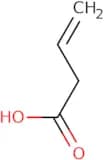
CAS:<p>3-Butenoic acid is a fatty acid that belongs to the group of short chain carboxylic acids. It is used in detergent compositions where it functions as a cationic surfactant and has a hydroxyl group that can be used for polymerization reactions. 3-Butenoic acid is also used as an analytical reagent, e.g., in electrochemical impedance spectroscopy, in which it has been shown to have phase transition temperature of around 38°C. 3-Butenoic acid can be synthesized by reacting butanol with hydrochloric acid and copper chloride in the presence of a cationic surfactant such as alkyltrimethylammonium chloride or benzalkonium chloride. 3-Butenoic acid also acts as a Jak1 inhibitor and has receptor activity against all types of receptors, including those for histamine, acetylcholine, dopamine, serotonin, and GABA (gamma aminob</p>Formula:C4H6O2Purity:Min. 95 Area-%Color and Shape:Colorless Clear LiquidMolecular weight:86.09 g/mol7-Bromo-1H-indole-3-carboxylic acid
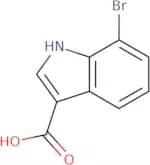
CAS:<p>Please enquire for more information about 7-Bromo-1H-indole-3-carboxylic acid including the price, delivery time and more detailed product information at the technical inquiry form on this page</p>Formula:C9H6BrNO2Purity:Min. 95%Color and Shape:PowderMolecular weight:240.05 g/moltert-Butyl 1-piperazinecarboxylate
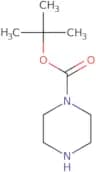
CAS:<p>tert-Butyl 1-piperazinecarboxylate is an antimicrobial agent that belongs to the group of aryl halides. It has been shown to have high affinity for the 5-HT1A receptor and inhibit its function. Tert-butyl 1-piperazinecarboxylate inhibits the kinase activity of protein tyrosine phosphatase 1B (PTP1B) and prevents the activation of this enzyme, which is involved in a number of cellular processes. This compound has been shown to inhibit the growth factor amines, such as NGF, IGF-1, PDGF and GHRH. Hydrogen bonds are formed between tert-butyl 1-piperazinecarboxylate molecules through hydrophobic interactions with aromatic rings, which may account for its potency against resistant mutants.</p>Formula:C9H18N2O2Purity:Min. 95%Color and Shape:PowderMolecular weight:186.25 g/mol1-Adamantanemethanol
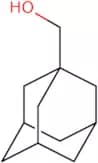
CAS:<p>Adamantanemethanol is a molecule used in the process of translation. It is structurally analyzed by trifluoromethanesulfonic acid, which is a cavity. The pharmacokinetic properties of adamantanemethanol are determined by its acyl chain. Adamantanemethanol has been studied in clinical trials, and the minimal inhibitory concentration for this drug is determined by chloride. This molecule also forms hydrogen bonds with hydroxyl groups and functional groups. Adamantanemethanol has been shown to be an effective antimicrobial agent against bacterial replication in cell culture and has optical properties that can be used to identify it.</p>Formula:C11H18OPurity:Min. 95%Color and Shape:White PowderMolecular weight:166.26 g/molBiotin alkyne
CAS:<p>Biotin alkyne is a reactive molecule that can be used as a diagnostic or therapeutic agent. It is a bioreactor for the synthesis of amino acid sequences and can be used in the diagnosis and treatment of cancer. Biotin alkyne is also useful in the detection of disease-causing bacteria, as it reacts with their amino acids to form fluorescent products. The reaction between biotin alkyne and azide creates an unstable intermediate that undergoes an addition reaction with nucleophiles such as DNA or RNA. This reaction yields a product that emits light upon excitation by ultraviolet light, which can be detected using fluorescence microscopy or flow cytometry. This product can also be used to label proteins for diagnostics or functionalizing cell surfaces for immunological purposes.</p>Formula:C24H40N4O7SPurity:Min. 95%Color and Shape:PowderMolecular weight:528.66 g/molN-Tosyl-L-alanine 3-indoxyl ester
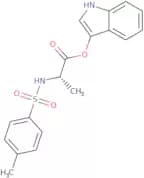
CAS:<p>N-Tosyl-L-alanine 3-indoxyl ester is applied specifically to urine samples. In the presence of leukocyte esterase, N-Tosyl-L-alanine-3-indoxyl ester will be hydrolysed to afford indoxyl. The sample is later exposed to diazonium salts that form azo dyes with the indoxyl. If sufficent indoxyl is formed, it indicates elevated numbers of white blood cells in the urine sample and this indicates that the host has contracted a urinary tract infection.</p>Formula:C18H18N2O4SPurity:Min. 98.0 Area-%Molecular weight:358.42 g/mol5-(Hydroxymethyl)furan-3-carboxylic acid
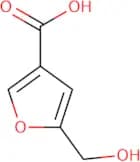
CAS:<p>5-(Hydroxymethyl)furan-3-carboxylic acid (5HFCA) is a diphenyl ether that can be found in nature. 5HFCA has been shown to have significant antifungal activity against flavus, a genus of fungi. The uptake of 5HFCA by the fungus is rapid and it accumulates in the cell. The polyphenol content of plants is also considered to be an important factor for its growth inhibition effect on fungi. There are many active substances in 5HFCA that are responsible for this effect, such as carvacrol and p-cresol. 5HFCA has been shown to have strong oxidative activity and can induce oxidative stress in fungi, leading to cell death.</p>Formula:C6H6O4Purity:Min. 95%Molecular weight:142.11 g/mol4-Benzyloxybenzoic acid
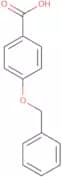
CAS:<p>4-Benzyloxybenzoic acid is a carboxylic acid that is structurally related to adenosine. It has been shown to bind to the group P2 adenosine receptor, which may be involved in the regulation of locomotor activity and photophysical properties. This compound also inhibits fatty acid biosynthesis and has inhibitory effects on nerve injury, amide formation, and benzoate degradation. It has been reported that 4-Benzyloxybenzoic acid binds to metal ions such as cobalt and manganese, which may be important for its antimycobacterial activity.</p>Formula:C14H12O3Purity:Min. 95%Color and Shape:PowderMolecular weight:228.24 g/mol5-(Phenoxymethyl)-2H-1,2,3,4-tetrazole
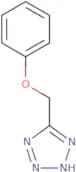
CAS:<p>5-(Phenoxymethyl)-2H-1,2,3,4-tetrazole is a versatile compound with various applications. It acts as a hydroxyl radical scavenger and is commonly used as an inhibitor in chemical reactions. Additionally, it has antiviral properties and has been studied for its potential in treating viral infections. This compound is also used in the production of cellulose-based materials, where it enhances the properties of the final product. It has been found to improve the mechanical strength and thermal stability of cellulose materials. In the field of medicine, 5-(Phenoxymethyl)-2H-1,2,3,4-tetrazole is known as a CYP3A4 substrate. This means that it can interact with enzymes involved in drug metabolism, affecting how certain medications are processed by the body. Researchers have studied its interactions with drugs like carbamazepine and ezetimibe. Furthermore, this compound has shown</p>Formula:C8H8N4OPurity:Min. 95%Color and Shape:PowderMolecular weight:176.18 g/mol2-Hydroxyisoquinoline-1,3(2H,4H)-dione
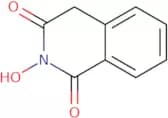
CAS:<p>2-Hydroxyisoquinoline-1,3(2H,4H)-dione (2HIQ) is a potent anti-viral agent that has been shown to inhibit the replication of viruses in cell cultures. 2HIQ inhibits viral replication by binding to the enzyme reverse transcriptase and inhibiting its ability to synthesize DNA from RNA. This drug also has inhibitory properties against human immunodeficiency virus type 1 (HIV-1) and hepatitis C virus (HCV). 2HIQ binds to the active site of the enzyme HIV reverse transcriptase, which is a key enzyme in viral replication. It also binds to HCV NS5B polymerase, which is an essential protein in HCV replication. These interactions lead to inhibition of viral replication and thus prevention of disease progression.</p>Formula:C9H7NO3Purity:Min. 95%Color and Shape:Off-White To Brown SolidMolecular weight:177.16 g/mol1-Hydroxyisoquinoline
CAS:<p>1-Hydroxyisoquinoline is a molecule with a carbonyl group and is found in heart tissue. It has been proposed as a treatment for herpes simplex virus, but no studies have been done to confirm this. 1-Hydroxyisoquinoline can be prepared by reacting hydrochloric acid with sodium salts. This molecule also has the ability to inhibit cancer cells and may have potential as an anticancer agent. It also has anti-inflammatory properties, which may be due to its inhibition of prostaglandin synthesis. The mechanism of action for 1-hydroxyisoquinoline is not yet fully understood, but it inhibits the replication of DNA and RNA in cancer cells.</p>Formula:C9H7NOPurity:Min. 98 Area-%Color and Shape:White PowderMolecular weight:145.16 g/mol2,2'-Biquinoline-4,4'-dicarboxylic acid disodium salt
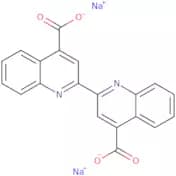
CAS:<p>2,2'-Biquinoline-4,4'-dicarboxylic acid disodium salt is a model system for studying the sequence and hydrogen bonding interactions of polymers. It is a biocompatible polymer that has been shown to have inhibitory properties in response to atherosclerotic lesions. 2,2'-Biquinoline-4,4'-dicarboxylic acid disodium salt has shown optical properties that can be used as a signal in recording sequences. This polymerase chain reaction (PCR) substrate is able to bind with DNA and protein molecules when they are present in an appropriate buffer. The sequence of 2,2'-biquinoline-4,4'-dicarboxylic acid disodium salt is controlled by the coordination geometry of the metal ions involved in its formation.</p>Formula:C20H10N2Na2O4Purity:Min. 95%Color and Shape:PowderMolecular weight:388.28 g/molO-Benzyl-L-tyrosine
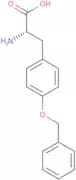
CAS:<p>O-Benzyl-L-tyrosine is an alkylated aromatic amino acid, which is synthesized by the reaction of chloromethyl ketone with proctolin. It has been shown to have anti-obesity properties in mice and rats. O-Benzyl-L-tyrosine has also been used to encapsulate a variety of drugs, including insulin, as well as small drug molecules like chemotherapeutic agents. The drug is immobilized in an organic polymer film through ester linkage. The film can be removed from the drug by dissolving it in chloroformate, or by exposing it to light and heat.</p>Formula:C16H17NO3Purity:Min. 95%Color and Shape:White/Off-White SolidMolecular weight:271.31 g/mol4-Bromopyrimidine hydrobromide
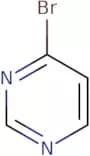
CAS:<p>4-Bromopyrimidine hydrobromide is a synthetic analog of phenylpyrimidine. It has been shown in vivo to lower the blood glucose levels of diabetic patients by inhibiting the activity of phosphoenolpyruvate carboxykinase, which is involved in the conversion of glucose to pyruvate. 4-Bromopyrimidine hydrobromide also inhibits the synthesis of glycogen and lowers serum triglycerides in both db/db mice and normal mice. The drug has not been evaluated for its effects on other metabolic parameters such as cholesterol or insulin resistance. 4-Bromopyrimidine hydrobromide may have potential as an anti-obesity drug because it reduces food intake and weight gain in db/db mice.</p>Formula:C4H3BrN2•HBrPurity:Min. 95 Area-%Color and Shape:Slightly Yellow PowderMolecular weight:239.9 g/mol8-Bromoguanine
CAS:<p>8-Bromoguanine is a nucleoside analog drug that is used as an antileukemic agent. It is a synthetic derivative of guanine and has been shown to inhibit the growth of leukemic cells by interfering with the synthesis of DNA. 8-Bromoguanine has also been shown to be reactive with eosinophil peroxidase and other electron-rich substances, which may be due to its hydroxyl group. The analytical method for 8-bromoguanine includes fluorescence spectroscopy, high pressure liquid chromatography (HPLC), and thin layer chromatography (TLC). Chemical diversity studies have shown that 8-bromoguanine can react with glycosylase or hydroxy groups, forming reaction products.</p>Formula:C5H4BrN5OPurity:Min. 97 Area-%Color and Shape:PowderMolecular weight:230.02 g/molN-Boc-4-piperidinemethanol
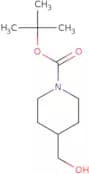
CAS:<p>N-Boc-4-piperidinemethanol is a curcumin analogue that binds to the epidermal growth factor receptor (EGFR) and prevents the binding of ligands. In vitro studies have shown that N-Boc-4-piperidinemethanol can inhibit tumor growth and induce apoptosis in cancer cells. The drug is also capable of inhibiting the proliferation of normal cells, which may be due to its ability to recruit EGFR from outside the cell membrane. This process triggers signaling events that lead to cell death.</p>Formula:C11H21NO3Purity:Min. 98 Area-%Color and Shape:PowderMolecular weight:215.29 g/molBoc-L-alanine
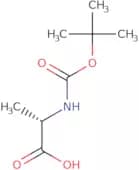
CAS:<p>Boc-L-alanine is an amino acid that is used as a building block in the synthesis of peptides and proteins. It has been shown to be stable at high temperatures and to form complexes with sephadex g-100. Boc-L-alanine has also been shown to have antimicrobial activity against Gram-positive bacteria, such as Staphylococcus aureus and Streptococcus pneumoniae, and Gram-negative bacteria, such as Pseudomonas aeruginosa. This compound can act as a hydrogen bond donor or acceptor depending on the other molecule it interacts with. Boc-L-alanine hydrochloride is an ester of boc-L-alanine and hydrochloric acid that has been activated by trifluoroacetic acid. The hydroxyl group on the molecule can react with hydrogen fluoride to form an ester hydrochloride.</p>Formula:C8H15NO4Purity:Min. 98 Area-%Color and Shape:White Off-White PowderMolecular weight:189.21 g/mol8-Bromoadenine
CAS:<p>8-Bromoadenine is a nucleophile that reacts with electrophiles to form adducts. 8-Bromoadenine has been shown to induce DNA strand breaks and oxidative damage in vitro, which may be due to its ability to react with DNA bases and form intramolecular hydrogen bonds. 8-Bromoadenine has also been shown to cause inflammatory bowel disease in mice by increasing the production of proinflammatory cytokines. 8-Bromoadenine induces Toll-like receptor 4 (TLR4) signaling, which leads to enhancement of radiation response. This drug can also be used as the monosodium salt for treating cancer, although it only has a limited number of sequences that can be synthesized.</p>Formula:C5H4BrN5Purity:Min. 95%Color and Shape:White PowderMolecular weight:214.02 g/mol7-Hydroxyindole
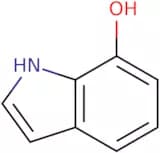
CAS:<p>7-Hydroxyindole is a biochemical that is produced by wild-type strains of Escherichia coli. It has been shown to inhibit the action of an efflux pump, which is a protein that pumps drugs and other foreign substances out of the cell. The alkoxy radical reacts with 7-hydroxyindole to form a hydroperoxide intermediate. This intermediate then reacts with molecular oxygen to form hydrogen peroxide, which may be responsible for the antimicrobial activity of 7-hydoxyindole. Studies have shown that this compound can also inhibit multidrug efflux pumps in Pseudomonas aeruginosa cells, which may lead to an increase in antibiotic uptake.</p>Formula:C8H7NOPurity:Min. 98 Area-%Color and Shape:Off-White PowderMolecular weight:133.15 g/mol