Building Blocks
This section contains fundamental products for the synthesis of organic and biological compounds. Building blocks are the essential starting materials used to construct complex molecules through various chemical reactions. They play a critical role in drug discovery, material science, and chemical research. At CymitQuimica, we offer a diverse range of high-quality building blocks to support your innovative research and industrial projects, ensuring you have the essential components for successful synthesis.
Subcategories of "Building Blocks"
- Boronic Acids & Boronic Acid Derivatives(5,756 products)
- Chiral Building Blocks(1,242 products)
- Hydrocarbon Building Blocks(6,095 products)
- Organic Building Blocks(61,038 products)
Found 196817 products of "Building Blocks"
Sort by
Purity (%)
0
100
|
0
|
50
|
90
|
95
|
100
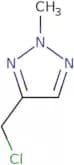
4-(Chloromethyl)-2-methyl-2H-1,2,3-triazole
CAS:<p>4-(Chloromethyl)-2-methyl-2H-1,2,3-triazole is a useful intermediate and building block in organic synthesis. It is also used as a reagent for the synthesis of other compounds. 4-(Chloromethyl)-2-methyl-2H-1,2,3-triazole has been reported to be an effective inhibitor of protein tyrosine phosphatase 1B (PTP1B), which is involved in insulin signal transduction. This compound has been shown to inhibit the activity of PTP1B with an IC50 value of 5 μM. 4-(Chloromethyl)-2-methyl-2H-1,2,3-triazole can also be used as an additive in pharmaceutical preparations for its ability to prevent aggregation of proteins.</p>Formula:C4H6ClN3Purity:Min. 95%Color and Shape:Clear LiquidMolecular weight:131.56 g/mol2-Chloro-3-methylbenzylamine HCl - 90%
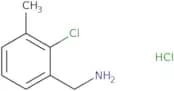
CAS:<p>2-Chloro-3-methylbenzylamine HCl is a fine chemical that is a versatile building block for synthesis of pharmaceuticals and research chemicals. It is also a useful intermediate in the production of other compounds, such as speciality chemicals, complex compounds, and reaction components. 2-Chloro-3-methylbenzylamine HCl has many potential applications in both academia and industry because it is a high quality reagent with many uses.</p>Formula:C8H10ClN·HClPurity:Min. 95%Color and Shape:PowderMolecular weight:192.09 g/molAcrylamide
CAS:<p>Used for gel preparation for protein electrophoresis</p>Formula:C3H5NOPurity:Min. 95%Color and Shape:PowderMolecular weight:71.08 g/mol2-(Methylsulfonyl)benzothiazole
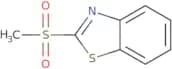
CAS:<p>Benzothiazole, 2-(methylsulfonyl)- is a chemical with anticancer activity. It is an amatoxin that inhibits the synthesis of RNA and DNA by binding to the enzyme nitro. The reactive benzothiazole moiety can be converted to a reactive amide by reaction with amine groups on proteins or nucleic acids. This compound has been shown to inhibit cellular uptake of cancer cells in xenopus oocytes and has been studied as a potential drug against cervical cancer.</p>Formula:C8H7NO2S2Purity:Min. 95%Color and Shape:PowderMolecular weight:213.28 g/mol1-(4-Chlorophenyl)-2-nitroethene
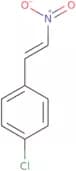
CAS:1-(4-Chlorophenyl)-2-nitroethene is a high yield, versatile reagent for the synthesis of nitro groups. It is prepared by the reaction of 1-(4-chlorophenyl)ethanone with nitric acid in an organic solvent at a temperature of 100 °C. The product can be used as a dehydrating agent, and also has functional groups such as carbonyl, hydroxyl, methoxy, azide, phenyliodonium. It has been shown to be effective in the conversion of diacetates to oximes and ketones. The 1-(4-chlorophenyl)-2-nitroethene reagent is a yellowish liquid that can be handled magnetically, but should be stored under nitrogen gas to avoid oxidation.Formula:C8H6ClNO2Purity:Min. 95%Color and Shape:Yellow PowderMolecular weight:183.59 g/mol2-Carboxythiazole
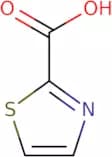
CAS:<p>2-Carboxythiazole is a heterocyclic compound that contains a thiazole ring fused with a carboxylic acid. It has been shown to have potent antagonist effects at the histamine H4 receptor, which may be due to its hydrogen bond interactions with the receptor. 2-Carboxythiazole has also been shown to be an effective treatment for autoimmune diseases, such as psoriasis and rheumatoid arthritis. This compound inhibits the production of T cells in the immune system by binding to the H4 receptor on T cells. 2-Carboxythiazole is also used as an anti-tuberculosis drug for the treatment of tuberculosis infections. It inhibits bacterial growth by binding to DNA-dependent RNA polymerase, thereby preventing transcription and replication. The high frequency of human activity has been shown using a patch-clamp technique on human erythrocytes. This active form is metabolized through a number of metabolic transformations, including hydroly</p>Formula:C4H3NO2SPurity:Min. 95%Color and Shape:PowderMolecular weight:129.14 g/mol6-Methoxyindole-2-carboxylic acid methyl ester
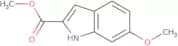
CAS:<p>6-Methoxyindole-2-carboxylic acid methyl ester is a pyrroloquinoline alkaloid with cytotoxic and antiproliferative activities. It inhibits the growth of cancer cells in culture by inducing apoptosis and cell cycle arrest. 6-Methoxyindole-2-carboxylic acid methyl ester has been shown to be effective against breast cancer cell lines in vitro and to inhibit the proliferation of breast cancer cells in vivo. This compound also inhibits the growth of a number of other cancer cell lines such as prostate, colon, lung, liver, stomach, and leukemia. The mechanism of action for this compound is thought to be due to its ability to act as an intramolecular quencher of reactive oxygen species (ROS) or as an inhibitor of DNA synthesis through inhibition of ribonucleotide reductase activity.</p>Formula:C11H11NO3Purity:Min. 95%Color and Shape:PowderMolecular weight:205.21 g/mol6-Methoxyindole-2-carboxylic acid
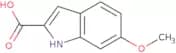
CAS:<p>6-Methoxyindole-2-carboxylic acid (6MI) is a potent inhibitor of the enzyme catechol-O-methyltransferase (COMT). This inhibition prevents the conversion of catecholamines, such as dopamine and norepinephrine, to their corresponding methylated products. COMT inhibitors are used clinically to treat Parkinson's disease and other diseases that result from excessive levels of these neurotransmitters. 6MI is also an effective inhibitor of tyrosinase activity in vitro. It has been shown to inhibit the synthesis of melanin by melanocytes and inhibits the production of eumelanin, which is responsible for black or brown skin pigments. The inhibitory potency of 6MI was found to be greater than that for kojic acid, arbutin, and hydroquinone. Optimization studies showed that 6MI was most potent at a concentration of 1 mM and had an IC50 value of 0.3 mM in</p>Formula:C10H9NO3Purity:Min. 95%Color and Shape:PowderMolecular weight:191.18 g/mol2-Chloro-5-hydroxybenzonitrile
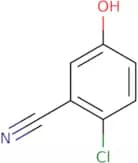
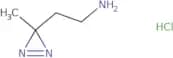
CAS:<p>2-Chloro-5-hydroxybenzonitrile is a versatile, building block chemical that can be used as a reactant or intermediate in the synthesis of other compounds. It is also an excellent research chemical with a high quality and purity. 2-Chloro-5-hydroxybenzonitrile has many uses, such as being a reagent for organic synthesis, a speciality chemical, and a useful intermediate. This compound is suitable for complex synthesis and has been shown to be useful as a building block or scaffold in the production of other chemicals.</p>Formula:C7H4ClNOPurity:Min. 95%Color and Shape:Off-White PowderMolecular weight:153.57 g/mol2-(3-Methyl-3H-diazirin-3-yl)ethan-1-amine hydrochloride
CAS:<p>2-(3-Methyl-3H-diazirin-3-yl)ethan-1-amine hydrochloride is an organic compound with a molecular formula of C8H11N2 and a molecular weight of 181.19 g/mol. It is soluble in water, and insoluble in most organic solvents. 2-(3-Methyl-3H-diazirin-3-yl)ethan-1-amine hydrochloride is a versatile building block that can be used to synthesize many complex compounds. This chemical has been shown to be useful as a reagent, intermediate, or scaffold for research into new drugs and materials. 2-(3Methyl 3H diazirin 3yl)ethan 1amine hydrochloride is also used as a speciality chemical or building block for high quality synthesis of other compounds.</p>Formula:C4H10ClN3Purity:Min. 95%Color and Shape:PowderMolecular weight:135.59 g/mol4-Aminohippuric acid
CAS:<p>4-Aminohippuric acid (4-AHA) is a substance that is used as an analytical tool to measure the amount of inulin in the blood. It is injected intravenously, and the 4-aminohippuric acid enters cells via facilitated transport. In cells, 4-aminohippuric acid binds to pyrazinoic acid to form a fluorescent product that can be detected by a spectrophotometer. This test has been used to study the role of various compounds in the angiotensin system and their effect on renal function.</p>Formula:C9H10N2O3Color and Shape:PowderMolecular weight:194.19 g/mol(4-Chloro-2-fluorophenyl)acetic acid ethyl ester
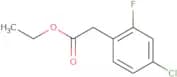
CAS:<p>4-Chloro-2-fluorophenyl)acetic acid ethyl ester is a fine chemical that can be used as a scaffold for building more complex molecules, or it can be used as a versatile building block in the synthesis of research chemicals. It is also an intermediate in many reactions and can be used as a speciality chemical. 4-Chloro-2-fluorophenyl)acetic acid ethyl ester has been shown to have high quality and it is useful for research on complex compounds. It can also be used as a reagent in organic synthesis.</p>Formula:C10H10ClFO2Purity:Min. 95%Color and Shape:SolidMolecular weight:216.64 g/mol2-Chloro-4-fluorocinnamic acid
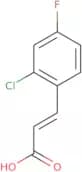
CAS:<p>2-Chloro-4-fluorocinnamic acid is an organic compound that is a useful building block, reagent, and speciality chemical. It is a versatile intermediate for the production of other organic compounds. 2-Chloro-4-fluorocinnamic acid can be used as a reaction component or a scaffold in the synthesis of complex compounds. The synthesis of this product is also possible by coupling it with an appropriate amine, such as 4-(diethylamino)benzaldehyde.</p>Formula:C9H6ClFO2Purity:Min. 95%Color and Shape:PowderMolecular weight:200.59 g/mol4-Cyanobenzophenone
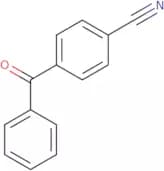
CAS:<p>4-Cyanobenzophenone is a chemical compound that contains a benzene ring with a single carbon atom replaced by a cyano group. It is soluble in organic solvents such as acetonitrile and ether. 4-Cyanobenzophenone is reduced to the corresponding anion radical by reaction with deuterated water or hydrogen gas and is then protonated to give the corresponding protonated form. This process can be used for the determination of the concentration of carboxylic acid groups in carboxylic acid esters, which are additives in gasoline. The nature of this ion has been determined using cyclopentenone as an additive.</p>Formula:C14H9NOPurity:Min. 95%Color and Shape:SolidMolecular weight:207.23 g/molN-Acetyl-3-hydroxyindole
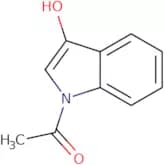
CAS:<p>N-Acetyl-3-hydroxyindole is a colorless liquid that inhibits the activity of enzymes such as butyric acid, active methylene, and acyl halides. It is also used to inhibit the enzyme eosinophil peroxidase in clinical tests. N-Acetyl-3-hydroxyindole has been shown to be an efficient method for high-throughput analysis of enzymatic reactions. This chemical can be immobilized on porous supports and used to measure enzyme activities. N-Acetyl-3-hydroxyindole has been shown to have therapeutic effects in clinical data with a potent inhibitor of eosinophil peroxidase.</p>Formula:C10H9NO2Purity:Min. 95%Color and Shape:Orange PowderMolecular weight:175.18 g/mol2-Chloro-3,5-dihydroxybenzoic acid
CAS:<p>2-Chloro-3,5-dihydroxybenzoic acid (2C3HB) is a fine chemical that is used as a versatile building block in the synthesis of complex compounds. It is also used as a reagent for the production of pharmaceuticals and other chemicals. 2C3HB has been shown to be an important reaction component for the synthesis of drugs such as methotrexate and 6-fluoro-3-indoxyl-beta-D-galactopyranoside. This compound has a high quality and can be used as a building block in chemical reactions with other compounds.</p>Formula:C7H5ClO4Purity:Min. 90%Color and Shape:PowderMolecular weight:188.56 g/mol3-Carboxybenzaldehyde
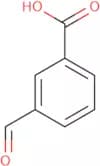
CAS:<p>3-Carboxybenzaldehyde is a hydroxy aromatic compound with a molecular formula of C8H6O2. It is a synthetic chemical that can be used as an intermediate in the synthesis of other compounds, such as polycarboxylic acids. 3-Carboxybenzaldehyde has been shown to be an effective substrate for binding to polycarboxylic acid enzymes and activating them. This reaction generates the corresponding carboxylate product and releases CO2. 3-Carboxybenzaldehyde has also been used as a reactant in asymmetric synthesis reactions and shown to have some structural similarities with benzene ring structures.</p>Formula:C8H6O3Purity:Min. 95%Color and Shape:PowderMolecular weight:150.13 g/mol4-Benzylidene-2,6-di-tert-butylcyclohexa-2,5-dien-1-one
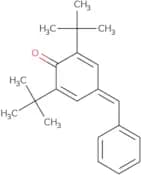
CAS:<p>4-Benzylidene-2,6-di-tert-butylcyclohexa-2,5-dien-1-one is an efficient catalyst for the formation of annular products from aldehydes and amines. It has been found to be superior to other catalysts such as morpholine or piperidine in terms of yields and catalytic activity. 4-Benzylidene-2,6-di-tert-butylcyclohexa-2,5-dien-1-one is a base that can also serve as a catalyst for the formation of aromatic aldehydes through the Robinson annulation reaction. This product can be used at low temperature in order to improve the yield significantly.</p>Formula:C21H26OPurity:Min. 95%Color and Shape:PowderMolecular weight:294.44 g/mol3-Chloro-2-(piperidin-4-yl)pyridine
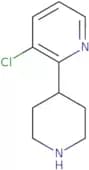
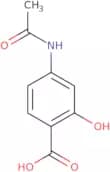
CAS:<p>Versatile small molecule scaffold</p>Formula:C10H13ClN2Purity:Min. 95%Color and Shape:PowderMolecular weight:196.67 g/molN-Acetyl-4-aminosalicylic acid
CAS:<p>N-Acetyl-4-aminosalicylic acid is an active site directed probe for the detection of salicylic acid. It has a fluorescence emission maximum at 370 nm and a fluorescence quantum yield of 0.93. N-Acetyl-4-aminosalicylic acid can be used to analyze samples, such as wastewater and human urine, which contain salicylic acid. The probe is protonated in the presence of salicylic acid and then binds to the acceptor in the sample with a bimodal distribution. The fluorescence resonance energy transfer (FRET) process between the donor and acceptor leads to an increase in fluorescence intensity that can be detected by electrophoresis methods. This probe also has a conformational change when it binds to its target, which allows for easy separation from other components in the sample by size exclusion chromatography.</p>Formula:C9H9NO4Purity:Min. 95%Color and Shape:Slightly Brown PowderMolecular weight:195.17 g/mol