Building Blocks
This section contains fundamental products for the synthesis of organic and biological compounds. Building blocks are the essential starting materials used to construct complex molecules through various chemical reactions. They play a critical role in drug discovery, material science, and chemical research. At CymitQuimica, we offer a diverse range of high-quality building blocks to support your innovative research and industrial projects, ensuring you have the essential components for successful synthesis.
Subcategories of "Building Blocks"
- Boronic Acids & Boronic Acid Derivatives(5,756 products)
- Chiral Building Blocks(1,242 products)
- Hydrocarbon Building Blocks(6,095 products)
- Organic Building Blocks(61,038 products)
Found 196817 products of "Building Blocks"
Sort by
Purity (%)
0
100
|
0
|
50
|
90
|
95
|
100
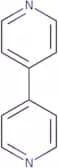
4,4'-Dipyridyl
CAS:<p>Please enquire for more information about 4,4'-Dipyridyl including the price, delivery time and more detailed product information at the technical inquiry form on this page</p>Formula:C10H8N2Molecular weight:156.19 g/mol1,3-Diphenylacetone, 97.0%+
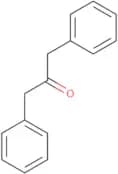
CAS:<p>1,3-Diphenylacetone is a high quality chemical that is used as a reagent and intermediate in the production of specialty chemicals. It can be used to synthesize other compounds such as pharmaceuticals, pesticides, and lubricants. 1,3-Diphenylacetone has been shown to be an effective building block for a variety of chemical reactions. This compound is also versatile because it can be used as a research chemical or scaffold for synthesis of other compounds. 1,3-Diphenylacetone has CAS number 102-04-5 and can be found in the speciality chemical category.</p>Formula:C15H14OPurity:Min. 97.0 Area-%Molecular weight:210.28 g/mol4,5-Dimethoxy-2-nitrobenzoic acid
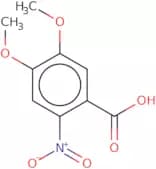
CAS:<p>4,5-Dimethoxy-2-nitrobenzoic acid (DMNB) is a nitrophenol compound that is used as an intermediate in the synthesis of pesticides. DMNB inhibits the growth of bacteria through its ability to inhibit protein synthesis and DNA replication. The inhibition is due to DMNB’s ability to covalently bind to nucleophilic sites on enzymes that are essential for these processes. It has been shown that DMNB can be degraded by microorganisms, such as bacteria, fungi, and algae. The biodegradation process may be facilitated by its solubility in water and its low molecular weight.</p>Formula:C9H9NO6Purity:Min. 97.5%Color and Shape:Yellow SolidMolecular weight:227.17 g/mol1,3-Diphenylacetone
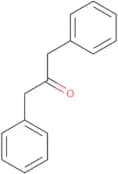
CAS:<p>1,3-Diphenylacetone is a fine chemical that can be used as a building block for research chemicals, as a reagent in organic synthesis, or as a speciality chemical. It is also a versatile building block and has been shown to be useful in the formation of complex compounds. 1,3-Diphenylacetone can react with electrophiles to form new carbon-carbon bonds and has been used in reactions involving nucleophilic substitution, electrophilic addition, and Michael reactions. 1,3-Diphenylacetone is also water soluble and has been shown to be compatible with both ionic and covalent solvents.</p>Formula:C15H14OPurity:Min. 99.0 Area-%Molecular weight:210.28 g/mol1-(3-Carboxypropionyl)naphthalene
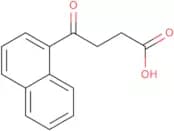
CAS:<p>1-(3-Carboxypropionyl)naphthalene is a drug that belongs to the class of reactive drugs. It is a prodrug that is metabolized by cytochrome P450 enzymes to 1-(3-carboxypropionyl)naphthoquinone (1CPRNQ). Its main mechanism of action is through binding to magnesium, which induces cell membrane permeability and results in apoptosis. 1-(3-Carboxypropionyl)naphthalene has shown an antibody response to eye disorders and cardiovascular diseases, as well as anti-angiogenic properties. It also has been shown to inhibit the proliferation of tumor cells and induce leukocyte antigen expression.</p>Formula:C14H12O3Purity:Min. 95%Color and Shape:Off-White PowderMolecular weight:228.24 g/mol4-Dimethylamino-2-methoxybenzaldehyde
CAS:<p>4-Dimethylamino-2-methoxybenzaldehyde is a chemical used as a research reagent and intermediate. It can be used to synthesize other compounds, such as pharmaceuticals, pesticides, and agrochemicals. It is also useful in the production of various dyes, pigments, and fragrances, representing effective staining under anaerobic conditions. CAS No. 84562-48-1</p>Formula:C10H13NO2Molecular weight:179.22 g/molRef: 3D-D-4790
25gTo inquire50gTo inquire100gTo inquire250gTo inquire500gTo inquire-Unit-ggTo inquire3,5-Diiodo-L-tyrosine dihydrate
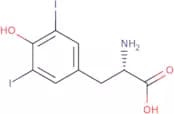
CAS:<p>There are many good reasons to eat fish and seafood, one of them is certainly the fact that they are rich in iodine salts, which are a fundamental for the endocrine activity of the thyroid gland. Iodine salts are enzymatically converted into molecular iodine, which adds to tyrosine residues in thyroglobulin forming diiodotyrosine. This is the first step towards the biosynthesis of thyroid hormones triodityronine T3 and tetraiodotyronine T4 which serve important regulatory functions in body metabolism and energy expenditure. Recently, the dietary introduction of potassium iodide and diiodotyrosine were compared in mice showing that diiodotyrosine can also be used effectively as food supplement preventing the potential damage from excessive intake of inorganic iodine salts.</p>Formula:C9H13I2NO5Purity:Min. 95.0 Area-%Molecular weight:469.02 g/mol3,4-Dihydroxybenzaldehyde
CAS:<p>Please enquire for more information about 3,4-Dihydroxybenzaldehyde including the price, delivery time and more detailed product information at the technical inquiry form on this page</p>Formula:C7H6O3Molecular weight:138.12 g/mol3,5-Dihydroxyacetophenone
CAS:<p>3,5-Dihydroxyacetophenone is a chemical intermediate that is used as a building block in organic synthesis. It can be used to synthesize other chemicals, such as pharmaceuticals, dyes, and perfumes. 3,5-Dihydroxyacetophenone is also an important reagent for the production of α-hydroxyketones. It can react with nucleophiles such as amines or alcohols to form esters or ethers. 3,5-Dihydroxyacetophenone is a versatile building block that can serve as a reaction component in various reactions. This compound is also used as a useful scaffold for the construction of complex molecules.</p>Formula:C8H8O3Molecular weight:152.15 g/mol2,3-Dichloro-5,6-dicyano-1,4-benzoquinone
CAS:<p>Please enquire for more information about 2,3-Dichloro-5,6-dicyano-1,4-benzoquinone including the price, delivery time and more detailed product information at the technical inquiry form on this page</p>Formula:C8Cl2N2O2Molecular weight:227.01 g/mol3,5-Diiodo-4-hydroxybenzoic acid
CAS:<p>3,5-Diiodo-4-hydroxybenzoic acid (3,5 DIBA) is an aminotriazole that inhibits the growth of a wide range of bacteria. 3,5 DIBA inhibits the transport of catechol and 2,6-dichlorobenzoic acid into cells. This inhibition leads to decreased levels of catechol-O-methyltransferase activity and increased levels of lysine decarboxylase activity. The combination of these two reactions causes a decrease in lysine production. Lysine is important for cell division and protein synthesis in bacteria. 3,5 DIBA also inhibits root formation in plants and has been shown to inhibit the uptake of nutrients by plant roots. Also known as: Dibenzoylmethane; 1,2-Benzenediamine, 3-[(2,6-dichlorophenyl)imino]-, diiodide;</p>Formula:C7H4I2O3Purity:Min 97%Color and Shape:PowderMolecular weight:389.91 g/mol5-Chloro-2-methylaniline
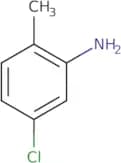
CAS:<p>5-Chloro-2-methylaniline is an organic compound that is a member of the amines class. It has been shown to be genotoxic and carcinogenic in vivo. 5-Chloro-2-methylaniline binds to DNA and inhibits the synthesis of RNA, leading to cell death. It is also toxic to aquatic organisms by inhibiting cellular respiration and causing mutations. 5-Chloro-2-methylaniline has been shown to be genotoxic in vitro and in vivo, with chronic oral toxicity observed at dietary concentrations of 0.1% (10 ppm) in animals. The toxicity of this compound may be due to its ability to form hydrogen chloride when mixed with water or other acids.</p>Formula:C7H8ClNPurity:Min. 95%Color and Shape:Clear LiquidMolecular weight:141.6 g/mol2-(3-Methyl-1,2-oxazol-4-yl)acetic acid
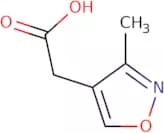
CAS:<p>2-(3-Methyl-1,2-oxazol-4-yl)acetic acid is a useful reagent with a wide range of applications. It is the starting material for the synthesis of many complex compounds that are used in pharmaceuticals, agrochemicals, and other industries. 2-(3-Methyl-1,2-oxazol-4-yl)acetic acid has been shown to be a versatile building block for the synthesis of speciality chemicals and research chemicals. The compound has also been used as a reaction component in organic synthesis.</p>Formula:C6H7NO3Purity:Min. 95%Color and Shape:PowderMolecular weight:141.12 g/mol4'-Bromo-2'-methylacetophenone
CAS:<p>4'-Bromo-2'-methylacetophenone is a reagent and a useful intermediate that can be used in the synthesis of a variety of organic compounds. It is supplied as a fine chemical and is currently not commercially available. It has been found to be an effective building block for the synthesis of speciality chemicals, such as research chemicals and versatile building blocks.</p>Formula:C9H9BrOPurity:Min. 95%Color and Shape:Slightly Yellow Clear LiquidMolecular weight:213.07 g/mol3-Hydroxyoctanoic acid
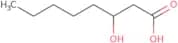
CAS:<p>3-Hydroxyoctanoic acid is an activated fatty acid that belongs to the group of short-chain fatty acids. It is a hydroxylated derivative of octanoic acid. 3-Hydroxyoctanoic acid has been shown to have antibiotic-resistant properties in human macrophages, which may be due to its ability to inhibit the enzyme activities of beta-lactamases and penicillinase. 3-Hydroxyoctanoic acid also has a nutrient effect on bacteria, preventing the formation of ester linkages between fatty acids and alkanoic acids. This activity may be due to its effects on energy metabolism in bacteria, which may be caused by its ability to inhibit cyclic lipopeptide synthesis and its effects on the citrate cycle.</p>Formula:C8H16O3Purity:Min. 95%Molecular weight:160.21 g/mol4-Bromo-2-hydroxybenzaldehyde
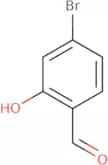
CAS:<p>4-Bromo-2-hydroxybenzaldehyde is a chemical compound that is used in the synthesis of azides. It has a molecular formula of C6H5BrO, a diameter of 197.037 pm, and a structural formula of CHBrO. 4-Bromo-2-hydroxybenzaldehyde can be prepared by reacting bromine with hydroxybenzaldehyde in the presence of an amine catalyst. This product has been shown to have synergistic effects when used in combination with other anticancer agents such as aminopyrimidines, coumarin derivatives, or 2-(4'-hydroxyphenyl) benzoxazole. The photophysical properties of 4-bromo-2-hydroxybenzaldehyde are characterized by its fluorescence emission at 272 nm and its absorption at 270 nm. This product also shows low detection levels in human liver tissue samples, which may be due to its high water sol</p>Formula:C7H5BrO2Purity:Min. 95%Color and Shape:White PowderMolecular weight:201.02 g/mol2,3-Dihydro-1,4-benzodioxine-5-sulfonyl chloride
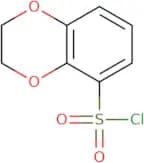
CAS:<p>Versatile small molecule scaffold</p>Formula:C8H7ClO4SPurity:Min. 95%Color and Shape:PowderMolecular weight:234.65 g/mol4-Bromopyrimidine hydrobromide
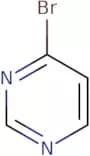
CAS:<p>4-Bromopyrimidine hydrobromide is a synthetic analog of phenylpyrimidine. It has been shown in vivo to lower the blood glucose levels of diabetic patients by inhibiting the activity of phosphoenolpyruvate carboxykinase, which is involved in the conversion of glucose to pyruvate. 4-Bromopyrimidine hydrobromide also inhibits the synthesis of glycogen and lowers serum triglycerides in both db/db mice and normal mice. The drug has not been evaluated for its effects on other metabolic parameters such as cholesterol or insulin resistance. 4-Bromopyrimidine hydrobromide may have potential as an anti-obesity drug because it reduces food intake and weight gain in db/db mice.</p>Formula:C4H3BrN2•HBrPurity:Min. 95 Area-%Color and Shape:Slightly Yellow PowderMolecular weight:239.9 g/molN-Boc-D-proline
CAS:<p>N-Boc-D-proline is a lipase inhibitor that is used in the preparation of quinine, aldehyde, and carboxylate. N-Boc-D-proline has been shown to inhibit the activity of the sodium channels, which may be due to its ability to bind to the termini of these channels. The inhibition of sodium channels can lead to a decrease in nerve excitability and seizures. N-Boc-D-proline was synthesized by an organocatalytic method using sodium bicarbonate as the catalyst. It was found that this compound was stereoselective with respect to its activity on different enantiomers of chiral substrates. Preparative methods for N-Boc-D-proline include column chromatography or crystallization with diethyl ether or ethyl acetate. The isolated yield is about 99%.</p>Formula:C10H17NO4Purity:Min. 95%Color and Shape:PowderMolecular weight:215.25 g/mol4,4'-Dipyridyl - 98%
CAS:<p>4,4'-Dipyridyl is a cyclic peptide with a basic structure. It has been found to have inhibitory effects against the growth of bacteria in human serum and group P2. The x-ray crystal structures reveal that it has strong intermolecular hydrogen bonding interactions. Experimental solubility data and coordination models show that 4,4'-dipyridyl is soluble in anhydrous sodium. Structural analysis and kinetic energy calculations indicate that the inhibitor binding site is located on the hydroxyl groups of the backbone of the molecule. This ligand also binds to metal ions such as copper or zinc.</p>Formula:C10H8N2Color and Shape:Off-White PowderMolecular weight:156.19 g/mol