Building Blocks
This section contains fundamental products for the synthesis of organic and biological compounds. Building blocks are the essential starting materials used to construct complex molecules through various chemical reactions. They play a critical role in drug discovery, material science, and chemical research. At CymitQuimica, we offer a diverse range of high-quality building blocks to support your innovative research and industrial projects, ensuring you have the essential components for successful synthesis.
Subcategories of "Building Blocks"
- Boronic Acids & Boronic Acid Derivatives(5,778 products)
- Chiral Building Blocks(1,242 products)
- Hydrocarbon Building Blocks(6,098 products)
- Organic Building Blocks(61,034 products)
Found 199601 products of "Building Blocks"
Sort by
Purity (%)
0
100
|
0
|
50
|
90
|
95
|
100
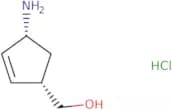
(1S,4R)-4-Amino-2-cyclopentene-1-methanol hydrochloride
CAS:<p>(1S,4R)-4-Amino-2-cyclopentene-1-methanol hydrochloride is a reagent and building block for the synthesis of many different compounds. It is a useful scaffold for synthetic organic chemistry, producing a wide range of high quality research chemicals. (1S,4R)-4-Amino-2-cyclopentene-1-methanol hydrochloride is an intermediate in the synthesis of complex compounds and fine chemicals. This compound is also used as a reactant in chemical reactions to produce other compounds.</p>Formula:C6H11NO·HClPurity:Min. 97 Area-%Color and Shape:PowderMolecular weight:149.62 g/mol4-Chloropyrimidine
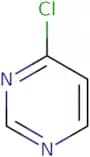
CAS:<p>4-Chloropyrimidine is a nucleophilic compound that is synthesized by the reaction of acetone with hydrogen chloride. The proton NMR spectrum of 4-chloropyrimidine has been determined and it has been shown to be active against herpes simplex virus in clinical studies. The synthesis of this compound is accomplished using a flow system. It can be prepared from trifluoroacetic acid and carbon disulphide or from sodium hydroxide and amines. The structure of 4-chloropyrimidine was determined by X-ray crystallography. It reacts with organic compounds to form new compounds, such as fluorine, which are often toxic to humans or animals.</p>Formula:C4H3ClN2Purity:90%MinColor and Shape:Off-White PowderMolecular weight:114.53 g/mol1-[4-(2-Methoxyethyl)phenoxy]propan-2-one
CAS:<p>1-[4-(2-Methoxyethyl)phenoxy]propan-2-one is a useful scaffold for organic synthesis. It is a versatile building block that can be used as an intermediate in the synthesis of complex compounds with pharmaceutical, agrochemical and other applications.1-[4-(2-Methoxyethyl)phenoxy]propan-2-one is also a reagent in chemical reactions, and has been used to synthesize other compounds such as 1-[4-(2-Methoxyethyl)phenoxy]propan-2-ol (CAS No. 1155083-54-7). This compound has been shown to have good reactivity and high quality, making it an excellent research chemical.</p>Formula:C12H16O3Purity:Min. 95%Molecular weight:208.25 g/mol7-Methyl-[1,2,4]triazolo[1,5-α]pyridin-6-amine
CAS:<p>7-Methyl-[1,2,4]triazolo[1,5-α]pyridin-6-amine is an organic chemical compound that is a reaction component and useful scaffold. It is also used as a reagent in the synthesis of other compounds, such as pharmaceuticals and agrochemicals. 7-Methyl-[1,2,4]triazolo[1,5-α]pyridin-6-amine has been shown to have high purity and quality. This chemical is a versatile building block for the synthesis of complex compounds.</p>Formula:C7H8N4Purity:Min. 95%Color and Shape:PowderMolecular weight:148.17 g/mol1-[(tert-Butoxy)carbonyl]-3-ethylpyrrolidine-2-carboxylic acid
CAS:<p>1-[(tert-Butoxy)carbonyl]-3-ethylpyrrolidine-2-carboxylic acid is a versatile building block for research chemicals and reagents. It is useful as a starting material for the synthesis of complex compounds and can be used as an intermediate in a variety of chemical reactions. CAS No. 361442-24-2</p>Formula:C12H21NO4Purity:Min. 95%Molecular weight:243.3 g/mol1-Phenyl-1,3-diazinane-2,4-dione
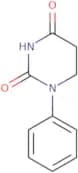
CAS:<p>1-Phenyl-1,3-diazinane-2,4-dione is a synthetic molecule that has been found to be active against influenza virus. It inhibits the replication of influenza A and B viruses by inhibiting the enzyme dihydropyrimidinase. This compound also has an effect on parasitic worms and animal health. 1-Phenyl-1,3-diazinane-2,4-dione is used in research for the development of new drugs. The chemical properties of this drug are similar to β-amino acids that are known to inhibit the synthesis of proteins such as rna polymerase and transporter proteins.</p>Formula:C10H10N2O2Purity:Min. 95%Color and Shape:PowderMolecular weight:190.2 g/molTetrahydro-2H-thiopyran-4-amine hydrochloride
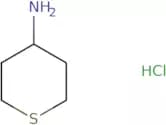
CAS:Tetrahydro-2H-thiopyran-4-amine hydrochloride is a versatile building block that can be used in the synthesis of many different compounds. This compound is also a reagent and speciality chemical, and can be used as a reaction component or scaffold for more complex molecules. Tetrahydro-2H-thiopyran-4-amine hydrochloride has been used in research to study the reactivity of oxygen atoms with organic molecules. It is also useful in the formation of fine chemicals and pharmaceuticals.Formula:C5H11NS•HClPurity:Min. 95%Molecular weight:153.67 g/molN-Benzyl-3-hydroxybenzamide
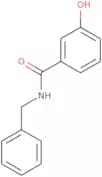
CAS:<p>Versatile small molecule scaffold</p>Formula:C14H13NO2Purity:Min. 95%Color and Shape:PowderMolecular weight:227.26 g/mol2-(1-Methyl-4-oxo-1,4-dihydro-5H-pyrazolo[3,4-d]pyrimidin-5-yl)acetohydrazide
CAS:Controlled Product2-(1-Methyl-4-oxo-1,4-dihydro-5H-pyrazolo[3,4-d]pyrimidin-5-yl)acetohydrazide is a fine chemical that is a versatile building block in the synthesis of complex compounds. It is also a useful intermediate for the synthesis of pharmaceuticals and agrochemicals. CAS No. 938018-24-7Formula:C8H10N6O2Purity:Min. 95%Molecular weight:222.2 g/mol2-Chloroethyl methyl sulfide
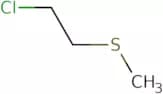
CAS:<p>2-Chloroethyl methyl sulfide (2CEMS) is a reactive compound that has been shown to enhance membrane interactions and fatty acid metabolism in experimental models. 2CEMS is a substrate molecule for the reaction mechanism of the enzyme phospholipase A2, which plays an important role in the production of arachidonic acid. 2CEMS has been shown to have cytotoxic effects on 3T3-L1 preadipocytes, with cell death occurring as a result of kinetic energy emissions. The halides in 2CEMS can coordinate with hematopoietic cells, leading to the inhibition of their proliferation and differentiation. 2CEMS is also able to bind with various metals such as copper and zinc, which may be useful for pharmaceutical drug applications.</p>Formula:C3H7ClSPurity:Min. 96 Area-%Color and Shape:Colorless Yellow Clear LiquidMolecular weight:110.61 g/mol2-Chloro-4-cyclopropyl-1,3-thiazole
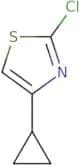
CAS:<p>Versatile small molecule scaffold</p>Formula:C6H6ClNSPurity:Min. 90%Color and Shape:Clear LiquidMolecular weight:159.64 g/mol4-Cyanobenzylamine HCl
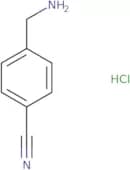
CAS:<p>4-Cyanobenzylamine HCl is a degradable polymer that has been shown to inhibit colonic adenocarcinoma in mice. This compound was synthesized by the reaction of 4-cyanobenzylamine with 3-mercaptopropionic acid and was characterized using IR, 1H NMR, and 13C NMR spectroscopy. It also showed an inhibitory effect on the proliferation of human colon cancer cells. The polymer was found to gel when mixed with different concentrations of acrylamide and methylene bisacrylamide. Gelation occurred at a lower concentration of acrylamide than the amount used in previous studies. This may be due to its functional groups and morphology, which could have contributed to the inhibition of cell growth.</p>Formula:C8H8N2·HClPurity:Min. 95%Color and Shape:PowderMolecular weight:168.62 g/mol4-Chloro-8-methoxy-2-methylquinoline
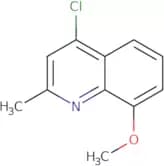
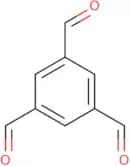
CAS:<p>4-Chloro-8-methoxy-2-methylquinoline is a compound that has been found in nature. It is a diversity of nonreciprocal nucleic acid sequences and has been shown to be polymorphic. This nucleotide can cause stenosis in the coronary heart, which may lead to heart disease. 4-Chloro-8-methoxy-2-methylquinoline also inhibits the growth of Plasmodium falciparum and Plasmodium vivax. The drug's mechanism of action is not yet known, but it may have evolved from other compounds with a similar molecular structure.</p>Formula:C11H10ClNOPurity:Min. 95%Color and Shape:PowderMolecular weight:207.66 g/molBenzene-1,3,5-tricarbaldehyde
CAS:<p>Trifluoroacetic acid is a nonsteroidal anti-inflammatory drug that belongs to the group of carboxylic acids. Benzene-1,3,5-tricarbaldehyde is used as an intermediate in the synthesis of trifluoroacetic acid and has been shown to be effective against microbial infections. It has been shown to inhibit the growth of bacteria such as Staphylococcus aureus and Bacillus cereus by disrupting their DNA replication. Benzene-1,3,5-tricarbaldehyde also inhibits the production of inflammatory cytokines and reduces inflammation. The compound has chemical stability and does not react with human serum or other biological fluids.</p>Formula:C9H6O3Purity:Min. 95%Color and Shape:PowderMolecular weight:162.15 g/mol3-Chloro-5-hydroxybenzoic acid ethyl ester
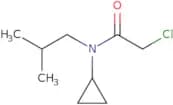
<p>Please enquire for more information about 3-Chloro-5-hydroxybenzoic acid ethyl ester including the price, delivery time and more detailed product information at the technical inquiry form on this page</p>Formula:C9H9ClO3Purity:Min. 98 Area-%Color and Shape:PowderMolecular weight:200.62 g/mol2-Chloro-N-cyclopropyl-N-(2-methylpropyl)acetamide
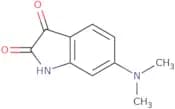
CAS:<p>Versatile small molecule scaffold</p>Formula:C9H16ClNOPurity:(%) Min. 85%Color and Shape:Clear LiquidMolecular weight:189.68 g/mol6-(Dimethylamino)-2,3-dihydro-1H-indole-2,3-dione
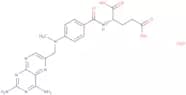
CAS:<p>6-(Dimethylamino)-2,3-dihydro-1H-indole-2,3-dione is a reagent that is used as a high quality intermediate for the synthesis of complex compounds. It is also a useful scaffold for the synthesis of organic compounds. 6-(Dimethylamino)-2,3-dihydro-1H-indole-2,3-dione is a speciality chemical that can be used in research and development to produce novel compounds. This compound can be used in versatile synthetic reactions and is a reaction component with many applications.</p>Formula:C10H10N2O2Purity:Min. 95%Color and Shape:PowderMolecular weight:190.2 g/molL(+)-Amethopterin hydrate
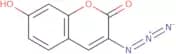
CAS:<p>L(+)-Amethopterin hydrate is an immunosuppressant that suppresses the immune system by inhibiting RNA synthesis. It is a structural analogue of folic acid and has been shown to be effective in treating autoimmune diseases, such as rheumatoid arthritis. L(+)-Amethopterin hydrate is a neutral compound that is soluble in water and microsomal membranes, making it more easily absorbed through the gut than other compounds of this class. It also has been shown to have no toxic effects on cardiac cells at therapeutic concentrations. These properties make L(+)-Amethopterin hydrate an attractive candidate for treating autoimmune diseases when other treatments have failed.</p>Formula:C20H22N8O5·xH2OPurity:Min. 98 Area-%Color and Shape:Yellow PowderMolecular weight:454.44 g/mol3-Azido-7-hydroxycoumarin
CAS:<p>3-Azido-7-hydroxycoumarin is a water soluble coumarin derivative. 3-Azido-7-hydroxycoumarin is able to undergo highly selective and high yielding Cu(I) catalysed cycloaddition reactions with terminal alkynes (Huisgen cycloaddition or “click” chemistry) to afford the corresponding 1,2,3-triazole under relatively mild reaction conditions. The triazoles thus formed, like 7-hydroxycoumarine, are highly fluorescent and, as 3-azido-7-hydroxycoumarin itself does not fluoresce, terminal alkyne containing molecules can be effectively tagged and visualised by fluorescence spectroscopy.</p>Formula:C9H5N3O3Purity:Min. 98 Area-%Color and Shape:PowderMolecular weight:203.15 g/mol10-Undecen-1-ol
CAS:<p>10-Undecen-1-ol is a fatty acid with a hydroxyl group at the 10th position. It has strong intermolecular hydrogen bonding and reacts to form esters and ethers. 10-Undecen-1-ol is used as a multi-walled carbon for wastewater treatment, which removes organic contaminants. This compound also has a high degree of chemical stability, which makes it suitable for use in anhydrous sodium synthesis methods.</p>Formula:C11H22OPurity:Min. 98%Color and Shape:Colorless Clear LiquidMolecular weight:170.29 g/mol

![1-[4-(2-Methoxyethyl)phenoxy]propan-2-one](/_next/image/?url=https%3A%2Fstatic.cymitquimica.com%2Fproducts%2F3D%2Fthumb-webp%2FFWB08353.webp&w=3840&q=75)
![7-Methyl-[1,2,4]triazolo[1,5-α]pyridin-6-amine](/_next/image/?url=https%3A%2Fstatic.cymitquimica.com%2Fproducts%2F3D%2Fthumb-webp%2FXLD46650.webp&w=3840&q=75)
![1-[(tert-Butoxy)carbonyl]-3-ethylpyrrolidine-2-carboxylic acid](/_next/image/?url=https%3A%2Fstatic.cymitquimica.com%2Fproducts%2F3D%2Fthumb-webp%2FLPA44224.webp&w=3840&q=75)
![2-(1-Methyl-4-oxo-1,4-dihydro-5H-pyrazolo[3,4-d]pyrimidin-5-yl)acetohydrazide](/_next/image/?url=https%3A%2Fstatic.cymitquimica.com%2Fproducts%2F3D%2Fthumb-webp%2FNMB01824.webp&w=3840&q=75)