Building Blocks
This section contains fundamental products for the synthesis of organic and biological compounds. Building blocks are the essential starting materials used to construct complex molecules through various chemical reactions. They play a critical role in drug discovery, material science, and chemical research. At CymitQuimica, we offer a diverse range of high-quality building blocks to support your innovative research and industrial projects, ensuring you have the essential components for successful synthesis.
Subcategories of "Building Blocks"
- Boronic Acids & Boronic Acid Derivatives(5,756 products)
- Chiral Building Blocks(1,242 products)
- Hydrocarbon Building Blocks(6,095 products)
- Organic Building Blocks(61,055 products)
Found 199650 products of "Building Blocks"
Sort by
Purity (%)
0
100
|
0
|
50
|
90
|
95
|
100
Pamoic acid
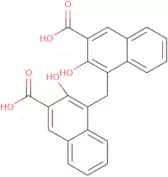
CAS:<p>Pamoic acid is a natural compound that has been found to exhibit antimicrobial activity against a variety of microorganisms. Pamoic acid is also used in the treatment of infectious diseases, such as leprosy, tuberculosis, and AIDS. The biological properties of pamoic acid are due to its ability to bind with peptide hormones and act as a pharmacological agent. Pamoic acid is able to inhibit the synthesis of peptide hormones by binding to their receptors on the cell surface. This inhibition can lead to immunosuppression (e.g., autoimmune diseases) and mitochondrial membrane depolarization. Pamoic acid is also able to bind with benzalkonium chloride, which may account for some of its antimicrobial activity.<br>Pamoic acid is synthesized from pantothenic acid (vitamin B5) and caproic acid by means of an enzymatic process called transamination.</p>Formula:C23H16O6Purity:Min. 95%Color and Shape:Yellow PowderMolecular weight:388.37 g/molPPACK hydrochloride
CAS:Please enquire for more information about PPACK hydrochloride including the price, delivery time and more detailed product information at the technical inquiry form on this pageFormula:C21H31ClN6O3•xHClPurity:Min. 95%Color and Shape:PowderMolecular weight:487.42 g/mol5-Amino-2-nitrobenzoic acid
CAS:<p>5-Amino-2-nitrobenzoic acid is a versatile compound that can be used as a reagent, a reaction component, or as a useful scaffold in research. It reacts with alcohols to produce esters and amides. The high quality of this chemical makes it suitable for use in many different reactions. CAS No. 13280-60-9</p>Formula:C7H6N2O4Molecular weight:182.14 g/molRef: 3D-A-6803
1kgTo inquire100gTo inquire250gTo inquire500gTo inquire2500gTo inquire-Unit-ggTo inquire1,3-Diphenylisobenzofuran
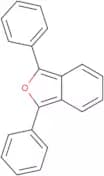
CAS:<p>1,3-Diphenylisobenzofuran is a reactive compound that has been shown to have anti-infectious and anticancer properties. It has been shown to cause cell lysis in a variety of infectious diseases, such as Chlamydia pneumoniae, Borrelia burgdorferi, and Salmonella typhimurium. It also has anticancer activity against human tumor cells lines and is ancillary to photodynamic therapy (PDT). 1,3-Diphenylisobenzofuran is able to induce apoptosis in rat liver microsomes by binding to the thiol group of cysteine residues on proteins. The activity index for this compound was found to be 10.0 μM.</p>Formula:C20H14OPurity:Min. 95%Color and Shape:Yellow SolidMolecular weight:270.32 g/mol5-Amino-2-nitrobenzoic acid
CAS:<p>5-Amino-2-nitrobenzoic acid is an organic compound that belongs to the class of versatile building block. It is a white solid that has been used as a research chemical, reagent, and specialty chemical for the synthesis of complex compounds and pharmaceuticals. 5-Amino-2-nitrobenzoic acid is also known as 2-amino-5-chlorobenzoic acid (ACBA). It is soluble in water, but insoluble in ethanol. The CAS number for this chemical is 13280-60-9.</p>Formula:C7H6N2O4Molecular weight:182.14 g/molRef: 3D-A-6802
1kgTo inquire100gTo inquire250gTo inquire500gTo inquire2500gTo inquire-Unit-ggTo inquireO6-Diphenylcarbamoyl-N2-isobutyrylguanine
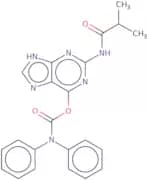
CAS:<p>Synthetic building block for nucleic acid research</p>Formula:C22H20N6O3Purity:Min. 95%Color and Shape:PowderMolecular weight:416.43 g/mol6-Phenoxy-3-pyridinemethanol
CAS:<p>Please enquire for more information about 6-Phenoxy-3-pyridinemethanol including the price, delivery time and more detailed product information at the technical inquiry form on this page</p>Formula:C12H11NO2Purity:Min. 95%Color and Shape:Clear LiquidMolecular weight:201.22 g/mol1,1,2,3,3-Pentachloropropane
CAS:<p>Please enquire for more information about 1,1,2,3,3-Pentachloropropane including the price, delivery time and more detailed product information at the technical inquiry form on this page</p>Formula:C3H3Cl5Purity:Min. 95%Color and Shape:Clear LiquidMolecular weight:216.32 g/mol5-Amino-2-nitrobenzoic acid
CAS:<p>5-Amino-2-nitrobenzoic acid is a useful chemical building block that is used in the synthesis of complex compounds and useful scaffolds.</p>Formula:C7H6N2O4Molecular weight:182.13 g/molRef: 3D-A-6800
25gTo inquire50gTo inquire100gTo inquire250gTo inquire500gTo inquire-Unit-ggTo inquire6,6'-Dimethyl-2,2'-bipyridine
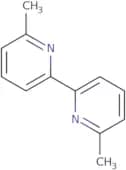
CAS:<p>6,6'-Dimethyl-2,2'-bipyridine (DMBP) is a bidentate ligand that is used in the functional theory of antibacterial activity. The bond cleavage of DMBP is believed to be due to its high oxidation potential and its ability to form hydrogen bonds with the bacteria cell wall. DMBP has been shown to have an antibacterial effect on both Gram-positive and Gram-negative bacteria. The mechanism of action may be due to its ability to release hydroxyl radicals when exposed to ultraviolet light. This compound also has a boronic acid group that can form a complex with 4-methoxyphenylboronic acid (MPA) which can inhibit bacterial growth.</p>Formula:C12H12N2Purity:Min. 98%Color and Shape:PowderMolecular weight:184.24 g/mol2-(Pyridin-4-ylformamido)acetic acid
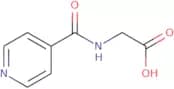
CAS:<p>2-(Pyridin-4-ylformamido)acetic acid is a chemical intermediate that is used in the synthesis of other compounds. It is a chemical building block, useful for the production of fine chemicals and speciality chemicals. 2-(Pyridin-4-ylformamido)acetic acid can be used as a reaction component or reagent in organic synthesis. It has been shown to have high purity and quality for research purposes. CAS No. 2015-20-5.br><br>2-(Pyridin-4-ylformamido)acetic acid can be used to synthesize a variety of compounds with different properties, such as antihistamines, antibiotics, antihypertensives, and antipsychotics.</p>Formula:C8H8N2O3Purity:Min. 95 Area-%Color and Shape:PowderMolecular weight:180.16 g/molPhospho-L-tyrosine disodium
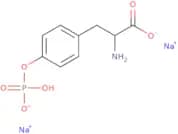
CAS:<p>Phospho-L-tyrosine disodium is a versatile building block that has many different uses in research. It is used as a reagent for the synthesis of other chemicals, such as vitamins, drugs and pesticides. The compound can be used to make high quality, useful intermediates for chemical reactions or as a reaction component. Phospho-L-tyrosine disodium is a speciality chemical that can be used in the production of many complex compounds. This product also has CAS number 1610350-91-8.</p>Formula:C9H10NNa2O6PPurity:Min. 95%Color and Shape:White PowderMolecular weight:305.13 g/mol2-Amino-5-iodobenzoic acid
CAS:<p>Please enquire for more information about 2-Amino-5-iodobenzoic acid including the price, delivery time and more detailed product information at the technical inquiry form on this page</p>Formula:C7H6INO2Molecular weight:263.04 g/molPhenyl sulfamate
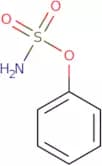
CAS:<p>Phenyl sulfamate is a monosodium salt that has been shown to inhibit the growth of cancer cells in vitro. It has been used as an antimicrobial agent to treat chronic arthritis and atherosclerotic lesions. Phenyl sulfamate inhibits the activity of enzymes that are involved in the synthesis of proteins, such as collagenase, elastase, and proteases. The irreversible inhibition by phenyl sulfamate is due to its ability to react with sulfamoyl chloride (SOC). This reaction leads to the formation of a covalent bond between the enzyme and phenyl sulfamate, which cannot be reversed by any known chemical or enzymatic process.</p>Formula:C6H7NO3SPurity:Min. 95%Color and Shape:PowderMolecular weight:173.19 g/molPyridine 4-acetic acid HCl
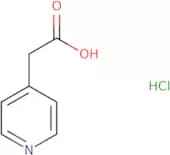
CAS:<p>Pyridine 4-acetic acid HCl is a synthetic, fluorescent probe with reactive and luminescence properties. It is used for the detection of hydrogen bond formation in organic compounds. It is also used as a probe to study the molecular interactions between metal ions and β-unsaturated aldehydes. Pyridine 4-acetic acid HCl has been shown to be useful for transduction of light energy into chemical energy. The pyridine ring makes this compound an excellent candidate for molecular modeling studies due to its rigid structure.</p>Formula:C7H8ClNO2Purity:Min. 95%Color and Shape:PowderMolecular weight:173.6 g/molN,N-Diisobutyl-2-(octylphenylphosphoryl)acetamide
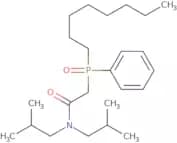
CAS:<p>N,N-Diisobutyl-2-(octylphenylphosphoryl)acetamide is a redox active extractant that is used for the extraction of metals from acidic solutions. It has been shown to have an adsorption mechanism that includes hydrogen bonding and intramolecular hydrogen bonding. N,N-Diisobutyl-2-(octylphenylphosphoryl)acetamide also has a high redox potential and fluorescence properties. This extractant can be used as a metal chelate to extract copper from hydroxide or carbonate solutions. It can also be used in titration calorimetry experiments.</p>Formula:C24H42NO2PPurity:Min. 98 Area-%Color and Shape:White To Off-White SolidMolecular weight:407.57 g/mol5-Aminoindole
CAS:<p>5-Aminoindole is a versatile chemical intermediate that can be used in the synthesis of many different types of compounds. It has been used as a building block for the synthesis of complex molecules, such as antibiotics and other pharmaceuticals. 5-Aminoindole is also useful in research because it is a reagent that can be used to study the reaction between proteins and nucleic acids. This chemical reacts with calf thymus DNA to produce 5-aminoindole phosphate, which can then react with an activated phosphate group on a protein or nucleic acid. 5-Aminoindole is a high quality reagent that will provide you with excellent results in your experiments.</p>Formula:C8H8N2Molecular weight:132.17 g/mol3,4-Dihydroxybenzaldehyde
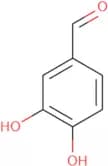
CAS:<p>3,4-Dihydroxybenzaldehyde is an active compound that is a protocatechuic aldehyde. It has been shown to inhibit protein oxidation and kidney injury. 3,4-Dihydroxybenzaldehyde also inhibits the production of bcl-2 protein and growth factor-β in rat urine. This compound has been used in Chinese medicinal preparations as well as in control methods for oxidizing agents.</p>Formula:C7H6O3Color and Shape:Brown White PowderMolecular weight:138.12 g/mol4-Octylbenzylamine
CAS:<p>4-Octylbenzylamine is a hydrophobic molecule that is soluble in organic solvents. In simulations, it was shown to have affinity for anions and aromatic hydrocarbons, as well as the ability to be immobilized on surfaces. 4-Octylbenzylamine is also a chromatographic stationary phase that can be used to separate solutes with similar properties. This molecule has been oriented so that it binds to the hydrated surface of the column, which improves its affinity for anions and aromatic hydrocarbons. The high-performance liquid chromatography (HPLC) technique utilizes this property to separate molecules of different affinities from one another in a systematic manner.</p>Formula:C15H25NPurity:Min. 95%Color and Shape:PowderMolecular weight:219.37 g/mol2-Amino-6-chlorobenzoic acid
CAS:<p>2-Amino-6-chlorobenzoic acid is a fine chemical that is used as a reagent or speciality chemical.</p>Formula:C7H6ClNO2Molecular weight:171.58 g/mol