Building Blocks
This section contains fundamental products for the synthesis of organic and biological compounds. Building blocks are the essential starting materials used to construct complex molecules through various chemical reactions. They play a critical role in drug discovery, material science, and chemical research. At CymitQuimica, we offer a diverse range of high-quality building blocks to support your innovative research and industrial projects, ensuring you have the essential components for successful synthesis.
Subcategories of "Building Blocks"
- Boronic Acids & Boronic Acid Derivatives(5,778 products)
- Chiral Building Blocks(1,242 products)
- Hydrocarbon Building Blocks(6,098 products)
- Organic Building Blocks(61,098 products)
Found 199594 products of "Building Blocks"
Sort by
Purity (%)
0
100
|
0
|
50
|
90
|
95
|
100
(S)-(+)-2-Amino-3-methylbutane
CAS:<p>(S)-(+)-2-Amino-3-methylbutane is a chiral, optically active pyruvate. It can be used as an optical reagent to determine the configuration of an amino acid in the presence of a hydrazone or amine. The 2-amino group is attached to the C1 carbon atom and the methyl group is attached to the C4 carbon atom. Hydrogenolysis of (S)-(+)-2-amino-3-methylbutane produces ethyl pyruvate and hydrogen gas.</p>Formula:C5H13NPurity:Min. 95%Color and Shape:Clear LiquidMolecular weight:87.17 g/molAlafosfalin
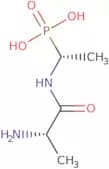
CAS:<p>Antibacterial phosphonopeptide mimic of peptidoglycan dipeptide D-Ala-D-Ala</p>Formula:C5H13N2O4PPurity:Min. 98 Area-%Color and Shape:White PowderMolecular weight:196.14 g/molDL-Asparagine monohydrate
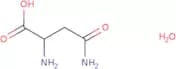
CAS:<p>DL-Asparagine monohydrate is a low potency amino acid that can be used as a biomarker for wastewater treatment. It has been shown to inhibit the activity of enzymes such as guanine nucleotide-binding proteins, toll-like receptors, and response elements. Asparagine also has inhibitory properties against tumour cells in solid tumours.</p>Formula:C4H10N2O4Color and Shape:PowderMolecular weight:150.14 g/molFmoc-Trp(5-OH)-OH
CAS:Fmoc-Trp(5-OH)-OH is a molecule that has been shown to have anticancer activity. It inhibits the proliferation of cancer cells and inhibits the production of fatty acids. It also has antiinflammatory properties and inhibits the growth of bacteria by inhibiting chloride channels. Fmoc-Trp(5-OH)-OH has been shown to inhibit the binding of 4-methylumbelliferone (4MU) to human erythrocytes, which is an indicator of its capability as a coumarin derivative. Fmoc-Trp(5-OH)-OH has also been found to be effective against tuberculosis through hydrogen bond interactions with the enzyme mycobacterium tuberculosis DNA polymerase.Formula:C26H22N2O5Purity:Min. 95%Color and Shape:PowderMolecular weight:442.5 g/molAsoxime chloride
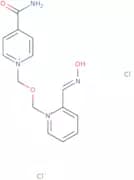
CAS:<p>A Hagedorn oxime used in the treatment of organophosphate poisoning.</p>Formula:C14H16Cl2N4O3Purity:Min. 95%Color and Shape:PowderMolecular weight:359.21 g/mol2-Amino-5-methylbenzoic acid
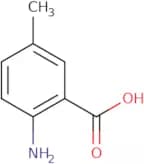
CAS:<p>2-Amino-5-methylbenzoic acid is an anthranilic acid derivative that has been shown to have potent antitumor activity. It inhibits the growth of cancer cells and is effective against light emission. 2-Amino-5-methylbenzoic acid blocks the production of porphyrins, which are necessary for the production of heme, a cofactor in many enzymes. The compound also inhibits serine protease, which is involved in tumor cell proliferation and metastasis.<br>2-Amino-5-methylbenzoic acid has been shown to inhibit the growth of human liver cancer cells in vitro. This compound can be synthesized by a Suzuki coupling reaction with phenylacetic acid and 3-(2'-aminoethyl)aminobenzene.</p>Formula:C8H9NO2Purity:Min. 95%Color and Shape:PowderMolecular weight:151.16 g/mol4-Amino-5-chloro-2-methoxybenzoic acid
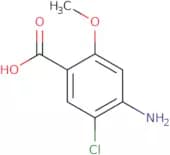
CAS:4-Amino-5-chloro-2-methoxybenzoic acid is a compound that has been shown to be a potent 5-HT4 receptor agonist. It is used in the treatment of obesity and diabetes. The molecular structure of 4-Amino-5-chloro-2-methoxybenzoic acid consists of a carbonyl group and an amine group, which are bound to each other by a covalent bond. This molecule is found to bind to the 5HT4 receptor with high affinity, which leads to its efficacy as an antiobesity agent.Formula:C8H8ClNO3Color and Shape:White PowderMolecular weight:201.61 g/molArg-Gly-Asp TFA salt
CAS:<p>Arg-Gly-Asp TFA salt is a molecule that is used as a prodrug, meaning it is inactive until it has been converted to the active form. It has been shown to be effective when injected subcutaneously or intramuscularly and is hydrophilic. Arg-Gly-Asp TFA salt has been shown to have problematic effects on polymerization when exposed to heat. The molecule has an active form that can be absorbed into the body through injection sites and then hydrolyzed by esterases or glucuronidases, oxidized by cytochrome P450 enzymes, reduced by glutathione reductase, or conjugated with glucuronic acid. Arg-Gly-Asp TFA salt also specifically binds to markers expressed at high levels in Mycobacterium tuberculosis strains (e.g., ESX-1 secretion system protein) and inhibits cell growth in culture.</p>Formula:C12H22N6O6·C2HF3O2Purity:Min. 95%Color and Shape:PowderMolecular weight:460.36 g/mol5-Amino-2-nitrobenzoic acid
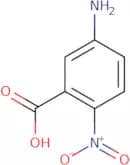
CAS:<p>5-Amino-2-nitrobenzoic acid is a drug that has been shown to inhibit the activity of proteases. It has been used to detect the presence of protease activity in urine samples, as well as to study the inhibition of protease activity by other drugs. 5-Amino-2-nitrobenzoic acid is an inhibitor of chymotrypsin, trypsin, and elastase. This drug has been shown to be effective in inhibiting these enzymes at low concentrations, with a detection sensitivity of approximately 0.1 μM. 5-Amino-2-nitrobenzoic acid inhibits the growth of bacteria by binding to them and preventing protein synthesis. The compound also inhibits the enzyme dihydrolipoamide dehydrogenase in mitochondria, which is required for cellular respiration and energy production.</p>Formula:C7H6N2O4Color and Shape:Brown Yellow PowderMolecular weight:182.13 g/mol6-Aminoquinolyl-N-hydroxysuccinimidyl carbamate, particle size < 0.25 mm
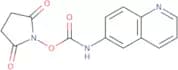
CAS:<p>6-Aminoquinolyl-N-hydroxysuccinimidylcarbamate reacts rapidly with amino acids to form stable urea derivatives. The use of fluorescence detection techniques allows quantification of amines at pmol levels. 6-Aminoquinolyl-N-hydroxysuccinimidylcarbamate was used in a study to derivatize glycated amino acids with the purpose of developing chromatographic assays for their quantification. Glycation of proteins initially gives rise to early glycation adducts, then progresses to advanced glycation end-products, which are markers for conditions such as diabetes, cataracts, uraemia and Alzheimer's disease. We also offer the product FA36291.</p>Formula:C14H11N3O4Color and Shape:PowderMolecular weight:285.25 g/mol1-Adamantanecarboxylic acid methyl ester
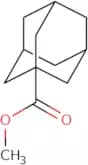
CAS:<p>1-Adamantanecarboxylic acid methyl ester is a specialized chemical compound, classified as an ester derivative from the adamantane structure. It is sourced through the esterification of 1-adamantanecarboxylic acid, often involving methanol as a reagent under catalyzed conditions. The compound's mode of action is primarily as an intermediate in organic synthesis, where it enables the introduction of adamantyl groups into target molecules, influencing molecular structure with its bulky, rigid framework.This ester derivative finds extensive application in the realm of synthetic organic chemistry. It serves as a crucial intermediate in the development of complex organic materials and pharmaceuticals, where the adamantane moiety is required to confer specific steric and electronic properties. The incorporation of adamantane from 1-adamantanecarboxylic acid methyl ester can enhance the thermal stability, lipophilicity, and rigidity of the resultant compounds, making it invaluable for researchers focused on material sciences and drug development. Its versatile reactivity and robust structure make it a sought-after compound for advancing chemical research and innovation.</p>Formula:C12H18O2Purity:Min. 98%Color and Shape:White PowderMolecular weight:194.27 g/molN-Acetyl-L-glutamine
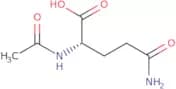
CAS:<p>N-Acetylglutamine is an amino acid that is not synthesized by the human body and must be obtained through diet. It is a precursor to glutamate, which is an important neurotransmitter in the brain. N-Acetyl-L-glutamine has been shown to have neuroprotective effects against various metabolic disorders including diabetes, bowel disease, and microdialysis probes. The effect of N-acetyl-L-glutamine on neuronal death can be observed using a reaction solution containing sodium citrate and glucose injection. N-acetylglutamine has been shown to increase the activity of enzymes such as citrate synthase in this reaction solution.</p>Formula:C7H12N2O4Purity:Min. 95%Color and Shape:White PowderMolecular weight:188.18 g/molN-Acetyl-L-alanine 4-nitroanilide
CAS:<p>N-Acetyl-L-alanine 4-nitroanilide is a drug that belongs to the class of drugs called anticholinergics. It is used to treat various symptoms, such as asthma and other respiratory disorders, chronic obstructive pulmonary disease, emphysema, bronchitis, and other lung diseases. N-Acetyl-L-alanine 4-nitroanilide has been shown to have clinical relevance in the treatment of autoimmune diseases such as rheumatoid arthritis and systemic lupus erythematosus. The drug can also be used to treat clinical studies involving intubation. Drug interactions are possible with cardiac medications and antihistamines. It should not be taken by people who have a body mass index over 30 or those who have a history of cardiac problems or heart disease. The drug also interacts with heparin and nitrates, which can lead to an increased risk of irregular heartbeat or chest pain.</p>Formula:C11H13N3O4Purity:Min. 95%Color and Shape:Off-White PowderMolecular weight:251.24 g/mol2-Amino-4,6-dimethoxybenzoic acid
CAS:<p>2-Amino-4,6-dimethoxybenzoic acid is an organic chemical compound that can be used as a building block for the synthesis of other compounds. 2-Amino-4,6-dimethoxybenzoic acid has a number of uses including being a reagent in organic and inorganic reactions, such as the synthesis of dyes, pharmaceuticals, and pesticides. It is also used as a building block for complex compounds that are difficult to make. This chemical has been classified by the Chemical Abstract Services (CAS) registry with CAS number 21577-57-1.</p>Formula:C9H11NO4Purity:Min. 95%Color and Shape:Yellow SolidMolecular weight:197.19 g/mol1-Amino-3-butyne
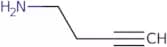
CAS:<p>Bifunctional linker</p>Formula:C4H7NPurity:Min. 84%Color and Shape:Clear LiquidMolecular weight:69.11 g/mol2-Aminobenzophenone
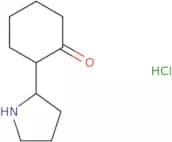
CAS:<p>2-Aminobenzophenone is a molecule that is the product of the reaction between 2-benzoylbenzoic acid and diazonium salt. The molecule has a coordination geometry, which means it exhibits two N-N bonds. The molecule also has two amines, which are reactive groups that can form covalent bonds with other molecules. This molecule has been used for asymmetric synthesis in a number of reactions, such as the reaction between methyl ethyl ketones and phosphorus pentoxide to form picolinic acid. The mechanism of this reaction is as follows: +PCl5 → PCl3 + Cl 2CHC6H5 + PCl5 → (CHC6H5)2PCl2 + HCl The nitrogen atoms in the amine group undergo an addition reaction with phosphorus pentoxide to form an intermediate, which then reacts with the chloride ion to form picolinic acid.</p>Formula:C13H11NOPurity:Min. 95%Color and Shape:PowderMolecular weight:197.23 g/mol2-(Pyrrolidin-2-yl)cyclohexan-1-one hydrochloride
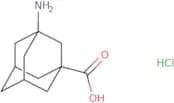
CAS:<p>Versatile small molecule scaffold</p>Formula:C10H18ClNOPurity:Min. 95%Color and Shape:PowderMolecular weight:203.71 g/mol3-Amino-adamantane-1-carboxylic hydrochloride
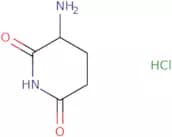
CAS:<p>3-Amino-adamantane-1-carboxylic hydrochloride is a versatile building block that can be used as a research chemical, reagent, speciality chemical, and useful scaffold in the synthesis of various complex compounds. It is a high quality intermediate and reaction component that can be used in the synthesis of fine chemicals. 3-Amino-adamantane-1-carboxylic hydrochloride has a variety of uses due to its versatility and can be used in the production of pharmaceuticals, agrochemicals, dyes, plastics, perfumes, pesticides, herbicides, explosives, and more.</p>Formula:C11H17NO2•HClPurity:Min. 95%Color and Shape:PowderMolecular weight:231.72 g/mol3-Aminopiperidine-2,6-dione hydrochloride salt
CAS:<p>3-Aminopiperidine-2,6-dione hydrochloride salt (3AP) is a synthetic agent that has been shown to inhibit prostate cancer cell growth. 3AP inhibits the synthesis of DNA by inhibiting the enzyme benzoate and potently inhibits the enzyme pomalidomide synthetase. This drug also has antiangiogenic properties and has been shown to reduce expression of TNF-α in human myeloid leukemia cells. 3AP is not active against HL60 cells, which are a type of white blood cell. It can be used as an alternative treatment for cancer in patients who have failed to respond to other therapies or who cannot tolerate them.</p>Formula:C5H8N2O2·HClPurity:Min 97.0%Color and Shape:Off-White Slightly Yellow PowderMolecular weight:164.59 g/molAzomethine-H monosodium salt monohydrate
CAS:<p>Azomethine-H is a research chemical that is used as a versatile building block for the synthesis of other compounds. It has been shown to be an intermediate in the synthesis of many complex compounds, and can also be used as a reagent or speciality chemical. Azomethine-H is soluble in water and organic solvents, which makes it useful for reactions involving deprotection, extraction, or alkylation. The CAS registry number for this compound is 304655-82-1.</p>Formula:C17H12NNaO8S2·H2OPurity:Min. 95.0 Area-%Color and Shape:Yellow PowderMolecular weight:463.42 g/mol