


Building Blocks
This section contains fundamental products for the synthesis of organic and biological compounds. Building blocks are the essential starting materials used to construct complex molecules through various chemical reactions. They play a critical role in drug discovery, material science, and chemical research. At CymitQuimica, we offer a diverse range of high-quality building blocks to support your innovative research and industrial projects, ensuring you have the essential components for successful synthesis.
Subcategories of "Building Blocks"
- Boronic Acids & Boronic Acid Derivatives(5,778 products)
- Chiral Building Blocks(1,242 products)
- Hydrocarbon Building Blocks(6,098 products)
- Organic Building Blocks(61,034 products)
Found 199601 products of "Building Blocks"
Sort by
Purity (%)
0
100
|
0
|
50
|
90
|
95
|
100
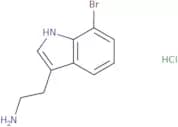
2-(7-Bromo-1H-indol-3-yl)ethanamine hydrochloride
CAS:Controlled Product<p>2-(7-Bromo-1H-indol-3-yl)ethanamine hydrochloride is an organic chemical compound that belongs to the group of versatile building blocks. It is a colorless solid and has a melting point of 160°C. 2-(7-Bromo-1H-indol-3-yl)ethanamine hydrochloride can be used as a research chemical, reagent, or specialty chemical. This compound is a useful building block for the synthesis of complex compounds and can be used as a reaction component in the synthesis of useful scaffolds.</p>Formula:C10H12BrClN2Purity:Min. 95%Color and Shape:PowderMolecular weight:275.57 g/mol11-Mercaptoundecanoic acid
CAS:<p>11-Mercaptoundecanoic acid (11MUA) is a fluorescence probe that reacts with the amide group of proteins. It has been used to study HIV-1 infection and the early stages of human immunodeficiency virus (HIV) replication. 11MUA can be detected by fluorescence spectrometry and gives a strong, selective signal in human serum. This compound is also used as a model system for studying protease activity and electrochemical impedance spectroscopy. 11MUA is stable in solution and can be detected at very low levels, making it an excellent probe for protein degradation studies. The reaction solution containing 11MUA can be prepared using trifluoroacetic acid (TFA), which facilitates the formation of esters from carboxylic acids, or by adding TFA to an acyl chloride derivative of 11-mercaptoundecanoic acid.</p>Formula:C11H22O2SPurity:Min. 95%Color and Shape:White PowderMolecular weight:218.36 g/molL-Proline methyl ester hydrochloride
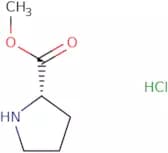
CAS:<p>L-Proline methyl ester hydrochloride is an organic compound that is classified as a trifluoroacetic acid ester. It has significant antiproliferative activity and induces apoptotic cell death in colorectal carcinoma cells. L-Proline methyl ester hydrochloride also inhibits the proliferation of lymphocytes by inhibiting protein synthesis, which may be due to its conformational properties. L-Proline methyl ester hydrochloride is synthesized by reacting L-proline with trifluoroacetic acid and subsequently hydrolyzing the resulting ester with hydrochloric acid. The synthesis can be carried out in two steps: first, a chloride ion is added to the protonated form of the amine; second, the protonated form of the amine reacts with hydrophobic compounds such as dodecyl amines or ethyl acetate to form an alkyl group. This reaction can also be carried out using</p>Formula:C6H12ClNO2Color and Shape:White PowderMolecular weight:165.62 g/molFmoc-D-7-Aza-Trp-OH
CAS:<p>Please enquire for more information about Fmoc-D-7-Aza-Trp-OH including the price, delivery time and more detailed product information at the technical inquiry form on this page</p>Formula:C25H21N3O4Purity:Min. 95%Molecular weight:427.45 g/mol3-N-Maleimidobenzoic acid
CAS:<p>3-N-Maleimidobenzoic acid is a chemical crosslinking agent that reacts with proteins through the formation of an amide bond. It has been shown to react with both actin subunits and human immunoglobulin. This molecule also reacts with spermatozoa, which are composed primarily of actin filaments, and is used in the preparation of polyclonal antibodies. 3-N-Maleimidobenzoic acid can be used to fix antigen onto a solid support for immunological purposes. It is also a cross-linking agent that can be used in cytochalasin B experiments to inhibit plastid activity in chloroplasts. 3-N-Maleimidobenzoic acid reacts with monoclonal antibodies by forming an amide bond, which can be used as a reaction product.</p>Formula:C11H7NO4Purity:Min. 95%Color and Shape:PowderMolecular weight:217.18 g/mol2-Hydroxy-6-methylbenzoic acid
CAS:<p>2-Hydroxy-6-methylbenzoic acid is a natural product that is synthesized by the enzyme p. pastoris. It is a member of the polyketide class of compounds and has shown to have physiological effects such as anti-inflammatory and antioxidant properties. 2-Hydroxy-6-methylbenzoic acid also has been shown to inhibit ATP binding cassette transporter (ABC) proteins, which are involved in drug resistance, from transporting drugs out of cells, making it an attractive candidate for drug discovery.</p>Formula:C8H8O3Purity:Min. 95%Color and Shape:PowderMolecular weight:152.15 g/molFmoc-Lys(5-TAMRA)-OH
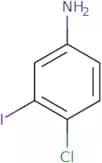
CAS:Please enquire for more information about Fmoc-Lys(5-TAMRA)-OH including the price, delivery time and more detailed product information at the technical inquiry form on this pageFormula:C46H44N4O8Purity:Min. 95%Molecular weight:780.9 g/mol4-Chloro-3-iodoaniline
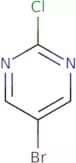
CAS:<p>Versatile small molecule scaffold</p>Formula:C6H5ClINPurity:Min. 95%Molecular weight:253.47 g/mol5-Bromo-2-chloropyrimidine
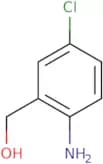
CAS:<p>Intermediate in the synthesis of macitentan; building block</p>Formula:C4H2BrClN2Purity:Min. 95%Color and Shape:White PowderMolecular weight:193.43 g/mol2-Amino-5-chlorobenzyl alcohol
CAS:<p>2-Amino-5-chlorobenzyl alcohol is a sustainable chemical that can be synthesized from acetylacetonate, an organic compound. It undergoes uv radiation in the presence of oxygen and water to form a variety of products. This reaction takes place in less than 10 minutes at room temperature and is operational under a variety of conditions. 2-Amino-5-chlorobenzyl alcohol has been used as an active compound for the synthesis of carbenes, methyl ketones, and aryl chlorides. The product's luminescent properties can be used for biomolecular applications such as DNA sequencing or identification.</p>Formula:C7H8ClNOPurity:Min. 95%Color and Shape:PowderMolecular weight:157.6 g/molOrcinol monohydrate
CAS:<p>Orcinol monohydrate is a high quality chemical that can be used as a reagent, complex compound, or useful intermediate in the synthesis of fine chemicals. It is also an important building block in the synthesis of other compounds. This product has CAS No. 6153-39-5 and is classified as a speciality chemical. It is also a versatile building block that can be used as a reaction component in organic syntheses.</p>Formula:C7H10O3Molecular weight:142.16 g/mol2-{1-[(tert-Butoxy)carbonyl]piperidin-4-yl}-2-methylpropanoic acid
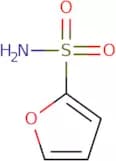
CAS:<p>2-{1-[(tert-Butoxy)carbonyl]piperidin-4-yl}-2-methylpropanoic acid is a reagent that can be used as a building block for the synthesis of complex compounds. This compound is also useful for the preparation of fine chemicals, research chemicals, and speciality chemicals. 2-{1-[(tert-Butoxy)carbonyl]piperidin-4-yl}-2-methylpropanoic acid is a versatile intermediate that has been employed in many reactions. It is also an excellent reaction component for use in organic chemistry.</p>Formula:C14H25NO4Purity:Min. 95%Color and Shape:PowderMolecular weight:271.4 g/molFuran-2-sulfonamide
CAS:<p>Furan-2-sulfonamide is a quinoline derivative that prevents HIV from entering the host cell. It inhibits the activation of toll-like receptor (TLR) by blocking the binding of TLR ligands to their receptors. Furan-2-sulfonamide has been shown to be effective in reducing inflammation in inflammatory bowel disease, inflammatory diseases, and pancreatitis. Furan-2-sulfonamide may also have anti-cancer effects by inhibiting the growth of cancer cells and inducing apoptosis. Furan-2-sulfonamide can be used as a part of pharmaceutical preparations for treating symptoms such as pain, nausea, vomiting, or diarrhea. This drug also inhibits matrix metalloproteinases (MMP), which are enzymes that break down collagen in the body. The inhibition of MMP leads to decreased breakdown of skin or bladder tissue and increased healing time in patients with these conditions.</p>Formula:C4H5NO3SPurity:Min. 95%Color and Shape:PowderMolecular weight:147.15 g/mol4-Chloro-2-hydroxybenzamide
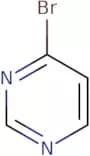
CAS:<p>4-Chloro-2-hydroxybenzamide is a useful building block that is used in the synthesis of complex compounds. It can be used as a research chemical, reaction component, or a speciality chemical. It has been shown to be a versatile building block that can be used in the synthesis of various compounds with different structures and properties. 4-Chloro-2-hydroxybenzamide has also been shown to have high quality and is structurally related to other useful scaffolds such as 1,3-dihydroxybenzene.</p>Formula:C7H6ClNO2Purity:Min. 95 Area-%Color and Shape:PowderMolecular weight:171.58 g/mol4-Bromopyrimidine hydrobromide
CAS:<p>4-Bromopyrimidine hydrobromide is a synthetic analog of phenylpyrimidine. It has been shown in vivo to lower the blood glucose levels of diabetic patients by inhibiting the activity of phosphoenolpyruvate carboxykinase, which is involved in the conversion of glucose to pyruvate. 4-Bromopyrimidine hydrobromide also inhibits the synthesis of glycogen and lowers serum triglycerides in both db/db mice and normal mice. The drug has not been evaluated for its effects on other metabolic parameters such as cholesterol or insulin resistance. 4-Bromopyrimidine hydrobromide may have potential as an anti-obesity drug because it reduces food intake and weight gain in db/db mice.</p>Formula:C4H3BrN2•HBrPurity:Min. 95 Area-%Color and Shape:Slightly Yellow PowderMolecular weight:239.9 g/moltert-Butyl N-[2-(aminooxy)ethyl]carbamate
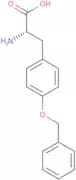
CAS:tert-Butyl N-[2-(aminooxy)ethyl]carbamate is a fine chemical that can be used as a versatile building block in the synthesis of complex compounds. It can also be used to synthesize useful scaffolds, which are chemical substances that form the basis for the design of new drugs. This compound has CAS No. 75051-55-7 and is a useful intermediate, research chemicals, and reaction component for speciality chemicals. Tert-butyl N-[2-(aminooxy)ethyl]carbamate has been shown to have high quality and is an excellent reagent in organic synthesis.Formula:C7H16N2O3Purity:Min. 95 Area-%Color and Shape:Clear LiquidMolecular weight:176.2 g/molO-Benzyl-L-tyrosine
CAS:O-Benzyl-L-tyrosine is an alkylated aromatic amino acid, which is synthesized by the reaction of chloromethyl ketone with proctolin. It has been shown to have anti-obesity properties in mice and rats. O-Benzyl-L-tyrosine has also been used to encapsulate a variety of drugs, including insulin, as well as small drug molecules like chemotherapeutic agents. The drug is immobilized in an organic polymer film through ester linkage. The film can be removed from the drug by dissolving it in chloroformate, or by exposing it to light and heat.Formula:C16H17NO3Purity:Min. 95%Color and Shape:White/Off-White SolidMolecular weight:271.31 g/mol[2-Amino-1-(1-methyl-1H-pyrazol-4-yl)ethyl]dimethylamine
CAS:<p>Versatile small molecule scaffold</p>Formula:C8H16N4Purity:Min. 95%Color and Shape:PowderMolecular weight:168.24 g/molN-Boc-D-proline
CAS:<p>N-Boc-D-proline is a lipase inhibitor that is used in the preparation of quinine, aldehyde, and carboxylate. N-Boc-D-proline has been shown to inhibit the activity of the sodium channels, which may be due to its ability to bind to the termini of these channels. The inhibition of sodium channels can lead to a decrease in nerve excitability and seizures. N-Boc-D-proline was synthesized by an organocatalytic method using sodium bicarbonate as the catalyst. It was found that this compound was stereoselective with respect to its activity on different enantiomers of chiral substrates. Preparative methods for N-Boc-D-proline include column chromatography or crystallization with diethyl ether or ethyl acetate. The isolated yield is about 99%.</p>Formula:C10H17NO4Purity:Min. 95%Color and Shape:PowderMolecular weight:215.25 g/mol3-Hydroxy-5-nitrobenzaldehyde
CAS:<p>3-Hydroxy-5-nitrobenzaldehyde is a solvent that has been used as a probe to measure chloride concentration in multimedia. It can be used as a sensor and an algorithm to detect the colorimetric change of 3-hydroxy-5-nitrobenzaldehyde in the presence of chloride ions. This probe is also used in colorimetric tests for linker, nonpolar, and surfactant compounds. The 3-hydroxy-5-nitrobenzaldehyde oxime can be cleaved by UV light to produce an unstable nitronium ion that reacts with metal ions such as copper(II) or silver(I) to form an insoluble precipitate.</p>Formula:C7H5NO4Purity:Min. 95%Color and Shape:PowderMolecular weight:167.12 g/mol





![2-{1-[(tert-Butoxy)carbonyl]piperidin-4-yl}-2-methylpropanoic acid](/_next/image/?url=https%3A%2Fstatic.cymitquimica.com%2Fproducts%2F3D%2Fthumb-webp%2FQJB15685.webp&w=3840&q=75)

![tert-Butyl N-[2-(aminooxy)ethyl]carbamate](/_next/image/?url=https%3A%2Fstatic.cymitquimica.com%2Fproducts%2F3D%2Fthumb-webp%2FADA05155.webp&w=3840&q=75)
![[2-Amino-1-(1-methyl-1H-pyrazol-4-yl)ethyl]dimethylamine](/_next/image/?url=https%3A%2Fstatic.cymitquimica.com%2Fproducts%2F3D%2Fthumb-webp%2FCWB66676.webp&w=3840&q=75)

