Building Blocks
This section contains fundamental products for the synthesis of organic and biological compounds. Building blocks are the essential starting materials used to construct complex molecules through various chemical reactions. They play a critical role in drug discovery, material science, and chemical research. At CymitQuimica, we offer a diverse range of high-quality building blocks to support your innovative research and industrial projects, ensuring you have the essential components for successful synthesis.
Subcategories of "Building Blocks"
- Boronic Acids & Boronic Acid Derivatives(5,778 products)
- Chiral Building Blocks(1,242 products)
- Hydrocarbon Building Blocks(6,098 products)
- Organic Building Blocks(61,034 products)
Found 199601 products of "Building Blocks"
Sort by
Purity (%)
0
100
|
0
|
50
|
90
|
95
|
100
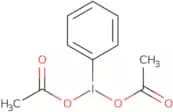
Iodobenzene 1,1-diacetate
CAS:<p>Iodobenzene 1,1-diacetate (PIDA) is a compound containing a hypervalent iodine. This unusual valence of the iodine makes iodobenzene 1,1-diacetate an ideal oxidizing agent in organic synthesis. Furthermore, it is common practice to use iodobenzene 1,1-diacetate to prepare similar reagents by substituting the acetate groups for the desired functional group (Yusubov, 2019). Due to its low toxicity compared to other iodine derivatives, iodobenzene 1,1-diacetate (PIDA) is a common reagent used in total synthesis in the pharmaceutical and agrochemical industry, to produce sugars, alkaloids, antibiotics, etc (Tohma, 2002).</p>Formula:C10H11IO4Purity:Min. 98 Area-%Color and Shape:White PowderMolecular weight:322.1 g/molImidazolyl-4-ethanol
CAS:<p>Imidazolyl-4-ethanol is a glycoside derivative that inhibits the synthesis of proteins, fats, and nucleic acids by inhibiting the enzyme phosphofructokinase. The compound has been shown to have anti-inflammatory properties that are similar to those of nonsteroidal antiinflammatory drugs. This drug also has a kinetic energy of -1.2 kcal/mol and it has a ph optimum of 7.5. Imidazolyl-4-ethanol has been shown to be useful in vitro for the synthesis of antibodies against monoclonal antibodies and for radiation protection. It can also be used as a radioactive tracer in vivo.</p>Formula:C5H8N2OPurity:Min. 90 Area-%Color and Shape:PowderMolecular weight:112.13 g/molH-Imidazoleacetic acid
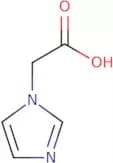
CAS:<p>H-Imidazoleacetic acid is a synthetic compound that can be used to produce other compounds. It is soluble in water and has a hydrophilic interaction with calcium carbonate. H-Imidazoleacetic acid may be recycled, as it is easily synthesized from ethyl bromoacetate by reaction with hydrochloric acid. This substance has shown anticancer activity and may be used to treat blood pressure. The chromatographic method for H-Imidazoleacetic acid involves the use of extracellular medium to remove the organic solvent, followed by reversed phase chromatography on an ion exchange column. H-Imidazoleacetic acid is soluble in water and has a hydrophilic interaction with calcium carbonate. It may be recycled, as it is easily synthesized from ethyl bromoacetate by reaction with hydrochloric acid. This substance has shown anticancer activity and may be used to treat blood pressure. The</p>Formula:C5H6N2O2Purity:Min. 95%Color and Shape:PowderMolecular weight:126.11 g/molCaffeic acid
CAS:<p>Caffeic acid is naturally produced by the metabolism of plants and fungi. Caffeic acid has an antioxidant activity that can be higher than tocopherol in oil-in-water emulsions. Caffeic acid has proven antimicrobial activity against Staphylococcus aureus. In mice, caffeic acid inhibits the enzyme 5-lipoxygenase thus inhibititing the biosynthesis of the inflammatory mediators leukotrienes.</p>Formula:C9H8O4Purity:Min. 98 Area-%Color and Shape:PowderMolecular weight:180.16 g/mol3-Chloro-1,2-benzisothiazole
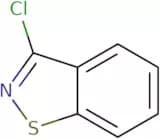
CAS:<p>3-Chloro-1,2-benzisothiazole is a nucleophilic agent with a hydrogen bond donor. It has been shown to inhibit the replication of RNA in the presence of adenosine triphosphate (ATP) and to bind to amines. 3-Chloro-1,2-benzisothiazole is used as an inhibitor for non-nucleoside reverse transcriptase inhibitors. It has been shown to have high potency and strong inhibitory activity against HIV and other retroviruses. 3-Chloro-1,2-benzisothiazole also inhibits vibrational modes associated with enzymatic reactions.</p>Formula:C7H4ClNSPurity:Min. 95%Color and Shape:PowderMolecular weight:169.63 g/mol8-Chloro-1-octanol
CAS:<p>8-Chloro-1-octanol is an organic compound with a hydroxyl group at the 8th position of the octane ring. It has been shown to inhibit bacterial growth in vitro by binding to fatty acid biosynthesis enzymes and preventing the formation of fatty acids, which are vital for bacterial cell wall synthesis. The 8-chloro-1-octanol also inhibits the population growth of bacteria in corneal epithelium, leading to reduced biofilm formation. This compound has been shown to have regulatory effects on microbial populations. 8-Chloro-1-octanol is currently under study for its potential use as a topical antibacterial agent for treating corneal infections.</p>Formula:C8H17ClOPurity:Min. 95%Color and Shape:Colorless Clear LiquidMolecular weight:164.67 g/mol2-Amino-5-methylbenzoic acid
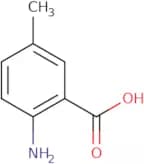
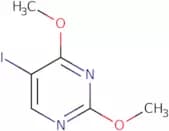
CAS:<p>2-Amino-5-methylbenzoic acid is an anthranilic acid derivative that has been shown to have potent antitumor activity. It inhibits the growth of cancer cells and is effective against light emission. 2-Amino-5-methylbenzoic acid blocks the production of porphyrins, which are necessary for the production of heme, a cofactor in many enzymes. The compound also inhibits serine protease, which is involved in tumor cell proliferation and metastasis.<br>2-Amino-5-methylbenzoic acid has been shown to inhibit the growth of human liver cancer cells in vitro. This compound can be synthesized by a Suzuki coupling reaction with phenylacetic acid and 3-(2'-aminoethyl)aminobenzene.</p>Formula:C8H9NO2Purity:Min. 95%Color and Shape:PowderMolecular weight:151.16 g/mol5-Iodo-2,4-dimethoxypyrimidine
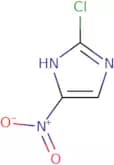
CAS:<p>5-Iodo-2,4-dimethoxypyrimidine is a chemical compound that can be used as a ligand for palladium. It is selective for alcohols and carbinols. The compound has been shown to catalyze the desilylation of organic halides and oxidized alcohols with high yields. 5-Iodo-2,4-dimethoxypyrimidine can also be used in the synthesis of carbohydrates and vinyl acetate. The yield of dehydrohalogenated products was found to be high when 5-iodo-2,4-dimethoxypyrimidine was used as a catalyst.</p>Formula:C6H7IN2O2Purity:Min. 95%Color and Shape:PowderMolecular weight:266.04 g/mol2-Chloro-4-nitroimidazole
CAS:<p>Radiosensitiser in hypoxic tumours</p>Formula:C3H2ClN3O2Purity:Min. 95%Color and Shape:PowderMolecular weight:147.52 g/molIndole-3-butyric acid
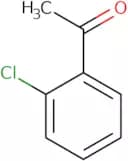
CAS:<p>Plant hormone; auxin; inducer of root development; used in plant rooting</p>Formula:C12H13NO2Purity:Min 98%Color and Shape:White Yellow PowderMolecular weight:203.24 g/mol2'-Chloroacetophenone
CAS:<p>2'-Chloroacetophenone is an organic compound that has been used as a hydrogen donor in the synthesis of natural products. It is produced by the reaction of acetone with chlorine gas, and it can be isolated by distillation. 2'-Chloroacetophenone reacts with hexane to form 2-chlorohexane, which can be further reacted with methanol to form methoxybenzene. The optimum concentration for this reaction is 10% (w/v) at 25°C. This chemical also has reductase activities and may enhance the activity of other reductases. 2'-Chloroacetophenone is a colorless liquid that boils at 172°C and decomposes above 300°C. It has a molecular weight of 119.16 g/mol and a density of 1.037 g/cm3 at 20°C and 0.101 g/cm3 at 25°C. It also has an intram</p>Formula:C8H7ClOPurity:Min. 96 Area-%Color and Shape:Colorless Clear LiquidMolecular weight:154.59 g/mol3-Chlorobenzoic acid
CAS:<p>3-Chlorobenzoic acid is a compound that has been shown to have potent antibacterial activity against Pseudomonas aeruginosa and other bacteria. It has been shown to inhibit the ATP-binding cassette transporter, which is a protein that transports various molecules across cell membranes. 3-Chlorobenzoic acid also inhibits the growth of bacteria by lysing cells and interfering with DNA synthesis. This compound is an effective inhibitor of wild-type strains of E. coli, but not mutants resistant to 2,4-dichlorobenzoic acid. 3-Chlorobenzoic acid reacts with benzoate to form a crystal structure at room temperature and pressure. Further studies are needed to determine the coordination geometry and thermodynamic data for this reaction.</p>Formula:C7H5ClO2Purity:Min. 95%Color and Shape:PowderMolecular weight:156.57 g/mol2-(4'-Chlorobenzoyl)benzoic acid
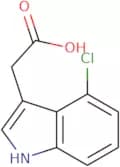
CAS:<p>2-(4'-Chlorobenzoyl)benzoic acid (2-CBA) is a sulfa drug that inhibits bacterial growth by blocking the synthesis of folic acid. It is also known to be luminescent and can be used in techniques such as luminescent probes. 2-CBA has antibacterial activity and can inhibit bacterial growth in a chromatographic method. 2-CBA is chemically stable and has been shown to have antibacterial properties against gram-positive bacteria, including Bacillus subtilis and Staphylococcus aureus. 2-CBA also has the ability to react with phthalazinone, an inhibitor of glutamine synthetase, which is involved in the production of ATP from ADP. This reaction results in the formation of an unstable intermediate which decomposes into CO2 and benzoic acid.</p>Formula:C14H9ClO3Purity:Min. 95%Color and Shape:White PowderMolecular weight:260.67 g/mol4-Chloroindole-3-acetic acid
CAS:<p>4-Chloroindole-3-acetic acid is a plant hormone that belongs to the group of auxins. It has been shown to stimulate root formation in plants by increasing the amount of auxin present in the plant's tissues. 4-Chloroindole-3-acetic acid is an intramolecular hydrogen donor and can form hydrogen bonds with other molecules. It also has a receptor binding site and cyclic peptide backbone, which allow it to act as a transcription factor or enzyme inhibitor. This molecule has been shown to be an optimum concentration for root formation in physiology experiments, and can be used as a model system for auxin research.</p>Formula:C10H8ClNO2Purity:Min. 95%Color and Shape:Off-White PowderMolecular weight:209.63 g/molIndole-3-carboxaldehyde
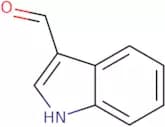
CAS:<p>Indole-3-carboxaldehyde is a chemical compound that is used as an antimicrobial agent. The biological properties of this compound are not well studied, but it has been shown to be effective against bacteria and fungi. Indole-3-carboxaldehyde has been shown to inhibit the enzyme activity of sodium carbonate, which is involved in the production of lactic acid in bacteria. This effect may contribute to its antibacterial activity. Indole-3-carboxaldehyde is also a potential anticancer agent because it can bind to toll-like receptor 4 (TLR4). Indole-3-carboxaldehyde reacts with sulfa drugs through a mechanism similar to the reaction between hydrogen peroxide and potassium permanganate. It has been shown that indole-3-carboxaldehyde can be used as a pesticide for plants and as an electrochemical impedance spectroscopy probe for histological analysis.</p>Formula:C9H7NOColor and Shape:PowderMolecular weight:145.16 g/mol4-Ethoxybenzonitrile
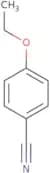
CAS:<p>4-Ethoxybenzonitrile is an organic compound that belongs to the group of nitroalkanes. It is a substrate for reductive amination, which is a reaction in which the nitro group on 4-ethoxybenzonitrile is reduced by an amine to form an amide. This reaction can be facilitated by metal catalysts, such as copper(II) acetate and zinc chloride. The reaction yields high selectivity (>90%) with respect to the product formed and has been shown to be more efficient than other reductive amination reactions. 4-Ethoxybenzonitrile has been used as a building block for various compounds, including dyestuffs, pharmaceuticals, and pesticides. 4-Ethoxybenzonitrile is also resistant to tyrosinase due to its lack of electron donating groups on its aromatic ring.</p>Formula:C9H9NOPurity:Min. 98 Area-%Color and Shape:PowderMolecular weight:147.17 g/mol4-Amino-5-chloro-2-methoxybenzoic acid
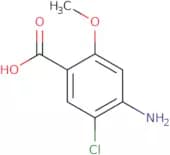
CAS:4-Amino-5-chloro-2-methoxybenzoic acid is a compound that has been shown to be a potent 5-HT4 receptor agonist. It is used in the treatment of obesity and diabetes. The molecular structure of 4-Amino-5-chloro-2-methoxybenzoic acid consists of a carbonyl group and an amine group, which are bound to each other by a covalent bond. This molecule is found to bind to the 5HT4 receptor with high affinity, which leads to its efficacy as an antiobesity agent.Formula:C8H8ClNO3Color and Shape:White PowderMolecular weight:201.61 g/mol4-Chlorosulfonylphenylacetic acid
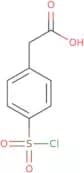
CAS:<p>4-Chlorosulfonylphenylacetic acid is a synthetic chemical that inhibits the production of inflammatory mediators. It has been shown to inhibit LPS-induced macrophage activation and inhibitory activity in vitro. 4-Chlorosulfonylphenylacetic acid has been synthesized by the reaction of phenylacetic acid with chlorosulfonic acid. The synthesis of 4-chlorosulfonylphenylacetic acid is shown in Scheme 1 below.</p>Formula:C8H7ClO4SPurity:Min. 95%Color and Shape:White PowderMolecular weight:234.66 g/molEthyl 4-chlorobenzoate
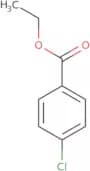
CAS:Ethyl 4-chlorobenzoate is an organic compound that is a colorless liquid with a sweet odor. It has been shown to be genotoxic in the presence of impurities such as palladium-catalyzed coupling and hemolytic activity. The structure of ethyl 4-chlorobenzoate can be determined by spectrometry analyses, which show that it contains an isopropyl group and an ethyl ester group. Ethyl 4-chlorobenzoate can be synthesized efficiently using the cross-coupling reaction between chlorides and aryl halides. This synthesis follows the same mechanism as the palladium catalyzed coupling reaction, but uses chloride ions instead of palladium complexes, which are more readily available.Formula:C9H9ClO2Purity:Min. 95%Color and Shape:Clear LiquidMolecular weight:184.62 g/mol1-Cyanoimidazole
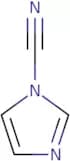
CAS:<p>1-Cyanoimidazole is a phosphodiester that is used in the chemical ligation of nucleic acids. It reacts with terminal alkynes to form covalent linkages between DNA molecules, and can be used as a crosslinker for dna duplexes. 1-Cyanoimidazole can be used as a phosphate group replacement in DNA replication. This compound has been shown to react with terminal alkyne groups on DNA templates, forming stable covalent linkages between strands in the presence of an appropriate nucleophile. 1-Cyanoimidazole has been shown to have sequence specificity and efficient method for linking strands of DNA.</p>Formula:C4H3N3Purity:Min. 95%Color and Shape:Off-White PowderMolecular weight:93.09 g/mol