Building Blocks
This section contains fundamental products for the synthesis of organic and biological compounds. Building blocks are the essential starting materials used to construct complex molecules through various chemical reactions. They play a critical role in drug discovery, material science, and chemical research. At CymitQuimica, we offer a diverse range of high-quality building blocks to support your innovative research and industrial projects, ensuring you have the essential components for successful synthesis.
Subcategories of "Building Blocks"
- Boronic Acids & Boronic Acid Derivatives(5,756 products)
- Chiral Building Blocks(1,242 products)
- Hydrocarbon Building Blocks(6,095 products)
- Organic Building Blocks(61,051 products)
Found 199813 products of "Building Blocks"
Sort by
Purity (%)
0
100
|
0
|
50
|
90
|
95
|
100
2-Amino-4,6-dimethoxybenzoic acid
CAS:<p>2-Amino-4,6-dimethoxybenzoic acid is an organic chemical compound that can be used as a building block for the synthesis of other compounds. 2-Amino-4,6-dimethoxybenzoic acid has a number of uses including being a reagent in organic and inorganic reactions, such as the synthesis of dyes, pharmaceuticals, and pesticides. It is also used as a building block for complex compounds that are difficult to make. This chemical has been classified by the Chemical Abstract Services (CAS) registry with CAS number 21577-57-1.</p>Formula:C9H11NO4Purity:Min. 95%Color and Shape:Yellow SolidMolecular weight:197.19 g/mol1-Amino-3-butyne
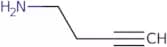
CAS:<p>Bifunctional linker</p>Formula:C4H7NPurity:Min. 84%Color and Shape:Clear LiquidMolecular weight:69.11 g/mol2-Aminobenzophenone
CAS:<p>2-Aminobenzophenone is a molecule that is the product of the reaction between 2-benzoylbenzoic acid and diazonium salt. The molecule has a coordination geometry, which means it exhibits two N-N bonds. The molecule also has two amines, which are reactive groups that can form covalent bonds with other molecules. This molecule has been used for asymmetric synthesis in a number of reactions, such as the reaction between methyl ethyl ketones and phosphorus pentoxide to form picolinic acid. The mechanism of this reaction is as follows: +PCl5 → PCl3 + Cl 2CHC6H5 + PCl5 → (CHC6H5)2PCl2 + HCl The nitrogen atoms in the amine group undergo an addition reaction with phosphorus pentoxide to form an intermediate, which then reacts with the chloride ion to form picolinic acid.</p>Formula:C13H11NOPurity:Min. 95%Color and Shape:PowderMolecular weight:197.23 g/molAcrylamide
CAS:<p>Used for gel preparation for protein electrophoresis</p>Formula:C3H5NOPurity:Min. 95%Color and Shape:PowderMolecular weight:71.08 g/molAgaricinic acid
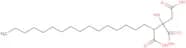
CAS:<p>Organic tricarboxylic acid; inducer of MPT</p>Formula:C22H40O7Purity:Min. 95%Color and Shape:PowderMolecular weight:416.55 g/mol2-Azidoacetic acid
CAS:<p>2-Azidoacetic acid is a versatile chemical building block that can be used to form amides by reaction of the carboxylic acid with a suitable coupling reagent and amine. The azide group can undergo copper(I) catalysed or Huisgen 1,3-dipolar cycloadditin reactions to form triazoles, a common example of click chemistry.</p>Formula:C2H3N3O2Purity:Min. 97.0 Area-%Color and Shape:Colorless Slightly Yellow Clear Liquid PowderMolecular weight:101.06 g/mol2-(Aminomethyl)benzamide hydrochloride
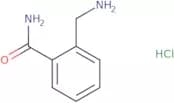
CAS:<p>2-(Aminomethyl)benzamide hydrochloride is a research chemical with high quality and versatile building block properties. It is a useful intermediate in the synthesis of complex compounds, and can be used as a reagent for the production of speciality chemicals. 2-(Aminomethyl)benzamide hydrochloride is also an important reaction component in the synthesis of some fine chemicals, such as pharmaceuticals, dyes, pesticides, and perfumes. 2-(Aminomethyl)benzamide hydrochloride has CAS No. 1187927-15-6 and can be purchased from chemical suppliers worldwide.</p>Formula:C8H10N2O·HClPurity:Min. 95%Color and Shape:White PowderMolecular weight:186.64 g/mol3-Aminopiperidine-2,6-dione hydrochloride salt
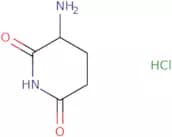
CAS:<p>3-Aminopiperidine-2,6-dione hydrochloride salt (3AP) is a synthetic agent that has been shown to inhibit prostate cancer cell growth. 3AP inhibits the synthesis of DNA by inhibiting the enzyme benzoate and potently inhibits the enzyme pomalidomide synthetase. This drug also has antiangiogenic properties and has been shown to reduce expression of TNF-α in human myeloid leukemia cells. 3AP is not active against HL60 cells, which are a type of white blood cell. It can be used as an alternative treatment for cancer in patients who have failed to respond to other therapies or who cannot tolerate them.</p>Formula:C5H8N2O2·HClPurity:Min 97.0%Color and Shape:Off-White Slightly Yellow PowderMolecular weight:164.59 g/mol5-Azetidin-3-yl-3-methyl-[1,2,4]oxadiazole hydrochloride
CAS:<p>5-Azetidin-3-yl-3-methyl-[1,2,4]oxadiazole hydrochloride is a solid that is used as a reagent in the preparation of other chemicals. This chemical has been shown to be useful in the synthesis of complex compounds, such as pharmaceuticals and pesticides.</p>Formula:C6H9N3O•HClPurity:Min. 95%Color and Shape:PowderMolecular weight:175.62 g/molAzomethine-H monosodium salt monohydrate
CAS:<p>Azomethine-H is a research chemical that is used as a versatile building block for the synthesis of other compounds. It has been shown to be an intermediate in the synthesis of many complex compounds, and can also be used as a reagent or speciality chemical. Azomethine-H is soluble in water and organic solvents, which makes it useful for reactions involving deprotection, extraction, or alkylation. The CAS registry number for this compound is 304655-82-1.</p>Formula:C17H12NNaO8S2·H2OPurity:Min. 95.0 Area-%Color and Shape:Yellow PowderMolecular weight:463.42 g/mol4-Amino-3-nitroacetophenone
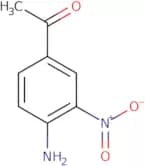
CAS:<p>4-Amino-3-nitroacetophenone is a ketone that is synthesized by the reaction of acetophenone and nitric acid. It has been used as a precursor in the production of dyes, pharmaceuticals, and explosives. The conversion of 4-amino-3-nitroacetophenone to 2,4,6-trinitrophenol is catalyzed by aluminium powder or activated charcoal. This reagent converts the amide group to an amine group by reacting with water in the presence of oxygen. Diethyl ether can be used as a solvent for this reaction.</p>Formula:C8H8N2O3Purity:Min. 95%Color and Shape:Orange PowderMolecular weight:180.16 g/molD-Alanine benzyl ester p-toluenesulfonate salt
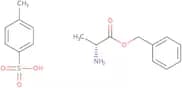
CAS:<p>D-Alanine benzyl ester p-toluenesulfonate salt is a fine chemical that is used in research and development. It is a versatile building block that can be used as an intermediate or a reaction component. D-Alanine benzyl ester p-toluenesulfonate salt has been shown to have high quality, which makes it useful for the production of complex compounds. This compound can be used as a speciality chemical or as a reagent in research.</p>Formula:C10H13NO2·C7H8O3SPurity:Min. 95%Color and Shape:PowderMolecular weight:351.42 g/mol4,5-Dichloro-3-thiophenecarboxylic acid
CAS:<p>4,5-Dichloro-3-thiophenecarboxylic acid (4,5-DTTC) is an organic compound that is a useful building block and can be used as a reactive intermediate in the synthesis of other chemicals. 4,5-DTTC has been shown to react with alkenes at room temperature to produce a variety of thioethers. This reaction was facilitated by the use of copper(II) chloride as a catalyst. 4,5-DTTC has also been shown to be a good starting material for synthesizing pharmaceuticals such as antihistamines and antibiotics.</p>Formula:C5H2Cl2O2SPurity:Min. 95%Color and Shape:PowderMolecular weight:197.04 g/molGuanosine
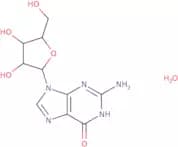
CAS:<p>Guanosine is a nucleoside that is metabolized to uridine in the liver. It is a component of RNA and DNA, as well as an intermediate in the synthesis of adenosine triphosphate (ATP) by phosphorylation. Guanosine also has pharmacokinetic properties, including its ability to cross the blood-brain barrier, which make it a promising drug for neurological disorders. Guanosine is used in tissue culture to measure signal transduction pathways and membrane permeability. The tautomers of guanosine are shown in Figure 1 below: Figure 1: Tautomers of Guanosine (1) 5'-O-DMT-Guanosine (2) 5'-O-DMT-2'N3-Guanosine (3) 2'N3-5'-O-DMT-Guanosine (4) 2'N3-5'-</p>Formula:C10H13N5O5Purity:Min. 95%Color and Shape:PowderMolecular weight:283.24 g/mol4-Aminomethylbenzoic acid
CAS:<p>4-Aminomethylbenzoic acid (4AMBA) is a metabolite that is formed from the amino acid methionine. It has been shown to inhibit the growth of prostate cancer cells in vitro and in vivo. 4-Aminomethylbenzoic acid inhibits the activity of polymerase chain reaction (PCR), which is an enzyme that catalyzes DNA replication. The hydroxyl group on 4-aminomethylbenzoic acid reacts with one of the phosphate groups on DNA, forming a covalent bond and inhibiting DNA synthesis. This inhibition occurs at the step called initiation, where DNA synthesis begins by binding of RNA polymerase to a specific sequence of DNA. In addition, 4-aminomethylbenzoic acid also inhibits the activity of x-ray diffraction data, which is an enzyme that catalyzes RNA transcription. Histological analysis shows that 4-aminomethylbenzoic acid causes congestive heart</p>Formula:C8H9NO2Purity:Min. 98 Area-%Color and Shape:White PowderMolecular weight:151.16 g/molN-Acetylglycine
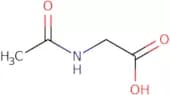
CAS:<p>N-Acetylglycine is an amide, which is a molecule with both a carboxylate and hydroxyl group. It belongs to the class of antimicrobial agents and has been shown to inhibit the growth of bacteria by inhibiting synthesis of folic acid and other metabolites. N-Acetylglycine also inhibits the formation of terminal residues from amino acids. The analytical method for this compound is based on the reaction between n-acetylglycine and hydrogen chloride in methanol. This produces picolinic acid, which can be detected using ultraviolet spectroscopy at a wavelength of 325 nm.</p>Formula:C4H7NO3Purity:Min. 95%Color and Shape:White PowderMolecular weight:117.1 g/mol1-Amino-1-cyclopropanecarboxylic acid
CAS:<p>1-Amino-1-cyclopropanecarboxylic acid (ACC) is a precursor of ethylene, which is a plant hormone that regulates many aspects of plant growth and development. ACC can be converted to ethylene by the enzyme ACC synthase. The conversion of ACC to ethylene is facilitated by the enzymes ACC oxidase and ACC deaminase. Ethylene has been shown to regulate the expression of genes involved in photosynthesis, protein synthesis, and other metabolic pathways. Ethylene also modulates physiological processes such as fruit ripening, leaf senescence, and stomatal closure. This molecule participates in a variety of biological reactions including receptor activity and protein degradation via ubiquitin ligases. It also regulates calcium levels in cells through its role in signal transduction pathways.</p>Formula:C4H7NO2Purity:Min. 95%Color and Shape:PowderMolecular weight:101.1 g/mol2,2-Diphenylpropionic acid
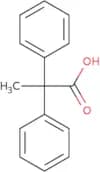
CAS:<p>2,2-Diphenylpropionic acid is an ester of 2,2-diphenylpropanoyl chloride and a carboxylic acid. It is used as a local anesthetic. The electron distribution in the molecule includes one unpaired electron on the carbon atom adjacent to the carboxylic acid group. The thermodynamic stability of this molecule is due to intramolecular hydrogen bonding between the carboxylic acid and ester moieties. This compound has anticholinergic, antimuscarinic, and spermatozoa effects that are due to its ability to inhibit acetylcholine release from neurons. 2,2-Diphenylpropionic acid has been shown to have acidic properties with an approximate pKa of 3.5.</p>Formula:C15H14O2Purity:Min. 95%Color and Shape:PowderMolecular weight:226.27 g/mol2-[4-(Methylamino)oxan-4-yl]ethan-1-ol
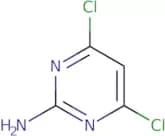
CAS:<p>Versatile small molecule scaffold</p>Formula:C8H17NO2Purity:Min. 90%Color and Shape:Clear LiquidMolecular weight:159.23 g/mol2-Amino-4,6-dichloropyrimidine
CAS:<p>2-Amino-4,6-dichloropyrimidine is a chemical compound that can be used as an intermediate in the synthesis of other compounds. It is usually prepared by chlorinating 2-amino-pyrimidine with sodium hypochlorite. 2-Amino-4,6-dichloropyrimidine has been shown to inhibit the growth of herpes simplex virus and influenza virus when it is added to cell cultures. This compound also inhibits the replication of protonated nucleic acids by reacting with the amide group of nucleophilic amino acids in DNA or RNA. The reaction between 2-amino-4,6-dichloropyrimidine and amines gives pyridinium salts, which are useful intermediates in organic chemistry reactions.</p>Formula:C4H3Cl2N3Purity:90%Color and Shape:Off-White PowderMolecular weight:163.99 g/mol





![5-Azetidin-3-yl-3-methyl-[1,2,4]oxadiazole hydrochloride](/_next/image/?url=https%3A%2Fstatic.cymitquimica.com%2Fproducts%2F3D%2Fthumb-webp%2FKXB30398.webp&w=3840&q=75)



![2-[4-(Methylamino)oxan-4-yl]ethan-1-ol](/_next/image/?url=https%3A%2Fstatic.cymitquimica.com%2Fproducts%2F3D%2Fthumb-webp%2FHHC67998.webp&w=3840&q=75)