Building Blocks
This section contains fundamental products for the synthesis of organic and biological compounds. Building blocks are the essential starting materials used to construct complex molecules through various chemical reactions. They play a critical role in drug discovery, material science, and chemical research. At CymitQuimica, we offer a diverse range of high-quality building blocks to support your innovative research and industrial projects, ensuring you have the essential components for successful synthesis.
Subcategories of "Building Blocks"
- Boronic Acids & Boronic Acid Derivatives(5,778 products)
- Chiral Building Blocks(1,243 products)
- Hydrocarbon Building Blocks(6,098 products)
- Organic Building Blocks(61,057 products)
Found 200716 products of "Building Blocks"
Sort by
Purity (%)
0
100
|
0
|
50
|
90
|
95
|
100
3-Hydroxycinnamic acid
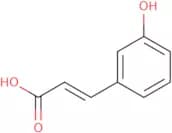
CAS:3-Hydroxycinnamic acid is a natural compound that belongs to the group of caffeic acids. It is found in many plants, including coffee beans and tea leaves. 3-Hydroxycinnamic acid has been shown to inhibit the proliferation of 3T3-L1 preadipocytes and HL-60 cells by inhibiting mitochondrial membrane potential. This compound also inhibits the activity of 4-hydroxyphenylacetic acid (4HPA) hydroxylase, which converts phenylalanine into tyrosine and 4HPA, an intermediate in the synthesis of melanin. 3-Hydroxycinnamic acid can be used as a model system for studying caffeic acids in vitro. Structural analysis has demonstrated that 3-hydroxycinnamic acid contains nitrogen atoms, which may be essential for its anti-inflammatory activities.Formula:C9H8O3Purity:Min. 95%Color and Shape:PowderMolecular weight:164.16 g/mol3-Hydroxybenzoic acid
CAS:3-Hydroxybenzoic acid is a ferroelectric compound that can be found in water vapor, plants, and bacteria. It has been shown to have structural properties that are very similar to those of p-hydroxybenzoic acid. The redox potential of 3-hydroxybenzoic acid is around -0.8 volts versus the standard hydrogen electrode (p-hydroxybenzoic acid is -1.2 volts). 3-Hydroxybenzoic acid has been shown to inhibit some bacterial enzymes such as esterase and transaminase, but not others such as dehydrogenase or oxidoreductase. It also shows activity against fungal enzymes such as aminopeptidases and serine proteases. The compound can exist in two forms: the metastable form or a stable form. The metastable form can be obtained by crystallizing the compound from a solution containing copper chloride or x-ray diffraction data from wild type strainsFormula:C7H6O3Color and Shape:PowderMolecular weight:138.12 g/molHexadecyl pyridinium bromide
CAS:Cationic surfactant; antisepticFormula:C21H38BrNColor and Shape:White PowderMolecular weight:384.44 g/molL-Histidine methyl ester dihydrochloride
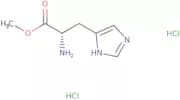
CAS:<p>L-Histidine methyl ester dihydrochloride is a β-amino acid with the chemical formula HNCH2CH(CH3)CO2H. It has the functional group of an isopropyl group and a chloride ion. L-Histidine methyl ester dihydrochloride has been shown to bind to receptors in the central nervous system that are involved in pain perception. As a result, it can be used for the treatment of neuropathic pain, chronic pain, and cancer pain. This drug also inhibits nitric oxide production by binding to iron ions or copper ions. L-Histidine methyl ester dihydrochloride has been shown to have antiinflammatory effects as well as antioxidant properties.</p>Formula:C7H11N3O2•(HCl)2Purity:Min. 95%Color and Shape:PowderMolecular weight:242.1 g/mol4-Hydroxyquinoline
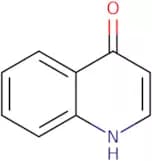
CAS:<p>4-Hydroxyquinoline is a chemical compound that has been shown to have anticancer, anti-inflammatory, and antiviral properties. It is an inhibitor of the enzyme tyrosinase, which is required for the production of melanin. 4-Hydroxyquinoline has also been shown to suppress bowel inflammation by inhibiting the synthesis of 3-hydroxyanthranilic acid in cells. 4-Hydroxyquinoline has been found to be effective against Herpes Simplex Virus Type 1 (HSV1) in cell culture and in vitro assays. <br>4-Hydroxyquinoline's photochemical properties make it a useful precursor for the synthesis of other biologically active compounds. This chemical undergoes a reaction with trifluoroacetic acid to form diazonium salt intermediate, which then reacts with hydrogen peroxide to form an active oxygen species that damages DNA and kills cells.</p>Formula:C9H7NOPurity:Min. 95%Color and Shape:White PowderMolecular weight:145.16 g/mol2-(3-Hydroxypropyl)benzimidazole
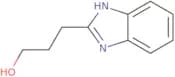
CAS:<p>2-(3-Hydroxypropyl)benzimidazole is a chloroform extract of the bark of the tree, Pongamia pinnata. It has been shown to have antibacterial and antitumor activity. 2-(3-Hydroxypropyl)benzimidazole has been found to be active against methicillin-resistant Staphylococcus aureus (MRSA), showing strong inhibitory effects on bacterial cell growth in vitro. The mechanism of action may be due to its ability to bind to DNA and RNA, preventing transcription and replication. 2-(3-Hydroxypropyl)benzimidazole also inhibits protein synthesis by binding to ribosomes and interfering with the function of enzymes that are involved in this process such as cytochrome c reductase, glutathione reductase, and 3-ketoacyl coenzyme A thiolase.</p>Formula:C10H12N2OPurity:Min. 95%Color and Shape:White PowderMolecular weight:176.22 g/mol8-Hydroxy-2-quinolinecarbonitrile
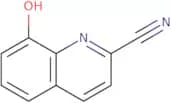
CAS:8-Hydroxy-2-quinolinecarbonitrile is an uncomplexed ligand that can be used for the synthesis of metal complexes. 8-Hydroxy-2-quinolinecarbonitrile is insoluble in most solvents, including water, and has a high melting point. This compound can be synthesized from acetonitrile and primary amines by condensing with formaldehyde. It is not possible to catalyze this reaction, as it does not undergo homolysis or heterolysis reactions. The uncomplexed ligand has been shown to bind to metal ions such as copper and silver. Its diffraction pattern was found to have a polynuclear nature with a number of diffraction peaks within the range of 5–9 Å.Formula:C10H6N2OPurity:Min. 95%Color and Shape:PowderMolecular weight:170.17 g/molIodobenzene 1,1-diacetate
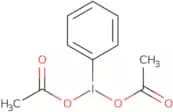
CAS:Iodobenzene 1,1-diacetate (PIDA) is a compound containing a hypervalent iodine. This unusual valence of the iodine makes iodobenzene 1,1-diacetate an ideal oxidizing agent in organic synthesis. Furthermore, it is common practice to use iodobenzene 1,1-diacetate to prepare similar reagents by substituting the acetate groups for the desired functional group (Yusubov, 2019). Due to its low toxicity compared to other iodine derivatives, iodobenzene 1,1-diacetate (PIDA) is a common reagent used in total synthesis in the pharmaceutical and agrochemical industry, to produce sugars, alkaloids, antibiotics, etc (Tohma, 2002).Formula:C10H11IO4Purity:Min. 98 Area-%Color and Shape:White PowderMolecular weight:322.1 g/molIndoline-2-carboxylic acid
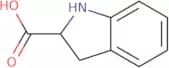
CAS:<p>Indoline-2-carboxylic acid is a photophysical molecule with an absorption maximum at 518 nm. It has been shown to inhibit the activity of enzymes such as cyclooxygenase, lipoxygenase, and monoamine oxidases. This compound has been found to be effective in the treatment of cancer cells. Indoline-2-carboxylic acid is also used in pharmaceutical preparations, where it binds to enantiomers of other molecules and inhibits their biological activity. Indoline-2-carboxylic acid reacts with hydrochloric acid to form allyl carbonate and amide.</p>Formula:C9H9NO2Purity:Min. 97 Area-%Color and Shape:PowderMolecular weight:163.17 g/molIndole-4-carboxaldehyde
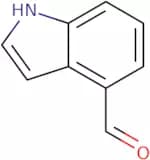
CAS:<p>Indole-4-carboxaldehyde is a natural compound that can be found in the acetate extract of the roots of Scopolia japonica. It has been shown to have an inhibitory effect on locomotor activity and may also have an inhibitory effect on protein synthesis. The mechanism of this inhibition is not yet known, but it may be due to an intramolecular hydrogen bond or other interactions with proteins. Indole-4-carboxaldehyde has also been shown to induce apoptotic cell death in 3T3-L1 preadipocytes by inducing mitochondrial dysfunction and oxidative stress.</p>Formula:C9H7NOColor and Shape:Off-White PowderMolecular weight:145.16 g/molD-Isoserine
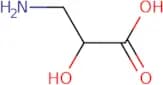
CAS:<p>D-Isoserine is a stereoselective synthetic amino acid that can be used as a structural analog of l-serine. D-Isoserine is synthesized from d-threonine and has been shown to inhibit the bacterial enzyme tyrosine kinase, which is important in cell signaling. D-Isoserine is also being investigated as a treatment for inflammatory diseases such as rheumatoid arthritis and Crohn's disease. The marine sponge Aerogenes sp. produces this compound, which is also produced by the microbial species Aerobacter aerogenes and Staphylococcus aureus.</p>Formula:C3H7NO3Purity:Min. 95%Molecular weight:105.09 g/mol3-Iodobenzaldehyde
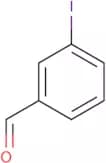
CAS:3-Iodobenzaldehyde is an atypical, isomeric, low energy, functional group. It has a fluorine atom in the 3-position and three different types of functional groups: alcohol, aldehyde and carboxylic acid. This compound has been studied for its ability to bind to receptors. 3-Iodobenzaldehyde can be synthesized by reacting benzalchohde with iodine and hydrochloric acid. The technique used to produce this compound is called Grignard reaction. 3-Iodobenzaldehyde can also be prepared by heating the corresponding nitrobenzene with sodium iodide in dry ether or under refluxing conditions. This compound has a low boiling point and melts at about 170 degrees Celsius. The frequency of this molecule ranges from 98 to 102 megahertzFormula:C7H5IOPurity:Min. 95%Color and Shape:PowderMolecular weight:232.02 g/mol2-Iodo-5-nitrobenzoic acid
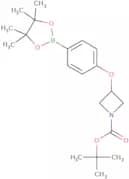
CAS:<p>2-Iodo-5-nitrobenzoic acid is a reactive molecule that reacts with terminal alkynes to form a fluorescent compound. It was immobilized on an electrode and used as a probe in voltammetry studies. 2-Iodo-5-nitrobenzoic acid is also used as a reagent in the synthesis of amides, which are important in many biochemical reactions. The use of this compound may be limited by the toxicity to cells, which can be increased through the presence of cisplatin or 3-aminobenzoic acid. The microenvironment around cancer cells may also alter the reactivity of 2-iodo-5-nitrobenzoic acid.</p>Formula:C7H4INO4Purity:Min. 95%Color and Shape:Beige PowderMolecular weight:293.02 g/moltert-Butyl 3-(4-(4,4,5,5-tetramethyl-1,3,2-dioxaborolan-2-yl)phenoxy)azetidine-1-carboxylate
CAS:Tert-Butyl 3-(4-(4,4,5,5-tetramethyl-1,3,2-dioxaborolan-2-yl)phenoxy)azetidine-1-carboxylate is a high quality reagent that can be used as an intermediate in the synthesis of complex compounds. It has been shown to have various uses as a fine chemical or speciality chemical. Tert-butyl 3-(4-(4,4,5,5-tetramethyl-1,3,2-dioxaborolan-2-yl)phenoxy)azetidine 1 carboxylate is also a versatile building block and can serve as a reaction component.Formula:C20H30BNO5Purity:Min. 95%Color and Shape:PowderMolecular weight:375.3 g/molLevoglucosenone
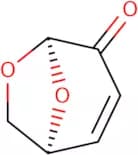
CAS:<p>Levoglucosenone is a molecule that inhibits the reaction mechanism of glycosidic bond formation. It is used in biochemical research to study reactions that involve surface methodology, such as hydroxyl group formation and zirconium oxide deposition. Levoglucosenone can be used to inhibit the acid formation that occurs during the reaction between nitrite ion and a chiral compound. The reactant solution can be activated by adding levoglucosenone to it, which will then inhibit the reaction. Sample preparation for these types of experiments involves dissolving the reactant solution in water and adding ammonium hydroxide to it, followed by adding a small amount of levoglucosenone.</p>Formula:C6H6O3Purity:Min. 95%Color and Shape:Clear LiquidMolecular weight:126.11 g/molLinoleic acid - liquid
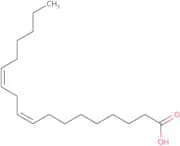
CAS:<p>Linoleic acid is a type of essential fatty acid that is found in vegetable oils. It is the most predominant polyunsaturated fatty acid and can be classified as either a cis- or trans-isomer. Linoleic acid has been shown to have inhibitory properties against bowel disease, polymerase chain reaction (PCR) analysis, and disease activity. Linoleic acid may also be used as an analytical method for determining levels of linoleate, linoleic acid, or p-hydroxybenzoic acid in body proteins. The inhibition of cancer cell proliferation by linoleic acid may be due to its ability to inhibit the production of signal peptide or 3t3-l1 preadipocytes.</p>Formula:C18H32O2Purity:94 To 96%Color and Shape:Colorless Clear LiquidMolecular weight:280.45 g/mol5-Methoxy-2-methylindole
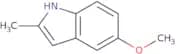
CAS:<p>5-Methoxy-2-methylindole is an organic solvent that has been shown to have a wide range of bioactive properties. It is used in the production of acetylcholine, which is an important neurotransmitter. 5-Methoxy-2-methylindole also reacts with chloride ions, which may be an important factor when considering the life cycles and bioactive substances of this molecule. The reaction yield depends on the pH of the solution. 5-Methoxy-2-methylindole can undergo chlorination reactions to form polychlorinated derivatives, which are used as petrochemicals. This molecule also has retinoid properties and can act as a proton donor or acceptor depending on whether it is protonated or deprotonated.</p>Formula:C10H11NOColor and Shape:PowderMolecular weight:161.2 g/mol2-Methoxy-4-aminobenzoic acid
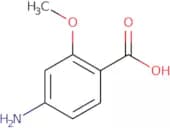
CAS:<p>2-Methoxy-4-aminobenzoic acid is a solute that can be used in the manufacture of pharmaceuticals. It has a high affinity for receptors and is potentially useful in the treatment of hypertension. 2-Methoxy-4-aminobenzoic acid has been shown to exhibit antihypertensive activity in animals by reducing cardiac output, systemic vascular resistance, and total peripheral resistance. The mechanism of action may be due to its ability to inhibit calcium ion influx into myocardial cells and block voltage-gated potassium channels. This drug also has an acidic pH, which makes it soluble in water. 2-Methoxy-4-aminobenzoic acid is insoluble in organic solvents such as hydrochloric acid or ether, which means it cannot be extracted from aqueous solutions by these solvents.</p>Formula:C8H9NO3Purity:Min. 95%Color and Shape:Off-White PowderMolecular weight:167.16 g/mol2-Methoxyphenylacetic acid
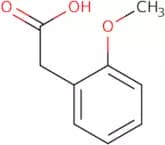
CAS:<p>2-Methoxyphenylacetic acid is a chromatographic and synthetic chemical that is used as an antisolvent. It is a carboxylic acid with a phosphate group, which can be used for sphingosine kinase reactions. 2-Methoxyphenylacetic acid has been shown to be catalysed by hydrochloric acid and naphthenic acids to produce reaction products that are insoluble in organic solvents. 2-Methoxyphenylacetic acid is stable at neutral pH, but it reacts with water to form hydrogen chloride gas at high temperatures. This chemical has been found in the plasma concentrations of cancer patients who have undergone chemotherapy treatment.</p>Formula:C9H10O3Purity:Min. 95%Color and Shape:White PowderMolecular weight:166.17 g/molMethyl 4-hydroxycinnamate
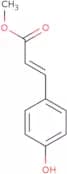
CAS:Methyl 4-hydroxycinnamate is a protocatechuic acid that can be produced by the reaction of hydrochloric acid and b16 mouse melanoma. This chemical has been shown to have an anti-inflammatory effect in rats with inflammatory bowel disease. Methyl 4-hydroxycinnamate is also a natural compound found in plants, such as celery, cinnamon, and apples. The mechanism of this chemical's action is unknown but it has been shown to inhibit the activity of rat liver microsomes. It is theorized that methyl 4-hydroxycinnamate may inhibit the production of proinflammatory substances by altering the membrane composition or activity of enzymes.br>br> br>br> Methyl 4-hydoxycinnamate may be synthesized from anhydrous sodium acetate and an acid complex in a model system using reaction solution. The product is then purified using column chromatography before being reacted with methylamine and sulfurFormula:C10H10O3Purity:Min. 95%Color and Shape:PowderMolecular weight:178.18 g/mol