Building Blocks
This section contains fundamental products for the synthesis of organic and biological compounds. Building blocks are the essential starting materials used to construct complex molecules through various chemical reactions. They play a critical role in drug discovery, material science, and chemical research. At CymitQuimica, we offer a diverse range of high-quality building blocks to support your innovative research and industrial projects, ensuring you have the essential components for successful synthesis.
Subcategories of "Building Blocks"
- Boronic Acids & Boronic Acid Derivatives(5,778 products)
- Chiral Building Blocks(1,243 products)
- Hydrocarbon Building Blocks(6,098 products)
- Organic Building Blocks(61,057 products)
Found 200716 products of "Building Blocks"
Sort by
Purity (%)
0
100
|
0
|
50
|
90
|
95
|
100
2-Amino-N-[(2-fluorophenyl)methyl]-N-methylbutanamide
CAS:Versatile small molecule scaffoldFormula:C12H17FN2OPurity:Min. 95%Color and Shape:PowderMolecular weight:224.27 g/molL-5-Methyltetrahydrofolate calcium
CAS:L-5-Methyltetrahydrofolate calcium is also known as calcium levomefolate; N-[4-[[(2-amino-1,4,5,6,7,8-hexahydro-5-methyl-4-oxo-6-pteridinyl)methyl]amino]benzoyl]-L-glutamic acid, calcium salt; and L-5-MTHF. L-5-Methyltetrahydrofolate calcium is the calcium salt of L-5-methyltetrahydrofolic acid, and a member of the folate group of vitamins (Vitamin B9). It is the coenzymated and most active form of folic acid, which performs many vital cellular functions, including DNA reproduction, cysteine cycle and homocysteine regulation. L-5-Methyltetrahydrofolate calcium is used as in dietary supplements and has been proposed for treatment of cardiovascular disease.Formula:C20H23CaN7O6Purity:Min. 95 Area-%Color and Shape:White PowderMolecular weight:497.52 g/mol2-Hydroxy-5-methylbenzaldehyde
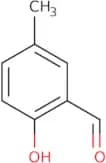
CAS:<p>2-Hydroxy-5-methylbenzaldehyde (2HMBA) is a biologically active molecule that has been shown to bind to human serum albumin. The binding constants for the two molecules are relatively low, with a Kd of approximately 2.6 x 10 M. The nitrogen atoms in the molecule form hydrogen bonds with the hydroxyl group on the ethylene diamine, which stabilizes it and prevents it from dissolving in water. This compound also has a cyclohexane ring and can be found in natural products such as erythronolide B, an antibiotic produced by Streptomyces erythreus. 2HMBA is stable when complexed with hydrochloric acid or potassium dichromate and can be used in structural analysis of other molecules.</p>Formula:C8H8O2Purity:Min. 95%Color and Shape:Off-White PowderMolecular weight:136.15 g/mol6-Chloro-2-cyano-3-nitropyridine
CAS:<p>6-Chloro-2-cyano-3-nitropyridine is a modified pyridine derivative that has been shown to be an antagonist of the adenosine receptors. 6-Chloro-2-cyano-3-nitropyridine blocks the binding of adenosine to A1 and A2A receptors, which leads to increased levels of cyclic AMP in cells. This compound can be used as an antiviral agent or as a component in the development of a new generation of drugs for the treatment of malaria. 6-Chloro-2-cyano-3-nitropyridine has also been shown to be active against HIV, inhibiting its replication and preventing viral assembly. The drug’s mechanism of action is not yet fully understood, but it may involve interference with viral replication by binding to sulfinyl groups on proteins required for virus assembly.</p>Formula:C6H2ClN3O2Purity:Min. 95%Color and Shape:PowderMolecular weight:183.55 g/mol1-Naphthalenesulfonic acid
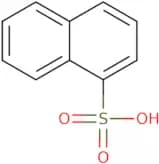
CAS:<p>1-Naphthalenesulfonic acid (1NS) is a sulfonated organic compound. It is an inhibitor of human serum albumin, with a high affinity for the hydroxyl group on the protein's surface. 1NS has been shown to have anti-cancer activity against malignant brain tumors in mice, and also inhibits HIV replication by inhibiting the function of the enzyme reverse transcriptase. 1NS has been shown to inhibit toll-like receptor 4 (TLR4), which may be related to its immunomodulatory effects.</p>Formula:C10H8O3SPurity:Min. 50.0 Area-%Color and Shape:White Beige Slightly Brown PowderMolecular weight:208.23 g/molDL-5-Hydroxytryptophan
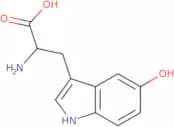
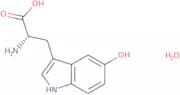
CAS:<p>DL-5-Hydroxytryptophan (5-HTP) is a naturally occurring amino acid that is converted to serotonin in the brain. It is used to treat depression and anxiety, as well as other psychological disorders. 5-HTP has been shown to stimulate the production of serotonin, which may be due to its ability to activate 5-HT2 receptors. 5-HTP has also been shown to increase the activity of various enzymes, such as esterase and aminopeptidase, in human serum. 5-HTP has been shown to have no effects on carcinoid syndrome or 5-ht concentrations in blood plasma. However, it does have biochemical properties that are different from those of other amino acids and can be used as a fluorescent probe for biological research.</p>Formula:C11H12N2O3Purity:Min. 95%Color and Shape:White PowderMolecular weight:220.22 g/mol1H-Indazole-3-carboxylic acid
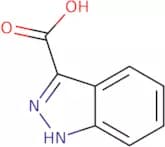
CAS:<p>1H-Indazole-3-carboxylic acid is an organic compound with a molecular formula of C9H6N2O2. It is a colorless solid, but appears yellow in solution. This compound has been shown to inhibit protein synthesis by binding to the apical site of the ribosome, preventing the peptide bond from forming between amino acids. It also inhibits carboxylate metabolism and cellular glycolysis by inhibiting ATP production. 1H-Indazole-3-carboxylic acid has been shown to be effective against cancer cells and can be used as a potential anti-cancer drug.</p>Formula:C8H6N2O2Purity:Min. 98 Area-%Color and Shape:PowderMolecular weight:162.15 g/mol5-Hydroxy-L-tryptophan
CAS:5-hydroxy-L-tryptophan (5HTP) is a naturally occurring amino acid that is an intermediate in the synthesis of the neurotransmitter serotonin. 5HTP appears to be able to increase levels of serotonin in the brain and may be used to treat mood disorders, including depression and anxiety. In clinical trials, 5HTP was found to be as effective as some antidepressant drugs for treating depression. Studies have shown that 5HTP increases locomotor activity and dopamine concentrations. It also increases physiological functions such as temperature regulation, heart rate, blood pressure, and respiration rate. The mechanism by which 5HTP achieves these effects is not yet fully understood but may involve its ability to bind to specific receptors on cells in different regions of the brain. 5HTP has been shown to inhibit polymerase chain reactions (PCR) in vitro by binding to DNA gyrase and topoisomerase IV enzyme activities. It also inhibits fatty acid oxidation in vitro by bindingFormula:C11H12N2O3Purity:Min. 95%Color and Shape:PowderMolecular weight:220.22 g/molMethyl 4-amino-2-methyl benzoate
CAS:Methyl 4-amino-2-methyl benzoate is a fine chemical that can be used as a building block for research chemicals, pharmaceuticals, and speciality chemicals. Methyl 4-amino-2-methyl benzoate is a versatile building block in organic synthesis because it can be used as a reaction component and intermediate to synthesize other compounds. This compound is also an excellent scaffold for the synthesis of complex compounds, making it a useful intermediate for organic chemistry. Methyl 4-amino-2-methyl benzoate has CAS No. 6933-47-7 and is soluble in organic solvents such as dichloromethane, chloroform, ether, or acetone.Formula:C9H11NO2Purity:Min. 95%Color and Shape:PowderMolecular weight:165.19 g/molPhenyl salicylate
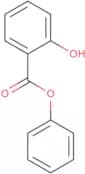
CAS:<p>Phenyl salicylate is a phenolic compound that is used as an antipyretic and analgesic. It has the ability to inhibit prostaglandin synthesis, which can lead to reduced inflammation in the body. Phenyl salicylate has been shown to bind to specific receptors on cells, which leads to inhibition of prostaglandin synthesis. This receptor binding may also be responsible for its anti-inflammatory properties. Phenyl salicylate is metabolized in the liver and excreted through the kidneys.</p>Formula:C13H10O3Purity:Min. 98%Color and Shape:White PowderMolecular weight:214.22 g/molPotassium nonafluoro-1-butanesulfonate
CAS:<p>Potassium nonafluoro-1-butanesulfonate (NBS) is a chemical compound that is used to remove trifluoroacetic acid from wastewater. It can also be used as an analytical reagent to measure cytosolic calcium concentrations in cells. In addition, NBS has been shown to have a high degree of chemical stability, but it may react with hydrogen fluoride and cause toxicity in humans. The pharmacokinetic properties of this drug are not well-known, but it has been shown to accumulate in the liver and fat tissues and pass into the maternal blood stream during pregnancy. NBS also inhibits the synthesis of p-hydroxybenzoic acid, which leads to hepatic steatosis in mice with diet-induced obesity. This drug also affects 3t3-l1 preadipocytes and human serum.</p>Formula:C4F9KO3SColor and Shape:PowderMolecular weight:338.19 g/molMethyl 2-methoxybenzoate
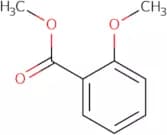
CAS:<p>Methyl 2-methoxybenzoate is a synthetic chemical that is used in the treatment of wastewater. It inhibits the activity of enzymes such as fatty acid synthase, which are involved in the synthesis of long-chain fatty acids. Methyl 2-methoxybenzoate has been found to be an efficient method for the synthesis of prenyl compounds. This product is also an active methylene and hydrogen bond donor, and it can form products with carboxylic acid conjugates through acid catalysis. Methyl 2-methoxybenzoate has been used as a reagent for analytical chemistry, including gas chromatography and liquid chromatography.</p>Formula:C9H10O3Purity:Min. 95%Color and Shape:Colorless Clear LiquidMolecular weight:166.17 g/molL-Proline methyl ester hydrochloride
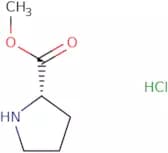
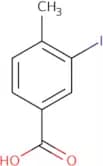
CAS:<p>L-Proline methyl ester hydrochloride is an organic compound that is classified as a trifluoroacetic acid ester. It has significant antiproliferative activity and induces apoptotic cell death in colorectal carcinoma cells. L-Proline methyl ester hydrochloride also inhibits the proliferation of lymphocytes by inhibiting protein synthesis, which may be due to its conformational properties. L-Proline methyl ester hydrochloride is synthesized by reacting L-proline with trifluoroacetic acid and subsequently hydrolyzing the resulting ester with hydrochloric acid. The synthesis can be carried out in two steps: first, a chloride ion is added to the protonated form of the amine; second, the protonated form of the amine reacts with hydrophobic compounds such as dodecyl amines or ethyl acetate to form an alkyl group. This reaction can also be carried out using</p>Formula:C6H12ClNO2Color and Shape:White PowderMolecular weight:165.62 g/mol3-Iodo-4-methylbenzoic acid
CAS:3-Iodo-4-methylbenzoic acid is a synthetic growth factor that is used in the production of monoclonal antibodies. It is synthesized by reacting 3-iodo-4-methylbenzoic acid with trifluoroacetic acid, then purified by dispersive solid-phase extraction. The synthesis of 3-Iodo-4-methylbenzoic acid requires a labeling agent to be added to the reaction mixture for detection purposes. The labeled compound can be detected using assays such as radioimmunoassay or ELISA. In order to synthesize 3-Iodo-4-methylbenzoic acid, methyl esterification of 3-(2′,2′,2′,-trichloroethoxy)phenylacetic acid is required. This process involves an organic solvent and bromine as a catalyst. This compound has been shown to inhibit the BCR/ABL tyrosine kinase receptorFormula:C8H7IO2Purity:Min. 95%Color and Shape:PowderMolecular weight:262.04 g/mol2-Bromo-6-nitrotoluene
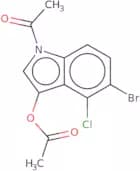
CAS:2-Bromo-6-nitrotoluene is a chemical compound that has been shown to bind to the 5-HT7 receptor of the human protein. It has been shown to have affinity for this receptor and functional assays have found it to be selective for this receptor. The hydrogen bonding interactions between 2-bromo-6-nitrotoluene and the 5-HT7 receptor are stronger than those between 2-bromo-6-nitrotoluene and other receptors, such as the 5-HT1A and 5HT1D receptors. Additionally, molecular modeling studies have shown that 2-bromo-6-nitrotoluene has a higher binding affinity for the 5HT7 receptor than other serotonin receptors. This molecule has been synthesized by researchers in a scalable synthesis process with high yields. The intramolecular hydrogen bonds may also help stabilize this molecule in vivo, as they would not be expected to break downFormula:C7H6BrNO2Purity:Min. 95%Color and Shape:PowderMolecular weight:216.03 g/mol5-Bromo-4-chloroindolyl 1,3-diacetate
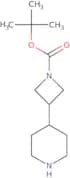
CAS:5-Bromo-4-chloroindolyl 1,3-diacetate (5BCDA) is a clinical response predictor of postoperative radiotherapy. It is an acr20 response predictor for the diagnosis of chronic hepatitis C and the disease activity index in women with genital herpes. 5BCDA has been found to be effective in reducing levels of IL-17a and IL-17f, which are cytokines that are important for immune responses. 5BCDA has also been shown to be effective in treating infectious diseases such as malaria and tuberculosis.Formula:C12H9BrClNO3Purity:Min. 95%Color and Shape:Off-White PowderMolecular weight:330.57 g/moltert-Butyl 3-(piperidin-4-yl)azetidine-1-carboxylate
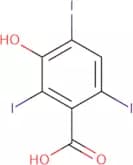
CAS:tert-Butyl 3-(piperidin-4-yl)azetidine-1-carboxylate is a fine chemical that is used as a reagent, research chemical, or speciality chemical. It has been shown to be a versatile building block and useful scaffold for the synthesis of complex compounds. This compound has been shown to undergo a number of reactions, including cyclization and Michael addition.Formula:C13H24N2O2Purity:Min. 95%Molecular weight:240.34 g/mol3-Hydroxy-2,4,6-triiodobenzoic acid
CAS:<p>3-Hydroxy-2,4,6-triiodobenzoic acid (3HITBA) is a molecule that is found in the urine of patients with chronic kidney disease. It is present in group P2 of the periodic table. 3HITBA has been demonstrated to have anti-inflammatory properties and may be useful for the treatment of inflammatory diseases. 3HITBA has been shown to inhibit cancer cell growth by inhibiting DNA synthesis and protein synthesis. This molecule also has fluorescence properties and can be used to detect biological fluids such as blood or urine. The structural analysis of this molecule reveals that it contains intramolecular hydrogen bonds, which are important for its stability and activity.</p>Formula:C7H3O3I3Color and Shape:PowderMolecular weight:515.81 g/mol4-Hydroxybenzoic acid sodium salt
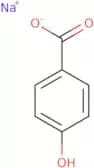
CAS:<p>4-Hydroxybenzoic acid sodium salt (4HBA) is a drug that is used in the treatment of bowel disease. It is an antimicrobial agent that has been shown to have activity against Gram-positive and Gram-negative bacteria, including Pseudomonas aeruginosa. 4HBA has also been shown to be effective in the treatment of ulcerative colitis and Crohn's disease by reducing the production of inflammatory cytokines. The mechanism of action for 4HBA is not fully understood, but it may be due to its ability to interfere with protein synthesis in bacteria, as well as inhibit antibody responses in humans. The structural biology studies on this compound have revealed that the α subunit can bind to the β subunit, which could affect its activity.</p>Formula:C7H5O3NaPurity:Min. 98 Area-%Color and Shape:White PowderMolecular weight:160.1 g/mol1-(Ethenesulfonyl)-4-fluorobenzene
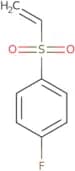
CAS:<p>1-(Ethenesulfonyl)-4-fluorobenzene is a versatile chemical that can be used as a building block for the synthesis of complex compounds. It is also a reagent and speciality chemical with many applications in research. 1-(Ethenesulfonyl)-4-fluorobenzene is an excellent starting material for the synthesis of useful scaffolds and it has shown to have high quality.</p>Formula:C8H7FO2SPurity:Min. 95%Molecular weight:186.21 g/mol
![2-Amino-N-[(2-fluorophenyl)methyl]-N-methylbutanamide](/_next/image/?url=https%3A%2Fstatic.cymitquimica.com%2Fproducts%2F3D%2Fthumb-webp%2FTYB06730.webp&w=3840&q=75)