Building Blocks
Subcategories of "Building Blocks"
- Boronic Acids & Boronic Acid Derivatives(5,784 products)
- Chiral Building Blocks(1,242 products)
- Hydrocarbon Building Blocks(6,105 products)
- Organic Building Blocks(61,061 products)
Found 205399 products of "Building Blocks"
2-Benzylidenecyclohexanone
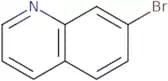
CAS:Formula:C13H14OPurity:>95.0%(GC)Color and Shape:Light yellow to Brown powder to crystalMolecular weight:186.257-Bromoquinoline
CAS:7-Bromoquinoline is a synthetic molecule that was first synthesized in the early 1980s. It is an analog of 7-bromoquinoline, which has been shown to have cytotoxic properties against cancer cells. The synthesis of 7-bromoquinoline involves a cross-coupling reaction with chloroacetonitrile and N-methylformamide. The nmr spectra for this compound are very similar to those for 7-bromoquinoine, but it lacks the secondary amine peak at δ 10.7 ppm. Primary culture cells were used to test the bioactivity of 7-bromoquinoline, and these cells were disrupted by adding trypsin after incubation with various concentrations of 7-bromoquinoline. This study showed that the quinoline derivatives had cytotoxic effects on cultured cells at low concentrations, suggesting that they may be useful as anticancer agents. Molecular modeling studies show thatFormula:C9H6BrNPurity:Min. 95%Color and Shape:PowderMolecular weight:208.05 g/mol2,6-Dibromobenzaldehyde
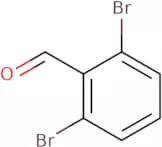
CAS:2,6-Dibromobenzaldehyde is an imidazole derivative that has been shown to be a potent inhibitor of tyrosine kinase. It has been shown to inhibit the replication of virus type-1 and is effective in the treatment of pain models. 2,6-Dibromobenzaldehyde also inhibits the activity of enzymes, such as phosphodiesterases and protein kinases. This compound has shown promising results in animal studies for the treatment of human immunodeficiency virus type 1 (HIV-1) infection. The pharmacokinetic properties of 2,6-dibromobenzaldehyde have been studied in rats and dogs with oral administration and found to be linear and rapid with high bioavailability.Formula:C7H4Br2OPurity:Min. 95%Color and Shape:PowderMolecular weight:263.91 g/mol2-Bromo-4-chlorotoluene
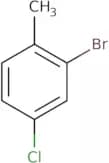
CAS:2-Bromo-4-chlorotoluene is a chemical compound with the molecular formula C6H4BrClO. It is an aromatic peroxide that has a chlorine atom attached to one of the benzene rings. 2-Bromo-4-chlorotoluene is produced by the reaction of bromine with chlorotoluene in the presence of hydrogen peroxide and sodium periodate. The reaction takes place at room temperature, producing a colourless liquid with a pungent odour. This chemical can be identified by its infrared frequencies, which are observed as vibrations between 1650 and 1700 cm−1. The molecule has a dipole moment of 0.5 D, which means it can transfer electrons to other molecules or atoms in order to form bonds. 2-Bromo-4-chlorotoluene is used as an intermediate for organic compounds such as glycol dimethyl ethers. 2-BromoFormula:C7H6BrClPurity:Min. 95%Color and Shape:PowderMolecular weight:205.48 g/mol1-Methyl-3-[6-(methylsulfinyl)hexyl]imidazolium p-Toluenesulfonate
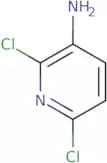
CAS:Formula:C18H28N2O4S2Purity:>97.0%(HPLC)(N)Color and Shape:Colorless to Light orange to Yellow clear liquidMolecular weight:400.553-Amino-2,6-dichloropyridine
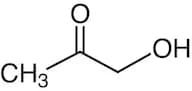
CAS:3-Amino-2,6-dichloropyridine is a carboxamidopyridine that is used as an antiplatelet agent. This drug inhibits the action of ADP and thrombin in platelets, thereby inhibiting platelet aggregation. 3-Amino-2,6-dichloropyridine has been shown to be effective when given orally and is not degraded by stomach acid. It has been shown to inhibit transcriptase activity in vitro. The drug also inhibits the synthesis of prostaglandin E2 (PGE2) through inhibition of cyclooxygenase (COX) enzymes and prevents platelet aggregation by suppressing the production of adenosine diphosphate (ADP).Purity:Min. 95%Color and Shape:PowderMolecular weight:162.92 g/molHydroxyacetone (stabilized with Na2CO3)
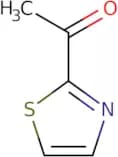
CAS:Formula:C3H6O2Purity:>90.0%(GC)Color and Shape:Colorless to Light yellow clear liquidMolecular weight:74.082-Acetylthiazole
CAS:2-Acetylthiazole is a heterocyclic compound that is a derivative of thiazole. It is used in the production of dyes, pharmaceuticals and other organic compounds. 2-Acetylthiazole can be synthesized by reacting glyoxal with an acid chloride or carboxylic acid to form the corresponding sulfonyl chloride, which can then be reacted with sodium acetate in ethanol to produce 2-acetylthiazole. This reaction was found to proceed efficiently at room temperature and without the need for strong acids or bases. The product has been shown to have anticancer activity in model systems, with carbonyl groups being suggested as a possible mechanism of action. 2-Acetylthiazole is also an intermediate in the synthesis of many other organic compounds and has been shown to react with d-arabinose, producing d-ribofuranose and water.Formula:C5H5NOSPurity:Min. 95%Color and Shape:Colorless Clear LiquidMolecular weight:127.17 g/molGalβ(1-3)[Neu5Acα(2-6)]GalNAc-β-pNP
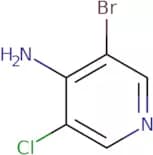
CAS:Formula:C31H45N3O21Purity:min. 97.0 area%(HPLC)Color and Shape:White to Light yellow to Green powder to crystalMolecular weight:795.703-Bromo-5-chloropyridine-4-amine
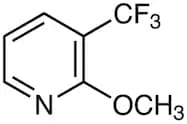
CAS:3-Bromo-5-chloropyridine-4-amine is a versatile building block that can be used in many different chemical syntheses. It is a reagent and a useful scaffold for the synthesis of complex compounds. 3-Bromo-5-chloropyridine-4-amine has been used as a high quality, useful intermediate in the synthesis of other chemicals. It is also an effective reaction component for reactions involving amines and thiols.Formula:C5H4BrClN2Purity:Min. 95%Color and Shape:White PowderMolecular weight:207.46 g/mol2-Methoxy-3-(trifluoromethyl)pyridine
CAS:Formula:C7H6F3NOPurity:>98.0%(GC)Color and Shape:Colorless to Almost colorless clear liquidMolecular weight:177.13Heptylnonyl Adipate (so called) [Plasticizer]
CAS:Purity:mixture of Heptylnonyl adipate, Diheptyl adipate, Dinonyl adipate(GC)Color and Shape:Colorless to Almost colorless clear liquid1H,1H,12H,12H-Icosafluoro-1,12-dodecanediol
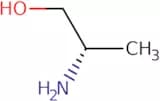
CAS:Formula:C12H6F20O2Purity:>96.0%(GC)Color and Shape:White to Almost white powder to crystalMolecular weight:562.15L-Alaninol
CAS:L-Alaninol is a natural amino acid that can be synthesized in an asymmetric way. It has been used as a palladium complex catalyst to produce the inorganic acid, l-alaninol. L-Alaninol is biologically active and has shown antiviral and antimicrobial activities against mycobacterium avium and human lymphocytes. It also has been shown to have anticancer properties in animal models. In addition, it has been used as a model system for the study of organic chemistry reactions. L-Alaninol has also been shown to exhibit magnetic resonance spectroscopy properties that are similar to those of l-phenylalaninol.
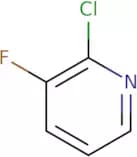
Formula:C3H9NOColor and Shape:Colorless Slightly Yellow Clear LiquidMolecular weight:75.11 g/mol2-Chloro-3-fluoropyridine
CAS:2-Chloro-3-fluoropyridine is a chemical compound that is classified as an allosteric modulator. It has a profile of physicochemical and spectrometric properties, which includes a pyridine ring with two chloro substituents and one fluorine atom. 2-Chloro-3-fluoropyridine can be transported by organic solvents such as benzene or chloroform, but not by water. This chemical reacts with copper chloride to form a cross-coupling reaction, which may be useful for the synthesis of complex organic molecules. 2-Chloro-3-fluoropyridine also has biological properties that include being a ligand for some receptors in the brain and central nervous system, as well as having antioxidant activity.
Formula:C5H3ClFNPurity:Min. 95%Color and Shape:Clear LiquidMolecular weight:131.54 g/mol1,2-Ethanediol ditosylate
CAS:1,2-Ethanediol ditosylate is a coumarin derivative that is used as a contrast agent in the diagnosis of prostate cancer. It has been shown to be effective against prostate cancer cells in vitro and in vivo. 1,2-Ethanediol ditosylate is injected into the excretory organ (e.g., urinary bladder) and then excreted from the body by the kidneys. The compound accumulates in the prostate gland, where it binds to fatty acids on the cell membrane and induces a positron emission that can be detected with positron emission tomography (PET). This compound also inhibits tumor growth by blocking epidermal growth factor receptor signaling through its ability to bind to carbonic anhydrase II (CAII) receptors on tumor cells.Formula:C16H18O6S2Purity:Min. 95%Color and Shape:White PowderMolecular weight:370.44 g/mol1,2-Bis(diphenylphosphino)ethane
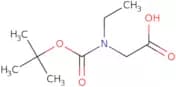
CAS:1,2-Bis(diphenylphosphino)ethane is a ligand that binds to the metal molybdenum. It has been shown to have biochemical properties in relation to its ability to form complexes with adriamycin and other drugs. The redox potential of 1,2-Bis(diphenylphosphino)ethane depends on the presence of sodium ions. This ligand is able to bind to the iron in the mitochondrial membrane and can affect the mitochondrial membrane potential. X-ray crystal structures show that this ligand binds to a monosodium salt. 1,2-Bis(diphenylphosphino)ethane has been shown to be a potent inhibitor of transfer reactions and is used as an analytical reagent for structural analysis.Formula:C26H24P2Purity:Min. 98 Area-%Color and Shape:White Off-White PowderMolecular weight:398.42 g/molBoc-N-Ethylglycine
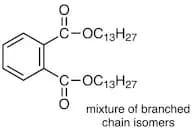
CAS:Building blockFormula:C9H17NO4Purity:Min. 95%Color and Shape:White PowderMolecular weight:203.24 g/molDitridecyl Phthalate (mixture of branched chain isomers)
CAS:Formula:C34H58O4Purity:multi component mixture(GC)Color and Shape:Colorless to Almost colorless clear liquidMolecular weight:530.831,2-Dibromo-2,4-dicyanobutane
CAS:1,2-Dibromo-2,4-dicyanobutane is a chemical substance with antimicrobial properties. It is used as an ingredient in the production of health care products and preservatives for food. 1,2-Dibromo-2,4-dicyanobutane inhibits bacterial growth by preventing the synthesis of fatty acids and proteins. This compound has been shown to have synergistic effects when combined with benzalkonium chloride or potassium dichromate. 1,2-Dibromo-2,4-dicyanobutane has not been found to be carcinogenic in animal studies and does not cause allergic reactions.Formula:C6H6Br2N2Purity:Min. 95%Color and Shape:White PowderMolecular weight:265.93 g/mol



![1-Methyl-3-[6-(methylsulfinyl)hexyl]imidazolium p-Toluenesulfonate](/_next/image/?url=https%3A%2Fstatic.cymitquimica.com%2Fproducts%2F3B%2Fthumb-webp%2FM2274.webp&w=3840&q=75)
![Galβ(1-3)[Neu5Acα(2-6)]GalNAc-β-pNP](/_next/image/?url=https%3A%2Fstatic.cymitquimica.com%2Fproducts%2F3B%2Fthumb-webp%2FG0345.webp&w=3840&q=75)
![Heptylnonyl Adipate (so called) [Plasticizer]](/_next/image/?url=https%3A%2Fstatic.cymitquimica.com%2Fproducts%2F3B%2Fthumb-webp%2FA1388.webp&w=3840&q=75)