Building Blocks
Subcategories of "Building Blocks"
- Boronic Acids & Boronic Acid Derivatives(5,782 products)
- Chiral Building Blocks(1,242 products)
- Hydrocarbon Building Blocks(6,101 products)
- Organic Building Blocks(61,043 products)
Found 205351 products of "Building Blocks"
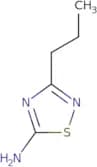
3-Propyl-2,5-dihydro-1,2,4-thiadiazol-5-imine
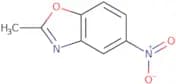
CAS:Versatile small molecule scaffoldFormula:C5H9N3SPurity:Min. 95%Molecular weight:143.21 g/mol2-Methyl-5-nitro-1,3-benzoxazole
CAS:2-Methyl-5-nitro-1,3-benzoxazole is a chemical compound that has been shown to inhibit the growth of wheat plants. It may have an effect on the regulation of plant growth and development. 2-Methyl-5-nitro-1,3-benzoxazole also inhibits the production of nitric oxide by activated macrophages and decreases their ability to produce cytokines. This chemical is found in soil, water, and air as well as in products such as plastics, textiles, and insulation materials. The amount of 2-methyl-5-nitro-1,3 benzoxazole present in these products is regulated by regulatory agencies to ensure safety standards are met.
Formula:C8H6N2O3Purity:Min. 95%Molecular weight:178.15 g/mol4,6-Dinitro-1H-1,3-benzodiazole
CAS:Versatile small molecule scaffoldFormula:C7H4N4O4Purity:Min. 95%Molecular weight:208.13 g/molEthyl 3-oxo-2,3,5,6,7,8-hexahydrocinnoline-4-carboxylate
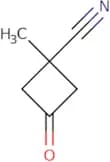
CAS:Versatile small molecule scaffoldFormula:C11H14N2O3Purity:Min. 95%Molecular weight:222.2 g/mol1-Methyl-3-oxocyclobutane-1-carbonitrile
CAS:Versatile small molecule scaffoldFormula:C6H7NOPurity:Min. 95%Molecular weight:109.13 g/mol5-Oxo-3,5-dihydro-2H-thiazolo[3,2-a]pyrimidine-6-carboxylic acid
CAS:Versatile small molecule scaffoldFormula:C7H6N2O3SPurity:Min. 95%Molecular weight:198.2 g/molPotassium 2-[(4-oxopent-2-en-2-yl)amino]acetate
CAS:Versatile small molecule scaffold
Formula:C7H10KNO3Purity:Min. 95%Molecular weight:195.26 g/mol2-Ethyl-3-oxo-2-azatricyclo[6.3.1.0,4,12]dodeca-1(11),4(12),5,7,9-pentaene-9-sulfonyl chloride
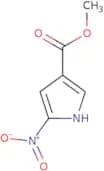
CAS:Versatile small molecule scaffoldFormula:C13H10ClNO3SPurity:Min. 95%Molecular weight:295.74 g/molMethyl 5-nitro-1H-pyrrole-3-carboxylate
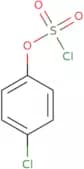
CAS:Versatile small molecule scaffoldFormula:C6H6N2O4Purity:Min. 95%Molecular weight:170.12 g/mol4-Chlorophenyl chloranesulfonate
CAS:Versatile small molecule scaffoldFormula:C6H4Cl2O3SPurity:Min. 95%Molecular weight:227.06 g/mol3-Methyl-2-(propan-2-yl)butanoic acid
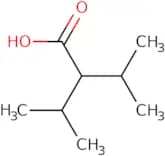
CAS:3-Methyl-2-(propan-2-yl)butanoic acid is an inhibitor of cancer, which is structurally related to sulfamic acid. It has been shown to inhibit the growth of bacteria by binding to metal hydroxides and acting as a free radical scavenger. 3-Methyl-2-(propan-2-yl)butanoic acid inhibits the protease activity of trypsin and aminopeptidase and has depressant effects on the central nervous system. This compound also inhibits serotonin reuptake in the rat brain, suggesting that it may be a potential antidepressant. 3-Methyl-2-(propan-2-yl)butanoic acid has been shown to inhibit HIV infection by blocking the activation of tnf alpha.Formula:C8H16O2Purity:Min. 95%Molecular weight:144.21 g/molEthyl (Benzyloxy)acetate
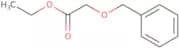
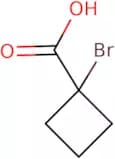
CAS:Ethyl (Benzyloxy)acetate is a β-unsaturated ketone that is used in the synthesis of peroxisome proliferators. It is also used in the asymmetric synthesis of β-unsaturated ketones. Ethyl (Benzyloxy)acetate has been shown to induce inflammation and inhibit serine protease, which may be due to its ability to bind to hydroxyl groups and heterocycles. It can also act as an anti-HIV agent by binding to the hydroxyl group of insulin, which causes insulin resistance. This compound is also used as a solvent for organic chemistry reactions, including the conversion of ethyl formate into acetic acid.Formula:C11H14O3Purity:Min. 95%Molecular weight:194.23 g/mol1-Bromocyclobutane-1-carboxylic acid
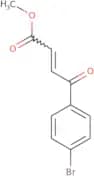
CAS:Versatile small molecule scaffoldFormula:C5H7BrO2Purity:Min. 95%Molecular weight:179.01 g/molMethyl (2E)-4-(4-bromophenyl)-4-oxobut-2-enoate
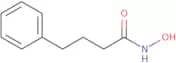
CAS:Versatile small molecule scaffoldFormula:C11H9BrO3Purity:Min. 95%Molecular weight:269.09 g/molN-Hydroxy-4-phenylbutanamide
CAS:N-Hydroxy-4-phenylbutanamide is a toolbox hydroxamic acid that has been shown to activate by reacting with the carbonyl group of an arylesterase. This reaction will generate an aldehyde, which can then undergo cyclodehydration in the presence of sodium periodate to form an alkene. The chiral nature of this molecule allows for selective activation on either the left or right side of the molecule. The aerobic conditions are required for this reaction to take place and it can be performed at room temperature. N-Hydroxy-4-phenylbutanamide is also used as a reagent in organic synthesis, crystallography, and alkene synthesis.
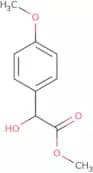
Formula:C10H13NO2Purity:Min. 95%Molecular weight:179.22 g/molMethyl (2R)-2-hydroxy-2-(4-methoxyphenyl)acetate
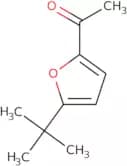
CAS:Versatile small molecule scaffoldFormula:C10H12O4Purity:Min. 95%Molecular weight:196.2 g/mol1-(5-tert-Butylfuran-2-yl)ethan-1-one
CAS:Versatile small molecule scaffold
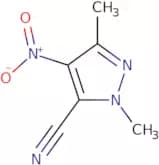
Formula:C10H14O2Purity:Min. 95%Molecular weight:166.22 g/mol1,3-Dimethyl-4-nitro-1H-pyrazole-5-carbonitrile
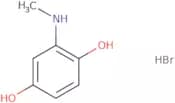
CAS:Versatile small molecule scaffoldFormula:C6H6N4O2Purity:Min. 95%Molecular weight:166.14 g/mol2-(Methylamino)benzene-1,4-diol hydrobromide
CAS:Versatile small molecule scaffold
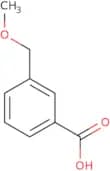
Formula:C7H10BrNO2Purity:Min. 95%Molecular weight:220.06 g/mol3-(Methoxymethyl)benzoic acid
CAS:Versatile small molecule scaffoldFormula:C9H10O3Purity:Min. 95%Molecular weight:166.17 g/mol


![5-Oxo-3,5-dihydro-2H-thiazolo[3,2-a]pyrimidine-6-carboxylic acid](/_next/image/?url=https%3A%2Fstatic.cymitquimica.com%2Fproducts%2F3D%2Fthumb-webp%2FHBA08455.webp&w=3840&q=75)
![Potassium 2-[(4-oxopent-2-en-2-yl)amino]acetate](/_next/image/?url=https%3A%2Fstatic.cymitquimica.com%2Fproducts%2F3D%2Fthumb-webp%2FHBA08581.webp&w=3840&q=75)
![2-Ethyl-3-oxo-2-azatricyclo[6.3.1.0,4,12]dodeca-1(11),4(12),5,7,9-pentaene-9-sulfonyl chloride](/_next/image/?url=https%3A%2Fstatic.cymitquimica.com%2Fproducts%2F3D%2Fthumb-webp%2FHBA10315.webp&w=3840&q=75)