Building Blocks
Subcategories of "Building Blocks"
- Boronic Acids & Boronic Acid Derivatives(5,784 products)
- Chiral Building Blocks(1,244 products)
- Hydrocarbon Building Blocks(6,105 products)
- Organic Building Blocks(61,070 products)
Found 205437 products of "Building Blocks"
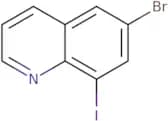
6-BROMO-8-IODOQUINOLINE
CAS:Versatile small molecule scaffold
Formula:C9H5BrINPurity:Min. 95%Molecular weight:334 g/molRef: 3D-DTB16090
Discontinued product2-Methoxy-4-nitro-1-(trifluoromethyl)benzene
CAS:Versatile small molecule scaffold
Formula:C8H6F3NO3Purity:Min. 95%Molecular weight:221.13 g/mol3-[(4-Acetylpiperazin-1-yl)sulfonyl]-4-fluorobenzoic acid
CAS:Versatile small molecule scaffold
Formula:C13H15FN2O5SPurity:Min. 95%Molecular weight:330.33 g/molRef: 3D-DSB99499
Discontinued product7-Chloro-[1,3]thiazolo[5,4-d]pyrimidin-2-amine
CAS:Versatile small molecule scaffold
Formula:C5H3ClN4SPurity:Min. 95%Molecular weight:186.62 g/molN-[(2-Phenyl-2H-1,2,3-triazol-4-yl)methylidene]hydroxylamine
CAS:Versatile small molecule scaffold
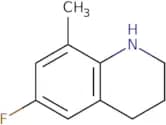
Formula:C9H8N4OPurity:Min. 95%Molecular weight:188.19 g/mol6-Fluoro-8-methyl-1,2,3,4-tetrahydroquinoline
CAS:Versatile small molecule scaffold
Formula:C10H12FNPurity:Min. 95%Molecular weight:165.21 g/molRef: 3D-DNB90872
Discontinued product6-Cyclopropyl-1-[(5-methylfuran-2-yl)methyl]-1H-pyrazolo[3,4-b]pyridine-4-carboxylic acid
CAS:Versatile small molecule scaffold
Formula:C16H15N3O3Purity:Min. 95%Molecular weight:297.31 g/mol[2-(4-Methylpiperazin-1-yl)-pyridin-4-yl]methylamine
CAS:Versatile small molecule scaffold
Formula:C11H18N4Purity:Min. 95%Molecular weight:206.29 g/mol6-(Furan-2-yl)-3-propyl-[1,2]oxazolo[5,4-b]pyridine-4-carboxylic acid
CAS:Versatile small molecule scaffoldFormula:C14H12N2O4Purity:Min. 95%Molecular weight:272.26 g/molRef: 3D-DNB89359
Discontinued product3-Amino-4-methoxy-N,N-dimethyl-benzamide
CAS:Versatile small molecule scaffoldFormula:C10H14N2O2Purity:Min. 95%Molecular weight:194.23 g/mol4-Methyl-3-[2-(pyridin-4-yl)acetamido]benzoic acid
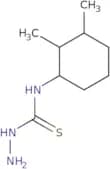
CAS:Versatile small molecule scaffoldFormula:C15H14N2O3Purity:Min. 95%Molecular weight:270.28 g/mol3-Amino-1-(2,3-dimethylcyclohexyl)thiourea
CAS:Versatile small molecule scaffold
Formula:C9H19N3SPurity:Min. 95%Molecular weight:201.33 g/molRef: 3D-DNB80700
Discontinued product2-[(2-Methylphenyl)methoxy]acetic acid
CAS:Versatile small molecule scaffold
Formula:C10H12O3Purity:Min. 95%Molecular weight:180.2 g/molRef: 3D-DNB78696
Discontinued producttert-Butyl 3-amino-4H,5H,6H,7H-[1,2]oxazolo[4,3-c]pyridine-5-carboxylate
CAS:Versatile small molecule scaffold
Formula:C11H17N3O3Purity:Min. 95%Molecular weight:239.27 g/molRef: 3D-DKC68608
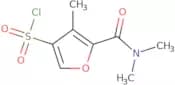
Discontinued product5-(Dimethylcarbamoyl)-4-methylfuran-3-sulfonyl chloride
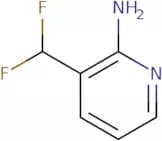
CAS:Versatile small molecule scaffoldFormula:C8H10ClNO4SPurity:Min. 95%Molecular weight:251.69 g/mol2-Amino-3-(difluoromethyl)pyridine
CAS:Versatile small molecule scaffold
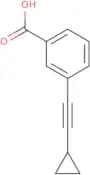
Formula:C6H6F2N2Purity:Min. 95%Molecular weight:144.13 g/mol3-(2-Cyclopropylethynyl)benzoic acid
CAS:Versatile small molecule scaffold
Formula:C12H10O2Purity:Min. 95%Molecular weight:186.21 g/molRef: 3D-DKB74231
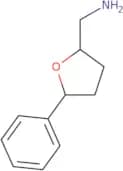
Discontinued product(5-Phenyloxolan-2-yl)methanamine
CAS:Versatile small molecule scaffold
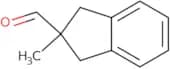
Formula:C11H15NOPurity:Min. 95%Molecular weight:177.24 g/mol2-Methyl-2,3-dihydro-1H-indene-2-carbaldehyde
CAS:2-Methyl-2,3-dihydro-1H-indene-2-carbaldehyde is a colorless liquid with a fragrant odor. It is used as an intermediate in the production of perfumes. This compound is also found in the essential oil of lavender and other plants.Formula:C11H12OPurity:Min. 95%Molecular weight:160.21 g/molRef: 3D-DKB61218
Discontinued product{2-Chloroimidazo[1,2-a]pyridin-3-yl}methanol
CAS:Versatile small molecule scaffold
Formula:C8H7ClN2OPurity:Min. 95%Molecular weight:182.61 g/molRef: 3D-DKB46660
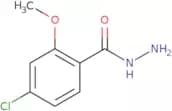
Discontinued product4-Chloro-2-methoxybenzohydrazide
CAS:Versatile small molecule scaffold
Formula:C8H9ClN2O2Purity:Min. 95%Molecular weight:200.62 g/molRef: 3D-DKB46596
Discontinued product6'-Chlorospiro[cyclopropane-1,3'-indoline]
CAS:Versatile small molecule scaffold
Formula:C10H10ClNPurity:Min. 95%Molecular weight:179.64 g/molRef: 3D-DGC89901
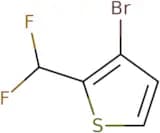
Discontinued product3-Bromo-2-(difluoromethyl)thiophene
CAS:Versatile small molecule scaffold
Formula:C5H3BrF2SPurity:Min. 95%Molecular weight:213.04 g/mol6-Fluoro-2-methyl-3-nitroaniline
CAS:Versatile small molecule scaffold
Formula:C7H7FN2O2Purity:Min. 95%Molecular weight:170.14 g/molRef: 3D-DGA89455
Discontinued productrac-(1S,3R)-3-Butylcyclobutan-1-ol
CAS:Versatile small molecule scaffold
Formula:C8H16OPurity:Min. 95%Molecular weight:128.2 g/molRef: 3D-DGA87366
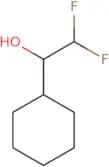
Discontinued product1-Cyclohexyl-2,2-difluoroethan-1-ol
CAS:Versatile small molecule scaffold
Formula:C8H14F2OPurity:Min. 95%Molecular weight:164.19 g/molRef: 3D-DGA80110
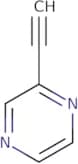
Discontinued product2-Ethynylpyrazine
CAS:Versatile small molecule scaffold
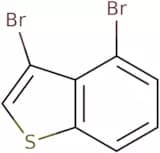
Formula:C6H4N2Purity:Min. 95%Molecular weight:104.11 g/mol3,4-Dibromo-1-benzothiophene
CAS:Versatile small molecule scaffold
Formula:C8H4Br2SPurity:Min. 95%Molecular weight:291.99 g/molRef: 3D-DGA79898
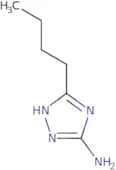
Discontinued product3-Butyl-1H-1,2,4-triazol-5-amine
CAS:Versatile small molecule scaffold
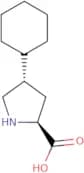
Formula:C6H12N4Purity:Min. 95%Molecular weight:140.19 g/moltrans-4-Cyclohexyl-L-proline
CAS:Trans-4-Cyclohexyl-L-proline is an enolate that is used as a pharmaceutical intermediate. It has been shown to be effective in the synthesis of fosinopril sodium, a drug used for the treatment of hypertension and heart failure. Trans-4-Cyclohexyl-L-proline also has shown potential use as an antimicrobial agent. It can act as a nucleophilic agent, reacting with chloride ions to form an alkylating agent. The chlorinated product can undergo hydrolysis by hydrochloric acid to yield c1-4 alkyl chloride and hydrogen chloride.
Formula:C11H19NO2Purity:Min. 95%Molecular weight:197.27 g/mol(2E)-N-[2-(4-Hydroxyphenyl)ethyl]-3-phenylprop-2-enamide
CAS:Versatile small molecule scaffold
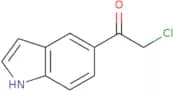
Formula:C17H17NO2Purity:Min. 95%Molecular weight:267.32 g/mol2-Chloro-1-(1H-indol-5-yl)ethanone
CAS:2-Chloro-1-(1H-indol-5-yl)ethanone is an aminated product that can be synthesized by the reaction of nitromethane and aluminium chloride. This product is a side-chain condensation product of indoline and chloroacetyl chloride. The product yields are about 68%.
Formula:C10H8ClNOPurity:Min. 95%Molecular weight:193.63 g/molRef: 3D-DEA02856
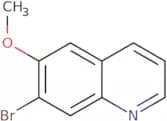
Discontinued product7-Bromo-6-methoxyquinoline
CAS:Versatile small molecule scaffold
Formula:C10H8BrNOPurity:Min. 95%Molecular weight:238.08 g/molRef: 3D-DEA02833
Discontinued product2,6-Dichloro-4-methyl-11H-pyrido[2,1-b]quinazolin-11-one
CAS:Versatile small molecule scaffold
Formula:C13H8Cl2N2OPurity:Min. 95%Molecular weight:279.12 g/mol1-Methyl-5-[(3,3,3-trifluoropropoxy)methyl]-1H-pyrazol-3-amine
CAS:Versatile small molecule scaffold
Formula:C8H12F3N3OPurity:Min. 95%Molecular weight:223.2 g/molRef: 3D-DDC64070
Discontinued product2-[4-Bromo-1-(propan-2-yl)-1H-pyrazol-5-yl]acetic acid
CAS:Versatile small molecule scaffold
Formula:C8H11BrN2O2Purity:Min. 95%Molecular weight:247.09 g/molRef: 3D-DDC64052
Discontinued product2-[4-Bromo-1-(propan-2-yl)-1H-pyrazol-3-yl]acetic acid
CAS:Versatile small molecule scaffold
Formula:C8H11BrN2O2Purity:Min. 95%Molecular weight:247.09 g/molRef: 3D-DDC64038
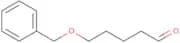
Discontinued product5-(Benzyloxy)pentanal
CAS:5-(Benzyloxy)pentanal is a quinoline derivative that inhibits the enzyme reverse transcriptase, which is an extracellular enzyme that synthesizes DNA from RNA. It also inhibits nucleotide synthesis and interacts with other enzymes such as DNA polymerase. 5-(Benzyloxy)pentanal has been shown to inhibit tumor growth by inhibiting the production of cancer-related proteins. The compound was synthesized in a stereoselective manner by reacting piperidine with allyl bromide followed by oxidation to form the corresponding aldehyde. This method was used to produce an enantiomerically pure compound, which exhibits inhibitory activity against HIV-1 integrase.
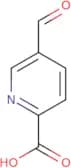
Formula:C12H16O2Purity:Min. 95%Molecular weight:192.25 g/mol5-formylpyridine-2-carboxylic acid
CAS:Versatile small molecule scaffold
Formula:C7H5NO3Purity:Min. 95%Molecular weight:151.1 g/molNeopentyl glycol dimethylsulfate
CAS:Versatile small molecule scaffold
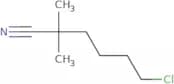
Formula:C7H16O6S2Purity:Min. 95%Molecular weight:260.3 g/mol6-Chloro-2,2-dimethylhexanenitrile
CAS:Versatile small molecule scaffold
Formula:C8H14ClNPurity:Min. 95%Molecular weight:159.65 g/molRef: 3D-DCA54594
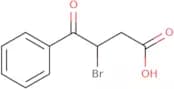
Discontinued product3-Bromo-4-oxo-4-phenylbutanoic acid
CAS:Versatile small molecule scaffold
Formula:C10H9BrO3Purity:Min. 95%Molecular weight:257.09 g/molRef: 3D-DCA51522
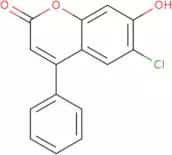
Discontinued product6-Chloro-7-hydroxy-4-phenyl-2H-chromen-2-one
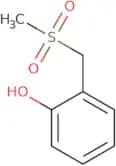
CAS:6-Chloro-7-hydroxy-4-phenyl-2H-chromen-2-one (6CHC) is a chromene derivative that binds to nuclear DNA and can be used for the diagnosis of cancer. 6CHC has been shown to inhibit the growth of cancer cells by binding to their nuclear DNA. The compound has also been shown to bind to the PPAR receptors and thereby inhibiting the proliferation of cancer cells. 6CHC has been shown to be a more sustainable alternative for phaseolus, which is currently being used as an inhibitor in wastewater treatment. This compound is resistant to acid molecules, making it a good candidate for use in wastewater treatment with high concentrations of acid. 6CHC is also an antioxidant that can be used as an corrosion inhibitor in wastewater treatment systems.Formula:C15H9ClO3Purity:Min. 95%Molecular weight:272.68 g/mol2-(Methanesulfonylmethyl)phenol
CAS:Versatile small molecule scaffold
Formula:C8H10O3SPurity:Min. 95%Molecular weight:186.23 g/molRef: 3D-DCA38029
Discontinued product2-[(Dimethylamino)methyl]benzonitrile
CAS:Versatile small molecule scaffold
Formula:C10H12N2Purity:Min. 95%Molecular weight:160.22 g/mol4-[(4-Methylphenyl)methoxy]aniline
CAS:Versatile small molecule scaffold
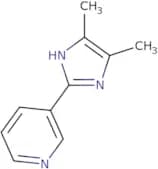
Formula:C14H15NOPurity:Min. 95%Molecular weight:213.27 g/mol3-(4,5-Dimethyl-1H-imidazol-2-yl)-pyridine
CAS:Versatile small molecule scaffold
Formula:C10H11N3Purity:Min. 95%Molecular weight:173.21 g/molRef: 3D-DCA31650
Discontinued product4-(Dimethylphosphoryl)butan-2-one
CAS:Versatile small molecule scaffold
Formula:C6H13O2PPurity:Min. 95%Molecular weight:148.1 g/molRef: 3D-DCA31425
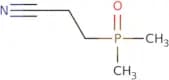
Discontinued product3-(Dimethylphosphoryl)propanenitrile
CAS:Versatile small molecule scaffold
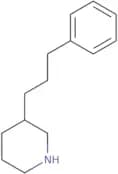
Formula:C5H10NOPPurity:Min. 95%Molecular weight:131.11 g/mol3-(3-Phenylpropyl)piperidine
CAS:Versatile small molecule scaffold
Formula:C14H21NPurity:Min. 95%Molecular weight:203.32 g/molRef: 3D-DCA29596
Discontinued product(1,1-Dioxo-tetrahydro-1lambda*6*-thiophen-3-yl)-methyl-amine hydrochloride
CAS:Versatile small molecule scaffold
Formula:C5H12ClNO2SPurity:Min. 95%Molecular weight:185.67 g/molRef: 3D-DCA28753
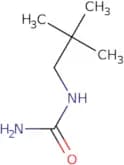
Discontinued product(2,2-Dimethylpropyl)urea
CAS:Versatile small molecule scaffold
Formula:C6H14N2OPurity:Min. 95%Molecular weight:130.19 g/molRef: 3D-DCA28611
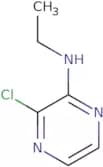
Discontinued product3-Chloro-N-ethylpyrazin-2-amine
CAS:Versatile small molecule scaffold
Formula:C6H8ClN3Purity:Min. 95%Molecular weight:157.6 g/molRef: 3D-DCA26530
Discontinued product2-(4-Chlorobenzenesulfinyl)acetic acid
CAS:Versatile small molecule scaffold
Formula:C8H7ClO3SPurity:Min. 95%Molecular weight:218.66 g/molRef: 3D-DAA99647
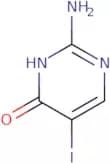
Discontinued product2-Amino-5-iodopyrimidin-4(1H)-one
CAS:Versatile small molecule scaffold
Formula:C4H4IN3OPurity:Min. 95%Molecular weight:237 g/molChroman-2-ylmethanamine
CAS:Chroman-2-ylmethanamine is an indole alkaloid that has been shown to have high affinity for the 5-HT1A receptor. It also has neuroprotective properties and prevents apoptotic cell death in a dose-dependent manner. This drug has also been shown to reduce extracellular glutamate levels in brain tissue and inhibit dopamine release. Chroman-2-ylmethanamine is an agonist at the 5-HT1A receptor, which causes it to inhibit extracellular acidification by hydrochloric acid. It also inhibits glutamate release by binding to the AMPA receptor, which leads to its anti-ischemic effects.
Formula:C10H13NOPurity:Min. 95%Molecular weight:163.22 g/molRef: 3D-DAA99059
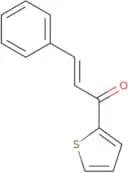
Discontinued product2-Cinnamoylthiophene
CAS:2-Cinnamoylthiophene is a synthetic compound that has been shown to have an apoptotic effect on cancer cells in culture. It is produced by the reaction of 2-aminothiophenol with acetic anhydride and cinnamic acid. The molecular structure of 2-cinnamoylthiophene has been determined using nuclear magnetic resonance (NMR) spectroscopy and quantum chemical calculations. This molecule is oxidized by hydrogen peroxide to generate reactive intermediates, which then react with DNA bases to form DNA adducts. These adducts are detected by the tetrazolium dye MTT, which is used as a cell viability assay. 2-Cinnamoylthiophene also contains functional groups that can be used for further study.
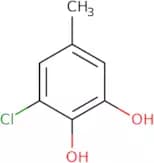
Formula:C13H10OSPurity:Min. 95%Molecular weight:214.28 g/mol3-Chloro-5-methylbenzene-1,2-diol
CAS:3-Chloro-5-methylbenzene-1,2-diol is an organic compound that is used as a substrate in assays to measure the activity of enzymes that oxidize it. This compound has been shown to be mineralized by a number of bacterial strains, and its formation rate has been shown to be dependent on the presence of oxygen. 3-Chloro-5-methylbenzene-1,2-diol can also be dechlorinated by a number of bacterial strains and its gene product (3CMB) has been identified in Bacillus subtilis. Magnetic resonance analysis revealed that 3CMB is produced from 3CMB by a dehydrogenase enzyme in the active site. The enzyme is homologous to the dehydrogenases found in Escherichia coli and Pseudomonas aeruginosa.
Formula:C7H7ClO2Purity:Min. 95%Molecular weight:158.58 g/molRef: 3D-DAA97866
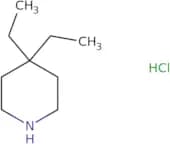
Discontinued product4,4-Diethylpiperidine hydrochloride
CAS:Versatile small molecule scaffold
Formula:C9H20ClNPurity:Min. 95%Molecular weight:177.71 g/molRef: 3D-DAA97065
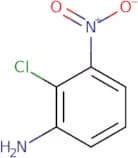
Discontinued product2-Chloro-3-nitroaniline
CAS:2-Chloro-3-nitroaniline is a trifluoroacetic acid derivative that has been synthesized from anilines. This chemical is used in the synthesis of quinoline derivatives and other synthetic intermediates. It can be used as a ligand to form metal complexes with metals such as copper, lead, or zinc. 2-Chloro-3-nitroaniline is also used as a chromatographic chiral stationary phase or to generate solutes with specific functional groups for use in chemical interactions.
Formula:C6H5ClN2O2Purity:Min. 95%Molecular weight:172.57 g/molRef: 3D-DAA97041
Discontinued product1-Chloro-3-(chloromethoxy)propane
CAS:Versatile small molecule scaffold
Formula:C4H8Cl2OPurity:Min. 95%Molecular weight:143.01 g/molRef: 3D-DAA97018
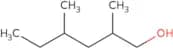
Discontinued product2,4-Dimethylhexan-1-ol
CAS:Versatile small molecule scaffold
Formula:C8H18OPurity:Min. 95%Molecular weight:130.23 g/molRef: 3D-DAA96559
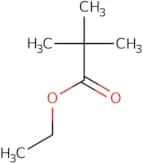
Discontinued productEthyl trimethylacetate
CAS:Ethyl trimethylacetate is a solvent that is used in analytical chemistry. It has been shown to be a strong inhibitor of nerve cells, which may be due to its ability to form hydrogen bonds with the cell membrane or carbonyl groups that disrupt the cell membrane. Ethyl trimethylacetate also inhibits cancer cell growth by inhibiting the production of fatty acids and glycol ethers. The deuterium isotope effect is observed when ethyl trimethylacetate is used as a solvent for chemical structures that contain deuterium atoms.
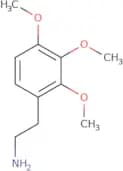
Formula:CH3Purity:Min. 95%Molecular weight:130.18 g/mol2-(2,3,4-Trimethoxyphenyl)ethan-1-amine
CAS:Controlled Product2-(2,3,4-Trimethoxyphenyl)ethan-1-amine is a drug with anti-diabetic properties that belongs to the class of drugs called aminoguanidine derivatives. It is an optically active compound and has an asymmetric carbon atom. The active enantiomer is 2-(2,3,4-trimethoxyphenyl)ethanamine and the inactive enantiomer is 2-(2,3,4-trimethoxyphenyl)ethylamine. This drug inhibits the activity of aldose reductase which converts glucose into sorbitol. Sorbitol accumulation then leads to diabetic complications such as cataracts and nerve damage. 2-(2,3,4-Trimethoxyphenyl)ethan-1-amine also inhibits platelet aggregation and thrombus formation by inhibiting the release of serotonin from platelets and preventing platelet adhesion to
Formula:C11H17NO3Purity:Min. 95%Molecular weight:211.26 g/molRef: 3D-DAA93716
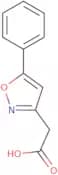
Discontinued product2-(5-Phenyl-1,2-oxazol-3-yl)acetic acid
CAS:Versatile small molecule scaffold
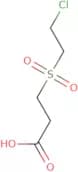
Formula:C11H9NO3Purity:Min. 95%Molecular weight:203.19 g/mol3-(2-Chloroethanesulfonyl)propanoic acid
CAS:Versatile small molecule scaffold
Formula:C5H9ClO4SPurity:Min. 95%Molecular weight:200.64 g/molRef: 3D-DAA88476
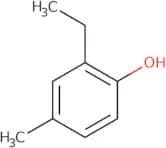
Discontinued product2-Ethyl-p-cresol
CAS:2-Ethyl-p-cresol is an ester compound that is soluble in water. It has a cycloalkyl group and aryl group and a pyrogallol, phloroglucinol, and resorcinol moiety. 2-Ethyl-p-cresol is resistant to heat and acidic conditions. It also has an ester function, which makes it soluble in water.
Formula:C9H12OPurity:Min. 95%Molecular weight:136.19 g/molRef: 3D-DAA85526
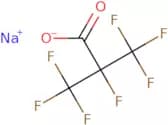
Discontinued productSodium 2,3,3,3-tetrafluoro-2-(trifluoromethyl)propanoate
CAS:Versatile small molecule scaffold
Formula:C4F7NaO2Purity:Min. 95%Molecular weight:236.02 g/mol6-Methylimidazo[2,1-b][1,3]thiazole
CAS:Versatile small molecule scaffold
Formula:C6H6N2SPurity:Min. 95%Molecular weight:138.19 g/molRef: 3D-DAA83541
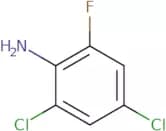
Discontinued product2,4-dichloro-6-fluoroaniline
CAS:Versatile small molecule scaffold
Formula:C6H4Cl2FNPurity:Min. 95%Molecular weight:180 g/molRef: 3D-DAA83170
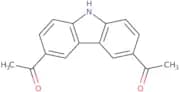
Discontinued product1,1-(9H-carbazole-3,6-diyl)diethanone
CAS:1,1-(9H-carbazole-3,6-diyl)diethanone is an aromatic compound with a molecular formula of C12H10N2O that belongs to the class of enol ethers. It can be used as a framework for the synthesis of other compounds. The acylation reaction is catalyzed by a transfer catalyst and carried out in dioxane at room temperature. After filtration and washing with deionized water, it is then dried under vacuum to yield the product. Friedel-Crafts acylation or a metal salt may be used during this process. 1,1-(9H-carbazole-3,6-diyl)diethanone has also been shown to act as a ligand for transition metals such as copper and zinc in certain reactions.
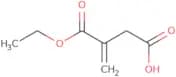
Formula:C16H13NO2Purity:Min. 95%Molecular weight:251.28 g/mol3-(Ethoxycarbonyl)but-3-enoic acid
CAS:Versatile small molecule scaffold
Formula:C7H10O4Purity:Min. 95%Molecular weight:158.15 g/molRef: 3D-DAA37729
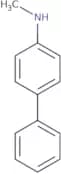
Discontinued productN-Methyl-4-phenylaniline
CAS:N-Methyl-4-phenylaniline (NMP) is a fatty acid inhibitor that can be used to treat hepatitis. It is an inhibitor of the enzyme known as N-hydroxy-4-aminobiphenyl amidohydrolase, which is involved in the second step of the synthesis of arachidonic acid, a precursor of prostaglandins. The inhibition of this enzyme reduces the production of prostaglandin E2 and other eicosanoids that are important for inflammation. NMP has also been shown to have potential mechanism for treating primary sclerosing cholangitis (PSC). This drug binds with bile salts in the intestines and prevents their reabsorption back into circulation. This leads to increased bile salt concentrations in the liver, which may help reduce inflammation and fibrosis in PSC.
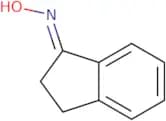
Formula:C13H13NPurity:Min. 95%Molecular weight:183.25 g/mol1-Indanone oxime
CAS:1-Indanone oxime is a sulfonylating agent that reacts with primary amines to produce sulfonylureas. It is a model system for the study of chemical diversity and isozymes. 1-Indanone oxime has been shown to be an efficient synthetic agent for preparing hydroxyl compounds and oxime derivatives, and can be used to synthesize chlorides, secondary amines, and tertiary amines. The reaction time required for this chemical is shorter than other reagents such as sodium hypochlorite or nitrous acid. The reaction solution can be used in the synthesis of hydrochloric acid, nitric acid, chloroform, and vinyl chloride. 1-Indanone oxime has also been used to produce amino acids such as L-tryptophan or L-tyrosine.
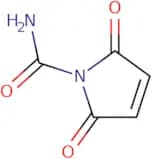
Formula:C9H9NOPurity:Min. 95%Molecular weight:147.18 g/molN-Carbamoylmaleimide
CAS:N-Carbamoylmaleimide is a maleimide that reacts with amides to form N-hydroxysuccinimidyl esters. It is used as an alternative to succinimidyl esters for the synthesis of cross-linked polymers. The reaction proceeds via a cyclic intermediate, and is catalyzed by metal ions such as iron. The product is stable at room temperature, but decomposes at elevated temperatures. N-Carbamoylmaleimide can be synthesized by the reaction of methylbenzene with ammonia in the presence of sodium hydroxide, followed by dehydration with sulfuric acid. This compound can also be synthesized using a solid phase synthesis technique, which involves reacting an amine with vinyl ether and dimethylformamide in the presence of a carbonylating agent such as dicyclohexylcarbodiimide (DCC).
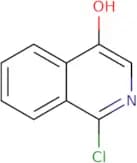
Formula:C5H4N2O3Purity:Min. 95%Molecular weight:140.1 g/mol1-Chloroisoquinolin-4-ol
CAS:1-Chloroisoquinolin-4-ol is a phenylpyrimidine with anti-inflammatory properties. It is used in the treatment of sensitivity and mediated diseases, such as osteoarthritis, rheumatoid arthritis, and ankylosing spondylitis. 1-Chloroisoquinolin-4-ol inhibits the enzymatic activity of matrix metalloproteinases (MMPs), which are enzymes that break down collagen and other proteins in the body. The inhibition of MMPs by 1-chloroisoquinolin-4-ol leads to reduced inflammation and pain. This compound is also an effective inhibitor of the activities of chloride channels involved in acid secretion by cells in the stomach lining, thus inhibiting acid production. 1-Chloroisoquinolin-4-ol has been shown to have anticholesterolemic effects on liver cells due to its ability to inhibit cholesterol synthesis through inhibition of HMG CoA
Formula:C9H6ClNOPurity:Min. 95%Molecular weight:179.6 g/molRef: 3D-DAA33643
Discontinued product3-[(3-Methoxyphenyl)amino]propanoic acid
CAS:Versatile small molecule scaffold
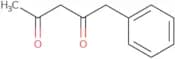
Formula:C10H13NO3Purity:Min. 95%Molecular weight:195.21 g/mol1-Phenylpentane-2,4-dione
CAS:1-Phenylpentane-2,4-dione is a molecule that absorbs light. It has been shown to be an efficient absorber of solar radiation and has the potential to be used in photovoltaic devices. 1-Phenylpentane-2,4-dione can be used as an electron donor in polymer solar cells because it is able to act as both a chelate and a light absorber. 1-Phenylpentane-2,4-dione can also be used in acetone peroxide based solar cells because it is able to absorb light efficiently. In addition, 1-phenylpentane-2,4-dione may have use as an optical element for positioning systems such as telescopes or cameras.
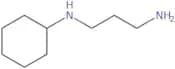
Formula:C11H12O2Purity:Min. 95%Molecular weight:176.21 g/molN1-Cyclohexylpropane-1,3-diamine
CAS:N1-Cyclohexylpropane-1,3-diamine is a potent compound that has been shown to inhibit cholesterol synthesis and mitochondrial membrane potential. This drug also has anti-cancer effects and can be used for the treatment of cancers in which nuclear DNA is affected by light emission. N1-Cyclohexylpropane-1,3-diamine has been shown to have physiological activities such as cell growth inhibition, matrix effect, and intracellular hydrogen release. The drug binds to the enzyme activity site with a coordination geometry that is similar to other inhibitors of cholesterol synthesis. N1-Cyclohexylpropane-1,3-diamine was crystallized from methanol at room temperature and its molecular structure was determined by X-ray diffraction techniques.
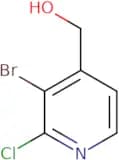
Formula:C9H20N2Purity:Min. 95%Molecular weight:156.27 g/mol(3-Bromo-2-chloropyridin-4-yl)methanol
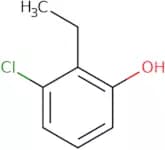
CAS:Versatile small molecule scaffoldFormula:C6H5BrClNOPurity:Min. 95%Molecular weight:222.47 g/mol3-Chloro-2-ethylphenol
CAS:Versatile small molecule scaffold
Formula:C8H9ClOPurity:Min. 95%Molecular weight:156.61 g/molRef: 3D-CZB41788
Discontinued producttert-Butyl N-(5-tert-butylthiophen-2-yl)carbamate
CAS:Versatile small molecule scaffoldFormula:C13H21NO2SPurity:Min. 95%Molecular weight:255.4 g/molRef: 3D-CZB27686
Discontinued product2-{[4-(Trifluoromethyl)phenyl]methoxy}acetic acid
CAS:Versatile small molecule scaffold
Formula:C10H9F3O3Purity:Min. 95%Molecular weight:234.17 g/molRef: 3D-CZA26241
Discontinued product1-(Isocyanomethyl)-2-methoxybenzene
CAS:1-(Isocyanomethyl)-2-methoxybenzene is a reactive compound that can be used to make other chemicals. It is a member of the homodinuclear class of compounds, which means that it has only one type of atom in each molecule. This compound can be used to make polymers and plastics, as well as other chemicals. The reactivity of this compound is due to its ability to bind metal ions, such as copper and zinc, which are important for many chemical reactions. 1-(Isocyanomethyl)-2-methoxybenzene has been shown to react with x-rays in the diffraction technique.
Formula:C9H9NOPurity:Min. 95%Molecular weight:147.17 g/molRef: 3D-CZA26192
Discontinued product3-Ethylpiperidin-3-ol
CAS:Versatile small molecule scaffold
Formula:C7H15NOPurity:Min. 95%Molecular weight:129.2 g/molMethyl 5-([(2-furylmethyl)amino]methyl)-2-furoate hydrochloride
CAS:Versatile small molecule scaffold
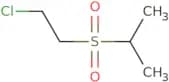
Formula:C12H14ClNO4Purity:Min. 95%Molecular weight:271.69 g/mol2-(2-Chloroethanesulfonyl)propane
CAS:Versatile small molecule scaffold
Formula:C5H11ClO2SPurity:Min. 95%Molecular weight:170.66 g/molRef: 3D-CXB10075
Discontinued product7-Chloropyrido[2,3-d]pyrimidin-4-ol
CAS:Versatile small molecule scaffold
Formula:C7H4ClN3OPurity:Min. 95%Molecular weight:181.58 g/molRef: 3D-CXA33143
Discontinued product4-chloro-6-iodothieno[2,3-d]pyrimidine
CAS:Versatile small molecule scaffoldFormula:C6H2ClIN2SPurity:Min. 95%Molecular weight:296.5 g/mol8-Azatricyclo[8.2.1.0,2,7]trideca-2,4,6-triene hydrochloride
CAS:Versatile small molecule scaffoldFormula:C12H16ClNPurity:Min. 95%Molecular weight:209.7 g/molRef: 3D-CWD83952
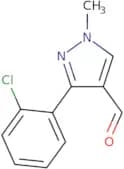
Discontinued product3-(2-Chlorophenyl)-1-methyl-1H-pyrazole-4-carbaldehyde
CAS:Versatile small molecule scaffold
Formula:C11H9ClN2OPurity:Min. 95%Molecular weight:220.65 g/molRef: 3D-CWB50867
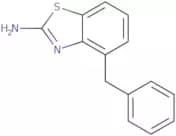
Discontinued product4-Benzyl-1,3-benzothiazol-2-amine
CAS:Versatile small molecule scaffold
Formula:C14H12N2SPurity:Min. 95%Molecular weight:240.33 g/molRef: 3D-CWB50414
Discontinued producttert-Butyl 1-bromo-3-(trifluoromethyl)-5H,6H,7H,8H-imidazo[1,5-a]pyrazine-7-carboxylate
CAS:Versatile small molecule scaffoldFormula:C12H15BrF3N3O2Purity:Min. 95%Molecular weight:370.17 g/molRef: 3D-CWB44002
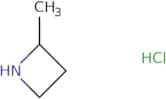
Discontinued product2-Methylazetidine hydrochloride
CAS:Versatile small molecule scaffold
Formula:C4H10ClNPurity:Min. 95%Molecular weight:107.58 g/mol(3R)-4,4-Dimethyl-3-pyrrolidinol hydrochloride
CAS:Versatile small molecule scaffoldFormula:C6H14ClNOPurity:Min. 95%Molecular weight:151.63 g/mol2H,3H,4H-Pyrano[2,3-c]pyridine-6-carboxylic acid
CAS:Versatile small molecule scaffold
Formula:C9H9NO3Purity:Min. 95%Molecular weight:179.17 g/molRef: 3D-CWA68162
Discontinued product2-(Tetramethyl-1,3,2-dioxaborolan-2-yl)ethanol
CAS:Versatile small molecule scaffold
Purity:Min. 95%Molecular weight:172.03 g/molRef: 3D-CVD61164
Discontinued product[6-Hydroxy-5-(trifluoromethyl)pyridin-3-yl]boronic acid
CAS:Versatile small molecule scaffold
Formula:C6H5BF3NO3Purity:Min. 95%Molecular weight:206.92 g/mol(9-Chloro-3,4-dihydro-2H-1,5-benzodioxepin-7-yl)methanamine hydrochloride
CAS:Versatile small molecule scaffold
Formula:C10H13Cl2NO2Purity:Min. 95%Molecular weight:250.12 g/molRef: 3D-CSB54886
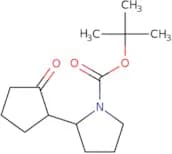
Discontinued producttert-Butyl 2-(2-oxocyclopentyl)pyrrolidine-1-carboxylate
CAS:Versatile small molecule scaffoldFormula:C14H23NO3Purity:Min. 95%Molecular weight:253.34 g/mol1-[4-(Trifluoromethoxy)phenyl]ethane-1-thiol
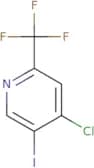
CAS:Versatile small molecule scaffoldFormula:C9H9F3OSPurity:Min. 95%Molecular weight:222.23 g/mol4-Chloro-5-iodo-2-(trifluoromethyl)pyridine
CAS:Versatile small molecule scaffold
Formula:C6H2ClF3INPurity:Min. 95%Molecular weight:307.44 g/molRef: 3D-CRB81888
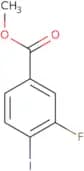
Discontinued productMethyl 3-fluoro-4-iodobenzoate
CAS:Versatile small molecule scaffold
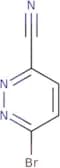
Formula:C8H6FIO2Purity:Min. 95%Molecular weight:280.03 g/mol6-Bromopyridazine-3-carbonitrile
CAS:Versatile small molecule scaffold
Formula:C5H2BrN3Purity:Min. 95%Molecular weight:183.99 g/mol1-{[(9H-Fluoren-9-yl)methoxy]carbonyl}-3-(methoxymethyl)piperidine-3-carboxylic acid
CAS:Versatile small molecule scaffold
Formula:C23H25NO5Purity:Min. 95%Molecular weight:395.4 g/molRef: 3D-CKD24079
Discontinued product2-(1-Chloroethyl)pyrimidin-4-amine
CAS:Versatile small molecule scaffold
Formula:C6H8ClN3Purity:Min. 95%Molecular weight:157.6 g/molRef: 3D-CKC65124
Discontinued product(2-{Hexahydro-1H-pyrrolo[2,1-c]morpholin-3-yl}pyrimidin-4-yl)methanol
CAS:Versatile small molecule scaffoldFormula:C12H17N3O2Purity:Min. 95%Molecular weight:235.28 g/molRef: 3D-CKC49881
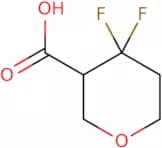
Discontinued product4,4-Difluorooxane-3-carboxylic acid
CAS:Versatile small molecule scaffoldFormula:C6H8F2O3Purity:Min. 95%Molecular weight:166.12 g/molRef: 3D-CKC28072
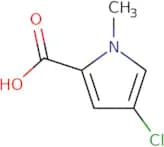
Discontinued product4-chloro-1-methyl-1H-pyrrole-2-carboxylic acid
CAS:Versatile small molecule scaffold
Formula:C6H6NO2ClPurity:Min. 95%Molecular weight:159.57 g/mol(2R,5S)-Thiolane-2,5-dicarboxylic acid
CAS:Versatile small molecule scaffold
Formula:C6H8O4SPurity:Min. 95%Molecular weight:176.2 g/molRef: 3D-CKB76115
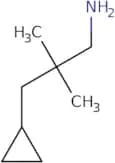
Discontinued product3-Cyclopropyl-2,2-dimethylpropan-1-amine
CAS:Versatile small molecule scaffold
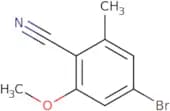
Formula:C8H17NPurity:Min. 95%Molecular weight:127.23 g/mol4-Bromo-2-methoxy-6-methylbenzonitrile
CAS:Versatile small molecule scaffold
Formula:C9H8BRNOPurity:Min. 95%Molecular weight:226.07 g/molRef: 3D-CKB14905
Discontinued producttert-Butyl 3-(4,4,5,5-tetramethyl-1,3,2-dioxaborolan-2-yl)-pyrrolo[3,2-c]pyridine-1-carboxylate
CAS:Versatile small molecule scaffoldFormula:C18H25BN2O4Purity:Min. 95%Molecular weight:344.21 g/moltert-butyl 6-amino-3-azabicyclo[3.2.0]heptane-3-carboxylate
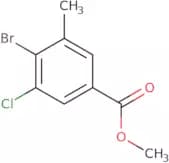
CAS:Versatile small molecule scaffoldFormula:C11H20N2O2Purity:Min. 95%Molecular weight:212.3 g/molMethyl 4-bromo-3-chloro-5-methylbenzoate
CAS:Versatile small molecule scaffoldFormula:C9H8BrClO2Purity:Min. 95%Molecular weight:263.51 g/molRef: 3D-CHC44034
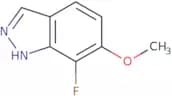
Discontinued product7-Fluoro-6-methoxy-1H-indazole
CAS:Versatile small molecule scaffold
Formula:C8H7FN2OPurity:Min. 95%Molecular weight:166.15 g/mol4-Bromopyrazolo[1,5-a]pyridine
CAS:Versatile small molecule scaffold
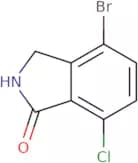
Formula:C7H5BrN2Purity:Min. 95%Molecular weight:197.03 g/mol4-Bromo-7-chloroisoindolin-1-one
CAS:Versatile small molecule scaffold
Formula:C8H5BrClNOPurity:Min. 95%Molecular weight:246.49 g/mol(2,6-Difluoro-4-methylphenyl)methanamine
CAS:Versatile small molecule scaffoldFormula:C8H9F2NPurity:Min. 95%Molecular weight:157.16 g/molRef: 3D-CHC39571
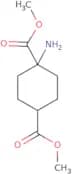
Discontinued product1,4-Dimethyl 1-aminocyclohexane-1,4-dicarboxylate
CAS:Versatile small molecule scaffoldFormula:C10H17NO4Purity:Min. 95%Molecular weight:215.25 g/molRef: 3D-CHC38099
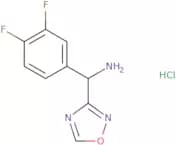
Discontinued product(3,4-Difluorophenyl)(1,2,4-oxadiazol-3-yl)methanamine hydrochloride
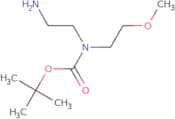
CAS:Versatile small molecule scaffoldFormula:C9H8ClF2N3OPurity:Min. 95%Molecular weight:247.63 g/moltert-Butyl N-(2-aminoethyl)-N-(2-methoxyethyl)carbamate
CAS:Versatile small molecule scaffoldFormula:C10H22N2O3Purity:Min. 95%Molecular weight:218.29 g/molRef: 3D-CHC38088
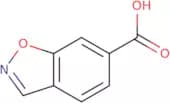
Discontinued product1,2-Benzoxazole-6-carboxylic acid
CAS:1,2-Benzoxazole-6-carboxylic acid is a carboxamido diuretic. It is used as a drug to treat edema or high blood pressure. This compound has been shown to have benzyl and cyclohexyl groups.
Formula:C8H5NO3Purity:Min. 95%Molecular weight:163.13 g/molRef: 3D-CEC90705
Discontinued product1-Bromo-8-chloroimidazo[1,5-a]pyrazine
CAS:Versatile small molecule scaffoldFormula:C6H3BrClN3Purity:Min. 95%Molecular weight:232.47 g/molRef: 3D-CEC89761
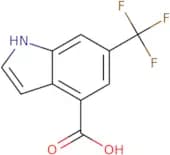
Discontinued product6-(Trifluoromethyl)-1H-indole-4-carboxylic acid
CAS:Versatile small molecule scaffoldFormula:C10H6F3NO2Purity:Min. 95%Molecular weight:229.15 g/molRef: 3D-CEC89661
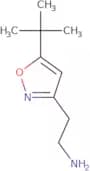
Discontinued product2-(5-tert-Butyl-1,2-oxazol-3-yl)ethan-1-amine
CAS:Versatile small molecule scaffoldFormula:C9H16N2OPurity:Min. 95%Molecular weight:168.24 g/molRef: 3D-CEC53020
Discontinued product2-(1-Phenylpropoxy)ethan-1-amine
CAS:Versatile small molecule scaffold
Formula:C11H17NOPurity:Min. 95%Molecular weight:179.26 g/molRef: 3D-CEC50393
Discontinued product2-Bromospiro[3.3]heptane
CAS:Versatile small molecule scaffold
Formula:C7H11BrPurity:Min. 95%Molecular weight:175.07 g/molRef: 3D-CEA11582
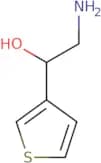
Discontinued product2-Amino-1-(thiophen-3-yl)ethan-1-ol
CAS:Versatile small molecule scaffold
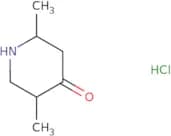
Formula:C6H9NOSPurity:Min. 95%Molecular weight:143.21 g/mol2,5-Dimethylpiperidin-4-one hydrochloride
CAS:Versatile small molecule scaffoldFormula:C7H14ClNOPurity:Min. 95%Molecular weight:163.64 g/molRef: 3D-CEA07404
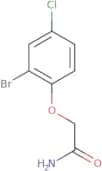
Discontinued product2-(2-Bromo-4-chlorophenoxy)acetamide
CAS:Versatile small molecule scaffold
Formula:C8H7BrClNO2Purity:Min. 95%Molecular weight:264.5 g/mol1-Ethoxypiperidin-4-one
CAS:Versatile small molecule scaffold
Formula:C7H13NO2Purity:Min. 95%Molecular weight:143.18 g/molRef: 3D-CEA01474
Discontinued product2-Thia-7-azaspiro[4.4]nonane 2,2-dioxide hydrochloride
CAS:Versatile small molecule scaffold
Formula:C7H14ClNO2SPurity:Min. 95%Molecular weight:211.71 g/molMethyl 4H-pyrrolo[2,3-d][1,3]thiazole-5-carboxylate
CAS:Versatile small molecule scaffoldFormula:C7H6N2O2SPurity:Min. 95%Molecular weight:182.2 g/moltert-Butyl N-[2-hydroxy-3-(methylamino)propyl]carbamate
CAS:Versatile small molecule scaffold
Formula:C9H20N2O3Purity:Min. 95%Molecular weight:204.27 g/mol2-(5-bromo-2-iodophenyl)acetic acid
CAS:Versatile small molecule scaffold
Formula:C8H6BrIO2Purity:Min. 95%Molecular weight:340.94 g/mol4-Hydrazino-2,5,6-trimethylthieno[2,3-d]pyrimidine
CAS:Versatile small molecule scaffold
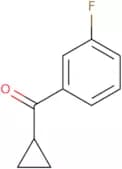
Formula:C9H12N4SPurity:Min. 95%Molecular weight:208.28 g/molCyclopropyl(3-fluorophenyl)methanone
CAS:Versatile small molecule scaffold
Formula:C10H9FOPurity:Min. 95%Molecular weight:164.18 g/molRef: 3D-CDA97282
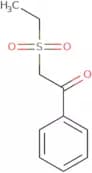
Discontinued product2-(Ethanesulfonyl)-1-phenylethan-1-one
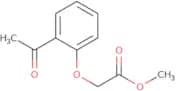
CAS:Versatile small molecule scaffoldFormula:C10H12O3SPurity:Min. 95%Molecular weight:212.27 g/molMethyl 2-(2-acetylphenoxy)acetate
CAS:Versatile small molecule scaffold
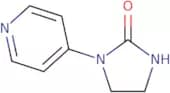
Formula:C11H12O4Purity:Min. 95%Molecular weight:208.21 g/mol1-Pyridin-4-yl-imidazolidin-2-one
CAS:1-Pyridin-4-yl-imidazolidin-2-one is a potent inhibitor of the growth hormone receptor, which in turn prevents the activation of the insulin receptor and glycogenolysis. It has been shown to attenuate cachexia in mice by reducing their weight loss. 1Pyridin-4-yl-imidazolidin-2-one also exerts an antihypertensive effect on congestive heart failure by inhibiting alpha 2 adrenergic receptors. This drug has been shown to have a stimulatory effect on premarin production and to be an effective insecticide against aphids, mites, and caterpillars.
Formula:C8H9N3OPurity:Min. 95%Molecular weight:163.18 g/molRef: 3D-CCA21090
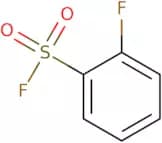
Discontinued product2-Fluorobenzenesulfonyl Fluoride
CAS:Versatile small molecule scaffold
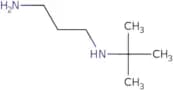
Formula:C6H4F2O2SPurity:Min. 95%Molecular weight:178.16 g/mol(3-Aminopropyl)(tert-butyl)amine
CAS:Versatile small molecule scaffold
Formula:C7H18N2Purity:Min. 95%Molecular weight:130.23 g/mol1-(Dichloromethyl)cyclohexan-1-ol
CAS:Versatile small molecule scaffold
Formula:C7H12Cl2OPurity:Min. 95%Molecular weight:183.07 g/molRef: 3D-CCA18364
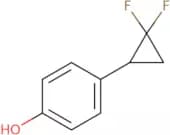
Discontinued product4-(2,2-Difluorocyclopropyl)phenol
CAS:Versatile small molecule scaffold
Formula:C9H8F2OPurity:Min. 95%Molecular weight:170.16 g/molRef: 3D-CCA17886
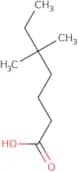
Discontinued product5,5-Dimethylheptanoic acid
CAS:Versatile small molecule scaffold
Formula:C9H18O2Purity:Min. 95%Molecular weight:158.24 g/molRef: 3D-CCA14621
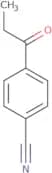
Discontinued product4-Propanoylbenzonitrile
CAS:Versatile small molecule scaffold
Formula:C10H9NOPurity:Min. 95%Molecular weight:159.18 g/mol1H,4H,5H-Pyrazolo[4,3-b]pyridin-5-one
CAS:Versatile small molecule scaffold
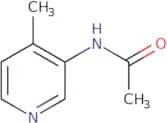
Formula:C6H5N3OPurity:Min. 95%Molecular weight:135.12 g/mol3-Acetamido-4-picoline
CAS:3-Acetamido-4-picoline (3AP) is a fatty acid that has been used in the treatment of autoimmune diseases. It is also a potent activator of AMPK, which is an enzyme that regulates cellular metabolism and energy homeostasis. 3AP has been shown to have antibacterial activity against a wide range of bacteria, including Mycoplasma and endophytic fungi. 3AP also inhibits leukotriene receptor antagonists, which are important for the inflammatory response. 3AP may be used as a diagnostic agent to measure body fat mass and body mass index in humans. The type strain for this compound is ATCC 21797.
Formula:C8H10N2OPurity:Min. 95%Molecular weight:150.18 g/molRef: 3D-CCA09068
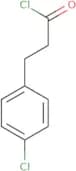
Discontinued product3-(4-Chlorophenyl)propanoyl chloride
CAS:Versatile small molecule scaffold
Formula:C9H8Cl2OPurity:Min. 95%Molecular weight:203.06 g/molRef: 3D-CCA08596
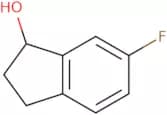
Discontinued product6-Fluoro-2,3-dihydro-1H-inden-1-ol
CAS:Versatile small molecule scaffold
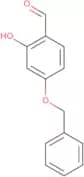
Formula:C9H9FOPurity:Min. 95%Molecular weight:152.16 g/mol4-(Benzyloxy)-2-hydroxybenzaldehyde
CAS:4-(Benzyloxy)-2-hydroxybenzaldehyde is a functional compound that has various tautomeric forms. It can be found in the mesomorphic form at low temperatures and in the imine form at higher temperatures. It is also active as an anti-inflammatory agent, inhibiting cyclooxygenase and lipoxygenase enzymes. 4-(Benzyloxy)-2-hydroxybenzaldehyde has been shown to have a protective effect on cells from Alzheimer's disease and other neurodegenerative diseases by preventing the aggregation of beta-amyloid proteins that are implicated in these diseases.
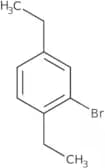
Formula:C14H12O3Purity:Min. 95%Molecular weight:228.24 g/mol2-Bromo-1,4-diethylbenzene
CAS:Versatile small molecule scaffold
Formula:C10H13BrPurity:Min. 95%Molecular weight:213.11 g/molRef: 3D-CCA07643
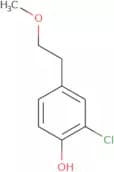
Discontinued product2-Chloro-4-(2-methoxyethyl)phenol
CAS:Versatile small molecule scaffold
Formula:C9H11ClO2Purity:Min. 95%Molecular weight:186.63 g/molRef: 3D-CCA07613
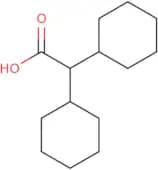
Discontinued productDicyclohexylacetic acid
CAS:Dicyclohexylacetic acid is an organic compound that is used as a reagent to measure the binding constants of proteins. It has a hydrophobic effect, which may be due to its particle size, and it has been shown to have antioxidant properties. Dicyclohexylacetic acid is also used in the production of chemical structures, such as hydrogen bond and carboxylate. It can be used in the treatment of autoimmune diseases by inhibiting serine protease activity and radiation therapy. Naphthenic acids are found in crude oil, and FT-IR spectroscopy can be used to detect these acids.
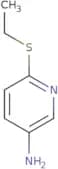
Formula:C14H24O2Purity:Min. 95%Molecular weight:224.35 g/mol6-(Ethylsulfanyl)pyridin-3-amine
CAS:Versatile small molecule scaffold
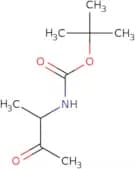
Formula:C7H10N2SPurity:Min. 95%Molecular weight:154.24 g/moltert-Butyl N-(3-oxobutan-2-yl)carbamate
CAS:Versatile small molecule scaffold
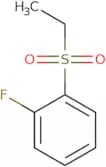
Formula:C9H17NO3Purity:Min. 95%Molecular weight:187.24 g/mol1-(Ethanesulfonyl)-2-fluorobenzene
CAS:Versatile small molecule scaffold
Formula:C8H9FO2SPurity:Min. 95%Molecular weight:188.22 g/molRef: 3D-CBB17025
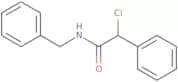
Discontinued productN-Benzyl-2-chloro-2-phenylacetamide
CAS:Versatile small molecule scaffold
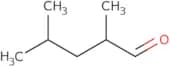
Formula:C15H14ClNOPurity:Min. 95%Molecular weight:259.73 g/mol2,4-Dimethylpentanal
CAS:Versatile small molecule scaffold
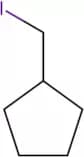
Formula:C7H14OPurity:Min. 95%Molecular weight:114.19 g/mol(Iodomethyl)cyclopentane
CAS:(Iodomethyl)cyclopentane is a potent cytotoxic agent that inhibits the proliferation of a wide range of cells. It binds to the DNA of proliferating cells and causes cross-linking and strand breakage, which leads to cell death. This compound also has anti-inflammatory properties and can be used in hyperproliferative diseases such as cancer, as well as infectious diseases such as tuberculosis. (Iodomethyl)cyclopentane is not available for sale in its pure form, but rather in a salt form.
Formula:C6H11IPurity:Min. 95%Molecular weight:210.06 g/mol4-Chloro-2-methylbenzylamine
CAS:Versatile small molecule scaffold
Formula:C8H10ClNPurity:Min. 95%Molecular weight:155.63 g/molRef: 3D-CBA91711
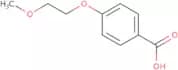
Discontinued product4-(2-Methoxy-ethoxy)-benzoic acid
CAS:Versatile small molecule scaffold
Formula:C10H12O4Purity:Min. 95%Molecular weight:196.2 g/molOxiranemethanamine, N,N-diethyl-
CAS:Oxirane-methanamine, N,N-diethyl (ODME) is a surface active agent that can be used in the treatment of cancer. It is also a hydrophobic molecule that has been shown to bind to cellulose derivatives and sodium carbonate. ODME has been shown to have an optimal reaction at pH 7 and a reaction time of 3 minutes. The ODME molecule can form base with the amines present in the tissue and this leads to cellular damage. ODME is linear polymer and its structure can be seen below:
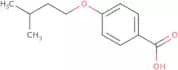
Formula:C7H15NOPurity:Min. 95%Molecular weight:129.2 g/mol4-(Isopentyloxy)benzenecarboxylic acid
CAS:Versatile small molecule scaffold
Formula:C12H16O3Purity:Min. 95%Molecular weight:208.25 g/molEthyl N-(2,6-Dimethylphenyl)oxamate
CAS:Versatile small molecule scaffold
Formula:C12H15NO3Purity:Min. 95%Molecular weight:221.25 g/molRef: 3D-CAA90346
Discontinued product2,2-Diphenylhexanoic acid
CAS:Versatile small molecule scaffold
Formula:C18H20O2Purity:Min. 95%Molecular weight:268.3 g/molRef: 3D-CAA90260
Discontinued productN-Acetyl-dl-tyrosine
CAS:N-Acetyl-dl-tyrosine is a biologically active form of tyrosine that inhibits the activity of protein tyrosine phosphatases. It has been shown to inhibit the acylation reaction of acetylcholine esterase, which leads to the accumulation of acetylcholine in the synaptic cleft and enhances its effects on postsynaptic receptors. N-Acetyl-dl-tyrosine also binds to metal ions such as copper, zinc, or iron and can be used in metal chelation therapy. The drug has been shown to produce light emission when exposed to UV radiation and has been used for detection of biochemical abnormalities.
Formula:C11H13NO4Purity:Min. 95%Molecular weight:223.23 g/mol3-(4-Chlorophenyl)-2-phenylpropanoic acid
CAS:Versatile small molecule scaffoldFormula:C15H13ClO2Purity:Min. 95%Molecular weight:260.71 g/molRef: 3D-CAA90130
Discontinued product2-[Ethyl(propan-2-yl)amino]ethan-1-ol
CAS:Controlled ProductVersatile small molecule scaffold
Formula:C7H17NOPurity:Min. 95%Molecular weight:131.22 g/mol5'-Chloro-2'-hydroxypropiophenone
CAS:Versatile small molecule scaffold
Formula:C9H9ClO2Purity:Min. 95%Molecular weight:184.62 g/mol2-Bromo-3-phenylpyrazine
CAS:Versatile small molecule scaffold
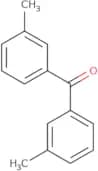
Formula:C10H7BrN2Purity:Min. 95%Molecular weight:235.08 g/molBis(3-methylphenyl)methanone
CAS:The molecule is a benzene with two methyl groups at the 3 and 5 positions. The dipole moment of this molecule is 0.6 D, which means that it can be oriented in two different ways. Molecular conformations are analysed by calculating the energy of the molecule when it is rotated around its axis. This molecule has three possible conformations, with two of them being more stable than the other one.
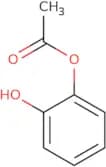
Formula:C15H14OPurity:Min. 95%Molecular weight:210.27 g/mol2-Hydroxyphenyl acetate
CAS:2-Hydroxyphenyl acetate (2HPA) is a phenolic compound that has been shown to inhibit the growth of prostate cancer cells in vitro. 2HPA inhibits the activity of two enzymes, hydroxylase and transketolase, which are involved in energy metabolism and collagen synthesis. 2HPA also induces apoptosis in prostate cancer cells by activating caspases and inhibiting DNA synthesis. Studies have shown that 2HPA may be effective against fungal infections by inhibiting cell growth. This compound also has anti-inflammatory properties and may be beneficial for those with osteoporosis by stimulating the production of new bone cells. 2HPA has been shown to stimulate the release of neurotransmitters, such as acetylcholine, glutamate, GABA, dopamine, norepinephrine and serotonin from mouse hippocampal neurons. It also inhibits the phosphorylation of cyclic AMP response element binding protein (CREB) to block CREB-mediated
Formula:C8H8O3Purity:Min. 95%Molecular weight:152.15 g/molRef: 3D-CAA84825
Discontinued product6-(Morpholin-4-yl)-9H-purine
CAS:6-(Morpholin-4-yl)-9H-purine is a carbocyclic nucleoside that has been synthesized and its antiviral properties have been investigated. It has been shown to be damaging to cells and has potent inhibition of tumor cell proliferation. 6-(Morpholin-4-yl)-9H-purine is a synthetic compound that binds to the ribosome, inhibiting protein synthesis, which inhibits the production of proteins vital for cell division. 6-(Morpholin-4-yl)-9H-purine also interacts with kinases, blocking their activity by binding to the ATP site on the enzyme, preventing ATP hydrolysis and leading to cell death by apoptosis.
Formula:C9H11N5OPurity:Min. 95%Molecular weight:205.22 g/molRef: 3D-CAA84696
Discontinued productThiazolo[5,4-d]pyrimidin-7-amine
CAS:Versatile small molecule scaffold
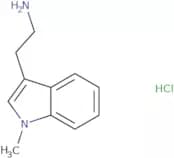
Formula:C5H4N4SPurity:Min. 95%Molecular weight:152.18 g/mol(3-(2-Aminoethyl)-1-methylindole) dihydrochloride
CAS:Controlled Product(3-(2-Aminoethyl)-1-methylindole) dihydrochloride is a drug that has been used to study serotonin receptors in the brain. It has been shown to bind to 5-HT1A, 5-HT2 and 5-HT6 receptors. This drug also binds to amine receptors in the cerebral cortex of rats. The drug is a phenylalkylamine with a ring system and homologs.
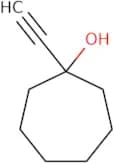
Formula:C11H16Cl2N2Purity:Min. 95%Molecular weight:247.16 g/mol1-Ethynylcycloheptan-1-ol
CAS:1-Ethynylcycloheptan-1-ol is a synthetic drug that inhibits protease activity. It has been shown to have an inhibitory effect on the adenosine receptor and protonation of the skeleton. The 1-ethynylcycloheptan-1-ol molecule can be synthesised in two steps from phenylacetone. It has been shown to have hypoglycemic activity, which may be due to its ability to inhibit pancreatic alpha amylase. This drug also has a nucleophilic character, which is essential for its mechanism of action as it binds reversibly to the active site of the enzyme.
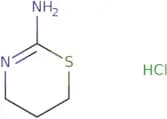
Formula:C9H14OPurity:Min. 95%Molecular weight:138.21 g/mol1,3-Thiazinan-2-imine hydrochloride
CAS:Versatile small molecule scaffold
Formula:C4H9ClN2SPurity:Min. 95%Molecular weight:152.65 g/mol3-Chloropropyl isothiocyanate
CAS:3-Chloropropyl isothiocyanate (3CPITC) is a chemical compound that is used in research to produce an artificial reflux and to study the effects of acid on esterase activity. This compound is synthesized by reacting 2-chloroethyl chloride with triethylamine in the presence of methanol, followed by hydrolysis of the resulting 3-chloropropyl isothiocyanate. 3CPITC has been shown to have a neutral effect on esterase activity.
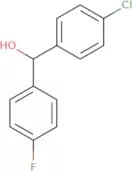
Formula:C4H6ClNSPurity:Min. 95%Molecular weight:135.61 g/mol(4-Chlorophenyl)(4-fluorophenyl)methanol
CAS:Versatile small molecule scaffold
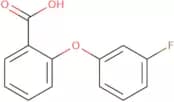
Formula:C13H10ClFOPurity:Min. 95%Molecular weight:236.67 g/mol2-(3-Fluorophenoxy)benzoic acid
CAS:Versatile small molecule scaffold
Formula:C13H9FO3Purity:Min. 95%Molecular weight:232.21 g/molRef: 3D-CAA79562
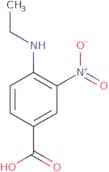
Discontinued product4-(Ethylamino)-3-nitrobenzoic acid
CAS:4-(Ethylamino)-3-nitrobenzoic acid (4ENA) is a centrosymmetric molecule with a crystal structure that contains ammonium and nitro groups. It also forms dimers when in the presence of chloride or chloroformate, which can be seen by the absorption bands at 550 nm. The 4ENA molecule is sensitive to hydrogen chloride and ammonium carbonate, which can cause it to decompose into ethylamine and 3-nitrophenol. Nitric acid will cause 4ENA to form the nitro group attached to the benzene ring. 4ENA has been shown to inhibit platelet aggregation by inhibiting thrombus formation on damaged endothelium.
Formula:C9H10N2O4Purity:Min. 95%Molecular weight:210.19 g/molRef: 3D-CAA78874
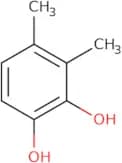
Discontinued product3,4-Dimethylbenzene-1,2-diol
CAS:3,4-Dimethylbenzyl alcohol is a colorless liquid with a low viscosity. It is used as an intermediate in the preparation of polycarboxylic acids and amides. 3,4-Dimethylbenzyl alcohol has been shown to increase the polymerization rate of unsaturated polyester resins. The compound can be synthesized from 3,4-dimethylbenzene-1,2-diol by treatment with sodium carbonate in methanol followed by hydrolysis of the resulting 3,4-dimethylbenzyl alcohol.
The compound has also been shown to have anti-inflammatory properties and be used as a solvent for tobacco products.
3,4-Dimethylbenzyl alcohol can be obtained through the reaction of fatty acid with potassium hydroxide in ethylene glycol at high temperatures.Formula:C8H10O2Purity:Min. 95%Molecular weight:138.16 g/molRef: 3D-CAA78576
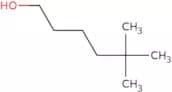
Discontinued product5,5-Dimethylhexan-1-ol
CAS:Versatile small molecule scaffold
Formula:C8H18OPurity:Min. 95%Molecular weight:130.23 g/molRef: 3D-CAA76818
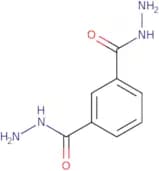
Discontinued productIsophthalic Dihydrazide
CAS:Isophthalic Dihydrazide is an ethylene diamine that reacts with oxadiazole and trifluoroacetic acid to form a polymeric coating on the surface of nickel particle. It is used in the production of epoxy resins for automotive coatings and as a hardener for paints and varnishes. Isophthalic Dihydrazide reacts with hydroxyl groups on the surface of polymer particles to produce cross-linking, which increases the resistance of the polymer against water vapor and other substances. The optimum concentration for this product is between 0.1% - 0.5%.
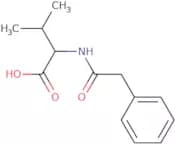
Formula:C8H10N4O2Purity:Min. 95%Molecular weight:194.19 g/mol3-Methyl-2-(2-phenylacetamido)butanoic acid
CAS:The antibody is a monoclonal antibody that binds to the extracellular domain of human melanoma cells. The antibody is specific for the peptide sequence WLQPQLPY. It has been shown to inhibit ion channel activity and has been used as an important research tool in cell biology, pharmacology, and other life science fields.
Formula:C13H17NO3Purity:Min. 95%Molecular weight:235.28 g/molRef: 3D-CAA75250
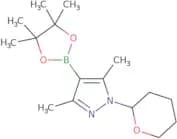
Discontinued product3,5-Dimethyl-1-(THP)-1H-pyrazole-4-boronic acid pinacol ester
CAS:Versatile small molecule scaffold
Formula:C16H27BN2O3Purity:Min. 95%Molecular weight:306.21 g/molRef: 3D-BVB77911
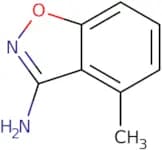
Discontinued product4-Methyl-1,2-benzoxazol-3-amine
CAS:Versatile small molecule scaffold
Formula:C8H8N2OPurity:Min. 95%Molecular weight:148.16 g/molRef: 3D-BVB63646
Discontinued product[5-(4-Chlorophenyl)-4-methyl-4H-1,2,4-triazol-3-yl]methanol
CAS:Versatile small molecule scaffold
Formula:C10H10ClN3OPurity:Min. 95%Molecular weight:223.66 g/molRef: 3D-BVB63566
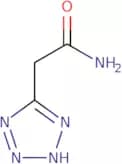
Discontinued product2-(1H-1,2,3,4-Tetrazol-5-yl)acetamide
CAS:2-(1H-1,2,3,4-Tetrazol-5-yl)acetamide is an organic compound with a molecular weight of 168.13 and a chemical formula of C6H8N6O3S. It is used in the synthesis of antibiotics such as 7-aminocephalosporanic acid. 2-(1H-1,2,3,4-Tetrazol-5-yl)acetamide has been shown to have antibacterial activity against organisms such as chlorobium tepidum and pseudomonas putida. This compound also reacts with chlorine at room temperature to form hydrogen chloride gas.
Formula:C3H5N5OPurity:Min. 95%Molecular weight:127.11 g/mol1-Methyl-1H-pyrazolo[3,4-b]pyridine-4-carboxylic acid
CAS:Versatile small molecule scaffold
Formula:C8H7N3O2Purity:Min. 95%Molecular weight:177.16 g/molRef: 3D-BMC17630
Discontinued product3-(Naphthalen-1-yl)-2,4-dioxo-1,2,3,4-tetrahydroquinazoline-7-carboxylic acid
CAS:Versatile small molecule scaffold
Formula:C19H12N2O4Purity:Min. 95%Molecular weight:332.3 g/molRef: 3D-BMB26891
Discontinued productButyl(methyl)(piperidin-4-ylmethyl)amine
CAS:Versatile small molecule scaffoldFormula:C11H24N2Purity:Min. 95%Molecular weight:184.32 g/molRef: 3D-BMB26005
Discontinued productBG45
CAS:BG45 is a mutant strain of the bacterium Lactobacillus plantarum that has been modified to express a protein that inhibits the growth of tumor cells. The BG45 bacterium is capable of inducing an inhibitory effect on cancer cell growth in vitro and in vivo. This inhibitory effect is due to the immunomodulatory effects of the bacterium, which are mediated by suppressing genes that are involved in immune response and lipid metabolism. Furthermore, BG45 has significant cytotoxicity when cultured with human cancer cells and suppressed tumor growth in murine xenografts. This bacterium also has lysine residues that can be used as an indicator for identifying nutrient-poor environments such as microenvironments, suggesting that it may have potential use as a probiotic for patients with gastrointestinal disorders. In vitro assays have shown that BG45 produces fatty acids, which may be responsible for its activity against tumors.
Formula:C11H10N4OPurity:Min. 95%Molecular weight:214.22 g/mol[rac-(1R,3R)-3-Amino-1-phenylcyclobutyl]methanol hydrochloride
CAS:Versatile small molecule scaffold
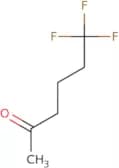
Formula:C11H16ClNOPurity:Min. 95%Molecular weight:213.7 g/mol6,6,6-Trifluorohexan-2-one
CAS:Versatile small molecule scaffold
Formula:C6H9F3OPurity:Min. 95%Molecular weight:154.13 g/molRef: 3D-BKC30511
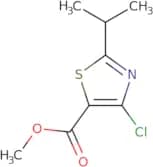
Discontinued productMethyl 4-chloro-2-(propan-2-yl)-1,3-thiazole-5-carboxylate
CAS:Versatile small molecule scaffold
Formula:C8H10ClNO2SPurity:Min. 95%Molecular weight:219.69 g/molRef: 3D-BKC13292
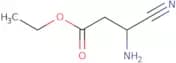
Discontinued productEthyl 3-amino-3-cyanopropanoate
CAS:Versatile small molecule scaffold
Formula:C6H10N2O2Purity:Min. 95%Molecular weight:142.16 g/molRef: 3D-BKC10784
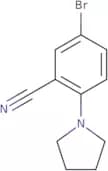
Discontinued product5-Bromo-2-(pyrrolidino)benzonitrile
CAS:Versatile small molecule scaffold
Formula:C11H11BrN2Purity:Min. 95%Molecular weight:251.13 g/mol


![3-[(4-Acetylpiperazin-1-yl)sulfonyl]-4-fluorobenzoic acid](/_next/image/?url=https%3A%2Fstatic.cymitquimica.com%2Fproducts%2F3D%2Fthumb-webp%2FDSB99499.webp&w=3840&q=75)
![7-Chloro-[1,3]thiazolo[5,4-d]pyrimidin-2-amine](/_next/image/?url=https%3A%2Fstatic.cymitquimica.com%2Fproducts%2F3D%2Fthumb-webp%2FDNC21609.webp&w=3840&q=75)
![N-[(2-Phenyl-2H-1,2,3-triazol-4-yl)methylidene]hydroxylamine](/_next/image/?url=https%3A%2Fstatic.cymitquimica.com%2Fproducts%2F3D%2Fthumb-webp%2FDNC19139.webp&w=3840&q=75)
![6-Cyclopropyl-1-[(5-methylfuran-2-yl)methyl]-1H-pyrazolo[3,4-b]pyridine-4-carboxylic acid](/_next/image/?url=https%3A%2Fstatic.cymitquimica.com%2Fproducts%2F3D%2Fthumb-webp%2FDNB90594.webp&w=3840&q=75)
![[2-(4-Methylpiperazin-1-yl)-pyridin-4-yl]methylamine](/_next/image/?url=https%3A%2Fstatic.cymitquimica.com%2Fproducts%2F3D%2Fthumb-webp%2FDNB89973.webp&w=3840&q=75)
![6-(Furan-2-yl)-3-propyl-[1,2]oxazolo[5,4-b]pyridine-4-carboxylic acid](/_next/image/?url=https%3A%2Fstatic.cymitquimica.com%2Fproducts%2F3D%2Fthumb-webp%2FDNB89359.webp&w=3840&q=75)

![4-Methyl-3-[2-(pyridin-4-yl)acetamido]benzoic acid](/_next/image/?url=https%3A%2Fstatic.cymitquimica.com%2Fproducts%2F3D%2Fthumb-webp%2FDNB88510.webp&w=3840&q=75)
![2-[(2-Methylphenyl)methoxy]acetic acid](/_next/image/?url=https%3A%2Fstatic.cymitquimica.com%2Fproducts%2F3D%2Fthumb-webp%2FDNB78696.webp&w=3840&q=75)
![tert-Butyl 3-amino-4H,5H,6H,7H-[1,2]oxazolo[4,3-c]pyridine-5-carboxylate](/_next/image/?url=https%3A%2Fstatic.cymitquimica.com%2Fproducts%2F3D%2Fthumb-webp%2FDKC68608.webp&w=3840&q=75)
![{2-Chloroimidazo[1,2-a]pyridin-3-yl}methanol](/_next/image/?url=https%3A%2Fstatic.cymitquimica.com%2Fproducts%2F3D%2Fthumb-webp%2FDKB46660.webp&w=3840&q=75)
![6'-Chlorospiro[cyclopropane-1,3'-indoline]](/_next/image/?url=https%3A%2Fstatic.cymitquimica.com%2Fproducts%2F3D%2Fthumb-webp%2FDGC89901.webp&w=3840&q=75)
![(2E)-N-[2-(4-Hydroxyphenyl)ethyl]-3-phenylprop-2-enamide](/_next/image/?url=https%3A%2Fstatic.cymitquimica.com%2Fproducts%2F3D%2Fthumb-webp%2FDEA18844.webp&w=3840&q=75)
![2,6-Dichloro-4-methyl-11H-pyrido[2,1-b]quinazolin-11-one](/_next/image/?url=https%3A%2Fstatic.cymitquimica.com%2Fproducts%2F3D%2Fthumb-webp%2FDDC89314.webp&w=3840&q=75)
![1-Methyl-5-[(3,3,3-trifluoropropoxy)methyl]-1H-pyrazol-3-amine](/_next/image/?url=https%3A%2Fstatic.cymitquimica.com%2Fproducts%2F3D%2Fthumb-webp%2FDDC64070.webp&w=3840&q=75)
![2-[4-Bromo-1-(propan-2-yl)-1H-pyrazol-5-yl]acetic acid](/_next/image/?url=https%3A%2Fstatic.cymitquimica.com%2Fproducts%2F3D%2Fthumb-webp%2FDDC64052.webp&w=3840&q=75)
![2-[4-Bromo-1-(propan-2-yl)-1H-pyrazol-3-yl]acetic acid](/_next/image/?url=https%3A%2Fstatic.cymitquimica.com%2Fproducts%2F3D%2Fthumb-webp%2FDDC64038.webp&w=3840&q=75)
![2-[(Dimethylamino)methyl]benzonitrile](/_next/image/?url=https%3A%2Fstatic.cymitquimica.com%2Fproducts%2F3D%2Fthumb-webp%2FDCA36976.webp&w=3840&q=75)
![4-[(4-Methylphenyl)methoxy]aniline](/_next/image/?url=https%3A%2Fstatic.cymitquimica.com%2Fproducts%2F3D%2Fthumb-webp%2FDCA32408.webp&w=3840&q=75)




![6-Methylimidazo[2,1-b][1,3]thiazole](/_next/image/?url=https%3A%2Fstatic.cymitquimica.com%2Fproducts%2F3D%2Fthumb-webp%2FDAA83541.webp&w=3840&q=75)
![3-[(3-Methoxyphenyl)amino]propanoic acid](/_next/image/?url=https%3A%2Fstatic.cymitquimica.com%2Fproducts%2F3D%2Fthumb-webp%2FDAA33467.webp&w=3840&q=75)
![2-{[4-(Trifluoromethyl)phenyl]methoxy}acetic acid](/_next/image/?url=https%3A%2Fstatic.cymitquimica.com%2Fproducts%2F3D%2Fthumb-webp%2FCZA26241.webp&w=3840&q=75)


![Methyl 5-([(2-furylmethyl)amino]methyl)-2-furoate hydrochloride](/_next/image/?url=https%3A%2Fstatic.cymitquimica.com%2Fproducts%2F3D%2Fthumb-webp%2FCXB29671.webp&w=3840&q=75)
![7-Chloropyrido[2,3-d]pyrimidin-4-ol](/_next/image/?url=https%3A%2Fstatic.cymitquimica.com%2Fproducts%2F3D%2Fthumb-webp%2FCXA33143.webp&w=3840&q=75)
![4-chloro-6-iodothieno[2,3-d]pyrimidine](/_next/image/?url=https%3A%2Fstatic.cymitquimica.com%2Fproducts%2F3D%2Fthumb-webp%2FCXA29508.webp&w=3840&q=75)
![8-Azatricyclo[8.2.1.0,2,7]trideca-2,4,6-triene hydrochloride](/_next/image/?url=https%3A%2Fstatic.cymitquimica.com%2Fproducts%2F3D%2Fthumb-webp%2FCWD83952.webp&w=3840&q=75)
![tert-Butyl 1-bromo-3-(trifluoromethyl)-5H,6H,7H,8H-imidazo[1,5-a]pyrazine-7-carboxylate](/_next/image/?url=https%3A%2Fstatic.cymitquimica.com%2Fproducts%2F3D%2Fthumb-webp%2FCWB44002.webp&w=3840&q=75)
![2H,3H,4H-Pyrano[2,3-c]pyridine-6-carboxylic acid](/_next/image/?url=https%3A%2Fstatic.cymitquimica.com%2Fproducts%2F3D%2Fthumb-webp%2FCWA68162.webp&w=3840&q=75)
![[6-Hydroxy-5-(trifluoromethyl)pyridin-3-yl]boronic acid](/_next/image/?url=https%3A%2Fstatic.cymitquimica.com%2Fproducts%2F3D%2Fthumb-webp%2FCVD22741.webp&w=3840&q=75)

![1-[4-(Trifluoromethoxy)phenyl]ethane-1-thiol](/_next/image/?url=https%3A%2Fstatic.cymitquimica.com%2Fproducts%2F3D%2Fthumb-webp%2FCSA87687.webp&w=3840&q=75)
![1-{[(9H-Fluoren-9-yl)methoxy]carbonyl}-3-(methoxymethyl)piperidine-3-carboxylic acid](/_next/image/?url=https%3A%2Fstatic.cymitquimica.com%2Fproducts%2F3D%2Fthumb-webp%2FCKD24079.webp&w=3840&q=75)

![(2-{Hexahydro-1H-pyrrolo[2,1-c]morpholin-3-yl}pyrimidin-4-yl)methanol](/_next/image/?url=https%3A%2Fstatic.cymitquimica.com%2Fproducts%2F3D%2Fthumb-webp%2FCKC49881.webp&w=3840&q=75)
![tert-Butyl 3-(4,4,5,5-tetramethyl-1,3,2-dioxaborolan-2-yl)-pyrrolo[3,2-c]pyridine-1-carboxylate](/_next/image/?url=https%3A%2Fstatic.cymitquimica.com%2Fproducts%2F3D%2Fthumb-webp%2FCKB06060.webp&w=3840&q=75)
![tert-butyl 6-amino-3-azabicyclo[3.2.0]heptane-3-carboxylate](/_next/image/?url=https%3A%2Fstatic.cymitquimica.com%2Fproducts%2F3D%2Fthumb-webp%2FCHC45391.webp&w=3840&q=75)
![4-Bromopyrazolo[1,5-a]pyridine](/_next/image/?url=https%3A%2Fstatic.cymitquimica.com%2Fproducts%2F3D%2Fthumb-webp%2FCHC40487.webp&w=3840&q=75)

![1-Bromo-8-chloroimidazo[1,5-a]pyrazine](/_next/image/?url=https%3A%2Fstatic.cymitquimica.com%2Fproducts%2F3D%2Fthumb-webp%2FCEC89761.webp&w=3840&q=75)

![2-Bromospiro[3.3]heptane](/_next/image/?url=https%3A%2Fstatic.cymitquimica.com%2Fproducts%2F3D%2Fthumb-webp%2FCEA11582.webp&w=3840&q=75)

![2-Thia-7-azaspiro[4.4]nonane 2,2-dioxide hydrochloride](/_next/image/?url=https%3A%2Fstatic.cymitquimica.com%2Fproducts%2F3D%2Fthumb-webp%2FCDD25407.webp&w=3840&q=75)
![Methyl 4H-pyrrolo[2,3-d][1,3]thiazole-5-carboxylate](/_next/image/?url=https%3A%2Fstatic.cymitquimica.com%2Fproducts%2F3D%2Fthumb-webp%2FCDC36667.webp&w=3840&q=75)
![tert-Butyl N-[2-hydroxy-3-(methylamino)propyl]carbamate](/_next/image/?url=https%3A%2Fstatic.cymitquimica.com%2Fproducts%2F3D%2Fthumb-webp%2FCDC33647.webp&w=3840&q=75)

![4-Hydrazino-2,5,6-trimethylthieno[2,3-d]pyrimidine](/_next/image/?url=https%3A%2Fstatic.cymitquimica.com%2Fproducts%2F3D%2Fthumb-webp%2FCDA99555.webp&w=3840&q=75)

![1H,4H,5H-Pyrazolo[4,3-b]pyridin-5-one](/_next/image/?url=https%3A%2Fstatic.cymitquimica.com%2Fproducts%2F3D%2Fthumb-webp%2FCCA09073.webp&w=3840&q=75)




![2-[Ethyl(propan-2-yl)amino]ethan-1-ol](/_next/image/?url=https%3A%2Fstatic.cymitquimica.com%2Fproducts%2F3D%2Fthumb-webp%2FCAA89361.webp&w=3840&q=75)



![Thiazolo[5,4-d]pyrimidin-7-amine](/_next/image/?url=https%3A%2Fstatic.cymitquimica.com%2Fproducts%2F3D%2Fthumb-webp%2FCAA84690.webp&w=3840&q=75)

![[5-(4-Chlorophenyl)-4-methyl-4H-1,2,4-triazol-3-yl]methanol](/_next/image/?url=https%3A%2Fstatic.cymitquimica.com%2Fproducts%2F3D%2Fthumb-webp%2FBVB63566.webp&w=3840&q=75)
![1-Methyl-1H-pyrazolo[3,4-b]pyridine-4-carboxylic acid](/_next/image/?url=https%3A%2Fstatic.cymitquimica.com%2Fproducts%2F3D%2Fthumb-webp%2FBMC17630.webp&w=3840&q=75)


![[rac-(1R,3R)-3-Amino-1-phenylcyclobutyl]methanol hydrochloride](/_next/image/?url=https%3A%2Fstatic.cymitquimica.com%2Fproducts%2F3D%2Fthumb-webp%2FBKD14463.webp&w=3840&q=75)