Building Blocks
Subcategories of "Building Blocks"
- Boronic Acids & Boronic Acid Derivatives(5,783 products)
- Chiral Building Blocks(1,242 products)
- Hydrocarbon Building Blocks(6,105 products)
- Organic Building Blocks(61,055 products)
Found 205383 products of "Building Blocks"
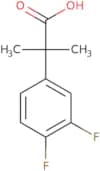
2-(3,4-Difluorophenyl)-2-methylpropanoic acid
CAS:Versatile small molecule scaffold
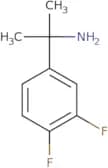
Formula:C10H10F2O2Purity:Min. 95%Molecular weight:200.18 g/mol2-(3,4-Difluorophenyl)propan-2-amine
CAS:Versatile small molecule scaffold
Formula:C9H11F2NPurity:Min. 95%Molecular weight:171.19 g/mol3-Amino-5-phenyl-3H,4H-thieno[2,3-d]pyrimidin-4-one
CAS:Versatile small molecule scaffold
Formula:C12H9N3OSPurity:Min. 95%Molecular weight:243.29 g/molEthyl 2-amino-1-(4-aminophenyl)-1H-pyrrolo[2,3-b]quinoxaline-3-carboxylate
CAS:Versatile small molecule scaffold
Formula:C19H17N5O2Purity:Min. 95%Molecular weight:347.4 g/molRef: 3D-GMA27866
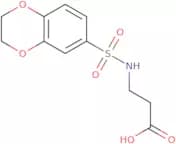
Discontinued productN-(2,3-Dihydro-1,4-benzodioxin-6-ylsulfonyl)-alanine
CAS:Versatile small molecule scaffold
Formula:C11H13NO6SPurity:Min. 95%Molecular weight:287.29 g/molRef: 3D-GMA27842
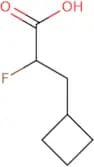
Discontinued product3-Cyclobutyl-2-fluoropropanoic acid
CAS:Versatile small molecule scaffold
Formula:C7H11FO2Purity:Min. 95%Molecular weight:146.16 g/molRef: 3D-GLC97151
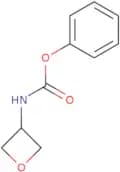
Discontinued productPhenyl N-(oxetan-3-yl)carbamate
CAS:Versatile small molecule scaffold
Formula:C10H11NO3Purity:Min. 95%Molecular weight:193.2 g/molRef: 3D-GLC80382
Discontinued product[4,4'-Bioxane]-4-carboxylic acid
CAS:Versatile small molecule scaffold
Formula:C11H18O4Purity:Min. 95%Molecular weight:214.26 g/molRef: 3D-GLC55920
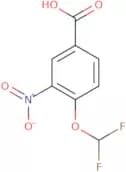
Discontinued product4-(difluoromethoxy)-3-nitrobenzoic acid
CAS:Versatile small molecule scaffold
Formula:C8H5F2NO5Purity:Min. 95%Molecular weight:233.1 g/mol1-[3-(Benzyloxy)phenyl]piperazine dihydrochloride
CAS:Versatile small molecule scaffold
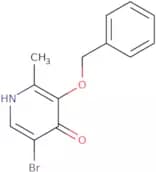
Formula:C17H22Cl2N2OPurity:Min. 95%Molecular weight:341.3 g/mol3-(Benzyloxy)-5-bromo-2-methyl-4-pyridinol
CAS:Versatile small molecule scaffold
Formula:C13H12BrNO2Purity:Min. 95%Molecular weight:294.16 g/molN-Methyl-N-[4-(trifluoromethoxy)benzyl]amine
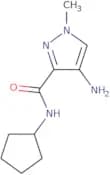
CAS:Versatile small molecule scaffoldFormula:C9H10F3NOPurity:Min. 95%Molecular weight:205.18 g/mol4-Amino-N-cyclopentyl-1-methyl-1H-pyrazole-3-carboxamide
CAS:Versatile small molecule scaffoldFormula:C10H16N4OPurity:Min. 95%Molecular weight:208.26 g/molRef: 3D-GLB08757
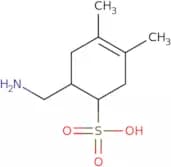
Discontinued product6-(Aminomethyl)-3,4-dimethylcyclohex-3-ene-1-sulfonic acid
CAS:Versatile small molecule scaffold
Formula:C9H17NO3SPurity:Min. 95%Molecular weight:219.3 g/molRef: 3D-GLB07428
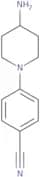
Discontinued product4-(4-Aminopiperidin-1-yl)benzonitrile
CAS:Versatile small molecule scaffold
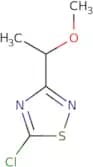
Formula:C12H15N3Purity:Min. 95%Molecular weight:201.27 g/mol5-Chloro-3-(1-methoxyethyl)-1,2,4-thiadiazole
CAS:Versatile small molecule scaffold
Formula:C5H7ClN2OSPurity:Min. 95%Molecular weight:178.64 g/molRef: 3D-GKC87562
Discontinued product[3-(Aminomethyl)oxolan-3-yl]methanol
CAS:Versatile small molecule scaffold
Formula:C6H13NO2Purity:Min. 95%Molecular weight:131.17 g/molRef: 3D-GKC73856
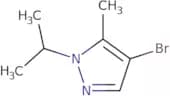
Discontinued product4-Bromo-1-isopropyl-5-methyl-1H-pyrazole
CAS:Versatile small molecule scaffoldFormula:C7H11BrN2Purity:Min. 95%Molecular weight:203.08 g/molRef: 3D-GKC66704
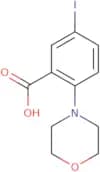
Discontinued product5-Iodo-2-(morpholin-4-yl)benzoic acid
CAS:Versatile small molecule scaffold
Formula:C11H12INO3Purity:Min. 95%Molecular weight:333.12 g/molRef: 3D-GKC65297
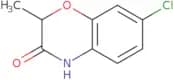
Discontinued product7-Chloro-2-methyl-2,4-dihydro-1,4-benzoxazin-3-one
CAS:Versatile small molecule scaffoldFormula:C9H8ClNO2Purity:Min. 95%Molecular weight:197.62 g/molRef: 3D-GKC63610
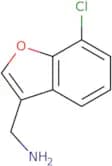
Discontinued product(7-Chlorobenzofuran-3-yl)methanamine
CAS:Versatile small molecule scaffold
Formula:C9H8ClNOPurity:Min. 95%Molecular weight:181.62 g/mol5,6,7,8-Tetrahydronaphthalen-2-yl chloroformate
CAS:Versatile small molecule scaffold
Formula:C11H11ClO2Purity:Min. 95%Molecular weight:210.65 g/molRef: 3D-GKC54479
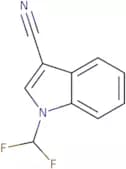
Discontinued product1-(Difluoromethyl)-1H-indole-3-carbonitrile
CAS:Versatile small molecule scaffoldFormula:C10H6F2N2Purity:Min. 95%Molecular weight:192.16 g/molRef: 3D-GKC54416
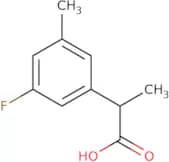
Discontinued product2-(3-Fluoro-5-methylphenyl)propanoic acid
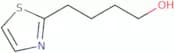
CAS:Versatile small molecule scaffoldFormula:C10H11FO2Purity:Min. 95%Molecular weight:182.19 g/mol4-(1,3-Thiazol-2-yl)butan-1-ol
CAS:Versatile small molecule scaffold
Formula:C7H11NOSPurity:Min. 95%Molecular weight:157.24 g/molRef: 3D-GKC47933
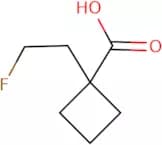
Discontinued product1-(2-Fluoroethyl)cyclobutane-1-carboxylic acid
CAS:Versatile small molecule scaffold
Formula:C7H11FO2Purity:Min. 95%Molecular weight:146.16 g/molRef: 3D-GKC46622
Discontinued product1-Cyclopentyl-5-ethyl-1H-pyrazol-4-amine
CAS:Versatile small molecule scaffold
Formula:C10H17N3Purity:Min. 95%Molecular weight:179.26 g/molRef: 3D-GKC44380
Discontinued product2-[(5-Amino-1H-1,3-benzodiazol-2-yl)(methyl)amino]-N-methylacetamide
CAS:Versatile small molecule scaffold
Formula:C11H15N5OPurity:Min. 95%Molecular weight:233.27 g/molRef: 3D-GKC35069
Discontinued product(1-Phenylcyclopropyl)methanesulfonyl chloride
CAS:Versatile small molecule scaffold
Formula:C10H11ClO2SPurity:Min. 95%Molecular weight:230.71 g/molRef: 3D-GKC28743
Discontinued product3,3-Diethylcyclobutan-1-ol
CAS:Versatile small molecule scaffold
Formula:C8H16OPurity:Min. 95%Molecular weight:128.2 g/molRef: 3D-GKC24019
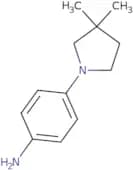
Discontinued product4-(3,3-Dimethylpyrrolidin-1-yl)aniline
CAS:Versatile small molecule scaffold
Formula:C12H18N2Purity:Min. 95%Molecular weight:190.3 g/molRef: 3D-GKC15939
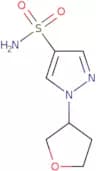
Discontinued product1-(Oxolan-3-yl)-1H-pyrazole-4-sulfonamide
CAS:Versatile small molecule scaffold
Formula:C7H11N3O3SPurity:Min. 95%Molecular weight:217.25 g/molRef: 3D-GKC05629
Discontinued product3-Cyclopentyl-2-fluoropropanoic acid
CAS:Versatile small molecule scaffold
Formula:C8H13FO2Purity:Min. 95%Molecular weight:160.19 g/molRef: 3D-GKC04936
Discontinued product1-(3-Amino-4-bromophenyl)-3,3-dimethylpyrrolidine-2,5-dione
CAS:Versatile small molecule scaffold
Formula:C12H13BrN2O2Purity:Min. 95%Molecular weight:297.15 g/molRef: 3D-GKC03425
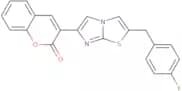
Discontinued productImdk
CAS:Imdk is a model system for the study of antitumor response. It has been shown to inhibit tumor growth in mice when combined with temozolomide treatment. Imdk also inhibits epidermal growth factor (EGF) and cancer cell proliferation. Imdk is an inhibitor of protein kinase C, which may be responsible for its antitumor effects. The mechanism by which Imdk inhibits EGF is not known but may be due to its ability to induce p21 expression in caco-2 cells, which causes the cell cycle arrest. Imdk also has anti-HIV activity, inhibiting HIV replication and decreasing viral loads in infected cells.
Formula:C21H13FN2O2SPurity:Min. 95%Molecular weight:376.4 g/molRef: 3D-GKB97080
Discontinued product5-Bromo-2-[1-(trifluoromethyl)cyclopropyl]pyridine
CAS:Versatile small molecule scaffold
Formula:C9H7BrF3NPurity:Min. 95%Molecular weight:266.06 g/molRef: 3D-GHC61644
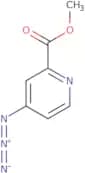
Discontinued productMethyl 4-azidopyridine-2-carboxylate
CAS:Versatile small molecule scaffoldFormula:C7H6N4O2Purity:Min. 95%Molecular weight:178.15 g/molRef: 3D-GHC47010
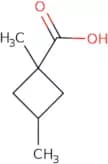
Discontinued product1,3-Dimethylcyclobutane-1-carboxylic acid
CAS:Versatile small molecule scaffoldFormula:C7H12O2Purity:Min. 95%Molecular weight:128.17 g/molRef: 3D-GHB61512
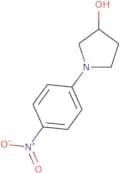
Discontinued product(3R)-1-(4-Nitrophenyl)pyrrolidin-3-ol
CAS:Versatile small molecule scaffold
Formula:C10H12N2O3Purity:Min. 95%Molecular weight:208.21 g/molRef: 3D-GHA95979
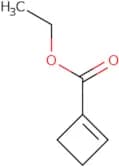
Discontinued productEthyl cyclobut-1-ene-1-carboxylate
CAS:Versatile small molecule scaffold
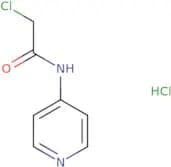
Formula:C7H10O2Purity:Min. 95%Molecular weight:126.15 g/mol2-Chloro-N-(pyridin-4-yl)acetamide hydrochloride
CAS:Versatile small molecule scaffold
Formula:C7H8Cl2N2OPurity:Min. 95%Molecular weight:207.05 g/mol4-Bromo-1-(3-chloropropoxy)-2-fluorobenzene
CAS:Versatile small molecule scaffold
Formula:C9H9BrClFOPurity:Min. 95%Molecular weight:267.52 g/molRef: 3D-GHA80791
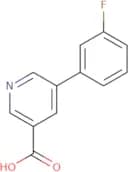
Discontinued product5-(3-Fluorophenyl)nicotinic acid
CAS:Versatile small molecule scaffold
Formula:C12H8FNO2Purity:Min. 95%Molecular weight:217.2 g/mol2-[4-(Aminomethyl)phenyl]acetamide
CAS:2-[4-(Aminomethyl)phenyl]acetamide (2-APAA) is an optical solid catalyst that can be used in the production of drugs. 2-APAA is a control agent for autoimmune diseases. The reaction product of 2-APAA is an extender and can be hydraulically transported. It can also be used as a section to analyze heterogeneously distributed amino acids, which are important in protein synthesis. 2-APAA has been shown to generate gaseous signals that can be detected with a signal detection system.
Formula:C9H12N2OPurity:Min. 95%Molecular weight:164.2 g/molRef: 3D-GHA46681
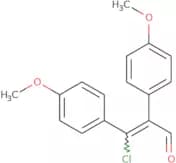
Discontinued product(E)-3-Chloro-2,3-bis(4-methoxyphenyl)acrylaldehyde
CAS:The compound 3-chloro-2,3-bis(4-methoxyphenyl)acrylaldehyde (CBA) is a molecule that can induce acetylation of histones and suppressor genes. It also has an effect on the regulation of gene expression, which may be due to its ability to inhibit the activity of the protein β-catenin. CBA induces the acetylation of histones, thereby suppressing tumor growth. It also inhibits the activity of β-catenin, leading to suppression of tumor growth in vitro with HL60 cells. CBA has been shown to suppress tumor growth and induce apoptosis in vivo in a xenograft model. This compound is being studied as a potential treatment for cancer.
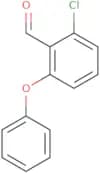
Formula:C17H15ClO3Purity:Min. 95%Molecular weight:302.7 g/mol2-Chloro-6-phenoxybenzaldehyde
CAS:Versatile small molecule scaffold
Formula:C13H9ClO2Purity:Min. 95%Molecular weight:232.66 g/molRef: 3D-GHA29753
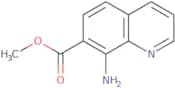
Discontinued productMethyl 8-aminoquinoline-7-carboxylate
CAS:Versatile small molecule scaffoldFormula:C11H10N2O2Purity:Min. 95%Molecular weight:202.21 g/molRef: 3D-GHA28505
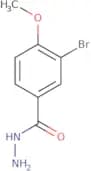
Discontinued product3-Bromo-4-methoxy-benzoic acid hydrazide
CAS:Versatile small molecule scaffold
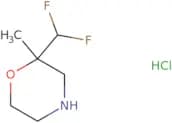
Formula:C8H9BrN2O2Purity:Min. 95%Molecular weight:245.07 g/mol2-(Difluoromethyl)-2-methylmorpholine hydrochloride
CAS:Versatile small molecule scaffoldFormula:C6H12ClF2NOPurity:Min. 95%Molecular weight:187.61 g/molRef: 3D-GGD26952
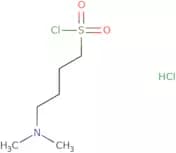
Discontinued product4-(Dimethylamino)butane-1-sulfonyl chloride hydrochloride
CAS:Versatile small molecule scaffold
Formula:C6H15Cl2NO2SPurity:Min. 95%Molecular weight:236.16 g/molN-[(Oxolan-2-yl)methyl]pyridazin-4-amine
CAS:Versatile small molecule scaffoldFormula:C9H13N3OPurity:Min. 95%Molecular weight:179.22 g/molRef: 3D-GGD26940
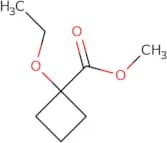
Discontinued productMethyl 1-ethoxycyclobutane-1-carboxylate
CAS:Versatile small molecule scaffold
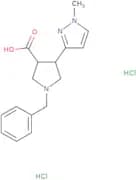
Formula:C8H14O3Purity:Min. 95%Molecular weight:158.19 g/mol1-Benzyl-4-(1-methyl-1H-pyrazol-3-yl)pyrrolidine-3-carboxylic acid dihydrochloride
CAS:Versatile small molecule scaffoldFormula:C16H21Cl2N3O2Purity:Min. 95%Molecular weight:358.3 g/molRef: 3D-GGD26928
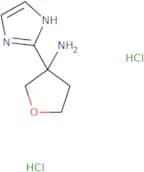
Discontinued product3-(1H-Imidazol-2-yl)oxolan-3-amine dihydrochloride
CAS:Versatile small molecule scaffoldFormula:C7H13Cl2N3OPurity:Min. 95%Molecular weight:226.1 g/molRef: 3D-GGD26925
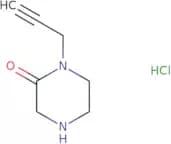
Discontinued product1-(Prop-2-yn-1-yl)piperazin-2-one hydrochloride
CAS:Versatile small molecule scaffold
Formula:C7H11ClN2OPurity:Min. 95%Molecular weight:174.63 g/molRef: 3D-GGD26922
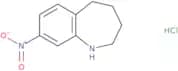
Discontinued product8-Nitro-2,3,4,5-tetrahydro-1H-1-benzazepine hydrochloride
CAS:Versatile small molecule scaffold
Formula:C10H13ClN2O2Purity:Min. 95%Molecular weight:228.67 g/molRef: 3D-GGD26902
Discontinued product3,3-Difluoro-2,2-dimethylbutyl methanesulfonate
CAS:Versatile small molecule scaffold
Formula:C7H14F2O3SPurity:Min. 95%Molecular weight:216.25 g/molRef: 3D-GGD26893
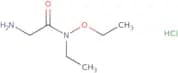
Discontinued product2-Amino-N-ethoxy-N-ethylacetamide hydrochloride
CAS:Versatile small molecule scaffoldFormula:C6H15ClN2O2Purity:Min. 95%Molecular weight:182.65 g/molRef: 3D-GGD26889
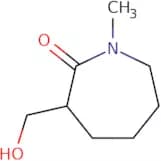
Discontinued product3-(Hydroxymethyl)-1-methylazepan-2-one
CAS:Versatile small molecule scaffoldFormula:C8H15NO2Purity:Min. 95%Molecular weight:157.21 g/molMethyl 3-bromo-4H,5H,6H-thieno[2,3-c]pyrrole-2-carboxylate hydrochloride
CAS:Versatile small molecule scaffoldFormula:C8H9BrClNO2SPurity:Min. 95%Molecular weight:298.59 g/molRef: 3D-GGD26871
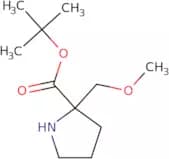
Discontinued producttert-Butyl 2-(methoxymethyl)pyrrolidine-2-carboxylate
CAS:Versatile small molecule scaffoldFormula:C11H21NO3Purity:Min. 95%Molecular weight:215.29 g/mol{2-Azabicyclo[2.2.2]octan-6-yl}methanol hydrochloride
CAS:Versatile small molecule scaffold
Formula:C8H16ClNOPurity:Min. 95%Molecular weight:177.67 g/molRef: 3D-GGD26104
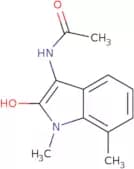
Discontinued productN-(2-Hydroxy-1,7-dimethyl-1H-indol-3-yl)acetamide
CAS:Controlled ProductVersatile small molecule scaffold
Formula:C12H14N2O2Purity:Min. 95%Molecular weight:218.25 g/molRef: 3D-GEA00029
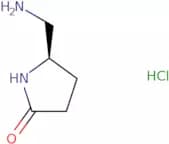
Discontinued product(R)-5-(Aminomethyl)pyrrolidin-2-one hydrochloride
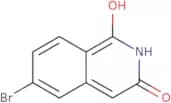
CAS:Versatile small molecule scaffoldFormula:C5H11ClN2OPurity:Min. 95%Molecular weight:150.61 g/mol6-Bromoisoquinoline-1,3-diol
CAS:Versatile small molecule scaffold
Formula:C9H6BrNO2Purity:Min. 95%Molecular weight:240.05 g/mol6-Methyl-1H,2H,3H-pyrrolo[3,2-c]pyridine
CAS:Versatile small molecule scaffoldFormula:C8H10N2Purity:Min. 95%Molecular weight:134.18 g/molRef: 3D-GDD37586
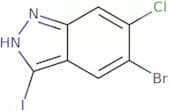
Discontinued product5-Bromo-6-chloro-3-iodo-1H-indazole
CAS:Versatile small molecule scaffold
Formula:C7H3BrClIN2Purity:Min. 95%Molecular weight:357.37 g/molbenzyl 2-amino-7-azaspiro[3.5]nonane-7-carboxylate hydrochloride
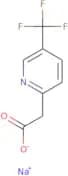
CAS:Versatile small molecule scaffoldFormula:C16H23ClN2O2Purity:Min. 95%Molecular weight:310.82 g/mol5-Trifluoromethyl-pyridin-2-acetic acid sodium salt
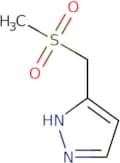
CAS:Versatile small molecule scaffoldFormula:C8H5F3NNaO2Purity:Min. 95%Molecular weight:227.12 g/mol3-(Methanesulfonylmethyl)-1H-pyrazole
CAS:Versatile small molecule scaffold
Formula:C5H8N2O2SPurity:Min. 95%Molecular weight:160.2 g/molRef: 3D-GDD36520
Discontinued product2,3-Dimethyl-6-(trifluoromethyl)-3H-imidazo[4,5-b]pyridine
CAS:Versatile small molecule scaffold
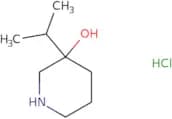
Formula:C9H8F3N3Purity:Min. 95%Molecular weight:215.17 g/mol3-Isopropylpiperidin-3-ol hydrochloride
CAS:Versatile small molecule scaffoldFormula:C8H18ClNOPurity:Min. 95%Molecular weight:179.69 g/molRef: 3D-GDD35525
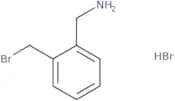
Discontinued product(2-(Bromomethyl)phenyl)methanamine hydrobromide
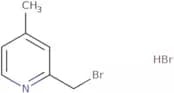
CAS:Versatile small molecule scaffoldFormula:C8H11Br2NPurity:Min. 95%Molecular weight:280.99 g/mol2-(Bromomethyl)-4-methylpyridine hydrobromide
CAS:Versatile small molecule scaffold
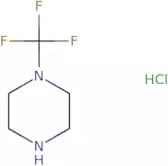
Formula:C7H9Br2NPurity:Min. 95%Molecular weight:266.96 g/mol1-(Trifluoromethyl)piperazine hydrochloride
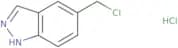
CAS:Versatile small molecule scaffoldFormula:C5H10ClF3N2Purity:Min. 95%Molecular weight:190.59 g/mol5-(Chloromethyl)-1H-indazole hydrochloride
CAS:Versatile small molecule scaffoldFormula:C8H8Cl2N2Purity:Min. 95%Molecular weight:203.07 g/molRef: 3D-GDD31009
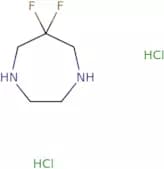
Discontinued product6,6-difluoro-1,4-diazepane dihydrochloride
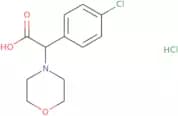
CAS:Versatile small molecule scaffoldFormula:C5H12Cl2F2N2Purity:Min. 95%Molecular weight:209.1 g/mol(4-Chloro-Phenyl)-Morpholin-4-Yl-Acetic Acid Hydrochloride
CAS:Versatile small molecule scaffold
Formula:C12H15Cl2NO3Purity:Min. 95%Molecular weight:292.16 g/mol9-Chloro-1H,2H,3H,4H,5H,6H-azepino[4,3-b]indol-1-one
CAS:Versatile small molecule scaffold
Formula:C12H11ClN2OPurity:Min. 95%Molecular weight:234.68 g/molRef: 3D-GDC93668
Discontinued product1-Oxaspiro[4.4]nonan-3-ol
CAS:1-Oxaspiro[4.4]nonan-3-ol is an organic compound that belongs to the group of spirocyclic compounds. It has been shown to be a potent inhibitor of bacterial growth, with activity against Bacillus subtilis and Escherichia coli. This molecule also acts as an oxidant, reacting with various substrates in oxidation reactions, such as periodate and ammonium chloride. 1-Oxaspiro[4.4]nonan-3-ol is used in the synthesis of other products, such as n-substituted amines, alcohols, and cyclopentanone derivatives. 1-Oxaspiro[4.4]nonan-3-ol can be synthesized by oxidative cyclization of 3-(2H)furanone with ammonium chloride and sodium metabisulfite or sodium periodate followed by hydrolysis under acidic conditions or by direct oxidation of 3-(2H)fur
Formula:C8H14O2Purity:Min. 95%Molecular weight:142.2 g/mol4-Ethoxy-2,5-dimethylaniline
CAS:Versatile small molecule scaffold
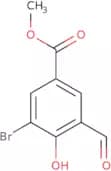
Formula:C10H15NOPurity:Min. 95%Molecular weight:165.23 g/molmethyl 3-bromo-5-formyl-4-hydroxybenzoate
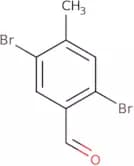
CAS:Versatile small molecule scaffoldFormula:C9H7BrO4Purity:Min. 95%Molecular weight:259.06 g/mol2,5-Dibromo-4-methylbenzaldehyde
CAS:Versatile small molecule scaffold
Formula:C8H6Br2OPurity:Min. 95%Molecular weight:277.94 g/molRef: 3D-GDB82009
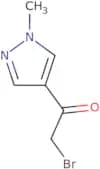
Discontinued product2-Bromo-1-(1-methyl-1H-pyrazol-4-yl)ethanone
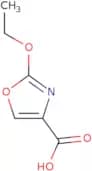
CAS:Versatile small molecule scaffoldFormula:C6H7BrN2OPurity:Min. 95%Molecular weight:203.04 g/mol2-Ethoxy-1,3-oxazole-4-carboxylic acid
CAS:Versatile small molecule scaffoldFormula:C6H7NO4Purity:Min. 95%Molecular weight:157.12 g/molRef: 3D-GDB78909
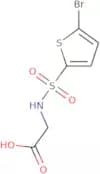
Discontinued product2-(5-Bromothiophene-2-sulfonamido)acetic acid
CAS:Versatile small molecule scaffold
Formula:C6H6BrNO4S2Purity:Min. 95%Molecular weight:300.2 g/mol3-{[(tert-Butoxy)carbonyl]amino}-4,4-difluorobutanoic acid
CAS:Versatile small molecule scaffoldFormula:C9H15F2NO4Purity:Min. 95%Molecular weight:239.22 g/molRef: 3D-GDA98256
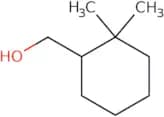
Discontinued product(2,2-Dimethylcyclohexyl)methanol
CAS:Versatile small molecule scaffold
Formula:C9H18OPurity:Min. 95%Molecular weight:142.24 g/molRef: 3D-GDA98007
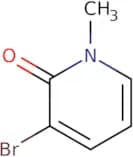
Discontinued product3-bromo-1-methylpyridin-2(1h)-one
CAS:Versatile small molecule scaffold
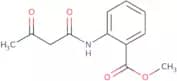
Formula:C6H6BrNOPurity:Min. 95%Molecular weight:188.02 g/molMethyl 2-(acetoacetylamino)benzoate
CAS:Versatile small molecule scaffold
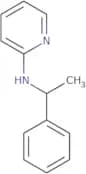
Formula:C12H13NO4Purity:Min. 95%Molecular weight:235.24 g/molN-(1-Phenylethyl)pyridin-2-amine
CAS:Versatile small molecule scaffold
Formula:C13H14N2Purity:Min. 95%Molecular weight:198.26 g/molRef: 3D-GDA93648
Discontinued product6-Chloro-3-methyl-1-phenyl-1H-pyrazolo[3,4-b]pyridine-5-carbaldehyde
CAS:Versatile small molecule scaffold
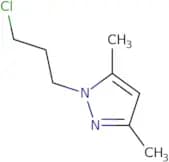
Formula:C14H10ClN3OPurity:Min. 95%Molecular weight:271.7 g/mol1-(3-Chloropropyl)-3,5-dimethyl-1H-pyrazole
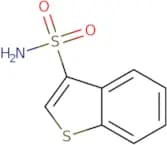
CAS:Versatile small molecule scaffoldFormula:C8H13ClN2Purity:Min. 95%Molecular weight:172.65 g/mol1-Benzothiophene-3-sulfonamide
CAS:1-Benzothiophene-3-sulfonamide is an antineoplastic agent that has been shown to be effective in the treatment of lymphosarcoma. It inhibits DNA and RNA synthesis, leading to cell death. 1-Benzothiophene-3-sulfonamide has been shown to have antitumor properties in subcutaneous inoculations against a variety of tumor types.
Formula:C8H7NO2S2Purity:Min. 95%Molecular weight:213.3 g/molRef: 3D-GDA88535
Discontinued product1-(4-Chlorophenyl)-2-methylbutan-1-amine
CAS:Versatile small molecule scaffoldFormula:C11H16ClNPurity:Min. 95%Molecular weight:197.7 g/mol7-Oxa-1,3-diazaspiro[4.4]nonane-2,4-dione
CAS:Versatile small molecule scaffold
Formula:C6H8N2O3Purity:Min. 95%Molecular weight:156.14 g/molRef: 3D-GDA86698
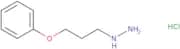
Discontinued product(3-Phenoxypropyl)hydrazine hydrochloride
CAS:Versatile small molecule scaffold
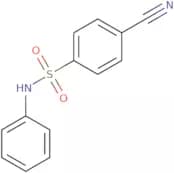
Formula:C9H15ClN2OPurity:Min. 95%Molecular weight:202.68 g/mol4-Cyano-N-phenylbenzene-1-sulfonamide
CAS:4-Cyano-N-phenylbenzene-1-sulfonamide is a salt that belongs to the group of aromatic sulfonamides. It is a white, crystalline solid with a melting point of 197 °C. 4-Cyano-N-phenylbenzene-1-sulfonamide has been found to be a polymorphic substance, which means that it can exist in more than one form. The systematic name for this compound is 1-(4'-cyano-3'-nitrophenyl)-4-(4'-cyano-3'-nitrophenyl)benzenesulfonamide monohydrochloride (2:1), and it has two polymorphs: the tetragonal crystal system and the orthorhombic crystal system. 4-Cyano-N-phenylbenzene-1 -sulfonamide also has hydrogen bonding interactions between its molecules and diffraction patternsFormula:C13H10N2O2SPurity:Min. 95%Molecular weight:258.3 g/molRef: 3D-GCA76846
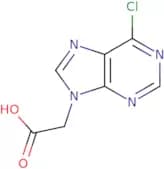
Discontinued product2-(6-Chloro-9H-purin-9-yl)acetic acid
CAS:Versatile small molecule scaffold
Formula:C7H5ClN4O2Purity:Min. 95%Molecular weight:212.59 g/molRef: 3D-GCA76307
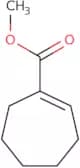
Discontinued productMethyl cyclohept-1-ene-1-carboxylate
CAS:Methyl cyclohept-1-ene-1-carboxylate is a histone methyltransferase inhibitor that inhibits the synthesis of histones in mammalian cells. Methyl cyclohept-1-ene-1-carboxylate is used for the treatment of cancers, such as leukemia, lymphoma, and multiple myeloma. It binds to the DNA at specific sites and blocks the formation of histones by inhibiting the transfer of methyl groups. This process leads to changes in gene expression and cellular proliferation. Methyl cyclohept-1-ene-1-carboxylate has also been shown to inhibit demethylation, leading to increased methylation of DNA. The effector proteins may be involved in regulating this process, but more research is needed to confirm this hypothesis.Formula:C9H14O2Purity:Min. 95%Molecular weight:154.21 g/molRef: 3D-GCA74553
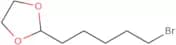
Discontinued product2-(5-Bromopentyl)-1,3-dioxolane
CAS:Versatile small molecule scaffold
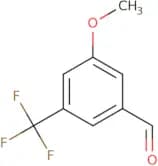
Formula:C8H15BrO2Purity:Min. 95%Molecular weight:223.11 g/mol3-Methoxy-5-(trifluoromethyl)benzaldehyde
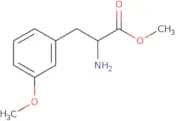
CAS:Versatile small molecule scaffoldFormula:C9H7F3O2Purity:Min. 95%Molecular weight:204.15 g/molMethyl 2-amino-3-(3-methoxyphenyl)propanoate
CAS:Versatile small molecule scaffoldFormula:C11H15NO3Purity:Min. 95%Molecular weight:209.24 g/molEthyl 2-[(1-phenylethyl)amino]acetate
CAS:Versatile small molecule scaffold
Formula:C12H17NO2Purity:Min. 95%Molecular weight:207.27 g/molRef: 3D-GCA72098
Discontinued product2-[(1-Methylpiperidin-4-yl)amino]ethan-1-ol
CAS:Versatile small molecule scaffold
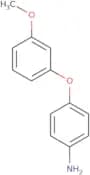
Formula:C8H18N2OPurity:Min. 95%Molecular weight:158.24 g/mol4-(3-Methoxyphenoxy)aniline
CAS:Versatile small molecule scaffold
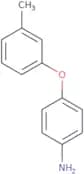
Formula:C13H13NO2Purity:Min. 95%Molecular weight:215.25 g/mol4-(3-Methylphenoxy)aniline hydrochloride
CAS:Versatile small molecule scaffold
Formula:C13H14ClNOPurity:Min. 95%Molecular weight:235.72 g/mol3-[4-(Hydroxymethyl)phenyl]propanoic acid
CAS:Versatile small molecule scaffold
Formula:C10H12O3Purity:Min. 95%Molecular weight:180.2 g/molRef: 3D-GCA70334
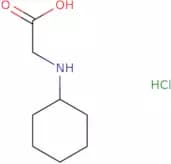
Discontinued product2-(Cyclohexylamino)acetic acid hydrochloride
CAS:2-(Cyclohexylamino)acetic acid hydrochloride is a chiral compound that has been shown to inhibit the activity of metalloproteinases, including matrix metalloproteinase (MMP) and peptidyl-arginine deiminases. It also inhibits the production of inflammatory cytokines in response to viral infection. 2-(Cyclohexylamino)acetic acid hydrochloride may be useful for the treatment of liver diseases such as hepatitis or cirrhosis due to its ability to inhibit MMP-2. It is also being investigated as a potential drug for traumatic brain injury because it has been shown to reduce oxidative stress and inflammation in animal models.Formula:C8H16ClNO2Purity:Min. 95%Molecular weight:193.67 g/molRef: 3D-GCA67670
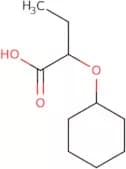
Discontinued product2-(Cyclohexyloxy)butanoic acid
CAS:Versatile small molecule scaffold
Formula:C10H18O3Purity:Min. 95%Molecular weight:186.25 g/molRef: 3D-GCA67473
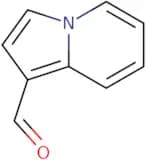
Discontinued product1-Indolizinecarboxaldehyde
CAS:Versatile small molecule scaffold
Formula:C9H7NOPurity:Min. 95%Molecular weight:145.16 g/molRef: 3D-GCA67164
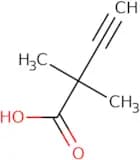
Discontinued product2,2-Dimethylbut-3-ynoic acid
CAS:2,2-Dimethylbut-3-ynoic acid is an organic compound that can be synthesized from acetone. The chemical formula of this compound is C6H12O2. 2,2-Dimethylbut-3-ynoic acid has a boiling point of 157 degrees Celsius and a melting point of -87 degrees Celsius. It has the molecular weight of 136.19 g/mol and its density is 1.07 g/cm^3 at 25 degrees Celsius. This compound can be used as a precursor to other chemicals, such as butanediol or butyraldehyde, which are used in production processes for plastics and synthetic rubber.
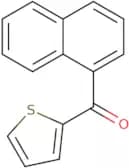
Formula:C6H8O2Purity:Min. 95%Molecular weight:112.13 g/mol(Naphthalen-1-yl)(thiophen-2-yl)methanone
CAS:Versatile small molecule scaffold
Formula:C15H10OSPurity:Min. 95%Molecular weight:238.31 g/molRef: 3D-GCA66233
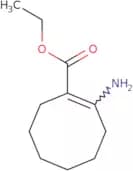
Discontinued productEthyl 2-aminocyclooct-1-ene-1-carboxylate
CAS:Versatile small molecule scaffoldFormula:C11H19NO2Purity:Min. 95%Molecular weight:197.27 g/molRef: 3D-GCA66194
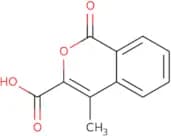
Discontinued product4-Methyl-1-oxo-1H-isochromene-3-carboxylic acid
CAS:Versatile small molecule scaffoldFormula:C11H8O4Purity:Min. 95%Molecular weight:204.18 g/molRef: 3D-GCA66174
Discontinued product2-(2-Hydroxyethyl)-2H,3H-[1,2,4]triazolo[4,3-a]pyridin-3-one
CAS:Versatile small molecule scaffold
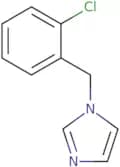
Formula:C8H9N3O2Purity:Min. 95%Molecular weight:179.18 g/mol1-(2-Chlorobenzyl)imidazole
CAS:Versatile small molecule scaffold
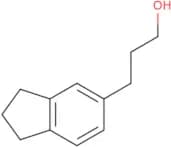
Formula:C10H9ClN2Purity:Min. 95%Molecular weight:192.64 g/mol3-(2,3-Dihydro-1H-inden-5-yl)propan-1-ol
CAS:Versatile small molecule scaffold
Formula:C12H16OPurity:Min. 95%Molecular weight:176.25 g/molRef: 3D-GCA63578
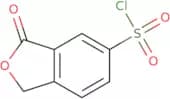
Discontinued product3-Oxo-1,3-dihydro-2-benzofuran-5-sulfonyl chloride
CAS:Versatile small molecule scaffold
Formula:C8H5ClO4SPurity:Min. 95%Molecular weight:232.64 g/molRef: 3D-GCA62276
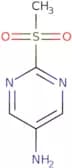
Discontinued product2-(Methylsulfonyl)pyrimidin-5-amine
CAS:Versatile small molecule scaffold
Formula:C5H7N3O2SPurity:Min. 95%Molecular weight:173.19 g/molRef: 3D-GCA62192
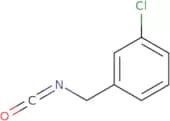
Discontinued product1-Chloro-3-(isocyanatomethyl)benzene
CAS:Versatile small molecule scaffold
Formula:C8H6ClNOPurity:Min. 95%Molecular weight:167.59 g/molRef: 3D-GCA62045
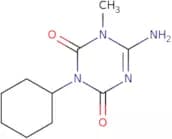
Discontinued product6-Amino-3-cyclohexyl-1-methyl-1,2,3,4-tetrahydro-1,3,5-triazine-2,4-dione
CAS:6-Amino-3-cyclohexyl-1-methyl-1,2,3,4-tetrahydro-1,3,5-triazine-2,4-dione is the metabolite of cyclophosphamide and is extracted using n-hexane and acetonitrile. It has been shown to be a potent inhibitor of DNA synthesis in vitro at concentrations as low as 10 μM. The average recoveries for this compound are 96.6% with an average recovery of 99.7%.Formula:C10H16N4O2Purity:Min. 95%Molecular weight:224.26 g/molRef: 3D-GCA61155
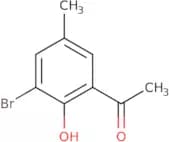
Discontinued product1-(3-Bromo-2-hydroxy-5-methylphenyl)ethan-1-one
CAS:Versatile small molecule scaffold
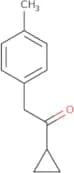
Formula:C9H9BrO2Purity:Min. 95%Molecular weight:229.07 g/mol1-Cyclopropyl-2-(4-methylphenyl)ethan-1-one
CAS:Versatile small molecule scaffold
Formula:C12H14OPurity:Min. 95%Molecular weight:174.24 g/molRef: 3D-GCA59497
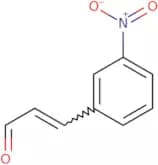
Discontinued product3-(3-Nitrophenyl)acrylaldehyde
CAS:3-(3-Nitrophenyl)acrylaldehyde is an organic compound that belongs to the class of aldehydes. It is used in the synthesis of halogenated compounds, such as dibromohexane, and in organic chemistry as a building block for the preparation of hydrophobic compounds. 3-(3-Nitrophenyl)acrylaldehyde reacts with benzene in an aldol condensation reaction to form 2,4-dinitrobenzaldehyde. This reaction may be catalyzed by acid or base. The efficiency of this reaction is increased when it is carried out at lower temperatures and higher pressures. The ring-opening reaction of 3-(3-nitrophenyl)acrylaldehyde with methanal also proceeds efficiently at lower temperatures and higher pressures.
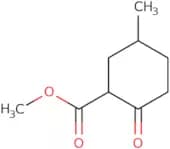
Formula:C9H7NO3Purity:Min. 95%Molecular weight:177.16 g/molMethyl 5-methyl-2-oxocyclohexane-1-carboxylate
CAS:Methyl 5-methyl-2-oxocyclohexane-1-carboxylate is a racemic compound with the chemical formula CH3(CH2)4CO2. The individual enantiomers are known as D and L methyl 5-methyl-2-oxocyclohexane-1-carboxylate. This compound is a sesquiterpenoid and has been found to inhibit the growth of certain bacteria, fungi, and parasites. The biological activity of this compound is due to its ability to interfere with protein synthesis by binding to the active site of enzymes that require a carboxyl group for their function. Methyl 5-methyl-2-oxocyclohexane-1-carboxylate can be found in nature as a mixture of two enantiomers, but it can also be synthesized in a racemic form.
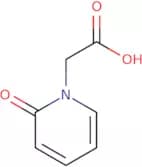
Formula:C9H14O3Purity:Min. 95%Molecular weight:170.21 g/mol(2-Oxopyridin-1(2H)-yl)acetic acid
CAS:2-Oxopyridin-1(2H)-yl)acetic acid is a colorless, crystalline solid that can be used as a reagent for organic synthesis. It has been shown to inhibit the growth of C. parapsilosis and T. tetracosane at low concentrations. 2-Oxopyridin-1(2H)-yl)acetic acid may have an inhibitory effect on the enzyme dehydrogenase, which catalyzes the conversion of hexadecanoic acid to hexadecenoic acid during lipid metabolism and is required for cell survival. This compound has also been shown to be effective against M. tuberculosis and M. avium complex, but not against other bacteria such as B. subtilis or S. aureus.
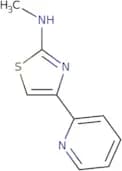
Formula:C7H7NO3Purity:Min. 95%Molecular weight:153.14 g/molN-Methyl-4-(pyridin-2-yl)-1,3-thiazol-2-amine
CAS:Versatile small molecule scaffold
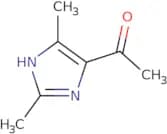
Formula:C9H9N3SPurity:Min. 95%Molecular weight:191.26 g/mol1-(2,5-Dimethyl-1H-imidazol-4-yl)ethan-1-one
CAS:Versatile small molecule scaffold
Formula:C7H10N2OPurity:Min. 95%Molecular weight:138.17 g/molRef: 3D-GCA53644
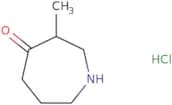
Discontinued product3-Methylazepan-4-one Hydrochloride
CAS:Versatile small molecule scaffold
Formula:C7H13NO·HClPurity:Min. 95%Molecular weight:163.64 g/molRef: 3D-GCA51523
Discontinued product2,6-Dimethylbenzene-1,4-diamine dihydrochloride
CAS:Versatile small molecule scaffold
Formula:C8H14Cl2N2Purity:Min. 95%Molecular weight:209.11 g/molRef: 3D-GCA49689
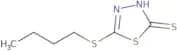
Discontinued product5-(Butylsulfanyl)-1,3,4-thiadiazole-2-thiol
CAS:Versatile small molecule scaffoldFormula:C6H10N2S3Purity:Min. 95%Molecular weight:206.4 g/molRef: 3D-GCA49283
Discontinued product1-(4-Methoxyphenyl)-2-methylpropan-2-amine
CAS:Controlled ProductVersatile small molecule scaffold
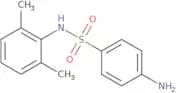
Formula:C11H17NOPurity:Min. 95%Molecular weight:179.26 g/mol4-Amino-N-(2,6-dimethylphenyl)benzenesulfonamide
CAS:Versatile small molecule scaffold
Formula:C14H16N2O2SPurity:Min. 95%Molecular weight:276.36 g/mol6-Methyl-2-picolylmethylamine
CAS:6-Methyl-2-picolylmethylamine is a dimeric compound that contains two picolyl methyl groups per molecule. It can be prepared by the reaction of picolinic acid with an appropriate amine, such as methylamine. 6-Methyl-2-picolylmethylamine reacts with dioxane to form a yellow solid, which is a potentiometric indicator. The potentiometric titration of 6-methyl-2-picolylmethylamine has shown that it has a pK value of 7.3 and a color change at pH 7.8.
Formula:C8H12N2Purity:Min. 95%Molecular weight:136.19 g/molRef: 3D-GAA97157
Discontinued product1,2,4-Triazolo[4,3-a]pyridin-3(2H)-one
CAS:1,2,4-Triazolo[4,3-a]pyridin-3(2H)-one is a potent inhibitor of the enzyme c-glycosylase. This compound has been used in pharmaceutical preparations and as a feedstock in organic syntheses. It is used to produce the anti-inflammatory drug piroxicam, which inhibits the action of cyclooxygenase and blocks the synthesis of prostaglandins. 1,2,4-Triazolo[4,3-a]pyridin-3(2H)-one also has been shown to inhibit crystallization of the bovine liver enzyme phosphatidylcholine:cholesterol acyltransferase (PCAT). The inhibition was found to be competitive with respect to PCAT substrate and was not due to inhibition of PCAT by 1,2,4-triazolo[4,3-a]pyridin-3(
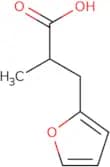
Formula:C6H5N3OPurity:Min. 95%Molecular weight:135.13 g/mol3-(Furan-2-yl)-2-methylpropanoic acid
CAS:Versatile small molecule scaffold
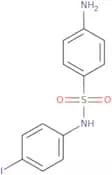
Formula:C8H10O3Purity:Min. 95%Molecular weight:154.16 g/mol4-Amino-N-(4-iodophenyl)benzene-1-sulfonamide
CAS:Versatile small molecule scaffold
Formula:C12H11IN2O2SPurity:Min. 95%Molecular weight:374.2 g/molRef: 3D-GAA96575
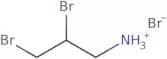
Discontinued product2,3-Dibromo-propylamine, hydrobromide
CAS:2,3-Dibromo-propylamine, hydrobromide is an organolithium compound that is postulated to exist. It has been synthesized in the laboratory but its structure and properties have not yet been fully characterized. In addition to allylamine and azetidine, it has also been shown to react with benzoyl peroxide to form a peroxide. The magnesium ion coordinates the bromine atom of 2,3-dibromo-propylamine, hydrobromide. This mechanism is similar to that of other organolithium compounds.
Formula:C3H8Br3NPurity:Min. 95%Molecular weight:297.81 g/molRef: 3D-GAA96332
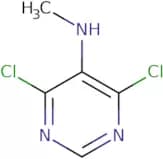
Discontinued product4,6-dichloro-N-methylpyrimidin-5-amine
CAS:Versatile small molecule scaffoldFormula:C5H5Cl2N3Purity:Min. 95%Molecular weight:178 g/mol2-(4-Bromo-2-methylphenoxy)acetic acid
CAS:2-(4-Bromo-2-methylphenoxy)acetic acid is a sulfonated phenolic compound that is synthesized by the sulfurylation of 2-methylphenoxyacetic acid with sulfuryl chloride. It has been used as a chemical intermediate in the synthesis of various drugs, such as triethanolamine. 2-(4-Bromo-2-methylphenoxy)acetic acid can also be used to produce fluorinated compounds, such as pentafluoropropionic and hexafluoroacetic acids. The chlorination reaction is an efficient method for the production of this compound.
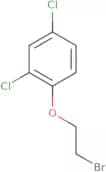
Formula:C9H9BrO3Purity:Min. 95%Molecular weight:245.08 g/mol1-(2-Bromoethoxy)-2,4-dichlorobenzene
CAS:Versatile small molecule scaffold
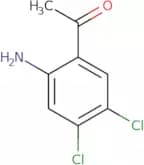
Formula:C8H7BrCl2OPurity:Min. 95%Molecular weight:269.96 g/mol1-(2-Amino-4,5-dichlorophenyl)ethanone
CAS:Versatile small molecule scaffold
Formula:C8H7Cl2NOPurity:Min. 95%Molecular weight:204.05 g/mol3-[(Pyridin-2-ylmethyl)amino]propan-1-ol
CAS:3-[(Pyridin-2-ylmethyl)amino]propan-1-ol is an industrial chemical that is used in the production of peroxy compounds. It is a byproduct of hydrogenation and aluminium production processes, and can be produced using transition metal ions such as copper or nickel. 3-[(Pyridin-2-ylmethyl)amino]propan-1-ol has a low molecular weight, which allows it to be used in a variety of applications. This compound has been shown to interact with adsorption equilibrium and kinetic techniques, as well as being suitable for sustainable development.
Formula:C9H14N2OPurity:Min. 95%Molecular weight:166.22 g/molRef: 3D-GAA95099
Discontinued product[2-(Methylsulfanyl)ethyl]urea
CAS:Versatile small molecule scaffold
Formula:C4H10N2OSPurity:Min. 95%Molecular weight:134.2 g/molRef: 3D-GAA95055
Discontinued product1-[(Methoxycarbonyl)amino]cyclopentane-1-carboxylic acid
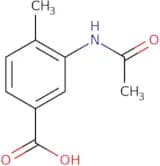
CAS:Versatile small molecule scaffoldFormula:C8H13NO4Purity:Min. 95%Molecular weight:187.19 g/mol3-Acetamido-4-methylbenzoic acid
CAS:3-Acetamido-4-methylbenzoic acid is a product of organic synthesis. It is an amide compound and is synthesized by the condensation reaction of cyanamide and aniline. 3-Acetamido-4-methylbenzoic acid has been used in the synthesis of medicines such as nilotinib, which is a tyrosine kinase inhibitor that blocks cancer cell growth.
Formula:C10H11NO3Purity:Min. 95%Molecular weight:193.2 g/molRef: 3D-GAA94614
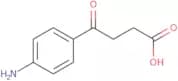
Discontinued product4-(4-Aminophenyl)-4-oxobutanoic acid
CAS:Versatile small molecule scaffold
Formula:C10H11NO3Purity:Min. 95%Molecular weight:193.2 g/mol1-(3-Bromopropyl)-3-methoxybenzene
CAS:Versatile small molecule scaffold
Formula:C10H13OBrPurity:Min. 95%Molecular weight:229.11 g/molRef: 3D-GAA94397
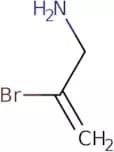
Discontinued product2-Bromo-allylamine
CAS:2-Bromo-allylamine is an inorganic compound that can be used as a synthetic intermediate for organic synthesis. It has been used to synthesize a variety of compounds, such as pharmaceuticals and agrochemicals. The bromide group is attached to the amine group through an ether bond. Bromoallylation is a chemoenzymatic reaction system that uses 2-bromo-allylamine as an intermediate.
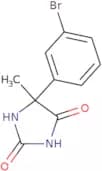
2-Bromo-allylamine can also be synthesized by reacting allyl chloride with bromine or chlorodibromomethane in the presence of catalysts such as copper(II) acetate and sodium methoxide. This reaction has been shown to be able to produce 2-bromo-allylamine in high yield without any side reactions.Formula:C3H6BrNPurity:Min. 95%Molecular weight:135.99 g/mol5-(3-Bromo-phenyl)-5-methyl-imidazolidine-2,4-dione
CAS:Versatile small molecule scaffold
Formula:C10H9BrN2O2Purity:Min. 95%Molecular weight:269.1 g/molRef: 3D-GAA94333
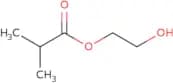
Discontinued product2-Hydroxyethyl 2-methylpropanoate
CAS:2-Hydroxyethyl 2-methylpropanoate is a fatty acid ester that has been used as a chemical intermediate in the synthesis of other chemicals. It can be synthesized by reacting a carboxylate with an alcohol, followed by hydrolysis. The reaction is exothermic, and the product has a lipophilic nature. This compound is often used in clinical applications because it is hydrophobic and can form polymers easily.
Formula:C6H12O3Purity:Min. 95%Molecular weight:132.16 g/molRef: 3D-GAA94258
Discontinued product2-[2,2-Bis-(1H-indol-3-yl)-ethyl]-phenylamine
CAS:2-[2,2-Bis-(1H-indol-3-yl)-ethyl]-phenylamine is a drug that inhibits the growth of cancer cells by interfering with the epidermal growth factor receptor, which is a protein involved in cell proliferation. This drug has been shown to be effective against leukemia and breast cancer cells. 2-[2,2-Bis-(1H-indol-3-yl)-ethyl]-phenylamine has also been shown to synergistically interact with light emission and preventative therapies, such as radiation therapy and chemotherapy. The compound has been shown to have an effect on body fat mass and also transport properties for certain drugs.Formula:C24H21N3Purity:Min. 95%Molecular weight:351.4 g/mol3-Chloro-±-methylbenzyl Alcohol
CAS:3-Chloro-±-methylbenzyl Alcohol is an alcohol that can be used as a biocatalyst. It is chiral and has been shown to be an efficient catalyst for the asymmetric synthesis of (R)-2,3-butanediol in the presence of saccharomyces cerevisiae. This compound has also been shown to be an effective optical resolution agent, with a high optical purity and excellent stability in organic solvents. 3-Chloro-±-methylbenzyl Alcohol is useful in the catalyzed conversion of glucose into ethanol, which is a dry weight procedure that does not require water or addition of cosubstrate.
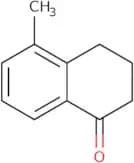
Formula:C8H9ClOPurity:Min. 95%Molecular weight:156.61 g/mol5-Methyl-3,4-dihydronaphthalen-1(2H)-one
CAS:Versatile small molecule scaffoldFormula:C11H12OPurity:Min. 95%Molecular weight:160.22 g/mol1-Bromodocosane
CAS:1-Bromodocosane is a microcapsule that is used as an antimicrobial agent. It consists of a water-soluble polymer, polyvinyl alcohol, which forms a shell around the active ingredient, 1-bromodocosane. The brominated derivative of docosane has been shown to have a profound effect on aliphatic hydrocarbons in plant physiology.
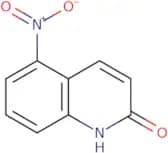
Formula:C22H45BrPurity:Min. 95%Molecular weight:389.5 g/mol5-Nitro-1H-quinolin-2-one
CAS:Versatile small molecule scaffold
Formula:C9H6N2O3Purity:Min. 95%Molecular weight:190.16 g/mol1,7,7-Trimethylspiro[bicyclo[2.2.1]heptane-2,4'-imidazolidine]-2',5'-dione
CAS:Versatile small molecule scaffold
Formula:C12H18N2O2Purity:Min. 95%Molecular weight:222.28 g/molRef: 3D-GAA92930
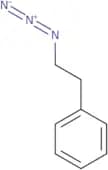
Discontinued product(2-Azidoethyl)benzene
CAS:2-Azidoethylbenzene is a coumarin derivative that has been identified as an important bioactive molecule. It is synthesized by the reaction of azides and benzene using a reaction solution. The compound reacts with hydroxyl groups to form a C-N bond, which may be responsible for its biological activity. 2-Azidoethylbenzene has been shown to have anti-leukemia effects in radiation-sensitive leukemia cells. It also has vasodilatory properties that may be related to the increase in blood pressure induced by the compound. 2-Azidoethylbenzene has also been shown to be effective against hypoxia inducible factors such as HIF1α, which are proteins involved in cell growth and proliferation.
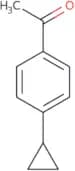
Formula:C8H9N3Purity:Min. 95%Molecular weight:147.18 g/mol1-(4-Cyclopropylphenyl)ethanone
CAS:Versatile small molecule scaffold
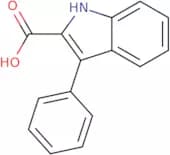
Formula:C11H12OPurity:Min. 95%Molecular weight:160.22 g/mol3-Phenyl-1H-indole-2-carboxylic Acid
CAS:3-Phenyl-1H-indole-2-carboxylic acid is a chemical compound that has an acidic property. It is used in the analysis of hormones, such as testosterone and estradiol. 3-Phenyl-1H-indole-2-carboxylic acid is used to analyze the biotic and abiotic properties of a sample by liquid chromatography. It can be used for the profiling of steroids, such as cortisol and cortisone, and sex hormones. This chemical is also used to highlight the presence of acetonitrile in a sample.
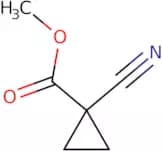
Formula:C15H11NO2Purity:Min. 95%Molecular weight:237.25 g/molMethyl 1-cyanocyclopropanecarboxylate
CAS:Versatile small molecule scaffoldFormula:C6H7NO2Purity:Min. 95%Molecular weight:125.13 g/molRef: 3D-GAA91473
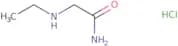
Discontinued product2-(Ethylamino)acetamide hydrochloride
CAS:Versatile small molecule scaffold
Formula:C4H11ClN2OPurity:Min. 95%Molecular weight:138.59 g/molRef: 3D-GAA91324
Discontinued product{[3-(Trifluoromethyl)phenyl]carbamoyl}formic acid
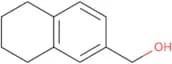
CAS:Versatile small molecule scaffoldFormula:C9H6F3NO3Purity:Min. 95%Molecular weight:233.14 g/mol(5,6,7,8-Tetrahydronaphthalen-2-yl)methanol
CAS:(5,6,7,8-Tetrahydronaphthalen-2-yl)methanol is a hexacyclic molecule that is used as an intermediate in the production of drugs. It can also be used as a precursor for the synthesis of various nitrogen compounds. This compound has potent inducers of cytochrome P450 and hydroxylase enzymes. This product is also considered to be carcinogenic and has been shown to cause tumors in rats when given orally.
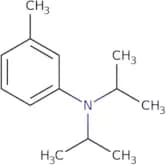
Formula:C11H14OPurity:Min. 95%Molecular weight:162.23 g/mol3-Methyl-N,N-bis(propan-2-yl)aniline
CAS:Versatile small molecule scaffold
Formula:C13H21NPurity:Min. 95%Molecular weight:191.31 g/molRef: 3D-GAA86396
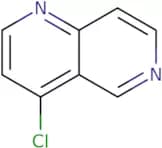
Discontinued product4-Chloro-1,6-naphthyridine
CAS:4-Chloro-1,6-naphthyridine is a chlorinated derivative of 1,6-naphthyridine. It is synthesized by catalytic hydrogenation. Catalytic hydrogenation of 4-chloro-1,6-naphthyridine yields two isomeric products: 4-chloronicotinamide and 4-chlorobenzamide. The industrial process for the synthesis of 4-chloro-1,6-naphthyridine involves condensation with ethyl acetate to form the N-(4'-chlorophenyl)ethane sulfonate salt followed by reaction with potassium chloride in alcoholic solution.
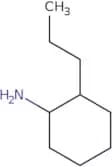
Formula:C8H5ClN2Purity:Min. 95%Molecular weight:164.6 g/mol2-Propylcyclohexan-1-amine
CAS:2-Propylcyclohexan-1-amine is a hydrogenation reaction intermediate that is produced by the thermodynamic equilibrium of cyclohexanone. It is a colorless liquid that has an amine odor. 2-Propylcyclohexan-1-amine can be used as a solvent and as a reactant in industrial processes. The phosphide ion, P, in this compound can be oxidized to form phosphoric acid with heat or light. This reaction has an activation energy (Ea) of 78 kJ/mol and produces hydrogen gas and the corresponding acid from 2-propyclohexanone. The bond cleavage reaction between phosphine and cyclohexane has an Ea of 54 kJ/mol and produces hydrogen gas, phosphate ions, and the corresponding alcohol.
Formula:C9H19NPurity:Min. 95%Molecular weight:141.25 g/molRef: 3D-GAA85040
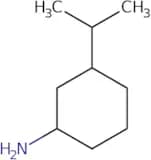
Discontinued product3-(Propan-2-yl)cyclohexan-1-amine
CAS:Versatile small molecule scaffold
Formula:C9H19NPurity:Min. 95%Molecular weight:141.25 g/molRef: 3D-GAA85037
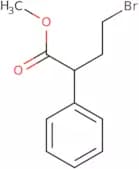
Discontinued productMethyl 4-bromo-2-phenylbutanoate
CAS:Versatile small molecule scaffold
Formula:C11H13BrO2Purity:Min. 95%Molecular weight:257.12 g/molRef: 3D-GAA83700
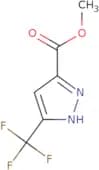
Discontinued productMethyl 5-(trifluoromethyl)pyrazole-3-carboxylate
CAS:Versatile small molecule scaffold
Formula:C6H5F3N2O2Purity:Min. 95%Molecular weight:194.11 g/molRef: 3D-GAA83382
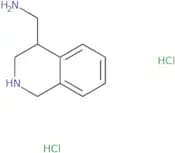
Discontinued product(1,2,3,4-Tetrahydroisoquinolin-4-yl)methanamine dihydrochloride
CAS:Versatile small molecule scaffold
Formula:C10H16Cl2N2Purity:Min. 95%Molecular weight:235.15 g/molRef: 3D-GAA82818
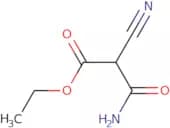
Discontinued productEthyl 2-carbamoyl-2-cyanoacetate
CAS:Versatile small molecule scaffold
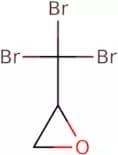
Formula:C6H8N2O3Purity:Min. 95%Molecular weight:156.14 g/mol2-(Tribromomethyl)oxirane
CAS:Versatile small molecule scaffold
Formula:C3H3Br3OPurity:Min. 95%Molecular weight:294.77 g/molRef: 3D-GAA82497
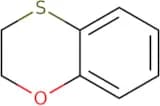
Discontinued product2,3-Dihydro-1,4-benzoxathiine
CAS:2,3-Dihydro-1,4-benzoxathiine is a chemical compound that blocks the action of ethylene. It is an antimycotic and has been used to treat fungal infections. The structure of 2,3-dihydro-1,4-benzoxathiine is similar to that of the estrogen molecule and it binds to the estrogen receptor with high affinity. This drug also acts as a selective serotonin receptor ligand and binds selectively to serotonin receptors. In addition, this drug has been shown to act on the nucleus by inhibiting melatonin synthesis in rats.
Formula:C8H8OSPurity:Min. 95%Molecular weight:152.22 g/molRef: 3D-GAA81248
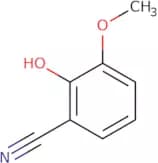
Discontinued product2-Hydroxy-3-methoxybenzenecarbonitrile
CAS:2-Hydroxy-3-methoxybenzenecarbonitrile (2HMB) is a reagent that is used in the synthesis of benzofurans. It is an analog of 2,2'-dichlorodiethyl carbonate. The reaction mechanism involves the conversion of 2HMB to 2-chloro-3-methoxybenzenecarbonitrile, followed by the elimination of chloride to yield 3-hydroxybenzofuran. This reagent also has the ability to catalyze reactions such as demethylation and alkylations.
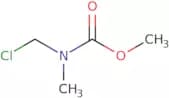
Formula:C8H7NO2Purity:Min. 95%Molecular weight:149.15 g/molMethyl N-(chloromethyl)-N-methylcarbamate
CAS:Versatile small molecule scaffold
Formula:C4H8ClNO2Purity:Min. 95%Molecular weight:137.56 g/mol3-[(2-Furylmethyl)amino]propanenitrile
CAS:Versatile small molecule scaffold
Formula:C8H10N2OPurity:Min. 95%Molecular weight:150.18 g/molRef: 3D-GAA78868
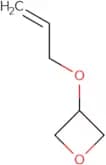
Discontinued product3-(Allyloxy)oxetane
CAS:3-(Allyloxy)oxetane is a monomer that has been found to be an effective adhesive. It is synthesized by the reaction of allyl alcohol with oxetane in the presence of base. 3-(Allyloxy)oxetane is used as an adhesive in textile manufacturing, paper coating, and sealing windows. It has also been found to be a promising material for use in sealants and adhesives.
Formula:C6H10O2Purity:Min. 95%Molecular weight:114.14 g/mol(2R,3S,4R,5R)-Oxane-2,3,4,5-tetrol
CAS:(2R,3S,4R,5R)-Oxane-2,3,4,5-tetrol is a ligand that binds to metal ions and isomers of nitro groups. This compound has four chiral centers and two stereogenic centers. It has been used as an immobilized catalyst in the synthesis of enantiopure alcohols and aldehydes. (2R,3S,4R,5R)-Oxane-2,3,4,5-tetrol can be used as a feedstock for the production of polyols or polymers. It can also be used in fermentations such as the conversion of sugars into alcohols using yeast. (2R,3S,4R,5R)-Oxane-2,3,4,5-tetrol is transported across cell membranes by active transport or diffusion. Growth temperature affects its solubility in water and its ability to form hydrogen bonds
Formula:C5H10O5Purity:Min. 95%Molecular weight:150.13 g/molRef: 3D-GAA74895
Discontinued product4-(4-Methoxy-phenyl)-piperidine hydrochloride
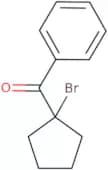
CAS:Versatile small molecule scaffoldFormula:C12H18ClNOPurity:Min. 95%Molecular weight:227.74 g/mol(1-Bromocyclopentyl)(phenyl)methanone
CAS:Versatile small molecule scaffold
Formula:C12H13BrOPurity:Min. 95%Molecular weight:253.13 g/molRef: 3D-GAA74066
Discontinued product5-Iodopentanenitrile
CAS:5-Iodopentanenitrile is a reactive chemical that can be used to produce organic compounds. This compound is an intermediate in the production of 5-iodo-1,3-dihydrobenzofuran and 5-iodoquinoline. It is also used for the production of pharmaceutical intermediates such as fluoroquinolones and alkylating agents. The mechanism of this chemical's reactivity has been studied extensively, which led to the discovery that it reacts by nucleophilic addition at electron deficient carbonyls groups. These reactions are known as Grignard reactions or halolactonizations. This chemical has also been shown to be reactive with biomolecules, such as DNA and RNA, and can bind to their sugar residues.
Formula:C5H8INPurity:Min. 95%Molecular weight:209.03 g/mol4-Iodobutanenitrile
CAS:4-Iodobutanenitrile is a synthetic compound that is used in the preparation of cyclobutanones. It can be prepared by the reaction of bromoacetic acid chloride with lysine. This procedure yields the product in high yield and purity and without significant amounts of undesired side products, such as 4-bromobutanenitrile and 2-chlorobenzene. The 4-iodobutanenitrile is synthesized using an asymmetric synthesis which includes hydrochloric acid as a reagent.
Formula:C4H6INPurity:Min. 95%Molecular weight:195 g/molRef: 3D-GAA72773
Discontinued product3-(4-Iodo-5-methyl-1H-pyrazol-1-yl)propanoic acid
CAS:Versatile small molecule scaffold
Formula:C7H9IN2O2Purity:Min. 95%Molecular weight:280.06 g/molRef: 3D-GAA71593
Discontinued product4-Azatricyclo[5.2.2.0,2,6]undec-8-ene-3,5-dione
CAS:4-Azatricyclo[5.2.2.0,2,6]undec-8-ene-3,5-dione (ATU) is a chemical compound that has been shown to have antimicrobial properties. It inhibits the growth of gram-negative and gram-positive bacteria and shows significant inhibition of MT4 cells in culture. ATU also demonstrated antifungal properties against Candida albicans and Aspergillus niger in vitro. ATU has been found to be cytotoxic to cells in culture, but not to mammals. The mechanism of action is not known, but it may be due to binding with DNA or RNA.>>END>>Formula:C10H11NO2Purity:Min. 95%Molecular weight:177.2 g/molRef: 3D-GAA71529
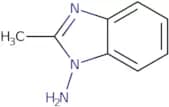
Discontinued product2-Methyl-1H-1,3-benzodiazol-1-amine
CAS:Versatile small molecule scaffold
Formula:C8H9N3Purity:Min. 95%Molecular weight:147.18 g/molRef: 3D-GAA29993
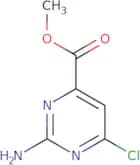
Discontinued productMethyl 2-amino-6-chloropyrimidine-4-carboxylate
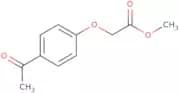
CAS:Versatile small molecule scaffoldFormula:C6H6ClN3O2Purity:Min. 95%Molecular weight:187.58 g/molMethyl 2-(4-acetylphenoxy)acetate
CAS:Versatile small molecule scaffold
Formula:C11H12O4Purity:Min. 95%Molecular weight:208.21 g/molRef: 3D-GAA29628
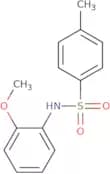
Discontinued productN-(2-Methoxyphenyl)-4-methylbenzene-1-sulfonamide
CAS:N-(2-Methoxyphenyl)-4-methylbenzene-1-sulfonamide is a drug that has been shown to be effective in treating nerve injury. It binds to extracellular nicotinic acetylcholine receptors and blocks the neurotransmitter acetylcholine from binding to its receptor, preventing it from stimulating the postsynaptic neuron. N-(2-Methoxyphenyl)-4-methylbenzene-1-sulfonamide also prevents the release of nitric oxide, which is a neurotransmitter that stimulates the postsynaptic neuron. The dihedral angles of this compound are close to those found in natural products such as nicotine, which possess similar effects on nerve injury. This drug has been shown to be successful in treating cerebral injuries, but not peripheral ones.END>Formula:C14H15NO3SPurity:Min. 95%Molecular weight:277.34 g/molN-Benzyl-2-hydroxypropanamide
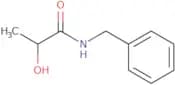
CAS:N-Benzyl-2-hydroxypropanamide is an amide that is a carboxylic acid and an unsaturated compound. It has a chiral center, which can be either erythro or threo depending on the configuration of the substituents. N-Benzyl-2-hydroxypropanamide is a diastereomer of 2-(benzyloxy)propanoic acid and can be obtained by alkylation of 2-(benzyloxy)ethanol with chloroacetic acid followed by hydrolysis. This compound can exist in mixtures of enantiomers due to its stereochemistry.
Formula:C10H13NO2Purity:Min. 95%Molecular weight:179.22 g/molDiallyl Isocyanurate
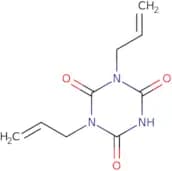
CAS:Diallyl Isocyanurate is an aliphatic hydrocarbon and a cross-linking agent. It reacts with amines to form amides, which are the backbone of many polymers and plastics. This chemical has strong hydrogen bonding properties, making it suitable for use as a sealant. Diallyl Isocyanurate also has hydroxyl groups that can react with other compounds to form adducts or polyclonal antibodies. It is chemically stable and has a high boiling point, making it useful in radiation as a sealant.
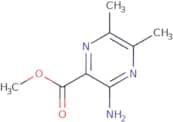
Formula:C9H11N3O3Purity:Min. 95%Molecular weight:209.21 g/molMethyl 3-amino-5,6-dimethylpyrazine-2-carboxylate
CAS:Versatile small molecule scaffold
Formula:C8H11N3O2Purity:Min. 95%Molecular weight:181.19 g/molRef: 3D-GAA29472
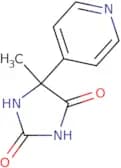
Discontinued product5-Methyl-5-(pyridin-4-yl)imidazolidine-2,4-dione
CAS:5-Methyl-5-(pyridin-4-yl)imidazolidine-2,4-dione is a compound that is structurally related to cisplatin. It has antibacterial activity and has been found to inhibit the growth of Escherichia coli. 5-Methyl-5-(pyridin-4-yl)imidazolidine-2,4-dione has been shown to be effective against gram positive bacteria such as Staphylococcus aureus and Streptococcus pneumoniae, but not against gram negative bacteria such as Pseudomonas aeruginosa. The molecule is an inhibitor with a broad spectrum of action. It binds to the active site of bacterial DNA gyrase, which is an enzyme that maintains the integrity of bacterial DNA by preventing supercoiling. This binding prevents the formation of an antibiotic resistant complex with the enzyme cell wall synthesis that is required for cell wall biosynthesis
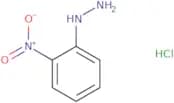
Formula:C9H9N3O2Purity:Min. 95%Molecular weight:191.19 g/mol2-Nitrophenylhydrazine Hydrochloride
CAS:2-Nitrophenylhydrazine hydrochloride is a low-dose group of nonsteroidal anti-inflammatory drugs (NSAIDs) that is used as a pharmaceutical preparation for the treatment of pain and inflammation. This drug may be used in conjunction with other NSAIDs such as ibuprofen, naproxen, or diclofenac to treat more severe pain. NSAIDs inhibit the cyclooxygenase enzyme that produces prostaglandins, which are mediators of pain and inflammation. NSAIDs can also inhibit the production of certain types of cells found in the stomach lining, which can lead to ulcers. 2-Nitrophenylhydrazine hydrochloride has been shown to inhibit the formation of acid when combined with hydrochloric acid and sodium salts. It also exhibits hydrogen bonding properties.
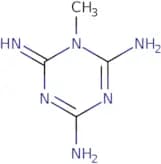
Formula:C6H7N3O2·HClPurity:Min. 95%Molecular weight:189.6 g/mol6-Imino-1-methyl-1,6-dihydro-1,3,5-triazine-2,4-diamine
CAS:Versatile small molecule scaffoldFormula:C4H8N6Purity:Min. 95%Molecular weight:140.15 g/molRef: 3D-GAA29182
Discontinued product4-Morpholin-4-yl-phenol
CAS:4-Morpholin-4-yl-phenol is a molecule that belongs to the class of organic compounds called morpholines. It is an intermediate in the formation of 4-morpholinoaniline. In this reaction, a nucleophilic oxygen atom (OH) reacts with an electrophilic nitrogen atom (N) and forms a tetrahedral intermediate. This intermediate then undergoes dimerization, which results in the loss of water molecules and produces a double bond between carbon atoms 3 and 4. The product of this reaction is 4-morpholin-4-yl phenol.
The kinetics of this reaction are first order with respect to both reactants. The rate constant for this reaction is 0.0029 mol/L/s at 25°C and can be calculated from the equation:
k = A[R]*[S]/(R*S)
where A is the concentration of R and S is the concentration of SFormula:C10H13NO2Purity:Min. 95%Molecular weight:179.22 g/molRef: 3D-GAA29123
Discontinued product1-(Methylamino)cyclohexanecarbonitrile
CAS:Versatile small molecule scaffold
Formula:C8H14N2Purity:Min. 95%Molecular weight:138.21 g/molRef: 3D-GAA28940
Discontinued product6-Chloro-1-phenyl-1H,4H,5H-pyrazolo[3,4-d]pyrimidin-4-one
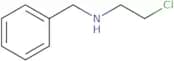
CAS:Versatile small molecule scaffoldFormula:C11H7ClN4OPurity:Min. 95%Molecular weight:246.65 g/molN-Benzyl-N-(2-chloroethyl)amine hydrochloride
CAS:N-Benzyl-N-(2-chloroethyl)amine hydrochloride is an aniline derivative that is catalytically converted to an isocyanate. It has been used as a chiral building block for the synthesis of analogues and can be used in high yield as a regiospecific sulfone formation. The chlorosulfonyl chloride is generated in situ from triethylamine and chlorosulfonyl isocyanate, which leads to cyclic sulfones.
Formula:C9H13Cl2NPurity:Min. 95%Molecular weight:206.11 g/mol

![3-Amino-5-phenyl-3H,4H-thieno[2,3-d]pyrimidin-4-one](/_next/image/?url=https%3A%2Fstatic.cymitquimica.com%2Fproducts%2F3D%2Fthumb-webp%2FGMA28098.webp&w=3840&q=75)
![Ethyl 2-amino-1-(4-aminophenyl)-1H-pyrrolo[2,3-b]quinoxaline-3-carboxylate](/_next/image/?url=https%3A%2Fstatic.cymitquimica.com%2Fproducts%2F3D%2Fthumb-webp%2FGMA27866.webp&w=3840&q=75)
![[4,4'-Bioxane]-4-carboxylic acid](/_next/image/?url=https%3A%2Fstatic.cymitquimica.com%2Fproducts%2F3D%2Fthumb-webp%2FGLC55920.webp&w=3840&q=75)
![1-[3-(Benzyloxy)phenyl]piperazine dihydrochloride](/_next/image/?url=https%3A%2Fstatic.cymitquimica.com%2Fproducts%2F3D%2Fthumb-webp%2FGLB74484.webp&w=3840&q=75)
![N-Methyl-N-[4-(trifluoromethoxy)benzyl]amine](/_next/image/?url=https%3A%2Fstatic.cymitquimica.com%2Fproducts%2F3D%2Fthumb-webp%2FGLB64542.webp&w=3840&q=75)
![[3-(Aminomethyl)oxolan-3-yl]methanol](/_next/image/?url=https%3A%2Fstatic.cymitquimica.com%2Fproducts%2F3D%2Fthumb-webp%2FGKC73856.webp&w=3840&q=75)


![2-[(5-Amino-1H-1,3-benzodiazol-2-yl)(methyl)amino]-N-methylacetamide](/_next/image/?url=https%3A%2Fstatic.cymitquimica.com%2Fproducts%2F3D%2Fthumb-webp%2FGKC35069.webp&w=3840&q=75)




![5-Bromo-2-[1-(trifluoromethyl)cyclopropyl]pyridine](/_next/image/?url=https%3A%2Fstatic.cymitquimica.com%2Fproducts%2F3D%2Fthumb-webp%2FGHC61644.webp&w=3840&q=75)

![2-[4-(Aminomethyl)phenyl]acetamide](/_next/image/?url=https%3A%2Fstatic.cymitquimica.com%2Fproducts%2F3D%2Fthumb-webp%2FGHA46681.webp&w=3840&q=75)
![N-[(Oxolan-2-yl)methyl]pyridazin-4-amine](/_next/image/?url=https%3A%2Fstatic.cymitquimica.com%2Fproducts%2F3D%2Fthumb-webp%2FGGD26940.webp&w=3840&q=75)

![Methyl 3-bromo-4H,5H,6H-thieno[2,3-c]pyrrole-2-carboxylate hydrochloride](/_next/image/?url=https%3A%2Fstatic.cymitquimica.com%2Fproducts%2F3D%2Fthumb-webp%2FGGD26871.webp&w=3840&q=75)
![{2-Azabicyclo[2.2.2]octan-6-yl}methanol hydrochloride](/_next/image/?url=https%3A%2Fstatic.cymitquimica.com%2Fproducts%2F3D%2Fthumb-webp%2FGGD26104.webp&w=3840&q=75)
![6-Methyl-1H,2H,3H-pyrrolo[3,2-c]pyridine](/_next/image/?url=https%3A%2Fstatic.cymitquimica.com%2Fproducts%2F3D%2Fthumb-webp%2FGDD37586.webp&w=3840&q=75)
![benzyl 2-amino-7-azaspiro[3.5]nonane-7-carboxylate hydrochloride](/_next/image/?url=https%3A%2Fstatic.cymitquimica.com%2Fproducts%2F3D%2Fthumb-webp%2FGDD37064.webp&w=3840&q=75)
![2,3-Dimethyl-6-(trifluoromethyl)-3H-imidazo[4,5-b]pyridine](/_next/image/?url=https%3A%2Fstatic.cymitquimica.com%2Fproducts%2F3D%2Fthumb-webp%2FGDD35614.webp&w=3840&q=75)
![9-Chloro-1H,2H,3H,4H,5H,6H-azepino[4,3-b]indol-1-one](/_next/image/?url=https%3A%2Fstatic.cymitquimica.com%2Fproducts%2F3D%2Fthumb-webp%2FGDC93668.webp&w=3840&q=75)
![1-Oxaspiro[4.4]nonan-3-ol](/_next/image/?url=https%3A%2Fstatic.cymitquimica.com%2Fproducts%2F3D%2Fthumb-webp%2FGDC82549.webp&w=3840&q=75)

![3-{[(tert-Butoxy)carbonyl]amino}-4,4-difluorobutanoic acid](/_next/image/?url=https%3A%2Fstatic.cymitquimica.com%2Fproducts%2F3D%2Fthumb-webp%2FGDA98256.webp&w=3840&q=75)
![6-Chloro-3-methyl-1-phenyl-1H-pyrazolo[3,4-b]pyridine-5-carbaldehyde](/_next/image/?url=https%3A%2Fstatic.cymitquimica.com%2Fproducts%2F3D%2Fthumb-webp%2FGDA93375.webp&w=3840&q=75)

![7-Oxa-1,3-diazaspiro[4.4]nonane-2,4-dione](/_next/image/?url=https%3A%2Fstatic.cymitquimica.com%2Fproducts%2F3D%2Fthumb-webp%2FGDA86698.webp&w=3840&q=75)
![Ethyl 2-[(1-phenylethyl)amino]acetate](/_next/image/?url=https%3A%2Fstatic.cymitquimica.com%2Fproducts%2F3D%2Fthumb-webp%2FGCA72098.webp&w=3840&q=75)
![2-[(1-Methylpiperidin-4-yl)amino]ethan-1-ol](/_next/image/?url=https%3A%2Fstatic.cymitquimica.com%2Fproducts%2F3D%2Fthumb-webp%2FGCA70951.webp&w=3840&q=75)
![3-[4-(Hydroxymethyl)phenyl]propanoic acid](/_next/image/?url=https%3A%2Fstatic.cymitquimica.com%2Fproducts%2F3D%2Fthumb-webp%2FGCA70334.webp&w=3840&q=75)
![2-(2-Hydroxyethyl)-2H,3H-[1,2,4]triazolo[4,3-a]pyridin-3-one](/_next/image/?url=https%3A%2Fstatic.cymitquimica.com%2Fproducts%2F3D%2Fthumb-webp%2FGCA65449.webp&w=3840&q=75)



![1,2,4-Triazolo[4,3-a]pyridin-3(2H)-one](/_next/image/?url=https%3A%2Fstatic.cymitquimica.com%2Fproducts%2F3D%2Fthumb-webp%2FGAA96971.webp&w=3840&q=75)
![3-[(Pyridin-2-ylmethyl)amino]propan-1-ol](/_next/image/?url=https%3A%2Fstatic.cymitquimica.com%2Fproducts%2F3D%2Fthumb-webp%2FGAA95099.webp&w=3840&q=75)
![[2-(Methylsulfanyl)ethyl]urea](/_next/image/?url=https%3A%2Fstatic.cymitquimica.com%2Fproducts%2F3D%2Fthumb-webp%2FGAA95055.webp&w=3840&q=75)
![1-[(Methoxycarbonyl)amino]cyclopentane-1-carboxylic acid](/_next/image/?url=https%3A%2Fstatic.cymitquimica.com%2Fproducts%2F3D%2Fthumb-webp%2FGAA94976.webp&w=3840&q=75)

![2-[2,2-Bis-(1H-indol-3-yl)-ethyl]-phenylamine](/_next/image/?url=https%3A%2Fstatic.cymitquimica.com%2Fproducts%2F3D%2Fthumb-webp%2FGAA94173.webp&w=3840&q=75)


![1,7,7-Trimethylspiro[bicyclo[2.2.1]heptane-2,4'-imidazolidine]-2',5'-dione](/_next/image/?url=https%3A%2Fstatic.cymitquimica.com%2Fproducts%2F3D%2Fthumb-webp%2FGAA92930.webp&w=3840&q=75)
![{[3-(Trifluoromethyl)phenyl]carbamoyl}formic acid](/_next/image/?url=https%3A%2Fstatic.cymitquimica.com%2Fproducts%2F3D%2Fthumb-webp%2FGAA89083.webp&w=3840&q=75)
![3-[(2-Furylmethyl)amino]propanenitrile](/_next/image/?url=https%3A%2Fstatic.cymitquimica.com%2Fproducts%2F3D%2Fthumb-webp%2FGAA78868.webp&w=3840&q=75)




![4-Azatricyclo[5.2.2.0,2,6]undec-8-ene-3,5-dione](/_next/image/?url=https%3A%2Fstatic.cymitquimica.com%2Fproducts%2F3D%2Fthumb-webp%2FGAA71529.webp&w=3840&q=75)
![6-Chloro-1-phenyl-1H,4H,5H-pyrazolo[3,4-d]pyrimidin-4-one](/_next/image/?url=https%3A%2Fstatic.cymitquimica.com%2Fproducts%2F3D%2Fthumb-webp%2FGAA28899.webp&w=3840&q=75)