Building Blocks
Subcategories of "Building Blocks"
- Boronic Acids & Boronic Acid Derivatives(5,781 products)
- Chiral Building Blocks(1,242 products)
- Hydrocarbon Building Blocks(6,101 products)
- Organic Building Blocks(61,033 products)
Found 205320 products of "Building Blocks"
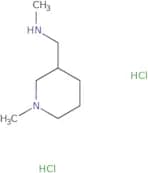
N-Methyl-1-(1-methylpiperidin-3-yl)methanamine
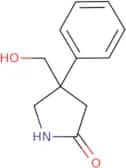
CAS:Versatile small molecule scaffoldFormula:C8H18N2Purity:Min. 95%Molecular weight:142.25 g/mol4-(Hydroxymethyl)-4-phenylpyrrolidin-2-one
CAS:Versatile small molecule scaffold
Formula:C11H13NO2Purity:Min. 95%Molecular weight:191.23 g/molRef: 3D-JWC57679
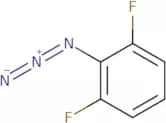
Discontinued product2-Azido-1,3-difluorobenzene, 2-methoxy-2-methylpropane
CAS:2-Azido-1,3-difluorobenzene is a photoactive compound that can be used to form an azide. It has been shown to undergo photochemical reactions to form the triplet state and then isomerize to the singlet state. This reaction can be initiated by a laser beam or other light source, such as sunlight. The triplet state of 2-azido-1,3-difluorobenzene has been shown to react with organic molecules containing electron withdrawing groups on their molecules, such as 2-methoxy-2-methylpropane. When these two substances are mixed together, they react to form an isomerized product that has a carbonyl group in its structure. This reaction could be helpful for developing new synthetic methods for producing pharmaceuticals and other compounds with important functions in chemistry and physics.
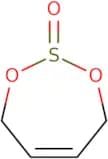
Formula:C6H3F2N3Purity:Min. 95%Molecular weight:155.1 g/mol4,7-Dihydro-1,3,2-dioxathiepine 2-oxide
CAS:Versatile small molecule scaffold
Formula:C4H6O3SPurity:Min. 95%Molecular weight:134.16 g/molRef: 3D-GAA21415
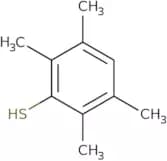
Discontinued product2,3,5,6-Tetramethylbenzene-1-thiol
CAS:Versatile small molecule scaffold
Formula:C10H14SPurity:Min. 95%Molecular weight:166.29 g/molrac-(2R,3S)-1-{[(9H-Fluoren-9-yl)methoxy]carbonyl}-3-phenylpyrrolidine-2-carboxylic acid
CAS:Rac-1-{[(9H-fluoren-9-yl)methoxy]carbonyl}-3-phenylpyrrolidine-2-carboxylic acid is a chiral, stereospecific, cyclic sulfate that is synthetized by the reaction of glycol with lactam. It has been found to be effective against various types of cancer cells. Rac-1-{[(9H-fluoren-9-yl)methoxy]carbonyl}-3-phenylpyrrolidine 2 carboxylic acid is an enantiopure compound that can be used as an intermediate in the synthesis of antiinflammatory drugs such as kainic acid.
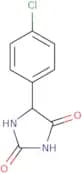
Formula:C26H23NO4Purity:Min. 95%Molecular weight:413.5 g/mol5-(4-Chlorophenyl)imidazolidine-2,4-dione
CAS:Versatile small molecule scaffold
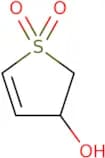
Formula:C9H7ClN2O2Purity:Min. 95%Molecular weight:210.62 g/mol2,3-Dihydro-3-hydroxythiophene 1,1-Dioxide
CAS:2,3-Dihydro-3-hydroxythiophene 1,1-dioxide is a reactive intermediate that can be used in the oxidative chlorination of alcohols. It is an aliphatic nucleophile that reacts with electrophilic aromatic amines to yield reactive intermediates such as hydrosulfide and sulfinic acid. The disulfide derivative of 2,3-dihydro-3-hydroxythiophene 1,1-dioxide has been shown to react with magnesium metal to form a novel organometallic complex. Thermography studies have also been carried out on 2,3-dithydro-3-hydroxythiophene 1,1-dioxide derivatives.Formula:C4H6O3SPurity:Min. 95%Molecular weight:134.15 g/molRef: 3D-GAA21159
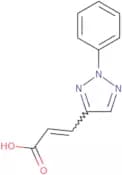
Discontinued product(2E)-3-(2-Phenyl-2H-1,2,3-triazol-4-yl)prop-2-enoic acid
CAS:Versatile small molecule scaffold
Formula:C11H9N3O2Purity:Min. 95%Molecular weight:215.21 g/molRef: 3D-GAA20687
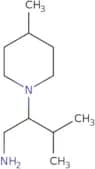
Discontinued product3-Methyl-2-(4-methylpiperidin-1-yl)butan-1-amine
CAS:Versatile small molecule scaffold
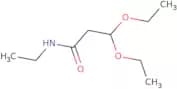
Formula:C11H24N2Purity:Min. 95%Molecular weight:184.32 g/mol3,3-Diethoxy-N-ethylpropanamide
CAS:Versatile small molecule scaffold
Formula:C9H19NO3Purity:Min. 95%Molecular weight:189.25 g/molRef: 3D-GAA19195
Discontinued productCis-4-hepten-1-ol
CAS:Cis-4-hepten-1-ol is a volatile natural chemical compound that is found in many fruits and plants, such as apples, cherries, peaches, plums, and grapes. It is also used as a fragrance in perfumery. Cis-4-hepten-1-ol can be extracted by solid phase microextraction (SPME) or headspace techniques. This compound can be analyzed using gas chromatography with flame ionization detection (GC/FID). Cis-4-hepten-1-ol has been shown to have toxicological effects on living cells, such as causing DNA damage to human lymphocytes.
Formula:C7H14OPurity:Min. 95%Molecular weight:114.19 g/mol2,5-Dimethylimidazo[1,2-a]pyridine
CAS:Versatile small molecule scaffold
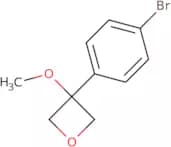
Formula:C9H10N2Purity:Min. 95%Molecular weight:146.19 g/mol3-(4-Bromophenyl)-3-methoxyoxetane
CAS:Versatile small molecule scaffold
Formula:C10H11BrO2Purity:Min. 95%Molecular weight:243.1 g/molRef: 3D-NYC65425
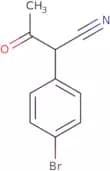
Discontinued product2-(4-Bromophenyl)-3-oxobutanenitrile
CAS:2-(4-Bromophenyl)-3-oxobutanenitrile (2BPOBN) is a heterocyclic compound that contains a benzene ring and an oxobutane moiety. It has been shown to have electron transfer properties, which can be used in organic electronics. 2BPOBN has been theoretically studied using the functional theory, which predicts its optical properties. Experimental results have shown that 2BPOBN absorbs light at wavelengths from 300 to 1000 nm and has a high extinction coefficient. This molecule also has intramolecular interactions, such as hydrogen bonding, dipole-dipole forces, and van der Waals forces. These interactions are important for determining the molecular structure of 2BPOBN. X-ray diffraction data has shown that the molecule is linear with an all trans geometry. The energy levels of the electrons in this molecule can be predicted by the nonlinear optical theory and experimental results show that it is an experimentally verified
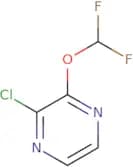
Formula:C10H8BrNOPurity:Min. 95%Molecular weight:238.08 g/mol2-Chloro-3-(difluoromethoxy)pyrazine
CAS:Versatile small molecule scaffold
Formula:C5H3ClF2N2OPurity:Min. 95%Molecular weight:180.54 g/molRef: 3D-LAC63452
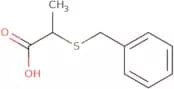
Discontinued product2-(Benzylthio)propanoic acid
CAS:2-Benzylthiopropanoic acid is a primary alcohol that is an antimicrobial agent. It is a n-oxide, which means it contains the –O–O– group. 2-Benzylthiopropanoic acid has two isomers, alpha and beta. The alpha form has a sulfamic acid group and the beta form has a carboxylic acid group. 2-Benzylthiopropanoic acid can be used to treat gram-negative bacterial infections, such as those caused by Escherichia coli, Klebsiella pneumoniae, Pseudomonas aeruginosa, or Enterobacter cloacae. The most effective way to use this drug is as an aerosol for inhalation therapy in patients with cystic fibrosis or bronchiectasis who have had chronic lung infection. In addition to being an antimicrobial agent, 2-benzylthiopropanoic acid has been shown to have antiinflammatory
Formula:C10H12O2SPurity:Min. 95%Molecular weight:196.27 g/molRef: 3D-GAA18285
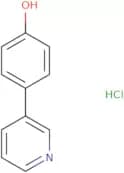
Discontinued product4-(Pyridin-3-yl)phenol hydrochloride
CAS:Versatile small molecule scaffold
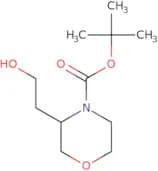
Formula:C11H10ClNOPurity:Min. 95%Molecular weight:207.65 g/moltert-Butyl 3-(2-Hydroxyethyl)morpholine-4-carboxylate
CAS:Versatile small molecule scaffoldFormula:C11H21NO4Purity:Min. 95%Molecular weight:231.29 g/molRef: 3D-JWC40131
Discontinued product3-{[3-(Trifluoromethyl)phenyl]methoxy}phenol
CAS:Versatile small molecule scaffoldFormula:C14H11F3O2Purity:Min. 95%Molecular weight:268.23 g/molRef: 3D-EMB28941
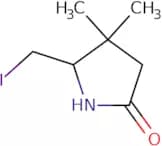
Discontinued product5-(Iodomethyl)-4,4-dimethylpyrrolidin-2-one
CAS:Versatile small molecule scaffoldFormula:C7H12INOPurity:Min. 95%Molecular weight:253.08 g/molMethyl 2-[benzyl(2-methoxy-2-oxoethyl)amino]acetate
CAS:Versatile small molecule scaffoldFormula:C13H17NO4Purity:Min. 95%Molecular weight:251.28 g/molRef: 3D-GAA17526
Discontinued product(2E)-3-[3-(4-Fluorophenyl)-1-phenyl-1H-pyrazol-4-yl]prop-2-enoic acid
CAS:Versatile small molecule scaffold
Formula:C18H13FN2O2Purity:Min. 95%Molecular weight:308.3 g/molRef: 3D-UVA13739
Discontinued product2-({[(9H-Fluoren-9-yl)methoxy]carbonyl}(3-methoxyphenyl)amino)acetic acid
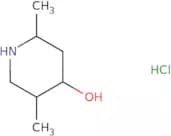
CAS:Versatile small molecule scaffoldFormula:C24H21NO5Purity:Min. 95%Molecular weight:403.4 g/mol2,5-Dimethylpiperidin-4-ol hydrochloride
CAS:Versatile small molecule scaffold
Formula:C7H16ClNOPurity:Min. 95%Molecular weight:165.66 g/molRef: 3D-GAA16247
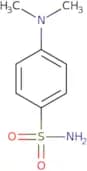
Discontinued product4-(Dimethylamino)benzenesulfonamide
CAS:4-(Dimethylamino)benzenesulfonamide is a fluorescent dye used in analytical chemistry. It has been shown to be useful as a solvent for the separation of metal cations and anilines, as well as for the determination of binding constants. The fluorescence spectrum of 4-(dimethylamino)benzenesulfonamide is sensitive to metal cations and anilines, which can be used to determine their concentration. 4-(dimethylamino)benzenesulfonamide has a phenyl ring with amido groups that make it nonpolar, allowing it to dissolve in solvents such as acetonitrile. This molecule also binds to metal cations such as copper and zinc, which allows it to act as a sensor for those metals.
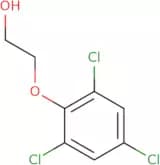
Formula:C8H12N2O2SPurity:Min. 95%Molecular weight:200.26 g/mol2-(2,4,6-Trichlorophenoxy)ethanol
CAS:2-(2,4,6-Trichlorophenoxy)ethanol is a chlorinating agent that catalyzes the reaction of chlorine with hydroxyl groups to form hypochlorite. 2-(2,4,6-Trichlorophenoxy)ethanol can be used to produce chlorinated water or other disinfectants. It has been shown to have a weak estrogenic effect and has been found in the urine of animals treated with this compound. This chemical also binds to glucuronic acid and is excreted in the urine as a conjugate with glucuronide. The fixation of 2-(2,4,6-trichlorophenoxy)ethanol onto the imidazole ring of histidine residues can be inhibited by prochloraz and chloramine T.
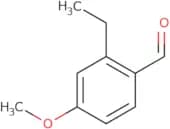
Formula:C8H7Cl3O2Purity:Min. 95%Molecular weight:241.5 g/mol2-Ethyl-4-methoxybenzaldehyde
CAS:2-Ethyl-4-methoxybenzaldehyde is an aromatic aldehyde that is used in the synthesis of estrogens. It can be synthesized by the Corey-Fuchs reaction between 2-methylphenol and ethyl acetoacetate. This product can also be reacted with bromine to produce bromoaldehydes, which have been used as estrogen analogues. The formylation of this compound produces formaldehyde, which is used in the elimination of steroids.
Formula:C10H12O2Purity:Min. 95%Molecular weight:164.2 g/molRef: 3D-GAA16169
Discontinued product3-Methanesulfonylcyclopentan-1-amine hydrochloride
CAS:Versatile small molecule scaffold
Formula:C6H14ClNO2SPurity:Min. 95%Molecular weight:199.7 g/molRef: 3D-NKD53943
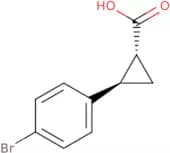
Discontinued productrac-(1R,2R)-2-(4-bromophenyl)cyclopropane-1-carboxylic acid, trans
CAS:Versatile small molecule scaffold
Formula:C10H9BrO2Purity:Min. 95%Molecular weight:241.1 g/molRef: 3D-GAA14265
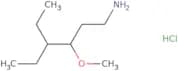
Discontinued product4-Ethyl-3-methoxyhexan-1-amine hydrochloride
CAS:Versatile small molecule scaffold
Formula:C9H22ClNOPurity:Min. 95%Molecular weight:195.73 g/molRef: 3D-YGC02549
Discontinued product3-[4-(Naphthalen-2-yl)-1,3-thiazol-2-yl]pyridine
CAS:Versatile small molecule scaffoldFormula:C18H12N2SPurity:Min. 95%Molecular weight:288.4 g/mol[4-(2H-1,2,3,4-Tetrazol-5-yl)-1,3-thiazol-2-yl]methanamine dihydrochloride
CAS:Versatile small molecule scaffold
Formula:C5H8Cl2N6SPurity:Min. 95%Molecular weight:255.13 g/molRef: 3D-NKD51826
Discontinued productN-(2-Aminoethyl)-2,5-dimethylthiophene-3-sulfonamide hydrochloride
CAS:Versatile small molecule scaffold
Formula:C8H15ClN2O2S2Purity:Min. 95%Molecular weight:270.8 g/molRef: 3D-YGC02552
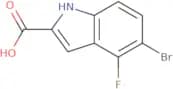
Discontinued product5-Bromo-4-fluoro-1H-indole-2-carboxylic acid
CAS:Versatile small molecule scaffold
Formula:C9H5BrFNO2Purity:Min. 95%Molecular weight:258.04 g/molRef: 3D-JWC35040
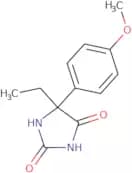
Discontinued product5-Ethyl-5-(4-methoxyphenyl)imidazolidine-2,4-dione
CAS:Versatile small molecule scaffold
Formula:C12H14N2O3Purity:Min. 95%Molecular weight:234.25 g/molRef: 3D-NHA92093
Discontinued product3-Chloro-5-(pyrazin-2-yl)-8-thia-4,6-diazatricyclo[7.4.0.0,2,7]trideca-1(9),2,4,6-tetraene
CAS:Versatile small molecule scaffoldFormula:C14H11ClN4SPurity:Min. 95%Molecular weight:302.8 g/molRef: 3D-FTB82172
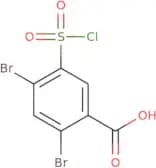
Discontinued product2,4-Dibromo-5-(chlorosulfonyl)benzoic acid
CAS:Versatile small molecule scaffold
Formula:C7H3Br2ClO4SPurity:Min. 95%Molecular weight:378.42 g/molRef: 3D-HHC67977
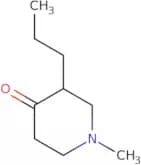
Discontinued product1-Methyl-3-propylpiperidin-4-one
CAS:Versatile small molecule scaffold
Formula:C9H17NOPurity:Min. 95%Molecular weight:155.24 g/molRef: 3D-NHA86826
Discontinued product2-Amino-5-[(2-methoxyphenyl)sulfamoyl]benzoic acid
CAS:Versatile small molecule scaffold
Formula:C14H14N2O5SPurity:Min. 95%Molecular weight:322.34 g/mol8-Bromopyrido[3,4-b]pyrazine
CAS:8-Bromopyrido[3,4-b]pyrazine is a quinoxaline that binds to the active site of protein kinases and inhibits their activity. It has been shown to have potential as a drug against some forms of cancer. 8-Bromopyrido[3,4-b]pyrazine is also an arylboronic acid that can be used in copper catalysis. This compound has been optimized for use in kinase inhibition studies by modifying its structure to create analogues with different substituents. The family of compounds includes carbolines and anilines, which are related to 8-Bromopyrido[3,4-b]pyrazine by virtue of their structural similarity.
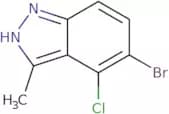
Formula:C7H4BrN3Purity:Min. 95%Molecular weight:210.03 g/mol5-Bromo-4-chloro-3-methyl-1H-indazole
CAS:Versatile small molecule scaffold
Formula:C8H6BrClN2Purity:Min. 95%Molecular weight:245.5 g/molRef: 3D-JWC31717
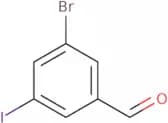
Discontinued product3-Bromo-5-iodobenzaldehyde
CAS:Versatile small molecule scaffold
Formula:C7H4BrIOPurity:Min. 95%Molecular weight:310.91 g/molRef: 3D-NHA81309
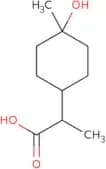
Discontinued product2-(4-Hydroxy-4-methylcyclohexyl)propanoic acid
CAS:Versatile small molecule scaffold
Formula:C10H18O3Purity:Min. 95%Molecular weight:186.25 g/molRef: 3D-JWC30851
Discontinued product[4-(2-Methoxyethoxy)phenyl]methanamine
CAS:Versatile small molecule scaffold
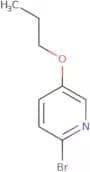
Formula:C10H15NO2Purity:Min. 95%Molecular weight:181.23 g/mol2-Bromo-5-propoxypyridine
CAS:Versatile small molecule scaffold
Formula:C8H10BrNOPurity:Min. 95%Molecular weight:216.08 g/molRef: 3D-UVB11015
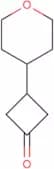
Discontinued product3-(Oxan-4-yl)cyclobutan-1-one
CAS:Versatile small molecule scaffold
Formula:C9H14O2Purity:Min. 95%Molecular weight:154.21 g/molRef: 3D-FTB63646
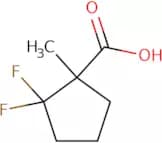
Discontinued product2,2-Difluoro-1-methylcyclopentane-1-carboxylic acid
CAS:Versatile small molecule scaffoldFormula:C7H10F2O2Purity:Min. 95%Molecular weight:164.15 g/molRef: 3D-JWC30290
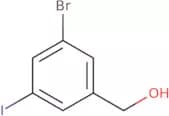
Discontinued product(3-bromo-5-iodophenyl)methanol
CAS:Versatile small molecule scaffold
Formula:C7H6BrIOPurity:Min. 95%Molecular weight:312.9 g/molRef: 3D-NHA81308
Discontinued product3-[3-(Trifluoromethyl)phenyl]cyclobutan-1-one
CAS:Versatile small molecule scaffold
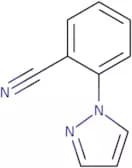
Formula:C11H9F3OPurity:Min. 95%Molecular weight:214.18 g/mol2-(1H-Pyrazol-1-yl)benzonitrile
CAS:2-(1H-Pyrazol-1-yl)benzonitrile is used as a catalyst for the synthesis of pharmaceuticals. It can be prepared by reacting pyrrolidine with aniline in chloroform. Pyrrolidine is then reacted with 2-chlorobenzonitrile and the resulting product, 2-(1H-pyrazol-1-yl)benzonitrile, is isolated from the reaction mixture by extraction with diethyl ether. The compound has a ligand that binds to metal ions and is also used as a chelating agent. This property allows it to catalyse reactions involving nucleophiles and halides. It can also be used in amino acid coupling reactions, yielding amides or imines, respectively.
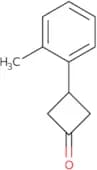
Formula:C10H7N3Purity:Min. 95%Molecular weight:169.18 g/mol3-(2-Methylphenyl)cyclobutan-1-one
CAS:Versatile small molecule scaffold
Formula:C11H12OPurity:Min. 95%Molecular weight:160.21 g/molRef: 3D-FTB63636
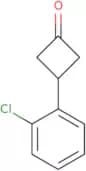
Discontinued product3-(2-Chlorophenyl)cyclobutan-1-one
CAS:The mechanism of the cyclobutanone cleavage reaction is a sequential intramolecular process in which the first step is a cyclobutanol intermediate that undergoes an expansion to form a six-membered ring with two unsaturated bonds. The second step involves bond cleavage and is triggered by the presence of palladium. This sequence can be used to synthesize 3-(2-chlorophenyl)cyclobutan-1-one.
Formula:C10H9ClOPurity:Min. 95%Molecular weight:180.63 g/molRef: 3D-FTB63635
Discontinued product2-[(2-Methoxyethyl)sulfanyl]ethan-1-ol
CAS:Versatile small molecule scaffold
Formula:C5H12O2SPurity:Min. 95%Molecular weight:136.22 g/molRef: 3D-ABA75633
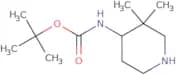
Discontinued product4-(Boc-amino)-3,3-dimethylpiperidine
CAS:Versatile small molecule scaffold
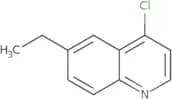
Formula:C12H24N2O2Purity:Min. 95%Molecular weight:228.34 g/mol4-Chloro-6-ethylquinoline
CAS:4-Chloro-6-ethylquinoline is a potential anticancer drug that inhibits the function of lysosomal enzymes and causes tumor cells to undergo necrosis. This drug has been shown to inhibit the growth of tumor cells in cell cultures, as well as in hypoxic tumor models. 4-Chloro-6-ethylquinoline inhibits the activity of lysosomal enzymes, which are necessary for the degradation and recycling of macromolecules and other substances within cells. It also binds to proteins on the surface of tumor cells, which prevents these proteins from functioning properly. The uptake of this drug is greater in extravascular tumor tissues than in blood vessels or normal tissue. In addition, it is taken up by tumor cells more readily than by normal cells. 4-Chloro-6-ethylquinoline binds with cytotoxins, causing them to become more cytotoxic and effective against cancerous cells. This compound has been shown to have medicinal
Formula:C11H10ClNPurity:Min. 95%Molecular weight:191.65 g/molRef: 3D-NHA75877
Discontinued product2-Methylpyrrolidine-2-carboxylic acid hydrochloride
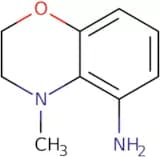
CAS:2-Methylpyrrolidine-2-carboxylic acid hydrochloride is a research chemical that has various characteristics and applications. It is used as a proton pump inhibitor, which means it helps reduce the production of stomach acid by blocking the action of the gastric proton pump. This can be beneficial in treating conditions such as gastroesophageal reflux disease (GERD) and peptic ulcers.Formula:C6H12ClNO2Purity:Min. 95%Molecular weight:165.62 g/mol4-Methyl-3,4-dihydro-2H-1,4-benzoxazin-5-amine
CAS:Versatile small molecule scaffold
Formula:C9H12N2OPurity:Min. 95%Molecular weight:164.2 g/molRef: 3D-DAC38084
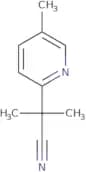
Discontinued product2-Methyl-2-(5-methylpyridin-2-yl)propanenitrile
CAS:Versatile small molecule scaffold
Formula:C10H12N2Purity:Min. 95%Molecular weight:160.22 g/molRef: 3D-EMB02197
Discontinued product2-[(2-Aminoethyl)amino]pyridine-3-carbonitrile
CAS:Versatile small molecule scaffold
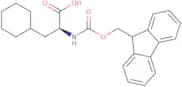
Formula:C8H10N4Purity:Min. 95%Molecular weight:162.19 g/molFMOC-DL-CHA-OH
CAS:Versatile small molecule scaffold
Formula:C24H27NO4Purity:Min. 95%Molecular weight:393.5 g/mol8-Chloro-3-methyl[1,2,4]triazolo[4,3-a]pyridine
CAS:Versatile small molecule scaffoldFormula:C7H6ClN3Purity:Min. 95%Molecular weight:167.6 g/mol1-(4-Ethylphenyl)pyrrolidin-3-ol
CAS:Versatile small molecule scaffold
Formula:C12H17NOPurity:Min. 95%Molecular weight:191.3 g/molRef: 3D-JWC21912
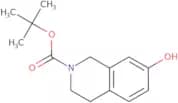
Discontinued producttert-Butyl 7-Hydroxy-3,4-dihydroisoquinoline-2(1h)-carboxylate
CAS:Versatile small molecule scaffold
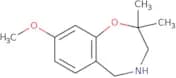
Formula:C14H19NO3Purity:Min. 95%Molecular weight:249.3 g/mol8-Methoxy-2,2-dimethyl-2,3,4,5-tetrahydro-1,4-benzoxazepine
CAS:Versatile small molecule scaffoldFormula:C12H17NO2Purity:Min. 95%Molecular weight:207.27 g/molRef: 3D-JWC18064
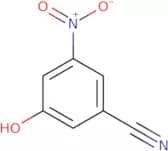
Discontinued product3-Hydroxy-5-nitrobenzonitrile
CAS:Versatile small molecule scaffold
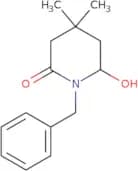
Formula:C7H4N2O3Purity:Min. 95%Molecular weight:164.12 g/mol1-Benzyl-6-hydroxy-4,4-dimethylpiperidin-2-one
CAS:Versatile small molecule scaffold
Formula:C14H19NO2Purity:Min. 95%Molecular weight:233.31 g/molRef: 3D-DAC22626
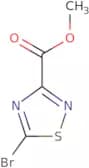
Discontinued productMethyl 5-bromo-1,2,4-thiadiazole-3-carboxylate
CAS:Versatile small molecule scaffold
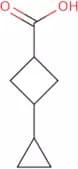
Formula:C4H3BrN2O2SPurity:Min. 95%Molecular weight:223.05 g/mol3-Cyclopropylcyclobutane-1-carboxylic acid
CAS:Versatile small molecule scaffold
Formula:C8H12O2Purity:Min. 95%Molecular weight:140.18 g/molRef: 3D-JWC15006
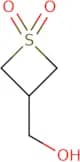
Discontinued product3-Thietanemethanol 1,1-dioxide
CAS:Versatile small molecule scaffold
Formula:C4H8O3SPurity:Min. 95%Molecular weight:136.17 g/molRef: 3D-JWC14303
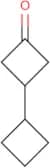
Discontinued product3-Cyclobutylcyclobutan-1-one
CAS:Versatile small molecule scaffold
Formula:C8H12OPurity:Min. 95%Molecular weight:124.18 g/molRef: 3D-JWC14022
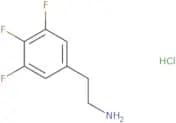
Discontinued product2-(3,4,5-Trifluorophenyl)ethan-1-amine hydrochloride
CAS:Controlled ProductVersatile small molecule scaffold
Formula:C8H9ClF3NPurity:Min. 95%Molecular weight:211.61 g/molRef: 3D-HHC67940
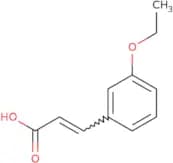
Discontinued productTrans-3-ethoxycinnamic acid
CAS:Trans-3-ethoxycinnamic acid is a colorless liquid with a strong, pleasant odor. It is used in alkaline solutions as a dyeing and staining agent, as well as an insecticide. Trans-3-ethoxycinnamic acid can inhibit the growth of bacteria by disrupting the cell membrane and denaturing proteins. It can also be used to remove stains from clothing or dishware. This compound has been shown to be soluble in water and oil, but insoluble in benzene and diethyl ether. Trans-3-ethoxycinnamic acid reacts with ultraviolet light to produce fluorescent compounds that are used for staining DNA.
Formula:C11H12O3Purity:Min. 95%Molecular weight:192.21 g/molRef: 3D-NHA54572
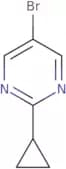
Discontinued product5-Bromo-2-cyclopropylpyrimidine
CAS:5-Bromo-2-cyclopropylpyrimidine is a chiral molecule that has two enantiomers. It can exist as a racemic mixture (a 50/50 mixture of the two enantiomers), or as an enantioenriched sample (containing one of the two enantiomers in large excess). The former is a mixture, whereas the latter is a single pure enantiomer. 5-Bromo-2-cyclopropylpyrimidine can be separated into its two components by using chiral columns and then analyzed by NMR spectroscopy. The individual peaks in the spectrum correspond to either one or the other of the two possible configurations.
Formula:C7H7BrN2Purity:Min. 95%Molecular weight:199.05 g/molRef: 3D-EMA90296
Discontinued product(3,5,5-Trimethylmorpholin-3-yl)methanol
CAS:Versatile small molecule scaffold
Formula:C8H17NO2Purity:Min. 95%Molecular weight:159.2 g/molRef: 3D-JWC13006
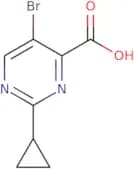
Discontinued product5-bromo-2-cyclopropylpyrimidine-4-carboxylic acid
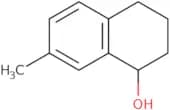
CAS:Versatile small molecule scaffoldFormula:C8H7BrN2O2Purity:Min. 95%Molecular weight:243.1 g/mol(1S)-7-Methyl-1,2,3,4-tetrahydronaphthalen-1-ol
CAS:Versatile small molecule scaffoldFormula:C11H14OPurity:Min. 95%Molecular weight:162.23 g/molRef: 3D-VAC29378
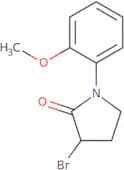
Discontinued product3-Bromo-1-(2-methoxyphenyl)pyrrolidin-2-one
CAS:Versatile small molecule scaffold
Formula:C11H12BrNO2Purity:Min. 95%Molecular weight:270.12 g/molRef: 3D-NHA53299
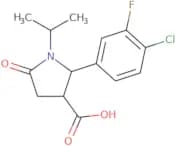
Discontinued product2-(4-Chloro-3-fluorophenyl)-5-oxo-1-(propan-2-yl)pyrrolidine-3-carboxylic acid
CAS:Versatile small molecule scaffoldFormula:C14H15ClFNO3Purity:Min. 95%Molecular weight:299.72 g/molRef: 3D-HHC67933
Discontinued productMBP146-78
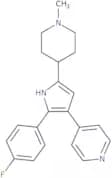
CAS:MBP146-78 is a recombinant protein that acts as an immunomodulator. It is expressed in the form of a fusion protein with MBP, which is a bacterial antigen that is recognized by the immune system. MBP146-78 is designed to target parasitic protozoa such as tenella and leishmania. It has been shown to be effective against intracellular parasites such as toxoplasma and cgmp-dependent proteins. MBP146-78 has also been shown to have pharmacokinetic properties that are favorable for use in humans.
Formula:C21H22FN3Purity:Min. 95%Molecular weight:335.4 g/molRef: 3D-NHA34377
Discontinued product5-(Bromomethyl)-1,3-dihydro-2-benzofuran
CAS:Versatile small molecule scaffold
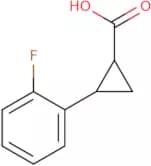
Formula:C9H9BrOPurity:Min. 95%Molecular weight:213.07 g/mol2-(2-Fluorophenyl)cyclopropanecarboxylic acid
CAS:Versatile small molecule scaffold
Formula:C10H9FO2Purity:Min. 95%Molecular weight:180.18 g/molRef: 3D-FTA26756
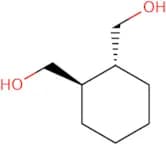
Discontinued producttrans-1,2-Cyclohexanedimethanol
CAS:Trans-1,2-cyclohexanedimethanol is a synthetic compound that can be used for analytical chemistry. It has a variety of impurities and can form enantiomers and diastereomers when treated with an acid catalyst. Trans-1,2-cyclohexanedimethanol is also hydrophobic and can form chlorides, isomers, and epoxides by reacting with other compounds. Trans-1,2-cyclohexanedimethanol has been shown to have photocatalytic activity in the oxidation of organic substances.
Formula:C8H16O2Purity:Min. 95%Molecular weight:144.21 g/mol2',3',5',6'-Tetrahydrospiro[indoline-3,4'-pyran]-2-one
CAS:Versatile small molecule scaffold
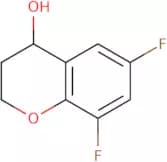
Formula:C12H13NO2Purity:Min. 95%Molecular weight:203.24 g/mol(4S)-6,8-Difluoro-3,4-dihydro-2H-1-benzopyran-4-ol
CAS:Versatile small molecule scaffold
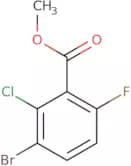
Formula:C9H8F2O2Purity:Min. 95%Molecular weight:186.15 g/molMethyl 3-bromo-2-chloro-6-fluorobenzoate
CAS:Versatile small molecule scaffold
Formula:C8H5BrClFO2Purity:Min. 95%Molecular weight:267.48 g/mol7-Methoxyimidazo[1,2-a]pyridine-8-carboxylic acid hydrochloride
CAS:Versatile small molecule scaffoldFormula:C9H9ClN2O3Purity:Min. 95%Molecular weight:228.6 g/molRef: 3D-TMD05880
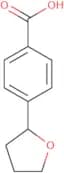
Discontinued product4-(Oxolan-2-yl)benzoic acid
CAS:Versatile small molecule scaffold
Formula:C11H12O3Purity:Min. 95%Molecular weight:192.21 g/molRef: 3D-TEC75548
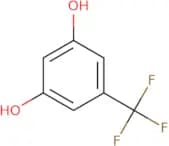
Discontinued product5-(Trifluoromethyl)benzene-1,3-diol
CAS:Versatile small molecule scaffold
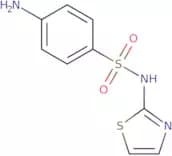
Formula:C7H5F3O2Purity:Min. 95%Molecular weight:178.11 g/molSulfathiazole
CAS:Sulfathiazole is a sulfonamide antibacterial agent with a chemical structure similar to that of the sulfa drugs. It is active against Gram-positive and Gram-negative bacteria, including those resistant to other antibiotics. Sulfathiazole has been shown to be effective against infectious diseases caused by Escherichia coli, Klebsiella pneumoniae, Proteus mirabilis, and Salmonella typhi. The mechanism of action of sulfathiazole is not fully understood. One hypothesis is that it inhibits the synthesis of folic acid in bacteria by inhibiting enzymes involved in purine metabolism. This drug also has complex pharmacological effects on human cells because it can inhibit both receptor activity and enzyme activity in complex cellular processes such as protein synthesis and DNA synthesis.
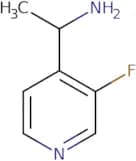
Formula:C9H9N3O2S2Purity:Min. 95%Color and Shape:PowderMolecular weight:255.32 g/mol1-(3-Fluoropyridin-4-yl)ethan-1-amine
CAS:Versatile small molecule scaffoldFormula:C7H9FN2Purity:Min. 95%Molecular weight:140.16 g/molRef: 3D-VAC36188
Discontinued producttert-Butyl N-[2-amino-2-(naphthalen-2-yl)ethyl]carbamate
CAS:Versatile small molecule scaffold
Formula:C17H22N2O2Purity:Min. 95%Molecular weight:286.37 g/molRef: 3D-VAC36730
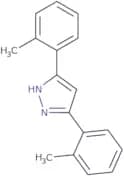
Discontinued product3,5-Bis(2-methylphenyl)-1H-pyrazole
CAS:Versatile small molecule scaffold
Formula:C17H16N2Purity:Min. 95%Molecular weight:248.32 g/molRef: 3D-JWB98940
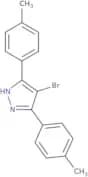
Discontinued product4-Bromo-3,5-bis(4-methylphenyl)-1H-pyrazole
CAS:Versatile small molecule scaffoldFormula:C17H15BrN2Purity:Min. 95%Molecular weight:327.2 g/molRef: 3D-JWB98874
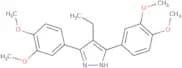
Discontinued product3,5-Bis(3,4-dimethoxyphenyl)-4-ethyl-1H-pyrazole
CAS:Versatile small molecule scaffold
Formula:C21H24N2O4Purity:Min. 95%Molecular weight:368.4 g/molRef: 3D-JWB98872
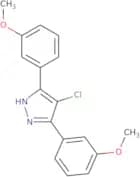
Discontinued product4-Chloro-3,5-bis(3-methoxyphenyl)-1H-pyrazole
CAS:Versatile small molecule scaffoldFormula:C17H15ClN2O2Purity:Min. 95%Molecular weight:314.8 g/molCyclopropyl(6-methoxypyridin-3-yl)methanamine
CAS:Versatile small molecule scaffoldFormula:C10H14N2OPurity:Min. 95%Molecular weight:178.23 g/molRef: 3D-VAC38742
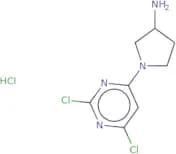
Discontinued product1-(2,6-Dichloropyrimidin-4-yl)pyrrolidin-3-amine hydrochloride
CAS:Versatile small molecule scaffold
Formula:C8H11Cl3N4Purity:Min. 95%Molecular weight:269.6 g/molRef: 3D-TMD06538
Discontinued product3-Amino-3-[3-(trifluoromethoxy)phenyl]propan-1-ol
CAS:Versatile small molecule scaffold
Formula:C10H12F3NO2Purity:Min. 95%Molecular weight:235.2 g/molRef: 3D-VAC40236
Discontinued product1H-1,3-Benzodiazole-4-carboxamide
CAS:1H-1,3-Benzodiazole-4-carboxamide is a monosubstituted, trifluoroacetic acid, trisubstituted benzodiazepine. This compound is a potent inhibitor of the cellular enzyme DNA topoisomerase II and has been shown to inhibit the growth of tumor cells in vitro and in vivo. 1H-1,3-Benzodiazole-4-carboxamide has also been found to be synergistic with radiation therapy and is able to sensitize tumor cells to radiation by inhibiting viral replication. 1H-1,3-Benzodiazole-4-carboxamide can also bind to response elements on DNA that regulate the expression of genes that control cell division, including interferon regulatory factor (IRF) genes.
Formula:C8H7N3OPurity:90%MinMolecular weight:161.16 g/mol2-(3,4,5-Trifluorophenyl)azetidine
CAS:Versatile small molecule scaffold
Formula:C9H8F3NPurity:Min. 95%Molecular weight:187.16 g/molRef: 3D-VAC41277
Discontinued product7-Chloropyrazolo[1,5-a]pyrimidine-3-carbonitrile
CAS:Versatile small molecule scaffold
Formula:C7H3ClN4Purity:Min. 95%Molecular weight:178.58 g/molRef: 3D-JWB98297
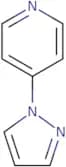
Discontinued product4-(1H-Pyrazol-1-yl)pyridine
CAS:Versatile small molecule scaffold
Formula:C8H7N3Purity:Min. 95%Molecular weight:145.16 g/molRef: 3D-ABA70013
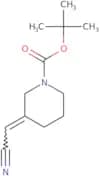
Discontinued product2-(1-Boc-3-Piperidinylidene)acetonitrile
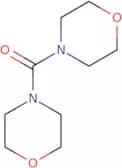
CAS:Versatile small molecule scaffoldFormula:C12H18N2O2Purity:Min. 95%Molecular weight:222.28 g/mol4,4'-Carbonyldimorpholine
CAS:4,4'-Carbonyldimorpholine is a thioxanthone that can be used in coatings and UV-curable inks. It is a cationic monomer that can polymerize with other monomers to form polymers with high molecular weight. 4,4'-Carbonyldimorpholine also reacts with fatty acids to produce water-soluble polymers and amines to produce water-insoluble polymers. This agent has been shown to interact with the surface of metals and acrylates, which are compounds that are used in coatings and UV-curable inks. The nature of this compound is dependent on the environment it is exposed to.
Formula:C9H16N2O3Purity:Min. 95%Molecular weight:200.24 g/mol4-(2-{7-Thia-2,4,5-triazatricyclo[6.4.0.0,2,6]dodeca-1(12),3,5,8,10-pentaen-3-ylsulfanyl}acetamido)benzoic acid
CAS:Versatile small molecule scaffold
Formula:C17H12N4O3S2Purity:Min. 95%Molecular weight:384.4 g/molRef: 3D-EMA86359
Discontinued product1-[3,5-Bis(trifluoromethyl)phenyl]-2,2,2-trifluoroethan-1-amine
CAS:Versatile small molecule scaffold
Formula:C10H6F9NPurity:Min. 95%Molecular weight:311.15 g/molRef: 3D-VAC47621
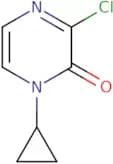
Discontinued product3-Chloro-1-cyclopropyl-1,2-dihydropyrazin-2-one
CAS:Versatile small molecule scaffold
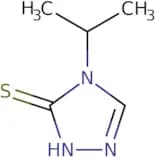
Formula:C7H7ClN2OPurity:Min. 95%Molecular weight:170.59 g/mol4-(Propan-2-yl)-4H-1,2,4-triazole-3-thiol
CAS:Versatile small molecule scaffoldFormula:C5H9N3SPurity:Min. 95%Molecular weight:143.21 g/mol1-[3-(Difluoromethyl)phenyl]-2,2,2-trifluoroethan-1-amine
CAS:Versatile small molecule scaffoldFormula:C9H8F5NPurity:Min. 95%Molecular weight:225.16 g/molRef: 3D-VAC48194
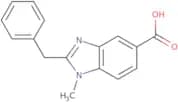
Discontinued product2-Benzyl-1-methyl-1H-1,3-benzodiazole-5-carboxylic acid
CAS:Versatile small molecule scaffoldFormula:C16H14N2O2Purity:Min. 95%Molecular weight:266.3 g/molRef: 3D-TEC73231
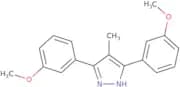
Discontinued product3,5-Bis(3-methoxyphenyl)-4-methyl-1H-pyrazole
CAS:Versatile small molecule scaffoldFormula:C18H18N2O2Purity:Min. 95%Molecular weight:294.3 g/molRef: 3D-JWB93705
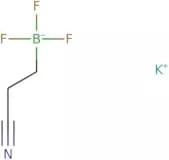
Discontinued productPotassium 2-cyanoethyltrifluoroborate
CAS:Versatile small molecule scaffold
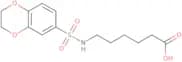
Formula:C3H4BF3KNPurity:Min. 95%Molecular weight:160.98 g/mol6-(2,3-Dihydro-1,4-benzodioxine-6-sulfonamido)hexanoic acid
CAS:Versatile small molecule scaffoldFormula:C14H19NO6SPurity:Min. 95%Molecular weight:329.37 g/molRef: 3D-EMA69475
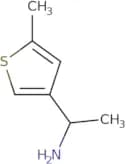
Discontinued product1-(5-Methylthiophen-3-yl)ethan-1-amine
CAS:Versatile small molecule scaffold
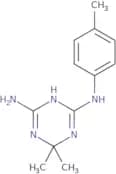
Formula:C7H11NSPurity:Min. 95%Molecular weight:141.24 g/mol6,6-Dimethyl-4-N-(4-methylphenyl)-1,6-dihydro-1,3,5-triazine-2,4-diamine
CAS:Versatile small molecule scaffoldFormula:C12H17N5Purity:Min. 95%Molecular weight:231.3 g/molMethyl 2,2-diMethylacetoacetate
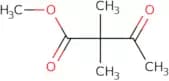
CAS:Methyl 2,2-diMethylacetoacetate is a deuterated acetoacetate. It has a transition state that is oriented. This acetoacetate can be modified by modifiers such as transition metals and ligands. The methyl group can be removed from the molecule by hydrolysis or hydrogenation to form 2,3-dihydroxypropanoic acid.
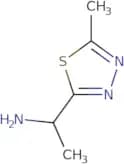
Formula:C7H12O3Purity:Min. 95%Molecular weight:144.17 g/mol1-(5-Methyl-1,3,4-thiadiazol-2-yl)ethan-1-amine
CAS:Versatile small molecule scaffold
Formula:C5H9N3SPurity:Min. 95%Molecular weight:143.21 g/molRef: 3D-TEC71631
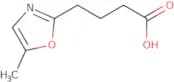
Discontinued product4-(5-Methyl-1,3-oxazol-2-yl)butanoic acid
CAS:Versatile small molecule scaffold
Formula:C8H11NO3Purity:Min. 95%Molecular weight:169.18 g/molRef: 3D-TEC71442
Discontinued product3-{[3-(Thiophen-3-yl)-1,2,4-oxadiazol-5-yl]methyl}thiomorpholine hydrochloride
CAS:Versatile small molecule scaffold
Formula:C11H14ClN3OS2Purity:Min. 95%Molecular weight:303.8 g/molRef: 3D-YGC02770
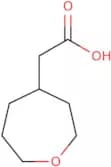
Discontinued product2-(Oxepan-4-yl)acetic acid
CAS:Versatile small molecule scaffold
Formula:C8H14O3Purity:Min. 95%Molecular weight:158.19 g/molRef: 3D-TEC35650
Discontinued product3-Methylimidazo[4,3-b][1,3]thiazole-2-carboxylic acid
CAS:Versatile small molecule scaffoldFormula:C7H6N2O2SPurity:Min. 95%Molecular weight:182.2 g/molRef: 3D-TEC32411
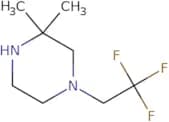
Discontinued product3,3-Dimethyl-1-(2,2,2-trifluoroethyl)piperazine
CAS:Versatile small molecule scaffold
Formula:C8H15F3N2Purity:Min. 95%Molecular weight:196.21 g/molRef: 3D-HHC67844
Discontinued product{1-[(4-Aminophenyl)methyl]piperidin-4-yl}methanol
CAS:Versatile small molecule scaffold
Formula:C13H20N2OPurity:Min. 95%Molecular weight:220.31 g/molRef: 3D-JNA95206
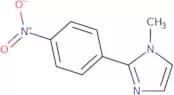
Discontinued product1-Methyl-2-(4-nitrophenyl)-1H-imidazole
CAS:Versatile small molecule scaffoldFormula:C10H9N3O2Purity:Min. 95%Molecular weight:203.2 g/molRef: 3D-JNA95204
Discontinued product6-Phenyl-3-thio-1,2,4-triazin-5(2H)-one
CAS:The spectral and crystallographic properties of 6-phenyl-3-thio-1,2,4-triazin-5(2H)-one were investigated in order to elucidate the molecular structures. The crystal structure of this compound was determined by x-ray crystallography. The compound is a regioisomeric mixture of two chiral isomers that are mirror images of each other. 6PST has a molecular formula of C8H6NOS and a molecular weight of 172.14 g/mol. It has been shown that the compound can be prepared by condensation reaction between 2-(phenylsulfanyl)ethanol and ethylenecarbonate. The spectroscopic studies revealed that it possesses an absorption band at 418 nm in the ultraviolet region. The crosslinked structure of this molecule was also studied using infrared spectroscopy, which showed presence of hydrogen bonds in the molecule.
Formula:C9H7N3OSPurity:Min. 95%Molecular weight:205.24 g/mol2-[N-(2-Phenylethyl)acetamido]acetic acid
CAS:Versatile small molecule scaffold
Formula:C12H15NO3Purity:Min. 95%Molecular weight:221.25 g/molRef: 3D-YGC02784
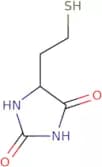
Discontinued product5-(2-Sulfanylethyl)imidazolidine-2,4-dione
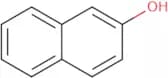
CAS:Versatile small molecule scaffoldFormula:C5H8N2O2SPurity:Min. 95%Molecular weight:160.2 g/mol2-Naphthol
CAS:2-Naphthol is an organic compound with the chemical formula C10H7O. It is a derivative of naphthalene, and is produced by the condensation of two molecules of malonic acid in the presence of a reducing agent such as sodium borohydride. 2-Naphthol is used as a pesticide and as a chemical intermediate in the production of other chemicals. 2-Naphthol has been shown to be toxic to humans and animals; it may cause liver damage, kidney damage, and skin irritation. The acute oral LD50 for rats is 690 mg/kg body weight. 2-Naphthol binds to cell receptors that are involved in a variety of physiological processes including heme transport, phagocytosis, oxidative burst, chemotaxis, and respiratory burst. This binding inhibits these functions leading to cell death.
Formula:C10H8OPurity:Min. 95%Color and Shape:White To Yellow To Pink To Light Brown SolidMolecular weight:144.17 g/molRef: 3D-FN01578
Discontinued product2-Methyl-2,4,6,7-tetrahydrothiopyrano[4,3-c]pyrazole-3-carboxylic acid 5,5-dioxide
CAS:Versatile small molecule scaffold
Formula:C8H10N2O4SPurity:Min. 95%Molecular weight:230.24 g/molRef: 3D-TEC29992
Discontinued product2-[(5-Amino-1,3,4-thiadiazol-2-yl)sulfanyl]-N-(2,4-dimethylphenyl)acetamide
CAS:2-[(5-Amino-1,3,4-thiadiazol-2-yl)sulfanyl]-N-(2,4-dimethylphenyl)acetamide (CAS No. 304662-72-4) is a peptide that has been shown to have the ability to inhibit ligand binding to receptors and ion channels. It also has the ability to block the activation of G protein coupled receptors. 2-[(5-Amino-1,3,4-thiadiazol-2-yl)sulfanyl]-N-(2,4-dimethylphenyl)acetamide is an inhibitor with high purity. The CAS number for this compound is 304662-72-4.Formula:C12H14N4OS2Purity:Min. 95%Molecular weight:294.4 g/mol5-Oxaspiro[3.5]nonan-8-ol
CAS:Versatile small molecule scaffold
Formula:C8H14O2Purity:Min. 95%Molecular weight:142.2 g/molRef: 3D-TEC18123
Discontinued product1-Oxa-9-thia-4-azaspiro[5.5]undecane
CAS:Versatile small molecule scaffold
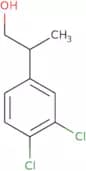
Formula:C8H15NOSPurity:Min. 95%Molecular weight:173.28 g/mol2-(3,4-Dichlorophenyl)propan-1-ol
CAS:Versatile small molecule scaffold
Formula:C9H10Cl2OPurity:Min. 95%Molecular weight:205.08 g/molRef: 3D-HHC67812
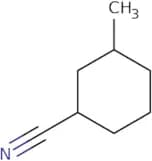
Discontinued product3-Methylcyclohexane-1-carbonitrile
CAS:Versatile small molecule scaffold
Formula:C8H13NPurity:Min. 95%Molecular weight:123.2 g/molRef: 3D-NBA85762
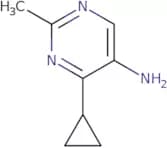
Discontinued product4-Cyclopropyl-2-methylpyrimidin-5-amine
CAS:Versatile small molecule scaffoldFormula:C8H11N3Purity:Min. 95%Molecular weight:149.19 g/molRef: 3D-TEC13690
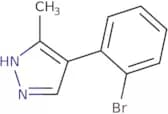
Discontinued product4-(2-Bromophenyl)-3-methyl-1H-pyrazole
CAS:Versatile small molecule scaffoldFormula:C10H9BrN2Purity:Min. 95%Molecular weight:237.1 g/molRef: 3D-TEC04862
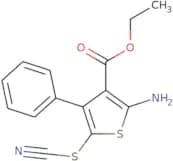
Discontinued productEthyl 2-amino-5-(cyanosulfanyl)-4-phenylthiophene-3-carboxylate
CAS:Versatile small molecule scaffold
Formula:C14H12N2O2S2Purity:Min. 95%Molecular weight:304.4 g/molRef: 3D-EMA64676
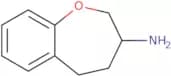
Discontinued product2,3,4,5-Tetrahydro-1-benzoxepin-3-amine
CAS:Versatile small molecule scaffold
Formula:C10H13NOPurity:Min. 95%Molecular weight:163.22 g/molRef: 3D-NBA82423
Discontinued product5-Bromo-N-(5-methyl-1,3-thiazol-2-yl)furan-2-carboxamide
CAS:Versatile small molecule scaffold
Formula:C9H7BrN2O2SPurity:Min. 95%Molecular weight:287.14 g/molRef: 3D-EMA51003
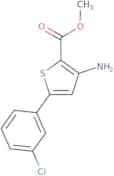
Discontinued productMethyl 3-amino-5-(3-chlorophenyl)thiophene-2-carboxylate
CAS:Versatile small molecule scaffold
Formula:C12H10ClNO2SPurity:Min. 95%Molecular weight:267.73 g/mol1-Chloro-4-[(2-isothiocyanatoethyl)sulfanyl]benzene
CAS:Versatile small molecule scaffold
Formula:C9H8ClNS2Purity:Min. 95%Molecular weight:229.8 g/molRef: 3D-NBA75240
Discontinued product3,6-Dimethyl-isoxazolo[5,4-b]pyridine-4-carboxylic acid
CAS:Versatile small molecule scaffold
Formula:C9H8N2O3Purity:Min. 95%Molecular weight:192.17 g/mol2-Methylsulfonylthiophene
CAS:2-Methylsulfonylthiophene is a modulating agent that can inhibit the activity of carbonic anhydrase, adenosine receptors and 5-membered heteroaryl. It has been shown to have affinity for CB1 receptor antagonists and is used to treat cardiovascular diseases. 2-Methylsulfonylthiophene also inhibits the enzymatic activity of anhydrase in the eye, which leads to suppression of intraocular pressure (IOP). The drug also has anti-glaucoma effects by reducing the production of aqueous humour. 2-Methylsulfonylthiophene is used as a dyestuff intermediate and as an organic solvent.
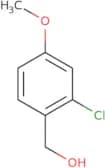
Formula:C5H6O2S2Purity:Min. 95%Molecular weight:162.23 g/mol(2-Chloro-4-methoxy-phenyl)-methanol
CAS:Versatile small molecule scaffold
Formula:C8H9ClO2Purity:Min. 95%Molecular weight:172.61 g/molRef: 3D-JNA01824
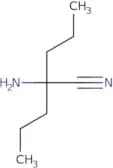
Discontinued product2-Amino-2-propylpentanenitrile
CAS:Versatile small molecule scaffold
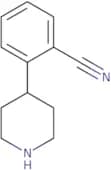
Formula:C8H16N2Purity:Min. 95%Molecular weight:140.23 g/mol2-(Piperidin-4-yl)benzonitrile
CAS:Versatile small molecule scaffold
Formula:C12H14N2Purity:Min. 95%Molecular weight:186.25 g/molRef: 3D-EMA46263
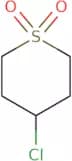
Discontinued product4-Cchlorotetrahydro-2H-thiopyran 1,1-dioxide
CAS:4-chlorotetrahydro-2H-thiopyran 1,1-dioxide is an experimental heterocyclic compound. It has a dipole and a methylcyclohexane ring with an axial orientation. The density of the molecule is 1.499 g/cm3. This compound has conformational energies and substituents that are stable at room temperature. Theory predicts that this compound will have 3 conformers, all of which are energetically favorable, with one being more stable than the others. The energies and conformers are influenced by the steric interactions between substituents and cyclohexanes in the molecule. 4-chlorotetrahydro-2H-thiopyran 1,1-dioxide has no electrostatic interactions because it does not have any electronegative atoms or groups.
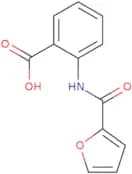
Formula:C5H9ClO2SPurity:Min. 95%Molecular weight:168.64 g/mol2-(Furan-2-amido)benzoic acid
CAS:Versatile small molecule scaffold
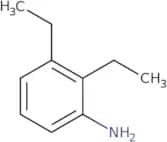
Formula:C12H9NO4Purity:Min. 95%Molecular weight:231.2 g/mol2,3-Diethylaniline
CAS:Versatile small molecule scaffold
Formula:C10H15NPurity:Min. 95%Molecular weight:149.23 g/molRef: 3D-VGA09908
Discontinued productCyclopropyl(3,4-dimethylphenyl)methanone
CAS:Cyclopropyl(3,4-dimethylphenyl)methanone (CPM) is a synthetic cannabinoid that has been shown to have similar effects to the natural cannabinoids found in cannabis. CPM binds to and activates the CB2 receptor, which is found on cells of the immune system, brain, and other organs. It has been studied for its ability to reduce glioma tumor growth in mice by inhibiting glutamate release. The molecular modeling study showed that CPM binds to the receptor with a geometry similar to other CB2 agonists like JWH-133. In addition, CPM inhibits locomotor activity in rats and has been shown to produce some symptoms of anxiety in mice. A receptor knockout study with mice showed that CPM can bind to CB2 receptors without activating them. X-ray diffraction data indicated that CPM is an achiral molecule with an idealized molecular geometry of "s".
Formula:C12H14OPurity:Min. 95%Molecular weight:174.24 g/mol1,9,10,11,12,12-Hexachloro-5-oxatetracyclo[7.2.1.0²,⁸.0⁴,⁶]dodec-10-ene-3,7-dione
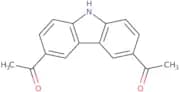
CAS:Versatile small molecule scaffoldFormula:C11H4Cl6O3Purity:Min. 95%Molecular weight:396.9 g/mol1,1-(9H-carbazole-3,6-diyl)diethanone
CAS:1,1-(9H-carbazole-3,6-diyl)diethanone is an aromatic compound with a molecular formula of C12H10N2O that belongs to the class of enol ethers. It can be used as a framework for the synthesis of other compounds. The acylation reaction is catalyzed by a transfer catalyst and carried out in dioxane at room temperature. After filtration and washing with deionized water, it is then dried under vacuum to yield the product. Friedel-Crafts acylation or a metal salt may be used during this process. 1,1-(9H-carbazole-3,6-diyl)diethanone has also been shown to act as a ligand for transition metals such as copper and zinc in certain reactions.
Formula:C16H13NO2Purity:Min. 95%Molecular weight:251.28 g/mol5-Azidopentan-1-ol
CAS:5-Azidopentan-1-ol is a monoclonal antibody that is used in the detection of influenza virus. It is immobilized on a glycan matrix, which can be used to detect and quantify influenza virus or its antigens. The fluoroquinolone antibiotics have high resistance to degradation by glycosidases, giving this antibody an advantage over other methods for detecting influenza virus. 5-Azidopentan-1-ol has been shown to be effective in immunoassays for the detection of influenza A viruses, as well as analogs that may be resistant to other antibodies. This antibody has been shown to react with both acceptor and antigen binding sites on the oligosaccharide portion of the glycan molecule. The hydroxyl group at position 5 on the pentane ring allows for conjugation with a linker such as silver trifluoromethanesulfonate (STFS) and subsequent attachment to
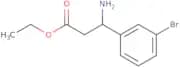
Formula:C5H11N3OPurity:Min. 95%Molecular weight:129.16 g/molEthyl 3-amino-3-(3-bromophenyl)propanoate
CAS:Versatile small molecule scaffoldFormula:C11H14BrNO2Purity:Min. 95%Molecular weight:272.14 g/molSodium difluoromethanesulfinate
CAS:Sodium difluoromethanesulfinate (SFMS) is a fluorinated organosulfur compound that has been studied as a potential replacement for ozone-depleting substances. SFMS is produced by the reaction of hydrogen sulfide and chlorofluorocarbons, which yields SFMS and hydrochloric acid. The reaction system is designed to produce an efficient method for preparing SFMS with high yield in the presence of oxygen. This compound reacts with functional groups and forms alkylation products such as methylsulfonyl chloride, methylsulfonyl fluoride, carbonyls, methides, and other compounds. These reactions are important for obtaining a number of organic compounds that are used in pharmaceuticals and chemical industries. SFMS is also an effective alkylating agent for cancer cells.
Formula:CHF2NaO2SPurity:Min. 95%Molecular weight:138.07 g/molRef: 3D-ALA81895
Discontinued product[1-(Ethoxymethyl)cyclobutyl]methanol
CAS:Versatile small molecule scaffold
Formula:C8H16O2Purity:Min. 95%Molecular weight:144.21 g/molRef: 3D-YGC02833
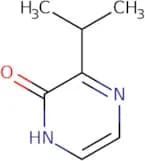
Discontinued product3-isopropylpyrazin-2-ol
CAS:3-isopropylpyrazin-2-ol is a volatile and catalytic compound that is used in the synthesis of methylated flavonols such as quercetin. It is a hydroxypyrazine that can be synthesized from the amino acid isobutylamine. 3-isopropylpyrazin-2-ol has been shown to inhibit o-methyltransferases and flavonol quercetin biosynthesis in tissues, and can be used for the production of other derivatives. This compound has also been shown to inhibit e coli growth, which may be due to its ability to inhibit enzymes involved in bacterial DNA replication.
Formula:C7H10N2OPurity:Min. 95%Molecular weight:138.17 g/molRef: 3D-ABA68059
Discontinued product[5-(Aminomethyl)-2-fluorophenyl]methanol hydrochloride
CAS:Versatile small molecule scaffoldFormula:C8H11ClFNOPurity:Min. 95%Molecular weight:191.63 g/molRef: 3D-YGC02839
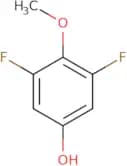
Discontinued product3,5-Difluoro-4-methoxyphenol
CAS:Versatile small molecule scaffold
Formula:C7H6F2O2Purity:Min. 95%Molecular weight:160.12 g/molRef: 3D-AAA44342
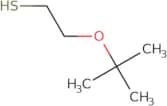
Discontinued product2-(tert-Butoxy)ethane-1-thiol
CAS:Versatile small molecule scaffold
Formula:C6H14OSPurity:Min. 95%Molecular weight:134.2 g/molRef: 3D-ABA67462
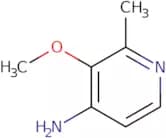
Discontinued product3-methoxy-2-methyl-4-pyridinamine
CAS:Versatile small molecule scaffold
Formula:C7H10N2OPurity:Min. 95%Molecular weight:138.16 g/mol(2R)-2-(3-Chlorophenyl)propanoic acid
CAS:Versatile small molecule scaffold
Formula:C9H9ClO2Purity:Min. 95%Molecular weight:184.62 g/molRef: 3D-EFC44096
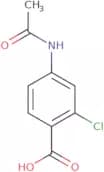
Discontinued product2-Chloro-4-acetamidobenzoic acid
CAS:2-Chloro-4-acetamidobenzoic acid is a nonsteroidal anti-inflammatory drug that binds to cyclooxygenase, thereby inhibiting the production of prostaglandins. 2-Chloro-4-acetamidobenzoic acid has been shown to be cytotoxic in vitro, eliciting DNA damage and cell death in some cells. This effect may be due to inhibition of mitochondrial function by 2-chloro-4-acetamidobenzoic acid. The drug has also been found to inhibit the growth of human leukemia cells and mouse mammary tumor cells in vitro. 2-Chloro-4-acetamidobenzoic acid is used as a research tool for studying the effects of cyclooxygenase inhibitors on cell cycle analysis, because it does not cause erythrocyte hemolysis.
Formula:C9H8ClNO3Purity:Min. 95%Molecular weight:213.62 g/mol3-[1-(Hydroxyimino)ethyl]-2,2-dimethylcyclobutane-1-carboxylic acid
CAS:Versatile small molecule scaffoldFormula:C9H15NO3Purity:Min. 95%Molecular weight:185.22 g/mol2-{[(tert-Butoxy)carbonyl]amino}-3,3,3-trifluoro-2-methylpropanoic acid
CAS:Versatile small molecule scaffoldFormula:C9H14F3NO4Purity:Min. 95%Molecular weight:257.21 g/mol3-[3-(Benzyloxy)phenyl]-3-hydroxy-2,2-dimethylpropanoic acid
CAS:Versatile small molecule scaffold
Formula:C18H20O4Purity:Min. 95%Molecular weight:300.3 g/molRef: 3D-YGC02878
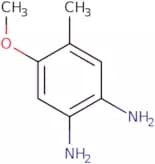
Discontinued product4-Methoxy-5-methylbenzene-1,2-diamine
CAS:Versatile small molecule scaffold
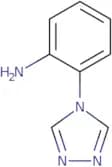
Formula:C8H12N2OPurity:90%MinMolecular weight:152.19 g/mol2-(4H-1,2,4-Triazol-4-yl)aniline
CAS:Versatile small molecule scaffold
Formula:C8H8N4Purity:Min. 95%Molecular weight:160.18 g/molRef: 3D-ABA66059
Discontinued product3-[(2-Nitrophenyl)amino]propanoic acid
CAS:Versatile small molecule scaffold
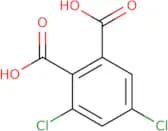
Formula:C9H10N2O4Purity:Min. 95%Molecular weight:210.19 g/mol3,5-Dichlorophthalic acid
CAS:3,5-Dichlorophthalic acid is a divalent organic acid that is used as an intermediate in the production of other chemicals. 3,5-Dichlorophthalic acid is used as a regulator of plant growth and development. It can also be used to make different n-substituted compounds, such as naphthalene, phthalic anhydride, and 2,6-dichloro-pyridine.
Formula:C8H4Cl2O4Purity:Min. 95%Molecular weight:235.02 g/molRef: 3D-ABA64198
Discontinued product3-[2-(4-Methoxypyrrolidin-2-yl)-1H-imidazol-4-yl]pyridine trihydrochloride
CAS:Versatile small molecule scaffold
Formula:C13H19Cl3N4OPurity:Min. 95%Molecular weight:353.7 g/molRef: 3D-YGC02903
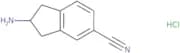
Discontinued product2-Amino-2,3-dihydro-1H-indene-5-carbonitrile hydrochloride
CAS:Controlled ProductVersatile small molecule scaffoldFormula:C10H11ClN2Purity:Min. 95%Molecular weight:194.66 g/molRef: 3D-JMB76577
Discontinued productrac-(2R,6S)-2,4,6-Trimethylmorpholine
CAS:Versatile small molecule scaffold
Formula:C7H15NOPurity:Min. 95%Molecular weight:129.2 g/mol1-(4-Bromo-2-methylphenyl)-1H-pyrazole
CAS:Versatile small molecule scaffoldFormula:C10H9BrN2Purity:Min. 95%Molecular weight:237.1 g/molRef: 3D-EFC37145
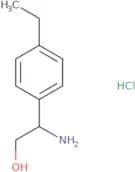
Discontinued product2-Amino-2-(4-ethylphenyl)ethan-1-ol hydrochloride
CAS:Versatile small molecule scaffold
Formula:C10H16ClNOPurity:Min. 95%Molecular weight:201.69 g/molRef: 3D-YGC02908
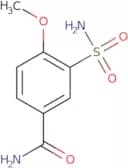
Discontinued product4-Methoxy-3-sulfamoylbenzamide
CAS:Versatile small molecule scaffold
Formula:C8H10N2O4SPurity:Min. 95%Molecular weight:230.24 g/molRef: 3D-NBA50012
Discontinued product5-Boc-1-oxa-5-azaspiro[2.3]hexane
CAS:Versatile small molecule scaffold
Formula:C9H15NO3Purity:Min. 95%Molecular weight:185.22 g/molBenzyl N-[(2R)-2-aminopropyl]carbamate hydrochloride
CAS:Versatile small molecule scaffoldFormula:C11H17ClN2O2Purity:Min. 95%Molecular weight:244.7 g/molRef: 3D-JMB63453
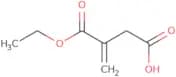
Discontinued product3-(Ethoxycarbonyl)but-3-enoic acid
CAS:Versatile small molecule scaffold
Formula:C7H10O4Purity:Min. 95%Molecular weight:158.15 g/molRef: 3D-DAA37729
Discontinued product5,6-Dibromopyridin-3-ol
CAS:Versatile small molecule scaffold
Formula:C5H3Br2NOPurity:Min. 95%Molecular weight:252.89 g/molRef: 3D-EFC36882
Discontinued product5-[4-(Trifluoromethyl)phenyl]pyrrolidin-3-ol hydrochloride
CAS:Versatile small molecule scaffoldFormula:C11H13ClF3NOPurity:Min. 95%Molecular weight:267.67 g/molRef: 3D-YGC02918
Discontinued productN-[3-(Dimethylamino)propyl]-2-hydroxybenzamide
CAS:Versatile small molecule scaffoldFormula:C12H18N2O2Purity:Min. 95%Molecular weight:222.28 g/molRef: 3D-NBA39443
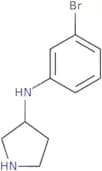
Discontinued productN-(3-Bromophenyl)pyrrolidin-3-amine
CAS:Versatile small molecule scaffold
Formula:C10H13BrN2Purity:Min. 95%Molecular weight:241.13 g/mol1-(4-Amino-3-ethylpiperidin-1-yl)-2-methylpropan-1-one hydrochloride
CAS:Versatile small molecule scaffoldFormula:C11H23ClN2OPurity:Min. 95%Molecular weight:234.76 g/molRef: 3D-YGC02922
Discontinued product3-Methyl-4-propyl-4H-1,2,4-triazole
CAS:Versatile small molecule scaffold
Formula:C6H11N3Purity:Min. 95%Molecular weight:125.17 g/mol6-Bromo-4-fluoro-1,3-benzothiazole-2-thiol
CAS:Versatile small molecule scaffoldFormula:C7H3BrFNS2Purity:Min. 95%Molecular weight:264.1 g/molRef: 3D-EFC36690
Discontinued product2,4-Bis(bromomethyl)-1-fluorobenzene
CAS:Versatile small molecule scaffold
Formula:C8H7Br2FPurity:Min. 95%Molecular weight:281.95 g/molRef: 3D-EFC36674
Discontinued product3-Chloro-2-ethoxy-5-(trifluoromethyl)pyridine
CAS:Versatile small molecule scaffold
Formula:C8H7ClF3NOPurity:Min. 95%Molecular weight:225.6 g/molRef: 3D-EFC36669
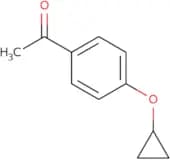
Discontinued product1-(4-Cyclopropoxyphenyl)ethan-1-one
CAS:1-(4-Cyclopropoxyphenyl)ethan-1-one is a stable, colorless ether. It is used in the acylation of aromatic or aliphatic compounds and has been shown to undergo acylation reactions with nitric acid, sulfuric acid, or phosphoric acid. This compound can also be cleaved with hydrochloric acid to form propionaldehyde.
Formula:C11H12O2Purity:Min. 95%Molecular weight:176.21 g/molRef: 3D-NBA38091
Discontinued productMethyl 4-bromo-5-chloro-2-fluorobenzoate
CAS:Versatile small molecule scaffold
Formula:C8H5BrClFO2Purity:Min. 95%Molecular weight:267.48 g/molBenzyl N-[1-(chlorosulfonyl)-2-methylpropan-2-yl]carbamate
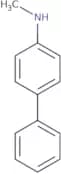
CAS:Versatile small molecule scaffoldFormula:C12H16ClNO4SPurity:Min. 95%Molecular weight:305.78 g/molN-Methyl-4-phenylaniline
CAS:N-Methyl-4-phenylaniline (NMP) is a fatty acid inhibitor that can be used to treat hepatitis. It is an inhibitor of the enzyme known as N-hydroxy-4-aminobiphenyl amidohydrolase, which is involved in the second step of the synthesis of arachidonic acid, a precursor of prostaglandins. The inhibition of this enzyme reduces the production of prostaglandin E2 and other eicosanoids that are important for inflammation. NMP has also been shown to have potential mechanism for treating primary sclerosing cholangitis (PSC). This drug binds with bile salts in the intestines and prevents their reabsorption back into circulation. This leads to increased bile salt concentrations in the liver, which may help reduce inflammation and fibrosis in PSC.
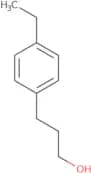
Formula:C13H13NPurity:Min. 95%Molecular weight:183.25 g/mol3-(4-Ethylphenyl)propan-1-ol
CAS:Versatile small molecule scaffold
Formula:C11H16OPurity:Min. 95%Molecular weight:164.24 g/mol3-Fluoro-3-(3-fluorophenyl)cyclobutane-1-carboxylic acid
CAS:Versatile small molecule scaffoldFormula:C11H10F2O2Purity:Min. 95%Molecular weight:212.19 g/molRef: 3D-YGC02938
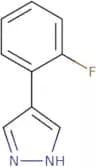
Discontinued product4-(2-Fluorophenyl)-1H-pyrazole
CAS:Versatile small molecule scaffold
Formula:C9H7FN2Purity:Min. 95%Molecular weight:162.16 g/molRef: 3D-MRB82870
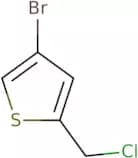
Discontinued product4-Bromo-2-(chloromethyl)thiophene
CAS:Versatile small molecule scaffold
Formula:C5H4BrClSPurity:Min. 95%Molecular weight:211.51 g/molRef: 3D-VGA85970
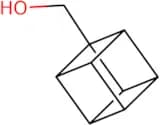
Discontinued product(Cuban-1-yl)methanol
CAS:Cuban-1-ylmethanol is a methyl group that can be protonated and has a mass of 82.06 g/mol. Its solubility in water is 1.6 g/L at 25°C. Cuban-1-ylmethanol has been shown to form oxime derivatives when reacted with either hydroxylamine or hydrazine. The crystal structure of the product was determined by x-ray crystallography, and the mechanism for this reaction was proposed to be a transfer of methyl groups from Cuban-1-ylmethanol to an oxygen atom on the substrate. Cuban-1-ylmethanol can be used as a probe for methane monooxygenase (MMO) activity, yielding yields of up to 50%.
Formula:C9H10OPurity:Min. 95%Molecular weight:134.17 g/molRef: 3D-JFA07823
Discontinued producttert-Butyl N-(3-acetylpyridin-4-yl)carbamate
CAS:Versatile small molecule scaffoldFormula:C12H16N2O3Purity:Min. 95%Molecular weight:236.27 g/molRef: 3D-VPC95561
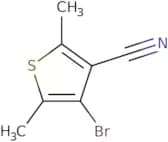
Discontinued product4-Bromo-2,5-dimethyl-thiophene-3-carbonitrile
CAS:Versatile small molecule scaffoldFormula:C7H6BrNSPurity:Min. 95%Molecular weight:216.1 g/mol

![rac-(2R,3S)-1-{[(9H-Fluoren-9-yl)methoxy]carbonyl}-3-phenylpyrrolidine-2-carboxylic acid](/_next/image/?url=https%3A%2Fstatic.cymitquimica.com%2Fproducts%2F3D%2Fthumb-webp%2FENC98387.webp&w=3840&q=75)

![2,5-Dimethylimidazo[1,2-a]pyridine](/_next/image/?url=https%3A%2Fstatic.cymitquimica.com%2Fproducts%2F3D%2Fthumb-webp%2FGAA18830.webp&w=3840&q=75)
![3-{[3-(Trifluoromethyl)phenyl]methoxy}phenol](/_next/image/?url=https%3A%2Fstatic.cymitquimica.com%2Fproducts%2F3D%2Fthumb-webp%2FEMB28941.webp&w=3840&q=75)
![Methyl 2-[benzyl(2-methoxy-2-oxoethyl)amino]acetate](/_next/image/?url=https%3A%2Fstatic.cymitquimica.com%2Fproducts%2F3D%2Fthumb-webp%2FGAA17526.webp&w=3840&q=75)
![(2E)-3-[3-(4-Fluorophenyl)-1-phenyl-1H-pyrazol-4-yl]prop-2-enoic acid](/_next/image/?url=https%3A%2Fstatic.cymitquimica.com%2Fproducts%2F3D%2Fthumb-webp%2FUVA13739.webp&w=3840&q=75)
![2-({[(9H-Fluoren-9-yl)methoxy]carbonyl}(3-methoxyphenyl)amino)acetic acid](/_next/image/?url=https%3A%2Fstatic.cymitquimica.com%2Fproducts%2F3D%2Fthumb-webp%2FNKD54880.webp&w=3840&q=75)

![3-[4-(Naphthalen-2-yl)-1,3-thiazol-2-yl]pyridine](/_next/image/?url=https%3A%2Fstatic.cymitquimica.com%2Fproducts%2F3D%2Fthumb-webp%2FUVA15161.webp&w=3840&q=75)
![[4-(2H-1,2,3,4-Tetrazol-5-yl)-1,3-thiazol-2-yl]methanamine dihydrochloride](/_next/image/?url=https%3A%2Fstatic.cymitquimica.com%2Fproducts%2F3D%2Fthumb-webp%2FNKD51826.webp&w=3840&q=75)
![3-Chloro-5-(pyrazin-2-yl)-8-thia-4,6-diazatricyclo[7.4.0.0,2,7]trideca-1(9),2,4,6-tetraene](/_next/image/?url=https%3A%2Fstatic.cymitquimica.com%2Fproducts%2F3D%2Fthumb-webp%2FFTB82172.webp&w=3840&q=75)
![2-Amino-5-[(2-methoxyphenyl)sulfamoyl]benzoic acid](/_next/image/?url=https%3A%2Fstatic.cymitquimica.com%2Fproducts%2F3D%2Fthumb-webp%2FUVA15300.webp&w=3840&q=75)
![8-Bromopyrido[3,4-b]pyrazine](/_next/image/?url=https%3A%2Fstatic.cymitquimica.com%2Fproducts%2F3D%2Fthumb-webp%2FEMB07445.webp&w=3840&q=75)
![[4-(2-Methoxyethoxy)phenyl]methanamine](/_next/image/?url=https%3A%2Fstatic.cymitquimica.com%2Fproducts%2F3D%2Fthumb-webp%2FCEA19620.webp&w=3840&q=75)
![3-[3-(Trifluoromethyl)phenyl]cyclobutan-1-one](/_next/image/?url=https%3A%2Fstatic.cymitquimica.com%2Fproducts%2F3D%2Fthumb-webp%2FFTB63644.webp&w=3840&q=75)
![2-[(2-Methoxyethyl)sulfanyl]ethan-1-ol](/_next/image/?url=https%3A%2Fstatic.cymitquimica.com%2Fproducts%2F3D%2Fthumb-webp%2FABA75633.webp&w=3840&q=75)
![2-[(2-Aminoethyl)amino]pyridine-3-carbonitrile](/_next/image/?url=https%3A%2Fstatic.cymitquimica.com%2Fproducts%2F3D%2Fthumb-webp%2FUWA67863.webp&w=3840&q=75)
![8-Chloro-3-methyl[1,2,4]triazolo[4,3-a]pyridine](/_next/image/?url=https%3A%2Fstatic.cymitquimica.com%2Fproducts%2F3D%2Fthumb-webp%2FEMB00042.webp&w=3840&q=75)

![2',3',5',6'-Tetrahydrospiro[indoline-3,4'-pyran]-2-one](/_next/image/?url=https%3A%2Fstatic.cymitquimica.com%2Fproducts%2F3D%2Fthumb-webp%2FEMA87629.webp&w=3840&q=75)
![7-Methoxyimidazo[1,2-a]pyridine-8-carboxylic acid hydrochloride](/_next/image/?url=https%3A%2Fstatic.cymitquimica.com%2Fproducts%2F3D%2Fthumb-webp%2FTMD05880.webp&w=3840&q=75)
![tert-Butyl N-[2-amino-2-(naphthalen-2-yl)ethyl]carbamate](/_next/image/?url=https%3A%2Fstatic.cymitquimica.com%2Fproducts%2F3D%2Fthumb-webp%2FVAC36730.webp&w=3840&q=75)

![3-Amino-3-[3-(trifluoromethoxy)phenyl]propan-1-ol](/_next/image/?url=https%3A%2Fstatic.cymitquimica.com%2Fproducts%2F3D%2Fthumb-webp%2FVAC40236.webp&w=3840&q=75)


![7-Chloropyrazolo[1,5-a]pyrimidine-3-carbonitrile](/_next/image/?url=https%3A%2Fstatic.cymitquimica.com%2Fproducts%2F3D%2Fthumb-webp%2FJWB98297.webp&w=3840&q=75)
![4-(2-{7-Thia-2,4,5-triazatricyclo[6.4.0.0,2,6]dodeca-1(12),3,5,8,10-pentaen-3-ylsulfanyl}acetamido…](/_next/image/?url=https%3A%2Fstatic.cymitquimica.com%2Fproducts%2F3D%2Fthumb-webp%2FEMA86359.webp&w=3840&q=75)
![1-[3,5-Bis(trifluoromethyl)phenyl]-2,2,2-trifluoroethan-1-amine](/_next/image/?url=https%3A%2Fstatic.cymitquimica.com%2Fproducts%2F3D%2Fthumb-webp%2FVAC47621.webp&w=3840&q=75)
![1-[3-(Difluoromethyl)phenyl]-2,2,2-trifluoroethan-1-amine](/_next/image/?url=https%3A%2Fstatic.cymitquimica.com%2Fproducts%2F3D%2Fthumb-webp%2FVAC48194.webp&w=3840&q=75)
![3-{[3-(Thiophen-3-yl)-1,2,4-oxadiazol-5-yl]methyl}thiomorpholine hydrochloride](/_next/image/?url=https%3A%2Fstatic.cymitquimica.com%2Fproducts%2F3D%2Fthumb-webp%2FYGC02770.webp&w=3840&q=75)
![3-Methylimidazo[4,3-b][1,3]thiazole-2-carboxylic acid](/_next/image/?url=https%3A%2Fstatic.cymitquimica.com%2Fproducts%2F3D%2Fthumb-webp%2FTEC32411.webp&w=3840&q=75)
![{1-[(4-Aminophenyl)methyl]piperidin-4-yl}methanol](/_next/image/?url=https%3A%2Fstatic.cymitquimica.com%2Fproducts%2F3D%2Fthumb-webp%2FJNA95206.webp&w=3840&q=75)
![2-[N-(2-Phenylethyl)acetamido]acetic acid](/_next/image/?url=https%3A%2Fstatic.cymitquimica.com%2Fproducts%2F3D%2Fthumb-webp%2FYGC02784.webp&w=3840&q=75)
![2-Methyl-2,4,6,7-tetrahydrothiopyrano[4,3-c]pyrazole-3-carboxylic acid 5,5-dioxide](/_next/image/?url=https%3A%2Fstatic.cymitquimica.com%2Fproducts%2F3D%2Fthumb-webp%2FTEC29992.webp&w=3840&q=75)
![2-[(5-Amino-1,3,4-thiadiazol-2-yl)sulfanyl]-N-(2,4-dimethylphenyl)acetamide](/_next/image/?url=https%3A%2Fstatic.cymitquimica.com%2Fproducts%2F3D%2Fthumb-webp%2FEMA66272.webp&w=3840&q=75)
![5-Oxaspiro[3.5]nonan-8-ol](/_next/image/?url=https%3A%2Fstatic.cymitquimica.com%2Fproducts%2F3D%2Fthumb-webp%2FTEC18123.webp&w=3840&q=75)
![1-Oxa-9-thia-4-azaspiro[5.5]undecane](/_next/image/?url=https%3A%2Fstatic.cymitquimica.com%2Fproducts%2F3D%2Fthumb-webp%2FTEC17595.webp&w=3840&q=75)
![1-Chloro-4-[(2-isothiocyanatoethyl)sulfanyl]benzene](/_next/image/?url=https%3A%2Fstatic.cymitquimica.com%2Fproducts%2F3D%2Fthumb-webp%2FNBA75240.webp&w=3840&q=75)
![3,6-Dimethyl-isoxazolo[5,4-b]pyridine-4-carboxylic acid](/_next/image/?url=https%3A%2Fstatic.cymitquimica.com%2Fproducts%2F3D%2Fthumb-webp%2FALB13698.webp&w=3840&q=75)


![1,9,10,11,12,12-Hexachloro-5-oxatetracyclo[7.2.1.0²,⁸.0⁴,⁶]dodec-10-ene-3,7-dione](/_next/image/?url=https%3A%2Fstatic.cymitquimica.com%2Fproducts%2F3D%2Fthumb-webp%2FNBA66780.webp&w=3840&q=75)


![[1-(Ethoxymethyl)cyclobutyl]methanol](/_next/image/?url=https%3A%2Fstatic.cymitquimica.com%2Fproducts%2F3D%2Fthumb-webp%2FYGC02833.webp&w=3840&q=75)
![[5-(Aminomethyl)-2-fluorophenyl]methanol hydrochloride](/_next/image/?url=https%3A%2Fstatic.cymitquimica.com%2Fproducts%2F3D%2Fthumb-webp%2FYGC02839.webp&w=3840&q=75)

![3-[1-(Hydroxyimino)ethyl]-2,2-dimethylcyclobutane-1-carboxylic acid](/_next/image/?url=https%3A%2Fstatic.cymitquimica.com%2Fproducts%2F3D%2Fthumb-webp%2FEFC42751.webp&w=3840&q=75)
![2-{[(tert-Butoxy)carbonyl]amino}-3,3,3-trifluoro-2-methylpropanoic acid](/_next/image/?url=https%3A%2Fstatic.cymitquimica.com%2Fproducts%2F3D%2Fthumb-webp%2FVGA46268.webp&w=3840&q=75)
![3-[3-(Benzyloxy)phenyl]-3-hydroxy-2,2-dimethylpropanoic acid](/_next/image/?url=https%3A%2Fstatic.cymitquimica.com%2Fproducts%2F3D%2Fthumb-webp%2FYGC02878.webp&w=3840&q=75)
![3-[(2-Nitrophenyl)amino]propanoic acid](/_next/image/?url=https%3A%2Fstatic.cymitquimica.com%2Fproducts%2F3D%2Fthumb-webp%2FNBA58458.webp&w=3840&q=75)
![3-[2-(4-Methoxypyrrolidin-2-yl)-1H-imidazol-4-yl]pyridine trihydrochloride](/_next/image/?url=https%3A%2Fstatic.cymitquimica.com%2Fproducts%2F3D%2Fthumb-webp%2FYGC02903.webp&w=3840&q=75)

![5-Boc-1-oxa-5-azaspiro[2.3]hexane](/_next/image/?url=https%3A%2Fstatic.cymitquimica.com%2Fproducts%2F3D%2Fthumb-webp%2FJMB66442.webp&w=3840&q=75)
![Benzyl N-[(2R)-2-aminopropyl]carbamate hydrochloride](/_next/image/?url=https%3A%2Fstatic.cymitquimica.com%2Fproducts%2F3D%2Fthumb-webp%2FJMB63453.webp&w=3840&q=75)

![5-[4-(Trifluoromethyl)phenyl]pyrrolidin-3-ol hydrochloride](/_next/image/?url=https%3A%2Fstatic.cymitquimica.com%2Fproducts%2F3D%2Fthumb-webp%2FYGC02918.webp&w=3840&q=75)
![N-[3-(Dimethylamino)propyl]-2-hydroxybenzamide](/_next/image/?url=https%3A%2Fstatic.cymitquimica.com%2Fproducts%2F3D%2Fthumb-webp%2FNBA39443.webp&w=3840&q=75)




![Benzyl N-[1-(chlorosulfonyl)-2-methylpropan-2-yl]carbamate](/_next/image/?url=https%3A%2Fstatic.cymitquimica.com%2Fproducts%2F3D%2Fthumb-webp%2FMRB83311.webp&w=3840&q=75)