Building Blocks
Subcategories of "Building Blocks"
- Boronic Acids & Boronic Acid Derivatives(5,774 products)
- Chiral Building Blocks(1,237 products)
- Hydrocarbon Building Blocks(6,098 products)
- Organic Building Blocks(60,970 products)
Found 205134 products of "Building Blocks"
3-(4-Ethylphenyl)butanoic acid
CAS:Versatile small molecule scaffold
Formula:C12H16O2Purity:Min. 95%Molecular weight:192.25 g/molRef: 3D-DCA08649
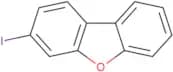
Discontinued product3-Iododibenzofuran
CAS:3-Iododibenzofuran is a fluorescent compound that has been used as a probe for the study of neutral endopeptidase activity. The compound is characterized by a high degree of thermal stability and an inhibitory potency at pH 7.0 that is approximately 3 orders of magnitude greater than that of the active site inhibitor, anthracene. 3-Iododibenzofuran can be synthesized using chemoenzymatic methods, with efficiencies and profiles that are similar to those obtained in the conventional method. This probe can also be used to investigate the functional role of proteins in living cells or tissues.
3-Iodobenzofuran has been shown to have pressor effects in rats and can cause tetrazole (a type of explosive) to detonate when heated, which makes it unsuitable for use in devices such as explosives or pyrotechnics.Formula:C12H7IOPurity:Min. 95%Molecular weight:294.09 g/molRef: 3D-FAA89629
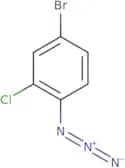
Discontinued product1-Azido-4-bromo-2-chlorobenzene
CAS:Versatile small molecule scaffold
Formula:C6H3BrClN3Purity:Min. 95%Molecular weight:232.46 g/molRef: 3D-CWB94347
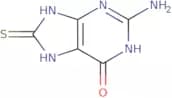
Discontinued product2-Amino-6-hydroxy-8-mercaptopurine
CAS:2-Amino-6-hydroxy-8-mercaptopurine is an antimicrobial agent that inhibits the growth of bacteria by binding to their ribosomes. It has been shown to have a cytotoxic effect in vivo on cancer cells and intestinal parasites, as well as a protective effect against infectious diseases. 2-Amino-6-hydroxy-8-mercaptopurine has also been shown to inhibit the synthesis of proteins in vitro, which may be due to its ability to bind to the ribosomal subunit and inhibit protein synthesis. 2-Amino-6-hydroxy-8-mercaptopurine inhibits bacterial growth by binding to DNA dependent RNA polymerase, thereby preventing transcription and replication. The high frequency of human activity has been shown using a patch clamp technique on human erythrocytes. This active form is metabolized through a number of metabolic transformations, including hydrolysis by esterases or gluc
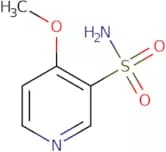
Formula:C5H5N5OSPurity:Min. 95%Color and Shape:PowderMolecular weight:183.19 g/mol4-Methoxypyridine-3-sulfonamide
CAS:4-Methoxypyridine-3-sulfonamide is a potent inhibitor of carbonic anhydrase. It is used in the treatment of chronic glaucoma and other diseases that result from increased intraocular pressure, such as iritis, keratitis, or optic neuritis. 4-Methoxypyridine-3-sulfonamide inhibits the activity of all isoforms of human carbonic anhydrase. The inhibition constants for this drug are higher for cytosolic isoforms than for transmembrane isoforms. This drug has a high selectivity for carbonic anhydrase over other enzymes and can be used to distinguish between different types of isoforms.
Formula:C6H8N2O3SPurity:Min. 95%Molecular weight:188.21 g/molRef: 3D-EZB66620
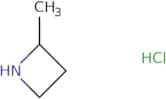
Discontinued product2-Methylazetidine hydrochloride
CAS:Versatile small molecule scaffold
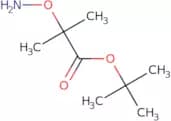
Formula:C4H10ClNPurity:Min. 95%Molecular weight:107.58 g/moltert-Butyl 2-(aminooxy)-2-methylpropanoate
CAS:Versatile small molecule scaffold
Formula:C8H17NO3Purity:Min. 95%Molecular weight:175.23 g/molRef: 3D-EVA43646
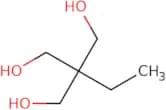
Discontinued product1,1,1-Tris(hydroxymethyl)propane
CAS:Tris(hydroxymethyl)propane is a diphenyl ether that has been shown to have an electrochemical impedance spectroscopy (EIS) spectrum in the human serum that is similar to those of other known antioxidants. Tris(hydroxymethyl)propane has been shown to protect against light-induced damage in human skin cells, and it also has radiation protective effects. Tris(hydroxymethyl)propane has also been shown to interact with trimethylolpropane, which is another antioxidant, and this interaction may affect the effectiveness of each agent. Tris(hydroxymethyl)propane inhibits lipid peroxidation by inhibiting the oxidation of fatty acids and hydroxyl groups on proteins.
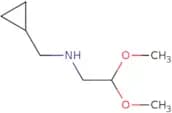
Formula:C6H14O3Purity:Min. 95%Molecular weight:134.17 g/mol(Cyclopropylmethyl)(2,2-dimethoxyethyl)amine
CAS:Versatile small molecule scaffold
Formula:C8H17NO2Purity:Min. 95%Molecular weight:159.23 g/molRef: 3D-EUB19366
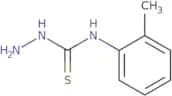
Discontinued product4-(2-Methylphenyl)-3-thiosemicarbazide
CAS:4-(2-Methylphenyl)-3-thiosemicarbazide is a crystalline solid that belongs to the group of benzoic acid derivatives. It has an orthorhombic crystal structure, with a yellow color. The crystals are measured at room temperature, and it has an atomic weight of 197.11 g/mol. 4-(2-Methylphenyl)-3-thiosemicarbazide is stable in air and in solution, but decomposes at temperatures above 250°C. This compound has been studied by using X-ray diffraction measurements and Bruker parameters. Its isotropic radiation is recorded at the following wavelength: 1.5418 Å (1).
Formula:C8H11N3SPurity:Min. 95%Molecular weight:181.26 g/mol2-Amino-N-[(benzylcarbamoyl)methyl]acetamide hydrochloride
CAS:Versatile small molecule scaffoldFormula:C11H16ClN3O2Purity:Min. 95%Molecular weight:257.72 g/molRef: 3D-ENC19856
Discontinued product2-[(3-Nitrophenyl)formamido]acetic acid
CAS:2-[(3-Nitrophenyl)formamido]acetic acid (2NPA) is a modifying agent that has been used in the modification of carboxyl groups. It can react with nucleophiles to form adducts and with carbodiimides to form ureas. 2NPA reacts with amino acids, peptides, and other nitrogenous compounds at their carboxyl groups to form ester or amide bonds. The nature of the residues after modification varies depending on the nature of the carboxyl group that was modified.
Formula:C9H8N2O5Purity:Min. 95%Molecular weight:224.17 g/molRef: 3D-AAA61710
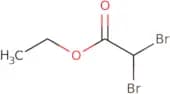
Discontinued productAcetic acid, dibromo-, ethyl ester
CAS:Acetic acid, dibromo-, ethyl ester is a reactive molecule that can be used as a nucleophilic substituent. It has hydroxyl group and ruthenium complex. It is a particle that can be used in the production of monoclonal antibodies. Acetic acid, dibromo-, ethyl ester also has viscosity and polycarboxylic acid. This chemical reacts with β-unsaturated ketones to form polymerization initiator. Acetic acid, dibromo-, ethyl ester also has carbonyl group and monoclonal antibodies. Acetic acid, dibromo-, ethyl ester can be conjugated with ethyl bromoacetate to produce conjugates.
Formula:C4H6Br2O2Purity:Min. 95%Molecular weight:245.9 g/mol6-(3-Chlorophenyl)-3-methyl-[1,2]oxazolo[5,4-b]pyridine-4-carboxylic acid
CAS:Versatile small molecule scaffold
Formula:C14H9ClN2O3Purity:Min. 95%Molecular weight:288.68 g/molRef: 3D-ENB58474
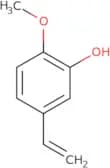
Discontinued product5-Ethenyl-2-methoxyphenol
CAS:5-Ethenyl-2-methoxyphenol is a volatile compound that has been isolated from the bark of the cinnamon tree. It has shown anticancer activities "in vitro" and "in vivo". 5-Ethenyl-2-methoxyphenol has been shown to be demethylated by cytochrome P450 enzymes, which may result in its antitumor activity. This active compound can also be detected in postharvested fruit and vegetables as well as processed foods such as apple juice, tomato sauce, and dried fruits. 5-Ethenyl-2-methoxyphenol is responsible for the characteristic flavor of cinnamon, so it is often used as a flavoring agent in food processing.
Formula:C9H10O2Purity:Min. 95%Color and Shape:PowderMolecular weight:150.17 g/mol1-(4-Phenoxyphenyl)propan-1-one
CAS:Versatile small molecule scaffold
Formula:C15H14O2Purity:Min. 95%Molecular weight:226.27 g/molRef: 3D-AAA88926
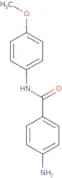
Discontinued product4-Amino-n-(4-methoxyphenyl)benzamide
CAS:4-Amino-N-(4-methoxyphenyl)benzamide is a catalytic sulfamate that has been optimized for use in the synthesis of benzimidazole derivatives. 4-Amino-N-(4-methoxyphenyl)benzamide is used as a reagent for the preparation of aldehydes from sulfamic acid and various types of carboxylic acids. The reaction mechanism involves nucleophilic attack by the hydroxyl group from the sulfamate on the carbonyl carbon atom to form an intermediate, which then reacts with water to release hydrogen sulfate and form a new double bond.
Formula:C14H14N2O2Purity:Min. 95%Molecular weight:242.27 g/molRef: 3D-AAA89135
Discontinued productN-[Carbamothioyl(phenyl)methyl]benzamide
CAS:Versatile small molecule scaffold
Formula:C15H14N2OSPurity:Min. 95%Molecular weight:270.3 g/molRef: 3D-AAA89278
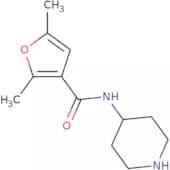
Discontinued product2,5-Dimethyl-N-(piperidin-4-yl)furan-3-carboxamide
CAS:Versatile small molecule scaffoldFormula:C12H18N2O2Purity:Min. 95%Molecular weight:222.28 g/molRef: 3D-ENB57150
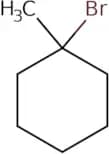
Discontinued product1-Bromo-1-methylcyclohexane
CAS:1-Bromo-1-methylcyclohexane is a monomolecular gas that is used as an intermediate in organic synthesis. It reacts with halides to form cyclopentyl derivatives. This reaction has been shown to be faster than the corresponding reaction of 1-bromocyclohexane with chlorides or bromides. The rate of this reaction may be due to the polarizability and conformational changes of the molecule upon substitution by a methyl group. 1-Bromo-1-methylcyclohexane is also an ionizing reagent, which means it can cause electrophilic reactions to occur on other molecules. It has been found that the solvent effect on this product can affect its reactivity, with solvents such as water having more of an effect than solvents such as benzene. 1-Bromo-1-methylcyclohexane has been shown to interact with other compounds in both transfer and complex
Formula:C7H13BrPurity:Min. 95%Molecular weight:177.08 g/molRef: 3D-AAA93177
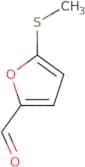
Discontinued product5-(Methylsulfanyl)furan-2-carbaldehyde
CAS:Versatile small molecule scaffold
Formula:C6H6O2SPurity:Min. 95%Molecular weight:142.18 g/molRef: 3D-AAA93294
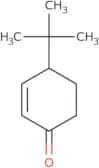
Discontinued product4-tert-Butylcyclohex-2-en-1-one
CAS:Versatile small molecule scaffold
Formula:C10H16OPurity:Min. 95%Molecular weight:152.23 g/molRef: 3D-AAA93707
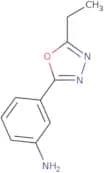
Discontinued product3-(5-Ethyl-1,3,4-oxadiazol-2-yl)aniline
CAS:Versatile small molecule scaffold
Formula:C10H11N3OPurity:Min. 95%Molecular weight:189.21 g/molRef: 3D-ENB32909
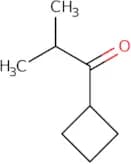
Discontinued product1-Cyclobutyl-2-methylpropan-1-one
CAS:Versatile small molecule scaffold
Formula:C8H14OPurity:Min. 95%Molecular weight:126.2 g/molRef: 3D-ABA11133
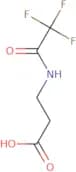
Discontinued product3-(Trifluoroacetamido)propanoic acid
CAS:Versatile small molecule scaffold
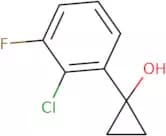
Formula:C5H6F3NO3Purity:Min. 95%Molecular weight:185.1 g/mol1-(2-Chloro-3-fluorophenyl)cyclopropan-1-ol
CAS:Versatile small molecule scaffold
Formula:C9H8ClFOPurity:Min. 95%Molecular weight:186.61 g/molRef: 3D-EKC93198
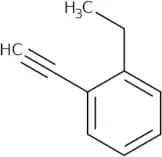
Discontinued product1-Ethyl-2-ethynylbenzene
CAS:1-Ethyl-2-ethynylbenzene is an indene that can be synthesized by the reaction of 1-ethylbenzene with ethynylmagnesium bromide and trifluoroacetyl chloride. 1-Ethyl-2-ethynylbenzene reacts as a nucleophile with electrophiles, such as phenylsulfonyl and acetylene compounds, to form sulfones and acetylenes. It can also react with tetrafluoroborates to form indenes.
Formula:C10H10Purity:Min. 95%Molecular weight:130.19 g/molRef: 3D-ADA65949
Discontinued product2-Bromo-7-chloro-[1,2,4]triazolo[1,5-a]pyridine
CAS:Versatile small molecule scaffold
Formula:C6H3BrClN3Purity:Min. 95%Molecular weight:232.46 g/mol6-Methoxy-3,3-dimethyl-2,3,4,5-tetrahydropyridine
CAS:Versatile small molecule scaffoldFormula:C8H15NOPurity:Min. 95%Molecular weight:141.21 g/molRef: 3D-EHA68559
Discontinued product(2E)-3-[4-(Methylcarbamoyl)phenyl]prop-2-enoic acid
CAS:Versatile small molecule scaffold
Formula:C11H11NO3Purity:Min. 95%Molecular weight:205.21 g/molRef: 3D-EHA62711
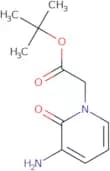
Discontinued producttert-Butyl 2-(3-amino-2-oxo-1,2-dihydropyridin-1-yl)acetate
CAS:Versatile small molecule scaffold
Formula:C11H16N2O3Purity:Min. 95%Molecular weight:224.26 g/molRef: 3D-EHA52410
Discontinued product6-Amino-1-[(4-chlorophenyl)methyl]-1,2,3,4-tetrahydropyrimidine-2,4-dione
CAS:Versatile small molecule scaffold
Formula:C11H10ClN3O2Purity:Min. 95%Molecular weight:251.67 g/molRef: 3D-EHA48647
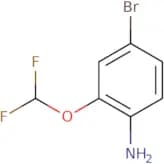
Discontinued product4-Bromo-2-(difluoromethoxy)aniline
CAS:Versatile small molecule scaffold
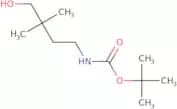
Formula:C7H6BrF2NOPurity:Min. 95%Molecular weight:238.03 g/moltert-Butyl N-(4-hydroxy-3,3-dimethylbutyl)carbamate
CAS:Versatile small molecule scaffold
Formula:C11H23NO3Purity:Min. 95%Molecular weight:217.31 g/molRef: 3D-EHA41905
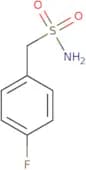
Discontinued product(4-Fluorophenyl)methanesulfonamide
CAS:Versatile small molecule scaffold
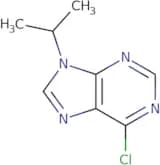
Formula:C7H8FNO2SPurity:Min. 95%Molecular weight:189.21 g/mol6-Chloro-9-(propan-2-yl)-9H-purine
CAS:6-Chloro-9-(propan-2-yl)-9H-purine is an intermediate in the synthesis of nucleoside analogues. It is obtained by the catalyzed reaction of acetonitrile and purines, which undergoes regioisomerization to form a mixture of 6-chloro-9-(propyl)- and 6-chloro-9-(butyl)purine. This intermediate can be used for the alkynylation of amino acids or peptides with alkynes. The selective formation of one regioisomer can be achieved by using a chiral catalyst or by reacting with an optically active reagent such as (+)-camphor sulfonic acid.
Formula:C8H9ClN4Purity:Min. 95%Molecular weight:196.64 g/molRef: 3D-AVA53908
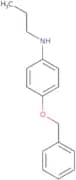
Discontinued product4-(Benzyloxy)-N-propylaniline
CAS:Versatile small molecule scaffold
Formula:C16H19NOPurity:Min. 95%Molecular weight:241.33 g/molRef: 3D-AZB85652
Discontinued productN-[4-Bromo-2-nitro-6-(trifluoromethyl)phenyl]acetamide
CAS:Versatile small molecule scaffold
Formula:C9H6BrF3N2O3Purity:Min. 95%Molecular weight:327.05 g/molRef: 3D-EHA06200
Discontinued product4-Bromobenzaldehyde
CAS:Please enquire for more information about 4-Bromobenzaldehyde including the price, delivery time and more detailed product information at the technical inquiry form on this page
Formula:C7H5BrOMolecular weight:185.03 g/molRef: 3D-B-5782
Discontinued product2-Chloro-4-methoxy-6-methyl-3-nitropyridine
CAS:Versatile small molecule scaffoldFormula:C7H7ClN2O3Purity:Min. 95%Molecular weight:202.59 g/molRef: 3D-EHA05694
Discontinued product(4-Nitrophenyl)acetaldehyde
CAS:4-Nitrophenylacetaldehyde is an organic compound that belongs to the group of reactive chemicals. It is synthetically derived from nitrobenzene and reacts with proton, covalent adducts, or other functional groups. 4-Nitrophenylacetaldehyde has been shown to be a target for cancer research because it can be used to produce cancer drugs by linking a variety of functional groups to the molecule. The nitrogen atom in the molecule is also a target for research because it can be converted into nitro groups and can help in the development of new drugs through dehydration reactions.
Formula:C8H7NO3Purity:Min. 95%Molecular weight:165.15 g/molRef: 3D-BAA46005
Discontinued product3-(1-Methyl-1H-pyrazol-3-yl)benzaldehyde
CAS:Versatile small molecule scaffold
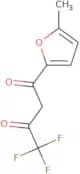
Formula:C11H10N2OPurity:Min. 95%Molecular weight:186.21 g/mol4,4,4-Trifluoro-1-(5-methylfuran-2-yl)butane-1,3-dione
CAS:Versatile small molecule scaffold
Formula:C9H7F3O3Purity:Min. 95%Molecular weight:220.14 g/molRef: 3D-EGB34239
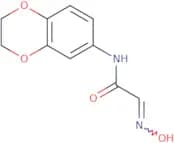
Discontinued productN-(2,3-Dihydro-1,4-benzodioxin-6-yl)-2-(N-hydroxyimino)acetamide
CAS:Versatile small molecule scaffold
Formula:C10H10N2O4Purity:Min. 95%Molecular weight:222.2 g/molRef: 3D-EGA86912
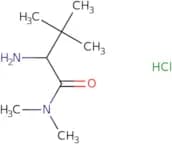
Discontinued product(2S)-2-Amino-N,N,3,3-tetramethylbutanamide hydrochloride
CAS:Versatile small molecule scaffold
Formula:C8H19ClN2OPurity:Min. 95%Molecular weight:194.7 g/molRef: 3D-EGA83098
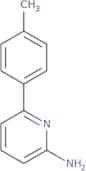
Discontinued product6-(p-Tolyl)pyridin-2-amine
CAS:Versatile small molecule scaffold
Formula:C12H12N2Purity:Min. 95%Molecular weight:184.24 g/molRef: 3D-EGA47928
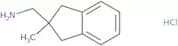
Discontinued product(2-Methyl-2,3-dihydro-1H-inden-2-yl)methanamine hydrochloride
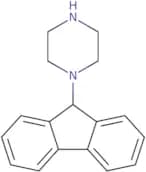
CAS:Versatile small molecule scaffoldFormula:C11H16ClNPurity:Min. 95%Molecular weight:197.7 g/mol1-(9H-Fluoren-9-yl)piperazine
CAS:Versatile small molecule scaffold
Formula:C17H18N2Purity:Min. 95%Molecular weight:250.34 g/mol2,2-Bis(chloromethyl)-1,3-dioxolane
CAS:2,2-Bis(chloromethyl)-1,3-dioxolane is a chemical intermediate that can be used in the production of polyester resins. It is a colorless liquid with an unpleasant odor. 2,2-Bis(chloromethyl)-1,3-dioxolane reacts with ethylene and glycol to produce polyester resins. This reaction occurs at high temperatures and produces a mixture of products such as diols and triols. When heated in acidic conditions, the compound hydrolyzes to form dihydroxyacetone and p-toluenesulfonic acid. The compound is also used as an industrial solvent for acidic materials. Recrystallizing the product from ethylene glycol results in a white crystalline powder that can be used in the manufacture of other chemicals such as sulfate salts.
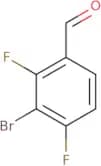
Formula:C5H8Cl2O2Purity:Min. 95%Molecular weight:171.02 g/mol3-Bromo-2,4-difluorobenzaldehyde
CAS:Versatile small molecule scaffold
Formula:C7H3BrF2OPurity:Min. 95%Molecular weight:219.93 g/mol4-(4-Aminophenyl)-1-methyl-1H-pyrazolo[3,4-b]pyridine-3-carboxylic acid
CAS:Versatile small molecule scaffoldFormula:C14H12N4O2Purity:Min. 95%Molecular weight:268.27 g/molRef: 3D-EEC70466
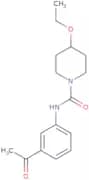
Discontinued productN-(3-Acetylphenyl)-4-ethoxypiperidine-1-carboxamide
CAS:Versatile small molecule scaffold
Formula:C16H22N2O3Purity:Min. 95%Molecular weight:290.36 g/molRef: 3D-ECC89688
Discontinued product2',3'-Dihydro-1'H-spiro[cyclopropane-1,4'-quinoline]
CAS:Versatile small molecule scaffold
Formula:C11H13NPurity:Min. 95%Molecular weight:159.23 g/molRef: 3D-ECC59829
Discontinued product4-[2-(2-Methylphenyl)ethyl]piperidine
CAS:Versatile small molecule scaffold
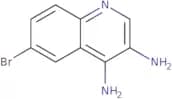
Formula:C14H21NPurity:Min. 95%Molecular weight:203.32 g/mol6-Bromoquinoline-3,4-diamine
CAS:Versatile small molecule scaffold
Formula:C9H8BrN3Purity:Min. 95%Molecular weight:238.08 g/molRef: 3D-DWB09514
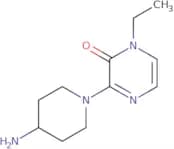
Discontinued product3-(4-Aminopiperidin-1-yl)-1-ethyl-1,2-dihydropyrazin-2-one
CAS:Versatile small molecule scaffold
Formula:C11H18N4OPurity:Min. 95%Molecular weight:222.29 g/molRef: 3D-SDC37693
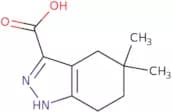
Discontinued product5,5-Dimethyl-4,5,6,7-tetrahydro-1H-indazole-3-carboxylic acid
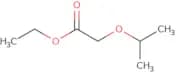
CAS:Versatile small molecule scaffoldFormula:C10H14N2O2Purity:Min. 95%Molecular weight:194.23 g/molEthyl 2-(propan-2-yloxy)acetate
CAS:Ethyl 2-(propan-2-yloxy)acetate is a high concentration organometallic compound that is an active substance. The organometallic compound consists of a magnesium atom, an aliphatic hydrocarbon group, and a polyolefin. It has been shown to have a blood pressure lowering effect in rats. Ethyl 2-(propan-2-yloxy)acetate is an ester compound that acts as an intermediate in the production of other substances with therapeutic properties.
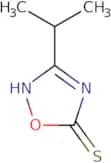
Formula:C7H14O3Purity:Min. 95%Molecular weight:146.18 g/mol3-(Propan-2-yl)-1,2,4-oxadiazole-5-thiol
CAS:Versatile small molecule scaffold
Formula:C5H8N2OSPurity:Min. 95%Molecular weight:144.2 g/molRef: 3D-SDC62895
Discontinued product8-Oxa-1-azaspiro[5.5]undecane
CAS:Versatile small molecule scaffold
Formula:C9H17NOPurity:Min. 95%Molecular weight:155.24 g/molRef: 3D-SJB17817
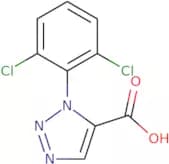
Discontinued product1-(2,6-Dichlorophenyl)-1H-1,2,3-triazole-5-carboxylic acid
CAS:Versatile small molecule scaffoldFormula:C9H5Cl2N3O2Purity:Min. 95%Molecular weight:258.06 g/molRef: 3D-SJC72078
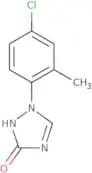
Discontinued product1-(4-Chloro-2-methylphenyl)-2,3-dihydro-1H-1,2,4-triazol-3-one
CAS:Versatile small molecule scaffoldFormula:C9H8ClN3OPurity:Min. 95%Molecular weight:209.63 g/molRef: 3D-SBA09763
Discontinued product1-(2,5-Dimethylfuran-3-yl)ethan-1-amine
CAS:Versatile small molecule scaffold
Formula:C8H13NOPurity:Min. 95%Molecular weight:139.19 g/molRef: 3D-SMA83020
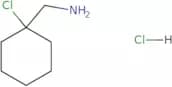
Discontinued product(1-Chlorocyclohexyl)methanamine hydrochloride
CAS:Versatile small molecule scaffold
Formula:C7H15Cl2NPurity:Min. 95%Molecular weight:184.1 g/molRef: 3D-SBA00983
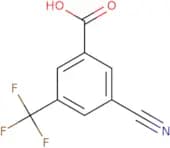
Discontinued product3-Cyano-5-(trifluoromethyl)benzoic Acid
CAS:Versatile small molecule scaffold
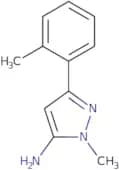
Formula:C9H4NO2F3Purity:Min. 95%Molecular weight:215.12 g/mol2-Methyl-5-(2-methylphenyl)pyrazol-3-amine
CAS:Versatile small molecule scaffoldFormula:C11H13N3Purity:Min. 95%Molecular weight:187.25 g/molRef: 3D-SQB66559
Discontinued product1-{[5-Chloro-2-(difluoromethoxy)phenyl]methyl}-5-nitro-1,2-dihydropyridin-2-one
CAS:Versatile small molecule scaffold
Formula:C13H9ClF2N2O4Purity:Min. 95%Molecular weight:330.67 g/molRef: 3D-RZB30774
Discontinued product[1-(2,6-Difluorophenyl)cyclopropyl]methanamine
CAS:Versatile small molecule scaffold
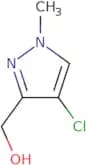
Formula:C10H11F2NPurity:Min. 95%Molecular weight:183.2 g/mol(4-Chloro-1-methyl-1H-pyrazol-3-yl)methanol
CAS:Versatile small molecule scaffold
Formula:C5H7ClN2OPurity:Min. 95%Molecular weight:146.57 g/molRef: 3D-SQB78329
Discontinued product[(2,4-Difluorophenyl)methyl](ethyl)amine
CAS:Versatile small molecule scaffold
Formula:C9H11F2NPurity:Min. 95%Molecular weight:171.19 g/molRef: 3D-RQB85958
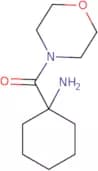
Discontinued product1-(Morpholine-4-carbonyl)cyclohexan-1-amine
CAS:Versatile small molecule scaffold
Formula:C11H20N2O2Purity:Min. 95%Molecular weight:212.29 g/molRef: 3D-RQB85795
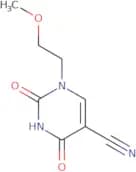
Discontinued product1-(2-Methoxyethyl)-2,4-dioxo-1,2,3,4-tetrahydropyrimidine-5-carbonitrile
CAS:Versatile small molecule scaffoldFormula:C8H9N3O3Purity:Min. 95%Molecular weight:195.18 g/molRef: 3D-RNA96614
Discontinued product3-Bromo-5-chloro-1H-pyrrolo[2,3-b]pyridine
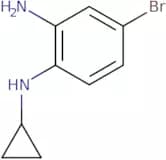
CAS:Versatile small molecule scaffoldFormula:C7H4BrClN2Purity:Min. 95%Molecular weight:231.48 g/mol4-Bromo-1-N-cyclopropylbenzene-1,2-diamine
CAS:Versatile small molecule scaffoldFormula:C9H11BrN2Purity:Min. 95%Molecular weight:227.1 g/molRef: 3D-STB29141
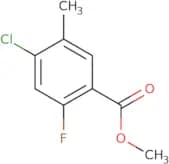
Discontinued productMethyl 4-chloro-2-fluoro-5-methylbenzoate
CAS:Versatile small molecule scaffoldFormula:C9H8ClFO2Purity:Min. 95%Molecular weight:202.61 g/molRef: 3D-SXB54788
Discontinued product4-Propyl-1-sulfanyl-4H,5H-[1,2,4]triazolo[4,3-a]quinazolin-5-one
CAS:Versatile small molecule scaffold
Formula:C12H12N4OSPurity:Min. 95%Molecular weight:260.32 g/molRef: 3D-REB73179
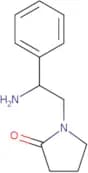
Discontinued product1-(2-Amino-2-phenylethyl)pyrrolidin-2-one
CAS:Versatile small molecule scaffoldFormula:C12H16N2OPurity:Min. 95%Molecular weight:204.27 g/molRef: 3D-TBA00324
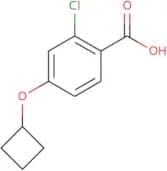
Discontinued product2-Chloro-4-cyclobutoxybenzoic acid
CAS:Versatile small molecule scaffoldFormula:C11H11ClO3Purity:Min. 95%Molecular weight:226.65 g/molRef: 3D-RDC28603
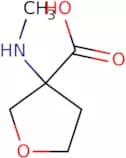
Discontinued product3-(Methylamino)oxolane-3-carboxylic acid
CAS:Versatile small molecule scaffold
Formula:C6H11NO3Purity:Min. 95%Molecular weight:145.16 g/molRef: 3D-RDC12146
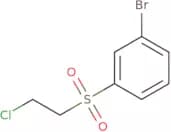
Discontinued product1-Bromo-3-(2-chloroethanesulfonyl)benzene
CAS:Versatile small molecule scaffold
Formula:C8H8BrClO2SPurity:Min. 95%Molecular weight:283.57 g/molCyclopropyl[3-(trifluoromethoxy)phenyl]methanone
CAS:Versatile small molecule scaffold
Formula:C11H9F3O2Purity:Min. 95%Molecular weight:230.18 g/molRef: 3D-RDC06596
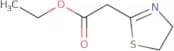
Discontinued productEthyl 2-(4,5-dihydro-1,3-thiazol-2-yl)acetate
CAS:Versatile small molecule scaffoldFormula:C7H11NO2SPurity:Min. 95%Molecular weight:173.24 g/molRef: 3D-TBA18324
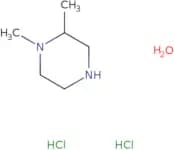
Discontinued product1,2-Dimethylpiperazine dihydrochloride
CAS:Versatile small molecule scaffoldFormula:C6H16Cl2N2Purity:Min. 95%Molecular weight:187.11 g/molRef: 3D-TBB43515
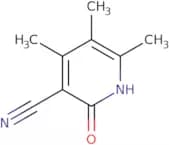
Discontinued product2-Hydroxy-4,5,6-trimethylnicotinonitrile
CAS:Versatile small molecule scaffoldFormula:C9H10N2OPurity:Min. 95%Molecular weight:162.19 g/molRef: 3D-RDA59159
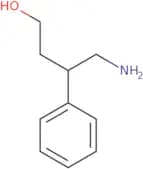
Discontinued product4-Amino-3-phenylbutan-1-ol
CAS:Versatile small molecule scaffold
Formula:C10H15NOPurity:Min. 95%Molecular weight:165.23 g/molRef: 3D-RBA17540
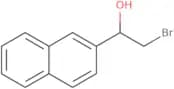
Discontinued product2-Bromo-1-(naphthalen-2-yl)ethan-1-ol
CAS:Versatile small molecule scaffold
Formula:C12H11BrOPurity:Min. 95%Molecular weight:251.12 g/molRef: 3D-RDA57104
Discontinued product5-Methyl-2-sulfanyl-4H,7H-[1,2,4]triazolo[1,5-a]pyrimidin-7-one
CAS:Versatile small molecule scaffold
Formula:C6H6N4OSPurity:Min. 95%Molecular weight:182.2 g/molRef: 3D-RBA12281
Discontinued product1',2'-Dihydrospiro[cyclopentane-1,3'-indole]-2'-one
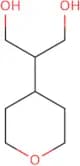
CAS:1',2'-Dihydrospiro[cyclopentane-1,3'-indole]-2'-one is a bromodomain inhibitor that inhibits the function of the bromodomain and prevents it from binding to acetylated lysine residues in the N-terminal domain of histones. This drug has been shown to inhibit the growth and proliferation of cancer cells in vitro. 1',2'-Dihydrospiro[cyclopentane-1,3'-indole]-2'-one is used as an excipient or diluent in pharmaceutical formulations. The drug is also used therapeutically as bromodomain inhibitors for cancers including breast, prostate, and colorectal cancers.Formula:C12H13NOPurity:Min. 95%Molecular weight:187.24 g/mol2-(Oxan-4-yl)propane-1,3-diol
CAS:Versatile small molecule scaffold
Formula:C8H16O3Purity:Min. 95%Molecular weight:160.21 g/molRef: 3D-RAD15754
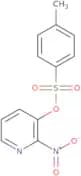
Discontinued product2-Nitropyridin-3-yl 4-methylbenzene-1-sulfonate
CAS:Versatile small molecule scaffold
Formula:C12H10N2O5SPurity:Min. 95%Molecular weight:294.29 g/mol2-{6,8-Dichloroimidazo[1,2-a]pyridin-2-yl}ethanethioamide
CAS:Versatile small molecule scaffoldFormula:C9H7Cl2N3SPurity:Min. 95%Molecular weight:260.14 g/mol2-Chloro-N-[5-(2,2,2-trifluoroethyl)-1,3,4-oxadiazol-2-yl]acetamide
CAS:Versatile small molecule scaffold
Formula:C6H5ClF3N3O2Purity:Min. 95%Molecular weight:243.57 g/molRef: 3D-QZB52619
Discontinued product3-Benzyl-3-azabicyclo[3.1.1]heptane-6-carboxylic acid hydrochloride
CAS:Versatile small molecule scaffold
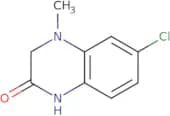
Formula:C14H18ClNO2Purity:Min. 95%Molecular weight:267.75 g/mol6-Chloro-4-methyl-1,2,3,4-tetrahydroquinoxalin-2-one
CAS:Versatile small molecule scaffoldFormula:C9H9ClN2OPurity:Min. 95%Molecular weight:196.63 g/molRef: 3D-QZB38194
Discontinued product2-(2-{[(9H-Fluoren-9-yl)methoxy]carbonyl}-1,2,3,4-tetrahydroisoquinolin-1-yl)acetic acid
CAS:Versatile small molecule scaffoldFormula:C26H23NO4Purity:Min. 95%Molecular weight:413.5 g/molRef: 3D-QWA48355
Discontinued product(4-Methyl-1H-indol-3-yl)methanol
CAS:Versatile small molecule scaffold
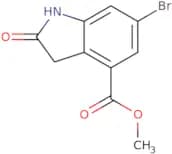
Formula:C10H11NOPurity:Min. 95%Molecular weight:161.2 g/molMethyl 6-Bromo-2-oxo-2,3-dihydro-1H-indole-4-carboxylate
CAS:Versatile small molecule scaffoldFormula:C10H8NO3BrPurity:Min. 95%Molecular weight:270.07 g/mol1,3-Dioxo-2,3-dihydro-1H-isoindol-2-yl 2-[4-(2-methylpropyl)phenyl]propanoate
CAS:Versatile small molecule scaffold
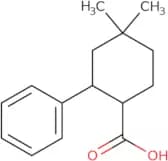
Formula:C21H21NO4Purity:Min. 95%Molecular weight:351.4 g/mol4,4-Dimethyl-2-phenylcyclohexane-1-carboxylic acid
CAS:Versatile small molecule scaffold
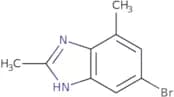
Formula:C15H20O2Purity:Min. 95%Molecular weight:232.32 g/mol5-Bromo-2,7-dimethyl-1H-1,3-benzodiazole
CAS:Versatile small molecule scaffoldFormula:C9H9BrN2Purity:Min. 95%Molecular weight:225.08 g/mol(5,6,7,8-Tetrahydro-4H-cyclohepta[D]isoxazol-3-yl)methanol
CAS:Versatile small molecule scaffold
Formula:C9H13NO2Purity:Min. 95%Molecular weight:167.2 g/mol2-Bromo-6-chloroimidazo[1,2-a]pyridine
CAS:Versatile small molecule scaffold
Formula:C7H4BrClN2Purity:Min. 95%Molecular weight:231.48 g/molRef: 3D-QHA07448
Discontinued product1-[(2-bromophenyl)methyl]-2,5-dihydro-1H-pyrrole-2,5-dione
CAS:Versatile small molecule scaffold
Formula:C11H8BrNO2Purity:Min. 95%Molecular weight:266.09 g/molRef: 3D-QFA48093
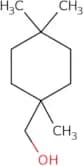
Discontinued product(1,4,4-Trimethylcyclohexyl)methanol
CAS:Versatile small molecule scaffold
Formula:C10H20OPurity:Min. 95%Molecular weight:156.3 g/molRef: 3D-QFA42344
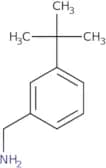
Discontinued product1-(3-tert-Butylphenyl)methanamine
CAS:1-(3-tert-Butylphenyl)methanamine is a potent and selective inhibitor of the enzyme Tryptophan-2,3-dioxygenase (TDO). TDO is an enzyme that catalyzes the conversion of tryptophan to indolepyruvate in the kynurenine pathway. 1-(3-tert-Butylphenyl)methanamine inhibits this conversion, which leads to increased levels of tryptophan in the body. It has been shown to be effective against a range of analytes, including enzymes, with a low nanomolar and nanomolar range. This drug also has an isostere group that allows it to bind at subpockets on the enzyme active site that would not be accessible by other inhibitors.
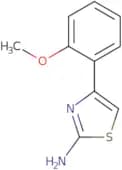
1-(3-tert-Butylphenyl)methanamine has been shown to inhibit cell proliferation in cell-based assays as well asFormula:C11H17NPurity:Min. 95%Molecular weight:163.26 g/mol4-(2-Methoxy-phenyl)-thiazol-2-ylamine
CAS:4-(2-Methoxy-phenyl)-thiazol-2-ylamine is a flavonoid that is synthesized by the condensation of luteolin with salicylaldehyde. It has been shown to have antibacterial activity against strains of P. aeruginosa and S. aureus, with MIC values of 12.5 µg/mL and 25 µg/mL, respectively. The MIC value for 4-(2-Methoxy-phenyl)-thiazol-2-ylamine against E. coli was found to be 100 µg/mL. 4-(2-Methoxy-phenyl)-thiazol-2-ylamine has been shown to inhibit the growth of organisms such as Escherichia coli, Streptococcus pneumoniae and Staphylococcus aureus in vitro. This compound is not active against Gram positive bacteria such as Bacillus subtilis or GramFormula:C10H10N2OSPurity:Min. 95%Molecular weight:206.27 g/molRef: 3D-TDA20995
Discontinued product2-Ethyl-5-nitrobenzoic acid
CAS:Versatile small molecule scaffold
Formula:C9H9NO4Purity:Min. 95%Molecular weight:195.17 g/molRef: 3D-QDA56419
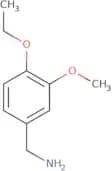
Discontinued product(4-Ethoxy-3-methoxybenzyl)amine
CAS:Research has shown that (4-Ethoxy-3-methoxybenzyl)amine (EMBA) is a potent inhibitor of bacterial growth. The alkylation of EMBA with methylamine and benzene leads to the formation of aureus, which is an antibiotic that can be used to treat staphylococcus infections. In addition, EMBA can also be methylated with hydroxylamine to form benzylamine, a compound that inhibits the synthesis of the cell wall in bacteria. These properties make EMBA an effective antimicrobial agent.
Formula:C10H15NO2Purity:Min. 95%Molecular weight:181.23 g/molRef: 3D-TDA48914
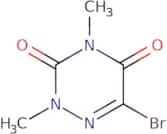
Discontinued product6-Bromo-2,4-dimethyl-2,3,4,5-tetrahydro-1,2,4-triazine-3,5-dione
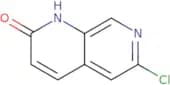
CAS:Versatile small molecule scaffoldFormula:C5H6BrN3O2Purity:Min. 95%Molecular weight:220.02 g/mol6-Chloro-1,2-dihydro-1,7-naphthyridin-2-one
CAS:Versatile small molecule scaffold
Formula:C8H5ClN2OPurity:Min. 95%Molecular weight:180.59 g/molRef: 3D-TDA49368
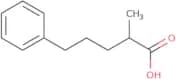
Discontinued product2-Methyl-5-phenylpentanoic acid
CAS:2-Methyl-5-phenylpentanoic acid is a chiral, asymmetric catalyst for the hydrogenation of prochiral alkenes. It is prepared by the reaction of ferrocenyl phosphine with 2-methyl-5-phenylpentanoic acid. The product is obtained as a racemic mixture of enantiomers that can be separated by chromatography or crystallization.
Formula:C12H16O2Purity:Min. 95%Molecular weight:192.25 g/molRef: 3D-TFA09760
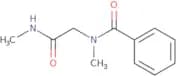
Discontinued productN-Methyl-2-(N-methyl-1-phenylformamido)acetamide
CAS:Versatile small molecule scaffold
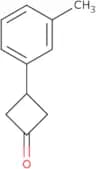
Formula:C11H14N2O2Purity:Min. 95%Molecular weight:206.2 g/mol3-(3-Methylphenyl)cyclobutan-1-one
CAS:Versatile small molecule scaffold
Formula:C11H12OPurity:Min. 95%Molecular weight:160.21 g/molRef: 3D-TJA86756
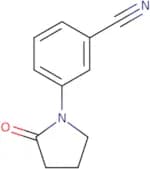
Discontinued product3-(2-Oxopyrrolidin-1-yl)benzonitrile
CAS:Versatile small molecule scaffold
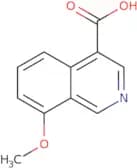
Formula:C11H10N2OPurity:Min. 95%Molecular weight:186.21 g/mol8-Methoxyisoquinoline-4-carboxylic acid
CAS:Versatile small molecule scaffold
Formula:C11H9NO3Purity:Min. 95%Molecular weight:203.19 g/molRef: 3D-PLC96058
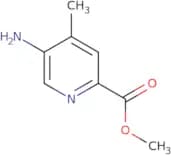
Discontinued productmethyl 5-amino-4-methylpyridine-2-carboxylate
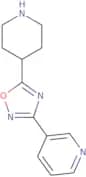
CAS:Versatile small molecule scaffoldFormula:C8H10N2O2Purity:Min. 95%Molecular weight:166.18 g/mol4-(4-Nitrophenyl)-1H-pyrazole
CAS:Versatile small molecule scaffold
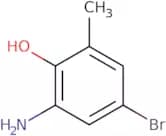
Formula:C9H7N3O2Purity:Min. 95%Molecular weight:189.18 g/mol2-Amino-4-bromo-6-methylphenol
CAS:Versatile small molecule scaffold
Formula:C7H8BrNOPurity:Min. 95%Color and Shape:PowderMolecular weight:202.05 g/mol2-[(2S)-Oxiran-2-yl]-1-benzofuran
CAS:Versatile small molecule scaffold
Formula:C10H8O2Purity:Min. 95%Molecular weight:160.17 g/molRef: 3D-TNA61408
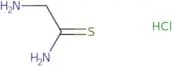
Discontinued product2-Aminoethanethioamide hydrochloride
CAS:Versatile small molecule scaffold
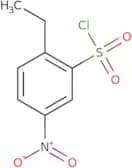
Formula:C2H7ClN2SPurity:Min. 95%Molecular weight:126.61 g/mol2-Ethyl-5-nitrobenzene-1-sulfonyl chloride
CAS:Versatile small molecule scaffold
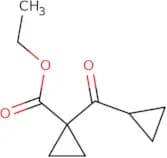
Formula:C8H8ClNO4SPurity:Min. 95%Molecular weight:249.67 g/molEthyl1-(cyclopropanecarbonyl)cyclopropanecarboxylate
CAS:Versatile small molecule scaffoldFormula:C10H14O3Purity:Min. 95%Molecular weight:182.22 g/molRef: 3D-TNA77101
Discontinued product1-[4-(3-Aminocyclopentyl)piperazin-1-yl]ethan-1-one
CAS:Versatile small molecule scaffold
Formula:C11H21N3OPurity:Min. 95%Molecular weight:211.3 g/molRef: 3D-UKC55241
Discontinued product1-Hydroxycyclopentane-1-carbonitrile
CAS:1-Hydroxycyclopentane-1-carbonitrile is a monomer that is hydrolyzed to form benzoin and cyanohydrins. It can be used in the production of scifinder as a monomer or dimerizer.
Formula:C6H9NOPurity:Min. 95%Molecular weight:111.14 g/mol2-Bromo-3,3,3-trifluoro-1-propene
CAS:Controlled Product2-Bromo-3,3,3-trifluoro-1-propene is a chemical compound that has been synthesized in an asymmetric reaction. The reactant is bromopropane and the product is 2,2,2-trifluoropropene. The methylene group on the propene molecule is activated by the nucleophilic attack of a fluoride ion from hydrogen fluoride to form a cavity with a highly strained bond. The kinetic study of this reaction revealed that the activation energy for the reaction is 42 kJ/mol. Palladium-catalyzed coupling reactions are catalyzed by palladium and require nonpolar solvents such as toluene or dichloromethane. This type of reaction has been shown to be exothermic with an isolated yield of 1%.
Formula:C3H2BrF3Purity:Min. 95%Color and Shape:Colorless PowderMolecular weight:174.95 g/mol4,5-Dihydro-1H-imidazol-2-amine hydrochloride
CAS:Please enquire for more information about 4,5-Dihydro-1H-imidazol-2-amine hydrochloride including the price, delivery time and more detailed product information at the technical inquiry form on this page
Formula:C3H7N3•HClPurity:Min. 95%Molecular weight:121.57 g/molRef: 3D-FD183639
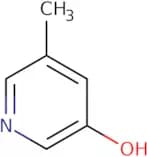
Discontinued product3-Hydroxy-5-methylpyridine
CAS:3-Hydroxy-5-methylpyridine (3HMP) is a chemical substance that has been classified as an amine. It is a product of the metabolism of purines, which are nitrogenous bases found in DNA and RNA. 3HMP is produced by aerogenic bacteria (such as Enterobacter), and can be used to estimate the number of these bacteria present in water samples. 3HMP has been shown to have antiviral properties against influenza virus, and can be used as a biomarker for the presence of other viruses in animals. 3HMP also has mineralization properties, which have been studied extensively, particularly with regards to pancreatic disease.
Formula:C6H7NOPurity:Min. 95%Color and Shape:PowderMolecular weight:109.13 g/molRef: 3D-FH16174
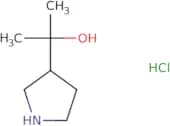
Discontinued product(S)-2-(3-Pyrrolidinyl)-2-propanol Hydrochloride ee
CAS:Versatile small molecule scaffold
Formula:C7H16ClNOPurity:Min. 95%Molecular weight:165.66 g/mol4-Chloro-2-hydroxy-6-methylphenylboronic acid
CAS:Versatile small molecule scaffoldFormula:C7H8BClO3Purity:Min. 95%Molecular weight:186.4 g/mol8-Bromo-2-methylimidazo[1,2-a]pyridine
CAS:Versatile small molecule scaffold
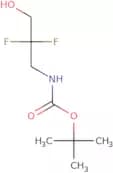
Formula:C8H7N2BrPurity:Min. 95%Molecular weight:211.05 g/moltert-Butyl (2,2-difluoro-3-hydroxypropyl)carbamate
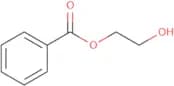
CAS:Versatile small molecule scaffoldFormula:C10H13NO4Purity:Min. 95%Molecular weight:211.21 g/mol2-Hydroxyethyl benzoate
CAS:2-Hydroxyethyl benzoate is a model system that has been used to study the mechanism of hydrolysis of an ester with a hydroxyl group. The reaction products are a metal hydroxide and a chloride ion. 2-Hydroxyethyl benzoate is an antimicrobial agent that has shown activity against bacteria, fungi, and protozoa. It is thought to work by reacting with fatty acids in the cell membrane, leading to disruption of the membrane and leakage of cellular contents. It also reacts with chloride ions to form hydroxybenzoic acid and water molecules. The activation energy for this reaction was found to be around 19 kJ mol−1.
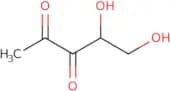
Formula:C9H10O3Purity:Min. 95%Molecular weight:166.17 g/mol4,5-Dihydroxy-2,3-Pentanedione
CAS:4,5-Dihydroxy-2,3-pentanedione is a carbonyl compound that is the product of the oxidation of ascorbic acid. It is used in wastewater treatment and has antimicrobial properties against infectious diseases. This compound has been shown to inhibit protein synthesis by binding to the ribosome and preventing the formation of peptide bonds between amino acids. 4,5-Dihydroxy-2,3-pentanedione has also been shown to bind to plasma proteins, which may be due to its acyl chain structure. 4,5-Dihydroxy-2,3-pentanedione can be synthesized in a catalytic mechanism that involves dehydroascorbic acid and molecular oxygen.
Formula:C5H8O4Purity:Min. 95%Color and Shape:PowderMolecular weight:132.11 g/molRef: 3D-FD180770
Discontinued productPiperyline
CAS:Piperyline is an alkanoic acid that has shown to be effective against skin cancer. It also has antimicrobial properties, which may be due to its ability to bind metal ions and form polymeric compounds. Piperyline inhibits microbial growth by inhibiting the synthesis of proteins and nucleic acids. The antimicrobial activity is related to its cationic polymerization with hydroxyl groups, which forms a structure that can inhibit microbial enzymes and disrupt microbial cell membranes. This compound also interacts with the skin's natural lipids, making it difficult for microorganisms to attach and grow on the skin. Piperyline is synthesized in organic chemistry laboratories as an amide precursor of other pharmaceuticals such as penicillin.
Formula:C16H17NO3Purity:Min. 95%Molecular weight:271.31 g/mol


![2-Amino-N-[(benzylcarbamoyl)methyl]acetamide hydrochloride](/_next/image/?url=https%3A%2Fstatic.cymitquimica.com%2Fproducts%2F3D%2Fthumb-webp%2FENC19856.webp&w=3840&q=75)
![2-[(3-Nitrophenyl)formamido]acetic acid](/_next/image/?url=https%3A%2Fstatic.cymitquimica.com%2Fproducts%2F3D%2Fthumb-webp%2FAAA61710.webp&w=3840&q=75)
![6-(3-Chlorophenyl)-3-methyl-[1,2]oxazolo[5,4-b]pyridine-4-carboxylic acid](/_next/image/?url=https%3A%2Fstatic.cymitquimica.com%2Fproducts%2F3D%2Fthumb-webp%2FENB58474.webp&w=3840&q=75)

![N-[Carbamothioyl(phenyl)methyl]benzamide](/_next/image/?url=https%3A%2Fstatic.cymitquimica.com%2Fproducts%2F3D%2Fthumb-webp%2FAAA89278.webp&w=3840&q=75)
![2-Bromo-7-chloro-[1,2,4]triazolo[1,5-a]pyridine](/_next/image/?url=https%3A%2Fstatic.cymitquimica.com%2Fproducts%2F3D%2Fthumb-webp%2FEKC58111.webp&w=3840&q=75)

![(2E)-3-[4-(Methylcarbamoyl)phenyl]prop-2-enoic acid](/_next/image/?url=https%3A%2Fstatic.cymitquimica.com%2Fproducts%2F3D%2Fthumb-webp%2FEHA62711.webp&w=3840&q=75)
![6-Amino-1-[(4-chlorophenyl)methyl]-1,2,3,4-tetrahydropyrimidine-2,4-dione](/_next/image/?url=https%3A%2Fstatic.cymitquimica.com%2Fproducts%2F3D%2Fthumb-webp%2FEHA48647.webp&w=3840&q=75)
![N-[4-Bromo-2-nitro-6-(trifluoromethyl)phenyl]acetamide](/_next/image/?url=https%3A%2Fstatic.cymitquimica.com%2Fproducts%2F3D%2Fthumb-webp%2FEHA06200.webp&w=3840&q=75)



![4-(4-Aminophenyl)-1-methyl-1H-pyrazolo[3,4-b]pyridine-3-carboxylic acid](/_next/image/?url=https%3A%2Fstatic.cymitquimica.com%2Fproducts%2F3D%2Fthumb-webp%2FEEC70466.webp&w=3840&q=75)
![2',3'-Dihydro-1'H-spiro[cyclopropane-1,4'-quinoline]](/_next/image/?url=https%3A%2Fstatic.cymitquimica.com%2Fproducts%2F3D%2Fthumb-webp%2FECC59829.webp&w=3840&q=75)
![4-[2-(2-Methylphenyl)ethyl]piperidine](/_next/image/?url=https%3A%2Fstatic.cymitquimica.com%2Fproducts%2F3D%2Fthumb-webp%2FEBB66297.webp&w=3840&q=75)
![8-Oxa-1-azaspiro[5.5]undecane](/_next/image/?url=https%3A%2Fstatic.cymitquimica.com%2Fproducts%2F3D%2Fthumb-webp%2FSJB17817.webp&w=3840&q=75)

![1-{[5-Chloro-2-(difluoromethoxy)phenyl]methyl}-5-nitro-1,2-dihydropyridin-2-one](/_next/image/?url=https%3A%2Fstatic.cymitquimica.com%2Fproducts%2F3D%2Fthumb-webp%2FRZB30774.webp&w=3840&q=75)
![[1-(2,6-Difluorophenyl)cyclopropyl]methanamine](/_next/image/?url=https%3A%2Fstatic.cymitquimica.com%2Fproducts%2F3D%2Fthumb-webp%2FRYB90825.webp&w=3840&q=75)
amine](/_next/image/?url=https%3A%2Fstatic.cymitquimica.com%2Fproducts%2F3D%2Fthumb-webp%2FRQB85958.webp&w=3840&q=75)
![3-Bromo-5-chloro-1H-pyrrolo[2,3-b]pyridine](/_next/image/?url=https%3A%2Fstatic.cymitquimica.com%2Fproducts%2F3D%2Fthumb-webp%2FRJB54609.webp&w=3840&q=75)
![4-Propyl-1-sulfanyl-4H,5H-[1,2,4]triazolo[4,3-a]quinazolin-5-one](/_next/image/?url=https%3A%2Fstatic.cymitquimica.com%2Fproducts%2F3D%2Fthumb-webp%2FREB73179.webp&w=3840&q=75)
![Cyclopropyl[3-(trifluoromethoxy)phenyl]methanone](/_next/image/?url=https%3A%2Fstatic.cymitquimica.com%2Fproducts%2F3D%2Fthumb-webp%2FRDC06596.webp&w=3840&q=75)
![5-Methyl-2-sulfanyl-4H,7H-[1,2,4]triazolo[1,5-a]pyrimidin-7-one](/_next/image/?url=https%3A%2Fstatic.cymitquimica.com%2Fproducts%2F3D%2Fthumb-webp%2FRBA12281.webp&w=3840&q=75)
![1',2'-Dihydrospiro[cyclopentane-1,3'-indole]-2'-one](/_next/image/?url=https%3A%2Fstatic.cymitquimica.com%2Fproducts%2F3D%2Fthumb-webp%2FRBA05867.webp&w=3840&q=75)
![2-{6,8-Dichloroimidazo[1,2-a]pyridin-2-yl}ethanethioamide](/_next/image/?url=https%3A%2Fstatic.cymitquimica.com%2Fproducts%2F3D%2Fthumb-webp%2FQZB52655.webp&w=3840&q=75)
![2-Chloro-N-[5-(2,2,2-trifluoroethyl)-1,3,4-oxadiazol-2-yl]acetamide](/_next/image/?url=https%3A%2Fstatic.cymitquimica.com%2Fproducts%2F3D%2Fthumb-webp%2FQZB52619.webp&w=3840&q=75)
![3-Benzyl-3-azabicyclo[3.1.1]heptane-6-carboxylic acid hydrochloride](/_next/image/?url=https%3A%2Fstatic.cymitquimica.com%2Fproducts%2F3D%2Fthumb-webp%2FQZB52581.webp&w=3840&q=75)
![2-(2-{[(9H-Fluoren-9-yl)methoxy]carbonyl}-1,2,3,4-tetrahydroisoquinolin-1-yl)acetic acid](/_next/image/?url=https%3A%2Fstatic.cymitquimica.com%2Fproducts%2F3D%2Fthumb-webp%2FQWA48355.webp&w=3840&q=75)

![1,3-Dioxo-2,3-dihydro-1H-isoindol-2-yl 2-[4-(2-methylpropyl)phenyl]propanoate](/_next/image/?url=https%3A%2Fstatic.cymitquimica.com%2Fproducts%2F3D%2Fthumb-webp%2FQKD88961.webp&w=3840&q=75)
![(5,6,7,8-Tetrahydro-4H-cyclohepta[D]isoxazol-3-yl)methanol](/_next/image/?url=https%3A%2Fstatic.cymitquimica.com%2Fproducts%2F3D%2Fthumb-webp%2FQHC96192.webp&w=3840&q=75)
![2-Bromo-6-chloroimidazo[1,2-a]pyridine](/_next/image/?url=https%3A%2Fstatic.cymitquimica.com%2Fproducts%2F3D%2Fthumb-webp%2FQHA07448.webp&w=3840&q=75)
![1-[(2-bromophenyl)methyl]-2,5-dihydro-1H-pyrrole-2,5-dione](/_next/image/?url=https%3A%2Fstatic.cymitquimica.com%2Fproducts%2F3D%2Fthumb-webp%2FQFA48093.webp&w=3840&q=75)

![2-[(2S)-Oxiran-2-yl]-1-benzofuran](/_next/image/?url=https%3A%2Fstatic.cymitquimica.com%2Fproducts%2F3D%2Fthumb-webp%2FTNA61408.webp&w=3840&q=75)
![1-[4-(3-Aminocyclopentyl)piperazin-1-yl]ethan-1-one](/_next/image/?url=https%3A%2Fstatic.cymitquimica.com%2Fproducts%2F3D%2Fthumb-webp%2FUKC55241.webp&w=3840&q=75)



![8-Bromo-2-methylimidazo[1,2-a]pyridine](/_next/image/?url=https%3A%2Fstatic.cymitquimica.com%2Fproducts%2F3D%2Fthumb-webp%2FUXB37475.webp&w=3840&q=75)