Building Blocks
This section contains fundamental products for the synthesis of organic and biological compounds. Building blocks are the essential starting materials used to construct complex molecules through various chemical reactions. They play a critical role in drug discovery, material science, and chemical research. At CymitQuimica, we offer a diverse range of high-quality building blocks to support your innovative research and industrial projects, ensuring you have the essential components for successful synthesis.
Subcategories of "Building Blocks"
- Boronic Acids & Boronic Acid Derivatives(5,756 products)
- Chiral Building Blocks(1,242 products)
- Hydrocarbon Building Blocks(6,095 products)
- Organic Building Blocks(60,526 products)
Found 195848 products of "Building Blocks"
Sort by
Purity (%)
0
100
|
0
|
50
|
90
|
95
|
100
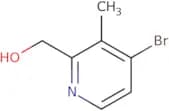
(4-Bromo-3-methylpyridin-2-yl)methanol
CAS:<p>Versatile small molecule scaffold</p>Formula:C7H8BrNOPurity:Min. 95%Molecular weight:202.05 g/mol3-Cyclopropylmorpholine
CAS:<p>Versatile small molecule scaffold</p>Formula:C7H13NOPurity:Min. 95%Molecular weight:127.19 g/moltert-Butyl 3-(carbamothioylmethyl)piperidine-1-carboxylate
CAS:<p>Versatile small molecule scaffold</p>Formula:C12H22N2O2SPurity:Min. 95%Molecular weight:258.38 g/moltert-butyl N-(3-chloro-2-formylphenyl)carbamate
CAS:<p>Versatile small molecule scaffold</p>Formula:C12H14ClNO3Purity:Min. 95%Molecular weight:255.7 g/mol5-Chloro-4-iodopyridin-2-amine
CAS:<p>Versatile small molecule scaffold</p>Formula:C5H4ClIN2Purity:Min. 95%Molecular weight:254.45 g/mol4H,5H,6H-Pyrrolo[1,2-b]pyrazole-3-carbaldehyde
CAS:<p>Versatile small molecule scaffold</p>Formula:C7H8N2OPurity:Min. 95%Molecular weight:136.15 g/mol2-Bromo-1-{2H-[1,3]dioxolo[4,5-b]pyridin-6-yl}ethan-1-one
CAS:<p>Versatile small molecule scaffold</p>Formula:C8H6BrNO3Purity:Min. 95%Molecular weight:244.04 g/mol1-(6-Methoxypyridin-3-yl)cyclobutanecarboxylic acid
CAS:<p>Versatile small molecule scaffold</p>Formula:C11H13NO3Purity:Min. 95%Molecular weight:207.23 g/mol5-(Trifluoromethyl)thiophene-2-carbonitrile
CAS:<p>Versatile small molecule scaffold</p>Formula:C6H2F3NSPurity:Min. 95%Molecular weight:177.15 g/mol[5-(Trifluoromethyl)thiophen-2-yl]methanol
CAS:<p>Versatile small molecule scaffold</p>Formula:C6H5F3OSPurity:Min. 95%Molecular weight:182.17 g/molEthyl 2-chloro-1H-imidazole-5-carboxylate
CAS:<p>Versatile small molecule scaffold</p>Formula:C6H7ClN2O2Purity:Min. 95%Molecular weight:174.58 g/mol2-(Chloromethyl)-5-(propan-2-yl)-1,3,4-thiadiazole
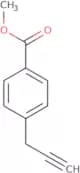
CAS:<p>Versatile small molecule scaffold</p>Formula:C6H9ClN2SPurity:Min. 95%Molecular weight:176.67 g/molMethyl 4-(prop-2-yn-1-yl)benzoate
CAS:<p>Versatile small molecule scaffold</p>Formula:C11H10O2Purity:Min. 95%Molecular weight:174.2 g/mol5-bromo-1H,2H,3H-pyrrolo[3,2-b]pyridine
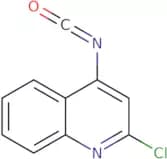
CAS:<p>Versatile small molecule scaffold</p>Formula:C7H7BrN2Purity:Min. 95%Molecular weight:199 g/mol2-Chloro-4-isocyanatoquinoline
CAS:<p>Versatile small molecule scaffold</p>Formula:C10H5ClN2OPurity:Min. 95%Molecular weight:204.61 g/mol4-Chloro-7,8-dihydro-5H-pyrano[4,3-d]pyrimidine
CAS:<p>Versatile small molecule scaffold</p>Formula:C7H7ClN2OPurity:Min. 95%Molecular weight:170.6 g/mol[1,3]Dioxolo[4,5-b]pyridin-6-ylmethanamine
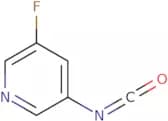
CAS:<p>Versatile small molecule scaffold</p>Formula:C7H8N2O2Purity:Min. 95%Molecular weight:152.15 g/mol3-Fluoro-5-isocyanatopyridine
CAS:<p>Versatile small molecule scaffold</p>Formula:C6H3FN2OPurity:Min. 95%Molecular weight:138.1 g/mol5-Phenylmorpholin-3-one
CAS:<p>Versatile small molecule scaffold</p>Formula:C10H11NO2Purity:Min. 95%Molecular weight:177.2 g/mol6-chloro-3-fluoropyridin-2-amine
CAS:<p>Versatile small molecule scaffold</p>Formula:C5H4ClFN2Purity:Min. 95%Molecular weight:146.6 g/mol5-Amino-6-chloropyridine-3-carbonitrile
CAS:<p>Versatile small molecule scaffold</p>Formula:C6H4ClN3Purity:Min. 95%Molecular weight:153.57 g/moltert-butyl 3-(1H-imidazol-2-yl)piperidine-1-carboxylate
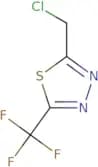
CAS:<p>Versatile small molecule scaffold</p>Formula:C13H21N3O2Purity:Min. 95%Molecular weight:251.32 g/mol2-(Chloromethyl)-5-(trifluoromethyl)-1,3,4-thiadiazole
CAS:<p>Versatile small molecule scaffold</p>Formula:C4H2ClF3N2SPurity:Min. 95%Molecular weight:202.59 g/molMethyl 6-amino-2-bromopyridine-3-carboxylate
CAS:<p>Versatile small molecule scaffold</p>Formula:C7H7BrN2O2Purity:Min. 95%Molecular weight:231.05 g/mol1H-Pyrazolo[3,4-c]pyridine-4-carboxylic acid
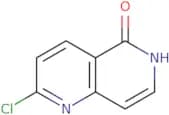
CAS:<p>Versatile small molecule scaffold</p>Formula:C7H5N3O2Purity:Min. 95%Molecular weight:163.13 g/mol2-Chloro-1,6-naphthyridin-5-ol
CAS:<p>Versatile small molecule scaffold</p>Formula:C8H5ClN2OPurity:Min. 95%Molecular weight:180.59 g/mol1-(2,4-Difluorophenyl)cyclobutane-1-carboxylic acid
CAS:<p>Versatile small molecule scaffold</p>Formula:C11H10F2O2Purity:Min. 95%Molecular weight:212.19 g/molMethyl 3-(bromomethyl)-2-fluoropyridine-4-carboxylate
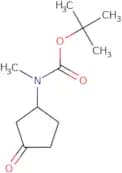
CAS:<p>Versatile small molecule scaffold</p>Formula:C8H7BrFNO2Purity:Min. 95%Molecular weight:248.05 g/molTert-Butyl (3-Oxocyclopentyl)Methylcarbamate
CAS:<p>Versatile small molecule scaffold</p>Formula:C11H19NO3Purity:Min. 95%Molecular weight:213.27 g/molMethyl 5-amino-6-hydroxypyridine-2-carboxylate
CAS:<p>Versatile small molecule scaffold</p>Formula:C7H8N2O3Purity:Min. 95%Molecular weight:168.15 g/mol3-(3-Methoxyphenyl)cyclobutan-1-one
CAS:<p>Versatile small molecule scaffold</p>Formula:C11H12O2Purity:Min. 95%Molecular weight:176.21 g/mol2-(4-Bromo-3-methylphenyl)pyrrolidine
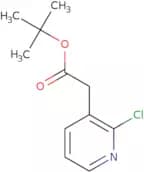
CAS:<p>Versatile small molecule scaffold</p>Formula:C11H14BrNPurity:Min. 95%Molecular weight:240.14 g/moltert-Butyl 2-(2-chloropyridin-3-yl)acetate
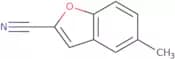
CAS:<p>Versatile small molecule scaffold</p>Formula:C11H14ClNO2Purity:Min. 95%Molecular weight:227.69 g/mol5-Methyl-1-benzofuran-2-carbonitrile
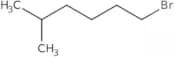
CAS:<p>5-Methyl-1-benzofuran-2-carbonitrile is a synthetic compound that is used for the efficient synthesis of bromobenzofuran. It is a byproduct in the synthesis of 5,5′-dibromo-1,1′-bi(benzofuran) and benzofurans. The product can be utilized to synthesize pharmaceuticals such as diazepam and anesthetics such as nitrous oxide.</p>Formula:C10H7NOPurity:Min. 95%Molecular weight:157.17 g/mol1-Bromo-5-methyl-hexane
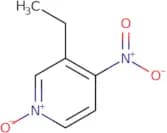
CAS:<p>1-Bromo-5-methyl-hexane is a volatile organic chemical that is used in the synthesis of pheromones and attractants. It has been shown to be an effective transport agent for other substances, such as aldehydes. This product has been used to study the effects of chemical ionization on the production of stereoisomers, which are molecules with the same molecular formula but different arrangements of atoms in space.</p>Formula:C7H15BrPurity:Min. 95%Molecular weight:179.1 g/mol3-Ethyl-4-nitropyridin-1-ium-1-olate
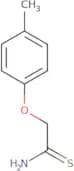
CAS:<p>Versatile small molecule scaffold</p>Formula:C7H8N2O3Purity:Min. 95%Molecular weight:168.15 g/mol2-(4-Methylphenoxy)ethanethioamide
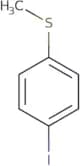
CAS:<p>Versatile small molecule scaffold</p>Formula:C9H11NOSPurity:Min. 95%Molecular weight:181.26 g/mol4-Iodothioanisole
CAS:<p>4-Iodothioanisole is a synthetic molecule that is used in organic chemistry as a reagent for the formation of carbon-carbon bonds. It reacts with electrophiles to form carbon-iodine bonds and can be used to make cross-coupling reactions. 4-Iodothioanisole also enhances the fluorescence of some molecules and has been used in supramolecular chemistry. The optical properties of 4-iodothioanisole depend on its environment. In solution, it shows a yellowish color due to intramolecular excitation of the cyclopentene system, while in the solid state it is orange because of free rotation around the carbon-iodine bond.</p>Formula:C7H7ISPurity:Min. 95%Molecular weight:250.09 g/mol2-Amino-3-(2-methylphenyl)propan-1-ol
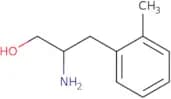
CAS:<p>Versatile small molecule scaffold</p>Formula:C10H15NOPurity:Min. 95%Molecular weight:165.23 g/mol2-Amino-3-(4-fluorophenyl)propan-1-ol
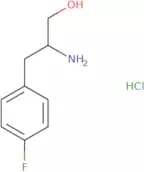
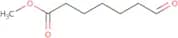
CAS:<p>Versatile small molecule scaffold</p>Formula:C9H13ClFNOPurity:Min. 95%Molecular weight:205.66 g/molMethyl 7-oxoheptanoate
CAS:<p>Methyl 7-oxoheptanoate is a synthetic anticancer agent that inhibits cell growth. It has been shown to inhibit cancer cells and induce apoptosis in HL-60 human leukemia cells. Methyl 7-oxoheptanoate is converted to methyl heptanoate by the enzyme enantiopure, which is then hydrolyzed into diacid and cyclopentenone. The cyclopentenones are synthesized from the diacid and cyclopentenone and are used as pharmaceuticals.</p>Formula:C8H14O3Purity:Min. 95%Molecular weight:158.19 g/mol1-(3-Chlorophenyl)propan-2-amine hydrochloride
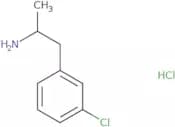
CAS:Controlled Product<p>Versatile small molecule scaffold</p>Formula:C9H13Cl2NPurity:Min. 95%Molecular weight:206.11 g/mol2-Methyl-5-methoxypyridine-N-oxide
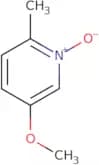
CAS:<p>Versatile small molecule scaffold</p>Formula:C7H9NO2Purity:Min. 95%Molecular weight:139.15 g/molMethyl 2-[4-(acetyloxy)phenyl]acetate
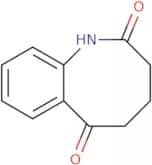
CAS:<p>Versatile small molecule scaffold</p>Formula:C11H12O4Purity:Min. 95%Molecular weight:208.21 g/mol1,2,3,4,5,6-Hexahydro-1-benzazocine-2,6-dione
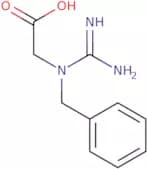
CAS:<p>Versatile small molecule scaffold</p>Formula:C11H11NO2Purity:Min. 95%Molecular weight:189.21 g/mol2-(1-Benzylcarbamimidamido)acetic acid
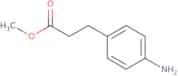
CAS:<p>Versatile small molecule scaffold</p>Formula:C10H13N3O2Purity:Min. 95%Molecular weight:207.23 g/molmethyl 3-(4-aminophenyl)propanoate
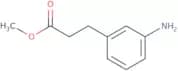
CAS:<p>Versatile small molecule scaffold</p>Formula:C10H13NO2Purity:Min. 95%Molecular weight:179.2 g/molMethyl 3-(3-aminophenyl)propanoate
CAS:<p>Versatile small molecule scaffold</p>Formula:C10H13NO2Purity:Min. 95%Molecular weight:179.22 g/molN-[(Hydrazinecarbonyl)methyl]pyridine-3-carboxamide
CAS:<p>Versatile small molecule scaffold</p>Formula:C8H10N4O2Purity:Min. 95%Molecular weight:194.19 g/mol2-Bromoethyl ethyl sulfide
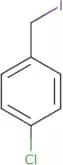
CAS:<p>2-Bromoethyl ethyl sulfide (2BEES) is a colorless liquid with a strong, sulfur-like odor. It is soluble in water, but not in organic solvents. 2BEES is a nucleophilic reagent that reacts with electrophiles at the carbon atom adjacent to the electron-donating group. The reaction of 2BEES with an electron-deficient aromatic ring can lead to substitution or elimination reactions. 2BEES has a boiling point of 108°C and its spectral data corresponds to that of chlorine. The activation energy for this reaction is 29 kJ/mol.</p>Formula:C4H9BrSPurity:Min. 95%Molecular weight:169.08 g/mol1-Chloro-4-(iodomethyl)benzene
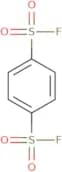
CAS:<p>1-Chloro-4-(iodomethyl)benzene (1CI) is a chlorinating agent that is used to produce aliphatic chlorinated compounds. It can be used for the alkylation of alcohols, as well as the chlorination of halides. 1CI has been shown to react with benzene in a synergistic manner when irradiated. In addition, it can be used for the preparation of iodides by reacting with sodium or potassium iodide in the presence of an alcohol and a catalyst. 1CI reacts with chloride ions to produce cyclic compounds in the microwave region. The reaction requires an electron transfer agent, such as copper chloride or silver nitrate, and yields are dependent on the type of alcohol used, which can be either aliphatic or cyclic.</p>Formula:C7H6ClIPurity:Min. 95%Molecular weight:252.48 g/molBenzene-1,4-disulfonyl difluoride
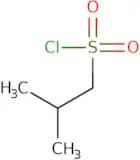
CAS:<p>Versatile small molecule scaffold</p>Formula:C6H4F2O4S2Purity:Min. 95%Molecular weight:242.2 g/mol2-Methylpropane-1-sulfonyl chloride
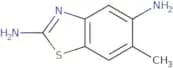
CAS:<p>2-Methylpropane-1-sulfonyl chloride is a ligand that binds to anilinoquinoline derivatives, such as the triazoles. It is also used in pharmaceuticals and as an antibacterial agent. 2-Methylpropane-1-sulfonyl chloride has been shown to inhibit Alzheimer's disease by preventing the accumulation of beta amyloid protein. This drug also inhibits bacterial growth by binding to the hydroxyl group on the outside of thiols, which are sulfur-containing compounds found in bacteria. 2-Methylpropane-1-sulfonyl chloride is structurally similar to pyridazine, a heterocyclic compound that acts as an inhibitor of DNA synthesis and protein synthesis in bacteria.</p>Formula:C4H9ClO2SPurity:Min. 95%Molecular weight:156.63 g/mol6-Methyl-1,3-benzothiazole-2,5-diamine
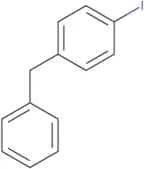
CAS:<p>Versatile small molecule scaffold</p>Formula:C8H9N3SPurity:Min. 95%Molecular weight:179.24 g/mol4-Iododiphenylmethane
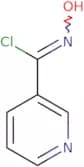
CAS:<p>4-Iododiphenylmethane is an organic compound that contains the methylene group (CH2) and is a substituted diphenylmethane. It can be prepared by the substitution of a methyl group for one of the phenyl groups on the benzene ring, followed by iodination. The reaction is catalyzed by hypophosphorous acid. This product has a number of substitutions, which creates steric effects in its reactivity. 4-Iododiphenylmethane can undergo an attack at the position one carbon away from the iodine atom. This attack leads to hypoiodite as a product. 4-Iododiphenylmethane also reacts with phenyl phosphine to form biphenyl, which is one possible way it can be used in industry.</p>Formula:C13H11IPurity:Min. 95%Molecular weight:294.13 g/molN-Hydroxypyridine-3-carbonimidoyl chloride
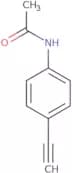
CAS:<p>Versatile small molecule scaffold</p>Formula:C6H5ClN2OPurity:Min. 95%Molecular weight:156.57 g/molN-(4-Ethynylphenyl)acetamide
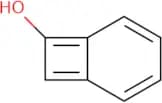
CAS:<p>Versatile small molecule scaffold</p>Formula:C10H9NOPurity:Min. 95%Molecular weight:159.18 g/mol1-Hydroxy-benzocyclobutene
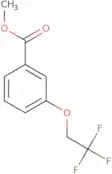
CAS:<p>1-Hydroxy-benzocyclobutene is a molecule that has been isolated from the marine sponge, Tethya crypta. It is a thioether that has been shown to inhibit the growth of Clostridium perfringens. This effect may be due to 1-hydroxy-benzocyclobutene's ability to bind primary amines in the bacterial cell wall and prevent the formation of an enzyme-inhibitor complex with the enzyme cell wall synthesis required for cell wall biosynthesis. 1-Hydroxy-benzocyclobutene also has been shown to have antioxidant properties, which may be due to its ability to absorb uv radiation and form reactive oxygen species (ROS).</p>Formula:C8H8OPurity:Min. 95%Molecular weight:120.15 g/molMethyl 3-(2,2,2-trifluoroethoxy)benzoate
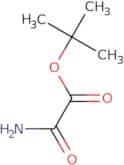
CAS:<p>Versatile small molecule scaffold</p>Formula:C10H9F3O3Purity:Min. 95%Molecular weight:234.17 g/moltert-butyl 2-amino-2-oxoacetate
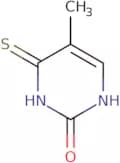
CAS:<p>Tert-butyl 2-amino-2-oxoacetate is a chiral molecule that can be used to produce enantiomerically pure amines by enzymatic reduction of ketones. This reaction is catalyzed by the enzyme alcohol dehydrogenase and proceeds with high enantioselectivities. Tert-butyl 2-amino-2-oxoacetate has also been shown to be a good substrate for enzymes that reduce other carbonyl compounds, such as esters, oximes, and nitriles. The kinetic studies showed that the enzymatic reduction of tert-butyl 2-amino-2-oxoacetate was first order in both the substrate and the enzyme and had an apparent second order rate constant for the formation of tert-butanol.</p>Formula:C6H11NO3Purity:Min. 95%Molecular weight:145.16 g/mol5-Methyl-4-thioxo-3,4-dihydropyrimidin-2(1H)-one
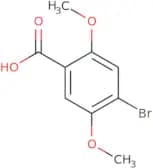
CAS:<p>5-Methyl-4-thioxo-3,4-dihydropyrimidin-2(1H)-one is a compound that interacts with DNA duplexes. It binds to the sugar residues of the DNA duplex in a manner that alters its photophysical and biological properties. 5-Methyl-4-thioxo-3,4-dihydropyrimidin-2(1H)-one has been shown to bind to dna binding proteins such as p53 and p300. This compound can also interact with oligodeoxynucleotides and is able to inhibit the synthesis of RNA by interacting with ribonucleotide reductase. The interaction of 5-methyl 4 thioxo 3,4 dihydropyrimidin 2(1H) one with ribonucleotide reductase leads to the formation of silver ions, which are toxic to cells and lead to cell death.</p>Formula:C5H6N2OSPurity:Min. 95%Molecular weight:142.18 g/mol4-Bromo-2,5-dimethoxybenzoic acid
CAS:<p>4-Bromo-2,5-dimethoxybenzoic acid (BDMA) is a chemical compound that has been used as an intermediate in the synthesis of pharmaceuticals. It is also used as a precursor for the synthesis of other compounds. BDMA has been shown to be toxic to both humans and monkeys, with toxic effects including convulsions, dyspnea, mydriasis, vomiting, and coma. The toxicological profile is not well understood because it has not been extensively studied. Studies have shown that BDMA undergoes oxidative deamination to form 4-bromo-2,5-dimethoxyamphetamine (DOB), which can cause hallucinations and nausea when ingested.</p>Formula:C9H9BrO4Purity:Min. 95%Molecular weight:261.07 g/mol4-(Fur-2-yl)benzoic acid
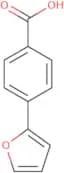
CAS:<p>4-(Fur-2-yl)benzoic acid is a palladium catalyst for Suzuki coupling reactions with boronic acids. It is also used as a modulator for furyl and benzamide synthesis. 4-(Fur-2-yl)benzoic acid has pharmacokinetic properties that are similar to those of other substituted benzoic acids. This compound is soluble in organic solvents and may be used as the solvent in high yield optimization of pharmacokinetic properties.</p>Formula:C11H8O3Purity:Min. 95%Molecular weight:188.18 g/mol3-(Fur-2-yl)benzoic acid
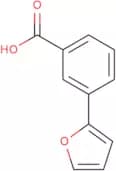
CAS:<p>Versatile small molecule scaffold</p>Formula:C11H8O3Purity:Min. 95%Molecular weight:188.18 g/mol4-Hydroxynaphthalene-1-carbonitrile
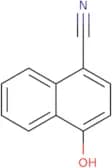
CAS:<p>4-Hydroxynaphthalene-1-carbonitrile is a white crystalline solid that can be prepared by the reaction of naphthalene with ethynyl chloride. It has been shown to have fluorescent properties and can be used as an indicator for the presence of certain metal ions in a solution, such as copper and iron. The fluorescence intensity is dependent on the concentration of the metal ion in solution. This compound also has photophysical properties, which are dependent on the wavelength of light used to excite it.<br>br></p>Formula:C11H7NOPurity:Min. 95%Molecular weight:169.18 g/mol2-Hydroxy-2-phenylbutanoic acid
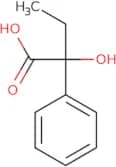
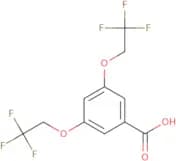
CAS:<p>2-Hydroxy-2-phenylbutanoic acid is a ligand that can bind to metal ions. It has a molecular electrostatic potential of -0.07 and a low vibrational frequency of 0.01. It has been shown that this ligand can be immobilized on surfaces where it can be used for the determination of amino acids, expressed proteins, and chiral compounds. This ligand has been shown to have good binding affinity for metal ions which makes it a useful tool in immobilization studies. 2-Hydroxy-2-phenylbutanoic acid is an amide that contains two hydroxy groups, one phenyl group, and one carboxylic acid group. It is also chiral due to its asymmetric carbon atom which means that there are two different forms of the molecule, one being levorotary (R) and the other being dextrorotary (S). The functional theory shows that 2-hydroxy-2</p>Formula:C10H12O3Purity:Min. 95%Molecular weight:180.2 g/mol3,5-Bis(2,2,2-trifluoroethoxy)benzoic acid
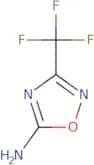
CAS:<p>Versatile small molecule scaffold</p>Formula:C11H8F6O4Purity:Min. 95%Molecular weight:318.17 g/mol3-(Trifluoromethyl)-1,2,4-oxadiazol-5-amine
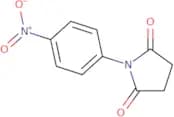
CAS:<p>Versatile small molecule scaffold</p>Formula:C3H2F3N3OPurity:Min. 95%Molecular weight:153.06 g/mol1-(4-Nitrophenyl)pyrrolidine-2,5-dione
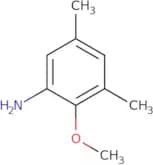
CAS:<p>Versatile small molecule scaffold</p>Formula:C10H8N2O4Purity:Min. 95%Molecular weight:220.18 g/mol2-Methoxy-3,5-dimethylaniline
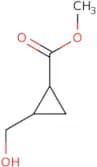
CAS:<p>Versatile small molecule scaffold</p>Formula:C9H13NOPurity:Min. 95%Molecular weight:151.21 g/molTrans-methyl 2-(hydroxymethyl)-cyclopropanecarboxylate
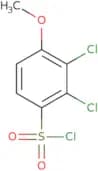
CAS:<p>Versatile small molecule scaffold</p>Formula:C6H10O3Purity:Min. 95%Molecular weight:130.14 g/mol2,3-Dichloro-4-methoxybenzene-1-sulfonyl chloride
CAS:<p>Versatile small molecule scaffold</p>Formula:C7H5Cl3O3SPurity:Min. 95%Molecular weight:275.5 g/mol4-(4-Chlorophenyl)-1H-imidazole
CAS:<p>4-(4-Chlorophenyl)-1H-imidazole is a fluorescent probe that has been used to study the substrate binding site of the enzyme cytochrome P450. This probe has been shown to bind to the cavity of the enzyme, which is located at the interface between two domains of the α-subunit. The binding of 4-(4-chlorophenyl)-1H-imidazole has been shown to inhibit catalysis by interfering with substrate binding. Crystallographic analysis and X-ray crystallographic structures have shown that this compound is a tight inhibitor of cytochrome P450. The inhibitor binds in a way that blocks access to the active site, resulting in an increase in Km and decrease in kcat for substrates bound at this site. Functional studies have also shown that 4-(4-chlorophenyl)-1H-imidazole inhibits cytochrome P450 activity, reducing levels of NADPH oxidase and other reactive</p>Formula:C9H7ClN2Purity:Min. 95%Molecular weight:178.62 g/mol1-[2-Chloro-4-(methylsulfanyl)phenyl]ethan-1-one
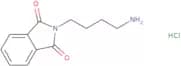
CAS:<p>Versatile small molecule scaffold</p>Formula:C9H9ClOSPurity:Min. 95%Molecular weight:200.69 g/mol2-(4-Aminobutyl)-2,3-dihydro-1H-isoindole-1,3-dione hydrochloride
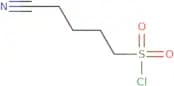
CAS:<p>Versatile small molecule scaffold</p>Formula:C12H15ClN2O2Purity:Min. 95%Molecular weight:254.71 g/mol4-Cyanobutane-1-sulfonyl chloride
CAS:<p>Versatile small molecule scaffold</p>Formula:C5H8ClNO2SPurity:Min. 95%Molecular weight:181.64 g/mol2-(Chloromethyl)bicyclo[2.2.1]heptane
CAS:<p>Versatile small molecule scaffold</p>Formula:C8H13ClPurity:Min. 95%Molecular weight:144.64 g/molMethyl bicyclo[2.2.1]heptane-2-carboxylate
CAS:<p>Versatile small molecule scaffold</p>Formula:C9H14O2Purity:Min. 95%Molecular weight:154.21 g/mol2,3-Diamino-6-methylpyrimidin-4(3H)-one
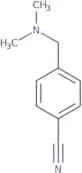
CAS:<p>2,3-Diamino-6-methylpyrimidin-4(3H)-one (2,3-DMP) is an acetoacetate derivative that stabilizes the pyrazole ring and prevents it from undergoing a condensation reaction. It has been shown to chelate metal ions and produce ethyl acetoacetate as a result of the condensation reaction. 2,3-DMP also has aminoguanidine-like activity in the treatment of diabetic neuropathy and may be used for the treatment of other neurological disorders.</p>Formula:C5H8N4OPurity:Min. 95%Molecular weight:140.15 g/mol4-((Dimethylamino)methyl)benzonitrile
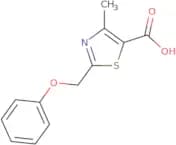
CAS:<p>4-((Dimethylamino)methyl)benzonitrile is a chemical pesticide that belongs to the group of insecticides. It has been shown to be effective against a wide range of insects, including mosquitoes and cockroaches. 4-((Dimethylamino)methyl)benzonitrile is found in many household products, such as flea repellents, ant baits, and mosquito coils. This compound has been shown to have no adverse effects on humans or mammals when used at low concentrations. However, it may cause skin irritation and respiratory problems at higher concentrations. 4-((Dimethylamino)methyl)benzonitrile has also been shown to have some biological activity against soil bacteria.</p>Formula:C10H12N2Purity:Min. 95%Molecular weight:160.22 g/mol4-Methyl-2-(phenoxymethyl)-1,3-thiazole-5-carboxylic acid
CAS:<p>Versatile small molecule scaffold</p>Formula:C12H11NO3SPurity:Min. 95%Molecular weight:249.29 g/molDimethoxy-1,2-thiazole-4-carbonitrile
CAS:<p>Versatile small molecule scaffold</p>Formula:C6H6N2O2SPurity:Min. 95%Molecular weight:170.19 g/molN,3-Dimethyl-1,2,4-Thiadiazol-5-Amine
CAS:<p>Versatile small molecule scaffold</p>Formula:C4H7N3SPurity:Min. 95%Molecular weight:129.18 g/mol6,7,8,9-Tetrahydro-5H-benzo[7]annulen-5-ol
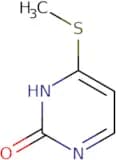
CAS:<p>Tetrabenazine is a dopamine receptor antagonist that is used to treat Parkinson's disease. It has been shown to have a high affinity for the D2 dopamine receptor, which is associated with the symptoms of Parkinson's disease. Tetrabenazine inhibits the binding of dopamine to the D2 receptor by occupying its site and blocking it, thereby reducing the effect of dopamine on neurons.</p>Formula:C11H14OPurity:Min. 95%Molecular weight:162.23 g/mol4-(Methylsulfanyl)-1,2-dihydropyrimidin-2-one
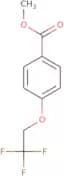
CAS:<p>4-(Methylsulfanyl)-1,2-dihydropyrimidin-2-one is a thione that has been studied in electrochemistry, photochemistry, and magnetic properties. The UV absorption spectrum of 4-(methylsulfanyl)-1,2-dihydropyrimidin-2-one displays the cyclic nature of this molecule. The structural features of the molecule have been elucidated by x-ray crystallography and functional theory. The tautomeric form has been characterized using magnetic studies and cyclic voltammetry. These studies reveal that the tautomeric form is more stable than the other forms at low pH values and increases in stability with increased electron density on sulfur atoms. Disulphide derivatives were obtained by reacting 4-(methylsulfanyl)-1,2-dihydropyrimidin-2-one with sodium dithionite.</p>Formula:C5H6N2OSPurity:Min. 95%Molecular weight:142.18 g/molMethyl 4-(2,2,2-trifluoroethoxy)benzoate
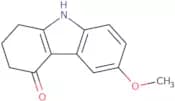
CAS:<p>Versatile small molecule scaffold</p>Formula:C10H9F3O3Purity:Min. 95%Molecular weight:234.17 g/mol6-Methoxy-1,2,3,9-tetrahydro-carbazol-4-one
CAS:<p>6-Methoxy-1,2,3,9-tetrahydro-carbazol-4-one is a cyclization product of 6-methoxytetralin. It has been shown that alkaline conditions will result in the tautomerization and cyclization of 6-methoxytetralin to form 6-methoxy-1,2,3,9-tetrahydrocarbazol-4-one. The alkaline solution can be prepared by adding sodium hydroxide to a solution containing methanol and water. Oximes are formed when an amine reacts with an aldehyde or ketone. In this case, the oxime is formed from the reaction of the indole ring with the carbonyl group on the 6 methoxy substituted tetralin. This reaction is catalyzed by acid or base and results in a condensation product called 4H-[1]benzop</p>Formula:C13H13NO2Purity:Min. 95%Molecular weight:215.25 g/mol2-Thioxo-1,2,3,5,6,7-hexahydro-4H-cyclopenta[D]pyrimidin-4-one
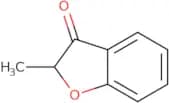
CAS:<p>Versatile small molecule scaffold</p>Formula:C7H8N2OSPurity:Min. 95%Molecular weight:168.22 g/mol2-Methyl-2,3-dihydro-1-benzofuran-3-one
CAS:<p>Versatile small molecule scaffold</p>Formula:C9H8O2Purity:Min. 95%Molecular weight:148.16 g/mol4-Phenyl-1H-indole
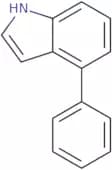
CAS:<p>4-Phenyl-1H-indole is a heterocyclic organic compound that is structurally related to pyrazoles, indazoles, and other cyclic compounds. It has the chemical formula CHN and it can be found in yields of 0.2% by weight. Substituents on the 4-phenyl ring include carboxyl and cyclic structures. Reactions that can be carried out on this compound include a Diels-Alder reaction with maleic anhydride to form a heteroleptic compound. The functional group present in this molecule is the carboxylate ester.</p>Formula:C14H11NPurity:Min. 95%Molecular weight:193.24 g/mol3-Chloropropane-1-sulfonamide
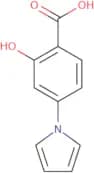
CAS:<p>3-Chloropropane-1-sulfonamide is a nonabsorbable heterocyclic sulfonamide that inhibits the permeability of pyrimidines and alkenes. It is synthesized by reacting an isocyanate with a template molecule. The synthesis of 3-chloropropane-1-sulfonamide involves the reaction of an isocyanate with a pyridine or a template molecule such as 3,5-dimethoxybenzene or 2,6-diisopropylphenol. This compound can be used as an inhibitor for the synthesis of bicyclic heterocycles, such as indole and quinoline.</p>Formula:C3H8ClNO2SPurity:Min. 95%Molecular weight:157.62 g/mol2-Hydroxy-4-pyrrol-1-yl-benzoic acid
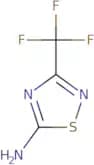
CAS:<p>2-hydroxy-4-pyrrol-1-yl-benzoic acid (HPABA) is a postulated structure-based drug that has been shown to inhibit the bacterial enzyme, 2,4-diaminopyrimidine deaminase (DAP). HPABA is an amide and analog of the natural substrate of DAP. It inhibits DAP by competitive inhibition at the active site. The dose of HPABA required for inhibition is dependent on the concentration of DAP in the cell. The low molecular weight and lipophilic properties of HPABA allow it to cross cellular membranes easily. This compound also has pharmacokinetic properties that make it an ideal candidate for use as a chemotherapeutic agent. HPABA is metabolized into reactive intermediates by cytochrome P450 enzymes and glutathione S transferases, which have been shown to cause DNA damage and cytotoxicity in cancer cells. These metabolites are further metabol</p>Formula:C11H9NO3Purity:Min. 95%Molecular weight:203.2 g/mol3-(Trifluoromethyl)-1,2,4-thiadiazol-5-amine
CAS:<p>Versatile small molecule scaffold</p>Formula:C3H2F3N3SPurity:Min. 95%Molecular weight:169.13 g/mol3-(1,3-Oxazol-2-yl)aniline
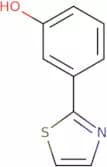
CAS:<p>Versatile small molecule scaffold</p>Formula:C9H8N2OPurity:Min. 95%Molecular weight:160.17 g/mol3-(1,3-Thiazol-2-yl)phenol
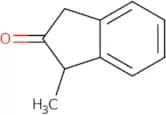
CAS:<p>Versatile small molecule scaffold</p>Formula:C9H7NOSPurity:Min. 95%Molecular weight:177.22 g/mol1-Methyl-2,3-dihydro-1H-inden-2-one
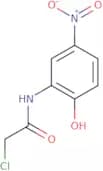
CAS:<p>1-Methyl-2,3-dihydro-1H-inden-2-one is a piperidine that belongs to the class of nitro compounds. It has been shown to be statistically significant in animal trials for the treatment of melanogaster and cicer arietinum. 1-Methyl-2,3-dihydro-1H-inden-2-one has also been evaluated as an antihyperglycemic drug in women and infants. The molecule contains two nitro groups, which increase its solubility in water and allow it to be administered orally. This drug is metabolized into an oxindole, which inhibits the enzyme dihydropyrimidine dehydrogenase, thereby preventing DNA synthesis.</p>Formula:C10H10OPurity:Min. 95%Molecular weight:146.19 g/mol2-Chloro-N-(2-hydroxy-5-nitrophenyl)acetamide
CAS:<p>Versatile small molecule scaffold</p>Formula:C8H7ClN2O4Purity:Min. 95%Molecular weight:230.61 g/mol[2-(3,4-Dimethoxyphenyl)ethyl](2-phenylethyl)amine hydrochloride
CAS:<p>Versatile small molecule scaffold</p>Formula:C18H24ClNO2Purity:Min. 95%Molecular weight:321.8 g/mol(3S,6R)-3-[(2S)-Butan-2-yl]-6-methylpiperazine-2,5-dione
CAS:<p>Versatile small molecule scaffold</p>Formula:C9H16N2O2Purity:Min. 95%Molecular weight:184.2 g/mol(3R,6S)-3-Methyl-6-(2-methylpropyl)piperazine-2,5-dione
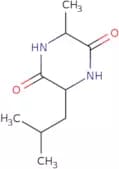
CAS:<p>Versatile small molecule scaffold</p>Formula:C9H16N2O2Purity:Min. 95%Molecular weight:184.24 g/molTrichloropyridine-3,5-dicarboxylic acid
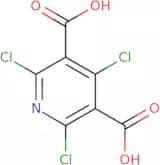
CAS:<p>Versatile small molecule scaffold</p>Formula:C7H2Cl3NO4Purity:Min. 95%Molecular weight:270.4 g/molAniline, 3-chloro-4-isopropoxy- (hydrochloride)
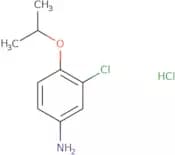
CAS:<p>Versatile small molecule scaffold</p>Formula:C9H13Cl2NOPurity:Min. 95%Molecular weight:222.11 g/mol2-(3,5-Dichlorophenyl)-2-hydroxyacetic acid
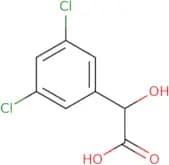
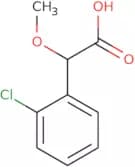
CAS:<p>Versatile small molecule scaffold</p>Formula:C8H6Cl2O3Purity:Min. 95%Molecular weight:221.03 g/mol2-(2-Chlorophenyl)-2-methoxyacetic acid
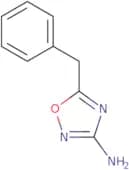
CAS:<p>Versatile small molecule scaffold</p>Formula:C9H9ClO3Purity:Min. 95%Molecular weight:200.62 g/mol5-Benzyl-1,2,4-oxadiazol-3-amine
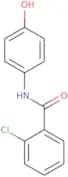
CAS:<p>Versatile small molecule scaffold</p>Formula:C9H9N3OPurity:Min. 95%Molecular weight:175.19 g/mol2-Chloro-N-(4-hydroxyphenyl)benzamide
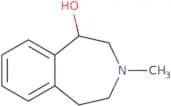
CAS:<p>Versatile small molecule scaffold</p>Formula:C13H10ClNO2Purity:Min. 95%Molecular weight:247.67 g/mol3-Methyl-2,3,4,5-tetrahydro-1H-3-benzazepin-1-ol
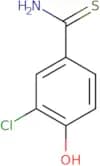
CAS:<p>Versatile small molecule scaffold</p>Formula:C11H15NOPurity:Min. 95%Molecular weight:177.2 g/mol3-Chloro-4-hydroxybenzene-1-carbothioamide
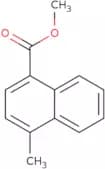
CAS:<p>Versatile small molecule scaffold</p>Formula:C7H6ClNOSPurity:Min. 95%Molecular weight:187.65 g/molMethyl 4-methyl-1-naphthoate
CAS:<p>Versatile small molecule scaffold</p>Formula:C13H12O2Purity:Min. 95%Molecular weight:200.23 g/mol2-Phenoxynicotinic acid
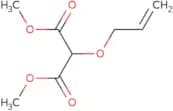
CAS:<p>2-Phenoxynicotinic acid is a drug that inhibits the activity of nitric oxide synthase, an enzyme involved in the production of nitric oxide. Nitric oxide is a gas that is produced by macrophages and other cells in response to inflammation or injury. It has been shown that 2-Phenoxynicotinic acid inhibits the production of nitric oxide in vitro. This drug has been used clinically to treat cardiovascular disorders and diseases, including arrhythmias, hypertension, angina pectoris, and coronary artery disease. 2-Phenoxynicotinic acid has also been shown to be effective against leishmania parasites. It binds to glutathione s-transferase, an enzyme that is found on the surface of cells and plays an important role in cellular detoxification processes. The binding of 2-Phenoxynicotinic acid with glutathione s-transferase leads to inhibition of this enzyme's enzym</p>Formula:C12H9NO3Purity:Min. 95%Molecular weight:215.2 g/mol1,3-Dimethyl 2-(prop-2-en-1-yloxy)propanedioate
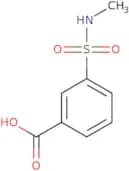
CAS:<p>Versatile small molecule scaffold</p>Formula:C8H12O5Purity:Min. 95%Molecular weight:188.2 g/mol3-(Methylsulfamoyl)benzoic acid
CAS:<p>3-(Methylsulfamoyl)benzoic acid (MSBA) is a nitro compound that inhibits cancer cell growth by binding to the DNA of cancer cells. It is also an inhibitor that binds to the enzyme cyclin-dependent kinase 2, which is involved in cell division. 3-(Methylsulfamoyl)benzoic acid has been shown to inhibit the growth of cancer cells in culture and inhibits tumor formation in mice, but it does not have any effect on normal cells. The mechanism of action may be due to its ability to inhibit the production of amines, which are necessary for the synthesis of DNA and RNA.</p>Formula:C8H9NO4SPurity:Min. 95%Molecular weight:215.23 g/mol2-Amino-1,3-oxazole-4-carboxamide
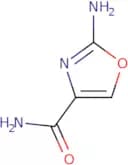
CAS:<p>Versatile small molecule scaffold</p>Formula:C4H5N3O2Purity:Min. 95%Molecular weight:127.1 g/mol1-(2-Methoxy-4-methylphenyl)ethan-1-one
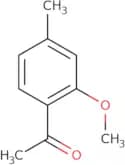
CAS:<p>Versatile small molecule scaffold</p>Formula:C10H12O2Purity:Min. 95%Molecular weight:164.2 g/mol3-(2-Methoxyethoxy)propanenitrile
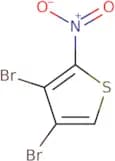
CAS:<p>3-(2-Methoxyethoxy)propanenitrile is a complex molecule that can be synthesized in an efficient method. It is used as a chemical catalyst to promote reactions involving pyrrole and other heterocycles, such as cross-coupling reactions with aryl chlorides. 3-(2-Methoxyethoxy)propanenitrile has been shown to form monolayers on the surface of electrodes, which may be useful for the fabrication of devices. The solvents used in this synthesis are also important for the design of new synthetic methods.</p>Formula:C6H11NO2Purity:Min. 95%Molecular weight:129.16 g/mol3,4-Dibromo-2-nitrothiophene
CAS:<p>Versatile small molecule scaffold</p>Formula:C4HBr2NO2SPurity:Min. 95%Molecular weight:286.93 g/mol2-(4-Bromothiophen-3-yl)ethan-1-ol
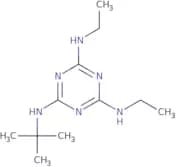
CAS:<p>Versatile small molecule scaffold</p>Formula:C6H7BrOSPurity:Min. 95%Molecular weight:207.09 g/molBis(ethylamino)-tert-butylamino-S-triazine-d9
CAS:<p>Versatile small molecule scaffold</p>Formula:C11H22N6Purity:Min. 95%Molecular weight:238.33 g/molQuinolin-4-amine hydrochloride
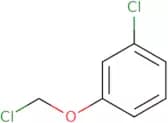
CAS:<p>Quinolin-4-amine hydrochloride is a DNA polymerase inhibitor. It inhibits the transcription of viral genes by binding to the DNA polymerase enzyme, thereby preventing transcription and replication of viral DNA. Quinolin-4-amine hydrochloride has shown to be effective against various viruses in tissue culture, including herpes simplex virus, vaccinia virus, and HIV. The compound has also been shown to inhibit the growth of influenza A virus in cell culture. Quinolin-4-amine hydrochloride is useful as a diagnostic agent for identifying unvaccinated individuals who are at risk for acquiring certain viruses or as an antiviral agent in tissue culture or cell culture during outbreaks of virulent viruses such as HIV or hepatitis C virus.</p>Formula:C9H9ClN2Purity:Min. 95%Molecular weight:180.63 g/mol1-Chloro-3-(chloromethoxy)benzene
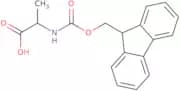
CAS:<p>Versatile small molecule scaffold</p>Formula:C7H6Cl2OPurity:Min. 95%Molecular weight:177.02 g/molFmoc-DL-alanine
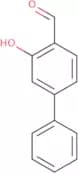
CAS:<p>Fmoc-DL-alanine is a moiety that is used in the synthesis of peptides and proteins. It has a pyrrole ring with an imidazole side chain. It is fluorescent, which can be useful for spectral analysis. Fmoc-DL-alanine has been shown to be a potent inhibitor of malignant cells, which may be due to its ability to inhibit the enzyme amino function. Fmoc-DL-alanine is stable under acidic conditions and does not react with nitro groups or carbohydrates. This compound is also soluble in water and can be synthesized with optimized acid residues.</p>Formula:C18H17NO4Purity:Min. 95%Molecular weight:311.33 g/mol2-Formyl-5-phenylphenol
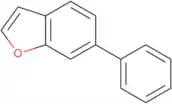
CAS:<p>2-Formyl-5-phenylphenol is an analytical reagent that can be used as a probe for detection of zinc ions in aqueous solutions. It is synthesized from salicylaldehyde and phenylmagnesium bromide with zinc chloride as a catalyst. 2-Formyl-5-phenylphenol reacts with the hydroxide ion to form an alcohol, which is then oxidized by hydrogen peroxide to form a phenoxy radical. This radical reacts with another molecule of hydrogen peroxide to form a fluorescent compound, homolytically cleaving the molecule. The reactivity of the heterocyclic ring depends on its position on the ring, with meta positions being more reactive than ortho or para positions.<br>2-Formyl-5-phenylphenol has been shown to have good reactivity with other nucleophiles such as amines, thiols, alcohols, and carboxylic acids.</p>Formula:C13H10O2Purity:Min. 95%Molecular weight:198.22 g/mol6-Phenyl-1-benzofuran
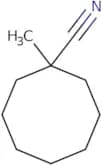
CAS:<p>Versatile small molecule scaffold</p>Formula:C14H10OPurity:Min. 95%Molecular weight:194.23 g/mol1-Methylcyclooctane-1-carbonitrile
CAS:<p>Versatile small molecule scaffold</p>Formula:C10H17NPurity:Min. 95%Molecular weight:151.2 g/mol1-Methylcycloheptane-1-carboxylic acid
CAS:<p>1-Methylcycloheptane-1-carboxylic acid is a benzyl benzoate compound that has antipsychotic properties. It is used as an antipsychotic agent and also has a tolerability profile with minimal side effects. The drug binds to the dopamine D2 receptor, resulting in increased uptake of dopamine in the synapse by blocking its reuptake. The compound is soluble in water and lipid solvents, which allows for it to be absorbed easily through the skin or mucous membranes. 1-Methylcycloheptane-1-carboxylic acid is not active against bacteria and fungi.</p>Formula:C9H16O2Purity:Min. 95%Molecular weight:156.22 g/mol1-Methylcyclooctane-1-carboxylic acid
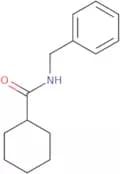
CAS:<p>Versatile small molecule scaffold</p>Formula:C10H18O2Purity:Min. 95%Molecular weight:170.2 g/molN-Benzylcyclohexanecarboxamide
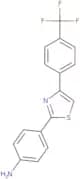
CAS:<p>Versatile small molecule scaffold</p>Formula:C14H19NOPurity:Min. 95%Molecular weight:217.31 g/mol2-Methyl-2-morpholinopropanenitrile
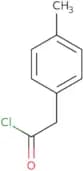
CAS:<p>Versatile small molecule scaffold</p>Formula:C16H11F3N2SPurity:Min. 95%Molecular weight:320.3 g/molP-Tolylacetyl chloride
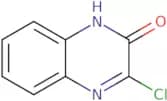
CAS:<p>P-Tolylacetyl chloride is a benzyl compound that has potent cytotoxicity. It is used in the synthesis of phenylacetates, which are intermediates for the synthesis of various pharmaceuticals. P-Tolylacetyl chloride has been shown to induce apoptosis in human cancer cells, including HCT116 and other tumor cell lines. This agent also induces DNA fragmentation and inhibits protein synthesis by inhibiting translation initiation factors. P-Tolylacetyl chloride also has an antitumor effect by inhibiting tumor growth in mice with subcutaneous leukemia. It is thought that this effect may be due to its ability to inhibit the production of reactive oxygen species (ROS) and reduce levels of intracellular glutathione.</p>Formula:C9H9ClOPurity:Min. 95%Molecular weight:168.62 g/mol2-Chloro-3-hydroxyquinoxaline
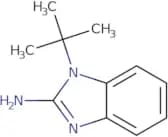
CAS:<p>2-Chloro-3-hydroxyquinoxaline is a chemical compound that belongs to the group of nitrones. It can be synthesized from 2,4,6-trichloro-1,3,5-triazine and amines. The yields are quite high with a range of 60%-90%. 2-Chloro-3-hydroxyquinoxaline can be used as a starting material for the synthesis of substituted quinoxalinones by coupling with nitro compounds or halides.<br>2-Chloro-3-hydroxyquinoxaline has been found to have pharmacological effects on biological systems in x ray analysis. It is also used in the synthesis of annulated quinoxalinones.</p>Formula:C8H5N2OClPurity:Min. 95%Molecular weight:180.59 g/mol1-tert-Butyl-1H-1,3-benzodiazol-2-amine
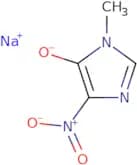
CAS:<p>Versatile small molecule scaffold</p>Formula:C11H15N3Purity:Min. 95%Molecular weight:189.26 g/mol5-Hydroxy-1-methyl-4-nitroimidazole sodium salt
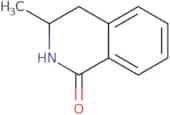
CAS:<p>Please enquire for more information about 5-Hydroxy-1-methyl-4-nitroimidazole sodium salt including the price, delivery time and more detailed product information at the technical inquiry form on this page</p>Formula:C4H4N3NaO3Purity:Min. 95%Molecular weight:165.08 g/mol3-Methyl-1,2,3,4-tetrahydroisoquinolin-1-one
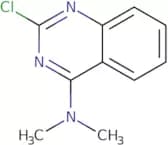
CAS:<p>3-Methyl-1,2,3,4-tetrahydroisoquinolin-1-one (3MTI) is a chemical compound that has been synthesized for the first time. This molecule has been studied experimentally in the optical properties of its spectrum and reactivity. 3MTI has been shown to react with hydrogen peroxide to produce water and formaldehyde. The reaction mechanism is based on the theory that 3MTI is an electron donor and hydrogen peroxide is an electron acceptor. The reaction process occurs by photosensitization of the molecule with UV light or visible light. The reaction system involves the direct oxidation of 3MTI by molecular oxygen in presence of hydrogen peroxide to produce water and formaldehyde.</p>Formula:C10H11NOPurity:Min. 95%Molecular weight:161.2 g/mol2-Chloro-N,N-dimethylquinazolin-4-amine
CAS:<p>Versatile small molecule scaffold</p>Formula:C10H10ClN3Purity:Min. 95%Molecular weight:207.66 g/molEthyl 3,5-dimethyl-1H-pyrazole-4-carboxylate
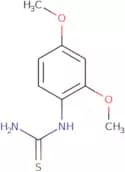
CAS:<p>Ethyl 3,5-dimethyl-1H-pyrazole-4-carboxylate is a chemical compound that belongs to the group of organic compounds. It is a colorless liquid with a pungent odor and a boiling point of 150 degrees Celsius. It is soluble in water, ethanol, and ether. Ethyl 3,5-dimethyl-1H-pyrazole-4-carboxylate can be used as an amine transfer agent and has been shown to react with hydroxyl ions under acidic conditions. The reaction rate increases when the concentration of acid solutions increase. This chemical also reacts with inorganic anions to form salts.</p>Formula:C8H12N2O2Purity:Min. 95%Molecular weight:168.19 g/mol1-(2,4-Dimethoxyphenyl)-2-thiourea
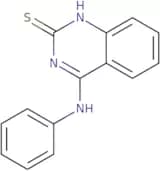
CAS:<p>1-(2,4-Dimethoxyphenyl)-2-thiourea is a lead compound for the development of opioid analgesics. It has shown to be an effective analgesic in animal models and has been found to have low side effects. This drug interacts with the μ-opioid receptor and activates it by changing its conformation. This activation mechanism is different from that of other opioids, which typically inhibit the receptor's activity. The activation mechanism of 1-(2,4-dimethoxyphenyl)-2-thiourea is believed to be due to structural modifications at the site of the receptor that promote signal transduction. This drug also acts as a competitive antagonist at the μ-opioid receptor, which may contribute to its antinociceptive properties.</p>Formula:C9H12N2O2SPurity:Min. 95%Molecular weight:212.27 g/mol4-(Phenylamino)-2,3-dihydroquinazoline-2-thione
CAS:<p>Versatile small molecule scaffold</p>Formula:C14H11N3SPurity:Min. 95%Molecular weight:253.32 g/mol5-Nitro-1,3-benzoxazole-2-carbonitrile
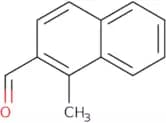
CAS:<p>5-Nitro-1,3-benzoxazole-2-carbonitrile is a chemical compound that inhibits the uptake of drugs into cells. It is a selective inhibitor of the enzyme adenosine transporter (AT) which prevents the uptake of adenosine and other compounds into cells. The inhibition is reversible under conditions where ATP levels are low. 5-Nitro-1,3-benzoxazole-2-carbonitrile has been shown to be stable when exposed to human serum and can be used for sample preparation prior to analysis with high performance liquid chromatography (HPLC). This agent has also been shown to inhibit theophylline uptake in human erythrocytes, making it a useful tool for studying drug interactions. 5NBB also inhibits caffeine uptake in microspheres and can be used as an analytical reagent for determining caffeine content in beverages.</p>Formula:C8H3N3O3Purity:Min. 95%Molecular weight:189.13 g/mol1-Methylnaphthalene-2-carbaldehyde
CAS:<p>1-Methylnaphthalene-2-carbaldehyde is a compound that can be found in acetonitrile. The molecule has two isomers, which are distinguished by the position of the methyl group on the ring. The 1-methylnaphthalene-2-carbaldehyde molecule is an organic compound with a molecular weight of 136.19 g/mol and a boiling point of 141°C at 0.1 mmHg. It has a photoisomerization quantum yield of 0.05 and fluorescence lifetimes of 4 to 5 nanoseconds, which are both relatively low. The molecule's singlet state lifetime is about half that of its triplet state lifetime, although it has been shown to have a higher quantum yield for this state than for its ground state. This means that the singlet state is more stable than the ground state, so it will remain in this state longer before emitting light or changing back to its ground state. This property makes</p>Formula:C12H10OPurity:Min. 95%Molecular weight:170.21 g/mol7-Bromo-5-methyl-1-benzofuran-2-carboxylic acid
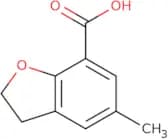
CAS:<p>Versatile small molecule scaffold</p>Formula:C10H7BrO3Purity:Min. 95%Molecular weight:255.06 g/mol5-Methyl-2,3-dihydro-1-benzofuran-7-carboxylic acid
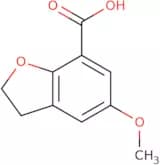
CAS:<p>Versatile small molecule scaffold</p>Formula:C10H10O3Purity:Min. 95%Molecular weight:178.18 g/mol5-Methoxy-2,3-dihydro-1-benzofuran-7-carboxylic acid
CAS:<p>Versatile small molecule scaffold</p>Formula:C10H10O4Purity:Min. 95%Molecular weight:194.18 g/molN-(Propan-2-yl)-1-[N'-(propan-2-yl)carbamimidamido]methanimidamide hydrochloride
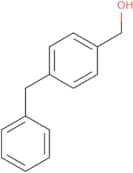
CAS:<p>Versatile small molecule scaffold</p>Formula:C8H20ClN5Purity:Min. 95%Molecular weight:221.73 g/mol(4-Benzylphenyl)methanol
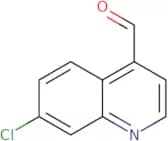
CAS:<p>4-Benzylphenylmethanol is a natural compound that belongs to the class of amines. It is found in pyrethrum, which is derived from plants of the genus Chrysanthemum. 4-Benzylphenylmethanol has been used as a supplement for insect control, usually as an additive to natural pyrethrins. This substance has been shown to be effective against insect species such as the German cockroach, the fruit fly, and the mosquito. 4-Benzylphenylmethanol also has insecticidal properties by preventing insects from breaking down the chemical bonds in their cell membranes. This allows for more rapid death of insects and lessens their ability to regenerate cells after contact with this substance.</p>Formula:C14H14OPurity:Min. 95%Molecular weight:198.27 g/mol7-Chloroquinoline-4-carbaldehyde
CAS:<p>7-Chloroquinoline-4-carbaldehyde is an intermediate in the synthesis of quinolines. It is a functionalized, hydroxylated compound that can be used as an antiproliferative reagent. 7-Chloroquinoline-4-carbaldehyde has been shown to inhibit the growth of leukemia cells, prostate cancer cells and breast cancer cells. The hydroxyl group on this molecule reacts with electrophiles to form covalent adducts and undergoes substitution reactions with amino groups. This molecule also has an aryl group that can be modified to create bioisosteres.</p>Formula:C10H6ClNOPurity:Min. 95%Molecular weight:191.61 g/mol3-Chloro-N-(2,6-dichlorophenyl)propanamide
CAS:<p>Versatile small molecule scaffold</p>Formula:C9H8Cl3NOPurity:Min. 95%Molecular weight:252.5 g/mol1-(4-Bromothiophen-3-yl)ethan-1-one
CAS:<p>Versatile small molecule scaffold</p>Formula:C6H5BrOSPurity:Min. 95%Molecular weight:205.07 g/molBis(propan-2-yl) [(4-methylbenzenesulfonyl)oxy]methanephosphonate
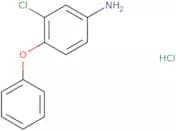
CAS:<p>Bis(propan-2-yl) [(4-methylbenzenesulfonyl)oxy]methanephosphonate is a nucleoside phosphonate that inhibits the replication of dna and RNA viruses. It is used to treat human immunodeficiency virus (HIV), varicella, and hepatitis. The antiviral activity of bis(propan-2-yl) [(4-methylbenzenesulfonyl)oxy]methanephosphonate has been shown to be effective against HIV, herpes simplex virus type 1, and hepatitis B virus. This drug binds to the viral nucleic acid polymerase and prevents it from adding new nucleotides to the growing strand of DNA or RNA.</p>Formula:C14H23O6PSPurity:Min. 95%Molecular weight:350.37 g/mol3-Chloro-4-phenoxyaniline hydrochloride
CAS:<p>Versatile small molecule scaffold</p>Formula:C12H11Cl2NOPurity:Min. 95%Molecular weight:256.13 g/mol2,4-Dibromo-5-methoxyaniline
CAS:<p>2,4-Dibromo-5-methoxyaniline is an analog of 2,4-diaminopyridine. It is a synthetic compound that can be prepared by catalytic reduction of the corresponding bromide. The yields are between 60 and 90%. It is used as a precursor to make other compounds such as methoxybenzene and 4-bromo-2,6-dimethoxyphenol. The compound has two methoxy groups and two hydroxy groups that can be substituted with dialkoxy or alkoxy groups. This compound also undergoes debromination to form 2,4-dibromo-5-(hydroxymethyl)aniline. 2,4-Dibromo-5-(hydroxymethyl)aniline can be oxidized to form aniline or reduced to form dihydroxybenzene (1,3).</p>Formula:C7H7Br2NOPurity:Min. 95%Molecular weight:280.94 g/molBenzyl (2,5-Dioxotetrahydrofuran-3-Yl)Carbamate
CAS:<p>Versatile small molecule scaffold</p>Formula:C12H11NO5Purity:Min. 95%Molecular weight:249.22 g/mol2-Bromo-3-methylquinoline
CAS:<p>2-Bromo-3-methylquinoline is a pyrimidine compound that has been shown to have anti-inflammatory properties. It has been demonstrated to inhibit the conversion of propionate and acetyl-CoA into propionyl CoA, which is an important step in the synthesis of fatty acids. This inhibition leads to a decrease in the production of inflammatory leukotrienes and prostaglandins. 2-Bromo-3-methylquinoline also inhibits the formation of reactive oxygen species by inhibiting the conversion of isobutyrate into isobutyraldehyde, which results in decreased inflammation and oxidative stress.</p>Formula:C10H8BrNPurity:Min. 95%Molecular weight:222.08 g/mol2-(3-Iodo-2-oxopropyl)-2,3-dihydro-1H-isoindole-1,3-dione
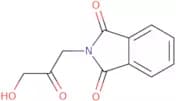
CAS:<p>Versatile small molecule scaffold</p>Formula:C11H8INO3Purity:Min. 95%Molecular weight:329.09 g/mol2-(3-Hydroxy-2-oxopropyl)-2,3-dihydro-1H-isoindole-1,3-dione
CAS:<p>Versatile small molecule scaffold</p>Formula:C11H9NO4Purity:Min. 95%Molecular weight:219.19 g/mol3-Nitro-N-phenylpyridin-4-amine
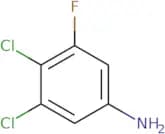
CAS:<p>Versatile small molecule scaffold</p>Formula:C11H9N3O2Purity:Min. 95%Molecular weight:215.21 g/mol3,4-Dichloro-5-fluoroaniline
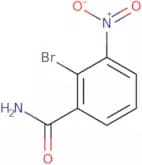
CAS:<p>Versatile small molecule scaffold</p>Formula:C6H4Cl2FNPurity:Min. 95%Molecular weight:180 g/mol2-Bromo-3-nitrobenzamide
CAS:<p>2-Bromo-3-nitrobenzamide (2-BNBA) is an organic compound that has been shown to have insecticidal properties. It is a quinoline derivative with a cinnabarinus structure and a benzyl group on the nitrogen atom. 2-BNBA was synthesized by modifying the pharmacophore of the natural product cinnabarinus, which is found in the leaves of Cinnamomum zeylanicum. The modification of this pharmacophore led to increased insecticidal activity against tetranychus and other insects. The target compounds for 2-BNBA are sulfide, which are found in cells and tissues of insects such as tetranychus. 2-BNBA inhibits the synthesis of proteins and DNA, leading to death by accumulation of reactive oxygen species within cells.</p>Formula:C7H5N2O3BrPurity:Min. 95%Molecular weight:245.03 g/mol3-Acetyl-2,3,4,5-tetrahydro-1H-3-benzazepine-7-sulfonyl chloride
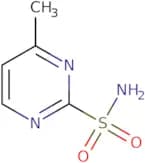
CAS:<p>Versatile small molecule scaffold</p>Formula:C12H14ClNO3SPurity:Min. 95%Molecular weight:287.76 g/mol4-Methylpyrimidine-2-sulfonamide
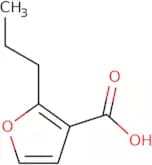
CAS:<p>4-Methylpyrimidine-2-sulfonamide is a pharmaceutical preparation that has been shown to be effective in the treatment of hyperproliferative diseases. It has been found to inhibit cellular proliferation and induce apoptosis in cells from patients with chronic bronchitis, which may be due to its ability to modulate extracellular signal transduction pathways. 4-Methylpyrimidine-2-sulfonamide also has anti-cancer effects, inhibiting the growth of cancer cells by triggering cell cycle arrest or inducing apoptosis. This drug can also lead to symptoms such as nausea, vomiting, and diarrhea, which are indications of a hypersensitivity reaction. The gene sequence analysis was done using DNA from wild type mice and transgenic animals.</p>Formula:C5H7N3O2SPurity:Min. 95%Molecular weight:173.2 g/mol2-Propylfuran-3-carboxylic acid
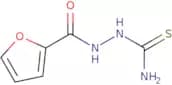
CAS:<p>Versatile small molecule scaffold</p>Formula:C8H10O3Purity:Min. 95%Molecular weight:154.16 g/molN-(Carbamothioylamino)furan-2-carboxamide
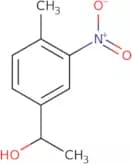
CAS:<p>N-(Carbamothioylamino)furan-2-carboxamide is a chemical compound that has been used as a liver protectant and to treat calcium deficiencies. The calcium salt of the drug is prepared by mixing anhydrous ethanol with calcium chloride and adding pyridine dropwise. Upon refluxing, the mixture is cooled and then evaporated under vacuum to yield the desired product.</p>Formula:C6H7N3O2SPurity:Min. 95%Molecular weight:185.21 g/mol1-(4-Methyl-3-nitrophenyl)ethan-1-ol
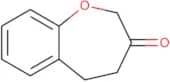
CAS:<p>Versatile small molecule scaffold</p>Formula:C9H11NO3Purity:Min. 95%Molecular weight:181.19 g/mol2,3,4,5-Tetrahydro-1-benzoxepin-3-one
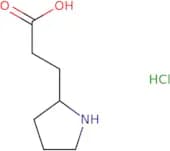
CAS:<p>2,3,4,5-Tetrahydro-1-benzoxepin-3-one is an acrylamide derivative that has been shown to undergo ring cleavage under certain conditions. The cleavage of the benzene ring leads to the formation of two aromatic rings and a carboxylic acid.</p>Formula:C10H10O2Purity:Min. 95%Molecular weight:162.18 g/mol3-(Pyrrolidin-2-yl)propanoic acid hydrochloride
CAS:<p>Versatile small molecule scaffold</p>Formula:C7H14ClNO2Purity:Min. 95%Molecular weight:179.64 g/mol6-Cyano-4-oxo-4H-chromene-2-carboxylic acid
CAS:<p>Versatile small molecule scaffold</p>Formula:C11H5NO4Purity:Min. 95%Molecular weight:215.16 g/mol1,2,3,4-Tetrahydropyrido[3,4-b]pyrazine
CAS:<p>1,2,3,4-Tetrahydropyrido[3,4-b]pyrazine is an organic solvent that has been shown to be a good catalyst for the dimerization of isocyanates. It is used as a basic additive in resins and coatings. 1,2,3,4-Tetrahydropyrido[3,4-b]pyrazine is soluble in most solvents and can be used as a diluent of other solvents. This chemical has been shown to have good thermal stability and low volatility.</p>Formula:C7H9N3Purity:Min. 95%Molecular weight:135.17 g/mol6-Chloro-5-formyl-1,3-dimethyluracil
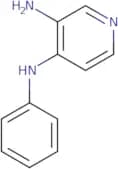
CAS:<p>6-Chloro-5-formyl-1,3-dimethyluracil is a cyclized compound that is formed from the reaction between a vinyl group and sulfilimine. It has been shown to be a precursor for the synthesis of uracil derivatives by photolysis. 6-Chloro-5-formyl-1,3-dimethyluracil is also an intermediate in the synthesis of analogues of uracil and cytosine.</p>Formula:C7H7ClN2O3Purity:Min. 95%Molecular weight:202.6 g/mol4-N-Phenylpyridine-3,4-diamine
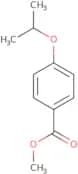
CAS:<p>Versatile small molecule scaffold</p>Formula:C11H11N3Purity:Min. 95%Molecular weight:185.22 g/molMethyl 4-Isopropoxybenzoate
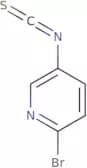
CAS:<p>Versatile small molecule scaffold</p>Formula:C11H14O3Purity:Min. 95%Molecular weight:194.23 g/mol2-Bromo-5-isothiocyanatopyridine
CAS:<p>Versatile small molecule scaffold</p>Formula:C6H3BrN2SPurity:Min. 95%Molecular weight:215.07 g/mol5-Cyclopentyl-3-phenyl-1,2-oxazole-4-carboxylic acid
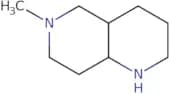
CAS:<p>Versatile small molecule scaffold</p>Formula:C15H15NO3Purity:Min. 95%Molecular weight:257.28 g/mol6-Methyl-decahydro-1,6-naphthyridine
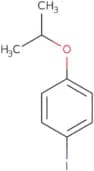
CAS:<p>Versatile small molecule scaffold</p>Formula:C9H18N2Purity:Min. 95%Molecular weight:154.25 g/mol1-Iodo-4-(propan-2-yloxy)benzene
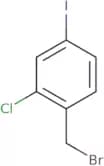
CAS:<p>Versatile small molecule scaffold</p>Formula:C9H11IOPurity:Min. 95%Molecular weight:262.09 g/mol1-(Bromomethyl)-2-chloro-4-iodobenzene
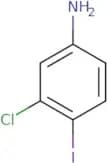
CAS:<p>Versatile small molecule scaffold</p>Formula:C7H5BrClIPurity:Min. 95%Molecular weight:331.37 g/mol3-Chloro-4-iodoaniline
CAS:<p>3-Chloro-4-iodoaniline is an activated, synthetic chemical that is used in the preparation of a variety of chemicals. 3-Chloro-4-iodoaniline can be prepared by the reaction of chloroacetic acid with nitrobenzene and hydrochloric acid. The compound may be purified by vacuum filtration and recrystallization from water. It is also a precursor to other chemicals that are used in the production of polyhalogenated aromatic compounds. 3-Chloro-4-iodoaniline has been found to react with amines and form the corresponding amides, which may be useful for chemical synthesis.</p>Formula:C6H5ClINPurity:Min. 95%Molecular weight:253.47 g/molrac-(1R,2R)-1-Amino-2,3-dihydro-1H-indene-2-carboxylic acid hydrochloride
CAS:<p>Versatile small molecule scaffold</p>Formula:C10H12ClNO2Purity:Min. 95%Molecular weight:213.66 g/molN-Boc-2-hydroxymethylmorpholine
CAS:<p>N-Boc-2-hydroxymethylmorpholine is a potent inhibitor of tyrosine kinase and has been shown to inhibit the activity of the enzyme. It is also an effective inhibitor of metaperiodate oxidation, which plays a role in the metabolism of tyrosine. The compound inhibits the binding of chiral benzyl compounds to receptor tyrosine kinases and is used for research purposes.</p>Formula:C10H19NO4Purity:Min. 95%Molecular weight:217.26 g/mol4-benzylmorpholine-2-carboxamide
CAS:<p>Versatile small molecule scaffold</p>Formula:C12H16N2O2Purity:Min. 95%Molecular weight:220.27 g/mol4-Benzyl-N-methylmorpholine-2-carboxamide
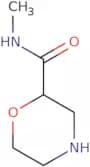
CAS:<p>Versatile small molecule scaffold</p>Formula:C13H18N2O2Purity:Min. 95%Molecular weight:234.29 g/molN-Methylmorpholine-2-carboxamide
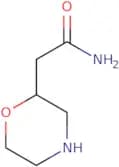
CAS:<p>Versatile small molecule scaffold</p>Formula:C6H12N2O2Purity:Min. 95%Molecular weight:144.17 g/mol2-(Morpholin-2-yl)acetamide
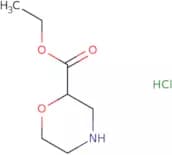
CAS:<p>Versatile small molecule scaffold</p>Formula:C6H12N2O2Purity:Min. 95%Molecular weight:144.17 g/molEthyl morpholine-2-carboxylate hydrochloride
CAS:<p>Versatile small molecule scaffold</p>Formula:C7H14ClNO3Purity:Min. 95%Molecular weight:195.64 g/mol2-Ethyl-6-fluoro-1,4-dihydroquinolin-4-one
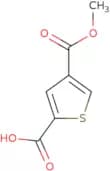
CAS:<p>Versatile small molecule scaffold</p>Formula:C11H10FNOPurity:Min. 95%Molecular weight:191.2 g/mol4-(Methoxycarbonyl)thiophene-2-carboxylic acid
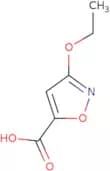
CAS:<p>Versatile small molecule scaffold</p>Formula:C7H6O4SPurity:Min. 95%Molecular weight:186.19 g/mol3-Ethoxy-1,2-oxazole-5-carboxylic acid
CAS:<p>Versatile small molecule scaffold</p>Formula:C6H7NO4Purity:Min. 95%Molecular weight:157.12 g/mol4-Sulfamoylthiophene-2-carboxylic acid
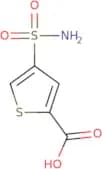
CAS:<p>Versatile small molecule scaffold</p>Formula:C5H5NO4S2Purity:Min. 95%Molecular weight:207.2 g/mol5-Amino-1,4-dihydroquinazolin-4-one
CAS:<p>Versatile small molecule scaffold</p>Formula:C8H7N3OPurity:Min. 95%Molecular weight:161.16 g/mol5-methoxyquinazolin-4-ol
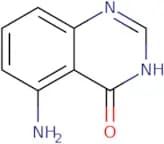
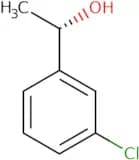
CAS:<p>Versatile small molecule scaffold</p>Formula:C9H8N2O2Purity:Min. 95%Molecular weight:176.17 g/mol(1S)-1-(3-Chlorophenyl)ethanol
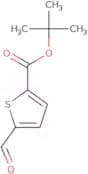
CAS:<p>(1S)-1-(3-Chlorophenyl)ethanol is an optically pure chiral molecule. It is a homochiral molecule with a non-selective carbonyl group. The molecule can be prepared by the reaction of 3-chlorobenzaldehyde and methanol in the presence of pyridine. Diffraction experiments were performed on single crystals of (1S)-1-(3-chlorophenyl)ethanol to determine the optimal conditions for its crystallization. These experiments revealed that (1S)-1-(3-chlorophenyl)ethanol has a high degree of symmetry, which makes it suitable for use in optical applications.</p>Formula:C8H9ClOPurity:Min. 95%Molecular weight:156.61 g/moltert-Butyl 5-formylthiophene-2-carboxylate
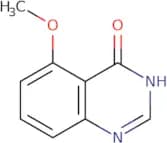
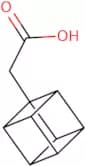
CAS:<p>tert-Butyl 5-formylthiophene-2-carboxylate is an acylguanidine that has been shown to have a high affinity for bone, mediating its effects on osteoporosis. This compound is selective for bone and inhibits the activity of steroid sulfatase, which is responsible for breaking down steroids in the body. It is also lipophilic and can penetrate into the cell membrane, where it binds to the receptor sites of cyclic AMP and blocks their activation by acetylcholine or other substances. This results in a decrease in calcium uptake into cells, reducing skeletal breakdown and enhancing bone formation. Structurally, tert-butyl 5-formylthiophene-2-carboxylate contains a thiophene ring that provides it with this selectivity.</p>Formula:C10H12O3SPurity:Min. 95%Molecular weight:212.27 g/mol2-((2R,3R,5R,6R,7R,8R)-Cuban-1-yl)acetic acid
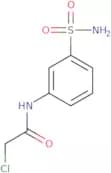
CAS:<p>Versatile small molecule scaffold</p>Formula:C10H10O2Purity:Min. 95%Molecular weight:162.18 g/mol2-Chloro-N-(3-sulfamoylphenyl)acetamide
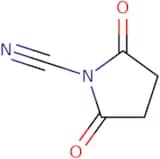
CAS:<p>Versatile small molecule scaffold</p>Formula:C8H9ClN2O3SPurity:Min. 95%Molecular weight:248.69 g/mol2,5-Dioxopyrrolidine-1-carbonitrile
CAS:<p>2,5-Dioxopyrrolidine-1-carbonitrile is a ligand that binds to boronic acids and is used in the synthesis of drug molecules. The synthesis of 2,5-dioxopyrrolidine-1-carbonitrile requires the reaction of a pyridine ring with an aryl boronic acid, followed by hydrolysis to release the lactam. This synthetic process can be modified to produce amines.</p>Formula:C5H4N2O2Purity:Min. 95%Molecular weight:124.1 g/mol(1-Isopropyl-1h-imidazol-2-yl)methanol
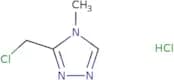
CAS:<p>Versatile small molecule scaffold</p>Formula:C7H12N2OPurity:Min. 95%Molecular weight:140.18 g/mol3-(Chloromethyl)-4-methyl-4H-1,2,4-triazole hydrochloride
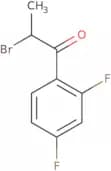
CAS:<p>Versatile small molecule scaffold</p>Formula:C4H7Cl2N3Purity:Min. 95%Molecular weight:168.03 g/mol2-Bromo-1-(2,4-difluorophenyl)propan-1-one
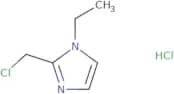
CAS:<p>Versatile small molecule scaffold</p>Formula:C9H7BrF2OPurity:Min. 95%Molecular weight:249.05 g/mol2-(Chloromethyl)-1-ethyl-1H-imidazole hydrochloride
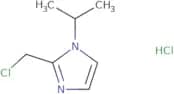
CAS:<p>Versatile small molecule scaffold</p>Formula:C6H10Cl2N2Purity:Min. 95%Molecular weight:181.06 g/mol2-(Chloromethyl)-1-(propan-2-yl)-1H-imidazole hydrochloride
CAS:<p>Versatile small molecule scaffold</p>Formula:C7H12Cl2N2Purity:Min. 95%Molecular weight:195.09 g/mol[1-(2,2,2-Trifluoroethyl)-1H-imidazol-2-yl]methanol
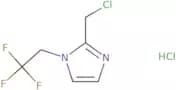
CAS:<p>Versatile small molecule scaffold</p>Formula:C6H7F3N2OPurity:Min. 95%Molecular weight:180.13 g/mol2-(Chloromethyl)-1-(2,2,2-trifluoroethyl)-1H-imidazole hydrochloride
CAS:<p>Versatile small molecule scaffold</p>Formula:C6H7Cl2F3N2Purity:Min. 95%Molecular weight:235.03 g/mol


![4H,5H,6H-Pyrrolo[1,2-b]pyrazole-3-carbaldehyde](/_next/image/?url=https%3A%2Fstatic.cymitquimica.com%2Fproducts%2F3D%2Fthumb-webp%2FKAC66791.webp&w=3840&q=75)
![2-Bromo-1-{2H-[1,3]dioxolo[4,5-b]pyridin-6-yl}ethan-1-one](/_next/image/?url=https%3A%2Fstatic.cymitquimica.com%2Fproducts%2F3D%2Fthumb-webp%2FKAC66999.webp&w=3840&q=75)


![[5-(Trifluoromethyl)thiophen-2-yl]methanol](/_next/image/?url=https%3A%2Fstatic.cymitquimica.com%2Fproducts%2F3D%2Fthumb-webp%2FKAC67071.webp&w=3840&q=75)


![5-bromo-1H,2H,3H-pyrrolo[3,2-b]pyridine](/_next/image/?url=https%3A%2Fstatic.cymitquimica.com%2Fproducts%2F3D%2Fthumb-webp%2FKAC67135.webp&w=3840&q=75)
![4-Chloro-7,8-dihydro-5H-pyrano[4,3-d]pyrimidine](/_next/image/?url=https%3A%2Fstatic.cymitquimica.com%2Fproducts%2F3D%2Fthumb-webp%2FKAC67177.webp&w=3840&q=75)
![[1,3]Dioxolo[4,5-b]pyridin-6-ylmethanamine](/_next/image/?url=https%3A%2Fstatic.cymitquimica.com%2Fproducts%2F3D%2Fthumb-webp%2FKAC67181.webp&w=3840&q=75)



![1H-Pyrazolo[3,4-c]pyridine-4-carboxylic acid](/_next/image/?url=https%3A%2Fstatic.cymitquimica.com%2Fproducts%2F3D%2Fthumb-webp%2FKAC67264.webp&w=3840&q=75)




![Methyl 2-[4-(acetyloxy)phenyl]acetate](/_next/image/?url=https%3A%2Fstatic.cymitquimica.com%2Fproducts%2F3D%2Fthumb-webp%2FKBA40015.webp&w=3840&q=75)
![N-[(Hydrazinecarbonyl)methyl]pyridine-3-carboxamide](/_next/image/?url=https%3A%2Fstatic.cymitquimica.com%2Fproducts%2F3D%2Fthumb-webp%2FKBA41823.webp&w=3840&q=75)

![1-[2-Chloro-4-(methylsulfanyl)phenyl]ethan-1-one](/_next/image/?url=https%3A%2Fstatic.cymitquimica.com%2Fproducts%2F3D%2Fthumb-webp%2FKBA51531.webp&w=3840&q=75)
![2-(Chloromethyl)bicyclo[2.2.1]heptane](/_next/image/?url=https%3A%2Fstatic.cymitquimica.com%2Fproducts%2F3D%2Fthumb-webp%2FKBA52066.webp&w=3840&q=75)
![Methyl bicyclo[2.2.1]heptane-2-carboxylate](/_next/image/?url=https%3A%2Fstatic.cymitquimica.com%2Fproducts%2F3D%2Fthumb-webp%2FKBA52081.webp&w=3840&q=75)



![6,7,8,9-Tetrahydro-5H-benzo[7]annulen-5-ol](/_next/image/?url=https%3A%2Fstatic.cymitquimica.com%2Fproducts%2F3D%2Fthumb-webp%2FKBA55094.webp&w=3840&q=75)
![2-Thioxo-1,2,3,5,6,7-hexahydro-4H-cyclopenta[D]pyrimidin-4-one](/_next/image/?url=https%3A%2Fstatic.cymitquimica.com%2Fproducts%2F3D%2Fthumb-webp%2FKBA56327.webp&w=3840&q=75)


amine hydrochloride](/_next/image/?url=https%3A%2Fstatic.cymitquimica.com%2Fproducts%2F3D%2Fthumb-webp%2FKBA58998.webp&w=3840&q=75)
![(3S,6R)-3-[(2S)-Butan-2-yl]-6-methylpiperazine-2,5-dione](/_next/image/?url=https%3A%2Fstatic.cymitquimica.com%2Fproducts%2F3D%2Fthumb-webp%2FKBA59070.webp&w=3840&q=75)








![N-(Propan-2-yl)-1-[N'-(propan-2-yl)carbamimidamido]methanimidamide hydrochloride](/_next/image/?url=https%3A%2Fstatic.cymitquimica.com%2Fproducts%2F3D%2Fthumb-webp%2FKBA70882.webp&w=3840&q=75)


![Bis(propan-2-yl) [(4-methylbenzenesulfonyl)oxy]methanephosphonate](/_next/image/?url=https%3A%2Fstatic.cymitquimica.com%2Fproducts%2F3D%2Fthumb-webp%2FKBA71798.webp&w=3840&q=75)





![1,2,3,4-Tetrahydropyrido[3,4-b]pyrazine](/_next/image/?url=https%3A%2Fstatic.cymitquimica.com%2Fproducts%2F3D%2Fthumb-webp%2FKBA80841.webp&w=3840&q=75)






![[1-(2,2,2-Trifluoroethyl)-1H-imidazol-2-yl]methanol](/_next/image/?url=https%3A%2Fstatic.cymitquimica.com%2Fproducts%2F3D%2Fthumb-webp%2FKFA20692.webp&w=3840&q=75)