Building Blocks
This section contains fundamental products for the synthesis of organic and biological compounds. Building blocks are the essential starting materials used to construct complex molecules through various chemical reactions. They play a critical role in drug discovery, material science, and chemical research. At CymitQuimica, we offer a diverse range of high-quality building blocks to support your innovative research and industrial projects, ensuring you have the essential components for successful synthesis.
Subcategories of "Building Blocks"
- Boronic Acids & Boronic Acid Derivatives(5,756 products)
- Chiral Building Blocks(1,242 products)
- Hydrocarbon Building Blocks(6,095 products)
- Organic Building Blocks(61,037 products)
Found 196139 products of "Building Blocks"
Sort by
Purity (%)
0
100
|
0
|
50
|
90
|
95
|
100
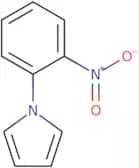
1-(2-Nitrophenyl)pyrrole
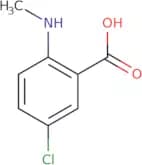
CAS:<p>1-(2-Nitrophenyl)pyrrole (1-NPyr) is an activated form of pyrrole that is synthesized by the Saccharomyces cerevisiae strain. It can be reduced with borohydride to produce 1-aminonitrobenzene. 1-NPyr has been shown to be used as a precursor for the synthesis of various drugs, including multidrugs and anilines. This compound is enantiopure and thermodynamically stable, making it an ideal candidate for asymmetric synthesis.</p>Formula:C10H8N2O2Purity:Min. 95%Molecular weight:188.18 g/mol5-Chloro-2-(methylamino)benzoic acid
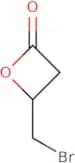
CAS:<p>Versatile small molecule scaffold</p>Formula:C8H8ClNO2Purity:Min. 95%Molecular weight:185.61 g/mol4-(Bromomethyl)oxetan-2-one
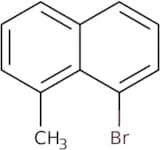
CAS:<p>Versatile small molecule scaffold</p>Formula:C4H5BrO2Purity:Min. 95%Molecular weight:164.99 g/mol1-Bromo-8-methylnaphthalene
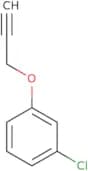
CAS:<p>1-Bromo-8-methylnaphthalene is a synthetic chemical that belongs to the group of butyric acid derivatives. It has been shown to react reversibly with alcohols and carbonyls, as well as iodides and cinnamic acids. 1-Bromo-8-methylnaphthalene can be synthesized from xylene using lithium diisopropylamide (LDA) in the presence of an amine base, yielding a mixture of products, including oxetane. This compound crystallizes in space group P2(1)/c with unit cell dimensions a = 12.7 Å, b = 14.4 Å, c = 18.5 Å, β = 98.1° and Z = 2.</p>Formula:C11H9BrPurity:Min. 95%Molecular weight:221.1 g/mol1-chloro-3-(prop-2-yn-1-yloxy)benzene
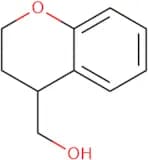
CAS:<p>1-Chloro-3-(prop-2-yn-1-yloxy)benzene is a ligand that can be used in supramolecular chemistry. This ligand interacts with anionic polymers and forms a coordination polymer. The interaction of the ligand and the polymer leads to self-assembly, which is the formation of large structures from small units or molecules. 1-Chloro-3-(prop-2-yn-1-yloxy)benzene has been shown to form silver clusters, which are aggregates of metal atoms held together by relatively weak forces.</p>Formula:C9H7ClOPurity:Min. 95%Molecular weight:166.6 g/mol3,4-Dihydro-2H-1-benzopyran-4-ylmethanol
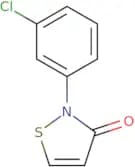
CAS:<p>Versatile small molecule scaffold</p>Formula:C10H12O2Purity:Min. 95%Molecular weight:164.2 g/mol2-(3-Chlorophenyl)-2,3-dihydro-1,2-thiazol-3-one
CAS:<p>Versatile small molecule scaffold</p>Formula:C9H6ClNOSPurity:Min. 95%Molecular weight:211.67 g/mol2-[3-(Aminomethyl)phenoxy]acetic acid hydrochloride
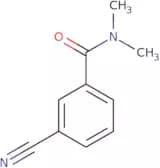
CAS:<p>Versatile small molecule scaffold</p>Formula:C9H12ClNO3Purity:Min. 95%Molecular weight:217.65 g/mol3-Cyano-N,N-dimethylbenzamide
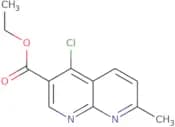
CAS:<p>Versatile small molecule scaffold</p>Formula:C10H10N2OPurity:Min. 95%Molecular weight:174.2 g/molEthyl 4-chloro-7-methyl-1,8-naphthyridine-3-carboxylate
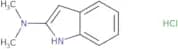
CAS:<p>Versatile small molecule scaffold</p>Formula:C12H11ClN2O2Purity:Min. 95%Molecular weight:250.68 g/molN,N-Dimethyl-1H-indol-2-amine hydrochloride
CAS:<p>Versatile small molecule scaffold</p>Formula:C10H13ClN2Purity:Min. 95%Molecular weight:196.67 g/mol2-(Morpholin-4-yl)-1H-indole hydrochloride
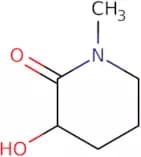
CAS:<p>Versatile small molecule scaffold</p>Formula:C12H15ClN2OPurity:Min. 95%Molecular weight:238.71 g/mol3-Hydroxy-1-methylpiperidin-2-one
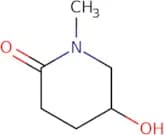
CAS:<p>3-Hydroxy-1-methylpiperidin-2-one is an organic compound that can be used as a chiral building block in the synthesis of enantiomerically pure compounds. It is a racemic mixture that is obtained by reacting 3-hydroxy-1,2-dimethylpiperidinium chloride with sodium methoxide. The lipase activity of Pseudomonas cepacia has been immobilized on a solid support in order to produce enantioselective synthesis. This immobilization prevents the enzyme from being washed out during the reaction process and provides a continuous supply of active enzyme. The enantioselective synthesis of 3-hydroxy-1,2-dimethylpiperidinium chloride has been achieved using chemoenzymatic methods.</p>Formula:C6H11NO2Purity:Min. 95%Molecular weight:129.16 g/mol5-Hydroxy-1-methylpiperidin-2-one
CAS:<p>5-Hydroxy-1-methylpiperidin-2-one is a muscle relaxant that is used as a medicine. This drug has been shown to have an inhibitory effect on bacterial growth and may be used for the treatment of infections caused by bacteria, such as tuberculosis. 5-Hydroxy-1-methylpiperidin-2-one binds to the histamine H1 receptor and inhibits the release of histamine, which may reduce pain and inflammation. This drug also has anticancer properties. 5HMP binds to DNA in the G protein coupled receptors and prevents them from binding to their corresponding ligands. It also inhibits cell proliferation by inhibiting protein synthesis, which leads to cell death by apoptosis or necrosis.</p>Formula:C6H11NO2Purity:Min. 95%Molecular weight:129.16 g/mol2-Chloro-5-methylthiazole
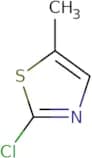
CAS:<p>2-Chloro-5-methylthiazole is a chlorinating agent that can be used to synthesize organic compounds. It is prepared by the reaction of triethylamine solution and acetonitrile in the presence of hydrochloric acid and hexane. The synthesis temperature should be kept below -10°C. The product is isolated by filtration, washed with diluent (e.g., isopropyl), and dried under vacuum. 2-Chloro-5-methylthiazole reacts with chloride to produce chlorine gas, which can then be purified using a solution of hydrochloric acid in hexane or methylthiazole in acetonitrile.<br>2-Chloro-5-methylthiazole can also react with sodium metal in an ethereal solution to produce methylene chloride, which is then reacted with ammonia to form methylamine.</p>Formula:C4H4ClNSPurity:Min. 95%Molecular weight:133.6 g/molN-(Dimethylcarbamoyl)-N-methylcarbamoyl chloride
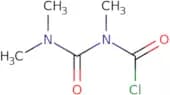
CAS:<p>Versatile small molecule scaffold</p>Formula:C5H9ClN2O2Purity:Min. 95%Molecular weight:164.59 g/mol2-Pentylpiperidine
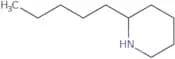
CAS:<p>2-Pentylpiperidine is an acetylcholine receptor agonist and is also a toxic alkaloid. It is biosynthesized in animals by the hydroxylation of butyrolactone. 2-Pentylpiperidine has been shown to have antinociceptive effects in animals, which may be due to its ability to activate nicotinic acetylcholine receptors. 2-Pentylpiperidine has also been shown to inhibit the growth of cells in culture, and also inhibits the production of cyclohexanol from cyclohexanone. This drug has been shown to cause death in humans at high doses, with several possible causes being considered: inhibition of protein synthesis or cell division, or interference with RNA synthesis.</p>Formula:C10H21NPurity:Min. 95%Molecular weight:155.28 g/mol2-Methyl-1-[3-(trifluoromethyl)phenyl]propan-1-ol
CAS:<p>Versatile small molecule scaffold</p>Formula:C11H13F3OPurity:Min. 95%Molecular weight:218.21 g/mol7-Methyl-4-oxo-4h-pyrido[1,2-a]pyrimidine-3-carboxylic acid
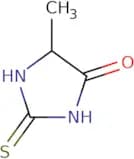
CAS:<p>Versatile small molecule scaffold</p>Formula:C10H8N2O3Purity:Min. 95%Molecular weight:204.18 g/mol5-Methyl-2-thioxoimidazolidin-4-one
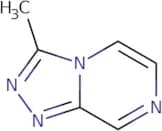
CAS:<p>5-Methyl-2-thioxoimidazolidin-4-one (MTI) is an antibacterial agent that has been shown to have a strong inhibitory effect against Staphylococcus epidermidis. MTI has been shown to be an effective antidiabetic, pesticide, and antibacterial agent. It also has a tautomeric form that reversibly binds to the active site of bacterial DNA topoisomerase II, which prevents the rewinding of DNA and inhibits transcription. MTI is used in the treatment of mammalian cells for cancer treatment. In addition, it can alkylate DNA bases and disrupts the DNA replication process.</p>Formula:C4H6N2OSPurity:Min. 95%Molecular weight:130.17 g/mol5-Methyl-[1,2,4]triazolo[1,5-a]pyrimidin-7-amine
CAS:<p>Versatile small molecule scaffold</p>Formula:C6H7N5Purity:Min. 95%Molecular weight:149.15 g/mol[2-(Methylsulfanyl)phenyl]methanol
CAS:<p>2-(Methylsulfanyl)phenyl]methanol is an analogue of the ligand 2-methylsulfanylphenol. It reacts with carbenes, aldehydes, and alcohols to form oxalates. This compound can also be used as a transfer agent for alcohols and conium. The structural analysis of this compound has shown that it is a thioether with sulphone substituents.<br>2-(Methylsulfanyl)phenyl]methanol yields the same products as 2-methylsulfanylphenol by reacting with thiols, sulfides, and sulfoxides in the presence of base.</p>Formula:C8H10OSPurity:Min. 95%Molecular weight:154.23 g/mol2-[4-(Pyrimidin-2-yl)piperazin-1-yl]acetonitrile
CAS:<p>Versatile small molecule scaffold</p>Formula:C10H13N5Purity:Min. 95%Molecular weight:203.24 g/mol4-[4-(Pyrimidin-2-yl)piperazin-1-yl]butan-1-amine
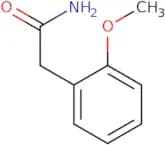
CAS:<p>Versatile small molecule scaffold</p>Formula:C12H21N5Purity:Min. 95%Molecular weight:235.33 g/mol2-(2-Methoxyphenyl)acetamide
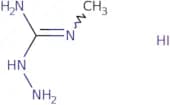
CAS:<p>2-(2-Methoxyphenyl)acetamide is a chemical compound that is used in the industrial production of acrylonitrile. It is also used to study the biochemical and microbiological properties of escherichia coli, as well as the biotechnology and biochemistry of recombinant protein expression. 2-(2-Methoxyphenyl)acetamide has been shown to be an excellent affinity ligand for ionic liquid chromatography (ILC). This chemical can be used to identify wild-type proteins in a sample.</p>Formula:C9H11NO2Purity:Min. 95%Molecular weight:165.19 g/mol1-Amino-3-methylguanidine hydroiodide
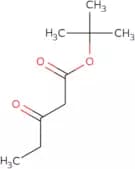
CAS:<p>Versatile small molecule scaffold</p>Formula:C2H8N4·HIPurity:Min. 95%Molecular weight:216.02 g/moltert-Butyl 3-oxopentanoate
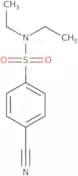
CAS:<p>Tert-Butyl 3-oxopentanoate is a chemical compound that has insulin-like growth factor (IGF) activity. This compound is synthesized from the reduction of tert-butyl 3-oxopinanedioate and reacts with a factor receptor. Tert-Butyl 3-oxopentanoate has been shown to inhibit the cancer cell proliferation by reducing the radiation induced DNA damage. The crystal structure of this compound has been determined using X-ray diffraction and molecular dynamics simulations, which have revealed that it is an inactive form of IGF.</p>Formula:C9H16O3Purity:Min. 95%Molecular weight:172.22 g/mol4-Cyano-N,N-diethylbenzene-1-sulfonamide
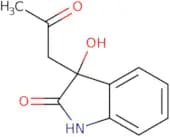
CAS:<p>Versatile small molecule scaffold</p>Formula:C11H14N2O2SPurity:Min. 95%Molecular weight:238.31 g/mol3-Hydroxy-3-(2-oxopropyl)-1,3-dihydro-2H-indol-2-one
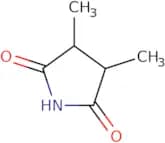
CAS:<p>Versatile small molecule scaffold</p>Formula:C11H11NO3Purity:Min. 95%Molecular weight:205.21 g/mol3,4-Dimethylpyrrolidine-2,5-dione
CAS:<p>3,4-Dimethylpyrrolidine-2,5-dione is a synthetic compound that has been found in the environment as a result of pollution. It is an average particle size with a molecular weight of 184.1 g/mol and chemical formula CHNO. 3,4-Dimethylpyrrolidine-2,5-dione is soluble in water and alcohols. It has been shown to have an imidazoline group and lactam ring that can easily be hydrolyzed by acid. 3,4-Dimethylpyrrolidine-2,5-dione can be used for the synthesis of monomers which are polymerized into polymers such as nitrocellulose or cellulose acetate butyrate using acidic or basic groups.</p>Formula:C6H9NO2Purity:Min. 95%Molecular weight:127.14 g/mol1-Oxaspiro[4.4]nonan-2-one
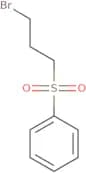
CAS:<p>Versatile small molecule scaffold</p>Formula:C8H12O2Purity:Min. 95%Molecular weight:140.2 g/mol(3-Bromopropanesulfonyl)benzene
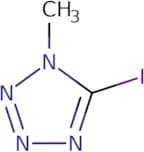
CAS:<p>Versatile small molecule scaffold</p>Formula:C9H11BrO2SPurity:Min. 95%Molecular weight:263.15 g/mol5-Iodo-1-methyl-1H-tetrazole
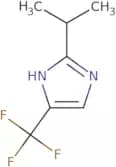
CAS:<p>Versatile small molecule scaffold</p>Formula:C2H3IN4Purity:Min. 95%Molecular weight:209.98 g/mol2-(Propan-2-yl)-5-(trifluoromethyl)-1H-imidazole
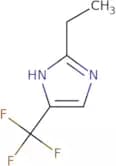
CAS:<p>Versatile small molecule scaffold</p>Formula:C7H9F3N2Purity:Min. 95%Molecular weight:178.15 g/mol2-Ethyl-5-(trifluoromethyl)-1H-imidazole
CAS:<p>Versatile small molecule scaffold</p>Formula:C6H7F3N2Purity:Min. 95%Molecular weight:164.13 g/mol3-[Ethyl(hydroxy)phosphoryl]but-2-enoic acid
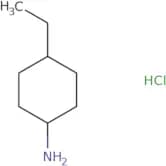
CAS:<p>Versatile small molecule scaffold</p>Formula:C6H11O4PPurity:Min. 95%Molecular weight:178.12 g/molrac-(1S,4R)-4-Ethylcyclohexan-1-amine hydrochloride
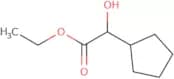
CAS:<p>Versatile small molecule scaffold</p>Formula:C8H18ClNPurity:Min. 95%Molecular weight:163.69 g/molEthyl 2-cyclopentyl-2-hydroxyacetate
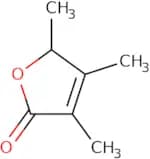
CAS:<p>Versatile small molecule scaffold</p>Formula:C9H16O3Purity:Min. 95%Molecular weight:172.22 g/mol3,4,5-Trimethyl-2(5H)-furanone
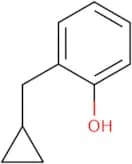
CAS:<p>3,4,5-Trimethyl-2(5H)-furanone (3,4,5-TMF) is a compound that has been identified as a germination inhibitor. 3,4,5-TMF inhibits the germination of lettuce seeds and wheat seeds. It is speculated that this inhibition may be due to the ability of 3,4,5-TMF to inhibit regulatory enzymes in the germination process. This compound also has neuroprotective properties and may be used for the treatment of neurodegenerative diseases. 3,4,5-TMF belongs to a group of compounds called furanones which are found in plants such as Triticum aestivum and Arabidopsis thaliana. Furanones are related to other phytochemicals such as flavonoids and phenolic acids.</p>Formula:C7H10O2Purity:Min. 95%Molecular weight:126.15 g/mol2-(Cyclopropylmethyl)phenol
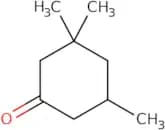
CAS:<p>Versatile small molecule scaffold</p>Formula:C10H12OPurity:Min. 95%Molecular weight:148.2 g/mol(5R)-3,3,5-Trimethylcyclohexan-1-one
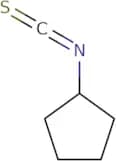
CAS:<p>Versatile small molecule scaffold</p>Formula:C9H16OPurity:Min. 95%Color and Shape:Clear LiquidMolecular weight:140.22 g/molCyclopentyl isothiocyanate
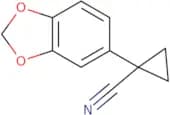
CAS:<p>Cyclopentyl isothiocyanate (CPITC) is an organic solvent that is used as a pharmaceutical preparation. It has antiviral activity, which may be due to its ability to inhibit the serine protease of the virus. The hydroxy group on CPITC can react with the amide nitrogen of glutamine residues in protein and form an amide bond. CPITC has shown anticancer effects and inhibits the growth of cancer cells by inhibiting cell division at the G2/M phase. CPITC also has anti-inflammatory effects, which may be due to its ability to inhibit prostaglandin synthesis by blocking cyclooxygenase activity.</p>Formula:C6H9NSPurity:Min. 95%Molecular weight:127.21 g/mol1-(1,3-Benzodioxol-5-yl)cyclopropanecarbonitrile
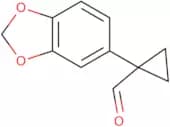
CAS:<p>Versatile small molecule scaffold</p>Formula:C11H9NO2Purity:Min. 95%Molecular weight:187.19 g/mol1-(1,3-Dioxaindan-5-yl)cyclopropane-1-carbaldehyde
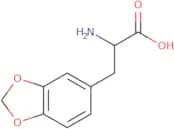
CAS:<p>Versatile small molecule scaffold</p>Formula:C11H10O3Purity:Min. 95%Molecular weight:190.19 g/mol2-Amino-3-(1,3-dioxaindan-5-yl)propanoic acid
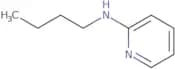
CAS:Controlled Product<p>Versatile small molecule scaffold</p>Formula:C10H11NO4Purity:Min. 95%Molecular weight:209.2 g/molN-Butylpyridin-2-amine
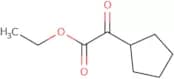
CAS:<p>Versatile small molecule scaffold</p>Formula:C9H14N2Purity:Min. 95%Molecular weight:150.22 g/molEthyl 2-Cyclopentyl-2-oxoacetate
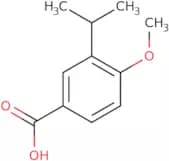
CAS:<p>Ethyl 2-Cyclopentyl-2-oxoacetate is a cyanoformate with the chemical formula C5H6O4. It is used as a reagent in organic synthesis and has been shown to react with stannic chloride to form a phosphonium salt. This reaction is followed by the addition of phosphorous pentachloride and potassium benzoate, which yields the corresponding phenylmagnesium chloride. The process can be completed by adding zinc chloride, which forms the desired organometallic compound.</p>Formula:C9H14O3Purity:Min. 95%Molecular weight:170.21 g/mol4-Methoxy-3-(propan-2-yl)benzoic acid
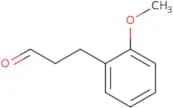
CAS:<p>Versatile small molecule scaffold</p>Formula:C11H14O3Purity:Min. 95%Molecular weight:194.23 g/mol3-(2-Methoxyphenyl)propanal
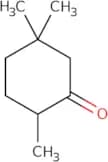
CAS:<p>3-(2-Methoxyphenyl)propanal is a heterocyclic compound that has been shown to be an efficient modulator of population growth. It has been found to be active against mosquitoes and inhibits the activity of phosphine. 3-(2-Methoxyphenyl)propanal binds to the surface of the mosquito’s mouthparts and prevents it from feeding, leading to death. The long-term effect on mosquito populations is not yet known. 3-(2-Methoxyphenyl)propanal has also been shown to inhibit trypsin and crystal x-ray diffraction, with five-membered ligands.</p>Formula:C10H12O2Purity:Min. 95%Molecular weight:164.2 g/mol2,5,5-Trimethylcyclohexanone
CAS:<p>2,5,5-Trimethylcyclohexanone is a chemical that is used in the production of other chemicals. It can be produced by a reaction of formaldehyde with malic acid and ammonium formate. The reaction is catalyzed by metal surfaces such as nickel or platinum plates. Malic acid acts as a conditioner agent for the reaction system and ammonium formate functions as a catalyst. To produce 2,5,5-trimethylcyclohexanone, an organic solvent like hexane or toluene is heated to above its boiling point. When heated, the reactants are mixed together and passed over the catalyst surface at high pressure and temperature. This process produces 2,5,5-trimethylcyclohexanone in a gaseous state that can then be condensed into liquid form.</p>Formula:C9H16OPurity:Min. 95%Molecular weight:140.22 g/molN-[2-(3-Methoxyphenyl)ethyl]-N-methylamine
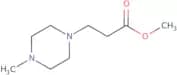
CAS:Controlled Product<p>Versatile small molecule scaffold</p>Formula:C10H15NOPurity:Min. 95%Molecular weight:165.23 g/mol4-Methyl-1-piperazinepropanoic acid methyl ester
CAS:<p>Versatile small molecule scaffold</p>Formula:C9H18N2O2Purity:Min. 95%Molecular weight:186.25 g/molN-[2-(1H-Imidazol-4-yl)ethyl]guanidine sulfate
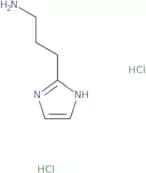
CAS:<p>Versatile small molecule scaffold</p>Formula:C6H13N5O4SPurity:Min. 95%Molecular weight:251.3 g/mol2-(3-aminopropyl)imidazole 2hcl
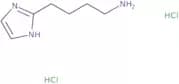
CAS:<p>Versatile small molecule scaffold</p>Formula:C6H13Cl2N3Purity:Min. 95%Molecular weight:198.09 g/mol4-(1H-Imidazol-2-yl)butan-1-amine dihydrochloride
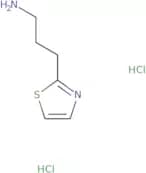
CAS:<p>Versatile small molecule scaffold</p>Formula:C7H15Cl2N3Purity:Min. 95%Molecular weight:212.12 g/mol3-(1,3-Thiazol-2-yl)propan-1-amine dihydrochloride
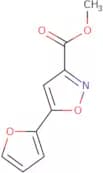
CAS:<p>Versatile small molecule scaffold</p>Formula:C6H12Cl2N2SPurity:Min. 95%Molecular weight:215.14 g/molMethyl 5-(2-furyl)isoxazole-3-carboxylate
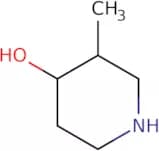
CAS:<p>Versatile small molecule scaffold</p>Formula:C9H7NO4Purity:Min. 95%Molecular weight:193.16 g/mol4-Hydroxy-3-methylpiperidine
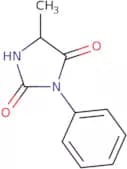
CAS:<p>4-Hydroxy-3-methylpiperidine (4HMPD) is a heterocyclic compound that has shown to be a potent inhibitor of influenza virus. 4HMPD can be used as a drug to treat influenza in humans because it has the ability to inhibit the replication of human influenza viruses and is not toxic to humans. 4HMPD targets the influenza virus by binding to the viral nucleoprotein and inhibiting its function. The molecular structure of 4HMPD is similar to that of piperidine, which is an amino acid found in proteins. This similarity may help explain why 4HMPD inhibits influenza virus replication because amino acids are necessary for protein synthesis.</p>Formula:C6H14ClNOPurity:Min. 95%Molecular weight:151.64 g/mol5-Methyl-3-phenylimidazolidine-2,4-dione
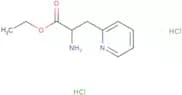
CAS:<p>Versatile small molecule scaffold</p>Formula:C10H10N2O2Purity:Min. 95%Molecular weight:190.2 g/molEthyl 2-amino-3-(pyridin-2-yl)propanoate dihydrochloride
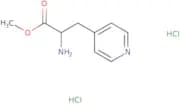
CAS:<p>Versatile small molecule scaffold</p>Formula:C10H14N2O2·2HClPurity:Min. 95%Molecular weight:267.15 g/molMethyl 2-amino-3-(pyridin-4-yl)propanoate dihydrochloride
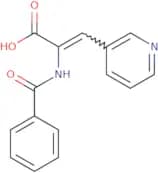
CAS:<p>Versatile small molecule scaffold</p>Formula:C9H14Cl2N2O2Purity:Min. 95%Molecular weight:253.12 g/mol2-(Phenylformamido)-3-(pyridin-3-yl)prop-2-enoic acid
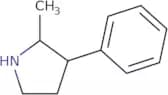
CAS:<p>Versatile small molecule scaffold</p>Formula:C15H12N2O3Purity:Min. 95%Molecular weight:268.27 g/mol2-Methyl-3-phenylpyrrolidine
CAS:<p>Indapamide is a potassium-sparing diuretic with antihypertensive properties. It prevents the reabsorption of sodium and chloride in the kidney, which leads to increased urine volume. Indapamide is used for the treatment of hypertension in patients who are unable to control their blood pressure with diet and exercise alone. Indapamide has been shown to be effective in lowering blood pressure in hypertensive patients who have not responded well to other therapies.</p>Formula:C11H15NPurity:Min. 95%Molecular weight:161.24 g/mol4-Ethoxybutanenitrile
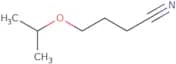
CAS:<p>Versatile small molecule scaffold</p>Formula:C6H11NOPurity:Min. 95%Molecular weight:113.16 g/mol4-(Propan-2-yloxy)butanenitrile
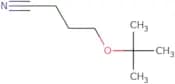
CAS:<p>Versatile small molecule scaffold</p>Formula:C7H13NOPurity:Min. 95%Molecular weight:127.18 g/mol4-(tert-Butoxy)butanenitrile
CAS:<p>Versatile small molecule scaffold</p>Formula:C8H15NOPurity:Min. 95%Molecular weight:141.21 g/mol(Iodomethyl)cyclopropane
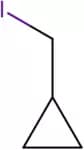
CAS:<p>(Iodomethyl)cyclopropane is a synthetic radical species that has been used in pharmaceutical preparations and industrial processes. It can be detected by its characteristic spectral signature and has been used in the preparation of pharmaceuticals, including an anti-inflammatory drug. The reaction time for (Iodomethyl)cyclopropane is typically short, which makes it suitable for use in industrial processes that require rapid completion.</p>Formula:C3H5CH2IPurity:Min. 95%Molecular weight:182 g/mol2-(Chloromethyl)-5-(3-chlorophenyl)-1,3,4-oxadiazole
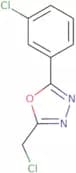
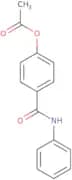
CAS:<p>Versatile small molecule scaffold</p>Formula:C9H6Cl2N2OPurity:Min. 95%Molecular weight:229.06 g/mol4-(Phenylcarbamoyl)phenyl acetate
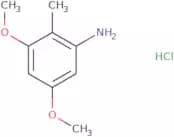
CAS:<p>Versatile small molecule scaffold</p>Formula:C15H13NO3Purity:Min. 95%Molecular weight:255.27 g/mol3,5-Dimethoxy-2-methylaniline hydrochloride
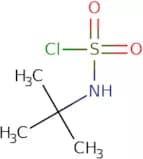
CAS:<p>Versatile small molecule scaffold</p>Formula:C9H14ClNO2Purity:Min. 95%Molecular weight:203.66 g/moltert-Butylsulphamoyl chloride
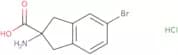
CAS:<p>Versatile small molecule scaffold</p>Formula:C4H10ClNO2SPurity:Min. 95%Molecular weight:171.65 g/mol2-Amino-5-bromo-2,3-dihydro-1H-indene-2-carboxylic acid hydrochloride
CAS:<p>Versatile small molecule scaffold</p>Formula:C10H11BrClNO2Purity:Min. 95%Molecular weight:292.55 g/mol2-methylthiazole-4-carbaldehyde
CAS:<p>Versatile small molecule scaffold</p>Formula:C6H6N4Purity:Min. 95%Molecular weight:134.14 g/mol4-Hydrazinyl-6-methylpyrimidine
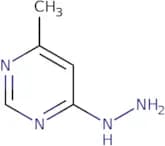
CAS:<p>Versatile small molecule scaffold</p>Formula:C5H8N4Purity:Min. 95%Molecular weight:124.14 g/mol4-[(Butylamino)methyl]phenol hydrochloride
CAS:<p>Versatile small molecule scaffold</p>Formula:C11H18ClNOPurity:Min. 95%Molecular weight:215.72 g/mol2-(Oxolan-2-yl)ethan-1-ol
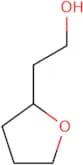
CAS:<p>Versatile small molecule scaffold</p>Formula:C6H12O2Purity:Min. 95%Molecular weight:116.16 g/mol1-Bromo-2-(2,2-dimethylpropyl)benzene
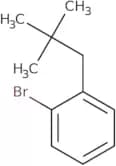
CAS:<p>Versatile small molecule scaffold</p>Formula:C11H15BrPurity:Min. 95%Molecular weight:227.14 g/mol3-[(3-Pyridinylmethyl)amino]propanenitrile
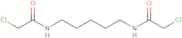
CAS:<p>Versatile small molecule scaffold</p>Formula:C9H11N3Purity:Min. 95%Molecular weight:161.21 g/molN,N'-(Pentane-1,5-diyl)bis(2-chloroacetamide)
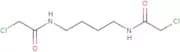
CAS:<p>Versatile small molecule scaffold</p>Formula:C9H16Cl2N2O2Purity:Min. 95%Molecular weight:255.14 g/molN,N'-(Butane-1,4-diyl)bis(2-chloroacetamide)
CAS:<p>Versatile small molecule scaffold</p>Formula:C8H14Cl2N2O2Purity:Min. 95%Molecular weight:241.11 g/molEthyl 2-{[5-(furan-2-yl)-1,3,4-oxadiazol-2-yl]sulfanyl}acetate
CAS:<p>Versatile small molecule scaffold</p>Formula:C10H10N2O4SPurity:Min. 95%Molecular weight:254.26 g/mol2-{[5-(Furan-2-yl)-1,3,4-oxadiazol-2-yl]sulfanyl}acetic acid
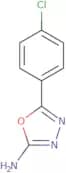
CAS:<p>Versatile small molecule scaffold</p>Formula:C8H6N2O4SPurity:Min. 95%Molecular weight:226.21 g/mol2-Amino-5-(4-chlorophenyl)-1,3,4-oxadiazole
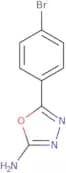
CAS:<p>Versatile small molecule scaffold</p>Formula:C8H6ClN3OPurity:Min. 95%Molecular weight:195.61 g/mol5-(4-Bromophenyl)-1,3,4-oxadiazol-2-amine
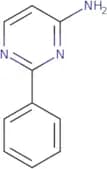
CAS:<p>Versatile small molecule scaffold</p>Formula:C8H6BrN3OPurity:Min. 95%Molecular weight:240.06 g/mol4-Amino-2-phenylpyrimidine
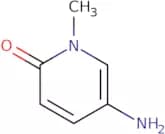
CAS:<p>4-Amino-2-phenylpyrimidine is an analog of the amino acid phenylalanine. It is orally active and has been shown to have a protective effect against lipopolysaccharide (LPS) induced lung inflammation in mice. 4-Amino-2-phenylpyrimidine also has antiinflammatory properties, which may be due to its inhibition of tumor necrosis factor-α (TNF-α) production by mouse splenocytes. This compound has been shown to inhibit the pancreatic enzyme, α-amylase, as well as reduce blood glucose levels in diabetic mice. 4-Amino-2-phenylpyrimidine may also act as an antidiabetic agent by inhibiting insulin release and reducing pancreatic β cell mass.</p>Formula:C10H9N3Purity:Min. 95%Molecular weight:171.19 g/mol5-Amino-1-methyl-1,2-dihydropyridin-2-one
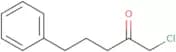
CAS:<p>Versatile small molecule scaffold</p>Formula:C6H8N2OPurity:Min. 95%Molecular weight:124.14 g/mol1-Chloro-5-phenylpentan-2-one
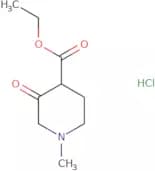
CAS:<p>Versatile small molecule scaffold</p>Formula:C11H13ClOPurity:Min. 95%Molecular weight:196.67 g/molEthyl 1-methyl-3-oxopiperidine-4-carboxylate hydrochloride
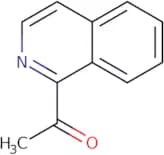
CAS:<p>Versatile small molecule scaffold</p>Formula:C9H16ClNO3Purity:Min. 95%Molecular weight:221.68 g/mol1-Isoquinolin-1-yl-ethanone
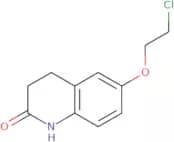
CAS:<p>Versatile small molecule scaffold</p>Formula:C11H9NOPurity:Min. 95%Molecular weight:171.2 g/mol6-(2-Chloroethoxy)-1,2,3,4-tetrahydroquinolin-2-one
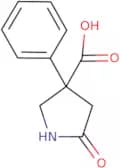
CAS:<p>Versatile small molecule scaffold</p>Formula:C11H12ClNO2Purity:Min. 95%Molecular weight:225.67 g/mol5-Oxo-3-phenylpyrrolidine-3-carboxylic acid
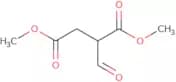
CAS:<p>Versatile small molecule scaffold</p>Formula:C11H11NO3Purity:Min. 95%Molecular weight:205.21 g/mol1,4-Dimethyl 2-formylbutanedioate
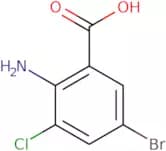
CAS:<p>1,4-Dimethyl 2-formylbutanedioate is a benzyl compound that has been shown to interact with the anion of alkali metal ions, such as sodium. It can also be prepared by the reaction of 1,4-dimethoxybenzene with formaldehyde and formic acid. The low frequency of this compound's interactions with other compounds has been shown analogously in the presence of antineoplastic agents. This compound has been used as a reagent in monitoring spectra due to its ability to form anions from alkali metal salts. 1,4-Dimethyl 2-formylbutanedioate is also known as sodium formaldehyde sulfoxylate and is used as an additive in detergents and water treatment chemicals including thiourea.</p>Formula:C7H10O5Purity:Min. 95%Molecular weight:174.15 g/mol2-Amino-5-bromo-3-chlorobenzoic acid
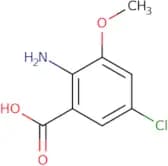
CAS:<p>Versatile small molecule scaffold</p>Formula:C7H5BrClNO2Purity:Min. 95%Molecular weight:250.48 g/mol2-Amino-5-chloro-3-methoxybenzoic acid
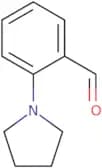
CAS:<p>Versatile small molecule scaffold</p>Formula:C8H8ClNO3Purity:Min. 95%Molecular weight:201.61 g/mol2-Pyrrolidin-1-yl-benzaldehyde
CAS:<p>2-Pyrrolidin-1-yl-benzaldehyde is an acceptor molecule that can undergo a hydride transfer with a nucleophile. It is also able to undergo a nucleophilic attack on the carbonyl group, which is electrophilic. The benzaldehyde moiety has two lone pairs of electrons, which make it reactive enough to be used in biomolecular synthesis. 2-Pyrrolidin-1-yl-benzaldehyde also spontaneously converts into hexafluoroisopropanol (HFIP) and can be switched between its labile and stable form by changing the pH of the solution. The pyrrole ring is susceptible to oxidation, making it amenable to synthetic reactions. This molecule can also act as an amine donor in reactions where amines are needed as electron donors or acceptors.</p>Formula:C11H13NOPurity:Min. 95%Molecular weight:175.23 g/molrac-(1R,4R,5R)-5-Hydroxybicyclo[2.2.1]heptan-2-one, endo
CAS:<p>Versatile small molecule scaffold</p>Formula:C7H10O2Purity:Min. 95%Molecular weight:126.2 g/mol5-Bromo-3-methyl-[1,2]oxazolo[5,4-b]pyridine
CAS:<p>Versatile small molecule scaffold</p>Formula:C7H5BrN2OPurity:Min. 95%Molecular weight:213.03 g/molN-(Benzo[D]thiazol-2-ylmethyl)-N-methylacetamide
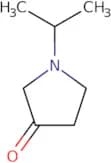
CAS:<p>Versatile small molecule scaffold</p>Formula:C11H12N2OSPurity:Min. 95%Molecular weight:220.29 g/mol1-(Propan-2-yl)pyrrolidin-3-one
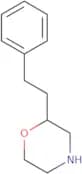
CAS:<p>Versatile small molecule scaffold</p>Formula:C7H13NOPurity:Min. 95%Molecular weight:127.18 g/mol2-(2-Phenylethyl)morpholine
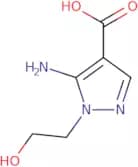
CAS:<p>Versatile small molecule scaffold</p>Formula:C12H17NOPurity:Min. 95%Molecular weight:191.27 g/mol5-Amino-1-(2-hydroxyethyl)-1H-pyrazole-4-carboxylic acid
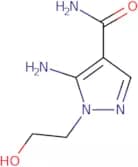
CAS:<p>Versatile small molecule scaffold</p>Formula:C6H9N3O3Purity:Min. 95%Molecular weight:171.16 g/mol5-Amino-1-(2-hydroxyethyl)-1H-pyrazole-4-carboxamide
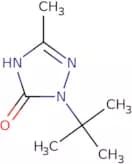
CAS:<p>Versatile small molecule scaffold</p>Formula:C6H10N4O2Purity:Min. 95%Molecular weight:170.17 g/mol1-tert-Butyl-3-methyl-4,5-dihydro-1H-1,2,4-triazol-5-one
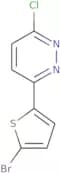
CAS:<p>Versatile small molecule scaffold</p>Formula:C7H13N3OPurity:Min. 95%Molecular weight:155.2 g/mol3-(5-Bromothiophen-2-yl)-6-chloropyridazine
CAS:<p>Versatile small molecule scaffold</p>Formula:C8H4BrClN2SPurity:Min. 95%Molecular weight:275.55 g/molN-[(Methylcarbamothioyl)amino]benzamide
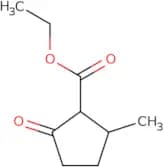
CAS:<p>Versatile small molecule scaffold</p>Formula:C9H11N3OSPurity:Min. 95%Molecular weight:209.27 g/molEthyl 2-methyl-5-oxocyclopentane-1-carboxylate
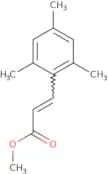
CAS:<p>Versatile small molecule scaffold</p>Formula:C9H14O3Purity:Min. 95%Molecular weight:170.21 g/molMethyl (2E)-3-(2,4,6-trimethylphenyl)prop-2-enoate
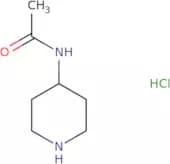
CAS:<p>Versatile small molecule scaffold</p>Formula:C13H16O2Purity:Min. 95%Molecular weight:204.26 g/molN-(4-Piperidinyl)acetamide HCl
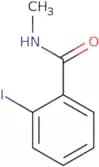
CAS:<p>Versatile small molecule scaffold</p>Formula:C7H14N2O·HClPurity:Min. 95%Molecular weight:178.66 g/mol2-Iodo-N-methylbenzamide
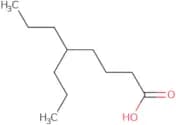
CAS:<p>2-Iodo-N-methylbenzamide (2IMB) is a compound that has been shown in preliminary studies to have a high nucleophilic attack rate. It reacts with palladium complexes to form a stereoselective reaction and, when coupled with amide, aminosulfonyl, or tnf-α, can be used as an excellent model system for inflammatory diseases. 2IMB has also been shown to have anti-inflammatory properties by inhibiting prostaglandin synthesis. The deuterium isotope effect is the most important factor in determining the reactivity of the molecule. This effect causes the substitution of hydrogen atoms by deuterium atoms at various points on the molecule and affects the reaction yield.</p>Formula:C8H8INOPurity:Min. 95%Molecular weight:261.06 g/mol5-Propyloctanoic acid
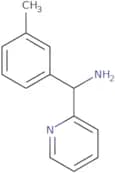
CAS:<p>5-Propyloctanoic acid is a fatty acid that is structurally related to octanoic acid. It has been shown to cause nerve demyelination in rats and mice, as well as sciatic nerve lesions in rabbits. 5-Propyloctanoic acid can be used as a potential antiepileptic drug, with anticonvulsant properties. This fatty acid also has the ability to inhibit lipoperoxide (LOOH) production by binding to LOOH and preventing its formation. The uptake of 5-propyloctanoic acid into cells is mediated by an uptake system, which may be inhibited by other chemicals.</p>Formula:C11H22O2Purity:Min. 95%Molecular weight:186.29 g/mol(3-Methylphenyl)(pyridin-2-yl)methanamine
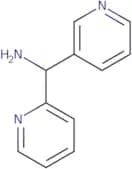
CAS:<p>Versatile small molecule scaffold</p>Formula:C13H14N2Purity:Min. 95%Molecular weight:198.26 g/mol1-(Pyridin-2-yl)-1-(pyridin-3-yl)methanamine
CAS:<p>Versatile small molecule scaffold</p>Formula:C11H11N3Purity:Min. 95%Molecular weight:185.22 g/mol1-(6-Methylpyridin-2-yl)ethanamine
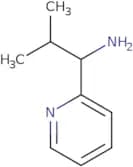
CAS:<p>Versatile small molecule scaffold</p>Formula:C8H12N2Purity:Min. 95%Molecular weight:136.19 g/mol2-Methyl-1-(2-pyridyl)-1-propylamine
CAS:<p>Versatile small molecule scaffold</p>Formula:C9H14N2Purity:Min. 95%Molecular weight:150.22 g/mol4-Isocyanato-4,5,6,7-tetrahydro-1-benzothiophene
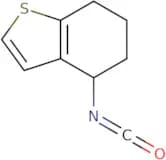
CAS:<p>4-Isocyanato-4,5,6,7-tetrahydro-1-benzothiophene is a urea derivative that is used as an herbicide. It is a member of the class of pesticides known as isothiocyanates and has been shown to be toxic to animals. 4-Isocyanato-4,5,6,7-tetrahydro-1-benzothiophene inhibits the production of urea in mammals by binding to the enzyme ornithine transcarbamylase (OTC). This binding prevents the formation of carbamoyl phosphate and argininosuccinate from ammonia and citrulline. The inhibition of this enzyme leads to decreased synthesis of arginine and eventually cell death.</p>Formula:C9H9NOSPurity:Min. 95%Molecular weight:179.24 g/mol4-Amino-4,5,6,7-tetrahydro-1-benzothiophene-2-carbonitrile hydrochloride
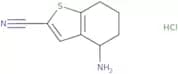
CAS:<p>Versatile small molecule scaffold</p>Formula:C9H11ClN2SPurity:Min. 95%Molecular weight:214.72 g/mol4,5,6,7-Tetrahydro-1-benzothiophen-4-amine
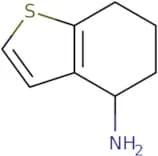
CAS:<p>Versatile small molecule scaffold</p>Formula:C8H11NSPurity:Min. 95%Molecular weight:153.25 g/mol(5-Chloro-3-phenyl-1-benzofuran-2-yl)methanamine hydrochloride
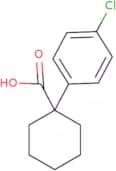
CAS:<p>Versatile small molecule scaffold</p>Formula:C15H13Cl2NOPurity:Min. 95%Molecular weight:294.2 g/mol1-(4-Chlorophenyl)cyclohexanecarboxylic acid
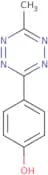
CAS:<p>1-(4-Chlorophenyl)cyclohexanecarboxylic acid is a piperidine that can be reacted with tetrahydrofuran to form a high yield of formaldehyde. It has been used as a reagent for the synthesis of biphenyl, and the Wittig reaction. 1-(4-Chlorophenyl)cyclohexanecarboxylic acid also catalyzes the conversion of bromoethane to cyclohexanecarboxylic acid in large-scale. This compound is highly reactive and reacts with sodium hypochlorite and benzene to produce chlorine gas and hydrogen chloride, respectively.</p>Formula:C13H15ClO2Purity:Min. 95%Molecular weight:238.71 g/mol4-(6-Methyl-1,2,4,5-tetrazin-3-yl)phenol
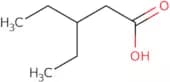
CAS:<p>4-(6-Methyl-1,2,4,5-tetrazin-3-yl)phenol is a product that is used in the fields of life science and pharmacology. It is an inhibitor for protein interactions with ion channels. The high purity of this product makes it suitable for research purposes. This product can be used as a reagent in cell biology and pharmacology. It also has many applications in the field of biochemistry and molecular biology, such as receptor activation and ligand binding studies. 4-(6-Methyl-1,2,4,5-tetrazin-3-yl)phenol has a CAS Number of 58884-35-8.</p>Formula:C9H8N4OPurity:Min. 95%Molecular weight:188.19 g/mol3-Ethylpentanoic acid
CAS:<p>3-Ethylpentanoic acid is a fatty acid that is naturally found in the human body and can be synthesized by the body from other fatty acids. 3-Ethylpentanoic acid has been shown to inhibit histone deacetylase (HDAC) activity, which may be a possible mechanism for its antitumor effects. HDAC inhibitors are being studied as potential anticancer drugs. 3-Ethylpentanoic acid also inhibits the enzymatic activity of fatty acid synthase, thereby preventing the production of branched-chain fatty acids that are toxic to the liver. In addition, 3-ethylpentanoic acid has been shown to have pharmacokinetic properties in rats and mice with high levels of enzymes that convert it into a more hydrophobic form, which may lead to better absorption from the gastrointestinal tract and decreased metabolism by enzymes in the liver.</p>Formula:C7H14O2Purity:Min. 95%Molecular weight:130.18 g/mol4-[(2-Oxo-1,2,3,4-tetrahydroquinolin-6-yl)oxy]butanoic acid
CAS:Controlled Product<p>Versatile small molecule scaffold</p>Formula:C13H15NO4Purity:Min. 95%Molecular weight:249.26 g/mol2-[(2-Oxo-1,2,3,4-tetrahydroquinolin-6-yl)oxy]acetic acid
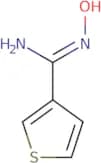
CAS:<p>Versatile small molecule scaffold</p>Formula:C11H11NO4Purity:Min. 95%Molecular weight:221.21 g/molThiophene-3-carboxamidoxime
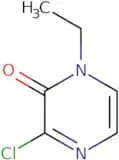
CAS:<p>Versatile small molecule scaffold</p>Formula:C5H6N2OSPurity:Min. 95%Molecular weight:142.18 g/mol3-Chloro-1-ethyl-1,2-dihydropyrazin-2-one
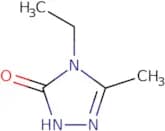
CAS:<p>Versatile small molecule scaffold</p>Formula:C6H7ClN2OPurity:Min. 95%Molecular weight:158.58 g/mol4-Ethyl-3-methyl-1H-1,2,4-triazol-5(4H)-one
CAS:<p>Versatile small molecule scaffold</p>Formula:C5H9N3OPurity:Min. 95%Molecular weight:127.14 g/mol1H,2H,3H,4H,9H-Pyrido[3,4-b]indole hydrochloride
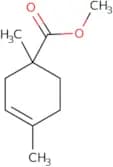
CAS:<p>1H,2H,3H,4H,9H-Pyrido[3,4-b]indole hydrochloride is a monoterpenoid indole alkaloid that has been shown to have metal chelate and analog properties. It has been found to inhibit the growth of cancer cells in vitro and in vivo. This drug also inhibits viral replication in vitro by inhibiting the transcription of viral DNA and RNA. 1H,2H,3H,4H,9H-pyrido[3,4-b]indole hydrochloride has been shown to inhibit 2-adrenergic receptors and detergent compositions. It also inhibits cytochrome P450 enzymes and growth factors. 1H,2H,3H,4H,9h-pyrido[3,4-b]indole hydrochloride is used as a marker for sequences involved in the hippocampal formation.</p>Formula:C11H13ClN2Purity:Min. 95%Molecular weight:208.69 g/molMethyl 1,4-dimethylcyclohex-3-ene-1-carboxylate
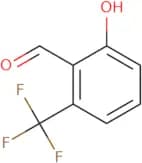
CAS:<p>Methyl 1,4-dimethylcyclohex-3-ene-1-carboxylate is a carboxylate that is used in the production of softeners and shampoos. It is chemically similar to lauric acid, which has been shown to have a low skin irritation potential. Methyl 1,4-dimethylcyclohex-3-ene-1-carboxylate is an effective emulsifier with good water solubility and stability. It can be used as a foaming agent and surfactant, and is also useful for providing lubricity and conditioning properties to hair.</p>Formula:C10H16O2Purity:Min. 95%Molecular weight:168.23 g/mol2-Hydroxy-6-(trifluoromethyl)benzaldehyde
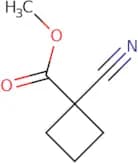
CAS:<p>Versatile small molecule scaffold</p>Formula:C8H5F3O2Purity:Min. 95%Molecular weight:190.12 g/molMethyl 1-cyanocyclobutanecarboxylate
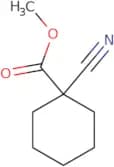
CAS:<p>Versatile small molecule scaffold</p>Formula:C7H9NO2Purity:Min. 95%Molecular weight:139.16 g/molMethyl 1-cyanocyclohexanecarboxylate
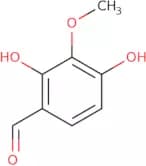
CAS:<p>Versatile small molecule scaffold</p>Formula:C9H13NO2Purity:Min. 95%Molecular weight:167.21 g/mol2,4-Dihydroxy-3-methoxybenzaldehyde
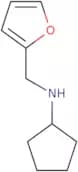
CAS:<p>Versatile small molecule scaffold</p>Formula:C8H8O4Purity:Min. 95%Molecular weight:168.15 g/molN-(Furan-2-ylmethyl)cyclopentanamine
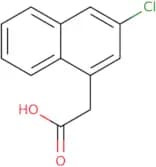
CAS:<p>Versatile small molecule scaffold</p>Formula:C10H15NOPurity:Min. 95%Molecular weight:165.23 g/mol2-(3-Chloronaphthalen-1-yl)acetic acid
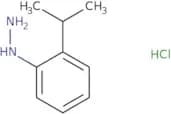
CAS:<p>Versatile small molecule scaffold</p>Formula:C12H9ClO2Purity:Min. 95%Molecular weight:220.65 g/mol2-Isopropylphenylhydrazine HCl
CAS:<p>Versatile small molecule scaffold</p>Formula:C9H14N2·HClPurity:Min. 95%Molecular weight:186.68 g/mol1-Bromo-3-(3-bromopropoxy)propane
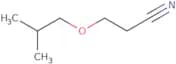
CAS:<p>Versatile small molecule scaffold</p>Formula:C6H12Br2OPurity:Min. 95%Molecular weight:259.97 g/mol3-(2-Methylpropoxy)propanenitrile
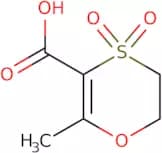
CAS:<p>Versatile small molecule scaffold</p>Formula:C7H13NOPurity:Min. 95%Molecular weight:127.18 g/mol5,6-Ddihydro-2-methyl-1,4-oxathiin-3-carboxylic acid 4,4-dioxide
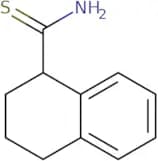
CAS:<p>Versatile small molecule scaffold</p>Formula:C6H8O5SPurity:Min. 95%Molecular weight:192.19 g/mol1,2,3,4-Tetrahydronaphthalene-1-carbothioamide
CAS:<p>Versatile small molecule scaffold</p>Formula:C11H13NSPurity:Min. 95%Molecular weight:191.29 g/mol3,4-dimethoxythiobenzamide
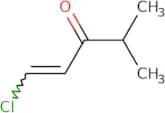
CAS:<p>3,4-dimethoxythiobenzamide is a thiazole that has been shown to have potential antitumor effects. 3,4-dimethoxythiobenzamide inhibits the tyrosine kinase activity of platelets, which may contribute to its anti-cancer properties. It has also been shown to inhibit growth in colon cancer cells. 3,4-dimethoxythiobenzamide has been radiolabeled with positron and used as a radiotracer for positron emission tomography (PET) imaging of cancer cells. The drug binds to the cysteine sulfhydryl group on phosphotyrosine residues in proteins and forms covalent bonds with disulfide bonds, making it an excellent binding agent for proteins.</p>Formula:C9H11NO2SPurity:Min. 95%Molecular weight:197.25 g/mol(1E)-1-Chloro-4-methylpent-1-en-3-one
CAS:<p>Versatile small molecule scaffold</p>Formula:C6H9ClOPurity:Min. 95%Molecular weight:132.59 g/mol1-(Piperazin-1-yl)-3-(thiophen-2-yl)prop-2-en-1-one
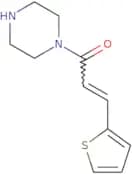
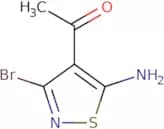
CAS:<p>Versatile small molecule scaffold</p>Formula:C11H14N2OSPurity:Min. 95%Molecular weight:222.31 g/mol1-(5-Amino-3-bromo-1,2-thiazol-4-yl)ethan-1-one
CAS:<p>Versatile small molecule scaffold</p>Formula:C5H5BrN2OSPurity:Min. 95%Molecular weight:221.08 g/molN-Methyl 3-nitrobenzenesulfonamide
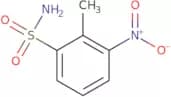
CAS:<p>Versatile small molecule scaffold</p>Formula:C7H8N2O4SPurity:Min. 95%Molecular weight:216.22 g/mol2-Methyl-4-phenyl-2,6-dihydro-1,3,5-oxathiazine
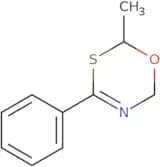
CAS:<p>Versatile small molecule scaffold</p>Formula:C10H11NOSPurity:Min. 95%Molecular weight:193.27 g/mol2,6-Dimethyl-3,4-dihydro-2H-1,4-benzoxazine
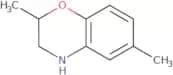
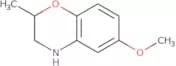
CAS:<p>Versatile small molecule scaffold</p>Formula:C10H13NOPurity:Min. 95%Molecular weight:163.22 g/mol6-Methoxy-2-methyl-3,4-dihydro-2H-1,4-benzoxazine
CAS:<p>Versatile small molecule scaffold</p>Formula:C10H13NO2Purity:Min. 95%Molecular weight:179.22 g/mol5-Methyl-1,2,3,4-tetrahydroquinoline
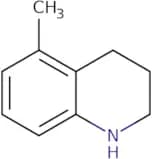
CAS:<p>Versatile small molecule scaffold</p>Formula:C10H13NPurity:Min. 95%Molecular weight:147.22 g/mol7-Methyl-1,2,3,4-tetrahydroquinoline
CAS:<p>Versatile small molecule scaffold</p>Formula:C10H13NPurity:Min. 95%Molecular weight:147.22 g/mol6-Methoxy-3,4-dihydro-2H-1,4-benzoxazine
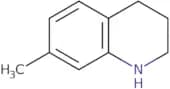
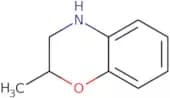
CAS:<p>Versatile small molecule scaffold</p>Formula:C9H11NO2Purity:Min. 95%Molecular weight:165.19 g/mol3,4-Dihydro-2-methyl-2H-1,4-benzoxazine
CAS:<p>Versatile small molecule scaffold</p>Formula:C9H11NOPurity:Min. 95%Molecular weight:149.19 g/mol1-(5-chloro-2-methylphenyl)ethan-1-one
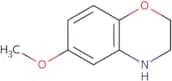
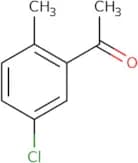
CAS:<p>Versatile small molecule scaffold</p>Formula:C9H9ClOPurity:Min. 95%Molecular weight:168.62 g/mol2,3,4,5-Tetrahydrobenzo[f][1,4]thiazepine
CAS:<p>2,3,4,5-Tetrahydrobenzo[f][1,4]thiazepine is a benzothiazepine that has neuroprotective properties. It is synthesized in two steps from 2-nitrobenzaldehyde and 4-aminophenylacetic acid. 2,3,4,5-Tetrahydrobenzo[f][1,4]thiazepine is used as a neuroprotective agent to treat neurological disorders such as Parkinson's disease and cerebral infarction. The drug can be hydrolyzed to tetrahydrobenzo[f][1,4]thiazepin-2(3H)-one by alkaline phosphatase and the carboxylic acid moiety can be converted to an ester by reacting with an alcohol. The nitro group can be reduced to an amino group by sodium borohydride or hydrogenation with palladium on charcoal.</p>Formula:C9H11NSPurity:Min. 95%Molecular weight:165.25 g/mol2-[(2-Hydroxyethyl)sulfanyl]benzoic acid
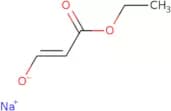
CAS:<p>Versatile small molecule scaffold</p>Formula:C9H10O3SPurity:Min. 95%Molecular weight:198.24 g/molSodium 3-ethoxy-3-oxoprop-1-en-1-olate
CAS:<p>Sodium 3-ethoxy-3-oxoprop-1-en-1-olate is used as a precursor in the synthesis of malonic acid and formylacetate. It can be prepared by the reaction of ethyl formate with sodium hydroxide, followed by hydrolysis. The compound has a melting point of 150°C and is soluble in water, ethanol, acetone, ether, and benzene.</p>Formula:C5H7NaO3Purity:Min. 95%Molecular weight:138.1 g/mol3-(Cyclopropylmethoxy)benzaldehyde
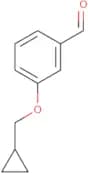
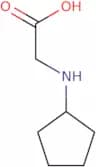
CAS:<p>Versatile small molecule scaffold</p>Formula:C11H12O2Purity:Min. 95%Molecular weight:176.22 g/mol2-(Cyclopentylamino)acetic acid
CAS:<p>2-(Cyclopentylamino)acetic acid is a potent antagonist of histone H3. It also inhibits the production of bradykinin B2, which is important for inflammatory responses and vasodilation. 2-(Cyclopentylamino)acetic acid has been shown to inhibit the growth of bone cancer cells and to have antiviral properties in vitro. It also inhibits HIV infection by blocking reverse transcriptase activity and may be useful as a therapeutic agent in HIV patients with resistance to other anti-HIV drugs.</p>Formula:C7H13NO2Purity:Min. 95%Molecular weight:143.18 g/mol4-[(2,5-Dimethylphenyl)methyl]piperidine
CAS:<p>Versatile small molecule scaffold</p>Formula:C14H21NPurity:Min. 95%Molecular weight:203.3 g/mol2-[(4-tert-Butylphenyl)methyl]propanedioic acid
CAS:<p>Versatile small molecule scaffold</p>Formula:C14H18O4Purity:Min. 95%Molecular weight:250.29 g/mol3-Cyclopropyl-3-({[(9H-fluoren-9-yl)methoxy]carbonyl}amino)propanoic acid
CAS:<p>Versatile small molecule scaffold</p>Formula:C21H21NO4Purity:Min. 95%Molecular weight:351.4 g/mol2-Benzyl-3-({[(9H-fluoren-9-yl)methoxy]carbonyl}amino)propanoic acid
CAS:<p>Versatile small molecule scaffold</p>Formula:C25H23NO4Purity:Min. 95%Molecular weight:401.5 g/mol2-(4-chlorophenyl)-3-({[(9H-fluoren-9-yl)methoxy]carbonyl}amino)propanoic acid
CAS:<p>Versatile small molecule scaffold</p>Formula:C24H20ClNO4Purity:Min. 95%Molecular weight:421.9 g/mol3-({[(9H-Fluoren-9-yl)methoxy]carbonyl}amino)-2-methyl-3-phenylpropanoic acid
CAS:<p>Versatile small molecule scaffold</p>Formula:C25H23NO4Purity:Min. 95%Molecular weight:401.5 g/molα-[[[(9H-Fluoren-9-ylmethoxy)carbonyl]amino]methyl]-1,3-benzodioxole-5-propanoic acid
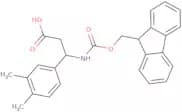
CAS:<p>Versatile small molecule scaffold</p>Formula:C26H23NO6Purity:Min. 95%Molecular weight:445.5 g/mol3-((((9H-Fluoren-9-yl)methoxy)carbonyl)amino)-3-(3,4-dimethylphenyl)propanoic acid
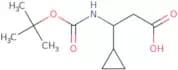
CAS:<p>Versatile small molecule scaffold</p>Formula:C26H25NO4Purity:Min. 95%Molecular weight:415.5 g/mol3-(Boc-amino)-3-cyclopropylpropanoic acid
CAS:<p>Versatile small molecule scaffold</p>Formula:C11H19NO4Purity:Min. 95%Molecular weight:229.27 g/mol3-{[(tert-Butoxy)carbonyl]amino}-2-(4-chlorophenyl)propanoic acid
CAS:<p>Versatile small molecule scaffold</p>Formula:C14H18ClNO4Purity:Min. 95%Molecular weight:299.75 g/mol3-{[(tert-Butoxy)carbonyl]amino}-2-[(4-methylphenyl)methyl]propanoic acid
CAS:<p>Versatile small molecule scaffold</p>Formula:C16H23NO4Purity:Min. 95%Molecular weight:293.36 g/mol3-{[(tert-Butoxy)carbonyl]amino}-2-methyl-3-phenylpropanoic acid
CAS:<p>Versatile small molecule scaffold</p>Formula:C15H21NO4Purity:Min. 95%Molecular weight:279.33 g/mol4-{[(tert-Butoxy)carbonyl]amino}-4-phenylbutanoic acid
CAS:<p>Versatile small molecule scaffold</p>Formula:C15H21NO4Purity:Min. 95%Molecular weight:279.33 g/mol4-{[(9H-Fluoren-9-ylmethoxy)carbonyl]amino}-4-phenylbutanoic acid
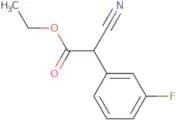
CAS:<p>Versatile small molecule scaffold</p>Formula:C25H23NO4Purity:Min. 95%Molecular weight:401.5 g/molEthyl 2-cyano-2-(3-fluorophenyl)acetate
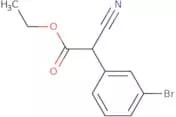
CAS:<p>Versatile small molecule scaffold</p>Formula:C11H10FNO2Purity:Min. 95%Molecular weight:207.2 g/molEthyl 2-(3-bromophenyl)-2-cyanoacetate
CAS:<p>Versatile small molecule scaffold</p>Formula:C11H10BrNO2Purity:Min. 95%Molecular weight:268.11 g/mol2-(1-[(tert-Butoxy)carbonyl]-1,2,3,4-tetrahydroquinolin-2-yl)acetic acid
CAS:<p>Versatile small molecule scaffold</p>Formula:C16H21NO4Purity:Min. 95%Molecular weight:291.34 g/mol2-(1-{[(9H-Fluoren-9-yl)methoxy]carbonyl}piperidin-2-yl)acetic acid
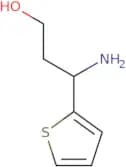
CAS:<p>Versatile small molecule scaffold</p>Formula:C22H23NO4Purity:Min. 95%Molecular weight:365.4 g/mol3-Amino-3-(thiophen-2-yl)propan-1-ol
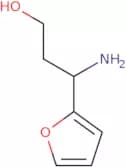
CAS:<p>Versatile small molecule scaffold</p>Formula:C7H11NOSPurity:Min. 95%Molecular weight:157.24 g/mol3-Amino-3-(furan-2-yl)propan-1-ol
CAS:<p>Versatile small molecule scaffold</p>Formula:C7H11NO2Purity:Min. 95%Molecular weight:141.17 g/mol3-Amino-3-[3-(trifluoromethyl)phenyl]propan-1-ol
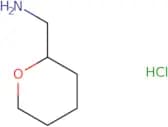
CAS:<p>Versatile small molecule scaffold</p>Formula:C10H12F3NOPurity:Min. 95%Molecular weight:219.2 g/molTetrahydropyran-2-ylmethylamine hydrochloride
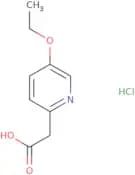
CAS:<p>Versatile small molecule scaffold</p>Formula:C6H14ClNOPurity:Min. 95%Molecular weight:151.63 g/mol2-(5-Ethoxypyridin-2-yl)acetic acid hydrochloride
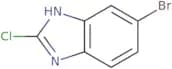
CAS:<p>Versatile small molecule scaffold</p>Formula:C9H12ClNO3Purity:Min. 95%Molecular weight:217.65 g/mol5-Bromo-2-chloro-1H-1,3-benzimidazole
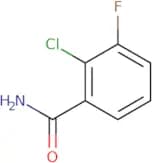
CAS:<p>Versatile small molecule scaffold</p>Formula:C7H4BrClN2Purity:Min. 95%Molecular weight:231.48 g/mol2-Chloro-3-fluorobenzamide
CAS:<p>Versatile small molecule scaffold</p>Formula:C7H5ClFNOPurity:Min. 95%Molecular weight:173.57 g/mol5-Cyano-2-[4-butoxycarbonyl-1-(1,4-diazepenyl)]pyridine
CAS:<p>5-Cyano-2-[4-butoxycarbonyl-1-(1,4-diazepenyl)]pyridine is a quinoline derivative that has been shown to be an effective inhibitor of glutamate release. This compound binds to the CB2 receptor and inhibits the production of proinflammatory cytokines such as tumor necrosis factor (TNF) and interleukin (IL) -1β. 5-Cyano-2-[4-butoxycarbonyl-1-(1,4-diazepenyl)]pyridine has also been shown to inhibit the activity of tropomyosin, which is an actin filament regulatory protein that regulates muscle contraction. The vibration frequency of this compound is shifted in comparison with other compounds in its class. 5-Cyano-2-[4-butoxycarbonyl-1-(1,4-diazepenyl)]pyridine may also have antihyperalgesic</p>Formula:C16H22N4O2Purity:Min. 95%Molecular weight:302.37 g/mol5-Cyano-2-[4-butoxycarbonyl(piperazino)]pyridine
CAS:<p>Versatile small molecule scaffold</p>Formula:C15H20N4O2Purity:Min. 95%Molecular weight:288.35 g/mol4-(Piperazin-1-yl)thieno[3,2-d]pyrimidine
CAS:<p>Versatile small molecule scaffold</p>Formula:C10H12N4SPurity:Min. 95%Molecular weight:220.3 g/mol3-[4-(Propan-2-yloxy)phenyl]propanal
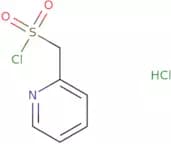
CAS:<p>Versatile small molecule scaffold</p>Formula:C12H16O2Purity:Min. 95%Molecular weight:192.25 g/mol(Pyridin-2-yl)methanesulfonyl chloride hydrochloride
CAS:<p>Versatile small molecule scaffold</p>Formula:C6H7Cl2NO2SPurity:Min. 95%Molecular weight:228.1 g/mol4-(Trifluoromethoxy)phenylmethanesulfonyl chloride
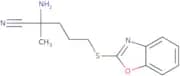
CAS:<p>Versatile small molecule scaffold</p>Formula:C8H6ClF3O3SPurity:Min. 95%Molecular weight:274.65 g/mol2-Amino-5-(1,3-benzoxazol-2-ylsulfanyl)-2-methylpentanenitrile
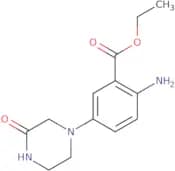
CAS:<p>Versatile small molecule scaffold</p>Formula:C13H15N3OSPurity:Min. 95%Molecular weight:261.34 g/molEthyl 2-amino-5-(3-oxopiperazin-1-yl)benzoate
CAS:<p>Versatile small molecule scaffold</p>Formula:C13H17N3O3Purity:Min. 95%Molecular weight:263.29 g/moltert-Butyl 3-(methylamino)-8-azabicyclo[3.2.1]octane-8-carboxylate
CAS:<p>Versatile small molecule scaffold</p>Formula:C13H24N2O2Purity:Min. 95%Molecular weight:240.34 g/mol5-[(2-Chloro-6-fluorophenyl)methyl]-3-phenyl-1H-1,2,4-triazole
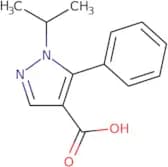
CAS:<p>Versatile small molecule scaffold</p>Formula:C15H11ClFN3Purity:Min. 95%Molecular weight:287.72 g/mol5-Phenyl-1-(propan-2-yl)-1H-pyrazole-4-carboxylic acid
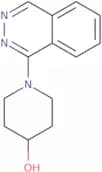
CAS:<p>Versatile small molecule scaffold</p>Formula:C13H14N2O2Purity:Min. 95%Molecular weight:230.26 g/mol1-(Phthalazin-1-yl)piperidin-4-ol
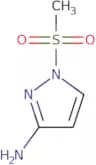
CAS:<p>Versatile small molecule scaffold</p>Formula:C13H15N3OPurity:Min. 95%Molecular weight:229.28 g/mol1-Methanesulfonyl-1H-pyrazol-3-amine
CAS:<p>Versatile small molecule scaffold</p>Formula:C4H7N3O2SPurity:Min. 95%Molecular weight:161.19 g/mol6-Amino-1-(cyclopentylmethyl)-1,2,3,4-tetrahydroquinolin-2-one
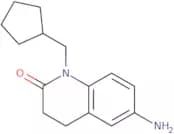
CAS:<p>Versatile small molecule scaffold</p>Formula:C15H20N2OPurity:Min. 95%Molecular weight:244.33 g/mol2-(4-Iodophenoxymethyl)benzamide
CAS:<p>Versatile small molecule scaffold</p>Formula:C14H12INO2Purity:Min. 95%Molecular weight:353.15 g/mol(3S)-3-Amino-3-(4-chlorophenyl)propanamide
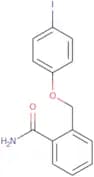
CAS:<p>Versatile small molecule scaffold</p>Formula:C9H11ClN2OPurity:Min. 95%Molecular weight:198.65 g/molN-[(1-Aminocyclohexyl)methyl]-3,5-dimethyl-1,2-oxazole-4-sulfonamide hydrochloride
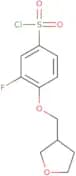
CAS:<p>Versatile small molecule scaffold</p>Formula:C12H22ClN3O3SPurity:Min. 95%Molecular weight:323.84 g/mol3-Fluoro-4-(oxolan-3-ylmethoxy)benzene-1-sulfonyl chloride
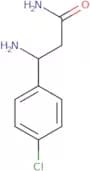
CAS:<p>Versatile small molecule scaffold</p>Formula:C11H12ClFO4SPurity:Min. 95%Molecular weight:294.73 g/mol

![2-[3-(Aminomethyl)phenoxy]acetic acid hydrochloride](/_next/image/?url=https%3A%2Fstatic.cymitquimica.com%2Fproducts%2F3D%2Fthumb-webp%2FIBA32139.webp&w=3840&q=75)

![2-Methyl-1-[3-(trifluoromethyl)phenyl]propan-1-ol](/_next/image/?url=https%3A%2Fstatic.cymitquimica.com%2Fproducts%2F3D%2Fthumb-webp%2FIBA35766.webp&w=3840&q=75)
![7-Methyl-4-oxo-4h-pyrido[1,2-a]pyrimidine-3-carboxylic acid](/_next/image/?url=https%3A%2Fstatic.cymitquimica.com%2Fproducts%2F3D%2Fthumb-webp%2FIBA35968.webp&w=3840&q=75)
![5-Methyl-[1,2,4]triazolo[1,5-a]pyrimidin-7-amine](/_next/image/?url=https%3A%2Fstatic.cymitquimica.com%2Fproducts%2F3D%2Fthumb-webp%2FIBA37696.webp&w=3840&q=75)
![[2-(Methylsulfanyl)phenyl]methanol](/_next/image/?url=https%3A%2Fstatic.cymitquimica.com%2Fproducts%2F3D%2Fthumb-webp%2FIBA38477.webp&w=3840&q=75)
![2-[4-(Pyrimidin-2-yl)piperazin-1-yl]acetonitrile](/_next/image/?url=https%3A%2Fstatic.cymitquimica.com%2Fproducts%2F3D%2Fthumb-webp%2FIBA38613.webp&w=3840&q=75)
![4-[4-(Pyrimidin-2-yl)piperazin-1-yl]butan-1-amine](/_next/image/?url=https%3A%2Fstatic.cymitquimica.com%2Fproducts%2F3D%2Fthumb-webp%2FIBA38620.webp&w=3840&q=75)
![1-Oxaspiro[4.4]nonan-2-one](/_next/image/?url=https%3A%2Fstatic.cymitquimica.com%2Fproducts%2F3D%2Fthumb-webp%2FIBA44880.webp&w=3840&q=75)
![3-[Ethyl(hydroxy)phosphoryl]but-2-enoic acid](/_next/image/?url=https%3A%2Fstatic.cymitquimica.com%2Fproducts%2F3D%2Fthumb-webp%2FIBA47267.webp&w=3840&q=75)
![N-[2-(3-Methoxyphenyl)ethyl]-N-methylamine](/_next/image/?url=https%3A%2Fstatic.cymitquimica.com%2Fproducts%2F3D%2Fthumb-webp%2FIBA54362.webp&w=3840&q=75)
![N-[2-(1H-Imidazol-4-yl)ethyl]guanidine sulfate](/_next/image/?url=https%3A%2Fstatic.cymitquimica.com%2Fproducts%2F3D%2Fthumb-webp%2FIBA54475.webp&w=3840&q=75)

![4-[(Butylamino)methyl]phenol hydrochloride](/_next/image/?url=https%3A%2Fstatic.cymitquimica.com%2Fproducts%2F3D%2Fthumb-webp%2FIBA59722.webp&w=3840&q=75)
![3-[(3-Pyridinylmethyl)amino]propanenitrile](/_next/image/?url=https%3A%2Fstatic.cymitquimica.com%2Fproducts%2F3D%2Fthumb-webp%2FIBA61148.webp&w=3840&q=75)
![Ethyl 2-{[5-(furan-2-yl)-1,3,4-oxadiazol-2-yl]sulfanyl}acetate](/_next/image/?url=https%3A%2Fstatic.cymitquimica.com%2Fproducts%2F3D%2Fthumb-webp%2FIBA62121.webp&w=3840&q=75)
![2-{[5-(Furan-2-yl)-1,3,4-oxadiazol-2-yl]sulfanyl}acetic acid](/_next/image/?url=https%3A%2Fstatic.cymitquimica.com%2Fproducts%2F3D%2Fthumb-webp%2FIBA62124.webp&w=3840&q=75)
![rac-(1R,4R,5R)-5-Hydroxybicyclo[2.2.1]heptan-2-one, endo](/_next/image/?url=https%3A%2Fstatic.cymitquimica.com%2Fproducts%2F3D%2Fthumb-webp%2FICA02923.webp&w=3840&q=75)
![5-Bromo-3-methyl-[1,2]oxazolo[5,4-b]pyridine](/_next/image/?url=https%3A%2Fstatic.cymitquimica.com%2Fproducts%2F3D%2Fthumb-webp%2FICA03551.webp&w=3840&q=75)
![N-(Benzo[D]thiazol-2-ylmethyl)-N-methylacetamide](/_next/image/?url=https%3A%2Fstatic.cymitquimica.com%2Fproducts%2F3D%2Fthumb-webp%2FICA03850.webp&w=3840&q=75)
![N-[(Methylcarbamothioyl)amino]benzamide](/_next/image/?url=https%3A%2Fstatic.cymitquimica.com%2Fproducts%2F3D%2Fthumb-webp%2FICA06465.webp&w=3840&q=75)


![4-[(2-Oxo-1,2,3,4-tetrahydroquinolin-6-yl)oxy]butanoic acid](/_next/image/?url=https%3A%2Fstatic.cymitquimica.com%2Fproducts%2F3D%2Fthumb-webp%2FICA89849.webp&w=3840&q=75)
![2-[(2-Oxo-1,2,3,4-tetrahydroquinolin-6-yl)oxy]acetic acid](/_next/image/?url=https%3A%2Fstatic.cymitquimica.com%2Fproducts%2F3D%2Fthumb-webp%2FICA89854.webp&w=3840&q=75)
![1H,2H,3H,4H,9H-Pyrido[3,4-b]indole hydrochloride](/_next/image/?url=https%3A%2Fstatic.cymitquimica.com%2Fproducts%2F3D%2Fthumb-webp%2FICA91102.webp&w=3840&q=75)

![2,3,4,5-Tetrahydrobenzo[f][1,4]thiazepine](/_next/image/?url=https%3A%2Fstatic.cymitquimica.com%2Fproducts%2F3D%2Fthumb-webp%2FICA98039.webp&w=3840&q=75)
![2-[(2-Hydroxyethyl)sulfanyl]benzoic acid](/_next/image/?url=https%3A%2Fstatic.cymitquimica.com%2Fproducts%2F3D%2Fthumb-webp%2FICA98052.webp&w=3840&q=75)
![4-[(2,5-Dimethylphenyl)methyl]piperidine](/_next/image/?url=https%3A%2Fstatic.cymitquimica.com%2Fproducts%2F3D%2Fthumb-webp%2FICB20260.webp&w=3840&q=75)
![2-[(4-tert-Butylphenyl)methyl]propanedioic acid](/_next/image/?url=https%3A%2Fstatic.cymitquimica.com%2Fproducts%2F3D%2Fthumb-webp%2FICB21555.webp&w=3840&q=75)
![3-Cyclopropyl-3-({[(9H-fluoren-9-yl)methoxy]carbonyl}amino)propanoic acid](/_next/image/?url=https%3A%2Fstatic.cymitquimica.com%2Fproducts%2F3D%2Fthumb-webp%2FICB21751.webp&w=3840&q=75)
![2-Benzyl-3-({[(9H-fluoren-9-yl)methoxy]carbonyl}amino)propanoic acid](/_next/image/?url=https%3A%2Fstatic.cymitquimica.com%2Fproducts%2F3D%2Fthumb-webp%2FICB21758.webp&w=3840&q=75)
![2-(4-chlorophenyl)-3-({[(9H-fluoren-9-yl)methoxy]carbonyl}amino)propanoic acid](/_next/image/?url=https%3A%2Fstatic.cymitquimica.com%2Fproducts%2F3D%2Fthumb-webp%2FICB21764.webp&w=3840&q=75)
![3-({[(9H-Fluoren-9-yl)methoxy]carbonyl}amino)-2-methyl-3-phenylpropanoic acid](/_next/image/?url=https%3A%2Fstatic.cymitquimica.com%2Fproducts%2F3D%2Fthumb-webp%2FICB21776.webp&w=3840&q=75)
![α-[[[(9H-Fluoren-9-ylmethoxy)carbonyl]amino]methyl]-1,3-benzodioxole-5-propanoic acid](/_next/image/?url=https%3A%2Fstatic.cymitquimica.com%2Fproducts%2F3D%2Fthumb-webp%2FICB21791.webp&w=3840&q=75)
![3-{[(tert-Butoxy)carbonyl]amino}-2-(4-chlorophenyl)propanoic acid](/_next/image/?url=https%3A%2Fstatic.cymitquimica.com%2Fproducts%2F3D%2Fthumb-webp%2FICB21890.webp&w=3840&q=75)
![3-{[(tert-Butoxy)carbonyl]amino}-2-[(4-methylphenyl)methyl]propanoic acid](/_next/image/?url=https%3A%2Fstatic.cymitquimica.com%2Fproducts%2F3D%2Fthumb-webp%2FICB21894.webp&w=3840&q=75)
![3-{[(tert-Butoxy)carbonyl]amino}-2-methyl-3-phenylpropanoic acid](/_next/image/?url=https%3A%2Fstatic.cymitquimica.com%2Fproducts%2F3D%2Fthumb-webp%2FICB21904.webp&w=3840&q=75)
![4-{[(tert-Butoxy)carbonyl]amino}-4-phenylbutanoic acid](/_next/image/?url=https%3A%2Fstatic.cymitquimica.com%2Fproducts%2F3D%2Fthumb-webp%2FICB21993.webp&w=3840&q=75)
![4-{[(9H-Fluoren-9-ylmethoxy)carbonyl]amino}-4-phenylbutanoic acid](/_next/image/?url=https%3A%2Fstatic.cymitquimica.com%2Fproducts%2F3D%2Fthumb-webp%2FICB21994.webp&w=3840&q=75)
![2-(1-[(tert-Butoxy)carbonyl]-1,2,3,4-tetrahydroquinolin-2-yl)acetic acid](/_next/image/?url=https%3A%2Fstatic.cymitquimica.com%2Fproducts%2F3D%2Fthumb-webp%2FICB22035.webp&w=3840&q=75)
![2-(1-{[(9H-Fluoren-9-yl)methoxy]carbonyl}piperidin-2-yl)acetic acid](/_next/image/?url=https%3A%2Fstatic.cymitquimica.com%2Fproducts%2F3D%2Fthumb-webp%2FICB22037.webp&w=3840&q=75)
![3-Amino-3-[3-(trifluoromethyl)phenyl]propan-1-ol](/_next/image/?url=https%3A%2Fstatic.cymitquimica.com%2Fproducts%2F3D%2Fthumb-webp%2FICB22100.webp&w=3840&q=75)
![5-Cyano-2-[4-butoxycarbonyl-1-(1,4-diazepenyl)]pyridine](/_next/image/?url=https%3A%2Fstatic.cymitquimica.com%2Fproducts%2F3D%2Fthumb-webp%2FICB27460.webp&w=3840&q=75)
![5-Cyano-2-[4-butoxycarbonyl(piperazino)]pyridine](/_next/image/?url=https%3A%2Fstatic.cymitquimica.com%2Fproducts%2F3D%2Fthumb-webp%2FICB27461.webp&w=3840&q=75)
![4-(Piperazin-1-yl)thieno[3,2-d]pyrimidine](/_next/image/?url=https%3A%2Fstatic.cymitquimica.com%2Fproducts%2F3D%2Fthumb-webp%2FICB27467.webp&w=3840&q=75)
![3-[4-(Propan-2-yloxy)phenyl]propanal](/_next/image/?url=https%3A%2Fstatic.cymitquimica.com%2Fproducts%2F3D%2Fthumb-webp%2FICB74678.webp&w=3840&q=75)

![tert-Butyl 3-(methylamino)-8-azabicyclo[3.2.1]octane-8-carboxylate](/_next/image/?url=https%3A%2Fstatic.cymitquimica.com%2Fproducts%2F3D%2Fthumb-webp%2FICC22230.webp&w=3840&q=75)
![5-[(2-Chloro-6-fluorophenyl)methyl]-3-phenyl-1H-1,2,4-triazole](/_next/image/?url=https%3A%2Fstatic.cymitquimica.com%2Fproducts%2F3D%2Fthumb-webp%2FICC23660.webp&w=3840&q=75)
![N-[(1-Aminocyclohexyl)methyl]-3,5-dimethyl-1,2-oxazole-4-sulfonamide hydrochloride](/_next/image/?url=https%3A%2Fstatic.cymitquimica.com%2Fproducts%2F3D%2Fthumb-webp%2FICC31949.webp&w=3840&q=75)