Building Blocks
This section contains fundamental products for the synthesis of organic and biological compounds. Building blocks are the essential starting materials used to construct complex molecules through various chemical reactions. They play a critical role in drug discovery, material science, and chemical research. At CymitQuimica, we offer a diverse range of high-quality building blocks to support your innovative research and industrial projects, ensuring you have the essential components for successful synthesis.
Subcategories of "Building Blocks"
- Boronic Acids & Boronic Acid Derivatives(5,778 products)
- Chiral Building Blocks(1,242 products)
- Hydrocarbon Building Blocks(6,098 products)
- Organic Building Blocks(61,063 products)
Found 197855 products of "Building Blocks"
Sort by
Purity (%)
0
100
|
0
|
50
|
90
|
95
|
100
1-{4-[(2,2,2-Trifluoroethyl)sulfanyl]phenyl}ethan-1-one
CAS:<p>Versatile small molecule scaffold</p>Formula:C10H9F3OSPurity:Min. 95%Molecular weight:234.24 g/mol1-{1-Methyl-1H-pyrazolo[3,4-d]pyrimidin-4-yl}-1H-pyrazole
CAS:<p>Versatile small molecule scaffold</p>Formula:C9H8N6Purity:Min. 95%Molecular weight:200.2 g/mol2,6-Dichloro-4-methyl-11H-pyrido[2,1-b]quinazolin-11-one
CAS:<p>Versatile small molecule scaffold</p>Formula:C13H8Cl2N2OPurity:Min. 95%Molecular weight:279.12 g/molN-[2-(3-Methylphenyl)ethyl]-3-(2-oxo-1,2-dihydroquinolin-3-yl)propanamide
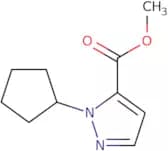
CAS:Versatile small molecule scaffoldFormula:C21H22N2O2Purity:Min. 95%Molecular weight:334.4 g/molMethyl 1-cyclopentyl-1H-pyrazole-5-carboxylate
CAS:<p>Versatile small molecule scaffold</p>Formula:C10H14N2O2Purity:Min. 95%Molecular weight:194.23 g/mol[1-(2,2,2-Trifluoroethyl)-1H-pyrazol-5-yl]methanamine
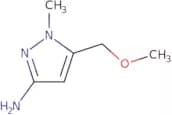
CAS:Versatile small molecule scaffoldFormula:C6H8F3N3Purity:Min. 95%Molecular weight:179.14 g/mol5-(Methoxymethyl)-1-methyl-1H-pyrazol-3-amine
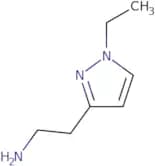
CAS:Versatile small molecule scaffoldFormula:C6H11N3OPurity:Min. 95%Molecular weight:141.17 g/mol2-(1-Ethyl-1H-pyrazol-3-yl)ethan-1-amine
CAS:Versatile small molecule scaffoldFormula:C7H13N3Purity:Min. 95%Molecular weight:139.2 g/mol5-[(2,2-Difluoroethoxy)methyl]-1-methyl-1H-pyrazol-3-amine
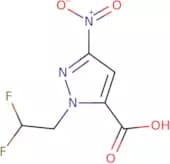
CAS:Versatile small molecule scaffoldFormula:C7H11F2N3OPurity:Min. 95%Molecular weight:191.18 g/mol1-(2,2-Difluoroethyl)-3-nitro-1H-pyrazole-5-carboxylic acid
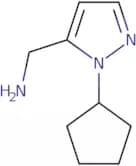
CAS:<p>Versatile small molecule scaffold</p>Formula:C6H5F2N3O4Purity:Min. 95%Molecular weight:221.12 g/mol(1-Cyclopentyl-1H-pyrazol-5-yl)methanamine
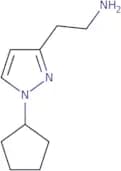
CAS:Versatile small molecule scaffoldFormula:C9H15N3Purity:Min. 95%Molecular weight:165.24 g/mol2-(1-Cyclopentyl-1H-pyrazol-3-yl)ethan-1-amine
CAS:Versatile small molecule scaffoldFormula:C10H17N3Purity:Min. 95%Molecular weight:179.26 g/mol1-Methyl-5-[(3,3,3-trifluoropropoxy)methyl]-1H-pyrazol-3-amine
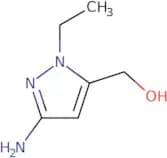
CAS:<p>Versatile small molecule scaffold</p>Formula:C8H12F3N3OPurity:Min. 95%Molecular weight:223.2 g/mol(3-Amino-1-ethyl-1H-pyrazol-5-yl)methanol
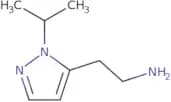
CAS:Versatile small molecule scaffoldFormula:C6H11N3OPurity:Min. 95%Molecular weight:141.17 g/mol2-(1-Isopropyl-1H-pyrazol-5-yl)ethanamine
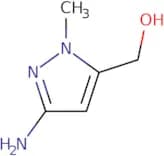
CAS:<p>Versatile small molecule scaffold</p>Formula:C8H15N3Purity:Min. 95%Molecular weight:153.22 g/mol(3-Amino-1-methyl-1H-pyrazol-5-yl)methanol
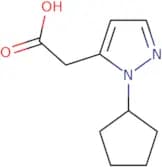
CAS:Versatile small molecule scaffoldFormula:C5H9N3OPurity:Min. 95%Molecular weight:127.14 g/mol2-(1-Cyclopentyl-1H-pyrazol-5-yl)acetic acid
CAS:<p>Versatile small molecule scaffold</p>Formula:C10H14N2O2Purity:Min. 95%Molecular weight:194.23 g/mol2-[4-Bromo-1-(propan-2-yl)-1H-pyrazol-5-yl]acetic acid
CAS:<p>Versatile small molecule scaffold</p>Formula:C8H11BrN2O2Purity:Min. 95%Molecular weight:247.09 g/mol2-[1-(Pyridin-4-yl)piperidin-4-yl]ethan-1-amine
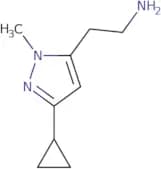
CAS:Versatile small molecule scaffoldFormula:C12H19N3Purity:Min. 95%Molecular weight:205.3 g/mol2-(3-Cyclopropyl-1-methyl-1H-pyrazol-5-yl)ethan-1-amine
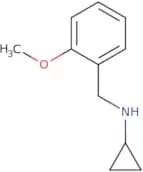
CAS:Versatile small molecule scaffoldFormula:C9H15N3Purity:Min. 95%Molecular weight:165.24 g/molN-(2-Methoxybenzyl)cyclopropanamine
CAS:<p>Versatile small molecule scaffold</p>Formula:C11H15NOPurity:Min. 95%Molecular weight:177.24 g/molN-[(2,6-Difluorophenyl)methyl]cyclopropanamine
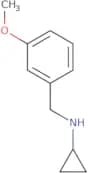
CAS:Versatile small molecule scaffoldFormula:C10H11F2NPurity:Min. 95%Molecular weight:183.2 g/molCyclopropyl(3-methoxybenzyl)amine
CAS:<p>Versatile small molecule scaffold</p>Formula:C11H15NOPurity:Min. 95%Molecular weight:177.25 g/mol3-Amino-1-(2,2-difluoroethyl)-1H-pyrazole-5-carboxylic acid
CAS:Versatile small molecule scaffoldFormula:C6H7F2N3O2Purity:Min. 95%Molecular weight:191.14 g/molN-Methyl-2-(4-methylphenoxy)-1-ethanamine
CAS:Versatile small molecule scaffoldFormula:C10H15NOPurity:Min. 95%Molecular weight:165.23 g/mol1-Methyl-5-[(morpholin-4-yl)methyl]-1H-pyrazol-3-amine
CAS:Versatile small molecule scaffoldFormula:C9H16N4OPurity:Min. 95%Molecular weight:196.25 g/molN-[2-(4-Fluorophenyl)ethyl]cyclopropanamine
CAS:Controlled ProductVersatile small molecule scaffoldFormula:C11H14FNPurity:Min. 95%Molecular weight:179.23 g/molN-(2-Methylbenzyl)cyclopropanamine
CAS:<p>Versatile small molecule scaffold</p>Formula:C11H15NPurity:Min. 95%Molecular weight:161.25 g/molN-[(3,5-Dimethoxyphenyl)methyl]aniline
CAS:<p>Versatile small molecule scaffold</p>Formula:C15H17NO2Purity:Min. 95%Molecular weight:243.3 g/mol8-bromo-3,4-dihydro-2H-1,4-benzoxazine
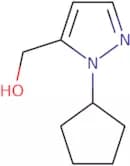
CAS:8-Bromo-3,4-dihydro-2H-1,4-benzoxazine is a regulatory agent that functions to inhibit protein kinase. It is used in cancer therapy and has been shown to induce antitumor activity. 8-Bromo-3,4-dihydro-2H-1,4-benzoxazine inhibits the proliferation of cancer cells by binding to the regulatory sites on DNA. This binding prevents RNA synthesis and transcription in cancer cells.Formula:C8H8BrNOPurity:Min. 95%Molecular weight:214.1 g/mol(1-Cyclopentyl-1H-pyrazol-5-yl)methanol
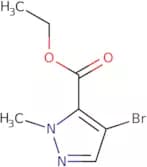
CAS:Versatile small molecule scaffoldFormula:C9H14N2OPurity:Min. 95%Molecular weight:166.22 g/molethyl 4-bromo-1-methyl-1H-pyrazole-5-carboxylate
CAS:Versatile small molecule scaffoldFormula:C7H9N2O2BrPurity:Min. 95%Molecular weight:233.06 g/mol2-[4-Bromo-1-(propan-2-yl)-1H-pyrazol-3-yl]acetic acid
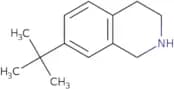
CAS:<p>Versatile small molecule scaffold</p>Formula:C8H11BrN2O2Purity:Min. 95%Molecular weight:247.09 g/mol7-tert-Butyl-1,2,3,4-tetrahydroisoquinoline
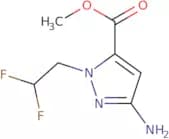
CAS:Versatile small molecule scaffoldFormula:C13H19NPurity:Min. 95%Molecular weight:189.3 g/molMethyl 3-amino-1-(2,2-difluoroethyl)-1H-pyrazole-5-carboxylate
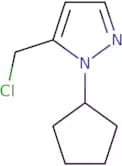
CAS:Versatile small molecule scaffoldFormula:C7H9F2N3O2Purity:Min. 95%Molecular weight:205.16 g/mol5-(Chloromethyl)-1-cyclopentyl-1H-pyrazole
CAS:<p>Versatile small molecule scaffold</p>Formula:C9H13ClN2Purity:Min. 95%Molecular weight:184.66 g/mol1-Methyl-5-[(2,2,2-trifluoroethoxy)methyl]-1H-pyrazol-3-amine
CAS:Versatile small molecule scaffoldFormula:C7H10F3N3OPurity:Min. 95%Molecular weight:209.17 g/molN-[3-Oxo-3-(pyrrolidin-1-yl)propyl]acetamide
CAS:Versatile small molecule scaffoldFormula:C9H16N2O2Purity:Min. 95%Molecular weight:184.2 g/molN-Methoxypropane-1-sulfonamide
CAS:Versatile small molecule scaffoldFormula:C4H11NO3SPurity:Min. 95%Molecular weight:153.2 g/mol2-Methyl-1-{1-methyl-1H-pyrazolo[3,4-d]pyrimidin-4-yl}-1H-imidazole
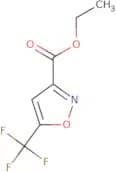
CAS:Versatile small molecule scaffoldFormula:C10H10N6Purity:Min. 95%Molecular weight:214.23 g/molEthyl 5-(trifluoromethyl)-1,2-oxazole-3-carboxylate
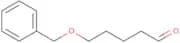
CAS:Versatile small molecule scaffoldFormula:C7H6F3NO3Purity:Min. 95%Molecular weight:209.12 g/mol5-(Benzyloxy)pentanal
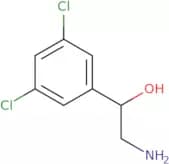
CAS:<p>5-(Benzyloxy)pentanal is a quinoline derivative that inhibits the enzyme reverse transcriptase, which is an extracellular enzyme that synthesizes DNA from RNA. It also inhibits nucleotide synthesis and interacts with other enzymes such as DNA polymerase. 5-(Benzyloxy)pentanal has been shown to inhibit tumor growth by inhibiting the production of cancer-related proteins. The compound was synthesized in a stereoselective manner by reacting piperidine with allyl bromide followed by oxidation to form the corresponding aldehyde. This method was used to produce an enantiomerically pure compound, which exhibits inhibitory activity against HIV-1 integrase.</p>Formula:C12H16O2Purity:Min. 95%Molecular weight:192.25 g/mol2-Amino-1-(3,5-dichlorophenyl)ethan-1-ol
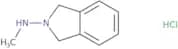
CAS:<p>Versatile small molecule scaffold</p>Formula:C8H9Cl2NOPurity:Min. 95%Molecular weight:206.07 g/molN-Methylisoindolin-2-amine hydrochloride
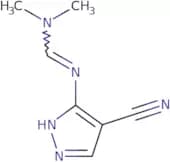
CAS:Versatile small molecule scaffoldFormula:C9H13ClN2Purity:Min. 95%Molecular weight:184.66 g/molN'-(4-Cyano-1H-pyrazol-5-yl)-N,N-dimethylmethanimidamide
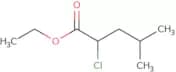
CAS:Versatile small molecule scaffoldFormula:C7H9N5Purity:Min. 95%Molecular weight:163.18 g/molEthyl 2-chloro-4-methylpentanoate
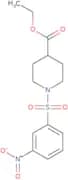
CAS:<p>Versatile small molecule scaffold</p>Formula:C8H15ClO2Purity:Min. 95%Molecular weight:178.65 g/mol1-(3-Nitro-benzenesulfonyl)-piperidine-4-carboxylic acid ethyl ester
CAS:Versatile small molecule scaffoldFormula:C14H18N2O6SPurity:Min. 95%Molecular weight:342.37 g/mol4-(2-Aminoethyl)thiomorpholine 1,1-dioxide dihydrochloride
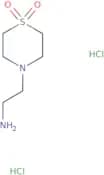
CAS:Versatile small molecule scaffoldFormula:C6H16Cl2N2O2SPurity:Min. 95%Molecular weight:251.17 g/molbromo(methanesulfonyl)methane
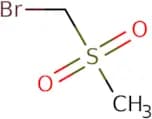
CAS:<p>Covid-19 is a polyatomic molecule that belongs to the group of sulfones. It is a non-volatile, water-soluble, and stable compound with a molecular weight of 191.5 g/mol. Covid-19 has been shown to be effective against the H1N1 pandemic virus, and is currently undergoing clinical evaluation in humans. Covid-19 is an accessing formulae for the element bromine, which contains two methyl sulfones (CH3SO2) and two carbon atoms. The molecular structure of covid-19 can be represented as CH3SO2BrCH3. Covid-19 can also be synthesized by adding bromomethyl to a solution containing formaldehyde and sodium hydroxide.</p>Formula:C2H5O2SBrPurity:Min. 95%Molecular weight:173.02 g/mol4-Cyanobenzene-1-carbothioamide
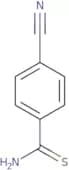
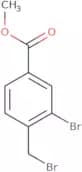
CAS:<p>Versatile small molecule scaffold</p>Formula:C8H6N2SPurity:Min. 95%Molecular weight:162.21 g/molMethyl 3-bromo-4-(bromomethyl)benzoate
CAS:Versatile small molecule scaffoldFormula:C9H8Br2O2Purity:Min. 95%Molecular weight:307.97 g/mol2-(N-Methylacetamido)benzoic acid
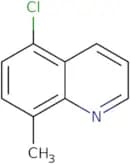
CAS:Versatile small molecule scaffoldFormula:C10H11NO3Purity:Min. 95%Molecular weight:193.2 g/mol5-Chloro-8-methylquinoline
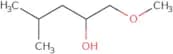
CAS:<p>5-Chloro-8-methylquinoline is an organic chemical compound that is used in the synthesis of other organic compounds. It can be obtained by bromination, iodination, chlorination, and sulfonation of benzyl alcohol. 5-Chloro-8-methylquinoline can be synthesized by reacting chlorosulfonic acid with benzaldehyde and nitroethane. This chemical has a sulfuric acid substituent and a chlorine substituent on its two rings. It also has an analogous structure to 8-methylquinoline and can react with silver nitrate to form a silver chloride complex.</p>Formula:C10H8ClNPurity:Min. 95%Molecular weight:177.63 g/mol1-Methoxy-4-methylpentan-2-ol
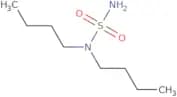
CAS:<p>Versatile small molecule scaffold</p>Formula:C7H16O2Purity:Min. 95%Molecular weight:132.2 g/mol(Dibutylsulfamoyl)amine
CAS:<p>Versatile small molecule scaffold</p>Formula:C8H20N2O2SPurity:Min. 95%Molecular weight:208.32 g/mol6-chloro-[1,2,4]triazolo[4,3-b]pyridazin-3-amine
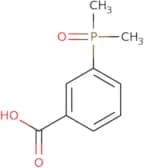
CAS:<p>Versatile small molecule scaffold</p>Formula:C5H4ClN5Purity:Min. 95%Molecular weight:169.6 g/mol3-(Dimethylphosphoryl)benzoic acid
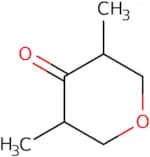
CAS:<p>Versatile small molecule scaffold</p>Formula:C9H11O3PPurity:Min. 95%Molecular weight:198.16 g/mol3,5-Dimethyloxan-4-one
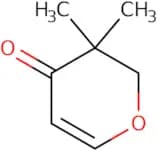
CAS:<p>Versatile small molecule scaffold</p>Formula:C7H12O2Purity:Min. 95%Molecular weight:128.17 g/mol3,3-Dimethyl-3,4-dihydro-2H-pyran-4-one
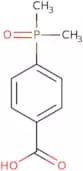
CAS:Versatile small molecule scaffoldFormula:C7H10O2Purity:Min. 95%Molecular weight:126.15 g/mol4-(Dimethylphosphoryl)benzoic acid
CAS:<p>Versatile small molecule scaffold</p>Formula:C9H11O3PPurity:Min. 95%Molecular weight:198.16 g/molPotassium 1-[carbamoyl(hydroxy)amino]formamide (dicarbamoylamino)olate
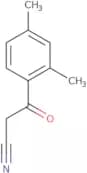
CAS:<p>Versatile small molecule scaffold</p>Formula:C4H9KN6O6Purity:Min. 95%Molecular weight:276.2 g/mol2,4-Dimethylbenzoylacetonitrile
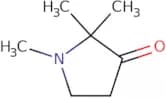
CAS:<p>Versatile small molecule scaffold</p>Formula:C11H11NOPurity:Min. 95%Molecular weight:173.22 g/mol1,2,2-Trimethylpyrrolidin-3-one
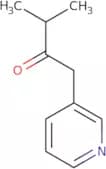
CAS:Versatile small molecule scaffoldFormula:C7H13NOPurity:Min. 95%Molecular weight:127.18 g/mol3-Methyl-1-(pyridin-3-yl)butan-2-one
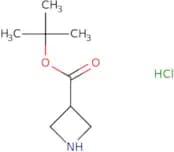
CAS:<p>Versatile small molecule scaffold</p>Formula:C10H13NOPurity:Min. 95%Molecular weight:163.22 g/moltert-Butyl azetidine-3-carboxylate hydrochloride
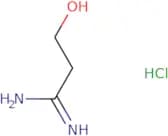
CAS:<p>Versatile small molecule scaffold</p>Formula:C8H16ClNO2Purity:Min. 95%Molecular weight:193.67 g/mol3-Hydroxypropanimidamide hydrochloride
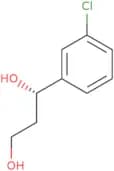
CAS:Versatile small molecule scaffoldFormula:C3H9ClN2OPurity:Min. 95%Molecular weight:124.57 g/mol(S)-1-(3-chlorophenyl)propane-1,3-diol
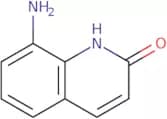
CAS:<p>Versatile small molecule scaffold</p>Formula:C9H11ClO2Purity:Min. 95%Molecular weight:186.64 g/mol8-amino-1h-quinolin-2-one
CAS:<p>8-Aminoquinoline is an antimalarial drug that is used to treat and prevent malaria in adults and children. It inhibits the polymerase chain reaction, which is a technique used in molecular biology to amplify DNA sequences. 8-Aminoquinoline has been shown to be effective against various species of Plasmodium, including chloroquine-resistant strains. 8-Aminoquinoline has a safety profile that includes pharmacokinetic properties, an inhibitory effect on intravascular hemolysis, and a low risk of redox potential in plasma concentrations. The drug also has anti-inflammatory properties due to its ability to inhibit the synthesis of prostaglandins by inhibiting cycloxygenase activity.br>br><br>br>br>8-amino-1h-quinolin-2-one is a member of the class of quinoline compounds with broad spectrum activity against malaria and other infectious diseases caused by protozoan parasites</p>Formula:C9H8N2OPurity:Min. 95%Molecular weight:160.18 g/mol[1,2,4]Triazolo[4,3-b]pyridazin-3-amine
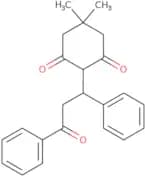
CAS:<p>Versatile small molecule scaffold</p>Formula:C5H5N5Purity:Min. 95%Molecular weight:135.1 g/mol5,5-Dimethyl-2-(3-oxo-1,3-diphenylpropyl)cyclohexane-1,3-dione
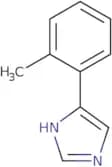
CAS:Versatile small molecule scaffoldFormula:C23H24O3Purity:Min. 95%Molecular weight:348.4 g/mol4-(2-Methylphenyl)-1H-imidazole
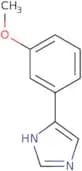
CAS:<p>Versatile small molecule scaffold</p>Formula:C10H10N2Purity:Min. 95%Molecular weight:158.2 g/mol4-(3-Methoxyphenyl)-1H-imidazole
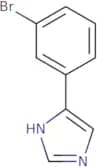
CAS:<p>Versatile small molecule scaffold</p>Formula:C10H10N2OPurity:Min. 95%Molecular weight:174.2 g/mol5-(3-Bromophenyl)-1H-imidazole
CAS:<p>Versatile small molecule scaffold</p>Formula:C9H7BrN2Purity:Min. 95%Molecular weight:223.07 g/mol7-Bromo-1,3,4,5-tetrahydro-benzo[b]azepin-2-one
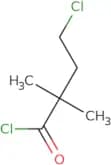
CAS:<p>Versatile small molecule scaffold</p>Formula:C10H10BrNOPurity:Min. 95%Molecular weight:240.1 g/mol4-Chloro-2,2-dimethylbutanoyl Chloride
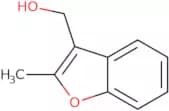
CAS:Versatile small molecule scaffoldFormula:C6H10Cl2OPurity:Min. 95%Molecular weight:169.05 g/mol(2-Methyl-1-benzofuran-3-yl)methanol
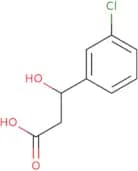
CAS:Versatile small molecule scaffoldFormula:C10H10O2Purity:Min. 95%Molecular weight:162.18 g/mol(3S)-3-(3-Chlorophenyl)-3-hydroxypropanoic acid
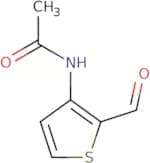
CAS:<p>Versatile small molecule scaffold</p>Formula:C9H9ClO3Purity:Min. 95%Molecular weight:200.62 g/molN-(2-Formylthiophen-3-yl)acetamide
CAS:<p>Versatile small molecule scaffold</p>Formula:C7H7NO2SPurity:Min. 95%Molecular weight:169.2 g/mol7-Chloro-3H,4H-thieno[3,4-d]pyrimidin-4-one
CAS:Versatile small molecule scaffoldFormula:C6H3ClN2OSPurity:Min. 95%Molecular weight:186.62 g/mol3H,4H-Thieno[3,4-d]pyrimidin-4-one
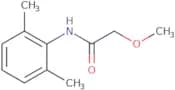
CAS:<p>Versatile small molecule scaffold</p>Formula:C6H4N2OSPurity:Min. 95%Molecular weight:152.18 g/molN-(2,6-Dimethylphenyl)-2-methoxyacetamide
CAS:Dithiocarbamates are compounds that inhibit the growth of fungi by inhibiting enzymes within the cell, such as carbonic anhydrase and acetylcholinesterase. Dithiocarbamates have been shown to be synergistic with other fungicides, leading to a more rapid and effective killing of fungi. N-(2,6-Dimethylphenyl)-2-methoxyacetamide is a dithiocarbamate that has been shown to be effective against resistant strains of fungi, such as Fusarium oxysporum. It is soluble in water and can be used as a soluble salt or as a soluble salt in combination with other fungicides.Formula:C11H15NO2Purity:Min. 95%Color and Shape:PowderMolecular weight:193.24 g/molMethyl 3-methylquinoline-2-carboxylate
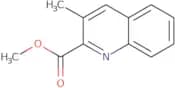
CAS:Methyl 3-methylquinoline-2-carboxylate is a ketone that is used in the synthesis of nothapodytine and mappicine. It can be synthesized by condensation of methyl 2-chloroquinoline-4-carboxylate with methyl 3,4,5,6-tetrahydropyridine-2,4-dicarboxylate. The reaction sequence includes an acid catalyzed reaction to produce the desired product. Methyl 3-methylquinoline-2-carboxylate is also used as a precursor for synthesizing pyridones and ring systems. It can be deprotected by hydrolysis or oxidation to produce the desired products.Formula:C12H11NO2Purity:Min. 95%Molecular weight:201.22 g/mol1,3-Dihydro-1-hydroxy-2H-benzimidazol-2-one
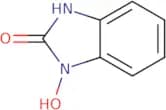
CAS:<p>1,3-Dihydro-1-hydroxy-2H-benzimidazol-2-one is a sodium salt that is used as an antifungal agent. It has been shown to be fungistatic against Microsporum canis and Trichophyton mentagrophytes with low toxicity to humans. The synthesis of 1,3-Dihydro-1-hydroxy-2H-benzimidazol-2-one involves the reaction of 2,4,6,-triaminopyrimidine with formaldehyde and sodium hydroxide in water. This synthesis requires a high degree of skill because of the difficult conditions it requires.</p>Formula:C7H6N2O2Purity:Min. 95%Molecular weight:150.13 g/mol2,4,6-Trichloropyridine-3-carboxamide
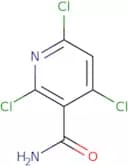
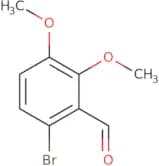
CAS:<p>Versatile small molecule scaffold</p>Formula:C6H3Cl3N2OPurity:Min. 95%Molecular weight:225.5 g/mol6-Bromo-2,3-dimethoxybenzaldehyde
CAS:<p>6-Bromo-2,3-dimethoxybenzaldehyde is a quinone that has been used for the synthesis of x-ray crystallography. It is an olefination agent, which also has been used in palladium-catalyzed cross-coupling reactions. 6-Bromo-2,3-dimethoxybenzaldehyde has been used in organic chemistry as a modular building block and has also been used as a reagent in cross-coupling reactions with bromohydrins. 6-Bromo-2,3-dimethoxybenzaldehyde can be purified by recrystallization from methanol and ether.</p>Formula:C9H9BrO3Purity:Min. 95%Molecular weight:245.07 g/mol2-[3-(4-Chlorophenyl)-1-phenyl-1H-pyrazol-4-yl]acetic acid
CAS:<p>2-[3-(4-Chlorophenyl)-1-phenyl-1H-pyrazol-4-yl]acetic acid (CLPA) is an anti-infective agent. It has been shown to be effective in the treatment of microbial infections, including those caused by bacteria, fungi and protozoa. CLPA inhibits the growth of infectious organisms by interfering with their metabolism. This drug has shown efficacy against a number of infectious diseases caused by Gram negative bacteria, such as bacterial meningitis and septicemia. CLPA also has anti-inflammatory effects on inflammatory bowel disease and polycystic ovarian syndrome. The terminal half life of this compound is approximately 8 hours, which makes it suitable for once daily administration.</p>Formula:C17H13ClN2O2Purity:Min. 95%Molecular weight:312.7 g/mol4-Chloro-N-[3-(dimethylamino)propyl]-3-nitrobenzene-1-sulfonamide
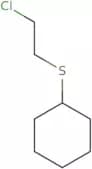
CAS:<p>Versatile small molecule scaffold</p>Formula:C11H16ClN3O4SPurity:Min. 95%Molecular weight:321.78 g/mol2-Chloroethyl cyclohexyl sulphide
CAS:<p>2-Chloroethyl cyclohexyl sulphide (2CES) is a coordination compound with a volatile, chlorinated benzene core. It is synthesized by the reaction of 2-chloroethylcyclohexane with elemental sulfur and then purified by recrystallization from acetonitrile. The molecule has two isomers that are distinguished by their different luminescent properties:</p>Formula:C8H15ClSPurity:Min. 95%Molecular weight:178.72 g/molTromantadine
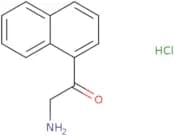
CAS:Controlled Product<p>Tromantadine is an active analogue of quinolones and is used in the treatment of infections caused by bacteria. Tromantadine has been shown to be effective against a number of bacterial strains, including some strains that are resistant to other antibiotics. Tromantadine inhibits bacterial growth by binding to DNA-dependent RNA polymerase and preventing transcription and replication. It also has anti-inflammatory properties, which may be due to its ability to inhibit prostaglandin synthesis. Tromantadine is chemically stable at high temperatures, making it suitable for use in hot climates.</p>Formula:C16H28N2O2Purity:Min. 95%Molecular weight:280.41 g/mol2-Amino-1-(naphthalen-1-yl)ethan-1-one hydrochloride
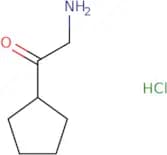
CAS:Controlled Product<p>Versatile small molecule scaffold</p>Formula:C12H12ClNOPurity:Min. 95%Molecular weight:221.68 g/mol2-Amino-1-cyclopentylethan-1-one hydrochloride
CAS:<p>Versatile small molecule scaffold</p>Formula:C7H14ClNOPurity:Min. 95%Molecular weight:163.64 g/mol4,5,8-Trimethylquinolin-2-ol
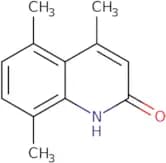
CAS:<p>Versatile small molecule scaffold</p>Formula:C12H13NOPurity:Min. 95%Molecular weight:187.24 g/mol(2-Ethylphenyl)methanamine
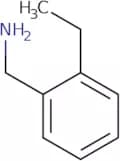
CAS:<p>(2-Ethylphenyl)methanamine is an analog of fluconazole, a drug used to treat fungal infections. It has been shown to have potentiation properties that are similar to those of fluconazole. The mechanism of action involves inhibiting the efflux pump in the cell membrane. This leads to increased intracellular concentrations and enhanced activity of fluconazole against Candida albicans.</p>Formula:C9H13NPurity:Min. 95%Molecular weight:135.21 g/mol7,7-Dimethyl-6,7,8,9-tetrahydro-5H-benzo[7]annulen-5-one
CAS:<p>Versatile small molecule scaffold</p>Formula:C13H16OPurity:Min. 95%Molecular weight:188.26 g/mol4-Iodo-2-methylbut-1-ene
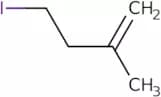
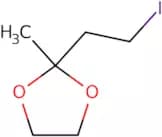
CAS:<p>4-Iodo-2-methylbut-1-ene is an alkylating agent that forms a covalent bond with DNA. It can be synthesized by the reaction of an electrophile, such as methyl iodide, with an enone. This process is stereoselective and stereoselectively mediated. The compound is used in the synthesis of pheromones and has been shown to have cytotoxic effects on tumor cells. 4-Iodo-2-methylbut-1-ene can be synthesized by the catalysis of trifluoromethanesulphonate. When this reagent reacts with an organic molecule containing a reactive group, it forms a covalent bond with DNA and inhibits protein synthesis.</p>Formula:C5H9IPurity:Min. 95%Molecular weight:196.03 g/mol2-(2-Iodoethyl)-2-methyl-1,3-dioxolane
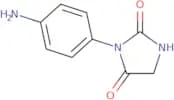
CAS:<p>Versatile small molecule scaffold</p>Formula:C6H11IO2Purity:Min. 95%Molecular weight:242.05 g/mol3-(4-Aminophenyl)imidazolidine-2,4-dione
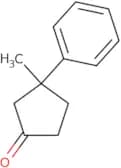
CAS:<p>Versatile small molecule scaffold</p>Formula:C9H9N3O2Purity:Min. 95%Molecular weight:191.19 g/mol3-Methyl-3-phenylcyclopentan-1-one
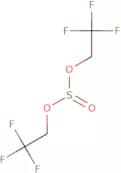
CAS:<p>Versatile small molecule scaffold</p>Formula:C12H14OPurity:Min. 95%Molecular weight:174.24 g/molBis(2,2,2-trifluoroethyl) sulfite
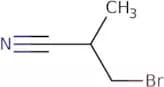
CAS:Bis(2,2,2-trifluoroethyl) sulfite is an additive that enhances the performance of water-based inks and coatings. It is a colorless liquid with a low viscosity and high volatility. Bis(2,2,2-trifluoroethyl) sulfite is used as an additive to increase the solubility of other additives in water-based ink and coatings formulations. It has been shown to enhance the performance of these formulations by improving wetting properties. This additive also has been shown to reduce surface tension and improve gloss. The mechanism of action for this compound is not well understood but may be due to its ability to form hydrogen bonds and/or ionic interactions with molecules on the substrate surface.Formula:C4H4F6O3SPurity:Min. 95%Molecular weight:246.13 g/mol3-Bromo-2-methylpropanenitrile
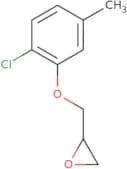
CAS:<p>Versatile small molecule scaffold</p>Formula:C4H6BrNPurity:Min. 95%Molecular weight:148 g/mol2-(2-Chloro-5-methylphenoxymethyl)oxirane
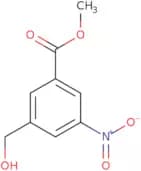
CAS:2-(2-Chloro-5-methylphenoxymethyl)oxirane is an enantiopure chemical compound. It is racemic and has two possible configurations: (R)-2-(2-chloro-5-methylphenoxymethyl)oxirane and (S)-2-(2-chloro-5-methylphenoxymethyl)oxirane. The enantiopence of 2-(2-chloro-5-methylphenoxymethyl)oxirane can be determined by recrystallization, crystallization, xray diffraction, or by entrainment methods.Formula:C10H11ClO2Purity:Min. 95%Molecular weight:198.64 g/molMethyl 3-(Hydroxymethyl)-5-nitrobenzoate
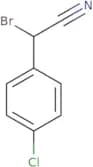
CAS:<p>Methyl 3-(Hydroxymethyl)-5-nitrobenzoate (HMB) is a maleimide that is used in the synthesis of amino-substituted azides. It was expressed as a recombinant protein in Escherichia coli and purified by solid-phase synthesis. The protein has been shown to bind to markers expressed at high levels in Mycobacterium tuberculosis strains (e.g., ESX-1 secretion system protein) and inhibit cell growth in culture.</p>Formula:C9H9NO5Purity:Min. 95%Molecular weight:211.17 g/mol2-Bromo-2-(4-chlorophenyl)acetonitrile
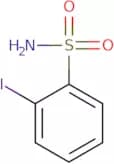
CAS:<p>Versatile small molecule scaffold</p>Formula:C8H5BrClNPurity:Min. 95%Molecular weight:230.49 g/mol2-Iodobenzene-1-sulfonamide
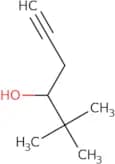
CAS:<p>2-Iodobenzene-1-sulfonamide is a benzothiazine derivative that has been synthesized and its characteristics have been studied by molecular modeling. It has shown potential as an anti-inflammatory drug candidate. The pharmacophore of 2-iodobenzene-1-sulfonamide is composed of two amines, terminal alkynes, and a ligand. This molecule also showed activity against Cox-1 and Cox-2 enzymes, which are responsible for the production of prostaglandins and thromboxanes in the body. This study revealed that 2IBS is an efficient method to inhibit COX enzymes.</p>Formula:C6H6INO2SPurity:Min. 95%Molecular weight:283.09 g/mol2,2-Dimethylhex-5-yn-3-ol
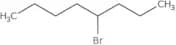
CAS:<p>Versatile small molecule scaffold</p>Formula:C8H14OPurity:Min. 95%Molecular weight:126.2 g/mol4-Bromooctane
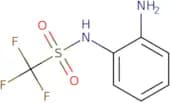
CAS:<p>4-Bromooctane is a nonpolar, hydrophobic compound that has been quantified by gas chromatography. The solute is protonated in the presence of chloride, alkene, or tribromide to give the corresponding cation, which can be detected by gas chromatography. The frequency range for 4-bromobutane is from 0.1 Hz to 10 kHz and the parameters for this compound are halides and dipole.</p>Formula:C8H17BrPurity:Min. 95%Molecular weight:193.12 g/molN-(2-Aminophenyl)-1,1,1-trifluoromethanesulfonamide
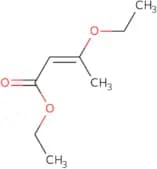
CAS:<p>Versatile small molecule scaffold</p>Formula:C7H7F3N2O2SPurity:Min. 95%Molecular weight:240.21 g/molEthyl 3-ethoxycrotonate
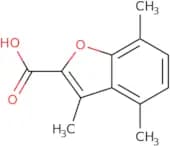
CAS:<p>Ethyl 3-ethoxycrotonate is an organic compound with the molecular formula C5H11O2. It is a colorless liquid that boils at 46°C. The molecule has a pyridine ring and an ethoxy group on the third carbon. This product can be used in enantioselective syntheses, yielding optically pure products. It also has structural analogues that are aliphatic and ketonic.</p>Formula:C8H14O3Purity:Min. 95%Molecular weight:158.2 g/mol3,4,7-Trimethyl-1-benzofuran-2-carboxylic acid
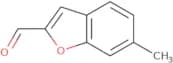
CAS:<p>Versatile small molecule scaffold</p>Formula:C12H12O3Purity:Min. 95%Molecular weight:204.22 g/mol6-Methyl-1-benzofuran-2-carbaldehyde
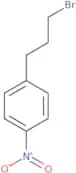
CAS:<p>Versatile small molecule scaffold</p>Formula:C10H8O2Purity:Min. 95%Molecular weight:160.17 g/mol3-(4-Nitrophenyl)propyl bromide
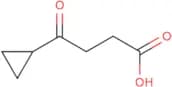
CAS:<p>3-(4-Nitrophenyl)propyl bromide (3NPPB) is a bifunctional ligand with antiproliferative activity. It is able to bind to the alpha subunit of human hepatocellular carcinoma (HCC) receptors, inhibiting the growth of cancer cells. 3NPPB has been shown to be effective in animal models for HCC and other cancers. 3NPPB is a metal chelator with a high binding affinity for copper, and it has been shown to reduce the level of copper in liver tissue.</p>Formula:C9H10BrNO2Purity:Min. 95%Molecular weight:244.09 g/mol4-Cyclopropyl-4-oxobutyric acid
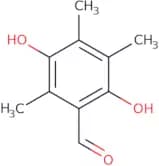
CAS:<p>4-Cyclopropyl-4-oxobutyric acid is a methanolic glutamic alkylation lactone that has been shown to be an asymmetric sodium salt. The nitriles of 4-cyclopropyl-4-oxobutyric acid are hydrolyzed to form the corresponding acids, which are then debenzylated to form the corresponding alcohols. This process is catalyzed by nitrile hydratase and oxidized by alcohol dehydrogenase. The bicyclic structure of 4-cyclopropyl-4-oxobutyric acid can be formed by condensation of two molecules of acetaldehyde and one molecule of malonic acid.</p>Formula:C7H10O3Purity:Min. 95%Molecular weight:142.15 g/mol2,5-Dihydroxy-3,4,6-trimethylbenzaldehyde
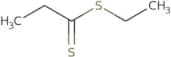
CAS:Versatile small molecule scaffoldFormula:C10H12O3Purity:Min. 95%Molecular weight:180.2 g/mol1-(Ethylsulfanyl)propane-1-thione
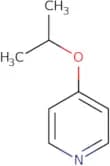
CAS:<p>Versatile small molecule scaffold</p>Formula:C5H10S2Purity:Min. 95%Molecular weight:134.3 g/mol4-(Propan-2-yloxy)pyridine
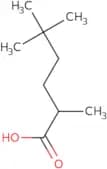
CAS:<p>4-(Propan-2-yloxy)pyridine is an isomer of pyridine, a heterocyclic organic compound with the chemical formula C5H7N. It contains a benzene ring fused to a pyridine ring. The compound is of interest as a model system for studying asymmetric synthesis because it can be synthesized in two forms that are mirror images of each other. The molecule has been shown to be metastable and deuterium can be used as a shift reagent to reveal its chirality. 4-(Propan-2-yloxy)pyridine has also been shown to have antimicrobial properties against bacteria such as methicillin-resistant Staphylococcus aureus (MRSA).</p>Formula:C8H11NOPurity:Min. 95%Molecular weight:137.18 g/mol2,5,5-Trimethylhexanoic acid
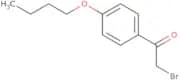
CAS:<p>2,5,5-Trimethylhexanoic acid is a fatty acid that is used as an additive for lubrication, plasticizers, and esterifying agents. It is a mixture of 2-ethylhexanoic acid (2EHA) and 2-methylpentanoic acid (2MP). The chain length of the molecule ranges from C10 to C22 with a majority of the chains being in the range of C14 to C18. The alkyl group has two carbon atoms. This fatty acid can be found in natural sources such as animals and plants or it can be produced synthetically.</p>Formula:C9H18O2Purity:Min. 95%Molecular weight:158.24 g/mol2-Bromo-1-(4-butoxyphenyl)ethan-1-one
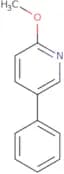
CAS:<p>Versatile small molecule scaffold</p>Formula:C12H15BrO2Purity:Min. 95%Molecular weight:271.15 g/mol2-Methoxy-5-phenylpyridine
CAS:<p>2-Methoxy-5-phenylpyridine is a carbamate inhibitor that has been shown to be a potent and selective inhibitor of the enzyme acetylcholinesterase (AChE). It has been used for labeling, optimization, and identification of new AChE inhibitors. 2-Methoxy-5-phenylpyridine has also shown activity against the enzyme butyrylcholinesterase. This compound can be used as a test compound in tissues, such as the nervous system, or in cell cultures.</p>Formula:C12H11NOPurity:Min. 95%Molecular weight:185.22 g/mol(Diphenylmethyl)(ethyl)amine
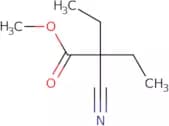
CAS:<p>Versatile small molecule scaffold</p>Formula:C15H17NPurity:Min. 95%Molecular weight:211.3 g/molMethyl 2-cyano-2-ethylbutanoate
CAS:<p>Versatile small molecule scaffold</p>Formula:C8H13NO2Purity:Min. 95%Molecular weight:155.19 g/mol2-(3-Hydroxypropyl)-2H,3H-[1,2,4]triazolo[4,3-a]pyridin-3-one
CAS:Versatile small molecule scaffoldFormula:C9H11N3O2Purity:Min. 95%Molecular weight:193.2 g/mol1-(4-Ethoxy-phenyl)-piperazine dihydrochloride
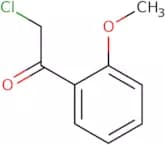
CAS:Controlled ProductVersatile small molecule scaffoldFormula:C12H20Cl2N2OPurity:Min. 95%Molecular weight:279.2 g/mol2-Chloro-1-(2-methoxyphenyl)ethan-1-one
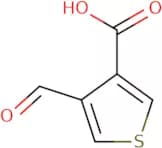
CAS:Versatile small molecule scaffoldFormula:C9H9ClO2Purity:Min. 95%Molecular weight:184.62 g/mol4-Formylthiophene-3-carboxylic acid
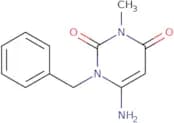
CAS:<p>Versatile small molecule scaffold</p>Formula:C6H4O3SPurity:Min. 95%Molecular weight:156.16 g/mol6-Amino-1-benzyl-3-methylpyrimidine-2,4(1H,3H)-dione
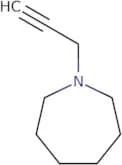
CAS:<p>Versatile small molecule scaffold</p>Formula:C12H13N3O2Purity:Min. 95%Molecular weight:231.25 g/mol1-(Prop-2-yn-1-yl)azepane
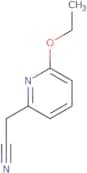
CAS:<p>Versatile small molecule scaffold</p>Formula:C9H15NPurity:Min. 95%Molecular weight:137.22 g/mol2-(6-Ethoxypyridin-2-yl)acetonitrile
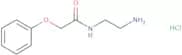
CAS:<p>Versatile small molecule scaffold</p>Formula:C9H10N2OPurity:Min. 95%Molecular weight:162.19 g/molN-(2-Aminoethyl)-2-phenoxyacetamide hydrochloride
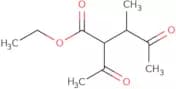
CAS:Versatile small molecule scaffoldFormula:C10H15ClN2O2Purity:Min. 95%Molecular weight:230.69 g/molEthyl 2-acetyl-3-methyl-4-oxopentanoate
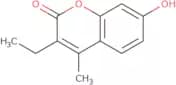
CAS:<p>Versatile small molecule scaffold</p>Formula:C10H16O4Purity:Min. 95%Molecular weight:200.23 g/mol3-Ethyl-7-hydroxy-4-methyl-2H-chromen-2-one
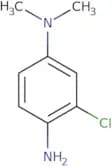
CAS:Versatile small molecule scaffoldFormula:C12H12O3Purity:Min. 95%Molecular weight:204.23 g/mol3-Chloro-N1,N1-dimethylbenzene-1,4-diamine
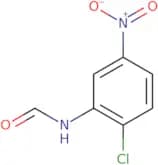
CAS:Versatile small molecule scaffoldFormula:C8H11ClN2Purity:Min. 95%Molecular weight:170.64 g/molN-(2-Chloro-5-nitrophenyl)formamide
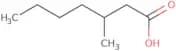
CAS:<p>Versatile small molecule scaffold</p>Formula:C7H5ClN2O3Purity:Min. 95%Molecular weight:200.58 g/mol3-Methylheptanoic acid
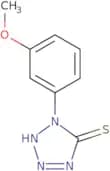
CAS:<p>3-Methylheptanoic acid is an achiral, volatile fatty acid that is found in the urine and feces of mammals. It has been shown to be a potent skatole inducer, and is capable of producing abdominal pain. 3-Methylheptanoic acid has also been shown to bind competitively to the receptor site for dimer (2,3-dimethoxy-5-methylphenol) in the antennae of cockroaches and other insects. This binding inhibits electroantennographic responses, which are used as a measure of insect activity. 3-Methylheptanoic acid can be used as an indicator for orthophosphoric acid in chemical analysis. The optical rotation of this compound is determined by its configuration at the asymmetric carbon atom. This functional group allows 3-methylheptanoic acid to act as an antiseptic and germicide when it reacts with water or dilute acids to form orthophosph</p>Formula:C8H16O2Purity:Min. 95%Molecular weight:144.21 g/mol1-(3-Methoxyphenyl)-1H-1,2,3,4-tetrazole-5-thiol
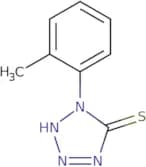
CAS:<p>Versatile small molecule scaffold</p>Formula:C8H8N4OSPurity:Min. 95%Molecular weight:208.24 g/mol1-(2-Methylphenyl)-1H-1,2,3,4-tetrazole-5-thiol
CAS:Versatile small molecule scaffoldFormula:C8H8N4SPurity:Min. 95%Molecular weight:192.24 g/mol3-chloro-5,6,7,8-tetrahydroisoquinoline-4-carbonitrile
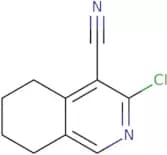
CAS:Versatile small molecule scaffoldFormula:C10H9ClN2Purity:Min. 95%Molecular weight:192.65 g/mol3-Oxo-2,3,5,6,7,8-hexahydroisoquinoline-4-carbonitrile
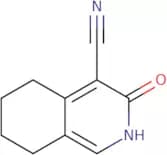
CAS:Versatile small molecule scaffoldFormula:C10H10N2OPurity:Min. 95%Molecular weight:174.2 g/molN'-Hydroxyadamantane-1-carboximidamide
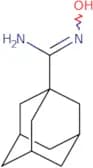
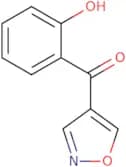
CAS:Versatile small molecule scaffoldFormula:C11H18N2OPurity:Min. 95%Molecular weight:194.27 g/mol2-(1,2-Oxazole-4-carbonyl)phenol
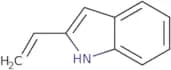
CAS:<p>Versatile small molecule scaffold</p>Formula:C10H7NO3Purity:Min. 95%Molecular weight:189.17 g/mol2-Ethenyl-1H-indole
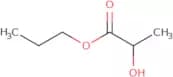
CAS:<p>2-Ethenyl-1H-indole is an organic compound that can be synthesized from a Friedel-Crafts reaction of a fatty acid and an alkyl halide. The cycloaddition process of 2-ethenyl-1H-indole to form the bicyclic system was found to proceed through a [4+2] cycloaddition mechanism with the formation of a strained six membered ring between the two carbon atoms at the junction. This product is then converted into biofuels, such as particle or fatty acids, by analytical chemistry. Preparative high performance liquid chromatography (HPLC) has been used to separate glycogen synthase kinase 3 (GSK3) oligosaccharides, which have been shown to be involved in various biological processes.</p>Formula:C10H9NPurity:Min. 95%Molecular weight:143.18 g/molPropyl (2S)-2-hydroxypropanoate
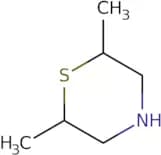
CAS:<p>Propyl (2S)-2-hydroxypropanoate is a neurotoxic chemical that can cause hydrolysis or long-term exposure to lead to neurotoxicity. Exposure to this chemical can lead to neurobehavioral changes and encephalopathy, which may be due to its effects on the central nervous system. It has been shown that propyl (2S)-2-hydroxypropanoate can also interfere with lactic acid metabolism, leading to an accumulation of lactic acid in the body. This accumulation may contribute to a variety of neurological symptoms seen in patients who have ingested this chemical, including psychoactive effects and organic solvent syndrome.</p>Formula:C6H12O3Purity:Min. 95%Molecular weight:132.16 g/mol2,6-Dimethylthiomorpholine
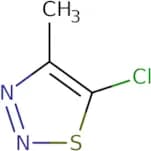
CAS:<p>Versatile small molecule scaffold</p>Formula:C6H13NSPurity:Min. 95%Molecular weight:131.24 g/mol5-Chloro-4-methyl-1,2,3-thiadiazole
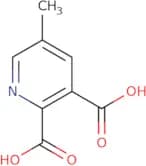
CAS:<p>5-Chloro-4-methyl-1,2,3-thiadiazole is a long chain derivative of thiadiazole. It has been found to have anticancer activity in vitro against prostate cancer cells. 5-Chloro-4-methyl-1,2,3-thiadiazole inhibits the growth of cancer cells by blocking fatty acid metabolism and inhibiting the production of carnitine. This agent also induces carboxyamide reductase and alcohol dehydrogenase activities in vitro. The anticancer effect is not restricted to prostate cancer cells; it has also been shown to inhibit human glioma cell proliferation in vitro.</p>Formula:C3H3ClN2SPurity:Min. 95%Molecular weight:134.58 g/mol5-Methylpyridine-2,3-dicarboxylic acid
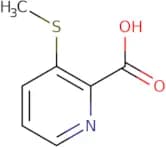
CAS:<p>5-Methylpyridine-2,3-dicarboxylic acid is an organic compound with the formula CH3C6H4(CH2)4O2. It is a white crystalline solid that is soluble in water and ethanol. 5-Methylpyridine-2,3-dicarboxylic acid is a ligand for alkali metal ions. It has been used to synthesize a number of compounds with different properties, such as methoxymethyl, fluorescence properties and ammonium nitrate. The structures of the isomers can be determined by x-ray diffraction techniques and by gravimetric analysis.</p>Formula:C8H7NO4Purity:Min. 95%Molecular weight:181.15 g/mol3-(Methylsulfanyl)pyridine-2-carboxylic acid
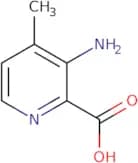
CAS:Versatile small molecule scaffoldFormula:C7H7NO2SPurity:Min. 95%Molecular weight:169.2 g/mol3-Amino-4-methylpyridine-2-carboxylic acid
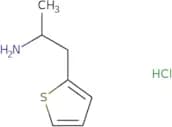
CAS:Versatile small molecule scaffoldFormula:C7H8N2O2Purity:Min. 95%Molecular weight:152.15 g/mol1-(Thiophen-2-yl)propan-2-amine hydrochloride
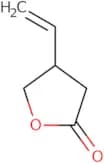
CAS:Controlled ProductVersatile small molecule scaffoldFormula:C7H12ClNSPurity:Min. 95%Molecular weight:177.7 g/mol4-Vinyl-dihydrofuran-2(3H)-one
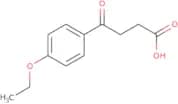
CAS:4-Vinyl-dihydrofuran-2(3H)-one is a cyclopropanecarboxylic acid that can be synthesized using the refluxing of an alkali metal hydroxide, such as potassium hydroxide, with an alcohol. The reaction produces a cyclopropanecarboxylic acid and water. 4-Vinyl-dihydrofuran-2(3H)-one is used as an insecticide as well as in the synthesis of other chemicals. It has been shown to have anticholinesterase activity.Formula:C6H8O2Purity:Min. 95%Molecular weight:112.13 g/mol4-(4-Ethoxyphenyl)-4-oxobutanoic acid
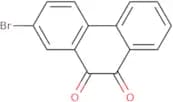
CAS:<p>4-(4-Ethoxyphenyl)-4-oxobutanoic acid is a ketone that has been found to be biologically active. It is a heterocyclic compound that contains a benzene ring and a heterocyclic aromatic ketone. The crystal structure of 4-(4-Ethoxyphenyl)-4-oxobutanoic acid has shown the presence of hydrogen bonds.</p>Formula:C12H14O4Purity:Min. 95%Molecular weight:222.24 g/mol2-Bromo-phenanthrene-9,10-dione
CAS:<p>Versatile small molecule scaffold</p>Formula:C14H7BrO2Purity:Min. 95%Molecular weight:287.11 g/mol1,4-Diazabicyclo[3.2.2]nonan-3-one
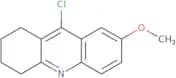
CAS:<p>Versatile small molecule scaffold</p>Formula:C7H12N2OPurity:Min. 95%Molecular weight:140.19 g/mol9-Chloro-7-methoxy-1,2,3,4-tetrahydroacridine
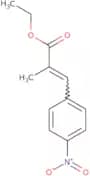
CAS:Versatile small molecule scaffoldFormula:C14H14ClNOPurity:Min. 95%Molecular weight:247.72 g/molEthyl 2-methyl-3-(4-nitrophenyl)prop-2-enoate
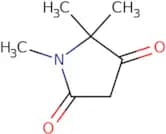
CAS:Versatile small molecule scaffoldFormula:C12H13NO4Purity:Min. 95%Molecular weight:235.24 g/mol1,5,5-Trimethylpyrrolidine-2,4-dione
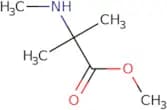
CAS:<p>Versatile small molecule scaffold</p>Formula:C7H11NO2Purity:Min. 95%Molecular weight:141.2 g/molMethyl 2-methyl-2-(methylamino)propanoate
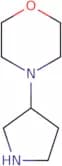
CAS:Versatile small molecule scaffoldFormula:C6H13NO2Purity:Min. 95%Molecular weight:131.17 g/mol4-Pyrrolidin-3-yl morpholine
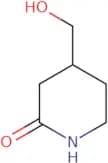
CAS:Versatile small molecule scaffoldFormula:C8H16N2OPurity:Min. 95%Molecular weight:156.23 g/mol4-(Hydroxymethyl)piperidin-2-one
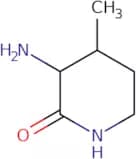
CAS:<p>Versatile small molecule scaffold</p>Formula:C6H11NO2Purity:Min. 95%Molecular weight:129.16 g/mol3-Amino-4-methylpiperidin-2-one
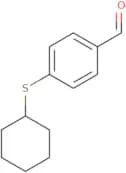
CAS:Versatile small molecule scaffoldFormula:C6H12N2OPurity:Min. 95%Molecular weight:128.17 g/mol4-(Cyclohexylsulfanyl)benzaldehyde
CAS:<p>Versatile small molecule scaffold</p>Formula:C13H16OSPurity:Min. 95%Molecular weight:220.33 g/mol4-[(2-Methylpropyl)sulfanyl]benzaldehyde
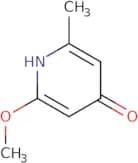
CAS:<p>Versatile small molecule scaffold</p>Formula:C11H14OSPurity:Min. 95%Molecular weight:194.3 g/mol2-Methoxy-6-methylpyridin-4-ol
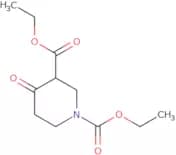
CAS:<p>Versatile small molecule scaffold</p>Formula:C7H9NO2Purity:Min. 95%Molecular weight:139.15 g/mol1,3-Diethyl 4-oxopiperidine-1,3-dicarboxylate
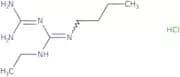
CAS:Versatile small molecule scaffoldFormula:C11H17NO5Purity:Min. 95%Molecular weight:243.26 g/molN-Butyl-1-carbamimidamido-N'-ethylmethanimidamide hydrochloride
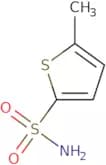
CAS:N-Butyl-1-carbamimidamido-N'-ethylmethanimidamide hydrochloride is a conjugate of an amide and fatty acids. It has been used for the treatment of prediabetes, hyperlipidemia, and heart disease. N-Butyl-1-carbamimidamido-N'-ethylmethanimidamide hydrochloride has structural formula C14H27NO4. It is a fatty acid ester that can be found in the tissues of animals and humans. This drug binds to the apolipoprotein A1 receptor, which is involved in cholesterol metabolism. N-Butyl-1-carbamimidamido-N'-ethylmethanimidamide hydrochloride also inhibits the enzyme lipoxygenase, which produces fatty acids from polyunsaturated fatty acids. This drug may cause irritation to skin or mucous membranes because it contains irritants such as ethanolamine and butFormula:C8H20ClN5Purity:Min. 95%Molecular weight:221.73 g/mol5-Methylthiophene-2-sulphonamide
CAS:Versatile small molecule scaffoldFormula:C5H7NO2S2Purity:Min. 95%Molecular weight:177.2 g/molTrans-4-fluorotetrahydrofuran-3-amine hydrochloride
CAS:Versatile small molecule scaffoldFormula:C4H9ClFNOPurity:Min. 95%Molecular weight:141.57 g/molrac-(3R,4R)-1-[(tert-Butoxy)carbonyl]-4-fluoropyrrolidine-3-carboxylic acid
CAS:Versatile small molecule scaffoldFormula:C10H16FNO4Purity:Min. 95%Molecular weight:233.24 g/molrac-Methyl (2R,3R)-2-amino-4,4-difluoro-3-hydroxy-3-methylbutanoate hydrochloride
CAS:<p>Versatile small molecule scaffold</p>Formula:C6H12ClF2NO3Purity:Min. 95%Molecular weight:219.6 g/mol1-(3-Ethyloxetan-3-yl)piperazine
CAS:<p>Versatile small molecule scaffold</p>Formula:C9H18N2OPurity:Min. 95%Molecular weight:170.3 g/molrac-tert-Butyl N-[(3R,4R)-4-(hydroxymethyl)oxolan-3-yl]carbamate
CAS:<p>Versatile small molecule scaffold</p>Formula:C10H19NO4Purity:Min. 95%Molecular weight:217.26 g/molrac-(3R,4S)-4-{[(tert-Butoxy)carbonyl]amino}-1,1-dioxo-1λ6-thiolane-3-carboxylic acid
CAS:Versatile small molecule scaffoldFormula:C10H17NO6SPurity:Min. 95%Molecular weight:279.3 g/molrac-2-[(3R,4S)-4-Hydroxyoxolan-3-yl]acetic acid
CAS:Versatile small molecule scaffoldFormula:C6H10O4Purity:Min. 95%Molecular weight:146.1 g/molrac-tert-Butyl N-{[(3R,4R)-4-aminooxolan-3-yl]methyl}carbamate
CAS:<p>Versatile small molecule scaffold</p>Formula:C10H20N2O3Purity:Min. 95%Molecular weight:216.3 g/molrac-tert-Butyl N-{[(1R,2R)-2-aminocyclohexyl]methyl}carbamate
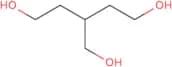
CAS:<p>Versatile small molecule scaffold</p>Formula:C12H24N2O2Purity:Min. 95%Molecular weight:228.3 g/mol3-(Hydroxymethyl)pentane-1,5-diol
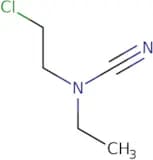
CAS:<p>Versatile small molecule scaffold</p>Formula:C6H14O3Purity:Min. 95%Molecular weight:134.17 g/mol(2-Chloroethyl)(cyano)ethylamine
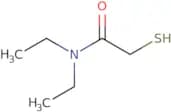
CAS:<p>Versatile small molecule scaffold</p>Formula:C5H9ClN2Purity:Min. 95%Molecular weight:132.59 g/molN,N-Diethyl-2-sulfanylacetamide
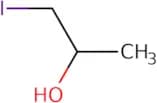
CAS:<p>Versatile small molecule scaffold</p>Formula:C6H13NOSPurity:Min. 95%Molecular weight:147.24 g/mol1-Iodopropan-2-ol
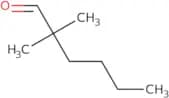
CAS:<p>1-Iodopropan-2-ol is a bifunctional reagent that has been used in epoxide ring opening reactions. It reacts with alkoxides and carbonates to form epoxides. 1-Iodopropan-2-ol also has been shown to react with silicon, forming siloxanes, which are used in the synthesis of polymers. This chemical is catalytic and can be used as a polymerization initiator. It has also been reinvestigated for use in the synthesis of cyclic compounds.</p>Formula:C3H7IOPurity:Min. 95%Molecular weight:186 g/mol2,2-Dimethylhexanal
CAS:<p>Versatile small molecule scaffold</p>Formula:C8H16OPurity:Min. 95%Molecular weight:128.21 g/molrac-(1R,2S)-2-(Piperidin-4-yl)cyclopropane-1-carboxylic acid
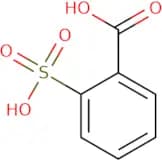
CAS:Versatile small molecule scaffoldFormula:C9H15NO2Purity:Min. 95%Molecular weight:169.2 g/mol2-Sulfobenzoic acid
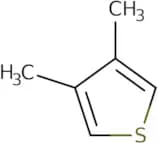
CAS:<p>2-Sulfobenzoic acid is a water soluble, hydrophilic compound. It has a proton NMR spectrum with a single peak at 4.2 ppm. 2-Sulfobenzoic acid is an electron-withdrawing group that forms hydrogen bonding interactions with water molecules and chelate ligands. The disulfide bond in the molecule is important for its structural stability and anticancer activity. The frequency shift of the proton NMR spectrum upon addition of nucleophiles indicates that 2-sulfobenzoic acid can act as a nucleophile itself, as well as react with nucleophiles such as thiols, amines, and alcohols.<br>2-Sulfobenzoic acid can be used to synthesize covalent linkages between proteins and DNA, which may have applications in cancer research and other fields.</p>Formula:C7H6O5SPurity:Min. 95%Molecular weight:202.19 g/mol3,4-Dimethylthiophene
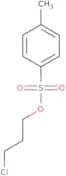
CAS:<p>3,4-Dimethylthiophene is a reactive chemical that has been used in the treatment of acne. It also has been shown to be an effective antimicrobial agent against resistant strains of microorganisms such as methicillin-resistant Staphylococcus aureus and methicillin-resistant Enterococcus faecalis. 3,4-Dimethylthiophene is activated by metal cations and fatty acids in the cell membrane, which leads to bond cleavage and the production of reactive oxygen species. The reaction time for this process varies depending on the type of fatty acid used but can be as short as 10 minutes. 3,4-Dimethylthiophene is synthesized from isoprene with an activation energy of 118 kJ/mol. The functional theory explains how this reaction occurs with an electron transfer from the methyl group to form a radical cation, which reacts with oxygen to form a peroxy radical.</p>Formula:C6H8SPurity:Min. 95%Molecular weight:112.19 g/mol1-Chloro-3-(tolene-p-sulphonyloxy) propane
CAS:Versatile small molecule scaffoldFormula:C10H13ClO3SPurity:Min. 95%Molecular weight:248.73 g/molrac-(1R,2R)-2-(2-Aminoethyl)cyclohexan-1-ol
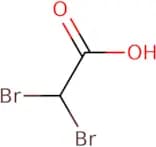
CAS:Versatile small molecule scaffoldFormula:C8H17NOPurity:Min. 95%Molecular weight:143.2 g/molDibromoacetic Acid
CAS:<p>Dibromoacetic acid is a genotoxic chemical that is used to form an acid. It has been shown to have toxic effects on the testes, and can also cause liver damage. Dibromoacetic acid binds to DNA and alters its structure by forming bromoacetic adducts. The binding of dibromoacetic acid to DNA alters the way in which it replicates, leading to mutations. This compound has been detected in human plasma at levels close to those seen in samples from people with occupational exposure, indicating that it may be found in the environment as well. Dibromoacetic acid has been shown to induce inflammation and increase toll-like receptor (TLR) expression through activation of NF-κB signaling pathways. It is able to do this because it contains a hydroxyl group, which allows for oxidation catalysts to bind with it easily.</p>Formula:C2H2Br2O2Purity:Min. 95%Molecular weight:217.84 g/mol1,3-diethyl 2,2-dibromopropanedioate
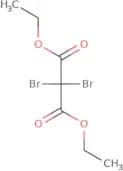
CAS:<p>1,3-diethyl 2,2-dibromopropanedioate is a hydrogen bond donor that is used as an anti-inflammatory compound. It has been shown to inhibit the proliferation of growth factors in vitro and to have antioxidant activity. The synthesis of 1,3-diethyl 2,2-dibromopropanedioate is initiated by the condensation of malonic acid with dimethyl fumarate in the presence of a solid catalyst. This reaction produces a mixture of 1,3-diethyl 2,2-dibromopropanedioate and its corresponding diethyl ester. The diethyl ester can be converted into 1,3-diethyl 2,2-dibromopropanedioate by heating it under vacuum for 24 hours at 250°C. This process also removes any water or other impurities that may be present. The asymmetric synthesis of 1,3-d</p>Formula:C7H10Br2O4Purity:Min. 95%Molecular weight:317.96 g/mol2,2-Diiodopropane
CAS:<p>2,2-Diiodopropane is a chemical compound that is prepared in the laboratory by the reaction of an alcohol with iodine and deuterium. The reactant can be either an alcohol or a deuterated alcohol. The product has been studied using synchrotron radiation and absorption spectroscopy to determine its kinetics. When the reactant is an alcohol, the product has two different isotopes: one with mass number 2 and one with mass number 3. When the reactant is a deuterated alcohol, the product has two different isotopes: one with mass number 2 and one with mass number 3. The kinetic isotope effect refers to the change in rate of reaction due to substitution of atoms by their heavier isotopes (i.e., hydrogen). This effect can be observed when studying reactions involving water molecules as reactants or products.</p>Formula:C3H6I2Purity:Min. 95%Molecular weight:295.89 g/mol1-Pentadecanol
CAS:<p>1-Pentadecanol is a cyclase inhibitor that was first isolated from copper chloride. It has been shown to be an effective inhibitor of the enzyme cyclase, which catalyzes the conversion of cyclic AMP to cyclic GMP. 1-Pentadecanol can be used as a reference substance for electrochemical impedance spectroscopy. The compound also has odorant binding properties and can be used as a substrate in analytical methods for p-hydroxybenzoic acid and caproic acid. 1-Pentadecanol is found in many types of food, including cheese, chocolate, coffee, and wine.</p>Formula:C15H32OPurity:Min. 95%Molecular weight:228.41 g/mol1-Bromopentadecane-1-13C
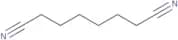
CAS:<p>1-Bromopentadecane-1-13C is a 13C labelled derivative of pentadecane that is used as a reactant in organic synthesis. It has been used to investigate the structural analysis of pyridinium, coumarin derivatives and alkynyl groups. This compound also has chain reaction properties and can be used to study the reactions of aromatic hydrocarbons. 1-Bromopentadecane-1-13C reacts with hydrogen chloride to form fatty acids, which are then converted into fatty acid chlorides by atp levels. The formation of these fatty acid chlorides is an important intermediate in the production of polychlorinated biphenyls (PCBs).</p>Formula:C15H31BrPurity:Min. 95%Molecular weight:292.31 g/molSuberonitrile
CAS:<p>Suberonitrile is a colorless liquid that is soluble in most organic solvents. It has an odor similar to that of acetic acid and is used as a solvent for paints, varnishes, and lacquers. Suberonitrile is also used as an electrolyte in electrochemical methods such as cyclic voltammetry. Suberonitrile has been shown to produce stable complexes with alkynyl groups and aliphatic hydrocarbons. This property can be exploited for the development of rechargeable batteries using suberonitrile-based electrolytes.</p>Formula:C8H12N2Purity:Min. 95%Molecular weight:136.2 g/mol1,6-Diiodohexane
CAS:<p>1,6-Diiodohexane is a monolayer compound that has been shown to emit fluorescence when excited by light. It is also used in the Suzuki coupling reaction as a 1,4-dienophile. This molecule can be synthesized from hexene and iodine or from methyl acrylate and dibromoiodobenzene. The model system for this molecule consists of two molecules of 1,6-diiodohexane joined by an azide bond. The molecules are arranged in a head-to-tail fashion with the proton on one end and the template molecule on the other end. The polymer film consists of alternating layers of polystyrene and poly(methyl methacrylate) with alternating layers of 1,6-diiodohexane.</p>Formula:C6H12I2Purity:Min. 95%Molecular weight:337.97 g/mol10-Benzyl-3,10-diazabicyclo[4.3.1]decane
CAS:Versatile small molecule scaffoldFormula:C15H22N2Purity:Min. 95%Molecular weight:230.35 g/mol4-(Furan-2-yl)thiazol-2-amine
CAS:<p>Versatile small molecule scaffold</p>Formula:C7H6N2OSPurity:Min. 95%Molecular weight:166.2 g/mol1-Bromoheptane
CAS:<p>1-Bromoheptane is a reactive compound that is used in the preparation of p-hydroxybenzoic acid, which is an intermediate in the synthesis of many natural compounds. 1-Bromoheptane has been shown to have biological properties and to inhibit mitochondrial membrane potential. It also causes cell lysis and hepatic steatosis in mice. This compound has been shown to inhibit the activity of enzymes such as acetylcholinesterase, butyrylcholinesterase, and carboxylesterase. 1-Bromoheptane can be used as a model for studying the effects on congestive heart failure by increasing cardiac workloads or decreasing myocardial contractility.</p>Formula:C7H15BrPurity:Min. 95%Molecular weight:179.1 g/mol1,5-Diiodopentane
CAS:<p>1,5-Diiodopentane is a new covid-19 that has been shown to have antibacterial activity. Covid-19s are synthesized by the reaction of 1,3-butadiene and styrene in the presence of copper (II) chloride. Covid-19s have low solubility in water and their antimicrobial activity is attributed to the formation of anions on the surface of the molecule that are able to react with bacteria. 1,5-Diiodopentane has been shown to be a metastable molecule; it rapidly decomposes at room temperature into hydrogen iodide and pentane. This compound has also been shown to have high catalytic rate for peroxy radicals in terms of activation energy. The electrochemical impedance spectroscopy data indicate that covid-19s have good bactericidal properties against Gram negative bacteria such as E. coli, but not against Gram positive bacteria such as Staphylococcus aureus.</p>Formula:C5H10I2Purity:Min. 95%Molecular weight:323.94 g/mol3-Chloro-1-benzothiophene-2-carbonitrile
CAS:Versatile small molecule scaffoldFormula:C9H4ClNSPurity:Min. 95%Molecular weight:193.65 g/mol1,5-Dichloropentane
CAS:<p>1,5-Dichloropentane is a synthetic chemical that has the formula C5H11Cl2. It is a liquid that is colorless and has a sweet odor. It is used as a solvent for resins and cellulose esters, in the production of nylon, and as an intermediate in organic synthesis. 1,5-Dichloropentane can be found in wastewater effluent from textile mills, paper mills, and other industrial facilities. The compound may be toxic if inhaled or ingested. 1,5-Dichloropentane binds to amine groups on proteins or amino acids on DNA molecules to form stable covalent linkages. It also forms ether linkages with various substrates including other chlorinated chemicals such as fluorine compounds (e.g., perfluorinated compounds). Chlorination of 1,5-dichloropentane leads to the formation of p-hydroxybenzoic acid which also</p>Formula:C5H10Cl2Purity:Min. 95%Molecular weight:141.04 g/molAmyl Acetate
CAS:<p>Amyl acetate is a reactive, volatile organic compound that is used in the manufacture of plasticizers, resins, and synthetic rubber. It is also used as a solvent for dyes and pigments, as well as a flavoring agent in food processing. Amyl acetate has been shown to have antimicrobial properties against human pathogens such as methicillin-resistant Staphylococcus aureus (MRSA), Escherichia coli, and Salmonella enterica. The antimicrobial activity of this molecule may be due to its ability to react with cellular components such as proteins and lipids. Amyl acetate also inhibits the growth of microorganisms by inhibiting their synthesis of essential biomolecules like amino acids and nucleic acids.</p>Formula:C7H14O2Purity:Min. 95%Molecular weight:130.19 g/molIsopentyl chloroformate
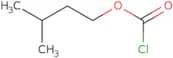
CAS:<p>Isopentyl chloroformate is an organic solvent which belongs to the group of chloroformates. It has a structure similar to that of spirodiclofen, a compound with antagonistic properties that can be used for the treatment of blood pressure and disorders in the central nervous system. The chloroformate functional group has been shown to have anti-inflammatory effects on tumor tissue. Isopentyl chloroformate can be used as a pharmaceutical preparation for the treatment of neurological diseases, such as Parkinson's disease, Alzheimer's disease, and multiple sclerosis.</p>Formula:C6H11ClO2Purity:Min. 95%Molecular weight:150.6 g/mol(3-Methylbutyl)urea
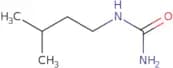
CAS:<p>(3-Methylbutyl)urea is a quinoline derivative that inhibits the growth of cancer cells by binding to and inhibiting the activity of the b-raf protein tyrosine kinase. This drug has been shown to inhibit the growth of muscle cells, which may be related to its ability to block programmed cell death. (3-Methylbutyl)urea also has been shown to exhibit strong anti-inflammatory properties in animal models. It is thought that this property is due to its ability to inhibit the production of TNF-α and other inflammatory mediators. (3-Methylbutyl)urea binds strongly with bile acids, forming an insoluble complex that prevents their reabsorption from the intestine. This effect can be exploited for treatment of certain autoimmune diseases by reducing bile acid levels in the intestine.</p>Formula:C6H14N2OPurity:Min. 95%Molecular weight:130.19 g/mol2-Methoxyethyl Chloroformate
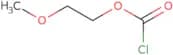
CAS:<p>2-Methoxyethyl chloroformate is an organic chemical compound that has a hydroxyl group. It is also known as 2-Methoxyethyl acetate or MEC. This substance can be used to produce other chemicals such as pharmaceuticals, pesticides, and herbicides. 2-Methoxyethyl chloroformate is used in the synthesis of peptides and proteins, which are important for cellular functions. The compound has been shown to have antimicrobial activity against gram positive bacteria such as Staphylococcus aureus and Streptococcus pyogenes, but is not active against gram negative bacteria such as Escherichia coli.<br>2-Methoxyethyl chloroformate has also been shown to be effective in the treatment of inflammatory pain caused by protease activity (e.g., inflammation) and trigeminal neuralgia (e.g., nerve pain).</p>Formula:C4H7ClO3Purity:Min. 85 Area-%Molecular weight:138.55 g/mol
![1-{4-[(2,2,2-Trifluoroethyl)sulfanyl]phenyl}ethan-1-one](/_next/image/?url=https%3A%2Fstatic.cymitquimica.com%2Fproducts%2F3D%2Fthumb-webp%2FDDC93964.webp&w=3840&q=75)

![1-{1-Methyl-1H-pyrazolo[3,4-d]pyrimidin-4-yl}-1H-pyrazole](/_next/image/?url=https%3A%2Fstatic.cymitquimica.com%2Fproducts%2F3D%2Fthumb-webp%2FDDC89660.webp&w=3840&q=75)
![2,6-Dichloro-4-methyl-11H-pyrido[2,1-b]quinazolin-11-one](/_next/image/?url=https%3A%2Fstatic.cymitquimica.com%2Fproducts%2F3D%2Fthumb-webp%2FDDC89314.webp&w=3840&q=75)
![N-[2-(3-Methylphenyl)ethyl]-3-(2-oxo-1,2-dihydroquinolin-3-yl)propanamide](/_next/image/?url=https%3A%2Fstatic.cymitquimica.com%2Fproducts%2F3D%2Fthumb-webp%2FDDC65350.webp&w=3840&q=75)
![[1-(2,2,2-Trifluoroethyl)-1H-pyrazol-5-yl]methanamine](/_next/image/?url=https%3A%2Fstatic.cymitquimica.com%2Fproducts%2F3D%2Fthumb-webp%2FDDC64083.webp&w=3840&q=75)
![5-[(2,2-Difluoroethoxy)methyl]-1-methyl-1H-pyrazol-3-amine](/_next/image/?url=https%3A%2Fstatic.cymitquimica.com%2Fproducts%2F3D%2Fthumb-webp%2FDDC64080.webp&w=3840&q=75)
![1-Methyl-5-[(3,3,3-trifluoropropoxy)methyl]-1H-pyrazol-3-amine](/_next/image/?url=https%3A%2Fstatic.cymitquimica.com%2Fproducts%2F3D%2Fthumb-webp%2FDDC64070.webp&w=3840&q=75)
![2-[4-Bromo-1-(propan-2-yl)-1H-pyrazol-5-yl]acetic acid](/_next/image/?url=https%3A%2Fstatic.cymitquimica.com%2Fproducts%2F3D%2Fthumb-webp%2FDDC64052.webp&w=3840&q=75)
![2-[1-(Pyridin-4-yl)piperidin-4-yl]ethan-1-amine](/_next/image/?url=https%3A%2Fstatic.cymitquimica.com%2Fproducts%2F3D%2Fthumb-webp%2FAAB43812.webp&w=3840&q=75)
![N-[(2,6-Difluorophenyl)methyl]cyclopropanamine](/_next/image/?url=https%3A%2Fstatic.cymitquimica.com%2Fproducts%2F3D%2Fthumb-webp%2FAAB43737.webp&w=3840&q=75)
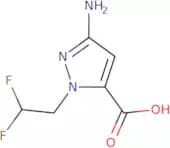
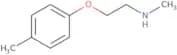
![1-Methyl-5-[(morpholin-4-yl)methyl]-1H-pyrazol-3-amine](/_next/image/?url=https%3A%2Fstatic.cymitquimica.com%2Fproducts%2F3D%2Fthumb-webp%2FDDC64042.webp&w=3840&q=75)
![N-[2-(4-Fluorophenyl)ethyl]cyclopropanamine](/_next/image/?url=https%3A%2Fstatic.cymitquimica.com%2Fproducts%2F3D%2Fthumb-webp%2FAAB43516.webp&w=3840&q=75)
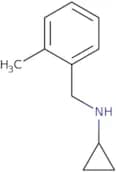
![N-[(3,5-Dimethoxyphenyl)methyl]aniline](/_next/image/?url=https%3A%2Fstatic.cymitquimica.com%2Fproducts%2F3D%2Fthumb-webp%2FAAB40759.webp&w=3840&q=75)
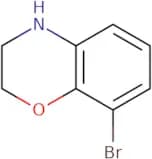
![2-[4-Bromo-1-(propan-2-yl)-1H-pyrazol-3-yl]acetic acid](/_next/image/?url=https%3A%2Fstatic.cymitquimica.com%2Fproducts%2F3D%2Fthumb-webp%2FDDC64038.webp&w=3840&q=75)
![1-Methyl-5-[(2,2,2-trifluoroethoxy)methyl]-1H-pyrazol-3-amine](/_next/image/?url=https%3A%2Fstatic.cymitquimica.com%2Fproducts%2F3D%2Fthumb-webp%2FDDC64031.webp&w=3840&q=75)
![N-[3-Oxo-3-(pyrrolidin-1-yl)propyl]acetamide](/_next/image/?url=https%3A%2Fstatic.cymitquimica.com%2Fproducts%2F3D%2Fthumb-webp%2FDDC59512.webp&w=3840&q=75)
![2-Methyl-1-{1-methyl-1H-pyrazolo[3,4-d]pyrimidin-4-yl}-1H-imidazole](/_next/image/?url=https%3A%2Fstatic.cymitquimica.com%2Fproducts%2F3D%2Fthumb-webp%2FDDC26083.webp&w=3840&q=75)
![6-chloro-[1,2,4]triazolo[4,3-b]pyridazin-3-amine](/_next/image/?url=https%3A%2Fstatic.cymitquimica.com%2Fproducts%2F3D%2Fthumb-webp%2FDCA89039.webp&w=3840&q=75)
![Potassium 1-[carbamoyl(hydroxy)amino]formamide (dicarbamoylamino)olate](/_next/image/?url=https%3A%2Fstatic.cymitquimica.com%2Fproducts%2F3D%2Fthumb-webp%2FDCA88600.webp&w=3840&q=75)
![[1,2,4]Triazolo[4,3-b]pyridazin-3-amine](/_next/image/?url=https%3A%2Fstatic.cymitquimica.com%2Fproducts%2F3D%2Fthumb-webp%2FDCA85445.webp&w=3840&q=75)
![7-Bromo-1,3,4,5-tetrahydro-benzo[b]azepin-2-one](/_next/image/?url=https%3A%2Fstatic.cymitquimica.com%2Fproducts%2F3D%2Fthumb-webp%2FDCA84199.webp&w=3840&q=75)
![7-Chloro-3H,4H-thieno[3,4-d]pyrimidin-4-one](/_next/image/?url=https%3A%2Fstatic.cymitquimica.com%2Fproducts%2F3D%2Fthumb-webp%2FDCA82683.webp&w=3840&q=75)
![3H,4H-Thieno[3,4-d]pyrimidin-4-one](/_next/image/?url=https%3A%2Fstatic.cymitquimica.com%2Fproducts%2F3D%2Fthumb-webp%2FDCA82673.webp&w=3840&q=75)
![2-[3-(4-Chlorophenyl)-1-phenyl-1H-pyrazol-4-yl]acetic acid](/_next/image/?url=https%3A%2Fstatic.cymitquimica.com%2Fproducts%2F3D%2Fthumb-webp%2FDCA80888.webp&w=3840&q=75)
![4-Chloro-N-[3-(dimethylamino)propyl]-3-nitrobenzene-1-sulfonamide](/_next/image/?url=https%3A%2Fstatic.cymitquimica.com%2Fproducts%2F3D%2Fthumb-webp%2FDCA80381.webp&w=3840&q=75)
![7,7-Dimethyl-6,7,8,9-tetrahydro-5H-benzo[7]annulen-5-one](/_next/image/?url=https%3A%2Fstatic.cymitquimica.com%2Fproducts%2F3D%2Fthumb-webp%2FDCA75566.webp&w=3840&q=75)

![2-(3-Hydroxypropyl)-2H,3H-[1,2,4]triazolo[4,3-a]pyridin-3-one](/_next/image/?url=https%3A%2Fstatic.cymitquimica.com%2Fproducts%2F3D%2Fthumb-webp%2FDCA68926.webp&w=3840&q=75)

![1,4-Diazabicyclo[3.2.2]nonan-3-one](/_next/image/?url=https%3A%2Fstatic.cymitquimica.com%2Fproducts%2F3D%2Fthumb-webp%2FDCA61911.webp&w=3840&q=75)
![4-[(2-Methylpropyl)sulfanyl]benzaldehyde](/_next/image/?url=https%3A%2Fstatic.cymitquimica.com%2Fproducts%2F3D%2Fthumb-webp%2FDCA60631.webp&w=3840&q=75)

![rac-(3R,4R)-1-[(tert-Butoxy)carbonyl]-4-fluoropyrrolidine-3-carboxylic acid](/_next/image/?url=https%3A%2Fstatic.cymitquimica.com%2Fproducts%2F3D%2Fthumb-webp%2FDBD82890.webp&w=3840&q=75)


![rac-tert-Butyl N-[(3R,4R)-4-(hydroxymethyl)oxolan-3-yl]carbamate](/_next/image/?url=https%3A%2Fstatic.cymitquimica.com%2Fproducts%2F3D%2Fthumb-webp%2FDBD43186.webp&w=3840&q=75)
![rac-(3R,4S)-4-{[(tert-Butoxy)carbonyl]amino}-1,1-dioxo-1λ6-thiolane-3-carboxylic acid](/_next/image/?url=https%3A%2Fstatic.cymitquimica.com%2Fproducts%2F3D%2Fthumb-webp%2FDBD42995.webp&w=3840&q=75)
![rac-2-[(3R,4S)-4-Hydroxyoxolan-3-yl]acetic acid](/_next/image/?url=https%3A%2Fstatic.cymitquimica.com%2Fproducts%2F3D%2Fthumb-webp%2FDBD42852.webp&w=3840&q=75)
![rac-tert-Butyl N-{[(3R,4R)-4-aminooxolan-3-yl]methyl}carbamate](/_next/image/?url=https%3A%2Fstatic.cymitquimica.com%2Fproducts%2F3D%2Fthumb-webp%2FDBD42806.webp&w=3840&q=75)
![rac-tert-Butyl N-{[(1R,2R)-2-aminocyclohexyl]methyl}carbamate](/_next/image/?url=https%3A%2Fstatic.cymitquimica.com%2Fproducts%2F3D%2Fthumb-webp%2FDBD42556.webp&w=3840&q=75)






![10-Benzyl-3,10-diazabicyclo[4.3.1]decane](/_next/image/?url=https%3A%2Fstatic.cymitquimica.com%2Fproducts%2F3D%2Fthumb-webp%2FDBB60091.webp&w=3840&q=75)