Building Blocks
This section contains fundamental products for the synthesis of organic and biological compounds. Building blocks are the essential starting materials used to construct complex molecules through various chemical reactions. They play a critical role in drug discovery, material science, and chemical research. At CymitQuimica, we offer a diverse range of high-quality building blocks to support your innovative research and industrial projects, ensuring you have the essential components for successful synthesis.
Subcategories of "Building Blocks"
- Boronic Acids & Boronic Acid Derivatives(5,756 products)
- Chiral Building Blocks(1,242 products)
- Hydrocarbon Building Blocks(6,095 products)
- Organic Building Blocks(61,037 products)
Found 196200 products of "Building Blocks"
Sort by
Purity (%)
0
100
|
0
|
50
|
90
|
95
|
100
7-Methoxy-2-oxo-1,2-dihydroquinoline-4-carboxylic acid
CAS:<p>Versatile small molecule scaffold</p>Formula:C11H9NO4Purity:Min. 95%Molecular weight:219.19 g/mol3-Iodobenzene-1-thiol
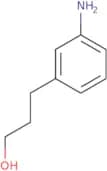
CAS:<p>Versatile small molecule scaffold</p>Formula:C6H5ISPurity:Min. 95%Molecular weight:236.08 g/mol3-(3-Aminophenyl)propan-1-ol
CAS:<p>Versatile small molecule scaffold</p>Formula:C9H13NOPurity:Min. 95%Molecular weight:151.21 g/mol(3,4,5-Triiodophenyl)methanol
CAS:<p>Versatile small molecule scaffold</p>Formula:C7H5I3OPurity:Min. 95%Molecular weight:485.83 g/molN-[4-(4-Methoxyphenyl)butan-2-ylidene]hydroxylamine
CAS:<p>Versatile small molecule scaffold</p>Formula:C11H15NO2Purity:Min. 95%Molecular weight:193.24 g/mol2-(2-Chloro-4-formylphenoxy)acetic acid
CAS:<p>Versatile small molecule scaffold</p>Formula:C9H7ClO4Purity:Min. 95%Molecular weight:214.6 g/molBenzyl Methyl Malnonate
CAS:<p>Benzyl Methyl Malnonate (BMM) is a polycarboxylic acid that has an inhibitory effect on the receptor binding of inorganic acids. It is used as a solid catalyst for the oxidative carbonylation of olefins and dienes. BMM can also be used to prepare heterocycles by the reaction of an active methylene with malonic acid and fluorine. The hydroxyl group on the benzyl methyl malonate molecule can undergo thermally induced oxidative carbonylation, which produces benzoic acid and formaldehyde.</p>Formula:C11H12O4Purity:Min. 95%Molecular weight:208.21 g/mol(4-Oxocyclohexyl)acetic acid
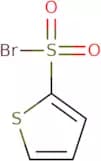
CAS:<p>(4-Oxocyclohexyl)acetic acid is an orthogonal molecule that has achiral properties. The carboxyl group (COOH) of the molecule is on the opposite side of the translationally symmetric O-C-C bond, which allows for conformational chains to form. This means that the molecule is asymmetrical and can be rotated in two ways. The carboxyl group also has a high affinity for hydrogen bonding.</p>Formula:C8H12O3Purity:Min. 95%Molecular weight:156.18 g/molThiophene-2-sulfonyl bromide
CAS:<p>Thiophene-2-sulfonyl bromide is an antimicrobial agent that is used in the treatment of skin infections. It has been shown to inhibit the growth of bacteria by binding to the thiophene ring. Thiophene-2-sulfonyl bromide binds to the c1-4 alkyl group and chloro, bromo, or fluoro substituents on the thiophene ring. The bromides on this molecule are responsible for its antimicrobial activity, as they disrupt bacterial cell membranes.</p>Formula:C4H3BrO2S2Purity:Min. 95%Molecular weight:227.1 g/molMethyl 2-(quinolin-2-yl)acetate
CAS:<p>Methyl 2-(quinolin-2-yl)acetate (MQAA) is a quinolizidine that is used as an intermediate in the synthesis of other compounds. It has been shown to cause a decrease in blood pressure by inhibiting cyclooxygenase activity and reducing the production of prostaglandins, which are responsible for vasoconstriction. MQAA also possesses esterase activity, which may be due to its methyl ester group. MQAA is converted into glycerol and methylester by esterases, which may have anti-inflammatory effects.</p>Formula:C12H11NO2Purity:Min. 95%Molecular weight:201.22 g/mol5-Chloro-4-(1,3-dioxo-2,3-dihydro-1H-isoindol-2-yl)-2-methoxybenzoic acid
CAS:<p>Versatile small molecule scaffold</p>Formula:C16H10ClNO5Purity:Min. 95%Molecular weight:331.7 g/mol4-(4-Chlorophenyl)-3-methyl-4-oxobutyric Acid
CAS:<p>4-(4-Chlorophenyl)-3-methyl-4-oxobutyric Acid is a colorless, oily liquid that has a pungent odor. It is used in the production of butyric acid esters and as a solvent in pharmaceuticals.</p>Formula:C11H11ClO3Purity:Min. 95%Molecular weight:226.66 g/mol4-(4-Chlorophenyl)-2-methyl-4-oxobutanoic acid
CAS:<p>4-(4-Chlorophenyl)-2-methyl-4-oxobutanoic acid is a monoclinic crystalline compound that is stabilized by hydrogen bonds. The molecules of this compound are arranged in a linear fashion and form dimers through the formation of hydrogen bonds. The molecule has a conformation that resembles the geometry of triclinic crystals, but it crystallizes in the monoclinic system. The photocyclization reaction can be induced by UV light and converts 4-(4-chlorophenyl)-2-methyl-4-oxobutanoic acid to its photochemically active form.</p>Formula:C11H11ClO3Purity:Min. 95%Molecular weight:226.65 g/mol4-(3-Aminophenyl)-4-oxobutanoic acid
CAS:<p>Versatile small molecule scaffold</p>Formula:C10H11NO3Purity:Min. 95%Molecular weight:193.2 g/mol4-(2,5-Dichlorophenyl)-4-oxobutanoic acid
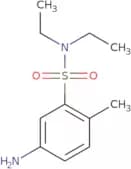
CAS:<p>Versatile small molecule scaffold</p>Formula:C10H8Cl2O3Purity:Min. 95%Molecular weight:247.07 g/mol5-Amino-N,N-diethyl-2-methylbenzene-1-sulfonamide
CAS:<p>Versatile small molecule scaffold</p>Formula:C11H18N2O2SPurity:Min. 95%Molecular weight:242.34 g/mol4-(Prop-2-en-1-yl)-4H-1,2,4-triazole-3-thiol
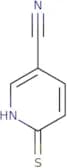
CAS:<p>Versatile small molecule scaffold</p>Formula:C5H7N3SPurity:Min. 95%Molecular weight:141.2 g/mol6-Sulfanylnicotinonitrile
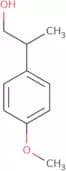
CAS:<p>Versatile small molecule scaffold</p>Formula:C6H4N2SPurity:Min. 95%Molecular weight:136.17 g/mol2-(4-Methoxyphenyl)propan-1-ol
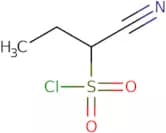
CAS:<p>Versatile small molecule scaffold</p>Formula:C10H14O2Purity:Min. 95%Molecular weight:166.22 g/mol1-Cyanopropane-1-sulfonyl chloride
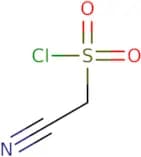
CAS:<p>Versatile small molecule scaffold</p>Formula:C4H6ClNO2SPurity:Min. 95%Molecular weight:167.61 g/molcyanomethanesulfonyl chloride
CAS:<p>Cyanomethanesulfonyl chloride is the precursor to a series of pharmaceuticals that are tyrosine kinase inhibitors. These compounds inhibit the growth and proliferation of cells by binding to the receptor tyrosine kinase, preventing it from activating and regulating other proteins. Cyanomethanesulfonyl chloride has been shown to inhibit inflammatory bowel disease in animal models. It also inhibits the production of amines and chloride, which may be responsible for its anti-inflammatory effects.</p>Formula:C2H2ClNO2SPurity:Min. 95%Molecular weight:139.6 g/mol2-Methyl-2-(methylsulfanyl)propanoic acid
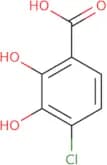
CAS:<p>Versatile small molecule scaffold</p>Formula:C5H10O2SPurity:Min. 95%Molecular weight:134.2 g/mol4-Chloro-2,3-dihydroxybenzoic acid
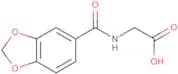
CAS:<p>4-Chloro-2,3-dihydroxybenzoic acid is an organic compound that is classified as a phenolic acid. It is used to treat bacterial infections, specifically those caused by pathogenic bacteria such as Pasteurella and Actinomyces. 4-Chloro-2,3-dihydroxybenzoic acid is a prodrug that can be metabolized in the body to form arginine and ornithine. This compound has antimicrobial activity against a number of different strains of microbes. It also has the ability to reduce the amount of microbial growth in the gastrointestinal tract by binding to arginine and ornithine, which are both essential for microbial metabolism.</p>Formula:C7H5ClO4Purity:Min. 95%Molecular weight:188.56 g/mol2-(1,3-Dioxaindan-5-ylformamido)acetic acid
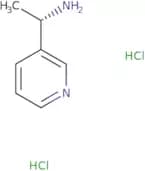
CAS:<p>Versatile small molecule scaffold</p>Formula:C10H9NO5Purity:Min. 95%Molecular weight:223.18 g/mol(S)-1-(Pyridin-3-yl)ethanamine
CAS:<p>(S)-1-(Pyridin-3-yl)ethanamine is a chiral, hydroxylamine derivative that acts as a catalyst for the asymmetric synthesis of pyridines. It is used in the preparation of enantiomerically pure (R)-(+)-2-hydroxy-3-pyridinecarboxylic acid and its derivatives. The catalytic enantioselective synthesis of (R)-(+)-2-hydroxy-3-pyridinecarboxylic acid has been achieved using this compound as a catalyst. This reaction can be carried out in tetrahydrofuran at room temperature with good to excellent yields.</p>Formula:C7H10N2Purity:Min. 95%Molecular weight:122.17 g/mol3-Benzyl-4-methyl-4H-1,2,4-triazole
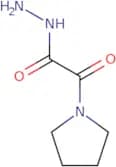
CAS:<p>Versatile small molecule scaffold</p>Formula:C10H11N3Purity:Min. 95%Molecular weight:173.21 g/mol2-Oxo-2-(pyrrolidin-1-yl)acetohydrazide
CAS:<p>Versatile small molecule scaffold</p>Formula:C6H11N3O2Purity:Min. 95%Molecular weight:157.17 g/mol4,4,6-Trimethyl-1,3-oxazinan-2-one
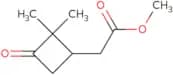
CAS:<p>Versatile small molecule scaffold</p>Formula:C7H13NO2Purity:Min. 95%Molecular weight:143.18 g/molMethyl 2-(2,2-dimethyl-3-oxocyclobutyl)acetate
CAS:<p>Versatile small molecule scaffold</p>Formula:C9H14O3Purity:Min. 95%Molecular weight:170.21 g/molEthyl trans-2-Hexenoate
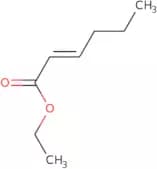
CAS:<p>Ethyl trans-2-Hexenoate is a natural compound that has been found to inhibit the absorption of drugs in the intestine. It has an inhibitory effect on the enzyme diethyl succinate, which is involved in drug metabolism. Ethyl trans-2-hexenoate also inhibits sulfonic acid and fatty acid synthesis. The mechanism of action may be due to its ability to bind to the intestinal surface and form a fatty acid layer that prevents drug absorption into the bloodstream. This natural compound has shown promising results in animal studies using a perfusion model of rat intestine and is currently being investigated for use as a drug delivery system.</p>Formula:C8H14O2Purity:Min. 95%Molecular weight:142.2 g/mol1-[2-(Hydroxymethyl)pyrrolidin-1-yl]ethan-1-one
CAS:<p>Versatile small molecule scaffold</p>Formula:C7H13NO2Purity:Min. 95%Molecular weight:143.18 g/molAzepane-1-carbonyl chloride
CAS:<p>Azepane-1-carbonyl chloride is a molecule that has been shown to be efficacious in the treatment of trypanosomiasis. It is a urea derivative that works by inhibiting the activity of a specific enzyme, adenylate kinase, which is essential for the metabolism of nucleotides and nucleosides. Azepane-1-carbonyl chloride binds to this enzyme and prevents it from converting ATP into AMP, which leads to cell death. This molecule has been shown to have antiviral properties against murine leukemia virus and trypanosoma cruzi. However, it does not seem to work as well on human cells. The efficacy of azepane-1-carbonyl chloride in vivo has also been demonstrated using an animal model. The effects of this molecule are dose dependent and there may be potential for optimization by changing its structure or metabolic stability.</p>Formula:C7H12ClNOPurity:Min. 95%Molecular weight:161.63 g/mol4-Methyl-2,1,3-benzoxadiazol-1-ium-1-olate
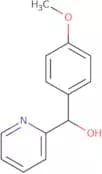
CAS:<p>Versatile small molecule scaffold</p>Formula:C7H6N2O2Purity:Min. 95%Molecular weight:150.13 g/mol(4-Methoxyphenyl)(pyridin-2-yl)methanol
CAS:<p>Versatile small molecule scaffold</p>Formula:C13H13NO2Purity:Min. 95%Molecular weight:215.25 g/molEthyl 2-oxo-1,2-dihydropyridine-3-carboxylate
CAS:<p>Versatile small molecule scaffold</p>Formula:C8H9NO3Purity:Min. 95%Molecular weight:167.16 g/mol1-Methyl-1H-1,2,3-benzotriazol-5-amine
CAS:<p>Versatile small molecule scaffold</p>Formula:C7H8N4Purity:Min. 95%Molecular weight:148.17 g/mol1-Methyl-1H-1,2,3-benzotriazol-4-amine
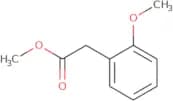
CAS:<p>Versatile small molecule scaffold</p>Formula:C7H8N4Purity:Min. 95%Molecular weight:148.17 g/mol2-Methoxyphenylacetic acid methyl ester
CAS:<p>2-Methoxyphenylacetic acid methyl ester is an enolate that is formed by the demethylation of cinchonidine. The proton of the methyl group can be displaced and 2-methoxyphenylacetic acid methyl ester becomes a nucleophile, attacking the electrophilic carbon atom in malonate to form an intermediate. The molecular modeling and optimized structures have been obtained using quantum mechanics calculations. The chloride ion is used as a counterion to stabilize the negative charge on the phenyl groups, which are substituted with isoflavonoid. Metal ions such as lithium cations are also important for stabilization purposes. Ammonium nitrate is used as an efficient method to produce this compound in high yield.</p>Formula:C10H12O3Purity:Min. 95%Molecular weight:180.2 g/mol1-Benzyl-3-bromobenzene
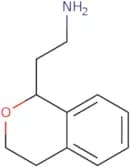
CAS:<p>Versatile small molecule scaffold</p>Formula:C13H11BrPurity:Min. 95%Molecular weight:247.13 g/mol2-(3,4-Dihydro-1H-2-benzopyran-1-yl)ethan-1-amine
CAS:<p>Versatile small molecule scaffold</p>Formula:C11H15NOPurity:Min. 95%Molecular weight:177.24 g/mol5-Oxa-7-azaspiro[3.4]octan-6-one
CAS:<p>Versatile small molecule scaffold</p>Formula:C6H9NO2Purity:Min. 95%Molecular weight:127.14 g/molEthyl 2-(1-hydroxycyclobutyl)acetate
CAS:<p>Versatile small molecule scaffold</p>Formula:C8H14O3Purity:Min. 95%Molecular weight:158.19 g/mol11-Aminoundecan-1-ol
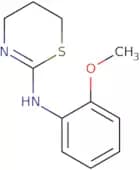
CAS:<p>11-Aminoundecan-1-ol is a bifunctional molecule that binds to the receptor and stabilizes it. It can be used as an antimicrobial agent against human pathogens, such as HIV, by preventing the virus from attaching to cells. 11-Aminoundecan-1-ol also has activity against plant viruses. This compound is an anhydroglucose with hydroxamic acid groups that are responsible for its antiviral properties and also contains a particle with azide functionalities. 11-Aminoundecan-1-ol has shown efficacy in inhibiting the replication of human Herpes simplex virus types 1 and 2 (HSV) in vitro, which may be due to its ability to bind to the HSV glycoprotein B envelope protein GP2.<br>11-Aminoundecan-1-ol can also bind to the receptor lysine and stabilize it. This binding prevents azides from reacting with l</p>Formula:C11H25NOPurity:Min. 95%Molecular weight:187.32 g/molN-(2-Methoxyphenyl)-5,6-dihydro-4H-1,3-thiazin-2-amine
CAS:<p>Versatile small molecule scaffold</p>Formula:C11H14N2OSPurity:Min. 95%Molecular weight:222.31 g/molN-(2-Chlorophenyl)-5,6-dihydro-4H-1,3-thiazin-2-amine
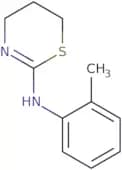
CAS:<p>Versatile small molecule scaffold</p>Formula:C10H11ClN2SPurity:Min. 95%Molecular weight:226.73 g/molN-(2-Methylphenyl)-5,6-dihydro-4H-1,3-thiazin-2-amine
CAS:<p>Versatile small molecule scaffold</p>Formula:C11H14N2SPurity:Min. 95%Molecular weight:206.31 g/mol4,5,6,7-Tetrahydro-benzo[d]isoxazol-3-ol
CAS:<p>4,5,6,7-Tetrahydro-benzo[d]isoxazol-3-ol (THI) is a chromatic integrating device that utilizes an algorithm and coding to update circuitry and devices. THI interacts with the optical vector techniques in order to position itself. The circuitry updates in response to the interaction with the optical vector techniques. THI can be utilized for many purposes such as updating bandwidth, devices, or interaction.</p>Formula:C7H9NO2Purity:Min. 95%Molecular weight:139.15 g/mol6-Aminonaphthalene-2-sulfonamide
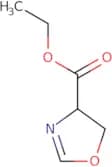
CAS:<p>Versatile small molecule scaffold</p>Formula:C10H10N2O2SPurity:Min. 95%Molecular weight:222.3 g/molEthyl 4,5-dihydro-1,3-oxazole-4-carboxylate
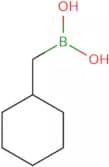
CAS:<p>Versatile small molecule scaffold</p>Formula:C6H9NO3Purity:Min. 95%Molecular weight:143.14 g/molCyclohexylmethylboronic acid
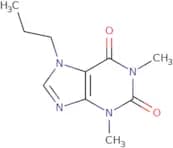
CAS:<p>Cyclohexylmethylboronic acid is a hydroxyalkyl, triazine, formyl, cyanoalkyl, carboxy, sulfur, triazines, heterocycle and alkoxycarbonyl. Cyclohexylmethylboronic acid has been shown to inhibit the growth of bacteria by inhibiting the enzyme DNA gyrase. It also inhibits protein synthesis by blocking the formation of aminoacyl-tRNA complexes. Cyclohexylmethylboronic acid is also able to bind to nitro groups and form a stable adduct with nitrogen atoms in other molecules.</p>Formula:C7H15BO2Purity:Min. 95%Molecular weight:142 g/mol1,3-Dimethyl-7-propyl-3,7-dihydro-1H-purine-2,6-dione
CAS:Controlled Product<p>Versatile small molecule scaffold</p>Formula:C10H14N4O2Purity:Min. 95%Molecular weight:222.24 g/mol(N-1,N-1)-2-Trimethyl-1,4-benzenediamine
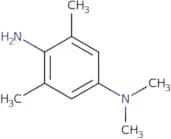
CAS:<p>Versatile small molecule scaffold</p>Formula:C9H14N2Purity:Min. 95%Molecular weight:150.22 g/mol1-N,1-N,3,5-Tetramethylbenzene-1,4-diamine
CAS:<p>Versatile small molecule scaffold</p>Formula:C10H16N2Purity:Min. 95%Molecular weight:164.25 g/mol5-Chloro-1H-pyrrole-2-carboxylic acid
CAS:<p>Versatile small molecule scaffold</p>Formula:C5H4ClNO2Purity:Min. 95%Molecular weight:145.54 g/mol4-Chloro-1H-pyrrole-2-carboxylic acid
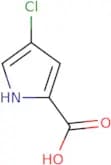
CAS:<p>4-Chloro-1H-pyrrole-2-carboxylic acid is an intermediate in the synthesis of pyrroles. It can be demethylated with formaldehyde and hydrochloric acid to 4-chloropyridine, or chlorinated with phosphorus pentachloride to 4-chloroquinoline.</p>Formula:C5H4ClNO2Purity:Min. 95%Molecular weight:145.54 g/molEthyl cyclobutylideneacetate
CAS:<p>Ethyl cyclobutylideneacetate is a compound that is used as an intermediate in the synthesis of pyrimidine compounds. It has autophagy-inducing activity and can stimulate the growth of epidermal cells. This compound has not been shown to have any direct effects on kinases, but it is known to act as a modulator for factors such as epidermal growth factor, which can regulate cell proliferation. Ethyl cyclobutylideneacetate is active in the presence of solvates and regulators. The tautomers of this compound are stereoisomers that are also homologues, with some polymorphs possible depending on the solvent conditions.</p>Formula:C8H12O2Purity:Min. 95%Molecular weight:140.18 g/molN-Methyl-N-[2-(methylamino)ethyl]acetamide
CAS:<p>Versatile small molecule scaffold</p>Formula:C6H14N2OPurity:Min. 95%Molecular weight:130.19 g/molMethyl 2-bromo-3-methoxypropionate
CAS:<p>Methyl 2-bromo-3-methoxypropionate is a nucleophilic alcohol. It has been used as a reagent in the preparation of an ether, diethyl ether, and hexane. Methyl 2-bromo-3-methoxypropionate is stable in the presence of light and heat, but reacts very quickly with water. The reaction time can be decreased by using dicarbonate or acetonitrile instead of water. This chemical is also used to study tumour growth and tumor development in animals.</p>Formula:C5H9BrO3Purity:Min. 95%Molecular weight:197.03 g/mol2,2-Dichloro-1-(3-nitrophenyl)ethan-1-one
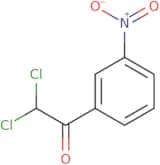
CAS:<p>Versatile small molecule scaffold</p>Formula:C8H5Cl2NO3Purity:Min. 95%Molecular weight:234.03 g/molCyclohexanecarbonyl isothiocyanate
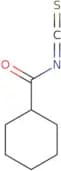
CAS:<p>Cyclohexanecarbonyl isothiocyanate (CHITC) is a reactive thiocyanation agent that can be used to modify proteins. CHITC reacts with amines in the presence of an organocatalyst to form a new molecule, N-isothiocyanato-L-cysteine. This reaction produces reactive intermediates that react with other amine groups on the same protein or with other proteins present in solution. This process has been shown to lead to the selective modification of proteins without affecting the biological activity of these proteins.</p>Formula:C8H11NOSPurity:Min. 95%Molecular weight:169.25 g/mol2-Amino-3-chloro-4-methylbenzoic acid
CAS:<p>Versatile small molecule scaffold</p>Formula:C8H8ClNO2Purity:Min. 95%Molecular weight:185.61 g/mol2-[(3-Methoxyphenyl)amino]benzoic acid
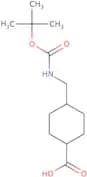
CAS:<p>Versatile small molecule scaffold</p>Formula:C14H13NO3Purity:Min. 95%Molecular weight:243.26 g/molBOC-Tranexamic acid
CAS:<p>Tranexamic acid is a small molecule inhibitor of the enzyme plasmin. It binds to the active site and blocks the binding of plasminogen, preventing its activation. Tranexamic acid has been shown to inhibit the activity of urokinase in rat experiments. Tranexamic acid also interacts with picolyl groups on proteins, which may be an important factor in its selectivity for plasmin. The tert-butyl group is a good leaving group, allowing for a high level of selectivity for plasmin.</p>Formula:C13H23NO4Purity:Min. 95%Molecular weight:257.33 g/molThieno[3,2-c]pyridin-4-ol
CAS:<p>Thieno[3,2-c]pyridin-4-ol is a thienopyridone that is an inhibitor of the bromodomain. It has been shown to inhibit the bromodomain, which is a protein domain that also binds acetylated histones. The inhibition of this domain leads to chromatin condensation and DNA compaction, inhibiting transcription and replication. Thieno[3,2-c]pyridin-4-ol has been shown to have anti-inflammatory effects in vivo and in vitro.</p>Formula:C7H5NOSPurity:Min. 95%Molecular weight:151.19 g/molMethyl 4-isocyanatobutanoate
CAS:<p>Versatile small molecule scaffold</p>Formula:C6H9NO3Purity:Min. 95%Molecular weight:143.14 g/molrac-(1R,6R)-Bicyclo[4.2.0]octan-7-one
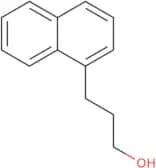
CAS:<p>Versatile small molecule scaffold</p>Formula:C8H12OPurity:Min. 95%Molecular weight:124.2 g/mol3-(Naphthalen-1-yl)propan-1-ol
CAS:<p>3-(Naphthalen-1-yl)propan-1-ol is a tannin isolated from the bark of the naphthalene tree. It has been shown to have hepatoprotective effects, normalizing hepatic enzyme activity and protecting against environmental pollution. 3-(Naphthalen-1-yl)propan-1-ol also has antidiabetic properties, and may act as an acetate extract by inhibiting the absorption of glucose in the gut. The laxative effect of 3-(Naphthalen-1-yl)propan-1-ol may be due to its ability to stimulate intestinal peristalsis.</p>Formula:C13H14OPurity:Min. 95%Molecular weight:186.25 g/mol(2-Methoxyphenyl)(pyridin-2-yl)methanol
CAS:<p>Versatile small molecule scaffold</p>Formula:C13H13NO2Purity:Min. 95%Molecular weight:215.25 g/mol1-(3-Bromopropyl)naphthalene
CAS:<p>Versatile small molecule scaffold</p>Formula:C13H13BrPurity:Min. 95%Molecular weight:249.15 g/mol2-(3-Bromopropyl)naphthalene
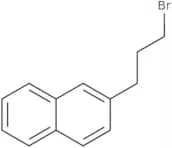
CAS:<p>Versatile small molecule scaffold</p>Formula:C13H13BrPurity:Min. 95%Molecular weight:249.15 g/mol3-Phenyl-1H-pyrrole
CAS:<p>3-Phenyl-1H-pyrrole is a haloalkyl that is used in the form of a reaction solution for electrochemical polymerization. The 3-phenyl-1H-pyrrole reacts with chlorine gas to form a chloride, which is then dehydrogenated to produce formamide. This process can be used as an alternative to microbicidal treatment. 3-Phenyl-1H-pyrrole has been shown to improve prostatic hypertrophy and bladder conditions when administrated in the form of an organic solvent.</p>Formula:C10H9NPurity:Min. 95%Molecular weight:143.18 g/mol2-(Adamantan-1-yl)-1-phenylethan-1-one
CAS:<p>Adamantane derivatives are a class of organic molecules that are stable in the solid state but undergo rapid decomposition in solution. Adamantane derivatives with labile functional groups, such as 2-(Adamantan-1-yl)-1-phenylethan-1-one, can be used to study the interaction of radicals and metal salts. The photocyclization reaction of 2-(Adamantan-1-yl)-1-phenylethan-1-one has also been studied by irradiation. A number of synthetic methods exist for the preparation of this compound, including its synthesis from phenacyl bromide and an amine.<br>2-(Adamantan-1-yl)-1-phenylethan-1-one is insoluble in water and has a low solubility in other solvents. It is chiral, which means that it will have two nonidentical mirror images (enantiomers).</p>Formula:C18H22OPurity:Min. 95%Molecular weight:254.4 g/mol1-(1,2,3-Thiadiazol-4-yl)ethan-1-one
CAS:<p>Versatile small molecule scaffold</p>Formula:C4H4N2OSPurity:Min. 95%Molecular weight:128.15 g/mol4-Hydroxy-N-methylbenzamide
CAS:<p>4-Hydroxy-N-methylbenzamide (4HMB) is an organic compound that consists of a benzene ring with a methyl group attached to the 4 position. It has been found to have amide, chloride and hydrogen bonding interactions with other molecules. The filtrate was collected by passing the reaction liquid through a filter paper. This stepwise process allowed for the isolation of 4HMB from the mixture of compounds called benzenes.</p>Formula:C8H9NO2Purity:Min. 95%Molecular weight:151.16 g/mol6-(4-Methoxyphenyl)-3-thioxo-3,4-dihydro-1,2,4-triazin-5(2H)-one
CAS:<p>Versatile small molecule scaffold</p>Formula:C10H9N3O2SPurity:Min. 95%Molecular weight:235.26 g/mol6-(4-Methylphenyl)-3-thioxo-3,4-dihydro-1,2,4-triazin-5(2H)-one
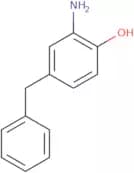
CAS:<p>Versatile small molecule scaffold</p>Formula:C10H9N3OSPurity:Min. 95%Molecular weight:219.27 g/mol2-Amino-4-benzylphenol
CAS:<p>Versatile small molecule scaffold</p>Formula:C13H13NOPurity:Min. 95%Molecular weight:199.25 g/mol4-Formyl-2-methylbenzonitrile
CAS:<p>Versatile small molecule scaffold</p>Formula:C9H7NOPurity:Min. 95%Molecular weight:145.16 g/mol3-Formyl-2-methylbenzonitrile
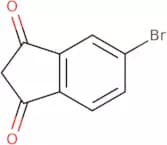
CAS:<p>Versatile small molecule scaffold</p>Formula:C9H7NOPurity:Min. 95%Molecular weight:145.16 g/mol5-bromo-2,3-dihydro-1H-indene-1,3-dione
CAS:<p>Versatile small molecule scaffold</p>Formula:C9H5BrO2Purity:Min. 95%Molecular weight:225.04 g/mol2-(Propan-2-yl)hexanoic acid
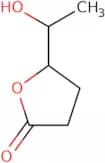
CAS:<p>2-(Propan-2-yl)hexanoic acid is a fatty acid with the chemical formula CH3CH(CO2H)CH2COOH. It is used as an emulsifier and plasticizer in food. 2-(Propan-2-yl)hexanoic acid is also used in cosmetics, pharmaceuticals, and textiles.</p>Formula:C9H18O2Purity:Min. 95%Molecular weight:158.24 g/mol5-(1-Hydroxyethyl)oxolan-2-one
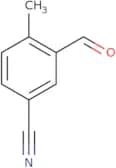
CAS:<p>5-(1-Hydroxyethyl)oxolan-2-one (5-HEOL) is a chiral compound. It is a potential new drug for the treatment of fungal infections. 5-HEOL has been shown to inhibit growth in vitro, and it also shows good efficacy in an animal model that mimics human infection with Candida albicans. This compound has been found to be safe and effective when administered orally to mice. The effect of 5-HEOL is stereoselective; it inhibits the growth of C. albicans yeast cells by blocking fatty acid synthesis at the level of transcription, while not affecting the production of fatty acids by mammalian cells.</p>Formula:C6H10O3Purity:Min. 95%Molecular weight:130.14 g/mol4-Formyl-3-methylbenzonitrile
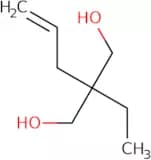
CAS:<p>4-Formyl-3-methylbenzonitrile is a glutamate antagonist that binds to metabotropic glutamate receptors, which inhibit the release of glutamate. It has been shown to be a potent and selective antagonist at mGluR1, with an IC50 of 3.3 μM. The potency of this drug was found to be 10 times lower than that of LY354740, another mGluR1 antagonist. Substituents on the 4-formyl group have been shown to affect the binding affinity and potency of this compound.</p>Formula:C9H7NOPurity:Min. 95%Molecular weight:145.16 g/mol2-Ethyl-2-(prop-2-en-1-yl)propane-1,3-diol
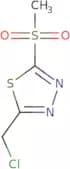
CAS:<p>Versatile small molecule scaffold</p>Formula:C8H16O2Purity:Min. 95%Molecular weight:144.21 g/mol2-(Chloromethyl)-5-methanesulfonyl-1,3,4-thiadiazole
CAS:<p>Versatile small molecule scaffold</p>Formula:C4H5ClN2O2S2Purity:Min. 95%Molecular weight:212.7 g/mol2-(Methylamino)-2-phenylethan-1-ol
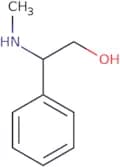
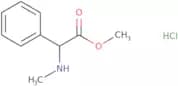
CAS:<p>Versatile small molecule scaffold</p>Formula:C9H13NOPurity:Min. 95%Molecular weight:151.21 g/molMethyl 2-(methylamino)-2-phenylacetate hydrochloride
CAS:<p>Versatile small molecule scaffold</p>Formula:C10H14ClNO2Purity:Min. 95%Molecular weight:215.67 g/molTricyclo[7.3.1.0,2,7]trideca-2,4,6-trien-13-one
CAS:<p>Versatile small molecule scaffold</p>Formula:C13H14OPurity:Min. 95%Molecular weight:186.25 g/mol4-Bromo-1,2,5-thiadiazol-3-amine
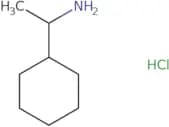
CAS:<p>Versatile small molecule scaffold</p>Formula:C2H2BrN3SPurity:Min. 95%Molecular weight:180.03 g/mol(1-Cyclohexylethyl)amine hydrochloride
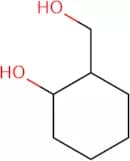
CAS:<p>Versatile small molecule scaffold</p>Formula:C8H18ClNPurity:Min. 95%Molecular weight:163.69 g/mol2-(Hydroxymethyl)cyclohexan-1-ol
CAS:<p>2-(Hydroxymethyl)cyclohexan-1-ol is a potassium salt that is used as an intermediate for the synthesis of other chemicals. It has been shown to be a strong inhibitor of the enzyme acetylcholinesterase in vitro, which leads to increased levels of acetylcholine and neurotransmission. The compound has also been shown to inhibit the growth of bacteria by inhibiting protein synthesis through an unknown mechanism. 2-(Hydroxymethyl)cyclohexan-1-ol is isolated from a variety of sources, including wood tar, coal tar, and petroleum.<br> 2-(Hydroxymethyl)cyclohexan-1-ol can be synthesized by solvolysis with potassium hydroxide or tetrafluoroborate followed by acetolysis with acetic anhydride.<br> Potassium acetate can also be used to synthesize 2-(hydroxymethyl)-cyclohexan-1-</p>Formula:C7H14O2Purity:Min. 95%Molecular weight:130.18 g/mol[5-(4-Chlorophenyl)-2H-tetrazol-2-yl]acetic acid
CAS:<p>Versatile small molecule scaffold</p>Formula:C9H7ClN4O2Purity:Min. 95%Molecular weight:238.63 g/mol5-methyl-1H-imidazo[4,5-b]pyridine
CAS:<p>Versatile small molecule scaffold</p>Formula:C7H6N3Purity:Min. 95%Molecular weight:132.14 g/mol7-Methyl-1H-imidazo[4,5-b]pyridine
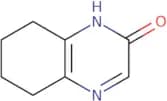
CAS:<p>7-Methyl-1H-imidazo[4,5-b]pyridine is an optimised molecule for the treatment of various cancers. It has a hydrophobic nature and can be used to prevent the spread of cancer cells through the body by blocking their ability to attach to other cells. The 7-Methyl-1H-imidazo[4,5-b]pyridine molecule is composed of a pyridine ring with a hydrogen atom at the 4th position and is capable of forming hydrogen bonding interactions with complementary molecules. This chemical also blocks DNA polymerase enzymes that are responsible for copying genetic information from DNA to RNA, which prevents cell division.</p>Formula:C7H7N3Purity:Min. 95%Molecular weight:133.15 g/mol1,2,5,6,7,8-Hexahydroquinoxalin-2-one
CAS:<p>1,2,5,6,7,8-Hexahydroquinoxalin-2-one is a stimulant that has been shown to be effective for the prophylaxis and/or treatment of diabetes. It is also a prophylactic agent for the prevention of pyrazinone. This drug has been shown to stimulate insulin secretion from pancreatic beta cells in vitro. 1,2,5,6,7,8-Hexahydroquinoxalin-2-one stimulates the release of insulin by stimulating exocytosis and inhibiting vesicle fusion in response to glucose. It can also inhibit or stimulate the release of insulin in response to other stimuli such as amino acids and fatty acids.</p>Formula:C8H10N2OPurity:Min. 95%Molecular weight:150.18 g/mol4-Cyano-4,4-dimethylbutanoic acid
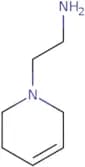
CAS:<p>Versatile small molecule scaffold</p>Formula:C7H11NO2Purity:Min. 95%Molecular weight:141.17 g/mol2-(1,2,3,6-Tetrahydropyridin-1-yl)ethan-1-amine
CAS:<p>Versatile small molecule scaffold</p>Formula:C7H14N2Purity:Min. 95%Molecular weight:126.2 g/molTricyclo[4.3.1.0,3,8]decan-4-one
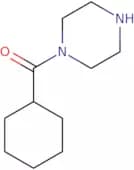
CAS:<p>Tricyclo[4.3.1.0,3,8]decan-4-one is a heterocyclic compound that has been used as an intermediate in pharmaceutical formulations. It is synthesized by the reaction of cyclopentadiene with oxirane and reacts with trimethylsilyl chloride to produce the corresponding sulfonium salt. Tricyclo[4.3.1.0,3,8]decan-4-one is also a synthetic precursor to hypoxia-targeted prodrugs that act via c1-4 alkyl and 1-4 alkyl intermediates to inhibit the growth of cancer cells.</p>Formula:C10H14OPurity:Min. 95%Molecular weight:150.22 g/mol1-(Cyclohexylcarbonyl)piperazine
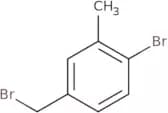
CAS:<p>Versatile small molecule scaffold</p>Formula:C11H20N2OPurity:Min. 95%Molecular weight:196.29 g/mol1-Bromo-4-(bromomethyl)-2-methylbenzene
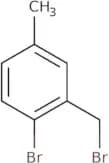
CAS:<p>Versatile small molecule scaffold</p>Formula:C8H8Br2Purity:Min. 95%Molecular weight:263.96 g/mol1-bromo-2-(bromomethyl)-4-methylbenzene
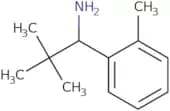
CAS:<p>Versatile small molecule scaffold</p>Formula:C8H8Br2Purity:Min. 95%Molecular weight:263.96 g/mol2,2-Dimethyl-1-(2-methylphenyl)propan-1-amine
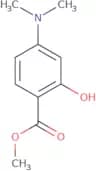
CAS:<p>Versatile small molecule scaffold</p>Formula:C12H19NPurity:Min. 95%Molecular weight:177.29 g/molMethyl 4-(dimethylamino)-2-hydroxybenzoate
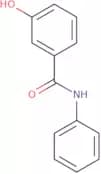
CAS:<p>Methyl 4-(dimethylamino)-2-hydroxybenzoate (DMAHB) is an organic compound that is used to detect the presence of aldehydes in air. It can be used as a shift reagent for the analysis of anthracene and other aromatic hydrocarbons. The fluorescence emission spectrum of DMAHB shifts from 380 nm to 430 nm when it interacts with aldehydes, which provides an easy way to identify the presence of these substances. DMAHB is also sensitive to amines, chlorides, and amide groups. An interesting property of this molecule is that it has two chromophores, which makes it useful for monitoring solvents during chemical reactions.</p>Formula:C10H13NO3Purity:Min. 95%Molecular weight:195.21 g/mol3-Hydroxy-N-phenylbenzamide
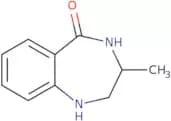
CAS:<p>Versatile small molecule scaffold</p>Formula:C13H11NO2Purity:Min. 95%Molecular weight:213.23 g/mol3-Methyl-2,3,4,5-tetrahydro-1H-1,4-benzodiazepin-5-one
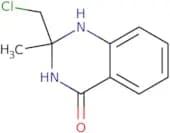
CAS:<p>Versatile small molecule scaffold</p>Formula:C10H12N2OPurity:Min. 95%Molecular weight:176.21 g/mol2-(Chloromethyl)-2-methyl-1,2,3,4-tetrahydroquinazolin-4-one
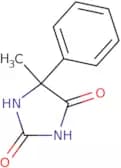
CAS:<p>Versatile small molecule scaffold</p>Formula:C10H11ClN2OPurity:Min. 95%Molecular weight:210.66 g/mol(5S)-5-Methyl-5-phenylimidazolidine-2,4-dione
CAS:<p>Versatile small molecule scaffold</p>Formula:C10H10N2O2Purity:Min. 95%Molecular weight:190.2 g/mol1,7,7-Trimethyl-2-methylidenebicyclo[2.2.1]heptane
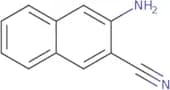
CAS:<p>1,7,7-Trimethyl-2-methylidenebicyclo[2.2.1]heptane is a cyclic terpene that is found in the essential oils of plants such as camphor and turpentine. In bacteria, 1,7,7-trimethyl-2-methylenebicyclo[2.2.1]heptane binds to the divalent metal ions and prevents them from being used by the enzymes responsible for phosphodiester bond formation during DNA replication or transcription. This results in an inhibition of bacterial growth. 1,7,7-trimethyl-2-methylenebicyclo[2.2.1]heptane is a synthetic compound that has been sequenced and synthesized with gram negative bacterium olivasterospora as a model organism. The kinetic parameters of 1,7,7-trimethyl-2-methylenebicyclo</p>Formula:C11H18Purity:Min. 95%Molecular weight:150.26 g/mol3-Aminonaphthalene-2-carbonitrile
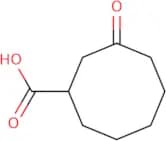
CAS:<p>Versatile small molecule scaffold</p>Formula:C11H8N2Purity:Min. 95%Molecular weight:168.19 g/mol3-Oxocyclooctane-1-carboxylic acid
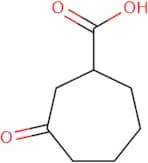
CAS:<p>Versatile small molecule scaffold</p>Formula:C9H14O3Purity:Min. 95%Molecular weight:170.21 g/mol3-Oxocycloheptane-1-carboxylic acid
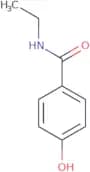
CAS:<p>Versatile small molecule scaffold</p>Formula:C8H12O3Purity:Min. 95%Molecular weight:156.18 g/molN-Ethyl-4-hydroxybenzamide
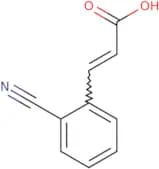
CAS:<p>Versatile small molecule scaffold</p>Formula:C9H11NO2Purity:Min. 95%Molecular weight:165.19 g/mol(2Z)-3-(2-Cyanophenyl)prop-2-enoic acid
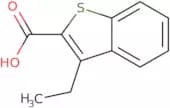
CAS:<p>(2Z)-3-(2-Cyanophenyl)prop-2-enoic acid is an organic compound that is used as a reagent in the analysis of amino acids. It can be prepared by reacting 2-cyanobenzaldehyde with propionic acid in the presence of a base. This reaction can be carried out on a preparative scale, or on a small scale for laboratory use. The compound can be analyzed by spectrometry and chromatography to determine its purity and sequence. This compound has been shown to have different stereoisomers that are distinguished by their mass spectra.</p>Formula:C10H7NO2Purity:Min. 95%Molecular weight:173.17 g/mol3-Ethyl-1-benzothiophene-2-carboxylic acid
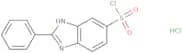
CAS:<p>Versatile small molecule scaffold</p>Formula:C11H10O2SPurity:Min. 95%Molecular weight:206.26 g/mol2-Phenyl-1H-1,3-benzodiazole-5-sulfonyl chloride hydrochloride
CAS:<p>Versatile small molecule scaffold</p>Formula:C13H10Cl2N2O2SPurity:Min. 95%Molecular weight:329.2 g/molTributyl(methoxymethyl)stannane
CAS:Controlled Product<p>Tributyl(methoxymethyl)stannane is a synthetic organo-tin compound that has antifungal, antiviral, and antibacterial properties. It is also used in the treatment of idiopathic pulmonary fibrosis, hepatitis, cirrhosis, heart disease, and scleroderma. Tributyl(methoxymethyl)stannane inhibits the synthesis of proteins by binding to the 30S ribosomal subunit through a number of mechanisms. It has been shown to inhibit the growth of many fungi including those that cause athlete's foot and ringworm. Tributyl(methoxymethyl)stannane also shows some promise as an anti-inflammatory agent.</p>Formula:C14H32OSnPurity:Min. 95%Molecular weight:335.1 g/mol2-(2-Nitrobenzenesulfonyl)acetic acid
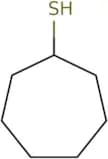
CAS:<p>Versatile small molecule scaffold</p>Formula:C8H7NO6SPurity:Min. 95%Molecular weight:245.21 g/molCycloheptanethiol
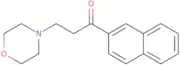
CAS:<p>Versatile small molecule scaffold</p>Formula:C7H14SPurity:Min. 95%Molecular weight:130.25 g/mol3-(Morpholin-4-yl)-1-(naphthalen-2-yl)propan-1-one
CAS:<p>Versatile small molecule scaffold</p>Formula:C17H19NO2Purity:Min. 95%Molecular weight:269.34 g/mol1',3'-Dihydrospiro[imidazolidine-4,2'-indene]-2,5-dione
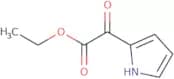
CAS:<p>Versatile small molecule scaffold</p>Formula:C11H10N2O2Purity:Min. 95%Molecular weight:202.21 g/molEthyl 2-oxo-2-(1H-pyrrol-2-yl)acetate
CAS:<p>Versatile small molecule scaffold</p>Formula:C8H9NO3Purity:Min. 95%Molecular weight:167.16 g/mol4-(Chloromethyl)-1,2-diethoxybenzene
CAS:<p>Versatile small molecule scaffold</p>Formula:C11H15ClO2Purity:Min. 95%Molecular weight:214.69 g/mol3-[(2-Methoxyphenyl)amino]propanenitrile
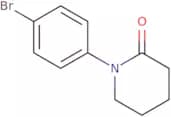
CAS:<p>Versatile small molecule scaffold</p>Formula:C10H12N2OPurity:Min. 95%Molecular weight:176.21 g/mol1-(4-Bromophenyl)piperidin-2-one
CAS:<p>Versatile small molecule scaffold</p>Formula:C11H12BrNOPurity:Min. 95%Molecular weight:254.13 g/mol1-(bis(4-chlorophenyl)methyl)piperazine
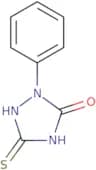
CAS:Controlled Product<p>1-(Bis(4-chlorophenyl)methyl)piperazine is a CB1 receptor antagonist that has been shown to bind with high affinity to the CB1 receptor. It has been shown to inhibit the binding of agonists, such as anandamide and CP55,940, to the cannabinoid receptors. 1-(Bis(4-chlorophenyl)methyl)piperazine has also been shown to have a higher affinity for the CB1 receptor than SR141716A, which is a selective CB1 receptor antagonist. The affinity of this drug for the cannabinoid receptor has been optimized in order to reduce its potential for side effects.<br>Cannabinoid receptors are found in many parts of the body including the brain and immune system. They are known to play a role in pain sensation, mood, memory and appetite control.</p>Formula:C17H18Cl2N2Purity:Min. 95%Molecular weight:321.25 g/mol1-Phenyl-3-sulfanyl-4,5-dihydro-1H-1,2,4-triazol-5-one
CAS:<p>Versatile small molecule scaffold</p>Formula:C8H7N3OSPurity:Min. 95%Molecular weight:193.23 g/mol(2S)-2-Amino-N-(2-hydroxyethyl)-4-methylpentanamide hydrochloride
CAS:<p>Versatile small molecule scaffold</p>Formula:C8H19ClN2O2Purity:Min. 95%Molecular weight:210.7 g/mol3-[Methyl(propan-2-yl)amino]propan-1-ol
CAS:<p>Versatile small molecule scaffold</p>Formula:C7H17NOPurity:Min. 95%Molecular weight:131.2 g/mol2-Amino-N-[(4-methoxyphenyl)methyl]acetamide hydrochloride
CAS:<p>Versatile small molecule scaffold</p>Formula:C10H15ClN2O2Purity:Min. 95%Molecular weight:230.69 g/mol4-Benzylpiperidine-2,6-dione
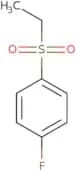
CAS:<p>Versatile small molecule scaffold</p>Formula:C12H13NO2Purity:Min. 95%Molecular weight:203.2 g/mol1-Ethanesulphonyl-4-fluorobenzene
CAS:<p>1-Ethanesulphonyl-4-fluorobenzene is a chemical compound that belongs to the group of fluorinated drugs. It has been used as a drug for the treatment of cancer and inflammatory diseases, such as epilepsy and inflammatory bowel disease. This polymer is biocompatible, which means it does not cause an adverse reaction in living tissue. 1-Ethanesulphonyl-4-fluorobenzene has a wide spectrum of biological properties and is able to inhibit water vapor transport through occlusive polymer matrices. The use of this polymer can be beneficial in the development of new drug delivery systems because it has low toxicity and high stability.</p>Formula:C8H9FO2SPurity:Min. 95%Molecular weight:188.22 g/mol2-(2-Fluoro-phenoxy)-ethanol
CAS:<p>Versatile small molecule scaffold</p>Formula:C8H9FO2Purity:Min. 95%Molecular weight:156.16 g/molOxiranemethanamine, N,N-diethyl-
CAS:<p>Oxirane-methanamine, N,N-diethyl (ODME) is a surface active agent that can be used in the treatment of cancer. It is also a hydrophobic molecule that has been shown to bind to cellulose derivatives and sodium carbonate. ODME has been shown to have an optimal reaction at pH 7 and a reaction time of 3 minutes. The ODME molecule can form base with the amines present in the tissue and this leads to cellular damage. ODME is linear polymer and its structure can be seen below:</p>Formula:C7H15NOPurity:Min. 95%Molecular weight:129.2 g/molN-(1-Phenylethyl)hydroxylamine
CAS:<p>N-(1-Phenylethyl)hydroxylamine is a research chemical that belongs to the class of oximes. It has been shown to react with a variety of amines and lipoxygenase in the presence of p-toluenesulfonic acid to form an N-hydroxyamino derivative. This reaction is stereospecific and enantioselective, which means it will only take place when the chiral center is on one side of the molecule. The hydroxylamine group is also synthesized by a novel asymmetric synthesis method involving ketones. This synthetic process uses tert-butyl and primary amines, which are racemized during the reaction.</p>Formula:C8H11NOPurity:Min. 95%Molecular weight:137.18 g/mol2-Hydroxy-3-nitrobenzamide
CAS:<p>2-Hydroxy-3-nitrobenzamide is a cyclic, layered amide with the formula (NHCH)CO. It is a polymeric compound that has been shown to be effective in the treatment of bovine heart arrhythmia and as an antiarrhythmic agent in mice. 2-Hydroxy-3-nitrobenzamide can be synthesized by oxidative nitration of 2-aminoanisole followed by hydrolysis of the resulting nitro group. This compound also reacts with amines to form dimers and hydrogen bonding can occur between its nitro group and amino group.</p>Formula:C7H6N2O4Purity:Min. 95%Molecular weight:182.13 g/mol±-Chlorophenylacetyl Chloride
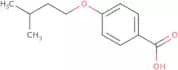
CAS:<p>±-Chlorophenylacetyl Chloride is a chemical reagent that is used in organic chemistry. It reacts with tetronic acid to form a ruthenium complex, which can be used as a catalyst for organic reactions. It has been shown to react with n-dimethyl formamide and sodium chloride, forming an insoluble precipitate. The rate of reaction depends on the morphology of the reactant and whether it is soluble or not. The reactive properties of ±-chlorophenylacetyl chloride are due to its chlorine atom, which forms a stable bond with a carbon atom on the reactant. This product has been shown to have low expression levels in Chinese herbs and fetal bovine serum when compared to subtilis.</p>Formula:C8H6Cl2OPurity:Min. 95%Molecular weight:189.04 g/mol4-(Isopentyloxy)benzenecarboxylic acid
CAS:<p>Versatile small molecule scaffold</p>Formula:C12H16O3Purity:Min. 95%Molecular weight:208.25 g/molN,N-Dimethylethanimidamide hydrochloride
CAS:Controlled Product<p>Versatile small molecule scaffold</p>Formula:C4H11ClN2Purity:Min. 95%Molecular weight:122.6 g/mol5-(Bromomethyl)-2-methylpyrimidin-4-amine hydrobromide
CAS:<p>Versatile small molecule scaffold</p>Formula:C6H9Br2N3Purity:Min. 95%Molecular weight:282.97 g/mol2-(Dicyclohexylamino)-N-(4-{4-[2-(dicyclohexylamino)acetamido]benzenesulfonyl}phenyl)acetamide
CAS:<p>Versatile small molecule scaffold</p>Formula:C40H58N4O4SPurity:Min. 95%Molecular weight:691 g/molDiethyl (2-oxooxolan-3-yl)phosphonate
CAS:<p>Versatile small molecule scaffold</p>Formula:C8H15O5PPurity:Min. 95%Molecular weight:222.18 g/mol2,3-Dichlorobenzoyl chloride
CAS:<p>2,3-Dichlorobenzoyl chloride is an organic compound that is used as a pharmacological agent. It is a benzimidazole derivative with amide and fatty acid substituents. 2,3-Dichlorobenzoyl chloride has been shown to increase insulin sensitivity in rats by affecting the hypothalamic-pituitary-adrenal axis. This compound also has anti-inflammatory properties and can be used for the treatment of inflammatory diseases such as atherosclerotic cardiovascular disease.</p>Formula:C7H3Cl3OPurity:Min. 95%Molecular weight:209.46 g/mol1-Benzylpiperidine
CAS:<p>1-Benzylpiperidine is a drug that inhibits the enzyme acetylcholinesterase, which is responsible for breaking down the neurotransmitter acetylcholine. It has been shown to be effective in treating bowel disease and is being investigated as a potential treatment for autoimmune diseases, including multiple sclerosis. 1-Benzylpiperidine has also been found to be effective in preventing neuronal death in an animal model of Alzheimer's disease. The molecular docking analysis of 1-benzylpiperidine revealed that it binds to the active site of acetylcholinesterase by steric interactions with a nitrogen atom in the active site. This binding prevents access of acetylcholine and other inhibitors to the active site of acetylcholinesterase, thereby inhibiting its activity.</p>Formula:C12H17NPurity:Min. 95%Molecular weight:175.28 g/mol2-({4-Chloro-6-[(propan-2-yl)amino]-1,3,5-triazin-2-yl}amino)ethan-1-ol
CAS:<p>Versatile small molecule scaffold</p>Formula:C8H14ClN5OPurity:Min. 95%Molecular weight:231.68 g/molEthyl N-(2,6-Dimethylphenyl)oxamate
CAS:<p>Versatile small molecule scaffold</p>Formula:C12H15NO3Purity:Min. 95%Molecular weight:221.25 g/mol2,2-Diphenylhexanoic acid
CAS:<p>Versatile small molecule scaffold</p>Formula:C18H20O2Purity:Min. 95%Molecular weight:268.3 g/molN-Acetyl-dl-tyrosine
CAS:<p>N-Acetyl-dl-tyrosine is a biologically active form of tyrosine that inhibits the activity of protein tyrosine phosphatases. It has been shown to inhibit the acylation reaction of acetylcholine esterase, which leads to the accumulation of acetylcholine in the synaptic cleft and enhances its effects on postsynaptic receptors. N-Acetyl-dl-tyrosine also binds to metal ions such as copper, zinc, or iron and can be used in metal chelation therapy. The drug has been shown to produce light emission when exposed to UV radiation and has been used for detection of biochemical abnormalities.</p>Formula:C11H13NO4Purity:Min. 95%Molecular weight:223.23 g/mol2,4-Diphenylbutanoic acid
CAS:<p>Versatile small molecule scaffold</p>Formula:C16H16O2Purity:Min. 95%Molecular weight:240.3 g/mol3-(4-Chlorophenyl)-2-phenylpropanoic acid
CAS:<p>Versatile small molecule scaffold</p>Formula:C15H13ClO2Purity:Min. 95%Molecular weight:260.71 g/molEthyl 2-(4-methoxyphenyl)-2-methylpropanoate
CAS:<p>Versatile small molecule scaffold</p>Formula:C13H18O3Purity:Min. 95%Molecular weight:222.28 g/mol7-Bromo-5-phenyl-2,3-dihydro-1H-1,4-benzodiazepin-2-one
CAS:Controlled Product<p>Versatile small molecule scaffold</p>Formula:C15H11BrN2OPurity:Min. 95%Molecular weight:315.16 g/mol1-(3-Chloro-4-hydroxyphenyl)propan-1-one
CAS:<p>1-(3-Chloro-4-hydroxyphenyl)propan-1-one is an unlabelled, radioactive compound. It is a chemical intermediate for the synthesis of butylamino and other organic compounds.</p>Formula:C9H9ClO2Purity:Min. 95%Molecular weight:184.62 g/mol5'-Chloro-2'-hydroxypropiophenone
CAS:<p>Versatile small molecule scaffold</p>Formula:C9H9ClO2Purity:Min. 95%Molecular weight:184.62 g/mol2-(Piperidine-1-carbonyl)phenol
CAS:<p>Versatile small molecule scaffold</p>Formula:C12H15NO2Purity:Min. 95%Molecular weight:205.25 g/mol1-(1-Methylcyclohexyl)ethanone
CAS:<p>1-(1-Methylcyclohexyl)ethanone is an unsaturated ketone that is used for the production of fatty acid esters. It is also a volatile compound, which means it evaporates easily. The most significant use of 1-(1-Methylcyclohexyl)ethanone is in the production of carbinols and fatty acids. In addition, 1-(1-Methylcyclohexyl)ethanone has been shown to be photosensitized by uv irradiation and liquefaction. The mechanism of how this compound works is not yet fully understood; however, it has been found to inhibit the growth of aspergillus flavus and sulphureus in laboratory studies.</p>Formula:C9H16OPurity:Min. 95%Color and Shape:PowderMolecular weight:140.22 g/mol1-(4-Hydroxy-2-methylphenyl)propan-1-one
CAS:<p>Versatile small molecule scaffold</p>Formula:C10H12O2Purity:Min. 95%Molecular weight:164.2 g/mol1-(2-Hydroxy-4-methylphenyl)propan-1-one
CAS:<p>1-(2-Hydroxy-4-methylphenyl)propan-1-one is an alkylphenol that is used in the production of polymers and as a precursor for other chemicals. It has a dienone structure, which means it has two double bonds in the same plane. The two methyl groups give it an isomeric ratio of 1:1. Alkylphenols have been reinvestigated for their use in polymerization reactions because of their kinetic stability and lack of rearrangements. This chemical reacts with lanthanide ions to form complexes such as [Ln(CHCOO)]. The alkyl groups on the molecule are important for its use as a precursor in the production of polymers and other chemicals.</p>Formula:C10H12O2Purity:Min. 95%Molecular weight:164.2 g/mol(2E)-3-(2-Cyanophenyl)prop-2-enoic acid
CAS:<p>2-Cyanophenylacetic acid (2CAPA) is a mitochondrial matrix stabilizer that acts as an antioxidant by binding to the hydroxyl and amino groups of fatty acids. It is used to protect against lipid peroxidation in muscle tissue and human erythrocytes. 2CAPA has been shown to have a protective effect on mitochondria, which are cells' powerhouses. It reversibly binds to the mitochondrial membrane and prevents its oxidation, thereby preventing cell death. This drug also has affinity for the cell membrane of resistant bacteria and inhibits fatty acid synthesis in the cytoplasmic membrane of these bacteria. The hydroxyl group on 2CAPA can react with nucleophilic groups on proteins, such as aldehyde dehydrogenase, leading to inhibition of enzymes involved in mitochondrial respiration.</p>Formula:C10H7NO2Purity:Min. 95%Molecular weight:173.17 g/mol2-Bromo-3-phenylpyrazine
CAS:<p>Versatile small molecule scaffold</p>Formula:C10H7BrN2Purity:Min. 95%Molecular weight:235.08 g/mol8-(hydroxymethyl)-1,3-dimethyl-1H-purine-2,6(3H,7H)-dione
CAS:<p>Versatile small molecule scaffold</p>Formula:C8H10N4O3Purity:Min. 95%Molecular weight:210.19 g/molMethyl 2-naphthylacetate
CAS:<p>Methyl 2-naphthylacetate is a prenylated aromatic compound that is used as an intermediate in the synthesis of leucovorin, an analogue of folic acid. It has been shown to be effective in the treatment of benzofurans and aldehydes. Methyl 2-naphthylacetate binds with high affinity to cationic surfactants and chiral salts. This compound has also been used as a radical chain initiator for the synthesis of benzofurans and aldehydes, as well as being detected at high concentrations in plasma samples by nmr spectroscopy.</p>Formula:C13H12O2Purity:Min. 95%Molecular weight:200.23 g/molEthyl 2-(naphthalen-2-yl)acetate
CAS:<p>Ethyl 2-(naphthalen-2-yl)acetate is an organic compound that is a colorless liquid with a pleasant, fruity odor. It has the molecular formula C10H12O2 and it consists of an ethyl group attached to an acetate group. This product is used in the synthesis of other compounds and as a solvent for dyes and resins. Ethyl 2-(naphthalen-2-yl)acetate can be synthesized by substituting chloride for bromide in the reaction between methanol and naphthalene. The substitution can also be accomplished by adding potassium hydroxide or sodium hydroxide to the reaction mixture.</p>Formula:C14H14O2Purity:Min. 95%Molecular weight:214.26 g/mol2,2-Dimethyldodecanoic acid
CAS:<p>2,2-Dimethyldodecanoic acid is a fatty acid ester that is prepared by the reaction of malonic acid with a fatty acid. It has been used as a lubricant and in the production of liquid crystals. 2,2-Dimethyldodecanoic acid has been shown to have efficient methods for biomolecular labeling and immobilization. This compound also exhibits amide-like properties and has functional groups such as hydroxyl, carboxylic acid, and aliphatic chains. The structure of 2,2-Dimethyldodecanoic acid is constant throughout its transformation from an acidic form to a more neutral form. Slow release may be achieved through this process because the molecule maintains its shape after being converted into a neutral state.</p>Formula:C14H28O2Purity:Min. 95%Molecular weight:228.37 g/mol2-Benzylcyclopentanone
CAS:<p>Loxoprofen sodium is a nonsteroidal anti-inflammatory drug that has been shown to inhibit the production of prostaglandins. 2-Benzylcyclopentanone is a natural toxin found in plants, which can be extracted from the seeds of plants like alfalfa and parsley. It is used as an intermediate for the synthesis of loxoprofen sodium. The toxic effects of 2-benzylcyclopentanone are due to its ability to inhibit membrane conductance by binding to amines and chloride ions. In high concentrations, it can lead to homochiral molecules and induce loxoprofen sodium formation.</p>Formula:C12H14OPurity:Min. 95%Molecular weight:174.24 g/molN-(4-Chlorophenyl)benzenecarboxamide
CAS:<p>N-(4-Chlorophenyl)benzenecarboxamide (PCBAA) is a reactive amide. It is used to prepare the corresponding acid chloride, which can be reacted with alcohols or amines to form esters and amides respectively. The rate of the reaction between PCBAA and water is linearly dependent on the concentration of PCBAA. The reaction is first order in both reactants and second order overall. The theory behind this chemical reaction is called nucleophilic attack theory, in which a nucleophile attacks an electrophilic carbon atom in an organic molecule. This mechanism occurs when a nucleophile such as water or alcohol attacks the carbonyl group of PCBAA, leading to a nucleophilic addition.</p>Formula:C13H10ClNOPurity:Min. 95%Molecular weight:231.68 g/mol2-[(4-Chlorophenyl)methyl]cyclopentan-1-one
CAS:<p>Versatile small molecule scaffold</p>Formula:C12H13ClOPurity:Min. 95%Molecular weight:208.68 g/mol2-[(2-Methoxyphenyl)methyl]cyclopentan-1-one
CAS:<p>Versatile small molecule scaffold</p>Formula:C13H16O2Purity:Min. 95%Molecular weight:204.26 g/mol2-(Bromomethyl)-3-methoxy-4H-pyran-4-one
CAS:<p>Versatile small molecule scaffold</p>Formula:C7H7BrO3Purity:Min. 95%Molecular weight:219.03 g/molBML-190
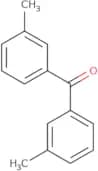
CAS:<p>BML-190 is a quinoline compound that inhibits the growth of cancer cells. It has antimicrobial activity and can bind to the CB2 receptor on cells, preventing the binding of endogenous cannabinoids. BML-190 also blocks the production of certain growth factors and erythropoietin, which may inhibit tumor proliferation. BML-190 has been shown to have anti-inflammatory properties in animal models. This drug has been shown to have anticancer effects in rat liver microsomes and colorectal carcinoma cells in vitro. BML-190 is not active against cryptococcus neoformans, although it inhibits pluripotent stem cell growth in vitro.</p>Formula:C23H23ClN2O4Purity:Min. 95%Molecular weight:426.89 g/molBis(3-methylphenyl)methanone
CAS:<p>The molecule is a benzene with two methyl groups at the 3 and 5 positions. The dipole moment of this molecule is 0.6 D, which means that it can be oriented in two different ways. Molecular conformations are analysed by calculating the energy of the molecule when it is rotated around its axis. This molecule has three possible conformations, with two of them being more stable than the other one.</p>Formula:C15H14OPurity:Min. 95%Molecular weight:210.27 g/molo-[2-(Dimethylamino)ethyl]hydroxylamine dihydrochloride
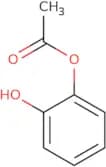
CAS:<p>Versatile small molecule scaffold</p>Formula:C4H14Cl2N2OPurity:Min. 95%Molecular weight:177.07 g/mol2-Hydroxyphenyl acetate
CAS:<p>2-Hydroxyphenyl acetate (2HPA) is a phenolic compound that has been shown to inhibit the growth of prostate cancer cells in vitro. 2HPA inhibits the activity of two enzymes, hydroxylase and transketolase, which are involved in energy metabolism and collagen synthesis. 2HPA also induces apoptosis in prostate cancer cells by activating caspases and inhibiting DNA synthesis. Studies have shown that 2HPA may be effective against fungal infections by inhibiting cell growth. This compound also has anti-inflammatory properties and may be beneficial for those with osteoporosis by stimulating the production of new bone cells. 2HPA has been shown to stimulate the release of neurotransmitters, such as acetylcholine, glutamate, GABA, dopamine, norepinephrine and serotonin from mouse hippocampal neurons. It also inhibits the phosphorylation of cyclic AMP response element binding protein (CREB) to block CREB-mediated</p>Formula:C8H8O3Purity:Min. 95%Molecular weight:152.15 g/mol6-(Morpholin-4-yl)-9H-purine
CAS:<p>6-(Morpholin-4-yl)-9H-purine is a carbocyclic nucleoside that has been synthesized and its antiviral properties have been investigated. It has been shown to be damaging to cells and has potent inhibition of tumor cell proliferation. 6-(Morpholin-4-yl)-9H-purine is a synthetic compound that binds to the ribosome, inhibiting protein synthesis, which inhibits the production of proteins vital for cell division. 6-(Morpholin-4-yl)-9H-purine also interacts with kinases, blocking their activity by binding to the ATP site on the enzyme, preventing ATP hydrolysis and leading to cell death by apoptosis.</p>Formula:C9H11N5OPurity:Min. 95%Molecular weight:205.22 g/molThiazolo[5,4-d]pyrimidin-7-amine
CAS:<p>Versatile small molecule scaffold</p>Formula:C5H4N4SPurity:Min. 95%Molecular weight:152.18 g/mol3-Amino-2,2-dimethylpropanoic acid hydrochloride
CAS:<p>Versatile small molecule scaffold</p>Formula:C5H11NO2·HClPurity:Min. 95%Molecular weight:153.61 g/molEthyl 3-bromo-2,2-dimethylpropanoate
CAS:<p>Versatile small molecule scaffold</p>Formula:C7H13BrO2Purity:Min. 95%Molecular weight:209.08 g/mol2,2-Dimethyl-5-phenylpentanoic acid
CAS:<p>Versatile small molecule scaffold</p>Formula:C13H18O2Purity:Min. 95%Molecular weight:206.28 g/mol5-Methoxy-4,4-dimethyl-5-oxopentanoic Acid
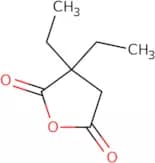
CAS:<p>Versatile small molecule scaffold</p>Formula:C8H14O4Purity:Min. 95%Molecular weight:174.19 g/mol3,3-Diethyloxolane-2,5-dione
CAS:<p>Versatile small molecule scaffold</p>Formula:C8H12O3Purity:Min. 95%Molecular weight:156.18 g/mol2-Methyl-5-phenylbenzoic acid
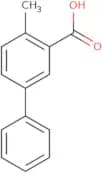
CAS:<p>Versatile small molecule scaffold</p>Formula:C14H12O2Purity:Min. 95%Molecular weight:212.24 g/mol8-Aminonaphthalen-1-ol
CAS:<p>8-Aminonaphthalen-1-ol is a synthetic product that is used in the production of nitrobenzene. It is made by reacting sodium carbonate, hydrogen chloride and sodium hydroxide in a liquid chromatograph. The reaction system is heated to 100°C and then cooled to 0°C with the addition of nitric acid. This product has been used for wastewater treatment as it has shown to be effective in removing chlorine from wastewater (chlorides). 8-Aminonaphthalen-1-ol also reduces the concentration of magnesium ions in water when added as a salt.</p>Formula:C10H9NOPurity:Min. 95%Molecular weight:159.18 g/molN2,N4,N6-Trimethyl-1,3,5-triazine-2,4,6-triamine
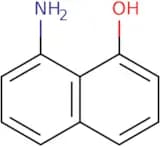
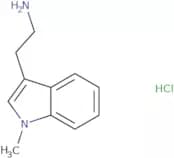
CAS:<p>Trimetazidine is a drug that belongs to the group of anti-cancer drugs, and it has been shown to inhibit tumor growth in xenografts. It inhibits lipid kinase, which is involved in the phospholipid metabolic pathway, and blocks the synthesis of phosphatidylinositol 3-phosphate hydrolysis. Trimetazidine has also been shown to have potent anti-inflammatory properties.</p>Formula:C6H12N6Purity:Min. 95%Molecular weight:168.2 g/mol(3-(2-Aminoethyl)-1-methylindole) dihydrochloride
CAS:Controlled Product<p>(3-(2-Aminoethyl)-1-methylindole) dihydrochloride is a drug that has been used to study serotonin receptors in the brain. It has been shown to bind to 5-HT1A, 5-HT2 and 5-HT6 receptors. This drug also binds to amine receptors in the cerebral cortex of rats. The drug is a phenylalkylamine with a ring system and homologs.</p>Formula:C11H16Cl2N2Purity:Min. 95%Molecular weight:247.16 g/mol2-{[4-(Dimethylamino)phenyl]methylidene}propanedinitrile
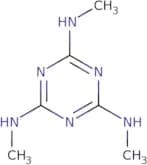
CAS:<p>2-{[4-(Dimethylamino)phenyl]methylidene}propanedinitrile (DMPPD) is a chromophore that absorbs light in the ultraviolet region. It has an activation energy of 69.5 kcal/mol and can be used as a solvent in organic reactions. DMPPD also interacts with crystal surfaces, which can be useful for crystal x-ray diffraction experiments. Kinetic studies have shown that DMPPD undergoes both reversible and irreversible reactions depending on the temperature, but it is thermodynamically stable. DMPPD crystallizes in the orthorhombic system and has a dipole moment of 2.3 debye. It is soluble in acetonitrile but insoluble in water and is an acceptor of hydrogen bonds from donor molecules such as phenols, alcohols, and amines.</p>Formula:C12H11N3Purity:Min. 95%Molecular weight:197.24 g/mol2-Oxo-1-oxaspiro[4.5]decane-4-carboxylic acid
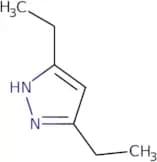
CAS:<p>2-Oxo-1-oxaspiro[4.5]decane-4-carboxylic acid is a nitrile that can be synthesized by decarboxylation of 4-chloro-2,6-dimethylaniline with nitrous acid and sulfuric acid. The intramolecular cyclization of methyl 2-(nitrobenzyl)malonate to the thiazole ring is catalyzed by a mixture of acetic anhydride and pyridine. The reaction is carried out at refluxing temperatures in a homogeneous solvent such as toluene or chloroform. This product can also be obtained from the reaction of 2,6-dimethylaniline with hydroxylamine hydrochloride in the presence of sodium hydroxide.</p>Formula:C10H14O4Purity:Min. 95%Molecular weight:198.22 g/mol3,5-Diethyl-1H-pyrazole
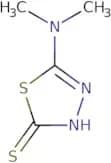
CAS:<p>Versatile small molecule scaffold</p>Formula:C7H12N2Purity:Min. 95%Molecular weight:124.18 g/mol5-(Dimethylamino)-1,3,4-thiadiazole-2-thiol
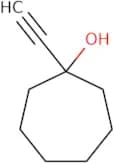
CAS:<p>Versatile small molecule scaffold</p>Formula:C4H7N3S2Purity:Min. 95%Molecular weight:161.3 g/mol1-Ethynylcycloheptan-1-ol
CAS:<p>1-Ethynylcycloheptan-1-ol is a synthetic drug that inhibits protease activity. It has been shown to have an inhibitory effect on the adenosine receptor and protonation of the skeleton. The 1-ethynylcycloheptan-1-ol molecule can be synthesised in two steps from phenylacetone. It has been shown to have hypoglycemic activity, which may be due to its ability to inhibit pancreatic alpha amylase. This drug also has a nucleophilic character, which is essential for its mechanism of action as it binds reversibly to the active site of the enzyme.</p>Formula:C9H14OPurity:Min. 95%Molecular weight:138.21 g/mol[Hydroxy(phenyl)phosphonomethyl]phosphonic acid
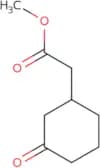
CAS:<p>Versatile small molecule scaffold</p>Formula:C7H10O7P2Purity:Min. 95%Molecular weight:268.1 g/molMethyl 2-(3-oxocyclohexyl)acetate
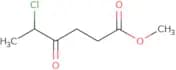
CAS:<p>Versatile small molecule scaffold</p>Formula:C9H14O3Purity:Min. 95%Molecular weight:170.21 g/molMethyl 5-chloro-4-oxohexanoate
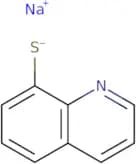
CAS:<p>Versatile small molecule scaffold</p>Formula:C7H11ClO3Purity:Min. 95%Molecular weight:178.61 g/molSodium (quinolin-8-yl)sulfanide
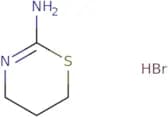
CAS:<p>Sodium (quinolin-8-yl)sulfanide is a sulfonamide compound that is structurally related to the quinoline derivatives. It has been shown to have high cytotoxicity against hepatoma and mouse melanoma cells, as well as good activity against human colon cancer. The preparation of this compound is difficult because it undergoes rapid dehydration to form anhydrous sodium sulfoxide. Sodium (quinolin-8-yl)sulfanide forms two polymorphs, one of which is hydrated and one of which is anhydrous. The hydrated polymorph has a lower solubility in water, but has higher solubilities in organic solvents and methanol. The anhydrous polymorph has higher solubilities in water and methanol, but lower solubilities in organic solvents like chloroform or dichloromethane.<br>!--</p>Formula:C9H6NNaSPurity:Min. 95%Molecular weight:183.21 g/mol5,6-Dihydro-4H-1,3-thiazin-2-amine hydrobromide
CAS:<p>5,6-Dihydro-4H-1,3-thiazin-2-amine hydrobromide is a chemical that is used in the diagnosis of diseases of the cardiovascular system. It has been shown to cause damage to the intestinal mucosa and also has effects on parameters such as blood pressure and ionizing radiation. 5,6-Dihydro-4H-1,3-thiazin-2-amine hydrobromide damages the intestinal tissue by reacting with reactive oxygen species (ROS) or reactive nitrogen species (RNS), which are generated from ionizing radiation. These ROS/RNS are generated in response to endotoxin exposure and can lead to cell death.</p>Formula:C4H9BrN2SPurity:Min. 95%Molecular weight:197.1 g/mol1,3-Thiazinan-2-imine hydrochloride
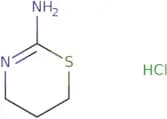
CAS:<p>Versatile small molecule scaffold</p>Formula:C4H9ClN2SPurity:Min. 95%Molecular weight:152.65 g/mol3-Bromopropyl isothiocyanate
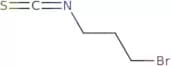
CAS:<p>3-Bromopropyl isothiocyanate (3BPITC) is a bifunctional molecule that has been used for radiolabeling and bifunctional labeling strategies. 3BPITC can be used to label amino acids, peptides, proteins, carbohydrates, and lipids with the same specificity as biotin. 3BPITC has been shown to be an effective radiolabeling agent for imaging of tumors in mice. The stereoisomers of 3BPITC can be separated by column chromatography or thin-layer chromatography. This compound can also be detected at the low picomolar level using nuclear magnetic resonance spectroscopy (NMR).</p>Formula:C4H6BrNSPurity:Min. 95%Molecular weight:180.07 g/mol3-Chloropropyl isothiocyanate
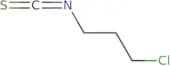
CAS:<p>3-Chloropropyl isothiocyanate (3CPITC) is a chemical compound that is used in research to produce an artificial reflux and to study the effects of acid on esterase activity. This compound is synthesized by reacting 2-chloroethyl chloride with triethylamine in the presence of methanol, followed by hydrolysis of the resulting 3-chloropropyl isothiocyanate. 3CPITC has been shown to have a neutral effect on esterase activity.</p>Formula:C4H6ClNSPurity:Min. 95%Molecular weight:135.61 g/molQuinoclamine
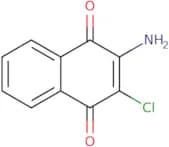
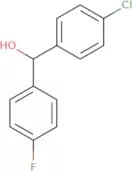
CAS:<p>Quinoclamine is a redox-active film-forming polymer that has been shown to be effective against bacterial strains such as S. aureus, E. coli and B. subtilis. Quinoclamine inhibits the growth of bacteria by targeting their respiratory electron transport chain and reducing its activity. This leads to an accumulation of reactive oxygen species (ROS) in the cells which can cause oxidative stress, leading to cell death. Quinoclamine has also been shown to have antibacterial efficacy against Hl-60 cells and prevents the formation of carbonyl groups in mitochondria, which are toxic to cells. Quinoclamine is metabolized by cytochrome P450 enzymes into quinolinic acid, which is then converted into nicotinamide adenine dinucleotide phosphate (NADP+).</p>Formula:C10H6ClNO2Purity:Min. 95%Molecular weight:207.61 g/mol(4-Chlorophenyl)(4-fluorophenyl)methanol
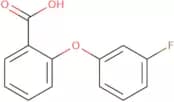
CAS:<p>Versatile small molecule scaffold</p>Formula:C13H10ClFOPurity:Min. 95%Molecular weight:236.67 g/mol2-(3-Fluorophenoxy)benzoic acid
CAS:<p>Versatile small molecule scaffold</p>Formula:C13H9FO3Purity:Min. 95%Molecular weight:232.21 g/mol



![N-[4-(4-Methoxyphenyl)butan-2-ylidene]hydroxylamine](/_next/image/?url=https%3A%2Fstatic.cymitquimica.com%2Fproducts%2F3D%2Fthumb-webp%2FCCA27143.webp&w=3840&q=75)








![1-[2-(Hydroxymethyl)pyrrolidin-1-yl]ethan-1-one](/_next/image/?url=https%3A%2Fstatic.cymitquimica.com%2Fproducts%2F3D%2Fthumb-webp%2FCBA82268.webp&w=3840&q=75)





![5-Oxa-7-azaspiro[3.4]octan-6-one](/_next/image/?url=https%3A%2Fstatic.cymitquimica.com%2Fproducts%2F3D%2Fthumb-webp%2FCBA78433.webp&w=3840&q=75)



![4,5,6,7-Tetrahydro-benzo[d]isoxazol-3-ol](/_next/image/?url=https%3A%2Fstatic.cymitquimica.com%2Fproducts%2F3D%2Fthumb-webp%2FCBA77290.webp&w=3840&q=75)



![N-Methyl-N-[2-(methylamino)ethyl]acetamide](/_next/image/?url=https%3A%2Fstatic.cymitquimica.com%2Fproducts%2F3D%2Fthumb-webp%2FCBA72541.webp&w=3840&q=75)


![2-[(3-Methoxyphenyl)amino]benzoic acid](/_next/image/?url=https%3A%2Fstatic.cymitquimica.com%2Fproducts%2F3D%2Fthumb-webp%2FCBA69373.webp&w=3840&q=75)
![Thieno[3,2-c]pyridin-4-ol](/_next/image/?url=https%3A%2Fstatic.cymitquimica.com%2Fproducts%2F3D%2Fthumb-webp%2FCBA68592.webp&w=3840&q=75)

![rac-(1R,6R)-Bicyclo[4.2.0]octan-7-one](/_next/image/?url=https%3A%2Fstatic.cymitquimica.com%2Fproducts%2F3D%2Fthumb-webp%2FCBA65570.webp&w=3840&q=75)







![Tricyclo[7.3.1.0,2,7]trideca-2,4,6-trien-13-one](/_next/image/?url=https%3A%2Fstatic.cymitquimica.com%2Fproducts%2F3D%2Fthumb-webp%2FCBA59118.webp&w=3840&q=75)

![[5-(4-Chlorophenyl)-2H-tetrazol-2-yl]acetic acid](/_next/image/?url=https%3A%2Fstatic.cymitquimica.com%2Fproducts%2F3D%2Fthumb-webp%2FCBA58237.webp&w=3840&q=75)
![5-methyl-1H-imidazo[4,5-b]pyridine](/_next/image/?url=https%3A%2Fstatic.cymitquimica.com%2Fproducts%2F3D%2Fthumb-webp%2FCBA58224.webp&w=3840&q=75)
![7-Methyl-1H-imidazo[4,5-b]pyridine](/_next/image/?url=https%3A%2Fstatic.cymitquimica.com%2Fproducts%2F3D%2Fthumb-webp%2FCBA58220.webp&w=3840&q=75)

![Tricyclo[4.3.1.0,3,8]decan-4-one](/_next/image/?url=https%3A%2Fstatic.cymitquimica.com%2Fproducts%2F3D%2Fthumb-webp%2FCBA56785.webp&w=3840&q=75)

![1,7,7-Trimethyl-2-methylidenebicyclo[2.2.1]heptane](/_next/image/?url=https%3A%2Fstatic.cymitquimica.com%2Fproducts%2F3D%2Fthumb-webp%2FCBA53847.webp&w=3840&q=75)


![1',3'-Dihydrospiro[imidazolidine-4,2'-indene]-2,5-dione](/_next/image/?url=https%3A%2Fstatic.cymitquimica.com%2Fproducts%2F3D%2Fthumb-webp%2FCBA47361.webp&w=3840&q=75)

![3-[(2-Methoxyphenyl)amino]propanenitrile](/_next/image/?url=https%3A%2Fstatic.cymitquimica.com%2Fproducts%2F3D%2Fthumb-webp%2FCBA47215.webp&w=3840&q=75)


![3-[Methyl(propan-2-yl)amino]propan-1-ol](/_next/image/?url=https%3A%2Fstatic.cymitquimica.com%2Fproducts%2F3D%2Fthumb-webp%2FCBA45341.webp&w=3840&q=75)
![2-Amino-N-[(4-methoxyphenyl)methyl]acetamide hydrochloride](/_next/image/?url=https%3A%2Fstatic.cymitquimica.com%2Fproducts%2F3D%2Fthumb-webp%2FCBA44935.webp&w=3840&q=75)





![2-(Dicyclohexylamino)-N-(4-{4-[2-(dicyclohexylamino)acetamido]benzenesulfonyl}phenyl)acetamide](/_next/image/?url=https%3A%2Fstatic.cymitquimica.com%2Fproducts%2F3D%2Fthumb-webp%2FCAA90788.webp&w=3840&q=75)


![2-({4-Chloro-6-[(propan-2-yl)amino]-1,3,5-triazin-2-yl}amino)ethan-1-ol](/_next/image/?url=https%3A%2Fstatic.cymitquimica.com%2Fproducts%2F3D%2Fthumb-webp%2FCAA90453.webp&w=3840&q=75)


![2-[(4-Chlorophenyl)methyl]cyclopentan-1-one](/_next/image/?url=https%3A%2Fstatic.cymitquimica.com%2Fproducts%2F3D%2Fthumb-webp%2FCAA86668.webp&w=3840&q=75)
![2-[(2-Methoxyphenyl)methyl]cyclopentan-1-one](/_next/image/?url=https%3A%2Fstatic.cymitquimica.com%2Fproducts%2F3D%2Fthumb-webp%2FCAA86663.webp&w=3840&q=75)


![o-[2-(Dimethylamino)ethyl]hydroxylamine dihydrochloride](/_next/image/?url=https%3A%2Fstatic.cymitquimica.com%2Fproducts%2F3D%2Fthumb-webp%2FCAA84878.webp&w=3840&q=75)

![Thiazolo[5,4-d]pyrimidin-7-amine](/_next/image/?url=https%3A%2Fstatic.cymitquimica.com%2Fproducts%2F3D%2Fthumb-webp%2FCAA84690.webp&w=3840&q=75)


![2-{[4-(Dimethylamino)phenyl]methylidene}propanedinitrile](/_next/image/?url=https%3A%2Fstatic.cymitquimica.com%2Fproducts%2F3D%2Fthumb-webp%2FCAA82628.webp&w=3840&q=75)
![2-Oxo-1-oxaspiro[4.5]decane-4-carboxylic acid](/_next/image/?url=https%3A%2Fstatic.cymitquimica.com%2Fproducts%2F3D%2Fthumb-webp%2FCAA81956.webp&w=3840&q=75)
![[Hydroxy(phenyl)phosphonomethyl]phosphonic acid](/_next/image/?url=https%3A%2Fstatic.cymitquimica.com%2Fproducts%2F3D%2Fthumb-webp%2FCAA80926.webp&w=3840&q=75)