Building Blocks
This section contains fundamental products for the synthesis of organic and biological compounds. Building blocks are the essential starting materials used to construct complex molecules through various chemical reactions. They play a critical role in drug discovery, material science, and chemical research. At CymitQuimica, we offer a diverse range of high-quality building blocks to support your innovative research and industrial projects, ensuring you have the essential components for successful synthesis.
Subcategories of "Building Blocks"
- Boronic Acids & Boronic Acid Derivatives(5,756 products)
- Chiral Building Blocks(1,242 products)
- Hydrocarbon Building Blocks(6,095 products)
- Organic Building Blocks(60,526 products)
Found 195848 products of "Building Blocks"
Sort by
Purity (%)
0
100
|
0
|
50
|
90
|
95
|
100
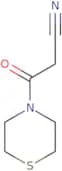
3-Oxo-3-(thiomorpholin-4-yl)propanenitrile
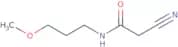
CAS:<p>Versatile small molecule scaffold</p>Formula:C7H10N2OSPurity:Min. 95%Molecular weight:170.23 g/mol2-Cyano-N-(3-methoxypropyl)acetamide
CAS:<p>Versatile small molecule scaffold</p>Formula:C7H12N2O2Purity:Min. 95%Molecular weight:156.18 g/mol2-Cyano-N-[2-(dimethylamino)ethyl]acetamide
CAS:<p>Versatile small molecule scaffold</p>Formula:C7H13N3OPurity:Min. 95%Molecular weight:155.2 g/mol2-Methyl-4-phenylpyridine
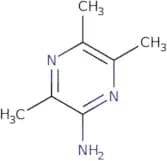
CAS:<p>2-Methyl-4-phenylpyridine is a cationic surfactant that has been shown to be effective in treating Parkinson's disease. 2-Methyl-4-phenylpyridine was found to have light emission properties, which may be related to the protein kinase C (PKC) signaling pathway. PKC phosphorylates a number of proteins, including dopamine D1 receptor and voltage gated potassium channels, leading to changes in cellular physiology. The uptake of 2-methyl-4-phenylpyridine into cells is mediated by the sodium/potassium ATPase pump. This drug has also been shown to inhibit active oxygen species production and decrease the levels of striatal dopamine in experimental models of Parkinson's disease. Clinical studies have shown that this drug can improve motor symptoms in patients with Parkinson's disease.</p>Formula:C12H11NPurity:Min. 95%Molecular weight:169.22 g/molTrimethylpyrazin-2-amine
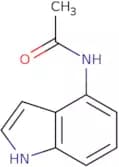
CAS:<p>Versatile small molecule scaffold</p>Formula:C7H11N3Purity:Min. 95%Molecular weight:137.18 g/molN-(1H-Indol-4-yl)acetamide
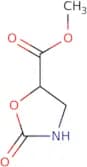
CAS:<p>Versatile small molecule scaffold</p>Formula:C10H10N2OPurity:Min. 95%Molecular weight:174.2 g/molMethyl 2-oxo-1,3-oxazolidine-5-carboxylate
CAS:<p>Versatile small molecule scaffold</p>Formula:C5H7NO4Purity:Min. 95%Molecular weight:145.11 g/mol6-Ethyl-1,2,3,4-tetrahydropyrimidine-2,4-dione
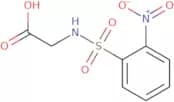
CAS:Controlled Product<p>Versatile small molecule scaffold</p>Formula:C6H8N2O2Purity:Min. 95%Molecular weight:140.14 g/mol2-(2-Nitrobenzenesulfonamido)acetic acid
CAS:<p>2-(2-Nitrobenzenesulfonamido)acetic acid is a ligand that binds to metal ions. The interaction of 2-(2-Nitrobenzenesulfonamido)acetic acid with metal ions is influenced by the conformational and crystallographic properties of the ligand. The carboxylate group interacts with the protonated form of the metal ion through hydrogen bonding. 2-(2-Nitrobenzenesulfonamido)acetic acid can be used as a starting material in combinatorial chemistry, as well as in ternary interactions with glycine and an alkene. It has also been shown to have acidic properties and can be deprotonated by an acidic ph.</p>Formula:C8H8N2O6SPurity:Min. 95%Molecular weight:260.23 g/molMethyl 4,5-dihydro-1,2-oxazole-5-carboxylate
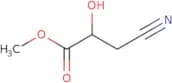
CAS:<p>Versatile small molecule scaffold</p>Formula:C5H7NO3Purity:Min. 95%Molecular weight:129.11 g/molMethyl 3-cyano-2-hydroxypropanoate
CAS:<p>Versatile small molecule scaffold</p>Formula:C5H7NO3Purity:Min. 95%Molecular weight:129.11 g/molEthyl 2-[benzyl(2-oxopropyl)amino]acetate
CAS:<p>Versatile small molecule scaffold</p>Formula:C14H19NO3Purity:Min. 95%Molecular weight:249.3 g/mol2,4-Dimethylfuran-3-carboxylic acid
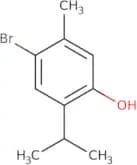
CAS:<p>2,4-Dimethylfuran-3-carboxylic acid is a dianion that is used as a fungicide. It has been shown to be effective against many plant diseases, including powdery mildews, rusts, and sooty molds. The methyl ester of 2,4-dimethylfuran-3-carboxylic acid can be synthesized in the laboratory from cyclohexanone and methylamine. The reactive methyl group of the dianion catalyzes the reaction with hydroxyl groups on other molecules, forming an amide or alkylating agent. This reaction occurs stereoselectively when one of the hydrogens on the carbon adjacent to the carboxylate group is also replaced by a methyl group.</p>Formula:C7H8O3Purity:Min. 95%Molecular weight:140.14 g/mol4-Bromo-2-isopropyl-5-methylphenol
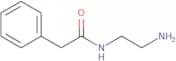
CAS:<p>4-Bromo-2-isopropyl-5-methylphenol is a quaternary ammonium salt that is used as an antimicrobial agent in water vapor and biological studies. It has been shown to be effective against bromothymol, which is a colorless crystalline compound that has antiseptic and fungicidal properties. 4-Bromo-2-isopropyl-5-methylphenol can be used to control the growth of bacteria by inhibiting the oxidation of ferrous ions to ferric ions, thereby reducing the amount of hydrogen peroxide that is produced. This chemical also has electrochemical impedance spectroscopy properties, which allow it to be extensively used for wastewater treatment.</p>Formula:C10H13BrOPurity:Min. 95%Molecular weight:229.11 g/molN-(2-Aminoethyl)-2-phenylacetamide
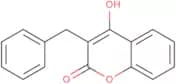
CAS:<p>Versatile small molecule scaffold</p>Formula:C10H14N2OPurity:Min. 95%Molecular weight:178.23 g/mol3-Benzyl-4-hydroxy-2H-chromen-2-one
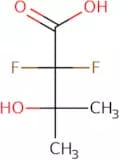
CAS:<p>3-Benzyl-4-hydroxy-2H-chromen-2-one is an enantioselective, experimental compound that is synthesized from chromic acid and hydroboration. It reacts with 3-phenylcoumarin to form homoisoflavanone in a preparative liquid chromatography reaction. The parameters of this reaction are experimentally optimized to yield the pure product.</p>Formula:C16H12O3Purity:Min. 95%Molecular weight:252.26 g/mol2,2-Difluoro-3-hydroxy-3-methylbutanoic acid
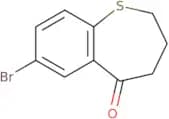
CAS:<p>Versatile small molecule scaffold</p>Formula:C5H8F2O3Purity:Min. 95%Molecular weight:154.11 g/mol7-Bromo-2,3,4,5-tetrahydro-1-benzothiepin-5-one
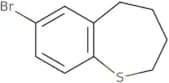
CAS:<p>Versatile small molecule scaffold</p>Formula:C10H9BrOSPurity:Min. 95%Molecular weight:257.15 g/mol7-Bromo-2,3,4,5-tetrahydro-1-benzothiepine
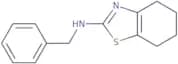
CAS:<p>Versatile small molecule scaffold</p>Formula:C10H11BrSPurity:Min. 95%Molecular weight:243.17 g/molN-Benzyl-4,5,6,7-tetrahydro-1,3-benzothiazol-2-amine
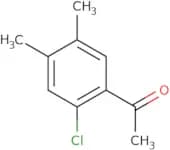
CAS:<p>Versatile small molecule scaffold</p>Formula:C14H16N2SPurity:Min. 95%Molecular weight:244.36 g/mol1-(2-Chloro-4,5-dimethylphenyl)ethan-1-one
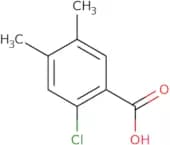
CAS:<p>Versatile small molecule scaffold</p>Formula:C10H11ClOPurity:Min. 95%Molecular weight:182.64 g/mol2-Chloro-4,5-dimethylbenzoic acid
CAS:<p>Versatile small molecule scaffold</p>Formula:C9H9ClO2Purity:Min. 95%Molecular weight:184.62 g/mol4,5-Dimethyl-2-nitrobenzonitrile
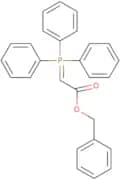
CAS:<p>Versatile small molecule scaffold</p>Formula:C9H8N2O2Purity:Min. 95%Molecular weight:176.17 g/molBenzyl 2-(triphenylphosphoranylidene)acetate
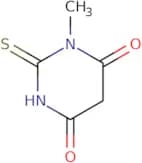
CAS:<p>Versatile small molecule scaffold</p>Formula:C27H23O2PPurity:Min. 95%Molecular weight:410.44 g/mol1-Methyl-2-sulfanylidene-1,3-diazinane-4,6-dione
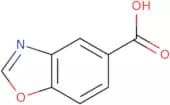
CAS:<p>Versatile small molecule scaffold</p>Formula:C5H6N2O2SPurity:Min. 95%Molecular weight:158.18 g/mol1,3-benzoxazole-5-carboxylic acid
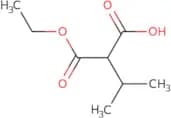
CAS:<p>1,3-Benzoxazole-5-carboxylic acid is a benzoate derivative that has been shown to have anticancer activity. It inhibits the growth of cancer cells in culture and has been shown to be active against leukemia cells in mice. This compound is synthesized by reacting salicylaldehyde with chloride and amide. 1,3-Benzoxazole-5-carboxylic acid is also fluorescent and can be detected using magnetic resonance spectroscopy.</p>Formula:C8H5NO3Purity:Min. 95%Molecular weight:163.13 g/mol2-(Ethyl carboxy)-3-methylbutanoic acid
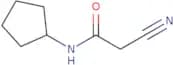
CAS:<p>Versatile small molecule scaffold</p>Formula:C8H14O4Purity:Min. 95%Molecular weight:174.19 g/mol2-Cyano-N-cyclopentyl-acetamide
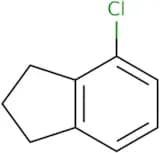
CAS:<p>Versatile small molecule scaffold</p>Formula:C8H12N2OPurity:Min. 95%Molecular weight:152.2 g/mol4-Chloro-2,3-dihydro-1H-indene
CAS:<p>Versatile small molecule scaffold</p>Formula:C9H9ClPurity:Min. 95%Molecular weight:152.62 g/mol4-[(4-Bromophenyl)sulfanyl]butanoic acid
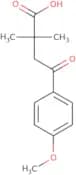
CAS:<p>Versatile small molecule scaffold</p>Formula:C10H11BrO2SPurity:Min. 95%Molecular weight:275.16 g/mol4-(4-Methoxyphenyl)-2,2-dimethyl-4-oxobutanoic acid
CAS:<p>Versatile small molecule scaffold</p>Formula:C13H16O4Purity:Min. 95%Molecular weight:236.26 g/mol2H,3H,6H,7H,8H-Indeno[5,6-b][1,4]dioxin-6-one
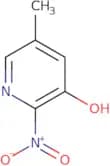
CAS:<p>Versatile small molecule scaffold</p>Formula:C11H10O3Purity:Min. 95%Molecular weight:190.19 g/mol5-Methyl-2-nitropyridin-3-ol
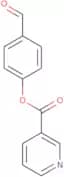
CAS:<p>Versatile small molecule scaffold</p>Formula:C6H6N2O3Purity:Min. 95%Molecular weight:154.12 g/mol4-Formylphenyl pyridine-3-carboxylate
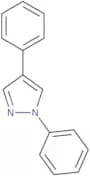
CAS:<p>Versatile small molecule scaffold</p>Formula:C13H9NO3Purity:Min. 95%Molecular weight:227.21 g/mol1,4-Diphenyl-1H-pyrazole
CAS:<p>1,4-Diphenyl-1H-pyrazole is a pyrazole derivative that has been shown to be an effective therapeutic agent for chronic bronchitis. This drug is metabolized in the liver through a stepwise process, which leads to low bioavailability and delayed onset of action. 1,4-Diphenyl-1H-pyrazole has also been shown to have antihistamine effects in animal studies. In pregnant women, 1,4-diphenyl-1H-pyrazole levels were found to be higher in maternal serum than in the fetal serum. The drug was not detected in the amniotic fluid or cord blood samples of these pregnancies.</p>Formula:C15H12N2Purity:Min. 95%Molecular weight:220.27 g/molrac-(1R,2S)-2-Cyclopropylcyclopropane-1-carboxylic acid
CAS:<p>Versatile small molecule scaffold</p>Formula:C7H10O2Purity:Min. 95%Molecular weight:126.15 g/mol4,4-Dimethyl-3-oxabicyclo[3.1.0]hexan-2-one
CAS:<p>Versatile small molecule scaffold</p>Formula:C7H10O2Purity:Min. 95%Molecular weight:126.15 g/mol(2S)-2-(2,4-Dichlorophenoxy)propanoic acid
CAS:<p>The herbicide 2,4-dichlorophenoxyacetic acid (2,4-D) is a broad-spectrum herbicide that inhibits plant growth by interfering with the plant’s ability to produce proteins. It is also used as an analytical method for determining the concentration of 2,4-D in water and soil. The extraction process relies on dispersive solid-phase extraction (DSPE), which uses a polymer resin as a stationary phase to bind the target compound. Fluorescence spectrometry is then used to determine the amount of 2,4-D in the sample. This target compound has been shown to inhibit chymotrypsin and carboxypeptidase enzymes at concentrations of up to 1 mM. These enzymes are involved in protein synthesis and breakdown, respectively. The stability of this compound under various conditions has been determined through chemical tests and model systems involving plants and bacteria.</p>Formula:C9H8Cl2O3Purity:Min. 95%Color and Shape:PowderMolecular weight:235.06 g/mol(e)-2-methyl-3-phenylacrylaldehyde
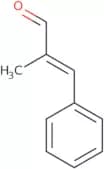
CAS:<p>(e)-2-Methyl-3-phenylacrylaldehyde (E2PAA) is a tyrosinase inhibitor that has been shown to inhibit the production of melanin in vitro using human skin cells. E2PAA has been immobilized on magnesium oxide, which prevents it from being washed away by the buffer solution and allows for its use as a reusable catalyst. The uptake of E2PAA was found to be higher when compared to other compounds, such as cis-ddp (1,4-dihydroxynaphthalene), due to its hydrophobic nature. The molecular electrostatic potentials have been calculated for both cis-ddp and E2PAA, which showed that E2PAA has a slightly lower value than cis-ddp. These results indicate that E2PAA is more lipophilic than cis-ddp, which may explain its higher uptake in the skin cells. Structural studies have also</p>Formula:C10H10OPurity:Min. 95%Molecular weight:146.19 g/mol1-(1-Methoxycyclohexyl)ethan-1-one
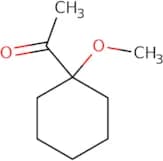
CAS:<p>Versatile small molecule scaffold</p>Formula:C9H16O2Purity:Min. 95%Molecular weight:156.22 g/mol3,5-Dichloropyridine N-oxide
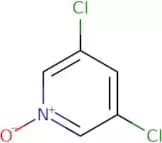
CAS:<p>3,5-Dichloropyridine N-oxide is a diazo compound that has a constant and symmetrical structure. The vibrational frequencies of the molecule are in the infrared region between 1,000 and 2,000 cm-1. 3,5-Dichloropyridine N-oxide is protonated at the nitrogen atom. This protonated form can be detected by its characteristic absorption in the ultraviolet region at about 260 nm. 3,5-Dichloropyridine N-oxide also has methyl ketones as functional groups. These functional groups are polarizable and have a terminal alkynes that is worth noting for its cyclopentadienyl ring system. 3,5-Dichloropyridine N-oxide has been synthesized with an oxidizing agent such as nitric acid or hydrogen peroxide to form a sulfoxide group on the pyridine ring. The bathochromic shift in the UV spectrum of this</p>Formula:C5H3Cl2NOPurity:Min. 95%Molecular weight:163.99 g/mol4-Amino-2-bromobenzene-1-thiol
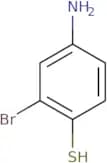
CAS:<p>Versatile small molecule scaffold</p>Formula:C6H6BrNSPurity:Min. 95%Molecular weight:204.09 g/mol2-Nitro-4-[(trifluoromethyl)sulphonyl]phenol
CAS:<p>2-Nitro-4-[(trifluoromethyl)sulphonyl]phenol is a herbicidal active ingredient that belongs to the group of phenols. It is used in herbicidal compositions for controlling weeds, especially in rice fields, and is effective against a wide range of plant species. 2-Nitro-4-[(trifluoromethyl)sulphonyl]phenol is an herbicide that inhibits plant growth by interrupting photosynthesis. This product has been shown to be very effective against crop plants such as rice and wheat.</p>Formula:C7H4F3NO5SPurity:Min. 95%Molecular weight:271.17 g/molN-{1-Cyano-1-[(3,4-dimethoxyphenyl)methyl]ethyl}acetamide
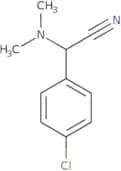
CAS:<p>Versatile small molecule scaffold</p>Formula:C14H18N2O3Purity:Min. 95%Molecular weight:262.3 g/mol(4-Chlorophenyl)(dimethylamino)acetonitrile
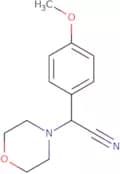
CAS:<p>Versatile small molecule scaffold</p>Formula:C10H11ClN2Purity:Min. 95%Molecular weight:194.66 g/mol2-(4-Methoxyphenyl)-2-morpholino-acetonitrile
CAS:<p>Versatile small molecule scaffold</p>Formula:C13H16N2O2Purity:Min. 95%Molecular weight:232.28 g/mol2-Bromo-4,6-dimethylphenol
CAS:<p>2-Bromo-4,6-dimethylphenol is a reactive compound that has bromination as one of its mechanisms. Bromine reacts with 2-bromo-4,6-dimethylphenol to form 2,6-dibromophenol. The reaction between bromine and dienone occurs to form the isomer of brominated dienone. Dienones are compounds that contain two carbonyl groups and one double bond in the molecule.</p>Formula:C8H9BrOPurity:Min. 95%Molecular weight:201.06 g/mol4,4,4-Trifluoro-1-(2-methoxyphenyl)butane-1,3-dione
CAS:<p>Versatile small molecule scaffold</p>Formula:C11H9F3O3Purity:Min. 95%Molecular weight:246.19 g/mol3-[4-(2-Cyanoethyl)phenyl]propanenitrile
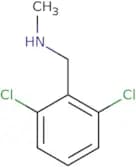
CAS:<p>Versatile small molecule scaffold</p>Formula:C12H12N2Purity:Min. 95%Molecular weight:184.2 g/molN-(2,6-Dichlorobenzyl)-N-methylamine
CAS:<p>N-(2,6-Dichlorobenzyl)-N-methylamine is a colorless liquid with the chemical formula C8H9Cl2N. It is used as a solvent for extraction, and has been shown to be an experimental anti-cancer drug candidate in screening tests. The two chlorines on the benzyl group are electron withdrawing groups that form hydrogen bonds with water molecules. This compound is a carboxylic acid that can interact with other carboxylic acids to form salts or esters. N-(2,6-Dichlorobenzyl)-N-methylamine has the potential to cause environmental damage, although this has not been definitively established.</p>Formula:C8H9Cl2NPurity:Min. 95%Molecular weight:190.07 g/mol8-Amino-7-chloro-[1,2,4]triazolo[4,3-c]pyrimidin-3-ol
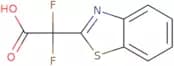
CAS:<p>Versatile small molecule scaffold</p>Formula:C5H4ClN5OPurity:Min. 95%Molecular weight:185.57 g/mol2-(1,3-Benzothiazol-2-yl)-2,2-difluoroacetic acid
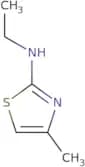
CAS:<p>Versatile small molecule scaffold</p>Formula:C9H5F2NO2SPurity:Min. 95%Molecular weight:229.21 g/molN-Ethyl-4-methyl-1,3-thiazol-2-amine
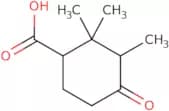
CAS:<p>N-Ethyl-4-methyl-1,3-thiazol-2-amine is a chemical compound that belongs to the class of aminothiazoles. It is used in the synthesis of diazo compounds and alkylation coupling reactions. N-Ethyl-4-methyl-1,3-thiazol-2-amine can be used as a precursor for the synthesis of dyes, pharmaceuticals, and other organic compounds.</p>Formula:C6H10N2SPurity:Min. 95%Molecular weight:142.22 g/mol2,2,3-Trimethyl-4-oxocyclohexane-1-carboxylic acid
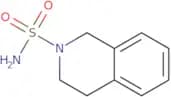
CAS:<p>Versatile small molecule scaffold</p>Formula:C10H16O3Purity:Min. 95%Molecular weight:184.23 g/mol1,2,3,4-Tetrahydroisoquinoline-2-sulfonamide
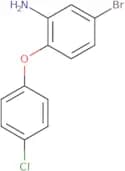
CAS:<p>1,2,3,4-Tetrahydroisoquinoline-2-sulfonamide is an antibacterial drug that inhibits bacterial growth by the formation of a hydrogen bond with the amide group of the bacteria's cell wall. The hydrogen bonds are formed between intermolecular oxygen atoms and the sulfonamide nitrogens in 1,2,3,4-tetrahydroisoquinoline-2-sulfonamide. This antibacterial drug has been shown to be active against β-cyclodextrin as well as penicillin resistant strains of Staphylococcus aureus. Molecular modeling studies have shown that this drug interacts with the protein cytochrome bc1 complex and inhibits its activity by binding to a specific region on the protein. These interactions were confirmed experimentally using molecular modeling software and parameters such as molecular weight and shape.</p>Formula:C9H12N2O2SPurity:Min. 95%Molecular weight:212.27 g/mol5-Bromo-2-(4-chlorophenoxy)aniline
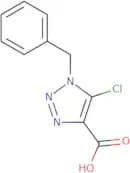
CAS:<p>Versatile small molecule scaffold</p>Formula:C12H9BrClNOPurity:Min. 95%Molecular weight:298.56 g/mol1-Benzyl-5-chloro-1H-1,2,3-triazole-4-carboxylic acid
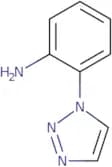
CAS:<p>Versatile small molecule scaffold</p>Formula:C10H8ClN3O2Purity:Min. 95%Molecular weight:237.64 g/mol2-(1H-1,2,3-Triazol-1-yl)aniline
CAS:<p>Versatile small molecule scaffold</p>Formula:C8H8N4Purity:Min. 95%Molecular weight:160.18 g/molEthyl 2-(prop-2-en-1-yloxy)acetate
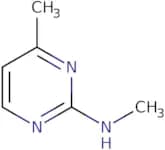
CAS:<p>Versatile small molecule scaffold</p>Formula:C7H12O3Purity:Min. 95%Molecular weight:144.2 g/mol4-Methyl-2-methylaminopyrimidine
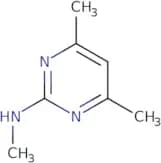
CAS:<p>Versatile small molecule scaffold</p>Formula:C6H9N3Purity:Min. 95%Molecular weight:123.16 g/molN,4,6-Trimethylpyrimidin-2-amine
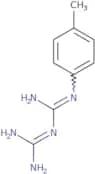
CAS:<p>Versatile small molecule scaffold</p>Formula:C7H11N3Purity:Min. 95%Molecular weight:137.18 g/mol1-Carbamimidamido-N-(4-methylphenyl)methanimidamide
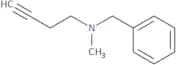
CAS:<p>Versatile small molecule scaffold</p>Formula:C9H13N5Purity:Min. 95%Molecular weight:191.23 g/molBenzyl(but-3-yn-1-yl)methylamine
CAS:<p>Versatile small molecule scaffold</p>Formula:C12H15NPurity:Min. 95%Molecular weight:173.25 g/molTriruthenium Dodecacarbonyl
CAS:<p>Triruthenium dodecacarbonyl is a group p2 metal carbonyl. It has a thermal expansion of 5.5 x 10⁻⁶ K-1 and an enthalpy of formation of -12.7 kJ mol-1. This compound undergoes reactions with amines, resulting in the formation of diazonium salts. FTIR spectroscopy has been used to identify the presence of nitrogen atoms in this molecule, which are responsible for its strong absorption bands in the region between 3200 and 3400 cm-1. The carbonyl group found in triruthenium dodecacarbonyl reacts with fatty acids to produce tiglic acid, a chemical substance that can be used as a raw material for the production of synthetic ruthenium. Picolinic acid, a natural product found in plants, also reacts with triruthenium dodecacarbonyl and copper complex to form an ion pair known</p>Formula:C12O12Ru3Purity:Min. 95%Molecular weight:639.33 g/molEthyl 3-ethylpent-2-enoate
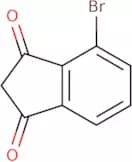
CAS:<p>Ethyl 3-ethylpent-2-enoate is a molecule that is synthesised in organic chemistry. It has been shown to have vasculitis, which is an inflammation of the blood vessels. This molecule also has anti-inflammatory properties and can be used as a drug in clinical trials. Ethyl 3-ethylpent-2-enoate is synthesised from the two amino acids valine and allylamines. The synthesis of this compound requires dehydration, which removes one of the alcohol groups on the molecule.</p>Formula:C9H16O2Purity:Min. 95%Molecular weight:156.22 g/mol4-Bromo-2,3-dihydro-1H-indene-1,3-dione
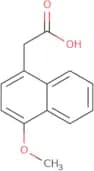
CAS:<p>Versatile small molecule scaffold</p>Formula:C9H5BrO2Purity:Min. 95%Molecular weight:225.04 g/mol2-(4-Methoxynaphthalen-1-yl)acetic acid
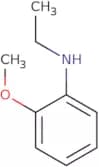
CAS:<p>Versatile small molecule scaffold</p>Formula:C13H12O3Purity:Min. 95%Molecular weight:216.24 g/molN-Ethyl-2-methoxyaniline
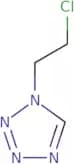
CAS:<p>Versatile small molecule scaffold</p>Formula:C9H13NOPurity:Min. 95%Molecular weight:151.21 g/mol1-(2-Chloroethyl)-1H-1,2,3,4-tetrazole
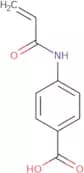
CAS:<p>1-(2-Chloroethyl)-1H-1,2,3,4-tetrazole is a ligand that can be used in crystallography. It has a low spin state, which can be determined by the diffraction techniques. This ligand is usually studied in the group p2 space group and shown as an orthorhombic system. The parameters for this molecule are calculated using different techniques such as synchrotron radiation and computational algorithms.</p>Formula:C3H5ClN4Purity:Min. 95%Molecular weight:132.55 g/mol4-(Prop-2-enamido)benzoic acid
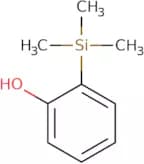
CAS:<p>4-(Prop-2-enamido)benzoic acid is an antimicrobial agent that is used in the synthesis of polymers. 4-(Prop-2-enamido)benzoic acid reacts with ammonium persulfate to form a monomer which can be polymerized with other compounds such as dioxane. The reaction time and activation energy for this compound are determined by the type of solvent used. This compound is biodegradable and has been shown to be easily copolymerized with other substances. <br>4-(Prop-2-enamido)benzoic acid is soluble in water, dioxane, and dimethylformamide (DMF). It also has a high refractive index under ultraviolet light microscopy when gelatinized. The molecular weight of this compound increases when it is heated due to water loss, but it does not change when it is cooled down or mixed with other chemicals. <br>4-(Prop-2-</p>Formula:C10H9NO3Purity:Min. 95%Molecular weight:191.18 g/mol2-(Trimethylsilyl)phenol
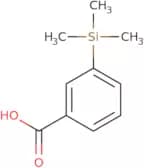
CAS:<p>2-(Trimethylsilyl)phenol is an inorganic compound that is used as a reagent to cleave bonds, which can be achieved by the addition of sodium sulfide or ultrasonic extraction. It also reacts with o-glycosylations and fatty acids. 2-(Trimethylsilyl)phenol is used to prepare samples for analysis by gas chromatography, mass spectrometry, or nuclear magnetic resonance spectroscopy.<br>2- (Trimethylsilyl)phenol is an analytical method that has been developed for the determination of chloride in water samples. This method is based on the protonation of chloride ions followed by bond cleavage reactions with protonated trimethylsilyl phenols and sodium sulfide. The reaction products are then analyzed using gas chromatography or infrared spectroscopy.</p>Formula:C9H14OSiPurity:Min. 95%Molecular weight:166.29 g/mol3-(Trimethylsilyl)benzoic acid
CAS:<p>Versatile small molecule scaffold</p>Formula:C10H14O2SiPurity:Min. 95%Molecular weight:194.3 g/mol4-(Trimethylsilyl)benzoic Acid
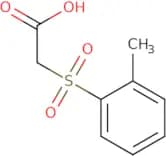
CAS:<p>4-(Trimethylsilyl)benzoic Acid is a modification of the benzoic acid molecule. It is an organosilicon compound that can be synthesized by reacting trimethylsilyl chloride with 4-aminobenzoic acid in hydrochloric acid at low temperature. This modification has been shown to form nanoribbons when used as a photoelectron emitter, which changes the nature of the molecule. The functional theory and acetylation analysis have been done on this compound, and it has been shown to be centrosymmetric with a diameter of 1 nm. Synthetic yields are not high because temperatures must be maintained below -78°C.</p>Formula:C10H14O2SiPurity:Min. 95%Molecular weight:194.3 g/mol2-(2-Methylbenzenesulfonyl)acetic acid
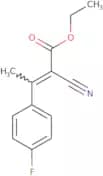
CAS:<p>2-(2-Methylbenzenesulfonyl)acetic acid is a heterocycle that belongs to the group of organic compounds. It is a chloride, which is a reactive functional group. The chloride can be found in the subunits of proteins and nucleic acids, which are involved in cell division and metabolism. The chloride ion has been shown to function as an antioxidant by scavenging reactive oxygen species such as hydroxyl radicals and peroxides. 2-(2-Methylbenzenesulfonyl)acetic acid also has anti-inflammatory properties, which may be due to its ability to inhibit prostaglandin synthesis. This compound has been shown to have neuroprotective effects against Alzheimer's disease and Parkinson's disease, as well as cancerous tumours. 2-(2-Methylbenzenesulfonyl)acetic acid is prepared by reacting hydrochloric acid with an alkylsulfonyl chloride in the presence of an organic</p>Formula:C9H10O4SPurity:Min. 95%Molecular weight:214.24 g/molEthyl 2-cyano-3-(4-fluorophenyl)but-2-enoate
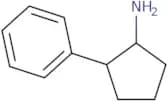
CAS:<p>Versatile small molecule scaffold</p>Formula:C13H12FNO2Purity:Min. 95%Molecular weight:233.24 g/mol2-Phenylcyclopentan-1-amine
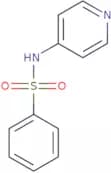
CAS:<p>2-Phenylcyclopentan-1-amine is a reconstituted drug that belongs to the group of amines. It is used for the treatment of inflammatory bowel disease, and is also an anti-epileptic drug. 2-Phenylcyclopentan-1-amine has been shown to inhibit mast cell activation and histamine release in rats with experimental colitis. This drug may be effective for the treatment of allergic diseases such as asthma, urticaria, and eczema.</p>Formula:C11H15NPurity:Min. 95%Molecular weight:161.24 g/molN-(Pyridin-4-yl)benzenesulfonamide
CAS:<p>Versatile small molecule scaffold</p>Formula:C11H10N2O2SPurity:Min. 95%Molecular weight:234.28 g/mol2-[(2,5-Dimethylphenyl)sulfanyl]acetic acid
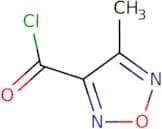
CAS:<p>Versatile small molecule scaffold</p>Formula:C10H12O2SPurity:Min. 95%Molecular weight:196.27 g/mol4-Methyl-1,2,5-oxadiazole-3-carbonyl chloride
CAS:<p>Versatile small molecule scaffold</p>Formula:C4H3ClN2O2Purity:Min. 95%Molecular weight:146.53 g/mol(4-Methyl-furazan-3-yl)-acetic acid
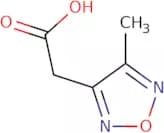
CAS:<p>Versatile small molecule scaffold</p>Formula:C5H6N2O3Purity:Min. 95%Molecular weight:142.1 g/mol1-Cyanobenzotriazole
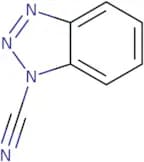
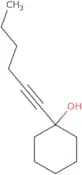
CAS:<p>1-Cyanobenzotriazole is a labile and reactive compound that has been used as a reagent in organic synthesis, due to its nucleophilic properties. 1-Cyanobenzotriazole can be used in the elimination reactions of amines or as a coupling agent for the formation of nitriles from terminal alkynes. The compound has been used as an analytical method for measuring the concentration of protein, nucleic acid and peptide bonds. 1-Cyanobenzotriazole is also used in the preparation of biomolecules such as proteins, peptides, and oligosaccharides.</p>Formula:C7H4N4Purity:Min. 95%Molecular weight:144.13 g/mol1-(Hex-1-yn-1-yl)cyclohexan-1-ol
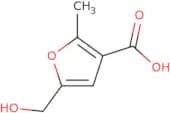
CAS:<p>Versatile small molecule scaffold</p>Formula:C12H20OPurity:Min. 95%Molecular weight:180.29 g/mol5-(Hydroxymethyl)-2-methylfuran-3-carboxylic acid
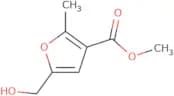
CAS:<p>Versatile small molecule scaffold</p>Formula:C7H8O4Purity:Min. 95%Molecular weight:156.14 g/molMethyl 5-(hydroxymethyl)-2-methylfuran-3-carboxylate
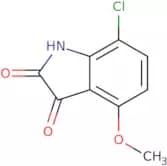
CAS:<p>Versatile small molecule scaffold</p>Formula:C8H10O4Purity:Min. 95%Molecular weight:170.16 g/mol7-Chloro-4-methoxyindoline-2,3-dione
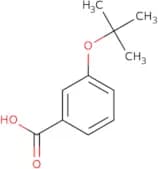
CAS:<p>Versatile small molecule scaffold</p>Formula:C9H6ClNO3Purity:Min. 95%Molecular weight:211.6 g/mol3-(tert-Butoxy)benzenecarboxylic acid
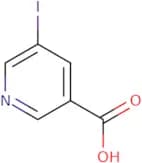
CAS:<p>Versatile small molecule scaffold</p>Formula:C11H14O3Purity:Min. 95%Molecular weight:194.23 g/mol5-iodopyridine-3-carboxylic acid
CAS:<p>5-Iodopyridine-3-carboxylic acid is a monoclonal antibody that binds to the epidermal growth factor receptor. It is used in vitro and in vivo as a tool for identifying the epidermal growth factor receptor and its interaction with other proteins. 5-Iodopyridine-3-carboxylic acid has been shown to have high affinity for the epidermal growth factor receptor, and it can be used to identify the presence of this receptor on cells or tissues. The compound has also been conjugated to different molecules, such as carboxylates, which can be used to study their effects on cell uptake.</p>Formula:C6H4INO2Purity:Min. 95%Molecular weight:249 g/mol4-Benzoyl-1H-pyrrole-2-carboxylic acid
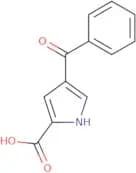
CAS:<p>Versatile small molecule scaffold</p>Formula:C12H9NO3Purity:Min. 95%Molecular weight:215.2 g/mol1H,2H,3H,4H,7H,8H-Pyrido[2,3-d]pyridazin-8-one
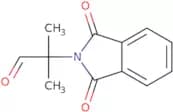
CAS:<p>Versatile small molecule scaffold</p>Formula:C7H9N3OPurity:Min. 95%Molecular weight:151.17 g/mol2-(1,3-Dioxo-2,3-dihydro-1H-isoindol-2-yl)-2-methylpropanal
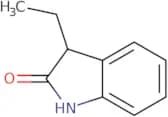
CAS:<p>Versatile small molecule scaffold</p>Formula:C12H11NO3Purity:Min. 95%Molecular weight:217.22 g/mol3-ethylindolin-2-one
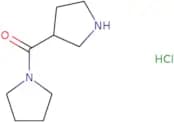
CAS:<p>3-Ethylindolin-2-one is a synthetic compound that has been shown to be able to alkylate olefins. It is not yet known what the biological function of 3-ethylindolin-2-one might be. It has been found in leaves, but its presence there is not well understood. The reaction of 3-ethylindolin-2-one with amines gives the corresponding amides, while acylation reactions with alcohols yield esters and other compounds. The addition of 3-ethylindolin-2-one to benzene or butyllithium results in the formation of a new ring system containing three carbons and two nitrogens.</p>Formula:C10H11NOPurity:Min. 95%Molecular weight:161.2 g/mol3-(Pyrrolidine-1-carbonyl)pyrrolidine hydrochloride
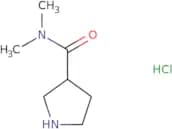
CAS:<p>Versatile small molecule scaffold</p>Formula:C9H17ClN2OPurity:Min. 95%Molecular weight:204.7 g/mol(3S)-N,N-Dimethyl-3-pyrrolidinecarboxamide hydrochloride
CAS:<p>Versatile small molecule scaffold</p>Formula:C7H15ClN2OPurity:Min. 95%Molecular weight:178.66 g/mol[(2R)-4,4-difluoropyrrolidin-2-yl]methanol hydrochloride
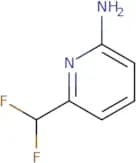
CAS:<p>Versatile small molecule scaffold</p>Formula:C5H10ClF2NOPurity:Min. 95%Molecular weight:173.59 g/mol2-Amino-6-(difluoromethyl)pyridine
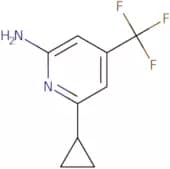
CAS:<p>Versatile small molecule scaffold</p>Formula:C6H6F2N2Purity:Min. 95%Molecular weight:144.13 g/mol6-Cyclopropyl-4-(trifluoromethyl)pyridin-2-amine
CAS:<p>Versatile small molecule scaffold</p>Formula:C9H9F3N2Purity:Min. 95%Molecular weight:202.18 g/mol4-Methoxy-2,6-dimethyl-N-[(piperidin-3-yl)methyl]benzene-1-sulfonamide hydrochloride
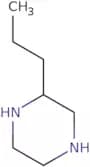
CAS:<p>Versatile small molecule scaffold</p>Formula:C15H25ClN2O3SPurity:Min. 95%Molecular weight:348.9 g/mol2-Propylpiperazine
CAS:<p>Versatile small molecule scaffold</p>Formula:C7H16N2Purity:Min. 95%Molecular weight:128.22 g/mol4-(2-Aminoethyl)piperidine dihydrochloride
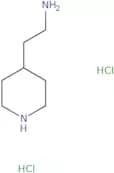
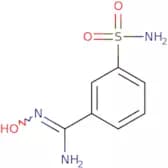
CAS:<p>Versatile small molecule scaffold</p>Formula:C7H18Cl2N2Purity:Min. 95%Molecular weight:201.14 g/molN'-Hydroxy-3-sulfamoylbenzimidamide
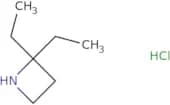
CAS:<p>Versatile small molecule scaffold</p>Formula:C7H9N3O3SPurity:Min. 95%Molecular weight:215.23 g/mol2,2-Diethylazetidine hydrochloride
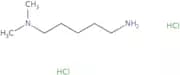
CAS:<p>Versatile small molecule scaffold</p>Formula:C7H16ClNPurity:Min. 95%Molecular weight:149.66 g/molN1,N1-Dimethylpentane-1,5-diamine dihydrochloride
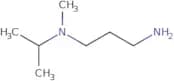
CAS:<p>Versatile small molecule scaffold</p>Formula:C7H20Cl2N2Purity:Min. 95%Molecular weight:203.15 g/mol(3-Aminopropyl)(methyl)(propan-2-yl)amine
CAS:<p>Versatile small molecule scaffold</p>Formula:C7H18N2Purity:Min. 95%Molecular weight:130.23 g/mol3-Chloro-4-phenyl-4H-1,2,4-triazole
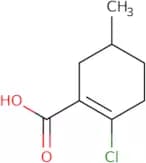
CAS:<p>Versatile small molecule scaffold</p>Formula:C8H6ClN3Purity:Min. 95%Molecular weight:179.6 g/mol2-Chloro-5-methylcyclohex-1-ene-1-carboxylic acid
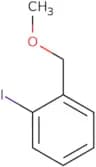
CAS:<p>Versatile small molecule scaffold</p>Formula:C8H11ClO2Purity:Min. 95%Molecular weight:174.62 g/mol1-Iodo-2-(methoxymethyl)benzene
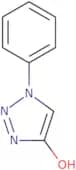
CAS:<p>Versatile small molecule scaffold</p>Formula:C8H9IOPurity:Min. 95%Molecular weight:248.06 g/mol1-Phenyl-1H-1,2,3-triazol-4-ol
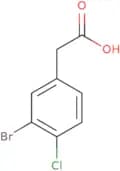
CAS:<p>Versatile small molecule scaffold</p>Formula:C8H7N3OPurity:Min. 95%Molecular weight:161.16 g/mol2-(3-Bromo-4-chlorophenyl)acetic acid
CAS:<p>Versatile small molecule scaffold</p>Formula:C8H6BrClO2Purity:Min. 95%Molecular weight:249.49 g/mol1-(2-bromo-4-nitrophenyl)ethanone
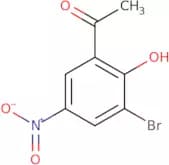
CAS:<p>Versatile small molecule scaffold</p>Formula:C8H6BrNO3Purity:Min. 95%Molecular weight:244.04 g/mol1-(3-Bromo-2-hydroxy-5-nitro-phenyl)-ethanone
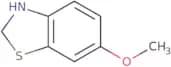
CAS:<p>Versatile small molecule scaffold</p>Formula:C8H6BrNO4Purity:Min. 95%Molecular weight:260.04 g/mol6-Methoxy-2,3-dihydro-1,3-benzothiazole
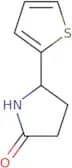
CAS:<p>Versatile small molecule scaffold</p>Formula:C8H9NOSPurity:Min. 95%Molecular weight:167.23 g/mol5-(Thiophen-2-yl)pyrrolidin-2-one
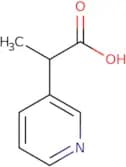
CAS:<p>Versatile small molecule scaffold</p>Formula:C8H9NOSPurity:Min. 95%Molecular weight:167.23 g/mol2-(Pyridin-3-yl)propanoic acid
CAS:<p>2-(Pyridin-3-yl)propanoic acid is a quinoline derivative that has been shown to be safe and effective in clinical trials. It is being tested for the treatment of type 2 diabetes, obesity, and metabolic syndrome. The oral administration of this drug inhibits the activity of dipeptidyl peptidase-4 (DPP-4), which is an enzyme involved in the degradation of insulin. This inhibition leads to increased levels of insulin in the blood and improved glucose tolerance. 2-(Pyridin-3-yl)propanoic acid interacts with other drugs through competitive inhibition at their binding sites on enzymes. Optimization experiments have shown that it can interact with pyridine compounds, which are found in many drugs including acetaminophen and caffeine.</p>Formula:C8H9NO2Purity:Min. 95%Molecular weight:151.16 g/mol2-Ethyl-5-nitrophenol
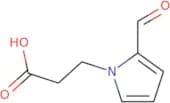
CAS:<p>Versatile small molecule scaffold</p>Formula:C8H9NO3Purity:Min. 95%Molecular weight:167.16 g/mol3-(2-Formyl-1H-pyrrol-1-yl)propanoic acid
CAS:<p>Versatile small molecule scaffold</p>Formula:C8H9NO3Purity:Min. 95%Molecular weight:167.16 g/mol3-Chloro-4,5-dimethoxyaniline
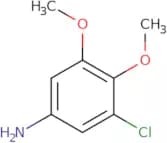
CAS:<p>Versatile small molecule scaffold</p>Formula:C8H10ClNO2Purity:Min. 95%Molecular weight:187.62 g/mol4-(Dimethylamino)pyridine-3-carbaldehyde
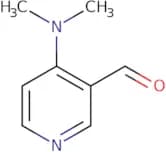
CAS:<p>Versatile small molecule scaffold</p>Formula:C8H10N2OPurity:Min. 95%Molecular weight:150.18 g/molN'-Hydroxy-2-phenoxyethanimidamide
CAS:<p>Versatile small molecule scaffold</p>Formula:C8H10N2O2Purity:Min. 95%Molecular weight:166.18 g/molMethyl 6-methyl-2-(methylsulfanyl)pyrimidine-4-carboxylate
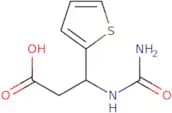
CAS:<p>Versatile small molecule scaffold</p>Formula:C8H10N2O2SPurity:90%MinMolecular weight:198.24 g/mol3-(Carbamoylamino)-3-(thiophen-2-yl)propanoic acid
CAS:<p>3-(Carbamoylamino)-3-(thiophen-2-yl)propanoic acid is an organic compound that is used as a building block in the synthesis of complex carbohydrates. It has been shown to be a substrate for the modification of oligosaccharides and glycosylations, where it can be modified with methylation, fluorination, or click chemistry. 3-(Carbamoylamino)-3-(thiophen-2-yl)propanoic acid is also used in the synthesis of polysaccharides such as saccharide and glycoproteins. This product has high purity and is available at custom synthesis scales.</p>Formula:C8H10N2O3SPurity:Min. 95%Molecular weight:214.24 g/mol2-(4-Nitrophenyl)ethane-1-sulfonamide
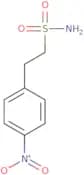
CAS:<p>Versatile small molecule scaffold</p>Formula:C8H10N2O4SPurity:Min. 95%Molecular weight:230.24 g/mol2-N,2-N-Dimethylpyridine-2,4-diamine
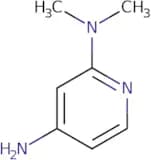
CAS:<p>Versatile small molecule scaffold</p>Formula:C7H11N3Purity:Min. 95%Molecular weight:137.18 g/molN3,N3-Dimethylpyridine-3,4-diamine
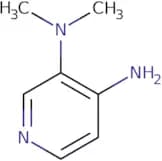
CAS:<p>Versatile small molecule scaffold</p>Formula:C7H11N3Purity:Min. 95%Molecular weight:137.18 g/mol6-Ethyl-2-methylpyrimidin-4-amine
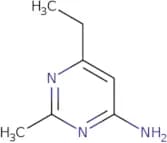
CAS:<p>Versatile small molecule scaffold</p>Formula:C7H11N3Purity:Min. 95%Molecular weight:137.18 g/molN-[(1H-Pyrazol-3-yl)methyl]acetamide
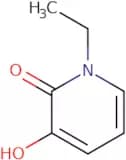
CAS:<p>Versatile small molecule scaffold</p>Formula:C6H9N3OPurity:Min. 95%Molecular weight:139.16 g/mol1-Ethyl-3-hydroxy-1,2-dihydropyridin-2-one
CAS:<p>1-Ethyl-3-hydroxy-1,2-dihydropyridin-2-one (EHDP) is a potential therapeutic agent for the treatment of Alzheimer's disease. It has been shown to inhibit the formation of amyloid beta peptides that are thought to cause Alzheimer's disease. EHDP may be effective in preventing or slowing the progression of Alzheimer's disease by blocking the production of amyloid beta peptides and by preserving long term potentiation in neurons. This compound is also capable of crossing the blood brain barrier and has been shown to bind to citric acid at high affinity.</p>Formula:C7H9NO2Purity:Min. 95%Molecular weight:139.15 g/mol3-(Furan-3-yl)propanoic acid
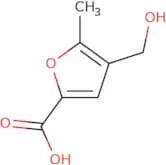
CAS:<p>Versatile small molecule scaffold</p>Formula:C7H8O3Purity:Min. 95%Molecular weight:140.14 g/mol4-(Hydroxymethyl)-5-methylfuran-2-carboxylic acid
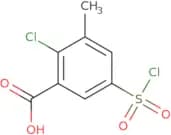
CAS:<p>Versatile small molecule scaffold</p>Formula:C7H8O4Purity:Min. 95%Molecular weight:156.14 g/mol2-Chloro-5-(chlorosulfonyl)-3-methylbenzoic acid
CAS:<p>Versatile small molecule scaffold</p>Formula:C8H6Cl2O4SPurity:Min. 95%Molecular weight:269.1 g/mol5-(Methylcarbamoyl)pentanoic acid
CAS:<p>Versatile small molecule scaffold</p>Formula:C7H13NO3Purity:Min. 95%Molecular weight:159.18 g/mol3-(3-Nitrophenyl)-1,2,4-oxadiazole
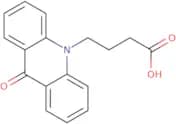
CAS:<p>Versatile small molecule scaffold</p>Formula:C8H5N3O3Purity:Min. 95%Molecular weight:191.14 g/mol4-(9-Oxo-9,10-dihydroacridin-10-yl)butanoic acid
CAS:<p>Versatile small molecule scaffold</p>Formula:C17H15NO3Purity:Min. 95%Molecular weight:281.3 g/molMethyl 2-chloro-2-(2-fluorophenyl)acetate
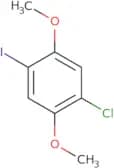
CAS:<p>Versatile small molecule scaffold</p>Formula:C9H8ClFO2Purity:Min. 95%Molecular weight:202.61 g/mol1-Chloro-4-iodo-2,5-dimethoxybenzene
CAS:<p>Versatile small molecule scaffold</p>Formula:C8H8ClIO2Purity:Min. 95%Molecular weight:298.5 g/mol2-Chloro-5-methanesulfonylbenzene-1-sulfonyl chloride
CAS:<p>Versatile small molecule scaffold</p>Formula:C7H6Cl2O4S2Purity:Min. 95%Molecular weight:289.2 g/mol[3-(Carbamoylamino)phenyl]boronic acid
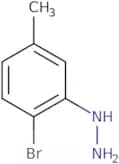
CAS:<p>Versatile small molecule scaffold</p>Formula:C7H9BN2O3Purity:Min. 95%Molecular weight:179.97 g/mol(2-Bromo-5-methylphenyl)hydrazine
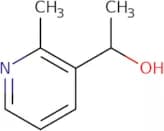
CAS:<p>Versatile small molecule scaffold</p>Formula:C7H9BrN2Purity:Min. 95%Molecular weight:201.06 g/mol1-(2-Methylpyridin-3-yl)ethan-1-ol
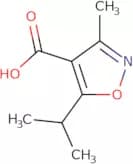
CAS:<p>Versatile small molecule scaffold</p>Formula:C8H11NOPurity:Min. 95%Molecular weight:137.18 g/mol5-Isopropyl-3-methylisoxazole-4-carboxylic acid
CAS:<p>Versatile small molecule scaffold</p>Formula:C8H11NO3Purity:Min. 95%Molecular weight:169.18 g/mol3-(6-Oxopiperidin-2-yl)propanoic acid
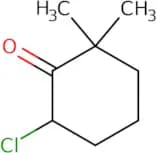
CAS:<p>Versatile small molecule scaffold</p>Formula:C8H13NO3Purity:Min. 95%Molecular weight:171.19 g/mol6-Chloro-2,2-dimethylcyclohexan-1-one
CAS:<p>Versatile small molecule scaffold</p>Formula:C8H13ClOPurity:Min. 95%Molecular weight:160.64 g/mol3-(2-Amino-4-methyl-6-oxo-1,6-dihydropyrimidin-5-yl)propanoic acid
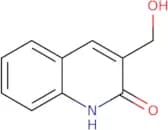
CAS:<p>Versatile small molecule scaffold</p>Formula:C8H11N3O3Purity:Min. 95%Molecular weight:197.19 g/mol3-(Hydroxymethyl)-2(1H)-quinolinone
CAS:<p>3-(Hydroxymethyl)-2(1H)-quinolinone is a potent GABA antagonist with a low micromolar range of activity. It is used as a tool to evaluate the profile of GABA receptors and their kinetics, as well as to study the antagonistic activity at these receptors. 3-(Hydroxymethyl)-2(1H)-quinolinone has been shown to have antagonistic properties against glutamate and glycine receptors, although it does not bind to benzodiazepine or barbiturate binding sites. This drug has proapoptotic properties, which relates to its ability to induce neuronal cell death by apoptosis. 3-(Hydroxymethyl)-2(1H)-quinolinone also photolyzes in the presence of light and can be used for photodynamic therapy, which is an effective treatment for brain cancer.</p>Formula:C10H9NO2Purity:Min. 95%Molecular weight:175.19 g/mol4-(Hydroxymethyl)-1,2,3,4-tetrahydroquinolin-2-one
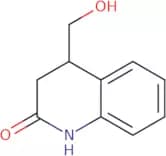
CAS:<p>Versatile small molecule scaffold</p>Formula:C10H11NO2Purity:Min. 95%Molecular weight:177.2 g/mol3-(Chloromethyl)-1,2-dihydroquinolin-2-one
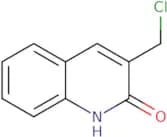
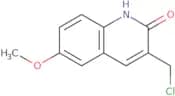
CAS:<p>Versatile small molecule scaffold</p>Formula:C10H8ClNOPurity:Min. 95%Molecular weight:193.63 g/mol3-(Chloromethyl)-6-methoxy-1,2-dihydroquinolin-2-one
CAS:<p>Versatile small molecule scaffold</p>Formula:C11H10ClNO2Purity:Min. 95%Molecular weight:223.65 g/mol2-Chloro-N-methyl-4-nitrobenzamide
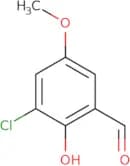
CAS:<p>Versatile small molecule scaffold</p>Formula:C8H7ClN2O3Purity:Min. 95%Molecular weight:214.6 g/mol3-Chloro-2-hydroxy-5-methoxybenzaldehyde
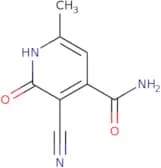
CAS:<p>Versatile small molecule scaffold</p>Formula:C8H7ClO3Purity:Min. 95%Molecular weight:186.59 g/mol3-Cyano-2-hydroxy-6-methylpyridine-4-carboxamide
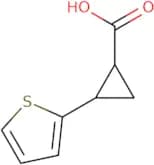
CAS:<p>Versatile small molecule scaffold</p>Formula:C8H7N3O2Purity:Min. 95%Molecular weight:177.16 g/mol2-Thiophen-2-yl-cyclopropanecarboxylic acid
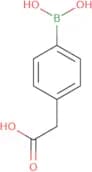
CAS:<p>Versatile small molecule scaffold</p>Formula:C8H8O2SPurity:Min. 95%Molecular weight:168.21 g/mol4-(Carboxymethyl)phenylboronic acid
CAS:<p>4-(Carboxymethyl)phenylboronic acid is a corrosion inhibitor that is used in the production of polyvinyl chloride, polyvinyl alcohol, and ethylene glycol. It can be used as an additive to lubricating oils and fuels. 4-(Carboxymethyl)phenylboronic acid has been shown to inhibit the corrosion of lead in hydrochloric acid solutions. This compound has also been shown to inhibit the formation of silicon-sulfide complexes in polystyrene and polyvinyl chloride.</p>Formula:C8H9BO4Purity:Min. 95%Molecular weight:179.97 g/mol1,2-Dimethylcyclopentane-1-carboxylic acid
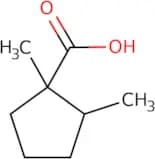
CAS:<p>Versatile small molecule scaffold</p>Formula:C8H14O2Purity:Min. 95%Molecular weight:142.2 g/mol3-(2-Chloroethyl)imidazolidine-2,4-dione
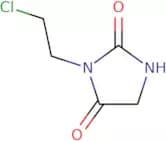
CAS:<p>3-(2-Chloroethyl)imidazolidine-2,4-dione (3CI) belongs to the class of intramolecular corroborating advances. It is a chemical compound that can be used in kinetic analyses of pathways and mechanisms. 3CI has been shown to lower the activation energy for reactions and quantification of benzyl yields. The mechanism of action is through the lowering of activation energies and by quantifying yields.</p>Formula:C5H7ClN2O2Purity:Min. 95%Molecular weight:162.57 g/mol4-Methyl-2-(phenylsulfanyl)benzonitrile
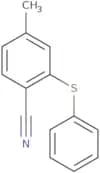
CAS:<p>Versatile small molecule scaffold</p>Formula:C14H11NSPurity:Min. 95%Molecular weight:225.31 g/mol4-Methyl-2-(phenylsulfanyl)benzoic acid
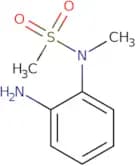
CAS:<p>Versatile small molecule scaffold</p>Formula:C14H12O2SPurity:Min. 95%Molecular weight:244.31 g/molN-(2-Aminophenyl)-N-methylmethanesulfonamide
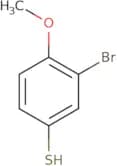
CAS:<p>Versatile small molecule scaffold</p>Formula:C8H12N2O2SPurity:Min. 95%Molecular weight:200.26 g/mol3-Bromo-4-methoxybenzene-1-thiol
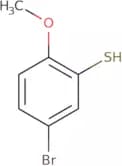
CAS:<p>Versatile small molecule scaffold</p>Formula:C7H7BrOSPurity:Min. 95%Molecular weight:219.1 g/mol5-Bromo-2-methoxybenzene-1-thiol
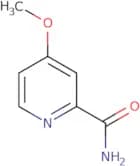
CAS:<p>Versatile small molecule scaffold</p>Formula:C7H7BrOSPurity:Min. 95%Molecular weight:219.1 g/mol4-Methoxy-pyridine-2-carboxylic acid amide
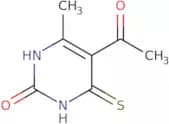
CAS:<p>4-Methoxy-pyridine-2-carboxylic acid amide is a multinuclear compound that can be classified as a pyridine molecule. It has anions that are capable of hydrogen bonding, which is important for its interaction with other molecules. The compound also mimics the properties of benzene and cyclic compounds. 4-Methoxy-pyridine-2-carboxylic acid amide has been shown to have magnetic properties and catalytic activity in the presence of counterion, such as hydrogen ions or sodium hydroxide.</p>Formula:C7H8N2O2Purity:Min. 95%Molecular weight:152.15 g/mol5-Acetyl-6-methyl-4-sulfanyl-1,2-dihydropyrimidin-2-one
CAS:<p>Versatile small molecule scaffold</p>Formula:C7H8N2O2SPurity:Min. 95%Molecular weight:184.22 g/mol3-Butylpiperazin-2-one
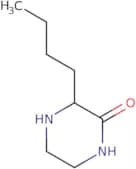
CAS:<p>Versatile small molecule scaffold</p>Formula:C8H16N2OPurity:Min. 95%Molecular weight:156.23 g/mol2-Methyl-1-(1-methyl-1H-imidazol-2-yl)propan-1-ol
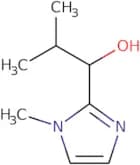
CAS:<p>Versatile small molecule scaffold</p>Formula:C8H14N2OPurity:Min. 95%Molecular weight:154.21 g/mol3-Bromo-1-(piperidin-1-yl)propan-1-one
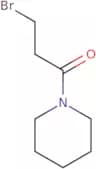
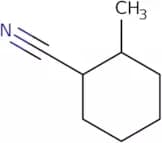
CAS:<p>Versatile small molecule scaffold</p>Formula:C8H14BrNOPurity:Min. 95%Molecular weight:220.11 g/mol2-Methylcyclohexane-1-carbonitrile
CAS:<p>2-Methylcyclohexane-1-carbonitrile is a phenoxide that is formed by the reaction of silicon and carbon. It has an empirical formula of C6H4O2NSi and a molecular weight of 122.14 g/mol. 2-Methylcyclohexane-1-carbonitrile has been found to yield a variety of products, including carbons, phenol, and cyclohexanol.</p>Formula:C8H13NPurity:Min. 95%Molecular weight:123.2 g/mol1-Azabicyclo[3.3.1]nonan-3-one hydrochloride
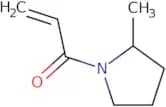
CAS:<p>Versatile small molecule scaffold</p>Formula:C8H14ClNOPurity:Min. 95%Molecular weight:175.7 g/mol1-(2-Methylpyrrolidin-1-yl)prop-2-en-1-one
CAS:<p>Versatile small molecule scaffold</p>Formula:C8H13NOPurity:Min. 95%Molecular weight:139.19 g/mol2-Cyano-N-(pyrimidin-2-yl)acetamide
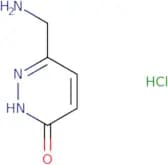
CAS:<p>Versatile small molecule scaffold</p>Formula:C7H6N4OPurity:Min. 95%Molecular weight:162.15 g/mol6-(Aminomethyl)pyridazin-3(2H)-one hydrochloride
CAS:<p>Versatile small molecule scaffold</p>Formula:C5H8ClN3OPurity:Min. 95%Molecular weight:161.59 g/mol(2S)-2-{[(tert-Butoxy)carbonyl]amino}-3-[(tert-butyldimethylsilyl)oxy]propanoic acid
CAS:<p>Versatile small molecule scaffold</p>Formula:C14H29NO5SiPurity:Min. 95%Molecular weight:319.47 g/mol(2S,3R)-2-{[(tert-Butoxy)carbonyl]amino}-3-[(tert-butyldimethylsilyl)oxy]butanoic acid
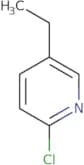
CAS:<p>Versatile small molecule scaffold</p>Formula:C15H31NO5SiPurity:Min. 95%Molecular weight:333.5 g/mol2-Chloro-5-ethylpyridine
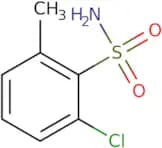
CAS:<p>2-Chloro-5-ethylpyridine is a chemical compound that belongs to the class of heterocyclic compounds. It is used as a catalyst in catalytic reduction and metabolic rate studies. This compound has been found to increase the production of flavopereirine, an important intermediate in the metabolism of plant polyphenols. 2-Chloro-5-ethylpyridine has also been shown to have an agonistic effect on the long term treatment of diabetes mellitus type 2. This agent has been shown to optimize yields and reduce hypoglycemic effects in animal models.</p>Formula:C7H8ClNPurity:Min. 95%Molecular weight:141.6 g/mol2-Chloro-6-methylbenzene-1-sulfonamide
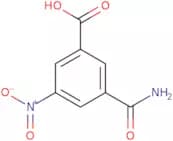
CAS:<p>Versatile small molecule scaffold</p>Formula:C7H8ClNO2SPurity:Min. 95%Molecular weight:205.66 g/mol3-carbamoyl-5-nitrobenzoic acid
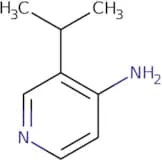
CAS:<p>Versatile small molecule scaffold</p>Formula:C8H6N2O5Purity:Min. 95%Molecular weight:210.15 g/mol3-Isopropylpyridin-4-amine
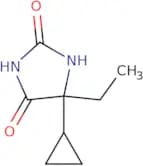
CAS:<p>Versatile small molecule scaffold</p>Formula:C8H12N2Purity:Min. 95%Molecular weight:136.2 g/mol5-Cyclopropyl-5-ethylimidazolidine-2,4-dione
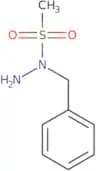
CAS:<p>Versatile small molecule scaffold</p>Formula:C8H12N2O2Purity:Min. 95%Molecular weight:168.19 g/molN-Benzylmethanesulfonohydrazide
CAS:<p>Versatile small molecule scaffold</p>Formula:C8H12N2O2SPurity:Min. 95%Molecular weight:200.26 g/mol5,6,7,8-Tetrahydrophthalazine-1,4-diamine
CAS:<p>Versatile small molecule scaffold</p>Formula:C8H12N4Purity:Min. 95%Molecular weight:164.2 g/mol1-Oxaspiro[4.4]nonan-3-one
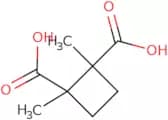
CAS:<p>Versatile small molecule scaffold</p>Formula:C8H12O2Purity:Min. 95%Molecular weight:140.18 g/mol1,2-Dimethylcyclobutane-1,2-dicarboxylic acid
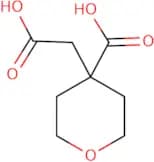
CAS:<p>Versatile small molecule scaffold</p>Formula:C8H12O4Purity:Min. 95%Molecular weight:172.18 g/mol4-(Carboxymethyl)oxane-4-carboxylic acid
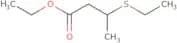
CAS:<p>Versatile small molecule scaffold</p>Formula:C8H12O5Purity:Min. 95%Molecular weight:188.18 g/molEthyl 3-(ethylsulfanyl)butanoate
CAS:<p>Versatile small molecule scaffold</p>Formula:C8H16O2SPurity:Min. 95%Molecular weight:176.28 g/mol1-(Aminomethyl)-N-methylcyclohexan-1-amine
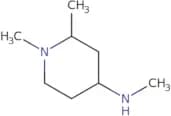
CAS:<p>Versatile small molecule scaffold</p>Formula:C8H18N2Purity:Min. 95%Molecular weight:142.24 g/molN,1,2-Trimethylpiperidin-4-amine
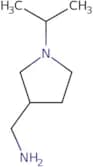
CAS:<p>Versatile small molecule scaffold</p>Formula:C8H18N2Purity:Min. 95%Molecular weight:142.24 g/mol(1-Isopropylpyrrolidin-3-yl)methylamine
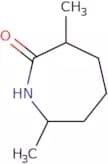
CAS:<p>Versatile small molecule scaffold</p>Formula:C8H18N2Purity:Min. 95%Molecular weight:142.24 g/mol3,7-Dimethylazepan-2-one
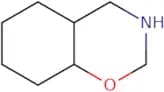
CAS:<p>Versatile small molecule scaffold</p>Formula:C8H15NOPurity:Min. 95%Molecular weight:141.21 g/molOctahydro-2H-1,3-benzoxazine
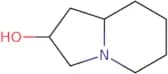
CAS:<p>Octahydro-2H-1,3-benzoxazine is a biomolecule that has been found in nature. It is an unsymmetrical molecule with a hydroxyl group at the terminal position on one of the six carbon atoms. Octahydro-2H-1,3-benzoxazine can be synthesized by metathesis reactions. This molecule can also undergo enantiospecific metathesis reactions and stereoselective carbinol additions.</p>Formula:C8H15NOPurity:Min. 95%Molecular weight:141.21 g/molOctahydroindolizin-2-ol
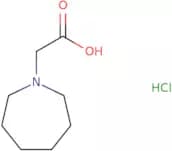
CAS:<p>Octahydroindolizin-2-ol is a bacteriostatic agent that inhibits the synthesis of RNA and DNA, which in turn prevents protein synthesis. It has been shown to be effective against fungus and lactam, as well as unraveling ribonucleotide chains. The chemical analysis of this compound shows that it contains an n-oxide group and a methoxy group. Octahydroindolizin-2-ol is extracted from the Oxytropis plant and has been found to be endophytic (living inside plants). This compound also has anti-viral properties, which are due to its ability to inhibit viral transcription by binding to viral RNA polymerase. Octahydroindolizin-2-ol is chemically related to swainsonine, a toxin produced by the endophytic fungus</p>Formula:C8H15NOPurity:Min. 95%Molecular weight:141.21 g/molAzepan-1-ylacetic acid hydrochloride
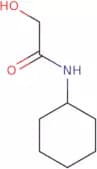
CAS:<p>Versatile small molecule scaffold</p>Formula:C8H16ClNO2Purity:Min. 95%Molecular weight:193.67 g/molN-Cyclohexyl-2-hydroxyacetamide
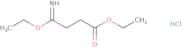
CAS:<p>Versatile small molecule scaffold</p>Formula:C8H15NO2Purity:Min. 95%Molecular weight:157.21 g/molEthyl 4-ethoxy-4-iminobutanoate hydrochloride
CAS:<p>Versatile small molecule scaffold</p>Formula:C8H16ClNO3Purity:Min. 95%Molecular weight:209.67 g/mol5,8-Diazaspiro[2.6]nonane
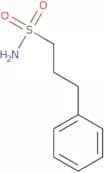
CAS:<p>Versatile small molecule scaffold</p>Formula:C7H14N2Purity:Min. 95%Molecular weight:126.2 g/mol3-Phenylpropane-1-sulfonamide
CAS:<p>3-Phenylpropane-1-sulfonamide is a synthetic drug that binds to the receptor tyrosine kinases and blocks the receptor system. It has been shown to be effective in reducing tumor growth in mice, although its mechanism of action remains unclear. 3-Phenylpropane-1-sulfonamide has also been shown to reduce cancer metastasis in mice. This drug binds to the quinoline derivatives and cyclic ligand, which are involved in hyperproliferative disorders such as cancer. 3-Phenylpropane-1-sulfonamide is also known for its ability to inhibit tumor cell proliferation by blocking hyperfunction through inhibition of receptor tyrosine kinases.</p>Formula:C9H13NO2SPurity:Min. 95%Molecular weight:199.27 g/mol2-(4-Methoxyphenoxy)ethane-1-sulfonyl chloride
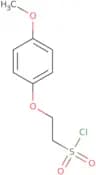
CAS:<p>Versatile small molecule scaffold</p>Formula:C9H11ClO4SPurity:Min. 95%Molecular weight:250.7 g/molN,2-Dihydroxy-4-methoxybenzamide
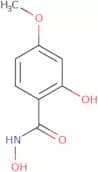
CAS:<p>Versatile small molecule scaffold</p>Formula:C8H9NO4Purity:Min. 95%Molecular weight:183.16 g/mol2-(4-Hydroxy-6-methyl-2-oxo-1,2-dihydropyridin-1-yl)acetic acid
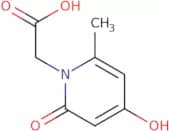
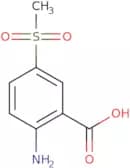
CAS:<p>Versatile small molecule scaffold</p>Formula:C8H9NO4Purity:Min. 95%Molecular weight:183.16 g/mol2-Amino-5-(methylsulfonyl)benzoic acid
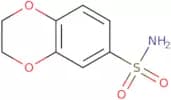
CAS:<p>Versatile small molecule scaffold</p>Formula:C8H9NO4SPurity:Min. 95%Molecular weight:215.22 g/mol2,3-Dihydro-1,4-benzodioxine-6-sulfonamide
CAS:<p>2,3-Dihydro-1,4-benzodioxine-6-sulfonamide is a pyruvate kinase inhibitor that has been shown to modulate the activity of this enzyme in human cancer cells. The inhibition of this enzyme leads to an accumulation of pyruvate and a decrease in ATP, which causes cell death by apoptosis. 2,3-Dihydro-1,4-benzodioxine-6-sulfonamide has also been shown to have anticancer activity against several types of cancer cells. It is not active against bacteria such as Mycobacterium tuberculosis and Clostridium perfringens.</p>Formula:C8H9NO4SPurity:Min. 95%Molecular weight:215.23 g/mol2-(4-Bromophenyl)-2H-1,2,3-triazole-4-carboxylic acid
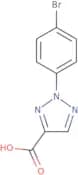
CAS:<p>Versatile small molecule scaffold</p>Formula:C9H6BrN3O2Purity:Min. 95%Molecular weight:268.07 g/mol1-Chloroisoquinolin-5-ol
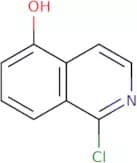
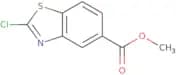
CAS:<p>Versatile small molecule scaffold</p>Formula:C9H6ClNOPurity:Min. 95%Molecular weight:179.6 g/molMethyl 2-chloro-1,3-benzothiazole-5-carboxylate
CAS:<p>Versatile small molecule scaffold</p>Formula:C9H6ClNO2SPurity:Min. 95%Molecular weight:227.67 g/mol

![2-Cyano-N-[2-(dimethylamino)ethyl]acetamide](/_next/image/?url=https%3A%2Fstatic.cymitquimica.com%2Fproducts%2F3D%2Fthumb-webp%2FQAA02955.webp&w=3840&q=75)


![Ethyl 2-[benzyl(2-oxopropyl)amino]acetate](/_next/image/?url=https%3A%2Fstatic.cymitquimica.com%2Fproducts%2F3D%2Fthumb-webp%2FQAA05740.webp&w=3840&q=75)


![4-[(4-Bromophenyl)sulfanyl]butanoic acid](/_next/image/?url=https%3A%2Fstatic.cymitquimica.com%2Fproducts%2F3D%2Fthumb-webp%2FQAA11576.webp&w=3840&q=75)
![2H,3H,6H,7H,8H-Indeno[5,6-b][1,4]dioxin-6-one](/_next/image/?url=https%3A%2Fstatic.cymitquimica.com%2Fproducts%2F3D%2Fthumb-webp%2FQAA12861.webp&w=3840&q=75)

![4,4-Dimethyl-3-oxabicyclo[3.1.0]hexan-2-one](/_next/image/?url=https%3A%2Fstatic.cymitquimica.com%2Fproducts%2F3D%2Fthumb-webp%2FQAA14362.webp&w=3840&q=75)

![2-Nitro-4-[(trifluoromethyl)sulphonyl]phenol](/_next/image/?url=https%3A%2Fstatic.cymitquimica.com%2Fproducts%2F3D%2Fthumb-webp%2FQAA18375.webp&w=3840&q=75)
![N-{1-Cyano-1-[(3,4-dimethoxyphenyl)methyl]ethyl}acetamide](/_next/image/?url=https%3A%2Fstatic.cymitquimica.com%2Fproducts%2F3D%2Fthumb-webp%2FQAA18849.webp&w=3840&q=75)


![3-[4-(2-Cyanoethyl)phenyl]propanenitrile](/_next/image/?url=https%3A%2Fstatic.cymitquimica.com%2Fproducts%2F3D%2Fthumb-webp%2FQAA20141.webp&w=3840&q=75)
![8-Amino-7-chloro-[1,2,4]triazolo[4,3-c]pyrimidin-3-ol](/_next/image/?url=https%3A%2Fstatic.cymitquimica.com%2Fproducts%2F3D%2Fthumb-webp%2FQAA20633.webp&w=3840&q=75)




![2-[(2,5-Dimethylphenyl)sulfanyl]acetic acid](/_next/image/?url=https%3A%2Fstatic.cymitquimica.com%2Fproducts%2F3D%2Fthumb-webp%2FQAA31087.webp&w=3840&q=75)
![1H,2H,3H,4H,7H,8H-Pyrido[2,3-d]pyridazin-8-one](/_next/image/?url=https%3A%2Fstatic.cymitquimica.com%2Fproducts%2F3D%2Fthumb-webp%2FQAA37578.webp&w=3840&q=75)
![[(2R)-4,4-difluoropyrrolidin-2-yl]methanol hydrochloride](/_next/image/?url=https%3A%2Fstatic.cymitquimica.com%2Fproducts%2F3D%2Fthumb-webp%2FQCC59371.webp&w=3840&q=75)
![4-Methoxy-2,6-dimethyl-N-[(piperidin-3-yl)methyl]benzene-1-sulfonamide hydrochloride](/_next/image/?url=https%3A%2Fstatic.cymitquimica.com%2Fproducts%2F3D%2Fthumb-webp%2FQCD85068.webp&w=3840&q=75)




![N-[(1H-Pyrazol-3-yl)methyl]acetamide](/_next/image/?url=https%3A%2Fstatic.cymitquimica.com%2Fproducts%2F3D%2Fthumb-webp%2FQDA03058.webp&w=3840&q=75)





![[3-(Carbamoylamino)phenyl]boronic acid](/_next/image/?url=https%3A%2Fstatic.cymitquimica.com%2Fproducts%2F3D%2Fthumb-webp%2FQDA08466.webp&w=3840&q=75)




![1-Azabicyclo[3.3.1]nonan-3-one hydrochloride](/_next/image/?url=https%3A%2Fstatic.cymitquimica.com%2Fproducts%2F3D%2Fthumb-webp%2FQDA15482.webp&w=3840&q=75)

![(2S)-2-{[(tert-Butoxy)carbonyl]amino}-3-[(tert-butyldimethylsilyl)oxy]propanoic acid](/_next/image/?url=https%3A%2Fstatic.cymitquimica.com%2Fproducts%2F3D%2Fthumb-webp%2FQDA18125.webp&w=3840&q=75)
![(2S,3R)-2-{[(tert-Butoxy)carbonyl]amino}-3-[(tert-butyldimethylsilyl)oxy]butanoic acid](/_next/image/?url=https%3A%2Fstatic.cymitquimica.com%2Fproducts%2F3D%2Fthumb-webp%2FQDA18126.webp&w=3840&q=75)
![1-Oxaspiro[4.4]nonan-3-one](/_next/image/?url=https%3A%2Fstatic.cymitquimica.com%2Fproducts%2F3D%2Fthumb-webp%2FQDA19932.webp&w=3840&q=75)

![5,8-Diazaspiro[2.6]nonane](/_next/image/?url=https%3A%2Fstatic.cymitquimica.com%2Fproducts%2F3D%2Fthumb-webp%2FQDA20753.webp&w=3840&q=75)