Building Blocks
This section contains fundamental products for the synthesis of organic and biological compounds. Building blocks are the essential starting materials used to construct complex molecules through various chemical reactions. They play a critical role in drug discovery, material science, and chemical research. At CymitQuimica, we offer a diverse range of high-quality building blocks to support your innovative research and industrial projects, ensuring you have the essential components for successful synthesis.
Subcategories of "Building Blocks"
- Boronic Acids & Boronic Acid Derivatives(5,756 products)
- Chiral Building Blocks(1,242 products)
- Hydrocarbon Building Blocks(6,095 products)
- Organic Building Blocks(61,055 products)
Found 199650 products of "Building Blocks"
Sort by
Purity (%)
0
100
|
0
|
50
|
90
|
95
|
100
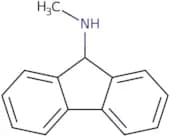
N-Methyl-9H-fluoren-9-amine
CAS:Versatile small molecule scaffoldFormula:C14H13NPurity:Min. 95%Molecular weight:195.26 g/mol6-Methyl-3H,4H-thieno[2,3-d][1,2,3]triazin-4-one
CAS:<p>Versatile small molecule scaffold</p>Formula:C6H5N3OSPurity:Min. 95%Molecular weight:167.19 g/mol5,6-Dimethyl-3H,4H-thieno[2,3-d][1,2,3]triazin-4-one
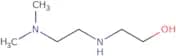
CAS:<p>Versatile small molecule scaffold</p>Formula:C7H7N3OSPurity:Min. 95%Molecular weight:181.22 g/mol2-(2-Dimethylamino-ethylamino)-ethanol
CAS:<p>2-(2-Dimethylamino-ethylamino)-ethanol is an organogold compound that has been synthesized by irradiating 2-(2-dimethylamino-ethyl)aminopyridine with gamma rays. This compound is a ligand for the phthalocyanine axial coordination complex and is cationic in nature. It reacts with sulfur to form a sulfide, which can be used as a reagent for the synthesis of other compounds. 2-(2-Dimethylamino-ethylamino)-ethanol has shown hydrophilicity and can be used as an additive in cosmetic products.<br>2-(2-Dimethylamino-ethylamino)-ethanol has been found to have high reactivity with ammonium ions and may be useful in the preparation of amides.</p>Formula:C6H16N2OPurity:Min. 95%Molecular weight:132.2 g/molmethyl 2-[1-(aminomethyl)cyclohexyl]acetate hydrochloride
CAS:Controlled Product<p>Versatile small molecule scaffold</p>Formula:C10H20ClNO2Purity:Min. 95%Molecular weight:221.7 g/mol2-[1-(Aminomethyl)cyclopentyl]acetic acid hydrochloride
CAS:<p>Versatile small molecule scaffold</p>Formula:C8H16ClNO2Purity:Min. 95%Molecular weight:193.67 g/mol4-Amino-2-methyl-1-phenylbutan-2-ol
CAS:<p>Versatile small molecule scaffold</p>Formula:C11H17NOPurity:Min. 95%Molecular weight:179.3 g/mol8-Bromo-2,3-dihydro-1,4-benzodioxin-5-amine
CAS:<p>Versatile small molecule scaffold</p>Formula:C8H8BrNO2Purity:Min. 95%Molecular weight:230.06 g/molrac-(1R,2R)-N1,N1-Dimethylcyclobutane-1,2-diamine dihydrochloride
CAS:<p>Versatile small molecule scaffold</p>Formula:C6H16Cl2N2Purity:Min. 95%Molecular weight:187.1 g/mol3-Chloro-5-(2-chlorophenyl)-1H-1,2,4-triazole
CAS:<p>Versatile small molecule scaffold</p>Formula:C8H5Cl2N3Purity:Min. 95%Molecular weight:214.05 g/mol(Quinazolin-4-ylsulfanyl)-acetic acid
CAS:<p>Versatile small molecule scaffold</p>Formula:C10H8N2O2SPurity:Min. 95%Molecular weight:220.25 g/mol2-[(4-Methoxyphenyl)methyl]piperidine
CAS:Controlled ProductVersatile small molecule scaffoldFormula:C13H19NOPurity:Min. 95%Molecular weight:205.3 g/molMethyl 3-amino-4-chloro-5-methoxybenzenecarboxylate
CAS:<p>Versatile small molecule scaffold</p>Formula:C9H10ClNO3Purity:Min. 95%Molecular weight:215.63 g/mol4-(Phenoxymethyl)piperidine hydrochloride
CAS:<p>Versatile small molecule scaffold</p>Formula:C12H18ClNOPurity:Min. 95%Molecular weight:227.74 g/mol3,4-Dimethoxybenzenesulfonamide
CAS:<p>Versatile small molecule scaffold</p>Formula:C8H11NO4SPurity:Min. 95%Molecular weight:217.24 g/mol4,5-Dimethoxy-2-(methylsulfanyl)benzaldehyde
CAS:<p>Versatile small molecule scaffold</p>Formula:C10H12O3SPurity:Min. 95%Molecular weight:212.27 g/mol2-(Aminomethyl)-1,3-thiazole-4-carboxylic acid hydrochloride
CAS:<p>Versatile small molecule scaffold</p>Formula:C5H7ClN2O2SPurity:Min. 95%Molecular weight:194.64 g/mol3,4-Diphenyl-1H-pyrazol-5-amine
CAS:<p>Versatile small molecule scaffold</p>Formula:C15H13N3Purity:Min. 95%Molecular weight:235.28 g/molMethyl 1,1,3-trioxo-2,3-dihydro-1,2-benzothiazole-6-carboxylate
CAS:<p>Versatile small molecule scaffold</p>Formula:C9H7NO5SPurity:Min. 95%Molecular weight:241.22 g/mol3-(Propan-2-yl)imidazolidine-2,4-dione
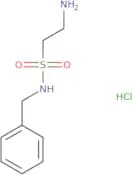
CAS:<p>Versatile small molecule scaffold</p>Formula:C6H10N2O2Purity:Min. 95%Molecular weight:142.16 g/mol2-Amino-N-benzylethane-1-sulfonamide hydrochloride
CAS:<p>Versatile small molecule scaffold</p>Formula:C9H15ClN2O2SPurity:Min. 95%Molecular weight:250.75 g/mol2,5-Dimethylpyrrolidine hydrochloride
CAS:<p>2,5-Dimethylpyrrolidine hydrochloride is a chiral compound that is used to prepare cyclopropanes. It can be used in enantioselective reductions of diazoacetates and cyclopropanations. It is an efficient reagent for the synthesis of styrene derivatives with high enantioselectivity. 2,5-Dimethylpyrrolidine hydrochloride has been used to synthesize the binaphthyl system using dinitrogen as the source of chirality. The configuration of the binaphthyl system was determined by the configuration of the nitrogen atom on 2,5-dimethylpyrrolidine hydrochloride.</p>Formula:C6H14ClNPurity:Min. 95%Molecular weight:135.64 g/mol(R)-2-(4-Chlorophenyl)-3-methylbutanoic acid
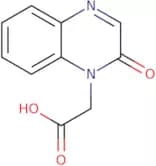
CAS:<p>Versatile small molecule scaffold</p>Formula:C11H13ClO2Purity:Min. 95%Molecular weight:212.67 g/mol(2-Oxoquinoxalin-1(2h)-yl)acetic acid
CAS:<p>Versatile small molecule scaffold</p>Formula:C10H8N2O3Purity:Min. 95%Molecular weight:204.18 g/mol2-(1H-Pyrrol-1-yl)thiophene-3-carbonitrile
CAS:<p>Versatile small molecule scaffold</p>Formula:C9H6N2SPurity:Min. 95%Molecular weight:174.22 g/mol[2-(1H-Pyrrol-1-yl)thiophen-3-yl]methanamine
CAS:<p>Versatile small molecule scaffold</p>Formula:C9H10N2SPurity:Min. 95%Molecular weight:178.26 g/mol4-Trifluoromethanesulfonylbenzene-1-sulfonyl chloride
CAS:<p>Versatile small molecule scaffold</p>Formula:C7H4ClF3O4S2Purity:Min. 95%Molecular weight:308.7 g/mol4-Trifluoromethanesulfonylbenzene-1-thiol
CAS:<p>Versatile small molecule scaffold</p>Formula:C7H5F3O2S2Purity:Min. 95%Molecular weight:242.2 g/mol2-Difluoromethanesulfonylbenzene-1-sulfonyl chloride
CAS:<p>Versatile small molecule scaffold</p>Formula:C7H5ClF2O4S2Purity:Min. 95%Molecular weight:290.7 g/mol2-Difluoromethanesulfonylbenzene-1-thiol
CAS:<p>Versatile small molecule scaffold</p>Formula:C7H6F2O2S2Purity:Min. 95%Molecular weight:224.3 g/molMethyl 2,4-dioxo-4-(4-phenylphenyl)butanoate
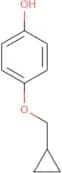
CAS:<p>Versatile small molecule scaffold</p>Formula:C17H14O4Purity:Min. 95%Molecular weight:282.29 g/mol4-(Cyclopropylmethoxy)phenol
CAS:<p>Versatile small molecule scaffold</p>Formula:C10H12O2Purity:Min. 95%Molecular weight:164.2 g/mol2-(Cyclobutylmethoxy)ethan-1-ol
CAS:<p>Versatile small molecule scaffold</p>Formula:C7H14O2Purity:Min. 95%Molecular weight:130.18 g/mol2-(Cyclopropylmethoxy)ethyl methanesulfonate
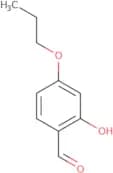
CAS:<p>Versatile small molecule scaffold</p>Formula:C7H14O4SPurity:Min. 95%Molecular weight:194.25 g/mol2-Hydroxy-4-propoxybenzaldehyde
CAS:<p>Versatile small molecule scaffold</p>Formula:C10H12O3Purity:Min. 95%Molecular weight:180.2 g/mol6-methylpyridine-2-carboxamide
CAS:<p>6-Methylpyridine-2-carboxamide is a nitrogenous compound that contains a metal ion. It has an amide group and a carboxylate group, which are both protonated at physiological pH. The compound is soluble in water and alcohols. 6-Methylpyridine-2-carboxamide can be used as an amplifier in the measurement of magnetic resonance imaging (MRI) spectra and nuclear magnetic resonance (NMR) spectra. It has been shown to have transistor properties, which may be due to its ability to transfer an electron from one side of the molecule to the other. 6-Methylpyridine-2-carboxamide also has a high melting point, which makes it suitable for use in high temperature environments such as in the production of semiconductors.</p>Formula:C7H8N2OPurity:Min. 95%Molecular weight:136.15 g/mol2-{[(Pyridin-2-ylmethyl)amino]methyl}phenol
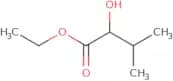
CAS:<p>2-{[(Pyridin-2-ylmethyl)amino]methyl}phenol is a ligand that crystallizes in the monoclinic space group P21/c. The compound crystallizes with two molecules per asymmetric unit, and contains one water molecule per molecule. It has been shown to have cyclic voltammetry, which includes cyclic voltammetry and linear sweep voltammetry. 2-{[(Pyridin-2-ylmethyl)amino]methyl}phenol binds to the perchlorate ion and oxygen atoms coordinate to the nitrogen atoms of the ligand.</p>Formula:C13H14N2OPurity:Min. 95%Molecular weight:214.26 g/molEthyl (2S)-2-hydroxy-3-methylbutanoate
CAS:<p>Versatile small molecule scaffold</p>Formula:C7H14O3Purity:Min. 95%Molecular weight:146.18 g/mol(3S)-3-Hydroxy-4-methylpentanoic acid
CAS:<p>Versatile small molecule scaffold</p>Formula:C6H12O3Purity:Min. 95%Molecular weight:132.16 g/mol1-[3-(Methylthio)phenyl]-5-oxopyrrolidine-3-carboxylic acid
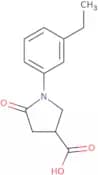
CAS:Versatile small molecule scaffoldFormula:C12H13NO3SPurity:Min. 95%Molecular weight:251.3 g/mol1-(3-Ethylphenyl)-5-oxopyrrolidine-3-carboxylic acid
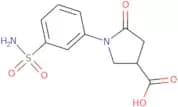
CAS:<p>Versatile small molecule scaffold</p>Formula:C13H15NO3Purity:Min. 95%Molecular weight:233.26 g/mol5-Oxo-1-(3-sulfamoylphenyl)pyrrolidine-3-carboxylic acid
CAS:<p>Versatile small molecule scaffold</p>Formula:C11H12N2O5SPurity:Min. 95%Molecular weight:284.29 g/mol1-(4-Fluoro-3-methylphenyl)-5-oxopyrrolidine-3-carboxylic acid
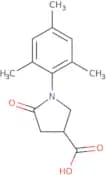
CAS:<p>Versatile small molecule scaffold</p>Formula:C12H12FNO3Purity:Min. 95%Molecular weight:237.23 g/mol5-Oxo-1-(2,4,6-trimethyl-phenyl)-pyrrolidine-3-carboxylic acid
CAS:<p>Versatile small molecule scaffold</p>Formula:C14H17NO3Purity:Min. 95%Molecular weight:247.3 g/mol2,2,6-Trimethyl-2,3-dihydro-4H-chromen-4-one
CAS:<p>Versatile small molecule scaffold</p>Formula:C12H14O2Purity:Min. 95%Molecular weight:190.24 g/molN,N'-Diethyl(dodecylsulfanyl)methanimidamide hydrobromide
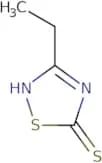
CAS:<p>Versatile small molecule scaffold</p>Formula:C17H37BrN2SPurity:Min. 95%Molecular weight:381.5 g/mol3-Ethyl-1,2,4-thiadiazole-5-thiol
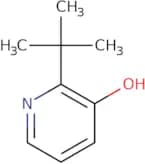
CAS:<p>Versatile small molecule scaffold</p>Formula:C4H6N2S2Purity:Min. 95%Molecular weight:146.2 g/mol2-tert-butylpyridin-3-ol
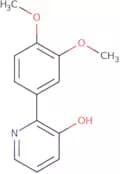
CAS:<p>Versatile small molecule scaffold</p>Formula:C9H13NOPurity:Min. 95%Molecular weight:151.2 g/mol2-(3,4-Dimethoxyphenyl)pyridin-3-ol
CAS:<p>Versatile small molecule scaffold</p>Formula:C13H13NO3Purity:Min. 95%Molecular weight:231.25 g/mol3-(2-Hydroxyethyl)imidazolidine-2,4-dione
CAS:<p>Versatile small molecule scaffold</p>Formula:C5H8N2O3Purity:Min. 95%Molecular weight:144.13 g/molMethyl 2-(2-hydroxyphenyl)-2-methoxyacetate
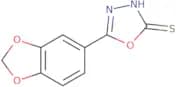
CAS:<p>Versatile small molecule scaffold</p>Formula:C10H12O4Purity:Min. 95%Molecular weight:196.2 g/mol5-(1,3-Dioxaindan-5-yl)-1,3,4-oxadiazole-2-thiol
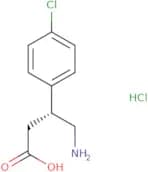
CAS:<p>Versatile small molecule scaffold</p>Formula:C9H6N2O3SPurity:Min. 95%Molecular weight:222.22 g/molR(+)-Baclofen.Hydrochloride
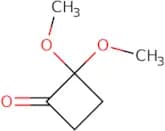
CAS:Controlled Product<p>R(+)-Baclofen.Hydrochloride is a GABA analogue that stimulates the GABA-benzodiazepine receptor complex and produces antinociception. It has been shown to be effective against diabetic neuropathy in rats, with no observed side effects. R(+)-Baclofen.Hydrochloride is used for the treatment of trigeminal neuralgia, butyric acid induced hyperalgesia and chronic constriction injury in rats. The main mechanism of action of R(+)-Baclofen.Hydrochloride is its ability to activate the benzodiazepine receptor by binding to it, which leads to mitochondrial membrane potential depolarization and an increase in the release of gamma-aminobutyric acid (GABA) from neurons.</p>Formula:C10H13Cl2NO2Purity:Min. 95%Molecular weight:250.12 g/mol2,2-Dimethoxycyclobutan-1-one
CAS:<p>Versatile small molecule scaffold</p>Formula:C6H10O3Purity:Min. 95%Molecular weight:130.14 g/mol4-amino-5H,6H,7H-cyclopenta[b]pyridin-2-ol
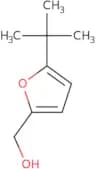
CAS:<p>Versatile small molecule scaffold</p>Formula:C8H10N2OPurity:Min. 95%Molecular weight:150.17 g/mol(5-(tert-Butyl)furan-2-yl)methanol
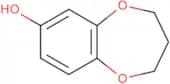
CAS:<p>Versatile small molecule scaffold</p>Formula:C9H14O2Purity:Min. 95%Molecular weight:154.21 g/mol3,4-Dihydro-2H-1,5-benzodioxepin-7-ol
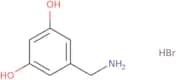
CAS:<p>Versatile small molecule scaffold</p>Formula:C9H10O3Purity:Min. 95%Molecular weight:166.17 g/mol5-(Aminomethyl)benzene-1,3-diol hydrobromide
CAS:<p>Versatile small molecule scaffold</p>Formula:C7H10BrNO2Purity:Min. 95%Molecular weight:220.06 g/mol6-Amino-1H-pyrazolo[3,4-b]pyridine
CAS:<p>6-Amino-1H-pyrazolo[3,4-b]pyridine is a cholesterol inhibitor that belongs to the pyridine derivative class. It has been shown to decrease the level of total cholesterol and low density lipoprotein (LDL) cholesterol in rats with atherosclerosis. This drug inhibits protein synthesis by binding to the active site of HMG-CoA reductase and preventing it from forming an enzyme-substrate complex with cholesteryl ester. 6-Amino-1H-pyrazolo[3,4-b]pyridine is an enantiomeric mixture of two stereoisomers, R and S. The R isomer has been shown to be more potent than the S isomer in inhibiting HMG CoA reductase activity.</p>Formula:C6H6N4Purity:Min. 95%Molecular weight:134.14 g/mol6-chloro-1-methyl-1h-pyrazolo[3,4-b]pyridine
CAS:<p>Versatile small molecule scaffold</p>Formula:C7H6ClN3Purity:Min. 95%Molecular weight:167.6 g/mol6-Chloro-2,4-dimethyl-2H-pyrazolo[3,4-b]pyridine
CAS:<p>Versatile small molecule scaffold</p>Formula:C8H8ClN3Purity:Min. 95%Molecular weight:181.62 g/mol3,5-Dibromoimidazo[1,2-a]pyrazine
CAS:<p>Versatile small molecule scaffold</p>Formula:C6H3Br2N3Purity:Min. 95%Molecular weight:276.92 g/mol5-bromo-[1,2,4]triazolo[4,3-a]pyrazine
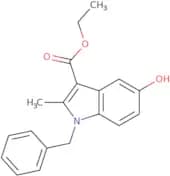
CAS:<p>Versatile small molecule scaffold</p>Formula:C5H3BrN4Purity:Min. 95%Molecular weight:199.01 g/molEthyl 1-benzyl-5-hydroxy-2-methyl-1H-indole-3-carboxylate
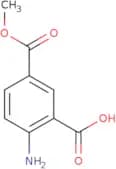
CAS:Controlled Product<p>Versatile small molecule scaffold</p>Formula:C19H19NO3Purity:Min. 95%Molecular weight:309.4 g/mol2-Amino-5-methoxycarbonylbenzoic acid
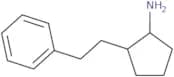
CAS:<p>Versatile small molecule scaffold</p>Formula:C9H9NO4Purity:Min. 95%Molecular weight:195.17 g/mol2-(2-Phenylethyl)cyclopentan-1-amine
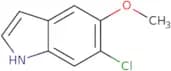
CAS:<p>Versatile small molecule scaffold</p>Formula:C13H19NPurity:Min. 95%Molecular weight:189.3 g/mol6-chloro-5-methoxy-1H-indole
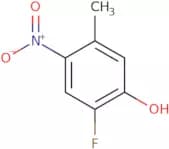
CAS:<p>6-chloro-5-methoxy-1H-indole is an aromatic compound that can be synthesized by the amination of acetyl chloride. This reaction is followed by a borohydride reduction of the imine, and then an acetylation of the resulting alcohol. The synthesis method involves two steps: first, a borohydride reduction of the imine using sodium borohydride; and second, an acetylation with chloral. The final product is purified by distillation and elemental analysis to determine yields.</p>Formula:C9H8NOClPurity:Min. 95%Molecular weight:181.61 g/mol2-Fluoro-5-methyl-4-nitrophenol
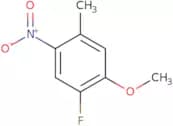
CAS:<p>Versatile small molecule scaffold</p>Formula:C7H6FNO3Purity:Min. 95%Molecular weight:171.13 g/mol1-Fluoro-2-methoxy-4-methyl-5-nitrobenzene
CAS:<p>Versatile small molecule scaffold</p>Formula:C8H8FNO3Purity:Min. 95%Molecular weight:185.15 g/mol2-(bromomethyl)-6-chloropyridine
CAS:<p>2-(bromomethyl)-6-chloropyridine is a ligand that binds to metal atoms. It forms a complex with the metal atom by coordinating with two or more bromine atoms and one or two hydrogens. 2-(Bromomethyl)-6-chloropyridine has been shown to interact with pyridine, x-ray diffraction studies, crystal x-ray diffraction, and ligands in crystal x-ray diffraction studies. The conformation of this compound can be deformed by substituting the methyl group on the chloro group for other moieties. These interactions have been shown using X-Ray diffraction studies and crystal x-ray diffraction studies.</p>Formula:C6H5BrClNPurity:Min. 95%Molecular weight:206.47 g/mol[(6-Chloropyridin-2-yl)methyl]dimethylamine
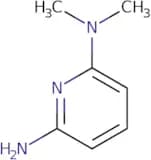
CAS:<p>Versatile small molecule scaffold</p>Formula:C8H11ClN2Purity:Min. 95%Molecular weight:170.64 g/molN2,N2-Dimethylpyridine-2,6-diamine
CAS:<p>Versatile small molecule scaffold</p>Formula:C7H11N3Purity:Min. 95%Molecular weight:137.18 g/mol1-Oxa-7-azaspiro[4.5]decane
CAS:<p>Oxa-7-azaspiro[4.5]decane is a compound that is structurally related to the neurotransmitter substance P and has been shown to be a potent, selective antagonist of neurokinin (NK) receptors. Oxa-7-azaspiro[4.5]decane inhibits the release of dopamine from rat brain synaptosomes and depresses synapses in the rat hippocampus, an effect that can be reversed by administration of an NK receptor antagonist. This drug also has anti-cancer activity against chemotherapy-induced depression in rats and has been shown to inhibit proliferation in rat hepatocytes. The oxygen atom on the molecule is responsible for its oxidative properties, which are due to its ability to form reactive oxygen species such as superoxide and hydroxyl radicals when it reacts with water or hydrogen peroxide. These reactive oxygen species are able to damage DNA, RNA, enzymes, or other molecules by oxidation.</p>Formula:C8H15NOPurity:Min. 95%Molecular weight:141.21 g/mol3-Isothiocyanato-N-methylpropanamide
CAS:<p>Versatile small molecule scaffold</p>Formula:C5H8N2OSPurity:Min. 95%Molecular weight:144.2 g/mol1-(Azidomethyl)-2-chlorobenzene
CAS:<p>Versatile small molecule scaffold</p>Formula:C7H6ClN3Purity:Min. 95%Molecular weight:167.59 g/mol[2-Bromo-1-(propan-2-yloxy)ethyl]benzene
CAS:<p>Versatile small molecule scaffold</p>Formula:C11H15BrOPurity:Min. 95%Molecular weight:243.14 g/molMethyl 2-(4-acetyl-2-methoxyphenoxy)acetate
CAS:<p>Versatile small molecule scaffold</p>Formula:C12H14O5Purity:Min. 95%Molecular weight:238.24 g/mol2-Imino-4-methyl-2,3-dihydro-1,3-thiazole-5-carbohydrazide
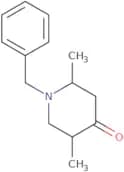
CAS:<p>Versatile small molecule scaffold</p>Formula:C5H8N4OSPurity:Min. 95%Molecular weight:172.21 g/mol1-Benzyl-2,5-dimethylpiperidin-4-one
CAS:<p>Versatile small molecule scaffold</p>Formula:C14H19NOPurity:Min. 95%Molecular weight:217.31 g/mol2-(4-Methoxyphenyl)-4-nitrophenol
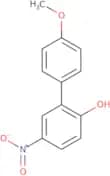
CAS:<p>Versatile small molecule scaffold</p>Formula:C13H11NO4Purity:Min. 95%Molecular weight:245.23 g/mol2-(7,7-Dimethylbicyclo[2.2.1]heptan-1-yl)acetic acid
CAS:<p>Versatile small molecule scaffold</p>Formula:C11H18O2Purity:Min. 95%Molecular weight:182.26 g/molPropane-2-sulfonyl fluoride
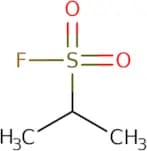
CAS:<p>Propane-2-sulfonyl fluoride is a fluorinating agent that has been used to study the structure of nucleic acids. It is also used in the preparation of sulfones and sulfuryls. In Alzheimer's disease, Propane-2-sulfonyl fluoride has been shown to crosslink the amyloid beta peptide and inhibit the formation of fibrils. The effective dose is determined by its therapeutic value as a treatment for Alzheimer's disease.</p>Formula:C3H7FO2SPurity:Min. 95%Molecular weight:126.15 g/mol(2S)-3-Methyl-2-(1H-pyrrol-1-yl)butanoic acid
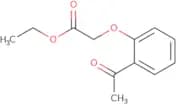
CAS:<p>Versatile small molecule scaffold</p>Formula:C9H13NO2Purity:Min. 95%Molecular weight:167.2 g/molEthyl 2-(2-acetylphenoxy)acetate
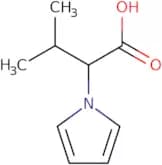
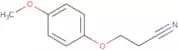
CAS:<p>Versatile small molecule scaffold</p>Formula:C12H14O4Purity:Min. 95%Molecular weight:222.24 g/mol3-(4-Methoxyphenoxy)propanenitrile
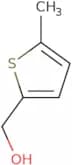
CAS:<p>Versatile small molecule scaffold</p>Formula:C10H11NO2Purity:Min. 95%Molecular weight:177.2 g/mol(5-Methylthiophen-2-yl)methanol
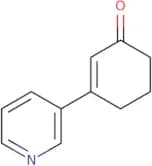
CAS:<p>5-Methylthiophen-2-yl)methanol is a furan that contains a sulfo group. It is an electrophilic compound with mechanisms and exchangers that are still being studied. 5-Methylthiophen-2-yl)methanol reacts with thiophene to form the sulfone, which is then converted to the methylene by alkylation. The reaction of 5-methylthiophen-2-yl)methanol with pyrrole leads to the formation of the heterocycle, which can be oxidized to form the corresponding carboxylic acid. This compound also has been shown to react with formalin and acidic conditions, as well as being able to be oxidized into formaldehyde.</p>Formula:C6H8OSPurity:Min. 95%Molecular weight:128.19 g/mol3-(Pyridin-3-yl)cyclohex-2-en-1-one
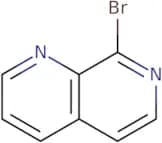
CAS:<p>Versatile small molecule scaffold</p>Formula:C11H11NOPurity:Min. 95%Molecular weight:173.21 g/mol8-Bromo-1,7-naphthyridine
CAS:<p>Versatile small molecule scaffold</p>Formula:C8H5BrN2Purity:Min. 95%Molecular weight:209.04 g/mol6-Methoxypiperidin-2-one
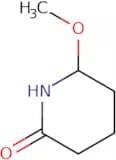
CAS:<p>Versatile small molecule scaffold</p>Formula:C6H11NO2Purity:Min. 95%Molecular weight:129.16 g/mol2-{7,7-Dimethylbicyclo[2.2.1]heptan-1-yl}ethan-1-amine hydrochloride
CAS:<p>Versatile small molecule scaffold</p>Formula:C11H22ClNPurity:Min. 95%Molecular weight:203.75 g/mol2,2-Dimethylcyclopentane-1-carboxylic acid
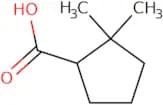
CAS:<p>Versatile small molecule scaffold</p>Formula:C8H14O2Purity:Min. 95%Molecular weight:142.2 g/mol2-Bromo-3,6-dichlorophenol
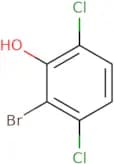
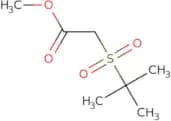
CAS:<p>Versatile small molecule scaffold</p>Formula:C6H3BrCl2OPurity:Min. 95%Molecular weight:241.89 g/molMethyl 2-(2-methylpropane-2-sulfonyl)acetate
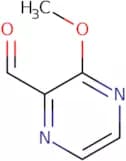
CAS:<p>Versatile small molecule scaffold</p>Formula:C7H14O4SPurity:Min. 95%Molecular weight:194.25 g/mol3-Methoxypyrazine-2-carbaldehyde
CAS:<p>3-Methoxypyrazine-2-carbaldehyde (3MP) is a synthetic, biomimetic molecule that can be produced through a biomimetic synthesis. It has been shown to be an effective inhibitor of the enzyme schischkiniin. 3MP also has bidirectional reactivity and can act as both a nucleophile and electrophile. 3MP thermally reacts with dicarbaldehydes to form the natural product pyrazinyl and it can also react with amides to form amidations. 3MP has been shown to have antimicrobial properties against Staphylococcus aureus, Bacillus subtilis, Streptococcus pneumoniae, and Pseudomonas aeruginosa. The sequence of this molecule is shown below:</p>Formula:C6H6N2O2Purity:Min. 95%Molecular weight:138.12 g/mol1-Methyl-4-[4-(trifluoromethyl)-1H-imidazol-2-yl]-1H-pyrazole
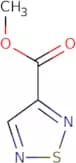
CAS:<p>Versatile small molecule scaffold</p>Formula:C8H7F3N4Purity:Min. 95%Molecular weight:216.16 g/molMethyl 1,2,5-thiadiazole-3-carboxylate
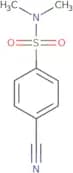
CAS:<p>Versatile small molecule scaffold</p>Formula:C4H4N2O2SPurity:Min. 95%Molecular weight:144.15 g/mol4-Cyano-N,N-dimethylbenzene-1-sulfonamide
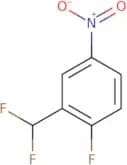
CAS:<p>Versatile small molecule scaffold</p>Formula:C9H10N2O2SPurity:Min. 95%Molecular weight:210.26 g/mol2-(Difluoromethyl)-1-fluoro-4-nitrobenzene
CAS:<p>Versatile small molecule scaffold</p>Formula:C7H4F3NO2Purity:Min. 95%Molecular weight:191.11 g/mol4-(Prop-2-en-1-yloxy)butanal
CAS:<p>Versatile small molecule scaffold</p>Formula:C7H12O2Purity:Min. 95%Molecular weight:128.2 g/mol2-Aza-bicyclo[2.2.1]hept-5-ene hydrochloride
CAS:<p>Versatile small molecule scaffold</p>Formula:C6H10ClNPurity:Min. 95%Molecular weight:131.6 g/mol2-({4-[(2-Hydroxyethyl)amino]phenyl}amino)ethan-1-ol
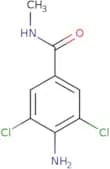
CAS:<p>Versatile small molecule scaffold</p>Formula:C10H16N2O2Purity:Min. 95%Molecular weight:196.25 g/mol4-Amino-3,5-dichloro-N-methylbenzamide
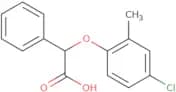
CAS:<p>Versatile small molecule scaffold</p>Formula:C8H8Cl2N2OPurity:Min. 95%Molecular weight:219.06 g/mol2-(4-Chloro-2-methylphenoxy)-2-phenylacetic acid
CAS:<p>Versatile small molecule scaffold</p>Formula:C15H13ClO3Purity:Min. 95%Molecular weight:276.71 g/mol(2S)-2-({Thieno[2,3-d]pyrimidin-4-yl}amino)propanoic acid
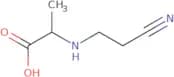
CAS:<p>Versatile small molecule scaffold</p>Formula:C9H9N3O2SPurity:Min. 95%Molecular weight:223.25 g/mol2-(2-Cyano-ethylamino)-propionic acid
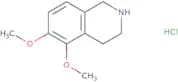
CAS:<p>Versatile small molecule scaffold</p>Formula:C6H10N2O2Purity:Min. 95%Molecular weight:142.16 g/mol5,6-Dimethoxy-1,2,3,4-tetrahydroisoquinoline hydrochloride
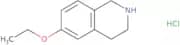
CAS:<p>Versatile small molecule scaffold</p>Formula:C11H16ClNO2Purity:Min. 95%Molecular weight:229.7 g/mol6-Ethoxy-1,2,3,4-tetrahydroisoquinoline hydrochloride
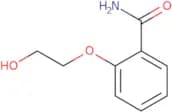
CAS:<p>Versatile small molecule scaffold</p>Formula:C11H16ClNOPurity:Min. 95%Molecular weight:213.7 g/mol2-(2-Hydroxyethoxy)benzamide
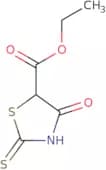
CAS:<p>2-(2-Hydroxyethoxy)benzamide is a dopamine receptor agonist that inhibits 5-HT3 receptors in vitro. It is an orally active drug that has been shown to have a good safety profile in humans. 2-(2-Hydroxyethoxy)benzamide has also been shown to be a 5-HT4 receptor antagonist, which may account for the lack of serotonin syndrome in animal studies. This drug can cause intestinal contractions and nausea, and may also cause symptoms such as headache, dizziness, and insomnia. Levosulpiride is a selective 5-HT4 receptor agonist that may be more effective than 2-(2-Hydroxyethoxy)benzamide at alleviating the gastrointestinal side effects of this drug.</p>Formula:C9H11NO3Purity:Min. 95%Molecular weight:181.19 g/molEthyl 4-oxo-2-sulfanylidene-1,3-thiazolidine-5-carboxylate
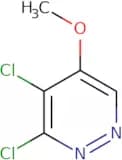
CAS:<p>Versatile small molecule scaffold</p>Formula:C6H7NO3S2Purity:Min. 95%Molecular weight:205.3 g/mol3,4-Dichloro-5-methoxypyridazine
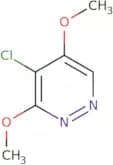
CAS:<p>Versatile small molecule scaffold</p>Formula:C5H4Cl2N2OPurity:Min. 95%Molecular weight:179.01 g/mol4-Chloro-3,5-dimethoxypyridazine
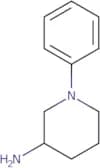
CAS:<p>4-Chloro-3,5-dimethoxypyridazine is a tautomeric compound that has been synthesized and characterized. The form of the molecule depends on the pH. At low pH, it exists in the form of an ion with a negative charge. When neutralized, it exists as a protonated molecule and at high pH, it exists as an ion with a positive charge. 4-Chloro-3,5-dimethoxypyridazine has been used to synthesise analogues with improved properties.</p>Formula:C6H7ClN2O2Purity:Min. 95%Molecular weight:174.58 g/mol1-Phenylpiperidin-3-amine
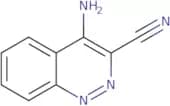
CAS:<p>Versatile small molecule scaffold</p>Formula:C11H16N2Purity:Min. 95%Molecular weight:176.26 g/mol4-Aminocinnoline-3-carbonitrile
CAS:<p>Versatile small molecule scaffold</p>Formula:C9H6N4Purity:Min. 95%Molecular weight:170.17 g/mol[2-(3,4-Dimethoxy-phenyl)-ethyl]-phenethyl-amine
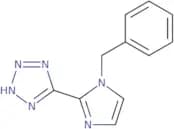
CAS:<p>Versatile small molecule scaffold</p>Formula:C18H23NO2Purity:Min. 95%Molecular weight:285.4 g/mol5-(1-Benzyl-1H-imidazol-2-yl)-1H-1,2,3,4-tetrazole
CAS:<p>5-(1-Benzyl-1H-imidazol-2-yl)-1H-1,2,3,4-tetrazole is a diagnostic agent that can be used for iontophoresis. It is insoluble in water and therefore cannot be administered by injection. 5-(1-Benzyl-1H-imidazol-2-yl)-1H-1,2,3,4-tetrazole is reconstituted with an antisolvent or diluent before use as an iontophoretic drug. It is hydrophobic and binds to the skin surface during iontophoresis, allowing for the passage of ions through the skin.</p>Formula:C11H10N6Purity:Min. 95%Molecular weight:226.24 g/moltert-butyl N-{[(1s,3s)-3-aminocyclobutyl]methyl}carbamate, cis
CAS:<p>Versatile small molecule scaffold</p>Formula:C10H20N2O2Purity:Min. 95%Molecular weight:200.3 g/molmethyl 5H-pyrrolo[2,3-b]pyrazine-2-carboxylate
CAS:Versatile small molecule scaffoldFormula:C8H7N3O2Purity:Min. 95%Molecular weight:177.16 g/molmethyl 1H-pyrazolo[3,4-c]pyridine-4-carboxylate
CAS:<p>Versatile small molecule scaffold</p>Formula:C8H7N3O2Purity:Min. 95%Molecular weight:177.16 g/mol6-Boc-1-oxo-6-azaspiro[3.5]nonane
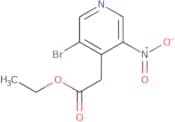
CAS:<p>Versatile small molecule scaffold</p>Formula:C13H21NO3Purity:Min. 95%Molecular weight:239.31 g/molEthyl 2-(3-bromo-5-nitropyridin-4-yl)acetate
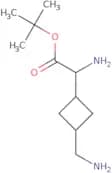
CAS:<p>Versatile small molecule scaffold</p>Formula:C9H9BrN2O4Purity:Min. 95%Molecular weight:289.08 g/mol1-(Boc-aminomethyl)cyclobutan-3-methanamine
CAS:<p>Versatile small molecule scaffold</p>Formula:C11H22N2O2Purity:90%Molecular weight:214.3 g/moltert-Butyl N-[3-(hydroxymethyl)oxetan-3-yl]carbamate
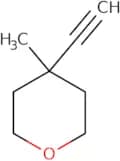
CAS:<p>Versatile small molecule scaffold</p>Formula:C9H17NO4Purity:Min. 95%Molecular weight:203.24 g/mol4-Ethynyl-4-methyloxane
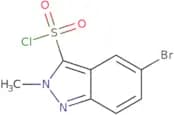
CAS:<p>Versatile small molecule scaffold</p>Formula:C8H12OPurity:Min. 95%Molecular weight:124.18 g/mol5-Bromo-2-methyl-2H-indazole-3-sulfonyl chloride
CAS:<p>Versatile small molecule scaffold</p>Formula:C8H6BrClN2O2SPurity:Min. 95%Molecular weight:309.57 g/mol1-methyl-5-nitro-1H-indazole-3-carboxylic acid
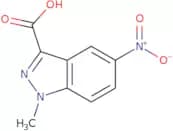
CAS:Controlled Product<p>Versatile small molecule scaffold</p>Formula:C9H7N3O4Purity:Min. 95%Molecular weight:221.17 g/mol6-bromo-1h-pyrazolo[4,3-b]pyridine-3-carboxylic acid
CAS:<p>Versatile small molecule scaffold</p>Formula:C7H4BrN3O2Purity:Min. 95%Molecular weight:242.03 g/mol5-[(tert-butoxy)carbonyl]-5-azaspiro[2.5]octane-1-carboxylic acid
CAS:Versatile small molecule scaffoldFormula:C13H21NO4Purity:Min. 95%Molecular weight:255.3 g/moltert-Butyl 7-oxo-2-azaspiro[3.4]octane-2-carboxylate
CAS:<p>Versatile small molecule scaffold</p>Formula:C12H19NO3Purity:Min. 95%Molecular weight:225.28 g/mol1-({[(tert-butoxy)carbonyl]amino}methyl)-3,3-difluorocyclobutane-1-carboxylic acid
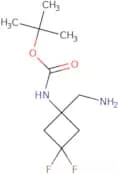
CAS:<p>Versatile small molecule scaffold</p>Formula:C11H17F2NO4Purity:Min. 95%Molecular weight:265.3 g/mol1-(Boc-amino)-1-(aminomethyl)-3,3-difluorocyclobutane
CAS:<p>Versatile small molecule scaffold</p>Formula:C10H18F2N2O2Purity:Min. 95%Molecular weight:236.26 g/molmethyl 5,6-dihydroxypyridine-3-carboxylate
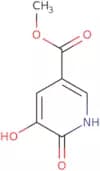
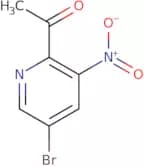
CAS:<p>Versatile small molecule scaffold</p>Formula:C7H7NO4Purity:Min. 95%Molecular weight:169.14 g/mol1-(5-Bromo-3-nitropyridin-2-yl)ethan-1-one
CAS:<p>Versatile small molecule scaffold</p>Formula:C7H5BrN2O3Purity:Min. 95%Molecular weight:245.03 g/molMethyl 1H-pyrazolo[4,3-c]pyridine-3-carboxylate
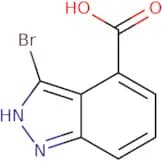
CAS:<p>Versatile small molecule scaffold</p>Formula:C8H7N3O2Purity:Min. 95%Molecular weight:177.16 g/mol3-Bromo-1H-indazole-4-carboxylic acid
CAS:Versatile small molecule scaffoldFormula:C8H5BrN2O2Purity:Min. 95%Molecular weight:241.04 g/molimidazo[2,1-f][1,2,4]triazin-4-amine
CAS:<p>Imidazo[2,1-f][1,2,4]triazin-4-amine is a synthetic nucleoside analogue that is used in the treatment of chronic hepatitis C. It has been shown to inhibit the replication of human immunodeficiency virus (HIV) and hepatitis B virus (HBV). Imidazo[2,1-f][1,2,4]triazin-4-amine inhibits the adenosine deaminase enzyme and the formation of monophosphate derivatives of adenosine. This leads to an increased concentration of adenosine in cells, which blocks the function of purine receptors on hepatocytes. Furthermore, imidazo[2,1-f][1,2,4]triazin-4-amine inhibits viral DNA polymerase by interacting with its active site. The antiviral activity is thought to be due to imidazo[2,1-f][1,2,</p>Formula:C5H5N5Purity:Min. 95%Molecular weight:135.13 g/mol1H-pyrazolo[4,3-b]pyridine-7-carboxylic acid
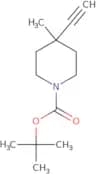
CAS:<p>Versatile small molecule scaffold</p>Formula:C7H5N3O2Purity:Min. 95%Molecular weight:163.13 g/mol1-Boc-4-ethynyl-4-methylpiperidine
CAS:<p>Versatile small molecule scaffold</p>Formula:C13H21NO2Purity:Min. 95%Molecular weight:223.31 g/mol2-azaspiro[3.5]nonane-2-carboxylic acid, 7-hydroxy-, 1,1-dimethylethyl ester
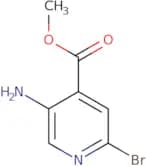
CAS:<p>Versatile small molecule scaffold</p>Formula:C13H23NO3Purity:Min. 95%Molecular weight:241.33 g/molMethyl 5-amino-2-bromoisonicotinate
CAS:<p>Versatile small molecule scaffold</p>Formula:C7H7BrN2O2Purity:Min. 95%Molecular weight:231.05 g/mol[1-(aminomethyl)-3,3-difluorocyclobutyl]methanol
CAS:<p>Versatile small molecule scaffold</p>Formula:C6H11F2NOPurity:Min. 95%Molecular weight:151.16 g/mol(S)-tert-Butyl ((4,4-difluoropyrrolidin-2-yl)methyl)carbamate
CAS:<p>Versatile small molecule scaffold</p>Formula:C10H18F2N2O2Purity:Min. 95%Molecular weight:236.26 g/moltert-Butyl (2S)-2-(aminomethyl)-4,4-difluoro-pyrrolidine-1-carboxylate
CAS:<p>Versatile small molecule scaffold</p>Formula:C10H18F2N2O2Purity:Min. 95%Molecular weight:236.26 g/mol3-methyloxetan-3-amine hydrochloride
CAS:<p>Versatile small molecule scaffold</p>Formula:C4H10ClNOPurity:Min. 95%Molecular weight:123.6 g/mol2-Methyl-5H,6H,7H,8H-imidazo[1,2-a]pyrazine dihydrochloride
CAS:<p>Versatile small molecule scaffold</p>Formula:C7H13Cl2N3Purity:Min. 95%Molecular weight:210.1 g/mol5-Iodo-1,7-naphthyridin-8(7H)-one
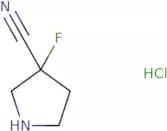
CAS:<p>Versatile small molecule scaffold</p>Formula:C8H5IN2OPurity:Min. 95%Molecular weight:272.04 g/mol3-Fluoropyrrolidine-3-carbonitrile hydrochloride
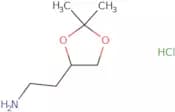
CAS:<p>Versatile small molecule scaffold</p>Formula:C5H8ClFN2Purity:Min. 95%Molecular weight:150.58 g/mol2-(2,2-Dimethyl-1,3-dioxolan-4-yl)ethanamine hydrochloride
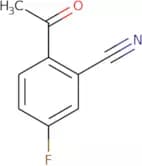
CAS:<p>Versatile small molecule scaffold</p>Formula:C7H16ClNO2Purity:Min. 95%Molecular weight:181.66 g/mol2-Acetyl-5-fluorobenzonitrile
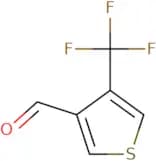
CAS:<p>Versatile small molecule scaffold</p>Formula:C9H6FNOPurity:Min. 95%Molecular weight:163.15 g/mol4-(Trifluoromethyl)thiophene-3-carbaldehyde
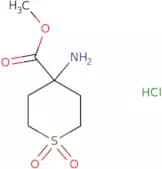
CAS:Versatile small molecule scaffoldFormula:C6H3F3OSPurity:Min. 95%Molecular weight:180.15 g/molMethyl 4-amino-1,1-dioxo-1λ6-thiane-4-carboxylate hydrochloride
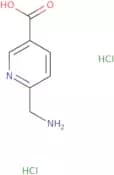
CAS:<p>Versatile small molecule scaffold</p>Formula:C7H14ClNO4SPurity:Min. 95%Molecular weight:243.71 g/mol6-(Aminomethyl)pyridine-3-carboxylic acid dihydrochloride
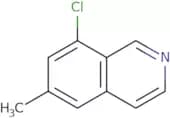
CAS:<p>Versatile small molecule scaffold</p>Formula:C7H10Cl2N2O2Purity:Min. 95%Molecular weight:225.07 g/mol8-Chloro-6-methylisoquinoline
CAS:<p>8-Chloro-6-methylisoquinoline is a potent inhibitor of the enzyme protozoan parasites. It binds to the catalytic site of the enzyme and inhibits its function. This drug has been shown to inhibit the growth of Leishmania, Plasmodium, and fungal strains, including Candida albicans. 8-Chloro-6-methylisoquinoline also has a hydrophobic nature that allows it to bind to cytosolic proteins in an aqueous environment, which may be important for inhibition of protein synthesis in protozoa.</p>Formula:C10H8ClNPurity:Min. 95%Molecular weight:177.63 g/mol2-methyl-1-[(2-methylpropyl)amino]propan-2-ol
CAS:<p>Versatile small molecule scaffold</p>Formula:C8H19NOPurity:Min. 95%Molecular weight:145.24 g/moltrans-6-Boc-octahydropyrrolo[3,4-b][1,4]oxazine ee
CAS:<p>Versatile small molecule scaffold</p>Formula:C11H20N2O3Purity:Min. 95%Molecular weight:228.29 g/mol[1-(Pyrimidin-2-ylmethyl)piperidin-4-yl]methanol
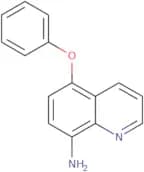
CAS:<p>Versatile small molecule scaffold</p>Formula:C11H17N3OPurity:Min. 95%Molecular weight:207.27 g/mol5-Phenoxyquinolin-8-amine
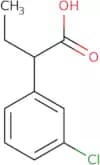
CAS:<p>Versatile small molecule scaffold</p>Formula:C15H12N2OPurity:Min. 95%Molecular weight:236.3 g/mol2-(3-Chlorophenyl)butanoic acid
CAS:<p>Versatile small molecule scaffold</p>Formula:C10H11ClO2Purity:Min. 95%Molecular weight:198.64 g/mol2-{[(tert-butoxy)carbonyl]amino}-3,3,3-trifluoropropanoic acid
CAS:<p>Versatile small molecule scaffold</p>Formula:C8H12F3NO4Purity:Min. 95%Molecular weight:243.2 g/mol5,7-Dihydro-4H-spiro[1,3-benzothiazole-6,1'-cyclohexane]-2-amine
CAS:<p>Versatile small molecule scaffold</p>Formula:C12H18N2SPurity:Min. 95%Molecular weight:222.35 g/mol5-Chloro-2-iodopyridin-3-ol
CAS:<p>Versatile small molecule scaffold</p>Formula:C5H3ClINOPurity:Min. 95%Molecular weight:255.44 g/mol5-Chloro-3-iodopyridin-2(1H)-one
CAS:<p>Versatile small molecule scaffold</p>Formula:C5H3ClINOPurity:Min. 95%Molecular weight:255.44 g/mol6-Bromo-2-iodopyridin-3-ol
CAS:<p>Versatile small molecule scaffold</p>Formula:C5H3BrINOPurity:Min. 95%Molecular weight:299.89 g/molEthyl (1R,3S,4S)-2-azabicyclo[2.2.1]heptane-3-carboxylate hydrochloride
CAS:Versatile small molecule scaffoldFormula:C9H15NO2·ClHPurity:Min. 95%Molecular weight:205.68 g/mol1H-1,3-Benzodiazole-4-carboxamide
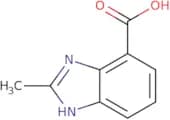
CAS:<p>1H-1,3-Benzodiazole-4-carboxamide is a monosubstituted, trifluoroacetic acid, trisubstituted benzodiazepine. This compound is a potent inhibitor of the cellular enzyme DNA topoisomerase II and has been shown to inhibit the growth of tumor cells in vitro and in vivo. 1H-1,3-Benzodiazole-4-carboxamide has also been found to be synergistic with radiation therapy and is able to sensitize tumor cells to radiation by inhibiting viral replication. 1H-1,3-Benzodiazole-4-carboxamide can also bind to response elements on DNA that regulate the expression of genes that control cell division, including interferon regulatory factor (IRF) genes.</p>Formula:C8H7N3OPurity:90%MinMolecular weight:161.16 g/mol2-Methyl-1H-1,3-benzodiazole-4-carboxylic acid
CAS:<p>Versatile small molecule scaffold</p>Formula:C9H8N2O2Purity:Min. 95%Molecular weight:176.17 g/mol5-(Bromomethyl)-1,3-dihydro-2-benzofuran
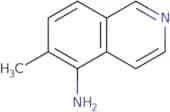
CAS:<p>Versatile small molecule scaffold</p>Formula:C9H9BrOPurity:Min. 95%Molecular weight:213.07 g/mol6-Methylisoquinolin-5-amine
CAS:<p>Versatile small molecule scaffold</p>Formula:C10H10N2Purity:Min. 95%Molecular weight:158.2 g/mol6-Methyl-5-nitroisoquinoline
CAS:<p>6-Methyl-5-nitroisoquinoline is an organic compound with the formula C8H7N3O. It is a nitro derivative of isoquinoline and has been shown to have high selectivity for cyclopropanation reactions. The discovery of this compound was preceded by optimization of the reaction conditions, which led to the development of a scalable, efficient, and economical synthesis.</p>Formula:C10H8N2O2Purity:Min. 95%Molecular weight:188.19 g/molN-[1-(4-Chloro-phenyl)-ethyl]-formamide
CAS:<p>Versatile small molecule scaffold</p>Formula:C9H10ClNOPurity:Min. 95%Molecular weight:183.63 g/moltert-Butyl methyl(piperidin-4-yl)carbamate hydrochloride
CAS:Versatile small molecule scaffoldFormula:C11H23ClN2O2Purity:Min. 95%Molecular weight:250.76 g/mol2-(4-Bromobutoxy)-1,3-dimethoxybenzene
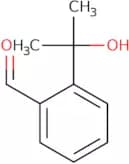
CAS:<p>Versatile small molecule scaffold</p>Formula:C12H17BrO3Purity:Min. 95%Molecular weight:289.16 g/mol2-(2-Hydroxypropan-2-yl)benzaldehyde
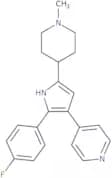
CAS:<p>Versatile small molecule scaffold</p>Formula:C10H12O2Purity:Min. 95%Molecular weight:164.2 g/molMBP146-78
CAS:<p>MBP146-78 is a recombinant protein that acts as an immunomodulator. It is expressed in the form of a fusion protein with MBP, which is a bacterial antigen that is recognized by the immune system. MBP146-78 is designed to target parasitic protozoa such as tenella and leishmania. It has been shown to be effective against intracellular parasites such as toxoplasma and cgmp-dependent proteins. MBP146-78 has also been shown to have pharmacokinetic properties that are favorable for use in humans.</p>Formula:C21H22FN3Purity:Min. 95%Molecular weight:335.4 g/mol3-[(2R)-Pyrrolidin-2-yl]propanoic acid hydrochloride
CAS:<p>Versatile small molecule scaffold</p>Formula:C7H14ClNO2Purity:Min. 95%Molecular weight:179.64 g/mol[4-(2-Methoxyethyl)phenyl]boronic acid
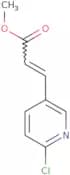
CAS:<p>Versatile small molecule scaffold</p>Formula:C9H13BO3Purity:Min. 95%Molecular weight:180.01 g/molMethyl (2E)-3-(6-chloropyridin-3-yl)prop-2-enoate
CAS:Versatile small molecule scaffoldFormula:C9H8ClNO2Purity:Min. 95%Molecular weight:197.62 g/mol1-tert-Butyl 3-ethyl 4,5-dihydro-1H-pyrrole-1,3-dicarboxylate
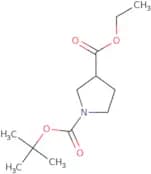
CAS:Versatile small molecule scaffoldFormula:C12H21NO4Purity:Min. 95%Molecular weight:243.3 g/mol3-Bromo-1-(2-methoxyphenyl)pyrrolidin-2-one
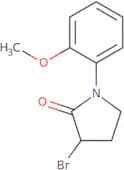
CAS:<p>Versatile small molecule scaffold</p>Formula:C11H12BrNO2Purity:Min. 95%Molecular weight:270.12 g/mol3-Bromo-1-[(4-methoxyphenyl)methyl]pyrrolidin-2-one
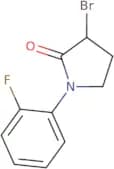
CAS:<p>Versatile small molecule scaffold</p>Formula:C12H14BrNO2Purity:Min. 95%Molecular weight:284.15 g/mol3-Bromo-1-(2-fluorophenyl)pyrrolidin-2-one
CAS:<p>Versatile small molecule scaffold</p>Formula:C10H9BrFNOPurity:Min. 95%Molecular weight:258.09 g/mol(2E)-3-[3-(Propan-2-yloxy)phenyl]prop-2-enoic acid
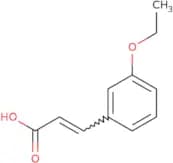
CAS:<p>Versatile small molecule scaffold</p>Formula:C12H14O3Purity:Min. 95%Molecular weight:206.24 g/molTrans-3-ethoxycinnamic acid
CAS:<p>Trans-3-ethoxycinnamic acid is a colorless liquid with a strong, pleasant odor. It is used in alkaline solutions as a dyeing and staining agent, as well as an insecticide. Trans-3-ethoxycinnamic acid can inhibit the growth of bacteria by disrupting the cell membrane and denaturing proteins. It can also be used to remove stains from clothing or dishware. This compound has been shown to be soluble in water and oil, but insoluble in benzene and diethyl ether. Trans-3-ethoxycinnamic acid reacts with ultraviolet light to produce fluorescent compounds that are used for staining DNA.</p>Formula:C11H12O3Purity:Min. 95%Molecular weight:192.21 g/molEthyl[2-(2-methoxyethoxy)ethyl]amine
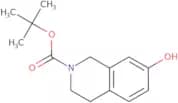
CAS:<p>Versatile small molecule scaffold</p>Formula:C7H17NO2Purity:Min. 95%Molecular weight:147.22 g/moltert-Butyl 7-Hydroxy-3,4-dihydroisoquinoline-2(1h)-carboxylate
CAS:<p>Versatile small molecule scaffold</p>Formula:C14H19NO3Purity:Min. 95%Molecular weight:249.3 g/mol2-amino-3-(4-iodophenyl)propan-1-ol
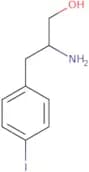
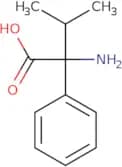
CAS:<p>Versatile small molecule scaffold</p>Formula:C9H12INOPurity:Min. 95%Molecular weight:277.1 g/mol2-Amino-3-methyl-2-phenylbutanoic acid
CAS:<p>2-Amino-3-methyl-2-phenylbutanoic acid (AMPB) is a copper catalyst that has been shown to be an efficient terminal oxidant in the catalytic oxidation of nitriles, alcohols, and alkenyls. It is also a highly selective filtration catalyst. The reaction rate of AMPB is much higher than that of other copper catalysts, such as CuCl and CuI. This high selectivity for nitriles makes it possible to carry out aerobic oxidation reactions in a single step. AMPB can be used as a scalable catalyst system for the production of nitriles with high purity.</p>Formula:C11H15NO2Purity:Min. 95%Molecular weight:193.24 g/mol[1-(Benzylamino)cyclohexyl]methanol
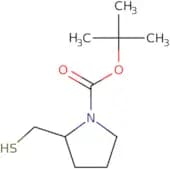
CAS:<p>Versatile small molecule scaffold</p>Formula:C14H21NOPurity:Min. 95%Molecular weight:219.32 g/moltert-Butyl (2S)-2-(sulfanylmethyl)pyrrolidine-1-carboxylate
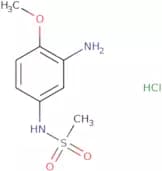
CAS:Versatile small molecule scaffoldFormula:C10H19NO2SPurity:Min. 95%Molecular weight:217.33 g/molN-(3-Amino-4-methoxyphenyl)methanesulfonamide hydrochloride
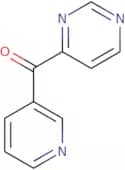
CAS:<p>Versatile small molecule scaffold</p>Formula:C8H13ClN2O3SPurity:Min. 95%Molecular weight:252.72 g/mol4-(Pyridine-3-carbonyl)pyrimidine
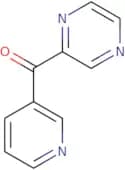
CAS:<p>Versatile small molecule scaffold</p>Formula:C10H7N3OPurity:Min. 95%Molecular weight:185.18 g/molPyrazin-2-yl(pyridin-3-yl)methanone
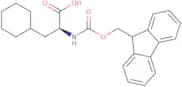
CAS:<p>Versatile small molecule scaffold</p>Formula:C10H7N3OPurity:Min. 95%Molecular weight:185.18 g/molFMOC-DL-CHA-OH
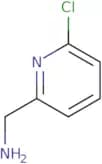
CAS:<p>Versatile small molecule scaffold</p>Formula:C24H27NO4Purity:Min. 95%Molecular weight:393.5 g/mol(6-Chloropyridin-2-yl)methanamine dihydrochloride
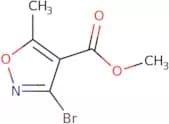
CAS:<p>Versatile small molecule scaffold</p>Formula:C6H9Cl3N2Purity:Min. 95%Molecular weight:215.51 g/molMethyl 3-bromo-5-methyl-1,2-oxazole-4-carboxylate
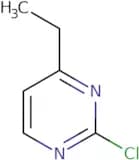
CAS:<p>Methyl 3-bromo-5-methyl-1,2-oxazole-4-carboxylate is an excitatory agent that is used in the synthesis of other compounds. It has been shown to be a potent inhibitor of propionic acid metabolism and also inhibits the activity of hydrobromide.</p>Formula:C6H6BrNO3Purity:Min. 95%Molecular weight:220.02 g/mol2-Chloro-4-ethylpyrimidine
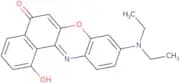
CAS:<p>2-Chloro-4-ethylpyrimidine is a chemical compound that is used in the synthesis of carboxylic acids, acylation reactions, and other organic reactions. 2-Chloro-4-ethylpyrimidine is also used as a catalyst for these reactions. It has been shown to catalyze the reaction of carboxylic acids with alcohols in the presence of potassium hydroxide. This product can be used as a catalyst in aliphatic acylation reactions. The product can also be used to synthesize pyrimidines and biomolecules.</p>Formula:C6H7ClN2Purity:Min. 95%Molecular weight:142.59 g/mol8-(Diethylamino)-3-hydroxy-12H-10-oxa-5-azatetraphen-12-one
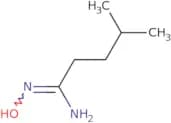
CAS:Versatile small molecule scaffoldFormula:C20H18N2O3Purity:Min. 95%Molecular weight:334.4 g/molN'-Hydroxy-4-methylpentanimidamide
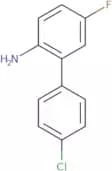
CAS:<p>Versatile small molecule scaffold</p>Formula:C6H14N2OPurity:Min. 95%Molecular weight:130.19 g/mol4'-Chloro-5-fluoro-1,1'-biphenyl-2-amine
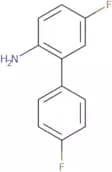
CAS:<p>Versatile small molecule scaffold</p>Formula:C12H9ClFNPurity:Min. 95%Molecular weight:221.66 g/mol4-Fluoro-2-(4-fluorophenyl)aniline
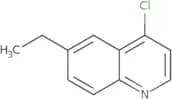
CAS:<p>Versatile small molecule scaffold</p>Formula:C12H9F2NPurity:Min. 95%Molecular weight:205.2 g/mol4-Chloro-6-ethylquinoline
CAS:<p>4-Chloro-6-ethylquinoline is a potential anticancer drug that inhibits the function of lysosomal enzymes and causes tumor cells to undergo necrosis. This drug has been shown to inhibit the growth of tumor cells in cell cultures, as well as in hypoxic tumor models. 4-Chloro-6-ethylquinoline inhibits the activity of lysosomal enzymes, which are necessary for the degradation and recycling of macromolecules and other substances within cells. It also binds to proteins on the surface of tumor cells, which prevents these proteins from functioning properly. The uptake of this drug is greater in extravascular tumor tissues than in blood vessels or normal tissue. In addition, it is taken up by tumor cells more readily than by normal cells. 4-Chloro-6-ethylquinoline binds with cytotoxins, causing them to become more cytotoxic and effective against cancerous cells. This compound has been shown to have medicinal</p>Formula:C11H10ClNPurity:Min. 95%Molecular weight:191.65 g/mol

![6-Methyl-3H,4H-thieno[2,3-d][1,2,3]triazin-4-one](/_next/image/?url=https%3A%2Fstatic.cymitquimica.com%2Fproducts%2F3D%2Fthumb-webp%2FNBA35984.webp&w=3840&q=75)
![5,6-Dimethyl-3H,4H-thieno[2,3-d][1,2,3]triazin-4-one](/_next/image/?url=https%3A%2Fstatic.cymitquimica.com%2Fproducts%2F3D%2Fthumb-webp%2FNBA35985.webp&w=3840&q=75)
![methyl 2-[1-(aminomethyl)cyclohexyl]acetate hydrochloride](/_next/image/?url=https%3A%2Fstatic.cymitquimica.com%2Fproducts%2F3D%2Fthumb-webp%2FNCA56201.webp&w=3840&q=75)
![2-[1-(Aminomethyl)cyclopentyl]acetic acid hydrochloride](/_next/image/?url=https%3A%2Fstatic.cymitquimica.com%2Fproducts%2F3D%2Fthumb-webp%2FNCA56209.webp&w=3840&q=75)


![2-[(4-Methoxyphenyl)methyl]piperidine](/_next/image/?url=https%3A%2Fstatic.cymitquimica.com%2Fproducts%2F3D%2Fthumb-webp%2FNCA58760.webp&w=3840&q=75)





![[2-(1H-Pyrrol-1-yl)thiophen-3-yl]methanamine](/_next/image/?url=https%3A%2Fstatic.cymitquimica.com%2Fproducts%2F3D%2Fthumb-webp%2FNCA64704.webp&w=3840&q=75)





![2-{[(Pyridin-2-ylmethyl)amino]methyl}phenol](/_next/image/?url=https%3A%2Fstatic.cymitquimica.com%2Fproducts%2F3D%2Fthumb-webp%2FNCA67168.webp&w=3840&q=75)

![1-[3-(Methylthio)phenyl]-5-oxopyrrolidine-3-carboxylic acid](/_next/image/?url=https%3A%2Fstatic.cymitquimica.com%2Fproducts%2F3D%2Fthumb-webp%2FNCA67452.webp&w=3840&q=75)





![4-amino-5H,6H,7H-cyclopenta[b]pyridin-2-ol](/_next/image/?url=https%3A%2Fstatic.cymitquimica.com%2Fproducts%2F3D%2Fthumb-webp%2FNCA70454.webp&w=3840&q=75)
![6-Amino-1H-pyrazolo[3,4-b]pyridine](/_next/image/?url=https%3A%2Fstatic.cymitquimica.com%2Fproducts%2F3D%2Fthumb-webp%2FNCA72549.webp&w=3840&q=75)
![6-chloro-1-methyl-1h-pyrazolo[3,4-b]pyridine](/_next/image/?url=https%3A%2Fstatic.cymitquimica.com%2Fproducts%2F3D%2Fthumb-webp%2FNCA72552.webp&w=3840&q=75)
![6-Chloro-2,4-dimethyl-2H-pyrazolo[3,4-b]pyridine](/_next/image/?url=https%3A%2Fstatic.cymitquimica.com%2Fproducts%2F3D%2Fthumb-webp%2FNCA72554.webp&w=3840&q=75)
![3,5-Dibromoimidazo[1,2-a]pyrazine](/_next/image/?url=https%3A%2Fstatic.cymitquimica.com%2Fproducts%2F3D%2Fthumb-webp%2FNCA74421.webp&w=3840&q=75)
![5-bromo-[1,2,4]triazolo[4,3-a]pyrazine](/_next/image/?url=https%3A%2Fstatic.cymitquimica.com%2Fproducts%2F3D%2Fthumb-webp%2FNCA74429.webp&w=3840&q=75)
![[(6-Chloropyridin-2-yl)methyl]dimethylamine](/_next/image/?url=https%3A%2Fstatic.cymitquimica.com%2Fproducts%2F3D%2Fthumb-webp%2FNCA76380.webp&w=3840&q=75)
![1-Oxa-7-azaspiro[4.5]decane](/_next/image/?url=https%3A%2Fstatic.cymitquimica.com%2Fproducts%2F3D%2Fthumb-webp%2FNCA76656.webp&w=3840&q=75)
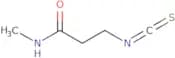
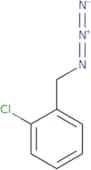
![[2-Bromo-1-(propan-2-yloxy)ethyl]benzene](/_next/image/?url=https%3A%2Fstatic.cymitquimica.com%2Fproducts%2F3D%2Fthumb-webp%2FNCA78556.webp&w=3840&q=75)
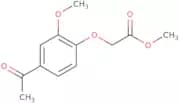
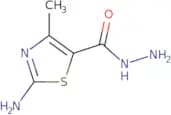
![2-(7,7-Dimethylbicyclo[2.2.1]heptan-1-yl)acetic acid](/_next/image/?url=https%3A%2Fstatic.cymitquimica.com%2Fproducts%2F3D%2Fthumb-webp%2FNCA80563.webp&w=3840&q=75)
![2-{7,7-Dimethylbicyclo[2.2.1]heptan-1-yl}ethan-1-amine hydrochloride](/_next/image/?url=https%3A%2Fstatic.cymitquimica.com%2Fproducts%2F3D%2Fthumb-webp%2FNCA85463.webp&w=3840&q=75)
![1-Methyl-4-[4-(trifluoromethyl)-1H-imidazol-2-yl]-1H-pyrazole](/_next/image/?url=https%3A%2Fstatic.cymitquimica.com%2Fproducts%2F3D%2Fthumb-webp%2FNCA87498.webp&w=3840&q=75)

![2-Aza-bicyclo[2.2.1]hept-5-ene hydrochloride](/_next/image/?url=https%3A%2Fstatic.cymitquimica.com%2Fproducts%2F3D%2Fthumb-webp%2FNCA88216.webp&w=3840&q=75)
![2-({4-[(2-Hydroxyethyl)amino]phenyl}amino)ethan-1-ol](/_next/image/?url=https%3A%2Fstatic.cymitquimica.com%2Fproducts%2F3D%2Fthumb-webp%2FNCA88674.webp&w=3840&q=75)
![(2S)-2-({Thieno[2,3-d]pyrimidin-4-yl}amino)propanoic acid](/_next/image/?url=https%3A%2Fstatic.cymitquimica.com%2Fproducts%2F3D%2Fthumb-webp%2FNCA89563.webp&w=3840&q=75)
![[2-(3,4-Dimethoxy-phenyl)-ethyl]-phenethyl-amine](/_next/image/?url=https%3A%2Fstatic.cymitquimica.com%2Fproducts%2F3D%2Fthumb-webp%2FNCA92547.webp&w=3840&q=75)
![tert-butyl N-{[(1s,3s)-3-aminocyclobutyl]methyl}carbamate, cis](/_next/image/?url=https%3A%2Fstatic.cymitquimica.com%2Fproducts%2F3D%2Fthumb-webp%2FNEC38181.webp&w=3840&q=75)
![methyl 5H-pyrrolo[2,3-b]pyrazine-2-carboxylate](/_next/image/?url=https%3A%2Fstatic.cymitquimica.com%2Fproducts%2F3D%2Fthumb-webp%2FNEC38189.webp&w=3840&q=75)
![methyl 1H-pyrazolo[3,4-c]pyridine-4-carboxylate](/_next/image/?url=https%3A%2Fstatic.cymitquimica.com%2Fproducts%2F3D%2Fthumb-webp%2FNEC38190.webp&w=3840&q=75)
![6-Boc-1-oxo-6-azaspiro[3.5]nonane](/_next/image/?url=https%3A%2Fstatic.cymitquimica.com%2Fproducts%2F3D%2Fthumb-webp%2FNEC38196.webp&w=3840&q=75)
![tert-Butyl N-[3-(hydroxymethyl)oxetan-3-yl]carbamate](/_next/image/?url=https%3A%2Fstatic.cymitquimica.com%2Fproducts%2F3D%2Fthumb-webp%2FNEC38211.webp&w=3840&q=75)
![6-bromo-1h-pyrazolo[4,3-b]pyridine-3-carboxylic acid](/_next/image/?url=https%3A%2Fstatic.cymitquimica.com%2Fproducts%2F3D%2Fthumb-webp%2FNEC38229.webp&w=3840&q=75)
![5-[(tert-butoxy)carbonyl]-5-azaspiro[2.5]octane-1-carboxylic acid](/_next/image/?url=https%3A%2Fstatic.cymitquimica.com%2Fproducts%2F3D%2Fthumb-webp%2FNEC38236.webp&w=3840&q=75)
![tert-Butyl 7-oxo-2-azaspiro[3.4]octane-2-carboxylate](/_next/image/?url=https%3A%2Fstatic.cymitquimica.com%2Fproducts%2F3D%2Fthumb-webp%2FNEC38239.webp&w=3840&q=75)
![1-({[(tert-butoxy)carbonyl]amino}methyl)-3,3-difluorocyclobutane-1-carboxylic acid](/_next/image/?url=https%3A%2Fstatic.cymitquimica.com%2Fproducts%2F3D%2Fthumb-webp%2FNEC38241.webp&w=3840&q=75)
![Methyl 1H-pyrazolo[4,3-c]pyridine-3-carboxylate](/_next/image/?url=https%3A%2Fstatic.cymitquimica.com%2Fproducts%2F3D%2Fthumb-webp%2FNEC38284.webp&w=3840&q=75)
![imidazo[2,1-f][1,2,4]triazin-4-amine](/_next/image/?url=https%3A%2Fstatic.cymitquimica.com%2Fproducts%2F3D%2Fthumb-webp%2FNEC38300.webp&w=3840&q=75)
![1H-pyrazolo[4,3-b]pyridine-7-carboxylic acid](/_next/image/?url=https%3A%2Fstatic.cymitquimica.com%2Fproducts%2F3D%2Fthumb-webp%2FNEC38315.webp&w=3840&q=75)
![2-azaspiro[3.5]nonane-2-carboxylic acid, 7-hydroxy-, 1,1-dimethylethyl ester](/_next/image/?url=https%3A%2Fstatic.cymitquimica.com%2Fproducts%2F3D%2Fthumb-webp%2FNEC38318.webp&w=3840&q=75)
![[1-(aminomethyl)-3,3-difluorocyclobutyl]methanol](/_next/image/?url=https%3A%2Fstatic.cymitquimica.com%2Fproducts%2F3D%2Fthumb-webp%2FNEC38340.webp&w=3840&q=75)
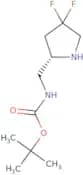
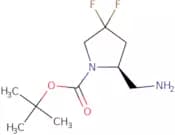
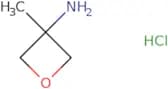
![2-Methyl-5H,6H,7H,8H-imidazo[1,2-a]pyrazine dihydrochloride](/_next/image/?url=https%3A%2Fstatic.cymitquimica.com%2Fproducts%2F3D%2Fthumb-webp%2FNEC40499.webp&w=3840&q=75)
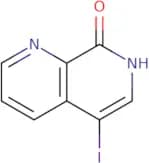
![2-methyl-1-[(2-methylpropyl)amino]propan-2-ol](/_next/image/?url=https%3A%2Fstatic.cymitquimica.com%2Fproducts%2F3D%2Fthumb-webp%2FNFA00148.webp&w=3840&q=75)
![trans-6-Boc-octahydropyrrolo[3,4-b][1,4]oxazine ee](/_next/image/?url=https%3A%2Fstatic.cymitquimica.com%2Fproducts%2F3D%2Fthumb-webp%2FNFA02693.webp&w=3840&q=75)
![[1-(Pyrimidin-2-ylmethyl)piperidin-4-yl]methanol](/_next/image/?url=https%3A%2Fstatic.cymitquimica.com%2Fproducts%2F3D%2Fthumb-webp%2FNFA03061.webp&w=3840&q=75)
![2-{[(tert-butoxy)carbonyl]amino}-3,3,3-trifluoropropanoic acid](/_next/image/?url=https%3A%2Fstatic.cymitquimica.com%2Fproducts%2F3D%2Fthumb-webp%2FNHA03043.webp&w=3840&q=75)
![5,7-Dihydro-4H-spiro[1,3-benzothiazole-6,1'-cyclohexane]-2-amine](/_next/image/?url=https%3A%2Fstatic.cymitquimica.com%2Fproducts%2F3D%2Fthumb-webp%2FNHA05112.webp&w=3840&q=75)


![Ethyl (1R,3S,4S)-2-azabicyclo[2.2.1]heptane-3-carboxylate hydrochloride](/_next/image/?url=https%3A%2Fstatic.cymitquimica.com%2Fproducts%2F3D%2Fthumb-webp%2FNHA05741.webp&w=3840&q=75)



![N-[1-(4-Chloro-phenyl)-ethyl]-formamide](/_next/image/?url=https%3A%2Fstatic.cymitquimica.com%2Fproducts%2F3D%2Fthumb-webp%2FNHA12552.webp&w=3840&q=75)


![3-[(2R)-Pyrrolidin-2-yl]propanoic acid hydrochloride](/_next/image/?url=https%3A%2Fstatic.cymitquimica.com%2Fproducts%2F3D%2Fthumb-webp%2FNHA41535.webp&w=3840&q=75)
![[4-(2-Methoxyethyl)phenyl]boronic acid](/_next/image/?url=https%3A%2Fstatic.cymitquimica.com%2Fproducts%2F3D%2Fthumb-webp%2FNHA47923.webp&w=3840&q=75)
![3-Bromo-1-[(4-methoxyphenyl)methyl]pyrrolidin-2-one](/_next/image/?url=https%3A%2Fstatic.cymitquimica.com%2Fproducts%2F3D%2Fthumb-webp%2FNHA53304.webp&w=3840&q=75)
![(2E)-3-[3-(Propan-2-yloxy)phenyl]prop-2-enoic acid](/_next/image/?url=https%3A%2Fstatic.cymitquimica.com%2Fproducts%2F3D%2Fthumb-webp%2FNHA54514.webp&w=3840&q=75)
![Ethyl[2-(2-methoxyethoxy)ethyl]amine](/_next/image/?url=https%3A%2Fstatic.cymitquimica.com%2Fproducts%2F3D%2Fthumb-webp%2FNHA57578.webp&w=3840&q=75)
![[1-(Benzylamino)cyclohexyl]methanol](/_next/image/?url=https%3A%2Fstatic.cymitquimica.com%2Fproducts%2F3D%2Fthumb-webp%2FNHA59396.webp&w=3840&q=75)