Building Blocks
This section contains fundamental products for the synthesis of organic and biological compounds. Building blocks are the essential starting materials used to construct complex molecules through various chemical reactions. They play a critical role in drug discovery, material science, and chemical research. At CymitQuimica, we offer a diverse range of high-quality building blocks to support your innovative research and industrial projects, ensuring you have the essential components for successful synthesis.
Subcategories of "Building Blocks"
- Boronic Acids & Boronic Acid Derivatives(5,778 products)
- Chiral Building Blocks(1,242 products)
- Hydrocarbon Building Blocks(6,098 products)
- Organic Building Blocks(61,084 products)
Found 198714 products of "Building Blocks"
Sort by
Purity (%)
0
100
|
0
|
50
|
90
|
95
|
100
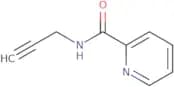
N-(Prop-2-yn-1-yl)pyridine-2-carboxamide
CAS:<p>Versatile small molecule scaffold</p>Formula:C9H8N2OPurity:Min. 95%Molecular weight:160.17 g/molRef: 3D-RJB86343
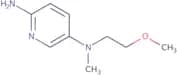
Discontinued productN5-(2-Methoxyethyl)-N5-methylpyridine-2,5-diamine
CAS:<p>Versatile small molecule scaffold</p>Formula:C9H15N3OPurity:Min. 95%Molecular weight:181.23 g/molRef: 3D-RJB62042
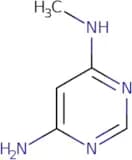
Discontinued product4-N-Methylpyrimidine-4,6-diamine
CAS:<p>Versatile small molecule scaffold</p>Formula:C5H8N4Purity:Min. 95%Molecular weight:124.14 g/mol{1-[(2,5-Difluorophenyl)methyl]piperidin-3-yl}methanol
CAS:<p>Versatile small molecule scaffold</p>Formula:C13H17F2NOPurity:Min. 95%Molecular weight:241.28 g/molRef: 3D-QRA95269
Discontinued product7-(Bromomethyl)-6-oxaspiro[3.5]nonane
CAS:<p>Versatile small molecule scaffold</p>Formula:C9H15BrOPurity:Min. 95%Molecular weight:219.12 g/molRef: 3D-QID71156
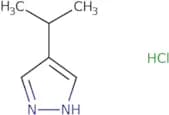
Discontinued product4-(Propan-2-yl)-1H-pyrazole hydrochloride
CAS:<p>Versatile small molecule scaffold</p>Formula:C6H11ClN2Purity:Min. 95%Molecular weight:146.62 g/molRef: 3D-QFC65461
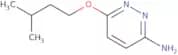
Discontinued product6-(3-Methylbutoxy)pyridazin-3-amine
CAS:<p>Versatile small molecule scaffold</p>Formula:C9H15N3OPurity:Min. 95%Molecular weight:181.23 g/mol1-[2-(4-Bromophenoxy)ethyl]-4-methylpiperazine dihydrochloride
CAS:<p>Versatile small molecule scaffold</p>Formula:C13H21BrCl2N2OPurity:Min. 95%Molecular weight:372.1 g/molRef: 3D-QDA23668
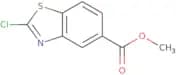
Discontinued productMethyl 2-chloro-1,3-benzothiazole-5-carboxylate
CAS:<p>Versatile small molecule scaffold</p>Formula:C9H6ClNO2SPurity:Min. 95%Molecular weight:227.67 g/molRef: 3D-QDA22503
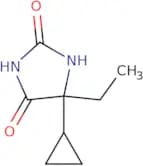
Discontinued product5-Cyclopropyl-5-ethylimidazolidine-2,4-dione
CAS:<p>Versatile small molecule scaffold</p>Formula:C8H12N2O2Purity:Min. 95%Molecular weight:168.19 g/molRef: 3D-QDA19734
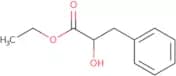
Discontinued productEthyl 2-hydroxy-3-phenylpropanoate
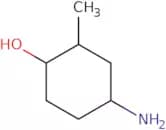
CAS:<p>Ethyl 2-hydroxy-3-phenylpropanoate (EPP) is a component of the fragrance, which is used in perfumes, soaps, and detergents. It has been shown to have a hypocholesterolemic effect in rats and a proliferator-activated receptor agonist effect on human cells. EPP also has been shown to stimulate collagen production and inhibit the proliferation of human keratinocytes. The biological properties of this compound are related to its ability to activate insulin receptors in muscle cells. EP can be synthesized by reacting 3-phenylpropanal with ethyl bromoacetate followed by hydrolysis of the resulting ester.</p>Formula:C11H14O3Purity:Min. 95%Molecular weight:194.23 g/mol4-Amino-2-methylcyclohexan-1-ol
CAS:<p>Versatile small molecule scaffold</p>Formula:C7H15NOPurity:Min. 95%Molecular weight:129.2 g/molRef: 3D-PCC96360
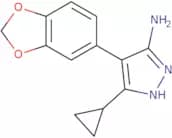
Discontinued product4-(1,3-Dioxaindan-5-yl)-3-cyclopropyl-1H-pyrazol-5-amine
CAS:<p>Versatile small molecule scaffold</p>Formula:C13H13N3O2Purity:Min. 95%Molecular weight:243.26 g/molRef: 3D-MCC61786
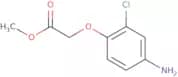
Discontinued productMethyl 2-(4-amino-2-chlorophenoxy)acetate
CAS:<p>Versatile small molecule scaffold</p>Formula:C9H10ClNO3Purity:Min. 95%Molecular weight:215.63 g/molRef: 3D-MBB21580
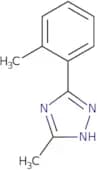
Discontinued product3-Methyl-5-(2-methylphenyl)-1H-1,2,4-triazole
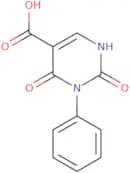
CAS:<p>Versatile small molecule scaffold</p>Formula:C10H11N3Purity:Min. 95%Molecular weight:173.21 g/mol2,4-Dioxo-3-phenyl-1,2,3,4-tetrahydropyrimidine-5-carboxylic acid
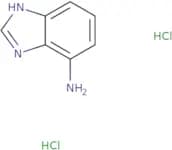
CAS:<p>Versatile small molecule scaffold</p>Formula:C11H8N2O4Purity:Min. 95%Molecular weight:232.19 g/mol1H-1,3-Benzodiazol-7-amine dihydrochloride
CAS:<p>Versatile small molecule scaffold</p>Formula:C7H9Cl2N3Purity:Min. 95%Molecular weight:206.07 g/molRef: 3D-MBA72428
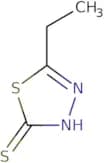
Discontinued product5-Ethyl-1,3,4-thiadiazole-2-thiol
CAS:<p>Versatile small molecule scaffold</p>Formula:C4H6N2S2Purity:Min. 95%Molecular weight:146.2 g/molRef: 3D-MBA66351
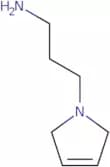
Discontinued product3-(2,5-Dihydro-1H-pyrrol-1-yl)propan-1-amine
CAS:<p>Versatile small molecule scaffold</p>Formula:C7H14N2Purity:Min. 95%Molecular weight:126.2 g/molRef: 3D-MBA63258
Discontinued producttert-Butyl 1,4-diazaspiro[5.5]undecane-4-carboxylate
CAS:<p>Versatile small molecule scaffold</p>Formula:C14H26N2O2Purity:Min. 95%Molecular weight:254.37 g/molRef: 3D-LKB76644
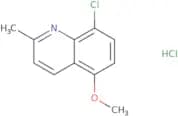
Discontinued product8-Chloro-5-methoxy-2-methylquinoline hydrochloride
CAS:<p>Versatile small molecule scaffold</p>Formula:C11H11Cl2NOPurity:Min. 95%Molecular weight:244.11 g/molRef: 3D-LIC70936
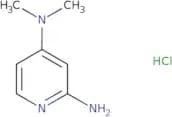
Discontinued product4-N,4-N-Dimethylpyridine-2,4-diamine hydrochloride
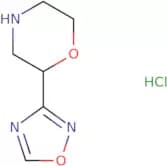
CAS:<p>Versatile small molecule scaffold</p>Formula:C7H12ClN3Purity:Min. 95%Molecular weight:173.64 g/mol2-(1,2,4-Oxadiazol-3-yl)morpholine hydrochloride
CAS:<p>Versatile small molecule scaffold</p>Formula:C6H10ClN3O2Purity:Min. 95%Molecular weight:191.61 g/molRef: 3D-LIC70858
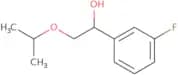
Discontinued product1-(3-Fluorophenyl)-2-(propan-2-yloxy)ethan-1-ol
CAS:<p>Versatile small molecule scaffold</p>Formula:C11H15FO2Purity:Min. 95%Molecular weight:198.23 g/molRef: 3D-LIC70788
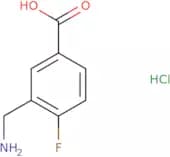
Discontinued product3-(Aminomethyl)-4-fluorobenzoic acid hydrochloride
CAS:<p>Versatile small molecule scaffold</p>Formula:C8H9ClFNO2Purity:Min. 95%Molecular weight:205.61 g/mol3-Methyl-4-[5-(propan-2-yl)-1H-1,2,3,4-tetrazol-1-yl]aniline hydrochloride
CAS:<p>Versatile small molecule scaffold</p>Formula:C11H16ClN5Purity:Min. 95%Molecular weight:253.73 g/molRef: 3D-LIC70757
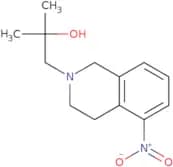
Discontinued product2-Methyl-1-(5-nitro-1,2,3,4-tetrahydroisoquinolin-2-yl)propan-2-ol
CAS:<p>Versatile small molecule scaffold</p>Formula:C13H18N2O3Purity:Min. 95%Molecular weight:250.29 g/molRef: 3D-LIC70742
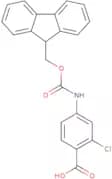
Discontinued product4-(Fmoc-amino)-2-chloro-benzoic acid
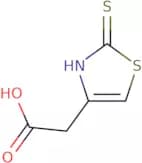
CAS:<p>Versatile small molecule scaffold</p>Formula:C22H16ClNO4Purity:Min. 95%Molecular weight:393.82 g/mol2-(2-Sulfanyl-1,3-thiazol-4-yl)acetic acid
CAS:<p>Versatile small molecule scaffold</p>Formula:C5H5NO2S2Purity:Min. 95%Molecular weight:175.2 g/molRef: 3D-LBA36579
Discontinued product2-Chloro-1-[4-(methylsulfanyl)phenyl]ethan-1-one
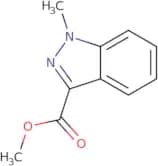
CAS:<p>Versatile small molecule scaffold</p>Formula:C9H9ClOSPurity:Min. 95%Molecular weight:200.69 g/molMethyl-d3 1-Methyl-d3-1H-indazole-3-carboxylate
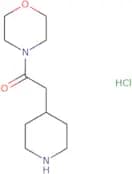
CAS:Controlled Product<p>Methyl-d3 1-Methyl-d3-1H-indazole-3-carboxylate (MDI) is a reagent used in the synthesis of organic compounds. It is formed by the reaction of lithium aluminum hydride and methyl acetate, which produces a lithiated carboxylic acid. This compound can be reacted with amines to form amides or with thionyl chloride to form sulfonyl chlorides. The reactions are reversible, so it can be regenerated when needed.</p>Formula:C10H4D6N2O2Purity:Min. 95%Molecular weight:196.24 g/mol1-(Morpholin-4-yl)-2-(piperidin-4-yl)ethan-1-one hydrochloride
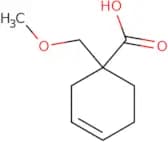
CAS:<p>Versatile small molecule scaffold</p>Formula:C11H21ClN2O2Purity:Min. 95%Molecular weight:248.75 g/mol1-(Methoxymethyl)cyclohex-3-ene-1-carboxylic acid
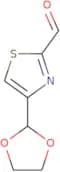
CAS:<p>Versatile small molecule scaffold</p>Formula:C9H14O3Purity:Min. 95%Molecular weight:170.21 g/mol4-(1,3-Dioxolan-2-yl)-1,3-thiazole-2-carbaldehyde
CAS:<p>Versatile small molecule scaffold</p>Formula:C7H7NO3SPurity:Min. 95%Molecular weight:185.2 g/molRef: 3D-JCD39221
Discontinued product5-[(tert-Butoxy)carbonyl]-2-oxa-5-azabicyclo[2.2.1]heptane-4-carboxylic acid
CAS:<p>Versatile small molecule scaffold</p>Formula:C11H17NO5Purity:Min. 95%Molecular weight:243.26 g/mol1-(2,3-Dihydro-1H-isoindol-5-yl)ethan-1-one hydrochloride
CAS:<p>Versatile small molecule scaffold</p>Formula:C10H12ClNOPurity:Min. 95%Molecular weight:197.66 g/molRef: 3D-JBD34859
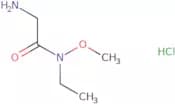
Discontinued product2-Amino-N-ethyl-N-methoxyacetamide hydrochloride
CAS:<p>Versatile small molecule scaffold</p>Formula:C5H13ClN2O2Purity:Min. 95%Molecular weight:168.62 g/molRef: 3D-JBD33754
Discontinued product5-Methyl-5H,6H,7H,8H-imidazo[1,2-a]pyridine-2-sulfonyl chloride
CAS:<p>Versatile small molecule scaffold</p>Formula:C8H11ClN2O2SPurity:Min. 95%Molecular weight:234.7 g/mol[1-(1-Amino-2-methylpropyl)cyclopent-3-en-1-yl]methanol hydrochloride
CAS:<p>Versatile small molecule scaffold</p>Formula:C10H20ClNOPurity:Min. 95%Molecular weight:205.72 g/molRef: 3D-JBD31750
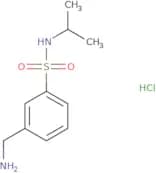
Discontinued product3-(Aminomethyl)-N-(propan-2-yl)benzene-1-sulfonamide hydrochloride
CAS:<p>Versatile small molecule scaffold</p>Formula:C10H17ClN2O2SPurity:Min. 95%Molecular weight:264.77 g/molRef: 3D-JBD31736
Discontinued product6-({[(tert-Butoxy)carbonyl]amino}methyl)-2-cyclopropylpyridine-3-carboxylic acid
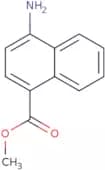
CAS:<p>Versatile small molecule scaffold</p>Formula:C15H20N2O4Purity:Min. 95%Molecular weight:292.33 g/molMethyl 4-Amino-1-naphthoate
CAS:<p>Versatile small molecule scaffold</p>Formula:C12H11NO2Purity:Min. 95%Molecular weight:201.22 g/moltert-Butyl N-[1-amino-1-(2-methoxyphenyl)propan-2-yl]carbamate
CAS:<p>Versatile small molecule scaffold</p>Formula:C15H24N2O3Purity:Min. 95%Molecular weight:280.4 g/molRef: 3D-HFD39036
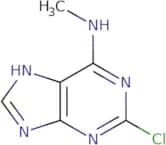
Discontinued product2-Chloro-6(methylamino)purine
CAS:<p>2-Chloro-6(methylamino)purine is a potent inhibitor of xanthine oxidase. It is structurally similar to allopurinol, an inhibitor of xanthine oxidase that is used to treat gout. 2-Chloro-6(methylamino)purine inhibits the enzyme by forming a noncompetitive complex with it, which prevents the production of uric acid. This compound has been shown to be effective at inhibiting xanthine oxidase in humans and has been used as a lead compound for the development of new inhibitors of this enzyme.</p>Formula:C6H6ClN5Purity:Min. 95%Molecular weight:183.6 g/mol2-{[(tert-Butoxy)carbonyl]amino}-4-methanesulfinylbutanoic acid
CAS:<p>Versatile small molecule scaffold</p>Formula:C10H19NO5SPurity:Min. 95%Molecular weight:265.33 g/molRef: 3D-HCA49645
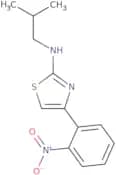
Discontinued productN-(2-Methylpropyl)-4-(2-nitrophenyl)-1,3-thiazol-2-amine
CAS:<p>Versatile small molecule scaffold</p>Formula:C13H15N3O2SPurity:Min. 95%Molecular weight:277.34 g/molRef: 3D-HBC59135
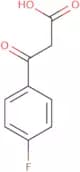
Discontinued product3-(4-Fluorophenyl)-2-oxopropanoic acid
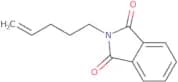
CAS:<p>Versatile small molecule scaffold</p>Formula:C9H7FO3Purity:Min. 95%Molecular weight:182.15 g/mol2-(Pent-4-en-1-yl)-2,3-dihydro-1H-isoindole-1,3-dione
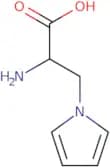
CAS:<p>Versatile small molecule scaffold</p>Formula:C13H13NO2Purity:Min. 95%Molecular weight:215.25 g/mol2-Amino-3-(1H-pyrrol-1-yl)propanoic acid
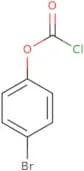
CAS:<p>Versatile small molecule scaffold</p>Formula:C7H10N2O2Purity:Min. 95%Molecular weight:154.17 g/mol4-Bromophenyl chloroformate
CAS:<p>Versatile small molecule scaffold</p>Formula:C7H4BrClO2Purity:Min. 95%Molecular weight:235.46 g/mol1,3-Dichloro-5,6-dihydro-4H-cyclopenta[c]thiophen-4-one
CAS:<p>Versatile small molecule scaffold</p>Formula:C7H4Cl2OSPurity:Min. 95%Molecular weight:207.08 g/mol(2S)-3-Hydroxy-2-(4-methylbenzenesulfonamido)propanoic acid
CAS:<p>The chemical formula for 2-amino-3-(methylsulfonamido)propanoic acid is C6H12N2O4S. It has a molecular weight of 218.25, and the molecular formula is CH3N(SO2CH3)COOH. This product is a white crystalline powder that can be dissolved in water or ethanol.</p>Formula:C10H13NO5SPurity:Min. 95%Molecular weight:259.28 g/molRef: 3D-HAA66392
Discontinued product1-Bromo-2-(2-bromoethanesulfonyl)ethane
CAS:<p>Versatile small molecule scaffold</p>Formula:C4H8Br2O2SPurity:Min. 95%Molecular weight:279.98 g/molRef: 3D-HAA61767
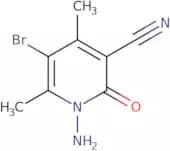
Discontinued product1-Amino-5-bromo-4,6-dimethyl-2-oxo-1,2-dihydropyridine-3-carbonitrile
CAS:<p>Versatile small molecule scaffold</p>Formula:C8H8BrN3OPurity:Min. 95%Molecular weight:242.07 g/molRef: 3D-FQC76365
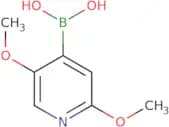
Discontinued product2,5-Dimethoxypyridine-4-boronic acid
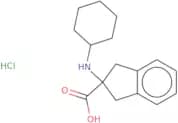
CAS:<p>Versatile small molecule scaffold</p>Formula:C7H10BNO4Purity:Min. 95%Molecular weight:182.97 g/mol2-(Cyclohexylamino)-2,3-dihydro-1H-indene-2-carboxylic acid hydrochloride
CAS:<p>Versatile small molecule scaffold</p>Formula:C16H22ClNO2Purity:Min. 95%Molecular weight:295.8 g/molRef: 3D-FPD80787
Discontinued product[1-(Methoxymethyl)cyclopent-2-en-1-yl]methanol
CAS:<p>Versatile small molecule scaffold</p>Formula:C8H14O2Purity:Min. 95%Molecular weight:142.2 g/molRef: 3D-FPD80424
Discontinued productrac-(3R,3aR,6aS)-Octahydrocyclopenta[b]pyrrol-3-ol hydrochloride
CAS:<p>Versatile small molecule scaffold</p>Formula:C7H14ClNOPurity:Min. 95%Molecular weight:163.6 g/molRef: 3D-FPD80023
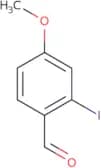
Discontinued product2-Iodo-4-methoxybenzaldehyde
CAS:<p>2-Iodo-4-methoxybenzaldehyde is a chiral compound that can be synthesized through an intramolecular, stereoselective cyclic annulation reaction. The key step in this process is the arylation of 2-iodo-4-methoxybenzaldehyde with ethyl bromide. This compound can also be synthesized by reacting 2-iodobenzoic acid with formaldehyde in the presence of a base. In addition, 2-Iodo-4-methoxybenzaldehyde can be produced by the sequence of nitrogen substitution and tricyclic annulation.</p>Formula:C8H7IO2Purity:Min. 95%Molecular weight:262.04 g/molRef: 3D-FEA46913
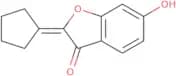
Discontinued product2-Cyclopentylidene-6-hydroxy-2,3-dihydro-1-benzofuran-3-one
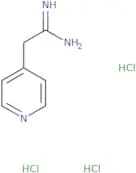
CAS:<p>Versatile small molecule scaffold</p>Formula:C13H12O3Purity:Min. 95%Molecular weight:216.23 g/mol2-(Pyridin-4-yl)ethanimidamide trihydrochloride
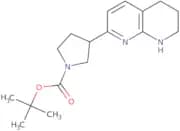
CAS:<p>Versatile small molecule scaffold</p>Formula:C7H12Cl3N3Purity:Min. 95%Molecular weight:244.5 g/moltert-Butyl 3-(5,6,7,8-tetrahydro-1,8-naphthyridin-2-yl)pyrrolidine-1-carboxylate
CAS:<p>Versatile small molecule scaffold</p>Formula:C17H25N3O2Purity:Min. 95%Molecular weight:303.4 g/molRef: 3D-FDD51811
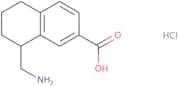
Discontinued product8-(Aminomethyl)-5,6,7,8-tetrahydronaphthalene-2-carboxylic acid hydrochloride
CAS:<p>Versatile small molecule scaffold</p>Formula:C12H16ClNO2Purity:Min. 95%Molecular weight:241.71 g/molRef: 3D-FDD50603
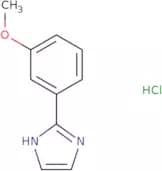
Discontinued product2-(3-Methoxyphenyl)-1H-imidazole hydrochloride
CAS:<p>Versatile small molecule scaffold</p>Formula:C10H11ClN2OPurity:Min. 95%Molecular weight:210.66 g/molRef: 3D-FDD49940
Discontinued product2-(2-methyl-1H-imidazol-1-yl)acetic acid hydrochloride
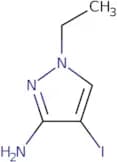
CAS:<p>Versatile small molecule scaffold</p>Formula:C6H9ClN2O2Purity:Min. 95%Molecular weight:176.6 g/mol1-Ethyl-4-iodo-1H-pyrazol-3-amine
CAS:<p>Versatile small molecule scaffold</p>Formula:C5H8IN3Purity:Min. 95%Molecular weight:237.04 g/molEthyl 2-cyano-2-methyl-3-phenylpropanoate
CAS:<p>Versatile small molecule scaffold</p>Formula:C13H15NO2Purity:Min. 95%Molecular weight:217.26 g/molRef: 3D-EEA87635
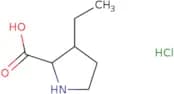
Discontinued product3-Ethylpyrrolidine-2-carboxylic acid hydrochloride
CAS:<p>Versatile small molecule scaffold</p>Formula:C7H14ClNO2Purity:Min. 95%Molecular weight:179.64 g/molRef: 3D-EEA75747
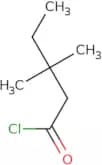
Discontinued product3,3-Dimethylpentanoyl chloride
CAS:<p>Versatile small molecule scaffold</p>Formula:C7H13ClOPurity:Min. 95%Molecular weight:148.63 g/molRef: 3D-EDA09784
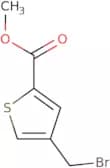
Discontinued productMethyl 4-(bromomethyl)thiophene-2-carboxylate
CAS:<p>Versatile small molecule scaffold</p>Formula:C7H7BrO2SPurity:Min. 95%Molecular weight:235.1 g/mol1-(4-Methylphenyl)-1H,4H,5H-pyrazolo[3,4-d]pyrimidin-4-one
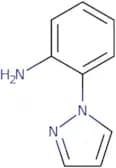
CAS:<p>Versatile small molecule scaffold</p>Formula:C12H10N4OPurity:Min. 95%Molecular weight:226.23 g/mol1-(2-Aminophenyl)-1H-pyrazole
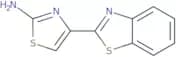
CAS:<p>1-(2-Aminophenyl)-1H-pyrazole is a chemical compound that is used in the synthesis of other compounds. It can be produced by various reactions from benzyl chloride and ammonia. The reactivity of 1-(2-aminophenyl)-1H-pyrazole has been studied using single crystal X-ray diffraction. This technique was used to determine the structure and reaction pathway of this molecule as well as to study its catalytic properties. 1-(2-Aminophenyl)-1H-pyrazole is a ligand that binds to metal ions, such as aluminium, in order to form complexes with different functional groups.</p>Formula:C9H9N3Purity:Min. 95%Molecular weight:159.19 g/mol4-(1,3-Benzothiazol-2-yl)-1,3-thiazol-2-amine
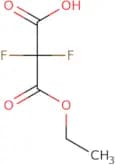
CAS:<p>Versatile small molecule scaffold</p>Formula:C10H7N3S2Purity:Min. 95%Molecular weight:233.3 g/mol3-Ethoxy-2,2-difluoro-3-oxopropanoic acid
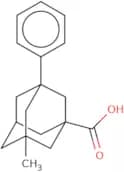
CAS:<p>Versatile small molecule scaffold</p>Formula:C5H6F2O4Purity:Min. 95%Molecular weight:168.1 g/mol3-Methyl-5-phenyladamantane-1-carboxylic acid
CAS:<p>Versatile small molecule scaffold</p>Formula:C18H22O2Purity:Min. 95%Molecular weight:270.4 g/molRef: 3D-EBA83536
Discontinued product1-[3-Fluoro-4-(piperidin-1-yl)phenyl]ethan-1-one
CAS:<p>Versatile small molecule scaffold</p>Formula:C13H16FNOPurity:Min. 95%Molecular weight:221.27 g/molRef: 3D-DBA69848
Discontinued product1-[(2-Bromoethyl)sulfanyl]-3-chlorobenzene
CAS:<p>Versatile small molecule scaffold</p>Formula:C8H8BrClSPurity:Min. 95%Molecular weight:251.57 g/molRef: 3D-DAA98371
Discontinued product4-Azatricyclo[9.4.0.0,3,8]pentadeca-1(15),3,5,7,11,13-hexaen-2-one
CAS:<p>Versatile small molecule scaffold</p>Formula:C14H11NOPurity:Min. 95%Molecular weight:209.24 g/molRef: 3D-DAA96473
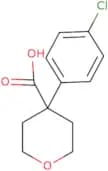
Discontinued product4-(4-Chloro-phenyl)-tetrahydro-pyran-4-carboxylic acid
CAS:<p>Versatile small molecule scaffold</p>Formula:C12H13ClO3Purity:Min. 95%Molecular weight:240.68 g/molRef: 3D-DAA64857
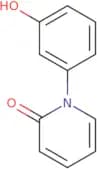
Discontinued product1-(3-Hydroxyphenyl)-1,2-dihydropyridin-2-one
CAS:<p>Versatile small molecule scaffold</p>Formula:C11H9NO2Purity:Min. 95%Molecular weight:187.19 g/molRef: 3D-DAA53460
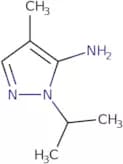
Discontinued product2-Isopropyl-4-methyl-2H-pyrazol-3-ylamine
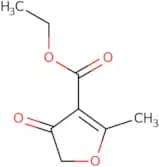
CAS:<p>Versatile small molecule scaffold</p>Formula:C7H13N3Purity:Min. 95%Molecular weight:139.2 g/molEthyl 2-Methyl-4-oxo-4,5-dihydro-3-furancarboxylate
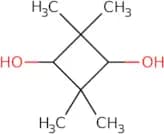
CAS:<p>Versatile small molecule scaffold</p>Formula:C8H10O4Purity:Min. 95%Molecular weight:170.16 g/mol2,2,4,4-Tetramethyl-1,3-cyclobutanediol, mixture of isomers
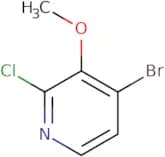
CAS:<p>Tetramethyl-1,3-cyclobutanediol is a diacid that can be used as a monomer for the production of polyesters. It has conformational properties that are different from other diols. Tetramethyl-1,3-cyclobutanediol is soluble in hydrochloric acid and reacts with coatings containing dibutyltin oxide to produce residues. This chemical also reacts with copper oxide, resulting in the formation of copper cyclohexanol and dibutyltin oxide. Tetramethyl-1,3-cyclobutanediol is able to react with carboxylic acids to form esters. This compound has been shown to be employed in the synthesis of polycarboxylic acids such as adipic acid and sebacic acid. Tetramethyl-1,3-cyclobutanediol has been used in the production of polyester resins by reacting with ethylene glycol and tere</p>Formula:C8H16O2Purity:Min. 95%Molecular weight:144.21 g/mol4-Bromo-2-chloro-3-methoxypyridine
CAS:<p>Versatile small molecule scaffold</p>Formula:C6H5BrClNOPurity:Min. 95%Molecular weight:222.47 g/molRef: 3D-CZB56335
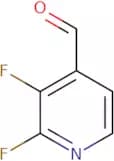
Discontinued product2,3-Difluoro-4-pyridinecarboxaldehyde
CAS:<p>Versatile small molecule scaffold</p>Formula:C6H3F2NOPurity:Min. 95%Molecular weight:143.09 g/molRef: 3D-CZB50265
Discontinued product2-{7-Methyl-3H-imidazo[4,5-b]pyridin-2-yl}acetonitrile
CAS:<p>Versatile small molecule scaffold</p>Formula:C9H8N4Purity:Min. 95%Molecular weight:172.19 g/molRef: 3D-CYA77713
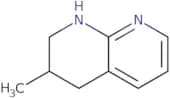
Discontinued product3-Methyl-1,2,3,4-tetrahydro-1,8-naphthyridine
CAS:<p>Versatile small molecule scaffold</p>Formula:C9H12N2Purity:Min. 95%Molecular weight:148.2 g/molRef: 3D-CWD82961
Discontinued productMethyl 2-amino-2-(1-hydroxycyclohexyl)acetate hydrochloride
CAS:<p>Versatile small molecule scaffold</p>Formula:C9H18ClNO3Purity:Min. 95%Molecular weight:223.7 g/molRef: 3D-CWD82898
Discontinued product4-(1-Phenyl-1H-pyrazol-4-yl)-1H-pyrrole-3-carboxylic acid
CAS:<p>Versatile small molecule scaffold</p>Formula:C14H11N3O2Purity:Min. 95%Molecular weight:253.26 g/molRef: 3D-CWB96426
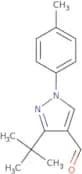
Discontinued product3-tert-Butyl-1-(4-methylphenyl)-1H-pyrazole-4-carbaldehyde
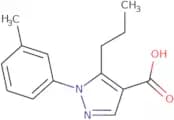
CAS:<p>Versatile small molecule scaffold</p>Formula:C15H18N2OPurity:Min. 95%Molecular weight:242.32 g/mol1-(3-Methylphenyl)-5-propyl-1H-pyrazole-4-carboxylic acid
CAS:Versatile small molecule scaffoldFormula:C14H16N2O2Purity:Min. 95%Molecular weight:244.29 g/molRef: 3D-CWB88210
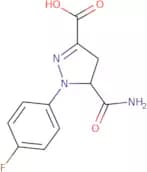
Discontinued product5-Carbamoyl-1-(4-fluorophenyl)-4,5-dihydro-1H-pyrazole-3-carboxylic acid
CAS:<p>Versatile small molecule scaffold</p>Formula:C11H10FN3O3Purity:Min. 95%Molecular weight:251.21 g/molRef: 3D-CWB88087
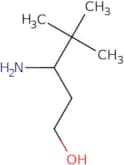
Discontinued product3-Amino-4,4-dimethylpentan-1-ol
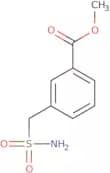
CAS:<p>Versatile small molecule scaffold</p>Formula:C7H17NOPurity:Min. 95%Molecular weight:131.22 g/molMethyl 3-(sulfamoylmethyl)benzoate
CAS:<p>Versatile small molecule scaffold</p>Formula:C9H11NO4SPurity:Min. 95%Molecular weight:229.26 g/molRef: 3D-BQB40412
Discontinued product1-(1-Benzothiophen-2-yl)-2-methoxyethan-1-one
CAS:<p>Versatile small molecule scaffold</p>Formula:C11H10O2SPurity:Min. 95%Molecular weight:206.3 g/molRef: 3D-BPC71122
Discontinued productMethyl N-[4-(chlorosulfonyl)-2-nitrophenyl]carbamate
CAS:<p>Versatile small molecule scaffold</p>Formula:C8H7ClN2O6SPurity:Min. 95%Molecular weight:294.67 g/molRef: 3D-BPC25920
Discontinued product3-(4-Phenylpiperazin-1-yl)propanehydrazide
CAS:<p>Versatile small molecule scaffold</p>Formula:C13H20N4OPurity:Min. 95%Molecular weight:248.32 g/molRef: 3D-BNA91858
Discontinued product3-[(2-Methyl-2,3-dihydro-1H-indol-1-yl)sulfonyl]benzoic acid
CAS:Controlled Product<p>3-[(2-Methyl-2,3-dihydro-1H-indol-1-yl)sulfonyl]benzoic acid is a synthetic sulfonamide that has been used as an inhibitor of the protein tyrosine phosphatase SHP2. In cell biology, it has been used as a research tool to study the cellular functions of proteins such as ion channels and receptors. 3-[(2-Methyl-2,3-dihydro-1H-indol-1-yl)sulfonyl]benzoic acid can be used in pharmacology to study the effects of ligands on cells or tissue. It is also known to activate certain receptors in the brain and central nervous system. This compound is highly pure with a CAS number of 326619-13-0, and it has an ionization constant (pKa) of 7.6 at pH 7.4.</p>Formula:C16H15NO4SPurity:Min. 95%Molecular weight:317.4 g/molRef: 3D-BNA61913
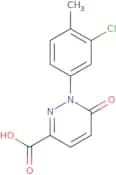
Discontinued product1-(3-Chloro-4-methylphenyl)-6-oxo-1,6-dihydropyridazine-3-carboxylic acid
CAS:<p>Versatile small molecule scaffold</p>Formula:C12H9ClN2O3Purity:Min. 95%Molecular weight:264.66 g/molRef: 3D-BMB25615
Discontinued producttert-butyl 4-[(tetramethyl-1,3,2-dioxaborolan-2-yl)methylidene]piperidine-1-carboxylate
CAS:<p>Versatile small molecule scaffold</p>Formula:C17H30BNO4Purity:Min. 95%Molecular weight:323.2 g/mol3-Methylbenzo[b]thiophene-2-carboxylic acid
CAS:<p>3-Methylbenzo[b]thiophene-2-carboxylic acid (MBTCA) is a heterocyclic compound that is an intermediate in the synthesis of 3-methylthiophene-2-carboxylic acid, a precursor to other drugs. MBTCA is an aerobic, nonpolar compound that has shown antimicrobial activity against some bacteria and fungi. It also has been shown to have practicality as a biomolecular probe for methyl groups in organic solvents. MBTCA can be synthesized by nitration of benzene in the presence of sulfur and sulfoxides. This reaction produces nitrobenzene, which can then be oxidized by potassium permanganate or hydrogen peroxide to produce MBTCA. The most common isomer of MBTCA is 2-(3,5-dimethoxybenzylidene)tetrahydrofuran, with three methyl groups on the</p>Formula:C10H8O2SPurity:Min. 95%Molecular weight:192.23 g/mol2-Acetylbenzoic acid
CAS:<p>2-Acetylbenzoic acid is a functional molecule that contains an acetyl group. It can form hydrogen bonds with other molecules and has been shown to induce apoptosis in cells. The reaction products of 2-acetylbenzoic acid are malonic acid, acetylsalicylic acid, and 2-benzoylbenzoic acid. These three compounds are made by the addition of hydrogen or hydroxide to the molecule 2-acetylbenzoic acid. The molecule has two functional groups: a carbonyl group and an acetyl group. The chemical structure of this molecule can be seen in the figure below.<br>2-Acetylbenzoic Acid</p>Formula:C9H8O3Purity:Min. 95%Color and Shape:PowderMolecular weight:164.16 g/molRef: 3D-FA05086
Discontinued product(2S,3R)-2-((((9H-Fluoren-9-yl)methoxy)carbonyl)amino)-3-methoxybutanoic acid
CAS:<p>Versatile small molecule scaffold</p>Formula:C20H21NO5Purity:Min. 95%Molecular weight:355.4 g/mol2-Bromo-3,3,3-trifluoro-1-propene
CAS:Controlled Product<p>2-Bromo-3,3,3-trifluoro-1-propene is a chemical compound that has been synthesized in an asymmetric reaction. The reactant is bromopropane and the product is 2,2,2-trifluoropropene. The methylene group on the propene molecule is activated by the nucleophilic attack of a fluoride ion from hydrogen fluoride to form a cavity with a highly strained bond. The kinetic study of this reaction revealed that the activation energy for the reaction is 42 kJ/mol. Palladium-catalyzed coupling reactions are catalyzed by palladium and require nonpolar solvents such as toluene or dichloromethane. This type of reaction has been shown to be exothermic with an isolated yield of 1%.</p>Formula:C3H2BrF3Purity:Min. 95%Color and Shape:Colorless PowderMolecular weight:174.95 g/mol3-[5-(Aminomethyl)-1-oxo-2,3-dihydro-1H-isoindol-2-yl]piperidine-2,6-dione hydrochloride
CAS:<p>Versatile small molecule scaffold</p>Formula:C14H16ClN3O3Purity:Min. 95%Molecular weight:309.75 g/mol2-Bromo-4-(4-fluorophenyl)-1,3-thiazole
CAS:<p>Versatile small molecule scaffold</p>Formula:C9H5NFSBrPurity:Min. 95%Molecular weight:258.11 g/mol3-(Methoxycarbonyl)pyridine-4-carboxylic acid
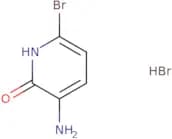
CAS:<p>Versatile small molecule scaffold</p>Formula:C8H7NO4Purity:Min. 95%Molecular weight:181.15 g/mol3-amino-6-bromopyridin-2-ol hydrobromide
CAS:<p>Versatile small molecule scaffold</p>Formula:C5H6Br2N2OPurity:Min. 95%Molecular weight:269.9 g/mol6,6-Difluorospiro[3.3]heptan-2-amine Hydrochloride
CAS:<p>Versatile small molecule scaffold</p>Formula:C7H11F2N·HClPurity:Min. 95%Molecular weight:147.17 g/mol1-[3-(Dimethylamino)propyl]-1-(4-fluorophenyl)-1,3-dihydro-3-oxo-5-isobenzofurancarbonitrile
CAS:<p>Please enquire for more information about 1-[3-(Dimethylamino)propyl]-1-(4-fluorophenyl)-1,3-dihydro-3-oxo-5-isobenzofurancarbonitrile including the price, delivery time and more detailed product information at the technical inquiry form on this page</p>Formula:C20H19FN2O2Purity:Min. 95%Molecular weight:338.38 g/molRef: 3D-FD184085
Discontinued producttert-Butyl 5-bromo-3,4-dihydro-2,7-naphthyridine-2(1H)-carboxylate
CAS:<p>Versatile small molecule scaffold</p>Formula:C13H17BrN2O2Purity:Min. 95%Molecular weight:313.19 g/mol3-Boc-3-azabicyclo[3.2.1]octan-8-amine
CAS:<p>Versatile small molecule scaffold</p>Formula:C12H22N2O2Purity:Min. 95%Molecular weight:226.32 g/molH-Ser-Ala-Glu-Glu-Tyr-Glu-Tyr-Pro-Ser OH trifluoroacetate
CAS:<p>Please enquire for more information about H-Ser-Ala-Glu-Glu-Tyr-Glu-Tyr-Pro-Ser OH trifluoroacetate including the price, delivery time and more detailed product information at the technical inquiry form on this page</p>Formula:C47H63N9O20•(C2HF3O2)xPurity:Min. 95%Ref: 3D-FS183525
Discontinued productGivinostat hydrochloride
CAS:<p>Givinostat hydrochloride is a research chemical that has shown potential in various fields. It is a molybdenum-based compound that has been studied for its effects on dopamine release and hydrogen evolution. Givinostat hydrochloride has also been investigated as an osteoclast inhibitor, which may be beneficial in the treatment of bone-related disorders such as osteoporosis. Additionally, it has shown promise as a retinoid and calpain inhibitor, suggesting its potential use in dermatological conditions and neurodegenerative diseases. The compound contains fluorine atoms, making it suitable for imaging studies using fluorine MRI techniques. Givinostat hydrochloride has been tested on MDA-MB-231 cells and has shown inhibitory effects on their growth, indicating its potential as an anticancer agent.</p>Formula:C24H27N3O4·HClPurity:Min. 95%Molecular weight:457.95 g/mol

![{1-[(2,5-Difluorophenyl)methyl]piperidin-3-yl}methanol](/_next/image/?url=https%3A%2Fstatic.cymitquimica.com%2Fproducts%2F3D%2Fthumb-webp%2FQRA95269.webp&w=3840&q=75)
![7-(Bromomethyl)-6-oxaspiro[3.5]nonane](/_next/image/?url=https%3A%2Fstatic.cymitquimica.com%2Fproducts%2F3D%2Fthumb-webp%2FQID71156.webp&w=3840&q=75)
![1-[2-(4-Bromophenoxy)ethyl]-4-methylpiperazine dihydrochloride](/_next/image/?url=https%3A%2Fstatic.cymitquimica.com%2Fproducts%2F3D%2Fthumb-webp%2FQDA23668.webp&w=3840&q=75)
![tert-Butyl 1,4-diazaspiro[5.5]undecane-4-carboxylate](/_next/image/?url=https%3A%2Fstatic.cymitquimica.com%2Fproducts%2F3D%2Fthumb-webp%2FLKB76644.webp&w=3840&q=75)
![3-Methyl-4-[5-(propan-2-yl)-1H-1,2,3,4-tetrazol-1-yl]aniline hydrochloride](/_next/image/?url=https%3A%2Fstatic.cymitquimica.com%2Fproducts%2F3D%2Fthumb-webp%2FLIC70757.webp&w=3840&q=75)
![2-Chloro-1-[4-(methylsulfanyl)phenyl]ethan-1-one](/_next/image/?url=https%3A%2Fstatic.cymitquimica.com%2Fproducts%2F3D%2Fthumb-webp%2FJEA60724.webp&w=3840&q=75)
![5-[(tert-Butoxy)carbonyl]-2-oxa-5-azabicyclo[2.2.1]heptane-4-carboxylic acid](/_next/image/?url=https%3A%2Fstatic.cymitquimica.com%2Fproducts%2F3D%2Fthumb-webp%2FJCD36379.webp&w=3840&q=75)

![5-Methyl-5H,6H,7H,8H-imidazo[1,2-a]pyridine-2-sulfonyl chloride](/_next/image/?url=https%3A%2Fstatic.cymitquimica.com%2Fproducts%2F3D%2Fthumb-webp%2FJBD31873.webp&w=3840&q=75)
![[1-(1-Amino-2-methylpropyl)cyclopent-3-en-1-yl]methanol hydrochloride](/_next/image/?url=https%3A%2Fstatic.cymitquimica.com%2Fproducts%2F3D%2Fthumb-webp%2FJBD31750.webp&w=3840&q=75)
![6-({[(tert-Butoxy)carbonyl]amino}methyl)-2-cyclopropylpyridine-3-carboxylic acid](/_next/image/?url=https%3A%2Fstatic.cymitquimica.com%2Fproducts%2F3D%2Fthumb-webp%2FHHC67821.webp&w=3840&q=75)
![tert-Butyl N-[1-amino-1-(2-methoxyphenyl)propan-2-yl]carbamate](/_next/image/?url=https%3A%2Fstatic.cymitquimica.com%2Fproducts%2F3D%2Fthumb-webp%2FHFD39036.webp&w=3840&q=75)
![2-{[(tert-Butoxy)carbonyl]amino}-4-methanesulfinylbutanoic acid](/_next/image/?url=https%3A%2Fstatic.cymitquimica.com%2Fproducts%2F3D%2Fthumb-webp%2FHCA49645.webp&w=3840&q=75)
![1,3-Dichloro-5,6-dihydro-4H-cyclopenta[c]thiophen-4-one](/_next/image/?url=https%3A%2Fstatic.cymitquimica.com%2Fproducts%2F3D%2Fthumb-webp%2FHAA68779.webp&w=3840&q=75)


![[1-(Methoxymethyl)cyclopent-2-en-1-yl]methanol](/_next/image/?url=https%3A%2Fstatic.cymitquimica.com%2Fproducts%2F3D%2Fthumb-webp%2FFPD80424.webp&w=3840&q=75)
![rac-(3R,3aR,6aS)-Octahydrocyclopenta[b]pyrrol-3-ol hydrochloride](/_next/image/?url=https%3A%2Fstatic.cymitquimica.com%2Fproducts%2F3D%2Fthumb-webp%2FFPD80023.webp&w=3840&q=75)


![1-(4-Methylphenyl)-1H,4H,5H-pyrazolo[3,4-d]pyrimidin-4-one](/_next/image/?url=https%3A%2Fstatic.cymitquimica.com%2Fproducts%2F3D%2Fthumb-webp%2FECA73875.webp&w=3840&q=75)
![1-[3-Fluoro-4-(piperidin-1-yl)phenyl]ethan-1-one](/_next/image/?url=https%3A%2Fstatic.cymitquimica.com%2Fproducts%2F3D%2Fthumb-webp%2FDBA69848.webp&w=3840&q=75)
![1-[(2-Bromoethyl)sulfanyl]-3-chlorobenzene](/_next/image/?url=https%3A%2Fstatic.cymitquimica.com%2Fproducts%2F3D%2Fthumb-webp%2FDAA98371.webp&w=3840&q=75)
![4-Azatricyclo[9.4.0.0,3,8]pentadeca-1(15),3,5,7,11,13-hexaen-2-one](/_next/image/?url=https%3A%2Fstatic.cymitquimica.com%2Fproducts%2F3D%2Fthumb-webp%2FDAA96473.webp&w=3840&q=75)
![2-{7-Methyl-3H-imidazo[4,5-b]pyridin-2-yl}acetonitrile](/_next/image/?url=https%3A%2Fstatic.cymitquimica.com%2Fproducts%2F3D%2Fthumb-webp%2FCYA77713.webp&w=3840&q=75)


![Methyl N-[4-(chlorosulfonyl)-2-nitrophenyl]carbamate](/_next/image/?url=https%3A%2Fstatic.cymitquimica.com%2Fproducts%2F3D%2Fthumb-webp%2FBPC25920.webp&w=3840&q=75)

![3-[(2-Methyl-2,3-dihydro-1H-indol-1-yl)sulfonyl]benzoic acid](/_next/image/?url=https%3A%2Fstatic.cymitquimica.com%2Fproducts%2F3D%2Fthumb-webp%2FBNA61913.webp&w=3840&q=75)
![tert-butyl 4-[(tetramethyl-1,3,2-dioxaborolan-2-yl)methylidene]piperidine-1-carboxylate](/_next/image/?url=https%3A%2Fstatic.cymitquimica.com%2Fproducts%2F3D%2Fthumb-webp%2FAHC97061.webp&w=3840&q=75)
![3-Methylbenzo[b]thiophene-2-carboxylic acid](/_next/image/?url=https%3A%2Fstatic.cymitquimica.com%2Fproducts%2F3D%2Fthumb-webp%2FDAA13378.webp&w=3840&q=75)


![3-[5-(Aminomethyl)-1-oxo-2,3-dihydro-1H-isoindol-2-yl]piperidine-2,6-dione hydrochloride](/_next/image/?url=https%3A%2Fstatic.cymitquimica.com%2Fproducts%2F3D%2Fthumb-webp%2FIWB26469.webp&w=3840&q=75)


![6,6-Difluorospiro[3.3]heptan-2-amine Hydrochloride](/_next/image/?url=https%3A%2Fstatic.cymitquimica.com%2Fproducts%2F3D%2Fthumb-webp%2FYGC03271.webp&w=3840&q=75)
![1-[3-(Dimethylamino)propyl]-1-(4-fluorophenyl)-1,3-dihydro-3-oxo-5-isobenzofurancarbonitrile](/_next/image/?url=https%3A%2Fstatic.cymitquimica.com%2Fproducts%2F3D%2Fthumb-webp%2FFD184085.webp&w=3840&q=75)

![3-Boc-3-azabicyclo[3.2.1]octan-8-amine](/_next/image/?url=https%3A%2Fstatic.cymitquimica.com%2Fproducts%2F3D%2Fthumb-webp%2FFDC76351.webp&w=3840&q=75)